Arts

Home Arts Page 129

The Future of Web3 AI Gaming: Innovations and Opportunities

0
The Future of Web3 AI Gaming: Innovations and Opportunities


Big gaming companies often shape the player experience—but not always for the better. From costly in-game purchases to pay-to-win systems, their monetization practices can impact gamers in significant ways. Today, the gaming world is starting to look different. Terms like “Web3” and “AI” now shape conversations about how games are created, played, and owned. These are not just buzzwords; they are changing the very nature of interactive entertainment.

What Is Web3 Gaming?

Web3 gaming is a new way of making and playing games using blockchain technology. In older games, you never truly owned your in-game items. They stayed on the company’s servers. If the servers shut down or the game ended, your items vanished. Web3 gaming changes this by storing your in-game assets on a decentralized network. This gives you real control and ownership over digital items like swords, skins, or special characters.

Because of this system, these items can have real-world value. You can trade them, sell them, or move them between different games if they’re compatible. Think of it like collecting rare cards or stamps. The difference is that these collectibles live online.

How AI Fits In

Artificial intelligence (AI) is becoming a part of this new gaming world. Instead of making one-size-fits-all games, developers can use AI models that learn from how you play. For example, if you like sneaking around instead of fighting head-on the AI can offer missions that fit your playstyle. The AI might suggest a new approach if you get stuck on a tough boss. This makes the game feel more personal, as if it knows you and adapts to you.

Look at AI Arena, where you can train and battle AI-powered characters. Over time, these characters improve and learn from how they play. Another example is ChibiClash, where AI generates unique characters and even non-playable characters (NPCs) that react in smart ways. These NPCs don’t just follow a script. They respond to your actions, making the game world feel more alive.

Helping Game Developers

Making games is hard work, taking years and large teams to create a single title. AI tools and services are now reducing this time and effort. With AI, a developer can quickly create new items, characters, and even entire levels. Instead of coding every detail by hand, they can focus on the fun parts—like designing great stories and challenges.

Consider what’s happening at Planet Mojo, a Web3 gaming ecosystem. They use something called the Mojo AI Platform, which mixes AI-driven agents with Web3 tools. Their first AI agent, EMMA, helps players by offering tips in their game Mojo Melee.

EMMA also manages the official social media account, interacting with the community and sharing updates.

Source Mojo Melee

Generative AI and Faster Creation

Generative AI is a type of AI that can produce new content, like art, dialogue, or 3D models, in seconds. This makes game development cheaper and faster. Imagine a small team that wants to create a large, detailed world.

Before, they might have needed dozens of artists and writers working for months. Now, they can use generative AI tools to build much of that world quickly. That means more time to add fun gameplay features and storylines that players love.

Adaptive Stories and Immersion

AI can also change how stories are told. Instead of giving every player the same story, AI can adapt the plot to your choices and playstyle. If you play like a hero who is always helping those in need, the game might offer you more heroic quests. Over time, you get a unique story that feels like it was written just for you.

AI can join you on your journey, learn from your actions and give you advice as you play. This makes each playthrough feel personal. You’re not just following a script; you’re shaping the story.

Challenges and Concerns

All these exciting changes come with risks. If AI creates content, who owns it? If someone uses AI to make fake or harmful items, how do we stop it? Bias in AI models could cause unfair treatment or strange in-game behaviour.

Developers need to set rules and keep an eye on what AI is doing. They must ensure fairness and safety for all players. Communities can help by reporting bad behaviour and staying involved. Clear rules, careful monitoring, and constant improvements can keep gaming fair, fun, and respectful.

A Glimpse into the Future

We’re still at the start of this Web3 AI gaming journey. Many players haven’t tried these new experiences yet. However, as time goes on, more people will discover the benefits of owning their digital items and playing games that adapt to their preferences.

In the future, you might keep your in-game assets in a digital wallet, trading them across multiple titles. You might have AI companions who remember your past achievements and suggest new challenges that fit your skill level.

All of this could lead to a more creative, player-driven gaming world. With blockchain ensuring true ownership, and AI making each game session unique, there is a chance to build something special.

Editor’s note: Written with the assistance of AI – Edited and fact-checked by Jason Newey.

Jason Newey

Jason Newey is a seasoned journalist specializing in NFTs, the Metaverse, and Web3 technologies. With a background in digital media and blockchain technology, he adeptly translates complex concepts into engaging, informative articles.

View all posts


Source link

NFT Project CyberKongz Receives Wells Notice from SEC – Cryptoflies News

0
NFT Project CyberKongz Receives Wells Notice from SEC – Cryptoflies News


2

Non-fungible token (NFT) project CyberKongz has disclosed that it received a Wells notice from the U.S. Securities and Exchange Commission (SEC), signaling an investigation into potential violations of securities laws.  

CyberKongz shared the news on December 16 through a post on X (Twitter). The team expressed frustration with the SEC’s stance, stating, “We are extremely disappointed at the approach the SEC has taken towards us, but we are going to stand up and fight.”  

The SEC’s Division of Enforcement reportedly raised concerns over the project’s use of tokens in connection with blockchain gaming. According to CyberKongz, the agency has communicated that “you can not have a token (ERC-20) in tandem with a blockchain game without registering it as a security.”  

Another point of contention is the ‘sale’ of Genesis Kongz in April 2021. CyberKongz maintains that the event was a contract migration, not a token sale. 

The project began in March 2021 as a collection of pixelated gorilla profile pictures and describes itself as a small community-driven initiative. In the post, the team emphasized it has never raised capital or held a large treasury.  

You Might Be Interested In

CyberKongz framed the SEC notice as a turning point for its community. “This is the start of a new beginning,” the post stated. “One without the burden of us suffering in silence and working in fear. It is time for CyberKongz to push forward without this holding us back.”  

This development places CyberKongz among a growing list of Web3 projects under regulatory scrutiny. In recent months, the SEC has intensified its focus on NFTs, arguing that some could qualify as securities.  

In August, NFT marketplace OpenSea received a Wells notice from the SEC. CEO Devin Finzer criticized the move and pledged $5 million to assist affected creators. Immutable received a similar notice last month, potentially tied to its IMX token.  

The SEC has pursued legal action against several NFT-related projects. The Flyfish Club, an NFT-based dining venture, settled for $750,000 in September after being accused of offering unregistered securities. 

Impact Theory, a media company, was fined $6.1 million last year for its “Founder’s Keys” NFT series. Other cases include Stoner Cats, which paid a $1 million penalty, and Dapper Labs, which resolved a lawsuit over NBA Top Shot NFTs for $4 million.  

The wave of enforcement has reignited calls for clearer regulations. In July, two artists filed a lawsuit against the SEC, seeking clarification on whether NFTs should be classified as securities. The Digital Chamber, a blockchain advocacy group, has also urged Congress to consider defining certain NFTs as consumer goods instead of securities.  


Source link

Top NFT Collections – December 18, 2024 | NFT CULTURE | NFT News | Web3 Culture | NFTs & Crypto Art

0
Top NFT Collections – December 18, 2024 | NFT CULTURE | NFT News | Web3 Culture | NFTs & Crypto Art


Top NFT Collections (Last 24h)

Rank

Name
Volume
Transactions
Chains
URL

1

Pudgy Penguins
12,358.62 ETH
661
ethereum
View

2
Lil Pudgys
Lil Pudgys
4,796.29 ETH
2383
ethereum
View

3
Azuki
Azuki
2,305.60 ETH
212
ethereum
View

4
Azuki Elementals
Azuki Elementals
511.60 ETH
361
ethereum
View

5
Pudgy Rods
Pudgy Rods
488.64 ETH
516
ethereum
View

6
CryptoPunks
CryptoPunks
428.49 ETH
10
ethereum
View

7
Bored Ape Yacht Club
389.46 ETH
21
ethereum
View

8
Doodles
Doodles
343.81 ETH
78
ethereum
View

9
Zeeverse: Lands
Zeeverse: Lands
302.32 ETH
749
ethereum
View

10
Moonbirds
Moonbirds
225.25 ETH
202
ethereum
View

The post Top NFT Collections – December 18, 2024 appeared first on NFT CULTURE.


Source link

How to Get Free NFT Drops in Web3 Gaming: A Complete Beginner’s Guide

0
How to Get Free NFT Drops in Web3 Gaming: A Complete Beginner’s Guide


As Web3 gaming grows, free NFT drops are appearing everywhere, allowing you to build a digital portfolio without spending any money. Whether you’re a seasoned crypto gamer or a total newbie, knowing how to spot and take advantage of these drops will give you an advantage in the blockchain gaming space. In this guide, we’ll go over proven methods, tools and tips to get free NFT drops in Web3 gaming and avoid the pitfalls.

Understanding NFT Drops and Their Value

What Are NFT Drops?

NFT drops are special events where developers, brands or gaming platforms release a limited amount of Non-Fungible Tokens (NFTs) for free or at a discounted price. Unlike regular NFT sales, drops happen at set times and reward those who act fast. These digital collectibles can be character skins and weapons or virtual real estate in metaverse style games.

Why Developers and Brands Offer Free NFT Drops

Free NFT drops aren’t just giveaways – they’re marketing tools. By giving out free NFTs, blockchain game developers build loyalty, community engagement and word-of-mouth growth. Early adopters become ambassadors and help these games and platforms reach a wider audience.

Preparing to Claim Free NFT Drops

Choosing the Right Wallet and Blockchain

Before you go looking for free NFT drops make sure you have an NFT gaming wallet that’s compatible and secure. Popular options are MetaMask (for Ethereum and compatible networks), Phantom (for Solana) and other reputable wallets. Storing your private keys safely is key to keeping any assets you get.

Following Official Channels and Communities

Stay updated. Join official Discord servers, follow developers on Twitter, and participate in community Telegram groups. These channels often post about upcoming NFT airdrops, promotional events and in-game rewards. By engaging with these communities directly you’ll get the inside scoop to get those free NFTs before everyone else.

Staying Informed with NFT Calendars and Tools

To avoid missing out on drops, use NFT drop trackers and calendars. These platforms list upcoming drops so you can plan ahead. Set alerts or reminders so when a drop happens (especially for highly anticipated Web3 games) you’ll be ready to claim your reward.

Proven Strategies to Get Free NFT Drops in Web3 Games

Early Access and Beta Testing

Many Web3 games reward their early supporters. By joining alpha or beta tests you can sometimes get free NFT airdrops as a thank you for providing feedback. Keep an eye on new games launching on platforms like Gala Games or Enjin to get those early perks.

Play-to-Earn and In-Game Achievements

Some play-to-earn games reward active play with free NFTs. Reaching certain milestones, completing daily quests or participating in special events can get you digital collectibles that can appreciate in value over time.

Social Media Campaigns and Giveaways

Developers and influencers run promotions on Twitter, YouTube and Discord. Simply follow, like or retweet posts can get you NFT giveaways. Make sure to only engage with verified accounts and use official links to avoid scams.

Influencer and Partnered Drops

Influencers, streamers and established Web3 brands sometimes partner on drops. Keep an eye on your favorite content creators – they may share exclusive access codes or host private giveaways so you can get free NFTs.

Staking and GameFi Yield Programs

Some GameFi projects reward token holders with free NFTs. By staking tokens tied to a gaming ecosystem you can earn passive income and get bonus NFT distributions. This isn’t risk-free but can pay off if you believe in the project’s long-term success.

Platforms That Offer Free NFT Drops

Web3 Gaming Marketplaces

OpenSea, Magic Eden and Immutable X sometimes host NFT promotions. Free giveaways aren’t always guaranteed but following these platforms’ announcements will increase your chances of getting valuable NFTs.

Developer Launchpads and Launch Events

Launchpads like Seedify or Enjin’s ecosystem often launch new Web3 games with NFT giveaways to create buzz around the community. By participating in these early events you can get exclusive items that will never be released again.

Layer 2 Solutions and Scaling Protocols

Blockchain networks like Polygon or Arbitrum sometimes run low-fee or no-fee NFT distribution campaigns. Because transactions are cheaper and faster on Layer 2 solutions game developers are more likely to reward early supporters with free NFT drops.

How to Avoid Scams and Stay Safe

Verify Authenticity

Always check if announcements come from official sources. Check contract addresses, follow verified social media handles and review documentation on a project’s website. If it seems too good to be true it usually is.

Scammers love the hype around free NFT drops. Don’t click on suspicious links, never share your private keys and use wallets and marketplaces that prioritize user security.

Use Reputable News Sources

Stay up to date with NFT news outlets and Web3 gaming blogs such as NFT News Today. Relying on credible sources will reduce your chances of getting scammed and ensure any NFTs you claim are legit.

Case Studies: Free NFT Drops That Worked

Example 1: Axie Infinity’s Early Bird Rewards

Early Axie Infinity players who got in before the hype got free NFTs that are now super valuable. Getting in on a platform before it goes mainstream can be very beneficial.

Gala Games often involves its community in promotions. Community members who attended AMAs, beta tests or social media campaigns got free in-game items and overall better gaming experience.

FAQ

How often do free NFT drops happen?

It varies. Some projects drop monthly or quarterly, while others only during special events or game milestones.

Can I Sell the NFTs I get for free?

Yes. Most NFTs, including those from free drops, can be listed on secondary marketplaces. Their value may fluctuate, so timing and market research are important.

Do I need cryptocurrency to claim free NFTs?

Not always. Many free NFT drops only require a compatible wallet address. However, some projects might need you to have a small amount of crypto to cover network fees.

Are free NFT drops always valuable?

Not always. Some NFTs appreciate over time while others have little to no value. The key is to research projects and claim drops from games that are long term focused.

Summary

Free NFT drops in Web3 gaming is all about being informed, joining the right communities and knowing where to look. Follow official announcements, use reliable tools and carefully choose which games to play and you can accumulate a portfolio of digital collectibles without spending any crypto upfront. Just be vigilant, use secure wallets and follow NFT news sources to maximize your chances.

Editor’s note: This article was written with the assistance of AI. Edited and fact-checked by Owen Skelton.

Owen Skelton

Owen Skelton is an experienced journalist and editor with a passion for delivering insightful and engaging content. As Editor-in-Chief, he leads a talented team of writers and editors to create compelling stories that inform and inspire.

View all posts


Source link

Nifty Island Aims Beyond Its Token Launch, Putting Players in the Driver’s Seat

0
Nifty Island Aims Beyond Its Token Launch, Putting Players in the Driver’s Seat


If you’ve taken part in Web3 gaming before, you’ve probably caught glimpses of its vast potential: open economies, true digital ownership, and vibrant communities.

However, we often see flashy token launches followed by empty promises and abandoned projects. As they launch their ISLAND token, Nifty Island is building with patience and purpose to realize that potential. It uses its token as a starting point for a community-driven world where players and creators shape the future together.

What Nifty Island Is All About

So, what exactly is Nifty Island? Think of it as a digital playground filled with “islands” that you can customize from top to bottom. It has a bit of that Roblox feel but in a way that encourages players to bring in their favourite NFTs and build something they’re proud of.

It’s a world where you host friends, run events, and show off your creations. They’ve teamed up with various Web3 communities to keep things fresh so players can actually feel like part of something growing and evolving over time.

Source Nifty Island

Why the ISLAND Token Matters

In many crypto projects, tokens come first, and the fun comes later—if at all. Nifty Island flips that script. The ISLAND token is meant to give you a real stake in this evolving universe. Sure, it’s a currency for in-game items and upgrades, but it’s also a tool for shaping its world.

By staking ISLAND, you can get your hands on exclusive resources, speed up how fast you earn rewards, and even have a say in the platform’s direction. LayerZero’s omnichain tech ensures these tokens can work across multiple blockchains.

To break it down: the more ISLAND you hold and stake, the more influence you have. Maybe you want larger plots of land to build your dream island or access unique consumables.

On Nifty Island, rewards are built to keep players genuinely engaged. They’re putting aside 175 million ISLAND tokens in a rewards pool that you can tap into simply by playing, hosting events, and diving into daily challenges.

Furthermore, Market-Driven UGC Gaming (MUG) is expected to go live in 2025, changing how players and creators connect. Creators will be able to launch tokens tied to their in-game work, tradable with $ISLAND. Players can discover new tokens, follow their favourite creators, and trade based on what’s hot.

Token Allocation: A Long-Term Commitment

Before the token launch, Nifty Island ran a Play-to-Airdrop (P2A) campaign. Instead of handing out tokens randomly, they gave them to players who spent time on the platform.

Nifty Island’s token allocation looks like it is carefully planned to build trust and stability. About 10% of the total supply (100 million out of 1 billion) went to the P2A campaign, rewarding early players for their genuine engagement. The Rewards Pool holds 17.5% to keep players motivated over time.

There’s also a Community Pool (40%), Ecosystem Incentives (10%), and a small 1% set aside for exchange liquidity. Investors and advisors get 30%—but most of it is locked up for years, slowly released over time. The team’s 20% is also locked for multiple years, aligning everyone’s incentives around long-term growth. The Project Treasury (9%) stands ready to fund future projects and expansions.

Source Nifty Island

An Inclusive Ecosystem That Grows with You

One of the biggest complaints about online games is feeling like you’re stuck with whatever the developers churn out. Nifty Island sees it differently. They want players to guide the ecosystem. If you’re a creator who dreams of building massive virtual spaces for other people to explore, holding and staking ISLAND can open doors to more platform resources.

Furthermore, as the community grows, staking ISLAND tokens will add more ways for holders to influence what happens next through governance, receive rewards, earn consumable items, and access gated quests.

It’s worth noting that Nifty Island has strong backing. They’ve raised more than $20 million in pre-seed funding, and investors have signed up for long lock-up periods. Why does that matter? It shows that this isn’t a hype-driven cash-in. Everyone involved, from the team to the backers, is here for the long haul. That’s a rare signal in a space often marred by short attention spans.

A Vision That Lasts

As the ISLAND token launch approaches, Nifty Island stands apart by looking beyond “launch day” headlines. They’re focused on building a place where tokens have a purpose, where players get rewarded for creativity and effort, and where the community can shape the future.

This patient, people-first mindset is refreshing in a world that often prizes quick wins over genuine connection. Nifty Island is betting that by putting the power in the hands of its players and creators; it can craft a place that is meaningful and worth sticking around for.

Editor’s note: Written with the assistance of AI – Edited and fact-checked by Jason Newey.

Jason Newey

Jason Newey is a seasoned journalist specializing in NFTs, the Metaverse, and Web3 technologies. With a background in digital media and blockchain technology, he adeptly translates complex concepts into engaging, informative articles.

View all posts


Source link

Bitcoin Nears $108K and ETF Inflows Drive Market Optimism

0
Bitcoin Nears 8K and ETF Inflows Drive Market Optimism


Bitcoin Approaches New All-Time Peak

Reaching a fresh all-time high of $107,700, Bitcoin (BTC) attracted notable market interest. Investors’ confidence has been strengthened and optimism driven by this unprecedented rise. With trading at $106,456, Bitcoin increased by 2% during the past 24 hours. It had a 24-hour low of $103,320 and a high of $107,777. With a trading volume of $83 billion and a market capitalization of $2.11 trillion, Bitcoin keeps controlling the market with a 56.46% share.

Source: CoinGecko

Important inflows into Bitcoin ETFs raised investor trust even more. SoSo Value revealed Monday inflows of $636 million. BlackRock led with $418 million, then Fidelity with $116 million. Bitwise added $30 million; Ark and 21Shares made $47 million contributions. Particularly among institutional investors, these purchases show rising interest in Bitcoin ETFs.

In other news, Michael Saylor of MicroStrategy suggested solving the $36 trillion national debt of the United States with Bitcoin. His audacious recommendation captures the growing importance of Bitcoin in debates on financial innovation and worldwide economic policies.

Ethereum Price Shows Constant Gainfulness

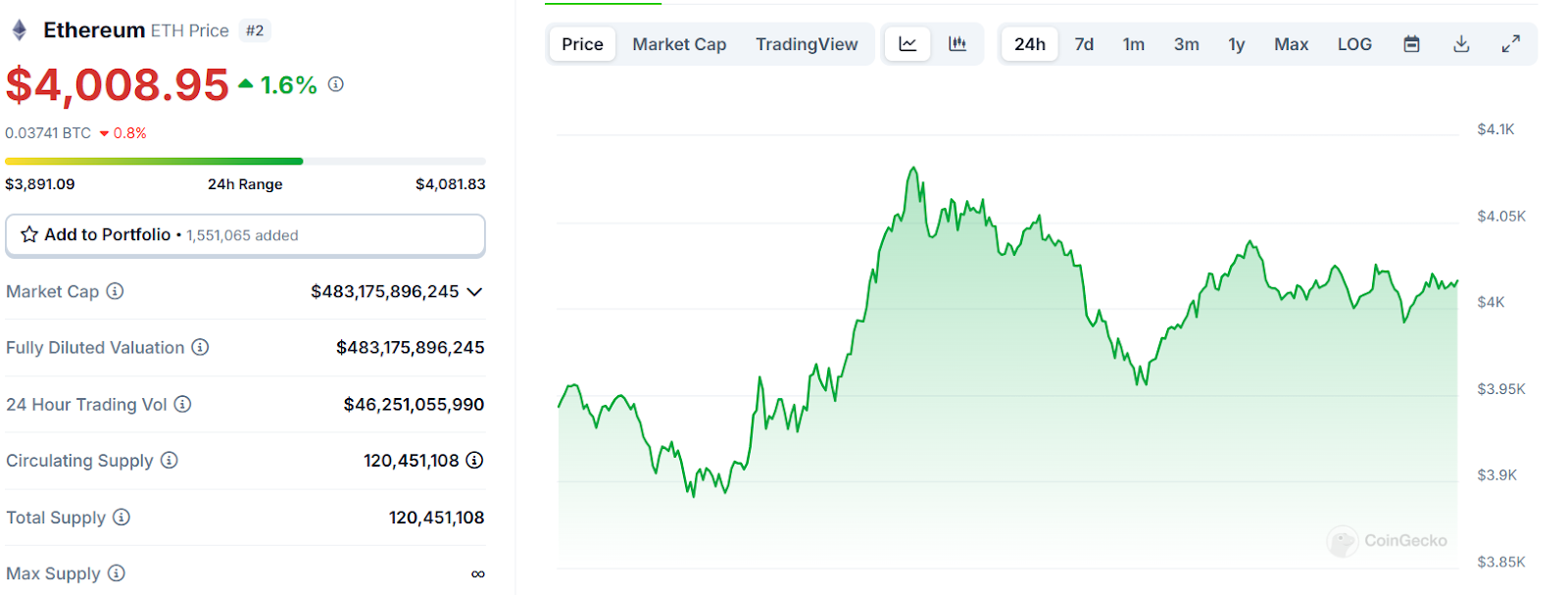
With trading at $4,020 over the past 24 hours, Ethereum (ETH) registered a 2%. Reaching a low of $3,553 and a high of $4,108, it shows a consistent increase. Supported by a trading volume of $43 billion, Ethereum’s market capital value is $484 billion.

Ethereum Price Shows Constant Gainfulness

Source: CoinGecko

With $51 million in inflows recorded, investor interest in Ethereum ETFs is still somewhat high. BlackRock is leading the way with $30 million, followed by Bitwise with $8 million and Fidelity with $4 million. These figures highlight rising hope in Ethereum’s long-term viability. As usage of the Ethereum ecosystem keeps increasing, the market is keenly observing changes in it.

XRP Price Maintaining Positive Momentum

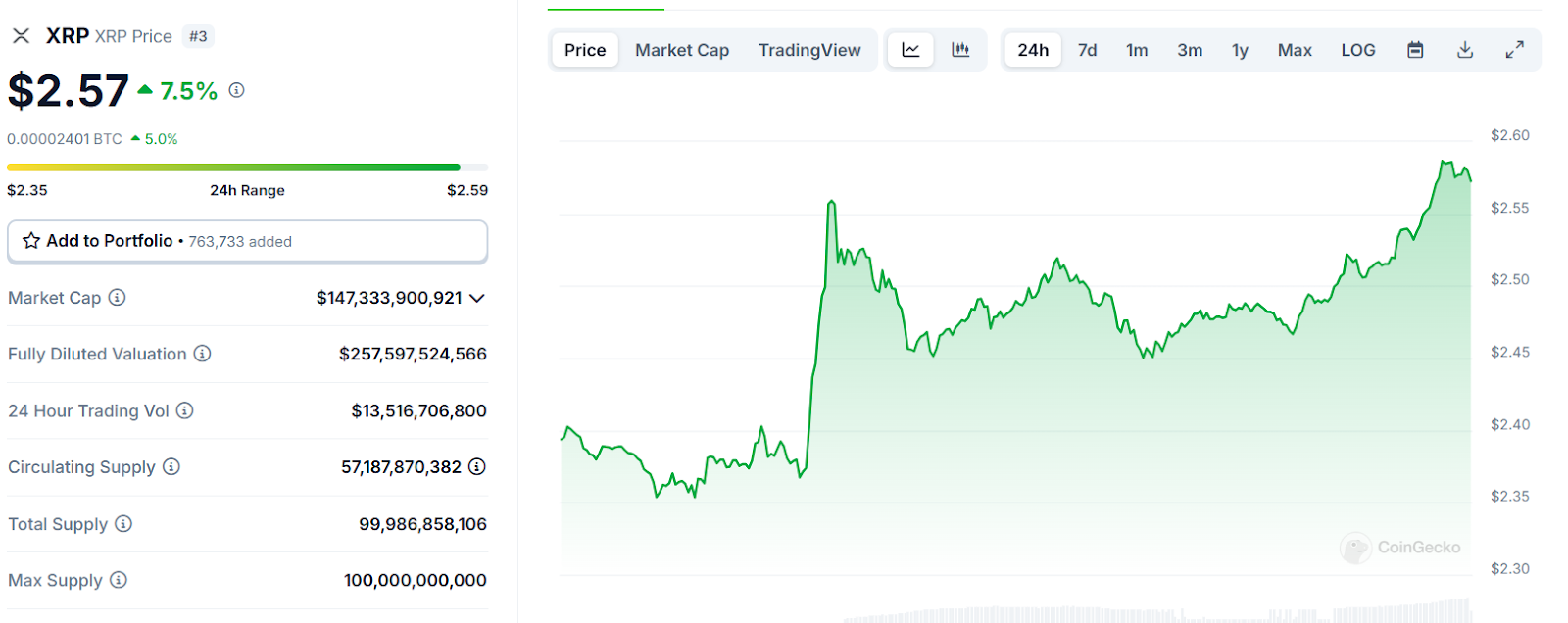
Trading at $2.48, XRP saw a 2% rise over the past 24 hours. Reflecting a consistent increasing trend, it recorded a 24-hour low of $2.344 and a high of $2.548. With a trade volume of $12 billion and a market valuation of $142 billion, XRP With a 3.81% market share, it remains the third-largest cryptocurrency by market capitalization.

XRP Price Maintaining Positive Momentum

Source: CoinGecko

For XRP, analysts see more increases and a jump to $7. The release of the RLUSD stablecoin is designed to increase acceptance and help XRP grow over time. Under these circumstances, investors are attentively observing the direction of XRP.

Solana’s Price Drop

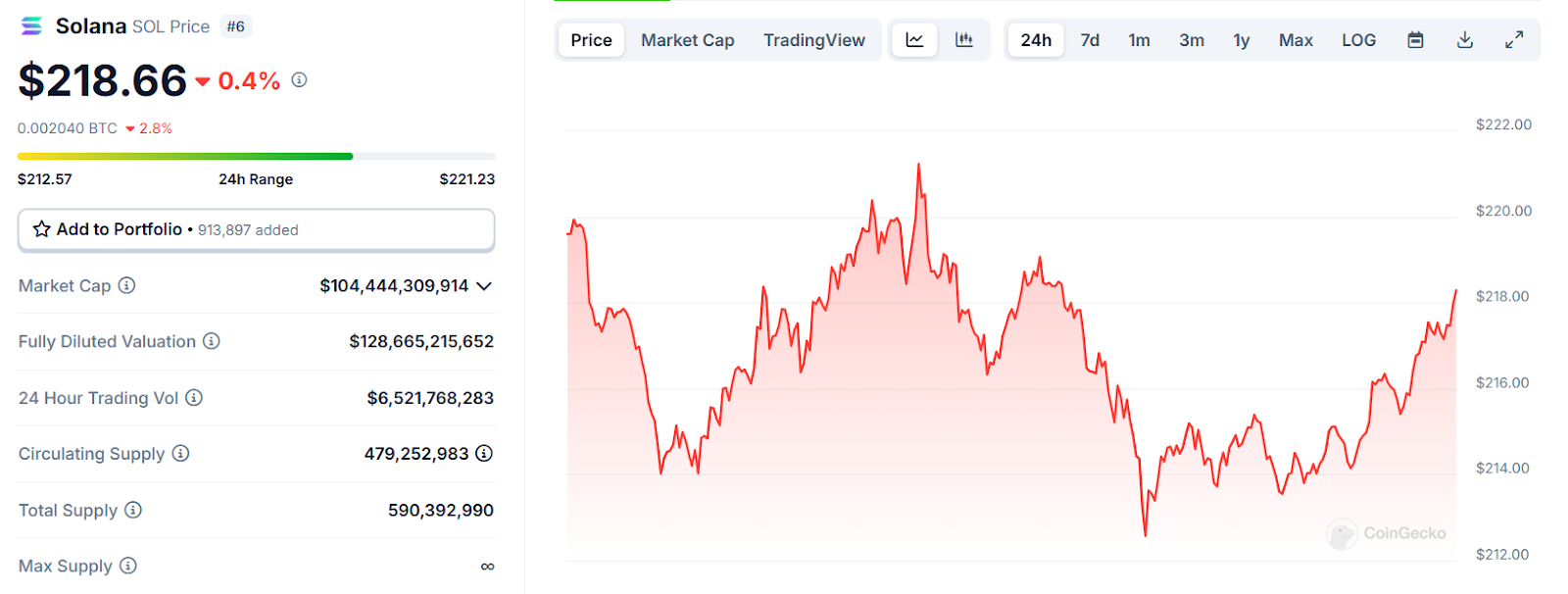
Trading at $214 over the past 24 hours, Solana (SOL) experienced a 4% price decline. Reflecting some market volatility, the cryptocurrency recorded a low of $211 and a high of $ 223. Solana’s market capitalization is $102 billion, and trading activity comes to $5 billion. Solana is still the sixth biggest cryptocurrency available despite the drop.

Solana's Price Drop

Source: CoinGecko

The 2025 Crypto Theses Report from Messari projects Solana’s exponential expansion. The paper emphasizes Solana’s rising acceptance as well as its expanding impact on the crypto scene. Investors are still hopeful for Solana’s future and anticipate a great comeback in the next few months.

Meme Coins Face Bearish Mood

Meme coins had negative momentum today. Trading at $0.40, Dogecoin (DOGE) lost 1%. Recording a 2% drop, Shiba Inu (SHIB) traded for $0.00002706. Other meme-based cryptocurrencies such as PEPE, WIF, and BONK also dropped prices between 2% and 3%.

The fall shows a brief decrease in investor attitude toward meme coins. Meme coins still occupy a niche in the larger crypto market notwithstanding their recent performance.

Best Crypto Gainers Today

With a 16% price rise, Bitget Token (BGB) came out as the top gainer for today. It traded at $3.65; its 24-hour low was $3.091 and its highest point was $3.66. The rapid increase tracked Bitget’s next legislative milestone. Bitget was licensed to run as a Bitcoin Service Provider by the Central Bank of El Salvador. Positive attitude and investment interest in BGB have come from this evolution.

Trading at $0.188, Cronos (CRO) noted a 7% rise in the past 24 hours. Its 24-hour low was $0.17 and its high was $0.19. With trading volume at $131 million, Cronos’s market capitalization came to $5 billion. The price explosion shows rising investor confidence and constant token demand.

Trading at $2.86, Virtual Protocol (VIRTUAL) showed a 6% rise. Over the past twenty-four hours, it registered low at $2.70 and high at $3.28. The rising momentum emphasizes growing curiosity in Virtual Protocol and its growing influence in the market.

Top Losers In Crypto Today

Helium (HNT) dropped by 11% today to have the biggest price fall. It traded for $8.48; its low was $8.40 and its high was $10.10. The price trend exposes notable volatility and a pessimistic attitude about Helium. As the market negotiates these difficulties, investors are keeping an eye on HNT’s performance.

At $0.045, GALA noted a 10% decline. It peaked at $0.0502 and dropped to $0.04483 24 hours ago. With a trade volume of $344 million and a market valuation of $1.67 billion, GALA stays actively traded despite the drop, a reflection of continuous investor activity.

Trading at $4.89, Raydium (RAY) dropped by 9%. Over the past 24 hours, Bitcoin fell from $4.87 to $5.40, then rose. Raydium draws market interest even with the drop. Investors are keeping a close eye for indications of revival.

Across the main cryptocurrencies, the hourly chart indicates good momentum. In the past hour, Bitcoin (BTC) just slightly gained 0.50%. Reflecting a brief market bounce, Ethereum (ETH), XRP, and Binance Coin (BNB) also showed modest rises. With investors seeking consistency among temporary oscillations, the mixed trend emphasizes continuous market activity.


Source link

Ubisoft’s NFT Game Captain Laserhawk Opens Doors to Holders Tomorrow – Cryptoflies News

0
Ubisoft’s NFT Game Captain Laserhawk Opens Doors to Holders Tomorrow – Cryptoflies News


4

Ubisoft has announced that holders of its recently launched non-fungible tokens (NFTs) will gain early access to the game “Captain Laserhawk: the G.A.M.E.” starting tomorrow, December 18.

The announcement follows Ubisoft’s earlier release of the “Niji Warrior” ID card collection, a set of 10,000 free NFTs on the Arbitrum blockchain. These NFTs, which were made available for minting nearly a week ago, are now fully claimed. 

They feature evolving properties based on player performance and engagement in the game. Additionally, they come with voting powers, giving holders a say in certain game features and its future direction.  

The game, “Captain Laserhawk: the G.A.M.E.”, is inspired by Netflix’s “Captain Laserhawk: A Blood Dragon Remix.” It is described as a competitive, top-down multiplayer shooter set in a dystopian world called “Eden.” 

Ubisoft first revealed the game in August as part of its continued expansion into Web3 gaming.

You Might Be Interested In

Two months ago, Ubisoft launched “Champions Tactics: Grimoria Chronicles,” an NFT-based strategy game where players battle using collectible digital warriors. Some of these NFT characters were reported to trade for as much as $63,000.

Ubisoft has also been building partnerships to strengthen its Web3 efforts. It has teamed up with Animoca Brands to support initiatives for Mocaverse and integrate Champions Tactics: Grimoria Chronicles. Earlier this year, the company partnered with Double jump.tokyo to further incorporate blockchain technology into its gaming projects.


Source link

Exploring Emerging Trends in Digital Design and Art

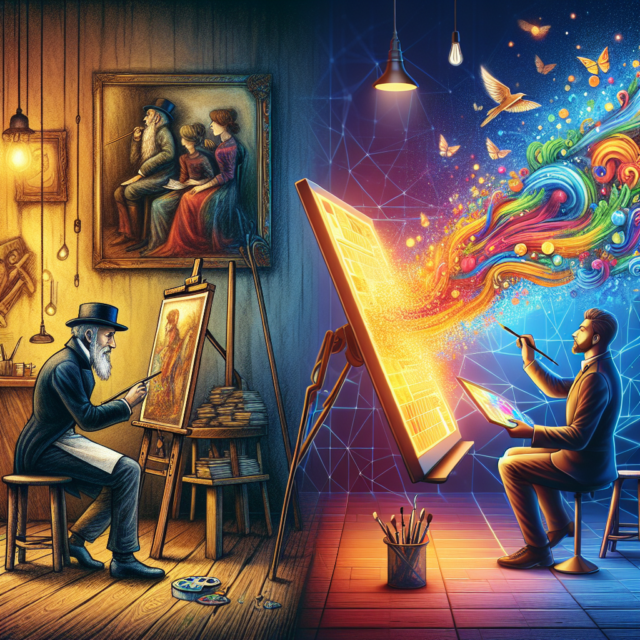
In the rapidly evolving world of digital design and art, emerging trends are continually reshaping how creators express themselves and interact with audiences. This dynamic field, fueled by technological advancements and innovative thinking, has led to the birth of new mediums and practices that challenge traditional boundaries. As we delve into the current landscape, it becomes evident that digital design and art are not merely adapting to technological changes but are actively driving them. This article explores the key trends and innovations defining the contemporary scene, focusing on the transformative power of immersive art and the synergy between technology and creativity.

Innovations Shaping the Digital Design Landscape

The digital design landscape is undergoing a significant transformation, driven by groundbreaking innovations that are redefining artistic expression. One of the most notable trends is the integration of artificial intelligence (AI) into the creative process. AI tools are enabling designers to push the boundaries of their work, offering new possibilities for generating unique patterns, textures, and styles. This technology is not only enhancing the efficiency of design processes but also inspiring artists to explore uncharted territories.

Another trend reshaping digital design is the increasing use of augmented reality (AR) and virtual reality (VR). These technologies are providing designers with immersive tools to create interactive experiences that transcend the limitations of traditional media. From virtual showrooms to AR-enhanced packaging, the application of these technologies is vast and varied, offering a new dimension to user engagement and storytelling.

The rise of generative design is also making waves in the digital design sphere. By utilizing algorithms to generate a multitude of design options, artists and designers can experiment with forms and structures that were previously unimaginable. This approach not only accelerates the design process but also encourages a more exploratory and iterative creative practice.

Sustainability is becoming an essential consideration in digital design, leading to the development of eco-friendly practices and materials. Designers are increasingly aware of the environmental impact of their work and are seeking innovative solutions to minimize their carbon footprint. This trend is reflected in the growing popularity of digital design tools that prioritize sustainability, such as energy-efficient software and virtual prototyping.

The democratization of design tools is another significant innovation shaping the landscape. With the proliferation of user-friendly software and platforms, individuals without formal training can now engage in digital design and art creation. This accessibility is fostering a more inclusive and diverse creative community, where a multitude of voices and perspectives can be expressed.

Finally, the convergence of digital design with other disciplines, such as architecture, fashion, and product design, is creating a multidisciplinary approach that enriches the creative process. By blending different fields, designers are able to craft holistic experiences that resonate on multiple levels, offering a more comprehensive and interconnected view of design.

The Rise of Immersive Art in the Digital Realm

Immersive art is experiencing a renaissance in the digital realm, as artists harness the power of technology to create experiences that engage audiences on a deeper level. This trend is characterized by the use of digital tools to craft environments that envelop viewers in a multi-sensory experience, blurring the lines between art and audience.

At the forefront of this movement is the use of virtual reality (VR) to create immersive installations that transport audiences to entirely new worlds. Artists are leveraging VR to challenge perceptions and evoke emotions, offering a level of intimacy and engagement that traditional art forms cannot match. These virtual spaces allow viewers to interact with art in a personal and individualized manner, fostering a unique connection with the work.

Augmented reality (AR) is also playing a significant role in the rise of immersive art. By overlaying digital elements onto the physical world, artists can create interactive experiences that alter the viewer’s perception of their environment. This technology is being used to transform public spaces into dynamic canvases, where art can be experienced in real-time and in context.

The integration of sound and music into digital art installations is another trend contributing to the immersive experience. By incorporating audio elements, artists can enhance the emotional impact of their work, creating a more holistic and engaging experience for the audience. This multisensory approach invites viewers to not only see but also hear and feel the art, deepening their connection to it.

Interactive installations are becoming increasingly popular as a form of immersive art. By allowing audiences to physically engage with the work, artists are breaking down the barriers between creator and viewer. This participatory approach encourages a more active and personal engagement with the art, as audiences become co-creators in the experience.

Projection mapping is another technique gaining traction in the immersive art scene. By projecting digital content onto physical surfaces, artists can transform ordinary spaces into extraordinary visual experiences. This method allows for a dynamic interplay of light and shadow, creating an ever-changing canvas that captivates and mesmerizes viewers.

The rise of immersive art in the digital realm is not just about technological innovation; it is also about redefining the relationship between art and audience. As artists continue to explore new ways of engaging viewers, the boundaries of what is possible in art are continually being pushed, leading to a more inclusive and interactive cultural landscape.

Bridging Technology and Creativity in Modern Design

In the contemporary design landscape, the interplay between technology and creativity is emerging as a central theme, driving innovation and expanding the possibilities of artistic expression. This synergy is evident in the way designers are leveraging technological advancements to enhance their creative processes and outputs.

One of the key aspects of this trend is the use of digital tools to streamline and enhance the design process. Software programs and applications are enabling designers to experiment with new ideas and iterate rapidly, allowing for a more fluid and dynamic creative workflow. This integration of technology into the creative process is enabling artists to explore new forms and concepts that were previously out of reach.

Collaborative platforms are also playing a crucial role in bridging technology and creativity. These tools facilitate communication and collaboration among designers, allowing them to share ideas and work together in real-time, regardless of geographical location. This connectivity is fostering a more collaborative and interdisciplinary approach to design, where diverse perspectives and skills can come together to create innovative solutions.

The use of data and analytics is another way technology is influencing modern design. By leveraging data-driven insights, designers can create more personalized and targeted experiences for their audiences. This approach not only enhances the user experience but also allows designers to make more informed decisions about their work, leading to more effective and impactful designs.

Technology is also enabling new forms of creative expression through the development of novel materials and techniques. From 3D printing to interactive textiles, these innovations are providing designers with new tools to realize their visions in unique and exciting ways. This fusion of technology and creativity is leading to the creation of works that are not only visually stunning but also functionally innovative.

The integration of artificial intelligence (AI) is further blurring the lines between technology and creativity. AI algorithms are being used to generate new design ideas, automate repetitive tasks, and even create entire artworks. This collaboration between human creativity and machine intelligence is opening up new avenues for exploration and pushing the boundaries of what is possible in design.

Ultimately, the bridging of technology and creativity in modern design is about more than just the tools and techniques; it is about fostering a mindset that embraces change and innovation. As designers continue to explore the potential of technology in their work, they are redefining the role of creativity in a digital world, leading to a more dynamic and interconnected design landscape.

The exploration of emerging trends in digital design and art reveals a vibrant and dynamic field that is continually evolving. As technology advances, it is reshaping the way artists and designers create and interact with their work, leading to new forms of expression and engagement. From the integration of AI and immersive technologies to the fusion of creativity and technology, these trends are not only transforming the digital design landscape but also redefining the very nature of art itself. As we look to the future, it is clear that the dialogue between technology and creativity will continue to drive innovation and inspire new possibilities, shaping the cultural and artistic landscape for years to come.

Exploring Emerging Trends in the World of Digital Art

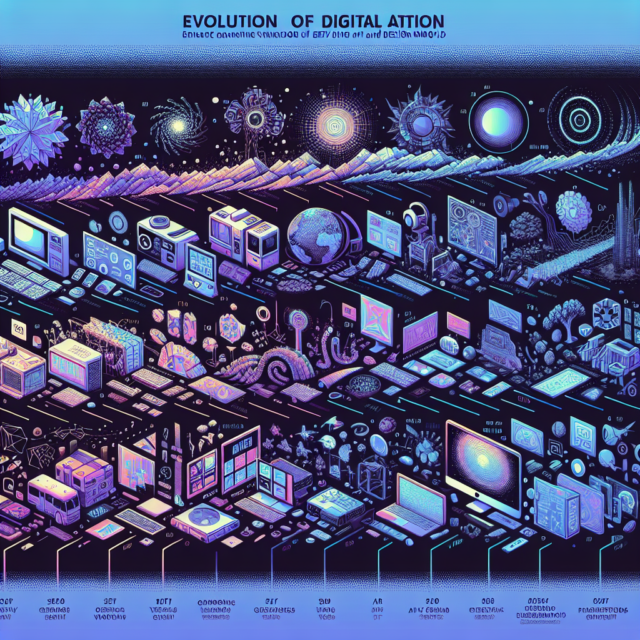
The world of art has undergone a remarkable transformation in recent years, fueled by the rapid advancements in digital technology. Digital art, once a niche interest, has now become a dominant force in the creative industry, challenging traditional art forms and opening up new avenues for expression and distribution. This article delves into the emerging trends in digital art, exploring its rise as a new creative era, the technological innovations shaping its evolution, and the profound impact of digital platforms on art distribution.

The Rise of Digital Art: A New Creative Era

Digital art has surged into prominence, marking a new era of creativity that transcends the limitations of traditional mediums. Artists are increasingly drawn to digital tools and platforms, which offer unprecedented flexibility and possibilities for expression. This shift is not merely a change in medium but a fundamental transformation in how art is conceptualized, created, and consumed. The accessibility of digital tools has democratized art creation, allowing more individuals to explore their creativity without the constraints of expensive materials or studio space.

The rise of digital art is also characterized by its ability to integrate various forms of media. Artists can now blend elements of photography, painting, animation, and even music to create immersive and multifaceted experiences. This convergence of media has given birth to new art forms, such as virtual reality art and interactive installations, which engage audiences in ways that were previously unimaginable. The boundaries between different art disciplines are blurring, leading to a richer and more dynamic art landscape.

Furthermore, digital art has opened up new dialogues around cultural and social issues. Artists are using digital platforms to address topics such as identity, climate change, and technology’s impact on society, reaching global audiences with messages that resonate across borders. This has not only broadened the scope of art but has also enhanced its role as a tool for social commentary and change. Digital art’s ability to quickly adapt and respond to current events makes it a powerful medium for contemporary discourse.

The commercial aspect of digital art is also undergoing a transformation. The emergence of cryptocurrencies and blockchain technology has introduced new ways of buying, selling, and owning art. Non-fungible tokens (NFTs) have become a popular means of authenticating and monetizing digital artworks, providing artists with new revenue streams and collectors with unique investment opportunities. This has reshaped the art market, challenging traditional notions of ownership and value.

Moreover, the rise of digital art is fostering a sense of community among artists and audiences. Online platforms and social media have made it easier for artists to connect with peers and fans, share their work, and collaborate on projects. This has led to a more interconnected and supportive art community that transcends geographical boundaries. Artists are not only able to showcase their work to a global audience but also receive instant feedback and support, which can be crucial for artistic development.

Finally, the educational landscape is also being influenced by the rise of digital art. Art institutions and schools are increasingly incorporating digital art into their curricula, recognizing its significance and potential. This shift is preparing a new generation of artists who are well-versed in both traditional and digital techniques, equipped to navigate the ever-evolving art world. As digital art continues to grow, it is clear that it is not just a passing trend but a significant movement that is reshaping the future of art.

Technological Innovations Shaping Digital Art

The evolution of digital art is closely tied to technological advancements that continue to redefine its possibilities. One of the most significant innovations is the development of sophisticated software and tools that enable artists to create intricate and detailed works of art. Programs like Adobe Creative Suite, Corel Painter, and Procreate offer a wide range of features that mimic traditional art techniques while providing the flexibility and precision of digital manipulation. These tools have become essential for digital artists, allowing them to experiment and innovate without the constraints of physical materials.

Virtual reality (VR) and augmented reality (AR) are also playing a pivotal role in shaping digital art. These technologies allow artists to create immersive experiences that engage audiences in novel ways. VR art installations transport viewers into entirely new worlds, offering a sense of presence and interactivity that traditional art forms cannot match. AR, on the other hand, overlays digital elements onto the real world, creating a seamless blend of the virtual and physical. These technologies are expanding the boundaries of art, offering new ways to interact with and experience artistic creations.

Artificial intelligence (AI) is another technological frontier that is influencing digital art. AI algorithms can generate art, assist in the creative process, and even analyze and critique artworks. Some artists are collaborating with AI to create pieces that challenge the notion of authorship and creativity, exploring the relationship between human and machine. AI’s ability to process vast amounts of data and identify patterns is also being used to curate and recommend art, enhancing the way audiences discover new works.

The rise of 3D printing technology has also impacted the digital art landscape. Artists can now create digital models and bring them to life as physical objects, blurring the lines between digital and traditional art. This capability has opened up new possibilities for sculpture and installation art, allowing for more complex and intricate designs. 3D printing also enables artists to experiment with materials and forms that would be difficult or impossible to achieve through conventional methods.

Blockchain technology, particularly through the use of NFTs, has introduced a new dimension to digital art. By providing a secure and transparent way to verify ownership and provenance, blockchain is addressing issues of authenticity and piracy that have long plagued digital artists. NFTs have also created a new market for digital art, allowing artists to monetize their work in ways that were not previously possible. This technology is transforming the economic landscape of digital art, offering new opportunities and challenges for artists and collectors alike.

Finally, advancements in display technology are enhancing the presentation and consumption of digital art. High-resolution screens, projectors, and digital frames allow for the display of digital art in stunning detail and clarity. These technologies are making it possible to exhibit digital works in galleries, museums, and public spaces, elevating their status and accessibility. As display technology continues to improve, the gap between digital and traditional art is narrowing, allowing digital art to be appreciated in new and exciting ways.

The Impact of Digital Platforms on Art Distribution

Digital platforms have revolutionized the way art is distributed, making it more accessible to a global audience. Online galleries and marketplaces like DeviantArt, ArtStation, and Saatchi Art provide artists with platforms to showcase their work to millions of potential buyers and admirers. These platforms have democratized the art world, allowing artists to bypass traditional gatekeepers such as galleries and auction houses. As a result, artists have greater control over the distribution and sale of their work, reaching audiences directly without intermediaries.

Social media has also played a crucial role in the distribution of digital art, acting as both a showcase and a marketing tool. Platforms like Instagram, Facebook, and TikTok enable artists to share their creations with a vast audience, build a following, and engage with fans. The viral nature of social media can propel unknown artists to fame overnight, providing them with opportunities that were previously out of reach. This has led to a more vibrant and diverse art scene, where a wide range of voices and styles can be heard and appreciated.

Streaming platforms have further expanded the reach of digital art by enabling live broadcasts and virtual exhibitions. Artists can now host live painting sessions, tutorials, and exhibitions, reaching audiences in real-time across the globe. This has not only broadened the reach of art but has also created new forms of interaction and engagement between artists and audiences. Virtual exhibitions, in particular, have gained popularity, especially in light of recent global events, providing a way for art to be experienced safely and conveniently.

The rise of e-commerce has also impacted the distribution of digital art. Artists can sell prints, merchandise, and digital downloads through online stores and platforms like Etsy and Redbubble. This has opened up new revenue streams for artists, allowing them to monetize their work in various ways. The convenience and accessibility of online shopping have made it easier for art lovers to discover and purchase art, contributing to the growth of the digital art market.

Collaboration and networking have been facilitated by digital platforms, enabling artists to connect and work together across geographical boundaries. Online communities and forums provide spaces for artists to share ideas, critique each other’s work, and collaborate on projects. This has led to the creation of collective artworks and initiatives that draw on the strengths and perspectives of diverse artists. The collaborative nature of digital platforms is fostering a more interconnected and dynamic art community.

Finally, digital platforms are playing a key role in preserving and archiving digital art. As digital art is inherently ephemeral, the challenge of preservation is significant. Platforms and initiatives dedicated to archiving digital art are ensuring that these works are documented and accessible for future generations. This is crucial for maintaining the cultural and historical significance of digital art, allowing it to be studied, appreciated, and enjoyed long into the future.

The world of digital art is constantly evolving, driven by technological innovations and the transformative power of digital platforms. As artists continue to explore new frontiers and redefine the boundaries of creativity, digital art is becoming an increasingly integral part of the art landscape. Its rise marks a new era of artistic expression, where the possibilities are limited only by the imagination. As we look to the future, it is clear that digital art will continue to shape and enrich our cultural experiences, offering new ways to see and understand the world.

Exploring Sustainability Practices in Digital Art Creation

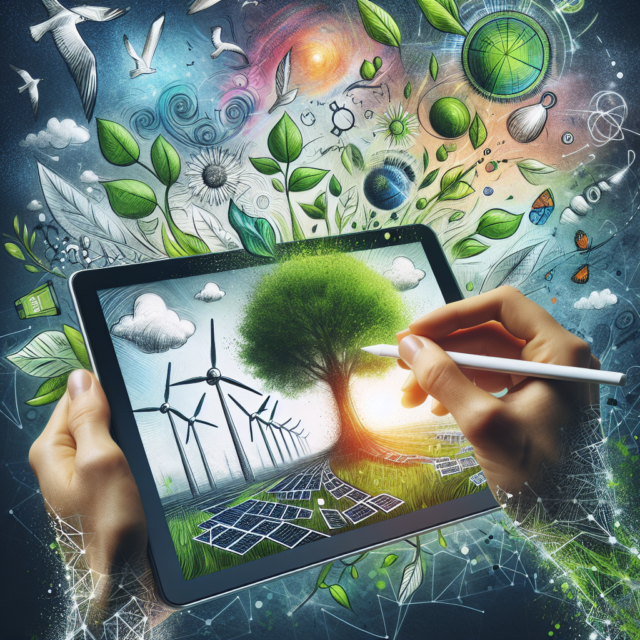
In recent years, the art world has witnessed a transformative shift towards sustainability, driven by an increasing awareness of environmental issues and a commitment to reducing carbon footprints. This movement has permeated various art forms, including digital art—a medium uniquely positioned to champion eco-friendly practices. As artists and creators explore the intersection of art and ecology, they are discovering innovative techniques and tools that not only enhance their creative expression but also contribute to a more sustainable future. This article delves into the sustainability practices in digital art creation, focusing on the intersection of art and ecology, eco-friendly creation techniques, and the tools and resources available to artists committed to sustainable practices.

Understanding the Intersection of Art and Ecology

The relationship between art and ecology has long been one of mutual inspiration and influence. Artists have historically drawn from the natural world, using their creations to reflect on and respond to environmental changes. In the digital age, this relationship takes on new dimensions as artists leverage technology to address ecological issues. Digital art, by its nature, offers a platform to explore themes of nature, conservation, and sustainability without the resource demands of traditional art forms.

In the digital realm, artists are increasingly aware of the ecological impact of their work, from the energy consumption of high-powered computers to the carbon footprint of cloud storage. This awareness is driving a new wave of digital art that prioritizes sustainability. Artists are beginning to consider not just the content of their work, but the processes and technologies they use to create it, striving to minimize their environmental impact while maximizing their creative output.

The dialogue between art and ecology is further enriched by the ability of digital art to reach global audiences. Artists can use their platforms to raise awareness of environmental issues, advocating for change and inspiring others to adopt sustainable practices. This potential for impact is a powerful motivator for artists seeking to align their creative endeavors with ecological values.

Moreover, the digital art community is increasingly collaborative, with artists sharing techniques and innovations that enhance sustainability. Online forums, workshops, and exhibitions provide spaces for artists to exchange ideas and learn from one another, fostering a culture of sustainability within the art world. This collective effort amplifies the impact of individual artists, creating a ripple effect that extends beyond the art community.

Digital art also allows for the exploration of new materials and methods that traditional art forms cannot accommodate. Virtual reality, augmented reality, and interactive installations offer immersive experiences that engage audiences with environmental issues in novel ways. These technologies open up new possibilities for storytelling and education, making complex ecological concepts accessible and engaging.

As the intersection of art and ecology continues to evolve, digital artists are at the forefront of a movement that challenges traditional notions of art creation. By embracing sustainable practices, they are redefining what it means to be an artist in the 21st century, using their work to advocate for a more sustainable future and inspiring others to do the same.

Techniques for Eco-Friendly Digital Art Creation

One of the primary techniques for creating eco-friendly digital art is optimizing energy consumption. Artists can achieve this by using energy-efficient hardware, such as laptops and tablets designed to minimize power usage. Additionally, setting devices to energy-saving modes and utilizing renewable energy sources can significantly reduce the environmental impact of digital art creation.

Another technique involves minimizing the carbon footprint associated with digital storage. Artists can take advantage of local storage options and limit reliance on cloud services, which require vast amounts of energy to maintain. When cloud storage is necessary, selecting providers committed to renewable energy use can mitigate some of the environmental impact.

Artists can also adopt sustainable software practices by choosing open-source and lightweight applications that require less processing power. These tools often have smaller file sizes and reduced system demands, leading to more efficient workflows. By prioritizing software that aligns with eco-friendly values, artists can further reduce their digital footprint.

Digital art creation can also benefit from the use of virtual collaboration tools, which eliminate the need for physical travel and reduce associated emissions. Platforms that facilitate remote collaboration allow artists to work with others worldwide without the environmental costs of transportation. This not only supports sustainability but also broadens creative possibilities through diverse collaborations.

Recycling and repurposing digital assets is another effective technique for sustainable art creation. Artists can reuse elements from previous projects, reducing the need for new resources and minimizing waste. This approach encourages creativity through constraint, challenging artists to think innovatively about how to reimagine existing materials.

Finally, artists can engage in conscious content creation, focusing on themes that promote sustainability and environmental awareness. By integrating ecological messages into their work, artists can inspire audiences to reflect on and engage with pressing environmental issues. This approach not only contributes to sustainability in practice but also fosters a broader cultural shift towards ecological consciousness.

Tools and Resources for Sustainable Art Practices

A variety of tools and resources are available to digital artists seeking to adopt sustainable practices. Energy-efficient hardware options, such as the latest generation of processors and graphics cards, offer improved performance with reduced power consumption. Brands that prioritize sustainability in their product design provide artists with the technology needed to create responsibly.

Software solutions play a crucial role in sustainable digital art practices. Open-source platforms like Krita and Blender offer powerful capabilities without the high energy demands of some commercial alternatives. These tools are often developed with community input, ensuring they remain aligned with the values of sustainability and accessibility.

For artists looking to reduce their reliance on cloud storage, local backup solutions and external hard drives provide eco-friendly alternatives. Companies specializing in sustainable technology offer products designed with recycled materials and energy-efficient operation, supporting artists’ efforts to minimize their environmental impact.

Online resources and communities dedicated to sustainable art practices offer valuable support and inspiration. Websites, forums, and social media groups provide platforms for artists to share insights, techniques, and experiences. These communities foster a collaborative spirit and encourage the exchange of ideas, helping artists stay informed about the latest developments in sustainable art.

Educational resources, such as workshops and courses, equip artists with the knowledge and skills needed to implement sustainable practices effectively. Many institutions and organizations offer programs focused on the intersection of art and ecology, providing artists with the tools to integrate sustainability into their creative processes.

Finally, partnerships with environmental organizations can amplify the impact of sustainable art practices. Collaborations with NGOs and conservation groups provide opportunities for artists to contribute to broader ecological efforts. These partnerships can enhance the visibility of sustainable art and inspire wider audiences to engage with environmental issues.

As the world increasingly embraces sustainability, digital artists have a unique opportunity to lead the charge in eco-friendly creative practices. By understanding the intersection of art and ecology, employing techniques that minimize environmental impact, and utilizing the wealth of tools and resources available, artists can create works that not only express their vision but also contribute to a more sustainable future. As the digital art community continues to evolve, its commitment to sustainability will play a crucial role in shaping the cultural landscape, inspiring both artists and audiences to consider the ecological implications of their actions and to work together towards a more sustainable world.
Popular Posts

My Favorites