Home Blog Page 965

VidAU AI Secures New Funding to Accelerate the Future of AI-Powered Video Ad Creation Worldwide – Web3oclock

0
VidAU AI Secures New Funding to Accelerate the Future of AI-Powered Video Ad Creation Worldwide – Web3oclock


Fueling Global Growth and Innovation with Fresh Capital:

AI-Powered Video Tools Reshaping E-Commerce Advertising:

Positioning for the Future of Content-Led Commerce:

Discover the Future of AI-Powered Video Advertising:


Source link

YouTube’s Top 10 Music Videos of All Time | MarkMeets Media

    0
    YouTube’s Top 10 Music Videos of All Time | MarkMeets Media


    In a remarkable milestone, YouTube recently celebrated its 20th anniversary. The platform has grown from its humble beginnings to become a powerhouse of entertainment, culture, and creativity. The first video ever uploaded, “Me at the zoo,” courtesy of Jawed Karim on April 23, 2005, marked the inception of a new era in digital media. Today, YouTube hosts an incredible variety of content—from educational tutorials to hilarious pet videos—cultivating niche communities around virtually any interest you can imagine.

    As YouTube marks two decades of innovation and influence, it’s natural for enthusiasts and casual users alike to reflect on the site’s most significant contributions to entertainment. Among the most discussed topics are YouTube’s top 10 music videos, a collection of clips that not only amassed staggering view counts but also impacted pop culture in varied and sometimes perplexing ways.

    These music videos showcase an amalgamation of genres, artistry, and sometimes questionable taste that elicits both nostalgia and annoyance. It’s a fascinating journey through the history of popular music and how it has evolved over the years. Let’s dive into the eclectic list of YouTube’s top 10 music videos, examining what makes each video uniquely compelling and, at times, downright bewildering.

    The Evolution of Music Videos on YouTube

    The Beginning of an Era

    The advent of YouTube marked a seismic shift in how music was consumed and disseminated. No longer were fans limited to radio play or expensive music video airtime on television. Instead, artists could upload their content directly to the platform, reaching a global audience instantly. This democratization of music showcased the incredible potential for creativity and engagement among artists and fans alike.

    In the early days, music videos were often simple affairs—recording sessions, performance clips, and sometimes just the artist in front of a camera. However, as technology and editing techniques improved, so did the artistry and production quality of these videos. Complex storytelling, stunning visuals, and elaborate choreography became the norm, further enhancing their allure.

    Viral Phenomena and Cultural Impact

    With the rise of social media, music videos burgeoned into viral phenomena, often transcending the realm of music. This is notably true for YouTube’s top 10 music videos, which not only showcase catchy tunes but also cultural moments that resonated with viewers around the world. Each video on this list has carved a unique niche in pop culture, whether through meme creation, dance challenges, or sheer over-the-top spectacle.

    It’s important to note that the sheer volume of views on these clips raises some eyebrow-raising questions about the taste of the viewing public. What draws billions to certain tracks, while others languish in obscurity? The collective experience of sharing these videos, laughing, and sometimes cringing together has united viewers in a shared digital landscape.

    The Countdown: YouTube’s Top 10 Music Videos

    10: “Counting Stars” – OneRepublic (4.1 Billion Views)

    Kicking off the list at number ten is the feel-good anthem “Counting Stars” from OneRepublic. Released in 2013, the song quickly became a staple of radio playlists, thanks to its catchy chorus and thought-provoking lyrics about chasing dreams. The music video features striking visuals of nature and urban life intertwined, emphasizing the theme of seeking fulfillment beyond material wealth. This combination of catchy hooks and relatable lyrics made “Counting Stars” resonate with millions, earning it a secure spot among YouTube’s top 10 music videos.

    9: “Waka Waka (This Time For Africa)” – Shakira (4.2 Billion Views)

    Coming in at number nine, Shakira’s “Waka Waka” became an anthem for the 2010 FIFA World Cup. Featuring a vibrant array of dance moves, colorful visuals, and uplifting lyrics, the song quickly captured the spirit of unity and celebration surrounding the event. The song’s infectious beat and Shakira’s charismatic performance have endured well beyond the tournament, allowing it to maintain its popularity across generations. With over 4.2 billion views, it demonstrates the potent influence of sports in music and how iconic moments can resonate through time.

    8: “Sugar” – Maroon 5 (4.2 Billion Views)

    At eighth place is “Sugar” by Maroon 5, released in 2015. The video’s whimsical visuals include the band crashing weddings to perform the song, encapsulating the idea of love and celebration. Its upbeat rhythm and romantic themes made it a favorite for wedding playlists, contributing to its monumental view count. The clever use of humor and love in weddings has positioned this video firmly among YouTube’s top 10 music videos.

    7: “Dame Tu Cosita ft. Cutty Ranks” – El Chombo (5 Billion Views)

    Seventh on the list is a quirky animated music video featuring a dancing green alien, “Dame Tu Cosita” by El Chombo. The nonsensical yet catchy tune captures the essence of viral content, as it transcended language barriers to become a global sensation. Its popularity prompted countless dance challenges and memes across social media platforms, making it another prime example of how YouTube’s top 10 music videos reflect amusing cultural moments.

    6: “Axel F” – Crazy Frog (5.1 Billion Views)

    At number six, we have “Axel F” performed by Crazy Frog, a character created by Swedish animator Erik Wernquist. Released in 2005, this iconic tune became a ringtone phenomenon and burst onto the scene with an unforgettable animation video. Part techno, part novelty, the track’s catchy beat appeals to a wide audience—while its absurdity continues to polarize opinions. Nevertheless, its spot in YouTube’s top 10 music videos cements its place in pop culture history.

    5: “Uptown Funk” – Mark Ronson ft. Bruno Mars (5.5 Billion Views)

    Mark Ronson’s collaboration with Bruno Mars, “Uptown Funk,” has become an iconic hit since its release in 2014. With its retro-inspired sound and flashy aesthetics, the music video is a dazzling showcase of dance and style. Its infectious groove has made it a dancefloor favorite at parties and events worldwide, and the visuals capture the spirit of celebration. All of these elements have solidified its place as one of YouTube’s top 10 music videos, appealing to both nostalgia and contemporary sensibilities.

    4: “Gangnam Style” – Psy (5.5 Billion Views)

    In fourth place, we find Psy’s “Gangnam Style,” which became a cultural overnight sensation upon its release in 2012. This catchy K-pop track with its viral dance moves not only took over YouTube but also swept the globe, sparking “Gangnam Style” flash mobs in various locations. The clever satire reflecting the opulent lifestyle of Southern Seoul combined with Psy’s larger-than-life persona captured the attention of millions. It remains a striking example of how YouTube’s top 10 music videos can alter the course of music history.

    3: “Shape of You” – Ed Sheeran (6.4 Billion Views)

    Ed Sheeran’s “Shape of You” comes in at number three, establishing itself as a modern romantic classic. Released in 2017, the song’s infectious rhythm and relatable lyrics about love and attraction have put it on top of charts worldwide. The video, showcasing various relationship dynamics and lively dance scenes, adds depth to the lyrics. Its achievement in garnering 6.4 billion views is a testament to Ed Sheeran’s ability to resonate deeply with listeners, further solidifying its place within YouTube’s top 10 music videos.

    2: “See You Again ft. Charlie Puth” – Wiz Khalifa (6.6 Billion Views)

    At number two, “See You Again,” featuring Charlie Puth, became an emotional tribute following the tragic passing of actor Paul Walker. This music video, infused with poignant imagery and a heartfelt message, quickly swept the internet upon its release as the theme song for “Furious 7.” Its profound resonance with the themes of loss and remembrance has led it to secure over 6.6 billion views. “See You Again” serves as a prime example of how YouTube’s top 10 music videos can impact audiences on a personal level and provoke thoughtful reflection.

    1: “Despacito ft. Daddy Yankee” – Luis Fonsi (8.7 Billion Views)

    Finally, claiming the top spot is “Despacito” by Luis Fonsi, featuring Daddy Yankee. Released in 2017, this reggaeton track became a global phenomenon almost instantly. Combining catchy rhythms with sultry lyrics, the song invites listeners to get lost in the moment. The explosive view count of 8.7 billion is reflective of its universal appeal, including diverse demographics and regions. The song has led to an increased interest in Latin music across the globe, making it a cultural touchstone and a crown jewel in YouTube’s top 10 music videos.

    The Cultural Significance of YouTube Music Videos

    Shaping the Music Industry Landscape

    The rise of YouTube’s top 10 music videos signifies more than just a collection of popular songs; it represents profound shifts in the music industry landscape. Record labels are now adapting to this reality, redirecting their marketing strategies to center around digital platforms, influencers, and social media.

    The Power of Influence

    As traditional forms of media continue to decline, the power of platforms like YouTube to shape careers and create superstars has never been greater. Anushka Shankar, the Indian sitar player and composer, articulates this beautifully: “YouTube has bridged the gap between musicians and fans, allowing for direct engagement that was previously unheard of.” This engagement fosters a new landscape where artists can cultivate fan relationships devoid of corporate interference.

    Nostalgia and Current Trends

    The songs within YouTube’s top 10 music videos also evoke nostalgia, prompting audiences to reminisce about significant moments in their lives. Music acts as a time capsule, allowing individuals to traverse memories linked to specific songs. This emotional connection to music is integral to human experience, showcasing the capacity to shape culture.

    Diversity in Genres and Representations

    As the list demonstrates, diversity is key. From K-Pop to Latin reggaeton, the music videos encompass various cultural backgrounds and musical styles. This diversity reflects the global audience that YouTube has fostered over the years, facilitating cross-cultural exchange and understanding.

    Conclusion: The Ever-Changing Landscape of YouTube Music Videos

    YouTube’s 20-year history is rich with milestones, clips, and innovations, particularly within the realm of music videos. The wonder of YouTube’s top 10 music videos sits not only in their view counts but also in their cultural impact. Each of these videos resonates within the collective consciousness, merging art, social commentary, and entertainment in ways that transcend borders.

    As we look ahead, there’s no telling how the evolution of music and digital engagement will progress. One thing is clear: the power of YouTube’s top 10 music videos will continue to shape the music industry, create new cultural narratives, and leave an indelible mark on the digital landscape for years to come. So, the next time you find yourself scrolling through YouTube, consider indulging in these iconic videos that have, in many ways, defined our collective listening experiences.

    Author Profile

    Web Desk


    Source link

    Eva Amurri Breast Reduction: Candid Post-Surgery Details

      0
      Eva Amurri Breast Reduction: Candid Post-Surgery Details


      Susan Sarandon’s daughter Eva Amurri is sharing details of her recent breast reduction surgery with her social media followers.

      Amurri, 40, documented her recovery from the surgery via her Instagram account on Friday, April 18. (Sarandon shares Amurri with filmmaker Franco Amurri and she also shares two sons, John “Jack” Henry Robbins, 35, and Miles Robbins, 32, with actor Tim Robbins.)

      In one photo, Amurri lifted up her shirt to show the post-op effects she’s dealing with.

      “Apparently random bruising can show up during the healing process!” she explained. “It’s been strange to see my body bruised and recovering from trauma. It’s not an easy sight, and it’s definitely brought up a lot for me. I’m looking at these next few weeks as a great opportunity to be kind to myself and nurture myself.”

      Related: Susan Sarandon’s Daughter Says She Was a ‘True Almond Mom’

      Susan Sarandon was uncompromising when it came to her family’s diet, according to her daughter Eva Amurri. Amurri revealed that her mother, 78, was an “almond mom” in an interview with SheKnows, published Thursday, November 21. (Sarandon shares Amurri with filmmaker Franco Amurri and two sons, John “Jack” Henry, 35, and Miles Robbins, 32, with […]

      Amurri shared in another image in the post that sleeping had turned out to be “the worst part of recovery by far.”

      She shared an image of her sleeping setup and explained, “I bought a wedge for my bed, and a neck pillow, and neither of those have been comfortable. Now I’m on to a pregnancy pillow. I still didn’t sleep last night.”

      Amurri continued: “I hate sleeping on my back, so I know these next few weeks  are gonna be rough for me with sleeping.”

      Throughout the series of images in the post, Amurri also shared that things like drinking with a Stanley cup, working out as normal and blow-drying her own hair are all activities she has been forced to put on hold as she recovers.

      Instead, Amurri said she is focusing on “self-care” as she tries to allow her body to heal following the operation.

      “Nourishing my body during this healing time has felt like the best form of self-care,” she wrote. “I’ve really been enjoying helping my body heal by giving it what it needs to feel best.”

      2019 Dress For Success Live Vibrantly Gala

      Related: Susan Sarandon’s Daughter Eva Amurri Is Married

      Susan Sarandon’s daughter Eva Amurri has married chef Ian Hock. Amurri, 39, an actress and lifestyle blogger, is the daughter of Sarandon and director Franco Amurri. She tied the knot with Hock in a small ceremony held on Saturday, June 29, in Hudson Valley, New York. (The couple announced their engagement in February 2023.) “We […]

      Good health is something Amurri’s mom Sarandon has instilled in her from a young age.

      Amurri told SheKnows in November, 2024 that the actress was a true “almond mom” during her childhood.

      “My mom was a tried and true ‘almond mom,’” Amurri shared at the time. “She actually used to walk down to the Village to the only organic grocery store that existed in New York City in the early ’80s and would get everything there.”

      Amurri added, “My mom thought Cheerios [were] a junk food — that is how almond mom she was.”


      Source link

      9 Chinese Designers Making Global Waves

      9 Chinese Designers Making Global Waves


      As Shanghai cements its status as one of fashion’s most dynamic (yet seemingly underrated) capitals, a new generation of up-and-coming designers is stepping into the global spotlight. Fusing directional aesthetics with cross-cultural fluency, these rising talents are reshaping perceptions of Chinese fashion, blending tradition, technology, streetwear and luxury into striking new forms. From sculptural experiments to sleek urban tailoring, the work of these designers reflects a city of sartorial innovation.

      Sankuanz

      Shangguan Zhe founded Sankuanz in 2013, where he quickly gained recognition for his sculptural pieces, merging traditional Chinese design elements with modern silhouettes. Sankuanz was successful in carving out a reputation for its daring fusion of cultural references and rebellious spirit. After studying visual communication and advertising at Xiamen University, Shangguan launched his menswear label rather than following a traditional career route.

      His distinctive vision quickly positioned him as one of China’s most unconventional new voices in fashion. By combining classical influences with graphic elements, sharp tailoring and deconstructed, androgynous silhouettes, Sankuanz’s collections successfully balance eccentricity with skillful precision. The brand’s designs often portray genderless figures infused with philosophical reflections on collectivism and belief.

      Sankuanz debuted at Shanghai Fashion Week and by 2015, Shangguan was a finalist for the prestigious LVMH Prize. Since 2016, the label has been a regular fixture on the official Paris Fashion Week Men’s calendar, gaining global recognition and a cult following. Today, Sankuanz’s thought-provoking approach to contemporary menswear is a testament to Shangguan Zhe’s commitment to making Chinese fashion an internationally recognised power player.

      Head to their official website or Instagram to find out more.

      Xander Zhou

      A true pioneer of Shanghai streetwear, Xander Zhou’s ability to balance experimental fashion with everyday, “wearable” pieces has made his collections highly sought after both in China and beyond. Known for his genre-defying approach to menswear, Xander Zhou draws from a multicultural background shaped by industrial design studies in China and fashion design training in the Netherlands. His collections are marked by playful disruptions such as rainbow prints, exaggerated silhouettes and unexpected graphic accents that challenge traditional notions of masculinity and style. Inspired more by personal instinct than by heritage fashion houses, Zhou’s designs reflect a fascination with youth culture, fluid identities and the emotional response that clothes can evoke.

      While Xander Zhou is primarily based in Beijing, his strong presence at Shanghai Fashion Week has made him an influential figure in the city’s fashion scene, alongside regular appearances at international events like London Fashion Week Men’s. In fact, Xander Zhou was the first menswear fashion designer from China to be part of London Fashion Week Men’s. Today, his boundary-pushing pieces are stocked internationally in cities like London, New York, Tokyo and Seoul.

      Head to their official website or Instagram to find out more.

      SHUSHU/TONG

      Founded by Liushu Lei and Yutong Jiang in 2015, SHUSHU/TONG redefines conventional notions of femininity with a bold, irreverent spirit. Based in Shanghai, the duo — both womenswear MA graduates from the London College of Fashion — bring a directional edge to unabashedly feminine codes like ruffles and bows, stripping them of “primness” and infusing them with a relaxed, modern attitude. With refined in-house tailoring techniques, SHUSHU/TONG bridges the boundary between “girlhood” and “womanhood” in a way that feels simultaneously youthful and polished.

      After early stints at Simone Rocha and Gareth Pugh, the designers quickly captured international attention. Their debut collection was picked up by Lane Crawford, and as of writing, the brand is stocked globally at prestigious retailers including Dover Street Market, Opening Ceremony and 10 Corso Como.

      Head to their official website or Instagram to find out more.

      Chen Peng

      Specialising in oversized outerwear, Chen Peng’s designs have caught the eye of international celebrities and fashion influencers alike. His work combines comfort with luxury, blending rich textiles and innovative patterns to create one-of-a-kind, statement-making pieces. Founded by designer Peng Chen in London in 2015, Chen Peng reimagines contemporary fashion through the lens of body inclusivity and individualism. A graduate of London College of Fashion’s MA menswear programme, Peng developed the concept of “One-Sized Fashion,” designing pieces that transcend conventional sizing and embrace a spectrum of body shapes. His work challenges traditional ideas of beauty, highlighting personal features rather than adhering to standard ideals.

      Chen Peng quickly rose to international attention, with collections now stocked in over 70 boutiques and department stores worldwide, including Dover Street Market, SSENSE, Opening Ceremony and Galeries Lafayette. His designs have been worn by major names like Rihanna, Lady Gaga, Bella Hadid and Fan Bingbing.

      Blending bold creativity with practical function, Peng’s aesthetic mixes oversized silhouettes with unexpected detailing, offering a fresh voice in modern fashion. His career highlights include being appointed chief costume designer for the Beijing 2022 Winter Olympics Opening Ceremony, a collaboration with Moncler House of Genius, and being named Designer of the Year at the BAZAAR Design Awards 2022. Chen Peng continues to reshape the conversation around fashion equality and individuality on a global scale.

      Head to their official website or Instagram to find out more.

      Samuel Guì Yang

      Founded by Samuel Yang and Erik Litzén, Samuel Guì Yang is a London-based studio with deep ties to both Shanghai and London. The brand weaves together Chinese and Western influences to create modern wardrobe essentials distinguished by subtle, dramatic details and a rich cultural dialogue. Their design ethos centres on blending historical references with contemporary forms, resulting in garments that “carry a quiet, enigmatic strength”. Committed to sustainability, the studio embraces mindful fabric choices, ethical production methods and thoughtful design practices. At the heart of their vision is a desire to “redefine perceptions of Chinese creativity”, crafting pieces that hone in on artistry and cultural innovation for a new generation of fashion-conscious consumers.

      Head to their official website or Instagram to find out more.

      Jacques Wei

      Founded in 2010, Jacques Wei’s namesake label was created to challenge traditional ideas of glamour with couture-inspired craftsmanship. Known for his attention to detail, Wei reimagines classic silhouettes and sharp tailoring through the use of luxurious materials. With an infusion of romanticism, his designs capture the essence of the “modern woman” while drawing on the sophisticated aesthetics of the ‘90s. Specialising in clean, precise cuts, Jacques Wei’s collections blend silhouettes frequently seen in the ‘90s (minimalist dresses, structured corset slings and oversized suits that reflect the decade’s rebellious spirit) with timeless elements.

      Each piece is thoughtfully designed, with a strong focus on tailoring and fine details. Wei’s latest collection is a tribute to the bold muses of the ’90s, incorporating playful butterflies, floral patterns and striking cutouts. Their latest collection, seen during the Shanghai 2025 Fall collection, features rich silks, luxurious feathers, soft leathers and an array of embellishments, including crystals and mirrors, adding an opulent touch to the signature designs.

      Head to their Instagram to find out more.

      Oude Waag

      Named after the 17th-century Amsterdam weigh house where goods were once measured and valued, Oude Waag draws on ideas of tradition, worth and quiet introspection. Founded in 2017 by Jingwei Yin, a Central Saint Martins and Royal College of Art graduate, the Shanghai-based label is quickly becoming one of China’s most compelling new voices in luxury fashion. For Yin, designing is akin to “keeping a diary” — a deeply personal, evolving record of human experience, marked by fleeting, abstract moments of emotion and intimacy. Oude Waag’s aesthetic is defined by its intellectual and empathetic exploration of the relationship between mind, clothing and body.

      Yin’s sharp cutting, fluid draping and attention to understated beauty are central to his design language, revealing garments that are delicate yet structured, poetic yet subversive. There is a subtle tension at play: a celebration of feminine strength that also critiques the way the body has historically been idealised and objectified. Having trained under visionary designers like Haider Ackermann and Hussein Chalayan, Yin brings a razor-sharp sense of craftsmanship and a quietly radical spirit to each collection, bridging Asian sensibilities with the precision of European tailoring.

      Head to their official website or Instagram to find out more.

      Yueqi Qi

      Founded in 2019, Yueqi Qi’s namesake label is a vibrant testament to her instinct, craft and imagination. A graduate of London’s prestigious Central Saint Martins, Qi honed her skills at Chanel’s embroidery atelier before launching her brand, which quickly caught international attention with collaborations for Gucci’s GUCCIFEST and Vault projects. Her work — often a dazzling interplay of intricate beading, embroidery and cutting-edge fabric innovations — weaves narrative threads that explore time, memory and identity.

      Whether showcasing at Tokyo pop-ups or walking the runways of Shanghai, Qi’s creations — seen on stars like Blackpink’s Lisa — fuse traditional Chinese artistry with an avant-garde, futuristic sensibility. A semi-finalist for the 2022 LVMH Prize and a participant in the Love of Couture exhibition at Hong Kong’s K11 Musea, Qi is part of a new generation rewriting the codes of couture without being confined to geographical labels. As she was quoted in an interview saying, “Couture is art,” and for Qi, every bead, feather and laser-cut detail is a brushstroke on a canvas of imagination.

      Head to their official website or Instagram to find out more.

      Louis Shengtao Chen

      At just 27 years old, Louis Shengtao Chen is reshaping the idea of glamour on his own terms. A graduate of Central Saint Martins and a former model, the Beijing-born designer established his namesake label in 2021 with a mission to challenge traditional notions of luxury. His creations — often a collision of exaggerated colours, dramatic textures, and unconventional materials (exploring sustainable materials like Ultrasuede) — celebrate storytelling, craft and an offbeat sense of beauty. Based in Chongqing, a city typically unassociated with fashion, Chen’s avant-garde designs — think exposed hoop skirts, furry shoes, and sequinned leg warmers — have won fans from Blackpink’s Lisa to Caroline Polachek.

      A semi-finalist for the 2023 LVMH Prize, Chen continues to make his mark globally, showing in Paris and Milan while staying true to his instinct-driven, experimental ethos. For Chen, glamour is not polished perfection but something raw, emotional and fiercely alive. While Louis Shengtao Chen is not based in Shanghai, his work has undeniably contributed to the city’s rising influence in the global fashion scene, helping to shape a new wave of Chinese designers pushing beyond the regional boundaries of the luxury fashion industry.

      Head to their official website or Instagram to find out more.

      For more on the latest in luxury style and fashion reads, click here.


      Source link

      Can Abra be shiny in Pokémon Go?

      0
      Can Abra be shiny in Pokémon Go?


      Abra, the psi Pokémon from Kanto, can be found in the wild in Pokémon Go. Yes, Abra can be shiny in Pokémon Go!

      If you already have a shiny Abra (or its evolutions), you may have participated in Abra Community Day in April 2020. The first few evolutions have only a slight difference when shiny, but Alakazam and its Mega form get more prominent pink accents, which rule.

      What is the shiny rate for Abra in Pokémon Go?

      As per old research by the now-defunct website The Silph Road (via Wayback Machine), the shiny rate for Pokémon on a regular day is approximately one in 500. Abra is not a confirmed Pokémon that gets a “permaboost” (meaning that it’s a rare spawn and thus gets a boosted shiny rate).

      What can I do to attract more shiny Pokémon?

      Not much, unfortunately. It appears to be random chance. Shiny Pokémon catch rates are set by developer Niantic, and they are typically only boosted during special events like Community Days or Safari Zones, or in Legendary Raids. There are no consumable items that boost shiny Pokémon rates.

      Where can I find a list of available shiny Pokémon?


      Source link

      The Second Wave of Intelligent Agents: Hype or the Real Deal?

      0
      The Second Wave of Intelligent Agents: Hype or the Real Deal?


      The concept of intelligent agents has undergone a fascinating transformation since its inception in the 1980s. What began as a theoretical framework is now poised to revolutionize enterprise software and automation in unimaginable ways. This evolution has unfolded in two distinct waves, demonstrating how technological innovations often require the right timing and supporting infrastructure to realize their full potential.

      The First Wave: A Promising Beginning

      The first wave of intelligent agents emerged from Marvin Minsky’s groundbreaking 1985 book, “The Society of Mind.” During a time when artificial intelligence predominantly focused on monolithic, logic-based approaches, Minsky proposed a radical alternative. He suggested that intelligence could emerge from the interaction of many small, limited agents with local perspectives, rather than from centralized logical processing. This represented a fundamental shift in thinking about how artificial intelligence might be structured.

      This revolutionary idea arrived during a critical period in AI history, when the field was facing mounting criticism for its limitations. Ironically, while Minsky’s work was visionary, it inadvertently contributed to AI’s second “winter” – a period characterized by reduced funding and diminished public interest in artificial intelligence research. Nevertheless, the intelligent agent concept persisted by drawing inspiration from multiple disciplines, including object-oriented programming, distributed systems, sociology, and biology.

      At its core, an intelligent agent is characterized by several key properties. It is situated within an environment that it can sense and act upon. It maintains permanence, unlike ephemeral computational processes. It demonstrates autonomy by pursuing its own defined goals independently. It applies intelligence through AI techniques while accounting for other rational agents. And finally, it exhibits sociality through awareness of and interaction with other agents, either cooperatively or competitively.

      Researchers developed substantial technological infrastructure throughout the 1990s and early 2000s to support intelligent agents. This included communication languages like KQML and FIPA ACL, knowledge representation frameworks like RDF and OWL, and development environments such as JADE and NetLogo. Despite this technological maturity, the first wave of intelligent agents failed to achieve widespread adoption, primarily due to the disruptive emergence of smartphones beginning with the iPhone in 2007, which consumed the technological landscape and left little room for other innovations.

      The Second Wave: AI-Powered Agents

      Today, we find ourselves at the beginning of a second wave of intelligent agents, driven by remarkable advances in AI, particularly large language models. The smartphone disruption has largely run its course, creating an opportunity for new technological paradigms to emerge. This new wave of intelligent agents manifests in two primary forms: action-capable AI systems that can interact with applications and complete complex tasks, and coordinated AI systems where multiple intelligences work together toward common goals.

      Several key technological frameworks have emerged to support this new wave. LangChain, developed around 2022, was an early framework allowing large language models to interact with other software components. The Model Context Protocol from Anthropic (later supported by Google) provides standards for integrating LLM applications with external data sources and tools. Most recently, Google’s Agent-to-Agent protocol offers interoperability between agents developed by different organizations.

      Unlike the first wave, the second wave of intelligent agents is being implemented through sophisticated platforms from major technology companies and startups alike. Microsoft’s AutoGen, Google’s Vertex AI Agent Builder, LangChain’s LangGraph, and PwC’s Agent OS are just a few examples of the platforms enabling this new generation of intelligent agents.

      Real-World Applications and Impact

      The second wave of intelligent agents is enabling the automation of complex tasks previously resistant to AI solutions. Travel planning represents a perfect example of this potential. The process involves coordinating flights, accommodations, and schedules across fragmented systems with temporal dependencies, while accounting for user preferences and geospatial considerations. Traditional automation approaches have struggled with such complexity, but agent-based systems make this possible.

      Beyond travel planning, intelligent agents are being applied to HR applications triage, patient record integration in healthcare, supply chain planning, and enterprise IT integration. These applications share common characteristics: they involve multiple systems, complex dependencies, and the need for contextual understanding that goes beyond simple rule-based automation.

      The vision for intelligent agents extends to personal assistants far beyond today’s capabilities. This concept resembles Apple’s prophetic “Knowledge Navigator” video – a digital butler capable of understanding context, taking complex actions, and managing information across systems. While the first wave of intelligent agents failed to realize this vision, the second wave appears positioned for success with its mature AI models, standardized protocols, and enterprise-ready platforms.

      The Future Landscape

      As we look ahead, intelligent agents are poised to profoundly transform enterprise software and automation. Rather than improving chatbots or eliminating AI hallucinations, these agents will elevate information processing automation to unprecedented levels. Organizations will need to adapt to this new paradigm, rethinking processes and workflows to leverage the capabilities of intelligent agents effectively.

      The future of work will likely involve closer collaboration between humans and intelligent agents. Agents will handle routine tasks and complex coordination while humans focus on judgment, creativity, and interpersonal aspects. This represents a technological shift and a fundamental change in how we think about work and productivity.

      For individual users, personal agents may finally deliver on the long-promised vision of digital assistants that truly understand our needs and contexts. These agents will operate across our digital lives, managing information, coordinating activities, and executing tasks with minimal supervision.

      It’s been a long journey from Marvin Minsky’s early ideas to the current implementation of agent-based systems. Now, with artificial intelligence reaching new levels of capability and the technological infrastructure in place to support agent-based approaches, we stand at the threshold of a new era in computing. Intelligent agents are coming, whether organizations and individuals are prepared or not. Those who embrace this shift and learn to work effectively with intelligent agents will likely gain significant productivity, innovation, and competitive positioning advantages.

      As with any technological revolution, the rise of intelligent agents brings opportunities and challenges. The key will be finding the right balance between automation and human control, ensuring that intelligent agents serve human needs while respecting privacy and autonomy. With thoughtful implementation and clear ethical guidelines, intelligent agents have the potential to transform our relationship with technology in positive and empowering ways.


      Source link

      Kody Brown’s Daughter Wonders Why Her Dad Sucks So Much

        0
        Kody Brown’s Daughter Wonders Why Her Dad Sucks So Much


        Reading Time: 3 minutes

        On the latest episode of Sister Wives, viewers delved deep into the psyche of Kody Brown.

        First, as previously analyzed, the father of 17 talked at length with spouse Robyn about their relationship and all the reasons he believes marriage is a cult.

        Second, Kody reveals that one of his kids doesn’t think the two of them have a very strong relationship.

        Kody Brown’s Daughter Wonders Why Her Dad Sucks So Much
        Kody Brown doesn’t seem like a great dad. (TLC)

        At one point on the aforementioned installment, Kody said he “made arrangements to go see Christine’s girls in Utah,” referring to the first sister wife who left him and the children they still share together.

        Kody told Robyn (during their Valentine’s Day meal) that it was “a really good trip,” with one apparent highlight taking place during his conversation with his and Christine’s 30-year-old daughter, Aspyn Thompson.

        “Aspyn and I had this long discussion,” he detailed to Robyn, noting that Christine’s oldest asked him, “‘What did I do? Why don’t you like me?’”

        Continued Kody on this same awkward and sensitive topic:

        “She confronted me, which for Aspyn meant something’s wrong.”

        Kody addresses Robyn in an intense moment. (TLC)

        Kody has never been known as an attentive dad.

        He infamously wasn’t even talking to his son Garrison last year when the 25-year old took his own life.

        Later in the episode, Kody placed the blame for his broken relationship with his sons and/or daughters on their mothers, of course, most notably the ones who decided to leave him.

        “Aspyn literally asked why I didn’t like her,” Kody said on air. “And I I’m like, ‘Sweetheart, I love you. And I have, always have and always will.’”

        The pair went on to have “a long discussion,” Kody said, “about us having a relationship not filtered through my view of her mother or her mother’s view of me.”

        Yup. There it is. There is Kody blaming Christine for his estrangement from their daughter.

        Christine Brown and Kody Brown barely talk these days. (TLC)

        Kody said he ultimately left Utah with an “improved” relationship with his 30-year-old daughter, telling Robyn: “What I explained to her was just there’s this place of pain that I didn’t feel welcome to reach out to everybody.”

        He also emphasized that, in his opinion, Kody got “alienated from my children when the divorces happened.”

        Christine walked away from Kody in late 2021, with Janelle and Meri both doing the same about a year later.

        “We haven’t had a lot of connection,” Kody also noted of his children. “So I’m trying to establish this relationship where they’re no longer having me represented to them by my ex-wives.”

        Kody Brown just doesn’t seem like a very nice guy. (TLC)

        For her part, meanwhile, Christine wasn’t taking any bait from her ex, stressing on the episode:

        “I don’t talk trash on Kody to my kids, ever. I wish Kody would reach out to them more and I wish he had a better relationship with his kids. I’ve done everything that I can to facilitate that relationship.”

        Christine has often said how she feels about her former husband.

        And we have to say, it’s hard to argue with any points she has made over the years.


        Source link

        Polygon’s Top New Blockchain Games of 2025 | NFT News Today

        Polygon’s Top New Blockchain Games of 2025 | NFT News Today


        Polygon has solidified itself as the go-to blockchain for next-gen games in 2025, thanks to its low fees, speedy transactions, and high scalability​. This year has seen a wave of exciting game launches on Polygon, ranging from cyberpunk battle royales to fantasy card duels and even an on-chain football manager.

        These games are pushing boundaries with innovative gameplay – think AI-powered characters, physical-to-digital collectibles, and community-driven metaverses – all while attracting passionate player communities.

        Below, we dive into the top new Polygon-powered games of 2025 that are generating serious buzz. Each game brings something special, be it novel play-to-earn mechanics, big-name partnerships, or record-setting player engagement. Let’s explore the standouts lighting up Polygon’s gaming scene.

        Delysium: Cyberpunk MMO with AI Companions

        What it is: Delysium is a flashy open-world MMO set in a cyberpunk future (circa 2045) where the lines between the real and virtual worlds blur​. It proudly markets itself as the first AAA blockchain game that is wholly player-owned, meaning your in-game assets truly belong to you​. Currently in early access and building toward a full launch in 2025, Delysium already lets players roam a vast metropolis battling for resources and glory.

        What makes it special: This game isn’t your grandma’s MMO – it features AI-driven NPCs called “MetaBeings” that players can recruit as auxiliaries. These AI companions can grind and farm loot on your behalf, earning you rewards even when you’re offline. It’s a wild blend of play-and-earn: you team up with AI sidekicks to clear missions, then trade or upgrade the loot you’ve gathered on the player-owned marketplace​.

        The graphics and scale are top-notch (built to be a “massive, immersive, persistent” world), and Polygon’s tech ensures all those NFT weapons and skins can be transacted with minimal cost. Delysium’s development is backed by notable investors and a partnership with Polygon’s own gaming arm to help with distribution and technical support​. The result is a hype-worthy MMO where players not only adventure in a neon-soaked universe but also have a stake in its economy and direction.

        Notable buzz: The combination of AAA visuals and AI gameplay has drawn considerable attention. A recent Epic Games store FAQ confirmed that the full PvP and PvE experience is slated for 2025 release, keeping fans eager​.

        With $4M in early funding and an alliance with Polygon Studios, Delysium is poised to be a flagship title demonstrating how blockchain can elevate a traditional MMO experience.

        Gamers and crypto enthusiasts alike are watching this one closely, and so far Delysium seems ready to deliver on its ambitious promise of a decentralized cyberpunk adventure.

        Matr1x Fire: Mobile Shooter Taking Web3 by Storm

        What it is: Matr1x Fire is a 5v5 first-person shooter set in a slick cyberpunk metaverse. It’s the inaugural game of the Matr1x platform – a Web3 gaming ecosystem that fuses e-sports, NFTs, and online novels into one experience​. Importantly, Matr1x Fire is mobile-first, available on iOS and Android, bringing play-to-earn mechanics to your fingertips​. Think of it as an adrenaline-packed FPS deathmatch where your weapons, gear, and even characters can be blockchain assets you own.

        What makes it special: Billed as “the first shooting-themed game in the metaverse,” Matr1x Fire stands out by combining familiar competitive gameplay with a deep crypto economy​. Players can collect a vast array of NFTs – guns, knives, avatars, even virtual land – and these items carry across game episodes in the Matr1x univers.

        The game uses a dual-token system: $FIRE as a utility token and $MAX as a reward coin for elite players (distributed via special airdrops to top performers)​. Victory in matches can earn you tokens, and high-level NFT holders even get chances at $MAX rewards, marrying skill-based gameplay with crypto incentives.

        Notable buzz: Matr1x Fire has been “making waves in the gaming and crypto communities” as of April 2025​. Its $FIRE token launched and quickly gained traction, achieving a market cap over $3M and sparking active trading on exchanges​. The project has serious backing too – investors include heavyweights like Animoca Brands and HashKey Capital, underscoring confidence in its vision​.

        Early test versions in late 2024 introduced features like breeding new character NFTs and an in-game marketplace, which were well received by the community. With its slick graphics, fast matches, and play-to-earn hooks, Matr1x Fire is often cited as the Web3 shooter to watch. It’s effectively bringing a Counter-Strike vibe into the Web3 era, and doing so in a way that’s accessible (mobile) and rewarding for players.

        Cross The Ages: Trading Card Game Bridging Physical and Digital

        What it is: Cross The Ages (CTA) is a collectible trading card game (TCG) that blends fantasy and sci-fi themes. It’s free-to-play and mobile-first, but also available on PC​. At its core, CTA plays like a strategic card battler – build a deck, duel other players in turn-based battles, and try to control the board.

        Matches are fast and cerebral, typically lasting around five minutes of tactical card play​. What sets CTA apart is its transmedia approach: it has an entire fantasy novel series as backstory, and the game’s cards feature art and lore from that universe.

        What makes it special: This game truly leverages blockchain to create a full “value cycle” for its cards. In CTA, digital cards you win or purchase as NFTs can actually be converted into physical cards – real, tangible collectibles – thanks to embedded NFC chips that link to the blockchain​. In other words, dominate in the digital arena and you might earn a holographic card to hold in your hand. This bridging of worlds has been described by the developers as delivering both a digital collection and “the opportunity to hold a physical version” for players.

        The gameplay itself encourages strategic thinking: you start with 20 cards (drawn from a larger collection you build) and each duel is about clever placement and timing to capture territory from your opponent. It’s easy to learn but hard to master – exactly what you want in a competitive card game – and no NFTs are required to start playing, keeping it accessible.

        Notable buzz: Cross The Ages has some of the strongest backing in the Web3 gaming sector. It raised $12 million in funding led by gaming giant Ubisoft and even Polygon Studios itself​. In total, 15 investors including Animoca Brands have thrown weight behind CTA’s vision​. This support makes sense: the game’s innovative NFT-to-physical mechanics and high-quality art/story have drawn a large community (over 170 team members are working on it, reflecting the project’s scale​).

        By mid-2025, CTA has rolled out multiple card set releases and regularly hosts tournaments. Players love that they can truly own and trade their cards, or even lease them in the in-game economy​blockworks.co. With its blend of brainy gameplay and collectible hype, Cross The Ages exemplifies how blockchain can add a fresh twist to a beloved genre.

        Voxies (Voxie Tactics): Retro RPG Fun with NFT Characters

        What it is: Voxies is a 3D turn-based tactical RPG that feels like a throwback to classic JRPGs – think Final Fantasy Tactics or Fire Emblem – but with a Web3 upgrade. In Voxie Tactics (the flagship game), players form a team of voxelated characters and battle either AI or other players in strategic, grid-based arenas.

        The game is free-to-play and does not require owning any NFTs to jump in, making it very newcomer-friendly​. However, it does have an optional NFT component: the characters known as “Voxies” are also collectible NFTs, each with unique cosmetics and traits​.

        What makes it special: Voxies strikes a great balance between traditional fun and blockchain perks. On one hand, you have a polished, nostalgia-inducing RPG with colorful graphics and deep strategy. On the other, the game offers play-to-earn rewards (its native $VOXEL token) and true ownership of in-game items. Players who own Voxie NFTs can use them as in-game avatars and even earn extra rewards, but even those who don’t invest can enjoy the full gameplay and earn tokens through playing​.

        The economy is well thought out: $VOXEL tokens are used to purchase weapons, armor, and items in-game, creating a circular ecosystem​. Uniquely, Voxies’ development team, AlwaysGeeky Games, includes veterans from Ubisoft and EA, so the game’s design pedigree is high​globenewswire.com. They’ve even brought on partners like Binance – in 2023, a Binance Learn & Earn program rewarded users with VOXEL tokens for learning about blockchain, attracting new players to Voxie Tactics​.

        Notable buzz: Voxies has a loyal following and a vibrant community, which is no surprise given its approachable nature​. The game’s token ($VOXEL) launched on Binance Launchpad, and this exposure propelled Voxies into the spotlight as one of Polygon’s premier games. Ubisoft’s interest in Web3 gaming indirectly benefited Voxies too – AlwaysGeeky was part of Ubisoft’s Entrepreneur Lab, and the studio’s expertise shows in the game’s quality​.

        By 2025, Voxie Tactics has hosted multiple competitive seasons and even crossovers; its partnership with Binance helped distribute tokens widely, and players praise the devs for continuously adding new content (new voxel characters, weapons, and even mini-games). Backed by big names and beloved by players, Voxies proves that blockchain games can be as fun and accessible as any mainstream title, all while giving gamers extra ownership over their adventure.

        DOLZ: An Adult Metaverse with NFT Collectibles

        What it is: DOLZ takes blockchain gaming into an adults-only metaverse. It’s a platform that offers NFT-based trading cards and 3D content featuring adult entertainment themes, and it’s gearing up to launch a full-fledged multiplayer gaming ecosystem called XVERSE​. In essence, DOLZ is part collectibles, part interactive experience.

        Users collect NFT cards – many of which depict or grant access to content from renowned adult performers – and these NFTs aren’t just static images; they unlock mixed reality experiences (augmented, virtual, and extended reality performances) in the DOLZ metaverse​. Imagine a virtual club where your NFT cards come to life as 3D avatars putting on a show – that’s the kind of experience DOLZ aims to deliver.

        What makes it special: This project boldly merges the $100B adult industry with blockchain tech. Players (18+ only) can earn and own premium adult content NFTs and then use them in a gamified metaverse environment. For example, collectors can decorate a personal 3D virtual club space with their NFT items and watch exclusive shows that correspond to the cards they hold. Higher rarity cards grant access to more exclusive content (think legendary cards unlocking special performances)​.

        DOLZ also employs a play-to-earn model: by engaging in the ecosystem, users earn a reward token called BabyDOLZ, which can be spent to get rare NFTs or other perks​c. The platform’s own token, $DOLZ, is the utility currency for buying packs and participating in upcoming games​. What’s impressive is the community traction DOLZ has achieved even pre-launch – it boasts thousands of active users and NFT card sales averaging $20,000 per week, signaling strong market interest in its offerings​. And unlike many adult sites, here the users truly own their digital “magazines,” so to speak, and can resell or trade them on marketplaces.

        Notable buzz: While DOLZ targets a niche audience, it has quickly gained notoriety in crypto circles for its unique blend of content and tech. Its NFT drops (for instance, a famous model’s limited edition card) have consistently sold out in minutes, hinting at a passionate collector base​. The project is also branching into gaming – the upcoming XVERSE multiplayer will allow users to use their NFTs in interactive games (likely social or rhythm games tied to the performances)​.

        Given that few platforms merge XR (Extended Reality) tech with NFTs as ambitiously as DOLZ, it’s seen as an innovator in the adult GameFi space. By 2025, DOLZ has secured listings on major exchanges (its $DOLZ token got a notable listing on MEXC in early 2024​ and continues to expand content partnerships with adult industry brands. In short, DOLZ is making a mature case study of how blockchain can empower content creators and collectors in a way traditional adult media never could.

        Huralya: Gaming with a Green, AI-Powered Twist

        What it is: Huralya is a Dubai-based gaming studio that launched its flagship title Huralya: Genesis – an open-world adventure game with an environmental post-apocalyptic theme​. In Huralya: Genesis, players find themselves on a mysterious island ravaged by ecological disasters. The gameplay combines survival, exploration, and community building: you solve puzzles, fend off invaders, and work to rebuild a shattered society, all while addressing environmental challenges in the game’s narrative​. It’s free-to-play and accessible, aiming to draw a wide audience into its immersive world.

        What makes it special: Huralya stands out by infusing real-world themes and AI technology into its gameplay. The studio’s mission is to make gaming not just fun, but also meaningful – imagine a game that subtly educates or prompts reflection on sustainability while you play. For instance, regenerating the island in-game involves managing resources wisely and overcoming ecological crises, echoing real global issues (hence Huralya markets itself as gaming for “self-discovery and growth” through entertainment​).

        On the tech side, Huralya uses advanced AI to enhance NPC interactions and game analytics, meaning the non-player characters you meet react in smarter, more dynamic ways​. There are also competitive tournaments and even a player governance element: a DAO system allows the community to vote on the game’s evolution and new features​.

        All this runs on Polygon, with an in-game currency (LYA token) rewarding players for their adventures​. Players can convert in-game items into NFTs, and use special S.Dude NFTs to gain boosts or advantages, linking the open-world RPG to a player-owned economy​.

        Notable buzz: Huralya is a newer entrant but has quickly earned praise for its unique blend of gameplay and purpose. By early 2025, it built a community of players who are not just grinding for tokens but also intrigued by the storyline and AI-driven features. Being based in the UAE, Huralya has attracted regional interest and was highlighted in Web3 gaming forums as a project to watch for its innovation.

        Reviewers have called it “a dynamic and responsive gaming experience” because of how the game’s AI and DAO elements let it adapt to player behavior and input​. In practice, this means if the community wants new challenges or balance changes, they have a say – the game can evolve like a living ecosystem. Huralya might not (yet) have the name recognition of some others on this list, but it epitomizes the forward-thinking spirit of 2025’s Web3 games.

        By making environmentalism and player empowerment core to the design, it offers a glimpse of how blockchain games can differentiate themselves from traditional ones. Keep an eye on this one as it grows – it’s proof that Web3 gaming isn’t just about finance, but can tackle deeper themes while still being a blast to play.

        Bullieverse: A Community-Built Metaverse Playground

        What it is: Bullieverse is an open metaverse and gaming platform – essentially a virtual island called Bulliever Island where the community drives the content​. Rather than a single game, Bullieverse is a whole universe of games, experiences, and social hubs. Players can roam the 3D island, play a variety of arcade-style games, socialize with others, and even create and publish their own games using Bullieverse’s low-code development tools​.

        It’s built in Unreal Engine, so the graphics are solid, and it supports play-and-earn mechanics across its ecosystem. The world is inhabited by funky bull-themed characters (the genesis NFT collection was a series of bull avatars), and owning one of these Bull NFTs grants you “citizenship” on the island with extra benefits.

        What makes it special: Bullieverse is often described as “Roblox meets Web3”. It hands over creative freedom to the users in a way few other blockchain projects do. If you have an idea for a mini-game – say a racing game or a treasure hunt – you can use Bullieverse’s creator toolset to build it, drop it on the island, and invite others to play. This UGC (user-generated content) model is powered by blockchain under the hood: creators can monetize their games via NFTs or tokens, and players truly own items they earn in any game on the island​.

        The platform’s play-to-earn economy is governed by the $BULL token, and there’s also a governance token called COBI (Citizens of Bulliever Island) tied to the bull avatar NFTs. The developers have ensured a fair and transparent monetization system, so players get rewarded for participation and skill, not just spending.

        Notably, Bullieverse has a low-code game builder, which lowers the barrier to entry for aspiring game creators (you don’t need to be a pro coder to craft a simple game)​. This has led to a variety of community-made games popping up, from a FPS called Bear Hunt to obstacle courses, expanding the content constantly​.

        Notable buzz: From its inception, Bullieverse has positioned itself as a community-first project, and that has paid off with a strong, engaged player base. Throughout 2024, the platform ran contests and creator incentives to populate the island with games, leading to hundreds of user-made experiences by 2025. The team also forged a partnership with Polygon early on to ensure smooth scaling for all these user transactions (minting NFTs for custom game items, etc.

        This partnership even enabled features like a staking program for BULL, giving community members more ways to earn and participate​. By 2025, BULL token got listed on major exchanges (KuCoin, Huobi) and the ecosystem kept expanding​. Players love the social aspect – Bullieverse regularly hosts live events in its virtual venues (like beach parties and NFT gallery showings). The idea that “new players joining the community, creating their own games, and monetizing them” is not just a tagline – it’s happening continuously​.

        In a year where everyone talks about the metaverse, Bullieverse is one you can jump into right now, play a bunch of quirky games, or create your own and earn from it. It’s a bold glimpse into how user-driven the future of gaming could be, and Polygon’s infrastructure makes it all possible behind the scenes.

        Pegaxy: Futuristic Horse Racing with Play-to-Earn Thrills

        Pegaxy brings mythical mech-horses to the racetrack, letting players breed, race, and earn in a vibrant P2E ecosystem​.

        What it is: Pegaxy is a PvP horse racing game with a sci-fi twist – instead of real horses, you race winged mechanical steeds called “Pegas” in a futuristic arena. It’s one of Polygon’s veteran play-to-earn games, originally launching in late 2021, but it surged to fame during the 2022 GameFi boom and continues to gallop along with a dedicated community in 2025​.

        In each race, up to 12 players compete, and the goal is to finish in the top 3 to earn rewards. Races are influenced by randomized elemental factors (like wind, fire, water attributes), so part of the strategy is matching your Pega’s stats to the track conditions.

        What makes it special: Pegaxy mastered the play-to-earn (P2E) formula early on. It features a dual-token economy: Pegaxy Stone ($PGX) as the governance token and Vigorus ($VIS) as the utility/reward token​. Winning races yields VIS, which players can use for breeding new Pegas or cash out on exchanges. And yes, breeding is a big component – just like a digital stud farm, you can breed two Pegas to produce a new one, which can then be raced or sold. This has led to the formation of guilds and scholarship programs, where owners rent out Pegas to players who can’t afford one, sharing the profits​.

        In fact, Pegaxy has a built-in rental marketplace, making it easy to lend a Pega for passive income or to try out the game without buying an NFT. The gameplay itself is simple but exciting: no complex controls, just the thrill of competition and the simulation of a horse race where your preparation (feeding and training your Pega, or choosing the right gear) can influence the outcome. Pegaxy’s approach – accessible racing with a crypto economy – proved so popular that at its peak it boasted enormous user numbers and trading volume, rivaling even earlier NFT racing games like Zed Run​.

        Notable buzz: Although the broader P2E frenzy has cooled since 2022, Pegaxy remains a stalwart in the Polygon gaming ranks. It’s frequently cited as “one of the top games on Polygon, and with good reason”​. The team at Mirai Labs (the studio behind Pegaxy) has continually updated the game: introducing The Grand Dash (a yearly tournament with major prizes), adjusting the tokenomics for sustainability, and enhancing 3D visuals of the races.

        The community that formed during the early days is still active – many players stick around not just for earnings but because they genuinely enjoy breeding rare “founding” Pegas and speculating on their value​. In-game NFT sales have reached impressive heights; certain rare Pega breeds have sold for thousands of dollars worth of MATIC at auction.

        Pegaxy also helped prove that Polygon could handle high user loads – during its height, Polygon’s NFT transaction count spiked significantly due to Pega breeding and marketplace trades. Now in 2025, Pegaxy has stabilized with a more mature economy and remains a fan-favorite for those who love a bit of risk, reward, and racing excitement in their gaming. It’s a perfect example of a blockchain game that found a fun niche (mythical horse racing) and built an engaging, player-owned world around it.

        Soccerverse: Fantasy Football Management on-Chain

        What it is: Soccerverse is a browser-based football (soccer) management MMO that launched its Season 1 in January 2025. If you’ve ever played games like Football Manager or dabbled in fantasy football leagues, Soccerverse will feel familiar – but with a Web3 twist. The game puts an entire football universe on-chain: there are 5,350 virtual clubs and 140,000 player NFTs representing footballers, all living on the Polygon blockchain​.

        Players can take on various roles: become the manager of a club, invest in clubs as an owner, or act as a player agent trading and training talent. Matches are simulated biweekly, and club performance depends on the decisions of the managers and the stats of the player NFTs on the team. Essentially, it’s a massive multiplayer fantasy league where everything (from player transfers to club finances) is transparent and player-controlled via smart contracts.

        What makes it special: Soccerverse’s claim to fame is being a fully on-chain sports simulation. Unlike traditional sports management games, where you’re at the mercy of the game company’s servers and rules, here the economy and governance are decentralized. All clubs and players in Soccerverse are NFTs that can be bought, sold, or co-owned.

        Yes, co-owned – multiple people can team up to co-manage a club or invest in a star player, splitting revenue and decision-making. Real-world football knowledge gives you an edge, as the game cleverly mirrors real soccer dynamics: for instance, a star striker NFT might perform better if your midfield NFTs have high assist stats, and so on.

        Moreover, real-life matches and player performances can influence the game – a bit like how fantasy football scores work – adding an extra layer of strategy. The game’s design encourages community collaboration: you might form an alliance with other club managers or engage in rivalry banter on Discord. By putting club treasury and player contract info on-chain, Soccerverse ensures a transparent, trustless FIFA-like experience.

        No shady backroom deals – every transfer is a transaction everyone can see. To top it off, the game has its own in-game currency and a deep on-chain economy for things like stadium upgrades, training facilities, etc., making it as close to a “real” football universe as one can get in a simulation.

        Notable buzz: Soccerverse scored a headline-worthy partnership when Square Enix (the famed game publisher) and Hiro Capital invested $3.1 million in the project in 2024​. This brought its total funding to about $4M and added serious credibility – even traditional gaming companies are betting on this Web3 sports vision. Upon its Season 1 launch, the game welcomed back thousands of beta players and new managers eager to claim a club and start building their football empire.

        The developers touted that “Soccerverse is more than just a game; it’s a passion project designed to bring fans closer to the sport they love”, and early adopters seem to agree​. The community-driven nature is evident: the game’s features and tweaks in the 2025 roadmap were heavily influenced by player feedback during the beta (for example, the introduction of player academies and detailed scouting systems were community requests).

        With the first live season underway, Soccerverse has effectively become a global football sandbox. Fans from different countries join to manage clubs (many even role-play as managers of clubs from their hometowns), and the on-chain club shares concept has led to some clubs having dozens of co-owners working together.

        In short, Soccerverse combines two big passions – crypto and football – into an addictive strategy simulation. It showcases the power of Polygon by handling complex game logic and thousands of NFT assets seamlessly. For football fans, it’s a dream come true: a chance to prove your managerial prowess in a persistent world and potentially unearth the next Messi – as an NFT that you discovered and trained.

        Conclusion: The Future of Web3 Gaming Is Here

        From AI-driven MMO worlds to collectible card battlers and community-built metaverses, the games launching on Polygon in 2025 demonstrate just how far blockchain gaming has come. A few key trends stand out across these titles:

        True Ownership & Player Economies: In each of these games, players genuinely own their assets – whether it’s a Delysium weapon, a Cross The Ages card, or a Soccerverse club – and can trade or sell them freely. This is reshaping how players value in-game progress. The old model of “grind and lose it all if the server shuts down” is fading. Polygon’s low-cost transactions and NFT infrastructure make it feasible to have thriving in-game marketplaces and economies where players drive value. Games like Pegaxy and DOLZ even show that entirely new economic models (scholarships, NFT rentals, etc.) can emerge around these assets.

        Community Engagement & Co-Creation: A number of these games put community at the center. Bullieverse literally lets the community create games, and Huralya lets players vote on the game’s direction. Soccerverse has co-ownership of clubs, and Cross The Ages involves its community through lore and physical events. This points to a future where gaming communities are not just fan clubs but stakeholders. Developers are using DAOs, votes, and incentives to give power back to players – a far cry from the top-down approach of traditional games. It’s creating super-engaged fanbases; after all, if you helped build or fund part of a game, you’re invested (emotionally and financially) in its successใ

        Innovative Gameplay Mechanics: We’re seeing gameplay innovations that wouldn’t be possible without blockchain. For example, Cross The Ages’ NFT-to-physical cards, Delysium’s AI MetaBeings earning you tokens​, or Soccerverse’s on-chain simulation of an entire sports league​. These are novel features that add depth or novelty to gameplay. Blockchain is not just a gimmick here – it’s enabling new genres (who would imagine an economy simulator for a fictional soccer world? yet it works) and blending of experiences (the adult content in DOLZ crossing into VR, or Voxies mixing old-school RPG fun with modern player ownership).

        Major Partnerships & Mainstream Interest: 2025 has proven that big players are paying attention. Ubisoft, Binance, Square Enix, Animoca, and others are either investing in or directly collaborating with Polygon games. This legitimizes the space and pours resources into it, which means higher production values and reach. It’s not surprising that some of these Polygon games are available on major platforms like Epic Games Store and mobile app stores, further lowering the barrier for everyday gamers to step into Web3 gaming.

        Overall, the top Polygon games of 2025 paint an exciting picture. They’re lively, community-powered, and technologically advanced, yet still approachable and fun like the games we’ve always loved. Whether you’re in it for the competition, the earning potential, or the sheer novelty of the experiences, there’s something on Polygon catering to your taste.

        And this is likely just the start – with Polygon continuing to focus on gaming (even exploring dedicated game chains and zk-rollups for even better performance), the coming years could bring even more groundbreaking titles.

        One thing’s for sure: the line between gaming and “playing with crypto” has all but disappeared. We’re simply playing games – it just so happens that now, our triumphs and trophies are recorded on-chain, forever ours. As 2025 has shown, that change is making games not only more rewarding, but also more community-driven and evolutionary than ever before. Game on!



        Source link

        Donkey Kong Bananza Handheld Performance Might Make You Go Ape

        0
        Donkey Kong Bananza Handheld Performance Might Make You Go Ape


        Summary

        Donkey Kong Bananza will hit max Resolution of Nintendo Switch 2 at launch this June.

        The game will run at 1080p 60fps with HDR in handheld mode for smooth gameplay.

        Switch 2 launch may face scarcity, GameStop will have very limited stock, Mario Kart World is pricier.

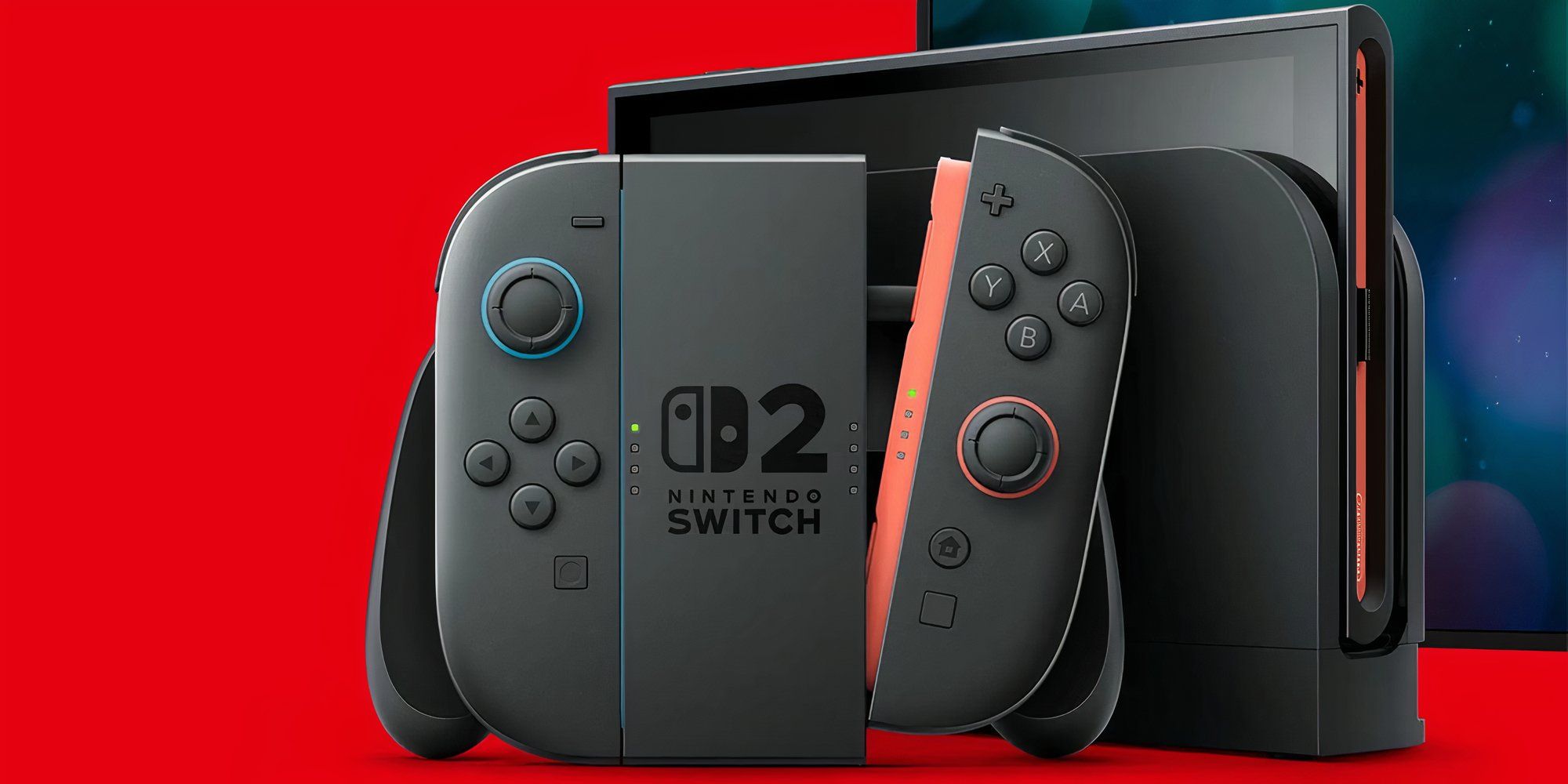
        One of the games revealed during the Nintendo Switch 2 Direct will be Donkey Kong Bananza, which will be the maximum resolution the console can reach when it launches this June.

        Nintendo shared this information in the latest issues of its digital Nintendo Magazine 2025 Special Issue (Ivia WCCFTech), which revealed the platformer’s technical capabilities.

        Related

        10 Upcoming Switch 2 Games That Justify Pre-Ordering

        Nintendo fans have much to be excited about with the Switch 2 on the horizon. Here are some of the games that justify pre-orders.

        Donkey Kong Bananza Handheld Performance Revealed

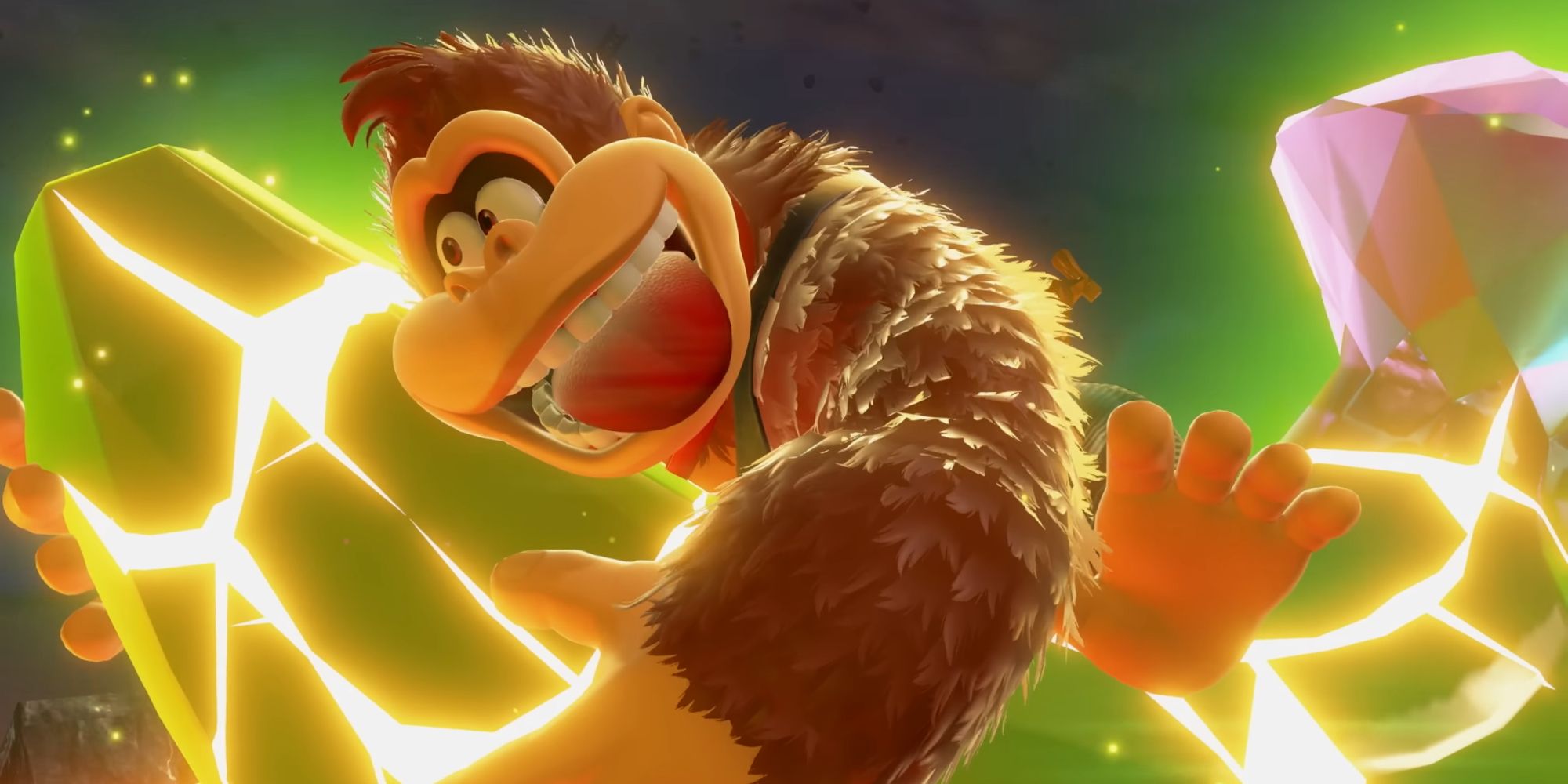
        Donkey Kong's new design in Donkey Kong Bananza

        Per Nintendo, Donkey Kong Bananza will run up to 1080p resolution, 60 frames-per-second (fps) with HDR (High Dynamic Range) in Handheld mode. This should mean a buttery-smooth experience for the game assuming it can maintain that 60fps throughout the game even if there are loads of happening on screen.

        Given how it’s infrequent for launch titles to tap the maximum capabilities of a console, there is a chance that future games can perform better, though 1080p at a consistent 60fps for a handheld? Yeah, that’s freakin’ good already.

        The latest Donkey Kong game was revealed earlier this month, with the official description by Nintendo reads: “Get ready for Donkey Kong Bananza, a brand-new 3D platforming action adventure – available exclusively on Nintendo Switch 2. Crash, bash, and climb through nearly everything in DK’s path and tear off chunks of terrain to swing around and throw in groundbreaking exploration. The more that is demolished with powerful punches, the more areas open up to discover. Break on through this adventure full of mayhem, surprises and bananas when Donkey Kong Bananza crashes onto Nintendo Switch 2 July 17.”

        Related

        Peripheral Maker Will Make Sure You Can Stream On The Go Using The Switch 2

        It will output at a lower resolution than the docked camera attachment.

        While Donkey Kong Bananza won’t be available until almost two weeks after the Switch 2’s release, the scarcity of the console at launch might mean that even once the latest Donkey Kong game is released, there’s a very huge chance that you still won’t be able to buy pre-order a Switch 2 or get one at retail stores.

        Mega-retailer GameStop is said to have a very limited number of stocks available at launch, which means people will be fighting tooth and nail to get one.

        While Donkey Kong Bananza will be priced at the industry-standard $69.99, Mario Kart World will be a lot more expensive. If you’re looking for an arcade racer available at launch that won’t put a hole in your pocket, check out this one we spotted that you can buy for a cool $15.

        Related

        Nintendo Switch 2 Expected To Be The Biggest Console Launch Of All Time

        Big news for Nintendo’s wallet, but will you actually be able to get one?

        donkey-kong-bananza-tag-page-cover-art.jpg

        Donkey Kong Bananza

        Released

        July 17, 2025

        ESRB

        Everyone 10+ // Fantasy Violence

        Developer(s)

        Nintendo

        Publisher(s)

        Nintendo

        Number of Players

        Single-player

        Nintendo Switch 2 Release Date

        July 17, 2025


        Source link

        EastEnders spoilers for next week: First look as Cindy returns ahead of Lauren labour

          0
          EastEnders spoilers for next week: First look as Cindy returns ahead of Lauren labour


          In EastEnders spoilers for next week, Cindy Beale returns during Lauren and Peter’s engagement party – right before the labour.

          Elsewhere, The Vic re-opens for a very special V.E Day celebration.

          All this and more in EastEnders spoilers.

          1. An unwelcome return

          On the day of Lauren and Peter’s engagement party, Lauren attends their last midwife check-up and is upset when Peter goes off to take a phone call when potential complications are mentioned.

          With the party being moved to Harry’s Barn, things don’t look to be running smoothly as Lauren heads off to the office to cool down after getting offended by a remark from Ian.

          Kathy manages to convince Lauren to rejoin the party but she might’ve been better off sitting out as Cindy’s back!

          Peter tries to put out the fire after Cindy’s return but is left with an ultimatum from Lauren – he has to choose between her or his mum.

          Cindy’s family disown her once more but she fights back by revealing the truth about Kathy.

          Cindy goes off to have it out with Lauren again but is shocked to find her in labour. She then rushes to call for an ambulance.

          EastEnders spoilers next week: 2. Fears for Harry

          Nicola’s got a lot on her plate as she issues a threat towards Zack.

          Nicola then turns her attention towards Harry and starts quizzing Gina over his whereabouts. Jay and Gina later spot a drunk Harry and inform Teddy and Nicola.

          Gina’s suspicious over what is causing Harry’s upset and tries to get to the bottom of it, but he won’t spill…

          3. Ross and Vicki fail to see eye to eye

          Vicki and Ross clash over their parenting of Joel, and it seems the tension is only set to grow when Ross confesses the real reason for their debt and quick exit from Australia.

          Ross tries to make it right with Vicki but she’s not ready to kiss and make up just yet. Will she ever forgive him?

          4. The wrong time to celebrate?

          George and Linda announce that The Vic is reopening tomorrow for V.E Day celebrations but most of the Square isn’t in the partying mood so soon after Martin’s death.

          Nigel through is one person who is excited for the celebrations although he believes it’s 1995.

          Seeing how excited Nigel is, Jean tries her best to throw him a last-minute party but Linda informs her that The Vic is closed due to the timing of the event.

          Linda has a change of heart though and soon re-opens the pub, throwing a party full of spirit and the Walford residents remember those who have fallen – including Martin Fowler.

          EastEnders spoilers next week: 5. Jean gets in the way

          With Jean worrying for Nigel, she’s oblivious to Harvey and Kathy’s reconciliation.

          Harvey then arranges a caravan holiday for himself and Kathy, but Jean finds the brochure and believes the surprise is for the Slaters…

          Read more: Are EastEnders stars Lacey Turner and Lillia Turner related in real life? We have answers

          6 exciting Emmerdale spoilers for next week (April 28th - May 2nd)

          EastEnders usually airs Monday to Thursday at 7.30pm on BBC One

          Leave us a comment on our Facebook page @EntertainmentDailyFix and let us know what you think.


          Source link

          Popular Posts

          My Favorites