Nintendo is attempting something it hasn’t done in more than 30 years: make a live-action adaptation of its video games. The Legend of Zelda from Sony Pictures and Nintendo is slated for release in April 2027, bringing the fantasy role-playing game franchise to life in a way never seen before. (Well, except for that one Japanese commercial for The Legend of Zelda: A Link to the Past with a rappin’ Link.)
After the back-to-back success of The Super Mario Bros. Movie and The Super Mario Galaxy Movie, expectations for The Legend of Zelda are sky (islands) high. To make the film, Sony Pictures and Nintendo have tapped Wes Ball (The Maze Runner, Kingdom of the Planet of the Apes) to bring Hyrule to the big screen. Ball previously told Polygon that he wants his take on The Legend of Zelda franchise to be more “grounded” and “real,” and to not fully rely on motion-captured computer graphics.
To ground the film, Ball is shooting flesh-and-blood actors, decked out in Hylian tunics and rocking prosthetic elf ears. And while Nintendo has confirmed two of the film’s lead actors, Bo Bragason as Princess Zelda and Benjamin Evan Ainsworth as Link, the rest of the film’s casting has started to emerge through unofficial channels.
Here’s what we know about the cast of 2027’s The Legend of Zelda so far.
Benjamin Evan Ainsworth is Link
Stills from the live-action The Legend of Zelda movie featuring Link and Zelda in Hyrule (aka New Zealand)Image: Nintendo, Sony Pictures
Benjamin Evan Ainsworth was announced as Link in 2025 by Zelda creator Shigeru Miyamoto. The 17-year-old British actor starred in Mike Flanagan’s Netflix horror series The Haunting of Bly Manor and was the voice of Pinocchio in Robert Zemeckis’ live-action remake of Pinocchio. Ainsworth also starred in season 3 of HBO’s House of the Dragon as Daeron Targaryen, another role in which he wore a green tunic and wielded a sword.
Bo Bragason is Princess Zelda
Stills from the live-action The Legend of Zelda movie featuring Link and Zelda in Hyrule (aka New Zealand)Image: Nintendo, Sony Pictures
Bo Bragason was announced as Princess Zelda alongside Ainsworth’s casting. The 22-year-old British actor previously starred in the Disney Plus series Renegade Nell as the titular Nell’s sister. More recently, Bragason starred in Prime Video’s Sterling Point and BBC One’s King & Conqueror.
Uli Latukefu is Ganondorf
Photo: Phil Bray/Netflix
Uli Latukefu has reportedly been cast as The Legend of Zelda’s villain, Ganondorf, the Gerudo form of the more monstrous Ganon. Latukefu is an Australian actor and best known for his roles as Dwayne Johnson in the NBC comedy Young Rock and Byamba in the Netflix series Marco Polo.
Dichen Lachman is Impa
Image: Apple TV
Dichen Lachman’s role as Impa, Princess Zelda’s bodyguard, in The Legend of Zelda movie was all but confirmed in set photos from the production. But a report from Deadline confirms it. Lachman is best known for her roles in Apple TV’s Severance, Marvel’s Agents of SHIELD, and Ball’s Kingdom of the Planet of the Apes.
Sam Neill is (probably) the King of Hyrule
Image: Universal Pictures
The late Sam Neill will appear in The Legend of Zelda in one of the actor’s final roles. Neill is reportedly playing Zelda’s father, the King of Hyrule. Neill is best known for his work in the Jurassic Park franchise, The Hunt for Red October, and Event Horizon.
Yvonne Strahovski is (probably) the Queen of Hyrule
Image: Frank Masi/Amazon Studios
Yvonne Strahovski, known for her work in The Handmaid’s Tale, Mass Effect 2, Chuck, and more, is reportedly playing Zelda’s mother, aka the Queen of Hyrule.
Lydia Peckham is… in the Zelda movie
Image: Amazon MGM Studios
Deadline reported that Lydia Peckham will reunite with Ball in The Legend of Zelda as an unidentified character. Peckham has previously appeared in Kingdom of the Planet of the Apes, Netflix’s The Kennedys, and MGM Plus’ Robin Hood.
Nintendo’s Zelda movie was announced in 2023. Nintendo is partnering with Sony Pictures Entertainment for the project, with The Legend of Zelda co-creator Shigeru Miyamoto and Hollywood veteran Avi Arad producing. Miyamoto said in 2023 that he’d been working on the movie for “many years now.”
The Legend of Zelda comes to movie theaters on April 30, 2027.
Related
Legend of Zelda movie finds its Ganondorf in first major update in ages
The 2027 film based on Nintendo’s popular RPG series has found its villain
Robinhood Chain reached almost $800 million in total value locked after one month.
The network has processed more than 200 million transactions.
Robinhood wants to reach people who have never used crypto rather than compete for existing users.
Robinhood Chain wants to be a financial hub for the suits just as much as for the degens.
That’s essentially the meaning behind Robinhood CEO Vlad Tenev’s “two wolves” post on X, which the company’s head of crypto, Johann Kerbrat, says sums up what Robinhood is going for with the launch of its own Ethereum layer-2 network: a balance between serious products—tokenized equities and derivatives contracts—and the memes that bring in attention, fun, and users.
“We want to show customers that we care about what they care about,” Kerbrat told Decrypt. “We want to make sure the chain works for what people care about.”
And it’s off to a roaring start.
In just over a month online, Robinhood Chain has reached nearly $800 million in total value locked and has since processed more than 200 million transactions, Kerbrat said.
In an exclusive interview with FOMO Hour on Friday, Kerbrat, who leads Robinhood’s crypto and international businesses, said the company chose an Ethereum layer-2 over a layer-1 blockchain so it could rely on existing security and decentralization while focusing its resources on products.
He pointed to the chain’s deposits and transaction count as early measures of its adoption.
“We also look a lot at developer activity, that’s something that is very important for me,” he said. “I want the chain to not just be the chain for Robinhood, but also be the chain that anyone can use and interact with our product, like our stock tokens, but also everything else that we are building.”
The Robinhood Chain network is part of Robinhood’s effort to move brokerage products on-chain. Customers can use it to buy and sell real-world assets, roughly 200 tokenized stocks, lend stablecoins, and trade perpetual futures.
Today we sat down with @JohannKerbrat from @RobinhoodApp to talk all things Crypto and Robinhood Chain.
1:25 Crypto market revenue on Robinhood5:50 Launch of the Robinhood Chain9:37 Robinhood Chain’s core focus12:20 What does RH like and/or want to see more of16:10 How are… pic.twitter.com/GcXIWM4Qe7
— Decrypt (@DecryptMedia) August 7, 2026
Kerbrat said the freedom to trade when traditional markets are closed gives retail investors a way to respond to market-moving news after traditional exchanges close.
“The world doesn’t stop on weekends,” he said. “News is happening on Fridays after market close, and people want to be able to hedge their position, which was something that was not really available to retail until recently.”
Alongside tokenized stocks, lending, and other financial products, Kerbrat said Robinhood is making room for meme coins, which he described as an important source of liquidity and user interest for the new network.
“We think memes are an important part of crypto. We think that for a new chain, like Robinhood Chain, these tokens have value. They bring liquidity, they bring interest from customers, especially the DeFi-type of customer that are pretty hard to move,” said Kerbrat.
“If meme coins are something that they are extremely interested in, we want to make sure that the chain is supported for that,” he said.
Ultimately, Kerbrat said Robinhood wants to reach people who have never used crypto rather than compete with rival blockchains for existing users.
“If we see tens of millions of customers trying to use a chain, I think that will be a good win for us,” he said. “We want to bring more customers on-chain and show them the benefit of the technology.”
Daily Debrief Newsletter
Start every day with the top news stories right now, plus original features, a podcast, videos and more.
Taylor Frankie Paul My Probation’s Over … Celebrating with A.I. Court Photos?!
Published
August 8, 2026
6:54 AM PDT
Taylor Frankie Paul is getting called out for allegedly posting what appears to be A.I.-generated courthouse photos as she celebrated the end of her 3-year probation.
Waiting for your permission to load the Instagram Media.
Check it out — the ‘Secret Lives of Mormon Wives’ star shared a handful of pics Friday as she marked the end of her probation. The first snap shows her walking through what appears to be the courthouse, and the second shows her sitting before the judge in a courtroom.
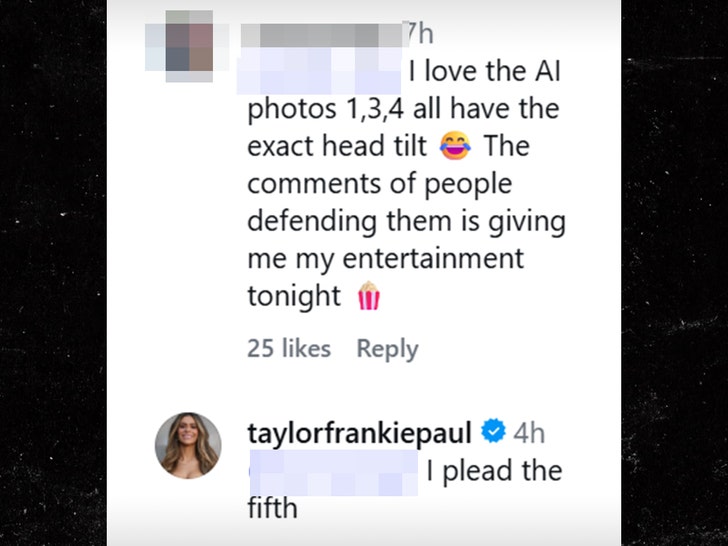
The third photo is where things get really interesting … she’s walking in the courthouse with the same exact expression and head tilt as the first photo, with a young woman taking a selfie with her. The final pic on the slide shows her sitting in the courthouse with a strikingly similar expression as the first and third snaps.
Fans quickly called her out over the pics … and Taylor certainly saw the comments — even writing that she was pleading the fifth in response to one user!
Despite there maybe being some funny business involved in her pics … Taylor’s caption was serious as she reflected on the period of her life and her experience with domestic violence. Remember, her probation stemmed from her February 2023 domestic violence arrest involving her then-boyfriend, Dakota Mortensen.
She wrote in part … “DV is a sneaky cycle to get stuck in because by the time you realize what actually is happening you’re already stuck in it. I don’t care if you see me as the villain or victim. This all surfacing the way it viciously and vindictively did, has been hell on earth and if I didn’t have the support I have I don’t think I would have made it through.”
She added, “However those same people not only get to see they failed to destroy me, but they freed me.”
Play video content
As you know, TMZ released video from the night that led to her arrest … which showed her throwing a barstool at Dakota, resulting in a stool striking her daughter.
Dakota and Taylor received restraining orders against one another back in March, and Dakota was handed full custody of their son, Ever … though Taylor has since been awarded a regular parenting schedule with him.
Coleen Nolan has said she is happy with her weight after losing three and a half stone and is now focused on maintaining her progress.
The Loose Women star, 61, discussed her healthier relationship with food as she shared new pre-show pictures from the final London performance of her This Is Me tour.
Speaking to The Mirror earlier this year, Coleen said: “I don’t want to lose any more weight – I’m happy. It’s about maintaining now and having a healthy relationship with food and with myself. And with Voy you get 24-7 support.”
Coleen Nolan shares pre-show look
In the recent Instagram pictures, Coleen wore a navy blue dress and posed with one hand on her hip before taking to the stage.
She wrote: “My second look from the show last night!” Coleen also thanked the hair and makeup stylists who helped create the look.
Fans were quick to praise the singer and presenter, with one describing her as flawless. Another wrote: “Looking stunning Coleen.”
Someone else commented: “You are looking amazing!”
How Coleen feels after her weight loss
Earlier this year, Coleen revealed that she had lost three and a half stone after receiving support from weight-loss and health platform Voy.
Discussing how she now feels, she said: “I feel so much better health-wise. My back’s improved, I’ve got more energy. And confidence-wise, of course it helps. I used to eat when I was happy or sad. I don’t worry about it in the same way any more.”
She also said that she had found more balance in her diet, allowing herself one or two treats rather than eating an entire packet.
Coleen Nolan has opened up about her weight loss (Credit: Ken McKay/ITV/Shutterstock)
Coleen addresses comments about her appearance
The singer and presenter has also opened up about unkind remarks concerning her appearance. She said criticism about her weight had previously been difficult because it echoed negative thoughts she already held about herself.
Read more: Coleen Nolan reveals her doctor’s ‘worries’ as she issues skin cancer update
Coleen added that some people now claim she has lost too much weight.
She previously told Bella magazine: “I tried to not let the trolls affect me, but it was hard when they were calling me fat and all these names, because those were things that I actually thought about myself.
“Now people attack me for the opposite, claiming I’ve lost too much weight.”
What do you think of this story? Leave us a comment on our Facebook page @EntertainmentDailyFix.
Finding a good running shoe can greatly help your comfort, performance and whole running time.
With the many brands around nowadays, Mizuno has made a strong name for making dependable, lasting and high-performing running shoes. Known for its new Wave tech, quick cushioning and top quality work, Mizuno stays a favorite with runners at all levels in 2026.
If you are getting ready for a long race, jogging every day, using the running machine ͏or just wanting some easy sports shoes, there is a Mizuno style made to fit your needs.
The name gives all sorts of options from soft daily trainers to light racing shoes and choices that help with stability for those who roll their feet in too much.
One reason why runners like Mizuno is its promise to mix comfort and quickness. Unlike very soft shoes which might seem wobbly, Mizuno shoes usually give a strong but cozy feel that helps runners stay on track over long miles.
In this guide, we’ve put together the top Mizuno jogging shoes for 2026. We will chat about their ideas, top uses and what makes every kind special so you can choose the good pair for your run style.
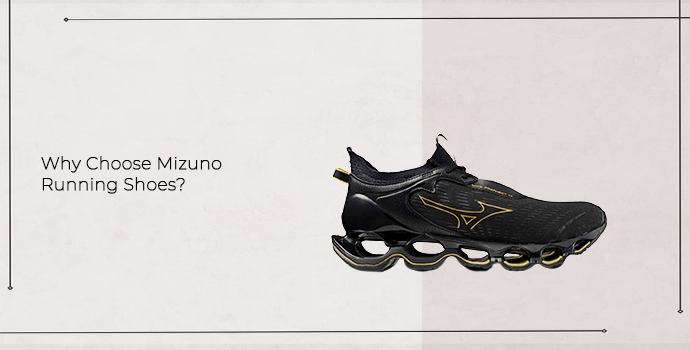
Why Choose Mizuno Running Shoes?
Before looking at the top models, it’s important to know why Mizuno is among the most trusted running brands.
Key benefits include:
Wave Plate technology for stability and energy returnDurable constructionExcellent cushioning optionsResponsive rideLightweight designsReliable tractionLong-lasting performance
If you’re a new or an old runner, Mizuno has choices for almost every kind of running.
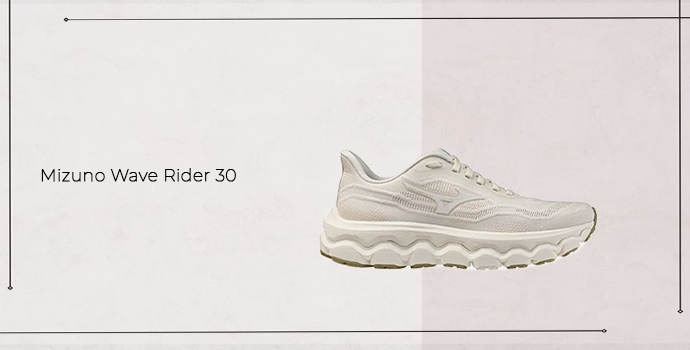
1. Mizuno Wave Rider 30
The Mizuno Wave Rider is one of the brand’s best known jogging shoes and it still leads a group in 2026.
It gives a faster, nimbler trip than the thick padded shoes.
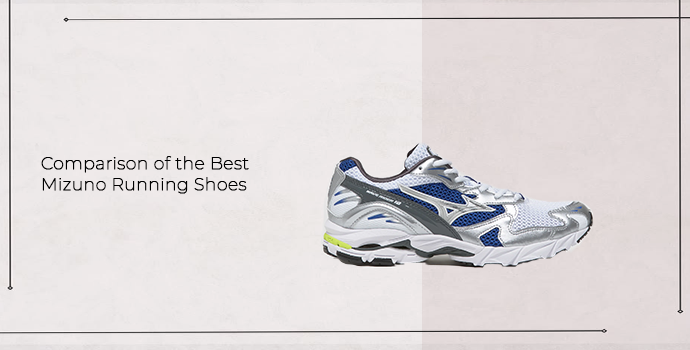
Comparison of the Best Mizuno Running Shoes
The Mizuno Wave Rider is one of the brand’s best known jogger shoes and it st͏ill leads a group in 2026.
All Mizuno shoes have the brands promise to be strong, comfy and work well but their soft padding, help systems, and planned use differ a lot.
The Mizuno Wave Rider 30 is the best choice in the group. It gives a good mix of soft padding, quick response, and strength making it good for all kinds of runs from daily jogs to long trips.
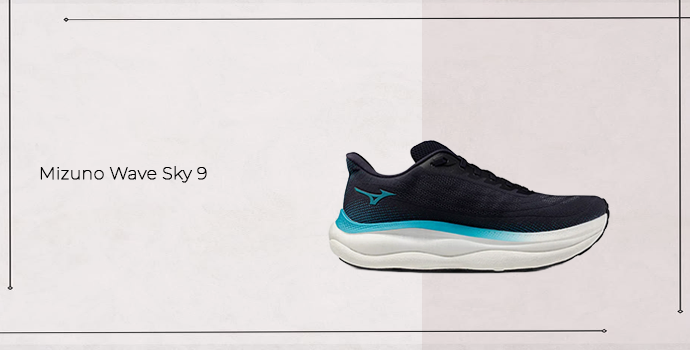
For folks who care about comfort the most, the Wave Sky 9 offers the softest and cushiest feel in the group Its comfy middle sole makes it great for easy runs and people who stand a lot on their feet
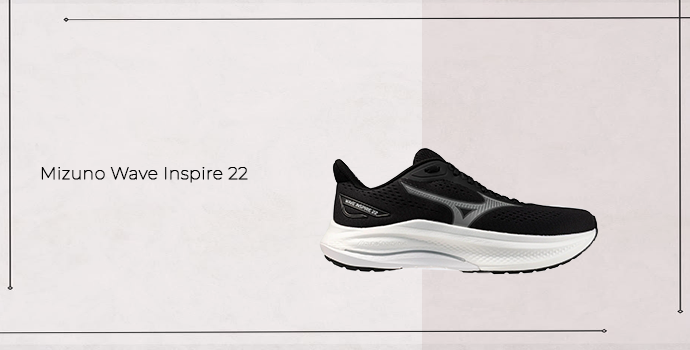
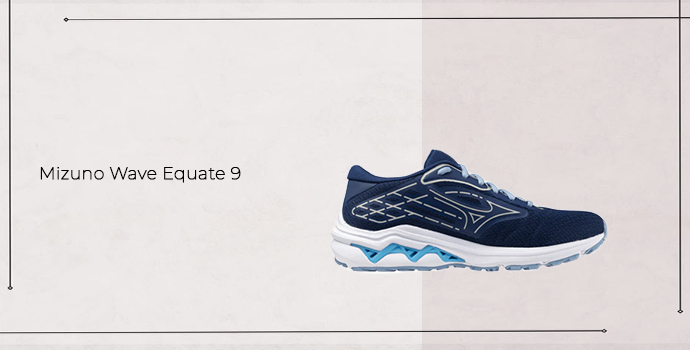
For folks who need more help, the Wave Inspire 22 and Wave Equate 9 are great picks. The Wave Inspire 22 gives top-notch steadiness features but keeps a nice and easy ride, while Wave Equate 9 has reliable support at a cheaper cost making it appealing for new runners.
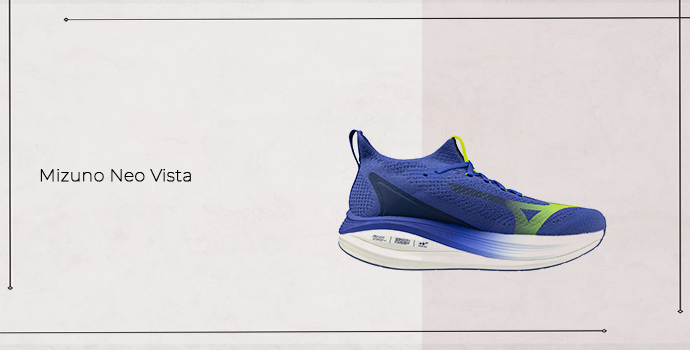
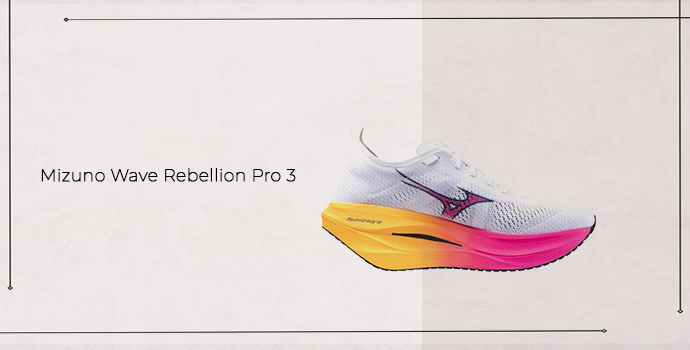
Athletes who care about their performance might like the Neo Vista and Wave Rebellion Pro 3.
The Neo Vista mixes new soft padding tech with a light build, giving a ͏lively feel for quick training times. The Wave Rebellion Pro 3 pushes things more with its race-ready making and carbon-filled plate, which makes it one of the speediest shoes in Mizuno’s collection.
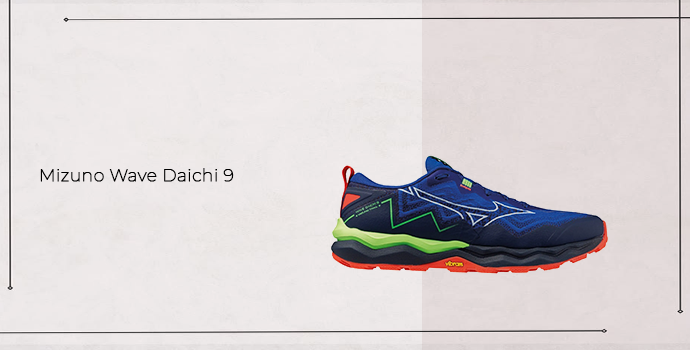
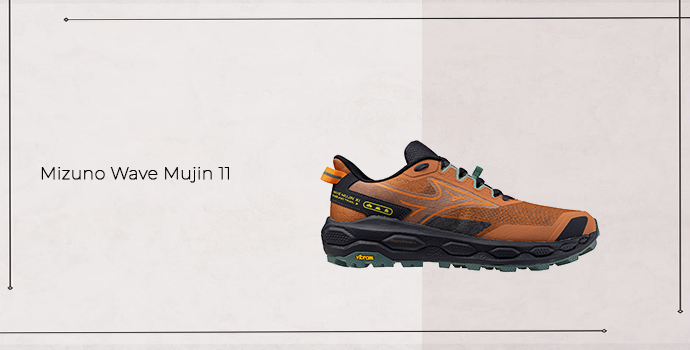
Trail runners have special choices too. The Wave Daichi 9 gives flexibility for different ground, while the Wave Mujin 11 offers greatest safety and hold for trickier paths and longer out-door trips.
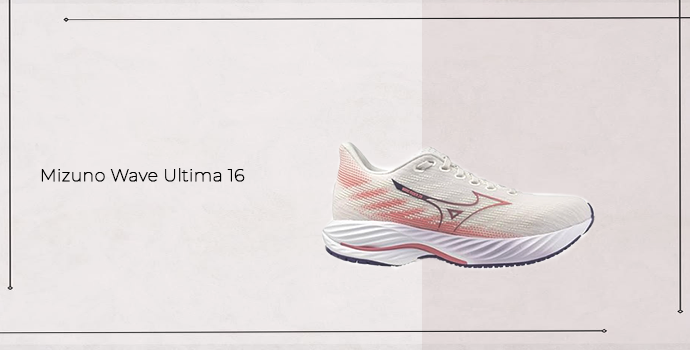
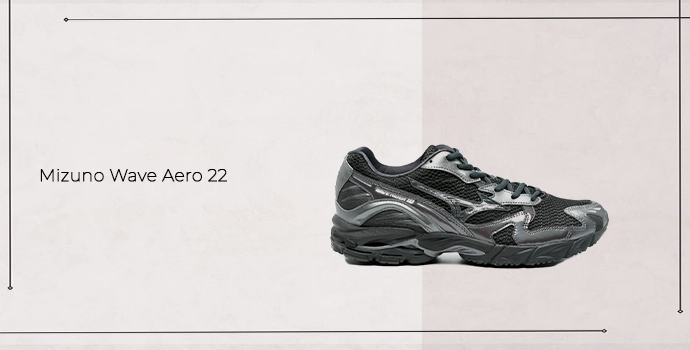
At the same time, a Wave Ultima 16 is a solid daily shoe for easy runners wanting soft and flexible fit. The Wave Aero 22 attracts runners that like fast runs, quick workouts and light shoes.
Overall, the best Mizuno sneakers fit lots of needs from daily runs and races to trail running and help.
Choosing a good pair really relies on your running goals, favorite softness amount and the type of ground you run on most times.
How to Choose the Best Mizuno Running Shoes
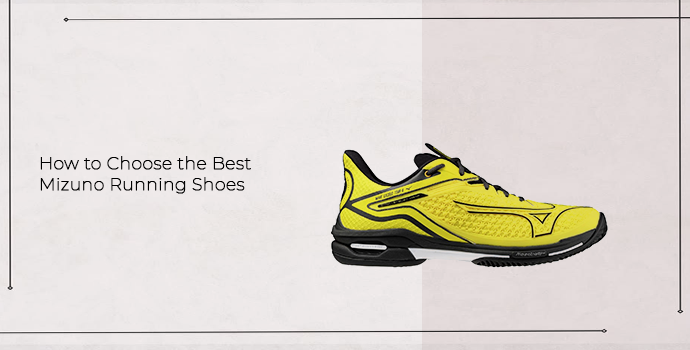
Choosing the top Mizuno running shoes depends on some factors, such as your running way, foot form, training goals and how much soft help you want. With a lot of styles out in 2026 knowing what you need can help choose the right pair and improve comfort and act.
The first thing to think about is your foot shape and run style. People who run with a straight stride usually pick shoes like the Wave Rider 30, Wave Sky 9 or Wave Ultima 16 good for many uses.
These shoes give even softening and quickness without extra help features. If you often roll your foot inwards or need more steadiness when you run, types like the Wave Inspire 22 or Wave Equate 9 give more support to keep things lined up right.
Next, think about the kind of running you do most times. For everyday practice and usual health, the Wave Rider stays one of the top Mizuno running shoes because of its overall ability.
If you often run long ways and care about comfort, the well-padded Wave Sky 9 could be a better choice. Runners who want speed should think about light choices like a Neo Vista or the Wave Rebellion Pro 3.
Softness is one more big thing to think about. Some joggers like a softer, cushier feel but others prefer a harder and more quick response. Mizuno has choices all over this range, letting runners pick a shoe that fits their comfort wants.
You must think about the ground you run on too. People who run on roads can pick from many of Mizuno’s options, but those who run on trails need to check out shoes like the Wave Daichi 9 or Wave Mujin 11 which͏ are made for rough paths.
In the end, the finest Mizuno shoes for jogging are those that fit your wants. Taking time to check your running style, support needs and comfort wishes will help you find a pair that makes each run better and more fun.
What Makes Mizuno Different From Other Running Brands?
Mizuno has gained a steady group of fans among joggers because of its special way of making shoes, how they work and their lasting quality.
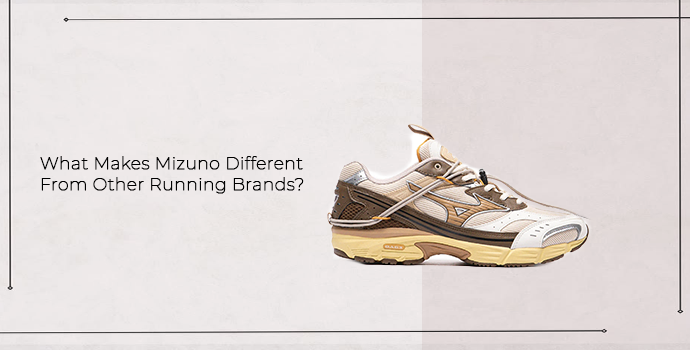
While lots of running names mainly look at soft padding, Mizuno uses a more even method by mixing ease, quickness and steadiness in one set. This unique idea is one big reason why the name keeps making some of the best Mizuno running shoes each year.
One of Mizuno’s special ideas is its Wave Plate tech. Unlike normal running shoes that use only foam for softening, Mizuno puts a specially shaped wave plate in the middle part.
This tech helps spread out force better, boosts steadiness and makes energy bounce back more during every step. Because of this, runners often feel a softer and easier run.
One more spot where Mizuno shines is strength. Lots of runners pick Mizuno shoes since they keep their work over many miles.
The name uses good materials and strong bottoms that can handle regular training without getting worn out fast; this makes Mizuno a smart choice for runners wanting long-lasting shoes.
Mizuno gives a mix of shoes for many running styles. If you want a comfy daily shoe, a stable pair, a light racer or a trail-running type, there is one Mizuno choice made just for that. Shoes like the Wave Rider, the Wave Sky Wave Inspire and the Wave Rebellion fit many kinds of runners and aims.
Also, Mizuno shoes get lots of praise for giving a more quick feel than some very cushioned rivals. Many runners like the mix between softness and ground feedback which help make a natural running experience.
What makes Mizuno special is its promise to give strong support, long-lasting use and quick reaction while still keeping things comfy. This mix keeps making Mizuno a safe pick for joggers looking for steady action and lasting worth in their shoes.
Are Mizuno Running Shoes Good for Beginners?
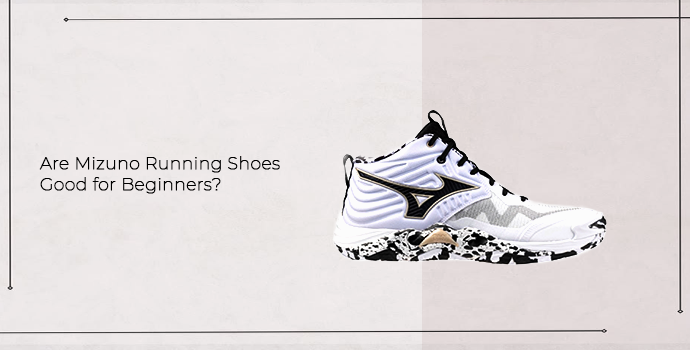
Sure, Mizuno running shoes are a great pick for new runners. The brand makes shoes that mix comfort, help, toughness and how well they work so it’s easier for newbies to feel good and stick with their practice.
If you’re starting a fitness trip, getting ready for your first 5K or just wanting comfy running shoes for daily workout, Mizuno has some easy options for beginners.
One of the main perks of Mizuno shoes is their steadiness and good padding. New runners usually need shoes that can soak up shock well while giving right support during runs.
Lots of the top Mizuno running shoes have the brand’s special wave tech, which͏ helps spread weight out evenly and makes for an easier run. This can lessen pain and help fresh runners keep better shape.
Another reason why new runners like Mizuno is the toughness of its shoes. New joggers might not know what kind of running shoe fits them best, so getting a pair that lasts for months of practice is helpful.
Mizuno shoes are made to take regular use and usually keep their padding and shape for longer times than many basic running shoes.
Models like Wave Rider 30, Wave Inspire 22 and Wave Equate 9 are good for new runners.
The Wave Rider gives a nice mix of ease and quick feel while the Wave Inspire has more help for joggers who want extra steadiness! The Wave Equate is a low-cost choice that still gives trustable action and comfort.
Mizuno also offers a blend of soft types, helping new runners choose a shoe that matches their tastes. If you enjoy a smoother ride or a bouncier feel, there’s likely an Mizuno design that fits your needs.
In general, Mizuno running shoes are a good pick for new runners since they mix ease, help, lasting use and solid working. With the correct set, fresh runners can have a better time and fun start running.
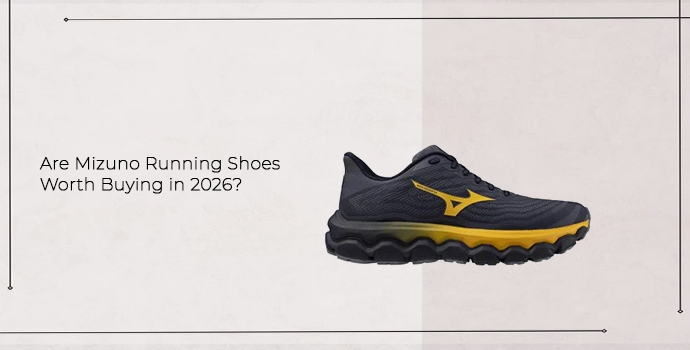
Are Mizuno Running Shoes Worth Buying in 2026?
Yep, Mizuno joggers are truly worth it in 2026 mostly for runners who enjoy durable and comfy things.
Though the world of running shoes has a lot of good brands, Mizuno keeps shining by providing strong shoes that suit all types of runners from beginners to seasoned marathoners.
One of the big reasons to think of Mizuno is the name’s trust. Many runners like that Mizuno shoes stay soft and give good help for a long time.
This strength often means better value, as runners can run lots of miles before they need a new pair.
For people who run often, putting money into a strong running shoe can help a lot. One big plus is Mizuno’s new wave tech, which helps give a mix of padding, steadiness and quick response.
Unlike some running shoes that just care about bein͏g soft, Mizuno wants to make a ride that feels good but not too hard or too soft. This way suits runners who want ease while still keeping up speed during exercises and long runs.
The brand also gives a great range of models. If you need a shoe for everyday use like the Wave Rider 30 or a soft choice like the Wave Sky 9, maybe a shoe that helps with balance such as the Wave Inspire 22 or a fast model like the Wave Rebellion Pro 3; there is Mizuno shoe made for your needs.
Mizuno shoes are known for their nice make, light tops, and strong hold. These traits help to make a comfy and safe run no matter how long or what type of training it is. All in all Mizuno still is one of the most trusted names in running shoes in 2026.
If you’re seeking for shoes that mix comfort, strength, support and performance. The best Mizuno running shoes are surely worth a thought for your next purchase.
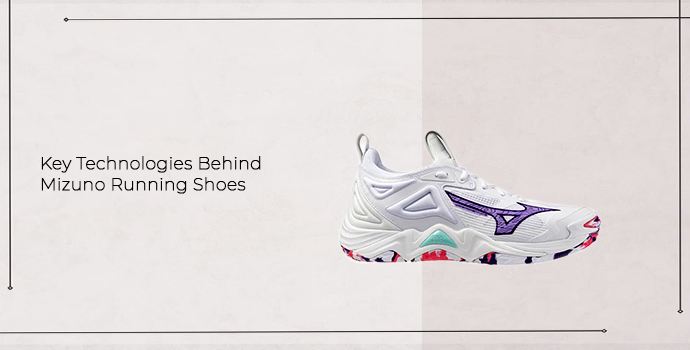
Key Technologies Behind Mizuno Running Shoes
One of the big reasons Mizuno stays a known name with runners is its care for new ideas. The brand often puts money into study and growth to make running shoes that give a mix of ease, help and doing well.
Knowing the tools used in the best Mizuno running shoes can aid runners see why these styles keep doing so great in different running times.
In the center of lots of Mizuno shoes is the brand’s special Wave Plate tech. This wave-like plate is built into the middle part to help spread out hit forces better when each foot hits down.
The outcome is better steadiness, easier shifts and more energy back. Unlike old cushioning ways that depend only on foam, the Wave Plate gives structure support without making it too heavy.
One big change is MIZUNO ENERZY foam, which has turned into a main part in lots of the brand’s new models. This smart padding stuff is made to give both softness and bounce.
Runners gain more comfort below their feet while still having a lively and bright run. The tech helps cut tiredness during long runs and adds to a better running time all together.
Mizuno also puts a lot of attention on the top building. Many styles have made mesh tops that help air flow while keeping a snug fit.
This helps keep feet cool and comfy during practice times, especi͏ally in hot weather. Light materials make comfort even better without giving up strength.
Also, Mizuno uses strong rubber bottoms that give steady grip on different grounds. Whether jogging on streets, paths or easy trails, joggers can look for trustable hold and lasting use.
All these tools make a special running experience that mixes softness, help, strength and ease. This promise to new ideas is one of the reasons why the best Mizuno running shoes still draw in runners at all skill levels in 2026.
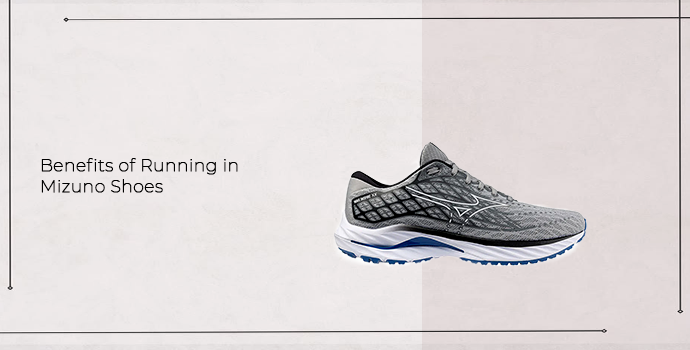
Benefits of Running in Mizuno Shoes
Picking the right joggers can really change how you run, feel and avoid getting hurt. This is why lots of runners keep choosing Mizuno every year. The top Mizuno running shoes are made to help runners over many distances, training types and fitness stages, giving different perks that make them shine in a busy market.
One of the top perks of Mizuno running shoes is their even ride. Unlike some joggers that only look at soft padding, Mizuno tries to mix padding with quickness and steadiness. This makes for a running feel that is cozy while still letting runners keep moving well and have nice energy back during their runs.
One more main plus is how long they last. Mizuno shoes are famous for their power to handle regular workouts without getting out of shape or losing their skill. Good midsoles, strong outsoles and n͏ice top materials help some Mizuno types go on for many miles, making them a good buy for runners who run a lot.
Ease is one more place where Mizuno does very well. Lots of the brand’s newest shoes have airy mesh tops, soft collars and clever padding that help lower stress on the feet. This makes them good for all types of things from short runs each day to long training times.
Help is just as key and Mizuno gives choices for both straight runners and those who need more stability. Styles like the Wave Inspire and Wave Equate offer more help for runners that overpronate, while straight options like the Wave Rider and Wave Sky aim to give smooth and comfy changes.
Also, Mizuno has a big choice of running shoes that means there is a good fit for almost every kind of runner. If your aim is for daily practice, getting ready for a marathon, going fast or running on trails the brand gives special shoes made to help you do very well while feeling comfy and safe.
Final Verdict
Mizuno keeps showing why it is one of the top names in the running field. With a big focus on how well things work, lasting power and ease, the brand gives many choices that suit almost every type of runner.
If you are a newbie starting your fit path, a skilled marathon runner, or a person in search of an everyday shoe for training there is a Mizuno type made to suit your needs.
In this guide, the Wave Rider 30 from Mizuno is one of the best choices for most runners. It gives a great mix of softness, quickness and long-lasting use making it good for everyday runs, long jogs and fitness tasks.
If you want more comfort, the Wave Sky 9 gives a soft and very cushioned feel; while runners who need more help will like the stability-driven Wave Inspire 22.
Active sportspeople have good choices too. The Neo Vista and Wave Rebellion Pro 3 give light, quick rides that are perfect for speedy training and race days.
Outdoor lovers find great options in the Wave Daichi 9 and Wave Mujin 11, which both provide great grip and safety on tough ground.
What really makes Mizuno different is its skill to mix new tech with lasting strength. Things like Wave Plate tech, quick bouncing support and high-quality build help make a running feel that seems both cozy and smooth.
At the end, the best Mizuno running shoes are ones that fit your own running goals, foot shape and liking for soft padding.
By picking the right type, you can boost comfort, lessen tiredne͏ss and have a better running time. For joggers looking for tough kicks that give good value a͏nd how well they function, Mizuno is still a name to think about in 2026.
FAQs
Which is the best Mizuno running shoe in 2026?
The Mizuno Wave Rider 30 is looked at as a best pick for lots of joggers.
Are Mizuno running shoes good for beginners?
Yes, shoes like a Wave Rider 30 and the Wave Equate 9 are good for new runners.
Which Mizuno shoe is best for long-distance running?
The Wave Sky 9 and Wave Rider 30 are nice choices for long journeys of ease.
Does Mizuno make stable running shoes?
Yes, the Wave Inspire 22 and Wave Equate 9 are made for a better balance.
Are Mizuno running shoes durable?
Yes, Mizuno shoes are known for their tough make and strong use.
Which Mizuno shoe is best for racing?
The Wave Rebellion Pro 3 is a best pick from Mizuno for running shoes.
Are Mizuno shoes worth buying in 2026?
Yeah, they give great ease, long-lasting-ness and worth for joggers of every kind.
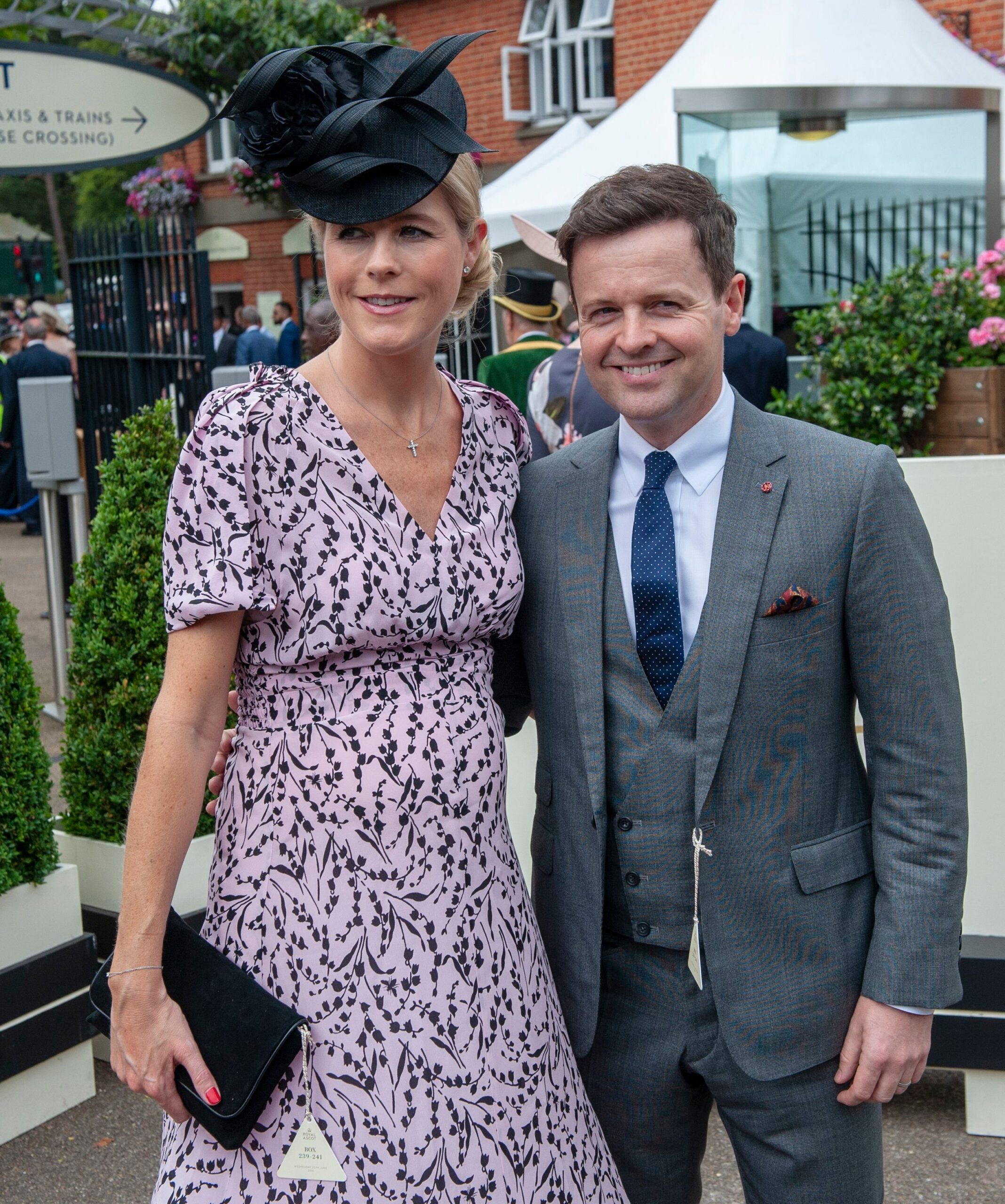
Dec Donnelly left Ant McPartlin stunned as he revealed his unusual bedtime routine on their podcast.
As reported by the Daily Mail, the pair discussed their nighttime habits on Thursday’s episode of Hanging Out with Ant & Dec. The chat quickly turned into a string of innuendos, and Ant could not stop laughing.
Dec said he and wife Ali Astall usually head upstairs at about nine o’clock. He said: “I have a pretty good routine. At about maybe nine o’clock, we’ll go up to the bedroom. Put the TV on.”
He added: “Sometimes I’ll have a little shower before bed. I like to have a shower, getting into clean sheets. Phones off, but not off, but like silent. Do not disturb.”
Dec explained his routine with Ant (Credit: Belta Box / YouTube)
Dec Donnelly stuns Ant McPartlin with bedtime routine
Then Dec dropped the line that stunned Ant. He said: “I’ve got these boots.”
Ant jumped in straight away. He asked: “What? You put boots on to go on the bed? Nighttime boots?”
Dec kept the joke going before he explained himself. He said: “Yeah. It’s supposed to make me taller. No, no, no. They’re compression boots that I put on my legs and they go right up to, right to there.”
As Dec described the thigh-high fit, Ant fired back with one word: “Sexy.”
Dec explained what the boots do. He said: “And you press a button and they go [buzz]. It’s like having your blood pressure taken. It’s for like lymphatic system.”
Ant pushed the joke even further. He asked: “And are you turned on by this boot?”
Dec laughed and carried on. He said: “Well, I’ll have a little boot session, maybe. We watch TV. Mrs. D does her bit.”
That answer only confused Ant more. He replied: “What?”
Dec shared details on his and wife Ali’s bedtime routines (Credit: David Parker/ANL/Shutterstock)
Ali Astall’s routine made the chat even stranger
Dec then explained Ali’s side of the evening ritual. He said: “She does whatever she does, her little beauty routine. There’s all sorts of creams going on.”
Then he revealed the detail that really threw Ant. He said: “She lies on one of these bed of nails. Like a mat with [plastic little sticks]. It’s like an acupuncture thing.”
Dec admitted he wants no part of that. He said: “It hurts me. I can’t do it. So I just put my legs on.”
Read more: Dec Donnelly hits out at ‘rude’ parent following incident at son Jack’s playgroup
By then, Ant summed up the whole exchange. He said: “I didn’t expect any of this. I expected like, ‘I might have a bowl of cereal.’”
Dec also shared the calmer part of the routine. He said: “Sometimes I’ll have a little sleepy tea. The one with the teddy bear on the front and his pyjamas.”
He added: “I’ll take one of them up and we’ll relax with maybe a 24 Hours in Police Custody. Something nice and chill before bed.”
What do you think of this story? Leave us a comment on our Facebook page @EntertainmentDailyFix.
Dr Michael Mosley’s son Jack has married his partner Heather, while making sure his late father remained part of their special day.
The newlywed shared a selection of wedding photographs on Instagram, including a moving image of an empty chair reserved in Michael’s memory.
A small handwritten tag bearing the name “Mike” hung from the chair, which was decorated with pink ribbon. A larger message identified Michael as the father of the groom and said his love and spirit continued to surround the family.
“We carry you in our hearts as we begin this new chapter,” part of the tribute read. “This day is for you, too. Always remembered, always loved.”
Michael Mosley’s son Jack has tied the knot (Credit: ITV)
Jack Mosley shares wedding photographs
Alongside the pictures, which you can see here, Jack wrote: “Best day, marrying my favourite person.”
Heather wore an off-the-shoulder cream wedding gown and styled her hair in loose curls. Other photographs showed the couple smiling and dancing, with Jack lifting his bride on the dancefloor in one black-and-white image.
According to The Sun, Jack was joined at the celebrations by his siblings Alex, Dan and Kate, as well as his mother, Dr Clare Mosley.
Followers appeared touched by the family’s tribute to Michael. One wrote: “Congratulations! That brought tears to my eyes seeing that chair.”
Another said: “How beautiful – congratulations. What a beautiful touch with the chair for your Dad.”
Dr Michael Mosley died in 2024 (Credit: Ken McKay/ITV/Shutterstock)
Michael Mosley died in 2024
Michael, a broadcaster, author and doctor, was known to viewers for sharing health advice on programmes including The One Show, This Morning and Lorraine.
He tragically died aged 67 in June 2024 after going missing during a walk on the Greek island of Symi.
His body was found on June 9, four days after he failed to return.
Read more: This Morning viewers ‘uncomfortable’ as Michael Mosley’s wife Clare appears on show
Jack’s wedding tribute offered a deeply personal way for the family to remember him as the couple began married life together.
What do you think of this story? Leave us a comment on our Facebook page @EntertainmentDailyFix.
Kathleen Allman, mother of the late Ondo Finance founder Nathan Allman, is seeking to gain control of the company and requesting the removal of Ian De Bode from his position as CEO and president, according to a verified complaint filed in the Delaware Court of Chancery on July 24. The lawsuit comes less than two months after Ondo announced Allman’s passing, thrusting one of the major companies in the real-world asset tokenization space into a governance dispute during a period of expanding tokenized securities.
What The Complaint Says
According to the complaint, Kathleen Allman alleges that Ian De Bode has “improperly held himself out” as the CEO of Ondo following the death of Nathan Allman without board approval. She also alleges that De Bode sought to make himself the sole director of the company.
At the heart of the dispute is the status of Ondo’s board following Nathan Allman’s death. The complaint contends that at that time, the board had two seats: one held by Nathan Allman and the other vacant. Under Kathleen Allman’s argument, when Nathan passed away, the company had no remaining directors with the authority to approve De Bode’s appointment as CEO.
The Block noted that the public version of the complaint redacted several key pieces of information, including the specific voting interest percentage that Nathan Allman’s estate reportedly holds, as well as his cause of death. These redacted portions leave the public filing currently insufficient to fully verify the claim that the estate holds controlling interest in Ondo.
Kathleen Allman’s Control Claim
Kathleen Allman argues that as the personal representative of Nathan Allman’s estate, she has the right to represent the controlling voting interest in Ondo. According to the complaint, she was appointed by a Hawaii court as the personal representative of the estate in late June, and, approximately two weeks later, signed a stockholder written consent appointing herself as the sole director of Ondo.
Subsequently, Allman expanded the board to four seats and appointed Gordon Liao and Tahnee Towill. Liao declined the position for “reasons unrelated” to the legal dispute, according to the filing cited by The Block. Towill is Nathan Allman’s sister.
On July 24, the same day the complaint was filed, Allman and Towill voted to remove De Bode from all officer, employee, and consultant positions at Ondo, including his role as president. The complaint also states that Allman was appointed as chair, CEO, secretary, and treasurer.
Should the court accept this argument, the lawsuit will not only revolve around the CEO title, but will also decide who holds the legal right to reconstitute the board and control Ondo following the founder’s death.
De Bode Rejects The Claims
In a response provided to The Block, De Bode said Kathleen Allman’s claims are “meritless” and will be clarified in court. He also stated that Ondo continues to receive support from key stakeholders, including lead investors and the Ondo Foundation.
De Bode continued to use the title of Ondo Finance CEO in his response. He argued that the lawsuit does not serve the interests of the company, shareholders, the team, or the Ondo ecosystem, while stating that the current leadership team remains committed to clients and Nathan Allman’s vision of a more open financial system.
Kathleen Allman’s side stated that the board group she established remains committed to Nathan Allman’s belief that on-chain markets are the future of finance, while focusing on maintaining company operations while searching for a successor.
The allegations in the complaint currently remain allegations from one party in the dispute. The Delaware Court of Chancery has not yet issued a ruling confirming which party holds legitimate control over Ondo.
What’s At Stake
Ondo is currently one of the major names in the real-world asset tokenization sector. According to DeFiLlama, Ondo Finance currently holds approximately $3.49 billion in TVL across 14 blockchains, while CoinGecko records the ONDO token as having a market capitalization of around $1.93 billion.
Ondo’s scale extends beyond tokenized Treasurys. Ondo Stocks, the segment bringing traditional securities on-chain, is recording around $1 billion in TVL, 440+ assets, and
Ondo Stocks dashboard. Source: Ondo Finance
Nathan Allman passed away at the end of May, De Bode was announced as taking over the CEO role shortly thereafter, and less than two months later, the founder’s mother took the dispute to the Delaware Court of Chancery. The lawsuit therefore emerges just as Ondo is expanding deeper into tokenized securities, a sector highly dependent on the trust of investors, partners, and regulatory frameworks.
The Delaware Court of Chancery has not yet issued a ruling regarding control of Ondo. Until the court resolves the complaint, De Bode and Kathleen Allman continue to present two opposing positions regarding who holds the authority to run the company following Nathan Allman’s death.
Do you remember those iconic Mission Impossible scenes? You know the ones—where Ethan Hunt casually rips off a hyper-realistic face mask to reveal his true identity. I always watched those moments and wondered what it would actually be like to wear one. Well, I’ve been diving deep into the latest developments in materials science, and I have to tell you: the technology has finally caught up to Hollywood.
We are no longer just dreaming about this. It is here, and it is entirely mind-bending.
The Nano-Polymer Reality: Breathing Skin and 98% Less Sweat
Let’s talk about the tech itself. Forget those clunky, suffocating rubber masks you see at Halloween. The breakthrough here relies on nano-polymer face masks.
When I was reading through the specs, I was genuinely shocked. This material is engineered to mimic biology—it actually breathes like real human skin. One of the biggest hurdles with prosthetics used to be thermal regulation, but these new nano-polymers prevent sweating by 98%.
Think about that for a second. You could look in the mirror, snap on a new layer of synthetic skin, and become a completely different person in a matter of seconds, without feeling like your face is melting off. It is an incredible engineering feat, but it immediately sent my mind racing toward the implications.
The Dark Side: Stepping into a Cyberpunk Dystopia
hacker man typing on laptop, hacking computer system. male in mask and pullover. unrecognizable incognito male sit in hood and try to breach the security of laptop system. neon smoke in background
As much as the tech geek in me loves this, while I was investigating, I stumbled upon a terrifying dark side: digital face hacking.
We’ve worried about digital deepfakes for years, but what happens when the deepfake enters the physical world? The risks are massive:
Physical Identity Theft: It’s no longer just about stealing a password; it’s about stealing someone’s literal appearance to bypass biometric security.The Framed Innocent: I thought for a moment about the sheer panic of having my face hacked. Imagine a crime being committed, security cameras catching it all, and the face on the tape is yours—even though you were asleep in your bed.The Death of Trust: On a societal level, I feel like we are approaching a point where I will never confidently know the real face of the person passing by me on the street anymore.
The Three-Face Limit: A Fragile Security Net?
To prevent this from turning into total global chaos, developers are desperately trying to build guardrails. Right now, the system operates under strict biometric locks. It only allows a transformation into three different pre-encrypted faces.
You can’t just download a celebrity’s face or your neighbor’s face and print it out. The faces are mathematically generated, encrypted, and locked to your specific hardware.
But honestly? I’m skeptical. Every encrypted system in history has eventually been cracked. If you can hack a bank, you can hack a face. This technology represents a tremendous power, but to me, it feels like a cyberpunk dystopia stepping off the pages of a sci-fi novel and right into our daily lives.
So, I have to ask you: If you had access to this nano-polymer tech and your three encrypted faces, would you strictly use them to protect your privacy online, or would the temptation to physically walk the streets as a completely different person be too strong?
Because remember, the future is not fiction, it is being coded right here. Come on, subscribe right now and support me please!
Lasalle College of the Arts’ 2026 graduate fashion show took place in the then-unopened Cantonment MRT station, where students were asked to centre their designs in Southeast Asian fashion. (Photo: Courtesy of Lasalle College of the Arts)
Midway through May this year, the who’s who of Singapore’s fashion scene—from editors and influencers to budding designers—gathered in the basement level of the unopened Cantonment MRT station. For one evening only, it was to be transformed into a celebration of Singapore’s next generation of designers: the setting for Lasalle College of the Arts’ 2026 graduate fashion show.
Eng Li Wen’s oversized, workwear-inspired pieces were a tribute to the historic Sungei Road flea market. (Photo: Courtesy of Lasalle College of the Arts)
Rather than being a silent backdrop to the evening, the station came alive, imbuing the show with a frisson of the unexpected. Models were backlit by fully functional trains pulling into and out of the platform; the electronica soundtrack was interspersed with standard MRT safety announcements. “You wouldn’t believe the level of bureaucracy it took to make this happen,” one usher quipped as he seated attendees—among whom was Minister for Transport Jeffrey Siow.
For Dr Circe Henestrosa, the head of Lasalle’s School of Fashion, the show’s unusual setting was less an exercise in novelty than a natural extension of the department’s mission: to develop critically engaged young design talent in Singapore. The show’s theme, De:Centering, asked students to design with a simple yet crucial question in mind: what would it mean for their creations to be truly unmoored from Eurocentric industry norms, centred instead on Southeast Asia? “We’re positioning Singapore as a site of knowledge production rather than simply consumption,” Dr Henestrosa explains.
Eng Li Wen’s oversized, workwear-inspired pieces were a tribute to the historic Sungei Road flea market. (Photo: Courtesy of Lasalle College of the Arts)
For the designer whose collection opened the show, the creative process unearthed a uniquely Singaporean dilemma at the heart of the city’s fashion scene. Eng Li Wen’s oversized, workwear-inspired pieces drew from street vendors at the historic Sungei Road Flea Market. “The reason I chose to look at this cultural heritage comes down to this one question that my friends from overseas always ask me: ‘What is a Singaporean fashion brand?’ Eng explains. To the young designer, the question remains surprisingly—and disappointingly—unanswered. “Sure, we can all name a few off the top of our heads, but would you say that they’re uniquely Singaporean brands?” he challenges. “They could be found anywhere else in the world. Unlike Malaysia and Indonesia, which have quite a strong fashion identity, we’re still developing ours in Singapore.”
During the primary research process, which involved sourcing items from thrift stores and interviewing vendors, Eng discovered that the flea market had been closed since 2017, after years of being whittled away by the construction of the Jalan Besar MRT station. “My designs were based on something that was affected by an MRT station in Singapore,” he points out. “So I think the location of the show was quite a funny, ironic callback to the collection itself.” His designs were especially striking against the sleek glass and metal of the underground station—only emphasising their commentary on how creative and cultural spaces in Singapore struggle to survive.
It’s a struggle that becomes all the more glaring when one considers the compact nature of Singapore’s fashion scene. One could imagine a young designer falling through the cracks of a creative network as bustling and complex as London’s or New York’s. But in a city as small as Singapore, where an entire train station can be handed over to a graduate fashion show, there should be a concentrated pool of resources. Few are better placed to see this than Ting-Ting Zhang, CEO of the Singapore Fashion Council, whose work bridging creative talent and industry leaders gives her an inside view of what makes Singapore unique. “In some ways, Singapore’s ecosystem is compact enough that meaningful partnerships between industry, government agencies, educators, and brands can happen more efficiently,” Zhang explains.
“I don’t think the issue is a lack of talent—Southeast Asia has an incredible depth of creativity. The challenge is often around infrastructure, visibility, and long-term development pathways.”Ting-Ting Zhang, CEO of the Singapore Fashion Council
There is a remarkably robust network of educational and financial initiatives aimed at nurturing emerging talent in Singapore. The Singapore Fashion Council’s Global Fashion Programme and Singapore Stories fashion show make up a key pillar, allowing young designers to connect with buyers, manufacturers, and international markets. At Lasalle, support begins not with a business plan but with the intangibles: skills more conceptual and cultural than commercial. “What truly distinguishes a designer is their ability to articulate a clear point of view,” says Dr Henestrosa.
And yet, Singapore’s fashion ecosystem presents something of a paradox. There is, after all, no shortage of support, which raises an obvious question: if the resources are there, why do so few designers make the leap from promising graduate to enduring fashion brand?
The answer, according to many in the industry, has less to do with talent than with survival. “I don’t think the issue is a lack of talent—Southeast Asia has an incredible depth of creativity,” Zhang says. “The challenge is often around infrastructure, visibility, and long-term development pathways.” It’s difficult to overstate the array of skills required of a young designer today, from sketching collections to managing finances and building communities around their brand. Visibility may be within reach in the digital age, but stability is as elusive as ever. According to Zhang, the pressure becomes even more acute in Singapore, where the domestic market offers limited room for experimentation. Brands often need to think regionally, even globally, almost from inception.
For the students preparing to leave the relative safety of academia, that reality is impossible to ignore. “I feel like if I had not gone to school, it would be very hard to access all these opportunities,” says Vanessa Lim, another graduate designer from this year’s show. Through Lasalle, she has presented her work on a professional runway, attended industry talks, and developed connections that would otherwise have been unavailable. But translating that momentum into a business is another challenge entirely.
The Uneven Starting Line by Vanessa Lim (Photo: Lim Sin Rong, Vanessa and Colette Wong)The Uneven Starting Line by Vanessa Lim (Photo: Lim Sin Rong, Vanessa and Colette Wong)
“You still have to build from scratch, from the ground up,” she says. “Besides fashion, you need the business aspect as well.” The prospect is daunting enough that Lim hesitates when asked whether she intends to launch her own label after graduation. For now, she plans to gain experience first. Fashion may celebrate youthful ambition, but rent, production costs, and payroll tend to be less romantic.
Eng is equally candid. Many graduates, he notes, eventually gravitate towards commercial fashion because they have little choice. “At the end of the day, we need the money,” he says with a shrug. He hesitates to refer to it as selling out, but his discouragement is palpable. Building a creative practice is difficult enough; building one that can pay the bills is something else altogether. “We need a place to make mistakes and grow,” Eng says. “That’s the support we need.”
If there is a common refrain running through conversations with educators, industry leaders, and young designers alike, it is sustainability—not in an environmental sense, but a personal one. Fashion identities and ecosystems are rarely built overnight. For Zhang, the priority is creating the conditions for brands to grow beyond a single breakout moment. “Often, what makes the biggest difference is opening the right doors at the right stage of a brand’s growth,” she says.
At Lasalle, the conversation stretches even further into the future. Through the Equatorial Fashion Research Lab, Dr Henestrosa and her colleagues have begun taking the theme of De:Centering beyond the Lasalle runway, asking what fashion might look like when viewed entirely from the lens of the tropics. The absence of traditional seasons, she argues, presents an opportunity to rethink some of fashion’s most deeply embedded assumptions.
“In the tropics, where spring/summer and fall/winter cycles do not exist, we have an opportunity to challenge deeply ingrained Eurocentric models and rethink fashion through new frameworks of materiality, temporality, and the body,” she says. It’s a proposition so obvious it feels almost radical—why not design for the environment in which we live and breathe?
Perhaps this, ultimately, is how a distinctly Singaporean fashion identity will emerge. Not from a single silhouette, motif, or national aesthetic—Singapore has always been too porous and shaped by exchange for that—but in the confidence to treat its own conditions, climate, and cultural complexity as worthy subjects of design. When asked what excites him about the future, Eng returns to the question that first inspired his collection. “I hope that one day, when someone asks what a Singapore fashion brand is, that’s something I can answer with confidence,” he says. “Something that’s uniquely here, and you can’t find anywhere else.” For now, the answer remains a work in progress. The search for it, however, has already begun.
This article was first seen on GRAZIA SG
For more on the latest in luxury fashion and style reads, click here