Published: November 22, 2024 at 10:20 am Updated: November 22, 2024 at 9:46 am
by Ana
Edited and fact-checked:
November 22, 2024 at 10:20 am
To improve your local-language experience, sometimes we employ an auto-translation plugin. Please note auto-translation may not be accurate, so read original article for precise information.
In Brief
Zeus Network unveiled the tokenomics of ZEUS with the goal of onboarding 1% of Bitcoin liquidity into the Solana DeFi ecosystem.
Interoperability layer for the Solana Virtual Machine (SVM), Zeus Network unveiled its tokenomics with the goal of onboarding 1% of Bitcoin liquidity into the Solana decentralized finance (DeFi) ecosystem and enabling unrestricted use of UTXO-based assets such as Dogecoin, Litecoin, and Kaspa.
ZEUS is a foundational layer token that ensures the security of ZeusNode while enabling a seamless, permissionless flow of Bitcoin liquidity into Solana. Its utility is structured in three distinct development chapters.
In the first chapter, ZEUS functions as a layer token designed to facilitate the secure transfer of Bitcoin liquidity into Solana. The initial exchange rate of 20,000 ZEUS to 1 BTC is strategically set to stabilize ZeusNode and the ZPL-asset framework. This phase aims to onboard Bitcoin as zBTC, the first ZPL-asset, and create a permissionless gateway for on-chain yield generation and various DeFi strategies within Solana’s ecosystem. The 20,000 ZEUS to 1 BTC ratio serves as a secure starting point, with adjustments to follow based on market conditions and Solana’s liquidity needs.
ZeusNode acts as the core infrastructure of the Zeus Network, facilitating permissionless interactions between Bitcoin and Solana. By delegating ZEUS to Guardians, participants help maintain consensus, secure the network, and uphold the integrity of cross-chain transactions managed by ZeusNode Guardians. As a ZeusNode Delegator, users play a vital role in securing the network, fostering Bitcoin-Solana innovation, and earning rewards for their contributions.
In chapter two, ZEUS will expand its utility within the Solana ecosystem, unlocking new ZPL-asset applications, including xyzBTC, and further enhancing Solana’s DeFi capabilities and overall ecosystem growth.
Looking ahead to chapter three, Zeus plans to enable multi-chain interactions, aiming to connect UTXO-based blockchains such as Dogecoin, Litecoin, and Kaspa. This will create a more unified financial system, eliminating fragmentation and driving innovation across Solana.
We’re thrilled to reveal $ZEUS tokenomics—the driving force behind an interoperable future, aiming to onboard 1% of Bitcoin liquidity into Solana.
Learn about the 3 Chapters of the token… pic.twitter.com/HOoon8cUnB
— Zeus Network 🟧⛈️🟣 (GAIA) (@ZeusNetworkHQ) November 22, 2024
What Is Zeus Network?
Zeus Network, an interoperability layer built on the SVM, enables seamless connections between Solana and other blockchains, including Bitcoin, Litecoin, and Dogecoin.
The platform’s primary focus is integrating Bitcoin through its decentralized application (dApp), Apollo, which facilitates the transfer of Bitcoin liquidity into Solana. This integration provides Bitcoin holders with the opportunity to access and interact with dApps within the Solana ecosystem.
In April, Zeus Network successfully raised $8 million in a seed funding round, with investments from Mechanism Capital, OKX Ventures, Animoca Ventures, Lemniscap, and other supporters.
Disclaimer
In line with the Trust Project guidelines, please note that the information provided on this page is not intended to be and should not be interpreted as legal, tax, investment, financial, or any other form of advice. It is important to only invest what you can afford to lose and to seek independent financial advice if you have any doubts. For further information, we suggest referring to the terms and conditions as well as the help and support pages provided by the issuer or advertiser. MetaversePost is committed to accurate, unbiased reporting, but market conditions are subject to change without notice.
About The Author
Alisa, a dedicated journalist at the MPost, specializes in cryptocurrency, zero-knowledge proofs, investments, and the expansive realm of Web3. With a keen eye for emerging trends and technologies, she delivers comprehensive coverage to inform and engage readers in the ever-evolving landscape of digital finance.
More articles
Alisa Davidson
Alisa, a dedicated journalist at the MPost, specializes in cryptocurrency, zero-knowledge proofs, investments, and the expansive realm of Web3. With a keen eye for emerging trends and technologies, she delivers comprehensive coverage to inform and engage readers in the ever-evolving landscape of digital finance.
WearFi in Web3 – earn tokens for walking, tracking your sleep, or even hitting the gym. This article will look at what WearFi is, how it works, and the benefits, not just for fitness enthusiasts but also for anyone who wants to earn while being active. We’ll also look at WearFi’s challenges as it tries to disrupt the wearables industry and the Web3 space.
What is WearFi?
In a nutshell, WearFi is a combination of wearable devices and blockchain. It rewards users with digital tokens for daily activities like walking, sleeping well or exercising. Think of it as a fitness tracker that tracks your health and pays you for being active.
WearFi wants to turn fitness into more than just a personal health journey. It’s about combining health, financial incentives and data ownership into one user-centric platform. Using blockchain, WearFi can empower users to get secure rewards while controlling their data.
This isn’t just about personal gain – it’s a vision of fitness as part of a decentralized financial future where individuals can simultaneously control their health and wealth.
Wearable devices are more popular than ever, and the market is growing fast. For years, these devices have tracked steps, heart rate, and sleep quality. With blockchain, they’re now entering new territory – helping users earn cryptocurrency.
This is tied to the rise of Decentralized Physical Infrastructure Networks (DePINs). DePINs bring blockchain into the real world, letting people share resources like data, storage, or connectivity and earn cryptocurrency rewards for their contributions.
With this technology, wearable devices are no longer just about health. They’ve become tools that connect physical activity to financial growth and are appealing to a much wider audience.
How WearFi Works
Wearfi devices collect data on your health and fitness activities, such as steps taken, sleep quality and heart rate. This data is securely processed through blockchain and turned into cryptocurrency rewards.
For example, walking a certain number of steps in a day might earn you tokens that can be saved, spent, or traded. The same goes for tracking sleep patterns or hitting other wellness goals. Some devices even offer rewards for less conventional activities like vaping, showing the flexibility of this model.
What’s unique about WearFi is its decentralized infrastructure. Unlike traditional systems where your data is stored and controlled by a company, WearFi wants to put that control in your hands.
The Blueberry Ring is an example of WearFi blending technology with wellness. It tracks health metrics like sleep, heart rate, and activity while rewarding users with $Blueberry tokens through the Moonchain blockchain. The ring also offers personalized health insights and encourages participation in community challenges.
Why WearFi Could Matter
WearFi offers more than health and fitness.
Passive Income: WearFi devices let users earn while they are active financial incentives for being healthy.
Wellness: The rewards system makes users prioritize their health, which is a win-win for physical and financial well-being.
Versatility: WearFi technology is not just for fitness. It’s being used in gaming and other lifestyle applications, combining blockchain with daily activities.
Data Ownership: With WearFi’s decentralized approach users have control over their data, more privacy and security.
Challenges and Considerations
As cool as WearFi sounds, it’s not without its challenges.
Adoption and Awareness: Getting more people to understand and adopt WearFi will be key. It’s a new concept, and educating users will take time.
Data Privacy: WearFi devices handle health data, so robust privacy and security are crucial. Trust in the platform will depend on how it handles this.
Economic Impact: Earning cryptocurrency for daily activities will have tax and traditional financial system implications, which may need to be adapted to this.
The Future of WearFi
WearFi is leading the way for a new era of personal tech. Backed by blockchain platforms like Solana, Helium and Moonchain it’s part of a bigger trend of finance, tech and daily life merging.
In the future, WearFi-enabled devices will make passive income a part of personal tech and change the way we think about fitness and wearables. The possibilities are endless, from wide adoption in fitness communities to gaming and lifestyle industries.
WearFi could be more than a fitness trend. It reimagines how we interact with health, wealth and tech. By combining wearables with blockchain, WearFi is a future where being active feels good and pays.
Editor’s note: Written with the assistance of AI – Edited and fact-checked by Jason Newey.
Jason Newey is a seasoned journalist specializing in NFTs, the Metaverse, and Web3 technologies. With a background in digital media and blockchain technology, he adeptly translates complex concepts into engaging, informative articles.
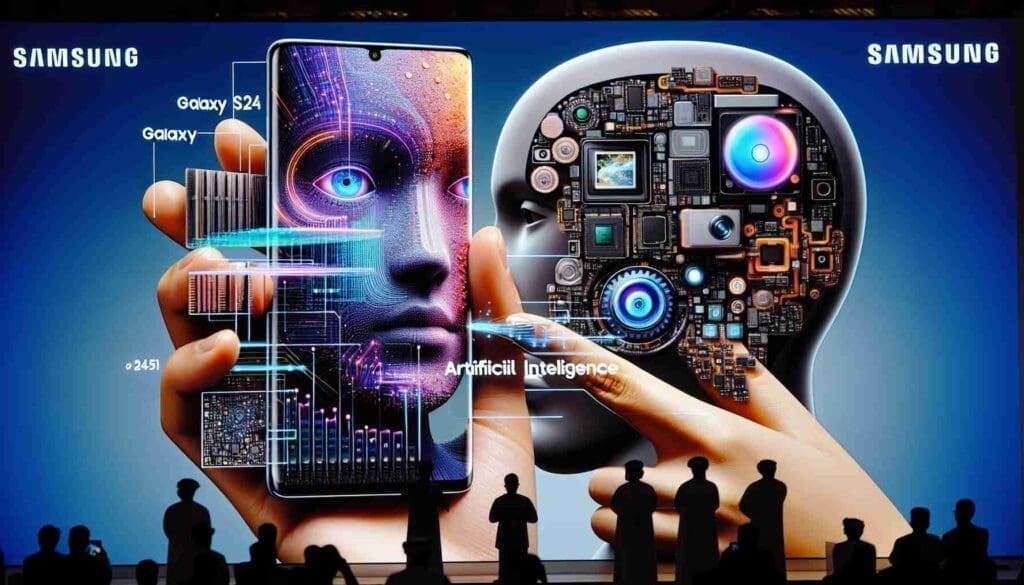
South Korean tech giant Samsung has unveiled its latest generative artificial intelligence model, named Gauss2, marking a significant leap in the Galaxy AI experience. As an advanced iteration of its predecessor, Gauss, this model promises notable enhancements in both performance and efficiency.
Multimodal Capabilities and Improved Efficiency
Gauss2 is designed with a multimodal architecture, enabling it to handle coding, visual creation, and text generation simultaneously. The model is reported to be 1.5 to 3 times faster than its predecessor, offering a smoother and more efficient user experience. These advancements mean users will be able to utilize Galaxy AI features more quickly while consuming less energy, thanks to improved efficiency optimizations.
Three Versions of Gauss2: Compact, Balanced, and Supreme
Samsung has announced that Gauss2 will be available in three distinct versions:
Compact: This version prioritizes efficiency and is designed to be lightweight for optimized energy usage.
Balanced: As its name suggests, this version strikes a balance between performance and efficiency, catering to a wider range of user needs.
Supreme: The most advanced variant, offering top-tier performance for demanding tasks.
Each version is tailored to meet diverse user requirements, ensuring that Gauss2 can cater to both casual users and professionals.
Release Timeline and Testing Updates
While Samsung has not revealed an official release date for Gauss2, the company confirmed that the model has been undergoing internal testing by its staff for some time. This suggests that generative AI features powered by Gauss2 could be rolled out to Galaxy devices in the near future, further enriching the Galaxy AI ecosystem.
With its multimodal capabilities, improved speed, and energy-efficient design, Gauss2 represents a significant step forward in Samsung’s pursuit of AI excellence.
You May Also Like
Follow us on TWITTER (X) and be instantly informed about the latest developments…
Published: November 22, 2024 at 9:09 am Updated: November 22, 2024 at 9:09 am
by Ana
Edited and fact-checked:
November 22, 2024 at 9:09 am
To improve your local-language experience, sometimes we employ an auto-translation plugin. Please note auto-translation may not be accurate, so read original article for precise information.
In Brief
Solv Protocol has partnered with Sonic to integrate Bitcoin into the Sonic network through the Solv Protocol Bitcoin Reserve, marking a step toward unifying Bitcoin liquidity and expanding its use across decentralized ecosystems.
Bitcoin staking platform Solv Protocol partnered with the Layer 1 blockchain Sonic (formerly known as Fantom) to integrate Bitcoin directly into the Sonic network via the Solv Protocol Bitcoin Reserve. This collaboration represents a notable step toward unifying Bitcoin liquidity and expanding its use across decentralized ecosystems.
Sonic is an EVM-compatible blockchain that boasts a high throughput of 10,000 transactions per second (TPS) and transaction finality in just one second. Known for offering developers both infrastructure and strong incentives, it is well-positioned to foster innovation and drive adoption in the Bitcoin-finance (BTC-Fi) space. Its performance and user-focused ecosystem align well with Solv Protocol’s mission to bring speed, scalability, and decentralization to Bitcoin-based decentralized finance (DeFi) applications.
The integration will enable the native minting of SolvBTC and SolvBTC.BBN on Sonic, ensuring users have quick, cost-effective access to Bitcoin-backed assets. SolvBTC and SolvBTC.BBN holders will also be eligible for a share of the approximately 200 million S airdrop, providing an additional incentive for participating in the Sonic ecosystem.
Solv Protocol x @0xSonicLabs
We’re thrilled to announce our collaboration with Sonic (formerly Fantom), a next-gen EVM-compatible Layer 1 blockchain. We’ll be bringing Bitcoin to Sonic and redefining BTC’s role in decentralized finance.
🧵👇 pic.twitter.com/kMPQ2rIe7g
— Solv Protocol (@SolvProtocol) November 22, 2024
Looking ahead, the partnership will introduce numerous DeFi opportunities on Sonic, such as staking, liquidity pools, and lending markets—all leveraging Bitcoin. The integration also offers Bitcoin yield opportunities, allowing users to earn returns on Bitcoin-based assets within Sonic’s fast and scalable ecosystem.
With Sonic’s infrastructure, SolvBTC’s Bitcoin Reserve becomes even stronger, facilitating cross-chain connectivity for users. As Sonic supports innovation, it will allow developers to create Bitcoin-powered DeFi applications easily. Whether it’s retail users seeking yield or institutions exploring DeFi, Sonic provides a gateway for widespread participation in Bitcoin’s evolving financial ecosystem.
Solv Protocol: What Is It?
Solv Protocol is a prominent Bitcoin staking platform built on the Staking Abstraction Layer (SAL). Through its SolvBTC reserve, which provides broad access to Bitcoin assets, the platform strives to unlock the full potential of over $1 trillion in Bitcoin holdings.
Recently, the platform disclosed the classification of the underlying assets within its SolvBTC reserve. This development is intended to bolster security for users, create yield-generating opportunities, and ensure the continued liquidity of the platform.
Disclaimer
In line with the Trust Project guidelines, please note that the information provided on this page is not intended to be and should not be interpreted as legal, tax, investment, financial, or any other form of advice. It is important to only invest what you can afford to lose and to seek independent financial advice if you have any doubts. For further information, we suggest referring to the terms and conditions as well as the help and support pages provided by the issuer or advertiser. MetaversePost is committed to accurate, unbiased reporting, but market conditions are subject to change without notice.
About The Author
Alisa, a dedicated journalist at the MPost, specializes in cryptocurrency, zero-knowledge proofs, investments, and the expansive realm of Web3. With a keen eye for emerging trends and technologies, she delivers comprehensive coverage to inform and engage readers in the ever-evolving landscape of digital finance.
More articles
Alisa Davidson
Alisa, a dedicated journalist at the MPost, specializes in cryptocurrency, zero-knowledge proofs, investments, and the expansive realm of Web3. With a keen eye for emerging trends and technologies, she delivers comprehensive coverage to inform and engage readers in the ever-evolving landscape of digital finance.
Published: November 22, 2024 at 8:39 am Updated: November 22, 2024 at 8:39 am
by Ana
Edited and fact-checked:
November 22, 2024 at 8:39 am
To improve your local-language experience, sometimes we employ an auto-translation plugin. Please note auto-translation may not be accurate, so read original article for precise information.
In Brief
MetaHub Finance simplifies blockchain integration in Web3 by enabling users to transition from Web2 and interact with decentralized ecosystems.
With its deflationary MEN token concept and MetaID system, MetaHub Finance is rewriting the Web3 field by providing people all around the world with a simplified way to integrate blockchain into their lives. In this interview, James Ross Croyle, CEO of MetaHub Finance, discusses how the platform makes it easier for users to go from Web2 to Web3 while allowing them to earn, stake, and interact with decentralized ecosystems.
How did your journey into crypto start?
I got into crypto back in 2017. It was pure curiosity—I saw my colleagues making money from something called digital assets, and I thought, “What is this stuff?” I had no idea how they were doing it, but I decided to try it out. I bought a little Bitcoin, a little Ethereum, and I started playing a blockchain game called CryptoKitties. It was one of the first blockchain-based games using smart contracts. I thought it was fascinating, but then I lost my seed phrase. That meant I lost eight CryptoKitties and $100 worth of Ethereum. It was a harsh lesson. After that, I still held onto my Bitcoin and Ethereum on an exchange but didn’t do much with them for a while.
In 2020, I started advising a Web3 startup that aimed to help creators monetize their work on platforms like Instagram. By 2021, I was fully immersed in Web3 and gaming. I even built a gaming guild from scratch with 300 players participating in games like Axie Infinity and Pegaxy, a blockchain-based horse racing game. At the time, I was working for Microsoft in Southeast Asia, and I quickly became the Web3 person everyone turned to with questions about crypto and DeFi.
Eventually, I decided I needed a full-time role in Web3, and the timing worked out since Microsoft was laying people off. I joined Crypto Global United in a leadership role and later became the CEO of MetaHub Finance.
What was the motivation behind creating MetaHub?
MetaHub was born from a desire to create a platform where anyone could engage and earn, regardless of their background. Some people might only have time and knowledge, while others may bring financial resources. We cater to both.
For example, we have “hunters,” who are like questers. They participate in tasks and earn rewards. You’ve probably heard of platforms like QuestN or Galaxy that do similar things. On the other side, we have the “meta-minters,” who stake tokens to earn dividends or other rewards.
The idea is to create an inclusive ecosystem. Hunters can earn small amounts of money by completing quests, and stakers can earn through staking and participating in the MEN token economy. We wanted a platform where anyone with internet connectivity could be part of the Web3 revolution.
How does MetaHub bridge the gap between Web2 and Web3?
The key is accessibility. We want people to be able to join MetaHub without needing extensive Web3 knowledge. For instance, someone might hear about MetaHub from a friend and get introduced to it through our affiliate systems. From there, they can access training videos to learn how to set up wallets like MetaMask and complete quests.
Our decentralized identity system, MetaID, plays a crucial role. When users log in with a self-custody wallet, they automatically receive a MetaID in the form of a soulbound token on Polygon. This MetaID serves as their digital identity in the ecosystem, tracking their activities while maintaining privacy. It’s seamless and doesn’t require users to understand the technical details.
What benefits do users gain by becoming meta-citizens?
Meta-citizenship comes with several advantages. For starters, meta-citizens have access to a supportive community. Our Telegram group is very active, and we provide training for newcomers at no cost. This collaborative approach helps users, whether they’re setting up a wallet for the first time or exploring advanced features.
Meta-citizens also receive a soulbound token as part of their MetaID, which tracks their activities and engagement. This ID becomes increasingly valuable as users progress in the ecosystem. For instance, higher-ranked citizens might get early access to features or invitations to exclusive partner events. It’s like a leveling-up system that rewards active and engaged members.
How does MetaID improve upon traditional digital identity systems? Why is it essential in the Web3 context?
Traditional digital identity systems, like those used by Facebook or Google, require users to share personal information, often without transparency or control. MetaID, by contrast, is entirely decentralized and tied to a user’s wallet.
As soon as a user logs in with a self-custody wallet like MetaMask, they receive a MetaID, which acts as their digital passport within our ecosystem. It tracks their activities—such as completed quests, staking history, and referral levels—without compromising privacy.
This decentralized identity also integrates deeply with our affiliate system. Affiliates can earn rewards across 20 levels of referrals, and the MetaID ensures accurate tracking without exposing sensitive data. Over time, the MetaID will evolve to include more functionalities, further enhancing its role in the Web3 space.
Can you elaborate on the roadmap for MetaHub’s growth?
Over the past couple of years, we’ve been building the foundation for MetaHub. Initially, we focused on facilitating peer-to-peer (P2P) transactions for MEN tokens, ensuring users could cash out seamlessly. Now, we’re rolling out more advanced features.
One exciting development is Custom Quests, which is currently in beta. These quests go beyond simple tasks like joining a Telegram group. For example, a game studio could create quests requiring players to download their game, log in, complete certain objectives, and even defeat specific bosses. Everything is tracked through APIs and webhooks, ensuring real engagement.
We’re also introducing the MetaHub card, a crypto-compatible MasterCard. It allows users to spend crypto directly, making it easier to off-ramp into the traditional financial system. Looking further ahead, we plan to launch a decentralized project analysis hub around 2025. This will leverage our partnerships to provide valuable insights and resources for the Web3 community.
How does MetaHub integrate DeFi tools into its ecosystem?
DeFi is a core part of MetaHub, especially on the meta-minting side. Users can stake MEN tokens, provide liquidity, or participate in advanced DeFi mechanisms like Liquid Staking Derivatives (LSD) and LSD-Fi.
Our MEN token follows a deflationary model, which includes burning tokens during certain transactions and halving events to control supply. The token’s value is further supported by its utility in staking, rewards, and governance. For example, NFT holders earn dividends from transaction taxes, adding another layer of incentive.
What is unique about MetaHub’s deflationary token model, and how does it work?
Our MEN token follows a carefully designed deflationary model. It’s capped at a total supply of 700 million, and tokens are only mined as they are needed—such as when rewards are claimed or transactions occur.
We also incorporate burning mechanisms. For example, certain transactions trigger token burns, permanently reducing the circulating supply. Additionally, like Bitcoin, we have halving events. These occur as we hit milestones in token mining, gradually slowing down production and ensuring long-term scarcity.
One unique feature is tied to NFTs in our ecosystem. NFT holders are entitled to 30% of transaction tax revenue, distributed every 28 days. However, there’s a catch: if they fail to claim their rewards within a 24-hour window, the unclaimed dividends are locked in the contract and become unavailable—adding another deflationary layer.
How do MetaHub’s strategic partnerships across generative AI and Web3 domains impact affiliate marketing for decentralized platforms?
Generative AI and Web3 are both reshaping the affiliate marketing landscape. One of our advisors, Val Bercovici, is a global leader in AI and cybersecurity, and his insights have been invaluable as we explore new possibilities.
For example, generative AI can enhance content creation and optimize campaigns for affiliates, while Web3 ensures transparency and decentralization. We’re also looking into agentic workflows, where bots act as task agents under human supervision. These bots could perform repetitive tasks, like aggregating data or analyzing trends, freeing up affiliates to focus on strategy.
This blend of AI and Web3 has the potential to make affiliate marketing more efficient, scalable, and accessible to a global audience.
What’s your perspective on the future of Web3?
The future of Web3 lies in reducing friction. Right now, tools like wallets and seed phrases are too complex for mainstream users. To onboard the next billion people, we need intuitive solutions like biometrics or simplified authentication methods.
Ultimately, Web3 is about decentralization, democratization, and user empowerment. I believe the term “Web3” itself might fade away as these technologies become seamlessly integrated into our daily lives. We’ll just call it “the web,” with everything connected and accessible to everyone.
Disclaimer
In line with the Trust Project guidelines, please note that the information provided on this page is not intended to be and should not be interpreted as legal, tax, investment, financial, or any other form of advice. It is important to only invest what you can afford to lose and to seek independent financial advice if you have any doubts. For further information, we suggest referring to the terms and conditions as well as the help and support pages provided by the issuer or advertiser. MetaversePost is committed to accurate, unbiased reporting, but market conditions are subject to change without notice.
About The Author
Victoria is a writer on a variety of technology topics including Web3.0, AI and cryptocurrencies. Her extensive experience allows her to write insightful articles for the wider audience.
More articles
Victoria d’Este
Victoria is a writer on a variety of technology topics including Web3.0, AI and cryptocurrencies. Her extensive experience allows her to write insightful articles for the wider audience.
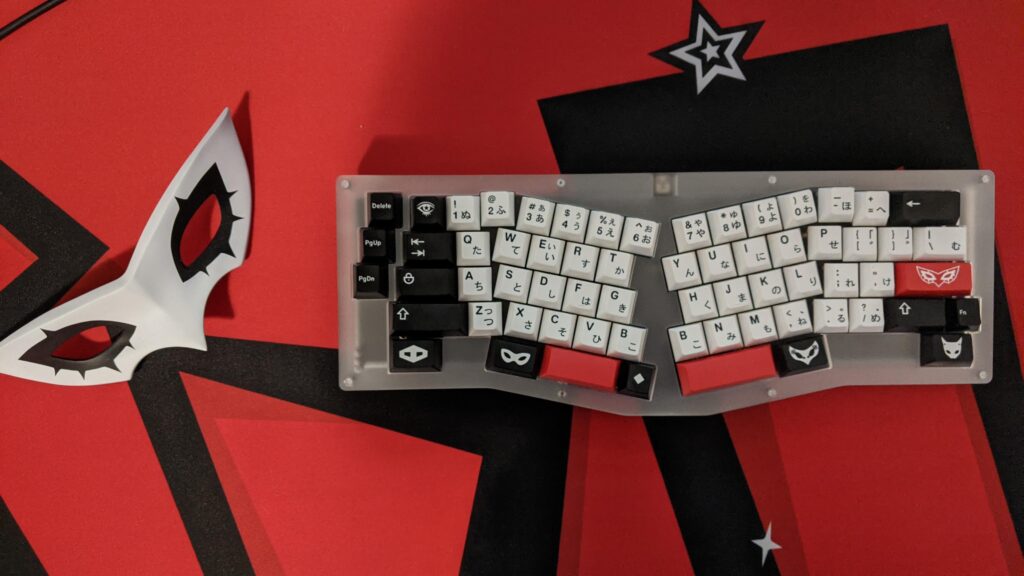
The metaverse, the next frontier of the internet, has captured our imaginations and reshaped how we perceive virtual interactions. Among the many players entering this innovative space, GMK Metaverse has emerged as a formidable contender, offering unique experiences and promising potential. In this blog, we’ll dive deep into GMK Metaverse, exploring its origins, technologies, offerings, and what makes it stand out in the rapidly evolving virtual realm.
What is GMK Metaverse?
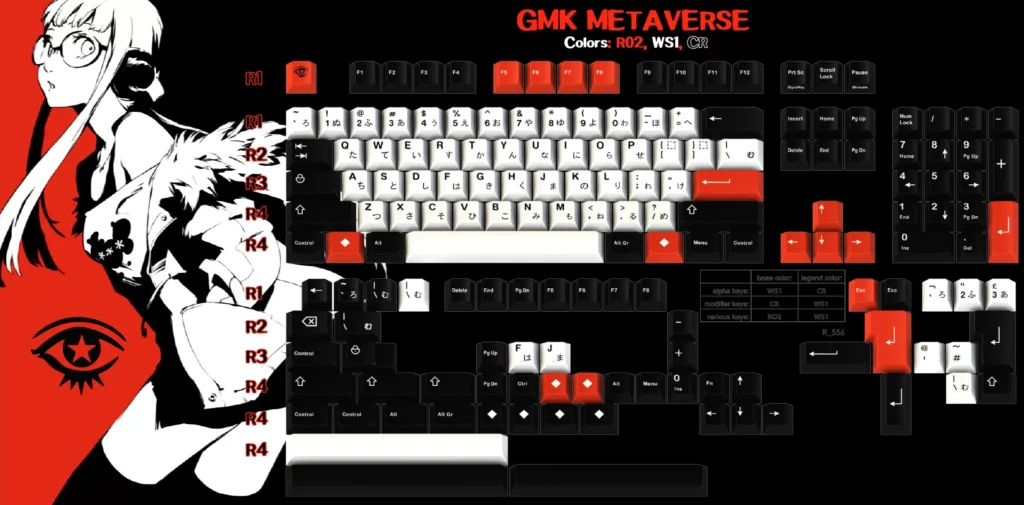
Picture Courtesy: geekhack.org
GMK Metaverse is a cutting-edge virtual ecosystem that aims to bridge the gap between the physical and digital worlds. It’s not just a platform for socializing or gaming, it’s a comprehensive environment for work, play, creativity, and commerce. Whether you’re attending a virtual concert, trading digital assets, or collaborating on projects, GMK Metaverse promises seamless and immersive experiences.
The Vision:
The foundation of GMK Metaverse lies in creating a decentralized, user-driven platform where individuals can:
1. Own and trade virtual assets.
2. Collaborate professionally in immersive environments.
3. Explore creative opportunities in virtual spaces.
4. Engage in social experiences that transcend physical barriers.
What sets GMK apart is its commitment to building a cross-reality metaverse that supports both fully immersive Virtual Reality (VR) and Augmented Reality (AR). This flexibility ensures accessibility for users across a variety of devices, from high-end VR headsets to everyday smartphones and PCs.
Key Features of GMK Metaverse:
Picture Courtesy: crazzyhackers.com
GMK Metaverse offers a plethora of features that distinguish it from other platforms in the space. Let’s explore these in detail:
1. Immersive Virtual Real Estate:
The GMK Metaverse features a robust virtual real estate ecosystem, enabling users to buy, sell, lease, and customize digital spaces for various purposes.
Personal Spaces:
Users can own virtual homes that serve as their personalized hubs in the metaverse. These spaces are highly customizable, allowing users to design every corner with unique textures, furniture, and even interactive elements.
Commercial Ventures:
Businesses can establish digital storefronts or corporate offices. Imagine a virtual showroom where customers from across the globe can interact with your products in 3D before purchasing them.
Event Spaces:
Host events like concerts, workshops, or exhibitions in grand, visually stunning environments tailored to your theme.
Unique Aspect:
Unlike many other platforms, GMK’s virtual real estate is not static. Owners can continually upgrade or redesign their spaces to maintain novelty and value.
2. Decentralized NFT Marketplace:
The GMK Metaverse features a comprehensive NFT (Non-Fungible Token) marketplace, leveraging blockchain technology to create a secure and transparent ecosystem for trading digital assets.
Art and Collectibles:
Artists can mint their works as NFTs, gaining access to a global market. Collectors can purchase unique digital NFT art pieces, knowing they have verified ownership.
Gaming Assets:
Players can trade in-game items such as skins, weapons, and characters, creating an economy tied to the platform’s gaming ecosystem.
Exclusive Content:
Musicians, filmmakers, and creators can sell exclusive tracks, videos, or animations as NFTs, opening up new revenue streams.
Live Auctions:
Real-time bidding on rare NFTs brings excitement and engagement to the marketplace.
Collaborative Creation:
Users can team up to develop joint NFT projects, whether it’s an art series or themed collectibles.
Transparency and Security:
GMK ensures that every transaction is logged on the blockchain, preventing fraud or duplication. Buyers and sellers can trade with confidence, knowing their assets are secure and their ownership is verifiable.
Why It’s Special: Unlike traditional marketplaces, the GMK NFT platform integrates directly with the metaverse, allowing users to display, trade, or even use their digital assets in the virtual world.
3. Cross-Reality Integration (VR + AR):
One of the standout features of GMK Metaverse is its seamless integration of Virtual Reality (VR) and Augmented Reality (AR), making it accessible across multiple devices and use cases.
Virtual Reality (VR)
Fully Immersive Experiences:
With VR headsets, users can enter hyper-realistic environments, whether for gaming, meetings, or exploring virtual cities.
Enhanced Interaction:
Gesture controls, voice commands, and haptic feedback create lifelike experiences in virtual spaces.
Augmented Reality (AR):
Blending Physical and Digital Worlds:
Using AR-compatible devices like smartphones or AR glasses, users can overlay virtual elements onto their physical surroundings.
On-the-Go Accessibility:
AR experiences allow users to engage with the metaverse even without specialized VR hardware.
Unified Ecosystem:
Users can transition between VR and AR experiences effortlessly, depending on their device and preferences. For instance, you could explore a VR gallery from home and switch to AR to view virtual art pieces in your living room.
Inclusive Design:
By supporting both VR and AR, GMK ensures its platform is accessible to casual users and tech enthusiasts alike.
4. Social and Professional Spaces:
The GMK Metaverse bridges the gap between entertainment and productivity by offering immersive spaces for socializing, learning, and working.
Customizable Avatars:
Users can create avatars that represent their personality or style, complete with unique outfits, accessories, and animations.
Virtual Meetups:
Host casual gatherings, parties, or themed events in virtual spaces, breaking down geographical barriers.
Shared Experiences:
From watching movies to gaming together, the platform emphasizes group activities.
Virtual Offices and Meeting Rooms:
Companies can set up digital offices with features like shared screens, interactive whiteboards, and 3D data visualization tools.
Training and Education:
GMK supports virtual classrooms, training simulations, and workshops. For instance, aspiring pilots can practice in flight simulators, while medical students can perform surgeries in risk-free environments.
Networking Events:
Virtual trade shows, seminars, and conferences allow professionals to connect globally without logistical constraints.
5. Interactive Gaming Ecosystem:
Gaming is a core aspect of the GMK Metaverse, designed to combine entertainment, social interaction, and financial incentives.
Adventure Games:
Explore immersive story-driven worlds.
Multiplayer Arenas:
Compete with or against friends in real-time battles.
Strategy Games:
Build and manage resources to dominate the virtual world.
GMK Tokens:
Players earn rewards in the form of GMK’s native cryptocurrency, which can be used for trading, upgrading assets, or converting to real-world currency.
Tradable Assets:
In-game items, from weapons to skins, are tokenized as NFTs, allowing players to buy, sell, or trade them for profit.
Personalized Avatars:
Players can enhance their avatars with unique gear or abilities.
Community Tournaments:
Regularly hosted competitions encourage engagement and reward top players with lucrative prizes.
Economic Potential:
The gaming ecosystem fosters a vibrant virtual economy, rewarding creativity, skill, and participation.
6. Blockchain-Powered Infrastructure
The backbone of GMK Metaverse is its blockchain technology, ensuring a secure, transparent, and decentralized ecosystem.
Immutable Records:
All transactions, from NFT trades to real estate purchases, are securely recorded on the blockchain, preventing tampering or fraud.
Ownership of Assets:
Unlike traditional gaming or virtual platforms, GMK ensures users truly own their assets, which are stored securely on the blockchain.
Decentralized Governance:
Users can participate in decision-making processes through decentralized voting systems, shaping the future of the platform.
GMK Coin:
The native cryptocurrency serves multiple purposes:
Transactions:
Facilitates buying and selling of virtual assets.
Rewards:
Players, creators, and users are rewarded with GMK Coins for their participation.
Staking:
can stake their coins to earn passive income or contribute to the ecosystem’s growth.
Sustainability Focus:
GMK is exploring energy-efficient blockchain solutions to address environmental concerns and reduce its carbon footprint.
7. User-Centric Customization:
GMK Metaverse stands out for its emphasis on empowering users to shape their virtual experiences.
Personalization:
Users can design avatars, environments, and assets that reflect their preferences or brand identity.
Intuitive Tools:
Built-in 3D modeling tools make customization accessible, even to non-tech-savvy users.
User-Generated Content (UGC):
Creators can develop games, animations, and interactive experiences, enriching the ecosystem. GMK supports a marketplace for UGC, allowing developers to monetize their creations.
Community Focus:
By enabling users to contribute, GMK fosters a dynamic and ever-evolving platform.
What Sets GMK Metaverse Apart?
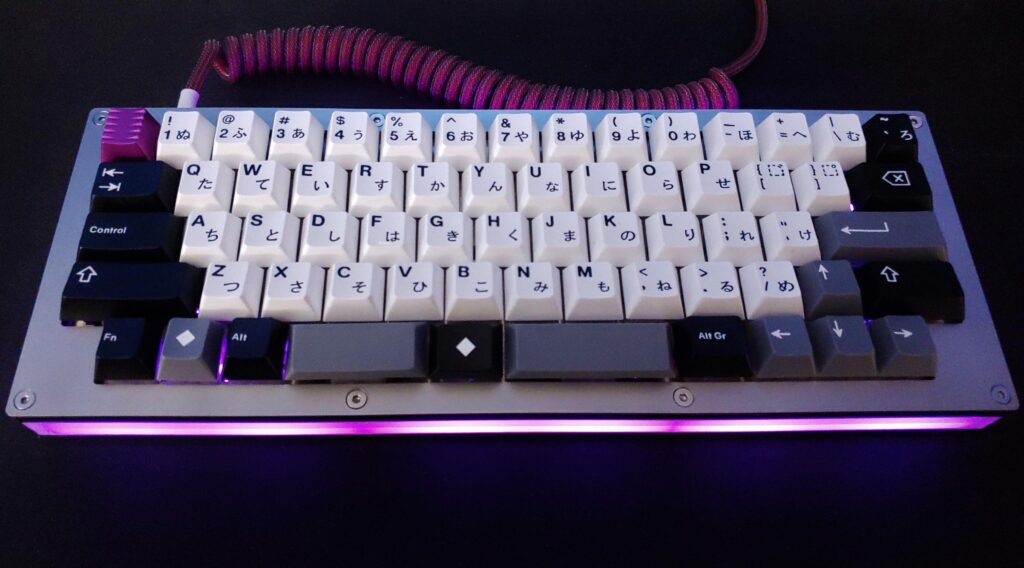
Picture Courtesy: reddit.com
While many metaverse platforms are vying for user attention, GMK distinguishes itself through a combination of innovative features:
Cross-Reality Integration: GMK Metaverse blends Augmented Reality (AR) and Virtual Reality (VR), offering users the flexibility to engage in both fully immersive and augmented experiences.
Decentralized Economy: Powered by blockchain, GMK Metaverse supports a robust marketplace for NFTs, virtual real estate, and digital services.
Accessibility: Unlike platforms requiring high-end devices, GMK ensures inclusivity with support for both premium VR headsets and standard devices like smartphones and PCs.
User-Centric Design: Tools for creating custom avatars, worlds, and interactive content empower users to tailor their experiences.
Challenges for GMK Metaverse:
Like any emerging platform, GMK faces hurdles:
High Costs: Significant expenses in development, maintenance, and hiring skilled talent.
Market Competition: Struggling to stand out against established platforms like Meta and Decentraland.
Scalability Issues: Ensuring seamless performance as user traffic grows.
Accessibility Barriers: High costs of VR/AR devices and dependence on high-speed internet.
Security Concerns: Risks of hacking, identity theft, and data breaches.
Regulatory Uncertainty: Navigating evolving laws on blockchain, NFTs, and digital assets globally.
Future Prospects of GMK Metaverse:
Picture Courtesy: reddit.com
The future of GMK Metaverse looks promising as it positions itself as an innovative player in the rapidly expanding virtual space. With its focus on immersive experiences, blockchain integration, and user-centric ecosystems, GMK Metaverse is poised to shape the next generation of digital interactions.
Expansion of Virtual Experiences:
GMK Metaverse can revolutionize entertainment, education, and business by offering more immersive and interactive virtual experiences. From hosting large-scale virtual events to creating tailored VR classrooms, the possibilities are limitless.
Global Collaboration and Partnerships:
Strategic alliances with tech companies, content creators, and industries like gaming and fashion could enhance GMK’s ecosystem, attract more users, and expand its offerings. Collaborating with blockchain innovators can further refine its technology.
Integration with Emerging Technologies:
The platform can leverage AI, 5G, and IoT to improve user interactions, scalability, and accessibility. Enhanced AI-driven avatars and real-time simulations can set new standards for virtual engagement.
Sustainability and Green Initiatives:
Adopting energy-efficient blockchain solutions and promoting eco-friendly practices could boost GMK’s reputation, appealing to environmentally conscious users and setting a benchmark for sustainable metaverse operations.
Growth in the Virtual Economy:
As more users embrace digital assets, GMK could develop a thriving economy with robust NFT markets, decentralized finance (DeFi) integrations, and opportunities for creators and businesses to monetize their work.
The metaverse is no longer just a concept; it’s a reality shaping how we live, work, and interact. Platforms like GMK Metaverse are at the forefront of this transformation, offering unprecedented opportunities and experiences.
So, what’s your take on the future of GMK Metaverse? Are you ready to step into this evolving virtual space? Let’s discuss this in the comments below!
For more insights and updates on Web3, be sure to subscribe to our newsletter. Stay informed on the latest trends and developments in the decentralized world!
EastEnders fans have shared a new theory regarding Stacey Slater‘s exit storyline. It’s been suggested that she could become involved in Martin’s plan to gain custody of his son Roman after discovering his ex-wife Ruby had secretly given birth.
EastEnders fans are wondering if Stacey is heading for another stint in prison. Could helping Martin lead her to getting in trouble, again?
Could Stacey put everything on the line for Martin? (Credit: BBC)
EastEnders: Martin finds out about his son
During Sharon’s stint in prison with Chrissie, she found out Ruby had welcomed a baby while in jail. Sharon quickly realised that the baby was most likely Martin’s, leading her to steal a birth certificate from Ruby‘s house.
This sparked Ruby’s highly anticipated return to Albert Square. As she demanded Sharon return her son’s birth certificate, she came face-to-face with Martin for the first time in years.
Ruby confessed she’d had a baby, confirming Martin has a young son he’s never met. She proceeded to falsely tell Martin that his son had been adopted at three months old.
However, Martin and Stacey later followed Ruby to a hospital, where they found her caring for her son. Martin spent time with Roman, who had been admitted to hospital after accidentally overdosing on paracetamol.
When he returned to the Slaters’, Martin informed Stacey he plans to get sole custody of Roman.
Could Stacey help Martin with his plan? And are things about to get messy with Ruby?
Stacey is due to leave EastEnders next year (Credit: BBC)
EastEnders fans predict Stacey heading to prison
Fans of EastEnders have began to speculate about Stacey’s upcoming exit. The character is understood be taking time away from Walford next year, as actress Lacey Turner heads on maternity leave.
One theory involves Stacey helping Martin to kidnap Roman, which results in her winding up in prison again. Writing on Reddit, a fan said: “Another theory I’ve seen is Martin tries to run off with Roman and Stacey takes the fall. Given how ridiculous he’s acting right now, I could actually see him doing that.”
Another said: “I saw someone say she might help Martin take Roman and go on the run with him but that’s soooo overdramatic and its hard for Stacey to come back to the Square with an act like that.”
However, some fans weren’t in favour of another prison stint for Stacey. One EE viewer added: “How many times is Stacey going to go to prison tho? Seems like an ongoing trend in EE to get characters out?”
Read more: Who’s leaving EastEnders in 2024? Complete list of cast exits, arrivals and returns
EastEnders usually airs Monday to Thursday at 7.30pm on BBC One
Are you looking forward to EastEnders next week? You can leave us a comment on our Facebook page @EntertainmentDailyFix and let us know.
Bitcoin (BTC) Sets New Records , Bitcoin (BTC), which has been setting new records daily in recent times, continued its upward trend today. BTC surged above $99,000 last night, moving closer to the significant milestone of $100,000.
Recently, Bitcoin has featured prominently in many of our news updates, and today was no different. BTC achieved a new all-time high (ATH) by surpassing $99,000 last night, with the new ATH recorded at $99,314. As of the time of writing, BTC is trading at $98,921, nearing the psychological target of $100,000. We will see what unfolds as we approach the $100,000 mark.
Ethereum (ETH) Joins the Movement
Looking at the broader market, it’s evident that we are seeing a vibrant environment once again. Ethereum (ETH), in particular, has shown renewed momentum. ETH, which began trading at $3,400, has seen an increase of over 8% in the past 24 hours.
Altcoins Also on the Rise
Other altcoins are also experiencing positive movement. Notably, Solana (SOL) and Ripple (XRP) have emerged as shining stars over the last 24 hours. SOL rallied more than 8%, reaching $261, while Ripple (XRP) climbed approximately 26% to $1.40.
You May Also Like
Follow us on TWITTER (X) and be instantly informed about the latest developments…
OpenAI has released a new update for the GPT-4o model, enhancing the capabilities of ChatGPT and bringing it to life in a whole new way. This update significantly increases the capacity of artificial intelligence to generate text while also improving its performance with uploaded documents.
OpenAI, a leading name in the artificial intelligence industry, has introduced this new update for its generative AI, ChatGPT. The update for the “GPT-4o” model aims to boost the performance of the AI significantly. According to OpenAI’s statement, ChatGPT‘s writing capacity has been enhanced, making it more convenient for users who create written content. Additionally, GPT-4o will now handle uploaded documents more effectively.
OpenAI’s statement reads:
GPT-4o has undergone an update.
The model’s creative writing skills have been elevated to a higher level. We have improved its writing capabilities to enhance relevance and readability, making the outputs more natural, engaging, and tailor-made for user needs.
It has also improved its ability to work with uploaded files. The model now provides deeper insights and more comprehensive answers.
You May Also Like
Follow us on TWITTER (X) and be instantly informed about the latest developments…
Poste Italiane, Italy’s national postal service, has launched its first digital twin non-fungible token (NFT) collectibles powered by blockchain technology.
The release, dubbed “Posta Prioritaria Collezione Gialla” (Yellow Collection Priority Mail), was announced during the 139th Veronafil, an event focused on stamps and postcards.
The collection highlights the evolution of Priority Mail from 1999 to 2008. Limited to 400 numbered sets, each collection includes four stamps and is available at Post Offices and online.
Alongside the physical stamps, buyers can redeem an NFT tied to the set. The NFT, a digital replica of the stamps, is redeemed using a QR code found on a “Cripto Card” included in the package.
Once claimed, the NFT becomes the exclusive digital property of the collector and can be stored in a blockchain-protected virtual wallet.
You Might Be Interested In
Collectors have until December 31, 2025, to redeem their digital collectibles.
This initiative reflects Poste Italiane’s effort to connect traditional and digital collecting, targeting younger generations interested in blockchain technology and NFTs.
By entering the Web3 space, Poste Italiane joins other postal services exploring similar ventures.
In September, Ireland’s An Post introduced traditional stamps paired with NFTs celebrating Irish heritage. Indonesia’s Pos Indonesia also launched its first NFT stamp series last month, featuring the Cenderawasih bird from Papua.
Other postal services, including Guernsey Post, Belgian Post Group, and Germany’s Deutsche Post, have also ventured into NFT stamp releases.