Home Blog Page 1317

New Trends In Digital Fashion
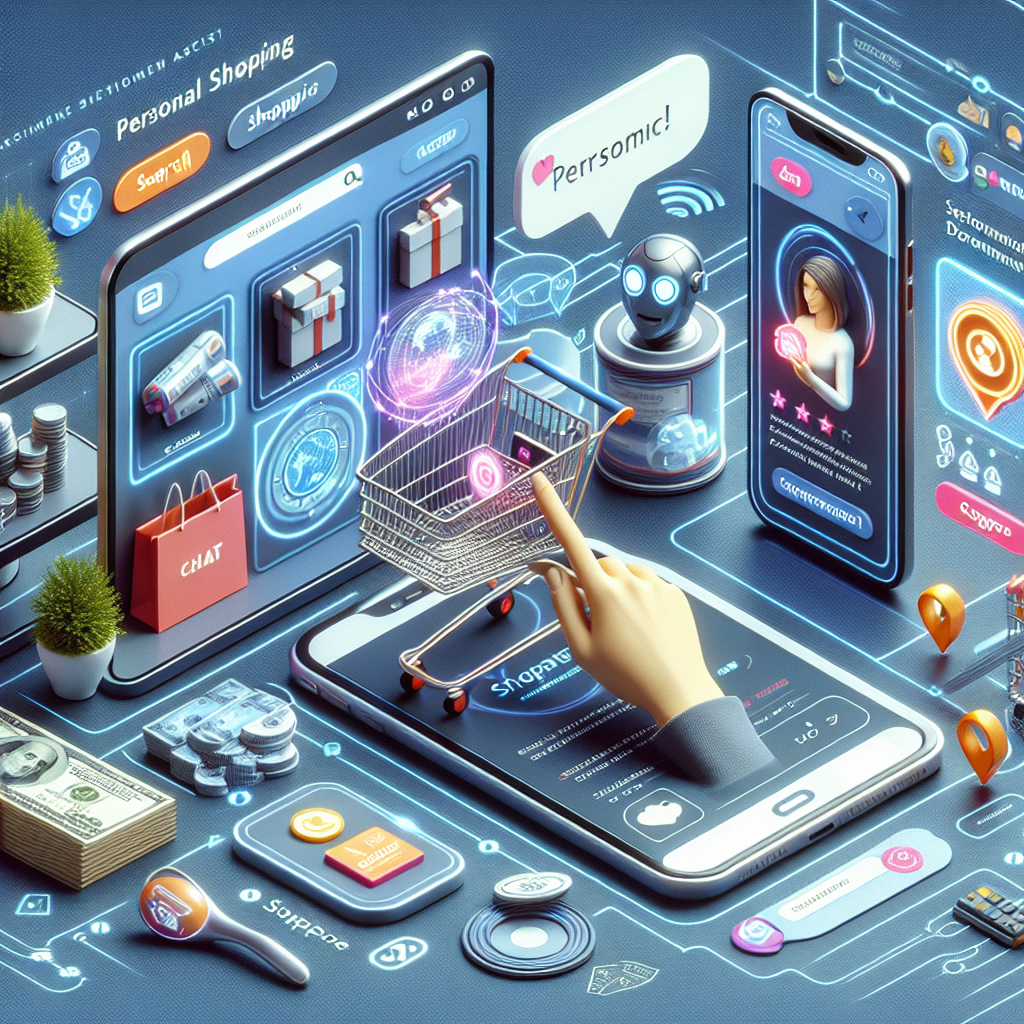
In the age of digital transformation, personal shopping experiences have undergone a significant metamorphosis. The traditional in-store shopping journey has evolved into a sophisticated online experience, allowing consumers to enjoy a personalized touch from the comfort of their own homes. This article delves into the evolution of personal shopping in the digital realm, examining the technological advancements and innovations that have reshaped the way we shop.

Exploring the Evolution of Personal Shopping Online

The evolution of personal shopping online has been marked by several key phases, each driven by advancements in technology and shifts in consumer behavior. Initially, online shopping was a simple, transactional experience, with consumers searching and purchasing items with minimal interaction. As e-commerce platforms grew, the demand for a more personalized shopping experience became evident. Retailers began leveraging data analytics to understand consumer preferences, enabling them to offer tailored product recommendations and promotions. The introduction of artificial intelligence and machine learning further revolutionized personal shopping, creating a more interactive and intuitive experience. Virtual assistants and chatbots now guide consumers through their shopping journey, providing real-time support and personalized suggestions. This evolution has transformed personal shopping into an engaging, convenient, and customized experience that closely mirrors the personalized service of a physical store.

The digital transformation of personal shopping has created a seamless blend of convenience and personalization, offering consumers a shopping experience that caters to their individual needs and preferences. As technology continues to advance, the possibilities for further innovation in personal shopping are limitless. Retailers who embrace these changes and continue to adapt to the evolving digital landscape will undoubtedly thrive in this new era of personalized online shopping. As we move forward, the intersection of technology and consumer experience will continue to shape the future of personal shopping, setting new standards for convenience and personalization in the digital age.
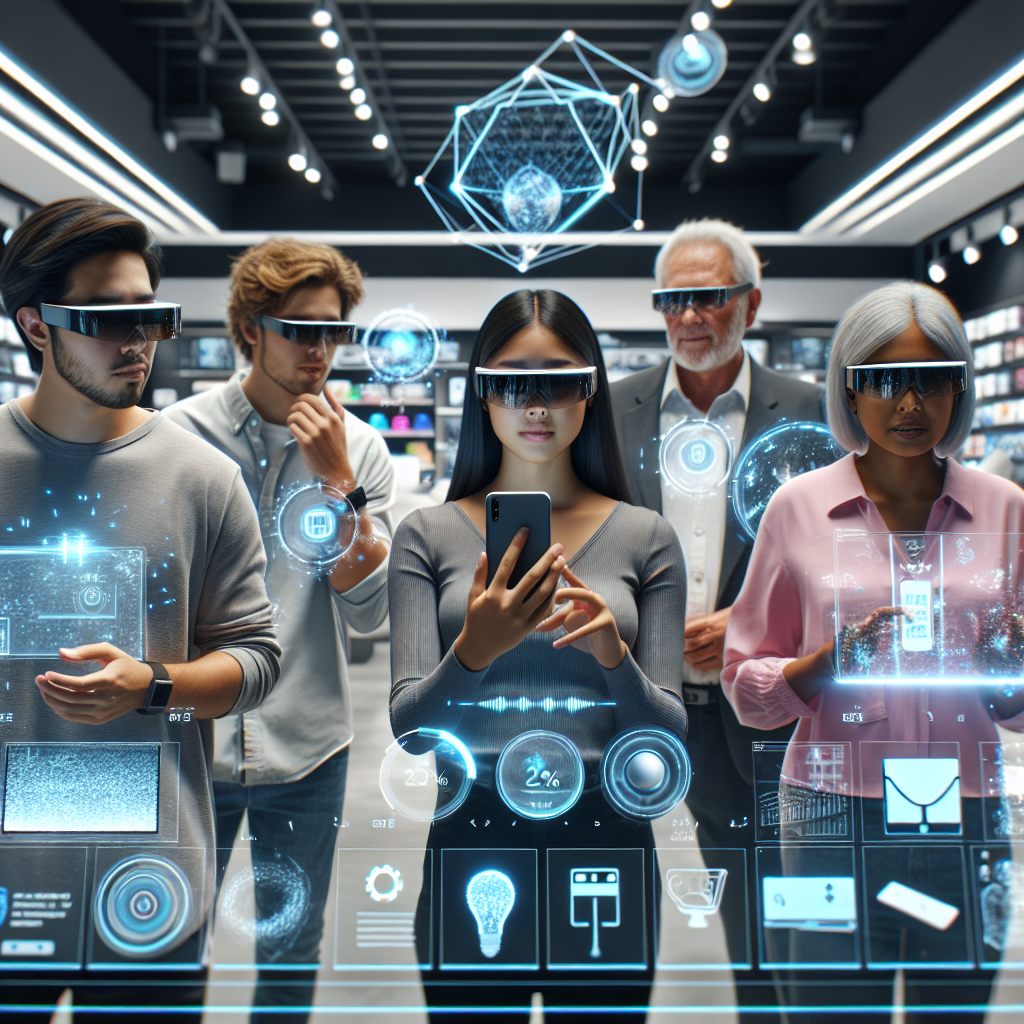
VR Customer Experience

Transforming Customer Experience Through VR Technology

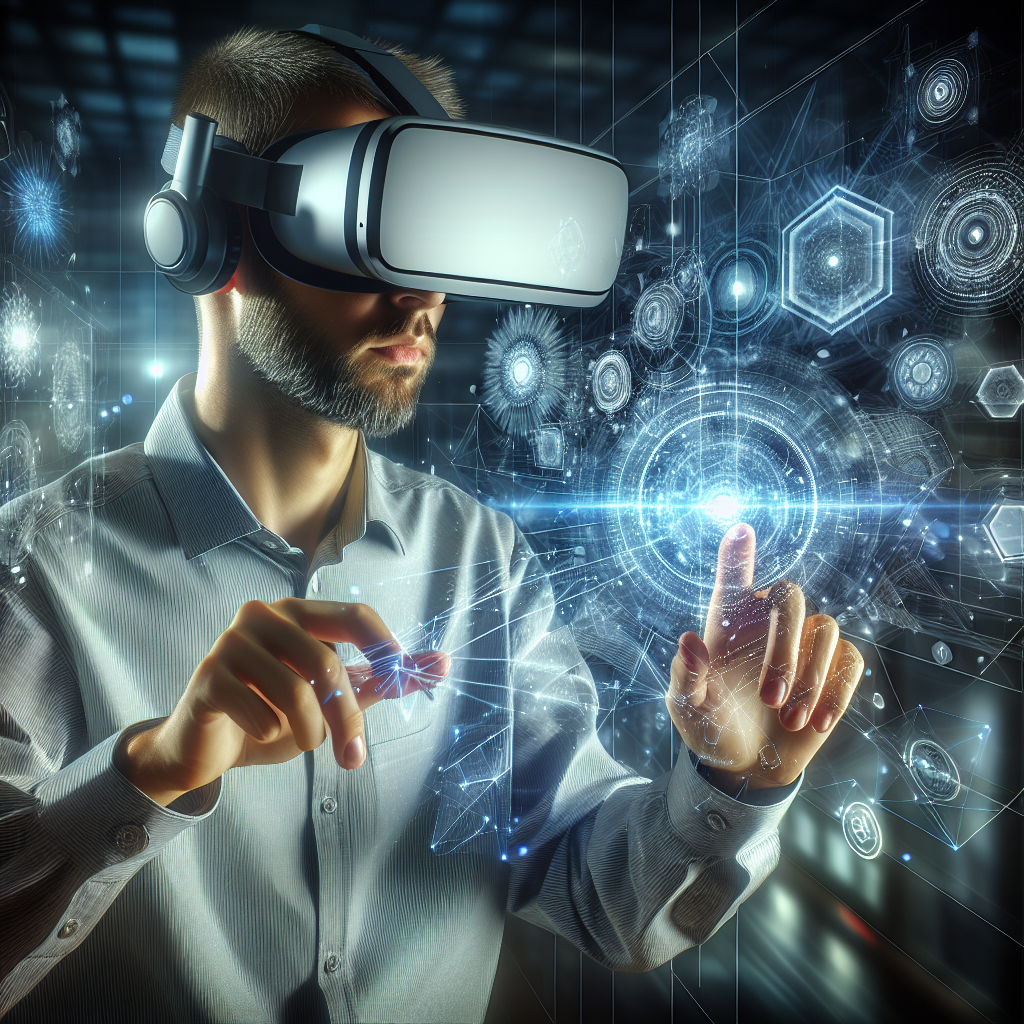
Virtual Reality (VR) technology has transcended the realms of gaming and entertainment, emerging as a revolutionary tool in the business world. Its ability to create immersive, interactive, and engaging experiences is reshaping how companies interact with customers. From real estate to retail, VR is being leveraged to enhance customer satisfaction, streamline processes, and offer innovative solutions to age-old challenges. This article explores how VR is transforming customer experiences across various industries, highlighting its potential to redefine the future of customer engagement.

Immersive Retail Experiences

In the retail sector, VR technology is providing brands with the capability to create immersive shopping experiences that go beyond traditional e-commerce. Customers can now explore virtual stores, try on clothes, and visualize products in their home environment without leaving their living room. This interactive experience not only enhances customer engagement but also reduces return rates by allowing shoppers to make more informed purchasing decisions. Retailers are increasingly adopting VR to offer personalized shopping journeys, where customers can tailor their experiences to suit their preferences, thereby fostering brand loyalty and satisfaction.

Enhancing Real Estate Showcases

Real estate is another industry benefiting profoundly from VR technology. Virtual tours have become a game-changer for property showcases, allowing potential buyers to explore properties from anywhere in the world. This eliminates geographical barriers and saves time for both buyers and real estate agents. By providing a 360-degree view of properties, VR enables customers to gain a realistic sense of space and layout, which traditional photos or videos cannot offer. Moreover, VR can simulate different interior design options, helping buyers envision the potential of a space before making a commitment, ultimately enhancing their purchasing confidence.

Revolutionizing Travel and Tourism

The travel and tourism industry is leveraging VR to offer prospective travelers a taste of their potential destinations. Through virtual reality experiences, users can explore landmarks, hotels, and attractions, making it easier to choose their next vacation spot. This not only helps in setting accurate expectations but also ignites a sense of excitement and anticipation. Travel agencies and tour operators are using VR to provide immersive previews, which can be particularly appealing in the decision-making phase. By allowing customers to experience destinations virtually, the industry can cater to the needs of modern travelers seeking more informed and personalized travel plans.

Elevating Customer Support

VR is also transforming customer support by providing a more interactive and efficient service experience. Companies are using VR to simulate real-life scenarios where customers can receive guided assistance for troubleshooting or product assembly. This hands-on approach can significantly reduce the time and frustration often associated with customer service calls or online chats. By immersing customers in a virtual environment, support teams can demonstrate solutions more effectively, leading to higher satisfaction rates. Additionally, VR training for customer support staff can enhance their ability to empathize and communicate with customers, resulting in more meaningful interactions.

As VR technology continues to develop, its impact on customer experience is expected to grow even further. By offering immersive, personalized, and interactive experiences, VR is paving the way for a new era of customer engagement across various industries. Businesses that embrace this technology stand to gain a competitive edge by not only meeting but exceeding customer expectations. As consumers become more accustomed to virtual interactions, the demand for VR-enhanced experiences will likely increase, pushing companies to innovate and refine their customer service strategies. Ultimately, VR has the potential to transform how companies connect with their customers, making interactions more memorable and impactful.

AR Customer Experience

In the rapidly evolving landscape of digital innovation, Augmented Reality (AR) has emerged as a powerful tool for enhancing customer experiences across various industries. By overlaying digital content onto the physical world, AR creates immersive and interactive experiences that engage customers in unprecedented ways. This article explores how AR technology is redefining customer experiences, offering businesses innovative solutions to captivate and retain their audiences.

Enhancing Customer Experience with AR Technology

Augmented Reality technology has the potential to transform the customer experience by making interactions more engaging and personalized. By using AR, businesses can provide customers with a unique blend of physical and digital experiences that enhance their understanding and enjoyment of products or services. For instance, in retail, AR applications allow customers to visualize how furniture might look in their homes or how clothes could fit without the need for physical trials. This level of interaction not only simplifies the decision-making process but also increases customer satisfaction by providing a more informed purchasing experience. Furthermore, AR can be used to offer interactive tutorials or demonstrations, helping customers to better understand complex products or services, thereby reducing potential frustration and enhancing overall satisfaction.

As AR technology continues to advance, its potential to revolutionize customer experiences across various sectors becomes increasingly evident. By offering personalized, engaging, and informative interactions, AR not only meets the evolving expectations of modern consumers but also provides businesses with innovative ways to differentiate themselves in competitive markets. As companies continue to explore and integrate AR into their customer experience strategies, the technology promises to play a crucial role in shaping the future of customer engagement and satisfaction.

New Digital Customer Experiences

In the rapidly evolving digital landscape, businesses are continuously seeking innovative ways to enhance customer experiences. As technology advances, so do the expectations of consumers who demand seamless interactions across various digital platforms. This article delves into the latest innovations in digital customer experiences, highlighting how companies are leveraging technology to meet and exceed customer expectations.

Exploring Innovations in Digital Customer Experiences

In the era of digital transformation, companies are embracing cutting-edge technologies to revolutionize the way they interact with customers. One significant innovation is the use of artificial intelligence (AI) and machine learning to personalize customer experiences. By analyzing vast amounts of data, businesses can gain insights into customer preferences and behaviors, allowing them to tailor their offerings to individual needs. AI-driven chatbots and virtual assistants are also becoming commonplace, providing instant support and enhancing engagement by offering personalized recommendations and solutions.

Moreover, augmented reality (AR) and virtual reality (VR) are transforming the digital shopping experience, particularly in the retail sector. These technologies allow customers to visualize products in a real-world context, whether it’s trying on clothes virtually or visualizing furniture in their homes. Such immersive experiences not only captivate customers but also reduce the uncertainty and hesitation often associated with online shopping. Additionally, the integration of AR and VR creates opportunities for brands to develop unique and memorable interactions that foster customer loyalty.

The landscape of digital customer experiences is continuously evolving, driven by technological advancements and changing consumer expectations. As businesses strive to stay competitive, they must embrace these innovations to create seamless, personalized, and engaging experiences for their customers. By leveraging AI, AR, VR, and other emerging technologies, companies can not only meet the demands of today’s digital-savvy consumers but also build lasting relationships that drive growth and success in the digital age.

Trends In Digital Art

Digital art has become an integral part of today’s creative landscape, evolving rapidly alongside technological advancements. As tools and platforms continue to develop, artists find new ways to express themselves, pushing the boundaries of what is possible in the digital realm. This article explores the emerging trends in digital art, offering a glimpse into the innovative practices that are shaping the future of this dynamic field.

Exploring Emerging Trends in Digital Art Today

1. The Rise of NFTs and Blockchain Technology

Non-fungible tokens (NFTs) have revolutionized the digital art world by providing artists with a new way to monetize their work. By leveraging blockchain technology, NFTs offer a unique form of provenance and ownership for digital creations, addressing long-standing issues of copyright and duplication. This trend has not only opened new revenue streams for artists but also attracted a broader audience to digital art. As NFTs continue to gain popularity, they are driving a surge of interest and investment in digital art, encouraging artists to explore innovative approaches and expand their creative horizons.

2. Augmented Reality (AR) and Virtual Reality (VR) Art

Augmented reality (AR) and virtual reality (VR) are transforming how audiences experience art, offering immersive and interactive environments that challenge traditional perceptions. Artists are increasingly using these technologies to create works that engage viewers in novel ways, blending the physical and digital worlds. AR and VR art installations allow spectators to interact with artworks, explore different perspectives, and even become part of the creative process. This trend is redefining the relationship between art and audience, creating a more dynamic and participatory experience.

3. AI and Generative Art

Artificial intelligence (AI) is playing an increasingly prominent role in the creation of digital art. Generative art, which uses algorithms and machine learning to produce artwork, is gaining traction as artists explore the potential of AI as a creative partner. This trend allows for the creation of complex, intricate patterns and designs that were previously unimaginable. While some purists may question the authenticity of AI-generated art, it opens up new possibilities for collaboration between human creativity and machine intelligence. As AI technology continues to evolve, it is likely to further influence the digital art landscape.

4. Social Media’s Impact on Digital Art

Social media platforms have become crucial for digital artists, providing a space to showcase their work, connect with global audiences, and engage with fellow creators. This trend has democratized access to art, allowing artists to gain visibility without the need for traditional gallery representation. Social media also fosters the formation of online communities, where artists can share techniques, offer feedback, and collaborate on projects. As digital art becomes increasingly accessible, social media continues to shape the way art is created, shared, and consumed.

The digital art landscape is constantly evolving, influenced by technological advancements and shifting cultural paradigms. As artists continue to experiment with new tools and platforms, they are redefining the boundaries of creativity and expression. The trends discussed in this article highlight the innovative spirit driving digital art today, offering a glimpse into a future where technology and artistry are increasingly intertwined. As these trends continue to develop, they will undoubtedly inspire new forms of digital expression and expand the possibilities for artists and audiences alike.

Technology-Infused Art

In the ever-evolving landscape of creativity, the fusion of art and technology has emerged as a groundbreaking phenomenon. As artists and technologists collaborate to push the boundaries of what is possible, a new realm of expression is born—technology-infused art. This innovative genre not only redefines traditional artistic practices but also invites audiences to engage with art in unprecedented ways. In this article, we explore the dynamic intersection of art and technology, a space where creativity knows no bounds.

Exploring the Intersection of Art and Technology

The intersection of art and technology is a vibrant and transformative space where the traditional boundaries of artistic expression are continually being redefined. This convergence allows artists to employ cutting-edge tools and methodologies, from virtual reality and artificial intelligence to interactive installations and digital media. As a result, art becomes a multidimensional experience, engaging audiences in new and immersive ways. Technology-infused art challenges conventional perceptions by incorporating elements such as motion, sound, and interactivity, thus creating a dialogue between the artist, the technology, and the viewer. This intersection not only enhances the aesthetic experience but also opens up a myriad of possibilities for storytelling, communication, and emotional connection, making art more accessible and relevant in our digital age.

As we continue to navigate the complexities of the digital era, the fusion of art and technology stands as a testament to human creativity and innovation. Technology-infused art not only enriches our cultural landscape but also serves as a catalyst for reflection on the role of technology in our lives. By embracing this intersection, artists and audiences alike are invited to explore new dimensions of creativity, where the only limit is the extent of our imagination. As we look to the future, the possibilities for technology-infused art are boundless, promising to reshape our understanding of art and its impact on society.

Digital Art

Digital art, a dynamic and ever-evolving form of artistic expression, has fundamentally transformed the way we create, experience, and interpret art. With its roots tracing back to the advent of computer technology, digital art has expanded beyond traditional boundaries, offering artists new tools and platforms to explore their creativity. This article delves into the evolution of digital art, examining its growth and the profound impact it has had on both the art world and society at large.

The Origins and Evolution of Digital Art

Digital art began its journey in the early 1960s when computers were first used to create simple graphic designs and animations. As technology advanced, artists began experimenting with computer-generated imagery, leading to the development of various digital art forms, including pixel art, digital painting, and 3D modeling. The proliferation of personal computers and graphic software in the 1980s and 1990s democratized digital art, allowing a wider range of artists to explore this new medium. The 21st century witnessed a significant surge in digital art’s popularity, driven by internet access, social media platforms, and the rise of new technologies such as virtual reality and artificial intelligence. Today, digital art encompasses a vast array of styles and techniques, constantly evolving with technological innovations.

The Impact of Digital Art on the Art World

Digital art has significantly impacted the traditional art world by challenging conventional notions of art creation and distribution. It has democratized art-making, enabling artists from diverse backgrounds to share their work with global audiences, often bypassing traditional gatekeepers like galleries and museums. The digital medium also offers unprecedented flexibility, allowing artists to experiment with new forms and techniques without the constraints of physical materials. Additionally, digital art has expanded the boundaries of art consumption, with virtual galleries and online platforms offering immersive and interactive experiences. This transformation has not only broadened the audience for art but also fostered a more inclusive and diverse artistic community.

The Societal Influences of Digital Art

Beyond the art world, digital art has left a significant mark on society by influencing culture, communication, and personal expression. It has become a powerful tool for social commentary, enabling artists to address contemporary issues such as politics, identity, and the environment in innovative and accessible ways. Digital art has also played a pivotal role in the rise of internet culture, with memes, GIFs, and digital illustrations becoming integral parts of online communication. Furthermore, digital art has empowered individuals to explore their creativity and share their perspectives, contributing to the democratization of creative expression. As digital art continues to evolve, it will undoubtedly shape the cultural landscape, reflecting and influencing the values and concerns of society.

As digital art continues to gain prominence, its influence on both the art world and society is undeniable. It represents a confluence of technology and creativity, offering limitless possibilities for artistic expression and cultural dialogue. As we move further into the digital age, digital art will likely continue to push boundaries, challenge conventions, and inspire new generations of artists and audiences alike. Its evolution is a testament to the transformative power of technology in art and a reflection of the ever-changing landscape of human creativity.

AI Art

Artificial Intelligence (AI) has permeated various facets of human life, and the art world is no exception. AI art, a burgeoning field at the intersection of technology and creativity, is transforming how art is conceptualized, created, and consumed. This article delves into the evolution and impact of AI art, exploring how it challenges traditional artistic boundaries and its implications for the future of creativity.

Exploring the Evolution of AI Art

The evolution of AI art can be traced back to the early experiments with computer-generated imagery in the mid-20th century. Initially, these endeavors were limited by the technological constraints of the time, but they laid the groundwork for future innovations. As computational power increased and machine learning algorithms became more sophisticated, AI’s role in art expanded significantly. The 2010s witnessed a surge in AI art, with generative adversarial networks (GANs) playing a pivotal role. These networks enable machines to create artworks by learning from vast datasets of existing art, blending styles, and even generating entirely new aesthetics. Today, AI art encompasses a wide array of forms, from digital paintings and sculptures to music and poetry, showcasing the versatility and creative potential of artificial intelligence.

The Impact of AI Art

AI art’s impact on the art world is as profound as it is multifaceted. On one hand, it democratizes the creation of art by providing tools that allow individuals without traditional artistic skills to produce compelling works. This democratization challenges the conventional notion of the artist as a solitary genius, opening up new dialogues about authorship and creativity. On the other hand, AI art raises questions about originality and the value of human touch in artistic expression. Critics argue that while AI can mimic styles and generate novel compositions, it lacks the emotional depth and intentionality that characterize human-created art. Despite these debates, AI art has undeniably expanded the boundaries of what is considered art, prompting museums, galleries, and collectors to reevaluate their definitions and embrace the possibilities of this technological frontier.

As AI continues to evolve, so too will its influence on the art world. The ongoing dialogue between technology and creativity promises to yield further innovations, pushing the boundaries of artistic expression and challenging our understanding of creativity itself. While AI art may never fully replace the nuanced and emotive qualities of human-made art, its role as a collaborator and tool in the creative process is likely to grow. Ultimately, AI art represents a dynamic fusion of human ingenuity and machine learning, offering a glimpse into a future where art and technology are inextricably linked.

Digital Customer Experiences

Digital Customer Experiences

In today’s rapidly evolving digital landscape, businesses are increasingly focusing on enhancing their digital customer experiences. This shift is driven by the need to meet the growing expectations of tech-savvy consumers who demand seamless, personalized, and efficient interactions with brands. As a result, companies are leveraging digital platforms to transform how they engage with customers, creating more meaningful and impactful connections.

Transforming Engagement Through Digital Platforms

Digital platforms have revolutionized the way businesses engage with their customers, offering a range of tools and technologies that facilitate more dynamic and interactive interactions. From social media and mobile apps to chatbots and virtual reality, these platforms provide businesses with opportunities to reach customers in innovative ways, tailoring experiences to individual preferences and behaviors. By harnessing data analytics and machine learning, companies can gain insights into customer needs and preferences, enabling them to deliver personalized content and services that enhance customer satisfaction and loyalty. As digital platforms continue to evolve and mature, they are set to play an even more critical role in shaping the future of customer engagement.

The transformation of digital customer experiences is not merely a trend but a fundamental shift in how businesses operate and interact with their audiences. By embracing digital platforms and technologies, companies can not only meet the demands of modern consumers but also drive growth and innovation in an increasingly competitive marketplace. As businesses continue to explore new ways to enhance customer engagement, the focus will remain on creating experiences that are not only efficient and effective but also meaningful and memorable.

High-End And Luxury Brands

High-End And Luxury Brands

In recent years, the intersection of technology and luxury has created a fascinating synergy, transforming the landscape of high-end brands. As consumers become more tech-savvy and demand personalized, seamless experiences, luxury brands are increasingly adopting cutting-edge technologies to stay relevant and enhance their offerings. This article explores the evolving role of technology in the realm of high-end and luxury brands, highlighting how this integration is reshaping the industry.

Technology’s New Role in High-End and Luxury Brands

Luxury brands have traditionally been synonymous with craftsmanship, exclusivity, and timeless elegance. However, in today’s digital age, these brands are harnessing the power of technology to redefine luxury for a new generation of consumers. From augmented reality (AR) and virtual reality (VR) experiences to artificial intelligence (AI) and blockchain, technology is becoming an integral part of the luxury experience. Brands are using AR and VR to create immersive shopping experiences, allowing customers to visualize products in their own environment or explore virtual boutiques from the comfort of their homes. AI is being leveraged for personalized marketing and customer service, offering tailored recommendations and enhancing the overall consumer journey. Meanwhile, blockchain technology is ensuring transparency and authenticity, addressing concerns about counterfeit goods and reinforcing the trust that luxury brands are built upon.

As luxury brands infuse technology into their operations, they are not only enhancing the customer experience but also optimizing their internal processes. Data analytics and machine learning are enabling brands to better understand consumer preferences and predict trends, allowing for more informed decision-making. This integration of technology is also streamlining supply chains, improving inventory management, and reducing waste, all of which contribute to more sustainable business practices. Additionally, the use of digital tools is facilitating greater collaboration and innovation, as designers and artisans can experiment with new techniques and materials in virtual environments before bringing their creations to life. By embracing technology, luxury brands are not only preserving their heritage but also ensuring their relevance in a rapidly changing world.

The infusion of technology into high-end and luxury brands marks a significant evolution in the industry, where tradition and innovation coexist harmoniously. As these brands continue to navigate the digital landscape, they are redefining what it means to be luxurious in the 21st century. By leveraging technology, luxury brands are not only enhancing their appeal to a new generation of consumers but also paving the way for a more sustainable, efficient, and personalized future. The journey of integrating technology is ongoing, and its impact on the luxury sector will undoubtedly continue to unfold in exciting ways.

Popular Posts

My Favorites