Home Blog Page 1316

Digital Couture

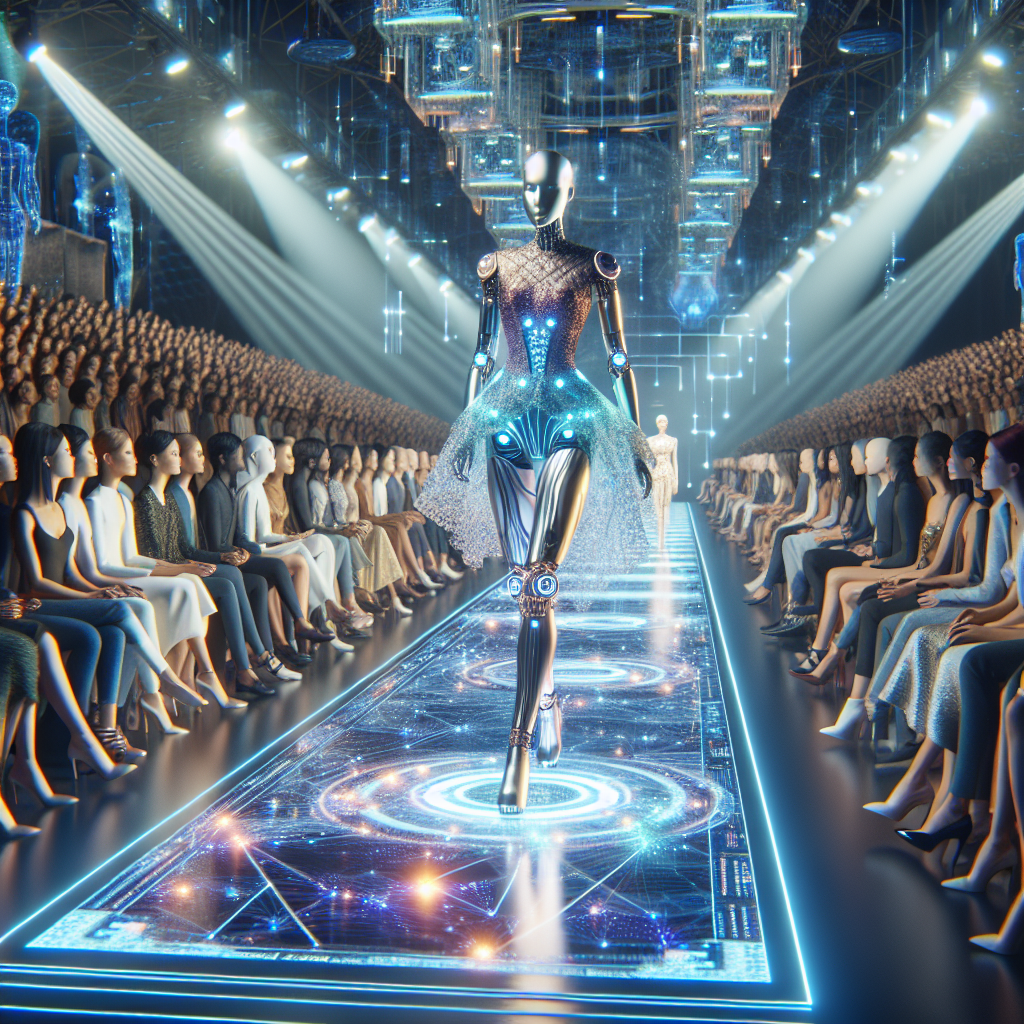
Digital Couture represents a groundbreaking fusion of fashion and technology, where the traditional boundaries of garment creation are reimagined through digital innovation. This emerging field is reshaping how designers conceptualize and produce clothing, offering a glimpse into the future of fashion. As technology continues to advance, Digital Couture challenges the conventional norms of the fashion industry and paves the way for novel creative expressions.

Exploring the Intersection of Fashion and Technology

The intersection of fashion and technology has given rise to Digital Couture, a realm where creativity meets cutting-edge innovation. This fusion has empowered designers to experiment beyond the limitations of traditional materials, utilizing digital tools such as 3D printing, virtual reality, and artificial intelligence to craft unique garments. These technologies offer unprecedented precision and customization, enabling designers to push the boundaries of what is possible. By integrating technology into the design process, fashion becomes more dynamic and interactive, allowing for the creation of pieces that are not only visually stunning but also functionally enhanced.

The Role of 3D Printing in Fashion Design

3D printing stands at the forefront of Digital Couture, revolutionizing how garments are designed and manufactured. This technology allows designers to create intricate structures and patterns that would be impossible to achieve with conventional techniques. The additive manufacturing process used in 3D printing enables the creation of complex geometries, offering new possibilities for texture and form in fashion design. Furthermore, 3D printing promotes sustainability by minimizing waste and allowing for the use of eco-friendly materials. As a result, it is not only transforming the aesthetic aspects of fashion but also contributing to more environmentally conscious production methods.

Virtual Reality: A New Dimension in Fashion

Virtual reality (VR) is opening new dimensions in the world of fashion, offering immersive experiences that redefine how consumers interact with clothing. Through VR, designers can present their collections in virtual showrooms, providing a global audience with an interactive fashion experience without geographical limitations. This technology also aids in the design process, allowing creators to visualize and modify garments in a virtual space before physical production. VR enhances consumer engagement by offering virtual try-ons, enabling customers to see how garments fit and move in a simulated environment. This innovative approach bridges the gap between the digital and physical realms, transforming the way fashion is showcased and experienced.

Artificial Intelligence: The Future of Customization

Artificial intelligence (AI) is playing a pivotal role in the customization aspect of Digital Couture, facilitating a more personalized approach to fashion. AI algorithms can analyze vast amounts of data to predict trends and consumer preferences, allowing designers to tailor their creations to meet specific demands. This technology enables the development of bespoke garments that cater to individual tastes and body types, enhancing the overall consumer experience. Additionally, AI-driven design tools can assist in pattern-making and fabric selection, optimizing the efficiency and creativity of the design process. By harnessing the power of AI, fashion designers can offer unique, customized pieces that resonate with the modern consumer’s desire for individuality.

Digital Couture is redefining the fashion landscape by merging the artistry of design with the precision and innovation of technology. As these technologies continue to evolve, they promise to unlock new creative potentials and redefine consumer experiences. This convergence is not just a trend but a transformative movement that challenges traditional fashion paradigms, offering sustainable solutions and personalized experiences. As designers and technologists collaborate to explore this exciting frontier, the future of fashion looks poised to be more innovative, inclusive, and environmentally conscious than ever before.
AI Fashion

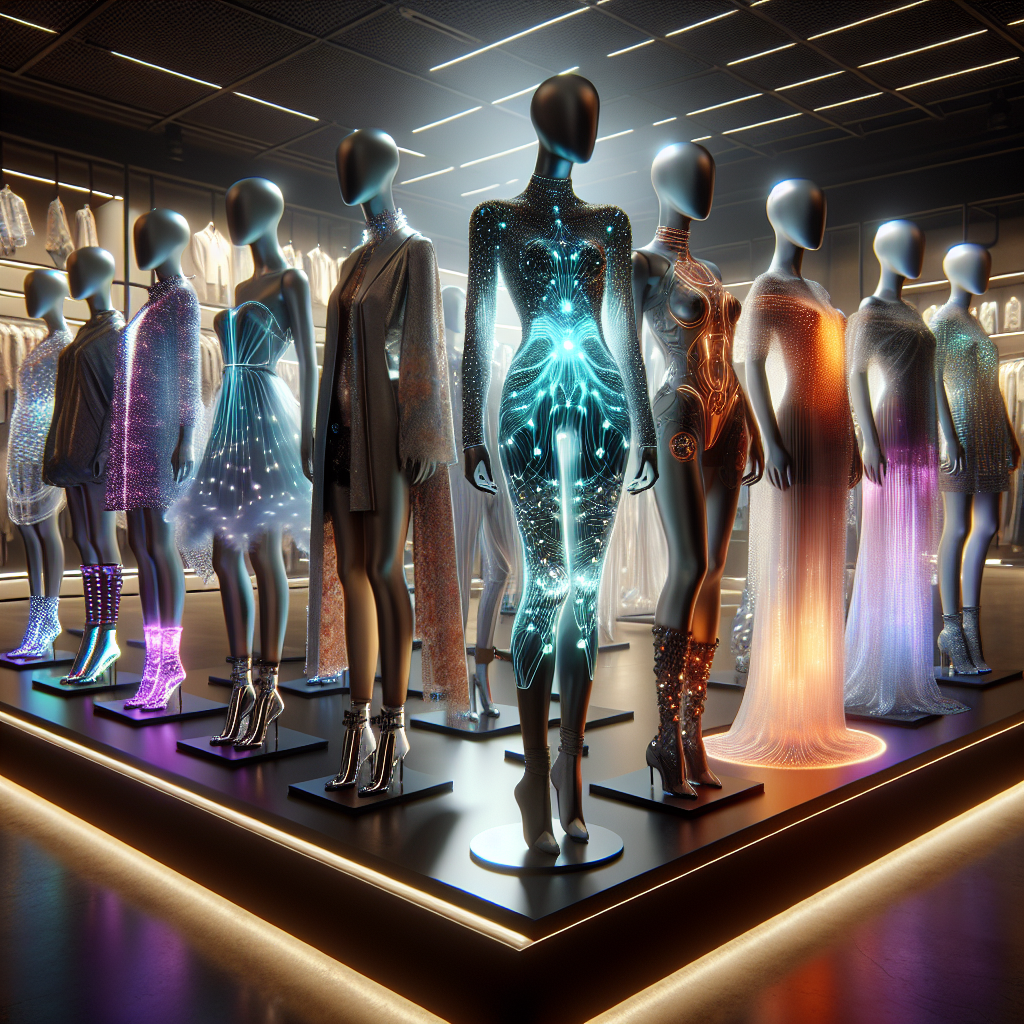
The fusion of artificial intelligence (AI) and fashion design is reshaping the landscape of the fashion industry. As technology advances, designers and brands are increasingly leveraging AI to enhance creativity, optimize processes, and personalize consumer experiences. This article delves into the multifaceted relationship between AI and fashion, exploring how this innovative intersection is redefining traditional paradigms and opening new avenues for creativity and efficiency in fashion design.

Exploring the Intersection of AI and Fashion Design

The convergence of AI and fashion design represents a groundbreaking shift in the creative process, where technology meets artistry. AI-powered tools are being utilized to analyze vast datasets, including historical fashion trends, consumer preferences, and market dynamics, enabling designers to make informed decisions and predict future trends with unprecedented accuracy. This intersection allows for the creation of unique designs that resonate with contemporary tastes, while also incorporating innovative elements that push the boundaries of traditional fashion. By harnessing the capabilities of AI, designers are able to experiment with new materials, patterns, and styles, ultimately transforming the way fashion is conceived and realized.

The Role of AI in Enhancing Creativity

AI’s role in enhancing creativity within the fashion industry cannot be overstated. With the ability to process and analyze large volumes of data quickly, AI tools provide designers with insights that inspire new ideas and concepts. AI-driven design platforms offer a collaborative space where human creativity is augmented by machine intelligence, leading to the generation of novel designs that might not have been conceived through human effort alone. Moreover, AI enables the exploration of a broader range of design possibilities, allowing for more daring and unconventional creations. By automating routine tasks and providing creative suggestions, AI empowers designers to focus on the artistic aspects of fashion, driving innovation and originality.

AI and Sustainable Fashion Practices

In the quest for sustainability, AI is playing a crucial role in transforming fashion practices. By optimizing supply chains and reducing waste, AI technologies help fashion brands minimize their environmental impact. AI algorithms can predict demand with greater accuracy, leading to more efficient production processes and reduced overproduction. Additionally, AI facilitates the development of sustainable materials by analyzing and simulating their performance, encouraging the use of eco-friendly alternatives. As consumers become increasingly conscious of sustainability, AI-driven solutions offer fashion companies the tools needed to align with these values, paving the way for a more sustainable and responsible industry.

Personalization and Consumer Experience

AI is revolutionizing the consumer experience by enabling unprecedented levels of personalization in fashion. Through data analysis, AI systems can understand individual preferences and shopping behaviors, creating personalized recommendations and tailored shopping experiences. Virtual fitting rooms, powered by AI, allow consumers to visualize how garments will look and fit, enhancing the online shopping experience and reducing return rates. This level of personalization extends to custom-made clothing, where AI can assist in designing garments that cater to specific measurements and style preferences. By delivering a more personalized and engaging shopping experience, AI is helping brands build stronger connections with their customers.

The integration of AI into the fashion industry is not merely a trend but a transformative movement that is reshaping the way fashion is designed, produced, and consumed. From enhancing creativity and sustainability to personalizing consumer experiences, AI offers a wealth of opportunities for innovation and growth. As the technology continues to evolve, the fashion industry is poised to benefit from the synergies between human creativity and machine intelligence, paving the way for a future where fashion is more dynamic, sustainable, and personalized than ever before.

Brand Creation With Digital Presence

In today’s interconnected world, establishing a robust digital presence is paramount for brand creation and growth. The digital landscape offers businesses unprecedented opportunities to reach and engage with a global audience. With a well-crafted digital identity, brands can differentiate themselves, foster customer loyalty, and drive business success. This article explores the essential components of building a digital identity for your brand, highlighting strategies and considerations for effectively navigating the digital space.

Building a Digital Identity for Your Brand

Creating a digital identity is the cornerstone of modern brand development. It encompasses the visual, verbal, and experiential elements that define how a brand is perceived online. A cohesive digital identity begins with a clear understanding of the brand’s core values, mission, and target audience. This foundation informs the design of a memorable logo, the choice of color schemes, and the tone of voice used in digital communications. Consistency across all digital platforms is crucial, from the website and social media to email marketing campaigns. By ensuring that every digital touchpoint reflects the brand’s essence, businesses can establish a strong and recognizable digital identity that resonates with their audience and fosters trust.

In an era where digital interactions often precede physical ones, building a strong digital presence is not just an option but a necessity for brands aiming to thrive. A well-defined digital identity serves as a beacon for potential customers, guiding them through the vast sea of online options to your brand’s unique offering. By investing in a cohesive digital strategy that aligns with your brand’s values and objectives, you can create meaningful connections with your audience and pave the way for sustained growth and success in the digital age.

Technology In Couture

In the ever-evolving world of fashion, the seamless blend of technology and couture is redefining the boundaries of creativity and craftsmanship. As designers seek new ways to push the limits of traditional garment-making, the incorporation of cutting-edge technologies has become a cornerstone of modern haute couture. This synergy not only enhances the aesthetic appeal of fashion pieces but also revolutionizes production methods, sustainability efforts, and personalized consumer experiences. This article explores the fascinating intersection of innovation and high fashion, unraveling how technology is shaping the future of couture.

The Intersection of Innovation and High Fashion

The intersection of innovation and high fashion is a captivating realm where the art of design meets the precision of technology. Designers are increasingly turning to advanced technologies such as 3D printing, digital fabric manipulation, and AI-driven design tools to create garments that transcend the ordinary. These technological advancements enable the creation of intricate patterns, textures, and structures that were once deemed impossible. By integrating technology into their creative processes, designers can experiment with new materials, customize fits with unparalleled precision, and produce garments that are not only visually stunning but also functionally superior. As a result, the fashion industry is witnessing a paradigm shift, where the fusion of technology and couture is not just a trend but a transformative movement reshaping the very essence of fashion.

As the lines between technology and couture continue to blur, the fashion industry stands on the cusp of a new era characterized by innovation, creativity, and sustainability. The ongoing collaboration between designers and technologists promises to unlock unprecedented possibilities, from smart fabrics that adapt to environmental changes to personalized fashion experiences powered by data analytics. While challenges remain, particularly concerning the balance between human artistry and machine precision, the potential for technology to enhance and expand the world of couture is undeniable. As we look to the future, it is clear that technology will play an integral role in defining the next chapter of high fashion, offering a glimpse into a world where imagination and innovation walk hand in hand down the runway.

Technology In Fashion Design

The intersection of technology and fashion design is a dynamic and rapidly evolving field that redefines how clothing is created, produced, and experienced. As digital innovation continues to permeate every aspect of our lives, the fashion industry is leveraging cutting-edge technology to enhance creativity, efficiency, and sustainability. This article explores the various ways in which technology is integrated into fashion design today, offering insights into how these advancements are shaping the future of fashion.

Integrating Technology into Fashion Design Today

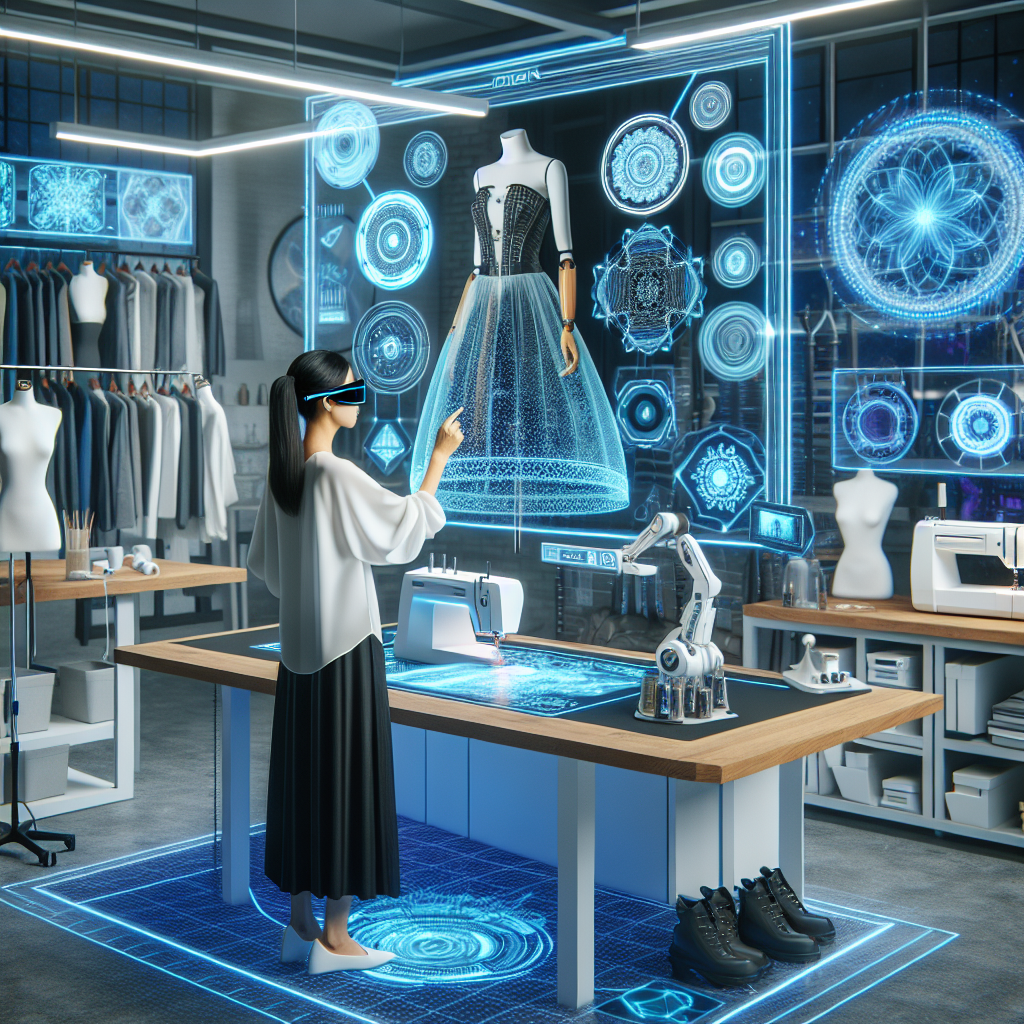
In today’s fashion design landscape, technology plays a crucial role in transforming traditional practices and introducing new possibilities. Designers are increasingly utilizing 3D modeling software to create virtual prototypes, allowing for more precise alterations and reducing the need for physical samples. This not only speeds up the design process but also minimizes waste, aligning with the industry’s growing emphasis on sustainability. Furthermore, the use of artificial intelligence (AI) in trend forecasting enables designers to anticipate consumer preferences with greater accuracy, thereby creating collections that resonate more deeply with their audience. Wearable technology, such as smart textiles and garments embedded with sensors, is also gaining traction, offering consumers interactive and personalized experiences. These technological advancements are not merely tools for production but are reshaping the very essence of fashion design, fostering a more innovative and responsive industry.

As technology continues to advance, its integration into fashion design promises to unlock new levels of creativity and innovation. The fusion of digital tools with traditional craftsmanship is not only enhancing the efficiency and sustainability of the fashion industry but also paving the way for more personalized and engaging consumer experiences. As designers and technologists collaborate to explore the limitless potential of this synergy, the future of fashion design is poised to be more dynamic and inclusive than ever before. The ongoing evolution in this space suggests a future where technology and fashion are inextricably linked, driving the industry towards a more innovative and sustainable horizon.

Cutting-Edge Trends For Influencers In The Future

In the rapidly evolving landscape of digital marketing, influencers have become pivotal players, bridging the gap between brands and consumers. As technology advances and consumer behavior shifts, influencer marketing is poised to undergo significant transformations. This article delves into the cutting-edge trends that are set to shape the future of influencer marketing, providing insights into how influencers and brands can adapt to stay ahead of the curve.

Exploring Future Trends Shaping Influencer Marketing

The Rise of Micro and Nano Influencers

In the future, the focus of influencer marketing will likely shift towards micro and nano influencers. These influencers, with smaller but highly engaged followings, offer brands the opportunity to connect with niche audiences in a more authentic and personal manner. As consumers increasingly value genuine interactions over mass marketing, brands are expected to leverage these influencers to foster deeper connections and drive higher engagement rates. The intimate nature of micro and nano influencers’ communities allows for more meaningful conversations and trust-building, which can significantly enhance brand loyalty and conversion rates.

Integration of Artificial Intelligence

Artificial intelligence (AI) is set to revolutionize influencer marketing by optimizing campaign strategies and enhancing content creation. AI tools can analyze vast amounts of data to identify trending topics, predict consumer preferences, and measure influencer performance with unprecedented accuracy. This technology will enable brands to make data-driven decisions, ensuring that their influencer partnerships are both effective and efficient. Furthermore, AI-generated content, such as personalized recommendations and automated responses, will streamline communication between influencers and their audiences, providing a more tailored and engaging experience.

Emphasis on Authenticity and Transparency

As consumers become more discerning, authenticity and transparency will be paramount in influencer marketing. Future trends indicate that audiences will favor influencers who maintain genuine connections with their followers and demonstrate honesty in their brand collaborations. To meet these expectations, influencers will need to prioritize authenticity in their content, openly disclosing partnerships and providing honest reviews. Brands, in turn, will need to align with influencers whose values resonate with their target audience, fostering trust and credibility in their marketing efforts.

Diversification of Content Platforms

The diversification of content platforms will play a crucial role in the future of influencer marketing. While traditional social media platforms like Instagram and YouTube remain popular, emerging platforms such as TikTok, Twitch, and Clubhouse are gaining traction among younger demographics. Influencers will need to adapt their strategies to engage audiences across multiple platforms, utilizing various content formats such as short videos, live streams, and audio content. This diversification will allow influencers to reach broader audiences and create more dynamic and interactive experiences for their followers.

Focus on Sustainable and Ethical Influencing

As global awareness of social and environmental issues grows, influencers will increasingly focus on sustainable and ethical influencing. This trend will see influencers advocating for eco-friendly products, promoting social causes, and encouraging responsible consumer behavior. Brands will need to collaborate with influencers who are not only popular but also align with their sustainability goals and ethical standards. This shift towards conscious influencing will not only enhance brand reputation but also contribute to a more socially responsible and environmentally friendly industry.

In conclusion, the future of influencer marketing is poised for significant change, driven by technological advancements and evolving consumer expectations. By embracing trends such as the rise of micro and nano influencers, the integration of AI, and a focus on authenticity, influencers and brands can navigate the shifting landscape with agility and foresight. As the industry continues to diversify across platforms and prioritize sustainability, those who adapt to these cutting-edge trends will be well-positioned to succeed in the dynamic world of influencer marketing.

Digital Fashion Influences Worldwide

In the rapidly evolving landscape of fashion, digital influences have emerged as a formidable force, reshaping the way we perceive, consume, and interact with fashion worldwide. From virtual fashion shows to digital influencers, the digital realm is pushing the boundaries of creativity and accessibility, making fashion more inclusive and diversified than ever before. This article delves into the global trends in digital fashion influence, highlighting how technology is transforming the industry on a global scale.

Exploring Global Trends in Digital Fashion Influence

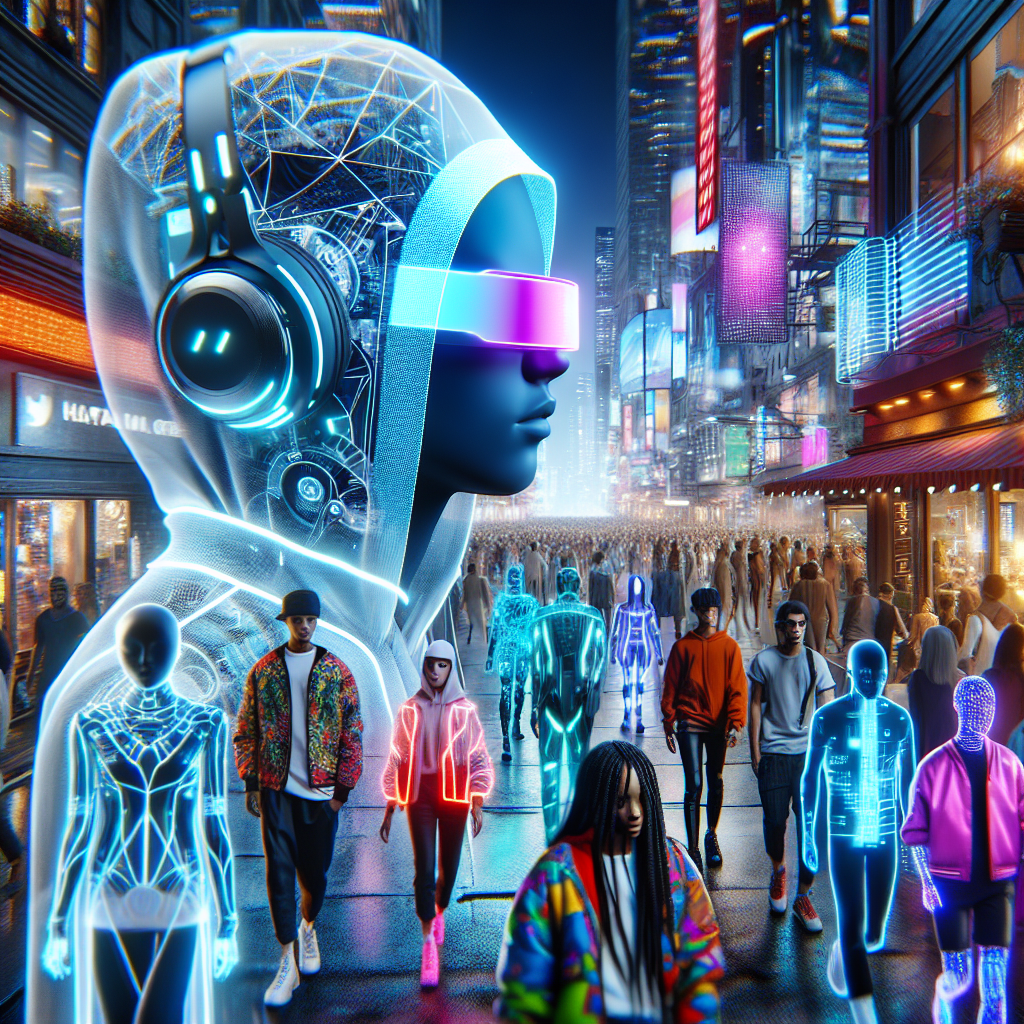
The digital fashion landscape is witnessing unprecedented growth, driven by advancements in technology and the increasing importance of social media. Globally, digital fashion influencers have become pivotal in setting trends, with their reach extending far beyond traditional fashion capitals like Paris, Milan, or New York. These influencers leverage platforms such as Instagram, TikTok, and YouTube to showcase not only the latest trends but also to experiment with digital fashion, including virtual garments and augmented reality (AR) experiences. This shift is democratizing fashion, allowing emerging designers from diverse backgrounds to gain visibility and influence the global fashion narrative. Furthermore, digital fashion has enabled consumers to engage with brands in new and immersive ways, fostering a sense of community and collaboration across continents.

As digital fashion continues to evolve, its influence on the global fashion industry is undeniable. The convergence of technology and creativity is breaking down geographical barriers, enabling a more inclusive and diverse fashion ecosystem. Digital platforms are not only amplifying the voices of established fashion influencers but are also creating opportunities for new talents to emerge and redefine what it means to be fashionable in the digital age. As we look to the future, it is clear that digital fashion will continue to play a crucial role in shaping the industry’s trajectory, offering endless possibilities for innovation and expression worldwide.

Digital Fashion Supermodels

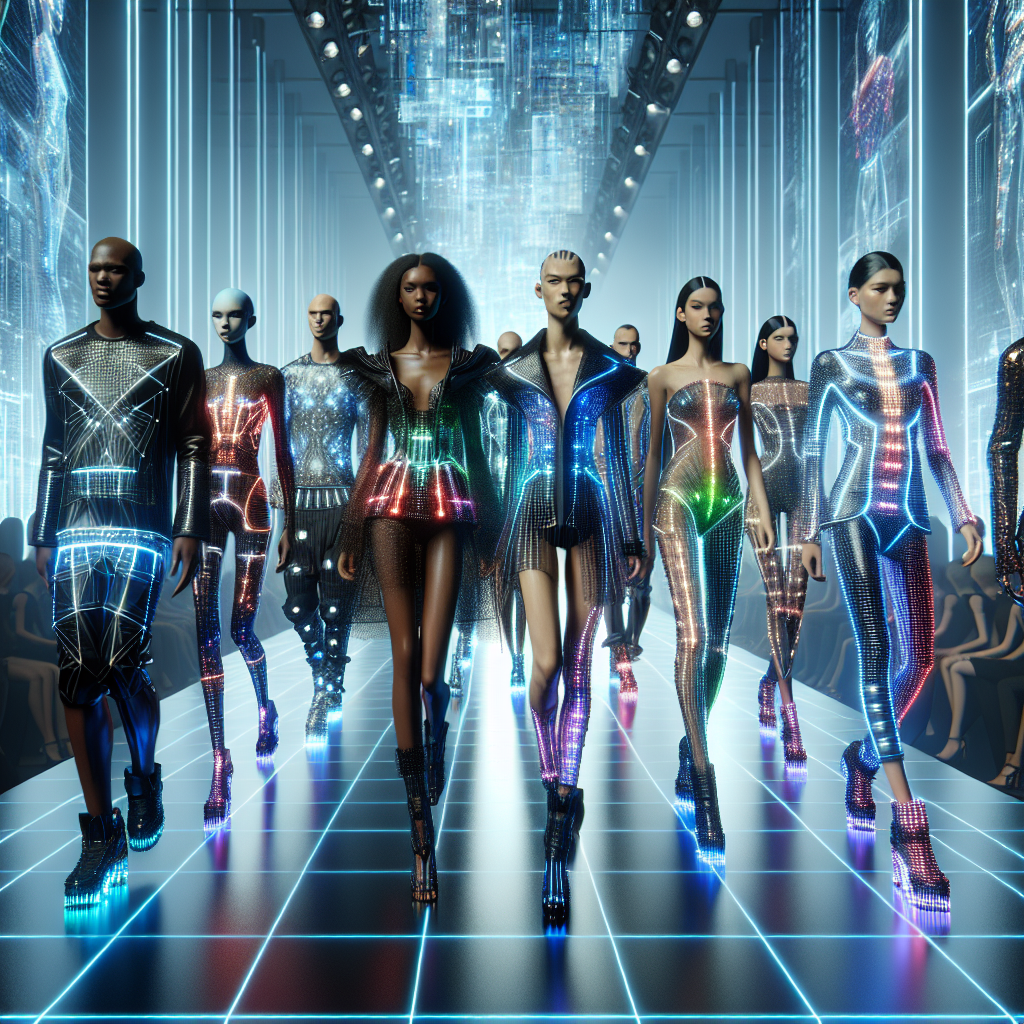
In the rapidly evolving world of fashion, where innovation meets creativity, a new trend has emerged that is reshaping the industry: digital fashion supermodels. These virtual creations are not only captivating audiences with their unique aesthetics but are also challenging traditional norms of fashion modeling. As technology continues to advance, digital fashion supermodels are becoming an integral part of the fashion landscape, offering a glimpse into the future of style and representation.

The Rise of Digital Fashion Supermodels

The rise of digital fashion supermodels can be attributed to several factors, including technological advancements, changing consumer preferences, and a growing demand for sustainable practices. With the advent of sophisticated 3D modeling software and artificial intelligence, fashion designers and brands have been able to create hyper-realistic virtual models that can be customized to fit any desired look or personality. These digital models are not bound by the limitations of the physical world, allowing for endless possibilities in terms of appearance, style, and diversity. As consumers increasingly seek unique and innovative fashion experiences, digital supermodels offer a fresh and exciting way to engage with brands and products.

The Impact on the Fashion Industry

The impact of digital fashion supermodels on the fashion industry is profound and multifaceted. For designers, these virtual models provide an opportunity to experiment with avant-garde styles and concepts without the constraints of traditional runway shows or photo shoots. This has led to more creative freedom and the ability to push the boundaries of fashion design. Moreover, digital supermodels have opened up new avenues for marketing and brand storytelling, allowing for immersive and interactive experiences that resonate with tech-savvy audiences. On a broader scale, the rise of digital models is also prompting discussions about representation and inclusivity in the fashion world, as they can be designed to reflect a wide range of body types, ethnicities, and gender identities.

Challenges and Criticisms

While digital fashion supermodels offer exciting possibilities, they also face challenges and criticisms. One of the main concerns is the potential impact on employment for human models, as brands may opt for virtual models to reduce costs and increase flexibility. Additionally, there is an ongoing debate about the authenticity and relatability of digital models, as some consumers may prefer the human touch and emotional connection that real-life models provide. Ethical considerations also arise regarding the portrayal of idealized beauty standards and the potential for digital models to perpetuate unrealistic expectations. As the fashion industry continues to navigate these challenges, it will be crucial to strike a balance between innovation and ethical responsibility.

As digital fashion supermodels continue to gain prominence, they are undoubtedly reshaping the fashion industry in unprecedented ways. While they offer exciting opportunities for creativity, inclusivity, and sustainability, they also raise important questions about the future of fashion modeling and the role of technology in our lives. As the industry evolves, the dialogue surrounding digital fashion supermodels will likely intensify, prompting further exploration of how these virtual entities can coexist with traditional fashion practices while embracing the possibilities of the digital age.

Digital Fashion Models

Exploring the Rise of Digital Fashion Models

In recent years, the fashion industry has witnessed a technological revolution that has transformed traditional paradigms. Among these innovations, digital fashion models have emerged as a groundbreaking development, offering new possibilities for creativity, representation, and sustainability. This article delves into the rise of digital fashion models, examining their impact on the fashion landscape, the technology that powers them, and the potential they hold for the future.

The Evolution of Fashion Modeling

Fashion modeling has long been a cornerstone of the fashion industry, serving as the bridge between designers and consumers. Traditionally, this realm has been dominated by human models who bring garments to life on runways and in magazines. However, the advent of digital technology has begun to redefine this space. Digital fashion models, also known as virtual or CGI models, are computer-generated figures that can be crafted to embody any desired look or aesthetic. With the ability to exist solely in a digital realm, these models are reshaping how fashion is conceptualized, presented, and consumed, offering designers unparalleled creative freedom and control.

Technology Behind Digital Fashion Models

The creation of digital fashion models relies heavily on advanced technologies such as 3D modeling, artificial intelligence, and computer-generated imagery (CGI). These technologies enable designers to craft hyper-realistic models that can mimic human expressions, movements, and even skin textures. Software tools like Blender, Marvelous Designer, and Daz 3D are commonly used to create intricate and lifelike digital personas. AI plays a significant role in animating these models, allowing them to interact in virtual environments with a level of realism that was previously unattainable. This technological synergy not only enhances the visual appeal of fashion presentations but also streamlines the production process, reducing time and resource constraints.

Impact on the Fashion Industry

The integration of digital fashion models into the fashion industry has far-reaching implications. For designers, these models offer a sustainable alternative to traditional practices by eliminating the need for physical samples and reducing the carbon footprint associated with fashion shows and photo shoots. Moreover, digital models provide an inclusive platform where diversity is limited only by imagination, enabling brands to represent a broader spectrum of identities and body types. This shift also democratizes access to fashion, as brands can engage with global audiences through digital channels, bypassing geographical and logistical barriers. As a result, the fashion industry is witnessing a democratization of creativity and a redefinition of brand-consumer relationships.

Challenges and Ethical Considerations

Despite their advantages, digital fashion models present several challenges and ethical considerations. One major concern is the potential loss of jobs for human models, as brands may increasingly opt for digital alternatives. Additionally, the creation of hyper-idealized digital figures raises questions about perpetuating unrealistic beauty standards and the resultant impact on body image and self-esteem. There is also the risk of misuse, where digital likenesses could be manipulated without consent, leading to legal and ethical dilemmas. Addressing these challenges requires a balanced approach, ensuring that technological advancements in fashion are harnessed responsibly and ethically.

The Future of Digital Fashion Models

As technology continues to advance, the future of digital fashion models looks promising. With improvements in virtual reality (VR) and augmented reality (AR), digital models could soon become interactive entities, enhancing online shopping experiences and personalizing consumer engagement. The potential for real-time customization of garments on digital avatars could revolutionize the way consumers interact with fashion, offering them a more immersive and personalized experience. Furthermore, as sustainability becomes an increasingly pressing concern, the role of digital models in promoting eco-friendly practices is likely to expand. Ultimately, digital fashion models are poised to play a pivotal role in shaping the future of the fashion industry, pushing the boundaries of creativity and innovation.

The rise of digital fashion models signifies a profound transformation within the fashion industry, merging artistry with technology to create new paradigms of expression and interaction. While challenges remain, the potential benefits of digital models in terms of creativity, inclusivity, and sustainability are vast. As the fashion world continues to evolve, embracing these digital innovations will be crucial in navigating the complexities of a rapidly changing global landscape. Through thoughtful integration and ethical considerations, digital fashion models may well become an enduring facet of the industry, heralding a new era of fashion that is as dynamic as it is diverse.

Future Digital Faces Of Fashion

Future Digital Faces of Fashion

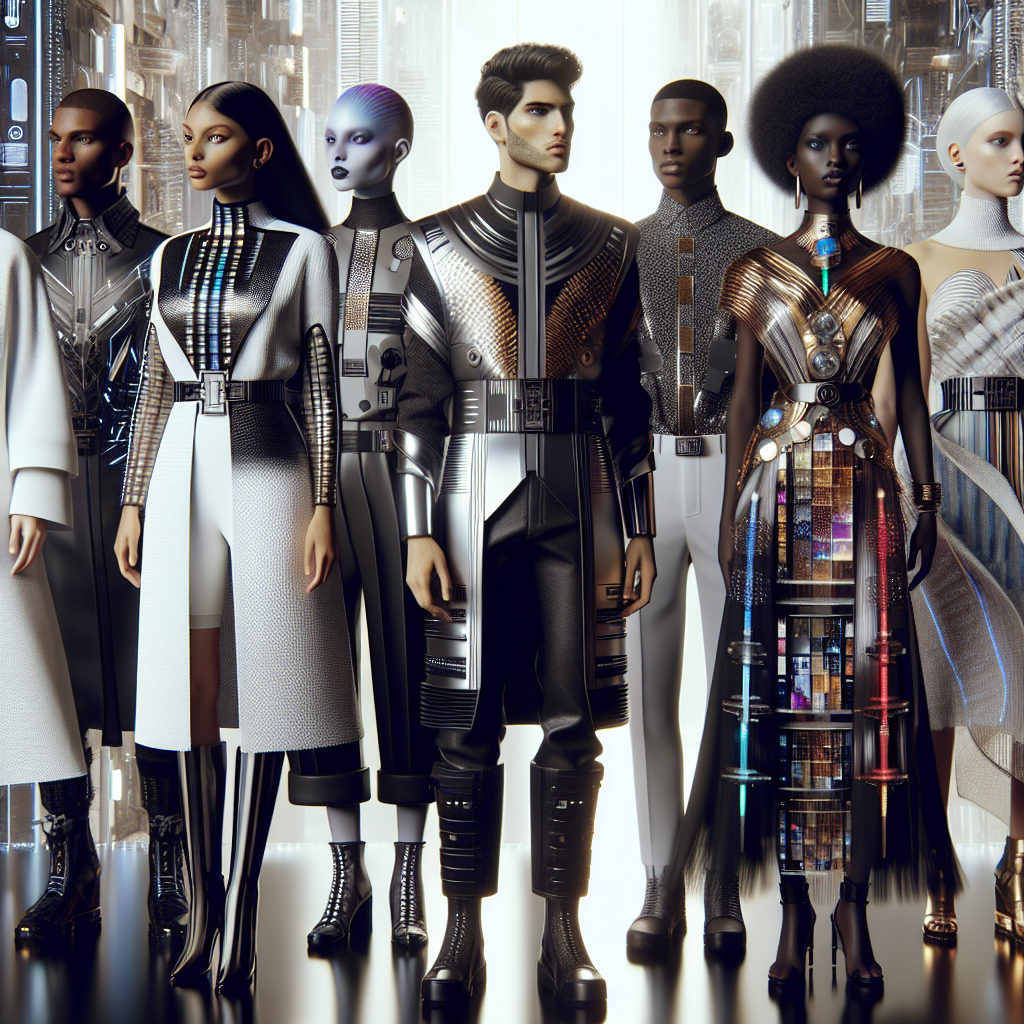
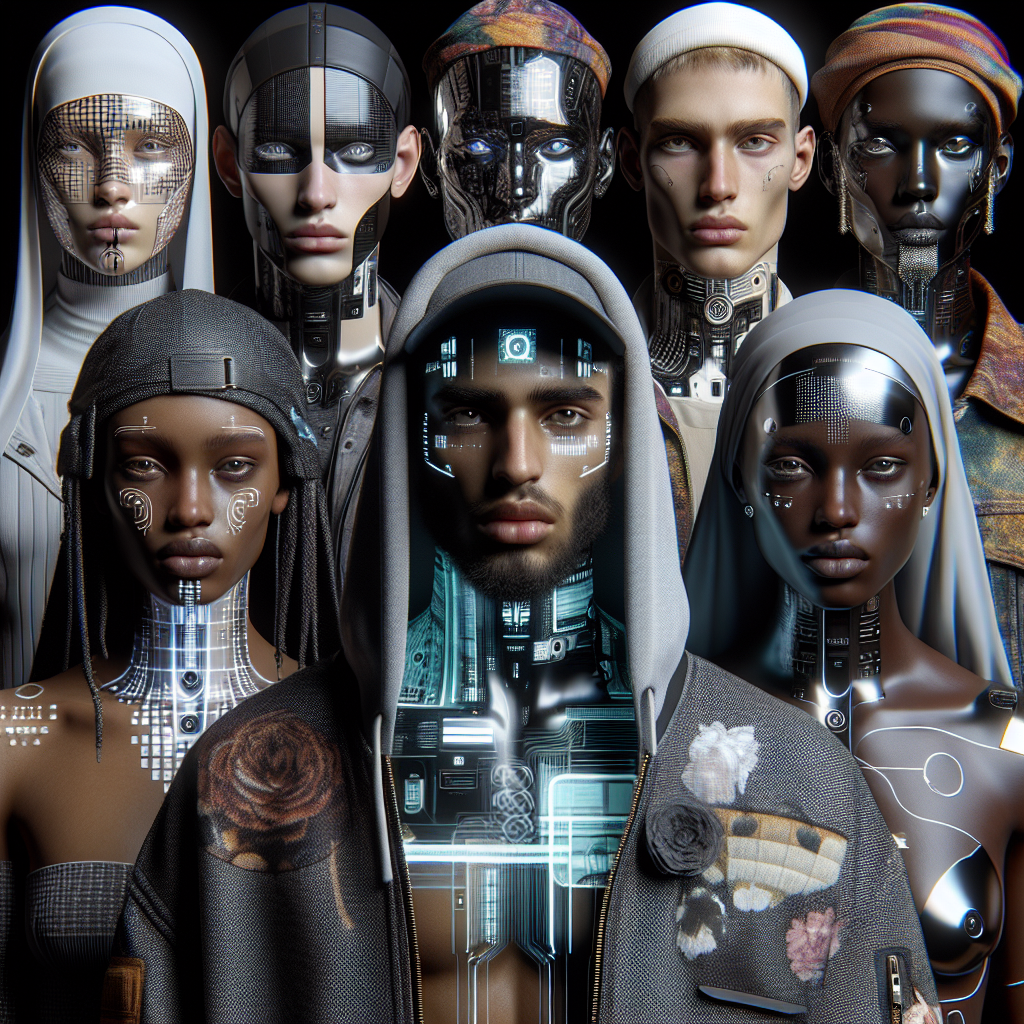
In the rapidly evolving world of fashion, digital innovation is revolutionizing the industry. As technology becomes increasingly intertwined with creativity, the concept of digital fashion faces is emerging as a groundbreaking trend. These virtual personas are reshaping the way we perceive and interact with fashion, blending artistry with cutting-edge technology. This article delves into the evolution of digital fashion faces, examining their impact on the industry and what the future holds.

Exploring the Evolution of Digital Fashion Faces

Digital fashion faces have their roots in the broader development of virtual and augmented reality technologies. Initially, these digital avatars were simple, often cartoonish representations used in gaming and online platforms. However, as technology advanced, so did the sophistication of these virtual personas. Today, digital fashion faces are hyper-realistic models, meticulously crafted using 3D modeling, AI, and machine learning algorithms. They can wear and showcase digital clothing, accessories, and makeup, offering a new dimension of creativity and expression. This evolution reflects a shift in the fashion industry, where the boundaries between the physical and digital worlds are increasingly blurred, opening up new avenues for designers, marketers, and consumers alike.

As digital fashion faces continue to evolve, they promise to transform the fashion landscape in unprecedented ways. These virtual personas not only push the boundaries of creativity but also offer sustainable solutions by reducing the need for physical resources. They provide a platform for experimentation and inclusivity, allowing designers to explore diverse aesthetics without the constraints of traditional fashion. The future of digital fashion faces is bright, with endless possibilities for innovation and collaboration, ultimately redefining the way we experience and engage with fashion.

Popular Posts

My Favorites

Rarible vs. OpenSea: NFT Marketplace Comparison – Web3oclock

0
Table of Contents:  Key Differences Between Rarible and OpenSea Pros & Cons of Rarible & OpenSea Which Platform is Best for You? Future Outlook of Rarible &...

Technology In Fashion Design