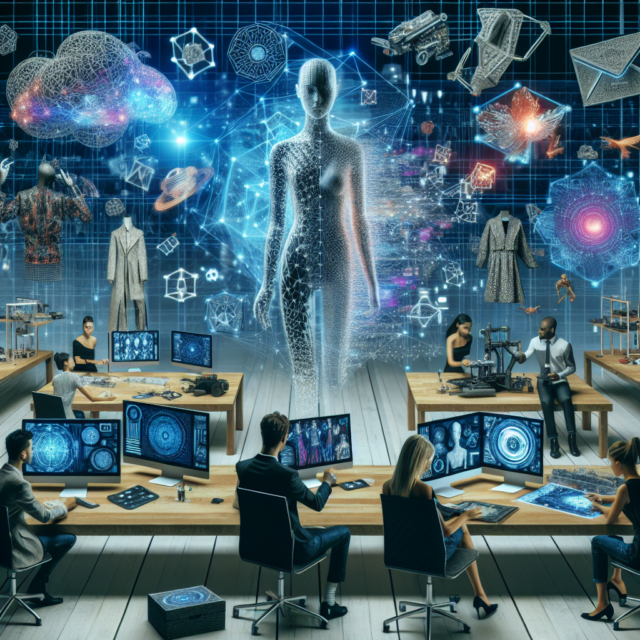
Home Blog Page 1296

Exploring Sustainability Practices in Digital Art Creation
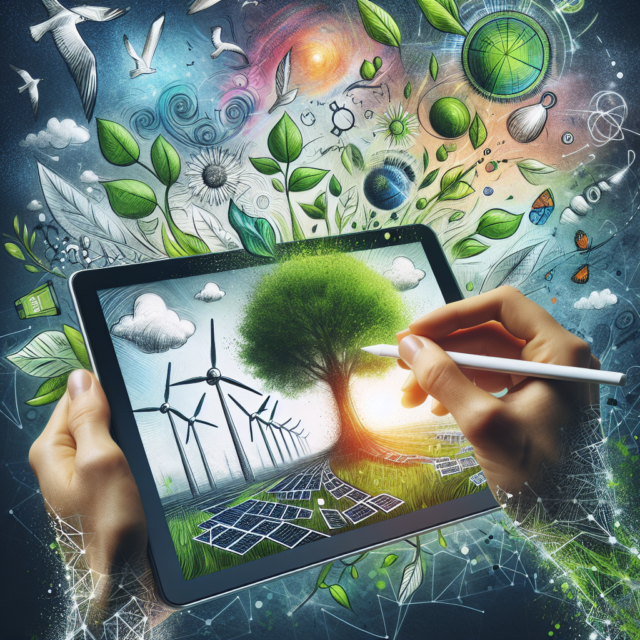
In recent years, the art world has witnessed a transformative shift towards sustainability, driven by an increasing awareness of environmental issues and a commitment to reducing carbon footprints. This movement has permeated various art forms, including digital art—a medium uniquely positioned to champion eco-friendly practices. As artists and creators explore the intersection of art and ecology, they are discovering innovative techniques and tools that not only enhance their creative expression but also contribute to a more sustainable future. This article delves into the sustainability practices in digital art creation, focusing on the intersection of art and ecology, eco-friendly creation techniques, and the tools and resources available to artists committed to sustainable practices.

Understanding the Intersection of Art and Ecology

The relationship between art and ecology has long been one of mutual inspiration and influence. Artists have historically drawn from the natural world, using their creations to reflect on and respond to environmental changes. In the digital age, this relationship takes on new dimensions as artists leverage technology to address ecological issues. Digital art, by its nature, offers a platform to explore themes of nature, conservation, and sustainability without the resource demands of traditional art forms.

In the digital realm, artists are increasingly aware of the ecological impact of their work, from the energy consumption of high-powered computers to the carbon footprint of cloud storage. This awareness is driving a new wave of digital art that prioritizes sustainability. Artists are beginning to consider not just the content of their work, but the processes and technologies they use to create it, striving to minimize their environmental impact while maximizing their creative output.

The dialogue between art and ecology is further enriched by the ability of digital art to reach global audiences. Artists can use their platforms to raise awareness of environmental issues, advocating for change and inspiring others to adopt sustainable practices. This potential for impact is a powerful motivator for artists seeking to align their creative endeavors with ecological values.

Moreover, the digital art community is increasingly collaborative, with artists sharing techniques and innovations that enhance sustainability. Online forums, workshops, and exhibitions provide spaces for artists to exchange ideas and learn from one another, fostering a culture of sustainability within the art world. This collective effort amplifies the impact of individual artists, creating a ripple effect that extends beyond the art community.

Digital art also allows for the exploration of new materials and methods that traditional art forms cannot accommodate. Virtual reality, augmented reality, and interactive installations offer immersive experiences that engage audiences with environmental issues in novel ways. These technologies open up new possibilities for storytelling and education, making complex ecological concepts accessible and engaging.

As the intersection of art and ecology continues to evolve, digital artists are at the forefront of a movement that challenges traditional notions of art creation. By embracing sustainable practices, they are redefining what it means to be an artist in the 21st century, using their work to advocate for a more sustainable future and inspiring others to do the same.

Techniques for Eco-Friendly Digital Art Creation

One of the primary techniques for creating eco-friendly digital art is optimizing energy consumption. Artists can achieve this by using energy-efficient hardware, such as laptops and tablets designed to minimize power usage. Additionally, setting devices to energy-saving modes and utilizing renewable energy sources can significantly reduce the environmental impact of digital art creation.

Another technique involves minimizing the carbon footprint associated with digital storage. Artists can take advantage of local storage options and limit reliance on cloud services, which require vast amounts of energy to maintain. When cloud storage is necessary, selecting providers committed to renewable energy use can mitigate some of the environmental impact.

Artists can also adopt sustainable software practices by choosing open-source and lightweight applications that require less processing power. These tools often have smaller file sizes and reduced system demands, leading to more efficient workflows. By prioritizing software that aligns with eco-friendly values, artists can further reduce their digital footprint.

Digital art creation can also benefit from the use of virtual collaboration tools, which eliminate the need for physical travel and reduce associated emissions. Platforms that facilitate remote collaboration allow artists to work with others worldwide without the environmental costs of transportation. This not only supports sustainability but also broadens creative possibilities through diverse collaborations.

Recycling and repurposing digital assets is another effective technique for sustainable art creation. Artists can reuse elements from previous projects, reducing the need for new resources and minimizing waste. This approach encourages creativity through constraint, challenging artists to think innovatively about how to reimagine existing materials.

Finally, artists can engage in conscious content creation, focusing on themes that promote sustainability and environmental awareness. By integrating ecological messages into their work, artists can inspire audiences to reflect on and engage with pressing environmental issues. This approach not only contributes to sustainability in practice but also fosters a broader cultural shift towards ecological consciousness.

Tools and Resources for Sustainable Art Practices

A variety of tools and resources are available to digital artists seeking to adopt sustainable practices. Energy-efficient hardware options, such as the latest generation of processors and graphics cards, offer improved performance with reduced power consumption. Brands that prioritize sustainability in their product design provide artists with the technology needed to create responsibly.

Software solutions play a crucial role in sustainable digital art practices. Open-source platforms like Krita and Blender offer powerful capabilities without the high energy demands of some commercial alternatives. These tools are often developed with community input, ensuring they remain aligned with the values of sustainability and accessibility.

For artists looking to reduce their reliance on cloud storage, local backup solutions and external hard drives provide eco-friendly alternatives. Companies specializing in sustainable technology offer products designed with recycled materials and energy-efficient operation, supporting artists’ efforts to minimize their environmental impact.

Online resources and communities dedicated to sustainable art practices offer valuable support and inspiration. Websites, forums, and social media groups provide platforms for artists to share insights, techniques, and experiences. These communities foster a collaborative spirit and encourage the exchange of ideas, helping artists stay informed about the latest developments in sustainable art.

Educational resources, such as workshops and courses, equip artists with the knowledge and skills needed to implement sustainable practices effectively. Many institutions and organizations offer programs focused on the intersection of art and ecology, providing artists with the tools to integrate sustainability into their creative processes.

Finally, partnerships with environmental organizations can amplify the impact of sustainable art practices. Collaborations with NGOs and conservation groups provide opportunities for artists to contribute to broader ecological efforts. These partnerships can enhance the visibility of sustainable art and inspire wider audiences to engage with environmental issues.

As the world increasingly embraces sustainability, digital artists have a unique opportunity to lead the charge in eco-friendly creative practices. By understanding the intersection of art and ecology, employing techniques that minimize environmental impact, and utilizing the wealth of tools and resources available, artists can create works that not only express their vision but also contribute to a more sustainable future. As the digital art community continues to evolve, its commitment to sustainability will play a crucial role in shaping the cultural landscape, inspiring both artists and audiences to consider the ecological implications of their actions and to work together towards a more sustainable world.
Exploring the Intersection of Technology and Art

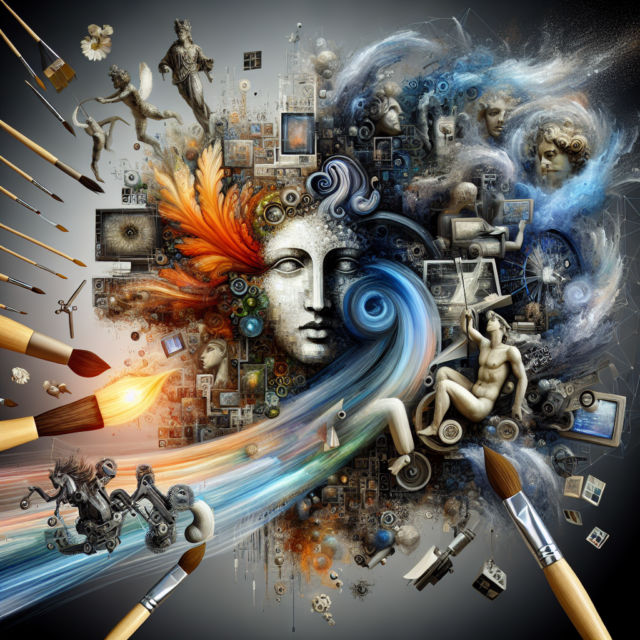
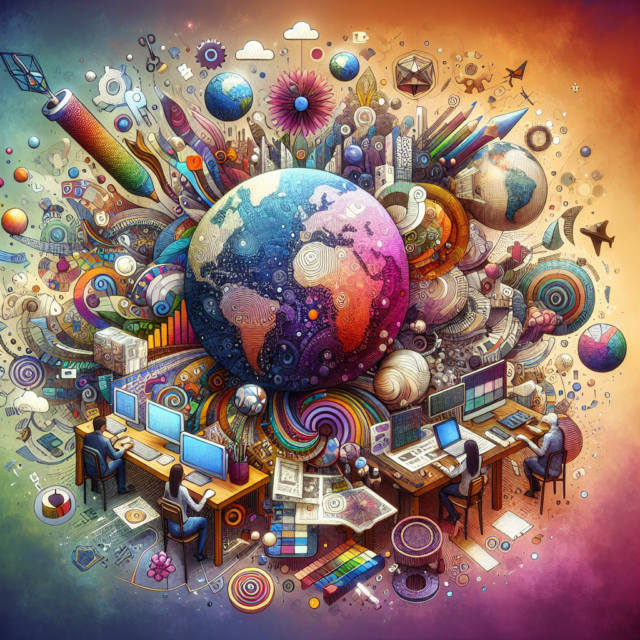
The intersection of technology and art represents a fascinating confluence where creativity meets innovation. As technology continues to advance at a rapid pace, it increasingly permeates various facets of life, including the realm of artistic expression. This dynamic relationship between technology and art not only reshapes traditional forms but also gives rise to new mediums and methods of creation. In this exploration, we delve into the evolution of artistic expression through technology, examine how creativity and innovation are being bridged in modern art, and consider the digital tools that are shaping the future of artistry.

The Evolution of Artistic Expression Through Tech

Throughout history, art has been a reflection of the times, evolving alongside societal changes and technological advancements. The invention of the camera in the 19th century, for example, revolutionized the art world by introducing photography as a new medium. This technological advancement allowed artists to capture reality in ways previously unimaginable, leading to new forms of expression and influencing movements such as Impressionism, which sought to capture the essence of a moment rather than its precise details.

The 20th century saw further integration of technology in art with the advent of film and video. These mediums allowed for dynamic storytelling and brought a new dimension to visual art. Artists like Andy Warhol embraced these technologies, using them to challenge traditional notions of art and blur the lines between commercial and fine art. The use of video art became a powerful tool for political and social commentary, expanding the scope of artistic expression.

In the digital age, the internet has become a canvas for artists worldwide. Online platforms provide artists with unprecedented access to global audiences, enabling the sharing of digital artworks, animations, and interactive media. The rise of digital art forms such as net art and digital installations reflects the growing influence of technology on contemporary artistic practice. This digital revolution has democratized art-making, allowing creators from diverse backgrounds to contribute to the global cultural dialogue.

The emergence of virtual reality (VR) and augmented reality (AR) has further transformed artistic expression, offering immersive experiences that engage audiences in novel ways. These technologies enable artists to construct entirely new worlds, inviting viewers to step inside their creations and interact with them. This shift from passive observation to active participation represents a significant evolution in how art is experienced and appreciated.

Moreover, artificial intelligence (AI) is playing an increasingly prominent role in the creation of art. AI algorithms can analyze vast datasets to generate original compositions, challenging traditional notions of authorship and creativity. Artists are collaborating with AI to produce works that push the boundaries of imagination, raising intriguing questions about the relationship between human and machine creativity.

As technology continues to advance, it is clear that the evolution of artistic expression will remain inextricably linked with technological innovation. The possibilities for future artistic exploration are vast, promising exciting developments that will continue to redefine the boundaries of art.

Bridging Creativity and Innovation in Modern Art

In the modern art landscape, the integration of technology has become a catalyst for bridging creativity and innovation. Artists today are not only creators but also innovators, leveraging technology to explore new concepts and challenge conventional artistic paradigms. This fusion of creativity and innovation is evident in various contemporary art forms and practices.

One of the most striking examples of this intersection is the rise of digital art. Artists are using software and digital tools to create works that are not only visually stunning but also conceptually rich. Digital painting, 3D modeling, and generative art are just a few examples of how technology is enabling artists to push the boundaries of traditional media, offering new ways to explore color, form, and composition.

The concept of interactivity is another area where creativity meets innovation. Interactive art invites audience participation, transforming viewers into co-creators. This dynamic interaction is made possible through sensors, computer programming, and other technological tools. Installations that respond to movement, sound, or touch engage audiences on a sensory level, creating immersive experiences that challenge traditional notions of the artist-viewer relationship.

Moreover, technology is facilitating collaboration across disciplines, bringing together artists, scientists, and technologists to work on innovative projects. These collaborations often lead to groundbreaking works that explore the intersection of art, science, and technology. For instance, bio-artists use biotechnology to create living sculptures, while data artists visualize complex datasets in aesthetically compelling ways, highlighting the intrinsic beauty of information.

The use of blockchain technology and non-fungible tokens (NFTs) represents another significant development in modern art. NFTs provide a new way for artists to monetize their digital creations, offering proof of ownership and authenticity in the digital realm. This innovation has opened up new revenue streams for artists and has sparked debates about the nature of digital ownership and the value of art in the digital age.

Furthermore, the accessibility of technology has empowered a new generation of artists who are using social media and online platforms to reach global audiences. This democratization of art-making and distribution has led to a more diverse and inclusive art world, where voices from different cultures and backgrounds can be heard and celebrated.

The ongoing dialogue between creativity and innovation in modern art continues to inspire new possibilities. As artists embrace technology, they not only redefine what art can be but also explore profound questions about the human experience in an increasingly digital world.

Digital Tools Shaping the Future of Artistry

As we look to the future, digital tools are poised to play a pivotal role in shaping the landscape of artistry. These tools are not only enhancing traditional artistic practices but also giving rise to entirely new forms of expression. The accessibility and versatility of digital tools are empowering artists to experiment and innovate in ways that were previously unimaginable.

Software applications for digital painting and drawing, such as Adobe Photoshop and Procreate, have become essential tools for artists. These programs offer a vast array of brushes, textures, and effects that mimic traditional media while providing the flexibility of digital editing. Artists can experiment with color palettes, layer compositions, and refine their work with precision, opening up new avenues for creative exploration.

3D modeling software, like Blender and Autodesk Maya, is transforming the way artists create sculptures and installations. These tools allow artists to design intricate 3D models that can be rendered in virtual spaces or brought to life through 3D printing. This fusion of digital and physical realms is expanding the possibilities for sculpture and installation art, enabling artists to explore complex forms and structures.

Virtual reality (VR) and augmented reality (AR) technologies are also reshaping the future of artistry. VR tools, such as Tilt Brush and Oculus Medium, allow artists to paint and sculpt in three-dimensional virtual spaces, offering a new dimension of creative freedom. AR applications enable artists to overlay digital content onto the physical world, creating interactive experiences that blend reality with imagination.

Artificial intelligence (AI) is another frontier in digital artistry. AI-powered tools can assist artists in generating ideas, creating compositions, and even producing entire artworks. Programs like DeepArt and RunwayML use machine learning algorithms to analyze artistic styles and generate new works, challenging traditional notions of creativity and authorship.

Additionally, the rise of online platforms and digital marketplaces is transforming how art is bought, sold, and exhibited. Artists can showcase their work to a global audience, connect with collectors, and participate in virtual exhibitions. This shift is democratizing the art world, providing opportunities for artists to gain recognition and financial support outside traditional gallery systems.

As digital tools continue to evolve, they will undoubtedly shape the future of artistry in profound ways. Artists will have the means to explore uncharted territories, challenge existing conventions, and redefine what it means to create art. The fusion of technology and creativity promises a vibrant and dynamic future for the world of art.

The intersection of technology and art is a dynamic and ever-evolving space that promises to reshape the future of creativity. As artists continue to embrace technological advancements, new forms of expression will emerge, challenging traditional boundaries and redefining the very essence of art. Whether through digital tools, immersive technologies, or innovative collaborations, the fusion of technology and art offers exciting possibilities for artists and audiences alike. In this rapidly changing landscape, the dialogue between creativity and innovation will continue to inspire and drive the evolution of artistry in the years to come.

Exploring the World of Digital Design Creators

In the vibrant and ever-evolving landscape of digital design, creators are redefining the boundaries of art and technology. As we delve into this world, we uncover the artistry that fuels this creative domain, explore the cutting-edge tools and techniques that empower modern creators, and speculate on the future trajectory of creativity within the digital realm. This exploration reveals not only the immense potential of digital design but also the innovative spirit that drives its evolution.

Unveiling the Artistry Behind Digital Design

Digital design is an intricate tapestry woven from various artistic disciplines, each contributing to a vibrant and dynamic creative landscape. At its core, digital design is about more than just aesthetics; it involves a deep understanding of visual communication and the ability to convey complex ideas through digital media. Artists in this field must balance creativity with technical skill, crafting designs that are not only visually appealing but also functional and intuitive.

The artistry in digital design often begins with inspiration drawn from everyday life, nature, and human emotions. Designers are keen observers, capturing the essence of their surroundings and translating these into digital masterpieces. Whether it’s the play of light and shadow, the vibrancy of colors, or the subtlety of textures, digital designers have a knack for seeing the extraordinary in the ordinary and using it as a foundation for their creations.

In addition to visual elements, digital design encompasses the art of storytelling. Designers weave narratives into their work, creating immersive experiences that engage and captivate audiences. Through the strategic use of imagery, typography, and layout, they guide viewers on a journey, evoking emotions and sparking imagination. This narrative approach adds depth and meaning to digital designs, elevating them from mere visuals to powerful communicative tools.

Collaboration is another critical aspect of digital design artistry. Designers often work in multidisciplinary teams, combining their expertise with that of writers, developers, and marketers to create cohesive and impactful projects. This collaborative spirit fosters innovation and encourages designers to push the boundaries of their craft, resulting in designs that are not only artistically impressive but also strategically effective.

The digital design community is a rich tapestry of diverse voices and perspectives, each bringing their unique flair to the field. From graphic designers and illustrators to UI/UX designers and motion graphic artists, the range of talents and specialties is vast. This diversity enriches the digital design landscape, driving innovation and expanding the possibilities of what can be achieved through digital media.

Ultimately, the artistry behind digital design lies in its ability to blend creativity with technology, transforming abstract ideas into tangible digital experiences. As designers continue to push the limits of their craft, they redefine what is possible in the digital realm, opening up new avenues for artistic expression and communication.

Tools and Techniques Shaping Modern Creators

The modern digital design landscape is shaped by an array of sophisticated tools and techniques that empower creators to bring their visions to life. These tools range from powerful software applications to innovative hardware devices, each playing a vital role in the design process. Among the most widely used software are Adobe Creative Suite, Sketch, Figma, and Procreate, which offer a plethora of features to cater to various design needs.

Adobe Creative Suite remains a staple for many digital designers, offering industry-standard tools like Photoshop, Illustrator, and After Effects. These applications provide designers with the flexibility to edit images, create vector graphics, and produce stunning visual effects, making them indispensable in the digital design toolkit. Meanwhile, Sketch and Figma have gained popularity for their user-friendly interfaces and collaborative features, particularly among UI/UX designers.

Procreate has revolutionized digital illustration, providing artists with a versatile platform for creating intricate artworks directly on tablets. Its intuitive interface and extensive brush library make it a favorite among illustrators and digital painters, enabling them to create detailed and expressive artworks with ease. The rise of digital drawing tablets and styluses has further enhanced the capabilities of digital artists, offering a tactile experience that closely mimics traditional drawing.

In addition to software, modern digital design is also influenced by emerging technologies such as virtual reality (VR) and augmented reality (AR). These technologies offer new dimensions for creativity, allowing designers to create immersive environments and interactive experiences. As VR and AR continue to evolve, they are poised to become integral components of the digital design process, offering exciting opportunities for innovation and experimentation.

The integration of artificial intelligence (AI) into digital design tools is another transformative trend. AI-powered features, such as automated image editing, layout suggestions, and content generation, are streamlining design workflows and enabling designers to focus more on the creative aspects of their projects. As AI technology advances, its role in digital design is expected to grow, offering even more sophisticated tools and capabilities.

Ultimately, the tools and techniques available to modern digital creators are constantly evolving, driven by technological advancements and changing design trends. As designers continue to explore and experiment with these tools, they are able to push the boundaries of creativity and produce innovative designs that captivate and inspire audiences.

The Future of Creativity in the Digital Realm

As we look to the future, the landscape of digital design is poised for significant transformation, driven by technological advancements and evolving cultural trends. One of the most promising developments is the increasing integration of artificial intelligence (AI) and machine learning in the creative process. These technologies have the potential to revolutionize digital design by automating repetitive tasks, offering intelligent design suggestions, and even generating original content.

The rise of immersive technologies, such as virtual reality (VR) and augmented reality (AR), is also set to reshape the future of digital design. These technologies offer new possibilities for creating interactive and immersive experiences, allowing designers to engage audiences in ways previously unimaginable. As VR and AR become more accessible and mainstream, they are likely to play a central role in the evolution of digital design, offering exciting opportunities for innovation and creativity.

Sustainability and ethical considerations are becoming increasingly important in the digital design realm. As awareness grows about the environmental impact of digital technologies, designers are exploring ways to create more sustainable and responsible designs. This includes optimizing digital assets for energy efficiency, reducing digital waste, and considering the ethical implications of design choices. The future of digital design will likely see a greater emphasis on creating designs that are not only aesthetically pleasing but also environmentally and socially responsible.

The democratization of design tools is another trend shaping the future of digital creativity. As design software becomes more accessible and user-friendly, a wider range of individuals can engage in digital design, fostering a more diverse and inclusive creative community. This democratization is blurring the lines between professional and amateur designers, allowing more voices and perspectives to contribute to the digital design landscape.

The role of collaboration in digital design is also expected to evolve, with remote work and global teams becoming more common. Advances in communication and collaboration tools are enabling designers to work seamlessly across borders, fostering a more interconnected and collaborative creative community. This global collaboration is likely to drive innovation and lead to the creation of more diverse and culturally rich designs.

Ultimately, the future of creativity in the digital realm is one of endless possibilities. As technology continues to advance and cultural trends evolve, digital designers will have more tools and opportunities than ever before to push the boundaries of their craft and create innovative designs that captivate and inspire audiences.

In conclusion, the world of digital design is a dynamic and ever-evolving landscape, shaped by the artistry of its creators, the tools and techniques they employ, and the technological advancements that continue to redefine the field. As we look to the future, the possibilities for creativity in the digital realm are boundless, driven by innovation, collaboration, and a commitment to sustainability and inclusivity. The journey of digital design is one of exploration and discovery, offering endless opportunities for designers to push the boundaries of their craft and create impactful and inspiring digital experiences.

Emerging Voices: Today’s Innovators in Digital Art

Emerging Voices: Today’s Innovators in Digital Art

In an era where technology intertwines seamlessly with creativity, digital art stands at the forefront of cultural evolution. This vibrant field not only redefines traditional conceptions of art but also introduces a new wave of innovators who are pushing boundaries and exploring uncharted territories. This article delves into the world of digital art, highlighting the emerging voices and the profound impact of technology on artistic expression.

Exploring the New Frontiers of Digital Art

Digital art is a dynamic realm where the possibilities seem boundless. Artists today are venturing beyond conventional media, harnessing technology to create immersive experiences that challenge and inspire. Virtual reality (VR) and augmented reality (AR) have become instrumental in this exploration, allowing artists to craft environments that transcend the physical limitations of traditional art forms. These technologies provide a new dimension for storytelling, enabling audiences to engage with art in ways previously unimaginable.

The integration of artificial intelligence (AI) in digital art has opened new avenues for creativity. Artists are now collaborating with algorithms to produce works that are both unpredictable and innovative. This synergy between human intuition and machine logic is redefining authorship, as AI-generated art raises intriguing questions about originality and the role of the artist. As AI continues to evolve, it will undoubtedly play a pivotal role in shaping the future of digital art.

Blockchain technology, particularly in the form of non-fungible tokens (NFTs), has revolutionized the way digital art is bought, sold, and authenticated. NFTs provide artists with a secure platform to monetize their work while ensuring the provenance and ownership of digital creations. This has democratized the art market, allowing artists from diverse backgrounds to gain recognition and financial independence. The NFT boom has also sparked debates about value, accessibility, and environmental impact, prompting a reevaluation of the digital art ecosystem.

The rise of interactive art has redefined the relationship between the artist and the audience. Through digital platforms, artists can create participatory experiences that invite viewers to become co-creators. This shift from passive observation to active engagement transforms the audience’s role, making art a collaborative process. Interactive installations, online exhibitions, and social media platforms have become vital spaces for artists to connect with global audiences, fostering a sense of community and shared creativity.

Digital art is not confined to the digital realm alone; it increasingly intersects with the physical world. Artists are experimenting with projection mapping, 3D printing, and digital installations that blend seamlessly into urban landscapes. These innovative approaches challenge the boundaries between the virtual and the tangible, creating hybrid art forms that captivate and provoke thought. By merging digital and physical elements, artists are redefining public spaces and transforming how we experience art in our daily lives.

As digital art continues to evolve, it raises important questions about preservation and longevity. The ephemeral nature of digital media poses challenges for archiving and maintaining art for future generations. Artists and institutions are now exploring new strategies to ensure the sustainability of digital art, from open-source platforms to collaborative preservation initiatives. These efforts are crucial in safeguarding the legacy of digital art and ensuring its continued relevance in an ever-changing technological landscape.

Pioneering Minds Shaping the Digital Canvas

In the ever-expanding universe of digital art, a new generation of artists is emerging, each with a unique vision and approach. These pioneering minds are reshaping the digital canvas, challenging conventions and introducing fresh perspectives. Their work is characterized by a willingness to experiment, pushing the boundaries of what digital art can be and how it is perceived.

One such innovator is Refik Anadol, whose mesmerizing data-driven installations explore the intersection of architecture, media arts, and machine intelligence. Anadol’s work transforms data into dynamic visual experiences, blurring the lines between the real and the virtual. Through his projects, he invites audiences to question their perception of reality and the impact of technology on human consciousness.

Another notable figure in digital art is Sougwen Chung, who combines traditional drawing techniques with robotic systems to create collaborative artworks. Chung’s exploration of human-machine collaboration challenges the notion of authorship and highlights the potential of technology to enhance artistic expression. Her work raises important questions about the future of creativity in an increasingly automated world.

Beeple, also known as Mike Winkelmann, has become a household name in the digital art world, particularly with the rise of NFTs. His digital artworks, characterized by vibrant visuals and satirical themes, have captivated audiences worldwide. Beeple’s success has highlighted the potential of digital art to reach mainstream audiences and has sparked discussions about the commercialization of art in the digital age.

The work of digital artist Pak is another testament to the evolving nature of digital art. Pak’s minimalist and conceptual approach challenges traditional notions of art, focusing on the essence of form and the power of simplicity. Through projects like "The Fungible," Pak explores the concept of value and ownership in the digital realm, inviting audiences to reconsider their relationship with art and technology.

Digital artist Krista Kim is known for her exploration of digital zen and the role of technology in promoting mental well-being. Her work, characterized by soothing gradients and meditative compositions, offers a counter-narrative to the fast-paced digital world. Kim’s art encourages viewers to find tranquility and connection in the digital space, highlighting the potential of art to foster mindfulness and introspection.

These pioneering minds, among many others, are redefining the digital art landscape. Their innovative approaches and diverse perspectives are driving the evolution of digital art, challenging existing paradigms and paving the way for future generations of artists. As they continue to push the boundaries of creativity, they inspire us to envision new possibilities for art in the digital age.

The Impact of Technology on Artistic Expression

The advent of digital technology has profoundly transformed artistic expression, offering new tools and mediums for artists to explore. This technological revolution has democratized the creation and dissemination of art, allowing artists from all walks of life to share their work with global audiences. The internet and social media platforms have become powerful vehicles for artistic expression, enabling artists to connect, collaborate, and reach audiences far beyond their geographic boundaries.

Digital technology has also expanded the palette of creative possibilities, introducing new techniques and forms that were previously unimaginable. From digital painting and 3D modeling to generative art and virtual reality, artists now have a vast array of tools at their disposal. This has led to the emergence of hybrid art forms that blend traditional and digital techniques, challenging the conventional boundaries of artistic practice.

The impact of technology on artistic expression is evident in the rise of participatory and interactive art. Digital platforms enable artists to create immersive experiences that actively engage audiences, transforming them from passive observers to active participants. This shift in the artist-audience relationship has opened new avenues for storytelling and communication, fostering a deeper connection between art and its viewers.

Moreover, technology has facilitated the exploration of new themes and narratives in art. Issues such as identity, privacy, and the impact of technology on society are increasingly being addressed through digital art. Artists are using technology as a lens to examine contemporary issues, offering critical reflections on the world we live in. This has positioned digital art as a powerful medium for social commentary and cultural critique.

The accessibility of digital tools has also led to the emergence of a more inclusive art world. Artists from diverse backgrounds and marginalized communities are finding their voices through digital platforms, challenging traditional power structures within the art world. This democratization of art has created a more vibrant and diverse cultural landscape, enriching the dialogue around art and its role in society.

As technology continues to evolve, it will undoubtedly shape the future of artistic expression. The ongoing dialogue between art and technology presents both opportunities and challenges, prompting artists to continually adapt and innovate. As we navigate this ever-changing landscape, the impact of technology on art will remain a central theme, influencing how we create, experience, and understand art in the digital age.

As we stand on the precipice of a new era in art, the voices of today’s digital innovators are more crucial than ever. Their work not only enriches our understanding of art but also challenges us to consider the broader implications of technology on society. By exploring new frontiers, shaping the digital canvas, and embracing technological advancements, these artists are redefining the boundaries of creativity. As we look to the future, the symbiotic relationship between art and technology promises to continue shaping the cultural landscape, offering endless possibilities for artistic expression and innovation.

Crafting Digital Identities: Building Your Brand Online

Crafting Digital Identities: Building Your Brand Online

In today’s digitally-driven world, crafting a robust online presence is essential for individuals and businesses alike. As the internet becomes an increasingly integral part of our daily lives, the need for a strong digital identity has never been more apparent. This article will explore the importance of digital identity, the key elements involved in building an online brand, and strategies for crafting a unique digital presence.

Understanding the Importance of Digital Identity

The digital age has transformed how we interact, communicate, and conduct business. Amidst this transformation, digital identity has emerged as a critical component in establishing credibility and trust online. A digital identity encompasses the online persona that individuals or businesses present to the world, serving as a digital footprint that reflects their values, expertise, and personality. In essence, it is the sum of all digital interactions, from social media profiles to personal blogs and professional websites.

For businesses, a well-crafted digital identity is crucial for building brand recognition and fostering customer loyalty. It allows companies to differentiate themselves from competitors, creating a unique space in the crowded digital marketplace. Similarly, individuals benefit from a strong digital identity by enhancing their professional reputation and expanding their network, which can lead to new opportunities and career advancement.

The importance of digital identity extends beyond mere visibility. In an era where consumers increasingly rely on online information to make purchasing decisions, a well-managed digital identity can significantly influence perceptions and drive engagement. A consistent and authentic online presence helps build trust, as audiences are more likely to engage with brands and individuals they perceive as reliable and transparent.

Moreover, digital identity plays a vital role in personal branding, enabling individuals to showcase their skills, expertise, and passions. This is particularly important for freelancers, entrepreneurs, and professionals seeking to establish themselves as thought leaders in their respective fields. A robust digital identity can open doors to collaborations, speaking engagements, and other opportunities that may not have been accessible otherwise.

However, maintaining a digital identity is not without its challenges. The dynamic nature of the internet means that digital identities must be continuously managed and updated to remain relevant. This requires a strategic approach to content creation, engagement, and monitoring to ensure that the digital identity aligns with personal or business goals.

Ultimately, understanding the importance of digital identity is the first step in crafting an effective online presence. By recognizing its potential impact and taking proactive measures to cultivate a positive digital persona, individuals and businesses can harness the power of the internet to achieve their objectives.

Key Elements of Building an Online Brand

Establishing a cohesive online brand requires a clear understanding of the key elements that contribute to a strong digital identity. These elements serve as the foundation upon which a successful online presence is built, ensuring consistency and authenticity across all digital platforms.

One of the fundamental elements of building an online brand is defining a clear brand identity. This involves articulating the core values, mission, and vision that guide the brand’s actions and interactions. A well-defined brand identity serves as a roadmap for creating content and engaging with audiences, ensuring that all communications align with the brand’s overarching goals.

Visual identity is another crucial aspect of online branding. This includes the design elements that represent the brand, such as logos, color schemes, and typography. A consistent visual identity helps create a recognizable and memorable brand image, making it easier for audiences to identify and connect with the brand across various platforms.

Content strategy plays a pivotal role in building an online brand. It involves creating and distributing valuable, relevant, and consistent content that resonates with the target audience. A well-executed content strategy not only enhances brand visibility but also establishes the brand as a credible source of information, fostering trust and engagement among its audience.

Social media presence is an indispensable element of modern online branding. With billions of users across platforms like Facebook, Instagram, Twitter, and LinkedIn, social media offers unparalleled opportunities for brands to connect with their audience. An effective social media strategy involves selecting the right platforms, crafting engaging content, and actively engaging with followers to build a loyal community.

In addition to content and social media, search engine optimization (SEO) is a key element in building an online brand. SEO involves optimizing digital content to improve visibility and ranking on search engine results pages. By implementing effective SEO strategies, brands can increase their online visibility, attract more traffic to their websites, and ultimately drive conversions.

Finally, customer engagement is a vital component of online branding. Building a strong relationship with the audience requires active listening, responding to feedback, and fostering meaningful interactions. By prioritizing customer engagement, brands can create a loyal customer base that advocates for the brand and contributes to its long-term success.

Strategies for Crafting a Unique Digital Presence

Crafting a unique digital presence involves a strategic approach that sets an individual or business apart from the competition. This requires a deep understanding of the target audience, market trends, and innovative tactics that capture attention and foster engagement.

One effective strategy for crafting a unique digital presence is storytelling. By sharing authentic stories that resonate with the audience, brands can create emotional connections that go beyond transactional relationships. Storytelling allows brands to convey their values, mission, and vision in a relatable way, making it easier for audiences to connect with and remember the brand.

Personalization is another powerful strategy for differentiating a digital presence. Tailoring content and interactions to meet the specific needs and preferences of the audience enhances the user experience and fosters a sense of belonging. Personalization can be achieved through targeted content, customized recommendations, and personalized communication, creating a more meaningful and engaging online experience.

Collaborations and partnerships offer valuable opportunities to expand reach and enhance credibility. By partnering with influencers, industry experts, or complementary brands, individuals and businesses can tap into new audiences and leverage existing networks. Collaborations also provide fresh perspectives and innovative ideas, enriching the brand’s digital presence.

Innovation and creativity are essential for standing out in the digital landscape. This involves experimenting with new formats, technologies, and platforms to deliver content that captivates and engages the audience. Whether it’s through interactive content, virtual reality experiences, or live streaming, embracing innovation allows brands to stay ahead of the curve and maintain a dynamic digital presence.

Consistency is key to maintaining a unique digital presence. This involves ensuring that all content, messaging, and interactions align with the brand’s identity and values. Consistency builds trust and reinforces brand recognition, making it easier for audiences to identify and engage with the brand across various touchpoints.

Finally, continuous monitoring and adaptation are crucial for sustaining a unique digital presence. The digital landscape is constantly evolving, and brands must be agile in responding to changes and seizing new opportunities. Regularly analyzing performance metrics, gathering feedback, and staying informed about industry trends enable brands to refine their strategies and maintain a competitive edge.

Crafting a digital identity is a multifaceted process that requires a strategic and thoughtful approach. By understanding the importance of digital identity, mastering the key elements of online branding, and implementing effective strategies for differentiation, individuals and businesses can build a strong and unique presence in the digital world. As the internet continues to shape our interactions and experiences, a well-crafted digital identity will remain a vital asset for success and growth in the digital age.

Exploring the Intersection of Technology and Couture

In an era where technological advancements are reshaping nearly every facet of human life, the world of haute couture has embraced innovation to create a symphony of art and technology. The intersection of technology and couture is not merely a trend but a revolution in the making, offering endless possibilities for designers and consumers alike. This exploration delves into how technology is redefining the boundaries of high fashion, transforming traditional craftsmanship, and weaving digital threads into the very fabric of fashion design.

The Fusion of Innovation and High Fashion

The world of haute couture has always been synonymous with exclusivity, craftsmanship, and innovation. However, the integration of technology has elevated these attributes to unprecedented levels. Designers are now leveraging cutting-edge technologies like 3D printing, laser cutting, and smart fabrics to create garments that were once the stuff of science fiction. These innovations have allowed for intricate designs and patterns that are impossible to achieve by hand, pushing the boundaries of what is considered possible in fashion design.

Moreover, technology has enabled designers to experiment with materials and techniques that were previously inaccessible or impractical. From garments that change color with temperature fluctuations to fabrics that can generate electricity, the fusion of fashion and technology is paving the way for a new era of functional yet stylish clothing. This shift is not only capturing the imagination of fashion enthusiasts but also attracting a new audience interested in the technical aspects of garment creation.

The collaboration between tech companies and fashion houses is further blurring the lines between these two industries. Major tech firms are working alongside designers to integrate wearable technology into high fashion collections, creating pieces that are as much about aesthetics as they are about functionality. This partnership is yielding innovative products like smartwatches, fitness trackers, and augmented reality glasses, all of which are seamlessly incorporated into couture designs.

In addition, the use of technology in fashion is democratizing the industry by making high fashion more accessible to a broader audience. Virtual fashion shows, augmented reality apps, and online platforms are allowing designers to reach a global audience without the constraints of physical location. Consumers can now experience the allure of haute couture from the comfort of their homes, breaking down the traditional barriers of exclusivity and elitism.

However, the fusion of technology and high fashion is not without its challenges. Designers must navigate the complexities of integrating technology into their creative processes while maintaining the artistic integrity of their work. Ensuring that garments remain wearable and comfortable while incorporating technological elements is a delicate balance that requires innovation and ingenuity.

Ultimately, the intersection of technology and high fashion is a testament to the limitless potential of human creativity. As designers continue to push the boundaries of what is possible, the fusion of innovation and high fashion promises to redefine the landscape of the fashion industry for generations to come.

How Tech is Transforming Couture Craftsmanship

The craftsmanship of haute couture has always been revered for its meticulous attention to detail and dedication to artistry. However, technology is transforming these traditional methods, enhancing the craftsmanship while preserving its essence. One of the most significant ways technology is impacting couture craftsmanship is through the use of 3D printing. This technology allows designers to create complex structures and intricate details that would be incredibly time-consuming or impossible to achieve by hand.

3D printing also offers the possibility of customization on a scale previously unimaginable. Designers can now create bespoke garments tailored to the precise measurements and preferences of individual clients, ensuring a perfect fit and unique style. This level of personalization is revolutionizing the way couture is approached, offering clients an unparalleled level of exclusivity and personalization.

Laser cutting technology is another tool that is transforming couture craftsmanship. This technique allows for precise cuts and patterns to be made in fabrics, creating intricate designs with a level of precision that surpasses traditional methods. Laser cutting not only enhances the aesthetic appeal of garments but also streamlines the production process, allowing designers to experiment with new patterns and textures.

Smart fabrics are also playing a crucial role in the transformation of couture craftsmanship. These advanced textiles are embedded with technology that can respond to environmental changes, such as light, temperature, or movement. Designers are using smart fabrics to create garments that are not only visually stunning but also interactive and responsive, adding a new dimension to the wearer’s experience.

Despite these technological advancements, the essence of couture craftsmanship remains rooted in artistry and creativity. Designers are using technology as a tool to enhance their work, not replace it. The integration of technology requires a deep understanding of both the artistic and technical aspects of garment creation, ensuring that the final product is a harmonious blend of tradition and innovation.

As technology continues to evolve, it will undoubtedly play an increasingly significant role in couture craftsmanship. The challenge for designers will be to harness these advancements in a way that enhances their artistry and preserves the timeless appeal of haute couture. By embracing the possibilities of technology while honoring the traditions of craftsmanship, the couture industry can continue to thrive in a rapidly changing world.

Digital Threads: The New Fabric of Fashion Design

In the digital age, fashion design is undergoing a transformation as designers incorporate digital tools and technologies into their creative processes. One of the most significant developments in this area is the use of digital design software, which allows designers to create detailed 3D models of their garments before they are ever physically produced. This technology enables designers to experiment with different shapes, colors, and materials, making it easier to visualize and refine their ideas.

Digital design software also facilitates collaboration between designers, manufacturers, and clients. By sharing digital models and prototypes, all parties can provide input and make adjustments in real-time, streamlining the design process and reducing the time and cost associated with traditional methods. This collaborative approach is not only more efficient but also fosters innovation and creativity, as designers can easily experiment with new ideas and concepts.

The rise of digital fashion is also reshaping the way consumers interact with fashion. Virtual reality (VR) and augmented reality (AR) technologies are being used to create immersive fashion experiences, allowing consumers to try on clothes virtually or attend virtual fashion shows. These technologies are breaking down the barriers between the physical and digital worlds, offering consumers new ways to engage with fashion and explore their personal style.

Moreover, digital fashion is contributing to the sustainability of the industry. By creating virtual garments and collections, designers can reduce the environmental impact associated with traditional fashion production, such as waste and pollution. Digital fashion also allows for the creation of endless variations and styles without the need for physical resources, making it a more sustainable option for the future of fashion.

However, the integration of digital technologies into fashion design is not without its challenges. Designers must balance the use of technology with the need to maintain the tactile and emotional elements that are integral to fashion. The challenge lies in creating digital experiences that are as engaging and impactful as their physical counterparts, ensuring that the essence of fashion is not lost in the digital realm.

As digital threads continue to weave their way into the fabric of fashion design, the possibilities for innovation and creativity are endless. By embracing digital tools and technologies, designers can push the boundaries of traditional fashion and create a new paradigm that is both technologically advanced and artistically rich. The future of fashion is digital, and as designers continue to explore this intersection, the industry is poised for an exciting evolution.

The intersection of technology and couture is a dynamic and evolving landscape that is reshaping the fashion industry. As designers continue to explore this synergy, the fusion of innovation and high fashion promises to redefine the boundaries of creativity and craftsmanship. Through the integration of digital tools and technologies, the fabric of fashion design is being rewoven, offering new possibilities for expression and engagement. As we move forward into this new era, the challenge and opportunity lie in harnessing the power of technology to enhance the artistry and allure of haute couture, ensuring that the magic of fashion endures for generations to come.

Integrating Technology into Modern Fashion Design

In the rapidly evolving world of fashion, technology has become an indispensable catalyst for innovation. As designers strive to push creative boundaries and meet the ever-changing demands of consumers, the integration of technology into fashion design has emerged as a powerful trend. This article delves into the dynamic relationship between technology and fashion, exploring how technological advancements are revolutionizing the industry. By examining the role of technology in fashion innovation, the tools and techniques transforming fashion design, and notable case studies of successful tech-fashion collaborations, we can gain a comprehensive understanding of this exciting fusion.

The Role of Technology in Fashion Innovation

The fusion of technology and fashion is reshaping the industry landscape, enabling designers to explore new creative avenues and redefine traditional processes. Technology acts as a bridge between conceptual ideas and tangible garments, allowing designers to experiment with innovative materials and techniques. From 3D printing to digital pattern-making, technology empowers designers to transcend the limitations of conventional methods, leading to groundbreaking and sustainable fashion solutions.

One of the most significant contributions of technology to fashion is the democratization of design. With digital tools and platforms, aspiring designers now have access to resources that were once limited to industry insiders. This democratization has fostered a diverse and inclusive fashion landscape, where unique voices can emerge and thrive. Technology has leveled the playing field, enabling designers from all backgrounds to showcase their creativity and reach global audiences.

Moreover, technology has revolutionized the way fashion is consumed and experienced. The rise of virtual reality (VR) and augmented reality (AR) has opened up new possibilities for immersive fashion experiences. Consumers can now virtually try on clothes, explore virtual fashion shows, and engage with brands in innovative ways. This shift not only enhances the shopping experience but also allows designers to create interactive and personalized connections with their audience.

Sustainability is another crucial aspect where technology is driving innovation in fashion. As the industry grapples with its environmental impact, technology offers solutions for more sustainable practices. From fabric recycling technologies to digital fashion, designers are leveraging technology to reduce waste and promote eco-friendly alternatives. This integration of technology and sustainability is paving the way for a more responsible and conscious fashion industry.

Technology also plays a significant role in enhancing the functionality and performance of garments. Smart textiles, equipped with sensors and microchips, enable clothes to adapt to changing environments and provide real-time data. This innovation is particularly valuable in sports and activewear, where garments can monitor biometric information and optimize performance. By merging fashion with technology, designers can create clothing that goes beyond aesthetics and offers practical benefits to the wearer.

In essence, technology is a driving force behind the ongoing transformation of the fashion industry. It empowers designers to push creative boundaries, democratizes design, enhances consumer experiences, promotes sustainability, and adds functionality to garments. As technology continues to evolve, its impact on fashion innovation will undoubtedly grow, leading to a future where technology and fashion are seamlessly intertwined.

Tools and Techniques Transforming Fashion Design

The integration of technology into fashion design has introduced a plethora of tools and techniques that are reshaping the creative process. One of the most notable advancements is the use of 3D printing technology. This innovation allows designers to create intricate and complex designs that were previously unattainable with traditional methods. By using 3D printing, designers can experiment with new shapes, textures, and materials, resulting in unique and avant-garde fashion pieces.

Digital pattern-making is another transformative tool that has revolutionized fashion design. With digital software, designers can create precise patterns and prototypes with greater efficiency and accuracy. This technology not only speeds up the design process but also reduces material waste by allowing for precise measurements and adjustments. Digital pattern-making has become an essential tool for designers seeking to streamline their workflow and enhance their creative output.

Virtual reality (VR) and augmented reality (AR) are also making waves in the fashion industry. These technologies enable designers to create immersive experiences that blur the lines between the physical and digital worlds. By leveraging VR and AR, designers can showcase their collections in virtual fashion shows, allowing consumers to experience the garments in a dynamic and interactive way. This shift not only enhances the presentation of fashion but also expands the possibilities for creative storytelling.

In addition to these tools, computer-aided design (CAD) software has become a staple in modern fashion design. CAD allows designers to create detailed and realistic renderings of their designs, facilitating the visualization and refinement of ideas. This technology streamlines the design process, enabling designers to experiment with colors, patterns, and textures before moving to the production stage. CAD software has become a valuable asset for designers in creating cohesive and visually appealing collections.

The use of smart textiles is another groundbreaking technique transforming fashion design. These textiles are embedded with sensors and conductive materials, allowing garments to interact with their environment and respond to external stimuli. From color-changing fabrics to temperature-regulating clothing, smart textiles offer endless possibilities for innovation. Designers are increasingly incorporating these materials into their collections, creating garments that are not only stylish but also functional and adaptable.

Overall, the tools and techniques brought about by technology are revolutionizing fashion design. From 3D printing and digital pattern-making to VR, AR, CAD software, and smart textiles, these innovations are expanding the creative possibilities for designers. As technology continues to advance, it will undoubtedly introduce new tools and techniques that will shape the future of fashion design, pushing the boundaries of creativity and functionality.

Case Studies: Successful Tech-Fashion Collaborations

The collaboration between technology and fashion has resulted in numerous successful partnerships that have pushed the boundaries of innovation. One notable example is the collaboration between Dutch fashion designer Iris van Herpen and 3D printing company Materialise. Together, they have created stunning couture pieces that showcase the potential of 3D printing in fashion. By combining van Herpen’s avant-garde design sensibilities with Materialise’s cutting-edge technology, they have produced garments that are both visually striking and technically impressive.

Another successful collaboration is between fashion brand Ralph Lauren and tech company OMSignal. This partnership led to the creation of the PoloTech shirt, a smart garment that monitors the wearer’s biometric data in real-time. By integrating sensors into the fabric, the PoloTech shirt provides insights into the wearer’s heart rate, breathing, and movement. This collaboration demonstrates how technology can enhance the functionality of fashion, offering consumers a garment that is both stylish and performance-driven.

Fashion brand Adidas has also made significant strides in integrating technology into their designs. Their collaboration with Parley for the Oceans, an organization focused on environmental conservation, resulted in the creation of sustainable footwear made from recycled ocean plastic. By utilizing innovative manufacturing techniques and materials, Adidas has demonstrated how technology can contribute to more sustainable fashion practices, reducing the industry’s environmental impact.

The partnership between fashion designer Hussein Chalayan and tech company Intel is another noteworthy example. Together, they have explored the intersection of fashion and technology by creating garments that incorporate wearable technology. From dresses that change shape with the push of a button to accessories that respond to environmental changes, Chalayan and Intel have pushed the boundaries of what is possible in fashion design, merging technology seamlessly with style.

In the realm of virtual fashion, the collaboration between luxury fashion house Balenciaga and video game developer Epic Games has garnered attention. By creating a digital fashion collection for the popular game Fortnite, Balenciaga has embraced the potential of virtual reality and gaming in fashion. This collaboration highlights the growing trend of digital fashion and showcases how technology can be leveraged to reach new audiences and explore innovative design concepts.

These case studies illustrate the successful integration of technology into fashion design through collaborative efforts. Whether through 3D printing, smart textiles, sustainable practices, wearable technology, or virtual fashion, these collaborations demonstrate the transformative potential of technology in the industry. As more designers and tech companies join forces, we can expect to see even more groundbreaking innovations that redefine the future of fashion.

The integration of technology into modern fashion design is a testament to the industry’s adaptability and forward-thinking nature. As we have explored, technology is playing a pivotal role in driving fashion innovation, offering designers new tools and techniques to create groundbreaking collections. Through successful collaborations, the fusion of technology and fashion is not only enhancing creativity but also addressing important issues such as sustainability and functionality. As technology continues to advance, the possibilities for innovation in fashion design are limitless. The ongoing dialogue between technology and fashion will undoubtedly lead to a future where the two are seamlessly intertwined, reshaping the industry in exciting and unexpected ways.

Exploring the Intersection of AI and Modern Design

In the rapidly evolving landscape of technology and creativity, the intersection of artificial intelligence (AI) and modern design is becoming increasingly significant. As AI continues to advance, its influence on contemporary design practices is both profound and transformative. This article delves into the role of AI in shaping contemporary design, explores how AI tools are bridging the gap between technology and creativity, and examines future trends that highlight AI’s impact on design innovation. By understanding these dynamics, we can better appreciate the potential and challenges that AI presents to the world of design.

The Role of AI in Shaping Contemporary Design

Artificial intelligence is playing a pivotal role in reshaping the landscape of contemporary design. By automating routine tasks, AI allows designers to focus more on the creative aspects of their work. This shift not only enhances productivity but also encourages designers to push the boundaries of their creativity. AI algorithms can analyze vast amounts of data to identify patterns and trends, enabling designers to make informed decisions that align with current market demands.

Moreover, AI is revolutionizing the design process by offering new tools that were previously unimaginable. From generating complex designs to offering predictive analytics, AI provides designers with a robust toolkit that expands their capabilities. For instance, AI-driven design software can suggest optimal color palettes, layouts, and even generate design variants based on user preferences and historical data. This level of automation and intelligence is setting new standards in the design industry.

Another crucial aspect of AI’s role in contemporary design is personalization. AI technologies can analyze user data to create highly personalized design experiences. This capability is particularly valuable in fields like web design and user interface design, where understanding user behavior is essential. By leveraging AI, designers can create tailored experiences that enhance user engagement and satisfaction.

AI also plays a significant role in sustainability within design practices. Through data analysis and optimization algorithms, AI can help designers create more sustainable products and processes. By optimizing material usage and energy consumption, AI contributes to more eco-friendly design solutions. This is increasingly important as industries worldwide strive to reduce their environmental impact.

The integration of AI in design is not without its challenges, however. Designers must navigate ethical considerations, such as data privacy and algorithmic bias, to ensure that AI-driven designs are both inclusive and fair. As AI continues to evolve, it is imperative for designers to remain vigilant and proactive in addressing these ethical concerns.

In conclusion, AI is an indispensable force in shaping contemporary design. Its ability to augment creativity, enhance personalization, and promote sustainability underscores its transformative potential. By embracing AI, designers can unlock new possibilities and redefine the boundaries of modern design.

Bridging Technology and Creativity with AI Tools

The fusion of technology and creativity is at the heart of modern design, and AI tools are pivotal in bridging these two domains. AI empowers designers by providing sophisticated tools that augment their creative processes. These tools range from AI-driven design software to machine learning algorithms that can generate innovative design concepts. By utilizing AI, designers can explore new creative avenues and push the limits of their imagination.

One of the most notable ways AI tools bridge technology and creativity is through generative design. This process involves using AI algorithms to generate a multitude of design options based on specific input parameters. Designers can then select and refine the options that best suit their vision. This approach not only accelerates the design process but also inspires novel ideas that might not have emerged through traditional methods.

AI tools also enhance collaboration between designers and machines. By acting as creative partners, AI systems can offer suggestions, provide feedback, and even participate in the ideation process. This collaborative dynamic fosters a symbiotic relationship where technology complements human creativity, resulting in more innovative and refined design outcomes.

Furthermore, AI tools can streamline the design workflow by automating repetitive tasks. This allows designers to dedicate more time and energy to the conceptual and artistic aspects of their projects. By handling tasks such as image recognition, data analysis, and even simple design adjustments, AI tools free designers to focus on what they do best—creating compelling and impactful designs.

AI is also instrumental in democratizing design. With the advent of user-friendly AI design tools, individuals with limited design experience can now create professional-quality work. This democratization of design empowers a broader audience to engage with design practices, fostering a more inclusive and diverse creative community.

Finally, AI tools are enabling designers to experiment with new mediums and formats. From virtual and augmented reality to interactive and immersive experiences, AI expands the possibilities for creative expression. By integrating AI into their toolkit, designers can explore uncharted territories and redefine the scope of modern design.

Future Trends: AI’s Impact on Design Innovation

As we look to the future, AI’s impact on design innovation promises to be both profound and far-reaching. One emerging trend is the increasing use of AI in creating adaptive and responsive designs. These designs can dynamically adjust to user interactions and environmental conditions, offering a more personalized and engaging experience. This capability is particularly relevant in fields like architecture and urban planning, where adaptive designs can enhance functionality and user satisfaction.

Another significant trend is the convergence of AI with emerging technologies such as virtual reality (VR) and augmented reality (AR). By integrating AI with VR and AR, designers can create immersive environments that offer unprecedented levels of interactivity and realism. This convergence is opening up new possibilities for experiential design, where users can engage with digital content in ways previously unimaginable.

AI is also poised to revolutionize the way we approach prototyping and testing. With AI-driven simulations, designers can test their concepts in virtual environments, allowing for rapid iteration and refinement. This approach not only accelerates the design process but also reduces the costs and risks associated with physical prototyping. As AI technology continues to advance, we can expect even more sophisticated simulation capabilities that will further enhance design innovation.

In addition to these technological advancements, AI is expected to play a crucial role in addressing complex global challenges through design. From developing sustainable solutions to tackling social issues, AI-driven design innovation has the potential to create meaningful impact on a global scale. By leveraging AI, designers can address pressing issues with greater efficiency and creativity.

The future of design innovation will also be shaped by the ethical considerations surrounding AI. As AI becomes more integrated into design practices, designers must navigate challenges related to transparency, accountability, and inclusivity. Ensuring that AI-driven designs are ethical and equitable will be a key focus for the design community moving forward.

In summary, the future of design innovation is inextricably linked to the continued evolution of AI. By embracing AI’s potential to create adaptive designs, enhance experiential design, and address global challenges, the design community can usher in a new era of innovation. As we navigate this exciting frontier, it is essential to balance technological advancements with ethical considerations to ensure a future that is both innovative and responsible.

In conclusion, the intersection of AI and modern design is a dynamic and evolving landscape that holds immense potential for innovation and creativity. From shaping contemporary design practices to bridging technology and creativity, AI is transforming the way designers approach their craft. As we look to the future, AI’s impact on design innovation promises to be both profound and far-reaching, offering new possibilities and challenges for the design community. By embracing AI and navigating its complexities, designers can unlock new opportunities and redefine the boundaries of modern design in an ever-changing world.

Exploring Future Digital Trends Shaping Brand Strategies

In the rapidly evolving landscape of digital marketing, brands are constantly adapting to stay ahead of the curve. As technology continues to advance at an unprecedented pace, brands must embrace emerging digital trends to remain relevant and competitive. This article delves into the critical areas shaping brand strategies in the future, focusing on emerging technologies, the pivotal role of data, and the evolving consumer expectations in the digital age.

Emerging Technologies Influencing Brand Dynamics

Emerging technologies are reshaping the way brands interact with consumers, offering new avenues for engagement and innovation. Augmented reality (AR) and virtual reality (VR) are at the forefront, providing immersive experiences that allow consumers to interact with products in a virtual space. Brands in retail, real estate, and entertainment are leveraging these technologies to create unique and personalized experiences that captivate audiences and foster deeper connections.

Artificial intelligence (AI) is another game-changer, revolutionizing customer service and personalization. AI-powered chatbots and virtual assistants are increasingly used to provide real-time customer support, enhancing the consumer experience. Additionally, AI algorithms analyze consumer behavior to deliver personalized recommendations, creating a tailored shopping experience that increases customer satisfaction and loyalty.

Blockchain technology is also making waves in brand strategy, particularly in enhancing transparency and trust. Brands are utilizing blockchain to ensure the authenticity of their products and provide consumers with verifiable information about sourcing and production processes. This transparency not only builds trust but also aligns with the growing consumer demand for ethical and sustainable practices.

The Internet of Things (IoT) is transforming how brands collect data and interact with consumers. IoT devices enable real-time data collection, offering insights into consumer behavior and preferences. Brands can leverage this data to create hyper-targeted marketing campaigns and develop products that meet specific consumer needs, resulting in more effective and efficient brand strategies.

Voice technology is becoming increasingly significant as more consumers use voice-activated devices for searches and purchases. Brands are optimizing their content for voice search to ensure visibility and accessibility. Additionally, voice technology offers new opportunities for brand interaction, allowing consumers to engage with brands through voice-activated applications and services.

Finally, 5G technology promises to revolutionize the digital landscape by providing faster and more reliable internet connections. This advancement enables brands to deliver high-quality, real-time content and experiences, enhancing consumer engagement. As 5G becomes more widespread, brands will need to adapt their strategies to leverage the increased capabilities and opportunities it presents.

The Role of Data in Shaping Future Strategies

Data has become an invaluable asset in shaping brand strategies, allowing companies to make informed decisions based on consumer insights. As data collection and analysis technologies advance, brands can gain a deeper understanding of consumer preferences, behaviors, and trends. This knowledge enables brands to tailor their offerings, creating personalized experiences that resonate with their target audience.

Predictive analytics is a powerful tool that leverages data to forecast future consumer behaviors and trends. By analyzing historical data, brands can anticipate consumer needs and preferences, allowing them to develop proactive strategies that meet emerging demands. This forward-thinking approach helps brands stay ahead of competitors and maintain their relevance in a dynamic market.

Data-driven marketing is becoming the norm, with brands using data to optimize their marketing efforts and maximize ROI. By analyzing consumer data, brands can identify the most effective channels and messaging strategies, ensuring that their marketing campaigns reach the right audience at the right time. This targeted approach increases the efficiency and effectiveness of marketing initiatives.

Consumer data also plays a crucial role in product development, enabling brands to create products that align with consumer needs and preferences. By analyzing feedback and usage data, brands can identify areas for improvement and innovation, resulting in products that better meet consumer expectations. This data-driven approach to product development fosters consumer satisfaction and loyalty.

Privacy and data security have become paramount as brands collect and utilize consumer data. Consumers are increasingly concerned about how their data is used and protected, prompting brands to implement robust data security measures and transparent data practices. By prioritizing data privacy, brands can build trust and foster long-term relationships with their consumers.

The ethical use of data is also a growing consideration for brands. As data becomes more integral to brand strategies, companies must navigate the ethical implications of data collection and usage. Brands that prioritize ethical data practices and demonstrate a commitment to consumer privacy are likely to gain a competitive advantage in the marketplace.

Navigating Consumer Expectations in a Digital Age

Consumer expectations are evolving rapidly in the digital age, driven by technological advancements and increased access to information. Today’s consumers demand seamless, personalized experiences that cater to their specific needs and preferences. Brands must adapt to these heightened expectations by leveraging technology and data to deliver tailored experiences that resonate with their audience.

Convenience is a top priority for consumers, who expect brands to provide easy and accessible experiences. From fast-loading websites to streamlined checkout processes, brands must ensure that their digital interactions are smooth and efficient. Meeting these expectations requires a focus on user experience design and the optimization of digital platforms.

Personalization is another key expectation, with consumers seeking experiences that are tailored to their individual preferences. Brands can leverage data and AI technologies to deliver personalized content, recommendations, and offers, creating a more engaging and relevant experience for their audience. This level of personalization fosters stronger connections and brand loyalty.

Transparency and authenticity are increasingly important to consumers, who want to engage with brands that demonstrate honesty and integrity. Brands must communicate openly about their practices, values, and products, building trust and credibility with their audience. This transparency is particularly important in areas such as sustainability and ethical sourcing, where consumers are demanding greater accountability.

Social responsibility is a growing expectation, with consumers looking to support brands that align with their values and contribute positively to society. Brands that prioritize social and environmental responsibility and actively engage in initiatives that benefit communities are more likely to attract and retain consumers who share these values.

The digital age has also heightened consumer expectations for real-time interactions and support. Brands must be responsive and accessible, providing timely assistance and engagement across multiple channels. This requires a robust digital presence and the utilization of technologies such as AI chatbots to deliver efficient customer service.

Finally, consumers expect brands to innovate and stay ahead of the curve, offering new and exciting experiences. Brands that embrace emerging technologies and trends to create novel and engaging experiences are more likely to capture consumer interest and maintain a competitive edge in the market.

As we look to the future, digital trends will continue to shape and redefine brand strategies. By embracing emerging technologies, leveraging data insights, and meeting evolving consumer expectations, brands can navigate the complexities of the digital landscape and build lasting relationships with their audiences. The key to success lies in adaptability and a commitment to innovation, ensuring that brands remain relevant and competitive in an ever-changing world.

Exploring the Rise of AI Fashion in Digital Couture

In recent years, the fashion industry has experienced a transformative shift, driven by the integration of artificial intelligence (AI) into its creative and operational processes. As technology continues to evolve, so too does its influence on fashion design, culminating in a burgeoning field known as digital couture. This article delves into the intersection of AI and fashion design, explores how digital couture is ushering in a new era of innovation, and examines the ways in which AI is shaping the future of style.

The Intersection of AI and Fashion Design

The convergence of AI and fashion design represents a fusion of technology and creativity that is redefining the boundaries of what is possible in the fashion world. AI technologies, such as machine learning algorithms and computer vision, are being leveraged to enhance various aspects of fashion design, from fabric selection to pattern creation. This intersection is enabling designers to push the limits of their creativity by providing them with tools that can analyze vast datasets and generate innovative design concepts.

One of the key contributions of AI in fashion design is its ability to analyze consumer preferences and predict trends. By processing large volumes of data from social media, fashion shows, and retail sales, AI systems can identify emerging trends and provide designers with insights into what consumers are likely to want in the future. This predictive capability helps designers stay ahead of the curve and create collections that resonate with their target audience.

In addition to trend analysis, AI is also being used to streamline the design process itself. Designers can now use AI-powered software to generate multiple design iterations quickly, allowing them to experiment with different styles, colors, and patterns. This not only speeds up the design process but also reduces the risk of costly errors, as AI can simulate how a garment will look on different body types and in various lighting conditions.

AI is also playing a significant role in sustainable fashion design. By optimizing the use of materials and minimizing waste, AI helps designers create eco-friendly collections that align with the growing demand for sustainable fashion. Machine learning algorithms can analyze the environmental impact of different materials and suggest alternatives that are both stylish and sustainable.

Moreover, AI is facilitating greater inclusivity in fashion design. By analyzing diverse body shapes and sizes, AI can help designers create garments that cater to a wider range of consumers. This inclusivity not only broadens the market for designers but also promotes a more equitable fashion industry that celebrates diversity in all its forms.

Finally, the intersection of AI and fashion design is fostering collaboration between designers and technologists. As designers become more familiar with AI tools, they are finding new ways to incorporate technology into their creative processes. This collaboration is leading to the development of innovative products and services that are reshaping the fashion landscape.

Digital Couture: A New Era in Fashion Innovation

Digital couture is emerging as a groundbreaking trend in the fashion industry, characterized by the use of digital technologies to create avant-garde and customized fashion pieces. This new era of fashion innovation is marked by a departure from traditional design methods, as designers embrace the possibilities offered by digital tools and techniques.

One of the defining features of digital couture is the use of 3D printing technology to create intricate and complex designs that would be impossible to achieve using conventional methods. Designers can now experiment with new materials and structures, resulting in unique garments that push the boundaries of fashion. This approach not only allows for greater creativity but also enables designers to produce garments with precision and accuracy.

Virtual reality (VR) and augmented reality (AR) are also playing a pivotal role in digital couture. These technologies allow designers to create virtual fashion shows and immersive shopping experiences, offering consumers a new way to engage with fashion. By using VR and AR, designers can showcase their collections in dynamic and interactive ways, reaching a global audience without the constraints of physical space.

Digital couture is also characterized by a high degree of customization, as AI algorithms can generate personalized fashion recommendations based on individual preferences and body measurements. This level of customization allows consumers to co-create their garments, resulting in pieces that are tailored to their unique style and fit. This shift towards personalized fashion is transforming the consumer experience and fostering a deeper connection between designers and their audience.

The rise of digital couture is also having a significant impact on the fashion supply chain. By utilizing digital design and production techniques, designers can reduce lead times and minimize waste, resulting in more sustainable and efficient production processes. This shift towards digitalization is enabling the fashion industry to respond more quickly to consumer demands and adapt to changing market conditions.

Furthermore, digital couture is democratizing fashion by making high-end design more accessible to a wider audience. With the help of AI and digital tools, emerging designers can create and showcase their work without the need for extensive resources or infrastructure. This democratization is opening up new opportunities for talent from diverse backgrounds and fostering a more inclusive fashion ecosystem.

As digital couture continues to evolve, it is likely to inspire further innovation and experimentation in the fashion industry. By embracing digital technologies, designers are not only redefining the creative process but also challenging traditional notions of what fashion can be. This new era of fashion innovation promises to reshape the industry and redefine the relationship between technology and style.

How AI is Shaping the Future of Style

AI is poised to play a transformative role in shaping the future of style, offering new ways to create, consume, and experience fashion. As AI technologies become more sophisticated, they are enabling designers to explore new creative possibilities and redefine the boundaries of fashion.

One of the most significant ways AI is shaping the future of style is through its ability to enhance creativity. By analyzing vast amounts of data and generating unique design concepts, AI is helping designers push the limits of their imagination and create innovative and unexpected fashion pieces. This fusion of technology and creativity is leading to the development of new aesthetics and styles that challenge traditional fashion norms.

In addition to enhancing creativity, AI is also transforming the way fashion is consumed. Personalized shopping experiences, powered by AI algorithms, are becoming increasingly common, allowing consumers to discover fashion that aligns with their individual tastes and preferences. By analyzing consumer data, AI can recommend products that are tailored to each individual’s style, creating a more engaging and personalized shopping experience.

AI is also playing a crucial role in making fashion more sustainable. By optimizing production processes and reducing waste, AI is helping the fashion industry minimize its environmental impact. Machine learning algorithms can analyze the lifecycle of garments and suggest ways to improve sustainability, from sourcing materials to recycling and repurposing clothing.

Moreover, AI is facilitating greater inclusivity in the fashion industry by enabling designers to create garments that cater to a diverse range of body types and sizes. By analyzing data on different body shapes and proportions, AI can help designers develop collections that are more representative of the global population. This focus on inclusivity is fostering a more equitable fashion industry that celebrates diversity and individuality.

The integration of AI into the fashion industry is also leading to the development of new business models and opportunities. From AI-driven design platforms to virtual fashion shows, technology is opening up new avenues for designers and brands to reach consumers and expand their market presence. This shift towards digitalization is creating a more dynamic and interconnected fashion ecosystem.

As AI continues to evolve, its impact on the fashion industry is likely to grow, offering new possibilities for creativity, sustainability, and inclusivity. By embracing AI technologies, designers and brands can not only enhance their creative processes but also redefine the future of style in a rapidly changing world. The rise of AI in fashion is not just a trend; it is a fundamental shift that promises to reshape the industry for years to come.

The rise of AI fashion in digital couture marks a pivotal moment in the evolution of the fashion industry. As designers and brands increasingly embrace AI technologies, they are not only enhancing their creative capabilities but also redefining the way fashion is designed, produced, and consumed. From the intersection of AI and fashion design to the emergence of digital couture, this transformation is ushering in a new era of innovation and experimentation. As AI continues to shape the future of style, it holds the promise of a more inclusive, sustainable, and dynamic fashion industry that celebrates diversity and creativity.

Popular Posts

My Favorites

United States Robotic Window Cleaners Market $658.02 Million in 2024, Forecast...

0
Robotic Window Cleaners Market Global Robotic Window Cleaners Market reached $658.02 million in 2024. It is expected to grow to $2,950.66 million by...