Home Blog Page 1278

Matt Baker on his brush with death while filming TV show: ‘I’m still here to tell my tales’

    0
    Matt Baker on his brush with death while filming TV show: ‘I’m still here to tell my tales’


    Countryfile host Matt Baker previously opened up about his brush with death.

    The TV favourite shot to fame back in the late 1990s. Since then, he’s not slowed down: from stints on The One Show to Countryfile – which is on today (December 22).

    A keen traveller, Matt’s headed all over the world thanks to his telly work. But one trip to Egypt nearly ended in death…

    Countryfile star Matt Baker revealed he almost died on set (Credit: BBC iPlayer)

    Matt Baker on ‘close call’ with death

    In an interview from 2013, Matt recalled his fondest memories on the water. But according to Matt, things took a dramatic turn one time when he was scuba diving near Egypt.

    “My closest call was scuba diving and filming off the coast of Egypt, when my equipment malfunctioned and I inhaled a large quantity of the Red Sea,” Matt told Countryfile.

    He added: “Thankfully, my dive buddy saw exactly what was going on and saved my life. But please don’t let me put you off – after all, I’m still here to tell my tales.”

    Matt Baker: Travels with Mum and Dad

    Matt was saved by his ‘buddy’ (Credit: Channel 4)

    Matt Baker on water disasters

    Presenter Matt also recounted his “first vivid memory of water” – revealing it was “being engulfed by the wave machine at the local leisure centre”.

    He said: “It’s not that I’m not a confident swimmer, it’s just that I often end up having to get myself out of a watery situation.”

    The TV star went on to recall how as a 10-year-old marine explorer he “was mesmerised by a squid that enticed me into a whirlpool”.

    Matt added: “From the centre of the vortex I was screaming for my dad, who heroically came to rescue me. Our legs were cut to shreds by the jagged rocks but we both managed to escape.”

    Matt on TV show future

    Recently, Matt spoke out about the future of Our Farm in the Dales, revealing the real reason he “won’t be doing any more”.

    In 2021, the Channel 4 show made its debut on screens. The series followed the TV favourite, his wife and his children heading up North to help run his beloved family farm. And it didn’t take long for the show to become a hit with viewers.

    However, fans hoping for a new series might be a tad disappointed. According to Matt the show has “come to a natural end”.

    Countryfile: Christmas at Highgrove airs on Sunday (December 22) at 5:30pm on BBC One.

    Read more: Matt Baker inundated with requests for a nude photoshoot with This Morning star

    YouTube video player

    So what do you think of Matt on Countryfile? You can leave us a comment on our Facebook page @EntertainmentDailyFix and let us know.


    Source link

    Marvels Rivals Is The Hero Shooter We Didn’t Know We Needed

    0
    Marvels Rivals Is The Hero Shooter We Didn’t Know We Needed


    Image: Marvel Games / Kotaku

    One of 2024’s biggest success stories has been Marvel Rivals, a third-person PVP shooter starring Marvel heroes and baddies. The game has already picked up over 20 million players and shows no signs of stopping. Which is cool but also very surprising!

    I think I speak for many of us when I ask: Weren’t we done with hero shooters? After the market was saturated with them and Overwatch 2 turned out to be a slow-moving train wreck, it felt like the trend of having a colorful roster of heroes shoot each other over moving a payload was done. Concord, Sony’s failed hero shooter, seemed to really cement that when it launched and died in just about 4 weeks earlier this year. And yet, here we all are playing and loving Marvel Rivals, a free-to-play hero shooter with a big roster and plenty of payloads to move. Life is funny sometimes, huh?

    Because Marvel Rivals is such a big hit, with many of us at Kotaku playing it, we’ve also been thinking about it a lot and writing up guides, stories, and other posts about it. So here’s everything we’ve written about Marvel Rivals in 2024 in one handy-dandy location.


    Source link

    The Casting of Frank Stone was never meant to be GOTY material, but its underrated formula for crowd-pleasing collaborations is one I wish we saw more often

    0
    The Casting of Frank Stone was never meant to be GOTY material, but its underrated formula for crowd-pleasing collaborations is one I wish we saw more often


    When I started writing up my shortlist of 2024 GOTY candidates earlier this autumn – in an attempt to sort through a messy mixture of widely-agreed-upon hits I still needed to play and total heart picks I intended to go to bat for – The Casting of Frank Stone easily cleared my personal top 10, quite clearly in the latter category.

    Admittedly, this game was never going to be a hard sell in my case. As far as I’m concerned, the horror output of Supermassive Games only comes in three flavours: “good”, “great”, and “amazing”. Literally the only truly bad time I’ve ever had with one of their games was during the denouement of Little Hope, and even then, I got over it pretty quickly.

    And, while my actual playtime in Dead by Daylight is definitely eclipsed by the hours I’ve spent obsessively digging into the lore surrounding it, I think that’s still sufficient to call myself a fan. So a Dead by Daylight story mode-style spin-off developed by Supermassive was, for me, the definition of a no-brainer.

    Manage cookie settings

    I didn’t go in expecting anything earth-shattering – just the promise of a Dead by Daylight story in the style of The Dark Pictures Anthology was already more than enough to win me over. But while Frank Stone somewhat predictably failed to set the world on fire when it released on September 3rd (meaning that we share a birthday, coincidentally, although I promise that’s only made me a little biased in its favour), I was still pleasantly surprised by how much I rated it. It might be in my all-time Supermassive top three, honestly.

    Two of the protagonists, Linda and Chris, are basically gender-flipped expies of David Lynch and Sam Raimi, which is a fun touch. Here, we see what happens when not-Sam Raimi gets sucked into a portal. | Image credit: Behaviour Interactive

    The Casting of Frank Stone is both intriguing and grim. Charting the intertwined fates of five playable protagonists across three different time periods – all connected by a historic series of killings in the town of Cedar Hills, Oregon, and the subsequent release of a no-budget student film inspired by the case – just theorising as to what’s really going on is enough to keep you on your toes for much of the game. It’s got atmosphere in spades, and a decent amount of variety in its choose-your-own-adventure gameplay, but at its heart this is 100% one for the lore nerds, alright.

    Probably to its biggest detriment is the fact that The Casting of Frank Stone ends on a brutal narrative gut-punch that will only land if you’re at least passingly familiar with the wider worldbuilding of Dead by Daylight. I don’t think that this is a failure of the game, which I believe achieved exactly what it set out to do, and delivered a story that would hook fans of its parent series (pun absolutely intended). But when I think about how it came out and then went away again with relatively little fanfare, I suspect that this might be a big part as to why.

    The Casting of Frank Stone

    Even a DbD novice can tell that this thing is bad news, but its full significance might not be clear unless you’ve at least read a few wiki pages on The Entity. | Image credit: Behaviour Interactive

    Nevertheless, in an entertainment industry increasingly dominated by cynical brand tie-ins between the biggest wallets on the one hand, and brutal copyright takedowns smothering small artists in petty disputes on the other, I don’t mind telling you that I for one want to see more collaborations like The Casting of Frank Stone: just a couple of studios taking an opportunity to meet organically at the intersection of their specialities, to see what shenanigans result from the mashup. That sort of co-operation coming out of artistic compatibility ahead of financial incentive feels so rare that it’s practically retro in and of itself.

    So, even if The Casting of Frank Stone wasn’t for everyone, I’d love to see more games adopt its pattern going forward. And if your two favourite games just happen to be, say, Dead by Daylight and Until Dawn, then there’s a good chance that it actually could be your tailor-made GOTY after all – truthfully, it came rather close to being mine.


    Source link

    Sister Wives: Robyn Thwarts Kody from Embarrassing Her in Public by Leaving Him Behind?

      0
      Sister Wives: Robyn Thwarts Kody from Embarrassing Her in Public by Leaving Him Behind?


      Sister Wives couple Robyn Brown and Kody Brown have many conversations on and off their TLC series that the average couple will never have. Not many wives can spin a positive note out of their husbands sharing other women’s beds like Robyn.

      But she recently shared something about Kody that is not so positive. And by the sound of it, this could also be embarrassing.

      Sister Wives: Robyn Brown Church Shopping

      Last week on the Sister Wives series, Robyn Brown talked to Kody Brown about her two oldest girls joining a church other than the one Kody Brown holds sacred. But instead of this being all about religion for her daughters, they inform Robyn they want to go to church to meet like-minded men to date.

      Sister Wives: Kody Brown - Robyn Brown
      Sister Wives | CBS

      Breanna Brown, 20, and Aurora Brown, 22, want to start dating. They plan to meet nice men at a church. Since their religion doesn’t have a church in Flagstaff, they opt for a church with similar teachings.

      But since neither of the two wants to live a polygamous lifestyle, like their Sister Wives family, they don’t need a church promoting polygamy. So, Robyn is going with her girls to test drive a few churches in the area, without Kody Brown… but why?

      Tread Lightly Around Kody Brown

      The Sister Wives mom of five wants to leave Kody Brown at home while they church shop. But she treads lightly around her words while suggesting the man with the ringlets hang back as she goes with the girls to these churches… for a good reason.

      Kody prides himself on being well-versed in their religion. And, from the way his conversation went with Robyn, it sounds like he has no problem correcting people who state things he perceives as wrong in religious history.

      So, Robyn fears if he accompanies them on their quest to find a church they like, he may become a problem. While she tells him this, she first compliments him on being someone with a lot of knowledge on religious topics.

      Sister Wives: Robyn Worries Kody Will Make a Spectacle of Himself?

      When Robyn Brown and Kody Brown talk over this church hunting, the Sister Wives patriarch says he will join them when they finally find a church to join.  Robyn seems relieved that he isn’t insisting that he becomes part of the church-hunting process.

      But then she tells Kody why she worried about him going to a new church. Surprisingly, he not only agrees, but he paints the picture for her of what to expect if he did tag along.

      Still, Robyn Brown seems to know the scenario all too well. And it sounds like it could be embarrassing for the only remaining Sister Wives bride.

      Sister Wives: Kody Brown - Robyn BrownSister Wives: Kody Brown - Robyn Brown
      Sister Wives | TLC

      Kody will listen to the preacher at the new church, but he will go over what he or she says with a fine-tooth comb. He said that he would even go as far as keeping the scriptures on his lap during the sermon.

      So if the preacher says one thing out of whack with Kody’s understanding of the scriptures, he would challenge him or her. But Robyn’s concern is that he would make sure everyone heard him.

      Kody Brown would make sure to right what he might see as wrong and rather loudly, which is what Robyn Brown wants to steer clear of. So, it sounds like if Kody disagrees with what their new preacher preaches, he could cause a scene.

      That said, as Robyn Brown discusses this possibility with Kody Brown, he agrees he will let them shop churches on their own on the CBS series.

      Head back to Soap Dirt for the latest buzz on Sister Wives.


      Source link

      Alan Titchmarsh on living with ‘devastating’ health issue as he attempts to end ‘stigma’

        0
        Alan Titchmarsh on living with ‘devastating’ health issue as he attempts to end ‘stigma’


        Alan Titchmarsh has opened up about his experience with hearing loss, in a bid to end the “stigma”.

        The presenter – who is on screens on Sunday (December 22) for Love Your Weekend – has a career that spans five decades.

        And recently, in a candid confession, Alan revealed he now uses “invisible” hearing aids.

        Alan has opened up about his hearing loss (Credit: ITV)

        Alan Titchmarsh on his hearing loss

        In a new interview, Alan spoke about his experience with hearing loss.

        Talking to Jane Garvey and Fi Glover on Times Radio, Alan said: “There’s a stigma attached to them isn’t there, you know old folk with hearing aids. But I know several young people who are having to wear hearing aids and feel absolutely devastated by it.”

        There’s a stigma attached to them isn’t there, you know old folk with hearing aids.

        The green-fingered god then went on to praise Strictly Come Dancing star Tasha Ghouri, who is deaf and uses a cochlear implant.

        Alan Titchmarsh speaking on Lorraine

        Alan hopes to end the ‘stigma’ (Credit: ITV)

        Alan Titchmarsh ‘doesn’t mind people knowing’

        “I think people like Tasha Ghouri on Strictly Come Dancing are such beacons of hope and just get on with it. We all have problems and as you get older, particularly with men, it’s your upper register that seems to go,” Alan said.

        He went on: “So I do wear hearing aids, particularly for television, and it just crisps things up. They’re invisible, they’re behind my ears. But I don’t mind people knowing.”

        Fed up with the “stigma” Alan declared: “More folks [should] stand up and say: ‘Oh for goodness sake, get real, it happens as you get a bit older.’”

        He continued: “You know I’m not stone deaf, my family don’t have to shout. They do tell me I hear more now than I used to hear before.”

        Love Your Weekend with Alan Titchmarsh airs on Sunday (December 22) at 9:30am on ITV1.

        Read more: Alan Titchmarsh spends just one night away from home for work following concerns from his wife

        YouTube video player

        So what do you think of this story? You can leave us a comment on our Facebook page @EntertainmentDailyFix and let us know.


        Source link

        Top NFT Collections – December 22, 2024 | NFT CULTURE | NFT News | Web3 Culture | NFTs & Crypto Art

        0
        Top NFT Collections – December 22, 2024 | NFT CULTURE | NFT News | Web3 Culture | NFTs & Crypto Art


        Top NFT Collections (Last 24h)

        Here are the hottest NFT Collections of the day.

        Rank

        Name
        Volume
        Transactions
        Chains
        URL

        1

        Azuki
        1,372.51 ETH
        99
        ethereum
        View

        2
        Pudgy Penguins
        Pudgy Penguins
        825.99 ETH
        45
        ethereum
        View

        3
        Azuki Elementals
        Azuki Elementals
        683.26 ETH
        330
        ethereum
        View

        4
        Lil Pudgys
        Lil Pudgys
        482.74 ETH
        240
        ethereum
        View

        5
        BEANZ Official
        BEANZ Official
        378.55 ETH
        446
        ethereum
        View

        6
        Sappy Seals
        Sappy Seals
        379.48 ETH
        288
        ethereum
        View

        7
        Doodles
        Doodles
        372.18 ETH
        58
        ethereum
        View

        8
        Kaito Genesis
        Kaito Genesis
        220.38 ETH
        290
        ethereum
        View

        9
        Mutant Ape Yacht Club
        Mutant Ape Yacht Club
        198.42 ETH
        63
        ethereum
        View

        10
        Bored Ape Yacht Club
        Bored Ape Yacht Club
        178.72 ETH
        10
        ethereum
        View

        The post Top NFT Collections – December 22, 2024 appeared first on NFT CULTURE.


        Source link

        The Biggest Feuds Between Movie Directors and Stars

          0
          The Biggest Feuds Between Movie Directors and Stars


          Megan Fox and Michael Bay.
          (Photo by Chung Sung-Jun/Getty Images)

          Creating movie magic on the big screen often requires a lot of blood, sweat and tears behind the scenes to pull all the threads together.

          While the ideal end result for a movie is an entertainment seamlessly brought to life (that also makes the people involved a lot of money in the process), sometimes things can get a little messy between the people making it along the way.

          From big blow ups to lawsuits to war of words, scroll on to dive into some of the most notorious feuds between movie directors and stars – and discover how their relationships became less than harmonious.

          A Look Back at the Don-t Worry Darling- Drama 1 Year After Its Premiere

          Related: A Look Back at the ‘Don’t Worry Darling’ Drama 1 Year After Its Premiere

          Long before Don’t Worry Darling hit theaters in September 2022, the psychological thriller made headlines for offscreen drama. Thank You! You have successfully subscribed. Subscribe to newsletters Please enter a valid email. Subscribe By signing up, I agree to the Terms and Privacy Policy and to receive emails from Us Weekly Deal of the Day […]

          Justin Baldoni and Blake Lively

          Biggest feuds between directors and stars

          Justin Baldoni and Blake Lively.
          (Photo by Jose Perez/Bauer-Griffin/GC Images)

          Rumors swirled that director/actor Justin Baldoni and actress Blake Lively weren’t getting along during the promotional tour for It Ends With Us, which was released in August 2024.

           The animosity between the pair was confirmed when Lively, 37, sued Baldoni, 40, in December 2024 for sexual harassment and accused the director of trying to tarnish her reputation with a smear  campaign – a claim lawyers for Baldoni vehemently denied.

          Olivia Wilde and Florence Pugh

          Biggest feuds between directors and stars

          (L-R) Nick Kroll, Florence Pugh, Chris Pine, Olivia Wilde, Sydney Chandler, Harry Styles and Gemma Chan.
          (Photo by Alessandra Benedetti – Corbis/Corbis via Getty Images)

          In the case of 2022 release, Don’t Worry, Darling, many onlookers became more interested in the drama behind the scenes than in the film itself. The movie was directed by Olivia Wilde and starred Florence Pugh – and speculation was rife there was tension between the pair.

          In the lead up to Don’t Worry, Darling’s release Pugh did limited promotion for the film, avoided being photographed next to Wilde and skipped or arrived late to press commitments. While neither confirmed the truth behind their relationship, there were whispers Pugh may have been unhappy with Wilde’s relationship costar Harry Styles.

          Megan Fox and Michael Bay 

          Biggest feuds between directors and stars

          Michael Bay and Megan Fox.
          (Photo by Getty)

          During her Transformer days, Megan Fox rocked the boat with director Michael Bay when she publicly compared him to “Hitler” – which ultimately led to her getting fired from the franchise and replaced with Rosie Huntington-Whiteley.

          “He’s like Napoleon and he wants to create this insane, infamous mad-man reputation. He wants to be like Hitler on his sets, and he is,” Fox, 38, told Wonderland Magazine in 2009. “So he’s a nightmare to work for but when you get him away from set, and he’s not in director mode, I kind of really enjoy his personality because he’s so awkward, so hopelessly awkward.”

          While he ended up cutting her from his films, Bay told GQ Magazine in 2011 that he wasn’t particularly offended.

          “I wasn’t hurt, because I know that’s just Megan. Megan loves to get a response,” Bay, 59, said. “She does it in kind of the wrong way. I’m sorry, Megan. I’m sorry I made you work 12 hours. I’m sorry that I’m making you show up on time. Movies are not always warm and fuzzy.”

          Jake Gyllenhaal and David Fincher


          Biggest feuds between directors and stars

          David Fincher and Jake Gyllenhaal.
          (Photo by Getty)

          Jake Gyllenhaal and David Fincher didn’t mince words when it came to talking about their experiences working with one another on 2007 film Zodiac.

          “Fincher paints with people,” Gyllenhaal, 44, said of the director in 2007, complaining, “It’s tough to be a colour.”

          Fincher later had his own take on what it was like working with Gyllenhaal – and didn’t hold back.

          “Jake was in the unenviable position of being very young and having a lot of people vie for his attention, while working for someone who does not allow you to take a day off,” Fincher, 62, told The New York Times in 2020. “I think Jake’s philosophy was informed by — look, he’d made a bunch of movies, even as a child, but I don’t think he’d ever been asked to concentrate on minutiae, and I think he was very distracted.”

          Katherine Heigl and Judd Apatow

          Biggest feuds between directors and stars

          (L-R) Katherine Heigl, Seth Rogen, Paul Rudd, Leslie Mann and Judd Apatow.
          (Photo by Jeff Kravitz/FilmMagic, Inc for Variety Magazine)

          Another infamous case of a movie’s star going head to head with its director was when Katherine Heigl came out swinging against the movie she was starring in, 2007’s Knocked Up.

          Its director Judd Apatow was left less than impressed when she slammed Knocked Up during an interview with Vanity Fair in 2008.

          Breaking Down Blake Lively’s Accusations About Justin Baldoni

          Related: Breaking Down Blake Lively’s Accusations Against Justin Baldoni

          Months after a reported rift between It Ends With Us costars Blake Lively and Justin Baldoni, she sued him for sexual harassment. In the lawsuit, which was filed on Friday, December 20, and obtained by Us Weekly after it was reported on by TMZ and The New York Times, Lively accused Baldoni of launching a […]

          “It paints the women as shrews, as humourless and uptight,” Heigl, 46, said. “It paints the men as loveable, goofy, fun-loving guys. It exaggerated the characters, and I had a hard time with it, on some days. I’m playing such a bitch; why is she being such a killjoy? Why is this how you’re portraying women? Ninety-eight per cent of the time it was an amazing experience, but it was hard for me to love the movie.”

          For his part, Apatow told radio host Howard Stern in 2009 that he expected an apology from Heigl after the disparaging remarks but he never got one.

          “[You’d think] at some point I’ll get a call saying ‘Sorry, I was tired …’ and then the call never comes,” Apatow, 57, said.


          Source link

          Exploring the Future of Personal Shopping Online

            0

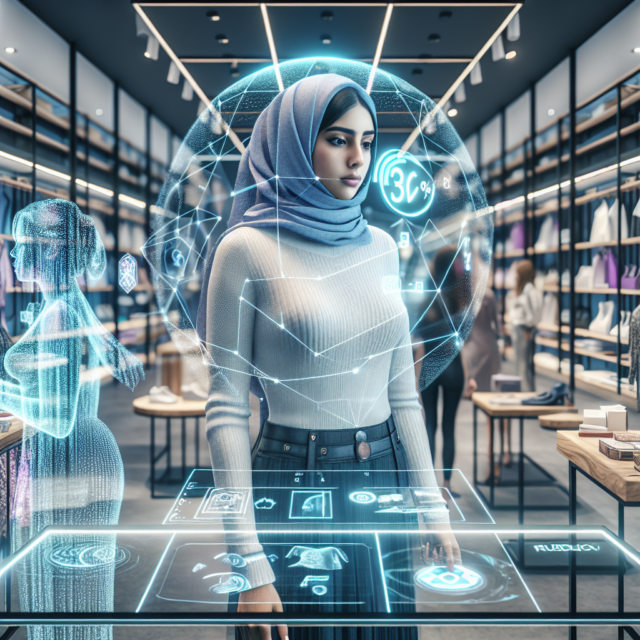
            The landscape of personal shopping has undergone a significant transformation with the advent of digital technology. As consumers increasingly turn to online platforms for their shopping needs, the future of personal shopping online is poised for further evolution. This article delves into the evolution of online personal shopping services, the key technologies that are shaping the shopping experience, and the challenges and opportunities that lie ahead in the realm of digital personal shopping.

            The Evolution of Online Personal Shopping Services

            Online personal shopping services have evolved from simple e-commerce platforms to sophisticated, personalized experiences that cater to individual consumer preferences. Initially, online shopping was primarily transactional, focusing on convenience and accessibility. However, as technology advanced, so did the capabilities of online personal shopping services. These services began to incorporate more personalized elements, such as customized recommendations and tailored shopping experiences that mimic the attention one might receive from a personal shopper in a physical store.

            The integration of artificial intelligence (AI) has been a significant turning point in the evolution of online personal shopping. AI algorithms analyze consumer data to understand shopping habits, preferences, and behaviors, allowing platforms to offer personalized product suggestions. This shift from a one-size-fits-all approach to a more individualized experience has made online shopping more engaging and efficient for consumers.

            Subscription-based personal shopping services have also emerged as a popular trend. These services offer curated fashion boxes or product selections based on consumer preferences and are delivered directly to the customer’s doorstep. This model caters to consumers who seek convenience and a personalized touch, without the need to browse through countless products online.

            Another notable evolution in online personal shopping is the rise of social commerce. Social media platforms have become integral to the shopping experience, with users discovering and purchasing products directly through these channels. Influencers and user-generated content play a significant role in shaping consumer decisions, bridging the gap between social interaction and online shopping.

            Moreover, virtual reality (VR) and augmented reality (AR) technologies are beginning to redefine the personal shopping experience. These technologies allow consumers to visualize products in a virtual environment or try on items virtually, enhancing the decision-making process and offering a more immersive shopping experience.

            Lastly, the evolution of online personal shopping services is marked by the increasing focus on sustainability and ethical consumption. Many platforms are now offering eco-friendly and ethically sourced products, aligning with the growing consumer demand for responsible shopping options. This shift not only caters to conscious consumers but also reflects the broader industry trend towards sustainability.

            Key Technologies Shaping the Shopping Experience

            Artificial intelligence (AI) is at the forefront of technologies shaping the online shopping experience. AI-driven algorithms analyze vast amounts of data to deliver personalized recommendations, enhancing the shopping experience by offering products that align with individual tastes and preferences. Machine learning models continuously refine these recommendations based on consumer feedback and behavior, ensuring a more accurate and satisfying shopping journey.

            Augmented reality (AR) and virtual reality (VR) are transforming how consumers interact with products online. AR enables shoppers to visualize how products, such as furniture or clothing, would look in their physical environment or on their person, reducing uncertainty and increasing purchase confidence. VR offers immersive experiences, allowing consumers to explore virtual showrooms or fashion runways from the comfort of their homes, bridging the gap between digital and physical shopping.

            Chatbots and virtual assistants are becoming increasingly sophisticated, providing real-time customer support and personalized shopping assistance. These AI-driven tools help guide consumers through their shopping journey, answer queries, and offer product suggestions, enhancing the overall customer experience. By streamlining communication and reducing response times, chatbots improve customer satisfaction and foster brand loyalty.

            Blockchain technology is playing a crucial role in enhancing transparency and trust in online personal shopping. Through secure and immutable transaction records, blockchain ensures the authenticity of products and provides consumers with verifiable information about product origins and supply chains. This level of transparency is particularly important for consumers seeking ethically sourced or counterfeit-free products.

            The Internet of Things (IoT) is another key technology influencing the online shopping experience. IoT devices, such as smart mirrors or connected home appliances, offer seamless integration between physical and digital shopping environments. These devices can provide real-time updates on inventory, suggest complementary products, or facilitate automated reordering, creating a more fluid shopping experience.

            Finally, data analytics and big data are crucial in shaping future online shopping experiences. By analyzing consumer behavior, preferences, and trends, retailers can gain valuable insights into market demands and tailor their offerings accordingly. This data-driven approach allows for more targeted marketing strategies, optimized inventory management, and improved customer engagement, ultimately driving sales and enhancing the overall shopping experience.

            Challenges and Opportunities in Digital Personal Shopping

            One of the primary challenges in digital personal shopping is maintaining consumer trust and data privacy. As online platforms gather vast amounts of personal data to deliver personalized shopping experiences, concerns about data security and misuse arise. Ensuring robust data protection measures and transparent privacy policies is crucial for building trust and maintaining consumer confidence in digital personal shopping services.

            The digital divide presents another challenge, as not all consumers have equal access to the internet or digital devices. This disparity can limit the reach of online personal shopping services, particularly in underserved or rural areas. Addressing this divide through improved infrastructure and accessibility initiatives is essential for ensuring that all consumers can benefit from the advancements in digital personal shopping.

            Despite these challenges, there are significant opportunities for innovation in digital personal shopping. The growing demand for personalized experiences presents a chance for retailers to differentiate themselves by offering unique, tailored services that cater to individual consumer needs. By leveraging advanced technologies, such as AI and AR, retailers can create immersive and engaging shopping experiences that set them apart from competitors.

            Sustainability is a key opportunity in digital personal shopping, as consumers increasingly seek eco-friendly and ethically sourced products. Retailers that prioritize sustainable practices and offer transparent information about product origins can tap into this growing market and build a loyal customer base. Emphasizing sustainability not only meets consumer demand but also contributes to positive brand reputation and long-term success.

            The integration of social commerce presents an opportunity for retailers to engage with consumers on a more personal level. By leveraging social media platforms and influencer partnerships, retailers can reach a wider audience and create authentic, relatable shopping experiences. This approach fosters community building and brand loyalty, ultimately driving sales and enhancing customer relationships.

            Finally, the opportunity to harness big data and analytics allows retailers to make informed decisions and optimize their operations. By understanding consumer behavior and market trends, retailers can tailor their offerings, improve inventory management, and implement targeted marketing strategies. This data-driven approach not only enhances the shopping experience but also drives business growth and profitability.

            The future of personal shopping online is shaped by a dynamic interplay of evolving technologies and changing consumer demands. While challenges such as data privacy and accessibility persist, the opportunities for innovation and growth are vast. By embracing advanced technologies and prioritizing consumer-centric strategies, retailers can redefine the online shopping experience and meet the needs of the modern consumer. As the digital landscape continues to evolve, the potential for enhancing personal shopping experiences online remains boundless, promising a future where convenience, personalization, and sustainability converge seamlessly.

            Enhancing Customer Experience Through Virtual Reality

            In today’s rapidly evolving digital landscape, businesses are constantly seeking innovative ways to enhance customer experience and engagement. One such groundbreaking technology is Virtual Reality (VR), which has the potential to transform the way consumers interact with products and services. By immersing users in a fully interactive environment, VR offers unique opportunities to elevate customer satisfaction and brand loyalty. This article delves into the role of virtual reality in customer experience, highlights its key benefits for consumers, and explores how businesses can implement VR solutions in customer interactions.

            Exploring Virtual Reality’s Role in Customer Experience

            Virtual reality is reshaping the traditional landscape of customer experience by offering immersive, interactive, and personalized engagements. It allows businesses to create virtual environments where customers can explore products or services in a way that was previously unimaginable. This shift from passive to active engagement enables consumers to make more informed decisions, increasing their satisfaction and fostering a stronger connection to the brand.

            One of the most significant roles of VR in customer experience is its ability to provide a realistic and engaging demonstration of products or services. For instance, in the automotive industry, potential buyers can take a virtual test drive, exploring every feature of a car without leaving their home. This level of engagement not only enhances the customer’s understanding of the product but also reduces the uncertainty and anxiety often associated with purchasing decisions.

            Moreover, VR can play a crucial role in storytelling, allowing brands to create compelling narratives that resonate with their audience. By immersing consumers in a brand’s story, companies can forge emotional connections that are more impactful than traditional advertising methods. This emotional engagement can lead to increased brand loyalty and advocacy, as customers feel more personally connected to the brand’s values and mission.

            Virtual reality also offers the potential for personalized experiences tailored to individual customer preferences. By analyzing user data, companies can create customized virtual environments that cater to specific interests and needs. This level of personalization can significantly enhance customer satisfaction, as consumers feel that their unique preferences are being acknowledged and addressed.

            Furthermore, VR can serve as a powerful tool for customer feedback and research. By observing how customers interact with virtual environments, businesses can gain valuable insights into consumer behavior and preferences. This data can inform product development, marketing strategies, and customer service initiatives, ultimately leading to a more refined and effective customer experience.

            Finally, virtual reality can help bridge the gap between online and offline experiences. By offering a seamless transition between digital and physical interactions, VR can enhance the overall customer journey, ensuring that each touchpoint is consistent and engaging. This integration of virtual and real-world experiences can lead to a more cohesive and satisfying customer experience.

            Key Benefits of Virtual Reality for Consumers

            Virtual reality offers a multitude of benefits for consumers, beginning with the enhanced ability to explore and understand products. Unlike traditional shopping experiences, VR provides a 360-degree view and interactive exploration, allowing consumers to inspect every detail of a product. This thorough understanding helps consumers make informed decisions, reducing the likelihood of buyer’s remorse and increasing overall satisfaction.

            Additionally, VR can save consumers time and effort by eliminating the need for physical travel. For example, potential homebuyers can tour multiple properties from the comfort of their own home, saving time and resources associated with traveling to each location. This convenience is particularly valuable in today’s fast-paced world, where time is a precious commodity.

            Another significant benefit of virtual reality is its ability to offer unique and memorable experiences. Whether it’s attending a virtual concert, exploring a distant location, or trying out a new activity, VR provides opportunities for experiences that might otherwise be inaccessible. These novel experiences can enhance consumer satisfaction and create lasting positive impressions of a brand.

            Virtual reality also promotes inclusivity by making experiences accessible to a broader audience. For individuals with disabilities or those who face barriers to traditional experiences, VR can offer an alternative way to engage with products and services. This inclusivity not only benefits consumers but also reflects positively on brands, as they demonstrate a commitment to accommodating diverse customer needs.

            Moreover, VR can enhance learning and skill development, offering consumers the chance to try before they buy. For instance, virtual cooking classes or home improvement tutorials can provide hands-on practice in a risk-free environment. This opportunity to learn and develop new skills adds value to the consumer experience, making it both educational and enjoyable.

            Finally, virtual reality can contribute to better mental well-being by offering immersive relaxation and stress-relief experiences. Consumers can escape to tranquil virtual environments, engage in guided meditation, or participate in soothing activities, all of which can help reduce stress and improve overall well-being. This aspect of VR adds a layer of emotional enrichment to the consumer experience, making it a tool for both entertainment and wellness.

            Implementing VR Solutions in Customer Interactions

            Implementing VR solutions in customer interactions requires a strategic approach that aligns with business goals and customer expectations. The first step is to identify the areas where VR can add the most value, whether it’s product demonstrations, virtual tours, or interactive tutorials. By focusing on specific touchpoints, businesses can ensure that their VR initiatives are targeted and effective.

            Once the potential applications of VR are identified, businesses must invest in the necessary technology and infrastructure. This includes acquiring VR hardware, developing software applications, and ensuring that the technology is compatible with existing systems. Additionally, businesses should consider the scalability of their VR solutions, ensuring that they can accommodate future growth and advancements in technology.

            Training and support are also critical components of successful VR implementation. Employees must be equipped with the knowledge and skills to operate VR technology and assist customers in navigating virtual experiences. Providing comprehensive training and ongoing support can enhance the effectiveness of VR interactions and ensure a seamless customer experience.

            Moreover, businesses should focus on creating immersive and engaging content for their VR experiences. High-quality graphics, realistic simulations, and interactive features are essential for capturing consumer interest and maintaining engagement. Collaborating with experienced VR developers and designers can help businesses create compelling content that resonates with their target audience.

            To maximize the impact of VR solutions, businesses should integrate them into their broader customer experience strategy. This involves aligning VR initiatives with other digital and physical touchpoints, ensuring a cohesive and consistent experience across all channels. By creating a unified customer journey, businesses can enhance overall satisfaction and build stronger relationships with their customers.

            Finally, businesses should continuously evaluate and refine their VR solutions based on customer feedback and performance metrics. Regularly assessing the effectiveness of VR interactions can help identify areas for improvement and ensure that the technology continues to meet evolving consumer needs. By embracing a culture of innovation and adaptability, businesses can leverage VR to create exceptional customer experiences that drive long-term success.

            In conclusion, virtual reality is a transformative technology that holds immense potential for enhancing customer experience. By providing immersive, interactive, and personalized engagements, VR can revolutionize the way consumers interact with products and services. The key benefits for consumers, including enhanced exploration, convenience, inclusivity, and well-being, underscore the value of integrating VR into customer interactions. As businesses implement VR solutions, a strategic and customer-centric approach is essential to maximize the technology’s impact. By embracing VR, companies can create memorable experiences that foster customer satisfaction, loyalty, and long-term success in the digital age.

            Enhancing Retail: The Impact of AR on Customer Experience

            In recent years, the retail sector has witnessed a technological revolution, with Augmented Reality (AR) emerging as a transformative force. This technology not only enhances the shopping experience but also reshapes the way retailers and customers interact. As the lines between the physical and digital worlds blur, AR offers innovative solutions to longstanding challenges in the retail industry. This article examines the impact of AR on customer experience across three key areas: transforming retail environments, elevating shopper engagement, and bridging the gap between physical and digital retail spaces.

            Transforming Retail Environments with AR Technology

            Augmented Reality is redefining the landscape of retail environments by introducing immersive and interactive elements. Traditional retail spaces, which once relied solely on physical displays and in-store marketing, now have the opportunity to integrate digital content seamlessly. Retailers can overlay virtual images and information onto real-world settings, offering customers a richer and more informative shopping experience. This transformation allows for dynamic product displays that can be updated in real-time, keeping customers engaged with the latest offerings.

            The integration of AR into retail environments also enables more personalized shopping experiences. By utilizing data gathered from customer interactions, retailers can tailor AR content to individual preferences. This personalization goes beyond simple product recommendations, allowing customers to visualize how products fit into their lives. For instance, customers can use AR to see how furniture would look in their homes or how clothes would fit their body type, making the shopping experience more relevant and satisfying.

            Moreover, AR technology can significantly enhance the efficiency of retail operations. By providing virtual navigation and assistance within stores, AR can help customers locate products quickly, reducing the time spent searching and increasing overall satisfaction. Additionally, AR can streamline inventory management by offering employees a virtual view of stock levels and product locations, optimizing store operations and reducing out-of-stock situations.

            AR also transforms the retail environment by creating opportunities for experiential marketing. Retailers can design interactive experiences that captivate customers and encourage them to spend more time in-store. For example, AR-powered games or challenges can be integrated into the shopping experience, providing entertainment and engagement that extend beyond traditional shopping activities.

            The ability of AR to provide detailed product information on demand is another key advantage. Customers can access specifications, reviews, and even tutorials by simply pointing their devices at a product. This immediacy of information empowers customers to make informed decisions, enhancing their confidence and satisfaction with their purchases.

            Finally, AR helps bridge the gap between online and offline retail channels. By integrating AR into physical stores, retailers can offer customers the benefits of online shopping, such as detailed product information and virtual try-ons, while maintaining the tactile experience of shopping in-store. This hybrid approach not only enhances customer experience but also drives foot traffic to brick-and-mortar locations.

            Elevating Shopper Engagement Through Augmented Reality

            Augmented Reality plays a crucial role in elevating shopper engagement by providing interactive and immersive experiences that capture attention and stimulate interest. Unlike traditional retail methods, AR allows customers to interact with products in a virtual space, creating a more engaging and memorable shopping journey. This heightened level of engagement is crucial in today’s competitive retail landscape, where capturing and retaining customer interest is paramount.

            One of the primary ways AR elevates shopper engagement is through virtual try-ons. Whether it’s clothing, accessories, or cosmetics, customers can use AR to see how products look on them without the need for physical samples. This not only enhances convenience but also encourages customers to explore a wider range of products, increasing the likelihood of purchase.

            AR also allows for gamification in retail, which can significantly boost customer engagement. Retailers can incorporate AR-based games or challenges that reward customers with discounts, points, or exclusive offers. These interactive experiences not only make shopping fun but also foster a sense of loyalty and connection to the brand, encouraging repeat visits and purchases.

            Interactive storytelling is another powerful tool enabled by AR. Retailers can create narratives around their products, allowing customers to engage with the brand’s story in a meaningful way. This storytelling approach not only informs customers about the products but also creates an emotional connection, enhancing brand perception and customer loyalty.

            By offering real-time customization options, AR empowers customers to personalize products according to their preferences. Whether it’s changing the color of a car or customizing a pair of sneakers, AR provides customers with creative freedom, making the shopping experience more enjoyable and satisfying. This level of personalization can lead to higher customer satisfaction and increased sales.

            Furthermore, AR enhances the social aspect of shopping by allowing customers to share their AR experiences on social media platforms. This not only amplifies brand visibility but also encourages word-of-mouth marketing, as customers share their unique and engaging shopping experiences with their networks.

            Finally, AR facilitates a seamless transition from online to offline shopping experiences. Customers can start their shopping journey online, using AR to visualize products, and then continue their experience in-store. This continuity ensures that customers remain engaged throughout their shopping journey, regardless of the channel.

            Bridging Physical and Digital: AR’s Role in Retail

            Augmented Reality serves as a crucial bridge between physical and digital retail spaces, offering a cohesive and integrated shopping experience. In an era where customers expect seamless transitions between online and offline channels, AR provides the tools necessary to meet these demands, enhancing both convenience and satisfaction.

            One of the primary ways AR bridges this gap is by integrating digital content into physical spaces. Customers can access digital information, such as product details and reviews, while browsing in-store, combining the tactile experience of shopping with the rich information available online. This integration allows customers to make informed decisions, enhancing their overall shopping experience.

            AR also facilitates the creation of virtual showrooms, where customers can explore a wide range of products without the need for extensive physical inventory. This not only reduces the space and cost requirements for retailers but also offers customers the convenience of exploring a broader selection of products. Virtual showrooms can be accessed both in-store and online, providing a consistent shopping experience across channels.

            The ability to provide virtual assistance is another significant advantage of AR in bridging physical and digital retail. Customers can receive instant assistance and guidance through AR applications, eliminating the need for physical staff for basic inquiries. This not only enhances customer experience but also allows retailers to optimize their workforce and allocate resources more efficiently.

            AR also supports the concept of "endless aisles," where customers can browse and purchase products that are not physically available in-store. By using AR, customers can visualize and order products from the retailer’s entire catalog, ensuring they have access to the complete range of offerings. This capability helps retailers overcome the limitations of physical space, providing customers with a comprehensive shopping experience.

            Furthermore, AR enhances post-purchase engagement by offering virtual tutorials and support. Customers can access AR guides for product assembly, usage, and maintenance, ensuring they have a positive experience even after leaving the store. This post-purchase support not only enhances customer satisfaction but also encourages brand loyalty and repeat business.

            Finally, AR helps retailers collect valuable data on customer preferences and behaviors. By analyzing how customers interact with AR content, retailers can gain insights into consumer trends and preferences, allowing them to tailor their offerings and marketing strategies accordingly. This data-driven approach ensures that retailers remain competitive and responsive to changing customer needs.

            As technology continues to evolve, the role of Augmented Reality in retail is set to expand even further. By transforming retail environments, elevating shopper engagement, and bridging the gap between physical and digital spaces, AR is poised to redefine the future of retail. Retailers who embrace this technology will not only enhance customer experience but also gain a competitive edge in an increasingly digital world. As AR becomes more accessible and integrated into everyday shopping experiences, it will undoubtedly continue to shape the retail landscape for years to come.

            Popular Posts

            My Favorites