Home Blog Page 1252

Exploring Emerging Trends in the World of Digital Art
    0

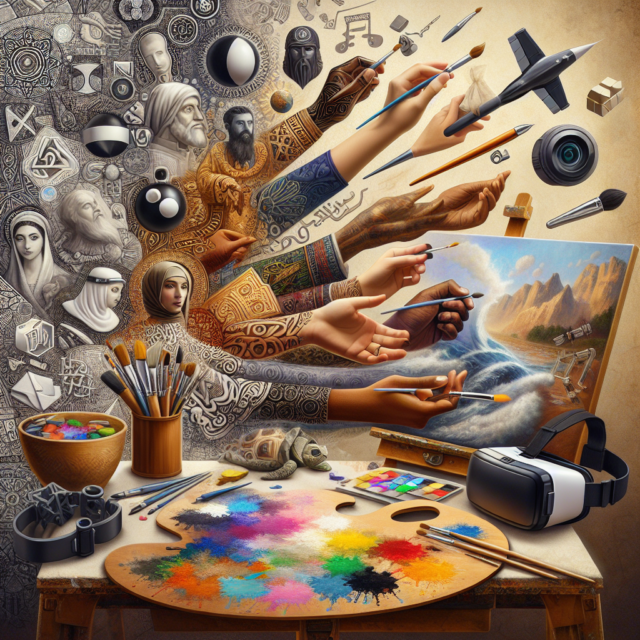
    In recent years, the world of digital art has seen a remarkable transformation, driven by technological advancements and shifting cultural dynamics. As traditional art forms blend with cutting-edge innovations, digital art has emerged as a significant force in contemporary culture. This article delves into the emerging trends shaping the digital art landscape, exploring the rise of digital art in today’s society, the innovative technologies that are redefining artistic creation, and the new platforms and communities that are empowering digital artists.

    The Rise of Digital Art in Contemporary Culture

    Digital art has steadily gained prominence in contemporary culture, transcending its niche origins to become a mainstream phenomenon. This rise can be attributed to the increasing accessibility of digital tools, which allow artists to explore new creative possibilities without the constraints of physical mediums. As a result, digital art has democratized the art world, enabling creators from diverse backgrounds to share their work with global audiences.

    The integration of digital art into popular media has further cemented its place in contemporary culture. From video games and films to advertising and virtual reality experiences, digital art is at the forefront of visual storytelling. This widespread adoption has not only increased the visibility of digital artists but also challenged traditional notions of what constitutes art.

    As digital art continues to evolve, it is increasingly influencing other art forms. Many traditional artists are incorporating digital techniques into their work, resulting in hybrid creations that blur the lines between analog and digital. This cross-pollination of styles is fostering a rich cultural dialogue, pushing the boundaries of artistic expression.

    The rise of digital art is also reflected in the growing number of exhibitions and events dedicated to the medium. Museums and galleries worldwide are recognizing the cultural significance of digital art, curating shows that celebrate its diversity and innovation. These exhibitions provide a platform for digital artists to gain recognition and engage with audiences in meaningful ways.

    The cultural impact of digital art extends beyond the visual realm, influencing music, literature, and performance art. Artists are using digital tools to create immersive experiences that challenge perceptions and invite audiences to interact with art in new ways. This interdisciplinary approach is redefining the role of the artist and the audience in the creative process.

    Digital art’s growing presence in contemporary culture has also sparked important conversations about intellectual property, authorship, and the value of art in the digital age. As artists navigate these complex issues, they are shaping the future of digital art and its place within the broader cultural landscape.

    Innovative Technologies Shaping Digital Creations

    The evolution of digital art is closely linked to the development of innovative technologies that provide artists with new tools and mediums for expression. One of the most significant advancements is the rise of artificial intelligence (AI) in art creation. AI-powered software enables artists to generate complex patterns, simulate natural phenomena, and even create entirely new forms of art by learning from existing styles and datasets.

    Virtual reality (VR) and augmented reality (AR) are also revolutionizing the way digital art is experienced and created. Artists are using VR and AR to craft immersive environments that transport viewers into alternate realities, offering interactive experiences that challenge traditional art consumption. These technologies are opening up new avenues for storytelling, allowing artists to engage audiences in dynamic and participatory ways.

    Blockchain technology has introduced the concept of non-fungible tokens (NFTs), which has transformed how digital art is bought, sold, and owned. NFTs provide a way to authenticate and monetize digital artworks, granting artists greater control over their creations and establishing new economic models for digital art. This innovation has sparked a global conversation about the nature of ownership and value in the digital realm.

    Advancements in 3D printing are enabling artists to bring their digital creations into the physical world, bridging the gap between virtual and tangible art. By translating digital designs into physical objects, artists can explore new dimensions of form and texture, expanding the possibilities of digital art beyond the screen.

    Machine learning and data visualization tools are empowering artists to explore complex themes and concepts through data-driven art. By harnessing large datasets, artists can create works that reflect societal trends, environmental changes, and human behavior. This fusion of art and science is producing thought-provoking pieces that challenge viewers to consider the implications of the information age.

    Finally, the proliferation of mobile devices and touch-screen technology has made digital art creation more accessible than ever. Artists can now sketch, paint, and design on-the-go using powerful apps and software tailored for mobile platforms. This ease of access is encouraging a new generation of artists to experiment with digital mediums, further expanding the digital art community.

    New Platforms and Communities for Digital Artists

    The digital art landscape is being reshaped by the emergence of new platforms and communities that provide artists with opportunities to showcase their work and connect with audiences. Social media platforms like Instagram, Twitter, and TikTok have become vital tools for digital artists to share their creations, gain visibility, and engage with global audiences. These platforms offer artists the chance to build personal brands and reach potential collectors and collaborators.

    Online marketplaces such as Etsy, DeviantArt, and ArtStation offer digital artists dedicated spaces to sell their work and connect with buyers. These platforms cater to the unique needs of digital creators, providing tools and resources to help them market their art effectively. By facilitating direct exchanges between artists and collectors, these marketplaces empower artists to monetize their work and sustain their creative practices.

    Community-driven platforms like Discord and Reddit have emerged as hubs for digital artists to collaborate, share knowledge, and seek feedback. These online communities foster a sense of camaraderie and support, allowing artists to learn from one another and grow their skills. By participating in these forums, artists can stay informed about industry trends and opportunities, enhancing their professional development.

    The rise of online galleries and virtual exhibitions has opened new possibilities for digital artists to display their work. These platforms offer immersive viewing experiences that transcend geographical limitations, allowing artists to reach international audiences without the need for physical space. Virtual exhibitions also enable artists to experiment with new formats and presentation styles, pushing the boundaries of digital curation.

    Crowdfunding platforms like Kickstarter and Patreon have provided digital artists with alternative funding models to support their projects. By engaging directly with their audience, artists can secure financial backing for their work, fostering a more sustainable creative practice. These platforms encourage artists to cultivate a loyal fan base, offering exclusive content and rewards in exchange for support.

    Lastly, educational platforms such as Skillshare and Udemy are empowering digital artists to enhance their skills and knowledge. These platforms offer courses and tutorials on a wide range of digital art techniques, from basic design principles to advanced software training. By making education accessible, these platforms are nurturing a new generation of digital artists, ensuring the continued growth and evolution of the digital art community.

    As digital art continues to evolve, it is clear that it is not just a fleeting trend but a significant cultural force with lasting impact. The rise of digital art in contemporary culture, fueled by innovative technologies and supportive platforms, is reshaping how we perceive and interact with art. As artists continue to push the boundaries of creativity, the digital art landscape will undoubtedly expand, offering new opportunities and challenges. In this dynamic environment, the future of digital art holds endless possibilities, promising exciting developments for artists and audiences alike.
    Exploring Sustainability Practices in Digital Art

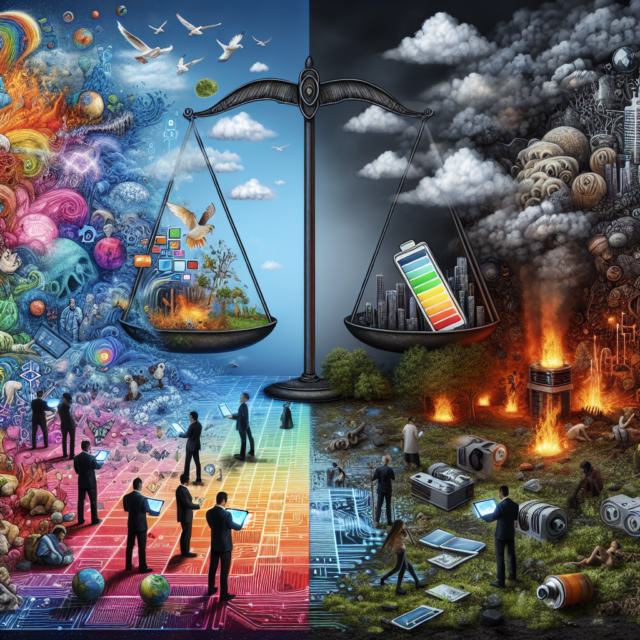
    The digital art landscape has grown exponentially, ushering in a new era of creative expression. However, with the rise of digital art, questions about its environmental impact have surfaced. As artists and technologists seek to balance creativity with sustainability, understanding the environmental implications and exploring innovative solutions becomes paramount. This article delves into the environmental impact of digital art, examines sustainable creation practices, and evaluates eco-friendly tools and platforms.

    Understanding the Environmental Impact of Digital Art

    The digital art world, while seemingly intangible, has a tangible environmental footprint. At the core of this footprint is the energy consumption associated with digital tools and platforms. Artists rely on high-performance computers and graphic tablets, which require significant power to operate. The production and disposal of these devices also contribute to electronic waste, further exacerbating environmental concerns.

    Moreover, the storage and distribution of digital art are energy-intensive processes. Cloud storage, a popular option for digital artists, depends on data centers that consume vast amounts of electricity. These centers not only demand constant power but also require substantial cooling systems to prevent overheating, adding to their environmental burden.

    Cryptocurrency and blockchain technology have introduced new dimensions to digital art, notably through non-fungible tokens (NFTs). While NFTs offer artists a novel way to monetize their work, the energy consumption associated with blockchain transactions, particularly those using proof-of-work systems, has raised alarms about their environmental impact. The carbon footprint of minting and trading NFTs is significant, prompting calls for more sustainable alternatives.

    Despite these challenges, the digital art community is becoming increasingly aware of its environmental responsibility. Artists and collectors are beginning to question the sustainability of their practices, seeking ways to mitigate their impact. This awareness is fostering a dialogue about the need for greener solutions within the art-tech ecosystem.

    The environmental impact of digital art extends beyond energy consumption. The rapid obsolescence of digital devices leads to increased electronic waste, posing a significant threat to ecosystems. Recycling and responsible disposal of electronic waste are crucial steps in minimizing the environmental footprint of digital art.

    Understanding the full scope of digital art’s environmental impact is the first step towards creating a more sustainable future. By recognizing the energy and resource demands of digital tools and platforms, artists and technologists can begin to develop practices that align creativity with ecological responsibility.

    Innovative Approaches to Sustainable Digital Creation

    The quest for sustainability in digital art has spurred a wave of innovative approaches to reduce environmental impact. One promising avenue is the development of energy-efficient software and hardware. Tech companies are increasingly prioritizing the creation of devices that consume less power, extending the lifespan of equipment and reducing electronic waste.

    Artists themselves are adopting sustainable practices in their creative processes. Many are turning to open-source software, which is often less resource-intensive than proprietary alternatives. By using lighter programs that require less computational power, artists can significantly reduce their energy consumption without compromising on creativity.

    In the realm of NFTs, alternative blockchain technologies are emerging as viable solutions for sustainable digital art. Platforms utilizing proof-of-stake or other low-energy consensus mechanisms are gaining traction. These systems offer the security and transparency of blockchain without the high energy costs associated with traditional proof-of-work models.

    Collaborative efforts are also playing a crucial role in promoting sustainability in digital art. Artists, technologists, and environmentalists are joining forces to explore creative solutions that minimize environmental impact. Initiatives such as carbon offset programs for digital art transactions and the creation of digital art exhibitions powered by renewable energy are gaining momentum.

    Education and awareness are essential components of sustainable digital creation. Artists are increasingly educating themselves and their audiences about the environmental impact of their work. By fostering a culture of sustainability, the digital art community can drive meaningful change and inspire others to adopt eco-friendly practices.

    The integration of sustainability into the digital art world requires a commitment to innovation and collaboration. By embracing new technologies, exploring alternative methods, and fostering a culture of environmental responsibility, the digital art community can pave the way for a more sustainable future.

    Evaluating Tools and Platforms for Eco-Friendly Art

    The search for eco-friendly tools and platforms is a critical aspect of sustainable digital art. Artists and technologists are constantly evaluating the environmental impact of the tools they use, seeking alternatives that align with sustainability goals. This evaluation process involves assessing the energy efficiency, resource consumption, and lifecycle impact of digital art tools and platforms.

    Energy-efficient hardware is a key consideration for eco-conscious digital artists. Devices that are designed to minimize power consumption and extend operational lifespan are becoming increasingly popular. Artists are also exploring refurbished and second-hand equipment as a way to reduce electronic waste and promote a circular economy.

    Software choices play a significant role in the sustainability of digital art practices. Open-source and lightweight software options are often more energy-efficient than their proprietary counterparts. By opting for programs that demand less computational power, artists can significantly reduce their environmental footprint.

    Digital art platforms are also under scrutiny for their environmental impact. Platforms that support NFTs and blockchain technology are exploring ways to transition to more sustainable models. The adoption of proof-of-stake and other low-energy consensus mechanisms is a promising development in this area, offering a path towards eco-friendly digital art transactions.

    Artists are increasingly prioritizing platforms that demonstrate a commitment to sustainability. Platforms that offset their carbon emissions, utilize renewable energy, or engage in other environmentally responsible practices are gaining favor. By supporting these platforms, artists can contribute to a more sustainable digital art ecosystem.

    The evaluation of tools and platforms for eco-friendly art is an ongoing process, requiring constant vigilance and adaptability. As new technologies and practices emerge, artists must remain informed and engaged to ensure their work aligns with sustainability goals. By making conscious choices about the tools and platforms they use, digital artists can play a vital role in shaping a more sustainable future for the art world.

    As the digital art landscape continues to evolve, the importance of sustainability cannot be overstated. Understanding the environmental impact of digital art, exploring innovative approaches to sustainable creation, and evaluating eco-friendly tools and platforms are essential steps in fostering a sustainable future. By embracing these practices, the digital art community can balance creativity with ecological responsibility, ensuring that art and technology can coexist harmoniously with the environment.

    Exploring the Intersection of Technology and Art

    The interplay between technology and art has long been a fascinating narrative in human history. As technology advances, it continues to reshape the way art is created, experienced, and appreciated. This article delves into how the digital age has transformed artistic expression, how artists and technologists are collaborating to push boundaries, and the innovative platforms that are revolutionizing creative landscapes. By exploring these intersections, we gain a deeper understanding of the cultural and technological shifts that are influencing contemporary art.

    The Evolution of Artistic Expression in the Digital Age

    The digital age has ushered in a new era of artistic expression, characterized by an unprecedented fusion of creativity and technology. Traditional art forms, such as painting and sculpture, have expanded into digital mediums, allowing artists to explore new dimensions and techniques. Digital art software and tools have democratized the creation process, making it accessible to a broader audience. This evolution has not only changed how art is produced but has also challenged the very definition of art itself.

    One significant development is the rise of digital painting and illustration. Artists now have access to a plethora of digital brushes and canvases, enabling them to create intricate and detailed works without the limitations of physical materials. This has opened up new possibilities for experimentation, allowing artists to blend traditional techniques with digital innovation. The result is a vibrant and dynamic art scene that continually pushes the boundaries of creativity.

    The advent of virtual reality (VR) and augmented reality (AR) has further expanded the horizons of artistic expression. These technologies provide immersive experiences that transport viewers into entirely new worlds. Artists are now able to create interactive installations and performances that engage audiences in ways previously unimaginable. This shift not only alters the viewer’s experience but also challenges artists to think in multi-dimensional spaces.

    Photography and videography have also undergone a transformation with the advent of digital technology. High-resolution cameras and editing software have made it easier for artists to capture and manipulate images, resulting in stunning visual compositions. Furthermore, platforms like Instagram and YouTube have become essential tools for artists to share their work with global audiences, fostering a new era of digital storytelling.

    The digital age has also seen the emergence of generative art, where algorithms and artificial intelligence (AI) play a crucial role in the creative process. Artists use code to generate patterns, shapes, and colors, resulting in artworks that are both unpredictable and unique. This intersection of technology and art challenges traditional notions of authorship and creativity, as the artist becomes both creator and collaborator with the machine.

    As we continue to navigate the digital age, the evolution of artistic expression presents both opportunities and challenges. While technology offers new tools and platforms for creativity, it also raises questions about the role of the artist and the value of art in a digital world. Nonetheless, this dynamic interplay between technology and art promises to shape the future of creative expression in ways we have yet to imagine.

    Bridging the Gap: Artists and Technologists Unite

    The convergence of art and technology has led to exciting collaborations between artists and technologists. These partnerships are bridging the gap between two seemingly disparate fields, resulting in innovative projects that push the boundaries of both disciplines. Artists are increasingly working alongside programmers, engineers, and scientists to explore new ways of creating and experiencing art.

    One notable example of this collaboration is the growing field of interactive art. By integrating technology into their work, artists are able to create installations that respond to audience interaction. Motion sensors, cameras, and other digital tools allow viewers to become active participants in the art, blurring the lines between creator and observer. This fusion of art and technology not only enhances the viewer’s experience but also encourages deeper engagement with the artwork.

    Collaborations between artists and technologists have also led to the development of new artistic mediums. For instance, the use of 3D printing technology has revolutionized sculpture and design, enabling artists to create intricate and complex forms that were previously impossible to achieve by hand. This technology has opened up new possibilities for experimentation and innovation, allowing artists to push the boundaries of their creative practice.

    The intersection of art and technology has also given rise to new forms of performance art. Musicians and performers are incorporating digital elements into their work, using technology to enhance their performances and create multisensory experiences. From holographic displays to interactive soundscapes, these collaborations are transforming the way audiences experience live performances, creating immersive environments that engage multiple senses.

    Furthermore, the collaboration between artists and technologists has led to the development of new tools and platforms for art creation. Software developers and engineers are working with artists to create applications and programs that facilitate the creative process. These tools not only make art more accessible but also empower artists to experiment with new techniques and styles, fostering a culture of innovation and creativity.

    As artists and technologists continue to collaborate, the boundaries between art and technology are becoming increasingly blurred. This convergence is not only transforming the way art is created and experienced but also challenging traditional notions of what art can be. By embracing these collaborations, artists and technologists are paving the way for a new era of artistic exploration and expression.

    Innovative Platforms Transforming Creative Landscapes

    In recent years, innovative platforms have emerged that are transforming the creative landscapes and redefining how art is shared, consumed, and appreciated. These platforms leverage technology to connect artists with global audiences and provide new opportunities for creative expression. From online galleries to virtual reality experiences, these platforms are reshaping the art world in profound ways.

    Social media platforms like Instagram, TikTok, and Pinterest have become essential tools for artists to showcase their work and connect with audiences worldwide. These platforms offer artists unprecedented visibility, allowing them to reach new audiences and build a global following. By sharing their work online, artists can engage with viewers in real-time, receive feedback, and collaborate with other creatives.

    Virtual reality (VR) platforms are also transforming the way art is experienced. VR allows viewers to immerse themselves in digital art environments, providing a sense of presence and interactivity that traditional mediums cannot offer. Artists are using VR to create immersive installations and exhibitions, allowing audiences to explore and interact with art in entirely new ways. This technology is breaking down geographical barriers, making art accessible to anyone with a VR headset.

    Online marketplaces have also revolutionized the way art is bought and sold. Platforms like Etsy, Saatchi Art, and Redbubble enable artists to sell their work directly to consumers, bypassing traditional galleries and intermediaries. This democratization of the art market has empowered artists to take control of their careers, reach new audiences, and monetize their work on their own terms.

    Crowdfunding platforms such as Kickstarter and Patreon have provided artists with new ways to fund their projects and connect with supporters. These platforms allow artists to raise money directly from their audience, enabling them to pursue ambitious projects without relying on traditional funding sources. This has led to the creation of innovative and experimental works that might not have been possible otherwise.

    NFT (Non-Fungible Token) platforms have introduced a new paradigm in the art world, allowing artists to tokenize their digital creations and sell them as unique assets on the blockchain. This technology has opened up new revenue streams for digital artists and has sparked a global conversation about the value and ownership of digital art. While still in its early stages, NFT platforms have the potential to reshape the art market and redefine the concept of art ownership.

    As technology continues to evolve, these innovative platforms are likely to play an increasingly important role in shaping the future of art. By providing new opportunities for creation, distribution, and engagement, these platforms are empowering artists and transforming the way we experience and appreciate art. As we move forward, it will be fascinating to see how these platforms continue to evolve and impact the creative landscapes.

    The intersection of technology and art is a dynamic and ever-evolving space that offers endless possibilities for innovation and creativity. As we have explored, the digital age has fundamentally transformed artistic expression, enabling new forms of collaboration and the emergence of groundbreaking platforms. These developments challenge traditional notions of art and prompt us to reconsider what it means to create and experience art in a technologically advanced world. As artists and technologists continue to push boundaries, the future of art promises to be an exciting journey of exploration and discovery.

    Exploring Future Digital Trends in Brand Innovation

    In the ever-evolving landscape of digital branding, staying ahead of the curve is crucial for businesses seeking to maintain their competitive edge. As technology continues to advance at a breakneck pace, brands must adapt and innovate to meet the changing expectations of consumers. This article delves into the future digital trends shaping brand innovation, examining the evolution of these trends, key innovations on the horizon, and how companies can embrace technology to ensure future success.

    The Evolution of Digital Trends in Branding

    Digital branding has undergone significant transformations over the past few decades. Initially, the focus was primarily on establishing an online presence, as businesses sought to create websites and develop basic digital marketing strategies. As the internet became more ingrained in daily life, brands began to explore social media platforms, recognizing their potential for direct engagement with consumers. This shift marked the beginning of a new era in brand communication, where interaction and feedback became central to marketing strategies.

    With the rise of mobile technology, brands had to adapt once again. Mobile optimization became a priority, as consumers increasingly accessed the internet through smartphones and tablets. This trend led to the development of mobile apps and responsive web design, ensuring that brand experiences were seamless across all devices. As a result, brands were able to reach consumers in more personalized and immediate ways, enhancing customer engagement and loyalty.

    The advent of big data and analytics further revolutionized digital branding. Brands gained access to unprecedented levels of consumer insights, allowing them to tailor their marketing efforts with greater precision. Data-driven strategies enabled brands to deliver personalized content, measure campaign effectiveness, and optimize customer journeys. This data-centric approach has become a cornerstone of modern branding, empowering businesses to make informed decisions and foster deeper connections with their audience.

    In recent years, the rise of artificial intelligence (AI) and machine learning has opened new possibilities for brand innovation. AI-powered tools can analyze vast amounts of data to uncover patterns and trends, enabling brands to anticipate consumer needs and deliver highly personalized experiences. Chatbots and virtual assistants have also become commonplace, providing consumers with instant support and enhancing brand interactions.

    The growing importance of sustainability and social responsibility has also influenced digital branding trends. Brands are increasingly expected to demonstrate their commitment to ethical practices and environmental stewardship. This shift has led to the rise of purpose-driven branding, where companies align their values with those of their consumers. Digital platforms provide an ideal space for brands to communicate their sustainability efforts and engage with socially conscious audiences.

    As digital trends continue to evolve, brands must remain agile and forward-thinking. The ability to anticipate and adapt to emerging technologies and consumer behaviors will be key to maintaining relevance in the digital age. By understanding the evolution of digital trends in branding, businesses can position themselves for success in an ever-changing landscape.

    Key Innovations Shaping Tomorrow’s Brand Landscape

    Augmented reality (AR) and virtual reality (VR) are poised to transform the brand landscape in the coming years. These immersive technologies offer new ways for consumers to interact with brands, providing unique and memorable experiences. From virtual try-ons to interactive product demonstrations, AR and VR enable brands to engage consumers in ways that were previously unimaginable. As these technologies become more accessible, they are expected to play a significant role in shaping the future of brand innovation.

    The integration of blockchain technology is another key innovation that promises to revolutionize branding. Blockchain offers enhanced transparency and security, allowing brands to build trust with consumers by providing verifiable information about product origins and supply chains. This technology can also facilitate secure transactions and protect consumer data, addressing growing concerns about privacy and data breaches. As consumers become more conscious of these issues, brands that leverage blockchain technology may gain a competitive advantage.

    Voice technology is rapidly gaining traction, with smart speakers and voice-activated assistants becoming commonplace in households worldwide. This trend presents new opportunities for brands to engage with consumers through voice search and voice-activated experiences. As voice technology continues to evolve, brands will need to optimize their content for voice search and explore creative ways to integrate voice interactions into their marketing strategies.

    The rise of the Internet of Things (IoT) is also shaping the future of branding. IoT devices, such as smart home appliances and wearable technology, offer brands new avenues for connecting with consumers. By integrating IoT capabilities into their products, brands can deliver personalized experiences and gather valuable data on consumer behavior. This data can inform marketing strategies and enable brands to create more tailored and relevant offerings.

    5G technology is set to revolutionize the digital landscape, providing faster and more reliable internet connectivity. This advancement will enable brands to deliver richer and more immersive digital experiences, from high-quality video streaming to real-time augmented reality applications. As 5G becomes more widespread, brands will have the opportunity to explore innovative ways to engage with consumers and enhance their digital offerings.

    The convergence of these technologies presents exciting possibilities for brand innovation. By staying informed about key innovations and embracing emerging technologies, brands can position themselves at the forefront of the digital revolution. The brands that successfully navigate this landscape will be those that can seamlessly integrate these innovations into their strategies, creating meaningful and engaging experiences for their consumers.

    Embracing Technology for Future Brand Success

    To ensure future brand success, companies must embrace technology as a core component of their business strategies. This requires a proactive approach to identifying and adopting emerging technologies that align with brand goals and consumer expectations. By fostering a culture of innovation, brands can stay ahead of the curve and remain competitive in a rapidly changing digital landscape.

    Investing in technology infrastructure is essential for brands looking to leverage digital trends effectively. This includes upgrading systems and processes to support new technologies, as well as investing in talent and expertise to drive innovation. By building a strong technological foundation, brands can position themselves to capitalize on future opportunities and deliver exceptional experiences to their consumers.

    Collaboration and partnerships can also play a crucial role in embracing technology for brand success. By working with technology providers, startups, and other industry leaders, brands can gain access to cutting-edge solutions and insights. These collaborations can help brands stay informed about emerging trends and accelerate their adoption of new technologies, ensuring they remain at the forefront of digital innovation.

    Consumer-centricity should be at the heart of any technology-driven brand strategy. Brands must prioritize understanding and meeting the needs of their consumers, using technology to enhance the customer experience. This involves leveraging data and insights to deliver personalized and relevant interactions, as well as continuously seeking feedback to refine and improve offerings.

    Agility and adaptability are critical for brands navigating the future digital landscape. As technology evolves and consumer behaviors shift, brands must be willing to pivot and adjust their strategies accordingly. This requires a willingness to experiment, take risks, and learn from failures, fostering a culture of continuous improvement and innovation.

    Ultimately, embracing technology for future brand success is about more than just adopting the latest trends. It involves a strategic and holistic approach to integrating technology into all aspects of the brand, from product development to marketing and customer service. By doing so, brands can create meaningful connections with their consumers and drive long-term success in the digital age.

    The future of digital branding is rich with possibilities, driven by rapid advancements in technology and evolving consumer expectations. By understanding the evolution of digital trends, identifying key innovations, and embracing technology as a strategic asset, brands can position themselves for success in this dynamic landscape. As the digital world continues to transform, the brands that thrive will be those that are agile, consumer-centric, and committed to innovation. With the right approach, businesses can harness the power of digital trends to build lasting connections with their audience and achieve sustainable growth in the years to come.

    Integrating Technology into the World of Couture Fashion

    The realm of couture fashion, long revered for its exquisite craftsmanship and timeless elegance, is experiencing a remarkable transformation as it embraces the digital age. The fusion of technology with couture is not merely a fleeting trend but a profound evolution that is reshaping how designers conceptualize, create, and present their collections. This article delves into the dynamic intersection of fashion and technology, exploring how innovations are revolutionizing couture design processes and the impact digital tools have on fashion craftsmanship. Through this exploration, we uncover how the traditional world of haute couture is being redefined for a new era.

    Exploring the Intersection of Fashion and Technology

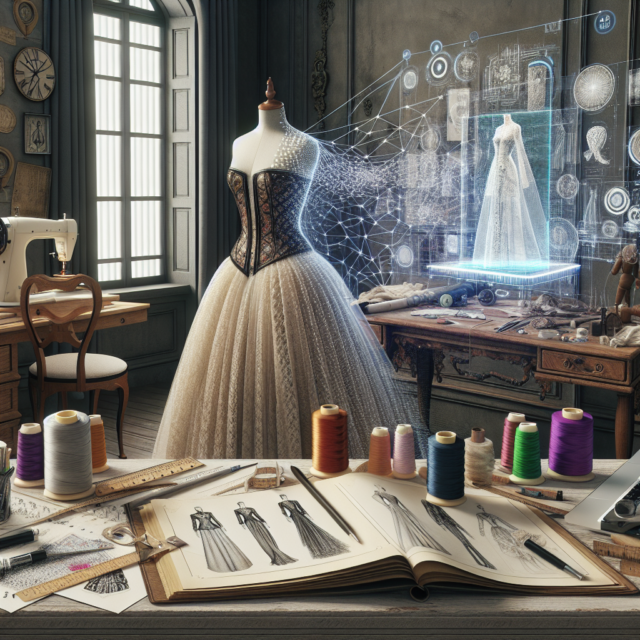
    The intersection of fashion and technology is a burgeoning frontier where creativity meets innovation. As designers seek new ways to push the boundaries of traditional couture, technology offers a plethora of tools and techniques that can be harnessed to enhance and expand their creative visions. From 3D printing to virtual reality, the possibilities are seemingly endless, allowing designers to experiment with new forms, textures, and materials that were once unimaginable.

    One of the most significant technological advancements impacting couture fashion is the rise of digital fabric printing. This technology allows for intricate patterns and designs to be directly printed onto fabrics, offering a level of precision and detail that hand-painting or traditional methods cannot achieve. Designers can now create bespoke fabrics that perfectly align with their artistic vision, transforming their sketches into tangible works of art with unparalleled accuracy.

    Moreover, the use of artificial intelligence (AI) in fashion design is gaining traction, offering designers predictive insights and trend analysis that can inform their creative decisions. By analyzing vast amounts of data from social media, fashion shows, and consumer behavior, AI can help designers anticipate future trends and tailor their collections to meet the evolving demands of the market. This data-driven approach not only enhances creativity but also ensures that designers remain relevant in a rapidly changing industry.

    Augmented reality (AR) is another technology making waves in the couture world. By overlaying digital information onto the physical world, AR allows designers and consumers to interact with fashion in entirely new ways. Virtual fitting rooms, for instance, enable customers to try on clothing digitally, offering a personalized shopping experience that bridges the gap between online and offline retail. This technology not only enhances customer engagement but also reduces the need for physical inventory, making the fashion industry more sustainable.

    The integration of smart textiles into couture fashion is yet another exciting development. These advanced materials can change color, emit light, or even monitor physiological data, adding a dynamic element to fashion design. Designers can now create garments that respond to environmental stimuli or the wearer’s movements, offering an interactive experience that blurs the line between fashion and technology.

    Finally, the rise of blockchain technology is set to revolutionize the way couture fashion is authenticated and distributed. By providing a secure and transparent way to track the provenance of luxury garments, blockchain ensures the authenticity of designer pieces and protects against counterfeiting. This technology not only safeguards the intellectual property of designers but also enhances consumer confidence in the authenticity of couture fashion.

    Innovations Transforming Couture Design Processes

    The design processes within couture fashion are undergoing a radical transformation, driven by technological innovations that streamline and enhance creativity. Traditionally, couture design has been a labor-intensive process, requiring meticulous attention to detail and countless hours of skilled craftsmanship. However, with the advent of digital tools, designers can now conceptualize and execute their visions with unprecedented efficiency and precision.

    One of the most transformative innovations in couture design is the use of 3D modeling software. This technology allows designers to create detailed digital prototypes of their garments, enabling them to visualize and refine their designs before they are ever physically produced. By manipulating virtual garments in a three-dimensional space, designers can experiment with different silhouettes, fabrics, and embellishments, making informed decisions that reduce waste and optimize the use of resources.

    In addition to 3D modeling, the use of laser cutting technology is revolutionizing the way couture garments are constructed. This precise and efficient method allows designers to cut intricate patterns and shapes with unparalleled accuracy, reducing the time and labor required for traditional hand-cutting techniques. Laser cutting not only enhances the precision of garment construction but also opens up new possibilities for innovative designs that push the boundaries of traditional couture.

    The integration of digital embroidery machines is another innovation transforming couture design processes. These machines can produce intricate and detailed embroidery patterns at a fraction of the time it would take to do so by hand. Designers can input their designs into the machine, which then executes the embroidery with precision and consistency. This technology allows for greater experimentation with embroidery patterns and techniques, enabling designers to create bespoke embellishments that elevate their collections.

    Moreover, the use of virtual reality (VR) in the design process is providing designers with new ways to conceptualize and present their collections. By creating immersive virtual environments, designers can showcase their garments in a fully interactive and engaging manner, allowing stakeholders to experience the collection in a dynamic and innovative way. This technology not only enhances the presentation of couture collections but also allows designers to experiment with different settings and themes, offering a new dimension to fashion shows.

    Digital sketching tools are also playing a pivotal role in transforming couture design processes. These tools allow designers to create and manipulate their sketches on digital platforms, offering a level of flexibility and precision that traditional paper sketches cannot match. By using digital sketching tools, designers can easily make edits, experiment with colors and textures, and collaborate with team members in real time, streamlining the design process and fostering creativity.

    Finally, the adoption of collaborative design platforms is facilitating greater collaboration and communication among design teams. These platforms allow designers, pattern makers, and seamstresses to work together seamlessly, sharing ideas and feedback in real time. This collaborative approach not only enhances the efficiency of the design process but also fosters a sense of community and shared vision among team members, leading to more cohesive and innovative couture collections.

    The Impact of Digital Tools on Fashion Craftsmanship

    While technology offers numerous benefits to the world of couture fashion, it also raises important questions about the preservation of traditional craftsmanship. The precision and efficiency of digital tools have undoubtedly enhanced the design process, but they also challenge the artisanal skills that have long been the hallmark of haute couture. As the industry evolves, it is crucial to find a balance between embracing technological advancements and preserving the artistry and craftsmanship that define couture fashion.

    One of the key impacts of digital tools on fashion craftsmanship is the shift in skill sets required by designers and artisans. As technology becomes more integrated into the design process, there is a growing demand for designers who are proficient in digital tools and software. This shift necessitates a reevaluation of traditional training methods, as aspiring designers must now acquire skills in both traditional craftsmanship and digital design techniques to succeed in the industry.

    Despite the growing influence of technology, the importance of traditional craftsmanship in couture fashion cannot be overstated. The meticulous attention to detail and the skilled handiwork that characterize haute couture remain integral to its allure and exclusivity. While digital tools offer new possibilities for design and construction, the human touch is still essential in creating garments that embody the artistry and elegance synonymous with couture fashion.

    Moreover, the use of digital tools in fashion craftsmanship has opened up new avenues for experimentation and innovation. Designers can now combine traditional techniques with digital technologies to create hybrid garments that blend the best of both worlds. This fusion of old and new allows for greater creativity and innovation, as designers can explore new forms, textures, and embellishments that were previously unattainable.

    The impact of digital tools on fashion craftsmanship also extends to the production and distribution of couture garments. With the rise of digital platforms, designers can now reach a global audience, showcasing their collections to consumers around the world. This increased accessibility not only expands the market for couture fashion but also challenges designers to maintain the exclusivity and allure that define their creations.

    Finally, the integration of digital tools into fashion craftsmanship is driving a more sustainable approach to couture fashion. By optimizing design processes and reducing waste, technology is helping designers create garments that are not only beautiful but also environmentally conscious. This shift towards sustainability is becoming increasingly important in the fashion industry, as consumers demand greater transparency and accountability from designers and brands.

    The integration of technology into the world of couture fashion is a testament to the industry’s ability to evolve and adapt to changing times. As designers continue to explore the intersection of fashion and technology, they are redefining what it means to create couture, blending traditional craftsmanship with cutting-edge innovations to craft garments that are as innovative as they are exquisite. This evolution is not only transforming the design processes and craftsmanship of couture fashion but also challenging the industry to remain relevant and sustainable in an increasingly digital world. As we look to the future, the fusion of technology and couture will undoubtedly continue to shape the landscape of fashion, offering new possibilities for creativity, innovation, and artistry.

    The Rise of Global Digital Fashion Influencers

    In the digital age, fashion has transcended traditional runways and glossy magazines, evolving into a dynamic and interactive experience. The rise of global digital fashion influencers has revolutionized the industry, making it more accessible, diverse, and innovative. These influencers, armed with a smartphone and a unique sense of style, have become pivotal in shaping fashion trends and consumer behavior worldwide. This article delves into the digital fashion landscape, identifies key players, and examines the profound impact of social media on fashion trends.

    Exploring the Digital Fashion Landscape

    The digital fashion landscape is a vibrant tapestry woven with creativity, technology, and global connectivity. In recent years, the fashion industry has witnessed a paradigm shift as it embraces digital platforms as a primary mode of engagement. With the advent of virtual fashion shows and digital collections, designers are no longer confined to physical spaces, allowing for limitless creativity and expression. This new landscape has democratized fashion, enabling designers from diverse backgrounds to showcase their work to a global audience.

    In this digital realm, fashion influencers play a crucial role in bridging the gap between designers and consumers. These influencers, often characterized by their distinct style and authentic voice, curate content that resonates with their followers. Through platforms like Instagram, TikTok, and YouTube, they offer a glimpse into the latest trends, styling tips, and behind-the-scenes insights, making fashion more relatable and attainable for the average consumer.

    The rise of augmented reality (AR) and virtual reality (VR) technologies has further enriched the digital fashion experience. Consumers can now virtually try on outfits, explore immersive fashion environments, and even attend virtual fashion shows from the comfort of their homes. This technological advancement not only enhances consumer engagement but also reduces the environmental impact of traditional fashion shows.

    Moreover, digital fashion has paved the way for the emergence of digital-only clothing lines, where garments exist solely in the virtual world. These digital outfits can be purchased, worn in virtual environments, or applied to photos on social media, offering a sustainable alternative to fast fashion. This innovation highlights the adaptability and forward-thinking nature of the digital fashion landscape.

    As the digital fashion landscape continues to evolve, it challenges traditional notions of fashion and pushes boundaries. It encourages inclusivity by providing a platform for underrepresented voices and fostering a sense of community among fashion enthusiasts worldwide. The digital realm has become a melting pot of cultures, styles, and ideas, driving the industry towards a more inclusive and diverse future.

    The exploration of this landscape reveals a dynamic interplay between technology, creativity, and global connectivity. The digital fashion world is not just a trend; it signifies a fundamental shift in how fashion is created, consumed, and experienced. As technology continues to advance, the possibilities for innovation within this space are boundless, promising an exciting future for fashion enthusiasts and industry professionals alike.

    Key Players in Global Fashion Influence

    In the realm of global digital fashion influence, several key players have emerged, each with their unique style, perspective, and impact. These influencers have harnessed the power of social media to build personal brands and amass millions of followers, making them indispensable voices in the fashion industry. Their influence extends beyond fashion, often intersecting with beauty, lifestyle, and wellness, creating a holistic approach to personal branding.

    One of the most prominent figures in this space is Chiara Ferragni, an Italian entrepreneur and fashion influencer. With her blog "The Blonde Salad" and a massive social media following, Ferragni has transformed herself into a global fashion icon. Her collaborations with high-end brands and her ability to seamlessly blend luxury fashion with everyday style have solidified her position as a leading digital fashion influencer.

    Another influential figure is Aimee Song, a Los Angeles-based fashion blogger and author. Known for her effortlessly chic style and keen eye for design, Song has become a staple in the fashion world. Her blog "Song of Style" and her presence on Instagram have made her a go-to source for fashion inspiration and lifestyle content, resonating with a diverse audience across the globe.

    In Asia, digital fashion influencers like Chriselle Lim have made significant strides in shaping fashion trends. Lim, a Korean-American influencer, is renowned for her elegant style and entrepreneurial spirit. Through her blog and YouTube channel, she has built a strong community of followers who look to her for fashion advice, beauty tips, and lifestyle insights, further cementing her status as a global fashion influencer.

    Social media platforms have also birthed a new generation of influencers, such as TikTok sensation Wisdom Kaye. Known for his bold and eclectic style, Kaye has captivated audiences with his creative fashion content, pushing the boundaries of traditional menswear. His rise to fame exemplifies the democratization of fashion influence, where talent and creativity can propel an individual to global recognition regardless of their background.

    These influencers, among others, have become instrumental in shaping fashion trends and consumer behavior. They offer a fresh perspective on fashion, often challenging conventional norms and advocating for diversity and inclusivity within the industry. Their ability to connect with audiences on a personal level and adapt to changing trends ensures their continued relevance in the fast-paced world of digital fashion.

    The influence of these key players extends beyond the realm of fashion, impacting the way brands engage with consumers. Their authentic and relatable content resonates with audiences, driving brand awareness and loyalty. As the digital fashion landscape continues to evolve, these influencers will remain at the forefront, guiding the industry towards a more connected and inclusive future.

    The Impact of Social Media on Fashion Trends

    Social media has become an indispensable tool in shaping fashion trends, transforming how fashion is consumed, shared, and experienced. Platforms like Instagram, TikTok, and Pinterest have revolutionized the fashion industry by providing a space for real-time engagement and creative expression. Through these platforms, fashion trends can emerge and spread at an unprecedented pace, reaching a global audience within seconds.

    One of the most significant impacts of social media on fashion is the democratization of trendsetting. In the past, fashion trends were dictated by designers, editors, and industry insiders. Today, however, anyone with a smartphone and a sense of style can influence fashion trends. This shift has empowered a new wave of fashion influencers who bring diverse perspectives and styles to the forefront, challenging traditional fashion hierarchies.

    Social media platforms have also facilitated the rise of micro-trends, which are short-lived, niche fashion trends that gain popularity quickly and fade just as fast. These micro-trends often originate from viral challenges, memes, or specific cultural moments, capturing the attention of a broad audience. The rapid turnover of these trends keeps the fashion landscape dynamic and ever-changing, encouraging creativity and experimentation.

    Moreover, social media has amplified the importance of visual storytelling in fashion. Influencers and brands alike use platforms to create visually compelling content that resonates with audiences. High-quality imagery, engaging videos, and interactive features allow for an immersive fashion experience, fostering a deeper connection between brands and consumers. This visual-centric approach has become a cornerstone of modern fashion marketing strategies.

    The impact of social media on fashion extends to consumer behavior and purchasing decisions. Influencers, with their authentic and relatable content, have a significant influence on their followers’ buying habits. Brands often collaborate with influencers to reach their target audience, leveraging their influence to drive sales and brand loyalty. This shift has transformed traditional advertising models, making influencer marketing a critical component of brand strategy.

    As social media continues to evolve, its impact on fashion trends will only grow stronger. The constant flow of information and the ability to connect with audiences in real-time provide endless opportunities for innovation and creativity. Social media has not only reshaped the fashion industry but also redefined how individuals express themselves through fashion, fostering a more inclusive and diverse fashion culture.

    The rise of global digital fashion influencers marks a significant turning point in the fashion industry. By embracing digital platforms, these influencers have democratized fashion, making it accessible and relatable to a broader audience. Their impact extends beyond fashion, influencing lifestyle, beauty, and consumer behavior. As technology continues to advance and social media platforms evolve, the role of digital fashion influencers will become even more integral to the industry’s future. This digital revolution promises a more inclusive, diverse, and innovative fashion landscape, where creativity knows no bounds and fashion is a truly global and interconnected phenomenon.

    Exploring the Rise of Digital Fashion Supermodels

    The fashion industry has always been a dynamic and ever-evolving sector, constantly adapting to societal changes and technological advancements. In recent years, the digital realm has emerged as a new frontier for fashion, reshaping traditional paradigms and introducing innovative concepts. Among these, the rise of digital fashion supermodels has captured the imagination of designers, brands, and consumers alike. This article delves into the fascinating journey of fashion’s digital transformation, the emergence of virtual models as trailblazers, and the pivotal role technology plays in shaping these new-age icons.

    The Evolution of Fashion in the Digital Realm

    The fashion industry has historically been a reflection of cultural and technological shifts. With the advent of the digital age, fashion has found a new playground in the virtual world. This transformation began subtly with online shopping, gradually shifting the consumer experience from physical stores to digital platforms. What started as a convenience has now become an integral part of the fashion ecosystem, with online presence being a vital aspect of a brand’s identity. The digital realm offers unprecedented opportunities for designers to reach a global audience, transcending geographical limitations and cultural barriers.

    As digital platforms became more sophisticated, so did the expectations of the fashion audience. Social media has played a crucial role in this evolution, serving as a powerful tool for fashion brands to engage with their audience. Platforms like Instagram and TikTok have revolutionized how fashion is consumed, offering a dynamic and interactive experience. The rise of influencers and digital content creators has further blurred the lines between traditional fashion models and new-age digital personalities. This shift has paved the way for a more inclusive and diverse representation in fashion, breaking away from conventional norms.

    Moreover, the digital realm has facilitated the democratization of fashion. Emerging designers now have the platform to showcase their work without the need for large budgets or traditional industry backing. This has led to a surge in creativity and innovation, with digital fashion weeks and virtual runways becoming more commonplace. The accessibility of digital tools has empowered designers to experiment with new concepts, pushing the boundaries of what fashion can be. This evolution is not just a trend but a fundamental shift in how fashion is created, consumed, and appreciated.

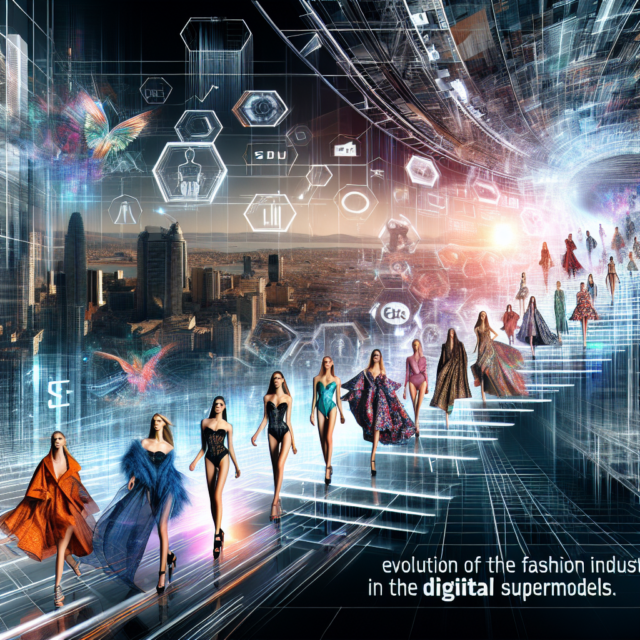
    In the context of this digital evolution, the concept of digital fashion supermodels has emerged as a revolutionary idea. These virtual models are not bound by physical limitations and can embody any aesthetic or style. They offer a new level of creative freedom to designers, who can craft unique identities and narratives around their digital muses. This has opened up a world of possibilities for storytelling in fashion, where the imagination is the only limit. The evolution of digital fashion is a testament to the industry’s ability to adapt and thrive in an ever-changing landscape.

    The rise of digital fashion models also reflects the growing importance of sustainability in the industry. With increasing awareness of the environmental impact of fashion, digital models offer a more sustainable alternative to traditional practices. Virtual fashion shows eliminate the need for physical resources and reduce the carbon footprint associated with travel and logistics. This shift towards digital solutions aligns with the industry’s broader goals of sustainability and ethical practices, highlighting the potential of technology to drive positive change.

    As we continue to navigate this digital evolution, it is clear that the fashion industry is on the brink of a new era. The integration of technology and fashion is not just a passing phase but a fundamental transformation that will shape the future of the industry. The evolution of fashion in the digital realm is an exciting journey, full of possibilities and opportunities for those willing to embrace change and innovation.

    Virtual Models: Pioneers of a New Fashion Era

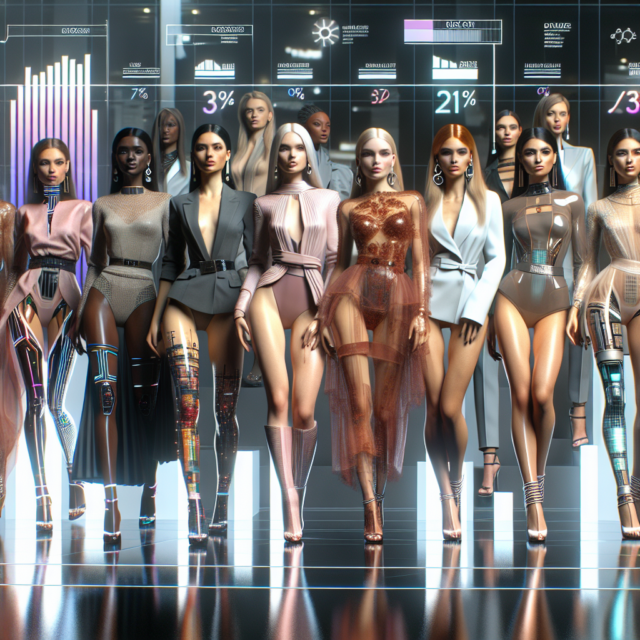
    Virtual models have emerged as pioneers in the fashion industry, challenging traditional notions of beauty and representation. These digital avatars are meticulously crafted using advanced computer graphics and artificial intelligence, allowing them to possess hyper-realistic features and movements. As a result, they offer a unique blend of artistry and technology, capturing the attention of both designers and consumers. Virtual models can be customized to embody diverse aesthetics, making them versatile tools for storytelling and brand identity.

    One of the key advantages of virtual models is their ability to transcend physical limitations. Unlike human models, they do not age, require rest, or face the constraints of travel. This allows for greater flexibility and efficiency in the fashion industry, as digital models can be deployed across multiple campaigns and platforms simultaneously. Brands can experiment with different looks and styles without the logistical challenges associated with traditional photo shoots. This has revolutionized the way fashion campaigns are conceptualized and executed.

    Moreover, virtual models have sparked a conversation about inclusivity and diversity in fashion. While the industry has made strides towards greater representation, digital models offer an opportunity to further push these boundaries. They can be designed to reflect a wide range of ethnicities, body types, and identities, challenging the conventional standards of beauty. This has opened up new possibilities for brands to connect with a broader audience and foster a more inclusive fashion landscape.

    The rise of virtual models has also been bolstered by the growing popularity of virtual and augmented reality experiences. As consumers increasingly engage with digital content, brands are exploring innovative ways to enhance the shopping experience. Virtual models can be integrated into these immersive environments, providing a more interactive and personalized experience for consumers. This not only enhances brand engagement but also offers a glimpse into the future of fashion retail.

    However, the emergence of virtual models has not been without controversy. Critics argue that digital avatars may perpetuate unrealistic beauty standards and contribute to the objectification of women. There are also concerns about the potential loss of jobs for human models as brands increasingly turn to digital solutions. These debates highlight the need for a balanced approach that considers the ethical implications of digital fashion while embracing its potential for innovation.

    Despite these challenges, virtual models continue to gain traction as pioneers of a new fashion era. They represent a fusion of creativity and technology, offering a fresh perspective on the possibilities of fashion. As the industry continues to evolve, virtual models are likely to play an increasingly prominent role, shaping the future of fashion in the digital age.

    Technology’s Role in Shaping Digital Fashion Icons

    Technology is at the heart of the rise of digital fashion supermodels, driving innovation and enabling new possibilities for creativity. Advanced computer graphics and 3D modeling software have revolutionized the way digital models are created, allowing designers to craft hyper-realistic avatars with intricate details and lifelike movements. These technological advancements have opened up a world of possibilities for fashion designers, who can now experiment with digital creations that were once unimaginable.

    Artificial intelligence (AI) plays a crucial role in shaping digital fashion icons. AI algorithms are used to simulate realistic movements and expressions, making virtual models appear more lifelike and relatable. This technology also enables the customization of digital avatars, allowing them to embody diverse aesthetics and identities. AI-driven tools can analyze consumer preferences and trends, helping brands tailor their digital campaigns to resonate with their target audience.

    Virtual and augmented reality technologies have further enhanced the capabilities of digital fashion models. These immersive technologies allow consumers to interact with digital models in virtual environments, creating a more engaging and personalized shopping experience. Brands are leveraging these technologies to create virtual fashion shows, interactive lookbooks, and digital fitting rooms, offering consumers a glimpse into the future of fashion retail. This integration of technology and fashion is reshaping the way consumers engage with brands and products.

    Blockchain technology is also making its mark on the digital fashion landscape. It offers a secure and transparent way to authenticate digital fashion assets, ensuring their provenance and ownership. This is particularly important in the realm of digital fashion, where the uniqueness and exclusivity of virtual garments are key selling points. Blockchain technology enables designers and brands to create limited edition digital fashion pieces, adding value and prestige to their offerings.

    Despite the transformative potential of technology in digital fashion, there are challenges that need to be addressed. The ethical implications of using AI and digital avatars in fashion must be carefully considered, particularly in terms of representation and inclusivity. There is also the question of data privacy and security, as the integration of technology in fashion involves the collection and analysis of large amounts of consumer data. These challenges highlight the need for a responsible and ethical approach to the use of technology in fashion.

    In conclusion, technology is a driving force behind the rise of digital fashion supermodels, enabling new possibilities for creativity, representation, and consumer engagement. As the fashion industry continues to evolve, the integration of technology will play an increasingly important role in shaping its future. The rise of digital fashion icons is a testament to the transformative power of technology, offering a glimpse into a new era of fashion where the digital and physical realms converge.

    The rise of digital fashion supermodels marks a significant milestone in the evolution of the fashion industry. As technology continues to advance, the lines between the digital and physical worlds are becoming increasingly blurred, offering new possibilities for creativity and representation. Virtual models are at the forefront of this transformation, challenging traditional norms and paving the way for a more inclusive and diverse fashion landscape. While there are challenges to navigate, the potential of digital fashion is undeniable, promising a future where innovation and creativity know no bounds. As we embark on this exciting journey, the fashion industry stands poised to embrace a new era, where digital fashion icons will play a central role in shaping its future.

    Exploring the Rise of Digital Fashion Models

    In recent years, the fashion industry has witnessed a revolutionary shift with the advent of digital fashion models. These virtual icons are reshaping the landscape of fashion, offering new opportunities and challenges alike. As technology continues to advance, digital fashion models are becoming increasingly sophisticated, providing an intriguing alternative to traditional modeling. This article delves into the rise of digital fashion models, exploring the technology that powers them and examining their impact on the fashion industry.

    Unveiling the World of Digital Fashion Models

    Digital fashion models are computer-generated avatars used by fashion brands and designers to showcase clothing and accessories. Unlike traditional models, these virtual entities can be customized to embody any look or style, offering a limitless canvas for creativity. As the fashion world becomes more inclusive and diverse, digital models provide a platform to represent a wide range of body types, ethnicities, and aesthetics that might be underrepresented in traditional modeling.

    The concept of digital fashion models first gained traction in the late 2010s, with pioneers like Lil Miquela and Shudu Gram capturing the attention of millions on social media platforms. These virtual influencers blurred the lines between reality and digital art, sparking conversations about authenticity and representation. As their popularity grew, brands began to see the potential of using digital models for marketing and advertising, leading to a surge in demand for these virtual personalities.

    One of the most significant advantages of digital fashion models is their versatility. Unlike human models, digital avatars can be manipulated to fit any creative vision without the constraints of physical limitations. This opens up endless possibilities for designers to experiment with bold and avant-garde concepts, pushing the boundaries of fashion design. Additionally, digital models can be easily adapted to different cultural contexts, allowing brands to tailor their campaigns for diverse global audiences.

    Digital fashion models also offer a sustainable alternative to traditional fashion shows and photo shoots. By eliminating the need for physical travel and production, brands can significantly reduce their carbon footprint. This aligns with the growing consumer demand for eco-friendly practices within the industry. Moreover, digital models can be "dressed" in virtual clothing, reducing the waste associated with producing physical samples.

    Despite the many benefits, the rise of digital fashion models also raises questions about authenticity and human connection. Critics argue that relying too heavily on virtual models may lead to a loss of genuine human interaction and emotion in fashion campaigns. However, proponents believe that digital models can coexist with traditional models, offering a complementary rather than a replacement role in the industry.

    As digital fashion models continue to evolve, they are challenging conventions and inspiring new ways of thinking about fashion. With advancements in technology, these virtual icons are becoming more lifelike and interactive, blurring the lines between the digital and physical realms. As the fashion industry embraces this innovative trend, digital models are poised to become an integral part of the fashion landscape.

    The Technology Behind Virtual Fashion Icons

    The creation of digital fashion models is made possible by cutting-edge technology that combines 3D modeling, computer graphics, and artificial intelligence. These technologies work together to produce highly realistic and detailed avatars that can mimic human expressions, movements, and even personalities. The process begins with 3D modeling software, where designers create a digital skeleton that serves as the framework for the avatar.

    Once the basic structure is established, artists use computer graphics to add layers of texture, color, and detail to the model’s appearance. This includes everything from skin tone and hair to clothing and accessories. Advanced rendering techniques enable the creation of lifelike images that can be indistinguishable from photographs of real people. The result is a digital model that can be posed and animated with remarkable realism.

    Artificial intelligence plays a crucial role in bringing digital fashion models to life. AI algorithms can simulate natural human movements, allowing virtual models to walk, pose, and interact in a fluid and convincing manner. Machine learning techniques are also used to analyze consumer preferences and trends, enabling digital models to adapt their style and appearance to align with current fashion demands.

    Another significant technological advancement is the development of augmented reality (AR) and virtual reality (VR) platforms. These immersive technologies allow users to interact with digital fashion models in real-time, providing a more engaging and interactive experience. For example, consumers can use AR apps to see how a garment looks on a virtual model before making a purchase, enhancing the online shopping experience.

    The technology behind digital fashion models is constantly evolving, with ongoing research and development aimed at improving realism and interactivity. Innovations such as motion capture and facial recognition are being integrated into the creation process, enabling even more precise and nuanced modeling. As these technologies advance, digital fashion models are becoming more sophisticated, offering new possibilities for designers and brands.

    Despite the impressive capabilities of current technology, there are still challenges to overcome. Creating digital fashion models requires significant computational resources and expertise, which can be a barrier for smaller brands. Additionally, ethical considerations surrounding data privacy and representation must be addressed as the use of digital models becomes more widespread. Nevertheless, the potential for innovation in this field is immense, promising exciting developments in the future of fashion technology.

    Impact of Digital Models on the Fashion Industry

    The introduction of digital fashion models has had a profound impact on the fashion industry, influencing everything from marketing strategies to production processes. One of the most notable changes is the way brands approach advertising and promotion. Digital models allow for highly customizable and targeted campaigns that can be adapted to suit different audiences and markets, enhancing brand reach and engagement.

    Fashion brands are also leveraging digital models to create virtual fashion shows and events. These online showcases offer a cost-effective and accessible alternative to traditional runway shows, allowing brands to reach a global audience without the logistical challenges of physical events. The use of digital models in these settings provides a dynamic and visually stunning presentation, capturing the attention of consumers and media alike.

    In terms of production, digital fashion models are streamlining the design and prototyping process. Designers can create and test virtual samples before committing to physical production, reducing waste and speeding up the development timeline. This agility allows brands to respond more quickly to changing trends and consumer preferences, maintaining a competitive edge in the fast-paced fashion market.

    The rise of digital models is also fostering greater inclusivity and diversity within the industry. By creating avatars that represent a wide range of body types, ethnicities, and gender identities, brands can connect with a broader audience and promote more inclusive ideals. This shift is resonating with consumers who value representation and authenticity, driving demand for more diverse and personalized fashion experiences.

    However, the growing use of digital models also raises important ethical considerations. Questions about intellectual property, data privacy, and the potential for manipulation must be addressed to ensure responsible use of this technology. Additionally, there is a need to balance the benefits of digital models with the continued support and representation of human models within the industry.

    Overall, digital fashion models are playing a transformative role in the fashion industry, offering new opportunities for creativity, efficiency, and inclusivity. As technology continues to advance, the potential for innovation in this area is vast, promising exciting developments for brands, designers, and consumers alike. The integration of digital models into the fashion ecosystem is not just a trend but a fundamental shift in how fashion is conceived, produced, and consumed.

    In conclusion, digital fashion models represent a groundbreaking evolution in the fashion industry, driven by advancements in technology and a desire for more inclusive and sustainable practices. These virtual icons are redefining the way fashion is marketed and experienced, offering new possibilities for creativity and engagement. While challenges and ethical considerations remain, the potential for digital models to coexist with traditional practices is immense, promising a future where fashion is more diverse, accessible, and innovative than ever before. As the industry continues to explore the potential of digital fashion models, we are witnessing the dawn of a new era in fashion that blurs the lines between the digital and physical worlds.

    Exploring the Future Digital Faces of Fashion

    Exploring the Future Digital Faces of Fashion

    As the digital landscape continues to evolve, the fashion industry is not just keeping pace but setting trends in the realm of technological innovation. The fusion of fashion and digital technology is creating a new paradigm, reshaping how style is created, consumed, and experienced. From virtual runways to AI-driven design processes, these advancements are transforming the industry’s traditional fabric. This article delves into the intersection of fashion and digital innovation, examines the emerging technologies shaping the future of fashion, and explores the burgeoning domain of virtual avatars as fashion’s new digital frontier.

    The Intersection of Fashion and Digital Innovation

    The fashion industry has long been a canvas for innovation, but recent advancements in digital technology are setting the stage for unprecedented transformation. At this intersection, designers and technologists collaborate to push the boundaries of creativity, merging traditional craftsmanship with cutting-edge technology. This convergence is giving rise to a new era where the physical and digital worlds are seamlessly integrated, allowing designers to experiment with novel materials and techniques that were previously unimaginable.

    Digital innovation is also revolutionizing the way fashion is consumed. With the rise of e-commerce and social media platforms, consumers have instant access to global fashion trends at their fingertips. This shift has led to a democratization of fashion, where individuals can curate their own style narratives and engage directly with brands. The digital space has become a playground for fashion enthusiasts to explore, share, and influence trends, blurring the lines between creators and consumers.

    Moreover, digital tools are enabling more sustainable practices within the industry. Technologies such as 3D printing and digital sampling are reducing waste and minimizing the environmental impact of fashion production. By leveraging these innovations, brands are able to create on-demand, customizable products that cater to individual preferences, thereby reducing overproduction and excess inventory.

    The fashion industry is also harnessing the power of data analytics and artificial intelligence to better understand consumer behavior and predict trends. By analyzing vast amounts of data, brands can make informed decisions about design, production, and marketing, enhancing efficiency and responsiveness to market demands. This data-driven approach is empowering designers to create collections that resonate with consumers on a deeper level.

    Collaboration between fashion and tech companies is becoming increasingly common, resulting in groundbreaking innovations that are redefining the industry. From smart textiles that respond to environmental changes to augmented reality experiences that enhance the shopping experience, these partnerships are opening up new possibilities for creativity and engagement.

    As digital innovation continues to shape the fashion landscape, it is clear that the future of fashion lies in its ability to adapt and embrace technological advancements. By leveraging the power of digital tools, the industry is poised to create a more inclusive, sustainable, and dynamic fashion ecosystem that caters to the needs and desires of a new generation of consumers.

    Emerging Technologies Shaping Fashion’s Future

    The future of fashion is being shaped by a host of emerging technologies that are redefining the way we design, produce, and experience clothing. One of the most significant advancements is the use of artificial intelligence (AI) in the design process. AI algorithms can analyze fashion trends, consumer preferences, and historical data to generate design suggestions, streamline production, and even personalize shopping experiences.

    Blockchain technology is also making waves in the fashion industry, offering solutions for transparency and traceability in the supply chain. By utilizing blockchain, brands can ensure the authenticity of their products, combat counterfeiting, and provide consumers with detailed information about the origins and journey of their garments. This level of transparency is increasingly important to consumers who are becoming more conscious of ethical and sustainable practices.

    Virtual reality (VR) and augmented reality (AR) are revolutionizing the way consumers interact with fashion. These immersive technologies allow individuals to try on clothes virtually, visualize how garments will look in real life, and even attend virtual fashion shows from the comfort of their homes. This not only enhances the shopping experience but also reduces the need for physical store visits, aligning with the growing demand for convenience and sustainability.

    3D printing is another transformative technology that is gaining traction in the fashion industry. It enables designers to create intricate and customizable pieces with minimal waste, reducing the environmental impact of traditional manufacturing processes. This technology is particularly beneficial for producing unique, on-demand items, allowing consumers to express their individuality through personalized fashion.

    The rise of smart textiles is introducing a new dimension to fashion, where garments are integrated with technology to enhance functionality and interactivity. From clothing that monitors health metrics to fabrics that change color or temperature in response to external stimuli, smart textiles are opening up a world of possibilities for both designers and consumers. These innovations are not only practical but also offer new ways to engage with fashion on a sensory level.

    As these emerging technologies continue to evolve, they are set to reshape the fashion industry in profound ways. By embracing these advancements, brands can stay ahead of the curve, offering innovative products and experiences that resonate with the modern consumer. The integration of technology into fashion is not just a trend but a fundamental shift that is redefining the future of style.

    Virtual Avatars: Fashion’s New Digital Frontier

    In the digital age, virtual avatars are emerging as a new frontier in the fashion industry, offering a unique platform for creativity, expression, and engagement. These digital representations are transforming the way we interact with fashion, providing an innovative space for designers, consumers, and brands to explore new possibilities.

    Virtual avatars allow individuals to experiment with styles and trends without the constraints of the physical world. Through digital platforms, users can create personalized avatars that reflect their fashion preferences, trying on different outfits, accessories, and even hairstyles. This level of customization empowers consumers to express their unique identities and explore fashion in a way that is both interactive and immersive.

    For designers, virtual avatars offer a new canvas for creativity, enabling them to push the boundaries of traditional fashion design. By creating digital collections, designers can experiment with bold concepts, unconventional materials, and avant-garde aesthetics that might be challenging to realize in the physical world. This digital playground encourages innovation and experimentation, fostering a new wave of creativity within the industry.

    Brands are also leveraging virtual avatars to enhance consumer engagement and create immersive brand experiences. By offering virtual try-on features and interactive digital showrooms, brands can connect with consumers in a more personal and engaging way. This not only enhances the shopping experience but also allows brands to reach a global audience, transcending geographical limitations.

    The rise of virtual influencers, digital personas with a significant online following, is another trend shaping the future of fashion. These virtual figures collaborate with brands, showcasing digital fashion collections and influencing consumer behavior. As virtual influencers gain popularity, they are becoming powerful marketing tools, offering brands a novel way to connect with tech-savvy audiences.

    As technology continues to advance, the potential for virtual avatars in fashion is boundless. With the integration of AI, VR, and AR, virtual avatars are set to become more realistic and interactive, offering even more opportunities for personalization and engagement. This digital frontier is not only transforming the way we experience fashion but also challenging traditional notions of identity and self-expression.

    The future digital faces of fashion are reshaping the industry in ways that were once the realm of science fiction. As fashion and technology continue to intersect, the possibilities for innovation and creativity are limitless. Emerging technologies are not only enhancing the way fashion is designed and consumed but also paving the way for more sustainable and inclusive practices. Virtual avatars, as a new digital frontier, are redefining the boundaries of fashion, offering a platform for exploration and expression that transcends the physical world. As we look to the future, it is clear that the digital transformation of fashion is not merely a trend but a fundamental shift that will continue to shape the industry for years to come.

    Exploring the Rise of Digital Influencers and Models

    In the past decade, the landscape of marketing and personal branding has undergone a seismic shift, driven by the rise of digital influencers and models. From fashion runways to social media feeds, these digital personas are reshaping the way brands connect with consumers. As technology continues to evolve, so too does the nature of influence and representation in the digital realm. This article delves into the evolution of digital influence and modeling, examines the key platforms propelling this phenomenon, and explores the challenges and opportunities that arise in this virtual space.

    The Evolution of Digital Influence and Modeling

    The concept of digital influence has its roots in the early days of social media, where individuals began to amass large followings by sharing their lives, expertise, and opinions online. Initially, digital influencers were often bloggers or YouTube creators who leveraged their authenticity and relatability to connect with audiences. As platforms like Instagram and TikTok gained popularity, the nature of influence began to shift, with visual content becoming a dominant force in digital communication.

    Digital modeling, on the other hand, has seen a more recent emergence, fueled by advancements in technology such as 3D modeling and artificial intelligence. Virtual models, created entirely through digital means, are now gracing the covers of magazines and participating in campaigns for major fashion brands. These models, unconstrained by the limitations of the physical world, offer endless possibilities in terms of creativity and representation.

    The evolution of digital influence and modeling is also closely tied to the democratization of content creation. With the advent of high-quality smartphone cameras and user-friendly editing software, virtually anyone can become an influencer or model. This shift has allowed for a more diverse range of voices and faces to be represented in media, challenging traditional norms and broadening the scope of beauty and influence.

    Brands have quickly recognized the potential of digital influencers and models, leveraging their reach and relatability to engage with consumers in more authentic ways. Unlike traditional celebrities, digital influencers often cultivate a sense of community and trust with their followers, making them powerful advocates for products and services. This has led to a surge in influencer marketing, with brands investing heavily in collaborations and partnerships.

    As digital influencers and models continue to rise in prominence, questions around authenticity and ethics have also come to the forefront. The curated nature of social media can sometimes blur the lines between reality and fiction, leading to concerns about the impact on consumer perceptions and mental health. As a result, there is an ongoing conversation about the need for transparency and responsibility in the digital influencer space.

    Looking ahead, the evolution of digital influence and modeling shows no signs of slowing down. With technology advancing at a rapid pace, the possibilities for innovation and creativity in this space are endless. As digital influencers and models continue to break new ground, they are likely to play an increasingly important role in shaping the future of marketing and representation.

    Key Platforms Driving the Digital Influencer Boom

    Instagram has long been a cornerstone of the digital influencer boom, offering a visually-driven platform where influencers can showcase their lifestyles, fashion, and expertise. With features like Instagram Stories and IGTV, influencers can engage with their audiences in real-time and offer a more personal glimpse into their lives. The platform’s algorithm also plays a significant role, amplifying content that resonates with users and helping influencers grow their followings.

    TikTok has emerged as a major player in the digital influencer space, particularly among younger audiences. With its short-form video format and emphasis on creativity and trends, TikTok has enabled influencers to reach viral status overnight. The platform’s algorithm is designed to surface content that is engaging and entertaining, allowing influencers to quickly build a dedicated fanbase. TikTok’s collaborative nature also encourages influencers to engage with each other’s content, further expanding their reach.

    YouTube remains a powerful platform for digital influencers, particularly those who create long-form content around specific niches such as beauty, gaming, or education. With its monetization options and potential for ad revenue, YouTube offers influencers the opportunity to turn their passion into a full-time career. The platform’s emphasis on storytelling and personality allows influencers to build deep connections with their audiences, fostering a sense of loyalty and community.

    Emerging platforms like Twitch, a live-streaming service primarily used for gaming, are also contributing to the digital influencer boom. Twitch allows influencers to engage with their audiences in real-time, creating an interactive and immersive experience. As the platform expands beyond gaming to include categories like music and lifestyle, it offers new opportunities for influencers to connect with diverse audiences.

    Social media platforms in non-Western markets, such as Weibo in China and VKontakte in Russia, are also significant players in the digital influencer landscape. These platforms offer unique opportunities for influencers to reach audiences in different cultural contexts, often with distinct preferences and trends. Brands looking to expand globally are increasingly recognizing the importance of engaging with influencers on these platforms.

    As the digital influencer boom continues, platforms are constantly evolving to meet the needs of both influencers and their audiences. New features and tools are regularly introduced to enhance content creation, engagement, and monetization. This dynamic environment ensures that digital influencers remain at the forefront of innovation, pushing the boundaries of what is possible in the virtual space.

    Challenges and Opportunities in the Virtual Space

    One of the primary challenges facing digital influencers and models is the sheer volume of content available online. With millions of creators vying for attention, standing out in a crowded digital space can be difficult. Influencers must continually innovate and adapt their content to capture and maintain audience interest, often requiring significant time and creative effort.

    Another challenge is the issue of authenticity. As digital influencers often curate their lives to present an idealized version of reality, there is a risk of eroding trust with their audiences. Consumers are becoming increasingly savvy, seeking genuine connections and transparency from the influencers they follow. This has led to a growing demand for authenticity and ethical practices within the influencer community.

    Despite these challenges, the virtual space also presents numerous opportunities for digital influencers and models. The global reach of the internet allows influencers to connect with audiences around the world, offering brands the chance to engage with diverse consumer bases. This global connectivity also enables influencers to collaborate with other creators, expanding their reach and influence.

    The rise of digital influencers has also democratized access to fame and success, allowing individuals from all backgrounds to find their niche and build a following. This has resulted in a more diverse range of voices and perspectives being represented in media, challenging traditional norms and broadening the scope of influence.

    Technological advancements continue to create new possibilities for digital influencers and models. Virtual and augmented reality, for example, are opening up new avenues for immersive content and experiences. These technologies allow influencers to engage with their audiences in innovative ways, offering unique and memorable interactions.

    As the digital landscape evolves, the role of digital influencers and models is likely to become even more integral to marketing and consumer engagement. By embracing the opportunities and addressing the challenges of the virtual space, influencers can continue to shape the future of digital communication and representation.

    The rise of digital influencers and models represents a fundamental shift in the way brands and consumers interact in the modern age. By harnessing the power of social media and technology, these digital personas are redefining the landscape of influence and representation. While challenges such as authenticity and competition exist, the opportunities for creativity, connection, and innovation are vast. As we look to the future, digital influencers and models will undoubtedly continue to play a pivotal role in shaping the worlds of fashion, marketing, and media.

    Popular Posts

    My Favorites

    Super Champs Reveals Kigu, An AI-Powered Streaming Agent

    0
    Web3 gaming franchise Super Champs has officially revealed Kigu, an AI-powered streaming agent designed to engage fans and enhance gaming experiences.With over 600,000...