Home Blog Page 1251

Crypto Crystal Ball 2025: Will VCs Go Crypto Crazy Again? – Decrypt

0
Crypto Crystal Ball 2025: Will VCs Go Crypto Crazy Again? – Decrypt


Among other things, 2024 saw an undeniable glow-up for the crypto industry, both in terms of market strength and political reputation. Now other sectors are once again taking note, setting up what could either be a rehash of 2021’s crypto bull market, or something else entirely.

At the end of every year, Decrypt looks into its Crypto Crystal Ball to augur the narratives likely to shape the coming year, and how they’re likely to impact you. 

After examining Donald Trump’s crypto agenda and the odds that an upcoming Ethereum update could finally bring about mass adoption, here’s a look at how crypto’s relationship with venture capital is poised to change in 2025—and what shift could mean.

Back in 2021, crypto was the belle of the VC ball. But as soon as the digital assets market crashed, our novel industry suddenly became persona non grata on Wall Street and in the Bay Area. Any mention of crypto or NFTs was scrubbed from project pitch decks like the Black Plague. 

Now that crypto prices are finally soaring again, it looks like venture capitalists are already trying to get back together with blockchain devs—and pretend the break-up never happened. 

Both VC giant Andreessen Horowitz and famed Silicon Valley startup incubator Y Combinator announced in December that they are once again eagerly seeking to back crypto-related projects in 2025. 

Of particular interest are projects related to stablecoins. Luke Gebb, the head of American Express’ Digital Labs division, told Decrypt that 2025 “will mark a pivotal year for the stablecoin industry” that could “transform the payments landscape.” Indeed, Y Combinator is specifically seeking stablecoin-related startups. 

Why the sudden turnaround? Turner Novak, a tech-focused venture capitalist, thinks the answer is brutally simple.

“VCs chase momentum,” Novak told Decrypt. “They will always be back if prices are going up.”

But should crypto be so quick to take VCs back, years after being dumped?

Alexander Lin, a blockchain-focused investor at Reforge, is adamant that the industry should resist the impulse. As Lin sees it, the lesson of the last bull cycle was that venture firms dumped billions of dollars into worthless crypto projects to turn a quick buck, and the industry suffered immensely as a result. 

“They invested in dogshit projects, founders that had misaligned incentives, and projects that had the sole priority of launching a token quickly,” Lin told Decrypt.

It makes sense why, Lin said. Investing in such projects allowed venture firms to dodge waiting years for an acquisition or IPO to make a profit. If these firms got in early to a crypto project, hyped it up, and then got out shortly after a token launch, it didn’t matter if the token—and the project—crashed months later. The gambit was successful on the VC’s balance sheet. 

If traditional VCs have learned one thing from the last crypto bull cycle, Lin said, it won’t be to invest in durable blockchain companies that will grow over time; it will be instead, to get in even earlier to speculation-fueled projects. 

Lin thinks that cycle, if repeated, could be detrimental to crypto’s long-term prospects. To prevent such an outcome, he says it’s essential for crypto projects to reject investors looking to wet their beaks on crypto’s current $3 trillion market cap; he said, instead, projects should only partner with backers focused on growing crypto to a $20 trillion market cap.

“You don’t get there by investing in meme coins, that’s for sure,” Lin said. “You get there by investing in foundational infrastructure companies.”

Daily Debrief Newsletter

Start every day with the top news stories right now, plus original features, a podcast, videos and more.


Source link

Physint And OD Development Affected By Video Game SAG Strike

0
Physint And OD Development Affected By Video Game SAG Strike


Summary

Kojima is developing action espionage Physint & horror title OD, both affected by SAG strike. SAG-AFTRA strike halted scanning & filming, impacting game development. Kojima plans Death Stranding film & events, faces delays, hoping to resume productions soon.

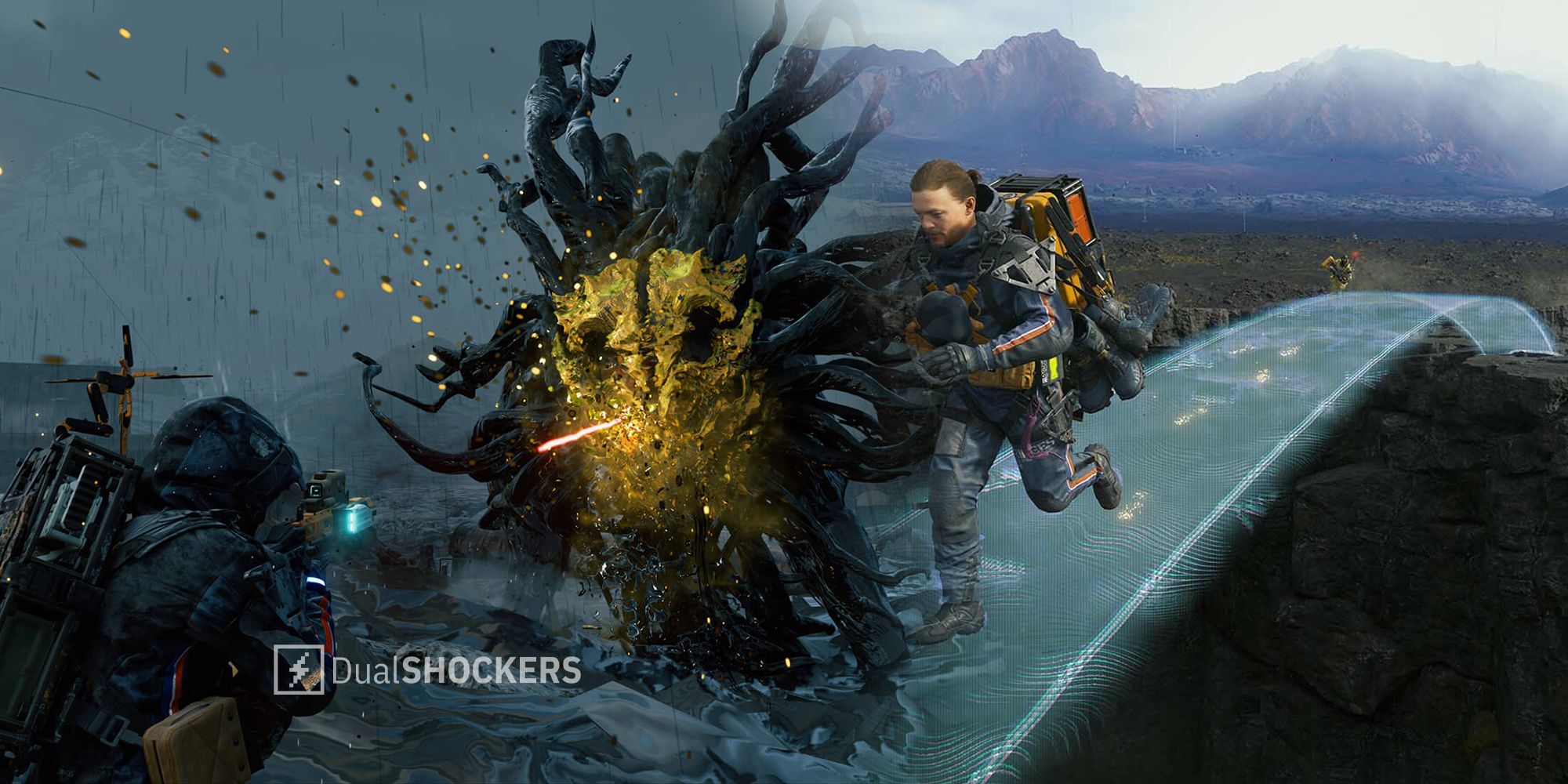
Aside from Death Stranding 2: On the Beach, legendary game developer Hideo Kojima also revealed that he was working on an action espionage game titled Physint, and a horror title in collaboration with Xbox named OD. Both titles are in development, though we haven’t heard about them in a while.

Hideo Kojima posted an end-of-year message on X (formerly Twitter), where the game auteur touched on the year’s happenings and info about OD and Physint’s development.

Related

Hideo Kojima Says He Will “Keep Going” As Long As He Doesn’t Lose His Passion For Creation

60-year-old Hideo Kojima has no plans on jumping ship as long as his passion for creation keeps on existing.

Physint and OD Scanning And Filming Suspended Because of SAG Strike

Worst Kojima - Feature

Kojima started his message by noting the things that happened in the year, stating, “Thank you for all your support in 2024. It was a year full of many things: DS2 development, the release of our second trailer, ADR for the actors, music production and recording, Japanese voice recording. In the summer, we started to play and build up the game. We were also able to hold a TGS stage event for the first time in 5 years.”

Kojima then segued into OD and Physint and how the two titles’ development was affected by the SAG strike, adding, “For OD, we developed the game and had actor and environment scanning. In the second half of the year, scanning and filming were suspended due to the SAG strike. Casting was also suspended for Physint due to the strike. We hope to resume next year. “

If you’re unfamiliar with what’s happening, the Screen Actors-Guild (SAG)-American Federation of Television and Radio Arts (AFTRA) members went on strike on July 26, 2024. This kicked off after more than 18 months of negotiations fell through with some of the biggest video game companies, and it all stemmed from AI (Artificial Intelligence). You can read more about it here if you’re interested.

Related

Remember Hideo Kojima’s Worst Ever Story Moment In Games?

A Metal Gear Solid Master Collection wouldn’t be complete without a few skeletons in the ol’ Kojima closet

Continuing with Kojima’s message to fans, he lists some of his published work in Japan and noted the planning for the live-action Death Stranding film and events they sorted in 2024.

“Personally, I have an ongoing series of essays published in anan and Nikkei newspaper, radio programs “Hide Radio ♾” and “KOJI10,” a special episode of “HideoTube,” and also “Hidemys 2024” book fair, which I almost gave up on. I continued to comment on movies and novels, though fewer than usual. Preparations and planning for the live-action DS film with A24 as well as other adaptations are underway. I signed with WME. We also held a “Death Stranding Exhibition” at Shibuya PARCO (Nagoya and Osaka to be held next year). It was a year that went by in a flash,” Kojima ends.

While Kojima is busy with Death Stranding 2, we hope the development hitches with OD and Physint are resolved ASAP. I mean, Kojima isn’t known to be someone who develops games swiftly, and any hindrances, such as the strike, will only add to the wait for those eager to see what Kojima’s following projects are.

The last we saw of Death Stranding 2 was in September with a new trailer where Kojima unveiled a different kind of Photo Mode.

Related

Death Stranding Is Proof Not All Games Need Boss Fights

Sometimes it pays to do your own thing.

DeathStranding2TagPage

Death Stranding 2: On the Beach is the upcoming sequel from Hideo Kojima for Death Stranding. As mysterious and inscrutable as the first game was leading up to launch, details are sparse on this bizarre open-world exploration game.

Franchise Death Stranding

Released 2023-00-00

Publisher(s) Sony Online Entertainment


Source link

Deploy Heurist Miner Node on Supernoderz in Minutes

0
Deploy Heurist Miner Node on Supernoderz in Minutes


This guide delves into the seamless deployment of the Heurist Miner Node using SuperNoderz, a user-friendly platform that simplifies node configuration and participation.

What is Heurist?

Heurist is a decentralised compute protocol that revolutionizes AI by aggregating GPU resources through a decentralized network. Built on a high-performance Layer 2 blockchain, Heurist empowers a robust and diverse ecosystem, making powerful GPU compute accessible to everyone – scalable, affordable, and universally available.

Deploy Witness Heurist Miner Node using Supernoderz ✅

Step 1: Copy your Miner address

1. Visit Heurist’s Mining Page and connect your wallet to the platform.

2. Once connected, copy your wallet (Miner) address. Keep this address safe; you’ll need it in later steps.

Step 2: Deploy the Heurist Miner Node on SuperNoderz

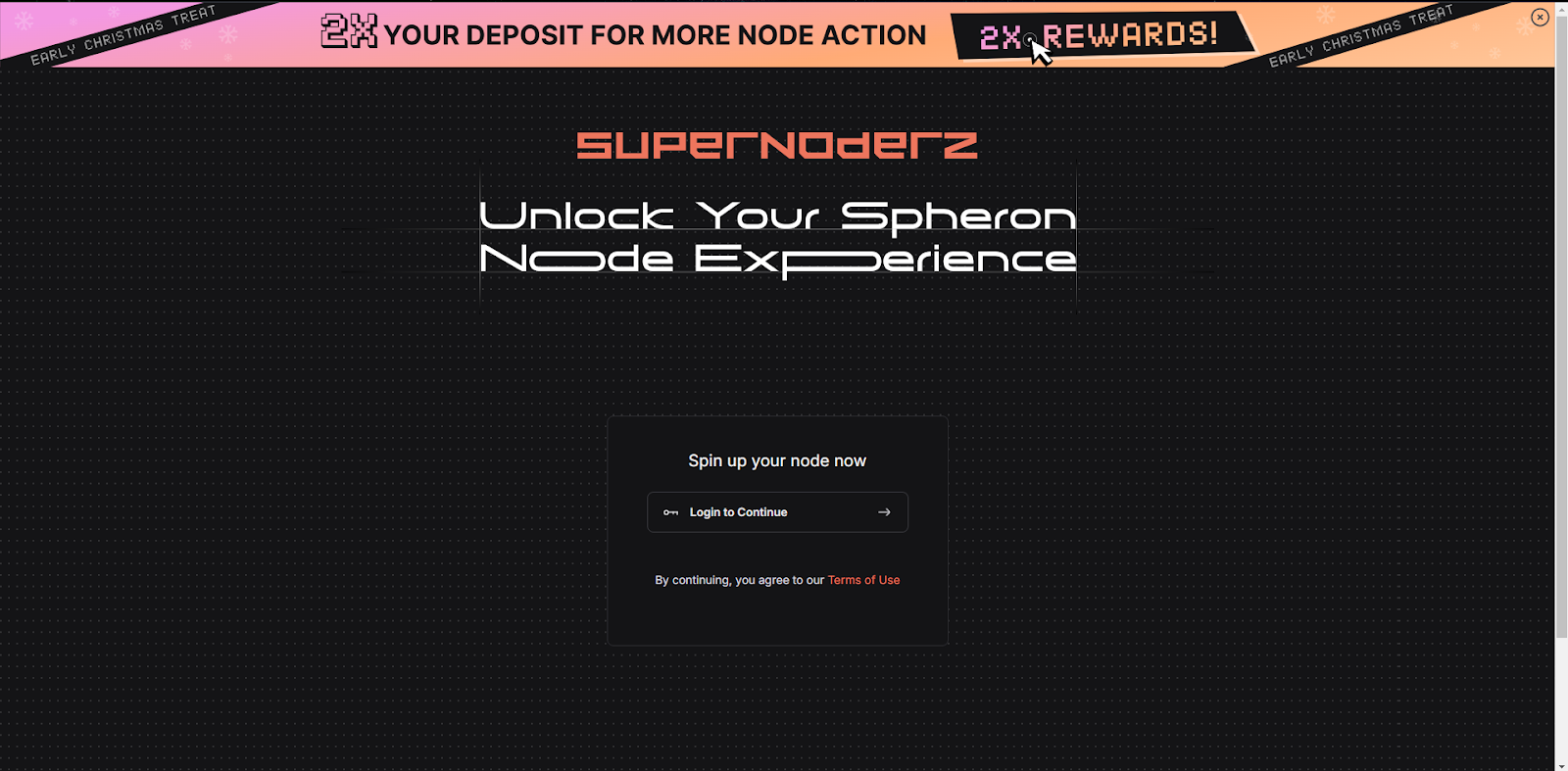
1. Go to SuperNoderz and log in using your Gmail account.

2.Navigate to the Marketplace tab. Select Heurist Miner from the available options.

3.Fill in the Node Configuration Details:

Node Name: Enter a name for your node (e.g., Test123).

Miner Address: Paste the Miner Address you copied in Step 1.

Log Level: Leave this field as is (default setting).

Duration: Choose a deployment duration based on your needs (we recommend 1 month for an optimal experience).

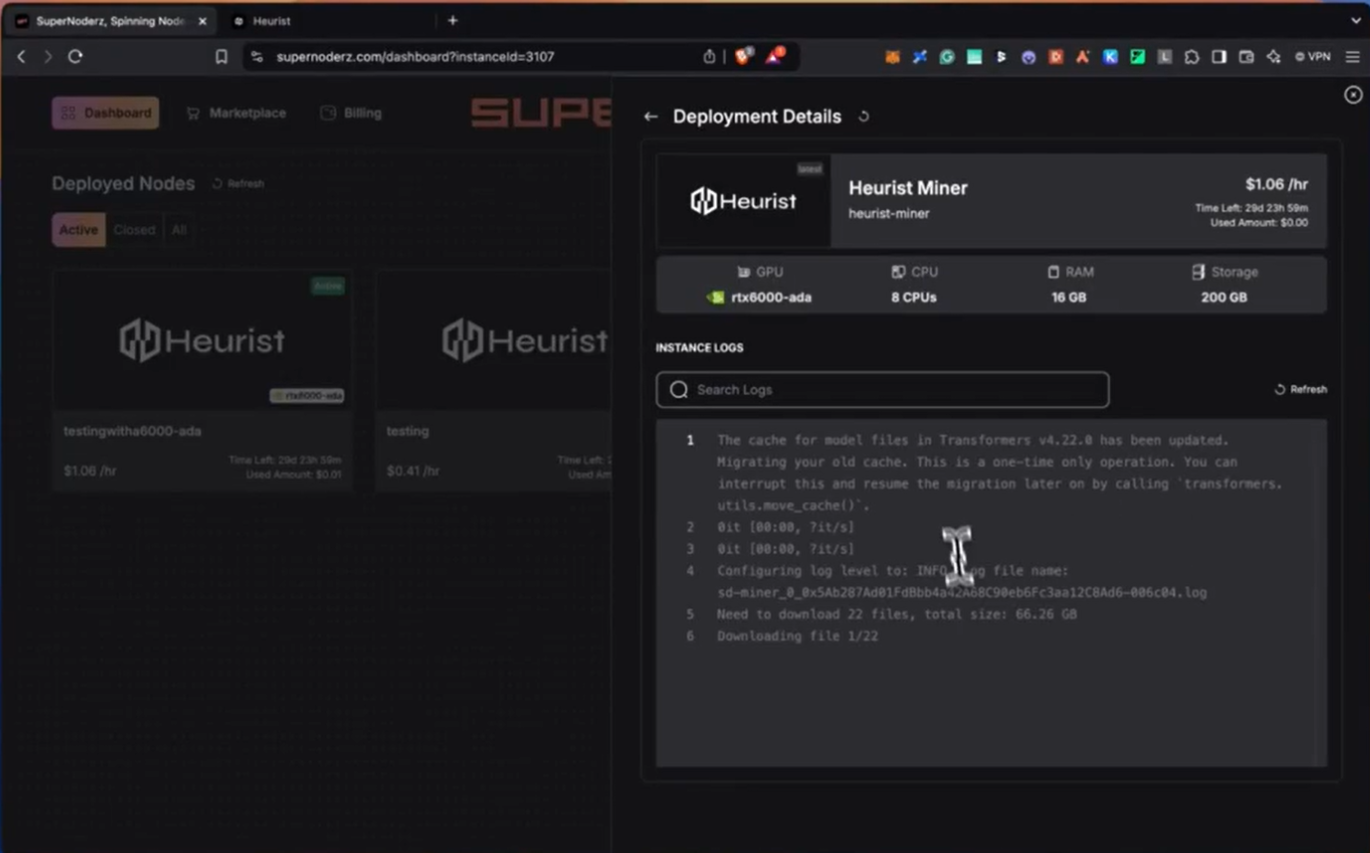
4.Click Deploy, and you’ll be redirected to your dashboard. From the dashboard, you can monitor your node and review the logs.

5. And that is it; that’s all you require to deploy the Heurist Miner Node seamlessly.

Conclusion

Deploying a Heurist Miner Node using SuperNoderz is a streamlined process, even for non-technical users. Following these simple steps, you can quickly set up your node, contribute to the network, and become part of the decentralized AI revolution. SuperNoderz ensures a hassle-free experience, making node participation accessible to all.

References


Source link

Max George to make return to hospital over concerning new heart ‘issue’

    0
    Max George to make return to hospital over concerning new heart ‘issue’


    Max George has been keeping fans regularly updated following his heart surgery, including, any unexpected developments.

    The star has now shared that he is experiencing a strange feeling in his chest after undergoing the serious operation.

    The Wanted singer was admitted to hospital on December 12, sharing he was suffering from “heart complications“.

    Since then he has kept his followers in the loop, and recently revealed he had to get a pacemaker put in.

    While he was initially expected to be in hospital over Christmas, his surgery was brought forward as an emergency. As a result, he was home in time for Christmas. However, he is now set to head back to hospital for a check up.

    Max George has had a pacemaker fitted to his heart (Credit: ITV)

    Max George in heart surgery update

    In a new clip, Max told his fans: “I’m in the hospital tomorrow for another check up because I’ve been getting this flicking feeling in the left side of my chest. I’m actually getting it right now.

    “I was wondering if you guys knew what it might be or you’ve experienced it yourself because the doctors aren’t too sure.”

    “Maybe it’s touching a nerve and it’ll go away in time or they might have to move a wire slightly but I’m all ears because all I’m doing is research. I know nothing about pacemakers. Any information I could get would be most appreciated.”

    In wake of his operation and subsequent hospital stint, Max told his followers:”It’s time to go home. The numbers are way, way better. Feel knackered. Slept a lot today. Few more tests to do over the next couple of weeks – something to do with my lungs, but … that’s the least of my worries right now.

    “So yep, all good. A bit battered and bruised and knackered but [thumbs up].”

    Last week, Max once again took to Instagram to tell fans about his latest day in hospital. But it wasn’t all good.

    On Saturday he revealed he had successfully had his pacemaker fitted as he showed off his scar on his collarbone.

    However, on Sunday, Max flooded his hospital room, which caused a whole new complication for the star.

    On his Instagram Story, Max sounded very weak after his surgery. But he powered through to make sure his fans heard the latest.

    He said: “Just got out of bed then; 2am it is. My feet just went into about a foot of water. I left my sink on and it blocked.”

    Max then showed off a different hospital room. He continued: “So I’ve got a nice new gaff. It’s pretty sound.”

    Max George hospital

    Max George flooded hospital room. (Credit: @Maxgeorge / Instagram)

    Max had to get a pacemaker fitted

    He shared an image of the scar on Saturday, following the procedure. He wrote: “Say hello to my little friend! Given the last 10 days, this is the best Christmas present I could’ve ever wished for.”

    Max acknowledged that while the operation went well, there was an “issue” when some of veins collapsed in the same area the wires were meant to go.

    However, he credits the hospital staff who “have been incredible”. The pacemaker itself was “kindly” put underneath a “very special tattoo” on his chest, so that he is “sure it’s being looked after”.

    He continued: “Just a few more tests to do due to inflamed lymph nodes on my lungs. But that will be easy work! Time to rest and then tackle life full on once again.”

    The tattoo Max is referring to is a tribute to his late bandmate Tom Parker, who died in 2022 following a battle with brain cancer.

    Read more: Cheryl and Bear’s ‘tough’ first Christmas without Liam Payne

    YouTube video player

    What did you think of this story? Follow our Facebook page @EntertainmentDailyFix. Leave us a comment and let us know! 


    Source link

    Exploring the Rise and Impact of Digital Couture Fashion

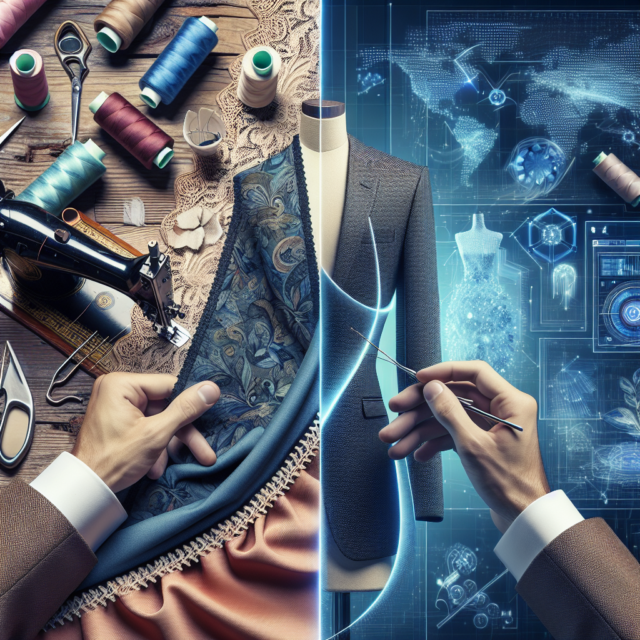
    The fashion industry, an ever-evolving landscape of creativity and innovation, has experienced a significant transformation with the advent of digital technology. Digital couture, a burgeoning frontier in the fashion world, melds the artistry of traditional garment-making with the limitless possibilities of digital tools. This article explores the rise and impact of digital couture fashion, delving into its evolution, the craftsmanship involved, and its influence on the broader fashion industry.

    The Evolution of Fashion in the Digital Age

    The fashion industry has always been a reflection of the times, and the digital age is no exception. With the rapid advancement of technology, fashion has undergone a seismic shift, embracing digital tools and platforms to create, showcase, and sell designs. This evolution has opened up new avenues for creativity, allowing designers to experiment with forms and concepts previously unimaginable. The rise of digital couture is a testament to this transformation, as it redefines the boundaries of fashion design and presentation.

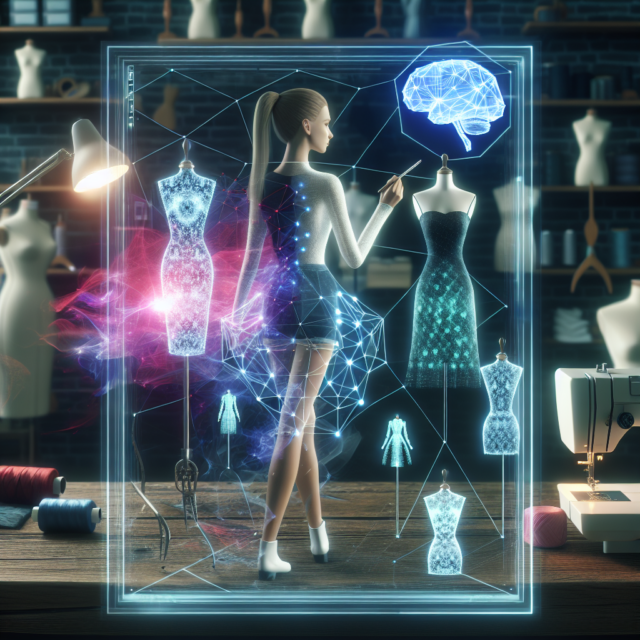
    Digital couture represents a fusion of traditional fashion techniques with cutting-edge technology. The use of 3D modeling software, virtual reality, and artificial intelligence in design processes has become increasingly prevalent. These tools enable designers to visualize and manipulate their creations in a virtual space, offering unprecedented precision and flexibility. The digital realm also allows for the exploration of unconventional materials and structures, pushing the envelope of what constitutes fashion.

    The democratization of fashion through digital platforms has further accelerated the evolution of the industry. Social media and e-commerce have provided designers with direct access to global audiences, bypassing traditional gatekeepers like fashion editors and buyers. This shift has empowered independent designers and smaller fashion houses, promoting diversity and innovation within the industry. Digital couture, with its emphasis on individuality and customization, aligns perfectly with this new paradigm.

    As the fashion industry continues to embrace sustainability, digital couture offers promising solutions. By reducing the need for physical samples and minimizing waste, digital design processes contribute to a more sustainable fashion ecosystem. Virtual fashion shows and digital garments also reduce the carbon footprint associated with traditional fashion events and manufacturing. This alignment with sustainability goals is likely to drive further adoption of digital couture practices.

    The rise of digital couture is also reshaping consumer expectations. In an era where personalization and instant gratification are paramount, digital couture caters to the demand for unique, customizable fashion experiences. Consumers are increasingly seeking pieces that reflect their individuality, and digital tools offer the means to create bespoke designs efficiently. This shift in consumer behavior is prompting fashion brands to rethink their strategies and embrace digital couture to stay relevant.

    While digital couture is still in its nascent stages, its potential to revolutionize the fashion industry is undeniable. As technology continues to evolve, so too will the possibilities for digital couture. The integration of augmented reality, blockchain, and other emerging technologies promises to further enhance the digital fashion experience, paving the way for a new era of creativity and innovation in the industry.

    Unveiling the Craftsmanship Behind Digital Couture

    Despite its digital nature, the craftsmanship involved in digital couture is as meticulous and intricate as traditional fashion design. The process begins with conceptualization, where designers draw inspiration from various sources, just as they would in conventional fashion. However, instead of sketching on paper, designers utilize digital tools to create detailed 3D models, allowing them to visualize complex designs with precision.

    The use of 3D modeling software is a cornerstone of digital couture craftsmanship. Designers can manipulate virtual garments in real-time, experimenting with different shapes, textures, and colors. This level of flexibility enables the creation of avant-garde designs that challenge traditional fashion norms. The digital environment also allows for rapid prototyping, with designers able to iterate on their designs quickly, refining details to perfection.

    Another critical aspect of digital couture craftsmanship is the integration of technology into the design process. Artificial intelligence and machine learning algorithms can analyze vast amounts of data, providing designers with insights into trends, consumer preferences, and material properties. This data-driven approach enhances the design process, enabling the creation of garments that are not only aesthetically pleasing but also functional and sustainable.

    The craftsmanship of digital couture extends to the virtual presentation of garments. Virtual fashion shows and digital runways have become platforms for designers to showcase their creations to a global audience. These events require a unique blend of fashion design, digital artistry, and technical expertise. Designers collaborate with digital artists and developers to create immersive experiences that captivate and engage viewers, pushing the boundaries of traditional fashion presentations.

    Digital couture also involves the exploration of innovative materials and construction techniques. Designers experiment with digital fabrics, which can mimic the properties of physical materials or create entirely new textures and patterns. The use of digital fabrication techniques, such as 3D printing and laser cutting, further enhances the craftsmanship of digital couture, allowing for the creation of intricate, custom-made pieces that were once impossible to achieve.

    The craftsmanship behind digital couture is a testament to the convergence of art and technology. It requires a deep understanding of both fashion design principles and digital tools, fostering a new breed of designers who are as comfortable in the digital realm as they are in the physical world. This fusion of skills is driving the evolution of the fashion industry, as digital couture continues to gain prominence and influence.

    Assessing Digital Couture’s Influence on the Industry

    The influence of digital couture on the fashion industry is multifaceted, impacting everything from design processes to consumer experiences. One of the most significant changes is the shift towards more sustainable practices. Digital couture reduces the need for physical samples and minimizes waste, aligning with the industry’s growing emphasis on sustainability. This shift is encouraging fashion brands to adopt digital tools and rethink their production methods, fostering a more environmentally conscious industry.

    Digital couture is also democratizing fashion, providing opportunities for independent designers and smaller fashion houses to compete on a global scale. The accessibility of digital tools and platforms enables designers to reach audiences worldwide, bypassing traditional industry gatekeepers. This democratization is fostering diversity and innovation within the industry, as a broader range of voices and perspectives are represented in fashion.

    The rise of digital couture is reshaping consumer expectations and experiences. In an age where personalization and instant gratification are key, digital couture offers consumers the ability to customize and personalize their fashion choices. This shift is prompting fashion brands to embrace digital tools and offer more bespoke, individualized products and experiences to meet evolving consumer demands.

    The impact of digital couture extends to the retail landscape, where virtual and augmented reality are transforming the shopping experience. Virtual try-ons and digital showrooms allow consumers to interact with fashion in new and immersive ways, bridging the gap between online and offline shopping. This integration of technology into the retail experience is enhancing customer engagement and driving sales, as brands leverage digital couture to create unique, memorable experiences.

    Digital couture is also influencing the way fashion is marketed and consumed. Social media platforms and digital influencers are playing a pivotal role in promoting digital fashion, reaching vast audiences with engaging content. The visual nature of digital couture makes it particularly suited to online platforms, where striking, innovative designs can capture the attention of consumers and drive trends.

    As digital couture continues to gain traction, its influence on the fashion industry is set to grow. The integration of emerging technologies, such as blockchain for authentication and augmented reality for enhanced consumer interactions, promises to further revolutionize the industry. Digital couture is not only redefining fashion design and presentation but also shaping the future of the industry, as it adapts to the ever-changing digital landscape.

    Digital couture is a testament to the power of technology to transform art and industry. Its rise is reshaping the fashion landscape, offering new possibilities for creativity, sustainability, and consumer engagement. As designers and brands continue to embrace digital tools and techniques, the influence of digital couture will only grow, paving the way for a more innovative, inclusive, and sustainable fashion industry. The future of fashion is digital, and digital couture is leading the charge into this exciting new era.

    Exploring the Intersection of AI and Modern Fashion

    Exploring the Intersection of AI and Modern Fashion

    In recent years, the fashion industry has witnessed a revolutionary transformation driven by the integration of artificial intelligence (AI). From design to consumer engagement, AI technologies are reshaping how fashion is conceived, produced, and marketed. This article delves into the multifaceted role of AI in contemporary fashion, exploring its rise, creative influence, and impact on personalization and consumer trends.

    The Rise of AI in the Fashion Industry

    As technology continues to evolve, the fashion industry is embracing AI to streamline operations and enhance creativity. AI’s entry into fashion is marked by its ability to process vast amounts of data quickly and accurately, offering insights that were previously unattainable. Brands are leveraging AI to forecast trends, optimize supply chains, and even predict the next big fashion movement.

    One of the most significant impacts of AI is seen in trend forecasting. Traditionally reliant on human intuition and historical data, trend forecasting is now augmented by AI’s analytical prowess. Algorithms can analyze social media, fashion shows, and consumer behavior to predict emerging styles, enabling designers to stay ahead of the curve and cater to consumer preferences more effectively.

    AI is also transforming the supply chain by improving inventory management and reducing waste. Machine learning algorithms can predict demand more accurately, allowing brands to adjust production levels accordingly. This not only reduces overproduction but also ensures that popular items are readily available, enhancing customer satisfaction.

    Moreover, AI is playing a pivotal role in enhancing customer service and shopping experiences. Chatbots powered by AI are becoming commonplace, providing instant assistance and personalized recommendations to shoppers. These virtual assistants are capable of handling a wide range of customer queries, from product availability to fashion advice, thus improving the overall shopping experience.

    The integration of AI into fashion is not without its challenges. Data privacy and ethical concerns are at the forefront, as AI systems often require access to personal consumer information to function effectively. The industry must navigate these issues carefully to maintain consumer trust and ensure that AI implementations are both ethical and beneficial.

    As AI continues to evolve, its role in the fashion industry will likely expand even further. The potential for innovation is immense, with AI poised to revolutionize everything from design to sustainability practices. The rise of AI in fashion is just the beginning of a new era where technology and creativity intersect in unprecedented ways.

    Transforming Design: AI’s Creative Influence

    AI is not only optimizing operations but also transforming the very essence of fashion design. By analyzing vast datasets, AI can identify patterns and preferences that inform the design process, leading to innovative and unique creations. Designers are increasingly collaborating with AI tools to push the boundaries of creativity and redefine what is possible in fashion.

    One of the most intriguing aspects of AI in design is its ability to generate new ideas. AI algorithms can analyze existing fashion designs and styles to create novel combinations that might not occur to human designers. This collaborative approach between human creativity and machine intelligence is leading to the creation of avant-garde and experimental fashion pieces.

    AI’s creative influence extends to textile design as well. By analyzing consumer preferences and historical data, AI can suggest fabric patterns and color palettes that resonate with current trends. This not only speeds up the design process but also ensures that the final product aligns with consumer tastes, enhancing its market appeal.

    Moreover, AI is democratizing fashion design by making it more accessible. Tools powered by AI enable aspiring designers to experiment with styles and techniques without the need for extensive resources. This democratization is fostering a new wave of creativity, where diverse voices and perspectives can contribute to the fashion landscape.

    Collaborations between AI and designers are also leading to sustainable fashion innovations. AI can analyze the environmental impact of various materials and processes, guiding designers toward more eco-friendly choices. This aligns with the growing consumer demand for sustainable fashion, allowing brands to create environmentally conscious collections.

    However, the integration of AI in design is not without its criticisms. Some purists argue that AI could stifle human creativity, reducing the art of fashion design to mere data processing. While AI offers valuable insights and tools, it is crucial to maintain a balance where human intuition and creativity remain at the forefront of the design process.

    AI-Powered Personalization and Consumer Trends

    In the age of personalization, AI is emerging as a powerful tool for tailoring fashion experiences to individual consumers. By analyzing data from various sources, including social media and online shopping behavior, AI can create highly personalized recommendations that resonate with consumers’ unique tastes and preferences.

    AI-powered personalization begins with understanding consumer behavior. Machine learning algorithms can track and analyze shopping patterns, enabling brands to offer personalized product suggestions and targeted marketing campaigns. This level of personalization enhances the shopping experience, making it more engaging and relevant for consumers.

    The impact of AI on consumer trends is also significant. By analyzing real-time data, AI can identify shifts in consumer preferences and emerging trends. This allows brands to adapt their offerings quickly, ensuring that they remain relevant in a fast-paced market. AI’s ability to predict trends is invaluable for brands looking to capture the attention of trend-conscious consumers.

    Virtual try-on technology is another area where AI is making strides. By using augmented reality and machine learning, consumers can visualize how clothes will look on them without physically trying them on. This not only enhances the online shopping experience but also reduces the likelihood of returns, benefiting both consumers and retailers.

    AI is also playing a role in fostering inclusivity in fashion. By analyzing diverse datasets, AI can help brands create collections that cater to a wider range of body types and cultural preferences. This shift towards inclusivity is not only socially responsible but also meets the growing consumer demand for diversity in fashion.

    Despite its advantages, AI-powered personalization raises concerns about data privacy. Consumers are becoming increasingly aware of how their data is used, and brands must be transparent about their data practices to maintain trust. Ensuring that AI systems are designed with privacy in mind is crucial for the responsible use of technology in fashion.

    As AI continues to evolve, its potential to shape consumer trends and personalization in fashion is immense. The future of fashion lies in the seamless integration of AI technologies, where personalized experiences and trend adaptability are key to success. By harnessing the power of AI, the fashion industry is poised to offer unparalleled consumer experiences while staying ahead of the ever-changing market dynamics.

    The intersection of AI and modern fashion is a testament to the transformative power of technology. From revolutionizing design processes to enhancing consumer experiences, AI is reshaping the fashion landscape in ways that were once unimaginable. As the industry navigates the opportunities and challenges presented by AI, the potential for innovation and creativity remains boundless. By embracing AI’s capabilities while addressing ethical considerations, the fashion industry can continue to thrive in an increasingly digital world, offering consumers a more personalized, inclusive, and sustainable future.

    Crafting a Brand Identity with a Strong Digital Presence

    In today’s fast-paced digital world, establishing a strong brand identity is not just a choice; it’s a necessity. Whether you’re a burgeoning startup or a well-established enterprise, your brand’s identity is the core that defines how your audience perceives you. As technology continues to evolve, so do the methods and platforms available for crafting and conveying this identity. This article delves into the intricacies of defining a brand identity in the digital age, building a cohesive online strategy, and engaging audiences effectively through a powerful digital presence.

    Defining Your Brand Identity in the Digital Age

    The digital age has revolutionized the way brands communicate with their audiences. At the heart of this transformation is the necessity to define a clear and compelling brand identity. A strong brand identity is a combination of visual elements, messaging, and values that distinguish a brand from its competitors. In the digital realm, this identity must be adaptable to various platforms, from social media to websites, ensuring consistency across all digital touchpoints.

    Understanding your target audience is the first step in defining your brand identity. The digital world offers a plethora of data and analytics tools that can help you gain insights into your audience’s preferences, behaviors, and needs. By leveraging this data, brands can tailor their identity to resonate more deeply with their audience, creating a connection that goes beyond mere transactions.

    Your brand’s story is another crucial component of its identity. In a digital landscape where consumers are bombarded with information, a compelling narrative can set your brand apart. This story should encapsulate the brand’s mission, vision, and values, and be reflected consistently across all digital platforms. It provides context and meaning, allowing consumers to relate to the brand on a more personal level.

    Visual elements, such as logos, color schemes, and typography, are critical in creating a memorable brand identity. In the digital age, these elements must be designed with flexibility in mind, ensuring they are recognizable across various devices and screen sizes. A cohesive visual identity helps in building brand recognition and trust among consumers.

    The tone and voice of your brand’s communication are equally important. Whether it’s a blog post, a tweet, or an email newsletter, the language used should reflect the brand’s personality and values. Consistency in tone and voice across all digital platforms reinforces the brand identity and helps in establishing a strong, unified presence.

    Finally, adaptability is key in the ever-changing digital landscape. Brands need to be open to evolution and innovation, updating their identity to stay relevant in the face of new trends and consumer expectations. A brand that can balance consistency with adaptability will thrive in the digital age.

    Building a Cohesive Online Brand Strategy

    Once a brand identity is defined, the next step is to build a cohesive online brand strategy. This involves creating a comprehensive plan that outlines how the brand will be presented across various digital channels. A well-crafted strategy ensures that all online activities align with the brand’s identity and goals, creating a unified presence that resonates with the audience.

    A successful online brand strategy begins with a clear understanding of the brand’s objectives. Whether the goal is to increase brand awareness, drive sales, or build a community, these objectives should guide all strategic decisions. Having a clear purpose allows for more focused and effective digital marketing efforts.

    Content plays a pivotal role in any online brand strategy. From blog posts to social media updates, the content should consistently reflect the brand’s identity and values. High-quality, engaging content not only attracts and retains the audience but also helps in establishing the brand as a thought leader in its industry.

    Social media is a powerful tool for building a brand’s online presence. A strategic approach to social media involves selecting the right platforms where the target audience is most active and creating tailored content that engages and inspires. Regular interaction with followers helps in building a community and fostering brand loyalty.

    Search engine optimization (SEO) is another crucial element of an online brand strategy. By optimizing website content for search engines, brands can increase their visibility and attract more organic traffic. SEO practices should be aligned with the brand’s identity, using relevant keywords and content that reflects the brand’s voice.

    Finally, measuring and analyzing the performance of the online brand strategy is essential. By utilizing analytics tools, brands can gain insights into what works and what doesn’t, allowing for continuous improvement. Regularly reviewing and adjusting the strategy ensures that it remains effective and aligned with the brand’s goals.

    Engaging Audiences with a Digital Presence

    Engaging audiences in the digital realm requires more than just a strong brand identity and a cohesive strategy. It involves creating meaningful interactions and experiences that captivate and retain the audience’s attention. In a world where consumers have endless options, engagement is key to building long-lasting relationships with your audience.

    Personalization is a powerful tool for engaging audiences. By tailoring content and experiences to individual preferences and behaviors, brands can create a more personalized connection with their audience. This can be achieved through targeted marketing campaigns, personalized email communications, and customized website experiences.

    Interactive content is another effective way to engage audiences. Quizzes, polls, and interactive videos not only capture attention but also encourage active participation. This type of content can increase engagement rates and provide valuable insights into audience preferences and behaviors.

    Community building is an essential aspect of digital engagement. By creating spaces where audiences can connect and interact, brands can foster a sense of belonging and loyalty. Online communities, whether on social media or dedicated platforms, allow for open dialogue and feedback, creating a two-way communication channel between the brand and its audience.

    Leveraging user-generated content can also enhance audience engagement. Encouraging customers to share their experiences and content related to the brand not only boosts authenticity but also creates a sense of ownership among the audience. This type of content can be shared across digital platforms, amplifying the brand’s reach and impact.

    Real-time engagement is critical in the digital age. Responding promptly to comments, messages, and feedback shows that the brand values its audience and is committed to building a relationship. Live events, such as webinars and Q&A sessions, provide opportunities for real-time interaction and engagement.

    Finally, storytelling remains a powerful tool for engaging audiences. By weaving compelling narratives that resonate with the audience’s values and emotions, brands can create a deeper connection. Storytelling should be integrated into all digital content, from social media posts to email campaigns, to captivate and inspire the audience.

    Crafting a brand identity with a strong digital presence is an ongoing journey that requires dedication, creativity, and adaptability. By defining a clear and compelling brand identity, building a cohesive online strategy, and engaging audiences effectively, brands can thrive in the ever-evolving digital landscape. In an age where consumers are more connected than ever, a strong digital presence is not just an advantage; it is essential for building lasting relationships and achieving long-term success.

    Exploring the Intersection of Technology and Fashion Design

    In the vibrant world of fashion, the intersection of technology and design is creating a new era of innovation and style. As designers increasingly incorporate advanced technologies into their creative processes, the boundaries of what is possible in fashion are continually expanding. This article explores how technology is reshaping fashion design, bridging traditional craftsmanship with digital advancements, and ultimately transforming the industry.

    The Fusion of Innovation and Style in Fashion

    In recent years, the fusion of technology and fashion has given rise to a new wave of innovative designs that push the boundaries of traditional aesthetics. Designers are experimenting with smart textiles, which integrate electronics into fabrics, enabling garments to change color, monitor health, or even charge devices. This blend of functionality and style is not only redefining what clothing can do but also how it interacts with our daily lives.

    3D printing is another technological breakthrough that is revolutionizing the fashion industry. By allowing designers to create intricate patterns and structures that would be impossible to achieve by traditional means, 3D printing is opening up new realms of creativity. This technology enables the production of customized apparel on demand, reducing waste and supporting sustainable fashion practices.

    Augmented reality (AR) and virtual reality (VR) are also making their mark on the fashion scene. These technologies are being used to create immersive shopping experiences, allowing customers to try on clothes virtually before making a purchase. This not only enhances the consumer experience but also helps brands reach a global audience by bridging the gap between online and in-store shopping.

    The integration of artificial intelligence (AI) in fashion design is another exciting development. AI algorithms can analyze vast amounts of data to predict trends, optimize supply chains, and even generate new design concepts. This data-driven approach is enabling designers to create collections that are more aligned with consumer preferences, ultimately resulting in more successful product launches.

    Wearable technology is yet another domain where fashion and technology converge. From smartwatches to fitness trackers, these devices are becoming increasingly stylish, blending seamlessly with traditional fashion elements. Designers are now tasked with creating tech-infused accessories that are not only functional but also aesthetically pleasing.

    The collaboration between tech companies and fashion brands is further accelerating innovation in the industry. By combining their expertise, these partnerships are leading to the development of cutting-edge products that are transforming the way we perceive and interact with fashion. As this synergy continues to evolve, the line between technology and fashion is becoming increasingly blurred, paving the way for a future where innovation and style are inseparable.

    How Tech is Shaping Modern Fashion Design

    The impact of technology on modern fashion design is profound, fundamentally altering the way designers conceptualize and create their collections. One of the most significant changes is the shift towards digital design tools, which allow for greater precision and creativity in the design process. Software programs enable designers to experiment with colors, patterns, and textures in a virtual environment, reducing the need for physical prototypes and speeding up the development cycle.

    Digital fabrication techniques, such as laser cutting and CNC machining, are also transforming the fashion industry. These methods allow for the creation of complex designs with a high degree of accuracy, enabling designers to experiment with new forms and materials. As a result, fashion is becoming more architectural and sculptural, with designers pushing the limits of what is possible in garment construction.

    Technology is also playing a crucial role in making fashion more sustainable. Innovations such as fabric recycling, waterless dyeing, and biodegradable materials are helping reduce the environmental impact of the fashion industry. By leveraging technology, designers are finding new ways to create beautiful garments that are both eco-friendly and ethically produced.

    The rise of e-commerce and social media has also reshaped the fashion landscape, providing designers with new platforms to showcase their work and connect with consumers. Online marketplaces and social media channels have democratized fashion, allowing emerging designers to reach a global audience without the need for traditional retail infrastructure.

    Artificial intelligence is further influencing modern fashion design by providing insights into consumer preferences and behavior. By analyzing data from social media, online reviews, and sales figures, AI algorithms can identify emerging trends and help designers make informed decisions about their collections. This data-driven approach is enabling brands to stay ahead of the curve and meet the ever-changing demands of the fashion market.

    Finally, technology is enhancing the personalization of fashion. With tools such as body scanning and virtual fitting rooms, consumers can now receive custom-fitted garments that match their unique body shape and style preferences. This level of personalization not only improves the shopping experience but also encourages consumer loyalty by offering products that are truly tailored to individual needs.

    Bridging Traditional Craft with Digital Advances

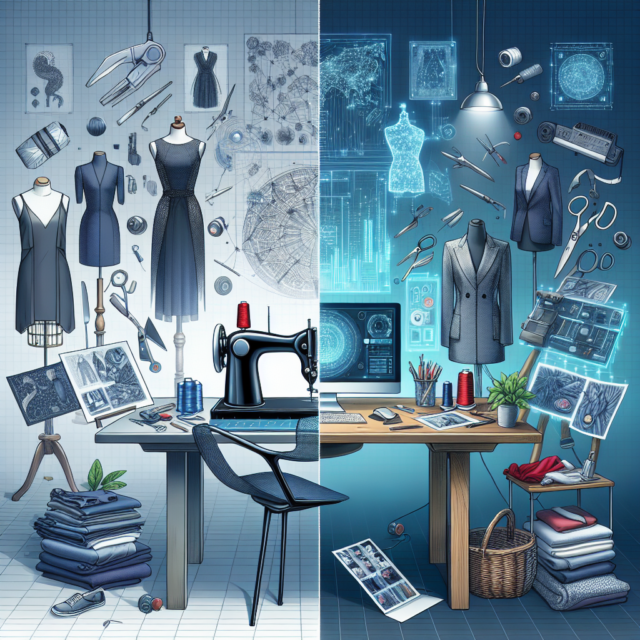
    While technology is undoubtedly transforming fashion design, it is doing so in a way that complements and enhances traditional craftsmanship. Many designers are finding innovative ways to integrate digital tools with age-old techniques, resulting in garments that are both cutting-edge and artisanal.

    One example of this synergy is the use of digital embroidery machines, which allow for the creation of intricate patterns with the precision of traditional hand embroidery. By combining the speed and accuracy of digital technology with the artistry of handcraft, designers are able to produce garments that maintain the integrity of traditional techniques while embracing modern innovation.

    Similarly, digital knitting machines are enabling designers to create complex knitwear patterns that would be impossible to achieve by hand. These machines allow for the production of seamless garments with intricate textures and designs, offering a modern twist on traditional knitting techniques.

    The integration of technology in textile dyeing is another area where traditional craft is being enhanced. Digital printing techniques enable designers to produce vibrant, detailed prints on fabric with minimal environmental impact. This not only preserves the aesthetic qualities of traditional dyeing methods but also supports sustainable fashion practices.

    Technology is also playing a role in preserving traditional crafts that are at risk of being lost. By documenting and digitizing traditional techniques, designers can ensure that these skills are passed down to future generations. This digital archive serves as a resource for designers seeking to incorporate traditional elements into their work, ensuring that cultural heritage is preserved in a modern context.

    The collaboration between artisans and technologists is further bridging the gap between traditional craft and digital advances. By working together, these experts are developing new methods and materials that combine the best of both worlds. This collaborative approach is leading to the creation of innovative designs that are rooted in tradition yet forward-thinking in their execution.

    Ultimately, the intersection of technology and traditional craft in fashion design is leading to a more diverse and dynamic industry. By embracing both innovation and heritage, designers are creating garments that are not only beautiful but also meaningful, reflecting a rich tapestry of cultural influences and technological advancements.

    As technology continues to evolve, its impact on fashion design will only become more pronounced. The fusion of innovation and style is creating a new landscape where traditional craftsmanship and digital advancements coexist harmoniously. By embracing these changes, the fashion industry is poised to enter a new era of creativity and sustainability, where the possibilities are limitless and the only constant is change.

    Exploring the Intersection of AI and Modern Design

    As the digital age continues to evolve, the intersection of artificial intelligence (AI) and modern design has emerged as a fertile ground for innovation and creativity. AI’s capabilities are reshaping the design landscape, offering new tools and methodologies that transform how designers conceptualize, create, and implement their visions. This exploration into AI’s role in design unveils a dynamic synergy between technology and creativity, while also highlighting the challenges and considerations that accompany this modern evolution.

    Unveiling AI’s Role in Shaping Modern Design

    Artificial intelligence is increasingly becoming a cornerstone in the realm of modern design, offering capabilities that were once deemed impossible. AI’s role in design is multifaceted, encompassing automation, personalization, and even predictive analytics. By automating repetitive tasks, AI allows designers to focus on more complex aspects of their projects. This not only increases efficiency but also enhances the creative process by freeing up time and mental resources.

    Personalization is another area where AI is making significant strides. Through data analysis, AI can tailor design elements to meet the specific needs and preferences of individual users. This level of customization leads to more engaging and effective design solutions, ultimately enhancing user experience. AI-driven design tools can analyze user interactions and adjust design elements in real-time, creating a dynamic and personalized experience for each user.

    Predictive analytics, powered by AI, enables designers to anticipate trends and user preferences before they fully emerge. By analyzing vast amounts of data, AI can identify patterns and insights that inform design decisions, leading to more innovative and forward-thinking creations. This capability allows designers to stay ahead of the curve, ensuring their work remains relevant and impactful in a rapidly changing digital landscape.

    AI also plays a crucial role in prototyping and testing, offering rapid iteration capabilities that traditional methods cannot match. Designers can use AI to simulate various scenarios and test different design elements quickly and efficiently. This not only speeds up the design process but also improves the quality and functionality of the final product by allowing for thorough testing and refinement.

    Furthermore, AI’s ability to process and analyze large datasets is invaluable in the design process. By leveraging these capabilities, designers can gain a deeper understanding of their target audience and make data-driven decisions that enhance the effectiveness of their designs. This data-centric approach ensures that design solutions are not only aesthetically pleasing but also strategically sound.

    Finally, AI is helping to democratize design by making advanced tools and technologies accessible to a broader audience. With AI-powered platforms, even those with limited design expertise can create professional-quality work. This democratization fosters a more diverse and inclusive design community, where a wider range of voices and perspectives can contribute to the evolution of modern design.

    The Creative Synergy of AI and Designers

    The collaboration between AI and human designers is fostering a unique creative synergy that is transforming the design landscape. AI serves as a powerful tool that enhances human creativity rather than replacing it. By handling routine tasks and providing intelligent insights, AI allows designers to focus on the more nuanced and creative aspects of their work.

    One of the key benefits of this synergy is the ability to explore new creative possibilities. AI can generate countless design variations, providing designers with a wealth of options to consider. This process often leads to unexpected and innovative solutions that may not have been discovered through traditional design methods. By leveraging AI’s generative capabilities, designers can push the boundaries of their creativity and experiment with new ideas.

    Moreover, AI can serve as a source of inspiration for designers. By analyzing existing designs and identifying patterns, AI can suggest new directions and concepts that designers may not have considered. This collaborative process allows designers to draw on AI’s analytical strengths while infusing their work with personal creativity and vision.

    The iterative nature of design is also enhanced by AI’s involvement. Designers can quickly prototype and test their ideas, receiving immediate feedback and insights from AI-driven tools. This accelerates the design process and allows for more rapid refinement and improvement. The ability to iterate quickly ensures that design solutions are not only innovative but also well-suited to their intended purpose.

    AI’s role in augmenting design thinking cannot be overstated. By providing data-driven insights and predictive capabilities, AI helps designers make more informed decisions. This collaboration between human intuition and AI analysis results in design solutions that are both creative and strategically sound. The combination of human creativity and AI’s analytical power creates a harmonious balance that elevates the quality and impact of design work.

    Finally, the partnership between AI and designers is fostering a more inclusive and diverse design community. AI-powered tools are making design more accessible to a wider range of individuals, allowing people from different backgrounds and skill levels to contribute to the creative process. This inclusivity enriches the design field by bringing a variety of perspectives and ideas to the table, ultimately leading to more innovative and culturally relevant design solutions.

    Navigating Challenges in AI-Driven Design

    Despite the many advantages AI brings to the design world, it also presents a set of challenges that must be navigated carefully. One of the primary concerns is the potential loss of human touch and intuition in the design process. While AI can generate and analyze designs efficiently, it lacks the emotional intelligence and subjective judgment that human designers bring to their work.

    Another challenge is the ethical considerations surrounding AI-driven design. As AI becomes more integrated into design processes, questions arise about authorship and originality. Designers must grapple with the implications of using AI-generated content and ensure that their work maintains its integrity and authenticity. Additionally, there is a need for transparency in how AI is used in design, ensuring that users are aware of the role AI plays in the creative process.

    Data privacy is another critical concern in AI-driven design. As AI relies heavily on data collection and analysis, designers must be vigilant in protecting user information and ensuring compliance with privacy regulations. This requires a careful balance between leveraging data for design purposes and safeguarding user privacy.

    The rapid pace of AI development also poses a challenge for designers, who must continually adapt to new tools and technologies. Keeping up with the latest advancements in AI can be daunting, requiring ongoing education and training. Designers must be proactive in staying informed about AI trends and developments to remain competitive in the field.

    Furthermore, there is a risk of over-reliance on AI tools, which can stifle creativity and innovation. Designers must strike a balance between utilizing AI’s capabilities and maintaining their creative autonomy. It is essential for designers to use AI as a complement to their skills rather than a replacement, ensuring that their unique perspective and creativity remain at the forefront of the design process.

    Finally, the integration of AI into design raises questions about the future role of designers in the creative industry. As AI becomes more capable, there is a concern that it may replace certain design functions, leading to job displacement. However, it is important to recognize that AI is a tool that enhances human creativity rather than replacing it. By embracing AI as a collaborator, designers can continue to play a vital role in shaping the future of design.

    The intersection of AI and modern design is a complex and evolving landscape, rich with opportunities and challenges. As AI continues to shape the way we create and interact with design, it is crucial to embrace its potential while carefully navigating the ethical and practical considerations it presents. The synergy between AI and human designers offers exciting possibilities for innovation and creativity, paving the way for a future where technology and artistry coexist harmoniously. As we move forward, it is essential to maintain a balance that leverages AI’s strengths while preserving the human touch that is at the heart of all great design.

    Exploring Future Trends for Influencers: What’s Next?

    In recent years, influencer marketing has become a pivotal component of digital marketing strategies. As social media continues to evolve, so too does the role of influencers within this dynamic landscape. With technological advancements, new platforms, and shifting consumer behaviors, the future of influencer marketing is rife with possibilities. This article explores future trends for influencers, delving into the evolving landscape, the influence of technology, and the emergence of new platforms.

    The Evolving Landscape of Influencer Marketing

    The landscape of influencer marketing is undergoing significant transformations. Traditionally, influencers were seen as individuals with a large following on social media who could sway the purchasing decisions of their audience. However, as the market matures, brands are seeking more authentic and meaningful engagements. This shift has led to a rise in micro-influencers, who, despite having smaller followings, often boast higher engagement rates and more niche audiences. This trend is expected to continue, with brands increasingly valuing quality over quantity.

    Moreover, the definition of an influencer is expanding. No longer confined to social media platforms, influencers are now recognized across various digital spaces. From bloggers and podcasters to YouTubers and TikTok creators, the scope of influence is broadening. This diversification allows brands to tap into different content formats and cater to varied consumer preferences, enhancing their marketing strategies.

    The relationship between influencers and brands is also evolving. Instead of one-off partnerships, there is a growing emphasis on long-term collaborations. Such relationships enable influencers to become genuine advocates for the brands they represent, fostering trust and loyalty among their followers. This trend is likely to persist as authenticity remains a cornerstone of successful influencer marketing.

    Additionally, influencer marketing is becoming more data-driven. Brands are leveraging analytics tools to measure the effectiveness of their campaigns, track engagement metrics, and understand audience demographics. This data-centric approach allows for more targeted and personalized marketing strategies, ensuring that brands reach the right audience with the right message.

    Regulatory changes are also shaping the influencer landscape. With increased scrutiny on transparency and authenticity, influencers are required to disclose sponsored content more clearly. This push for transparency is reshaping the way influencers operate, encouraging more honest and open communication with their audiences.

    Finally, the global nature of social media means that influencer marketing is not limited by geographical boundaries. Influencers can reach international audiences, allowing brands to expand their reach beyond local markets. This globalization of influencer marketing presents new opportunities for brands to connect with diverse audiences around the world.

    Technological Advancements Shaping Influencer Roles

    Technological advancements are playing a crucial role in shaping the future of influencer marketing. Artificial intelligence (AI) is at the forefront of this transformation, offering new tools for content creation and audience analysis. AI-powered platforms can assist influencers in generating content ideas, optimizing posting times, and even automating interactions with followers. This technology enables influencers to enhance their productivity and maintain engagement with their audience.

    Augmented reality (AR) and virtual reality (VR) are also making inroads into influencer marketing. These technologies offer immersive experiences that can captivate audiences in unprecedented ways. Influencers can use AR filters to create engaging content or host virtual events using VR, providing their followers with unique and interactive experiences. As these technologies become more accessible, they are likely to become integral components of influencer strategies.

    Blockchain technology is another advancement with potential implications for influencers. It can provide more transparency in transactions, ensuring that influencers are fairly compensated for their work. Additionally, blockchain can facilitate the creation of decentralized social media platforms, offering influencers greater control and ownership over their content and data.

    The rise of voice search and smart speakers is influencing how content is consumed. Influencers are beginning to explore audio content, such as podcasts, to reach audiences who prefer listening over reading or watching. This shift towards audio content requires influencers to adapt their strategies and develop new skills to engage effectively with their audience.

    Machine learning algorithms are transforming the way influencers and brands connect. These algorithms can analyze vast amounts of data to identify potential influencer-brand matches based on audience demographics, interests, and engagement patterns. This technology streamlines the process of finding the right influencers for specific campaigns, enhancing the efficiency and effectiveness of influencer marketing.

    Finally, advancements in live streaming technology are enabling influencers to connect with their audiences in real-time. Live streaming offers a level of immediacy and authenticity that pre-recorded content cannot match. As internet speeds and streaming capabilities improve, live streaming is expected to become an even more prominent feature of influencer marketing strategies.

    New Platforms and Their Impact on Influencer Reach

    The emergence of new social media platforms is continually reshaping the influencer marketing landscape. Each platform offers unique features and attracts different demographics, allowing influencers to diversify their reach and engage with varied audiences. TikTok, for instance, has exploded in popularity, especially among younger users, providing influencers with a platform for short, creative, and viral content.

    Clubhouse, an audio-based social media platform, has introduced a new way for influencers to engage with their audience. By participating in live discussions and hosting rooms, influencers can connect with followers in a more personal and interactive manner. This platform’s emphasis on conversation and community presents new opportunities for influencers to build relationships and establish authority in their niche.

    While established platforms like Instagram and YouTube remain popular, newer platforms like Triller and Byte are gaining traction. These platforms offer alternative spaces for influencers to explore creativity and reach audiences that might not be active on mainstream platforms. As these platforms grow, they present opportunities for influencers to be early adopters and establish a strong presence before the market becomes saturated.

    The rise of e-commerce-focused platforms, such as Pinterest and Instagram Shopping, is also impacting influencer marketing. These platforms allow influencers to seamlessly integrate product recommendations with shopping experiences, making it easier for followers to purchase featured items. This integration of social media and e-commerce is transforming influencers into key drivers of online sales.

    Emerging platforms are also fostering niche communities. Platforms like Discord and Reddit allow influencers to engage with highly targeted audiences, facilitating deeper connections and more meaningful interactions. By participating in these niche communities, influencers can position themselves as experts and build loyal followings within specific interest groups.

    As new platforms continue to emerge, influencers must remain adaptable and open to experimentation. Each platform presents unique opportunities and challenges, requiring influencers to tailor their content strategies to suit the platform’s format and audience preferences. By staying attuned to these changes, influencers can continue to expand their reach and maintain relevance in an ever-evolving digital landscape.

    The future of influencer marketing is poised for exciting developments. As the landscape evolves, influencers and brands must adapt to new technologies, platforms, and consumer expectations. By embracing these changes, influencers can enhance their roles and continue to play a vital part in shaping the digital marketing ecosystem. As we explore the future trends for influencers, one thing is certain: the power of influence will remain a driving force in the world of marketing.

    Popular Posts

    My Favorites

    AI Art

    Artificial Intelligence (AI) has permeated various facets of human life, and the art world is no exception. AI art, a burgeoning field at the...