GALECA: The Society of LGBTQ Entertainment Critics has finally revealed the winners of the 2024 Dorian TV Awards, celebrating the finest achievements in television and streaming platforms. HBO Max’s popular comedy series ‘Hacks’ turned out to be the biggest winner of the night and went on to win four prestigious awards, including Best TV Comedy and Best Written TV Show. Meanwhile, the show garnered another win in the acting category, with Jean Smart winning the Best TV Performance – Comedy accolade.
AMC’s ‘Interview with the Vampire’ followed closely with impressive three wins, including Best TV Drama. While FX’s ‘Shogun’ was considered the favorite in this category, it ultimately fell short of winning the top prize. On the other hand, the AMC series won two more awards – Best LGBTQ Show and Best Genre TV Show – to take its awards tally to 3. Meanwhile, Showtime/Paramount+’s series ‘Fellow Travelers’ dominated the acting categories and secured wins in Best TV Performance – Drama (Matt Bomer) and Best Supporting TV Performance – Drama (Jonathan Bailey). On the other hand, Netflix’s massively popular series ‘Baby Reindeer’ won the Best TV Movie or Limited Series accolade.
Additionally, GALECA honored several prominent figures with special awards: Salvadoran-American writer, comedian, and actor Julio Torres received the Wilde Wit Award; the GALECA TV Trailblazer Award went to acclaimed actor Alan Cumming, host of the reality show winner “The Traitors”; and legendary comedian, actress, singer, and memoirist Carol Burnett was recognized with the GALECA TV Icon Award.
Jean Smart and Hannah Einbinder in ‘Hacks’ (Photo Credit: HBO Max)
Here’s the full list of winners:
BEST TV DRAMA️Anne Rice’s Interview with the Vampire (AMC) – Winner
The Curse (Showtime/Paramount+)
Fallout (Amazon Prime)
The Gilded Age (HBO)
Heartstopper (Netflix)
BEST TV COMEDYAbbott Elementary (ABC)The Bear (FX/Hulu)️Hacks (Max) – WinnerReservation Dogs (FX/Hulu)What We Do in the Shadows (FX)
BEST WRITTEN TV SHOW
Abbott Elementary (ABC)
Baby Reindeer (Netflix)
The Bear (FX/Hulu)
Fellow Travelers (Showtime/Paramount+)
️Hacks (Max) – Winner
BEST LGBTQ TV SHOW️Anne Rice’s Interview with the Vampire (AMC) – WinnerBaby Reindeer (Netflix)Fellow Travelers (Showtime/Paramount+)Hacks (Max)Heartstopper (Netflix)
BEST TV MOVIE OR LIMITED SERIESBaby Reindeer (Netflix) – WinnerFellow Travelers (Showtime/Paramount+)Feud: Capote Vs. The Swans (FX/Hulu)Ripley (Netflix)True Detective: Night Country (HBO)
BEST UNSUNG TV SHOWAnne Rice’s Interview with the Vampire (AMC)Chucky (Syfy/USA)Our Flag Means Death (Max)️Reservation Dogs (FX/Hulu) – WinnerWe Are Lady Parts (Peacock)
BEST NON-ENGLISH LANGUAGE TV SHOW
Elite (Netflix)
Lupin (Netflix)
️Shōgun (FX/Hulu) – Winner
Tore (Netflix)
BEST LGBTQ NON-ENGLISH LANGUAGE TV SHOW (new category)
Drag Latina (Revry/LATV+)
Elite (Netflix)
Past Lies (Hulu)
Tore (Netflix)Young Royals (Netflix) – Winner
BEST TV PERFORMANCE—DRAMA
Jacob Anderson, Anne Rice’s Interview with the Vampire (AMC)Matt Bomer, Fellow Travelers (Showtime/Paramount+) – WinnerJodie Foster, True Detective: Night Country (HBO)Richard Gadd, Baby Reindeer (Netflix)Ncuti Gatwa, Doctor Who (Disney+)Lily Gladstone, Under the Bridge (Hulu)Tom Hollander, Feud: Capote Vs. The Swans (FX/Hulu)Anna Sawai, Shōgun (FX/Hulu)Andrew Scott, Ripley (Netflix)Emma Stone, The Curse (Showtime/Paramount+)
Quinta Brunson, Abbott Elementary (ABC)Ayo Edebiri, The Bear (FX/Hulu)
Renée Elise Goldsberry, Girls5Eva (Netflix)
Devery Jacobs, Reservation Dogs (FX/Hulu)
Maya Rudolph, Loot (Apple TV+)
Martin Short, Only Murders in the Building (Hulu)
️Jean Smart, Hacks (Max) – Winner
Jeremy Allen White, The Bear (FX/Hulu)
Kristen Wiig, Palm Royale (Apple TV+)
BEST SUPPORTING TV PERFORMANCE—COMEDY
Joel Kim Booster, Loot (Apple TV+)
Carol Burnett, Palm Royale (Apple TV+)
️Hannah Einbinder, Hacks (Max) – Winner
Harvey Guillén, What We Do in the Shadows (FX)
Janelle James, Abbott Elementary (ABC)
Jamie Lee-Curtis, The Bear (FX/Hulu)
Sheryl Lee Ralph, Abbott Elementary (ABC)
Ebon Moss-Bachrach, The Bear (FX/Hulu)
Megan Stalter, Hacks (Max)Meryl Streep, Only Murders in the Building (Hulu)
BEST TV MUSICAL PERFORMANCE
Miley Cyrus, “Flowers,” 66th Annual Grammy Awards (CBS / Paramount+)
Billie Eilish & Finneas O’Connell, What Was I Made For?,” 96th Academy Awards (ABC)
️Ryan Gosling, “I’m Just Ken,” 96th Academy Awards (ABC) – Winner
Steve Martin, “Which of the Pickwick Triplets Did It?,” Only Murders in the Building (Hulu)
Maya Rudolph, “Mother,” Saturday Night Live (NBC)
BEST TV DOCUMENTARY OR DOCUMENTARY SERIES
Black Twitter: A People’s History (Hulu)
Girls State (Apple TV+)
The Greatest Night in Pop (Netflix)
Jim Henson Idea Man (Disney+)Quiet on Set: The Dark Side of Kids TV (Investigation Discovery) – Winner
BEST LGBTQ TV DOCUMENTARY OR DOCUMENTARY SERIESBeyond the Aggressives: 25 Years Later (Showtime)Jerrod Carmichael Reality Show (HBO)️Last Call: When A Serial Killer Stalked Queer New York (HBO) – WinnerRock Hudson: All That Heaven Allowed (HBO)The Stroll (HBO)
BEST CURRENT AFFAIRS SHOW
The Daily Show (Comedy Central)
Hot Ones (YouTube)
Late Night with Seth Meyers (NBC)
The Late Show with Stephen Colbert (CBS)Last Week Tonight with John Oliver (HBO) – Winner
BEST REALITY SHOWRupaul’s Drag Race (MTV)Queer Eye (Netflix)Top Chef (Bravo)️The Traitors (Peacock) – WinnerWe’re Here (HBO)
BEST GENRE TV SHOW (new category)
️Anne Rice’s Interview with the Vampire (AMC) – Winner
The Fall of the House of Usher (Netflix)
Fallout (Amazon Prime)
What We Do in the Shadows (FX)Chucky (SyFy/USA)
BEST ANIMATED SHOW
Blue Eye Samurai (Netflix)
Bobs Burgers (Fox)
Harley Quinn (Max)
Scott Pilgrim Takes Off (Netflix)️X-Men ’97 (Disney+) – Winner
MOST VISUALLY STRIKING TV SHOWAnne Rice’s Interview with the Vampire (AMC)Fallout (Amazon Prime)Palm Royale (Apple TV+)Ripley (Netflix) – WinnerShōgun (FX/Hulu)True Detective: Night Country (HBO)
CAMPIEST TV SHOW
Bridgerton (Netflix)
️Chucky (SyFy / USA) – Winner
Feud: Capote Vs. The Swans (FX/Hulu)
Palm Royale (Apple TV+)The Traitors (Peacock)
WILDE WIT AWARD
—To a performer, writer or commentator whose observations both challenge and amuse
Joel Kim Booster
Quinta Brunson
Ayo Edebiri
Hannah Einbinder️Julio Torres – Winner
GALECA TV Icon Award—To a uniquely talented star we adore
Gillian Anderson
Angela Bassett
️Carol Burnett – Winner
LeVar BurtonJulia Louis-Dreyfus
GALECA LGBTQIA+ TV Trailblazer Award
—For creating art that inspires empathy, truth, and equity
most comfortable loafers for women are always seen as the essential piece of fashion for women. They can enhance any look you are wearing with utmost comfort and in a very bespoke manner. In the modern world, these loafers are the highlighting aspect of everything you wear. Due to this, brands started evolving their designs and making these loafers with more precise detailing.
The best part of having a loafer is that you can wear it on different occasions, whether it’s a casual lunch or a fancy night party. Aiming for effortless elegance, loafers, and drivers can seamlessly elevate your look.
This blog delves into the top 20 types of loafers and drivers defining women’s fashion in 2024. Discover styles that suit every taste and occasion, from timeless penny loafers to chic tassel designs, from sporty drivers to luxe velvet finishes.
Whether you’re a fan of classic elegance or contemporary edge, this curated list promises to inspire your next footwear obsession. Let’s step into the world of fashion-forward Luxury loafers and drivers and redefine your Loafer game this year.
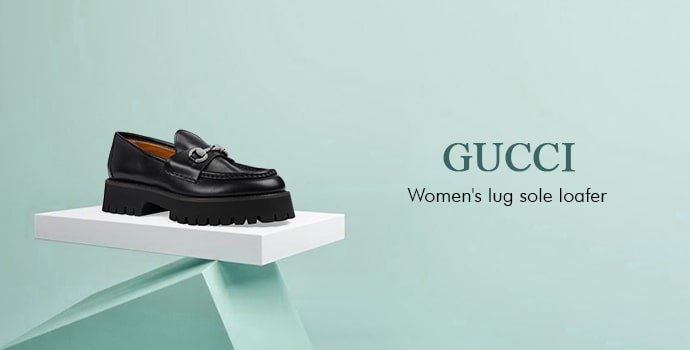
Gucci Women’s lug sole loafer
Gucci was always seen as the epitome of luxury, and when it comes to the loafers for women, the brand’s expertise came in handy. If we talk about the loafer itself, it comes in black, made with the finest leather. And the detailing includes the silver-toned hardware horse bit with crystal.
This Italian masterpiece is perfect for any occasion, whether you are going for a casual day out or a professional business meeting. The sole of the loafer is made of a lug rubber sole, which makes it durable and long-lasting. If you are looking to invest in a luxury loafer, you should go with the Gucci women’s lug sole loafer.
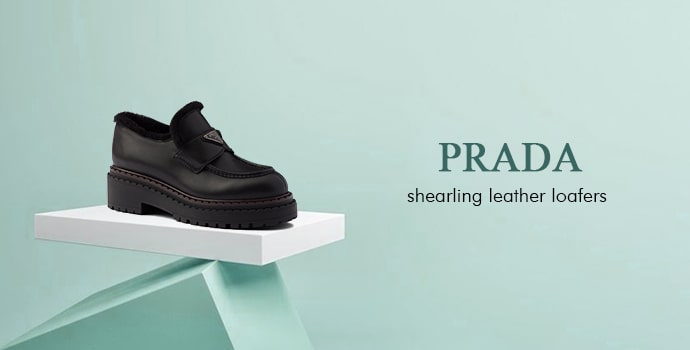
Prada shearling leather loafers
If you are a fan of comfortable luxury goods, then you should look out for the Prada shearling leather loafers. These loafers reflect the class and quality that Prada is known for. If we talk about the loafer itself, it comes in black with material using calf leather.
The best thing about calf leather is that it is one of the softest leathers to exist to give you that extra comfort. The detailing includes the shearling lining with a slip-on style. There’s the enamel triangle logo engraved to the rear. The sole is entirely made up of rubber, and the outer material is calf leather, whereas the lining was done with sheepskin. You can carry these loafers with almost all of your outfits because of their timeless nature.
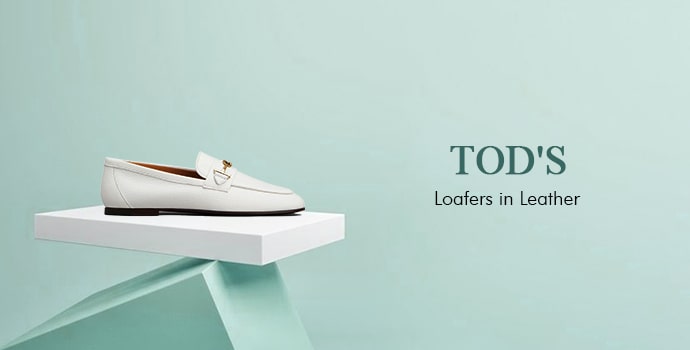
Tod’s Loafers in Leather
Tod’s is famous for creating the most classy yet modern elegance in every one of its products; these loafers are no exception. It gives you the never-goes-out-of-style vibe because of its design and appeal. If we talk about the material used, then the upper leather is made up of goatskin, and the metal T-ring accessory gets the extra point of elegance.
The heel of these loafers is made with leather only with a rubber insert. The thing that makes this piece special is that it comes with maintenance and care cards, which include branded dust bags to keep your loafers safe from damage.
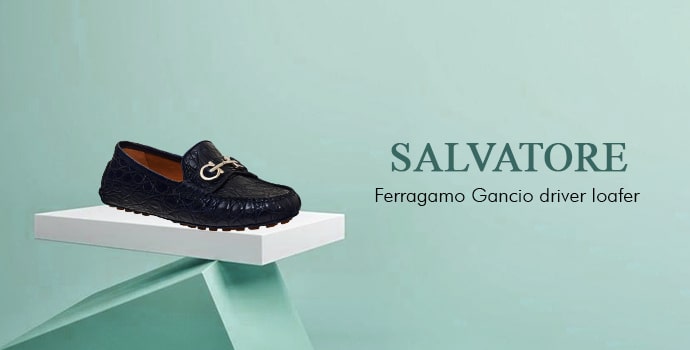
Salvatore Ferragamo Gancio driver loafer
Salvatore Ferragamo and its understated luxury pieces need to be studied, the way this brand always manages to figure out the best designs with modern sophistication. These Gancio driver loafers are no exception. The upper of the loafer is made from pure alligator leather with a relaxed silhouette finish.
These loafers are best in class for comfort because of their flexible leather and custom rubber nubs. They came in a new navy blue color and are Italian-made. Collectors and fashion enthusiasts are quite interested in this piece of luxury. If you like all things fine in life, you should consider investing in this piece of loafer from Salvatore Ferragamo.
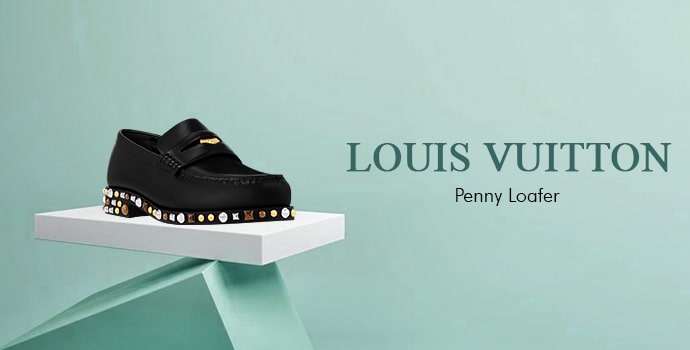
Louis Vuitton Penny Loafer
Louis Vuitton is one of the popular and known names in the luxury market segment. This brand is quite popular around the globe and famous for creating innovative luxury products that cater to the next generation with a timeless appeal.
If we talk about Penny Loafer, the upper is made up of calf leather, and the outsole is studded with metal to give it an extra classy and sturdy look. The detailing includes a leather outsole with the Marque L. Vuitton Déposée signature. These loafers are made in Italy with the finest craftsmanship, and while they are all shiny and glittery, they are durable at the same time.
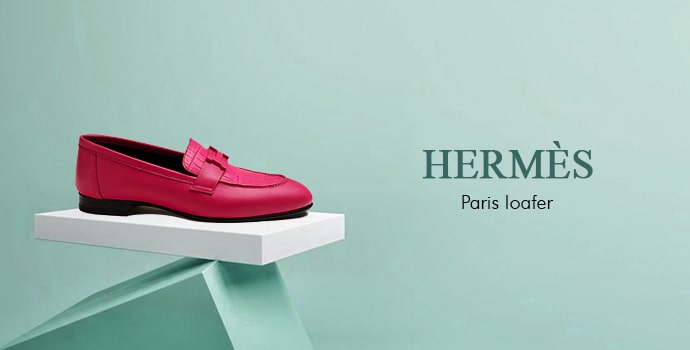
Hermès Paris loafer
The Paris Loafer by Hermès is all about elegance and craftsmanship in the industry. These women’s loafers are crafted from fine leather and have a plain, slimline appeal with a classic stamp of the French luxury brand Hermès. The lower part of the Loafer is made with the utmost precision to make a durable loafer that also feels comfortable due to the soft quality of the leather.
It is designed to look smooth enough that it can easily be worn with both formal and casual clothing, which will enhance your total clothing appearance. An elegant piece that will complement any pair of Loafers, these loafers are an essence of Hermès and timeless elegance in creation.
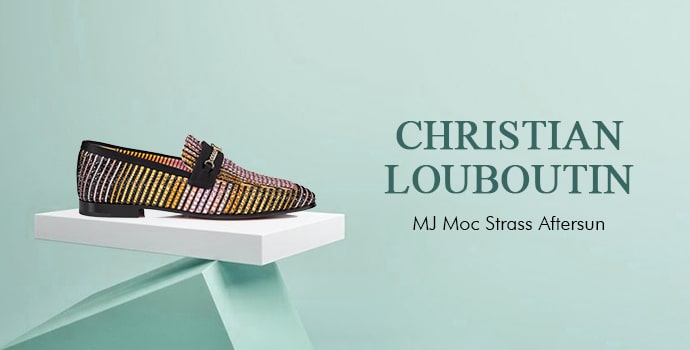
Christian Louboutin MJ Moc Strass Aftersun
The Christian Louboutin MJ Moc Strass Aftersun is both elegant and comfortable when being used for daily tasks. These loafers are stylish and come in a multicolor scheme to complement the brand’s red sole, which is well-renowned for its pop-art luxurious aesthetic.
What remains apparent is the sparkly upper made from brass crystals in an iridescent effect that lights up with each step, transforming this into a contemporary moccasin. This fashionable loafer also comes in a comfortable fit and a design that makes these loafers perfect for those who are hard to please because of their fashion palate and penchant for luxury.
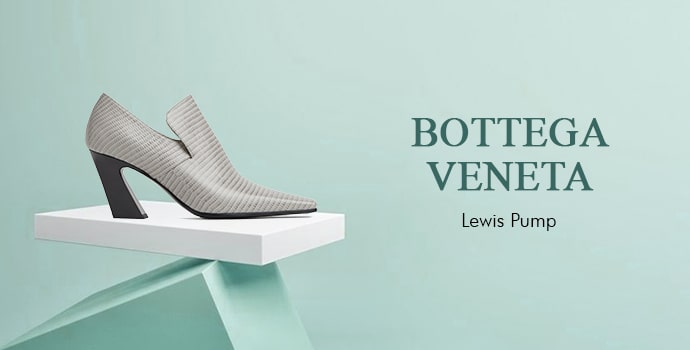
Bottega Veneta Lewis Pump
The Bottega Veneta Lewis Pump in sterling black does not get any better. The functional and slim pump style is made of leather and has incorporated the intrecciato woven design into it. The strict Oslo shape with the wear-resistant block heel makes it the perfect day-to-evening loafer.
Whether worn in the office or for an evening out, these loafers can be worn every day and at any time of day, which is why it is such an important part of any successful woman’s wardrobe. It does not make a loud statement for itself, but the elegant black color works well to its advantage.
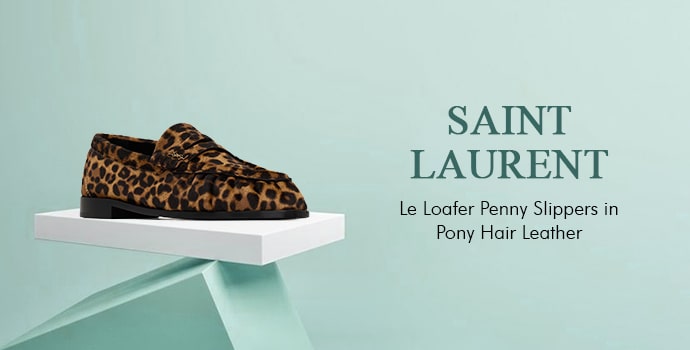
Saint Laurent Le Loafer Penny Slippers in Pony Hair Leather
The Saint Laurent Le Loafer Penny Slippers, are worth every dollar because they scream Saint Laurent luxuriously! These opulent women’s loafers are made of fine pony hair leather that gives them an extremely luxurious look and adds a great feel to them.
The loafer is comfortable and stylish with a traditional classic penny loafer profile, creating a classic retro look with a contemporary laced feel. Whether worn with perfectly fitted trousers or with a casual outfit, these loafers are stylish and comfortable at the same time, and the quality is ideal; the brand’s experience is seen in every detail.
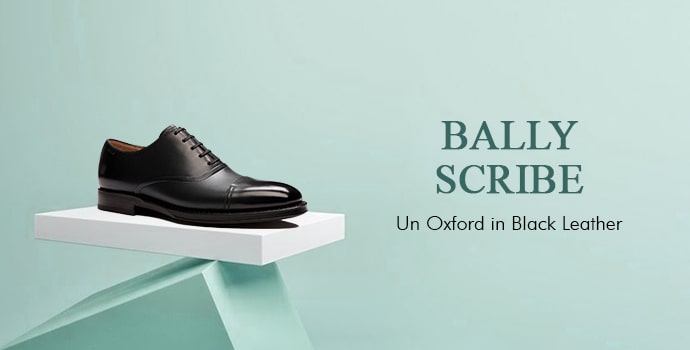
Bally Scribe Un Oxford in Black Leather
The Bally Scribe Un Oxford in Black Leather is the most sophisticated example of fine loafer craftsmanship. The Oxford type of loafer, which is preserved in a non-slip saffiano black leather, looks simple in design yet elegant and has the build-up reasonably necessary to last longer.
Talk about the precise detailing done on these loafers; this piece is also sleek and stylish enough for one to engage in business meetings and engagements. The durability, antifriction, and cushioning make these classic loafers comfortable and long-lasting. As with all of Bally’s products, the Scribe Un Oxford embodies sophistication for those who prefer simple elegance in loafers.
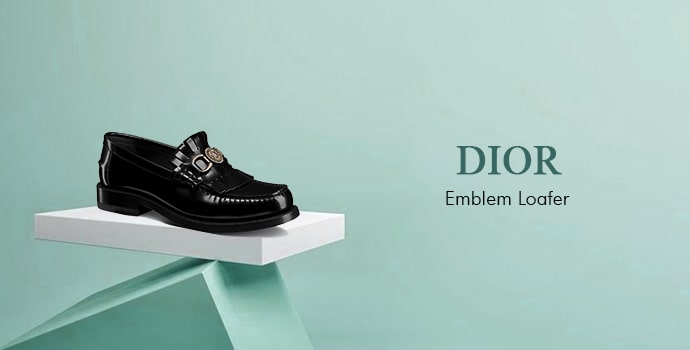
Dior Emblem Loafer
The Dior Emblem Loafer is a luxurious statement piece, blending classic sophistication with modern flair. Crafted from smooth leather, these loafers feature the iconic Dior logo embossed on the front, adding a refined touch to its streamlined design.
The sleek silhouette is complemented by a comfortable flat heel, making it ideal for formal and casual occasions. Perfect for fashion-forward individuals who appreciate elegance, these loafers effortlessly elevate any outfit, whether paired with tailored trousers or a chic dress. It is a must-have accessory for those who crave timeless style with a contemporary twist.
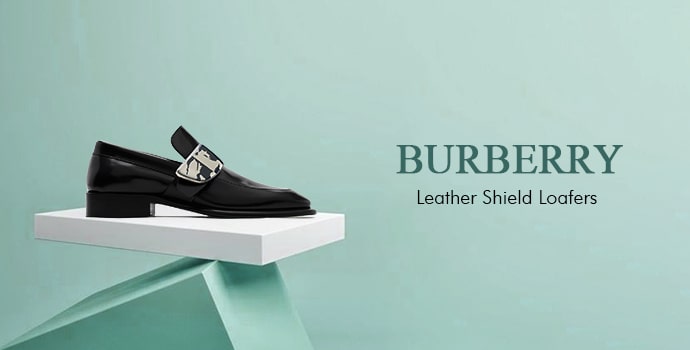
Burberry Leather Shield Loafers
The Burberry Leather Shield Loafers can well be described as a classic example of their commitment to fine and authentic products. These loafers include elegant and glossy leather materials along with a shield emblem of Burberry. It is relatively low-heeled footwear with a round toe to make it extra comfortable for the wearer.
Their simple design makes them suitable for wearing during work-casual occasions as well as other occasions such as classy night events. If we turn our focus to construction, the smooth leather guarantees the longevity of this piece, and the insertion of the shield logo gives a premium, iconic touch. Suits everyone who wants to feel comfortable in luxurious shoes and does not deny themselves proper usage.
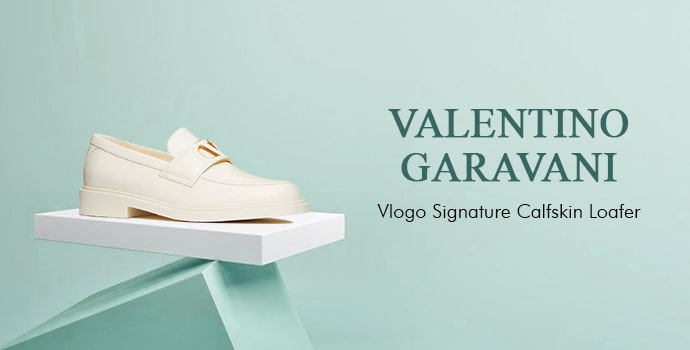
Valentino Garavani V Logo Signature Calfskin Loafer
Concealed styling and classic charm are the hallmarks of the Valentino Garavani V Logo Signature Calfskin Loafer, designed in soft calfskin leather. Nonetheless, the gold V Logo emblem adds a touch of sophistication to the loafers, giving it this unique outlook.
The loafers are fashion-friendly and comfortable with low-heeled designs that include a slim structure and a strong heel. These loafers can be worn both formally and informally, and they’ll complement both a business suit and casual wear look. To those people who are fashion-forward & want something with a design that is not loud but speaks a lot about the shoes, then these loafers are all you need.
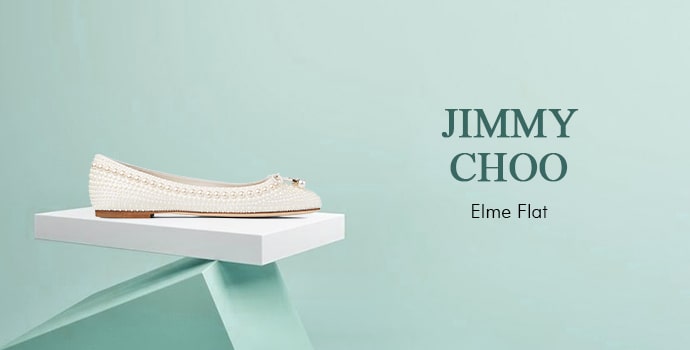
Jimmy Choo Elme Flat
Available in black suede and white leather or a combination with black nappa patent leather, the Jimmy Choo Elme Flat is more of an elegant and relaxed flat that can be worn on any occasion. Crafted from pure white satin with silk pearls, they are extremely elegant, yet quite comfortable to wear throughout the day.
There is a pointed toe that makes them stylish and perfect for almost any outfit, be it a skirt or jeans. Pearl’s details make the shoes look classy. The Elme Flat is simple and exquisite, but it is undeniably every inch a Jimmy Choo creation with impeccable shoe craftsmanship.
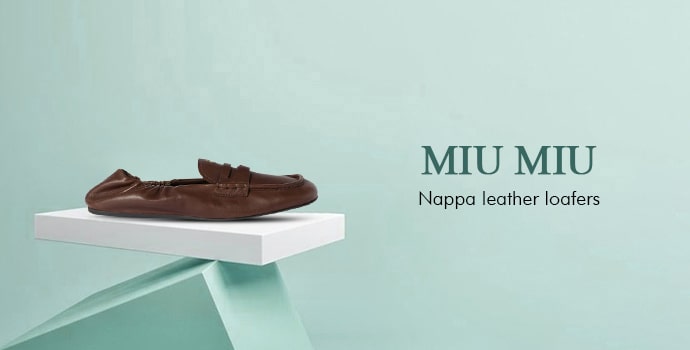
Miu Miu Nappa leather loafers
The Miu Miu Nappa Leather Loafers are a contemporary adaptation of the usual loafer style of shoes. Crafted of luxurious Nappa leather, these shoes are not only fashionable but also the most comfortable shoes anyone could use. The shoes are plain, but the silver-tone buckle on the side brings the brand out and makes them look glamorous.
It should, however, be noted that loafers have a flat sole and therefore are comfortable for all-day wear yet fashionable. Very suitable for those who are crazy about more or less classic designs and who at the same time like to look trendy, these shoes are suitable for wear in any type of setting, formal or informal.
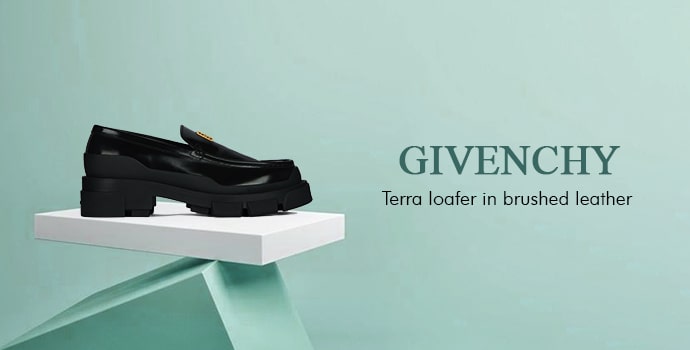
Givenchy Terra loafer in brushed leather
The Givenchy Terra Loafer in brushed leather is a contemporary and smooth piece of footwear production with a conscious silhouette and maximalism. These stylish loafers are made from genuine brushed leather and have a professional, soft, shiny surface for improved appeal.
The design of the loafer is sleek and low-cut around the loafer’s toe area and comes with a non-intrusive Givenchy logo. Suitable for the business environment as well as for everyday wear, the Terra Loafer is perfect for day and evening. A perfect choice for those who need an elite, elegant design with a slight accent on contemporary styles.
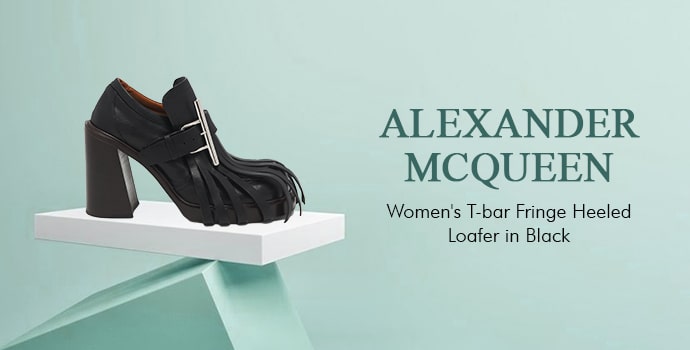
Alexander McQueen Women’s T-bar Fringe Heeled Loafer in Black
The Alexander McQueen T-Bar Fringe Heeled Loafer is made for the formal dress event but with unique, edgy features. The design of the loafer takes a fresh approach to traditional loafers by incorporating an instantly noticeable fringe element in a T-bar form. Crafted from patent leather, the sleek structure of the loafer with a little block heel makes it much more comfortable to wear.
Designers recommends the T-Bar Fringe Loafer to those who derive pleasure from wearing unusual, intense footwear that screams high fashion; these loafers can be worn with ‘street’ or ‘formal attire’; they embody the spirit of ‘Rocker Chic.’.
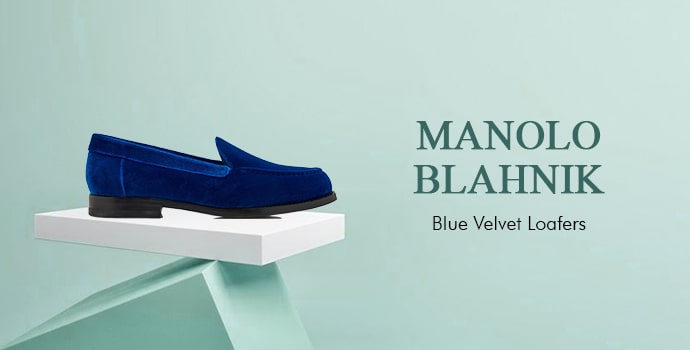
Manolo Blahnik Blue Velvet Loafers
The Dinessandro Loafer from Manolo Blahnik is one such masterpiece that is classy and beautifully regal. A loafer should be comfortable and bespoke at the same time; these loafers offer the same boasts of a slim construction that is rounded at the toes with a little buckle design. This is one elegant piece that is glossy and simple to be placed in any wardrobe.
These loafers are suitable for different occasions. The Dinessandro Loafer serves as an excellent illustration of Manolo Blahnik’s commitment to quality and exclusivity that place the Loafer in the premier category of luxury loafers.
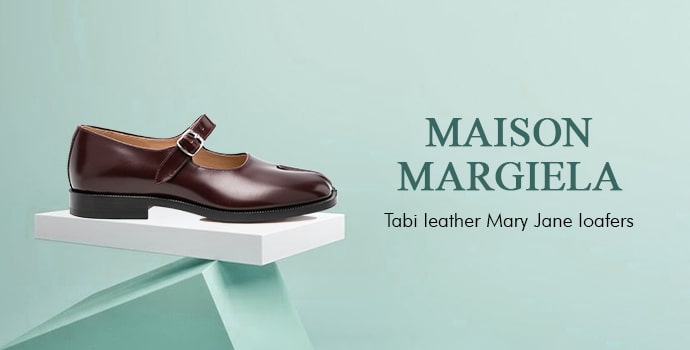
Maison Margiela Tabi leather Mary Jane loafers
These sheared mink fur-covered Tabi leather Mary Jane loafers prove to be an exciting rethinking of the Maison Margiela signature Tabi concept. These loafers eliminate the conventional toe design and therefore promote innovation in fashion.
The sturdiness of the leather construction is complemented by the delicate femininity of the Mary Jane strap on the loafer’s bold design. These loafers are ideal for individuals who understand that fashion can be individualistic and formal at the same time. Irrespective of the type of loafers worn during the day, be it casual or formal loafers, the Tabi Leather Mary Jane Loafers are going to look amazing.
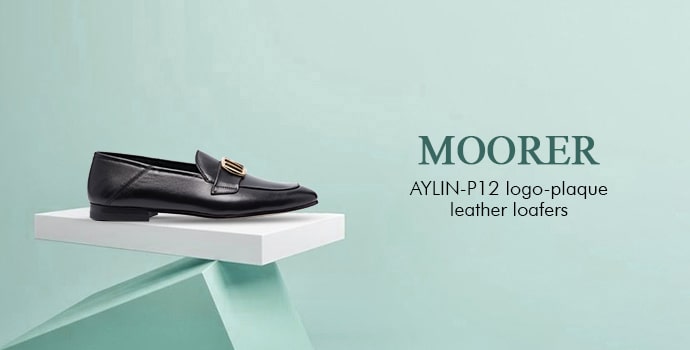
Moorer Aylin-P12 logo-plaque leather loafers
The Moorer Aylin-P12 Logo-Plaque Leather Loafers are a stylish update of the traditional loafer. Crafted from refined leather, these slip-ons are elaborated by a youthful logo emblem that adds interest to the basic and classic design.
The top line of the loafer’s design means that it is suitable for everyday wear and also for more serious occasions and events, as it is significantly more formal than an athletic loafer, for example, Adidas Stubin Loafers. The Aylin P12 Loafers are slip-ons with a flat sole and an elegant and simple design that makes the company an epitome of fashion for any stylish individual today.
Conclusion
In 2024, loafers and drivers continue to redefine women’s fashion, offering a blend of elegance, comfort, and versatility. From classic leather styles to bold, statement-making designs, these footwear options are the perfect addition to any wardrobe. Whether you’re seeking a timeless piece or something trendy, there’s a loafer or driver for every occasion. Embrace the convenience and style they bring, and step into the season with confidence and flair.
FAQs
Q: What’s the difference between loafers and drivers?
A: Loafers are sleek, formal slip-ons, while drivers are casual with rubber soles for comfort.
Q: Can loafers and drivers be worn at work?
A: Loafers suit formal wear, while drivers are great for casual outfits.
Q: What materials are popular in 2024 for loafers and drivers?
A: Popular choices include leather, suede, and eco-friendly materials like vegan leather.
Artificial intelligence (AI) is reshaping the world, but significant hurdles like limited access to computing power and fair compensation for data contributors are slowing progress. To tackle these challenges, Spheron and Gata have joined forces to build a decentralized and inclusive AI ecosystem.
The Problem: Current AI Systems Need an Upgrade
AI is a cornerstone of modern innovation, powering everything from virtual assistants to advanced analytics. However, the way AI systems currently function presents several challenges:
Narrow Definition of AI Data: Traditional AI systems primarily focus on datasets used for training models. This limited approach ignores other critical elements like vector databases, intermediate weights, model pipelines, and operational environments. By neglecting these components, current systems fail to harness the full potential of AI data.
Centralized Control of Compute Power: AI requires immense computational resources for training, deployment, and experimentation. Unfortunately, this power is concentrated in the hands of a few major players, creating bottlenecks, high costs, and limited accessibility for smaller innovators.
Unrewarded Data Contributors: The individuals and organizations that contribute data to train and improve AI models often receive little to no compensation. This discourages participation and creates an uneven playing field where data ownership is undervalued.
Underutilized GPU Resources: While demand for GPU computing power is skyrocketing, many GPUs remain idle or underutilized, especially those owned by smaller providers. This mismatch between supply and demand results in inefficiencies and missed opportunities.
These challenges hinder AI’s potential to be inclusive, efficient, and fair, making it clear that the current ecosystem needs a major overhaul.
Gata: Empowering Data Contributors
Gata is creating a platform that puts users in control. Through tools like the GPT-to-Earn Chrome extension, individuals can upload their ChatGPT conversations and earn Gata points, which can be converted into cryptocurrency. This approach ensures contributors maintain control over their data while preserving privacy and avoiding censorship.
Gata also promotes experimentation with projects like the AI Jailbreaking Game and tools for generating innovative AI datasets. Strong and decentralized computing resources are essential to power these initiatives, and this is where Spheron steps in.
The Solution: How Spheron Complements Gata’s Goals
Spheron’s decentralized GPU network is an ideal match for Gata. Together, they address data and computational challenges through:
Boosting AI Efficiency and Performance requires vast computational power. Gata’s diverse data ecosystem requires this. Spheron’s GPU network offers scalable and decentralized resources, enabling faster AI training and better alignment with user needs.
Creating Mutual Benefits: Gata rewards users for contributing data through GPT-to-Earn, while Spheron allows GPU providers to earn income from idle resources. This creates a cycle where both contributors and providers benefit.
Streamlining Data Creation: Gata’s one-click tool simplifies the process of creating new AI datasets. With Spheron’s GPU network, this workflow becomes more efficient, accelerating the deployment of advanced AI models.
Powering AI Experimentation: Gata’s AI Jailbreaking Game enables users to explore the limits of AI capabilities. Spheron’s robust GPU network supports these demanding experiments, fostering innovation and advancing AI alignment.
Why This Partnership Is Important
Spheron connects GPUs from data centers and individual providers directly to developers, delivering scalable AI infrastructure. This mission aligns perfectly with Gata’s vision of empowering users and democratizing AI resources.
This collaboration embodies Web3 principles—decentralization, fairness, and community-driven progress. By uniting Gata’s innovative approach to AI data with Spheron’s computational power, they are setting new benchmarks for AI and Web3.
A Shared Vision: Democratizing AI for All
This partnership between Spheron and Gata marks a significant step forward in creating a decentralized, equitable AI ecosystem. While Gata focuses on redefining AI data and incentivizing participation, Spheron ensures the computational backbone required to bring this vision to life. Together, they are building an ecosystem where innovation is accessible, scalable, and fair.
Through this collaboration, developers, data contributors, and GPU providers worldwide gain access to a seamless, decentralized infrastructure that transforms how we approach AI development and deployment. Gata’s groundbreaking approach to AI data combined with Spheron’s unparalleled compute power promises to unlock new horizons in the intersection of AI and Web3.
Join the Movement
As we embark on this journey, we invite everyone—developers, contributors, and innovators—to join us in reshaping the future of AI. Explore Gata’s tools, leverage Spheron’s compute network, and be part of a movement that champions decentralization, accessibility, and innovation.
Stay tuned for more updates on this partnership as we continue to break barriers and redefine the possibilities of AI and Web3. Together, we’re building a world where innovation knows no bounds.
Crafting Exclusive Luxury Brands in the Digital Era
In the rapidly evolving digital landscape, luxury brands face the challenge of maintaining their exclusivity while embracing technological advancements. As the digital realm becomes an integral part of consumer lifestyles, luxury brands must navigate this new terrain to effectively engage with their discerning clientele. This article delves into the strategies and considerations that luxury brands must adopt to thrive in the digital era, focusing on navigating the digital landscape, crafting unique value propositions, and building digital-first luxury experiences.
Navigating the Digital Landscape for Luxury Brands
Navigating the digital landscape is crucial for luxury brands aiming to maintain their prestigious image while reaching a broader audience. The digital era offers unprecedented opportunities for brands to connect with consumers, but it also presents challenges in preserving the exclusivity that defines luxury. Brands must strike a balance between accessibility and exclusivity, ensuring that their online presence reflects the same level of sophistication and allure as their physical counterparts.
To effectively navigate the digital landscape, luxury brands must harness the power of data analytics. By analyzing consumer behavior and preferences, brands can tailor their digital strategies to meet the specific needs and desires of their target audience. This data-driven approach enables brands to create personalized experiences that resonate with consumers, fostering a deeper sense of connection and loyalty.
Moreover, luxury brands must carefully curate their digital content to maintain their brand image. High-quality visuals, compelling storytelling, and engaging multimedia content are essential components of a successful digital strategy. These elements not only capture the attention of consumers but also convey the brand’s values and heritage, reinforcing its position as a leader in the luxury market.
Social media platforms play a pivotal role in the digital strategy of luxury brands. These platforms provide an avenue for brands to engage with their audience on a more personal level, offering a glimpse into the brand’s lifestyle and culture. By leveraging social media, luxury brands can build a community of loyal followers who are not only consumers but also brand advocates.
In addition to social media, luxury brands must explore the potential of e-commerce in the digital era. While physical stores remain a cornerstone of the luxury shopping experience, a strong online presence is essential for reaching a global audience. Luxury brands must ensure that their e-commerce platforms offer a seamless and immersive experience, reflecting the same level of luxury as their brick-and-mortar stores.
Finally, luxury brands must remain adaptable and open to innovation in the digital landscape. The rapid pace of technological advancements requires brands to continuously evolve their digital strategies to stay relevant. By embracing new technologies such as augmented reality and artificial intelligence, luxury brands can create unique and memorable experiences that captivate their audience and set them apart from competitors.
Crafting Unique Value Propositions in a Digital Age
In the digital age, crafting a unique value proposition is essential for luxury brands seeking to differentiate themselves in a crowded market. A compelling value proposition not only highlights what sets the brand apart but also communicates the benefits and experiences that consumers can expect. For luxury brands, this often involves emphasizing heritage, craftsmanship, and exclusivity.
One way luxury brands can craft a unique value proposition is by highlighting their rich history and heritage. Many luxury brands have a storied past that adds to their allure, and sharing this heritage through digital storytelling can create a deeper emotional connection with consumers. By showcasing the brand’s origins, milestones, and iconic products, brands can reinforce their authenticity and timeless appeal.
Craftsmanship is another key element of a luxury brand’s value proposition. In the digital era, consumers are increasingly interested in the stories behind the products they purchase. Luxury brands can leverage digital platforms to showcase the meticulous craftsmanship and attention to detail that goes into creating their products. Through behind-the-scenes content, brands can offer consumers a glimpse into the artistry and skill that define their offerings.
Exclusivity remains a cornerstone of luxury branding, and in the digital age, it can be communicated through limited editions, personalized experiences, and exclusive collaborations. By offering unique and limited products, luxury brands can create a sense of scarcity and desirability. Digital platforms provide an ideal space to launch and promote these exclusive offerings, reaching a wider audience while maintaining an air of exclusivity.
In addition to product-focused propositions, luxury brands can craft unique value through exceptional customer service. In the digital era, consumers expect seamless and personalized interactions with brands. Luxury brands can differentiate themselves by offering tailored services, such as virtual styling consultations or personalized recommendations based on consumer preferences. These bespoke experiences enhance the brand’s value proposition and foster long-term loyalty.
Sustainability and ethical practices are increasingly important to consumers, and luxury brands can incorporate these values into their value propositions. By showcasing their commitment to sustainable sourcing, ethical production, and social responsibility, luxury brands can appeal to conscious consumers. Digital platforms provide an opportunity to communicate these initiatives transparently, building trust and credibility with the audience.
Ultimately, crafting a unique value proposition in the digital age requires a deep understanding of the target audience and their evolving preferences. Luxury brands must continuously refine their propositions to reflect changing consumer values and expectations. By doing so, they can position themselves as leaders in the luxury market, offering not only exceptional products but also meaningful and memorable experiences.
Strategies for Building Digital-First Luxury Experiences
Building digital-first luxury experiences requires a strategic approach that integrates technology with the brand’s core values and identity. As consumers increasingly engage with brands through digital channels, luxury brands must create immersive and memorable experiences that capture their audience’s attention and imagination.
One effective strategy is to leverage immersive technologies such as virtual reality (VR) and augmented reality (AR). These technologies offer consumers an opportunity to experience luxury products and services in a virtual environment, enhancing engagement and interaction. For example, luxury fashion brands can use AR to allow consumers to virtually try on clothing and accessories, providing a personalized and convenient shopping experience.
Another strategy is to focus on creating seamless and intuitive user experiences across digital platforms. Luxury brands must ensure that their websites, mobile apps, and e-commerce platforms are not only visually appealing but also easy to navigate. A streamlined and user-friendly interface reflects the brand’s commitment to excellence and enhances the overall digital experience.
Personalization is a key component of digital-first luxury experiences. By leveraging data analytics and artificial intelligence, luxury brands can offer tailored recommendations and content that resonate with individual consumers. Personalized experiences not only increase consumer satisfaction but also foster a deeper connection with the brand, leading to increased loyalty and advocacy.
Storytelling remains a powerful tool in building digital-first luxury experiences. Luxury brands can use digital platforms to share compelling narratives that highlight the brand’s values, heritage, and vision. Through engaging content such as videos, podcasts, and interactive features, brands can create a captivating and immersive experience that resonates with consumers on an emotional level.
Collaboration with digital influencers and creators is another effective strategy for building digital-first luxury experiences. Influencers can help amplify the brand’s message and reach a wider audience, particularly among younger consumers who are highly engaged on social media. By partnering with influencers who align with the brand’s values and aesthetic, luxury brands can create authentic and impactful digital experiences.
Finally, luxury brands must continuously innovate and experiment with new digital formats and technologies. The digital landscape is constantly evolving, and brands that are willing to take risks and explore new possibilities are more likely to stand out in a competitive market. By embracing innovation, luxury brands can create unique and memorable digital experiences that captivate their audience and reinforce their position as leaders in the industry.
In the digital era, crafting exclusive luxury brands requires a delicate balance between embracing technological advancements and preserving the timeless allure that defines luxury. By navigating the digital landscape with strategic intent, crafting unique value propositions, and building digital-first luxury experiences, brands can effectively engage with their discerning audience and maintain their position at the forefront of the luxury market. As technology continues to evolve, luxury brands must remain adaptable and innovative, continuously refining their strategies to meet the ever-changing expectations and desires of their consumers.
The concept of luxury has always been synonymous with exclusivity, prestige, and a certain level of opulence that is often unattainable for the average consumer. Traditionally, luxury has been tied to tangible goods such as high-end fashion, jewelry, and exotic cars. However, as the digital world continues to evolve, the definition of luxury is being reimagined within the context of the metaverse. This digital frontier offers a new platform for luxury brands to explore innovative ways of engaging with consumers, redefining what it means to experience luxury in a virtual space. This article delves into the intricate relationship between luxury and digital innovation, examines how the metaverse is reshaping luxury experiences, and explores the challenges and opportunities that lie ahead for luxury brands in this burgeoning digital landscape.
The Intersection of Luxury and Digital Innovation
The intersection of luxury and digital innovation is not a new phenomenon, but it has gained unprecedented momentum with the advent of the metaverse. Luxury brands have historically been slow to embrace digital transformation, often prioritizing the exclusivity and tactile nature of their products. However, the rise of digital platforms like the metaverse has compelled these brands to reconsider their approach to innovation. The metaverse offers a unique opportunity to blend the physical and digital worlds, creating immersive experiences that can elevate a brand’s prestige and reach.
Digital innovation in the luxury sector is characterized by the use of cutting-edge technologies such as augmented reality (AR), virtual reality (VR), and blockchain. These technologies allow luxury brands to create bespoke digital experiences that are both interactive and personalized. For instance, AR and VR can be used to create virtual showrooms where consumers can explore products in a highly detailed and immersive environment. This not only enhances the consumer experience but also allows brands to showcase their craftsmanship and attention to detail in new and exciting ways.
Moreover, the use of blockchain technology in the luxury sector is revolutionizing the way brands handle issues of authenticity and provenance. By creating digital certificates of authenticity, luxury brands can ensure that their products are genuine and traceable, thereby protecting their reputation and adding value to their offerings. In the metaverse, these digital certificates can be seamlessly integrated into virtual experiences, giving consumers peace of mind and a sense of exclusivity.
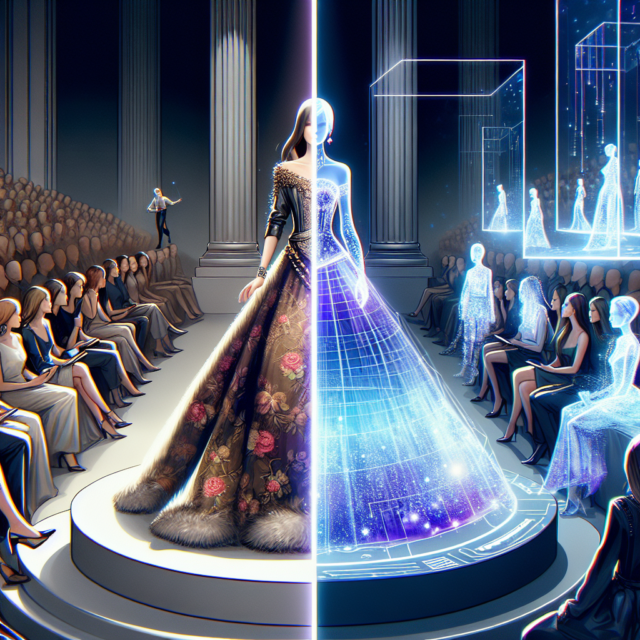
The metaverse also provides a platform for luxury brands to experiment with new forms of storytelling and brand engagement. Through immersive digital experiences, brands can craft compelling narratives that resonate with consumers on a deeper level. For example, a luxury fashion brand could create a virtual runway show that not only showcases their latest collection but also tells the story behind the designs, offering consumers a glimpse into the creative process.
Furthermore, the intersection of luxury and digital innovation is fostering new collaborations between brands and technology companies. By partnering with tech firms, luxury brands can access the expertise and tools needed to develop cutting-edge digital experiences. These collaborations can lead to the creation of unique products and services that set a brand apart in the competitive luxury market.
Finally, the integration of luxury and digital innovation in the metaverse is opening up new revenue streams for brands. Virtual goods, such as digital fashion items or accessories, can be sold alongside physical products, offering consumers a more comprehensive and versatile luxury experience. This not only enhances brand loyalty but also attracts a new generation of digitally savvy consumers who value both physical and virtual expressions of luxury.
How the Metaverse Redefines Luxury Experiences
The metaverse is redefining luxury experiences by offering a new dimension of interactivity and personalization that was previously unattainable in the physical world. In this digital realm, luxury is no longer confined to the material; it extends into the experiential, where consumers can engage with brands in ways that transcend traditional commerce. This shift is transforming how luxury is perceived and consumed, creating opportunities for brands to deliver unique, immersive experiences that resonate with modern consumers.
One of the most significant ways the metaverse is redefining luxury experiences is through the creation of virtual spaces that mirror or even enhance real-world locations. Luxury brands can develop exclusive digital environments where consumers can explore, interact, and purchase products in a setting that reflects the brand’s identity and values. These virtual spaces can range from opulent showrooms and boutiques to interactive art installations and immersive events, offering consumers a taste of luxury that is both accessible and aspirational.
In addition to virtual spaces, the metaverse allows for the creation of customizable avatars and digital identities, enabling consumers to express their personal style and preferences in new ways. Luxury brands can capitalize on this by offering virtual fashion items, accessories, and even digital real estate that consumers can use to personalize their avatars and virtual environments. This level of customization not only enhances the consumer experience but also fosters a deeper connection between the brand and its audience.
The metaverse also provides a platform for luxury brands to engage with consumers through exclusive events and experiences. Virtual fashion shows, product launches, and private viewings can be hosted in the metaverse, allowing brands to reach a global audience without the constraints of physical location. These events can be designed to offer a sense of exclusivity and prestige, reinforcing the brand’s luxury status and creating memorable experiences that drive consumer engagement.
Moreover, the metaverse enables luxury brands to explore new forms of storytelling that are immersive and interactive. Through virtual reality and augmented reality experiences, brands can create narratives that captivate consumers and draw them into the brand’s world. These stories can be woven into virtual environments, product experiences, and brand interactions, offering consumers a richer and more nuanced understanding of the brand’s heritage, values, and vision.
The redefinition of luxury experiences in the metaverse is also challenging brands to rethink their approach to customer service and engagement. In a digital environment, the traditional touchpoints of luxury service, such as personalized consultations and bespoke offerings, must be reimagined to fit the virtual context. Brands must find ways to deliver the same level of attention and care in the metaverse as they do in the physical world, ensuring that consumers feel valued and appreciated.
Finally, the metaverse is prompting luxury brands to consider the ethical implications of their digital offerings. Issues such as data privacy, digital ownership, and environmental impact are becoming increasingly important as brands navigate the complexities of the digital landscape. By addressing these challenges head-on, luxury brands can build trust with consumers and position themselves as leaders in the responsible and sustainable use of digital technology.
Challenges and Opportunities for Luxury Brands
As luxury brands venture into the metaverse, they are met with a unique set of challenges and opportunities that will shape their digital futures. One of the primary challenges is the need to balance exclusivity with accessibility. While the metaverse offers a platform for reaching a broader audience, luxury brands must ensure that their digital offerings maintain the same level of exclusivity and prestige that defines their physical products. This requires careful curation of virtual experiences and products to ensure they align with the brand’s identity and values.
Another challenge for luxury brands in the metaverse is the competition from digital-native brands and creators. As the metaverse becomes more populated with virtual goods and experiences, luxury brands must differentiate themselves from a growing number of competitors. This requires a deep understanding of the digital landscape and a willingness to innovate and experiment with new forms of engagement and storytelling.
The metaverse also presents challenges related to technology and infrastructure. Luxury brands must invest in the necessary technology and platforms to create compelling digital experiences, which can be costly and complex. Additionally, ensuring a seamless and high-quality user experience in the metaverse requires robust technical capabilities and expertise, which may necessitate partnerships with technology companies and developers.
Despite these challenges, the metaverse offers significant opportunities for luxury brands to expand their reach and engage with new audiences. The digital realm allows brands to connect with younger, tech-savvy consumers who value both physical and virtual expressions of luxury. By embracing the metaverse, luxury brands can tap into this growing demographic and build long-term relationships with a new generation of consumers.
Furthermore, the metaverse provides luxury brands with the opportunity to experiment with new business models and revenue streams. Virtual goods and experiences can be monetized in innovative ways, offering consumers unique digital products that complement physical offerings. This not only enhances brand loyalty but also opens up new avenues for growth and profitability.
Finally, the metaverse offers luxury brands the chance to position themselves as pioneers in the digital space. By leading the way in the adoption of digital technologies and the creation of immersive experiences, luxury brands can reinforce their status as innovators and trendsetters. This can enhance brand equity and reputation, positioning luxury brands as leaders in the digital future.
The exploration of luxury’s role in the metaverse’s digital future is an exciting journey that challenges traditional notions of luxury and opens up new possibilities for both brands and consumers. As the digital landscape continues to evolve, luxury brands must navigate the complexities of the metaverse with a keen understanding of its potential and pitfalls. By embracing digital innovation, redefining luxury experiences, and addressing the challenges and opportunities that arise, luxury brands can carve out a unique space in the metaverse and shape the future of luxury for generations to come.
The world of couture and luxury fashion is ever-evolving, influenced by technological advancements, shifting consumer values, and the desire for unique, personalized experiences. As the industry looks to the future, several key trends are emerging that promise to redefine what luxury fashion means. From the integration of cutting-edge technologies to a heightened focus on sustainability and personalized customer experiences, luxury brands are navigating a landscape that demands innovation and adaptability. This article explores these future trends, offering a glimpse into the transformative forces shaping the couture and luxury fashion industry.
Embracing Technology in Couture Fashion Design
Technology is increasingly becoming a cornerstone of couture fashion design, offering new tools and perspectives that are shaping the future of the industry. Designers are leveraging advanced software and digital platforms to create intricate designs that were once impossible to achieve by hand. 3D printing, for instance, is revolutionizing the way garments are constructed, allowing for complex shapes and patterns that push the boundaries of traditional fashion design. This technology not only enhances creativity but also speeds up the prototyping process, enabling designers to experiment with forms and materials without the constraints of conventional techniques.
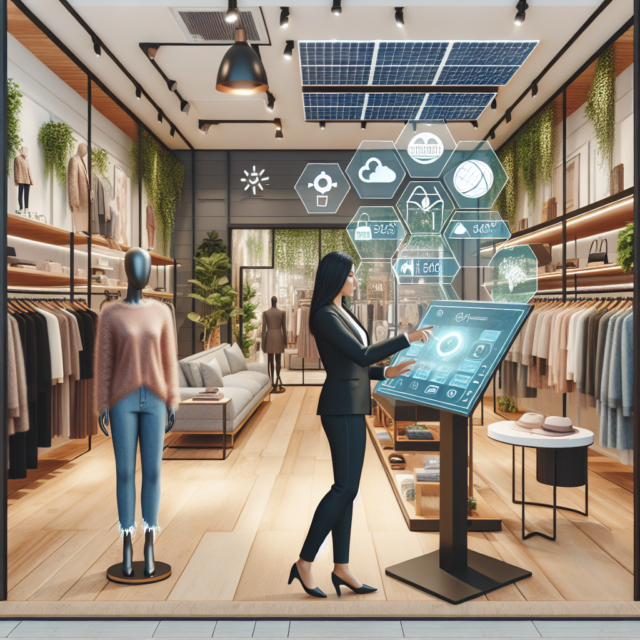
Virtual and augmented reality are also making waves in couture fashion, offering immersive experiences that transform how consumers interact with brands. Virtual fashion shows are becoming more prevalent, providing brands with a platform to reach global audiences without the limitations of physical runway shows. Augmented reality applications allow customers to visualize how garments will look and fit in real-time, enhancing the shopping experience and reducing the need for physical inventory. These technologies are fostering a more engaging and interactive fashion ecosystem, where the digital and physical worlds seamlessly blend.
Artificial intelligence (AI) is another technological force reshaping the couture landscape. AI-driven analytics provide designers with insights into consumer preferences and emerging trends, enabling more informed design choices. Machine learning algorithms can predict fashion trends and consumer behavior, helping brands tailor their collections to meet the evolving demands of their audience. AI is also being used to optimize supply chain operations, enhancing efficiency and reducing waste—a crucial consideration for luxury brands committed to sustainability.
Moreover, the rise of digital fashion is challenging traditional notions of couture, as virtual garments and accessories gain popularity. Digital fashion allows consumers to express their style in virtual environments, such as social media or gaming platforms, without the need for physical products. This trend not only opens new revenue streams for luxury brands but also aligns with a growing emphasis on sustainability, as digital fashion minimizes the environmental impact associated with traditional garment production.
In addition, blockchain technology is being explored for its potential to enhance transparency and traceability within the fashion industry. By providing a secure and immutable record of a garment’s journey from creation to consumer, blockchain can help combat counterfeit products and ensure authenticity—a critical concern for luxury brands. This technology also supports ethical sourcing practices, allowing consumers to verify the provenance of materials and the ethical standards of production.
As technology continues to evolve, couture fashion design will undoubtedly become more innovative and inclusive. The integration of these advancements not only enhances creativity and efficiency but also aligns with the industry’s broader goals of sustainability and personalization. By embracing technology, luxury fashion brands are poised to redefine the future of couture, offering new ways for consumers to experience and engage with high fashion.
Sustainability: A Core Pillar for Luxury Brands
Sustainability has emerged as a fundamental pillar for luxury fashion brands, driven by increasing consumer awareness and demand for ethical practices. As environmental concerns intensify, brands are reevaluating their production processes to minimize their ecological footprint. This shift towards sustainability is not only a response to consumer expectations but also a strategic move to ensure long-term viability in a rapidly changing world. Luxury brands are investing in sustainable materials, such as organic cotton, recycled textiles, and innovative alternatives like mushroom leather, to create eco-friendly collections without compromising on quality or aesthetics.
Transparency is becoming a key component of sustainability efforts, as consumers seek to understand the journey of their garments from raw materials to finished products. Luxury brands are adopting traceability practices to provide insights into their supply chains, ensuring ethical sourcing and fair labor practices. This commitment to transparency fosters consumer trust and strengthens brand loyalty, as customers increasingly prioritize brands that align with their values. By embracing sustainable practices, luxury fashion brands are not only reducing their environmental impact but also setting new standards for the industry.
Circular fashion is another trend gaining traction within the luxury sector, as brands explore ways to extend the lifecycle of their products. This approach involves designing garments with longevity in mind, encouraging repair and recycling, and promoting resale and rental models. By shifting towards circular fashion, luxury brands can reduce waste and create a more sustainable fashion ecosystem. Initiatives such as take-back programs and upcycling collaborations are becoming more common, as brands seek to close the loop and minimize their contribution to the growing problem of fashion waste.
Innovation in sustainable fashion is also being driven by technological advancements, as brands explore new methods of production and material development. From biofabrication to zero-waste design techniques, luxury brands are pushing the boundaries of what is possible in sustainable fashion. These innovations not only reduce the environmental impact of garment production but also offer exciting new possibilities for creative expression. As technology continues to evolve, the potential for sustainable innovation in luxury fashion is virtually limitless.
Collaboration is playing a crucial role in advancing sustainability within the luxury fashion industry. Brands are partnering with environmental organizations, research institutions, and technology companies to develop and implement sustainable solutions. These collaborations enable luxury brands to leverage expertise and resources beyond their own capabilities, accelerating the transition towards a more sustainable future. By working together, the industry can drive meaningful change and address the complex challenges of sustainability.
Ultimately, sustainability is becoming an integral part of the luxury fashion narrative, shaping the future of the industry in profound ways. As brands continue to embrace sustainable practices, they are not only meeting the demands of environmentally conscious consumers but also contributing to a more sustainable and equitable world. By prioritizing sustainability, luxury fashion brands are redefining what it means to be a leader in the industry, setting a precedent for future generations.
Personalization and Customization in High Fashion
Personalization and customization are becoming increasingly important in high fashion, as consumers seek unique and tailored experiences that reflect their individuality. Luxury brands are responding to this demand by offering bespoke services that allow customers to personalize everything from the design of their garments to the materials used. This trend is reshaping the traditional model of fashion consumption, as consumers become co-creators in the design process, resulting in products that are truly one-of-a-kind.
Advancements in technology are playing a pivotal role in facilitating personalization and customization in high fashion. Digital platforms and tools enable consumers to engage with brands in new and interactive ways, allowing them to visualize and modify designs before making a purchase. Virtual fitting rooms and 3D visualization technologies are enhancing the customization experience, enabling consumers to see how garments will look and fit in real-time. These innovations are empowering consumers to make informed decisions and create personalized products that meet their specific needs and preferences.
Luxury brands are also leveraging data analytics to enhance personalization efforts, using insights into consumer behavior and preferences to tailor their offerings. By analyzing data from various touchpoints, brands can create personalized marketing campaigns and product recommendations that resonate with individual consumers. This data-driven approach not only enhances the customer experience but also strengthens brand loyalty, as consumers feel valued and understood by the brands they engage with.
The rise of personalization is also driving a shift towards made-to-order and limited edition collections, as brands seek to create a sense of exclusivity and uniqueness. By offering limited runs of customized products, luxury brands can cater to the growing demand for individuality while minimizing waste and overproduction. This approach aligns with the broader trend towards sustainability, as made-to-order models reduce the environmental impact of fashion production by ensuring that only what is needed is produced.
Furthermore, personalization is extending beyond products to encompass the entire customer journey, as luxury brands strive to create memorable and meaningful experiences. From personalized in-store services to bespoke packaging and delivery options, brands are seeking to create a seamless and immersive experience that resonates with consumers on a personal level. This focus on personalization is transforming the way consumers interact with luxury brands, fostering deeper connections and enhancing brand loyalty.
As the demand for personalization and customization continues to grow, luxury fashion brands are embracing new strategies and technologies to meet the evolving needs of their consumers. By offering bespoke services and personalized experiences, brands are redefining the concept of luxury, making it more inclusive and accessible. This trend is not only reshaping the future of high fashion but also challenging traditional notions of exclusivity and status, as consumers seek products and experiences that are uniquely their own.
The future of couture and luxury fashion is being shaped by transformative trends that are redefining the industry. The integration of technology in design, a steadfast commitment to sustainability, and the growing demand for personalization and customization are driving innovation and change. As luxury brands navigate this evolving landscape, they are embracing new tools and strategies to meet the needs of a discerning and conscious consumer base. By staying at the forefront of these trends, luxury fashion brands are poised to lead the industry into a new era, where creativity, responsibility, and individuality converge.
Exploring the Future of Digital Luxury Experiences
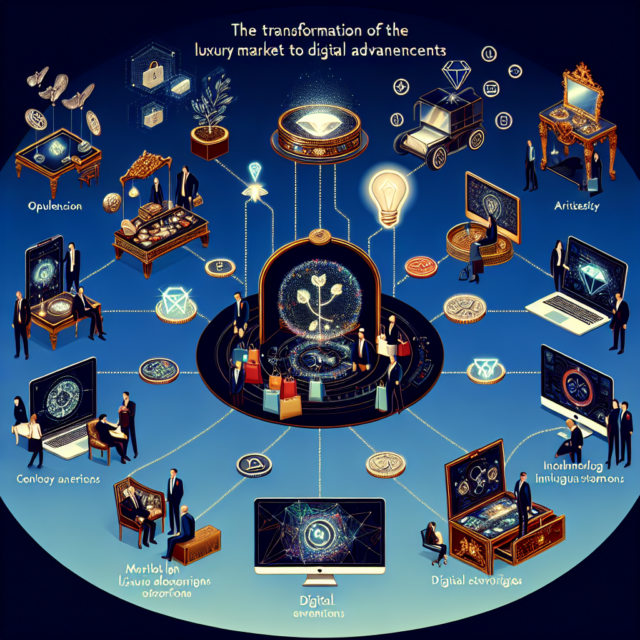
In an era where digitalization permeates every aspect of our lives, the luxury industry stands at a fascinating crossroads. The intersection of technology and luxury is crafting new paradigms of consumer engagement, offering a tantalizing glimpse into the future of opulence. As digital platforms evolve, so too do the ways in which luxury brands connect with their discerning clientele. This exploration delves into the evolution, innovations, challenges, and opportunities that define the future of digital luxury experiences.
The Evolution of Digital Luxury Experiences
The digital transformation of the luxury sector has been a gradual yet profound journey. Traditionally characterized by exclusivity and tactile experiences, luxury brands have had to rethink their strategies to remain relevant in a digital-first world. The initial foray into digital platforms was met with skepticism, as many feared that the intangible nature of online interactions would dilute the aura of exclusivity that luxury brands are built upon. However, as e-commerce became ubiquitous, luxury brands began to embrace the digital shift, understanding that the online space could complement and enhance their offerings.
Over time, luxury brands have learned to harness the power of digital tools to create immersive and personalized experiences. High-definition imagery, virtual reality (VR), and augmented reality (AR) have allowed brands to showcase their products in exquisite detail, bringing the in-store experience to the digital realm. This evolution has been critical in maintaining the allure of luxury in a world where physical interactions have become increasingly limited. As a result, digital platforms have transformed from mere transaction points into vital components of a brand’s identity and storytelling.
The rise of social media has further accelerated the digital evolution of luxury experiences. Platforms like Instagram and Pinterest serve as visual playgrounds, where brands can curate aspirational lifestyles and engage with global audiences. Influencer collaborations and user-generated content have become instrumental in shaping brand narratives, creating a sense of community and belonging among consumers. This shift has democratized luxury, making it accessible to a broader audience while maintaining its aspirational appeal.
The evolution of digital luxury experiences is also marked by the integration of cutting-edge technologies. Artificial intelligence (AI) and machine learning have enabled brands to analyze consumer data, offering personalized recommendations and bespoke services that cater to individual preferences. This level of personalization has redefined what it means to offer a luxury experience, as brands can now anticipate and fulfill the desires of their clientele with unprecedented precision.
Moreover, the digital evolution has facilitated the emergence of new business models within the luxury sector. Direct-to-consumer (DTC) approaches have allowed brands to establish closer relationships with their customers, bypassing traditional retail channels. Subscription services and curated boxes offer convenience and exclusivity, catering to the modern consumer’s desire for both luxury and ease. These innovations reflect a broader trend of experiential luxury, where the focus is on crafting memorable, personalized experiences rather than merely acquiring products.
In summary, the evolution of digital luxury experiences is a testament to the industry’s adaptability and resilience. By embracing digital tools and platforms, luxury brands have not only preserved their allure but also enhanced it, offering consumers new and exciting ways to engage with their offerings. As technology continues to advance, the possibilities for digital luxury experiences are boundless, promising an exciting future for both brands and consumers alike.
Innovations Shaping the Luxury Market’s Future
The luxury market is at the forefront of technological innovation, constantly seeking new ways to enhance and redefine the consumer experience. One of the most significant innovations shaping the future of digital luxury is the integration of virtual and augmented reality. These technologies allow consumers to immerse themselves in a brand’s universe, offering virtual tours of flagship stores, behind-the-scenes glimpses of craftsmanship, and interactive product demonstrations. By creating these immersive experiences, luxury brands can forge deeper emotional connections with their audience, transcending the limitations of physical space.
Blockchain technology is another innovation poised to revolutionize the luxury market. With its promise of transparency and security, blockchain offers a solution to the long-standing issues of counterfeit goods and provenance. By leveraging blockchain, luxury brands can provide consumers with verifiable proof of authenticity, ensuring that each purchase is a genuine investment. This technology also opens the door to new possibilities, such as digital ownership and the creation of unique, limited-edition virtual assets, further blurring the lines between the physical and digital realms.
Artificial intelligence continues to be a driving force in the evolution of luxury experiences. From chatbots providing instant customer service to AI-driven personalization engines, this technology enables brands to deliver tailored experiences at scale. Predictive analytics and machine learning algorithms allow brands to anticipate consumer needs, offering personalized recommendations and curated collections that resonate with individual tastes. This level of personalization not only enhances the consumer experience but also fosters brand loyalty and engagement.
Sustainability is increasingly becoming a focal point for luxury brands, and digital innovation plays a crucial role in this transformation. Technologies such as 3D printing and virtual prototyping enable brands to reduce waste and streamline production processes, aligning with the growing consumer demand for environmentally responsible practices. Additionally, digital platforms provide a space for brands to communicate their sustainability initiatives transparently, building trust and credibility with their audience.
The rise of the metaverse presents a new frontier for digital luxury experiences. As virtual worlds become more sophisticated, luxury brands have the opportunity to create entirely new ecosystems where consumers can engage with their offerings in novel ways. From virtual fashion shows to exclusive digital events, the metaverse offers a playground for creativity and innovation, allowing brands to push the boundaries of traditional luxury experiences.
Finally, the integration of IoT (Internet of Things) technology is set to transform the luxury market. Smart devices and connected products offer new possibilities for enhancing the consumer experience, from personalized climate control in luxury vehicles to intelligent home automation systems. By leveraging IoT, luxury brands can create seamless, interconnected experiences that cater to the modern consumer’s desire for convenience and sophistication.
Challenges and Opportunities in Digital Luxury
While the digital transformation of the luxury industry presents numerous opportunities, it also brings a unique set of challenges. One of the primary challenges is maintaining the sense of exclusivity and prestige that defines luxury brands in a digital space that is inherently accessible and open. As brands expand their digital presence, they must find ways to preserve the aura of rarity and sophistication that sets them apart, ensuring that digital interactions are as meaningful and impactful as their physical counterparts.
Another challenge lies in balancing personalization with privacy. As luxury brands leverage consumer data to deliver tailored experiences, they must also navigate the complexities of data privacy regulations and consumer expectations. Ensuring data security and transparency is paramount, as any breach of trust can have significant repercussions for brand reputation. Brands must strike a delicate balance between leveraging data for personalization and respecting consumer privacy, fostering trust and loyalty in the process.
The rapid pace of technological advancement presents both opportunities and challenges for luxury brands. Staying ahead of the curve requires continuous innovation and adaptation, as emerging technologies can quickly render existing strategies obsolete. Brands must invest in research and development, exploring new technologies and trends to remain competitive in an ever-evolving landscape. This requires a forward-thinking mindset and a willingness to embrace change, even when it disrupts traditional business models.
The global nature of digital platforms offers luxury brands unparalleled reach, but it also presents challenges in terms of cultural relevance and localization. As brands expand their digital presence into new markets, they must ensure that their messaging and offerings resonate with diverse audiences. This requires a nuanced understanding of cultural nuances and preferences, as well as the ability to adapt global strategies to local contexts without compromising brand identity.
Despite these challenges, the digital transformation of the luxury industry presents significant opportunities for growth and innovation. Digital platforms offer brands the ability to engage with consumers in new and exciting ways, creating immersive and personalized experiences that foster loyalty and engagement. By embracing technology, luxury brands can expand their reach, attract new audiences, and redefine what it means to offer a luxury experience in the digital age.
In conclusion, the future of digital luxury experiences is a landscape rich with potential. While challenges exist, they are not insurmountable, and the opportunities for innovation and growth are vast. By embracing digital tools and technologies, luxury brands can not only navigate the complexities of the digital age but also thrive, crafting experiences that are as luxurious and memorable as they are innovative and forward-thinking.
The digital transformation of the luxury industry is an ongoing journey, marked by innovation, adaptation, and an unwavering commitment to excellence. As technology continues to evolve, so too will the ways in which luxury brands engage with their audiences, crafting experiences that are both deeply personal and universally aspirational. The future of digital luxury is a tapestry of possibilities, woven together by the threads of tradition and innovation, offering a glimpse into a world where technology and luxury coexist in perfect harmony.
In an era where the boundaries between the physical and digital worlds are increasingly blurred, the realm of couture is experiencing a transformative evolution. The metaverse, a collective virtual shared space, is not just a futuristic concept anymore; it’s becoming an integral part of how we experience and interact with fashion. This evolution is marked by the confluence of couture and digital innovation, the redefinition of fashion design through virtual reality, and the emergence of virtual platforms as the new runways. This article delves into how these elements are reshaping the landscape of high fashion.
The Intersection of Couture and Digital Innovation
The fusion of couture and digital innovation marks a significant turning point in the fashion industry. Traditionally, couture has been synonymous with exclusive, handcrafted garments that epitomize luxury and craftsmanship. However, as digital technologies advance, designers are beginning to explore new methods of creation that transcend the tangible. This intersection is giving rise to a new form of couture that embraces digital craftsmanship, where the artistry lies in code and pixels as much as in needle and thread.
One of the most profound impacts of digital innovation on couture is the democratization of design. Advanced software and virtual tools empower designers to experiment with complex patterns and textures that were once impossible to achieve manually. This technological shift allows for greater creativity and precision, enabling designers to push the boundaries of traditional couture. Moreover, these tools offer a platform for emerging talents who may not have access to traditional resources, thus broadening the scope of who can participate in the couture world.
Digital innovation also facilitates a more sustainable approach to couture. Virtual prototypes and digital sampling significantly reduce the waste associated with traditional garment production. By simulating designs in a virtual environment, designers can make adjustments and perfect their creations before a single piece of fabric is cut. This not only conserves resources but also accelerates the design process, allowing for quicker turnaround times without compromising on quality or creativity.
Furthermore, the integration of digital elements into couture designs is creating new aesthetic possibilities. Augmented reality (AR) and virtual reality (VR) technologies enable designers to incorporate dynamic, interactive features into their garments. This not only enhances the visual appeal of the pieces but also offers an immersive experience for the wearer, blurring the line between fashion and technology. As a result, couture is no longer confined to static, physical garments but evolves into an interactive art form.
The intersection of couture and digital innovation also opens new avenues for consumer engagement. Virtual fashion shows and digital collections allow brands to reach a global audience without the geographical limitations of traditional runway events. This accessibility fosters a more inclusive fashion community, where enthusiasts from all over the world can participate in the couture experience. Additionally, digital platforms enable personalized interaction, where consumers can customize and visualize garments in real-time, enhancing their connection to the brand.
As the digital landscape continues to evolve, the relationship between couture and innovation will only deepen. Designers are not just adapting to technological advancements; they are actively shaping them to redefine the future of fashion. This symbiotic relationship promises to usher in a new era of couture that is as dynamic and multifaceted as the digital world itself.
How Virtual Reality is Redefining Fashion Design
Virtual reality (VR) is revolutionizing the fashion design process, offering designers unprecedented tools to conceptualize and create their visions. In the traditional fashion landscape, designers relied on sketches, fabric swatches, and physical prototypes to bring their ideas to life. VR, however, provides a multidimensional platform where designers can visualize and manipulate garments in a fully immersive environment. This shift is fundamentally changing how fashion is conceived and developed.
One of the primary advantages of VR in fashion design is the ability to simulate and experiment with designs in a risk-free environment. Designers can create virtual prototypes, adjust patterns, and test different fabrics and colors without the constraints of physical materials. This flexibility encourages experimentation and innovation, allowing designers to explore unconventional ideas and push creative boundaries. Moreover, VR enables rapid iteration, as changes can be made instantly and viewed in real-time, streamlining the design process.
VR also enhances collaboration within the fashion industry. Designers, manufacturers, and retailers can share and review virtual models, facilitating seamless communication and reducing the potential for errors. This collaborative approach ensures that all stakeholders are aligned throughout the design and production phases, resulting in more cohesive collections. Additionally, VR enables remote collaboration, allowing teams from different parts of the world to work together in a shared virtual space, thus broadening the scope of global partnerships.
Beyond the design process, VR is transforming how fashion is presented and consumed. Virtual fashion shows offer an immersive experience that transcends the limitations of traditional runway events. Attendees can explore collections from multiple angles, interact with garments, and even experience them in different virtual environments. This level of engagement enhances the storytelling aspect of fashion, allowing brands to convey their narratives in more compelling and interactive ways.
The use of VR also extends to retail, where virtual fitting rooms provide consumers with a personalized shopping experience. Shoppers can try on garments virtually, see how they fit and move, and make informed purchasing decisions without stepping into a physical store. This technology not only enhances convenience but also reduces return rates, as customers are more likely to be satisfied with their purchases. As VR technology continues to evolve, its applications in fashion retail are expected to expand, offering even more tailored and immersive experiences.
While VR presents numerous opportunities, it also poses challenges for the fashion industry. The adoption of VR technology requires significant investment in infrastructure and training, which may be prohibitive for smaller brands. Additionally, the digital divide means that not all consumers have access to the technology needed to fully experience virtual fashion. Despite these challenges, the potential of VR to redefine fashion design is undeniable, promising a future where creativity is limited only by the imagination.
From Runways to Virtual Platforms: A New Frontier
The traditional fashion runway, a staple of haute couture presentations, is undergoing a transformation as virtual platforms emerge as the new frontier for showcasing collections. In the past, fashion shows were exclusive events accessible only to industry insiders, celebrities, and select guests. However, virtual platforms are democratizing access to fashion, allowing anyone with an internet connection to experience the spectacle of a runway show.
Virtual platforms offer a dynamic and versatile space for fashion presentations, enabling designers to craft unique experiences that extend beyond the physical limitations of traditional runways. Through the use of CGI and digital environments, designers can create fantastical settings that enhance the narrative of their collections. This creative freedom allows for more elaborate storytelling, where the setting becomes an integral part of the fashion show, engaging audiences in new and exciting ways.
The shift to virtual platforms also reflects changing consumer behaviors and preferences. In an increasingly digital world, audiences are seeking more interactive and immersive experiences. Virtual fashion shows cater to this demand by offering features such as 360-degree views, interactive elements, and real-time engagement with the collection. This level of interactivity not only captures the attention of viewers but also fosters a deeper connection between the brand and its audience.
Moreover, virtual platforms provide designers with valuable data and insights into consumer preferences. By analyzing viewer interactions, designers can gain a better understanding of which designs resonate with their audience, allowing for more informed decision-making in future collections. This data-driven approach is transforming how fashion brands strategize and engage with their consumers, making the industry more responsive to market trends and demands.
Despite the advantages, transitioning from physical runways to virtual platforms presents challenges. The production of virtual shows requires a different set of skills and technologies, necessitating investment in digital infrastructure and expertise. Additionally, the sensory experience of a physical fashion show, with its tactile and atmospheric elements, is difficult to replicate in a virtual setting. Designers must find innovative ways to convey the same level of emotion and impact through a screen.
As the fashion industry navigates this new frontier, the integration of virtual platforms into the couture landscape is likely to become more prevalent. While traditional runways will continue to hold cultural significance, the flexibility and reach of virtual platforms offer exciting possibilities for the future of fashion presentations. In this evolving landscape, the challenge lies in balancing the allure of the physical with the potential of the digital, creating a harmonious blend that captures the essence of couture in the metaverse era.
The metaverse era is ushering in a new chapter for couture, where digital innovation and virtual reality are redefining the very fabric of fashion. As designers embrace these technologies, they are not only expanding the creative possibilities of couture but also reshaping how fashion is experienced and consumed. The transition from traditional runways to virtual platforms marks a significant shift in the industry, one that reflects broader societal changes and the increasing convergence of the digital and physical worlds. As couture continues to evolve in this dynamic landscape, it promises to remain a vibrant and influential force, inspiring future generations to push the boundaries of creativity and innovation.
In recent years, the luxury market has undergone a significant transformation driven by the rapid advancement of digital technologies. As affluent consumers increasingly seek personalized and immersive experiences, luxury brands have been compelled to innovate and adapt to this digital wave. This article explores the emerging digital trends shaping the luxury market, focusing on the rise of digitalization, innovations in consumer experiences, and the strategies luxury brands are employing to navigate the future in the digital age.
The Rise of Digitalization in Luxury Markets
The digital revolution has permeated every corner of the luxury market, reshaping how brands engage with consumers and redefine opulence in the modern era. One of the most significant shifts has been the integration of e-commerce platforms, enabling luxury brands to reach a global audience without the constraints of physical storefronts. This digital expansion has democratized access to luxury goods, allowing consumers from diverse geographical locations to engage with high-end brands.
Social media platforms have also played a pivotal role in the digitalization of luxury markets. Instagram, in particular, has become a vital tool for luxury brands to showcase their products and craft compelling narratives through visually stunning content. This has led to an increase in influencer collaborations, where brands partner with social media personalities to reach target audiences and drive engagement.
Furthermore, the adoption of artificial intelligence (AI) and machine learning has enabled luxury brands to offer personalized shopping experiences. By analyzing consumer data, AI-driven algorithms can suggest products that align with individual preferences and past purchases, creating a seamless and tailored shopping journey. This level of personalization is becoming essential for brands to maintain their competitive edge in the digital landscape.
Virtual and augmented reality technologies are also gaining traction in the luxury sector. These technologies allow consumers to experience products in immersive environments, such as virtual fashion shows or augmented reality fitting rooms. This not only enhances the shopping experience but also provides an innovative way for brands to showcase their craftsmanship and design.
Blockchain technology is revolutionizing the way luxury goods are authenticated and tracked throughout their lifecycle. By providing a decentralized and tamper-proof ledger, blockchain ensures the provenance and authenticity of luxury items, addressing concerns around counterfeiting and enhancing consumer trust in the digital marketplace.
Lastly, the rise of digitalization in luxury markets has led to the emergence of new business models, such as luxury subscription services and digital-only fashion lines. These models cater to the evolving preferences of modern consumers who value convenience, exclusivity, and sustainability in their luxury purchases.
Innovations Driving Luxury Consumer Experiences
The luxury market is witnessing a surge of innovations designed to enhance consumer experiences and elevate brand interactions. One of the most prominent examples is the use of AI-driven chatbots that provide real-time customer support. These chatbots can answer queries, assist with product recommendations, and even facilitate transactions, offering a seamless and efficient service that aligns with the expectations of tech-savvy consumers.
In-store experiences are also being transformed by digital innovations. Luxury brands are incorporating interactive displays and digital touchpoints to create immersive retail environments. For instance, smart mirrors equipped with augmented reality capabilities allow customers to virtually try on products, eliminating the need for physical trials and enhancing the overall shopping experience.
Personalization continues to be a driving force in luxury consumer experiences. Brands are leveraging data analytics to gain insights into consumer behavior and preferences, enabling them to create bespoke products and tailor marketing campaigns. This level of customization not only strengthens brand loyalty but also fosters a deeper emotional connection between consumers and luxury brands.
The integration of voice-activated technology is another trend reshaping luxury consumer experiences. With the rise of smart home devices, luxury brands are developing voice-activated applications that allow consumers to interact with their products and services effortlessly. This hands-free approach aligns with the lifestyle of modern consumers who value convenience and efficiency.
Sustainability is increasingly becoming a focal point for luxury brands, and digital innovations are playing a crucial role in this transformation. From blockchain-based supply chain transparency to digital platforms that promote circular fashion, brands are leveraging technology to align with the values of environmentally conscious consumers.
Finally, the concept of phygital experiences—where physical and digital elements converge—is gaining momentum in the luxury market. Brands are creating hybrid experiences that blend online and offline interactions, such as virtual pop-up stores or digital events with physical components. This approach not only enhances consumer engagement but also provides a holistic brand experience that resonates with modern luxury consumers.
Navigating the Future of Luxury in the Digital Age
As luxury brands navigate the future in the digital age, they face the challenge of balancing tradition with innovation. Maintaining the allure of exclusivity while embracing digital accessibility requires a delicate equilibrium. Brands must continue to uphold their heritage and craftsmanship while incorporating cutting-edge technologies to stay relevant in a rapidly evolving market.
To thrive in the digital age, luxury brands must prioritize digital literacy and invest in talent that understands the nuances of technology-driven consumer behavior. This includes hiring data scientists, digital marketers, and technologists who can drive innovation and enhance brand strategies in the digital realm.
Collaboration and partnerships with technology companies are becoming increasingly important for luxury brands. By leveraging the expertise of tech firms, luxury brands can develop innovative solutions that enhance consumer experiences and streamline operations. These partnerships can also facilitate the integration of emerging technologies, such as AI and blockchain, into the luxury ecosystem.
The rise of the metaverse presents both opportunities and challenges for luxury brands. As virtual worlds become more prevalent, luxury brands have the opportunity to create digital assets and experiences that resonate with consumers in these immersive environments. However, navigating the metaverse requires a strategic approach to ensure brand integrity and authenticity are maintained.
Consumer expectations are evolving, and luxury brands must adapt to meet these changing demands. This includes offering seamless omnichannel experiences that integrate online and offline touchpoints, as well as prioritizing sustainability and ethical practices throughout the supply chain. Brands that successfully align with these consumer values will be well-positioned to thrive in the digital age.
Ultimately, the future of luxury in the digital age will be defined by the ability of brands to innovate and adapt while staying true to their core values. By embracing digital transformation and leveraging technology to enhance consumer experiences, luxury brands can continue to captivate and inspire their discerning clientele in an increasingly digital world.
The digital age presents both challenges and opportunities for the luxury market. As digitalization continues to reshape consumer behavior and expectations, luxury brands must navigate this evolving landscape with agility and foresight. By embracing digital innovations and aligning with the values of modern consumers, luxury brands can not only thrive in the digital age but also redefine what it means to be truly luxurious in a connected world. Through a strategic blend of tradition and technology, the future of luxury promises to be as captivating and aspirational as ever.
Rokid , a pioneer in Augmented Reality, participated in the influential BEYOND Expo 2025, where it joined China’s strongest forces driving technology...