Published: January 10, 2025 at 5:47 am Updated: January 10, 2025 at 5:47 am
by Ana
Edited and fact-checked:
January 10, 2025 at 5:47 am
To improve your local-language experience, sometimes we employ an auto-translation plugin. Please note auto-translation may not be accurate, so read original article for precise information.
In Brief
GateLive, a dynamic cryptocurrency streaming platform, saw record-breaking growth in 2024, combining trading analytics, instructional material, and community engagement with cutting-edge tools like Copy Streamer’s Strategy.
In order to keep consumers up to date on market developments, GateLive, a dynamic platform for live cryptocurrency streaming, seamlessly combines trading analytics, instructional material, and community engagement. With approximately 20 million views and an astounding 49,000 live broadcasts every year, GateLive saw unheard-of growth in 2024, with record-breaking levels of user engagement and watch hours. The platform’s strength is its wide range of market analysis, which is crafted by more than 6,400 top industry specialists.
Cutting-edge tools like GateLive’s Copy Streamer’s Strategy, which lets users mimic profitable trading strategies, and AI-powered live stream summaries that streamline market data for better decision-making are essential to the platform’s success. Both user engagement and trade effectiveness have been greatly increased by these technologies.
Leading a New Wave of Social Engagement in Crypto
GateLive Space allows users to engage in live audio conversations with cryptocurrency fans across the globe, exchanging viewpoints and talking about market trends. The platform fosters an inclusive atmosphere that makes it easy for new users to participate in discussions. Everyone can better understand the crypto world because of its easy-to-understand communication style.
The innovative platform enhances user involvement through lively debates and collaborative learning, going beyond casual connection. GateLive Space delivers an immersive and engaging experience that enhances community links and broadens consumers’ knowledge of the sector by enabling direct conversation between hosts and participants.
Assistance for New Hosts
Gate.io provides strong assistance for new hosts joining GateLive Space in order to foster the development of new content providers. The platform assists creators in growing their following and earning early financial incentives through a variety of incentive schemes. Up to a 60% commission refund is available to new hosts, which greatly reduces entrance barriers and offers an alluring starting income.
Successful hosts may move up the VIP ranks quickly, gaining access to special advantages like token airdrops and fan giveaway sponsorships. In addition to keeping hosts inspired, this multifaceted incentive system sets GateLive Space apart as a pioneer in the competitive field of social media platforms with a cryptocurrency focus.
In terms of its goal to enhance user engagement and innovation in the cryptocurrency field, the GateLive field marks an important milestone for Gate.io. The platform promotes industry collaboration and progress by facilitating the sharing of thorough market information through real-time audio chats.
GateLive Space, a crucial part of Gate.io’s strategic goal, is a prime example of the organization’s commitment to building a vibrant and engaging cryptocurrency community. In order to create a more inclusive and exciting future for cryptocurrency, Gate.io is dedicated to investigating fresh approaches to integrating users with the developing Web3 ecosystem.
Disclaimer
The content herein does not constitute any offer, solicitation, or recommendation. You should always seek independent professional advice before making any investment decisions. Please note that Gate.io may restrict or prohibit the use of all or a portion of the Services from Restricted Locations. For more information, please read the User Agreement at https://www.gate.io/user-agreement.
Disclaimer
In line with the Trust Project guidelines, please note that the information provided on this page is not intended to be and should not be interpreted as legal, tax, investment, financial, or any other form of advice. It is important to only invest what you can afford to lose and to seek independent financial advice if you have any doubts. For further information, we suggest referring to the terms and conditions as well as the help and support pages provided by the issuer or advertiser. MetaversePost is committed to accurate, unbiased reporting, but market conditions are subject to change without notice.
About The Author
Victoria is a writer on a variety of technology topics including Web3.0, AI and cryptocurrencies. Her extensive experience allows her to write insightful articles for the wider audience.
More articles
Victoria d’Este
Victoria is a writer on a variety of technology topics including Web3.0, AI and cryptocurrencies. Her extensive experience allows her to write insightful articles for the wider audience.
Published: January 10, 2025 at 4:38 am Updated: January 10, 2025 at 4:38 am
by Ana
Edited and fact-checked:
January 10, 2025 at 4:38 am
To improve your local-language experience, sometimes we employ an auto-translation plugin. Please note auto-translation may not be accurate, so read original article for precise information.
In Brief
The Buffer of Liquidity Delay protocol is being considered for application to Arbitrum One and Arbitrum Nova, aiming to improve security and dispute settlement procedures.
The proposal to apply the Buffer of Liquidity Delay (BoLD) protocol to Arbitrum One and Arbitrum Nova, the two chains that make up the Arbitrum (ARB) community, is presently undergoing a governance vote. Deployment of the project is planned for February 2025, assuming approval.
This security improvement aims to address attacks and enhance the dispute settlement procedure. The poll, which started recently and is scheduled to end at 6:54 PM KST on January 24, has received 100% of the vote thus far.
LIVE: Proposal to activate Arbitrum BoLD is up for a final vote.
BoLD is a new dispute resolution protocol enabling permissionless validation.
If approved, anyone can participate in validation and defend against malicious claims to an Arbitrum chain’s state.…
— Arbitrum Governance (@arbitrumdao_gov) January 9, 2025
BoLD is intended to convert Arbitrum to a permissionless framework from a permissioned validator system. Anyone might take part in confirming the chain’s current condition and refuting fraudulent assertions with this modification. It is anticipated that this strategy would preserve Ethereum’s rollup security requirements while enhancing the system’s resiliency and decentralization.
Essential Elements and Advantages of BoLD Protocol
BoLD’s implementation marks an important modification to Arbitrum’s security and governance framework. Enforcing a deadline for dispute resolution is one of its main goals. This feature reduces the dangers of delay attacks by guaranteeing that disagreements cannot cause the system to halt as long as at least one trustworthy validator takes part. The proposed update seeks to replace Arbitrum’s current permissioned collection of validators with an open, permissionless solution to handle such issues.
The advantages of the protocol go beyond only resolving disputes. BoLD strengthens Orbit Layer 3 (L3) chains’ resistance to censorship, making it more difficult for bad actors to restrict data or transactions. Additionally, by incorporating them within a “Security Council Safety-First” architecture, the update preserves current security safeguards. This balance guarantees that the system’s fundamental security is maintained even as it grows more resilient and inclusive.
Additionally, the Arbitrum DAO has connected the Arbitrum Foundation’s financing to BoLD’s approval. The Foundation will be the first active proposer for Arbitrum One if the protocol is approved. To maintain accountability in the governance process, the Foundation has promised to restore the amount of funds to the DAO within 30 days of the proposal being rejected.
Implications for Ethereum Rollup Recognition
It is anticipated that if the BoLD protocol is put into practice, Arbitrum’s standing as a Stage 2 Ethereum rollup will be improved, demonstrating a more secure and decentralized architecture. This accomplishment could strengthen Arbitrum’s standing as a top Ethereum scaling solution, putting it in a better position to compete in the quickly changing blockchain market.
Arbitrum would be in line with Ethereum’s overarching objectives of security, scalability, and decentralization by using BoLD, which would solve present constraints in its validation and dispute resolution procedures.
The suggested protocol provides a mechanism to increase the network’s capacity and resiliency, guaranteeing that Arbitrum will continue to be an essential part of Ethereum’s rollup-centric strategy.
Disclaimer
In line with the Trust Project guidelines, please note that the information provided on this page is not intended to be and should not be interpreted as legal, tax, investment, financial, or any other form of advice. It is important to only invest what you can afford to lose and to seek independent financial advice if you have any doubts. For further information, we suggest referring to the terms and conditions as well as the help and support pages provided by the issuer or advertiser. MetaversePost is committed to accurate, unbiased reporting, but market conditions are subject to change without notice.
About The Author
Victoria is a writer on a variety of technology topics including Web3.0, AI and cryptocurrencies. Her extensive experience allows her to write insightful articles for the wider audience.
More articles
Victoria d’Este
Victoria is a writer on a variety of technology topics including Web3.0, AI and cryptocurrencies. Her extensive experience allows her to write insightful articles for the wider audience.
Elegance can’t just be bought; it requires an eye for fine things. Tailoring and bespoke garments are the answer to acquiring some of the best in a fashion collection. The art of tailoring and bespoke garments can help you create a wardrobe with elegance, comfort and durability.
Tailoring and bespoke garments have been around for decades. These garments are built to change how a person looks and feels. To refine elegance, Ermanno Scervino offers some garments to get anyone started on their bespoke journey. Remember, the idea is to get the most exquisite pieces that can match almost any other garment in the wardrobe.
What Tailoring and Bespoke Garments Can Do
Tailoring is the art of cutting, fitting, finishing and designing clothes. The word tailor was first used in the 14th century, and it’s derived from the French word “tailler”, which means to cut. However, due to retailing and the sale of ready-made garments, tailoring from scratch is now a much smaller and exclusive market.
Although the term “tailor-made” has become a common term in most industries, whether referring to computer software, a kitchen or curtains, it still carries the element of creating a one-of-a-kind product. Tailoring clothes such as the silk and lace bustier dress highlights an individual’s best features, as most tailors can custom-make an outfit.
In the clothing trade, tailoring contributes to creating the most classic forms of clothing, such as suits and couture dresses for special evenings and cocktail events. Tailors still dress their clients in the most elegant and best-fitting way.
One thing that makes tailoring the best is that garments can be made to fit people who wouldn’t have a fit in the ready-made clothing industry. Tailoring is common with celebrities and royalty.
Why Tailoring and Bespoke Garments are Just Better for that Special Occasion
Tailoring is often considered superior to buying clothes off the rack due to the personalisation, comfort and quality it offers. Here are a few reasons why tailoring is better:
An Excellent Fit
Tailored clothes are made to fit the body perfectly using exact measurements. This enhances the comfort, mobility and appearance of a garment. It also means the clothes aren’t too tight or too loose, which is a common problem, especially with mass-produced clothing.
Customisation
With a tailored garment, one can select the fabric, cut, colour and style they desire. This means a unique look can be created to suit an individual’s personal taste and needs for any occasion.
High-Quality Materials
Tailors commonly use high-quality fabrics and materials, ensuring the garment’s longevity and, to top it all off, making it look great.
Attention to Detail
Tailored clothing benefits from excellent craftsmanship, which ensures that things like lining, buttons, stitching and finishing touches are precise. This means the product is made stronger and more polished.
Timeless Investment
Most pieces, such as designer midi dresses, are created with a timeless appeal. They may not go out of style as quickly as fast-fashion pieces.
Flattering Look
A tailored outfit accentuates the best features of anyone and minimises any features that highlight imperfections. This means the design complements the body shape in a way that generic products wouldn’t.
Sustainability
Investing in tailored clothing reduces waste, which is common in mass production and fast fashion. This is because tailored garments are made to last longer and specifically for that person.
Enhanced Confidence
When someone wears something that fits perfectly, they feel more confident and self-assured. This makes getting those designer lace dresses and that long lingerie dress worthwhile.
Better Value
Although the upfront cost of a tailored garment may be higher, it often pays off in the long run due to durability and continued satisfaction. Also, these garments don’t need to be replaced often.
Garments Built to Last: A Brief History
The art of tailoring was first developed in Western Europe between the 12th and 14th centuries. It’s believed that tailoring was born in the Renaissance. This means that common loose clothing was made shorter and tighter, allowing the body’s contours to be displayed. Before the existence of tailors, most people found and designed their own garments.
As more tailors came into existence, more people also began to consult them to get that perfect fit. In the past, options were fewer, with no small, medium or large sizes, making the only option available being measured. Also, before tailoring, the main purpose of clothing was to protect the human body from nudity and the elements.
Tailoring Options Available on the Market
There are several tailoring options available on the market. Here are the most common ones:
Bespoke
In tailoring, bespoke means a garment is created from scratch, including the pattern, fabric and measurements. This is also considered the most luxurious form of tailoring. A bespoke garment commonly takes longer than any other form of tailoring. The wearer will typically include any customisations they wish to be included. A single garment can take several hours or weeks to create.
Made-to-measure
A made-to-measure garment, also known as custom-made, is created using an existing pattern. The pattern is then adjusted to fit the wearer’s precise measurements. Depending on the shape of the wearer, material is added or removed. A made-to-measure garment may also take several hours or weeks to complete.
Ready-to-wear
Ready-to-wear clothes are pre-manufactured to standard sizes and can be bought straight from the rack. However, ready-to-wear clothing doesn’t always mean mass-produced clothing, as some high-end products exist. Most of these products are made with limited production runs and change every season to ensure they stay unique. Purchasing a ready-to-wear piece with no alteration will take just a few minutes.
A Better Fit For Days
Always remember that refining elegance through tailoring may seem expensive at first glance, but it’s worth it in the long run. Just think of that exclusive coat that matches multiple outfits because it was made with precision and so much care. Also, remember tailoring is about quality and not always quantity.
Innovaccer Inc., a healthcare-focused SaaS company, has raised $275 million in a funding round of primary and secondary elements. Among the participating investors were B Capital Group, Kaiser Permanente, and M12, Microsoft’s venture fund. Banner Health, Danaher Ventures LLC, and Generation Investment Management also participated notably.
This funding round, which kicked off last year, is the biggest SaaS deal amidst a global revaluation in the sector. According to prior reporting by The Economic Times says that the key part of the funding round has kept Innovaccer’s valuation at $3.2 billion.
Innovaccer stated that the investment would fuel its efforts to expand collaborations with existing customers, enhance its AI and cloud capabilities, and build a robust developer ecosystem. The company also plans to introduce new tools such as:
Prior authorization systems
Clinical Documentation Solutions
Advanced contact capabilities
“This funding will enable us to push the boundaries of what’s possible in healthcare AI,” said Abhinav Shashank, co-founder and CEO of Innovaccer. “Our goal is to make healthcare more proactive, predictive, and personalized.”
Growth Trajectory:
Founded in 2014, Innovaccer has more than 130 healthcare customers, including big names such as Orlando Health and MercyOne. The company enables its clients to digitize patient records, enhance operational efficiency, and deliver value-driven healthcare solutions.
Key growth highlights include:
50% year-over-year revenue growth for the past five years.
Partnership with six of the top ten U.S. health systems and increased partnerships with the public sector.
Achieving an annual recurring revenue of a run rate of $150 million as of last year.
Kaiser Permanente, a long-time customer, uses Innovaccer’s AI platform to aggregate patient data and enhance value-added healthcare services.
Funding History:
Before this round, Innovaccer had raised $150 million in December 2021 led by Mubadala Capital. The company’s total funding stood at $675 million. Innovaccer was also a nominee for The Economic Times Startup of the Year award in 2024, marking its position as one of the most prominent in the SaaS and healthcare technology space.
This funding will enable Innovaccer to redefine healthcare AI and cloud solutions and advance its mission of making healthcare smarter and more efficient.
If you’re already immersed in the world of non-fungible tokens (NFTs), you’ve likely heard buzzwords like “community-led,” and “decentralization.” But how can these ideas truly benefit your NFT project in a practical way?
The answer often lies in creating a Community DAO—a structure that hands decision-making power back to the people who care about your project the most: your supporters.
In this article, we’ll explore the key steps to set up a Community DAO for your NFT project, break down all the tech jargon in simple terms, and explain why decentralizing power can supercharge your community.
A DAO, or Decentralized Autonomous Organization, is like a digital cooperative that runs on blockchain technology. Instead of having one CEO or a small group making decisions, a DAO distributes that power among everyone holding its governance tokens or NFTs. This creates a transparent, democratic, and community-driven approach to managing the project.
When your NFT community transitions into a DAO, every member gains a voice in shaping the project’s direction. From voting on new art concepts to deciding how to use community funds, the possibilities are endless. This is the essence of Web3: giving control back to the users.
Benefits of a DAO for NFT Projects
Transparency: All decisions and transactions are recorded on the blockchain, making it easy to verify how funds are spent and what proposals get passed.
Community Engagement: By empowering token holders to vote, you encourage active involvement and shared ownership.
Shared Ownership: Everyone who holds governance tokens (or specific NFTs) becomes a part-owner of the project’s future.
Aligned with Web3 Principles: Web3 aims to decentralize the internet, so a DAO naturally fits into this model of user sovereignty and community control.
Understanding DAOs: The Basics
Breaking Down a DAO
Smart Contracts: These are self-executing programs that run on a blockchain. When certain conditions are met, the contract executes commands automatically. For example, you might have a smart contract that releases community funds only after a majority vote approves a project proposal.
Blockchain: This is a public, digital ledger that records transactions in a secure, tamper-proof way. Popular blockchains for DAOs include Ethereum, Polygon, and Solana.
Tokenomics: This term refers to the economics of a token—how it’s created, distributed, and how it gains or retains value. In a DAO, governance tokens often give holders the right to vote on proposals and access certain community perks.
Why NFT Projects Need a DAO
Trust and Transparency: Public, on-chain activity helps ensure that no one is misusing funds or acting in secrecy.
Long-Term Growth: By involving members in decisions, you create a sense of ownership, which can increase engagement and loyalty.
Active Participation: A decentralized structure allows everyone to propose ideas, discuss openly, and make decisions together.
Real-World Examples
PleasrDAO: This group pools funds to buy culturally significant NFTs and support digital art projects.
Flamingo DAO: Known for collective NFT purchases, Flamingo DAO showcases how group decision-making can turn a simple collection of NFTs into a powerful community asset.
Smart Contracts as the Backbone
Smart contracts act like the “rules engine” for your DAO. They automate voting, distribute tokens, and release funds only when predefined criteria are met. When choosing a blockchain for these contracts, think about fees, speed, and community support. Ethereum is the most established, but Layer-2 solutions like Polygon can cut down on transaction costs.
Governance Tokens
Governance tokens are like membership passes that come with voting privileges. By holding these tokens, community members can propose changes, vote on budgets, and shape the future of the project. Some DAOs even implement vesting schedules (gradually unlocking tokens over time) to discourage people from selling their tokens too quickly.
Decision-Making Framework
Your DAO can adopt various voting models:
Simple Majority: One token = one vote.
Quadratic Voting: This gives smaller token holders more influence to avoid “whales” dominating every decision.
Weighted Voting: A hybrid system that can consider both time and token balance.
Treasury Management
A DAO typically holds communal funds in a multi-signature (multi-sig) wallet, meaning multiple people have to approve each transaction before funds move. This reduces the risk of the treasury getting drained. The funds can be used for grants, community rewards or project development.
Community Engagement and Communication
From Discord to Twitter Spaces your community needs places to chat, ask questions and propose. Keeping channels open and transparent is key to a healthy DAO. Frequent polls and discussion threads can spark new ideas and prevent decisions from being made behind closed doors.
Step 1: Define Your DAO’s Purpose and Goals
Align With Your NFT Project’s Mission: If your NFTs focus on digital art, your DAO might fund art collaborations or sponsor exhibitions.
Determine Scope: Identify what areas the DAO will govern—marketing, new NFT releases, partnerships, or community events.
Step 2: Choose the Right Platform and Tools
DAO Frameworks to Explore:
Aragon: Offers templates for creating DAOs with built-in governance tools.
DAOstack: Known for its modular approach and “reputation-based” voting.
Snapshot: A popular off-chain voting platform with low gas costs.
Syndicate: Great for creating and managing community investment clubs.
Key Factors: User-friendly dashboards, low transaction fees and a big community that can offer support.
Step 3: Develop a Governance Token
Token Creation: Use platforms like OpenZeppelin to generate an ERC-20 token on Ethereum or an equivalent on a different chain.
Distribution Model: Decide how to distribute your tokens—through airdrops, crowdfunded sales, or as rewards for contributing to the project.
Fairness and Vesting: Consider vesting schedules to ensure that early contributors stick around and whales don’t dump tokens overnight.
Step 4: Set Up Voting Mechanisms
On-Chain vs. Off-Chain Voting: On-chain voting is fully transparent but can be expensive due to gas fees. Off-chain voting (like Snapshot) keeps costs low but requires some trust in the off-chain platform.
Voting Models:
Simple Majority: Easy to implement but can be dominated by big holders.
Quadratic Voting: Balances out voting power and gives smaller holders a fairer say.
Integration: Make sure your chosen platform (Aragon, Snapshot, etc) can tie in with your NFT ecosystem.
Step 5: Establish a Treasury Management Plan
Wallet Choice: A SAFE is a multi-sig wallet that many DAOs use to secure community funds.
Budgeting: Set aside funds for development, marketing, grants, or other initiatives.
Transparency: Publish regular updates on inflows (like NFT sales) and outflows (like funding proposals).
Step 6: Launch and Onboard Your Community
Educational Resources: Create FAQ pages, how-to guides, or quick-start videos that explain the governance structure and voting processes.
Promotional Strategy: Host AMA (Ask Me Anything) sessions, collaborate with influencers, or start a Twitter campaign to introduce the DAO concept to your NFT holders.
Community Readiness: Make sure your members understand how to obtain tokens, join voting sessions, and submit proposals.
Step 7: Maintain and Evolve the DAO
Ongoing Governance: Encourage new proposals that increase the project’s long-term value, like forging new partnerships or upgrading the smart contracts.
Regular Reviews: If certain governance rules aren’t working, propose amendments and let the community vote.
Security Audits: Periodically review your smart contracts and treasury setup to catch vulnerabilities.
Unique Perspectives and Advanced Considerations
Legal and Regulatory Aspects
DAOs exist in a legal gray area. Some U.S. states (like Wyoming) have introduced DAO LLC structures for legal clarity. If you plan on distributing governance tokens, always consult legal experts to ensure compliance with local regulations.
Incentivizing Participation
Staking Rewards: Users can lock up their governance tokens to earn additional rewards, fostering loyalty.
Exclusive NFT Drops: Offer special edition NFTs to active voters or people who serve on subcommittees.
Revenue Sharing: Direct a portion of the project’s profits to token holders who consistently participate.
Combining DAO Governance with Social Tokens
Social tokens represent the value of a personal brand or community. Merging them with DAO governance can boost utility. Imagine an artist who issues a social token that integrates with an NFT-driven DAO—holders might gain exclusive access to future collaborations or behind-the-scenes experiences.
Scalability and Future-Proofing
Modular Smart Contracts: Keep your contracts flexible so you can adapt as your project grows.
Layer-2 Solutions: Platforms like Arbitrum or Optimism (for Ethereum) can reduce gas fees, making voting cheaper and faster.
Common Challenges and How to Overcome Them
Low Voter Turnout
It’s easy for people to lose interest. Encourage engagement with:
Gamification: Offer badges or leaderboard rankings for active voters.
Time-Weighted Voting: The longer someone holds tokens, the more voting power they accumulate.
Community Updates: Regular newsletters or social media posts to remind members about upcoming votes.
Security Vulnerabilities
Smart Contract Audits: Hire reputable firms to review your code.
Bug Bounty Programs: Reward ethical hackers who find and report loopholes.
Multi-Sig Wallets: Require multiple trusted signers to approve large transactions.
Internal Conflicts and Power Struggles
Transparency and Open Dialogue: Keep debate threads public so everyone understands the rationale behind major decisions.
Mediation Tools: Create guidelines for resolving conflicts before they escalate.
Diverse Governance: Encourage a wide range of participants to dilute the influence of any single large token holder.
Regulatory Compliance and Uncertainty
Stay Informed: Laws and regulations around DAOs can shift quickly. Follow industry blogs, attend webinars, and consult with legal experts.
Flexible Structures: Consider setting up multiple legal entities or partnerships to stay agile.
Best Practices for DAO Success
Communicate Transparently and Frequently
Keep members in the loop by posting updates on Discord, hosting weekly calls, or sending out newsletters. Clear communication fosters trust and shows that the DAO leaders (or “facilitators”) respect the community’s input.
Encourage Collaboration
Form working groups or committees for specific tasks like marketing, partnerships, or event planning. Offer grants to members who launch initiatives that bring real value to the project.
Adapt and Iterate
No governance model is perfect on the first try. Gather feedback, run experiments, and be open to revising the rules. Use data from participation rates and proposal outcomes to guide your changes.
Set Clear Goals and Milestones
Without a roadmap, your community may lose interest. Lay out specific targets—like launching a new NFT collection or collaborating with another DAO—and celebrate every milestone you hit.
Summary
Recap of the DAO Setup Process
Define Purpose: Align your DAO’s objectives with your NFT project’s mission.
Choose Tools: Pick platforms like Aragon or Snapshot to manage governance.
Develop Tokens: Create governance tokens that grant voting rights.
Establish Voting Models: Decide between on-chain or off-chain, majority or quadratic voting.
Manage Treasury: Use a multi-sig wallet and track all transactions.
Launch & Onboard: Educate your community through guides and AMA’s.
Evolve Continuously: Collect feedback, improve governance rules, and keep your DAO secure.
A DAO can change how your community interacts with your NFT project, allowing holders to take action and shape the project’s future. By decentralizing decision making you create trust, creativity and collective innovation – a winning formula for Web3.
Editor’s note: This article was written with the assistance of AI. Edited and fact-checked by Owen Skelton.
Owen Skelton is an experienced journalist and editor with a passion for delivering insightful and engaging content. As Editor-in-Chief, he leads a talented team of writers and editors to create compelling stories that inform and inspire.
Whispers of a new player in the blockchain and cryptocurrency game are circulating, fueled by the recent reactivation of the dormant Twitter account, @MrGreed, after a 15-year silence. This unexpected resurgence coincides with record-high fear and greed indices in the crypto market, sparking speculation about a carefully orchestrated plan.
Adding to the intrigue, Mr. Greed has launched a TikTok challenge, inviting participants to unleash their creativity with videos featuring a duck and the question, “Who’s Mr. Greed?”. The creator of the video garnering the most views within a week of the launch of the enigmatic financial game, “Greed,” will receive a $2500 prize.
While details surrounding the game and the identity of Mr. Greed remain shrouded in mystery, the project is generating significant buzz within the blockchain community. The challenge serves as a unique pre-launch engagement strategy, building anticipation for the game’s official release, currently slated for a later date.
The game itself is rumored to be a revolutionary project that mirrors the excitement and volatility of hype projects and meme coins, but unlike them, focuses on skill rather than financial returns. Success hinges on decisiveness, risk-taking, and salesmanship. A unique, season-based structure ensures rewards for both early and late participants.
The $2500 prize for the TikTok challenge is just the first step in a multifaceted marketing strategy involving organic growth, influencer collaborations, and targeted PR campaigns. Further details regarding the game mechanics and official launch date will be announced shortly. For now, the focus remains on building excitement and encouraging community participation in the “Who’s Mr. Greed?” challenge.
About Greed
While specifics are limited at this stage, the game promises a fresh take on financial games within the blockchain space, prioritizing transparency and community engagement.
Ripple’s partnership with Chainlink has boosted the utility of $RLUSD, with Ripple steadily building up its market standing. Ethereum is showing tough signs of a breakout toward $6,000, while Minotaurus (MTAUR) leads the charge in Web3 gaming presales with its novel offerings.
Ripple and Chainlink unite: a great boost for $RLUSD
Ripple has now partnered with Chainlink to expand the utility of $RLUSD, marking an important moment in Ripple’s life in the crypto space. In this way, it will try to strengthen $RLUSD’s place in the on-chain economy with the advanced technology of Chainlink, which might boost the XRP ecosystem very much.
Jack McDonald, SVP of Stablecoin at Ripple, emphasized the importance of this development, stating in a statement shared with Decrypt, “As RLUSD scales across DeFi ecosystems, reliable and transparent pricing is essential to maintaining stability and building trust in its utility within decentralized markets.”
Recent XRP news has fueled the market, as the SuperTrend indicator flipped bullish on the 12-hour chart. Such signals have historically catalyzed a huge price run-up; indeed, XRP once rose 470%. Should XRP continue its momentum, its price might hit $11 after breaking the resistance at $2.73. On the other hand, a pullback to $2.05 may occur if the resistance is firm.
Whale activity is also ramping up, large investors have purchased millions of XRP, signifying confidence in its future. The collaboration with the growing market interest has put the current XRP price at the fore of traders.
Ethereum’s Ascent: Can It Hit $6,000?
Price action in Ethereum is making waves as analysts believe the asset is going to rise toward $6,000. Trading in an upward channel, ETH has recently steadied at a key support level of $3,800. If that support level holds, Ethereum may break higher, and that could help boost the trading pairs ETH USD and ETH BTC.
Ethereum’s role in decentralized applications and network upgrades continues to attract long-term holders. With growing demand for USD to ETH conversions and increased adoption, Ethereum remains a dominant force in the market. The road to $6,000 is paved with optimism and heightened interest in its ecosystem.
Minotaurus (MTAUR): Leading the Web3 Gaming Revolution
Minotaurus MTAUR is generating a lot of buzz in the Web3 gaming world, having hit 1,165,000 USDT at presale and priced at a rate of 0.00008129 USDT, soon becoming the wish list of growth-hungry crypto enthusiasts.
The presale’s 100,000 USDT giveaway and referral and vesting programs speak to Minotaurus’s commitment to building a loyal community. Its innovative maze-navigation game, which involves battles with crypto creatures, blends innovation and entertainment, making it a standout project in blockchain gaming.
Conclusion:
Ripple’s collaboration with Chainlink has elevated XRP Ripple’s utility, strengthening its position in the on-chain economy. Meanwhile, Ethereum’s bullish momentum suggests a potential climb to $6,000, fueled by growing adoption and market interest.
In the Web3 gaming space, Minotaurus (MTAUR) continues to lead with its innovative approach and impressive presale performance. Don’t miss out on the chance to be part of these game-changing developments in the crypto and blockchain world!
Here is an unexpected discovery: Google “Pharrell Williams” and “ski” in whatever permutation you can think of and one will come across a number of videos of skiers dancing to Williams’ infectious “Happy” hit. One video has even racked up 7.5 million views on YouTube. They’re largely from 10 years ago when, inspired by Williams’ official music video, fans of the song decided to create their own interpretations in the thousands — and for some reason, a number just so happens to be of people at ski resorts.
No one could have predicted that years down the road, Williams would go on to design ski wear. Louis Vuitton’s latest ski collection is Williams’ first as the Maison’s men’s creative director and, as one would expect, takes reference from the principles of his menswear proposals.
Louis VuittonLouis Vuitton
Louis Vuitton is no stranger to the sport, of course. It first released a ski-focused capsule collection in 2021 and has since continued to build on the aesthetics across both ski and après-ski offerings. This latest collection carries through the functionality required to participate in the sport with the infusion of state-of-the-art sustainability elements. Recycled fabrications are heavily used to construct ski suits and shell suits in order to limit the use of virgin materials and thus, reducing environmental impact. It may not exactly be the first consideration of any avid skier, but given the need to be more mindful of our environmental impact, and not to mention help ensure a future where skiing isn’t lost to climate change, it’s a welcome one.
Louis VuittonLouis Vuitton
The collection employs Williams’ Damoflage motif — a reimagining of Louis Vuitton’s Damier checks as a camouflage pattern—as an arctic adaptation that’s referred to as Damoflage Snow. The wintry palette of Damoflage Snow adorns everything from a technical ski shell suit (so that you’re a blur on the slopes) and an après-ski fleece tracksuit to accessories such as technical ski mittens and a reversible wool beanie. Damoflage Snow also informs the colour palette of the entire collection that’s replete with blacks, greys and whites.
Louis Vuitton
On the more technical front, the collection has pretty much everything covered. Ski trousers are voluminous and padded, and a technical ski underlayer and its matching leggings are both crafted in mixed materials for extra protection. The LV Blizzard boot is constructed to be both durable and waterproof with an inside sock function as well as snow-proof ankle drawstring and ruching, while the LV Trainer and LV Trainer Snow have been reconstructed into technical waterproof performance sneakers. And to keep your eyes protected, the LV Snowfall ski mask is water- and fog-resistant, and crafted with a UV-protection, three-layer mask insulation with an adjustable strap (monogrammed of course) to ensure a comfortable, customised fit.
Louis Vuitton
So, does Williams ski? Based on this first collection alone, he likely does. Or at the very least, has managed to put himself in the boots of a skier to create a collection that melds style and ski functionality—and that should make this season’s skiers rather happy.
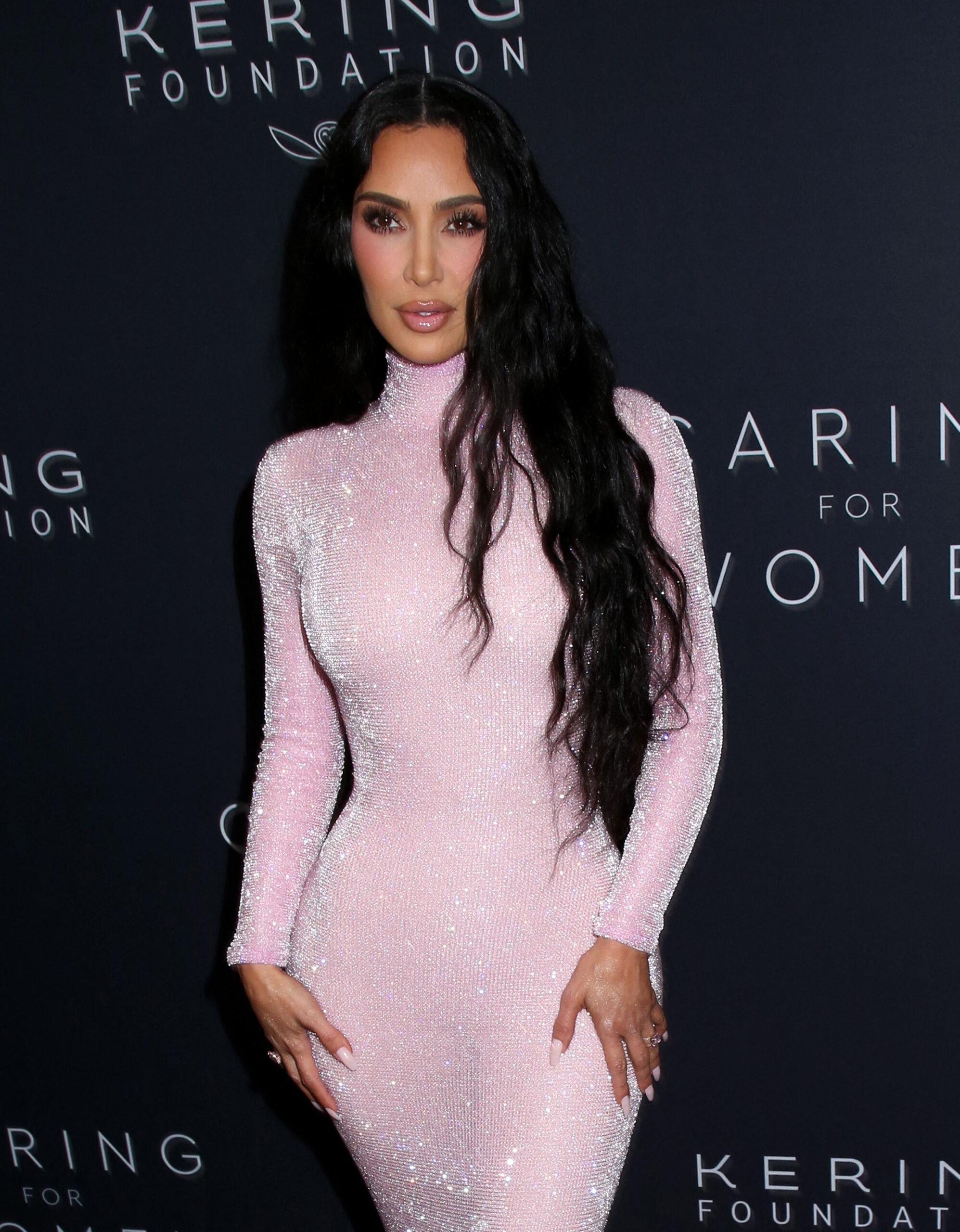
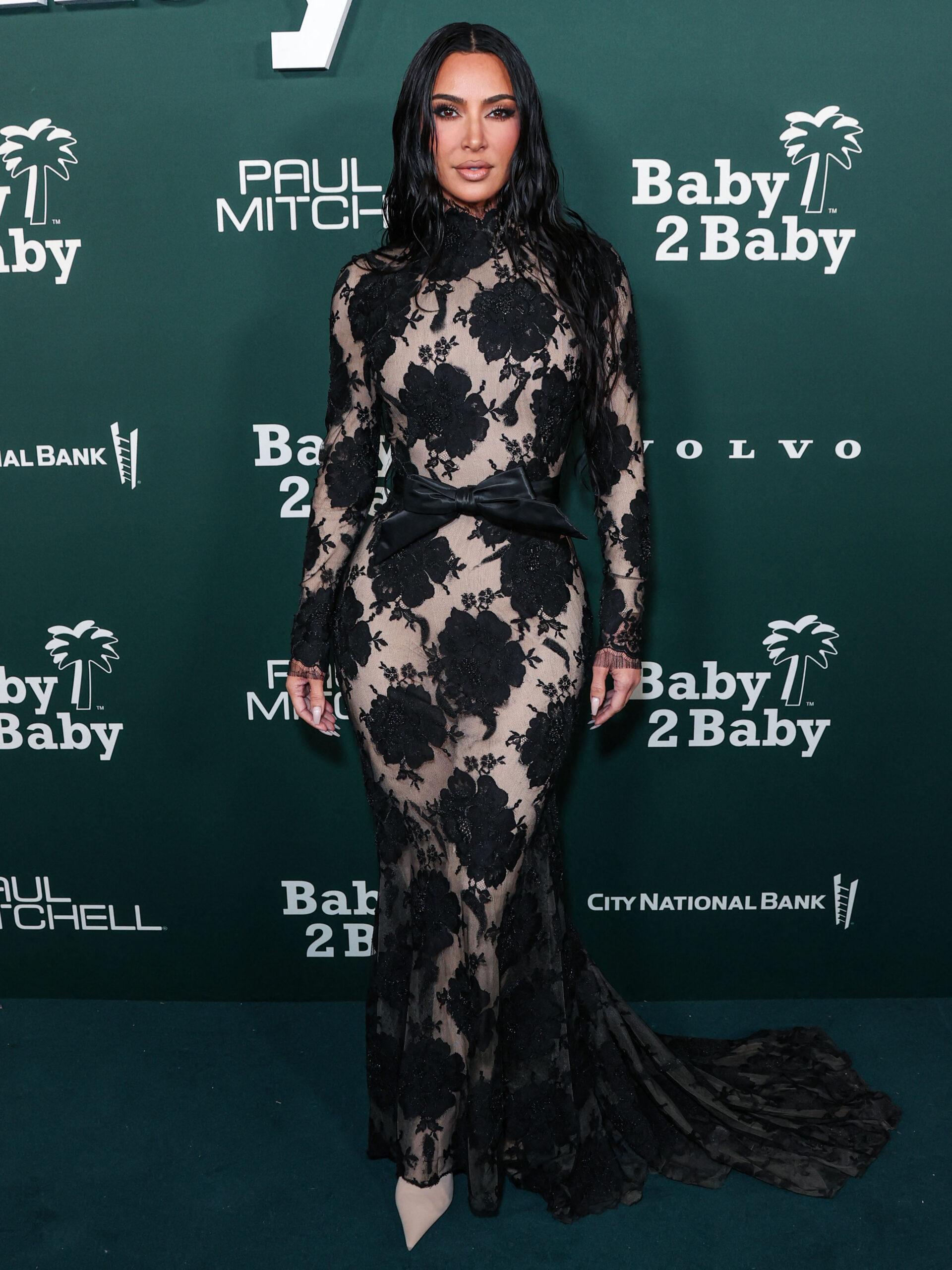
Kim Kardashian is facing backlash for promoting a SKIMS sale during the Los Angeles wildfires, which have destroyed over 1,000 structures.
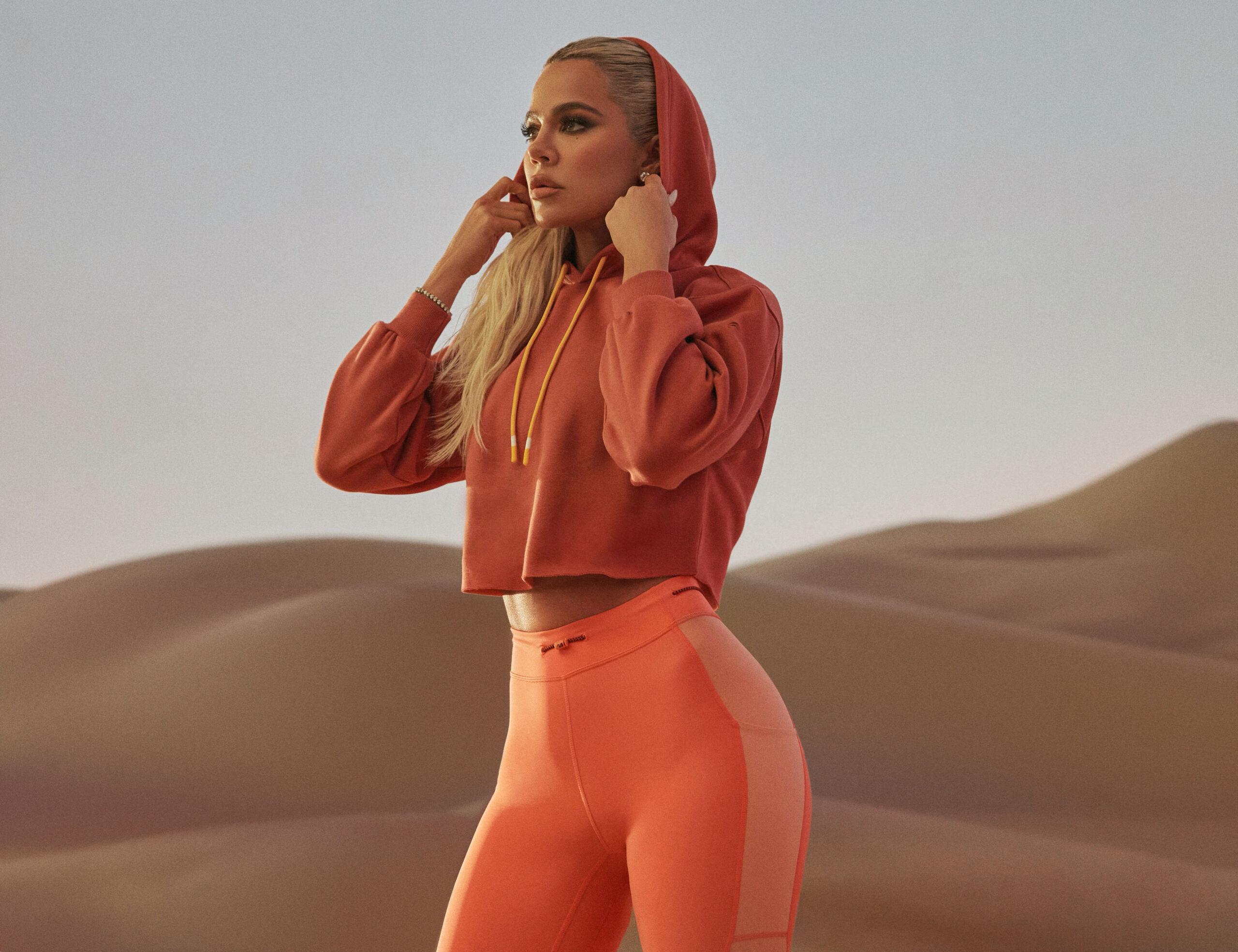
Comedian Meredith Lynch criticized the reality TV star for prioritizing her brand over crisis relief. Meanwhile, her sister Khloé Kardashian offered practical support, sharing ways to aid firefighters.
Fans of Kim Kardashian also took to her social media pages, criticizing the billionaire for keeping quiet during the raging inferno.
Article continues below advertisement
Kim Kardashian Criticized For SKIMS Sale Post During LA Wildfire
MEGA
In an Instagram Story, Kim Kardashian promoted the SKIMS winter sale, highlighting it with a countdown timer.
However, the 44-year-old reality star was slammed by Los Angeles writer and comedian Meredith Lynch, who took to social media to call out Kardashian, accusing her of prioritizing her brand over the wildfire crisis that continues to devastate parts of Los Angeles, destroying homes and displacing hundreds.
In an Instagram video, Lynch expressed frustration, saying, “LA is literally burning down, and Kimberly Noel is literally posting, telling us to buy SKIMS.”
Article continues below advertisement
Article continues below advertisement
Lynch shared a screenshot of the countdown post and criticized the lack of any message addressing the fires.
“Not one thoughts or prayers on her Instagram, but she is posting you a countdown to her winter sale,” Lynch noted. “Kim Kardashian, who has these huge reaches, who has such a base in Los Angeles, it is wild to me that they’re not like, ‘hey let me use my platform to put out as much resources as possible.'”
The writer continued, “No, instead, she’s like ‘buy SKIMS.'”
Article continues below advertisement
Fans Also Called Out The Billionaire For Being ‘Soulless’
MEGA
Lynch highlighted the timing of the Instagram Story, calling it insensitive and urging Kardashian’s team to remove the post.
“She has a whole f-cking social media team that should be intervening right now,” Lynch said, suggesting the team should prioritize sharing resources for those affected by the fires.
“It is wild to me, we are living the end of days right now, that is what’s happening. Because of these billionaires, they’re so unaffected that they don’t care,” she added.
Kardashian’s fans also slammed her on social media, with many commenting that they were too occupied with the LA fires to buy her SKIMS.
One person wrote on the SKIMS Instagram page, “Aye there, Kim, you wanna grab a bucket and help with the fires? You will survive without advertising for a bit.”
Article continues below advertisement
Another said, “Wow, I wish I could think about buying new skims, but I’ve been evacuated from fires.”
A third person simply wrote, “They are soulless.”
Khloé Kardashian Supports Wildfire Relief As Kim Faces Backlash Over SKIMS Promotion
MEGA
Meanwhile, the billionaire’s sister, Khloé, took a different approach. She shared an update with her 304 million Instagram followers about the ongoing wildfire crisis.
She revealed that a neighbor, who is in direct contact with fire department officials, described the firefighters as “desperate, hungry, and exhausted.”
According to the Daily Mail, Khloé offered practical ways to help, encouraging her audience to support their local fire stations by dropping off supplies like protein-packed meals, Gatorade, and coffee.
She also shared details for those wanting to contribute financially, writing, “If you’re interested in donating to my neighbor, who is going to Costco tomorrow to pick up rotisserie chickens and sides to deliver to several stations, you can Venmo: @sean-whitley.”
Article continues below advertisement
Raging Wildfires Threaten Kim Kardashian’s $70M Malibu Estate
MEGA
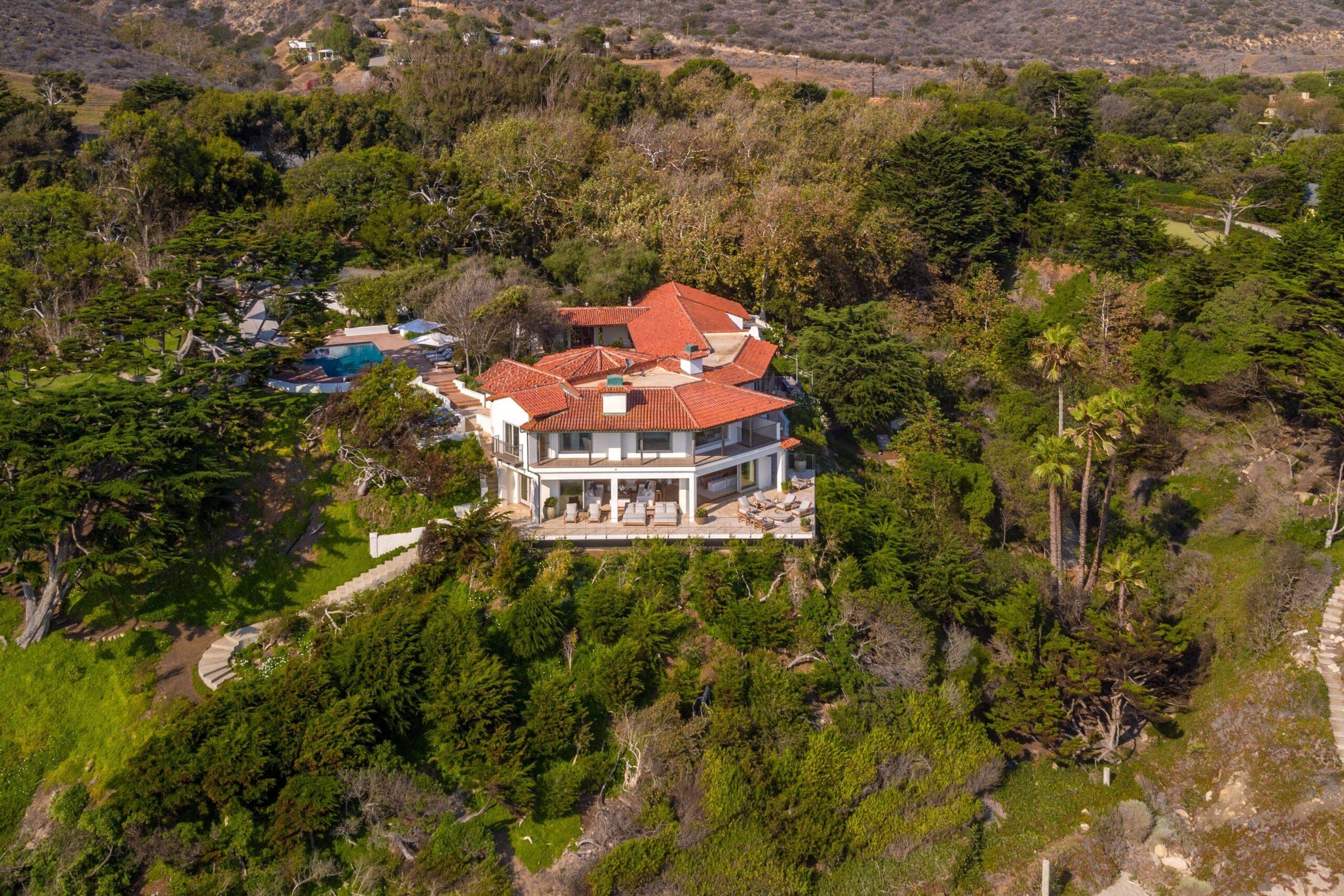
Meanwhile, the devastating wildfires tearing through Los Angeles reportedly threaten Kardashian’s $70 million oceanside estate along the Pacific Coast Highway.
According to The U.S. Sun, the fires have scorched over 5,000 acres, reduced more than 1,000 structures to ash, and left the region in a state of chaos.
The inferno, fuelled by the Olivas and Palisades fires, has devastated iconic neighborhoods like Sunset Boulevard.
As the fires rage on without containment, real-time evacuation maps are constantly being updated, leaving residents in a state of fear and uncertainty.
Inside Kim Kardashian’s Luxurious $70M Estate Currently Under Threat Of Being Burned Down
MEGA
Once owned by supermodel Cindy Crawford and her husband Rande Gerber, Kardashian’s Malibu estate is the epitome of luxury and seclusion.
The sprawling 5,000-square-foot property boasts four generously sized bedrooms and six bathrooms.
Renowned as a “one-of-a-kind compound,” the estate only became available after Crawford reimagined the space with modern touches.
The property features meticulously landscaped grounds, panoramic ocean views, and private beach access. A driveway winds past a tennis court, guiding visitors to the elegant two-story residence.
The main suite offers breathtaking floor-to-ceiling views of the beach, a cozy fireplace, and spa-inspired bathrooms.
Additional bedrooms come with private entrances, while the home includes a three-car garage and abundant guest parking.