Home Blog Page 1221

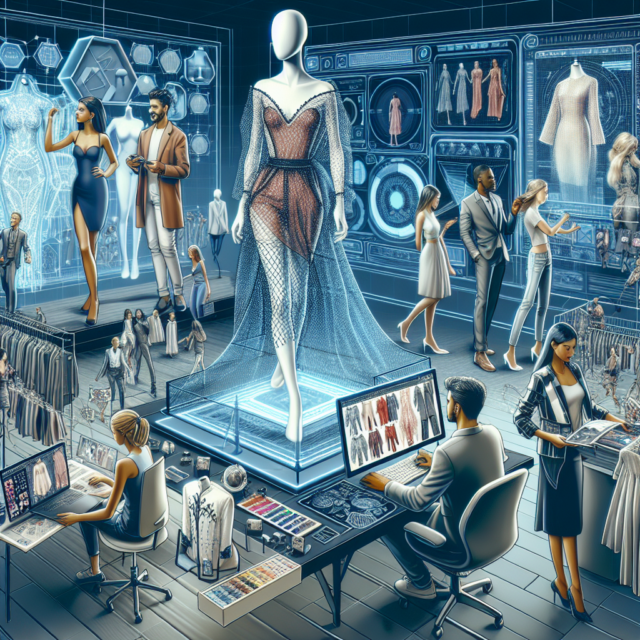
Exploring the Rise of Digital Fashion Models
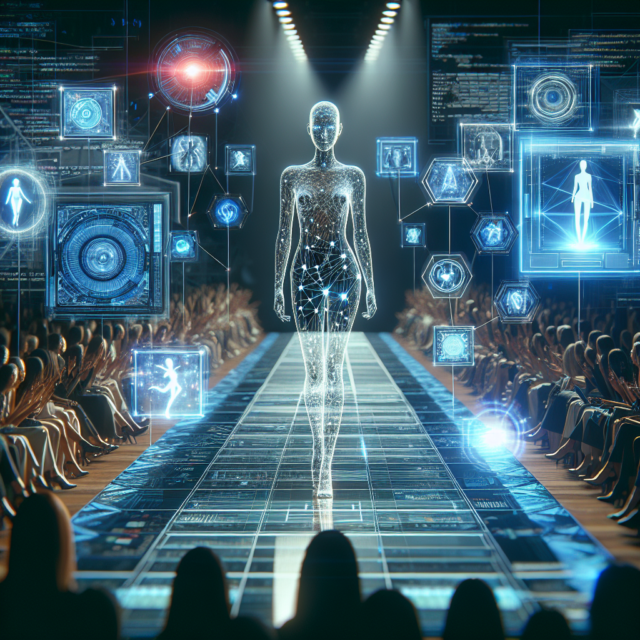
The fashion industry has always been a realm of creativity and innovation, constantly evolving to reflect societal shifts and technological progress. In recent years, a fascinating trend has emerged within this dynamic landscape—the rise of digital fashion models. These virtual representations are redefining the boundaries of fashion, offering new possibilities and challenges. As technology continues to advance, digital fashion models are becoming increasingly prevalent, influencing not only how fashion is presented but also how it is perceived. This article delves into the emergence of digital fashion models, the technological advances driving this virtual trend, and the impacts on the fashion industry landscape.

The Emergence of Digital Fashion Models

The concept of digital fashion models has transitioned from a futuristic idea to a present-day reality. Initially appearing as mere digital avatars in video games and virtual worlds, these models have now entered the mainstream fashion industry. Designers and brands are increasingly utilizing digital models to showcase their collections, presenting a new form of artistic expression that challenges the traditional runway model paradigm. Unlike their human counterparts, digital models are not constrained by physical limitations, allowing designers to explore more avant-garde and imaginative concepts.

Digital fashion models have gained traction due to their versatility and adaptability. They can be customized to embody a wide range of body types, ethnicities, and styles, offering a more inclusive representation of beauty. This flexibility allows brands to connect with diverse audiences and reflect their values in a more profound way. Additionally, the use of digital models reduces logistical challenges associated with traditional fashion shows, such as travel, accommodation, and coordination of large teams.

Social media platforms have played a significant role in the emergence of digital fashion models. Virtual influencers like Lil Miquela and Shudu have amassed substantial followings, blurring the lines between reality and digital artistry. These virtual personalities engage with audiences, promote brands, and even participate in advertising campaigns, often with a level of engagement that rivals or surpasses human influencers. Their rise underscores the changing dynamics of how fashion is consumed and marketed in the digital age.

Moreover, the COVID-19 pandemic accelerated the adoption of digital fashion models as brands sought alternative ways to present their collections amid restrictions on physical gatherings. Virtual fashion shows and digital lookbooks became essential tools for maintaining brand visibility and engagement during the crisis. This shift not only demonstrated the viability of digital models but also highlighted their potential to transform the fashion industry permanently.

The emergence of digital fashion models also raises questions about authenticity and the role of technology in shaping our perception of beauty. While virtual models offer creative freedom and inclusivity, they also challenge traditional notions of authenticity and human connection. As the fashion industry continues to embrace these digital entities, it must grapple with finding a balance between innovation and maintaining a genuine connection with audiences.

In essence, the emergence of digital fashion models represents a significant shift in the fashion industry’s approach to creativity, representation, and engagement. As these virtual entities continue to evolve, they promise to reshape the way fashion is experienced and appreciated, offering a glimpse into a future where technology and artistry seamlessly intertwine.

Technological Advances Driving Virtual Trends

The rise of digital fashion models is fundamentally rooted in technological advancements that have transformed the creative process within the fashion industry. At the heart of this transformation is the development of sophisticated 3D modeling software, which allows designers to create hyper-realistic digital representations of clothing and accessories. These tools enable designers to experiment with textures, colors, and shapes in a virtual environment, pushing the boundaries of what is possible in fashion design.

Augmented reality (AR) and virtual reality (VR) technologies have also played a pivotal role in driving the virtual trend. These immersive technologies offer consumers an interactive experience, allowing them to visualize how garments would look and fit in a virtual space. Brands are leveraging AR and VR to create virtual fitting rooms and fashion shows, providing an engaging and personalized shopping experience. This technological shift not only enhances consumer interaction but also opens new avenues for marketing and brand storytelling.

Artificial intelligence (AI) has further accelerated the rise of digital fashion models. AI algorithms can analyze vast amounts of data to predict fashion trends, optimize designs, and even generate new styles. Machine learning techniques enable the creation of digital models with lifelike movements and expressions, enhancing their appeal and relatability. AI-driven personalization allows brands to tailor digital content to individual preferences, creating a more immersive and customized experience for consumers.

The integration of blockchain technology is another significant factor driving the virtual fashion trend. Blockchain offers a secure and transparent way to authenticate digital fashion items, ensuring their provenance and ownership. This technology is particularly relevant for digital fashion, where the uniqueness and originality of virtual garments can be easily compromised. By providing a digital certificate of authenticity, blockchain enhances the value and legitimacy of digital fashion models and their associated assets.

Cloud computing has facilitated the storage and processing of the vast amounts of data required to create and manage digital fashion models. With cloud-based platforms, designers can collaborate remotely, access powerful computational resources, and streamline the production process. This capability is crucial for scaling digital fashion initiatives and ensuring that virtual models can be deployed efficiently across various digital channels.

As technology continues to evolve, the potential for digital fashion models will only expand. Innovations such as haptic feedback, which simulates the sense of touch, and neural networks that mimic human creativity, promise to further blur the lines between the digital and physical worlds. These advances will not only enhance the realism and appeal of digital models but also redefine the creative possibilities within the fashion industry, setting the stage for a new era of virtual fashion.

Impacts on the Fashion Industry Landscape

The rise of digital fashion models is reshaping the fashion industry landscape in profound ways, influencing everything from design and marketing to sustainability and inclusivity. One of the most notable impacts is the democratization of fashion. Digital models allow emerging designers and small brands to showcase their creations without the need for expensive fashion shows or photoshoots, leveling the playing field and fostering creativity and innovation.

From a marketing perspective, digital fashion models offer brands new opportunities to engage with consumers. Virtual influencers and digital campaigns provide a novel way to reach audiences, particularly younger, tech-savvy demographics. Brands can create immersive and interactive experiences that capture consumer attention, fostering stronger brand loyalty and engagement. This shift towards digital marketing also enables brands to collect valuable data on consumer preferences and behaviors, informing future strategies and product development.

Sustainability is another crucial aspect where digital fashion models are making a significant impact. The fashion industry is notorious for its environmental footprint, with traditional production processes contributing to waste and pollution. Digital fashion offers a more sustainable alternative, reducing the need for physical samples and minimizing resource consumption. Virtual fashion shows eliminate the carbon footprint associated with travel and logistics, aligning with the growing consumer demand for eco-friendly practices.

Inclusivity and representation are also being transformed by digital fashion models. The ability to create diverse and customizable avatars allows brands to reflect a broader range of identities and body types. This inclusivity resonates with consumers who seek authentic representation in the fashion industry. Digital fashion models can challenge traditional beauty standards and promote a more inclusive definition of beauty, fostering a sense of belonging and empowerment among diverse audiences.

However, the rise of digital fashion models also presents challenges and ethical considerations. The use of digital avatars raises questions about the future of human models and the potential loss of jobs within the industry. Additionally, the authenticity and transparency of digital campaigns must be carefully managed to maintain consumer trust. As brands navigate these challenges, they must find a balance between embracing innovation and preserving the human element that is integral to fashion.

Ultimately, the impacts of digital fashion models on the fashion industry are multifaceted, offering both opportunities and challenges. As the industry continues to adapt to this digital revolution, it will need to embrace new ways of thinking and operating. The integration of digital fashion models into the fashion ecosystem is not just a trend but a fundamental shift that will shape the future of fashion, redefining how we create, consume, and experience fashion in the digital age.

The rise of digital fashion models marks a significant milestone in the evolution of the fashion industry. Driven by technological advances and changing consumer preferences, these virtual entities are redefining the boundaries of creativity, inclusivity, and sustainability. As digital fashion models continue to gain prominence, they offer a glimpse into a future where technology and fashion converge seamlessly. While challenges remain, the potential for innovation and transformation is immense. As the fashion industry navigates this digital revolution, it will need to embrace new possibilities and redefine its relationship with technology, ensuring that the future of fashion is both exciting and inclusive.
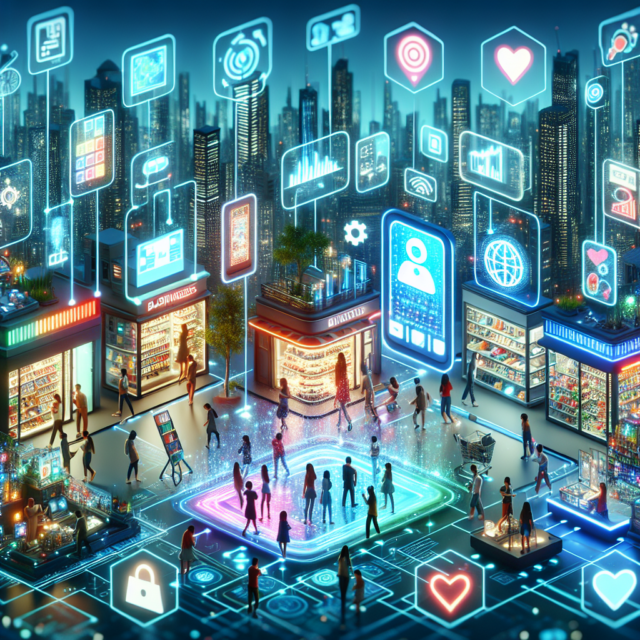
Enhancing Retail: AR Innovations in Customer Experience

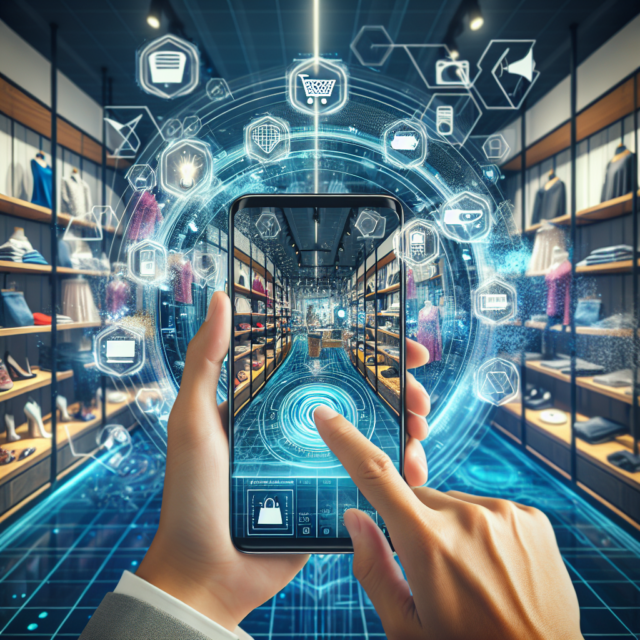
The retail landscape is undergoing a profound transformation, driven by technological advancements that are reshaping how consumers interact with brands and products. Among these innovations, Augmented Reality (AR) stands out as a pivotal tool that is enhancing customer experiences in unprecedented ways. By overlaying digital information onto the real world, AR is creating immersive shopping experiences that are both engaging and informative. This article delves into the transformative power of AR in retail, exploring how it is revolutionizing retail spaces and enhancing customer engagement.

Transforming Shopping with Augmented Reality

Augmented Reality is revolutionizing the way consumers shop by seamlessly integrating digital content into physical environments. This technology allows shoppers to visualize products in their own space before making a purchase, thus bridging the gap between online and in-store shopping. For instance, furniture retailers are leveraging AR to enable customers to see how a piece of furniture will look in their living room. This not only enhances convenience but also reduces the uncertainty associated with online shopping.

Another significant transformation brought about by AR is the personalization of the shopping experience. Retailers can now offer tailored recommendations and virtual try-ons, allowing customers to see how a product fits or looks on them without physically trying it on. This personalization fosters a deeper connection between the consumer and the brand, as shoppers feel that their unique preferences and needs are being catered to.

AR is also enhancing the educational aspect of shopping. Consumers are increasingly seeking information about the products they purchase, from ingredients and sourcing to usage instructions. Through AR, retailers can provide interactive and engaging content that educates shoppers about their products, thereby empowering them to make informed purchasing decisions. This educational layer not only adds value to the shopping experience but also builds brand trust and loyalty.

In addition to individual shopping experiences, AR is transforming social shopping. By facilitating virtual shopping experiences with friends, AR enables consumers to share their shopping journey with others, receive instant feedback, and make collaborative purchasing decisions. This social aspect of AR shopping is particularly appealing to younger consumers who value shared experiences and social validation.

Moreover, AR is helping retailers optimize their inventory and reduce returns. By allowing customers to visualize products in their environment or try them on virtually, AR minimizes the likelihood of mismatched expectations and subsequent returns. This not only benefits the retailer by reducing return-related costs but also enhances customer satisfaction by ensuring a better match between customer expectations and product reality.

Finally, AR is opening up new possibilities for experiential marketing in retail. Brands can create unique, immersive experiences that captivate and engage consumers, leaving a lasting impression. Whether it’s an interactive in-store display or an AR-powered campaign, these experiences are redefining the boundaries of traditional marketing and creating new opportunities for retailers to connect with their audience.

AR’s Role in Revolutionizing Retail Spaces

Augmented Reality is not only transforming the way consumers shop but also revolutionizing the design and functionality of retail spaces. By integrating AR technology, retailers can create dynamic, interactive environments that enhance the overall shopping experience. For example, through AR, stores can offer virtual tours and product demonstrations, allowing customers to explore and interact with products in innovative ways.

This transformation extends to the personalization of retail spaces. AR enables retailers to customize the in-store experience based on individual preferences and behaviors. By analyzing customer data, retailers can tailor the store layout, product displays, and promotional content to align with the specific interests of each shopper. This personalized approach not only enhances customer engagement but also optimizes the use of retail space.

Moreover, AR is redefining the role of sales associates. With AR technology, sales staff can provide enhanced customer service by offering detailed product information, personalized recommendations, and interactive demonstrations. This empowers sales associates to deliver a more informed and engaging service, ultimately leading to higher customer satisfaction and increased sales.

AR is also addressing the challenges of limited physical space in retail stores. By providing virtual displays and catalogs, retailers can showcase a broader range of products without the need for extensive physical inventory. This allows retailers to offer a wider selection of products while optimizing the use of their retail space, ultimately enhancing the customer experience.

In addition to enhancing the shopping experience, AR is playing a crucial role in store operations and management. Retailers can use AR to streamline inventory management, optimize store layouts, and improve logistics. For instance, AR-powered systems can assist in restocking shelves, tracking inventory levels, and identifying product placement opportunities, thereby increasing operational efficiency.

Finally, AR is enabling retailers to create immersive brand experiences that extend beyond the physical store. By integrating AR into their marketing strategies, brands can reach consumers in new and innovative ways, whether through interactive advertisements, virtual pop-up shops, or AR-powered events. This not only enhances brand visibility and engagement but also creates a seamless omnichannel experience for consumers.

Enhancing Customer Engagement Through AR

Augmented Reality is proving to be a powerful tool for enhancing customer engagement in the retail sector. By offering interactive and immersive experiences, AR captures the attention of consumers and encourages them to engage more deeply with products and brands. This heightened engagement not only drives sales but also fosters brand loyalty and advocacy.

One of the key ways AR enhances customer engagement is through gamification. By incorporating game-like elements into the shopping experience, retailers can create a sense of fun and excitement that encourages consumers to spend more time interacting with the brand. Whether it’s an AR-powered scavenger hunt or a virtual try-on challenge, these gamified experiences increase customer interaction and create memorable shopping experiences.

AR also enables retailers to create personalized and interactive content that resonates with consumers on a deeper level. By providing customized recommendations, virtual try-ons, and interactive product demonstrations, AR allows consumers to engage with products in a way that is tailored to their individual preferences and needs. This personalized approach not only enhances customer satisfaction but also strengthens the emotional connection between the consumer and the brand.

In addition to personalization, AR is facilitating real-time customer feedback and interaction. Through AR applications, consumers can share their experiences, provide feedback, and interact with brands in real-time. This two-way communication fosters a sense of community and engagement, as consumers feel that their voices are heard and valued.

Furthermore, AR is expanding the possibilities for storytelling in retail. By creating immersive and interactive narratives, brands can convey their stories and values in a more engaging and impactful way. Whether it’s an AR-powered journey through a product’s history or an interactive brand story, these experiences captivate consumers and create a deeper emotional connection with the brand.

AR is also enhancing the social aspect of shopping by enabling consumers to share their AR experiences with friends and family. Through social media integration and collaborative shopping features, consumers can share their virtual try-ons, seek opinions, and make purchasing decisions with the input of their social network. This social engagement not only enhances the shopping experience but also amplifies brand reach and visibility.

Finally, AR is paving the way for innovative marketing strategies that engage consumers in new and exciting ways. By leveraging AR technology, brands can create unique and memorable campaigns that capture the attention of consumers and drive engagement. Whether it’s an AR-powered advertisement or a virtual event, these innovative marketing strategies are redefining the way brands connect with their audience.

As the retail industry continues to evolve, Augmented Reality is emerging as a key driver of innovation and transformation. By enhancing the shopping experience, revolutionizing retail spaces, and deepening customer engagement, AR is reshaping the way consumers interact with brands and products. As retailers continue to embrace this technology, the potential for AR to create immersive, personalized, and engaging shopping experiences is limitless. As we move forward, it is clear that AR will play an increasingly important role in shaping the future of retail, offering exciting opportunities for both consumers and brands alike.

Exploring Innovations in New Digital Customer Experiences

In today’s fast-paced digital world, customer experiences are at the forefront of business innovation. As technology continues to evolve, so too do the ways in which companies interact with their customers. From personalized online shopping experiences to seamless mobile interactions, the digital landscape is reshaping how businesses engage with their audiences. This article delves into the latest innovations in digital customer experiences, exploring how these changes are transforming user engagement and the role technology plays in shaping modern customer interactions.

Unveiling the Future of Digital Customer Journeys

The future of digital customer journeys is being redefined by a blend of advanced technologies and changing consumer expectations. At the heart of this transformation is the push for hyper-personalization. Businesses are leveraging data analytics and artificial intelligence to create bespoke experiences tailored to individual customer preferences. This level of personalization not only enhances customer satisfaction but also fosters brand loyalty by making consumers feel valued and understood.

Another significant trend is the integration of omnichannel experiences. Customers today expect a seamless transition between different digital and physical touchpoints. Whether they’re browsing a website, using a mobile app, or visiting a physical store, the journey should feel interconnected. This requires businesses to adopt a unified approach, ensuring that each interaction is consistent and contributes to a cohesive customer experience.

The rise of voice-activated technology is also shaping the future of digital customer journeys. With the increasing popularity of smart speakers and voice assistants, customers are now able to interact with brands in more intuitive and hands-free ways. This trend is pushing businesses to consider voice search optimization and voice-based customer service as integral components of their digital strategies.

Augmented reality (AR) and virtual reality (VR) are further propelling digital customer journeys into new realms. These technologies offer immersive experiences that allow customers to engage with products and services in a more interactive manner. From virtual try-ons to immersive product demonstrations, AR and VR are enhancing the way customers connect with brands.

Furthermore, the future of digital customer journeys is being influenced by the growing importance of social commerce. Platforms like Instagram and TikTok are not just social media sites but have evolved into powerful shopping channels. Brands are capitalizing on this shift by creating shoppable posts and integrating direct purchase options within these platforms, making the buying process more fluid and engaging.

Lastly, the emphasis on sustainability is becoming a pivotal aspect of digital customer journeys. Consumers are increasingly aware of the environmental impact of their purchases, prompting businesses to incorporate sustainable practices into their operations. Digital platforms are now being used to educate consumers about sustainable choices, thereby aligning brand values with those of their customers.

Key Innovations Transforming User Engagement

User engagement is undergoing a revolution, driven by several key innovations that are changing the way brands and customers interact. One such innovation is the use of chatbots and AI-driven customer service. These technologies provide instant responses to customer inquiries, reducing wait times and improving overall satisfaction. By handling routine queries, chatbots free up human agents to focus on more complex issues, enhancing the efficiency of customer support.

Gamification is another strategy that is gaining traction in user engagement. By incorporating game-like elements into digital experiences, brands are able to capture the attention of their audience and encourage active participation. This approach not only makes interactions more enjoyable but also motivates users to engage with the brand on a deeper level, leading to increased loyalty and retention.

Personalized content delivery is also transforming user engagement. Through data analytics and machine learning, businesses can deliver content that is specifically tailored to the interests and behaviors of individual users. This targeted approach ensures that customers receive relevant information, making their interactions more meaningful and effective.

The integration of live streaming into digital platforms is further enhancing user engagement. Live streaming allows brands to connect with their audiences in real-time, fostering a sense of community and immediacy. Whether it’s a product launch, a Q&A session, or a behind-the-scenes look, live streaming creates opportunities for authentic and interactive engagement.

In addition, the use of micro-interactions is becoming a pivotal aspect of user engagement. These small, subtle animations or design elements provide feedback to users, making digital interactions more intuitive and engaging. Micro-interactions help guide users through a digital experience, enhancing usability and creating a more satisfying user journey.

Finally, the focus on accessibility is transforming user engagement by making digital platforms more inclusive. By adhering to accessibility standards and incorporating features such as voice commands and screen readers, businesses are ensuring that their digital experiences are accessible to all users, including those with disabilities. This commitment to inclusivity not only broadens the customer base but also enhances brand reputation.

How Technology Shapes Modern Customer Interactions

Technology is at the core of modern customer interactions, constantly reshaping the way brands and consumers connect. One of the most significant technological advancements is the use of big data analytics. By collecting and analyzing vast amounts of data, businesses can gain deep insights into customer behavior and preferences. This information allows for more informed decision-making and the creation of highly personalized customer experiences.

Cloud computing is another technological innovation that is transforming customer interactions. By leveraging cloud-based solutions, businesses can offer scalable and flexible services that meet the dynamic needs of their customers. Cloud computing also enables seamless data integration across multiple platforms, ensuring a consistent and unified customer experience.

The Internet of Things (IoT) is playing a crucial role in shaping modern customer interactions. IoT devices, from smart home gadgets to wearable technology, are creating new opportunities for brands to engage with customers. These connected devices provide real-time data and insights, allowing businesses to offer personalized and context-aware experiences.

Blockchain technology is also influencing customer interactions by enhancing transparency and security. In industries like finance and supply chain, blockchain is being used to verify transactions and ensure the authenticity of products. This level of transparency builds trust with customers, as they can confidently engage with brands knowing their data and transactions are secure.

Artificial intelligence (AI) is revolutionizing customer interactions by enabling more intelligent and efficient processes. From AI-powered recommendations to predictive analytics, AI is helping businesses anticipate customer needs and deliver proactive solutions. This level of foresight not only improves customer satisfaction but also enhances brand loyalty.

Lastly, 5G technology is poised to redefine customer interactions by offering faster and more reliable connectivity. With its high-speed data transfer capabilities, 5G enables seamless streaming, real-time communication, and enhanced mobile experiences. This technological advancement is expected to open up new possibilities for immersive and interactive customer engagements.

As we navigate through the digital age, the innovations in customer experiences continue to evolve, driven by emerging technologies and shifting consumer expectations. Businesses that embrace these changes are poised to create more meaningful and engaging interactions with their customers, fostering loyalty and driving growth. By staying at the forefront of digital innovation, companies can not only meet the demands of today’s consumers but also anticipate the needs of tomorrow’s market. The future of digital customer experiences is bright, promising a landscape where technology and human connection seamlessly intertwine.

Exploring the Rise and Impact of Digital Fashion

The fashion industry, known for its dynamic and ever-evolving nature, is currently undergoing a digital transformation. The rise of digital fashion is reshaping how clothing is designed, marketed, and consumed. Digital fashion refers to clothing that exists only in a digital format, often created using computer software and made available for use in virtual environments. With the advent of advanced technologies, this new frontier is gaining momentum and attracting attention from designers, tech companies, and consumers alike. This article explores the emergence of digital fashion, the key players and technologies driving this innovation, and its influence on the traditional fashion industry.

Understanding the Emergence of Digital Fashion

The concept of digital fashion has been around for some time, but it has gained significant traction in recent years due to technological advancements and the increasing popularity of virtual environments. Digital fashion offers the ability to create clothing that can be worn in digital spaces, such as video games, social media platforms, and virtual reality environments. This new form of fashion allows for limitless creativity, as designers are not constrained by the physical limitations of fabric and materials.

A key factor contributing to the rise of digital fashion is the growing interest in sustainability. The fashion industry is one of the most polluting industries globally, and digital fashion presents an eco-friendly alternative by reducing waste and resource consumption. By creating virtual garments, designers can experiment with new ideas without the need for physical prototypes, thereby minimizing the environmental impact.

Another driving force behind the emergence of digital fashion is the increasing digitization of consumer lifestyles. As people spend more time online, there is a growing demand for digital self-expression. Digital fashion provides a unique way for individuals to express their personal style in virtual spaces, enabling them to curate their digital identities with the same care and attention as they do in the physical world.

The pandemic has also played a role in accelerating the adoption of digital fashion. With physical events and fashion shows being canceled or moved online, designers have turned to digital formats to showcase their collections. This shift has highlighted the potential of digital fashion as a viable alternative to traditional runway shows and has sparked interest in its possibilities.

Digital fashion is also gaining popularity among younger generations, particularly Gen Z, who are more comfortable with digital technologies and value individuality and self-expression. This demographic is driving demand for digital fashion, as they seek new ways to stand out in virtual environments and express their personal style.

Finally, the rise of the metaverse—a collective virtual shared space created by the convergence of virtually enhanced physical reality and physically persistent virtual space—has created new opportunities for digital fashion. As the metaverse continues to expand, digital fashion is set to play a crucial role in shaping the future of how we dress and express ourselves in these virtual worlds.

Key Players and Technologies Driving Innovation

Several key players are leading the charge in the digital fashion space, from established fashion houses to tech startups. Major fashion brands, such as Gucci and Balenciaga, have begun experimenting with digital clothing, offering virtual items for sale in video games and virtual platforms. These brands are leveraging their established reputations to explore new business models and engage with tech-savvy consumers.

In addition to traditional fashion brands, a new wave of digital-only fashion companies is emerging. Companies like The Fabricant and DressX specialize in creating digital garments that exist solely in virtual spaces. These startups are at the forefront of digital fashion innovation, pushing the boundaries of what is possible with digital design and technology.

Technological advancements are playing a significant role in driving digital fashion innovation. 3D design software, such as CLO 3D and Marvelous Designer, allows designers to create realistic digital garments with intricate details and textures. These tools enable the creation of virtual clothing that can be seamlessly integrated into digital environments, providing consumers with an immersive fashion experience.

Blockchain technology is also making waves in the digital fashion industry. Non-fungible tokens (NFTs) are being used to create unique, verifiable digital fashion items that can be bought, sold, and traded on blockchain platforms. This technology offers new possibilities for digital ownership and scarcity, allowing consumers to own one-of-a-kind virtual garments.

Augmented reality (AR) and virtual reality (VR) technologies are further enhancing the digital fashion experience. AR allows consumers to virtually "try on" digital clothing, providing a new level of interactivity and personalization. VR, on the other hand, offers immersive fashion experiences, such as virtual fashion shows and interactive shopping environments.

Finally, artificial intelligence (AI) is being used to streamline the digital fashion design process. AI algorithms can analyze trends, predict consumer preferences, and even generate new design ideas, helping designers create digital garments that resonate with their target audience. As these technologies continue to evolve, they will undoubtedly play a crucial role in shaping the future of digital fashion.

Assessing the Influence on Traditional Fashion Industry

The rise of digital fashion is having a profound impact on the traditional fashion industry, challenging established practices and prompting a reevaluation of how fashion is created and consumed. One notable effect is the shift towards more sustainable practices. As digital fashion reduces the need for physical samples and prototypes, it offers a more sustainable alternative to traditional fashion production methods, encouraging brands to adopt more eco-friendly practices.

Digital fashion is also influencing the way fashion is marketed and consumed. The traditional fashion calendar, with its seasonal collections and runway shows, is being disrupted by the immediacy of digital fashion. Designers can release digital collections at any time, allowing for a more agile and responsive approach to fashion that aligns with the fast-paced digital world.

The integration of digital fashion into traditional fashion brands’ offerings is creating new revenue streams and business models. Brands are exploring the potential of virtual clothing as a new product category, offering digital items alongside physical collections. This approach not only provides additional revenue opportunities but also allows brands to engage with digital-native consumers in innovative ways.

The fashion retail experience is also being transformed by digital fashion. Virtual fitting rooms and augmented reality shopping experiences are becoming more prevalent, offering consumers a more interactive and personalized shopping journey. This shift is changing the way consumers interact with brands and purchase clothing, blending the physical and digital shopping experiences.

However, the rise of digital fashion also presents challenges for the traditional fashion industry. As consumers become more accustomed to digital fashion, there may be a shift in demand from physical to virtual clothing, potentially impacting the sales of traditional fashion items. Brands will need to adapt to this changing landscape to stay relevant and meet the evolving needs of their customers.

Ultimately, the influence of digital fashion on the traditional fashion industry is still unfolding. As technology continues to advance and consumer preferences evolve, digital fashion will likely play an increasingly important role in shaping the future of fashion. The industry will need to embrace this transformation, finding ways to integrate digital innovation with traditional craftsmanship to create a more sustainable, inclusive, and exciting fashion landscape.

The rise of digital fashion marks a significant evolution in the fashion industry, driven by technological advancements and changing consumer behaviors. As digital fashion continues to gain momentum, it is reshaping the way clothing is designed, marketed, and consumed. From fostering sustainability to offering new avenues for self-expression, digital fashion is challenging traditional norms and opening up new possibilities. While the full impact of digital fashion on the traditional fashion industry is still unfolding, it is clear that this digital transformation will play a crucial role in shaping the future of fashion. As brands, designers, and consumers navigate this new landscape, they will need to embrace innovation and creativity to thrive in this exciting new era of fashion.

Exploring Emerging Trends in the World of Digital Art

In recent years, the realm of digital art has witnessed a remarkable transformation, driven by technological advancements and innovative platforms that have reshaped artistic expression and distribution. As traditional boundaries dissolve, digital art emerges as a dynamic and versatile medium. This article delves into the emerging trends in the world of digital art, exploring its evolution, the technologies propelling it forward, and the revolutionary role of Non-Fungible Tokens (NFTs).

Understanding the Evolution of Digital Art Forms

Digital art has traversed a fascinating journey since its inception, evolving from rudimentary pixelated graphics to sophisticated, immersive experiences. Initially, digital art was often perceived as an extension of traditional art forms, utilizing technology primarily as a tool for creation and manipulation. However, over time, it has developed its own unique identity, characterized by a blend of creativity and digital innovation.

The democratization of technology has played a pivotal role in this evolution. As software and hardware became more accessible, a wider range of artists began to experiment with digital mediums. This accessibility has fostered a diverse community of creators, each bringing their unique perspectives and pushing the boundaries of what digital art can be. From digital painting to 3D modeling, artists now have an array of tools at their disposal to express their creativity.

Moreover, the advent of social media and online platforms has significantly impacted the distribution and consumption of digital art. Artists can now reach global audiences with ease, sharing their work instantaneously and interacting directly with fans and collectors. This connectivity has not only expanded the reach of digital art but has also fostered a sense of community and collaboration among artists worldwide.

The evolution of digital art is also marked by the integration of multimedia elements. Artists increasingly incorporate sound, animation, and interactivity into their works, creating multisensory experiences that engage audiences in new and exciting ways. This fusion of different media has led to the emergence of new art forms, such as virtual reality art and augmented reality installations, which challenge traditional notions of what art can be.

Furthermore, the evolution of digital art is closely tied to the broader cultural and technological shifts of our time. As society becomes more digitalized, artists are exploring themes related to technology, identity, and the environment, reflecting the complexities of the modern world. This synergy between art and technology continues to drive the evolution of digital art, offering endless possibilities for innovation and expression.

As digital art continues to evolve, it challenges traditional art institutions and prompts a reevaluation of concepts like originality, authenticity, and ownership. The fluidity and reproducibility of digital art raise important questions about its value and place within the art world, prompting ongoing discussions and debates among artists, collectors, and scholars.

Key Technologies Shaping Digital Art’s Future

The future of digital art is being shaped by a range of cutting-edge technologies that are expanding the possibilities for creation and engagement. One of the most significant developments is the rise of artificial intelligence (AI) in art-making. AI algorithms are now capable of generating stunning artworks, blurring the lines between human and machine creativity. Artists are leveraging AI to explore new aesthetics and concepts, using algorithms as collaborators rather than mere tools.

Virtual reality (VR) and augmented reality (AR) are also at the forefront of digital art innovation. These technologies enable artists to create immersive environments that transport viewers into entirely new worlds. VR exhibitions and AR installations are becoming increasingly popular, offering audiences an interactive and participatory experience. As VR and AR technology continues to improve, the potential for creating more realistic and engaging digital art experiences grows exponentially.

Blockchain technology is another game-changer in the digital art landscape. Beyond its role in NFTs, blockchain offers artists a decentralized platform for selling and distributing their work, ensuring transparency and fairness in transactions. This technology also allows artists to retain control over their creations, providing a secure and tamper-proof way to verify authenticity and provenance.

Machine learning, a subset of AI, is also revolutionizing digital art. Artists are using machine learning algorithms to analyze vast datasets, generating new insights and inspirations for their work. This technology enables the creation of complex, data-driven artworks that respond to real-time information, adding a dynamic and ever-evolving element to digital art.

The rise of 3D printing technology is further expanding the possibilities for digital artists. While traditionally associated with physical objects, 3D printing is now being used to bring digital creations into the physical world. Artists can design intricate sculptures and installations in digital space and then materialize them using 3D printers, bridging the gap between digital and tangible art.

Finally, the increasing sophistication of digital tools and software continues to empower artists. Programs like Adobe Creative Suite, Blender, and Procreate offer a vast array of features and capabilities, enabling artists to experiment and refine their techniques. The constant evolution of these tools ensures that artists can continue to push the boundaries of digital art, exploring new styles and methodologies.

The Role of NFTs in Transforming Digital Art

Non-Fungible Tokens (NFTs) have emerged as a transformative force in the world of digital art, redefining how art is created, bought, and sold. NFTs are unique digital assets that represent ownership of a specific piece of content, secured through blockchain technology. This innovation has revolutionized the art market by providing a mechanism for artists to monetize their digital creations and for collectors to own and trade digital art with verifiable authenticity.

One of the most significant impacts of NFTs is the empowerment of artists. By leveraging NFTs, artists can bypass traditional gatekeepers and directly connect with their audience, selling their work without the need for intermediaries. This democratization of the art market allows artists to retain a greater share of the profits and maintain control over their intellectual property, offering new opportunities for financial sustainability.

NFTs have also sparked a renewed interest in digital art among collectors and investors. The ability to own a unique, authenticated piece of digital art has created a sense of scarcity and value, driving demand and elevating the status of digital art within the broader art market. High-profile NFT sales have garnered significant media attention, further legitimizing digital art as a viable and valuable form of artistic expression.

Furthermore, NFTs have introduced new possibilities for interactive and dynamic art experiences. Artists are experimenting with programmable NFTs, creating works that evolve over time or respond to external inputs. This interactivity adds a layer of engagement and personalization, allowing collectors to have a more participatory role in the art they own.

However, the rise of NFTs has also raised important questions and challenges. Concerns about the environmental impact of blockchain technology, the potential for market speculation, and the implications for copyright and intellectual property rights are all areas of ongoing debate. The art community is actively seeking solutions to these issues, striving to balance innovation with responsibility and sustainability.

Despite these challenges, NFTs continue to drive innovation and experimentation in the digital art space. Artists are exploring new forms of expression and collaboration, leveraging the unique properties of NFTs to push the boundaries of what digital art can be. As the technology and market mature, NFTs are likely to play an increasingly central role in the evolution of digital art, offering exciting possibilities for creators and collectors alike.

The world of digital art is undergoing a period of profound transformation, driven by technological advancements and innovative platforms that are reshaping the way art is created, distributed, and experienced. As we explore the emerging trends in digital art, it becomes evident that this dynamic medium is poised to revolutionize the art world, offering new opportunities for artists and collectors alike. Whether through the evolution of digital art forms, the integration of cutting-edge technologies, or the transformative power of NFTs, digital art is redefining the boundaries of creativity and expression, paving the way for a vibrant and exciting future.

Exploring the Intersection of Art and Technology

In recent years, the landscape of art has undergone a profound transformation, driven by the rapid advancements in technology. This intersection of art and technology has not only broadened the horizons of artistic expression but also redefined the very essence of creativity. From digital painting and virtual reality experiences to AI-generated art and blockchain-based art sales, the fusion of creativity and innovation is reshaping the way we perceive and engage with art. This article delves into the dynamic relationship between art and technology, exploring how this synergy is revolutionizing the art world.

The Fusion of Creativity and Innovation

The fusion of creativity and innovation stands at the forefront of the modern art scene, offering artists new tools and mediums to express their visions. This intersection allows for an unprecedented level of experimentation, where traditional art forms blend seamlessly with cutting-edge technology. Artists are now able to leverage digital tools to create works that were once unimaginable, pushing the boundaries of both imagination and execution. This amalgamation of art and technology not only enhances the creative process but also opens up new avenues for storytelling and audience engagement.

One of the most notable aspects of this fusion is the emergence of digital art. Digital platforms provide artists with an expansive canvas, free from the constraints of physical materials. The advent of software like Adobe Photoshop and Procreate has empowered artists to experiment with colors, textures, and forms in ways that were previously inaccessible. Furthermore, technology enables artists to collaborate across geographical boundaries, fostering a global exchange of ideas and styles that enriches the artistic landscape.

Innovation in art is also being driven by technological advancements in hardware. Tools such as 3D printers and laser cutters have revolutionized the creation of sculptures and installations. These technologies allow artists to bring intricate designs to life with precision and efficiency, expanding the possibilities of what can be achieved in physical spaces. Additionally, the rise of virtual reality (VR) and augmented reality (AR) has introduced immersive experiences that transform the way art is consumed, offering viewers a chance to step inside the artwork itself.

The fusion of creativity and innovation is not limited to visual arts; it extends to music, literature, and performance as well. Musicians are using software to compose and produce music that transcends traditional genres, while writers are exploring interactive storytelling through digital platforms. In performance arts, technology enhances live experiences with synchronized lighting, sound, and projections, creating multisensory spectacles that captivate audiences.

Moreover, this fusion has democratized art creation and appreciation. With access to digital tools, artists from diverse backgrounds can share their work with a global audience, breaking down barriers of entry that once existed in the traditional art world. Online platforms and social media have become vital conduits for artists to reach new audiences, fostering a more inclusive and diverse artistic community.

The fusion of creativity and innovation not only enriches the artistic process but also challenges our perception of art itself. As technology continues to evolve, so too will the ways in which artists harness its potential, leading to an ever-expanding realm of possibilities for artistic expression and appreciation.

How Technology Transforms Artistic Expression

Technology has fundamentally transformed artistic expression, enabling artists to explore new dimensions of creativity and reimagine the limits of what art can be. This transformation is evident in the ways artists use technology to manipulate traditional mediums, creating works that challenge the conventional boundaries of art. Digital tools and platforms serve as both a canvas and a chisel, offering artists the flexibility to experiment and redefine artistic expression.

One of the most significant impacts of technology on artistic expression is the ability to simulate and manipulate reality. Through digital art, artists can create hyper-realistic images or delve into abstract concepts that defy the physical world. Software programs allow for intricate detailing and layering, enabling artists to achieve effects that were once labor-intensive or impossible with traditional methods. This technological advantage has given rise to new genres and styles, enriching the diversity of artistic expression.

Technology also plays a crucial role in the preservation and restoration of art. Digital archiving techniques ensure that artworks are preserved for future generations, while restoration technologies help repair and maintain the integrity of historical pieces. This aspect of technology not only safeguards cultural heritage but also provides artists with a deeper understanding of past techniques and styles, which can inspire new creations.

Furthermore, technology has introduced interactivity into art, transforming passive viewers into active participants. Interactive installations and digital experiences invite audiences to engage with art in novel ways, fostering a deeper connection between the artwork and the viewer. This participatory element challenges traditional notions of art consumption and allows for a more personalized experience, where each viewer’s interaction can influence the outcome of the artwork.

The integration of artificial intelligence (AI) in art is another transformative aspect. AI algorithms can generate art independently or in collaboration with human artists, leading to fascinating outcomes that blend human creativity with machine intelligence. This collaboration raises questions about authorship and originality, prompting a reevaluation of what it means to create art in the digital age. AI’s ability to analyze and learn from vast datasets also offers artists new insights into trends and patterns, informing their creative decisions.

Technology’s impact on artistic expression extends to the way art is distributed and consumed. Online galleries, virtual exhibitions, and social media platforms have revolutionized the accessibility of art, reaching audiences worldwide. Artists can now showcase their work to a global audience, gaining exposure and recognition without the need for traditional gallery representation. This shift not only democratizes the art world but also encourages a more diverse range of voices and perspectives to be heard.

Bridging the Gap: Art in the Digital Age

In the digital age, art serves as a bridge between the physical and virtual realms, creating a dynamic interplay that enriches both the creation and consumption of art. This bridging of the gap has led to the emergence of hybrid art forms that combine elements of traditional and digital media, offering a fresh perspective on artistic expression. As artists navigate this new landscape, they are continually redefining what it means to create and experience art in the 21st century.

One of the key aspects of art in the digital age is the accessibility it provides. Digital platforms allow artists to reach audiences across the globe, transcending geographical and cultural boundaries. This accessibility has led to a more interconnected art community, where artists can collaborate, share ideas, and draw inspiration from diverse sources. The digital age has democratized art, making it possible for anyone with an internet connection to explore and engage with a vast array of artistic expressions.

The digital age also offers new opportunities for artists to monetize their work. The rise of blockchain technology and non-fungible tokens (NFTs) has introduced innovative ways for artists to sell and authenticate their digital creations. NFTs provide artists with a means to retain ownership and control over their work, while also offering collectors a way to invest in digital art. This development has sparked a new wave of interest and investment in the art market, highlighting the potential for digital art to hold value in the same way as traditional art forms.

Art in the digital age is characterized by its fluidity and adaptability. Artists are no longer confined to a single medium or style; instead, they can experiment with a wide range of tools and techniques to create multifaceted works. This versatility allows for a more holistic approach to art-making, where the boundaries between different forms of art are blurred, leading to innovative and unexpected outcomes.

The digital age has also transformed the way art is curated and exhibited. Virtual galleries and online exhibitions offer new ways for audiences to experience art, making it more accessible to those who may not have the opportunity to visit physical galleries. These digital spaces provide a platform for artists to showcase their work to a global audience, fostering a more inclusive and diverse art community. Additionally, virtual reality and augmented reality technologies enhance the exhibition experience, allowing viewers to immerse themselves in the artwork and interact with it in ways that were previously impossible.

As we continue to navigate the digital age, the relationship between art and technology will undoubtedly evolve, presenting new challenges and opportunities for artists and audiences alike. The intersection of art and technology holds the potential to redefine our understanding of creativity, pushing the boundaries of what is possible and inspiring new generations of artists to explore the limitless possibilities of artistic expression.

The intersection of art and technology is a dynamic and ever-evolving landscape that continues to reshape the way we create, experience, and understand art. This fusion of creativity and innovation offers artists unprecedented opportunities to explore new mediums, reach global audiences, and redefine traditional boundaries. As technology advances, it will continue to transform artistic expression, challenging our perceptions and inspiring new forms of creativity. In this digital age, art serves as a bridge between the physical and virtual worlds, enriching our cultural landscape and fostering a more interconnected and diverse artistic community. As we look to the future, the possibilities for art and technology are boundless, promising a vibrant and exciting evolution of artistic expression.

Exploring the Evolution and Impact of Digital Art

Exploring the Evolution and Impact of Digital Art

In the ever-evolving landscape of art, digital art has emerged as a revolutionary force, reshaping the boundaries of creativity and expression. As technology continues to advance at an unprecedented pace, digital art has not only redefined traditional artistic practices but has also carved out its own unique niche in the broader cultural tapestry. This article delves into the origins of digital art, the technological advancements that have fueled its growth, and its profound influence on modern culture.

Tracing the Origins of Digital Art Creation

Digital art, as a concept, traces its origins back to the mid-20th century when artists and technologists began to experiment with computers as a medium for artistic creation. The early experiments in the 1950s and 1960s were often rudimentary, with artists like Ben Laposky and Frieder Nake using oscilloscopes and plotters to create abstract patterns and images. These initial endeavors laid the groundwork for what would eventually become a burgeoning field of artistic expression.

The 1980s marked a significant turning point in the evolution of digital art, as personal computing became more accessible and software like Adobe Illustrator and Photoshop emerged. These tools provided artists with unprecedented levels of control and flexibility, allowing them to manipulate images and create complex compositions with ease. The advent of digital photography further expanded the possibilities, enabling artists to blend traditional and digital techniques seamlessly.

As digital art continued to evolve, the 1990s saw the rise of the internet, which played a pivotal role in democratizing access to digital art platforms. Artists could now share their work with a global audience, fostering a sense of community and collaboration that transcended geographical boundaries. This period also witnessed the emergence of digital installations and interactive art, challenging the conventional notions of art as a static medium.

The early 2000s brought about the proliferation of digital tools and platforms that further empowered artists. Graphic tablets, 3D modeling software, and digital painting applications enabled artists to push the boundaries of their creativity. The rise of social media platforms provided a new avenue for artists to showcase their work, connect with audiences, and gain recognition, ultimately contributing to the mainstream acceptance of digital art.

In recent years, digital art has continued to thrive, with advancements in augmented reality (AR) and virtual reality (VR) opening up entirely new dimensions for artistic exploration. These technologies have enabled artists to create immersive experiences that engage viewers in ways that traditional art forms cannot. As digital art continues to evolve, it remains an ever-expanding field that challenges and redefines the very notion of art itself.

Ultimately, the origins of digital art are deeply intertwined with the technological advancements that have shaped its trajectory. From its humble beginnings as a niche form of expression to its current status as a vibrant and dynamic artistic medium, digital art has come a long way, continually pushing the boundaries of what is possible in the world of art.

The Technological Advancements Shaping Digital Art

The evolution of digital art is inextricably linked to the technological advancements that have occurred over the past few decades. One of the most significant developments was the advent of powerful graphic processing units (GPUs), which enabled artists to create highly detailed and realistic digital artworks. The increased processing power allowed for more complex rendering and real-time manipulation of images, revolutionizing the way artists approached digital creation.

Another pivotal advancement was the development of sophisticated software tools that catered specifically to digital artists. Programs like Corel Painter and ZBrush offered artists the ability to mimic traditional painting and sculpting techniques in a digital environment. These tools provided a level of precision and versatility that was previously unattainable, allowing artists to experiment with new styles and techniques without the limitations of physical media.

The rise of digital tablets and styluses also played a crucial role in shaping digital art. Devices like the Wacom tablet and Apple Pencil offered artists a more intuitive and natural way to interact with digital canvases, closely simulating the experience of drawing or painting with traditional tools. This technological advancement bridged the gap between the tactile nature of traditional art and the limitless possibilities of the digital realm.

In recent years, the integration of artificial intelligence (AI) and machine learning into digital art creation has opened up new possibilities for artists. AI-powered tools can assist in generating complex patterns, automating repetitive tasks, and even creating entirely new artworks based on user inputs. This collaboration between human creativity and machine intelligence has sparked debates about authorship and originality, further pushing the boundaries of what constitutes art.

The emergence of blockchain technology has also had a profound impact on digital art, particularly with the rise of non-fungible tokens (NFTs). NFTs provide a way for artists to authenticate and monetize their digital creations, offering a new revenue stream and a means of establishing provenance in the digital space. This technological innovation has sparked a new wave of interest and investment in digital art, transforming the way it is perceived and valued in the art market.

As technology continues to advance, the possibilities for digital art are virtually limitless. Emerging technologies like holography, 3D printing, and bio-art are poised to further expand the boundaries of digital creation. These advancements not only enhance the tools available to artists but also challenge traditional notions of art, paving the way for a future where digital and physical realities seamlessly intertwine.

Assessing Digital Art’s Influence on Modern Culture

Digital art has become an integral part of modern culture, influencing various aspects of our lives and reshaping the way we perceive and interact with art. One of the most notable impacts is the democratization of art creation and distribution. Digital platforms have made it easier for artists to share their work with a global audience, breaking down barriers and allowing for a more diverse range of voices to be heard in the art world.

The influence of digital art extends beyond the art community, permeating popular culture and media. From video games and movies to advertising and graphic design, digital art plays a crucial role in shaping visual aesthetics and storytelling. The ability to create immersive and interactive experiences has transformed entertainment and media industries, blurring the lines between reality and fiction.

Digital art has also challenged traditional notions of art ownership and consumption. The rise of NFTs and digital marketplaces has redefined the way art is bought, sold, and valued. This shift has prompted discussions about the future of art curation and the role of galleries and museums in the digital age. As digital art gains prominence, it raises important questions about authenticity, preservation, and the evolving nature of art collections.

Moreover, digital art has become a powerful tool for social and political commentary. Artists leverage digital platforms to address pressing issues, raise awareness, and engage audiences in meaningful dialogue. The accessibility and immediacy of digital art make it an effective medium for activism, allowing artists to reach a wider audience and inspire change on a global scale.

In educational settings, digital art has transformed the way art is taught and learned. Digital tools and platforms provide students with new opportunities to explore their creativity and develop technical skills. The integration of digital art into curricula reflects the growing recognition of its importance in contemporary art practice and its potential to shape the future of artistic expression.

Ultimately, digital art’s influence on modern culture is profound and multifaceted. It has redefined the boundaries of art, challenged traditional paradigms, and opened up new avenues for creativity and innovation. As digital art continues to evolve, it will undoubtedly play an increasingly significant role in shaping the cultural landscape and influencing the way we perceive and engage with the world around us.

The evolution and impact of digital art are testaments to the transformative power of technology in the realm of artistic expression. From its humble beginnings to its current status as a dynamic and influential force, digital art has continually pushed the boundaries of creativity and redefined the way we understand and engage with art. As technological advancements continue to shape its trajectory, digital art will remain at the forefront of cultural innovation, challenging traditional notions and inspiring new generations of artists and audiences alike.

Exploring the Intersection of Creativity and AI Art

The realm of art has always been a reflection of human creativity and expression, capturing the essence of life and imagination through various mediums. However, the advent of artificial intelligence (AI) is redefining the boundaries of this age-old practice. AI’s capabilities are not only reshaping how art is created but also challenging our understanding of creativity itself. This article delves into the intriguing intersection of AI and art, exploring how AI is unveiling new creative potentials, enhancing artistic expression, and navigating the fusion of human and machine creativity.

Unveiling the Creative Potential of AI in Art

Artificial intelligence has opened new avenues for creativity, offering artists tools that were once unimaginable. At its core, AI in art involves algorithms that can learn patterns, styles, and techniques from a vast array of data, enabling them to generate artworks that mimic human creativity. This capability is unveiling a new dimension of art, where machines not only replicate existing styles but also innovate with unprecedented originality.

The potential of AI in art is vast, as it allows for the creation of works that push the limits of traditional artistic boundaries. Artists can now experiment with complex patterns, intricate details, and dynamic compositions that would be challenging to achieve manually. This has led to the emergence of unique art forms that blend the precision of algorithms with the fluidity of human intuition.

Moreover, AI has democratized art creation, enabling individuals without formal training to produce sophisticated artworks. By providing access to advanced tools and techniques, AI empowers a broader audience to engage in creative endeavors, fostering a more inclusive artistic community. This accessibility is transforming the landscape of art, making it more diverse and dynamic.

AI’s role in art is not limited to creation but extends to curation and analysis as well. Algorithms can analyze vast collections of artworks, identifying trends and patterns that might go unnoticed by the human eye. This analytical capability provides valuable insights into artistic movements and influences, enriching our understanding of art history and evolution.

Despite its potential, the use of AI in art raises questions about originality and authorship. As machines generate artworks, the line between human and machine creativity blurs, challenging traditional notions of artistic ownership. This prompts a reevaluation of what it means to be an artist in the age of AI, as creators navigate the balance between human input and machine-generated output.

In essence, AI is unveiling a new realm of possibilities in art, where creativity is no longer confined to human imagination alone. As artists and technologists continue to explore this intersection, the boundaries of artistic expression will undoubtedly expand, leading to innovative and thought-provoking creations.

How Artificial Intelligence Enhances Artistic Expression

Artificial intelligence enhances artistic expression by providing artists with new tools and techniques that expand their creative repertoire. One of the most significant ways AI achieves this is through generative algorithms that can produce an infinite range of styles and forms, allowing artists to explore uncharted territories in their work. These algorithms serve as collaborators, offering suggestions and ideas that artists can refine and build upon.

The integration of AI in art facilitates experimentation, enabling artists to take risks and explore unconventional approaches without fear of failure. By automating repetitive tasks, AI frees artists to focus on the conceptual and emotional aspects of their work, fostering a more profound connection with their creations. This shift in focus enhances the depth and authenticity of artistic expression, resulting in more meaningful and impactful artworks.

AI also enhances artistic expression by offering new ways to interact with audiences. Interactive installations and digital art pieces powered by AI can respond to viewers in real-time, creating dynamic and engaging experiences. This interactivity fosters a deeper connection between the artwork and its audience, encouraging active participation and interpretation.

Furthermore, AI can assist artists in overcoming creative blocks by generating fresh ideas and perspectives. By analyzing existing works and suggesting new directions, AI acts as a muse, inspiring artists to break free from conventional thinking and explore novel concepts. This collaborative process enriches artistic expression, leading to more diverse and innovative creations.

The use of AI in art also challenges artists to reconsider their creative processes and methodologies. As machines become more involved in the artistic journey, artists are prompted to reflect on their role and the essence of creativity. This introspection can lead to a more intentional and thoughtful approach to art-making, ultimately enhancing the quality and depth of artistic expression.

In summary, AI is revolutionizing artistic expression by providing artists with new tools, techniques, and perspectives. By embracing the possibilities offered by AI, artists can push the boundaries of their creativity, resulting in artworks that are both innovative and emotionally resonant.

Navigating the Fusion of Human Creativity and AI

The fusion of human creativity and AI presents both opportunities and challenges for artists and the art world. This intersection requires a delicate balance between embracing technological advancements and preserving the essence of human expression. Artists must navigate this fusion thoughtfully, ensuring that AI serves as a tool that enhances rather than overshadows their creative vision.

One of the primary challenges in this fusion is maintaining the authenticity and emotional depth of art. While AI can generate technically impressive works, the human touch remains essential for imbuing art with emotion and meaning. Artists must find ways to integrate AI’s capabilities while preserving the unique qualities that define their creative voice.

Collaboration between humans and AI requires a reimagining of the creative process. Artists must be open to experimenting with new workflows and methodologies, embracing AI as a partner rather than a replacement. This collaborative approach encourages artists to push their boundaries and explore new possibilities, resulting in a richer and more diverse artistic landscape.

The fusion of human creativity and AI also raises ethical considerations around authorship and ownership. As AI-generated art becomes more prevalent, questions arise about who holds the rights to these creations and how they should be attributed. Artists and stakeholders must engage in ongoing dialogue to establish guidelines and frameworks that address these complex issues.

Education and training play a crucial role in navigating this fusion effectively. Artists must be equipped with the skills and knowledge to harness AI tools creatively and responsibly. By fostering a deeper understanding of AI technologies, artists can make informed decisions about their use and impact, ensuring that the fusion of human and machine creativity is both ethical and innovative.

Ultimately, the fusion of human creativity and AI represents a new frontier in art, offering endless possibilities for exploration and innovation. By embracing this intersection with an open mind and a thoughtful approach, artists can redefine the boundaries of creativity and chart a course toward a more inclusive and dynamic artistic future.

As we stand at the crossroads of creativity and technology, the intersection of AI and art offers a glimpse into the future of artistic expression. This fusion challenges traditional notions of creativity, authorship, and originality, prompting artists and audiences alike to reconsider the role of machines in the creative process. By embracing the potential of AI while preserving the essence of human expression, the art world can navigate this transformation thoughtfully and ethically. As we continue to explore this intersection, the possibilities for innovation and discovery are boundless, heralding a new era of art that is as diverse and dynamic as the technologies that shape it.

Exploring the Evolution and Impact of Digital Art

Digital art, a realm where creativity meets technology, has seen a remarkable evolution over the years. As a medium that transcends traditional boundaries, digital art has redefined how we perceive and interact with artistic expressions. From its humble beginnings to its current prominence in contemporary culture, digital art has undergone significant transformations driven by technological advancements. This article delves into the origins of digital art, examines the technological innovations that have shaped its development, and assesses its profound impact on modern culture.

Tracing the Origins of Digital Art’s Emergence

The origins of digital art can be traced back to the mid-20th century when artists and scientists began to explore the potential of computers as tools for creative expression. One of the earliest pioneers, Ben Laposky, created what is considered one of the first examples of digital art in the 1950s. Laposky used an oscilloscope to generate abstract waveforms, which he then captured as photographs. These "Oscillons" marked the beginning of a new artistic era where technology played a central role in the creative process.

As computer technology advanced, so did the possibilities for digital art. The 1960s saw artists like Frieder Nake and A. Michael Noll experimenting with computer-generated graphics. They used algorithms and programming languages to create intricate patterns and designs, laying the groundwork for future digital artists. This period also witnessed the establishment of new media art exhibitions, which provided a platform for digital artists to showcase their work and gain recognition.

In the 1970s and 1980s, the development of personal computers and graphic software further democratized digital art. Artists no longer needed access to specialized equipment or technical expertise to create digital artworks. This era saw the rise of pixel art, a form of digital art characterized by its use of small, distinct pixels to create images. Video game designers, in particular, embraced pixel art, contributing to its popularity and influence on the digital art landscape.

The 1990s marked a significant turning point for digital art as the internet emerged as a new platform for artistic exploration. Artists began to experiment with web-based art, creating interactive and immersive experiences that engaged audiences in unprecedented ways. This era also saw the rise of digital photography and image editing software, enabling artists to manipulate and enhance images with greater precision and creativity.

As digital art continued to evolve, it began to intersect with other forms of media and technology. The advent of 3D modeling software and virtual reality opened up new possibilities for creating immersive digital environments. Artists like Jeffrey Shaw and Char Davies pushed the boundaries of digital art by incorporating elements of interactivity and viewer engagement, challenging traditional notions of art and its consumption.

By the early 21st century, digital art had firmly established itself as a legitimate and respected art form. Artists like Cory Arcangel and Rafael Lozano-Hemmer gained international recognition for their innovative use of technology in art. Institutions and galleries began to embrace digital art, organizing exhibitions and acquiring digital artworks for their collections, signaling a broader acceptance and appreciation of this dynamic and evolving medium.

Technological Advances Shaping Digital Art Forms

The evolution of digital art has been intrinsically linked to technological advancements that have continuously expanded the possibilities for artistic expression. One of the most significant breakthroughs was the development of computer graphics technology. Advances in graphics processing power and software capabilities have enabled artists to create highly detailed and realistic digital artworks, pushing the boundaries of what is possible in the digital realm.

The rise of digital painting software, such as Adobe Photoshop and Corel Painter, has revolutionized the way artists create and manipulate images. These programs offer a vast array of tools and features that mimic traditional painting techniques, allowing artists to experiment with colors, textures, and brushstrokes in a digital environment. The versatility and accessibility of digital painting software have made it a popular choice among both emerging and established artists.

The advent of 3D modeling and animation software has opened up new dimensions for digital art. Programs like Autodesk Maya and Blender allow artists to create intricate 3D models and animations, bringing their visions to life in ways that were previously unimaginable. This technology has not only transformed the field of digital art but has also had a profound impact on industries such as film, gaming, and architecture.

Virtual reality (VR) and augmented reality (AR) technologies have further expanded the horizons of digital art. Artists can now create immersive and interactive experiences that transport viewers into entirely new worlds. VR and AR have enabled artists to explore concepts of space, time, and perception in innovative ways, challenging traditional notions of art and its relationship with the audience.

The proliferation of mobile devices and tablets has also played a crucial role in shaping digital art forms. With the increasing power and capabilities of these devices, artists can create and share their work on-the-go, reaching wide audiences through social media platforms and digital galleries. Mobile applications like Procreate and ArtRage have become popular tools for digital artists, offering intuitive interfaces and powerful features for creating art on portable devices.

Finally, the rise of blockchain technology and non-fungible tokens (NFTs) has introduced a new paradigm in the digital art world. NFTs allow artists to tokenize their digital artworks, creating unique and verifiable ownership records on the blockchain. This technology has revolutionized the art market, providing artists with new opportunities for monetization and challenging traditional notions of art ownership and provenance.

Assessing Digital Art’s Influence on Modern Culture

Digital art has had a profound impact on modern culture, influencing how we create, consume, and perceive art in the digital age. One of the most significant cultural shifts has been the democratization of art creation and distribution. Digital tools and platforms have made it easier for artists from diverse backgrounds to create and share their work with global audiences, breaking down traditional barriers to entry in the art world.

The rise of social media has further amplified the reach and influence of digital art. Platforms like Instagram and TikTok have become powerful channels for artists to showcase their work and connect with audiences. Digital art has become an integral part of online culture, with memes, GIFs, and digital illustrations circulating widely across social networks and influencing trends and conversations.

Digital art has also played a crucial role in shaping contemporary visual aesthetics. The influence of digital design can be seen in various aspects of modern life, from advertising and branding to fashion and interior design. The vibrant colors, bold graphics, and dynamic compositions characteristic of digital art have become ubiquitous in our visual landscape, reflecting the digital age’s impact on aesthetic sensibilities.

The integration of digital art into mainstream culture has also led to new forms of artistic expression and collaboration. Artists are increasingly working across disciplines, combining elements of digital art with traditional media, music, performance, and technology to create multimedia experiences. This cross-pollination of artistic practices has resulted in innovative and boundary-pushing works that challenge conventional definitions of art.

Digital art has also sparked important conversations about the nature of art and its relationship with technology. The rise of AI-generated art, for example, has raised questions about authorship, creativity, and the role of machines in the artistic process. These discussions have prompted a reevaluation of traditional art paradigms and have encouraged a more inclusive and expansive understanding of what constitutes art in the digital age.

Moreover, digital art has contributed to the preservation and dissemination of cultural heritage. Digital technologies allow for the digitization and restoration of historical artworks, ensuring their accessibility for future generations. Virtual museums and online exhibitions have made art more accessible to people worldwide, fostering a greater appreciation for cultural diversity and artistic expression.

In conclusion, the evolution of digital art is a testament to the dynamic interplay between creativity and technology. From its origins in the experimental endeavors of early pioneers to its current status as a mainstream art form, digital art has continuously pushed the boundaries of artistic expression. Technological advancements have not only expanded the possibilities for creating digital art but have also transformed how we experience and engage with art in our everyday lives. As digital art continues to evolve, its influence on modern culture is undeniable, shaping our visual aesthetics, challenging traditional art paradigms, and opening new avenues for artistic exploration and collaboration.

Virtua Fighter 5 REVO PC Preorders Are 30% Off

0
Virtua Fighter 5 REVO PC Preorders Are 30% Off


Virtua Fighter will be available on Steam for the first time ever thanks to the new Virtua Fighter 5 REVO edition launching January 27. Fans can snag a discounted preorder for the Steam version at Fanatical, where the standard version is down to just $14 (was $20), and the 30th Anniversary edition that comes with tons of extra content is on sale for $35 (was $50).

Preordering either version will get you three character customization items based on vintage Sega consoles like the Genesis, Saturn, and Dreamcast, that you can use to add some flair to your favorite fighter.

Disclosure: GameSpot and Fanatical are both owned by Fandom.

More Gaming, Tech, and Entertainment Deals & Preorders


Source link

Popular Posts

My Favorites

Something for the Weekend – 26/04/25 | TheSixthAxis

0
It’s looking like a lovely weekend, not only for sinking into RPGs new, old and remastered, but also for some DIY, housework and...