Home Blog Page 1220

Prime Gaming January 11th 2025 edition round-up for Linux / SteamOS and Steam Deck

0
Prime Gaming January 11th 2025 edition round-up for Linux / SteamOS and Steam Deck


A little later than I planned, but here’s the up to date list of games available on Amazon Prime Gaming, and what compatibility you can expect for Linux / SteamOS and Steam Deck. Each week Prime Gaming, part of what you get with a subscription to Amazon Prime, add and remove various games you can claim to keep.

I’ll use the Steam Deck Rating from Valve ( Verified, steam deck playable Playable, steam deck unsupported Unsupported and steam deck not rated Not Rated), plus the ProtonDB rating to help you decide on what to play. Compatibility may be slightly different since the games are from various stores. Some of the games might also have no ratings right now.

Here’s the current list as of January 11th, 2025:

New since last covering include: BioShock 2 Remastered, Spirit Mancer, SkyDrift Infinity, The Gunk, Death’s Door.

Amazon have announced more to come through this month including: GRIP, SteamWorld Quest: Hand of Gilgamech, Are You Smarter Than A 5th Grader, Deus Ex GOTY Edition, To The Rescue!, Star Stuff, Spitlings, Zombie Army 4: Dead War, ENDER LILIES: Quietus of the Knights, Blood West, Super Meat Boy Forever.

You can install games from Epic, GOG and Amazon easily via the Heroic Games Launcher. For any games that use anti-cheat be sure to check out our anti-cheat compatibility page.

See them all and claim from Prime Gaming. You can also follow our Prime Gaming tag!

Article taken from GamingOnLinux.com.


Source link

Top NFT Collections – January 11, 2025 | NFT CULTURE | NFT News | Web3 Culture | NFTs & Crypto Art

0
Top NFT Collections – January 11, 2025 | NFT CULTURE | NFT News | Web3 Culture | NFTs & Crypto Art


Top NFT Collections (Last 24h)

Here are the hottest NFT Collections of the day.

Rank

Name
Volume
Transactions
Chains
URL

1

Pudgy Penguins
564.41 ETH
21
ethereum
View

2
Azuki
Azuki
435.71 ETH
35
ethereum
View

3
Azuki Elementals
Azuki Elementals
260.49 ETH
147
ethereum
View

4
Lil Pudgys
Lil Pudgys
258.47 ETH
96
ethereum
View

5
Doodles
Doodles
250.72 ETH
54
ethereum
View

6
Kaito Genesis
Kaito Genesis
229.76 ETH
36
ethereum
View

7
Age of Dino - Dinosty
Age of Dino – Dinosty
222.64 ETH
750
ethereum
View

8
NewCat
NewCat
219.26 ETH
461
polygon
View

9
Bored Ape Yacht Club
172.04 ETH
11
ethereum
View

10
BEANZ Official
BEANZ Official
142.07 ETH
173
ethereum
View

The post Top NFT Collections – January 11, 2025 appeared first on NFT CULTURE.


Source link

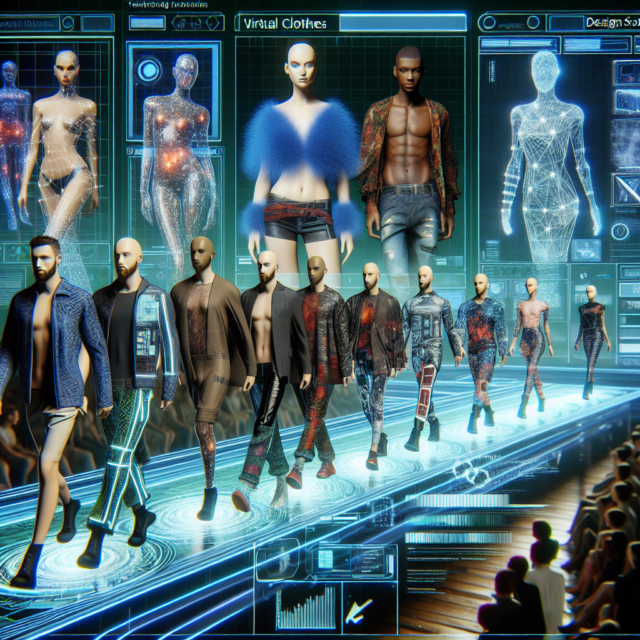
Exploring the Future Digital Faces of Fashion

The fashion industry has always been a dynamic realm of creativity and innovation, constantly evolving to reflect cultural shifts and technological advancements. Today, as digital technologies become increasingly integrated into our lives, the intersection of fashion and technology is creating a new paradigm: digital fashion. This article explores the burgeoning world of digital fashion, examining the innovations that are shaping its landscape, the challenges it faces, and the opportunities it presents for the future of fashion design.

The Intersection of Fashion and Technology

Fashion and technology have long been intertwined, with each influencing the other in transformative ways. From the invention of the sewing machine to the development of synthetic fabrics, technological advancements have continually reshaped the fashion industry. Today, the digital revolution is the latest chapter in this ongoing story, offering new tools and platforms for creativity and expression.

At the heart of this intersection is the concept of digital fashion, which encompasses everything from virtual garments and accessories to augmented reality shopping experiences. Digital fashion leverages cutting-edge technologies like 3D modeling, artificial intelligence, and blockchain to create innovative products and services that transcend the limitations of physical fashion. This digital shift is not just about convenience; it’s about reimagining what fashion can be in a world where the virtual and physical increasingly overlap.

One of the most exciting aspects of digital fashion is its potential to democratize the industry. With digital tools, designers from all over the world can showcase their work without the need for traditional infrastructure or resources. This opens up new opportunities for emerging talent and fosters a more diverse and inclusive fashion landscape. Moreover, digital fashion allows for greater customization and personalization, enabling consumers to engage with fashion in new and meaningful ways.

The rise of digital fashion is also closely linked to the growing importance of sustainability in the industry. As consumers become more aware of the environmental impact of fast fashion, digital fashion offers a more sustainable alternative. Virtual garments produce no physical waste and require no raw materials, making them a more eco-friendly option. Additionally, digital fashion can help brands reduce their carbon footprint by minimizing the need for physical samples and reducing overproduction.

Despite its promise, the integration of fashion and technology is not without its challenges. Issues such as data privacy, intellectual property rights, and the digital divide must be addressed to ensure that digital fashion is accessible and equitable for all. Furthermore, the rapid pace of technological change means that both designers and consumers need to continually adapt to new tools and platforms.

Ultimately, the intersection of fashion and technology is about more than just new products or services; it’s about rethinking the way we engage with fashion. As the digital landscape continues to evolve, it will be fascinating to see how fashion brands and designers leverage technology to create innovative and meaningful experiences for their audiences.

Innovations Shaping Digital Fashion Landscapes

The digital fashion landscape is being reshaped by a host of technological innovations, each contributing to a more immersive and interactive experience for consumers. One such innovation is the use of 3D modeling and virtual reality to create hyper-realistic digital garments. These technologies allow designers to experiment with new forms and materials without the constraints of physical production, leading to more creative and avant-garde designs.

Artificial intelligence (AI) is another game-changer in digital fashion, offering new possibilities for personalization and customization. AI can analyze consumer data to predict trends and preferences, enabling brands to tailor their offerings to individual tastes. This level of personalization enhances the consumer experience and fosters stronger brand loyalty. Additionally, AI can assist designers in the creative process, generating design ideas or optimizing production methods.

Blockchain technology is also playing a pivotal role in the digital fashion landscape, particularly in terms of authenticity and ownership. By using blockchain to create digital certificates of authenticity, brands can ensure that their digital garments are unique and verifiable. This not only adds value to digital fashion items but also helps combat issues such as counterfeiting and intellectual property theft.

Augmented reality (AR) is transforming the way consumers interact with fashion, offering new ways to visualize and experience clothing. AR applications allow consumers to try on virtual garments in real-time, providing a more interactive and engaging shopping experience. This technology is particularly valuable in e-commerce, where it can bridge the gap between online and in-store shopping by allowing consumers to see how clothes will fit and look on their bodies.

The rise of social media and digital platforms has also influenced the digital fashion landscape, providing new avenues for marketing and engagement. Platforms like Instagram, TikTok, and Snapchat offer fashion brands the opportunity to connect with consumers in innovative ways, using digital fashion to create shareable and viral content. This shift towards digital-first marketing strategies is reshaping the way brands build and maintain their identities in the digital age.

Finally, the concept of the metaverse is emerging as a significant force in digital fashion, offering new opportunities for virtual fashion shows, events, and experiences. The metaverse, a collective virtual shared space, allows brands to create immersive environments where consumers can engage with fashion in novel ways. This not only enhances consumer engagement but also opens up new revenue streams for brands through virtual product sales and collaborations.

Challenges and Opportunities in Virtual Fashion Design

While the potential of virtual fashion design is vast, the field faces several challenges that must be addressed for it to reach its full potential. One of the primary challenges is the need for technical expertise and resources. Designing digital garments requires a strong understanding of 3D modeling, animation, and other digital tools, which can be a barrier for traditional fashion designers. To overcome this, the industry needs to invest in education and training programs that equip designers with the necessary skills.

Another challenge is the issue of digital ownership and intellectual property rights. As digital fashion items can be easily replicated and shared, ensuring the protection of designers’ work is crucial. This requires the development of robust legal frameworks and the use of technologies like blockchain to verify authenticity and ownership.

The digital divide also presents a challenge, as not all consumers have equal access to the technologies required to engage with digital fashion. This can limit the reach and impact of digital fashion initiatives, particularly in regions with limited internet connectivity or access to digital devices. To address this, the industry must work towards creating more inclusive and accessible digital fashion experiences.

Despite these challenges, virtual fashion design offers numerous opportunities for innovation and growth. One of the most significant opportunities is the ability to create more sustainable fashion practices. By reducing the need for physical materials and production processes, digital fashion can significantly decrease the environmental impact of the fashion industry. This aligns with the growing consumer demand for sustainable and ethical fashion options.

Virtual fashion design also offers the opportunity to reach new audiences and create more engaging consumer experiences. By leveraging technologies like AR and VR, brands can create immersive experiences that captivate consumers and foster brand loyalty. Additionally, digital fashion allows for greater experimentation and creativity, enabling designers to push the boundaries of traditional fashion and explore new concepts and styles.

Finally, the rise of the metaverse presents a unique opportunity for virtual fashion design, offering new platforms for creativity and expression. As consumers spend more time in virtual spaces, the demand for digital fashion is likely to grow, creating new markets and revenue streams for brands. By embracing the possibilities of the metaverse, fashion designers can explore new ways to engage with consumers and create memorable experiences.

The future digital faces of fashion are poised to redefine the industry, offering new possibilities for creativity, sustainability, and consumer engagement. As fashion and technology continue to intersect, the potential for digital fashion is vast, with innovations like AI, blockchain, and the metaverse leading the way. While challenges remain, the opportunities for virtual fashion design are significant, promising a more inclusive, sustainable, and dynamic fashion landscape. As we look to the future, it will be exciting to see how digital fashion evolves and shapes the way we experience and interact with fashion.

The Rise of Digital Influencers and Virtual Models

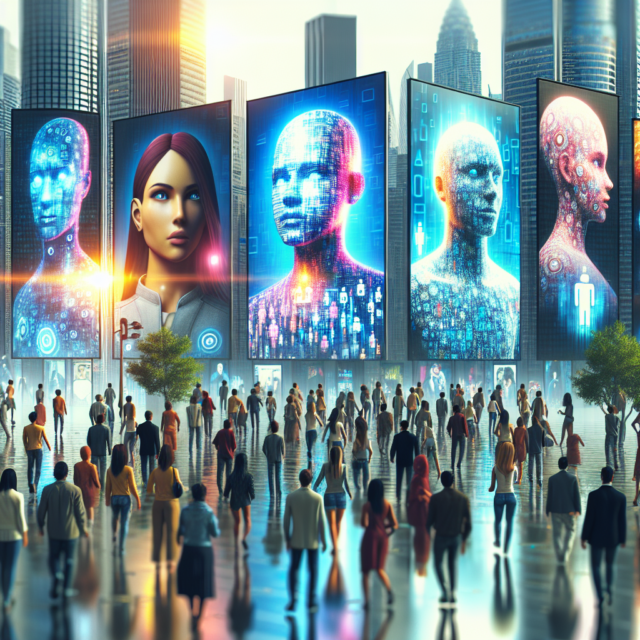
In the ever-evolving landscape of digital marketing and social media, a new phenomenon has emerged that is reshaping the way brands interact with consumers: digital influencers and virtual models. These digital figures, which range from computer-generated avatars to entirely virtual personalities, are becoming increasingly prominent in marketing strategies. This article explores their emergence, their role in modern marketing, and their impact on consumer engagement, offering insights into how they are transforming the industry.

Exploring the Emergence of Digital Influencers

Digital influencers have rapidly gained traction in the digital marketing sphere, leveraging platforms like Instagram, TikTok, and YouTube to build substantial followings. These influencers often possess niche expertise, from fashion and beauty to gaming and technology, allowing them to connect with specific audience segments effectively. Unlike traditional celebrities, digital influencers are often seen as more relatable and accessible, fostering a sense of community and trust among their followers.

The rise of digital influencers can be attributed to the democratization of content creation tools and platforms. With a smartphone and a creative idea, anyone can potentially become an influencer. This accessibility has led to a diverse array of voices and perspectives, enriching the online ecosystem with varied content that appeals to a wide range of audiences. As a result, brands are increasingly collaborating with digital influencers to reach consumers in authentic and engaging ways.

Moreover, the authenticity and relatability of digital influencers have made them powerful advocates for brands. Their followers often view them as trusted friends whose recommendations carry significant weight. This unique position enables influencers to sway consumer purchasing decisions, making them invaluable assets in marketing campaigns. Brands that collaborate with digital influencers can leverage their established credibility and reach to enhance brand awareness and drive sales.

As digital influencers continue to rise in popularity, they are also evolving. Some influencers have expanded their presence beyond social media by launching their product lines, writing books, or even hosting television shows. This evolution highlights the dynamic nature of digital influence and its potential to extend beyond the digital realm, further blurring the lines between online and offline celebrity.

However, the rise of digital influencers is not without challenges. Issues such as influencer authenticity, transparency in sponsored content, and the pressure to maintain a constant online presence can impact both influencers and the brands they represent. As the industry matures, it is crucial for stakeholders to address these challenges to ensure the sustainability of digital influence as a marketing strategy.

In conclusion, the emergence of digital influencers represents a significant shift in how consumers interact with brands. Their ability to engage audiences with authentic and relatable content has transformed them into key players in the marketing landscape, offering brands new opportunities to connect with consumers in meaningful ways.

The Role of Virtual Models in Modern Marketing

Virtual models, a subset of digital influencers, have become an intriguing addition to the marketing toolkit. These computer-generated figures are designed to mimic human characteristics and can be tailored to embody the ideals and aesthetics of a brand. Unlike human influencers, virtual models offer brands complete creative control over their appearance, behavior, and narrative, making them a versatile asset in crafting brand identity.

One of the primary advantages of virtual models is their consistency. They do not age, change, or deviate from the brand’s vision, providing a stable and reliable representation. This consistency is particularly beneficial for long-term marketing campaigns, where maintaining a coherent brand image is crucial. Virtual models can be deployed across various media channels, ensuring uniformity in brand messaging.

Additionally, virtual models offer a unique opportunity for innovation and creativity. Brands can experiment with avant-garde fashion, futuristic settings, and imaginative storytelling that might be challenging to achieve with human models. This creative freedom allows brands to push the boundaries of traditional advertising and captivate audiences with visually stunning and thought-provoking content.

The use of virtual models also addresses some of the ethical concerns associated with traditional modeling. Issues such as body image, diversity, and representation can be navigated more effectively with virtual models, as they can be designed to reflect a wide range of appearances and backgrounds. This inclusivity can resonate with diverse audiences, enhancing brand appeal and fostering positive consumer perceptions.

Despite their advantages, virtual models also present challenges. The lack of human touch and emotional connection can make it difficult for some consumers to relate to them on a personal level. Brands need to strike a balance between leveraging the creative potential of virtual models and maintaining genuine connections with their audience. This can be achieved by integrating virtual models with human influencers or by crafting compelling narratives that resonate emotionally.

In summary, virtual models are playing an increasingly significant role in modern marketing. Their ability to offer consistency, creativity, and inclusivity makes them a valuable asset for brands seeking to differentiate themselves in a competitive market. However, brands must navigate the challenges of emotional engagement to fully harness their potential.

Impact of Digital Figures on Consumer Engagement

Digital figures, encompassing both digital influencers and virtual models, have a profound impact on consumer engagement. Their presence on social media platforms allows them to reach vast audiences, creating opportunities for brands to engage with consumers in innovative ways. By leveraging the unique attributes of digital figures, brands can craft compelling narratives that capture consumer attention and drive interaction.

One of the key ways digital figures enhance consumer engagement is through personalized and interactive content. Digital influencers, for example, often engage with their followers through live streams, Q&A sessions, and interactive polls, fostering a sense of community and connection. This two-way communication allows consumers to feel heard and valued, strengthening their relationship with both the influencer and the associated brand.

Furthermore, digital figures are adept at storytelling, a powerful tool for consumer engagement. By sharing authentic experiences, behind-the-scenes content, and engaging narratives, digital figures can create emotional connections with their audience. This storytelling approach not only captivates consumers but also encourages them to share content within their own networks, amplifying brand reach and engagement.

The visual appeal of digital figures also plays a crucial role in consumer engagement. High-quality visuals, whether through stunning photography or captivating animations, can draw consumers in and hold their attention. This visual allure is particularly effective in industries such as fashion, beauty, and lifestyle, where aesthetics are paramount. By leveraging visually appealing content, brands can enhance consumer interest and foster deeper engagement.

However, the impact of digital figures on consumer engagement is not without its challenges. The prevalence of digital content means that consumers are inundated with information, making it essential for brands to stand out. Digital figures must continuously innovate and adapt to changing consumer preferences to maintain engagement. This requires a keen understanding of audience dynamics and a willingness to experiment with new content formats and platforms.

In conclusion, digital figures have revolutionized consumer engagement by offering personalized, interactive, and visually appealing content. Their ability to connect with audiences on an emotional level and foster meaningful interactions makes them invaluable assets in the marketing landscape. As the digital world continues to evolve, the role of digital figures in consumer engagement is likely to expand, offering new opportunities for brands to connect with their audiences in dynamic and impactful ways.

The rise of digital influencers and virtual models marks a significant transformation in the marketing and advertising industry. These digital figures offer brands unprecedented opportunities to engage with consumers through authentic, innovative, and visually captivating content. While challenges remain, such as maintaining authenticity and emotional connection, the potential of digital figures to reshape consumer engagement is undeniable. As technology continues to advance, the influence of digital figures is poised to grow, paving the way for new and exciting possibilities in the world of marketing.

Exploring Emerging Trends in the World of Digital Fashion

Exploring Emerging Trends in the World of Digital Fashion

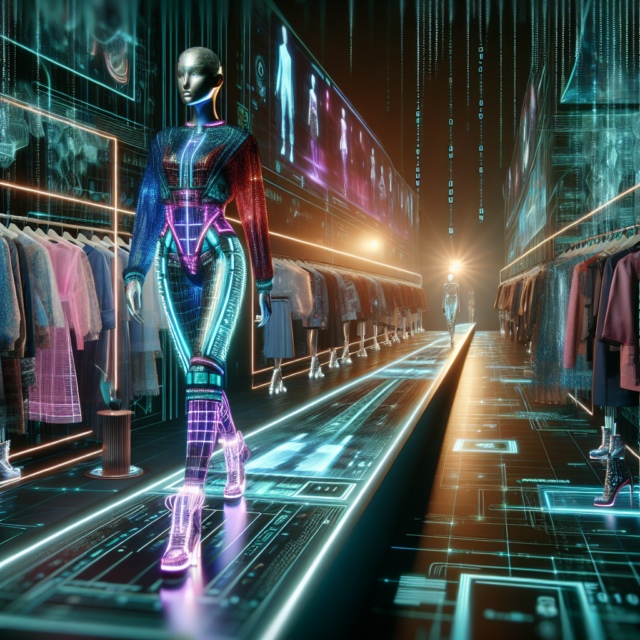
In the ever-evolving realm of fashion, digital innovation is carving out a new frontier, transforming how we perceive, create, and engage with clothing and accessories. Digital fashion, an intersection of technology and style, is not just a fleeting trend but a burgeoning sector that promises to redefine the fashion industry. From virtual runways to digital wardrobes, this article delves into the rise of digital fashion, the technologies propelling it forward, and its far-reaching impact on traditional fashion industries.

The Rise of Digital Fashion: A New Frontier

The world of fashion is witnessing a paradigm shift as digital fashion emerges as a new frontier. This innovative sector has captured the imagination of designers, consumers, and tech enthusiasts alike, offering a virtual playground where creativity knows no bounds. Digital fashion encompasses everything from virtual clothing and accessories to entirely digital fashion shows, providing an immersive experience that challenges conventional fashion norms. Unlike traditional fashion, digital fashion is not constrained by physical limitations, allowing for boundless creativity and experimentation.

The rise of digital fashion can be attributed to the increasing demand for sustainable and ethical fashion solutions. As consumers become more environmentally conscious, the allure of digital fashion lies in its ability to reduce waste and carbon footprints. Virtual garments can be tried on, shared, and even worn in digital spaces without the need for physical production, making it an attractive option for eco-conscious consumers. This shift towards digital fashion also reflects changing consumer habits, where the digital realm is increasingly becoming a space for self-expression and identity exploration.

Social media platforms have played a pivotal role in propelling digital fashion into the mainstream. With the rise of virtual influencers and digital avatars, fashion brands are embracing digital fashion to engage with tech-savvy audiences. These platforms provide a stage for digital fashion designers to showcase their creations to a global audience, breaking down geographical barriers and democratizing access to high fashion. As a result, digital fashion is not just a niche market but a rapidly growing industry with significant commercial potential.

Moreover, the pandemic has accelerated the adoption of digital fashion as physical fashion events and retail experiences were disrupted. Virtual fashion shows and digital collections became the norm, allowing designers to reach audiences worldwide without the constraints of physical venues. This shift has not only kept the industry afloat during challenging times but has also opened up new opportunities for innovation and collaboration. The rise of digital fashion signifies a transformative moment in the industry, where technology and creativity converge to reshape the future of fashion.

Digital fashion is also redefining the concept of ownership and consumption. In a world where fast fashion dominates, digital fashion offers a sustainable alternative that prioritizes experience over possession. Consumers can purchase digital garments for their avatars, wear them in virtual worlds, and even trade them as digital assets, blurring the lines between fashion and digital collectibles. This new model of consumption challenges traditional notions of fashion ownership and paves the way for a more sustainable and inclusive industry.

As digital fashion continues to evolve, it is poised to become a driving force in the fashion industry. Its rise represents a shift towards a more inclusive, sustainable, and innovative future, where fashion knows no boundaries. As designers, brands, and consumers embrace this new frontier, digital fashion is set to redefine the industry, offering endless possibilities for creativity and self-expression.

Key Technologies Shaping Digital Fashion Trends

At the heart of digital fashion’s evolution are key technologies that are shaping its trends and possibilities. Augmented reality (AR) and virtual reality (VR) are leading the charge, offering immersive experiences that bridge the gap between the physical and digital worlds. AR technology allows consumers to try on virtual garments in real-time, using their smartphones or smart mirrors, enhancing the shopping experience with interactive and personalized features. Meanwhile, VR enables designers to create entirely digital fashion shows, providing audiences with a front-row seat to the latest collections from the comfort of their homes.

Blockchain technology is another crucial component driving digital fashion trends, particularly in the realm of digital ownership and authenticity. By leveraging blockchain, fashion brands can create digital certificates of authenticity for virtual garments, ensuring transparency and traceability. This technology also facilitates the creation of non-fungible tokens (NFTs), allowing designers to sell unique digital fashion pieces as digital collectibles. NFTs have opened up new revenue streams for designers and provided consumers with a way to invest in digital fashion, further blurring the lines between fashion and digital assets.

Artificial intelligence (AI) is playing a transformative role in the design and production of digital fashion. AI-powered tools enable designers to create intricate and innovative designs with unprecedented speed and precision. Machine learning algorithms analyze fashion trends and consumer preferences, providing valuable insights for designers to create personalized and data-driven collections. AI also streamlines the production process, reducing costs and minimizing waste, making digital fashion an attractive option for sustainable fashion practices.

3D modeling and rendering technologies are revolutionizing the way digital garments are designed and visualized. These tools allow designers to create lifelike digital garments with intricate details and realistic textures, enhancing the overall quality and appeal of digital fashion. 3D modeling also facilitates virtual fittings, enabling consumers to visualize how digital garments fit and move on their avatars, creating a seamless and engaging shopping experience. As these technologies continue to advance, the potential for hyper-realistic digital fashion becomes increasingly viable.

The integration of Internet of Things (IoT) technology into digital fashion is creating new possibilities for interactive and connected clothing. IoT-enabled garments can collect and transmit data, offering real-time feedback on factors such as fit, comfort, and environmental conditions. This data-driven approach not only enhances the functionality and adaptability of digital fashion but also provides valuable insights for designers and brands to create more personalized and responsive collections.

As these technologies continue to evolve, they are reshaping the landscape of digital fashion, offering new opportunities for creativity, innovation, and sustainability. By harnessing the power of AR, VR, blockchain, AI, 3D modeling, and IoT, digital fashion is poised to revolutionize the industry, providing consumers with immersive and personalized experiences that transcend traditional fashion boundaries.

Impact of Digital Fashion on Traditional Industries

The rise of digital fashion is having a profound impact on traditional fashion industries, challenging established norms and prompting a reevaluation of conventional practices. One of the most significant impacts is the shift towards sustainability and eco-consciousness. As digital fashion eliminates the need for physical production, it reduces waste and minimizes the environmental impact of fashion, aligning with the growing demand for sustainable solutions in the industry. This shift is prompting traditional fashion brands to rethink their production processes and explore digital alternatives to meet consumer expectations.

Digital fashion is also transforming the retail landscape, offering new possibilities for engagement and interaction. Virtual try-ons and digital showrooms are becoming increasingly popular, providing consumers with a convenient and immersive shopping experience. This shift towards digital retail is challenging traditional brick-and-mortar stores to adapt and innovate, integrating digital technologies to enhance the customer experience. As a result, the line between physical and digital retail is becoming increasingly blurred, creating a hybrid model that combines the best of both worlds.

The fashion industry’s supply chain is also experiencing a transformation due to the rise of digital fashion. With the ability to create and distribute digital garments instantly, the need for traditional manufacturing and logistics is reduced. This shift is prompting brands to reevaluate their supply chain strategies, focusing on digital solutions that offer greater efficiency, flexibility, and sustainability. By embracing digital fashion, traditional industries can streamline their operations and reduce costs, creating a more agile and responsive supply chain.

The impact of digital fashion extends beyond the fashion industry, influencing adjacent sectors such as entertainment and gaming. Virtual fashion is becoming an integral part of digital experiences, with brands collaborating with gaming companies to create exclusive digital collections for avatars. This convergence of fashion and gaming is opening up new revenue streams and marketing opportunities, allowing brands to reach a broader audience and engage with consumers in innovative ways. As digital fashion continues to gain traction, its influence on entertainment and gaming is expected to grow, creating new synergies and collaborations.

Digital fashion is also reshaping the role of fashion designers and creatives, offering new opportunities for innovation and expression. The ability to create and showcase digital garments without the constraints of physical production allows designers to experiment with new materials, styles, and concepts. This shift is leading to a more inclusive and diverse industry, where emerging designers can gain recognition and visibility without the need for traditional resources. As digital fashion continues to evolve, it is empowering a new generation of designers to push the boundaries of creativity and redefine the future of fashion.

In conclusion, the impact of digital fashion on traditional industries is both transformative and far-reaching. By challenging established norms and introducing new possibilities, digital fashion is driving a shift towards sustainability, innovation, and inclusivity. As traditional industries adapt to this new reality, they are poised to benefit from the opportunities and efficiencies that digital fashion offers, paving the way for a more sustainable and dynamic future in the world of fashion.

As we navigate the exciting world of digital fashion, it is clear that this emerging trend is more than just a technological novelty—it is a transformative force that is reshaping the fashion industry as we know it. By embracing key technologies and challenging traditional practices, digital fashion offers a glimpse into a future where sustainability, creativity, and innovation coexist harmoniously. As designers, brands, and consumers continue to explore the possibilities of this new frontier, the world of fashion is set to embark on a journey of unprecedented change and opportunity.

Exploring the Rise of Digital Personal Shopping Experiences

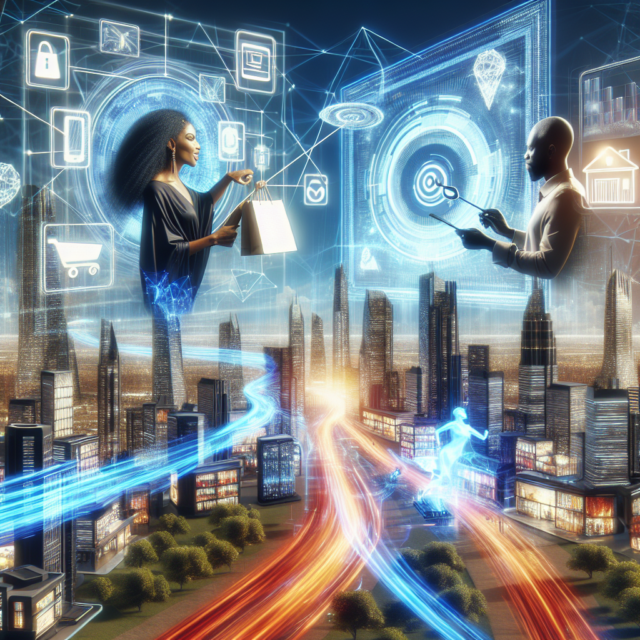
In recent years, the landscape of shopping has undergone a significant transformation, driven by the rapid advancement of digital technologies. Among these changes, the rise of digital personal shopping experiences stands out as a pivotal development. This article delves into the factors fueling this revolution, the evolution of personalized online retail, and the key drivers behind the burgeoning e-shopping services that are reshaping consumer behavior and expectations.

Understanding the Digital Shopping Revolution

The digital shopping revolution marks a significant shift from traditional retail experiences to a more dynamic and interactive form of consumer engagement. At the heart of this revolution is the integration of technology into every aspect of the shopping process, from browsing to purchase and beyond. E-commerce platforms have capitalized on advancements in artificial intelligence, machine learning, and big data analytics to create tailored shopping experiences that were once unimaginable.

The proliferation of smartphones and high-speed internet connectivity has been a catalyst in this transformation. Consumers now have the world of retail at their fingertips, with endless options available through a simple swipe or click. This accessibility has not only changed how people shop but also when they shop, with mobile commerce enabling purchases at any time of day or night. The convenience and immediacy of digital shopping have set new standards for consumer expectations.

Moreover, social media platforms have played a crucial role in shaping digital shopping habits. By integrating shopping features directly into their interfaces, platforms like Instagram and Facebook have blurred the lines between social interaction and commerce. This convergence has opened new avenues for personalized marketing and product discovery, enhancing the overall shopping experience.

A significant aspect of the digital shopping revolution is the rise of virtual and augmented reality technologies. These innovations offer immersive experiences that allow consumers to visualize products in their own environments before making a purchase. From trying on clothes virtually to placing furniture in a digital rendition of their living room, these technologies are bridging the gap between online and offline shopping experiences.

The shift towards digital shopping is also characterized by the growing importance of sustainability and ethical considerations. Online retailers are increasingly transparent about their supply chains and environmental impact, catering to a consumer base that is more informed and conscientious than ever before. This trend is shaping the future of digital commerce, with eco-friendly practices becoming a competitive advantage.

Finally, the digital shopping revolution is underpinned by a fundamental change in consumer attitudes towards data privacy and security. As online shopping becomes more prevalent, consumers are becoming more aware of how their data is collected and used. Retailers are responding by implementing robust security measures and transparent data policies to build trust and enhance the digital shopping experience.

The Evolution of Personalized Online Retail

The evolution of personalized online retail has been a journey marked by technological advancements and a deeper understanding of consumer behavior. Initially, online shopping was a one-size-fits-all experience, with limited options for customization or personalization. However, as technology evolved, so did the ability of retailers to cater to individual preferences and needs.

Personalization in online retail began with basic product recommendations based on previous purchases or browsing history. Over time, these recommendations have become more sophisticated, leveraging complex algorithms and machine learning to predict consumer preferences with remarkable accuracy. This evolution has transformed the online shopping experience, making it more engaging and relevant to individual consumers.

A pivotal moment in the evolution of personalized online retail was the introduction of AI-driven chatbots and virtual assistants. These tools provide real-time assistance and recommendations, enhancing the shopping experience by offering personalized support and guidance. As AI continues to advance, the capabilities of these virtual shopping assistants are expanding, offering increasingly accurate and context-aware interactions.

The rise of subscription-based models is another significant development in personalized online retail. Services like Stitch Fix and Birchbox have revolutionized how consumers discover new products, offering curated selections tailored to individual tastes and preferences. These models leverage data and consumer feedback to continually refine and enhance the personalization process, creating a loyal customer base.

Moreover, the evolution of personalized online retail is closely tied to advancements in data analytics. Retailers now have access to vast amounts of consumer data, enabling them to uncover insights and trends that drive personalization strategies. This data-driven approach allows for more targeted marketing efforts, personalized promotions, and customized product offerings that resonate with consumers on a personal level.

The integration of augmented reality (AR) and virtual reality (VR) into online retail has further advanced personalization efforts. These technologies enable consumers to visualize products in their own environments, try on virtual clothing, or explore digital showrooms. By offering immersive and interactive experiences, AR and VR are enhancing personalization and bridging the gap between online and offline shopping.

Finally, the evolution of personalized online retail is characterized by a growing emphasis on customer-centricity. Retailers are increasingly focused on understanding and meeting the unique needs of each consumer, fostering a sense of loyalty and satisfaction. This shift towards customer-centric personalization is redefining the future of online retail, with technology serving as the enabler of more meaningful and individualized shopping experiences.

Key Drivers Behind the Rise of E-Shopping Services

Several key drivers have contributed to the rise of e-shopping services, transforming the way consumers interact with brands and make purchasing decisions. One of the primary drivers is the rapid advancement of technology, which has enabled retailers to offer innovative and convenient shopping solutions that cater to the evolving demands of consumers.

The widespread adoption of smartphones and mobile devices has been a crucial factor in the growth of e-shopping services. Mobile commerce, or m-commerce, has made shopping more accessible and convenient, allowing consumers to browse and purchase products from anywhere at any time. The convenience of mobile shopping has led to a significant increase in online transactions, driving the expansion of e-shopping services.

Another key driver is the increasing importance of data and analytics in shaping consumer experiences. Retailers are leveraging vast amounts of data to gain insights into consumer behavior, preferences, and trends. This data-driven approach enables personalized marketing strategies, targeted promotions, and customized product recommendations, enhancing the overall shopping experience and driving the growth of e-shopping services.

The rise of social media as a shopping platform has also contributed to the proliferation of e-shopping services. Social media platforms offer a unique blend of social interaction and commerce, allowing consumers to discover and purchase products directly through their feeds. This seamless integration of shopping into social media environments has opened new avenues for retailers to reach and engage with consumers, driving the growth of e-shopping services.

Moreover, the increasing focus on sustainability and ethical practices has influenced the rise of e-shopping services. Consumers are becoming more conscious of the environmental and social impact of their purchases, leading to a demand for transparent and sustainable shopping options. E-shopping services are responding by offering eco-friendly products, ethical sourcing, and transparent supply chains, catering to the growing demand for responsible consumption.

Finally, the COVID-19 pandemic has accelerated the adoption of e-shopping services, as consumers turned to online channels to fulfill their shopping needs during lockdowns and social distancing measures. The pandemic has highlighted the importance of digital solutions in maintaining business continuity and meeting consumer demands, driving the rapid expansion and evolution of e-shopping services.

As we explore the rise of digital personal shopping experiences, it becomes evident that this transformation is driven by a confluence of technological advancements, changing consumer expectations, and a focus on personalization and sustainability. The digital shopping revolution is not just about convenience; it represents a fundamental shift in how consumers interact with brands and make purchasing decisions. As technology continues to evolve, the future of digital personal shopping experiences promises even greater innovations, shaping a new era of retail that is more connected, personalized, and consumer-centric than ever before.

Enhancing Customer Engagement Through VR Experiences

In the rapidly evolving landscape of digital marketing and customer interaction, businesses are continually seeking innovative ways to engage their audiences. Virtual Reality (VR) has emerged as a transformative technology with the potential to revolutionize customer engagement. By immersing users in interactive and lifelike environments, VR offers novel experiences that go beyond traditional media. This article explores the role of VR in customer engagement, highlights its key benefits for enhancing user experience, and examines its practical applications across various industries.

Exploring the Role of VR in Customer Engagement

Virtual Reality has transcended its initial niche within gaming and entertainment to become a powerful tool for businesses aiming to enhance customer engagement. At its core, VR provides an immersive experience that allows users to interact with digital content in a three-dimensional space. This capability opens up new avenues for storytelling, enabling brands to create compelling narratives that captivate and retain audience attention. By providing an environment where customers can experience a product or service firsthand, VR bridges the gap between imagination and reality, thereby fostering deeper connections with the brand.

One of the most significant roles VR plays in customer engagement is its ability to create memorable experiences. Unlike traditional advertising methods, which often rely on passive consumption of content, VR actively involves the user, making the experience more impactful and likely to be remembered. This heightened level of engagement can lead to increased brand loyalty and customer retention, as users are more likely to return to a brand that offers unique and enjoyable experiences.

Additionally, VR allows for personalized interactions with customers, enhancing the overall engagement process. By leveraging data analytics and user preferences, businesses can tailor VR experiences to meet individual needs and interests. This level of personalization not only improves customer satisfaction but also encourages repeat interactions, as users feel valued and understood by the brand.

The role of VR in customer engagement extends to educational and informative experiences as well. For example, brands can use VR to educate customers about complex products or services by allowing them to explore and interact with the features in a virtual setting. This hands-on approach facilitates better understanding and retention of information, ultimately leading to more informed purchasing decisions.

Furthermore, VR can help businesses overcome geographical barriers, reaching a global audience without the need for physical presence. This is particularly beneficial for industries such as real estate or travel, where potential customers can explore properties or destinations from the comfort of their homes. By offering virtual tours, businesses can engage with a wider demographic, expanding their reach and influence.

Finally, VR fosters a sense of community and connection among users. By creating shared experiences in virtual spaces, brands can encourage social interaction and collaboration, enhancing the overall engagement process. This sense of community can lead to the formation of brand advocates who actively promote the brand within their networks, further amplifying its reach.

Key Benefits of VR for Enhancing User Experience

One of the primary benefits of VR in enhancing user experience is its ability to create immersive environments that captivate and engage users. By simulating real-world scenarios or creating entirely new worlds, VR allows users to experience content in a way that feels authentic and compelling. This immersion leads to heightened emotional connections, making users more receptive to the brand’s message and more likely to form lasting impressions.

Another significant advantage of VR is its capacity to provide interactive experiences. Unlike traditional media, which often involves passive consumption, VR encourages active participation, allowing users to explore and interact with content at their own pace. This interactivity fosters a sense of agency and control, empowering users and enhancing their overall experience. As a result, users are more likely to spend extended periods engaging with the brand, increasing the likelihood of conversion and retention.

VR also offers the benefit of personalization, allowing brands to tailor experiences to individual preferences and needs. By utilizing data analytics and user insights, businesses can create customized VR experiences that resonate with their audience on a personal level. This personalization not only enhances user satisfaction but also strengthens the relationship between the brand and the customer, fostering loyalty and repeat engagement.

Moreover, VR provides a platform for experiential learning, which can be particularly beneficial for complex products or services. By allowing users to interact with and explore features in a virtual setting, VR facilitates a deeper understanding of the product, leading to more informed purchasing decisions. This hands-on approach to learning enhances user confidence and satisfaction, contributing to a positive overall experience.

The use of VR can also streamline the decision-making process for customers by providing realistic simulations of products or services. For example, in the automotive industry, potential buyers can take virtual test drives, experiencing the vehicle’s features and performance without leaving the showroom. This practical application of VR reduces the uncertainty and risk associated with purchasing decisions, enhancing user confidence and satisfaction.

Finally, VR enhances user experience by offering unique and memorable interactions that stand out in the crowded digital landscape. By providing novel and engaging experiences, VR helps brands differentiate themselves from competitors, capturing the attention of potential customers and creating a lasting impression. This differentiation is crucial in today’s competitive market, where brands must continually innovate to maintain relevance and attract new audiences.

Practical Applications of VR in Various Industries

The practical applications of VR in various industries are vast and continually expanding, as businesses recognize the technology’s potential to enhance customer engagement and drive growth. In the retail sector, for example, VR is being used to create virtual showrooms and fitting rooms, allowing customers to browse and try on products in a realistic setting without leaving their homes. This application not only enhances convenience for customers but also reduces the overhead costs associated with physical retail spaces.

In the real estate industry, VR is revolutionizing the way properties are marketed and sold. By offering virtual tours, real estate agents can showcase properties to potential buyers around the world, providing an immersive experience that allows them to explore every detail of the home. This application of VR not only expands the reach of real estate listings but also accelerates the decision-making process, as buyers can quickly assess whether a property meets their needs.

The travel and tourism industry is also benefiting from VR technology, with virtual tours and experiences allowing potential travelers to explore destinations before making a booking. By providing a taste of what a location has to offer, VR can inspire wanderlust and drive bookings, as users are more likely to commit to a trip after experiencing it virtually. This application of VR enhances customer engagement by providing a tangible preview of the travel experience, reducing the uncertainty and risk associated with travel planning.

In the education sector, VR is being used to create immersive learning environments that engage and motivate students. By simulating real-world scenarios or historical events, VR allows learners to experience content in a way that is both informative and engaging. This application of VR enhances student understanding and retention of information, contributing to improved educational outcomes.

The healthcare industry is also leveraging VR technology to enhance patient care and treatment outcomes. By providing virtual simulations of medical procedures, VR can help train healthcare professionals, improving their skills and confidence. Additionally, VR is being used for patient education, allowing individuals to better understand their conditions and treatment options through interactive experiences. This application of VR enhances patient engagement and satisfaction, contributing to better health outcomes.

Finally, the automotive industry is utilizing VR to enhance the customer experience and streamline the purchasing process. By offering virtual test drives and interactive product demonstrations, automotive brands can provide potential buyers with a comprehensive understanding of their vehicles’ features and performance. This application of VR not only enhances customer engagement but also reduces the time and resources required for in-person demonstrations, increasing efficiency and cost-effectiveness.

As businesses continue to explore innovative ways to engage their customers, Virtual Reality stands out as a powerful tool with the potential to transform the customer experience. By providing immersive, interactive, and personalized experiences, VR enhances user engagement, fosters brand loyalty, and drives growth across various industries. As technology continues to evolve, the applications and benefits of VR are likely to expand even further, offering exciting opportunities for businesses to connect with their audiences in meaningful and memorable ways. Embracing VR as part of a comprehensive customer engagement strategy can position brands at the forefront of innovation, ensuring their relevance and success in the digital age.

Future Trends Shaping the Next Wave of Influencers

In the fast-evolving digital landscape, the influencer industry is undergoing significant transformations driven by technological advancements, shifting audience dynamics, and the emergence of new platforms. As we look to the future, it’s essential to understand these trends that are poised to shape the next wave of influencers. This article delves into the emerging technologies transforming influencer dynamics, shifts in audience engagement and expectations, and the impact of new platforms on influencer reach.

Emerging Technologies Transforming Influencer Dynamics

Emerging technologies are redefining the way influencers create content and engage with their audiences. Augmented Reality (AR) and Virtual Reality (VR) are at the forefront of this transformation. These technologies allow influencers to craft immersive experiences, making product demonstrations and storytelling more engaging. AR filters on platforms like Instagram have already gained popularity, and we can expect influencers to leverage VR for virtual meetups and events, providing followers with novel interactive experiences.

Artificial Intelligence (AI) is another game-changer, offering influencers data-driven insights to tailor content to their audiences. AI-powered analytics tools enable influencers to understand their followers’ preferences and behaviors more precisely, allowing for more personalized content. Moreover, AI-generated content, such as deepfake technology, presents new opportunities and ethical considerations for influencers in creating authentic yet innovative content.

Blockchain technology is also making waves in the influencer space by enhancing transparency and trust. With blockchain, influencers can verify their authenticity and followers, reducing the prevalence of fake followers and fraudulent activities. This technology also facilitates secure transactions and collaborations, making partnerships between brands and influencers more efficient and trustworthy.

5G technology is set to revolutionize the influencer industry by enabling faster internet speeds and lower latency. This advancement allows influencers to stream high-quality live content seamlessly, enhancing real-time engagement with their audiences. As 5G becomes more widespread, influencers can explore new content formats, such as live shopping experiences and interactive storytelling, further blurring the lines between digital and physical worlds.

Voice technology, powered by smart speakers and voice assistants, is also influencing how content is consumed. Influencers are beginning to explore voice-based content, such as podcasts and voice notes, to reach audiences who prefer audio over visual content. This trend opens up new avenues for storytelling and engagement, allowing influencers to connect with their followers in more intimate and accessible ways.

Finally, the rise of the Internet of Things (IoT) offers influencers opportunities to integrate smart devices into their content. From smart home gadgets to wearable technology, influencers can demonstrate products in real-life scenarios, providing followers with practical insights and recommendations. IoT also enables influencers to gather real-time data on product usage and feedback, enhancing their ability to create relevant and impactful content.

Shifts in Audience Engagement and Expectations

As the influencer landscape evolves, so do audience engagement patterns and expectations. Today’s audiences are more discerning and value authenticity over polished perfection. They seek genuine connections with influencers who share relatable stories and experiences. As a result, influencers are increasingly focusing on transparency and vulnerability in their content, fostering deeper connections with their followers.

Interactive content is becoming a key driver of audience engagement. Audiences now expect to participate in the content creation process through polls, Q&A sessions, and interactive challenges. Influencers who embrace this trend can build stronger communities by involving their followers in decision-making and content planning, creating a sense of ownership and belonging.

The demand for niche content is on the rise as audiences seek specialized information and communities that align with their interests and values. Influencers who cater to niche markets can cultivate dedicated and loyal followings by providing in-depth knowledge and tailored content. This shift towards niche content also opens up opportunities for micro-influencers, who often possess expertise in specific areas and can connect with audiences on a more personal level.

Ethical considerations are increasingly influencing audience expectations. Followers are holding influencers accountable for their actions and affiliations, demanding transparency in brand partnerships and social responsibility. Influencers who prioritize ethical practices and align themselves with causes that resonate with their audience can build trust and credibility, setting themselves apart in a crowded market.

Audiences are also becoming more conscious of the time they spend online, leading to a preference for meaningful and concise content. Influencers need to adapt by delivering value quickly and efficiently, whether through bite-sized videos or succinct written content. This shift challenges influencers to capture attention and convey messages effectively in an era of information overload.

Finally, the rise of digital detox and mental health awareness is shaping audience expectations. Followers are increasingly valuing influencers who promote well-being and balance, encouraging breaks from social media and advocating for mental health. Influencers who embrace this trend can foster positive relationships with their audiences by promoting healthy habits and authentic self-care practices.

New Platforms and Their Impact on Influencer Reach

The emergence of new social media platforms is reshaping how influencers reach and connect with their audiences. TikTok, with its short-form video format, has become a breeding ground for viral content, allowing influencers to gain rapid visibility and reach diverse audiences. Its algorithm-driven discovery process enables even new influencers to achieve significant reach, democratizing the influencer landscape.

Clubhouse, the audio-based social network, has introduced a new dimension to influencer engagement. By hosting live discussions and panels, influencers can connect with audiences in real-time, fostering dynamic conversations and networking opportunities. This platform allows influencers to showcase their expertise and build communities centered around shared interests and dialogues.

Twitch, primarily known for gaming content, is expanding its reach beyond gaming, attracting influencers from various niches. Its live streaming capabilities offer influencers the chance to interact with audiences in real-time, creating engaging and spontaneous content. Twitch’s monetization options, such as subscriptions and donations, provide influencers with diverse revenue streams, making it an attractive platform for content creators.

The rise of decentralized social networks, such as Mastodon and LBRY, is challenging the dominance of traditional platforms. These platforms prioritize user privacy and content ownership, appealing to audiences seeking alternatives to mainstream social media. Influencers who embrace decentralized networks can tap into communities that value transparency and independence, expanding their reach to audiences wary of centralized control.

E-commerce platforms are also becoming influential in shaping influencer reach. Platforms like Amazon Live and Instagram Shopping enable influencers to seamlessly integrate product recommendations with purchasing options, streamlining the consumer journey. Influencers who leverage these platforms can enhance their reach by combining content creation with direct sales, offering followers a convenient shopping experience.

Finally, the integration of social media with virtual spaces, such as the metaverse, is opening new frontiers for influencer reach. As virtual worlds become more immersive and interconnected, influencers can create unique digital experiences for their audiences. From virtual concerts to digital fashion shows, the metaverse offers influencers innovative ways to engage with followers, expanding their reach beyond traditional boundaries.

The future of the influencer industry is being shaped by a confluence of emerging technologies, evolving audience dynamics, and the rise of new platforms. As influencers navigate this changing landscape, they must adapt to technological advancements, meet shifting audience expectations, and leverage new platforms to expand their reach. By embracing these trends, the next wave of influencers will continue to redefine how we connect, communicate, and consume content in the digital age.

Exploring the Rise of Global Digital Fashion Influencers

In the rapidly evolving world of fashion, a new breed of influencers is redefining the way trends are set and followed. Digital fashion influencers have emerged as pivotal players in the global fashion ecosystem, leveraging social media platforms and digital technologies to shape consumer preferences and redefine the traditional fashion narrative. This article delves into the rise of these influencers, examining the digital fashion landscape, identifying key players, and analyzing their impact on fashion consumption worldwide.

Understanding the Digital Fashion Landscape

The digital fashion landscape is a dynamic and multifaceted domain that has transformed how fashion is consumed and appreciated globally. With the advent of social media platforms such as Instagram, TikTok, and Pinterest, fashion has become more accessible, interactive, and immediate. These platforms have democratized fashion, allowing anyone with a smartphone and a sense of style to participate in the fashion conversation. This shift has significantly altered the traditional top-down approach to fashion dissemination, where trends were dictated by a select few industry insiders.

At the heart of this transformation is the rise of digital fashion influencers who have capitalized on these platforms to build personal brands and engage with vast audiences. Unlike traditional fashion icons, digital influencers often cultivate a more relatable and authentic image, which resonates with followers seeking inspiration from real-life experiences rather than aspirational, often unattainable, fashion ideals. This relatability has been a key factor in their growing influence.

The digital fashion landscape is also characterized by a rapid pace of trend cycles and a constant influx of new content. Influencers play a crucial role in this environment by curating and interpreting trends for their audiences. They often serve as intermediaries between high fashion and everyday consumers, translating runway looks into wearable styles that can be adapted to individual tastes and budgets. This has further blurred the lines between high fashion and street style, making fashion more inclusive and diverse.

Moreover, the digital fashion ecosystem is supported by a robust infrastructure of e-commerce platforms, digital marketing tools, and analytics technologies. Influencers leverage these tools to not only showcase fashion products but also to track engagement, understand audience preferences, and tailor their content accordingly. This data-driven approach allows for a more personalized and effective fashion marketing strategy, benefiting both influencers and brands.

The rise of digital fashion influencers has also led to the emergence of new business models within the fashion industry. Influencer marketing has become a vital component of brand strategy, with companies investing heavily in collaborations with influencers to reach targeted demographics and enhance their brand visibility. This symbiotic relationship has reshaped the fashion marketing landscape, emphasizing the importance of authenticity and audience engagement over traditional advertising methods.

As the digital fashion landscape continues to evolve, it presents both opportunities and challenges. While the democratization of fashion allows for greater diversity and representation, it also raises questions about sustainability, fast fashion, and the ethics of influencer marketing. Navigating these complexities will be crucial for the continued growth and success of digital fashion influencers in shaping the future of fashion.

Key Players in the Global Fashion Influence

The global fashion influence is driven by a diverse array of digital fashion influencers, each bringing their unique perspectives and styles to the forefront. These key players range from established fashion bloggers and content creators to emerging TikTok stars and Instagram personalities. Their impact is not limited by geography, as they often command international followings and influence trends across borders.

One of the most prominent categories of digital fashion influencers includes fashion bloggers who have transitioned from traditional blogging platforms to social media. These influencers often have a deep understanding of fashion history and trends, which they leverage to provide insightful commentary and curated content. Their blogs serve as a repository of fashion knowledge, attracting readers who seek in-depth analysis and inspiration.

Instagram has been a particularly influential platform for digital fashion influencers, offering a visually-driven medium to showcase their style. Influencers on Instagram often emphasize aesthetics, using high-quality imagery and creative compositions to captivate their audience. These influencers excel in creating aspirational content, often collaborating with luxury brands and designers to highlight the latest collections and trends.

TikTok, on the other hand, has given rise to a new generation of fashion influencers who focus on short-form, engaging content. These influencers are adept at creating viral fashion challenges, styling tips, and DIY fashion hacks that resonate with a younger audience. Their ability to blend entertainment with fashion content has expanded the reach of digital fashion influence, attracting diverse demographics and fostering a sense of community among followers.

In addition to individual influencers, digital fashion collectives and communities have also emerged as influential players. These groups often focus on niche fashion interests, such as sustainable fashion, vintage style, or gender-neutral clothing. By bringing together like-minded individuals, these collectives amplify their influence and create a supportive environment for exploring alternative fashion narratives.

The influence of these key players extends beyond social media, as they often collaborate with fashion brands, designers, and retailers to shape product development and marketing strategies. Their involvement in brand campaigns, fashion shows, and product launches highlights their role as integral stakeholders in the fashion industry. This collaboration not only elevates their personal brand but also allows them to have a tangible impact on the fashion landscape.

As digital fashion influencers continue to rise in prominence, their ability to adapt to changing trends and technologies will be crucial. The most successful influencers are those who remain authentic, innovative, and responsive to their audience’s evolving preferences. By maintaining these qualities, they can sustain their influence and continue to shape the global fashion narrative.

Impact of Influencers on Fashion Consumption

The impact of digital fashion influencers on fashion consumption is profound, as they have fundamentally altered the way consumers discover, engage with, and purchase fashion products. Their influence extends across various stages of the consumer journey, from awareness and consideration to purchase and post-purchase engagement. By leveraging their platforms, influencers have become powerful agents of change in consumer behavior.

One of the primary ways influencers impact fashion consumption is through trendsetting. By showcasing new styles, brands, and products, they introduce their audience to the latest fashion trends and inspire them to experiment with their personal style. This has led to a more dynamic and fluid fashion landscape, where trends can emerge and evolve rapidly based on influencers’ endorsements and audience feedback.

Influencers also play a critical role in shaping consumer perceptions and preferences. Their ability to provide authentic and relatable content allows them to build trust with their audience, making their recommendations highly influential. This trust is particularly valuable in a crowded market, where consumers are often overwhelmed by choices and seek guidance from trusted sources to make informed purchasing decisions.

The impact of influencers on fashion consumption is not limited to product promotion; they also drive conversations around important issues such as sustainability, inclusivity, and ethical fashion. By using their platforms to raise awareness and advocate for positive change, influencers can shift consumer priorities and encourage more mindful and responsible fashion choices. This has led to a growing demand for sustainable and ethically-produced fashion, prompting brands to adapt their practices accordingly.

Moreover, influencers have democratized access to fashion by breaking down barriers between high fashion and everyday consumers. By showcasing affordable and accessible fashion options alongside luxury items, they have made fashion more inclusive and attainable for a wider audience. This has empowered consumers to explore diverse styles and express their individuality without being constrained by traditional fashion norms.

The impact of influencers on fashion consumption is also evident in the rise of social commerce, where social media platforms serve as direct channels for purchasing fashion products. Influencers often incorporate affiliate links, discount codes, and shoppable posts into their content, providing a seamless shopping experience for their followers. This integration of content and commerce has revolutionized the retail landscape, blurring the lines between inspiration and transaction.

As digital fashion influencers continue to shape fashion consumption, their influence is likely to grow and evolve in tandem with technological advancements and changing consumer preferences. Their ability to connect with audiences on a personal level and adapt to emerging trends will ensure their continued relevance in the ever-changing world of fashion.

The rise of global digital fashion influencers marks a significant shift in the fashion industry, redefining how trends are created and consumed. By understanding the digital fashion landscape, recognizing key players, and analyzing their impact on fashion consumption, we gain valuable insights into the future of fashion. As influencers continue to navigate this complex and dynamic environment, their ability to inspire, innovate, and influence will shape the fashion landscape for years to come.

Exploring the Rise of Digital Fashion Supermodels

The fashion world is no stranger to evolution, constantly adapting to the times and embracing new trends and technologies. In recent years, a fascinating transformation has been taking place with the emergence of digital fashion supermodels. These virtual figures are reshaping the landscape of the fashion industry, challenging traditional norms, and offering new opportunities for creativity and expression. This article delves into the rise of digital fashion supermodels, exploring their emergence, the technological advancements driving this trend, and the broader implications for the fashion world.

The Emergence of Digital Fashion Icons

The rise of digital fashion supermodels can be traced back to the increasing sophistication of computer-generated imagery (CGI) and the growing influence of social media platforms. As technology advanced, digital artists began creating hyper-realistic virtual models that could mimic human-like features and movements. These digital creations quickly captured the attention of fashion brands and audiences, leading to collaborations with some of the industry’s most prominent names.

One of the pioneers in this field is Lil Miquela, a virtual influencer and model who debuted on Instagram in 2016. With her realistic appearance and carefully curated digital persona, Miquela quickly amassed a large following and caught the eye of major fashion labels. Her success paved the way for other digital fashion icons, demonstrating the potential for virtual figures to engage audiences and drive brand narratives.

Digital fashion supermodels offer a unique blend of creativity and control that is not always possible with human models. Designers and brands can craft every aspect of a digital model’s appearance, from their facial features to their clothing and accessories. This level of customization allows for the creation of models that perfectly embody a brand’s vision and aesthetic, without the constraints of traditional modeling.

The emergence of digital fashion icons has also been driven by the global reach and accessibility of social media. Platforms like Instagram and TikTok provide an ideal environment for virtual models to thrive, offering a space where they can interact with followers and showcase their latest fashion collaborations. This digital presence allows virtual models to reach a diverse and expansive audience, transcending geographical boundaries.

Another factor contributing to the rise of digital fashion supermodels is the growing emphasis on diversity and inclusivity within the fashion industry. Virtual models can be designed to represent a wide range of ethnicities, body types, and gender identities, offering a more inclusive vision of beauty. This flexibility allows brands to connect with a broader audience and promote a more diverse representation of fashion.

As digital fashion icons continue to gain prominence, they are challenging traditional notions of what it means to be a supermodel. These virtual figures are not bound by the same physical limitations as their human counterparts, offering endless possibilities for innovation and creativity. As a result, they are carving out a new space within the fashion industry, redefining the role of the supermodel for the digital age.

Technology’s Role in Shaping Supermodel Landscapes

The rapid advancement of technology has played a pivotal role in the rise of digital fashion supermodels. One of the key technological breakthroughs has been the development of sophisticated CGI and 3D modeling software. These tools enable digital artists to create highly realistic virtual models with intricate details, from lifelike skin textures to dynamic hair and clothing simulations.

Artificial intelligence (AI) has also been instrumental in shaping the digital supermodel landscape. AI algorithms can analyze vast amounts of data to generate realistic facial expressions and body movements, making virtual models appear more human-like. Additionally, AI can assist in creating unique digital personas for these models, allowing them to engage with audiences in more personalized and authentic ways.

The integration of augmented reality (AR) and virtual reality (VR) technologies has further expanded the possibilities for digital fashion supermodels. AR allows virtual models to be superimposed onto real-world environments, creating immersive fashion experiences for consumers. VR, on the other hand, enables users to interact with virtual models in entirely digital spaces, offering new avenues for fashion presentations and collaborations.

Blockchain technology is also beginning to influence the digital fashion realm, particularly through the rise of non-fungible tokens (NFTs). NFTs provide a way to authenticate and monetize digital fashion assets, including virtual models and their outfits. This technology offers new opportunities for designers and brands to create exclusive digital fashion collections and engage with consumers in novel ways.

The role of technology in shaping digital supermodel landscapes extends beyond the creation of virtual figures. It also encompasses the platforms and tools used to distribute and promote these models. Social media algorithms, for instance, play a crucial role in determining the visibility and reach of digital models, influencing their ability to gain followers and attract brand partnerships.

As technology continues to evolve, it is likely that digital fashion supermodels will become even more sophisticated and integrated into the fashion industry. Advancements in AI, AR, VR, and blockchain are poised to further enhance the capabilities of virtual models, offering new opportunities for innovation and creativity. The ongoing interplay between technology and fashion will undoubtedly continue to shape the future of digital supermodels.

Analyzing the Impact of Virtual Fashion Figures

The rise of digital fashion supermodels has had a significant impact on the fashion industry, influencing everything from design processes to marketing strategies. One of the most notable effects has been the democratization of fashion, as virtual models offer a more accessible and inclusive representation of beauty. This shift challenges traditional beauty standards and encourages brands to embrace diversity in their campaigns.

Digital fashion supermodels have also changed the way fashion is marketed and consumed. Virtual models can be used in digital marketing campaigns to create eye-catching and innovative content that resonates with audiences. Their presence on social media platforms allows brands to engage with consumers in real-time, fostering a sense of connection and community that is difficult to achieve with traditional advertising methods.

The impact of virtual fashion figures extends to the realm of sustainability as well. By reducing the need for physical photoshoots and sample production, digital models can help minimize the environmental footprint of fashion campaigns. This aligns with the growing demand for sustainable practices within the industry and offers a more environmentally friendly approach to fashion marketing.

Despite their many advantages, digital fashion supermodels also raise questions about authenticity and the role of human models in the industry. As virtual models become more prevalent, there is a risk that the unique qualities and emotions that human models bring to the table may be overshadowed. This raises important considerations about the balance between digital and human representation in fashion.

The rise of digital fashion supermodels has also prompted discussions about the future of creativity in the industry. While virtual models offer new possibilities for innovation, there is a concern that an overreliance on technology could stifle creativity and lead to homogenization. It is essential for brands and designers to find a balance between leveraging digital tools and maintaining the artistry and individuality that define fashion.

Ultimately, the impact of virtual fashion figures on the industry is multifaceted and continues to evolve. As digital models become more integrated into the fashion landscape, they will undoubtedly continue to shape the way fashion is created, marketed, and consumed. The ongoing dialogue between technology and fashion will play a crucial role in determining the future trajectory of digital fashion supermodels.

The rise of digital fashion supermodels marks a significant shift in the fashion industry, driven by technological advancements and changing consumer expectations. These virtual figures offer new opportunities for creativity, inclusivity, and sustainability, challenging traditional norms and redefining the role of the supermodel. As the fashion world continues to embrace digital innovation, the influence of digital fashion supermodels is likely to grow, shaping the future of fashion in exciting and unexpected ways. The journey of these digital icons is just beginning, and their impact on the industry will be closely watched in the years to come.

Popular Posts

My Favorites

Stephen King’s 10 Favorite Movies (and Where to Watch Them): ‘Jaws’...

0
Stephen King is famous for writing novels that have redefined the horror genre, from Carrie to The Shining and dozens more, but he’s...