Home Blog Page 1200

Exploring Emerging Digital Trends in Luxury Markets
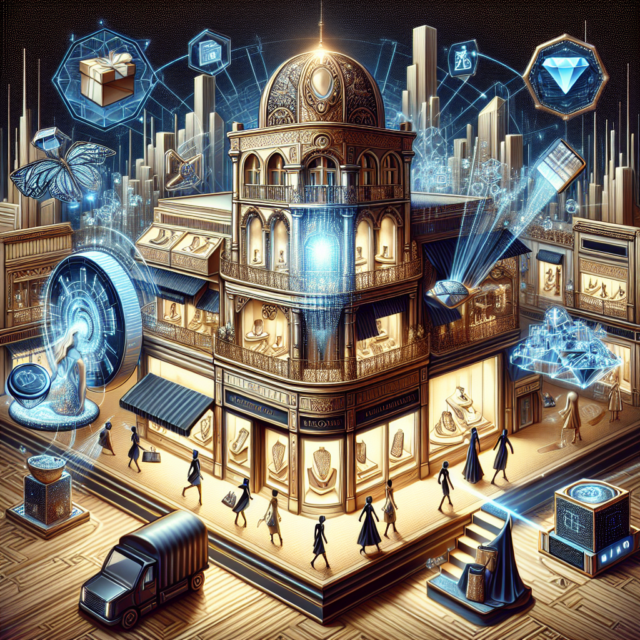
The luxury market, long synonymous with exclusivity and timeless elegance, is undergoing a profound transformation driven by digital innovation. As consumer behavior shifts and technology advances, luxury brands are compelled to evolve and adapt. This article delves into the emerging digital trends that are reshaping the landscape of luxury markets. By understanding these trends, navigating through innovative digital spaces, and anticipating future tech-driven shifts, stakeholders in the luxury sector can stay ahead of the curve and continue to create unparalleled experiences for their discerning clientele.

Understanding the Rise of Digital Luxury Trends

The luxury market is experiencing a digital renaissance, characterized by the integration of cutting-edge technology to enhance customer experiences and brand engagement. One of the most significant trends is the rise of digital storytelling. Luxury brands are leveraging digital platforms to weave compelling narratives that resonate with their audience, offering immersive experiences that transcend traditional marketing. This shift is not just about selling a product but about building a brand ethos that captivates and engages.

Another trend gaining traction is the use of artificial intelligence (AI) to personalize customer interactions. AI-driven algorithms analyze consumer data to offer tailored recommendations, creating a bespoke shopping experience that mirrors the exclusivity of luxury. This personalized approach not only enhances customer satisfaction but also fosters brand loyalty, as consumers feel understood and valued.

Social media platforms have also become pivotal in the luxury market’s digital transformation. Platforms like Instagram and TikTok are not just channels for advertising but are spaces where luxury brands can connect with a younger, tech-savvy audience. By harnessing the power of social media influencers and user-generated content, luxury brands can amplify their reach and influence.

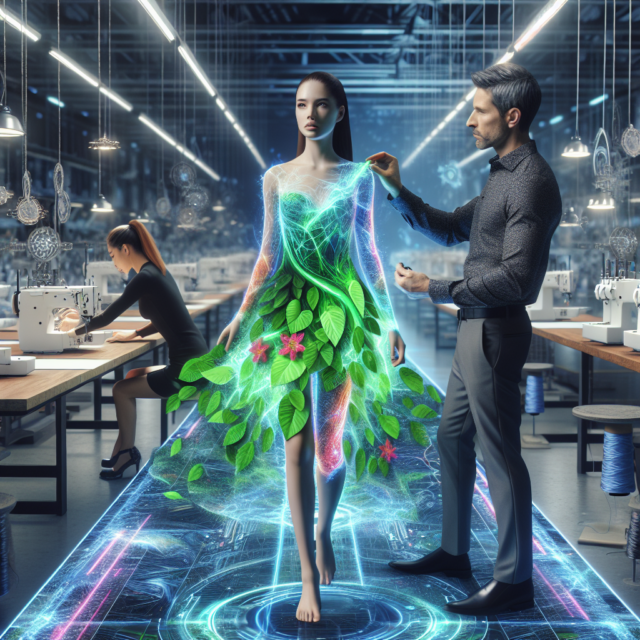
The integration of augmented reality (AR) and virtual reality (VR) in the luxury sector is another emerging trend. Brands are using AR and VR to offer virtual try-ons and immersive experiences that allow customers to interact with products in a digital space. This not only enhances the shopping experience but also provides a unique value proposition that sets luxury brands apart from their competitors.

Sustainability is also a driving force behind digital trends in luxury markets. Consumers are increasingly conscious of the environmental impact of their purchases, prompting luxury brands to adopt digital solutions that promote sustainability. From blockchain technology for transparent supply chains to digital fashion that reduces waste, the intersection of luxury and sustainability is shaping the future of the market.

Lastly, the rise of digital art and non-fungible tokens (NFTs) is impacting the luxury market. Luxury brands are exploring the potential of NFTs to create exclusive digital assets that appeal to collectors and aficionados. This trend not only opens up new revenue streams but also positions luxury brands as pioneers in the digital art space.

Navigating Innovations in High-End Digital Spaces

Navigating the evolving digital landscape requires luxury brands to embrace innovation while maintaining their core values of exclusivity and quality. One of the key innovations in high-end digital spaces is the development of virtual flagship stores. These digital storefronts offer an immersive brand experience, allowing customers to explore collections and interact with products in a virtual environment that mirrors the opulence of physical boutiques.

Another innovation is the use of advanced analytics to understand consumer behavior better. By analyzing data from various digital touchpoints, luxury brands can gain insights into customer preferences and trends, enabling them to tailor their strategies and offerings accordingly. This data-driven approach ensures that brands remain relevant and responsive to changing consumer demands.

The adoption of blockchain technology is revolutionizing the luxury market by enhancing transparency and authenticity. By providing a secure and immutable record of provenance, blockchain assures customers of the authenticity and ethical sourcing of luxury products. This innovation not only builds trust but also adds value to the brand’s reputation.

Luxury brands are also experimenting with digital craftsmanship, blending traditional artisanal techniques with modern technology. This fusion creates unique products that appeal to a tech-savvy audience while preserving the heritage and craftsmanship that are hallmarks of luxury. Digital craftsmanship allows brands to push the boundaries of creativity and innovation.

The integration of AI-powered virtual assistants in luxury retail is enhancing customer service and engagement. These virtual assistants provide personalized recommendations, answer queries, and offer styling advice, creating a seamless and interactive shopping experience. This innovation not only improves customer satisfaction but also streamlines operations, allowing brands to focus on delivering exceptional value.

Finally, the emergence of digital luxury communities is fostering a sense of belonging and exclusivity among consumers. These online platforms allow customers to engage with like-minded individuals and participate in exclusive events and experiences. By cultivating a digital community, luxury brands can strengthen customer loyalty and create a sense of connection that transcends traditional brand-consumer relationships.

The Future of Luxury: Tech-Driven Market Shifts

As we look to the future, the luxury market is poised for further transformation driven by technological advancements. One of the most anticipated shifts is the integration of artificial intelligence in product design and development. AI has the potential to revolutionize the creative process, enabling brands to predict consumer trends and create products that resonate with the evolving tastes of luxury consumers.

The rise of the metaverse presents exciting opportunities for luxury brands to redefine customer experiences. As virtual worlds become more sophisticated, luxury brands can create immersive environments where customers can explore and interact with digital fashion, art, and experiences. This tech-driven shift has the potential to blur the lines between physical and digital luxury.

Sustainability will continue to be a critical focus for luxury brands, with technology playing a pivotal role in achieving eco-friendly goals. Advances in digital technology can enable brands to develop sustainable materials, streamline supply chains, and reduce their carbon footprint. By prioritizing sustainability, luxury brands can appeal to environmentally conscious consumers and contribute to a more sustainable future.

The democratization of luxury through digital platforms is another trend that will shape the future. As online access expands, luxury brands will have the opportunity to reach a broader audience, making luxury more accessible while maintaining exclusivity through limited editions and personalized experiences. This shift challenges traditional notions of luxury and opens up new avenues for growth.

The evolution of digital identity and personalization will redefine the luxury market. As consumers increasingly seek unique and individualized experiences, luxury brands will need to leverage technology to deliver tailored offerings that reflect each customer’s identity and preferences. This focus on personalization will drive innovation and set new standards for the luxury experience.

Lastly, the future of luxury will be characterized by collaboration and cross-industry partnerships. As technology continues to evolve, luxury brands will benefit from collaborating with tech companies, artists, and innovators to create unique and groundbreaking products. These collaborations will not only enhance brand value but also position luxury brands as leaders in the tech-driven market landscape.

The luxury market is on the brink of a digital revolution, with emerging trends and technological innovations reshaping the way brands engage with consumers. By understanding and embracing these trends, luxury brands can navigate the complexities of the digital landscape and create experiences that resonate with modern consumers. As technology continues to drive market shifts, the future of luxury promises to be an exciting blend of tradition and innovation, offering endless possibilities for brands and consumers alike. The journey towards a tech-driven luxury market is just beginning, and the opportunities are boundless for those willing to explore this dynamic and evolving space.
Exploring Innovations in the New Digital Customer Experience

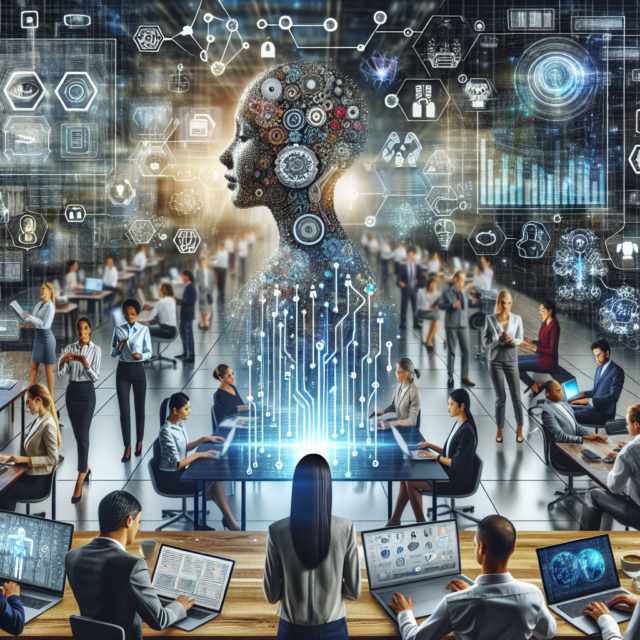
In the dynamic landscape of the digital age, businesses continuously strive to enhance customer experiences, seeking innovative ways to engage, interact, and build lasting relationships. The digital customer experience has become a pivotal element in determining an organization’s success, as consumers increasingly expect seamless, personalized interactions across various platforms. This article delves into the transformative trends reshaping digital customer experience, explores how technology is leveraged to enhance customer interaction, and envisions the future of personalized digital engagement.

Transformative Trends in Digital Customer Experience

The digital customer experience is undergoing a transformation, driven by several key trends that are redefining how businesses interact with their customers. One of the most significant trends is the shift towards omnichannel experiences. Customers today expect a seamless journey across different platforms, whether they’re interacting through a website, mobile app, social media, or in-store. Businesses are focusing on integrating these channels to provide a consistent and cohesive experience that meets customers’ expectations.

Another transformative trend is the increasing use of artificial intelligence (AI) and machine learning (ML) to enhance customer experiences. AI-driven chatbots and virtual assistants are becoming commonplace, offering instant, 24/7 support and personalized recommendations. These technologies not only improve efficiency but also create more engaging and interactive experiences for users. Machine learning algorithms analyze customer data to predict preferences and behaviors, enabling businesses to tailor their offerings more precisely.

Personalization has become a cornerstone of the digital customer experience. Today’s consumers expect interactions that are relevant to their individual needs and preferences. Businesses are leveraging data analytics to deliver personalized content, offers, and recommendations. This trend is particularly evident in e-commerce, where personalized product suggestions based on browsing history and past purchases are becoming the norm. By understanding each customer’s unique journey, companies can create more meaningful and satisfying experiences.

The rise of voice technology is another trend shaping digital customer experiences. Voice-activated devices and virtual assistants like Amazon Alexa, Google Assistant, and Apple’s Siri have changed the way consumers interact with technology. Voice search and commands offer a hands-free, convenient way for users to access information and services. As voice technology continues to improve, businesses are exploring ways to optimize their offerings for voice interactions, enhancing accessibility and user experience.

Augmented reality (AR) and virtual reality (VR) are also gaining traction in enhancing digital customer experiences. These technologies provide immersive experiences that allow customers to visualize products or services in a virtual environment before making a purchase. Retailers, for instance, use AR to let customers try on clothes virtually or see how furniture would look in their homes. By bridging the gap between online and physical experiences, AR and VR create new opportunities for engagement and interaction.

Lastly, the growing emphasis on data privacy and security is influencing digital customer experience strategies. With increasing concerns about data breaches and privacy violations, consumers are becoming more cautious about sharing their personal information. Businesses must prioritize transparency and data protection to build trust and loyalty. Implementing robust security measures and clearly communicating how customer data is used are essential steps in creating a positive digital experience.

Leveraging Technology for Enhanced Customer Interaction

Technology plays a crucial role in elevating customer interactions, providing businesses with tools to engage customers more effectively and efficiently. One of the primary technologies revolutionizing customer interaction is artificial intelligence (AI). AI-powered solutions, such as chatbots and virtual assistants, are now integral to customer service strategies. These tools enable round-the-clock support, handling routine inquiries and freeing up human agents to focus on more complex issues. By providing instant responses, businesses can meet the growing demand for immediate assistance.

Automation is another technology transforming customer interaction. Businesses are automating repetitive tasks and processes, allowing employees to devote more time to personalized customer engagement. Automated systems can handle tasks such as order processing, appointment scheduling, and follow-up communications, ensuring a streamlined and efficient customer journey. This not only improves operational efficiency but also enhances the overall experience by reducing wait times and minimizing errors.

Customer relationship management (CRM) systems are indispensable in managing and enhancing customer interactions. These platforms consolidate customer data, providing businesses with a comprehensive view of each customer’s history and preferences. By leveraging CRM data, companies can tailor their interactions, offering personalized recommendations and targeted marketing campaigns. CRM systems also facilitate better communication, enabling businesses to maintain consistent and meaningful interactions with their customers.

The Internet of Things (IoT) is expanding the possibilities for customer interaction by connecting devices and systems. IoT-enabled products and services offer real-time insights into customer behaviors and preferences. For example, smart home devices provide data on usage patterns, allowing businesses to offer personalized energy-saving tips or maintenance reminders. By harnessing IoT data, companies can create more relevant and timely interactions, enhancing the overall customer experience.

Mobile technology is a key enabler of enhanced customer interaction, as smartphones have become the primary device for accessing digital services. Businesses are developing mobile apps and optimizing websites for mobile use, ensuring a seamless experience across devices. Mobile apps offer features such as push notifications, location-based services, and in-app messaging, allowing businesses to engage customers in real-time and provide personalized offers and updates. As mobile technology continues to evolve, businesses must adapt to meet the expectations of mobile-savvy consumers.

Social media platforms are also integral to modern customer interactions, serving as both communication channels and marketing tools. Businesses leverage social media to engage with customers, gather feedback, and address concerns promptly. Social media analytics provide valuable insights into customer sentiment and preferences, enabling businesses to refine their strategies and improve customer satisfaction. By actively participating in social media conversations, companies can build stronger relationships and foster brand loyalty.

The Future of Personalized Digital Engagement

The future of personalized digital engagement is poised to be more sophisticated and nuanced, driven by advancements in technology and an increasing emphasis on individual customer journeys. One of the most promising developments is the use of artificial intelligence (AI) to create hyper-personalized experiences. AI algorithms can analyze vast amounts of data to understand customer preferences and predict future behaviors. This allows businesses to deliver highly tailored content, recommendations, and offers, enhancing customer satisfaction and loyalty.

Predictive analytics is another tool shaping the future of personalized engagement. By analyzing historical data and identifying patterns, businesses can anticipate customer needs and proactively address them. For instance, predictive analytics can help retailers forecast demand for specific products, enabling them to optimize inventory and offer timely promotions. This forward-thinking approach not only improves operational efficiency but also enhances the customer experience by ensuring availability and relevance.

The integration of augmented reality (AR) and virtual reality (VR) into personalized experiences is set to revolutionize how customers interact with brands. AR and VR technologies enable immersive and interactive experiences, allowing customers to engage with products and services in new and exciting ways. For example, customers can virtually try on clothes, test drive cars, or visualize home renovations. By offering these personalized virtual experiences, businesses can create deeper emotional connections with their customers.

Voice technology is expected to play a significant role in the future of personalized digital engagement. As voice-activated devices become more prevalent, businesses are exploring ways to optimize their offerings for voice interactions. Personalized voice assistants can provide tailored recommendations, reminders, and support, creating a more convenient and intuitive customer experience. As voice technology continues to evolve, it will open new avenues for personalized engagement and interaction.

Data privacy and security will remain paramount in the future of personalized engagement. As businesses collect more data to deliver personalized experiences, they must prioritize transparency and protect customer information. Consumers are increasingly aware of privacy issues and expect businesses to handle their data responsibly. Companies that can balance personalization with privacy and security will gain a competitive edge and build lasting trust with their customers.

Finally, the future of personalized digital engagement will be shaped by the continued evolution of customer expectations. As technology advances, customers will expect more seamless, intuitive, and relevant interactions. Businesses must stay ahead of these expectations by embracing innovation and continuously refining their strategies. By focusing on delivering value and creating meaningful connections, companies can thrive in the ever-changing landscape of digital customer experience.

As we navigate the complexities of the digital age, the customer experience landscape continues to evolve, driven by technological advancements and changing consumer expectations. By understanding and embracing transformative trends, leveraging cutting-edge technologies, and anticipating the future of personalized engagement, businesses can create exceptional digital experiences that resonate with their customers. The journey towards enhanced digital customer experience is ongoing, and those who remain agile and innovative will be well-positioned to forge lasting relationships and achieve sustained success in the competitive global marketplace.

Couture Meets Innovation: Fashion’s Tech Transformation

Couture Meets Innovation: Fashion’s Tech Transformation

The fashion industry, long revered for its creativity and craftsmanship, is undergoing a remarkable transformation. As technology advances, the intersection of couture and innovation is reshaping the landscape of fashion design and production. This synthesis of tradition and cutting-edge technology is not only redefining aesthetics but also addressing critical issues such as sustainability and efficiency. In this article, we explore how technology is revolutionizing the world of couture, delving into the roles of artificial intelligence and sustainable innovations in shaping the future of fashion.

Bridging Tradition and Technology in Couture

The world of couture has always celebrated the meticulous artistry and handcraftsmanship that define high fashion. However, as technology permeates every aspect of our lives, it is increasingly influencing the ways in which couture is conceived and created. Designers are now leveraging digital tools to enhance their creative processes, blending traditional techniques with modern innovations. This fusion has allowed for the creation of intricate designs that were once unimaginable, pushing the boundaries of what couture can achieve.

One significant development in this arena is the use of 3D printing technology. By incorporating 3D printing into their design processes, fashion houses can experiment with complex structures and materials that were previously difficult to work with. This not only opens up new possibilities for design but also allows for greater precision and customization, catering to the unique preferences of each client. As a result, couture pieces are becoming increasingly personalized, reflecting the individual style and personality of the wearer.

Moreover, virtual reality (VR) and augmented reality (AR) are providing designers with new ways to visualize and present their creations. Virtual fashion shows and augmented reality experiences offer audiences an immersive glimpse into the world of couture, breaking down geographical barriers and making high fashion more accessible than ever before. This technological integration is transforming how fashion is experienced, both for designers and consumers.

In addition to enhancing creativity, technology is streamlining the production process. The use of computer-aided design (CAD) software allows designers to create and modify patterns with unprecedented accuracy and speed. This not only reduces the time required to bring a concept to life but also minimizes waste, making the production process more efficient and environmentally friendly. As designers continue to embrace these tools, the gap between traditional craftsmanship and technological innovation is steadily narrowing.

Despite the benefits, the integration of technology in couture does not come without challenges. There is a delicate balance between maintaining the authenticity and heritage of couture and embracing modern advancements. Designers must navigate this intersection carefully to preserve the essence of couture while harnessing the power of technology to drive innovation. This ongoing dialogue between tradition and technology is shaping the future of fashion, as the industry seeks to honor its past while looking toward new horizons.

Ultimately, the marriage of tradition and technology in couture represents a dynamic evolution in the fashion world. As designers continue to explore the possibilities offered by technological advancements, the potential for creativity and innovation in couture is boundless. This transformation is not just about adopting new tools; it is about reimagining the very essence of couture, ensuring that it remains relevant and inspiring in the digital age.

The Role of AI in Fashion Design Evolution

Artificial intelligence (AI) is playing an increasingly pivotal role in the evolution of fashion design, offering designers new opportunities to enhance their creative processes. By leveraging AI, designers can analyze vast amounts of data to identify emerging trends, consumer preferences, and market demands. This data-driven approach enables them to make informed decisions, ensuring that their designs resonate with their target audience and remain ahead of the curve.

AI-powered tools are also revolutionizing the way designers conceptualize and create their collections. Machine learning algorithms can generate design suggestions based on specific criteria, such as color palettes, fabric types, and style preferences. This not only accelerates the design process but also inspires designers to explore new creative directions they may not have considered otherwise. By acting as a collaborative partner, AI empowers designers to push the boundaries of their creativity and innovation.

Furthermore, AI is transforming the way fashion brands manage their supply chains and production processes. Predictive analytics can forecast demand with remarkable accuracy, allowing brands to optimize inventory levels and reduce overproduction. This not only minimizes waste but also ensures that the right products are available to consumers at the right time. As a result, fashion brands can operate more efficiently and sustainably, aligning with the growing demand for environmentally conscious practices.

In addition to streamlining operations, AI is enhancing the personalization of fashion. By analyzing consumer data, AI can create tailored recommendations and personalized shopping experiences for each individual. This level of customization fosters a deeper connection between consumers and brands, as customers feel understood and valued. As AI continues to advance, the potential for hyper-personalized fashion experiences will only increase, revolutionizing the way consumers interact with fashion.

Despite its numerous advantages, the integration of AI in fashion design also raises important ethical considerations. Concerns regarding data privacy, algorithmic bias, and the potential impact on employment within the industry must be carefully addressed. As fashion brands embrace AI, they must prioritize transparency and accountability, ensuring that these technologies are used responsibly and ethically. By doing so, the industry can harness the full potential of AI while safeguarding the interests of all stakeholders.

Overall, the role of AI in fashion design evolution is multifaceted and transformative. By augmenting human creativity with data-driven insights, AI is reshaping the way designers approach their craft. As the fashion industry continues to embrace this technological revolution, the possibilities for innovation and personalization are limitless. AI is not just a tool for efficiency; it is a catalyst for creativity, offering designers new ways to express their vision and connect with consumers in meaningful ways.

Sustainable Innovations Shaping Future Trends

As the fashion industry grapples with its environmental impact, sustainable innovations are emerging as a crucial driver of future trends. Designers and brands are increasingly prioritizing eco-friendly practices, seeking to minimize waste and reduce their carbon footprint. This shift towards sustainability is not just a trend; it is a fundamental transformation that is reshaping the industry’s values and priorities.

One of the most significant sustainable innovations in fashion is the development of new materials. Biodegradable fabrics, such as those made from organic fibers and plant-based materials, are gaining popularity as alternatives to traditional textiles. These materials not only reduce the environmental burden of production but also offer unique textures and aesthetics, inspiring designers to create collections that are both stylish and sustainable. By embracing these innovations, the fashion industry is paving the way for a more environmentally conscious future.

In addition to new materials, sustainable production methods are revolutionizing the way fashion is made. Techniques such as zero-waste pattern cutting and upcycling are gaining traction, allowing designers to create beautiful garments while minimizing waste. By reimagining the design and production process, fashion brands are finding creative ways to reduce their environmental impact and promote circular fashion. This commitment to sustainability is resonating with consumers, who are increasingly seeking out brands that align with their values.

Technology is also playing a vital role in advancing sustainability within the fashion industry. From blockchain for transparent supply chains to AI-driven analytics for optimizing resource usage, technological innovations are enabling brands to operate more sustainably and responsibly. These tools provide valuable insights into every stage of the production process, empowering brands to make informed decisions that prioritize environmental stewardship. As technology continues to evolve, its potential to drive sustainable practices in fashion is immense.

Moreover, sustainable fashion is not limited to production; it extends to the entire lifecycle of a garment. Brands are exploring innovative solutions for garment recycling and disposal, aiming to close the loop and create a circular economy. Initiatives such as take-back programs and garment rental services are gaining popularity, offering consumers more sustainable options for enjoying fashion. By embracing these models, the industry is shifting towards a more sustainable and conscious future.

Ultimately, sustainable innovations are not just shaping future fashion trends; they are redefining the industry’s purpose and impact. As designers and brands continue to prioritize sustainability, the fashion industry is evolving into a force for positive change. By embracing eco-friendly practices and technological advancements, the industry is paving the way for a more sustainable and responsible future. This transformation is not only crucial for the planet but also for the industry’s long-term success and relevance.

The convergence of couture and technology is ushering in a new era of fashion, one that embraces innovation without losing sight of tradition. As designers explore the possibilities offered by technological advancements, the fashion industry is experiencing a renaissance of creativity and sustainability. From AI-driven design processes to sustainable materials and production methods, the future of fashion is being shaped by a commitment to innovation and environmental responsibility. As we look ahead, the seamless integration of couture and technology promises to redefine the fashion landscape, creating a more sustainable, personalized, and inspiring industry for generations to come.

Crafting Luxury: Exclusive Brand Development Online

In the digital age, the concept of luxury has transcended traditional boundaries, carving out a unique niche in the online world. The internet has become a vibrant marketplace where luxury brands not only showcase their exclusivity but also engage with discerning consumers on a global scale. Crafting a luxury brand online demands a delicate balance of artistry, strategy, and consumer engagement. This article delves into the intricacies of developing a prestigious brand identity in the digital realm, offering insights into the art of online luxury branding, strategies for establishing exclusivity, and methods for engaging high-end consumers.

The Art of Crafting a Luxury Brand Online

Creating a luxury brand online entails much more than just setting up a digital storefront. It requires an intricate blend of aesthetics, storytelling, and user experience that reflects the brand’s core values. The visual presentation is paramount; high-resolution imagery, elegant typography, and a sophisticated color palette are essential elements that convey a sense of opulence. Each digital touchpoint, from the website to social media platforms, must be meticulously curated to maintain a consistent and luxurious brand image.

In addition to visuals, the narrative behind a luxury brand plays a crucial role in its online presence. Storytelling is a powerful tool that can evoke emotions and create a personal connection with the audience. Crafting a compelling brand story that highlights the heritage, craftsmanship, and exclusivity of the products helps in building a distinctive identity. This narrative should be seamlessly integrated across all digital channels to reinforce the brand’s message and captivate the target audience.

Moreover, user experience (UX) is a critical component of luxury brand development online. A seamless, intuitive, and aesthetically pleasing website enhances the perception of luxury. Features such as fast loading times, easy navigation, and personalized interactions contribute to an elevated user experience. The goal is to create an online environment that mirrors the exclusivity and sophistication associated with the brand.

Luxury brands must also invest in high-quality content to engage their audience. This includes not only product descriptions but also lifestyle content that resonates with the aspirations of their target market. Videos, blogs, and virtual events can be used to showcase the brand’s values and the unique experiences it offers. Content should be tailored to reflect the brand’s identity and appeal to the desires of luxury consumers.

Collaboration with influencers and other luxury brands can further enhance an online luxury brand’s presence. Influencers who embody the brand’s values and have a following that aligns with its target market can amplify the brand’s message. Strategic partnerships with other high-end brands can also create synergies and expand the brand’s reach in the digital space.

Finally, the art of crafting a luxury brand online involves constant innovation and adaptation. The digital landscape is ever-evolving, and luxury brands must stay ahead of trends to remain relevant. This means experimenting with new technologies, such as augmented reality or personalized AI-driven experiences, to enhance the online luxury experience and meet the changing expectations of consumers.

Strategies for Developing Exclusive Brand Identity

The development of an exclusive brand identity online requires a strategic approach that goes beyond mere aesthetics. At the heart of this strategy is a deep understanding of the brand’s unique value proposition and target audience. A luxury brand must clearly define what sets it apart from competitors and how it fulfills the desires of its discerning consumers. This differentiation is crucial in establishing a brand identity that is both exclusive and appealing.

One effective strategy for developing an exclusive brand identity is the creation of limited-edition products or collections. By offering items in limited quantities, luxury brands can enhance the perception of rarity and exclusivity. This approach not only attracts high-end consumers but also creates a sense of urgency and desirability around the brand’s offerings.

Another key strategy is the cultivation of a strong brand heritage. Luxury brands with a rich history can leverage their legacy to create a sense of authenticity and timelessness. Sharing stories about the brand’s origins, craftsmanship, and iconic moments can deepen the emotional connection with the audience and reinforce the brand’s exclusivity.

Personalization is also a powerful tool for developing an exclusive brand identity. By offering tailored experiences and products, luxury brands can create a sense of individuality for their consumers. This can include personalized recommendations, bespoke services, or customized products that cater to the unique preferences of each customer. Personalization enhances the brand’s exclusivity by making each consumer feel special and valued.

Additionally, luxury brands should focus on maintaining an aura of mystery and allure. This can be achieved by carefully controlling the information and imagery released to the public. Teasers, behind-the-scenes content, and exclusive previews can build anticipation and intrigue, drawing consumers deeper into the brand’s world.

Lastly, a robust digital presence is essential for developing an exclusive brand identity. This involves not only a well-designed website and active social media channels but also engaging with consumers through innovative digital experiences. Virtual showrooms, interactive campaigns, and immersive storytelling can all contribute to a distinctive and exclusive online brand identity.

Engaging High-End Consumers in the Digital Space

Engaging high-end consumers in the digital space requires a nuanced understanding of their preferences and expectations. Luxury consumers are often characterized by their desire for exclusivity, quality, and personalized experiences. Therefore, brands must tailor their digital engagement strategies to meet these criteria and create meaningful interactions.

One effective method of engagement is through exclusive online events. Virtual fashion shows, private viewings, and invitation-only webinars can create a sense of exclusivity and community among high-end consumers. These events provide a platform for brands to showcase their latest offerings, share insights, and interact with their audience in a personalized setting.

Social media platforms also play a critical role in engaging luxury consumers. Platforms like Instagram and Pinterest, which emphasize visual content, are particularly effective for luxury brands. By sharing high-quality images, videos, and stories that reflect the brand’s values and aesthetics, brands can connect with consumers on an emotional level. Interactive features such as polls, Q&A sessions, and live streams can further enhance engagement and foster a sense of community.

Moreover, providing exceptional customer service in the digital space is crucial for engaging high-end consumers. Luxury brands should offer personalized assistance, whether through chatbots, virtual consultations, or dedicated customer service teams. Prompt and attentive service enhances the consumer experience and reinforces the brand’s commitment to quality and exclusivity.

Content marketing is another powerful tool for engaging luxury consumers. By creating content that resonates with their lifestyle and aspirations, brands can establish themselves as thought leaders and trusted sources of inspiration. This can include editorial content, how-to guides, and behind-the-scenes insights that offer added value to the audience.

Furthermore, leveraging data and analytics can help brands better understand and engage their high-end consumers. By analyzing consumer behavior and preferences, brands can tailor their marketing strategies and offerings to align with the needs and desires of their audience. This data-driven approach enables more targeted and effective engagement.

Finally, fostering a sense of community among high-end consumers can enhance brand loyalty and engagement. Luxury brands can create online forums, social media groups, or membership programs that bring like-minded individuals together. By facilitating connections and conversations, brands can build a loyal community that advocates for their products and values.

The journey of crafting a luxury brand online is a complex yet rewarding endeavor that necessitates a deep understanding of both the brand’s essence and the digital landscape. By mastering the art of visual storytelling, employing strategic brand development techniques, and engaging high-end consumers through personalized and innovative experiences, luxury brands can establish a powerful online presence. As the digital world continues to evolve, so too must luxury brands adapt and innovate, ensuring that they remain at the forefront of the industry and continue to captivate the hearts and minds of discerning consumers worldwide.

Exploring the Intersection of Technology and Fashion

The fusion of technology and fashion is shaping a new era in the sartorial landscape, one where creativity meets innovation to redefine how we experience style. As technology becomes an integral part of our daily lives, its influence on fashion is both inevitable and transformative. This article delves into the fascinating intersection of these two dynamic fields, exploring how technological advancements are revolutionizing fashion, from material innovations to the virtual catwalks of digital runways.

The Evolution of Fashion Through Technological Advances

The fashion industry has always been a reflection of the times, adapting to cultural shifts and technological innovations. In recent decades, technology has played an increasingly significant role in the evolution of fashion. The advent of computer-aided design (CAD) revolutionized the way designers create, allowing for more precision and creativity in garment construction. This technology enables designers to visualize their creations in 3D, experiment with textures and patterns, and make adjustments with unprecedented ease.

Furthermore, the integration of technology into manufacturing processes has streamlined production, making it more efficient and sustainable. Automation in garment production not only reduces labor costs but also minimizes waste, addressing some of the industry’s most pressing environmental concerns. Technologies such as 3D knitting and laser cutting have allowed for the creation of complex designs that were previously impossible to achieve by hand, pushing the boundaries of what is possible in fashion design.

The rise of wearable technology marks another significant milestone in the evolution of fashion. Devices such as smartwatches and fitness trackers have seamlessly blended functionality with style, becoming fashion statements in their own right. These innovations have paved the way for the development of clothing and accessories that incorporate technology, from jackets that charge your devices to shoes that track your steps.

Social media and digital platforms have also transformed the fashion landscape, democratizing access to trends and enabling consumers to engage with brands in new ways. Influencers and fashion bloggers have become key players in the industry, using technology to reach global audiences and shape consumer preferences. This shift has led to a more inclusive and diverse fashion ecosystem, where voices from all corners of the world can contribute to the conversation.

Augmented reality (AR) and virtual reality (VR) are further changing the way we experience fashion. These technologies offer immersive experiences that allow consumers to visualize clothing in a virtual space, try on outfits without leaving their homes, and even attend virtual fashion shows. This shift not only enhances the shopping experience but also reduces the environmental impact of traditional retail.

As we look to the future, the integration of artificial intelligence (AI) and machine learning in fashion promises to further revolutionize the industry. From predictive analytics that forecast trends to personalized shopping experiences tailored to individual preferences, AI is set to become an essential tool for designers and retailers alike, driving innovation and efficiency in the ever-evolving world of fashion.

Innovative Materials: The Future of Wearable Tech

As technology continues to advance, the development of innovative materials is paving the way for the future of wearable tech. These materials are designed to enhance the functionality and sustainability of fashion, offering solutions to some of the industry’s most pressing challenges. One such innovation is the creation of smart textiles, fabrics that incorporate electronic components to provide added functionality.

Smart textiles have the potential to revolutionize the way we interact with our clothing. These fabrics can monitor health metrics, adjust to temperature changes, and even change color or pattern in response to external stimuli. For example, researchers are developing textiles that can detect changes in body temperature or heart rate, providing valuable data for healthcare applications. This integration of technology and textiles opens up new possibilities for fashion, where clothing becomes not just a means of expression but a tool for enhancing well-being.

Biodegradable and sustainable materials are also gaining traction in the fashion industry, driven by the growing demand for environmentally friendly alternatives. Innovations such as mushroom leather, made from mycelium, and fabrics derived from algae or recycled plastics, are offering sustainable options that do not compromise on style or quality. These materials not only reduce the environmental impact of fashion production but also challenge traditional notions of luxury and value in the industry.

The concept of circular fashion is closely linked to the development of innovative materials. Circular fashion aims to create a closed-loop system where clothing is designed to be reused, recycled, or biodegraded at the end of its life cycle. Technological advancements in material science are crucial to achieving this goal, as they enable the creation of fabrics that can be easily disassembled and repurposed, reducing waste and conserving resources.

Nanotechnology is another exciting frontier in the development of innovative materials for fashion. By manipulating materials at the molecular level, researchers can create fabrics with unique properties such as water resistance, UV protection, or enhanced durability. These advancements have significant implications for the performance and longevity of clothing, offering consumers garments that are not only stylish but also practical and long-lasting.

The collaboration between technology companies and fashion designers is essential for the successful integration of innovative materials into the industry. By combining technical expertise with creative vision, these partnerships are driving the development of new textiles that meet the evolving needs of consumers. As technology continues to evolve, the possibilities for innovative materials in fashion are limitless, promising a future where clothing is not only a reflection of personal style but also a harmonious blend of functionality and sustainability.

Digital Runways: Redefining Fashion Shows and Retail

The digital revolution is reshaping the way fashion shows and retail operate, offering new possibilities for both designers and consumers. The traditional fashion show, once an exclusive event accessible only to industry insiders, is now being transformed by technology into a global spectacle. Digital runways, powered by live streaming and virtual reality, are breaking down barriers and allowing audiences worldwide to experience the excitement of fashion week from the comfort of their homes.

Virtual fashion shows offer several advantages over their physical counterparts. They reduce the environmental impact of hosting large-scale events, eliminate geographical limitations, and provide designers with the opportunity to reach a wider audience. By embracing digital platforms, fashion brands can showcase their collections to a global market, fostering inclusivity and democratizing access to fashion.

The rise of social media has also played a significant role in redefining fashion shows and retail. Platforms like Instagram and TikTok have become essential tools for designers to engage with their audience, offering behind-the-scenes glimpses, interactive experiences, and real-time feedback. This shift has empowered consumers to participate in the fashion conversation, influencing trends and driving demand for more personalized and authentic experiences.

Augmented reality (AR) is revolutionizing the retail experience, offering consumers the ability to virtually try on clothing and accessories before making a purchase. This technology enhances the online shopping experience by allowing customers to visualize how a garment will look and fit, reducing the uncertainty and dissatisfaction often associated with buying fashion online. AR also provides retailers with valuable insights into consumer preferences, enabling them to tailor their offerings to meet the needs of their audience.

E-commerce platforms are evolving to incorporate these technological advancements, creating a seamless and immersive shopping experience. Virtual storefronts, powered by AI and machine learning, offer personalized recommendations, styling advice, and curated collections based on individual preferences. This level of customization not only enhances the shopping experience but also increases consumer satisfaction and loyalty.

The future of fashion shows and retail lies in the continued integration of technology, offering a more dynamic, inclusive, and sustainable approach to the industry. As digital platforms continue to evolve, they will play an increasingly important role in shaping the fashion landscape, bridging the gap between designers and consumers, and redefining what it means to experience fashion in the digital age.

The intersection of technology and fashion is a testament to the power of innovation and creativity. As these two fields continue to converge, they are shaping a future where fashion is not only a means of self-expression but also a reflection of technological progress. From the development of smart textiles and sustainable materials to the digital transformation of fashion shows and retail, the possibilities are limitless. As we embrace this new era, the collaboration between technology and fashion will continue to push boundaries, offering exciting opportunities for designers, consumers, and the industry as a whole.

Exploring Emerging Trends in Digital Design and Art

In the rapidly evolving world of digital design and art, creativity meets technology in unprecedented ways. This dynamic landscape continuously reshapes how artists and designers conceptualize, create, and share their work. As digital tools and platforms advance, new trends emerge, offering fresh opportunities and challenges. This article delves into the latest innovations in digital design, explores the transformative trends in digital art, and examines the intricate relationship between technology and creative expression.

Unveiling the Future: Digital Design Innovations

Digital design is witnessing a remarkable evolution, with innovations that are redefining the boundaries of creativity. One of the most significant trends is the rise of generative design, which leverages algorithms to generate complex patterns and structures. This approach allows designers to explore an infinite number of possibilities, enhancing creativity and efficiency. By inputting specific parameters, designers can produce intricate designs that would be impossible to create manually, thus pushing the limits of conventional design practices.

Another groundbreaking innovation is the integration of augmented reality (AR) and virtual reality (VR) in design processes. These technologies provide immersive experiences, allowing designers to visualize and manipulate three-dimensional spaces in real-time. From virtual prototyping to interactive installations, AR and VR are transforming how designers conceptualize and present their work, offering clients a more engaging and realistic preview of projects.

The use of artificial intelligence (AI) in digital design is also gaining momentum. AI-powered tools can analyze vast amounts of data to identify patterns and suggest design improvements. This not only streamlines the design process but also opens new avenues for creativity by enabling designers to experiment with unconventional ideas. AI’s ability to learn and adapt further enhances its potential as a collaborative partner in the design process.

Sustainability is becoming a crucial consideration in digital design, with an increasing focus on eco-friendly practices. Designers are adopting sustainable design principles, such as using renewable resources and minimizing waste, to create environmentally responsible products. The digital nature of design tools also reduces the need for physical prototypes, further contributing to sustainability efforts.

The democratization of design tools is another noteworthy trend. With the proliferation of user-friendly software and platforms, design is becoming more accessible to individuals without formal training. This shift is empowering a broader range of people to engage in creative processes, fostering a diverse and inclusive design community.

Finally, the rise of collaborative design platforms is transforming how designers work together. Cloud-based tools enable real-time collaboration across geographical boundaries, facilitating seamless communication and idea-sharing. This trend is fostering innovation by bringing together diverse perspectives and expertise, ultimately enriching the design process.

Art in the Digital Age: Trends and Transformations

The digital age has ushered in a new era for art, characterized by rapid transformations and emerging trends. One of the most notable developments is the rise of digital painting, which offers artists a versatile medium to explore their creativity. With digital tools, artists can experiment with various textures, colors, and techniques, often resulting in artworks that blur the lines between traditional and digital art forms.

The concept of ownership and value in art is being redefined by the emergence of non-fungible tokens (NFTs). NFTs have revolutionized the art market by enabling artists to tokenize their digital creations, providing a new avenue for monetization. This trend has sparked debates about the nature of art and its value, as digital artworks gain recognition and fetch high prices in online marketplaces.

Social media platforms have become powerful tools for artists to showcase their work and connect with audiences worldwide. This shift has democratized the art world, allowing emerging artists to gain visibility and build their brand without relying on traditional galleries. The viral nature of social media also enables artworks to reach a broader audience, fostering global appreciation and interaction.

The fusion of art and technology is giving rise to new art forms, such as interactive installations and digital performances. These innovations challenge traditional notions of art by inviting audience participation and engagement. Interactive art blurs the boundaries between creator and viewer, transforming the art experience into a collaborative process.

Virtual galleries and exhibitions are changing how art is displayed and consumed. These platforms offer immersive experiences that transcend physical limitations, allowing viewers to explore artworks from the comfort of their homes. Virtual exhibitions also provide artists with new opportunities to experiment with spatial arrangements and digital curation.

Finally, the increasing focus on inclusivity and diversity is shaping the digital art landscape. Artists are using digital platforms to address social issues and amplify marginalized voices. This trend is fostering a more inclusive art community, where diverse perspectives are celebrated and shared on a global scale.

The Intersection of Technology and Creative Expression

The intersection of technology and creative expression is a fertile ground for innovation and experimentation. One of the most exciting developments in this space is the use of artificial intelligence (AI) as a creative collaborator. Artists and designers are harnessing AI’s capabilities to generate new ideas, explore uncharted territories, and push the boundaries of their work. This collaboration between human creativity and machine intelligence is opening up unprecedented possibilities for artistic expression.

Digital tools and platforms are enabling new forms of storytelling, allowing creators to craft immersive narratives that engage audiences in novel ways. From interactive video games to virtual reality experiences, these technologies are transforming how stories are told and experienced. This shift is not only changing the nature of storytelling but also expanding the role of the audience as active participants in the narrative journey.

The concept of the digital twin is gaining traction in creative fields, where virtual replicas of physical objects or environments are used for experimentation and innovation. Digital twins allow artists and designers to manipulate and test ideas in a virtual space before bringing them to life. This approach enhances creative exploration by providing a risk-free environment for experimentation and iteration.

Technology is also facilitating new forms of collaboration between artists and audiences. Interactive platforms and tools are enabling co-creation, where audiences can contribute to the creative process. This trend is democratizing art and design, fostering a sense of community and shared ownership in creative projects.

The rise of data-driven art is another intriguing development at the intersection of technology and creativity. Artists are using data as a medium to create visualizations that communicate complex information in compelling ways. This approach not only enhances the aesthetic appeal of data but also provides new insights and perspectives on societal issues.

Finally, the integration of blockchain technology is transforming how creative works are authenticated and distributed. Blockchain’s decentralized nature offers a transparent and secure way to track the provenance of artworks, ensuring authenticity and protecting intellectual property rights. This innovation is reshaping the art market and providing new opportunities for artists to monetize their work.

The convergence of digital design, art, and technology is reshaping the creative landscape in profound ways. As new trends and innovations continue to emerge, artists and designers are equipped with powerful tools to push the boundaries of their craft. This dynamic interplay between technology and creativity is fostering a more inclusive, diverse, and collaborative creative community. As we move forward, the possibilities for digital design and art are limitless, promising a future where creativity knows no bounds.

Exploring the World of Digital Design Innovators

In an era dominated by technology, digital design has emerged as a cornerstone of modern innovation. From the interfaces we interact with daily to the immersive experiences we explore, digital design is reshaping how we perceive and engage with the world. This article dives deep into the realm of digital design innovators, tracing their journey, examining the evolution of creative technologies, and forecasting the future trends that promise to redefine the digital landscape.

Unveiling the Pioneers of Digital Design Innovation

The world of digital design is populated by a diverse group of pioneers who have pushed the boundaries of creativity and technology. These innovators have not only transformed the aesthetics of digital platforms but have also redefined user experience. Individuals like John Maeda, known for blending technology with art, have been instrumental in elevating digital design to new heights. Maeda’s work emphasizes simplicity and clarity, impacting how designers approach complex information systems.

Another notable figure is Susan Kare, whose iconic work in the early days of Apple’s Macintosh revolutionized the way users interact with computers. Kare’s contribution to pixel art and icon design laid the groundwork for user-friendly interfaces, making technology accessible to the masses. Her designs continue to influence digital aesthetics, demonstrating the lasting impact of early digital design innovations.

In the realm of web design, Jeffrey Zeldman stands out as a pivotal figure. Zeldman’s advocacy for web standards and accessible design has shaped the internet into an inclusive space. Through his work, he has championed the idea that digital design should be functional and accessible to all users, regardless of their abilities or devices. This philosophy has become a fundamental principle for modern web design practices.

The influence of digital design pioneers extends beyond individual contributions, as they have also inspired collaborative innovation. The rise of design think tanks and creative collectives has fostered an environment where interdisciplinary teams can push the limits of digital design. These groups, often composed of designers, technologists, and strategists, are at the forefront of developing cutting-edge solutions that address complex challenges in various industries.

Digital design pioneers have also played a crucial role in integrating design thinking into business strategies. By demonstrating the value of design as a strategic asset, they have encouraged organizations to prioritize user-centric approaches. This shift has led to the creation of products and services that are not only visually appealing but also intuitive and efficient, enhancing customer satisfaction and loyalty.

As we continue to explore the world of digital design innovators, their stories serve as a testament to the transformative power of creativity and technology. These pioneers have laid the foundation for a dynamic and evolving field, inspiring the next generation of designers to chart new territories in the digital landscape.

The Evolution and Impact of Creative Technologies

The evolution of creative technologies has been a driving force behind the rapid advancement of digital design. Over the past few decades, technological innovations have enabled designers to transcend traditional boundaries and explore new possibilities. The advent of computer-aided design (CAD) software in the late 20th century marked a significant turning point, allowing designers to create complex digital models with unprecedented precision and efficiency.

As technology continued to advance, the emergence of graphic design software like Adobe Photoshop and Illustrator revolutionized the way visual content was created and manipulated. These tools empowered designers to experiment with colors, textures, and compositions, leading to a new era of digital artistry. The ability to seamlessly blend photography, typography, and illustration opened up endless creative opportunities, fundamentally transforming visual communication.

The rise of the internet and digital media further accelerated the evolution of creative technologies. Web design and development tools became essential for creating engaging and interactive online experiences. The introduction of content management systems (CMS) simplified website creation, enabling designers to focus on aesthetics and user experience rather than technical complexities. This democratization of web design empowered individuals and businesses to establish their digital presence with ease.

In recent years, the proliferation of mobile devices and applications has reshaped the digital design landscape. Designers are now tasked with creating responsive and adaptive designs that cater to a diverse range of screen sizes and user contexts. This shift has necessitated a deeper understanding of human-computer interaction and user-centered design principles. Mobile-first design strategies have become the norm, ensuring that digital experiences are optimized for the ever-growing mobile user base.

The integration of artificial intelligence (AI) and machine learning into creative technologies has opened new avenues for innovation. AI-powered design tools can analyze vast amounts of data to generate insights and recommendations, streamlining the design process and enhancing decision-making. From automated image editing to personalized content generation, AI is transforming the way designers approach their craft, enabling them to focus on more strategic and creative tasks.

The impact of creative technologies on digital design is profound, influencing not only the tools and techniques employed by designers but also the way they conceptualize and execute their ideas. As these technologies continue to evolve, they will undoubtedly shape the future of digital design, pushing the boundaries of what is possible and redefining the way we interact with the digital world.

Future Trends Shaping the Digital Design Landscape

As we look to the future, several trends are poised to shape the digital design landscape in profound ways. One of the most significant trends is the continued rise of immersive technologies such as virtual reality (VR) and augmented reality (AR). These technologies are transforming how designers create and users experience digital content, offering new opportunities for storytelling and interaction. The ability to overlay digital elements onto the physical world or transport users to entirely virtual environments is opening up new dimensions for creativity and engagement.

Another emerging trend is the growing emphasis on ethical and sustainable design practices. As awareness of environmental and social issues increases, designers are being called upon to create solutions that are not only aesthetically pleasing but also socially responsible. This shift is leading to the adoption of sustainable materials, energy-efficient technologies, and inclusive design principles that prioritize accessibility and diversity. Designers are increasingly considering the long-term impact of their creations, striving to minimize waste and promote positive change.

The rise of voice user interfaces (VUIs) and conversational design is also reshaping the digital design landscape. As voice-activated devices become more prevalent, designers are tasked with creating intuitive and natural interactions that cater to the unique nuances of spoken language. This trend is driving the development of new design methodologies and tools that focus on voice-driven experiences, enabling users to interact with technology in more fluid and organic ways.

In the realm of data-driven design, the integration of big data and analytics is becoming increasingly important. Designers are leveraging data insights to inform their decisions and create personalized experiences that resonate with users. This trend is leading to the development of adaptive and dynamic designs that can adjust in real-time based on user behavior and preferences. As data continues to play a central role in design, new challenges and opportunities will arise in balancing personalization with privacy and ethical considerations.

The convergence of design and technology is also giving rise to new interdisciplinary roles and collaborations. Designers are increasingly working alongside engineers, data scientists, and strategists to create holistic solutions that address complex challenges. This trend is fostering a culture of innovation and experimentation, where diverse perspectives and expertise come together to push the boundaries of digital design.

As these trends continue to evolve, they will undoubtedly shape the future of digital design, challenging designers to rethink traditional approaches and embrace new possibilities. The digital design landscape is on the cusp of a transformative era, where creativity and technology converge to create experiences that are more immersive, ethical, and personalized than ever before.

The world of digital design is a dynamic and ever-evolving field, driven by the creativity and ingenuity of its pioneers and the transformative power of technology. As we have explored the journey of digital design innovators, examined the impact of creative technologies, and anticipated future trends, it is clear that the digital design landscape is poised for continued growth and innovation. As designers navigate this exciting terrain, they will continue to shape the way we interact with the digital world, creating experiences that are not only visually captivating but also meaningful and impactful.

Emerging Voices: Today’s Innovators in Digital Art

In the ever-evolving landscape of art, digital creativity has emerged as a formidable force, reshaping the way we perceive and interact with artistic expressions. The digital canvas has opened up new frontiers, offering artists unprecedented tools and platforms to explore their creativity. This article delves into the realm of digital art, highlighting the innovators who are shaping its future and examining how traditional art practices are being integrated with cutting-edge technology.

Exploring the Digital Canvas: New Artistic Frontiers

The digital canvas is not merely an extension of traditional art forms; it is a dynamic realm that continually expands the boundaries of creativity. With the advent of new technologies, artists are no longer confined to physical mediums. They can now manipulate pixels, code, and algorithms to create immersive experiences that transcend conventional artistic expressions. Digital art allows for a level of interactivity and engagement that was previously unimaginable, inviting audiences to become participants rather than mere observers.

One of the most exciting aspects of the digital canvas is its accessibility. Artists from diverse backgrounds and skill levels can experiment with digital tools, democratizing the art world and fostering a vibrant community of creators. Platforms such as social media and online galleries provide artists with opportunities to showcase their work to a global audience, breaking down geographical and cultural barriers. This accessibility has led to a proliferation of unique and innovative art forms that challenge traditional definitions of art.

The integration of artificial intelligence and machine learning into the digital canvas has further expanded artistic possibilities. Artists are now collaborating with algorithms to generate new forms of art, blending human creativity with computational power. This synergy has resulted in artworks that are not only visually stunning but also thought-provoking, prompting discussions about the role of technology in the creative process and the nature of authorship in art.

Virtual and augmented reality have also become integral components of the digital canvas, offering artists new dimensions to explore. These technologies enable the creation of immersive environments that transport audiences to alternate realities, blurring the lines between the tangible and the digital. Artists are using these tools to craft experiences that engage multiple senses and evoke emotional responses, transforming the way we interact with art.

The digital canvas is also fostering collaborations across disciplines, bringing together artists, scientists, technologists, and designers to push the boundaries of what is possible. This interdisciplinary approach is leading to the creation of hybrid art forms that challenge traditional categorizations and encourage new ways of thinking about art. As the digital canvas continues to evolve, it promises to inspire a new generation of artists who will redefine the future of creativity.

In conclusion, the digital canvas represents a new frontier in the art world, offering endless possibilities for exploration and innovation. As artists continue to experiment with digital tools and technologies, they are not only reshaping the landscape of art but also challenging our perceptions and expanding our understanding of creativity.

Innovators Shaping the Future of Digital Creativity

In the realm of digital creativity, a new generation of innovators is emerging, each bringing unique perspectives and ideas to the forefront. These artists are not only pushing the boundaries of what is possible with digital technology but are also redefining the role of the artist in the modern world. By leveraging cutting-edge tools and platforms, they are crafting works that are both intellectually stimulating and visually captivating.

One such innovator is Refik Anadol, whose work exemplifies the fusion of art and technology. Anadol utilizes data as a primary material, transforming it into mesmerizing visual experiences through the use of artificial intelligence and machine learning. His installations invite viewers to contemplate the intersection of human perception and machine intelligence, challenging our understanding of reality and consciousness.

Another notable figure in digital creativity is Beeple, also known as Mike Winkelmann. Beeple gained widespread recognition for his groundbreaking use of non-fungible tokens (NFTs) in the art world. By tokenizing his digital artwork, Beeple has opened up new avenues for artists to monetize their work and engage with collectors in novel ways. His success has sparked a global conversation about the value and ownership of digital art, highlighting the transformative potential of blockchain technology.

The work of Sougwen Chung further illustrates the innovative spirit driving digital creativity. Chung explores the relationship between humans and machines, often collaborating with robotic systems to create intricate and dynamic artworks. Her practice raises important questions about the role of technology in the creative process and the evolving nature of human-machine collaboration.

In addition to individual artists, collaborative collectives such as TeamLab are making significant contributions to the field of digital art. TeamLab, a Japanese art collective, creates immersive installations that invite audiences to interact with digital environments. Their work blurs the boundaries between art, technology, and nature, encouraging viewers to engage with art in a multisensory manner.

These innovators, along with countless others, are shaping the future of digital creativity by embracing new technologies and challenging conventional artistic paradigms. As they continue to explore the possibilities offered by digital tools, they are not only transforming the art world but also influencing broader cultural and societal shifts.

Bridging Tradition and Technology in Modern Art

In the contemporary art scene, a compelling dialogue is unfolding between tradition and technology. Artists are increasingly seeking to bridge the gap between these two domains, merging classical techniques with modern digital tools to create works that honor the past while embracing the future. This synthesis is leading to the emergence of new artistic expressions that are both innovative and deeply rooted in historical context.

One way artists are achieving this fusion is by digitizing traditional art forms and incorporating them into digital mediums. For example, painters are using digital tablets to replicate the texture and brushstrokes of oil painting, while sculptors are employing 3D printing to bring their visions to life. This approach not only preserves the essence of traditional art but also enhances it with the precision and versatility of digital technology.

The resurgence of interest in traditional craftsmanship is also evident in the work of artists who are blending handcrafted elements with digital components. These artists are using technology to augment their creations, adding layers of complexity and depth that would be difficult to achieve through traditional methods alone. This integration of analog and digital techniques is resulting in artworks that are both timeless and contemporary.

In addition to individual artists, museums and galleries are playing a crucial role in bridging tradition and technology. Institutions are increasingly incorporating digital installations into their exhibitions, offering audiences new ways to engage with art. These immersive experiences often draw on historical themes and motifs, creating a dialogue between the past and the present.

The educational sector is also contributing to this convergence by incorporating digital technology into art curricula. Students are being encouraged to explore both traditional and digital mediums, fostering a holistic understanding of art that encompasses a wide range of techniques and approaches. This interdisciplinary education is preparing the next generation of artists to navigate the complexities of the modern art world.

As artists continue to bridge tradition and technology, they are not only preserving the legacy of classical art forms but also enriching them with new possibilities. This dynamic interplay between old and new is driving the evolution of art, ensuring that it remains relevant and resonant in a rapidly changing world.

The intersection of technology and art is a fertile ground for innovation and creativity. As digital art continues to evolve, it is challenging our perceptions, breaking down barriers, and redefining the very nature of artistic expression. The emerging voices in this field are not only shaping the future of art but are also contributing to broader cultural and technological shifts that are transforming society. As we look to the future, it is clear that the digital canvas will remain a vital and dynamic space for exploration, offering endless possibilities for artists and audiences alike.

Exploring Emerging Trends in Contemporary Digital Art

Digital art has emerged as a formidable force in the contemporary art world, reshaping how we perceive, create, and interact with art. As technology continues to evolve, so too does the landscape of digital art, offering artists new tools and platforms to express their creativity. This article delves into the emerging trends in contemporary digital art, exploring its evolution, key innovations, and the pivotal role of technology in artistic expression today.

Understanding the Evolution of Digital Art Forms

Digital art has undergone significant transformation since its inception, evolving from pixelated graphics to sophisticated, immersive experiences. Initially, digital art was limited to basic computer graphics and simple animations due to technological constraints. However, with advancements in computing power and software capabilities, artists began to explore more complex forms, integrating multimedia elements such as sound, video, and interactive components.

The democratization of digital tools has played a crucial role in the evolution of digital art. Software like Adobe Photoshop and Corel Painter opened up new possibilities for artists, allowing them to manipulate images and create digital paintings with ease. This accessibility has enabled a broader range of artists to experiment with digital media, leading to a diverse array of styles and techniques.

As digital art gained traction, it began to intersect with other disciplines, such as graphic design, animation, and video production. This interdisciplinary approach has fostered innovation and experimentation, resulting in hybrid forms that challenge traditional definitions of art. The integration of digital art into mainstream culture has also led to its acceptance as a legitimate art form, with digital artworks now featured in prominent galleries and museums worldwide.

The rise of the internet and social media has further accelerated the evolution of digital art. Online platforms provide artists with unprecedented access to global audiences, enabling them to share their work and connect with other creatives. This interconnectedness has facilitated the exchange of ideas and techniques, contributing to the rapid advancement of digital art forms.

Moreover, the evolution of digital art has been influenced by cultural and societal shifts. As digital technology becomes increasingly integrated into daily life, artists are using it to explore contemporary themes and issues, such as identity, globalization, and environmental concerns. This thematic diversity reflects the dynamic nature of digital art and its capacity to adapt to changing contexts.

In summary, the evolution of digital art forms is characterized by technological advancements, increased accessibility, interdisciplinary collaboration, and cultural relevance. These factors have collectively shaped the trajectory of digital art, positioning it as a vital component of the contemporary art landscape.

Key Innovations Shaping Contemporary Digital Art

One of the most significant innovations in contemporary digital art is the advent of virtual reality (VR) and augmented reality (AR) technologies. These immersive technologies allow artists to create interactive environments that engage viewers in novel ways. By blurring the line between reality and the virtual world, VR and AR offer unique opportunities for storytelling and experiential art.

Artificial intelligence (AI) is another groundbreaking innovation that is transforming digital art. AI algorithms can analyze vast datasets to generate original artworks, offering artists new tools for creative exploration. Artists are using AI to experiment with generative art, where machines produce complex patterns and images that push the boundaries of human creativity.

Blockchain technology has also made a substantial impact on digital art, particularly through the emergence of non-fungible tokens (NFTs). NFTs provide a way to authenticate and monetize digital artworks, giving artists greater control over their creations. This innovation has led to a surge in digital art sales and has opened up new revenue streams for artists.

Interactive installations have become a hallmark of contemporary digital art, offering viewers a participatory experience. These installations often incorporate sensors and motion-capture technology to respond to audience input, creating dynamic works that evolve based on viewer interaction. This interactivity challenges traditional notions of art consumption and invites viewers to become active participants in the artistic process.

Data visualization is another key innovation shaping digital art. Artists are harnessing the power of data to create visually compelling pieces that communicate complex information. By transforming raw data into art, they offer new perspectives on topics ranging from social issues to environmental changes, making data more accessible and engaging for audiences.

Finally, the proliferation of digital platforms and tools has democratized the creation and distribution of digital art. From mobile apps to online galleries, artists have access to a wide array of resources that enable them to produce and share their work with ease. This accessibility has fostered a vibrant digital art community, where artists collaborate and innovate across geographical boundaries.

The Role of Technology in Artistic Expression Today

Technology plays a pivotal role in shaping artistic expression in the contemporary digital art landscape. It serves as both a medium and a tool, enabling artists to explore new forms and techniques that were previously unimaginable. The integration of technology into art has expanded the possibilities for creative expression, allowing artists to push the boundaries of traditional art forms.

Digital tools and software have revolutionized the way artists create and manipulate images. Programs like Adobe Creative Suite and Procreate offer a wide range of features that enable artists to experiment with different styles and effects. These tools have made digital art more accessible, allowing artists to produce high-quality work without the need for expensive materials or equipment.

The internet has also played a crucial role in the dissemination of digital art. Online platforms and social media provide artists with a global stage to showcase their work and connect with audiences. This digital connectivity has facilitated the exchange of ideas and techniques, contributing to the rapid evolution of digital art forms.

Technology has also enabled new forms of collaboration between artists and technologists. Projects that combine art and technology often involve interdisciplinary teams, where artists work alongside engineers and programmers to create innovative works. This collaboration has led to the development of interactive installations, virtual reality experiences, and other cutting-edge forms of digital art.

Furthermore, technology has expanded the scope of artistic themes and subject matter. Artists are using digital tools to explore contemporary issues such as digital identity, surveillance, and artificial intelligence. By engaging with these topics, artists are able to comment on the impact of technology on society and provoke critical reflection among audiences.

In conclusion, technology is an integral component of artistic expression in the contemporary digital art world. It provides artists with new tools and platforms to explore their creativity, enabling them to push the boundaries of traditional art forms. As technology continues to evolve, it will undoubtedly continue to shape the future of digital art, offering new possibilities for creative exploration and expression.

The world of digital art is a dynamic and ever-evolving landscape, enriched by technological advancements and innovative practices. As artists continue to harness the power of technology, they are redefining the boundaries of artistic expression and challenging traditional notions of art. By staying attuned to emerging trends and embracing new tools, digital artists are poised to shape the future of art, creating works that captivate and inspire audiences around the globe.

Exploring Sustainability Practices in Digital Art

In recent years, the intersection of art and sustainability has become a focal point of discussion among artists, technologists, and environmentalists alike. With the rise of digital art, questions about its ecological impact have surfaced, prompting a deeper exploration into sustainable practices within this creative domain. This article delves into the relationship between digital art and ecology, examines the environmental footprint of digital tools, and highlights innovations that are driving greener art practices.

Understanding the Intersection of Art and Ecology

Digital art, a medium that flourished alongside technological advancements, has significantly reshaped the traditional art landscape. Unlike its physical counterparts, digital art exists in a virtual space, offering a seemingly limitless canvas for creativity. However, this shift from tangible to digital has sparked debates about its ecological implications. As artists increasingly rely on digital platforms, understanding how these tools impact the environment becomes crucial.

The relationship between art and ecology isn’t new. Historically, artists have drawn inspiration from nature, often using their work to comment on environmental issues. Today, digital artists are continuing this tradition by creating works that not only reflect ecological themes but also consider their medium’s environmental impact. This dual focus is encouraging artists to adopt sustainable practices, ensuring that their contributions to the art world don’t come at the expense of the planet.

Digital art’s virtual nature might suggest a reduced environmental impact compared to traditional art forms, which often require physical materials. However, the reality is more complex. The energy consumption of digital devices, data storage, and online platforms can contribute to significant carbon emissions. As the digital art community grows, so does its potential ecological footprint, necessitating a closer examination of how digital creativity intersects with sustainability.

The concept of eco-art has emerged as a critical component of this dialogue. Eco-artists aim to create art that not only addresses environmental issues but also minimizes harm to the planet. In the digital realm, this involves exploring methods to reduce energy consumption and carbon emissions associated with art creation and distribution. By integrating ecological considerations into their work, digital artists are redefining what it means to produce sustainable art.

Education and awareness are pivotal in bridging the gap between digital art and ecology. Many artists are now engaging in discussions and workshops focused on sustainable practices, sharing knowledge on how to minimize the environmental impact of their digital creations. This growing awareness is fostering a community that values both artistic innovation and ecological responsibility.

In summary, the intersection of art and ecology in the digital age is a multifaceted issue that requires a nuanced approach. While digital art offers new possibilities for expression, it also presents challenges that must be addressed to ensure its sustainability. By embracing eco-friendly practices, digital artists can contribute to a more sustainable future while continuing to push the boundaries of creativity.

Digital Tools and Their Environmental Footprint

The creation of digital art relies heavily on various technological tools, from powerful computers and tablets to advanced software and online platforms. While these tools have revolutionized the art world, they also come with an environmental cost. Understanding the ecological footprint of these digital tools is essential for artists seeking to make environmentally conscious choices in their creative processes.

One of the primary concerns is the energy consumption associated with digital art creation. High-performance computers and graphics tablets require significant amounts of electricity, contributing to carbon emissions. Additionally, the production and disposal of electronic devices pose environmental challenges, as they often involve resource-intensive manufacturing processes and generate electronic waste.

Data storage is another significant factor in the environmental footprint of digital art. As artists create and store high-resolution digital files, the demand for data storage increases. This, in turn, requires substantial energy to maintain servers and data centers, which are often powered by non-renewable energy sources. The growing need for cloud storage and online platforms further exacerbates this issue, highlighting the importance of sustainable data management practices.

Software development also plays a role in the environmental impact of digital art. The continuous updates and iterations of digital art software demand computational resources, contributing to energy consumption. Furthermore, the development and maintenance of online platforms for digital art sharing and sales involve significant server usage, which can result in a considerable carbon footprint.

To address these challenges, artists and technologists are exploring ways to reduce the environmental impact of digital tools. This includes optimizing software for energy efficiency, promoting the use of renewable energy sources in data centers, and encouraging the recycling and responsible disposal of electronic devices. By adopting these measures, the digital art community can work towards minimizing its ecological footprint.

Ultimately, the environmental impact of digital tools is a complex issue that requires collaboration between artists, technologists, and policymakers. By raising awareness and advocating for sustainable practices, the digital art community can contribute to a more environmentally responsible future, ensuring that creativity does not come at the expense of the planet.

Innovations Paving the Way for Green Art Practices

In response to the environmental challenges posed by digital art, a wave of innovations is emerging, aimed at promoting sustainability within the art world. These innovations are transforming how artists create, share, and sell their work, paving the way for more eco-friendly practices that align with the principles of sustainability.

One promising innovation is the development of energy-efficient software and hardware. By optimizing digital tools to consume less power, artists can reduce their energy usage without compromising on performance. Companies are increasingly focusing on designing devices and software that prioritize energy efficiency, providing artists with the tools they need to create sustainably.

Blockchain technology, often associated with cryptocurrencies, is finding new applications in the art world, offering potential solutions for reducing the carbon footprint of digital art transactions. By developing more energy-efficient blockchain platforms, artists can engage in secure, transparent transactions that minimize environmental impact. This is particularly relevant for the growing market of digital art and NFTs (non-fungible tokens), which have faced criticism for their energy-intensive processes.

Virtual and augmented reality technologies are also contributing to greener art practices. These technologies enable artists to create immersive experiences without the need for physical materials, reducing waste and resource consumption. Additionally, virtual exhibitions and galleries offer an environmentally friendly alternative to traditional art shows, eliminating the need for travel and physical space.

Collaboration between artists and technologists is fostering innovation in sustainable art practices. By working together, these communities are developing new tools and methods for creating digital art in an eco-conscious manner. This collaborative approach is driving the creation of platforms and networks that support sustainable art practices, encouraging artists to adopt green technologies and share best practices.

Education and advocacy play a crucial role in promoting sustainable innovations in digital art. By raising awareness of the environmental impact of digital tools and highlighting sustainable alternatives, artists can inspire change within the community. Workshops, conferences, and online resources provide valuable opportunities for artists to learn about and adopt eco-friendly practices.

As the digital art landscape continues to evolve, these innovations offer a pathway towards a more sustainable future. By embracing energy-efficient technologies, exploring new mediums, and fostering collaboration, the digital art community can lead the way in promoting environmentally responsible creativity. This commitment to sustainability not only benefits the planet but also enriches the artistic process, opening up new possibilities for expression and innovation.

The journey towards sustainable digital art practices is both challenging and rewarding. By understanding the intersection of art and ecology, examining the environmental footprint of digital tools, and embracing innovative solutions, artists can contribute to a more sustainable future. As the digital art community continues to grow and evolve, its commitment to sustainability will play a crucial role in shaping the future of creativity, ensuring that art remains a powerful force for positive change in the world.

Popular Posts

My Favorites

Build Smarter AI Agents in Minutes with LangGraph

0
Artificial Intelligence (AI) continues to evolve rapidly, with Language Models (LLMs) capable of handling intricate tasks and making adaptive decisions. However, the underlying...