Home Blog Page 1199

Sammi Giancola Pregnant? ‘Jersey Shore’ Star Opens Up About Her IVF Journey

    0
    Sammi Giancola Pregnant? ‘Jersey Shore’ Star Opens Up About Her IVF Journey


    Back in September of 2024, we reported on Sammi Giancola’s decision to undergo IVF treatments.

    Sammi bravely chose to document certain aspects of her journey on the most recent season of Jersey Shore: Family Vacation.

    And as the reunion episodes kicked off on Thursday night, she opened up about her decision to go public with such a personal matter.

    Sammi "Sweetheart" Giancola attends MTV's Jersey Shore Family Vacation NYC Premiere Party at Hard Rock Hotel New York on August 02, 2023 in New York City.
    Sammi “Sweetheart” Giancola attends MTV’s Jersey Shore Family Vacation NYC Premiere Party at Hard Rock Hotel New York on August 02, 2023 in New York City. (Photo by Santiago Felipe/Getty Images for MTV)

    Sammi Says She’s Grateful For the Opportunity to Have Helped Others

    Sammi revealed that she’s heard from numerous viewers who were inspired by her example.

    “I actually cannot believe how many people are suffering or going through similar situations as me,” Sammi said.

    “It’s kind of overwhelming in a good way. It’s helping me out; I’m learning some things from other people’s experiences, and maybe my experience can help other people dealing with the same thing as me,” she continued (via The Ashley’s Reality Roundup).

    Sammi Giancola attends MTV's "Jersey Shore" 15-Year Anniversary Celebration on December 03, 2024 in Seaside Heights, New Jersey. Sammi Giancola attends MTV's "Jersey Shore" 15-Year Anniversary Celebration on December 03, 2024 in Seaside Heights, New Jersey.
    Sammi Giancola attends MTV’s “Jersey Shore” 15-Year Anniversary Celebration on December 03, 2024 in Seaside Heights, New Jersey. (Photo by Manny Carabel/Getty Images for MTV)

    “I get DMs all the time, people are like, ‘Wow, it’s really cool that you’re going through something that I’m also going through and because you put it out there, it makes me want to now look in that direction of doing IVF.’”

    Keeping Things on a “Need to Know” Basis

    At first, Sammi decided to keep the process a secret from the rest of the cast, only discussing it on camera with her fiancé, Justin May.

    So her housemates only got the full story when they watched this season’s episodes. And it seems that they learned quite a bit.

    Sammi Giancola attends the Sammi Giancola attends the
    Sammi Giancola attends the “Devon” New York Premiere at AMC Empire 25 on November 08, 2024 in New York City. (Photo by Jamie McCarthy/Getty Images)

    “I [had] heard of IVF, I didn’t know what the process was like. You get a firsthand look at what it’s like,” Vinny Guadagnino said during the reunion.

    “Watching [this season] back and seeing your journey, it’s obviously extremely emotional; you’re vulnerable, and I could just tell that you weren’t ready,” Jenni “JWoww” Farley chimed in. “Like, you wanted it to be on your time and we all respected that.”

    “You just want to be able to go through that alone with your partner, so I totally understand all of that,” Nicole “Snooki” Polizzi added.

    Sammi "Sweetheart" Giancola attends MTV's Jersey Shore Family Vacation NYC Premiere Party at Hard Rock Hotel New York on August 02, 2023 in New York City. Sammi "Sweetheart" Giancola attends MTV's Jersey Shore Family Vacation NYC Premiere Party at Hard Rock Hotel New York on August 02, 2023 in New York City.
    Sammi “Sweetheart” Giancola attends MTV’s Jersey Shore Family Vacation NYC Premiere Party at Hard Rock Hotel New York on August 02, 2023 in New York City. (Photo by Santiago Felipe/Getty Images for MTV)

    Sammi’s Tells Her Tale

    Sammi went on to reveal that there were times when she didn’t know if she would be able to keep her secret. After all, the Shore cast is a hard-partying bunch.

    “I literally would pretend [I was drinking], I would pour a glass of wine and then go to the bathroom and pour some out and then come back out,” she said.

    “I was like, playing tricks with them with drinking.”

    Sammi concluded the segment by saying that her IVF process is still ongoing, and that she and Justin hope to have good news to report soon.

    We wish them all the best.


    Source link

    Bonnie Langford granted ‘quickie divorce’ following end of 20-year marriage: ‘A massive shock’

      0
      Bonnie Langford granted ‘quickie divorce’ following end of 20-year marriage: ‘A massive shock’


      Child star Bonnie Langford rose to prominence in the 1970s in the TV series Just William, and has been married just once in her life – so far.

      She divorced husband Paul Grunert in 2015, after 20 years together, citing “unreasonable behaviour” on his part as the reason for their separation.

      They nevertheless remained amicable, following the divorce, according to reports.

      Now 60 years old, Bonnie Langford lost her childhood friend Lena Zavaroni after a battle with depression and anorexia. She said in 2018 that Lena’s death “still haunts” her.

      Bonnie has been on and off our telly screens since her debut in 1971 (Credit: ITV/YouTube)

      Bonnie Langford had ‘quickie divorce’ after 20-year marriage to husband Paul Grunert

      Child star Bonnie Langford and her ex-husband Paul Grunert were married for 20 years before their “quickie divorce” in 2015.

      She cited “unreasonable behaviour” on his part as the reason for the separation, in documents submitted at a court in London.

      At the time, the Mirror quoted a friend of Bonnie’s as saying she was “getting over the pain in the best way possible by taking on a new challenge in her life”.

      “She split from her husband quite some time ago and it is very amicable and they remain good friends,” the friend reportedly said.

      “Bonnie has not discussed the split publicly as she wants to talk about EastEnders now and not her personal life. The priority for her and Paul is their daughter.”

      Someone told The Sun their separation was a “massive shock. Bonnie and Paul were viewed as having one of the most stable marriages in showbusiness,” they added.

      “Her role in EastEnders has now turned out a bit ‘life imitating art’ – but it wasn’t planned this way…”

      Bonnie Langford on This Morning

      She and her husband Paul were married for two decades until their divorce nine years ago (Credit: This Morning/YouTube)

      She and Paul met while starring in a musical together in 1987

      OK! Magazine quotes Bonnie as saying she and Paul Grunert met in 1987, while in a show together.

      “But I just hadn’t thought of him in that way,” she reportedly said back in 2006, meaning as a potential romantic partner.

      “Then a friend suggested we all get together. […] In the end, she couldn’t make it, so it was just Paul and me. And that was that. It’s always the times in your life when you’re not looking that you find what you need.”

      Like Bonnie Langford, Paul Grunert entered the entertainment industry as a youngster.

      He attended the Guildford School of Acting from 1978 to 1981. He’s a few years older than Bonnie – he was in high school in West Sussex while she was still at primary school in Surrey.

      She then went on study at the Arts Educational School, St Catherine’s School, Twickenham (both in London) and the Italia Conti Academy stage school, in Woking.

      Paul’s most recent employments as listed on Stage32 are as a stage technician and set builder.

      Read more: Bonnie Langford would ‘never say never’ to an EastEnders return as she supports struggling theatre industry

      Leave us a comment on our Facebook page @EntertainmentDailyFix and let us know what you think of this story.


      Source link

      Ben Affleck Spotted Finally at Ease After Weeks of Wildfire Security Irritations

        0
        Ben Affleck Spotted Finally at Ease After Weeks of Wildfire Security Irritations


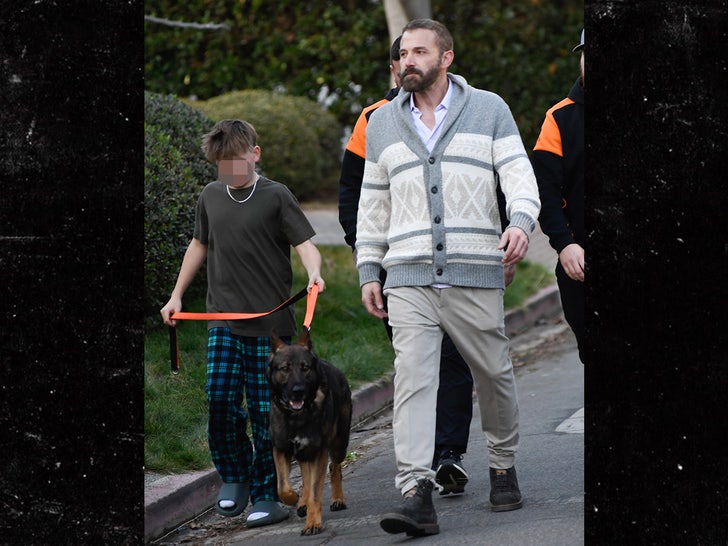
        Ben Affleck was finally able to leave his Brentwood home and chill in the neighborhood with his son and a new dog … after a dramatic start to the new year with wildfire scares — and subsequent security issues in the area.

        It seems Ben upped his personal security in the form of a four-legged pal … and took the K-9 out for a relaxing stroll with his kiddo — and men from Trident Elite Protection Dogs — on Friday.

        ben affleck the image direct 2

        The outing marks a strong contrast for BA who initially fled his mansion … then had to deal with one security issue after another just outside his front door in the wake of the massive, deadly Palisades fire.

        Play video content

        011325_tmz_live_affleck_kal

        TMZ.com

        Days after he was forced to evacuate his place for Jennifer Garner’s … the FBI paid a visit at Ben’s home — ’cause agents were in the area investigating an incident in which a private drone collided with a firefighting aircraft, damaging it. Our sources said Ben wasn’t the target of the probe.

        Play video content

        011425_ben_affleck_kal

        X17online.com

        Then earlier this week … Ben was spotted having a tense conversation with police outside his property, sounding like he’s upset with the amount of questions he’s been peppered with while coming and going from his neighborhood by private security.

        Don’t get it twisted — Ben didn’t seem to be pissed at actual officers, but annoyed by the private security team.

        Play video content

        011725_tmz_live_affleck_kal

        TMZ.com

        And to cap off the week of irritants … on Thursday, a massive sand-colored military Humvee was parked outside his home with a man in uniform — the National Guard was deployed last week to help amid the Pacific Palisades wildfire.

        To be fair … Ben’s house is located near the edge of the evacuation zone, so the area is being constantly patrolled.

        Hey … maybe Ben will name the dog “Deep Breath.”


        Source link

        XRP ETF to ‘Outperform’ Says J Morgan as New Frog Token Sees Major Breakthrough

        0
        XRP ETF to ‘Outperform’ Says J Morgan as New Frog Token Sees Major Breakthrough


        XRP ETF to ‘Outperform’ Says J Morgan as New Frog Token Sees Major Breakthrough

        Crypto-based Exchange Traded Funds are considered a prestigious endowment and thus far only two cryptos can boast of this achievement. XRP is looking to join the league and the investment giant JP Morgan has predicted a monumental performance for the altcoin. 

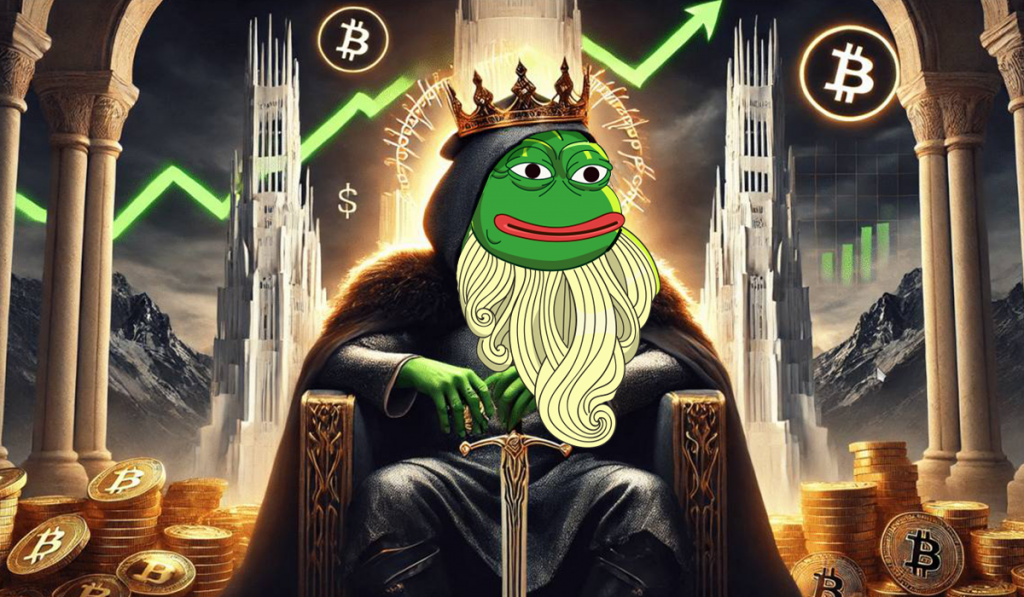
        On the other side of the market, this new frog-based cryptocurrency is making waves and achieving major breakthroughs, leading to optimism amongst holders and analysts.

        PEPETO Passes $3.6 Million in Presale

        Pepeto is a memecoin built on the Ethereum blockchain and it has made an impact in the cryptocurrency industry by gathering more than $3.6 million in its presale stage. 

        XRP ETF to ‘Outperform’ Says J Morgan as New Frog Token Sees Major Breakthrough

        In an effort to solve PEPE’s scalability challenges, Pepeto will be implementing special features into its multi-memecoin exchange platform that is set to launch in 2025. Some of these features are zero listing costs, top-tier security and asset protection, convenient cross-chain bridging and meticulous vetting of tokens on the platform. 

        Six core principles are the driving force Pepeto’s success and they include power, energy, precision, efficiency, technology and optimization. Pepeto places emphasis on the last two principles as they believe that those are the values that set them apart from other memecoins. 

        Pepeto provides users with enhanced security and transparency and has been audited by top firms such as Coinsult and SolidProof showing its dedication to strengthening investor trust. 

        420 trillion tokens make up $PEPETO’s total supply. 30% will be allocated to the presale, 30% will be allocated towards token rewards, 20% for marketing, 12.5% for liquidity and 7.5% for project development.

        XRP

        XRP is making significant waves in the crypto field despite its legal debacle. Polymarket data indicates that users believe XRP has a 70% chance of getting approved for an exchange-traded fund.

        Banking firm JP Morgan also predicts that with an SEC leadership change around the corner, the chances of an XRP ETF are much higher and that the token’s ETF is poised to have a remarkable performance and possibly rake in billions of dollars within the first six months. 

        Pepeto Presale

        Pepeto provides an opportunity for early investors to purchase and stake the token for enhanced returns. The token presale allows buyers to actively participate in the security and development of the ecosystem. 

        The presale has already gathered over $3.6 million in USDT and has the potential to reach even more milestones. $Pepeto can be purchased on the website with your card, ETH, USDT or BNB. Don’t miss this opportunity to join Pepeto early and earn massively through the website https://pepeto.io/.

        XRP ETF to ‘Outperform’ Says J Morgan as New Frog Token Sees Major Breakthrough

        ABOUT PEPETO

        Pepeto is a cutting-edge cryptocurrency project blending the playful spirit of memecoins with a powerful utility-driven ecosystem. It features a zero-fee exchange, a cross-chain bridge for seamless swaps, and staking rewards designed to support the next generation of tokens.

        Media Links: 

        Website: https://pepeto.io/ 

        X: https://x.com/Pepetocoin 

        TG: https://t.me/pepeto_channel 

        IG: https://www.instagram.com/pepetocoin/ 

        YouTube: https://www.youtube.com/@Pepetocoin/

        Contact Information:

        Contact: TokenWire Team

        Email: [email protected] 

        Disclaimer

        In line with the Trust Project guidelines, please note that the information provided on this page is not intended to be and should not be interpreted as legal, tax, investment, financial, or any other form of advice. It is important to only invest what you can afford to lose and to seek independent financial advice if you have any doubts. For further information, we suggest referring to the terms and conditions as well as the help and support pages provided by the issuer or advertiser. MetaversePost is committed to accurate, unbiased reporting, but market conditions are subject to change without notice.

        About The Author


        Gregory, a digital nomad hailing from Poland, is not only a financial analyst but also a valuable contributor to various online magazines. With a wealth of experience in the financial industry, his insights and expertise have earned him recognition in numerous publications. Utilising his spare time effectively, Gregory is currently dedicated to writing a book about cryptocurrency and blockchain.

        More articles


        Gregory, a digital nomad hailing from Poland, is not only a financial analyst but also a valuable contributor to various online magazines. With a wealth of experience in the financial industry, his insights and expertise have earned him recognition in numerous publications. Utilising his spare time effectively, Gregory is currently dedicated to writing a book about cryptocurrency and blockchain.


        Source link

        The Tomb – Everything We Know About the New Black Ops 6 Zombies Map

        0
        The Tomb – Everything We Know About the New Black Ops 6 Zombies Map


        Treyarch has already revealed ‘The Tomb,’ the next round-based Zombies map coming to Black Ops 6 in Season 2 – here’s everything we know!

        Call of Duty: Black Ops 6 has the best Zombies mode we’ve seen in years, and we’re already getting a fourth map arriving in the next major update.

        Black Ops Cold War, Treyarch’s most recent release, ended its lifespan with four round-based maps for players to enjoy. The same was true for Vanguard, the last COD title to receive a ’round-based’ experience.

        Now, Black Ops 6 Zombies’ fourth map is already preparing to arrive – here’s what we know about it:

        Everything We Know About The Tomb

        Release Date

        The Tomb, Black Ops 6 Zombies’ fourth round-based map, releases on January 28, 2025, alongside the Season 2 update.

        Treyarch confirmed the map’s release date on 115 Day (January 15), an annual celebration of the COD Zombies franchise.

        The Tomb Black Ops 6 Zombies Map 4

        Alongside the map’s release date and official title, the developer also revealed some interesting information about what players can expect.

        The Story

        The events of The Tomb are a direct follow-up from the conclusion of the Citadelle des Morts Easter Egg.

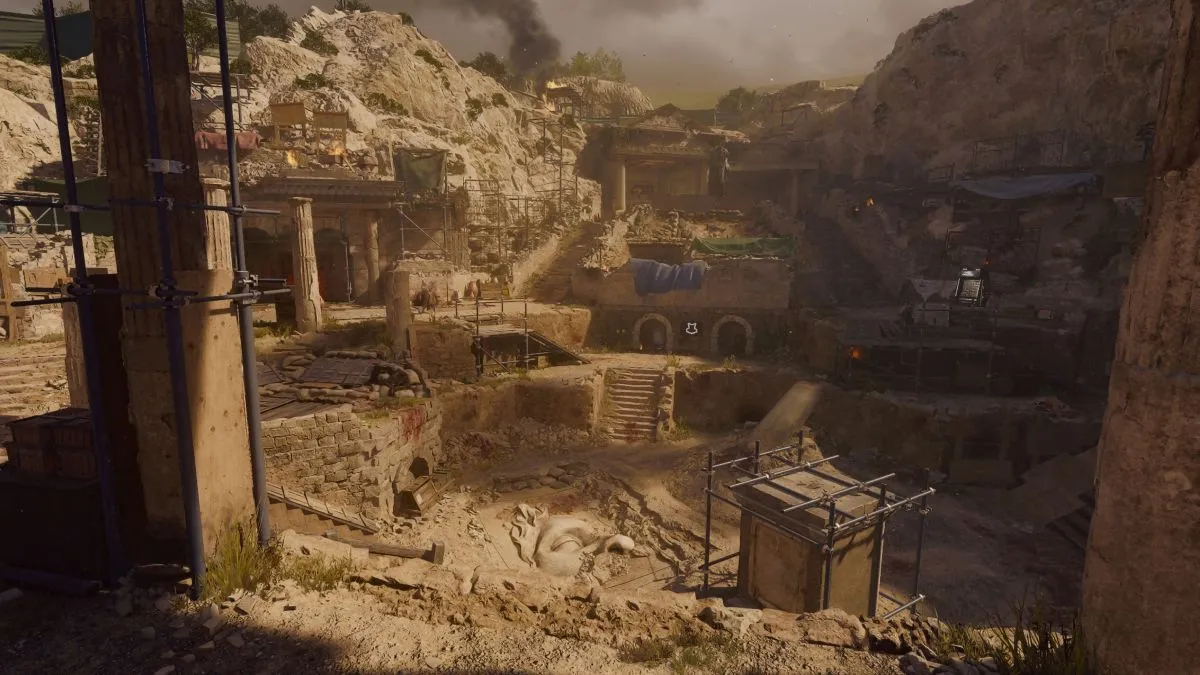
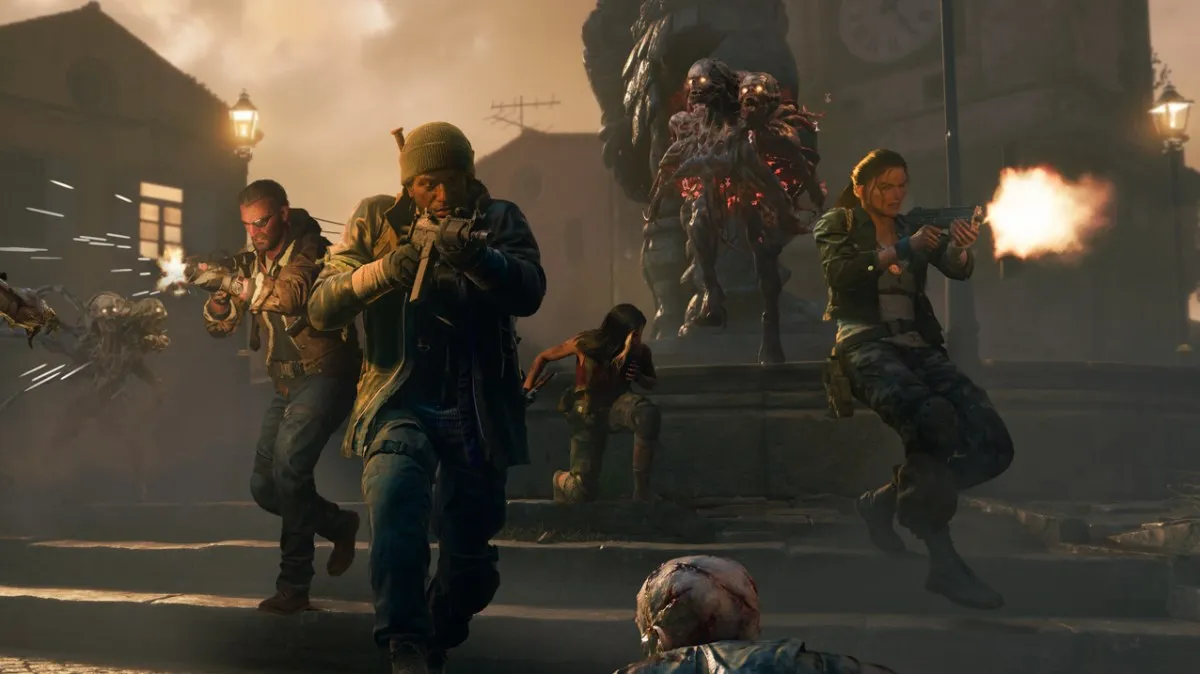
        Following the final words of Gabriel Krafft, Ex-Requiem members Weaver, Grey, Carver, and Maya head to a nearby excavation site to discover the Sentinel Artifact. With it, they hope to discover a way to rescue Samantha Maxis, if one exists at all.

        However, we know that Edward Richtofen is also after the Sentinel Artifact for his own means.

        And while several members of the Zombies Crew hold a grudge against their former Director for imprisoning them on Terminus Island, Krafft’s final words begging them not to kill his son still linger in their minds.

        The Map Setting

        The Tomb map takes place on the remains of ancient burial grounds with suspected origins dating back to 2500 B.C.E.

        There, the catacombs went undisturbed until 1908, until British archeologist Sir Archibald Fotherington-Smythe conducted a grand excavation.

        The Tomb Photo 1 in Black Ops 6 ZombiesThe Tomb Photo 1 in Black Ops 6 Zombies

        While nobody knows what became of him, a handful of photographs from his doomed expedition have recently come to light.

        Similar to Liberty Falls

        According to Treyarch, The Tomb will be more similar to Liberty Falls than the other Black Ops 6 Zombies maps:

        “We’ve crafted The Tomb to provide an experience similar to Liberty Falls (by far our most-played Zombies map in recent years!), featuring tighter play spaces with a focus on replayability.”

        Prior to the launch of Black Ops 6 Zombies, fans were concerned about Liberty Falls being more ‘open-world’ than a standard round-based experience.

        Liberty Falls ManglerLiberty Falls Mangler

        However, since release day, fans have quickly come around on the West Virginian town map.

        Treyarch has repeatedly expressed that the fan response to Liberty Falls has been overwhelmingly positive – and it seems that the map is already influencing further Zombies experiences.

        Wonder Weapon

        Almost as if we’re digging up an ancient relic, Treyarch is teasing that a ‘reimagined Wonder Weapon’ inspired by the company’s past will drop alongside The Tomb.

        Players will be able to discover a new take on a classic Wonder Weapon in the new map, though it hasn’t revealed exactly what we can expect just yet.

        The Tomb Photo 2 in Black Ops 6 ZombiesThe Tomb Photo 2 in Black Ops 6 Zombies

        This isn’t the first time that an iconic Wonder Weapon has made its return in Black Ops 6 Zombies.

        In fact, Liberty Falls, which has inspired The Tomb’s gameplay design, features the Jet Gun from Black Ops 2’s TranZit map!

        New Gun

        But it’s not only a revamped Wonder Weapon that we’ll see returning in Black Ops 6 Zombies’ new map. Treyarch confirms that Season 2 will bring a new gun to the game – one that Zombies fans should be all too familiar with.

        According to the developer ‘one of the most iconic SMGs in Zombies history’ will arrive alongside The Tomb.

        Citadelle des Morts Zombies Crew with DoppelghastCitadelle des Morts Zombies Crew with Doppelghast

        And while we don’t know whether it is referring to the MP40, the PPSH, or one of the other iconic Zombies weapons just yet, that’s certainly an exciting tease at what’s to come.

        Of course, it’s unlikely that Season 2 will only release with a single new weapon for players to enjoy. Usually, a major update of this size has at least two new guns at the very minimum – but it’s clear that Treyarch intends to deliver a blast for the past for Zombies players specifically while unearthing the secrets of The Tomb.

        The developer has confirmed that more details regarding The Tomb will drop next week, so stay tuned for more details as they continue to arrive!


        Source link

        A Complete Guide to the BNB Smart Chain

          0
          A Complete Guide to the BNB Smart Chain


          Binance has long been one of the leading cryptocurrency exchanges in the world. With their own blockchain – the BNB Smart Chain – they’re looking to become a leader in the NFT industry as well.

          Formerly known as the Binance Smart Chain, the BNB Smart Chain (BSC) is a Layer-1 blockchain with the full support of the Binance crypto exchange. With this powerhouse behind it, BNB looks to dominate the DeFi space – but has also branched out into NFTs, games, and even blockchain-based art.

          Though incredibly popular upon its debut, BSC is facing increasing competition from other Layer-1 blockchains, and a growing number of Layer-2 networks – but what makes the BNB Smart Chain stand out, how did it become so popular, and why should it be on your radar?

          Here’s our complete guide to the BNB Smart Chain.

          Key Insights

          A Layer-1 blockchain, competing against Ethereum and SolanaCreated by the team behind the Binance crypto exchangeDebuted in 2020, replacing the original Binance Chain from 2019Saw explosive growth in 2021 during the first NFT boomKnown as a predominantly DeFi-focused blockchain

          BNB Smart Chain - Binance

          What is the BNB Smart Chain?

          BNB Smart Chain is a Layer-1 blockchain launched by popular cryptocurrency exchange Binance in September 2020.

          It was designed as an upgrade to the original Binance Chain, launched in 2019, by adding support for smart contracts – allowing for decentralised applications (dApps), NFTs and more.

          BSC has full Ethereum Virtual Machine (EVM) compatibility, making it work seamlessly with a wide range of Ethereum-based dApps, tools and services.

          The BNB Smart Chain is powered by the $BNB token – standing for “build and build” – which is used to pay transaction fees and facilitates governance of the blockchain through staking and voting mechanisms. $BNB is one of the most popular crypto tokens in the world, regularly occupying a spot in the world’s top 10 largest cryptocurrencies. As of January 18, 2025, it currently sits at #6, with a token price above $700 USD and a market cap over $100B USD.

          In terms of services, the BNB Smart Chain is perhaps best-known for the trading platform PancakeSwap – which offers both leading DeFi services as a decentralised exchange, and an NFT marketplace for BSC-based NFTs. Some of the most popular NFT collections on the BNB Smart Chain include Pancake Squad, Pancake Bunnies, and PixelSweeper.

          Through Binance’s partnership with world-renowned football star Cristiano Ronaldo, BNB Smart Chain has also been home to multiple series of digital collectibles featuring the star. This has helped to both boost the prominence of BSC, and introduce the chain to a whole new legion of fans.

          BNB Smart Chain - Cristiano RonaldoBNB Smart Chain - Cristiano Ronaldo

          How does the BNB Smart Chain work?

          The BNB Smart Chain is built with speed, efficiency, and affordability in mind, making it attractive to both developers and users alike.

          Some of its standout features include:

          A unique consensus mechanism. BSC uses a unique consensus algorithm called Proof of Staked Authority (PoSA) – a hybrid of Proof of Stake and Proof of Authority. Validators stake $BNB as a requirement to validate the network, earning $BNB fees as rewards, and ensuring security, speed and low latency.Ethereum compatibility. BSC is EVM-compatible. Developers can deploy Ethereum-based applications on BSC with minimal adjustments, using familiar tools and languages such as Solidity. This has allowed BSC to rapidly expand its ecosystem with a huge array of dApps.Low transactions fees. With transaction fees often as low as just a few cents, BSC offers an affordable alternative to Ethereum, where high gas fees have been a long-term problem.Wide dApp support. BSC supports all kinds of dApps, from decentralized exchanges (DEXs) and lending platforms, to yield farming protocols and NFT marketplaces. Popular dApps such as PancakeSwap, Venus, and Autofarm retain hundreds of thousands of users to this day.

          On top of this, BNB Smart Chain provides a robust infrastructure for NFT creators and collectors alike. It supports token standards like BEP-721 and BEP-1155 – equivalent to Ethereum’s ERC-721 and ERC-1155 – ensuring easy interoperability and straightforward interactions.

          By offering a scalable and efficient blockchain, BSC is enabling developers to build innovative applications that are capable of handling high volumes of users at a smooth and stable rate. This is vital for the growth of blockchain-based services – particularly as more users enter the industry each day.

          BNB Smart Chain - Gas FeesBNB Smart Chain - Gas Fees

          The History of the BNB Smart Chain

          The history of the BNB Smart Chain is closely tied to that of the history of the Binance crypto exchange itself.

          Two years after the founding of Binance in 2017, the company launched the original Binance Chain. This inaugural blockchain was focused on bolstering trading speeds on Binance itself, and included the adoption of the $BNB token as the native currency of Binance products.

          Despite its benefits, Binance Chain did not support smart contracts – a decision which put a ceiling on its potential. In response to this, Binance introduced the Binance Smart Chain in September 2020 – initially to run alongside the Binance Chain, with plans to supercede or integrate the original chain in future.

          The Binance Smart Chain had both smart contract support and EVM compatibility, with a view to supporting not just the growing DeFi market, but the increasingly popular NFT industry as well.

          As NFTs boomed in 2021, the Binance Smart Chain saw explosive growth too – at times surpassing that of Ethereum. Its low fees and high-speed transactions attracted developers and users alike, with this period being a notable high-point in the history of the chain.

          February 2022 saw Binance combine the Binance Chain and Binance Smart Chain into the BNB Smart Chain (BSC) we know today, emphasising the “build and build” ideology and fanatic nature of their community at the time.

          BNB Smart Chain - Layer-1 BlockchainBNB Smart Chain - Layer-1 Blockchain

          As other Layer-1 and Layer-2 networks have risen to capture the limelight in the past few years, BSC has arguably fallen out of popularity. Despite this, with the $BNB token still such a prominent mainstay of the crypto industry, the BNB Smart Chain is still a highly-regarded solution, and development continues towards improving it for the future.

          These improvements include further decentralising the network, making the Binance company less of a major player in the day-to-day running and management of the ecosystem. Upgrades to scalability and interoperability are also in the works, with the introduction of sidechains and an exploration of sharding technology being considered to boost transaction speeds and help accommodate the growing number of dApps.

          2025 presents fresh challenges for BNB Smart Chain – but also a laundry list of opportunities. With both NFTs and crypto continuing to find new audiences, and with the wider industry continuing to grow, the BNB Smart Chain has plenty of potential in its future.


          Source link

          The best sci-fi movies to watch on Netflix this January

          0
          The best sci-fi movies to watch on Netflix this January


          2025 is well underway, and there’s a whole lot of exciting new sci-fi releases on the horizon to look forward to. Star Trek: Section 31, The Gorge, and Mickey 17 are slated to hit streaming and theaters within the next couple of months, to say nothing of all the other films slated for release in the latter half of the year. If you’re looking for the best sci-fi to watch from the comfort of your home right now, though, you’ve come to the right place.

          This month, we’ve got a two-part modern epic of a sci-fi masterpiece, a much-maligned (but fascinating) star vehicle set in a post-apocalyptic future, and an American-produced adaptation of a French graphic novel by one of the greatest Korean directors of our time.

          Let’s take a look at what this month has to offer!

          Editor’s pick: Dune and Dune: Part Two

          Image: Warner Bros.

          Director: Denis VilleneuveCast: Timothée Chalamet, Zendaya, Rebecca Ferguson

          Denis Villeneuve’s two-part adaptation of Frank Herbert’s sci-fi epic is a masterpiece for our time. The story of Paul Atreides, the scion of a powerful noble family in a spacefaring far future, is both far-fetched and elemental: a fantastical depiction of the perils of seeking revenge, the ennobling power of love, and the perils of faith co-opted by the agenda of imperialism. The film’s rendition of the desert planet of Arrakis, the native Fremen, and the colossal sandworms are spectacular, as is nearly every performance on screen, though especially Timothée Chalamet and Zendaya. If you haven’t witnessed Dune yet, consider this your sign to do so — and if you’ve seen Dune already, consider this your opportunity to experience it again. —Toussaint Egan

          Kevin Costner holding a harpoon and shouting in Waterworld.

          Image: Universal Pictures Home Entertainment

          Director: Kevin ReynoldsCast: Kevin Costner, Dennis Hopper, Jeanne Tripplehorn

          Continuing this post’s theme of environmental extremes, the wrongly maligned 1995 epic Waterworld is more or less about what it sounds like: The polar ice caps have melted, sea levels have risen, and the world is almost entirely covered in water.

          The film’s action follows Kevin Costner as a man simply known as “The Mariner” who sails the world aimlessly. Now, if you’re thinking that this kind of sounds like a Mad Max rip-off with water instead of sand, you’re technically correct, at least on paper. But in practice, Waterworld is so much more fascinating, and its world is uniquely bizarre and beautifully rendered — a fact that led the production to go astronomically and infamously over budget. And Costner turns out to make for a perfect post-apocalyptic cipher. Removed from its reputation as one of recent Hollywood’s most infamous disasters and an ill-fated attempt to start a franchise, Waterworld remains a pretty incredible adventure movie in the vein that rarely if ever gets made anymore — which admittedly is due at least in part to Waterworld itself. —Austen Goslin

          Chris Evans and a group of people dressed in ragged clothing standing in a brightly lit classroom in Snowpiercer.

          Image: Anchor Bay Entertainment

          Director: Bong Joon-hoCast: Chris Evans, Song Kang-ho, Tilda Swinton

          Bong Joon-ho’s sci-fi action movie about the remnants of humanity surviving aboard a massive post-apocalyptic train is just as excellent today as it was back in 2013. The film follows Curtis (Chris Evans), who leads the poor passengers at the back of the train on a rebellion to take control of humanity’s locomotive arc, in hopes of creating a better, more equitable place for all the passengers aboard.

          Curtis’ band of fighters making their way from the back of the train to the front plays like a horizontal version of The Raid, with all kinds of bizarre and ridiculous characters dotting their path to the leading car. While the class metaphor may not be quite as intricate here as it is in director Bong’s Best Picture winner Parasite from a few years later, the lack of subtlety allows him to wield the concept like a sledgehammer rather than a scalpel, creating one of the angriest and most interesting hidden gems of the 2010s. —AG


          Source link

          Future Trends in Couture and High-End Fashion Brands

          The world of couture and high-end fashion is ever-evolving, driven by a fusion of creativity, technology, and social awareness. As we look to the future, several key trends are set to redefine this glamorous industry. From groundbreaking innovations and sustainable practices to the sweeping influence of digitalization, luxury fashion is poised for transformative changes. This article delves into these future trends, examining how they will shape the couture landscape, elevate sustainable practices, and redefine luxury brand engagement in the digital age.

          Innovations Shaping the Couture Landscape

          In the realm of couture, innovation is the lifeblood that propels designers to new heights of creativity and craftsmanship. One significant trend shaping the future of high fashion is the integration of advanced textiles and materials. Designers are experimenting with smart fabrics that change color, texture, or shape in response to environmental stimuli, offering a dynamic and interactive fashion experience. These materials not only enhance the aesthetic appeal but also introduce a functional aspect to couture garments, blurring the lines between fashion and technology.

          Another groundbreaking innovation is the use of 3D printing technology in haute couture. This technology allows designers to create intricate, bespoke pieces with unparalleled precision and detail. The ability to print complex patterns and structures that are otherwise impossible to achieve through traditional methods is revolutionizing the design process. Moreover, 3D printing offers sustainability benefits by minimizing waste and allowing for on-demand production, which aligns with the growing demand for eco-conscious fashion.

          Augmented Reality (AR) and Virtual Reality (VR) are also making waves in the couture landscape. These technologies provide immersive experiences that allow consumers to visualize and interact with fashion pieces in a virtual environment. This not only enhances the shopping experience but also opens up new possibilities for virtual fashion shows and digital fashion collections. As AR and VR technologies continue to advance, they are likely to become integral tools for designers and brands seeking to engage with their audience in innovative ways.

          The rise of artificial intelligence (AI) is another transformative trend in high-end fashion. AI is being leveraged to streamline design processes, predict fashion trends, and personalize customer experiences. By analyzing vast amounts of data, AI can identify emerging patterns and consumer preferences, enabling designers to create collections that resonate with their audience. Additionally, AI-powered virtual stylists and chatbots are enhancing customer service, providing personalized recommendations and styling advice.

          Biotechnology is also making its mark on couture fashion, with designers exploring the use of bioengineered materials and processes. Innovations such as lab-grown leather and fabrics derived from renewable resources are gaining traction, offering sustainable alternatives to traditional materials. This intersection of fashion and biotechnology holds the potential to revolutionize the industry by reducing its environmental footprint while maintaining high standards of luxury and quality.

          Finally, the concept of modular fashion is gaining popularity in the couture world. This approach involves creating garments that can be easily customized or transformed to suit different occasions or styles. Modular fashion not only appeals to the modern consumer’s desire for versatility and personalization but also promotes sustainability by encouraging longer garment lifecycles. As consumers increasingly seek unique and adaptable fashion solutions, modular design is set to become a defining trend in high-end fashion.

          The Rise of Sustainable High-End Fashion

          Sustainability has become a central focus in the high-end fashion industry, driven by growing consumer awareness and environmental concerns. Luxury brands are increasingly adopting sustainable practices, from sourcing eco-friendly materials to implementing ethical production processes. This shift towards sustainability is reshaping the industry, as brands strive to balance luxury and environmental responsibility.

          One of the key trends in sustainable high-end fashion is the use of organic and recycled materials. Designers are turning to natural fibers such as organic cotton, hemp, and linen, as well as innovative materials made from recycled plastics and textiles. These materials not only reduce the environmental impact of fashion production but also align with the values of eco-conscious consumers who prioritize sustainability in their purchasing decisions.

          Circular fashion is another emerging trend that is transforming the luxury fashion landscape. This approach emphasizes the importance of designing garments with longevity in mind, promoting repair, recycling, and upcycling. High-end brands are exploring circular business models, such as take-back programs and resale platforms, to extend the lifecycle of their products and minimize waste. By embracing circular fashion, luxury brands are not only reducing their environmental footprint but also appealing to a new generation of conscious consumers.

          Transparency and traceability are becoming increasingly important in the realm of sustainable high-end fashion. Consumers are demanding greater visibility into the supply chain, seeking assurance that their purchases are ethically and sustainably sourced. In response, luxury brands are investing in technologies such as blockchain to provide transparent and verifiable information about the origin and production of their garments. This trend towards transparency is fostering trust and accountability, reinforcing the commitment of high-end brands to sustainable practices.

          Collaborations with sustainable designers and organizations are also on the rise, as luxury brands seek to enhance their sustainability credentials. By partnering with experts in sustainable fashion, high-end brands can access new materials, technologies, and insights that drive innovation and environmental stewardship. These collaborations not only boost the sustainability efforts of luxury brands but also contribute to a broader movement towards a more sustainable fashion industry.

          Sustainable fashion shows and events are becoming a platform for high-end brands to showcase their commitment to environmental responsibility. By incorporating sustainable practices into their events, such as using eco-friendly materials and minimizing waste, luxury brands are setting new standards for the industry. These events not only highlight the creative potential of sustainable fashion but also inspire consumers and industry stakeholders to embrace more sustainable practices.

          Finally, the rise of sustainable high-end fashion is influencing consumer behavior, with an increasing number of luxury consumers prioritizing sustainability in their purchasing decisions. This shift in consumer preferences is driving brands to innovate and adapt, as they seek to meet the demands of a more conscious and discerning audience. As sustainability continues to gain momentum, it is set to become a defining characteristic of the high-end fashion industry, shaping its future trajectory.

          Digitalization and Its Impact on Luxury Brands

          Digitalization is transforming the high-end fashion industry, reshaping how luxury brands engage with consumers and operate their businesses. One of the most significant impacts of digitalization is the rise of e-commerce, which has become an essential channel for luxury fashion sales. Online platforms are offering consumers unprecedented access to high-end fashion, breaking down geographical barriers and expanding the reach of luxury brands.

          Social media is playing a pivotal role in the digital transformation of luxury fashion. Platforms like Instagram, TikTok, and Pinterest serve as powerful marketing tools, allowing brands to connect with consumers in real-time and showcase their collections to a global audience. Social media influencers and brand ambassadors are also key players in this space, driving engagement and influencing consumer perceptions of luxury brands.

          The integration of digital technologies in physical retail spaces is enhancing the luxury shopping experience. Augmented Reality (AR) and Virtual Reality (VR) are being used to create immersive and interactive retail environments, allowing consumers to visualize and try on garments virtually. These technologies not only elevate the in-store experience but also bridge the gap between online and offline shopping, offering a seamless and personalized journey for luxury consumers.

          Data analytics is another area where digitalization is making a significant impact on luxury brands. By leveraging data insights, brands can better understand consumer behavior, preferences, and trends, enabling them to tailor their offerings and marketing strategies. Data-driven decision-making is enhancing customer experiences, optimizing inventory management, and driving innovation in product development.

          Digitalization is also transforming the way luxury brands approach customer service. The use of AI-powered chatbots and virtual assistants is streamlining customer interactions, providing personalized recommendations and support around the clock. These digital tools are enhancing the efficiency and responsiveness of customer service, ensuring that luxury consumers receive the high level of attention and care they expect.

          Finally, the rise of digital fashion and virtual clothing is opening up new avenues for luxury brands. Digital fashion allows consumers to purchase and wear virtual garments in online spaces, such as social media and gaming platforms. This trend is not only reducing the environmental impact of fashion consumption but also offering brands new opportunities for creativity and engagement. As digital fashion continues to evolve, it is set to become an integral part of the luxury fashion landscape, redefining the concept of ownership and expression in the digital age.

          As the high-end fashion industry embraces these future trends, it is embarking on a journey of transformation and innovation. The fusion of technology and creativity is pushing the boundaries of what is possible in couture, while sustainability is becoming a fundamental pillar of luxury fashion. Digitalization is reshaping consumer engagement and brand operations, offering new opportunities for growth and connection. As these trends continue to evolve, they will undoubtedly redefine the future of couture and high-end fashion, creating a more dynamic, sustainable, and digitally integrated industry.

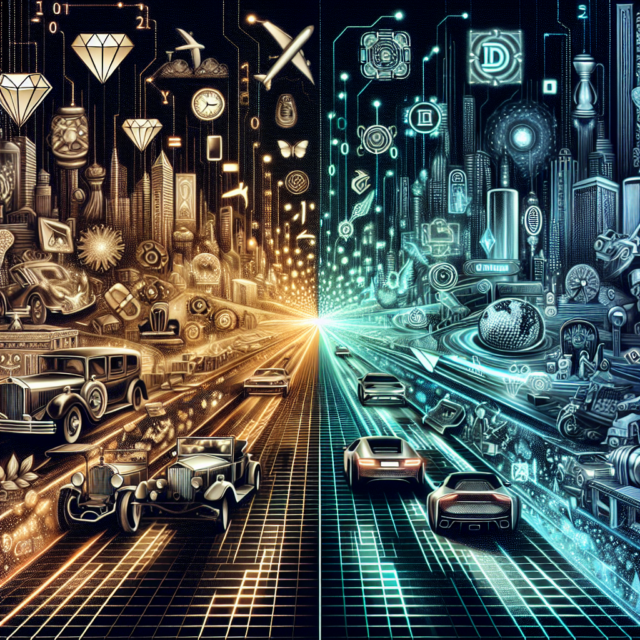
          Exploring the Evolution of Digital Luxury in the Future

          In the ever-evolving landscape of consumerism, luxury has consistently remained a symbol of status, aspiration, and exclusivity. However, as the digital revolution continues to reshape industries, the very essence of luxury is undergoing a transformation. From high-end fashion houses to bespoke service providers, the digital realm is redefining what it means to be luxurious. This article delves into the past, present, and future of digital luxury, examining how technological advancements are influencing the sector and what this means for the future of opulence.

          Tracing the Journey of Digital Luxury Evolution

          The concept of luxury has traditionally been associated with tangible goods—exquisite fabrics, handcrafted jewelry, and opulent vehicles. Yet, with the advent of the digital age, luxury brands have been compelled to rethink their strategies. Initially, the digital transformation was met with resistance from luxury purveyors, who feared that online platforms might dilute the exclusivity of their offerings. However, as e-commerce gained traction, brands began to explore the potential of digital channels to reach a broader audience without compromising their elite status.

          The first significant shift in digital luxury came with the rise of online luxury marketplaces. Platforms like Net-a-Porter and Farfetch revolutionized the way luxury goods were marketed and sold, offering consumers access to a curated selection of high-end products from the comfort of their homes. This development democratized luxury to some extent, making it more accessible while maintaining the allure of exclusivity through carefully controlled brand narratives and limited-edition releases.

          As social media platforms gained prominence, luxury brands recognized the power of digital storytelling. Instagram, in particular, became a pivotal tool for luxury marketing, allowing brands to engage with consumers through visually appealing content and influencer partnerships. This shift not only expanded the reach of luxury brands but also enabled them to cultivate a sense of community and belonging among their affluent consumer base.

          The evolution of digital luxury also saw the emergence of personalized online shopping experiences. Advanced data analytics and artificial intelligence allowed brands to offer bespoke recommendations and tailor-made products, further enhancing the sense of exclusivity. This personalized approach not only improved customer satisfaction but also increased brand loyalty, as consumers felt more connected to the products and services they purchased.

          Luxury brands have also embraced virtual reality (VR) and augmented reality (AR) technologies to create immersive experiences for their customers. From virtual fashion shows to digital showrooms, these innovations have allowed brands to showcase their offerings in new and exciting ways. This not only provides consumers with a unique way to interact with luxury products but also helps brands stand out in a competitive market.

          In recent years, the rise of digital luxury has also been marked by a growing emphasis on sustainability and ethical practices. As consumers become more conscious of the environmental and social impact of their purchases, luxury brands are leveraging digital platforms to communicate their sustainability efforts and engage with eco-conscious consumers. This shift reflects a broader trend towards responsible luxury, where digital innovation and ethical practices intersect to create a more sustainable future for the industry.

          Emerging Technologies Shaping Future Luxury Trends

          In the realm of digital luxury, emerging technologies are poised to redefine the very notion of exclusivity and opulence. Among these technologies, blockchain stands out as a game-changer. By providing a secure and transparent way to authenticate luxury goods, blockchain technology addresses concerns over counterfeiting and provenance. Brands can offer consumers a digital certificate of authenticity, ensuring the integrity of their purchases and reinforcing the value of genuine luxury items.

          Artificial intelligence (AI) is another technology transforming the luxury landscape. AI-powered tools enable brands to provide hyper-personalized experiences, from virtual shopping assistants that guide consumers through their purchasing journey to predictive analytics that anticipate consumer preferences. This level of personalization not only enhances the customer experience but also allows luxury brands to maintain an edge in a competitive market by catering to the unique desires of their clientele.

          The Internet of Things (IoT) is also playing a crucial role in shaping the future of digital luxury. By embedding smart technology into luxury products, brands can offer enhanced functionality and connectivity. For example, luxury watchmakers are integrating IoT capabilities into their timepieces, allowing users to track their health metrics or receive notifications directly on their wrists. This fusion of technology and luxury creates new dimensions of value and desirability for consumers.

          Virtual and augmented reality continue to push the boundaries of digital luxury, offering immersive experiences that captivate and engage consumers. In the automotive sector, for instance, car manufacturers are using VR to offer virtual test drives, allowing potential buyers to experience the thrill of driving a high-end vehicle without leaving their homes. Similarly, luxury real estate developers are utilizing AR to offer virtual tours of properties, providing prospective buyers with a realistic sense of space and design.

          The rise of digital fashion is another trend reshaping the luxury industry. As consumers increasingly seek unique and sustainable alternatives to traditional fashion, digital clothing offers an innovative solution. Designers are creating virtual garments that can be worn in digital spaces or overlaid onto photos and videos, providing a new form of self-expression. This trend not only challenges traditional notions of fashion but also opens up new opportunities for luxury brands to explore the intersection of technology and style.

          Finally, the future of digital luxury will likely see a greater emphasis on experiential marketing. As consumers seek memorable and meaningful interactions with luxury brands, companies will need to leverage digital platforms to create immersive and engaging experiences. Whether through virtual events, interactive storytelling, or gamified content, the focus will be on building deeper connections with consumers and fostering brand loyalty in a digital world.

          The Intersection of Digital Innovation and Luxury

          At the heart of the intersection between digital innovation and luxury lies the concept of exclusivity. In a world where digital content is ubiquitous, luxury brands face the challenge of maintaining their allure while embracing technological advancements. By leveraging digital platforms to create exclusive experiences, brands can preserve their prestige while reaching a wider audience. Limited-edition digital releases, virtual events, and exclusive online communities are just some of the ways luxury brands are redefining exclusivity in the digital age.

          Digital innovation also allows luxury brands to enhance their storytelling capabilities. Through immersive content and interactive experiences, brands can convey their heritage, craftsmanship, and values in compelling ways. This not only strengthens brand identity but also fosters an emotional connection with consumers, who are increasingly seeking authenticity and meaning in their luxury purchases. By weaving digital narratives that resonate with their audience, luxury brands can differentiate themselves in a crowded market.

          The integration of digital innovation into luxury also presents opportunities for collaboration and partnerships. As technology companies and luxury brands join forces, they can create unique products and experiences that blend the best of both worlds. From smart accessories that combine fashion and functionality to collaborations that fuse art and technology, these partnerships can drive innovation and capture the imagination of consumers.

          Sustainability is another area where digital innovation and luxury intersect. As consumers demand greater transparency and accountability, luxury brands are turning to digital tools to communicate their sustainability efforts. Blockchain technology, for example, can provide a transparent record of a product’s supply chain, allowing consumers to make informed decisions about their purchases. By embracing digital solutions, luxury brands can demonstrate their commitment to ethical practices and appeal to a socially conscious audience.

          Digital innovation also offers luxury brands new ways to engage with their customers. Through social media, mobile apps, and other digital channels, brands can create personalized and interactive experiences that foster a sense of community and belonging. This shift towards a more customer-centric approach not only enhances brand loyalty but also allows luxury brands to gather valuable insights into consumer preferences and behaviors.

          As the digital landscape continues to evolve, the intersection of digital innovation and luxury will undoubtedly lead to new possibilities and challenges. Luxury brands will need to stay ahead of technological advancements while remaining true to their core values of quality, craftsmanship, and exclusivity. By embracing digital innovation and leveraging it to enhance their offerings, luxury brands can continue to captivate and inspire consumers in an increasingly digital world.

          The evolution of digital luxury is a testament to the transformative power of technology and its ability to redefine traditional concepts of opulence and exclusivity. As emerging technologies continue to reshape the luxury landscape, brands must navigate the delicate balance between embracing innovation and preserving their heritage. By harnessing the potential of digital platforms, luxury brands can create unique and immersive experiences that resonate with a new generation of consumers. In doing so, they not only ensure their relevance in a digital future but also pave the way for a more inclusive and sustainable luxury industry.

          Exploring Couture’s Evolving Role in the Metaverse

          In recent years, the digital realm has expanded beyond mere pixels and screens into a fully immersive world known as the metaverse. This virtual universe is rapidly becoming a playground for industries ranging from gaming to real estate. One of the most intriguing developments within this space is the integration of couture fashion. As designers and brands seek to explore new avenues for creativity and consumer engagement, couture’s evolving role in the metaverse presents both exciting possibilities and complex challenges. This article delves into the transformation of couture in the digital age, examining its intersection with virtual reality and the hurdles and opportunities that lie ahead for virtual couture.

          Couture’s Digital Transformation in the Metaverse

          Couture, traditionally known for its exclusivity and craftsmanship, is undergoing a significant transformation as it ventures into the metaverse. The digital shift is redefining what couture means, moving beyond physical garments to include digital fashion pieces that exist solely in virtual spaces. This transformation allows designers to experiment with materials and designs that are not possible in the physical world, offering an unprecedented level of creativity and innovation. Digital couture enables the creation of garments that defy gravity, change colors, or morph in real-time, pushing the boundaries of traditional fashion design.

          The metaverse offers a unique platform for couturiers to showcase their work to a global audience without the constraints of physical venues or geographic limitations. Virtual fashion shows and exhibitions can be accessed by anyone with an internet connection, democratizing the exclusive world of haute couture. This accessibility not only broadens the audience but also encourages a more diverse range of voices and perspectives in fashion, potentially leading to more inclusive and representative designs.

          Moreover, digital couture provides a sustainable alternative to traditional fashion. By reducing the need for physical materials and production processes, virtual fashion minimizes waste and the environmental impact associated with garment manufacturing. This aligns with the growing consumer demand for sustainable fashion solutions and offers brands a way to contribute to environmental conservation while maintaining their creative edge.

          However, the digital transformation of couture is not without its challenges. Intellectual property rights become complex in a virtual environment where designs can be easily replicated and distributed without authorization. Protecting the originality and exclusivity that couture is known for requires new legal frameworks and technological solutions, such as blockchain, to ensure that designers retain control over their creations.

          In addition to legal challenges, there is the issue of consumer acceptance. While younger generations may readily embrace digital fashion, older consumers accustomed to the tactile experience of clothing may struggle to see the value in virtual garments. Educating consumers about the benefits and possibilities of digital couture is essential for its widespread adoption and success in the metaverse.

          Finally, the integration of couture into the metaverse necessitates a new skill set for designers. Mastery of digital tools and platforms becomes as important as traditional sewing techniques, requiring designers to adapt and evolve their practices. This shift may lead to exciting collaborations between fashion designers and technology experts, fostering innovation and creativity in both fields.

          The Intersection of Fashion and Virtual Reality

          The convergence of fashion and virtual reality (VR) is creating a dynamic intersection where creativity and technology meet. VR offers a fully immersive experience that allows users to interact with couture in ways that were previously unimaginable. Through VR, fashion enthusiasts can explore virtual showrooms, attend digital runway shows, and even try on virtual garments, all from the comfort of their own homes. This not only enhances the consumer experience but also opens new avenues for engagement and personalization in fashion.

          Virtual reality enables designers to create environments and experiences that complement their couture collections, adding a narrative layer to their work. For instance, a designer might craft a virtual world that reflects the inspiration behind a collection, allowing users to explore and interact with the designer’s vision in a more comprehensive way. This storytelling aspect enriches the consumer’s connection to the brand and provides a deeper understanding of the creative process behind each piece.

          The integration of fashion and VR also offers brands the opportunity to experiment with digital-first collections that are not bound by physical constraints. Designers can create avant-garde pieces that challenge conventional fashion norms, using VR to bring their most imaginative concepts to life. This freedom to innovate can lead to groundbreaking designs that redefine the boundaries of couture and inspire future trends in both the digital and physical worlds.

          However, the intersection of fashion and VR is not without its challenges. The technology required to create high-quality virtual fashion experiences is still evolving, and brands must invest in the necessary infrastructure and expertise to deliver seamless and engaging VR content. Additionally, the digital divide remains a barrier, as not all consumers have access to the devices and internet speeds needed to fully experience virtual reality fashion.

          Despite these challenges, the potential for VR to revolutionize fashion is immense. As the technology advances and becomes more accessible, the lines between the virtual and physical worlds will continue to blur, creating new possibilities for couture in the metaverse. The ability to offer personalized, immersive experiences will become a key differentiator for brands looking to stand out in a competitive market.

          Ultimately, the intersection of fashion and virtual reality represents a paradigm shift in how consumers interact with couture. By embracing this technology, brands can offer unique experiences that captivate and engage audiences in ways that traditional fashion cannot. The metaverse provides a canvas for designers to explore the full spectrum of their creativity, paving the way for a new era of fashion innovation.

          Challenges and Opportunities for Virtual Couture

          As couture ventures into the metaverse, it faces a unique set of challenges and opportunities that will shape its future. One of the primary challenges is the need to establish a sense of value and exclusivity for virtual couture. In a digital world where replication is easy and costless, maintaining the prestige and desirability associated with haute couture requires innovative strategies and technologies.

          Blockchain technology presents an opportunity to address this challenge by providing a secure and transparent way to authenticate digital couture. By creating unique digital tokens for each piece, designers can ensure that their creations are one-of-a-kind and cannot be easily copied or altered. This not only protects the integrity of the designs but also adds an element of scarcity, enhancing their value in the digital marketplace.

          Another opportunity for virtual couture lies in its potential to reach new audiences and markets. By transcending geographical boundaries, digital fashion can engage consumers from all over the world, including those in regions where access to traditional couture is limited. This global reach allows brands to tap into emerging markets and expand their customer base beyond the confines of physical retail.

          However, the success of virtual couture also depends on its ability to resonate with consumers on an emotional level. While digital garments lack the tactile qualities of physical clothing, they can offer unique experiences and interactions that create a sense of connection and engagement. Brands must leverage storytelling, personalization, and experiential design to create meaningful interactions that captivate consumers and foster brand loyalty.

          The rise of virtual couture also presents an opportunity for collaboration and cross-industry partnerships. Fashion brands can collaborate with technology companies, game developers, and digital artists to create immersive experiences that blend fashion with other forms of digital entertainment. These collaborations can lead to innovative products and experiences that appeal to a wide range of consumers, from fashion enthusiasts to tech-savvy gamers.

          Ultimately, the challenges and opportunities for virtual couture in the metaverse are two sides of the same coin. While there are hurdles to overcome, the potential for innovation and growth is immense. By embracing digital transformation and exploring new ways to engage consumers, couture can thrive in the metaverse and redefine its role in the fashion industry for years to come.

          Couture’s evolving role in the metaverse is a testament to the transformative power of digital technology. As designers and brands navigate this new frontier, they are redefining the boundaries of fashion and opening up a world of possibilities for creativity and consumer engagement. While challenges remain, the opportunities for innovation and growth in virtual couture are vast, offering a glimpse into the future of fashion. As the metaverse continues to evolve, couture will undoubtedly play a vital role in shaping its landscape, bridging the gap between the physical and digital worlds and inspiring a new era of fashion exploration.

          Popular Posts

          My Favorites