Home Blog Page 1045

No Man’s Sky Relics update out now | TheSixthAxis

0
No Man’s Sky Relics update out now | TheSixthAxis


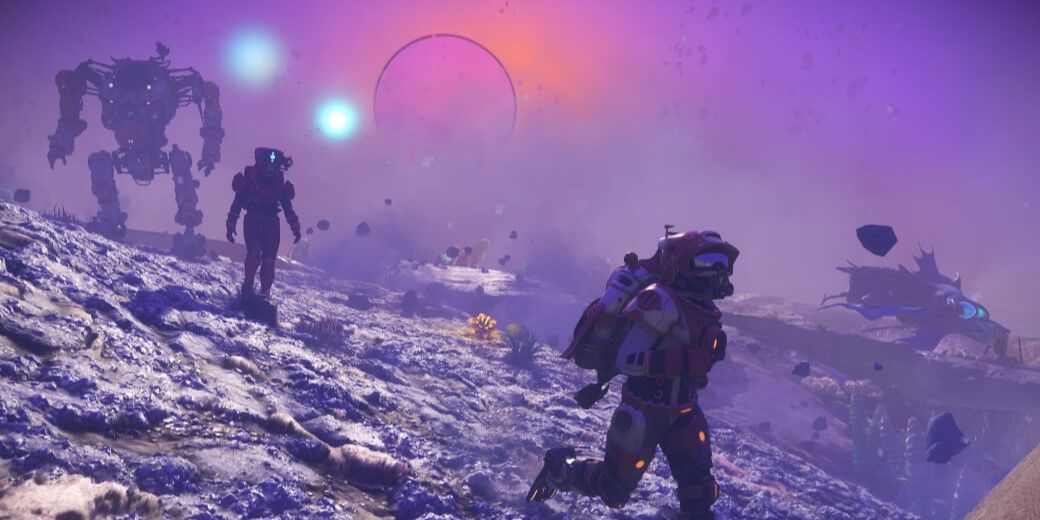
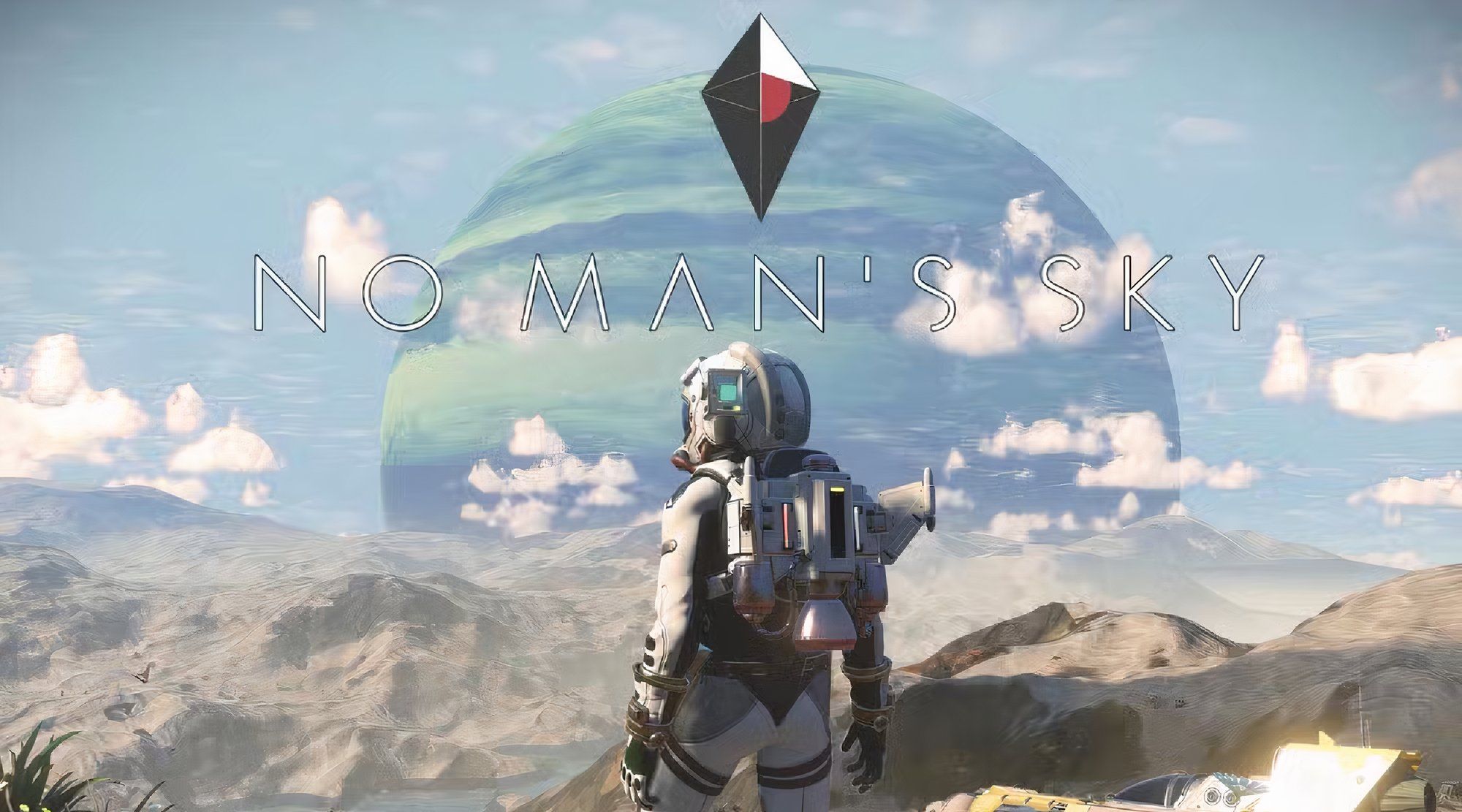
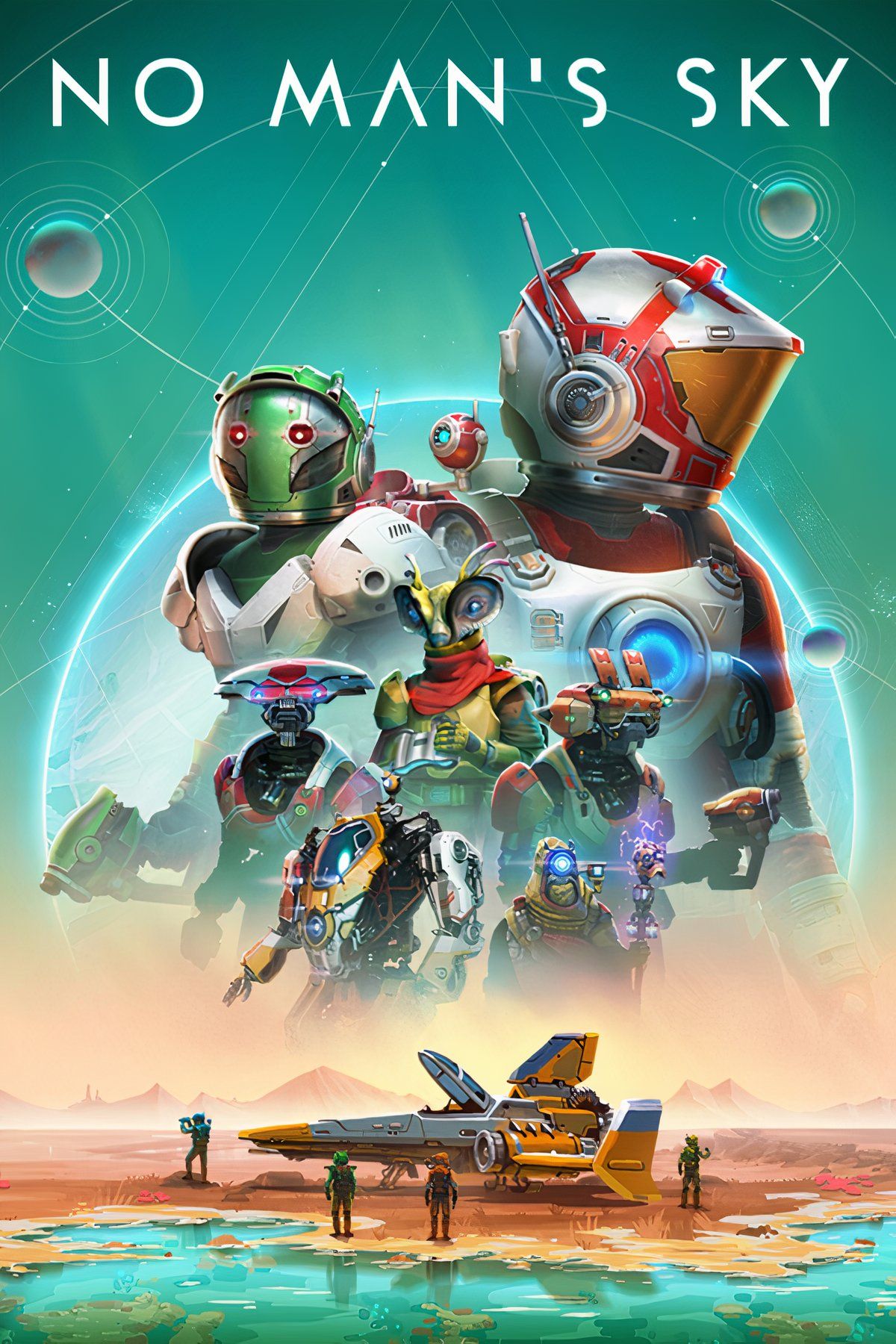
Hello Games has announced and released a brand new update for No Man’s Sky, dubbing this update with the name Relics. If you have ever wanted to be a space paleontologist then now is your chance, as the worlds of the No Man’s Sky universe are now filled with the bones of ancient creatures. You can find these remains and put them on display, or sell them to the highest bidder. Just be careful, as some of these remains are guarded and won’t be easy to take. The full patch notes are below.

COLLECT AND DISPLAY SKELETONS

Planetary fossil beds now contain a vast array of specific bone formations.
Each of these bones can be placed as a decorative base part, either individually or mounted on a display plinth.
Larger display plinths allow a collection of bones to be reassembled into a complete skeleton, allowing the design and reassembly of ancient and extinct beings.
Completed displays can be packaged into an easily transportable module, allowing them to be re-deployed in other locations, traded with other players, or sold on the galactic market.
A new planetary dig-site building has been added, serving as a hub for interested fossil collectors.
The icon for planetary fossils has been improved.
A small tutorial mission has been added to guide new palaeontologists.
A new palaeontology section has been added to the guide.

FOSSIL EXCHANGE

A fossil collector has been added to the Space Station.
Surplus fossils can be exchanged with the fossil collector, allowing players to target specific skeleton components for their designs.
The fossil collector will barter for items in their collection, allowing individual inventory items to be swapped.

RELICS EXPEDITION

Expedition Eighteen, Relics, will begin shortly and run for approximately six weeks.
Rewards include new posters, decals and titles; a living stone suit customisation set; the unique Basilisk Crown staff; a mysterious skeletal companion; and the exclusive Living Stone jetpack.

STONE GUARDIANS

Fossil beds are now watched over by a vigilant stone eye, ready to protect the bones from those who would exhume them.
Disturbing the vigilant eye may yield valuable rewards, but comes at the cost of awakening the guardians.
Two forms of stone guardian await – a huge living statue, and a whirling storm of re-animated rock.
Huge guardian statues have been added to relic worlds.

SKELETAL LIFEFORMS

A new and highly rare skeletal lifeform has been added to some planets.
Some planets are now home to the elusive titanic bone-worm…

QUALITY OF LIFE AND UI

Planets in your current system can now be marked from the discovery page, adding a marker to the starship navigation systems.
Added an accessibility option to increase the contrast in mission-critical UI panels.
Fixed an issue that could cause the camera to move erratically back and forth while inside high-ceilinged rooms in player bases.
Nearby NPCs that have specific unseen interactions will now be highlighted with a marker.

Added a new water state for ocean worlds with significantly larger waves.
Various volumetric and other atmospheric effects no longer play on planets without an atmosphere.
Story details from the In Stellar Multitudes mission now appear in the Journey Records page in the catalogue.
Reduced the number of corrupt drones that attack player settlements.
The space station marker is now dynamically offset, preventing the marker from obscuring the station while at a distance.
Fixed a number of minor text issues in some extractor UIs.
Fixed a number of minor text and icon issues in shop interactions.
Fixed an issue that caused companions that were set to use no accessories to have a random accessory assigned after re-summoning them.

Fixed an issue that caused the starship to too-aggressively lock on to markers when engaging the pulse engine.
An organic version of the Teleport Receiver has been added for use in living starships.
Fixed an issue that caused the repair requirements for several living starship technologies to all be the same.
Lingering on-screen display messages that report pulse drive errors will now clear as soon as a successful pulse drive engagement is detected.

SAVE SYSTEM

Significantly improved the compression used for saved games, improving filesizes and upload/download times for players in the cross-save beta.
Created a section for cross-save settings within the general Options menu.
Players in the cross-save beta are now alerted to situations where uploads are timing out, and can manually adjust how long the game will wait for a successful upload before detecting a timeout and cancelling.

COOKING

New fossil-related cooking recipes have been added.
Base storage container inventories are now accessible while cooking.
Fixed an issue that prevented access to the nutrient processor’s internal storage while on a freighter or the Exo-Skiff.
Fixed a number of issues while cooking the Exo-Skiff, including progress resetting or incorrect items appearing in various slots.
Cronos’ grill on the Space Anomaly can now be used by several players at once.
Fixed an issue that made it impossible to cook jellied eels.

ABANDONED MODE IMPROVEMENTS

Multi-Tools found in abandoned mode are now always free, but start with damaged slots.
Settlement-related missions will no longer start in abandoned mode.
Abandoned space stations now have access to Exosuit, starship, and Multi-Tool upgrade stations.
Additional salvage boxes have been added around abandoned space stations containing valuable upgrades and inventory expansion modules.
Purple systems are now unlocked automatically in abandoned mode.
In abandoned mode, crashed freighter containers and other buried caches can now contain additional valuable upgrades.

OPTIMISATION

Introduced a number of optimisations to planetary prop rendering.
Introduced an optimisation to dynamic physics groups.
Introduced a significant memory optimisation for nav mesh generation.
Introduced a number of minor texture memory optimisations.
Introduced an optimisation for loading large bases.
Introduced a number of optimisations for text display, particularly in the Journey Records pages.
Introduced an optimisation to the various catalogue and guide pages.

OTHER BUG FIXES

Fixed a number of issues that could occur when warping on board another player’s freighter.
Fixed an issue that could cause water creatures to be generated for a planet that would never have deep enough water for those creatures to spawn.
Fixed a number of mission blockers in They Who Returned.
Fixed an issue that could cause some bases to become invisible when constructed at the water’s surface on ocean planets.
Fixed an issue that could cause PC players to appear jerky in cross-platform multiplayer.
Fixed a rare issue that could cause players’ settings to reset in VR.
Fixed an issue that could cause NPCs to sink into the floor.

Fixed an issue that could cause a softlock when browsing the Exocraft inventory.
Fixed a rare hang on load when returning to a savegame that was saved while in an Exocraft after playing in multiplayer.
Fixed a rare crash related to camera shakes.
Fixed a memory-related crash on PlayStation 5.
Fixed a number of rare crashes related to mesh scaling.
Fixed a number of rare maths-related crashes.

Fixed an issue that could cause some planetary props to pop in.
Fixed a number of Mac-specific rendering issues.
Fixed a rare issue that could cause saves to reach a max size and stop saving on Nintendo Switch – saves can now expand as required.
Fixed an issue that could cause multiple ships to become docked to the same landing pad.
Improved the placement positioning of decorative base building props.
Fixed a number of text clipping issues in large popups.
Fixed an issue that could cause a teleport destination to have two copies of a mission marker added.
Fixed an issue that could make interactions difficult on freighters that were summoned a long way from the centre of the solar system.
Fixed a number of issues affecting markers and planet labels when entering atmosphere.

Fixed a rare issue that could cause empty systems to generate incorrect information about their potential Atlas Stations.
Fixed an issue that could cause the galaxy map to incorrectly choose a purple system as part of its path to a distant star when purple systems are not unlocked.
Fixed an issue that could cause players to start in a purple system when arriving in a new galaxy, when purple systems were not unlocked.

Fixed an issue that caused the water effects from the Nautilon submarine to remain in the world after summoning the sub to a new location.
Fixed an issue that prevented Exocraft laser effects from playing correctly in multiplayer.
Fixed an issue that could cause erratic torso movements in Sentinel mechs.
Fixed an issue that could cause the ship to hover as if above water when reloading on a planet.

Fixed a number of inconsistencies in creature descriptions, where creatures would be described as being from the wrong environment.
Fixed an incorrect texture being used for the Titan expedition in the expedition history screen.
Fixed a number of decals and posters from previous expeditions being missing from the catalogue.
Fixed an issue that caused a number of unusable and legacy items to be included in the catalogue.

As part of the Relics release update, Hello Games has set a new community challenge that tasks players to find the rarest of skeletons, competing with each other to dig in all sorts of places including some of the most dangerous ones in the universe.

Source: Hello Games


Source link

Nvidia GTC2025: 100x more computation needed

0
Nvidia GTC2025: 100x more computation needed


Look at this word cloud. It’s not just a colorful visualization – it’s the pulse of our technological future captured in a single image. The words that dominated Jensen Huang’s GTC 2025 keynote tell a story that should make every technologist, investor, and futurist sit up straight.

“GPU” “AI.” “Computing.” “Factory.” “Token.” These aren’t just buzzwords – they’re the vocabulary of a revolution unfolding in real time.

And then Jensen dropped the bombshell that sent shockwaves across the industry:

We need 100x more compute

“The scaling law, this last year, is where almost the entire world got it wrong.The computation requirement, the scaling law of AI is more resilient and in fact, hyper accelerated. The amount of computation we need at this point is easily 100 times more than we thought we needed this time last year.”

Let that sink in. Not 20% more. Not double. One hundred times more compute than anticipated just twelve months ago.

Remember when we thought AI was advancing fast? Turns out, we were dramatically underestimating the compute hunger of truly intelligent systems. This isn’t gradual evolution – it’s a sudden, dramatic reimagining of what our infrastructure needs to become.

Why? Because AI has learned to think and act.

Jensen illustrated this with a seemingly simple problem – organizing a wedding seating chart while accommodating family feuds, photography angles, and traditional constraints. A llama3.1 tackled it with a quick 439 tokens, confidently serving up the wrong answer. But a deepseek – the reasoning model? It generated over 8,000 tokens, methodically thinking through approaches, checking constraints, and testing solutions.

This is the difference between an AI that simply responds and one that truly reasons. And that reasoning requires exponentially more computational horsepower.

What does this mean for the industry?

If you’re building AI applications, your infrastructure roadmap just changed dramatically. If you’re investing in tech, the winners will be those who can solve this compute challenge. And if you’re watching from the sidelines, prepare to witness a massive transformation of our digital landscape.

The hunt for 100X compute isn’t just NVIDIA’s problem – it’s the defining challenge for the entire tech ecosystem. And how we respond will reshape industries, markets, and possibly society itself.

The question isn’t whether we need to scale dramatically – it’s how we’ll achieve this scale in ways that are practical, sustainable, and accessible to more than just the tech giants.

The race for the next generation of compute has officially begun. And the stakes couldn’t be higher.

Data Centres will be power limited

While Jensen’s 100X revelation left the audience stunned, it was his description of how computing itself is changing that truly illuminates the path forward.

“Every single data center in the future will be power limited.The revenues are power limited.”

This isn’t just a technical constraint – it’s an economic reality that’s reshaping the entire compute landscape. When your ability to generate value is directly capped by how much power you can access and efficiently use, the game changes completely.

The traditional approach? Build bigger data centers. But as Jensen pointed out, we’re approaching a trillion-dollar datacenter buildout globally – a staggering investment that still won’t satisfy our exponentially growing compute demands, especially with these new power constraints.

This is where the industry finds itself at a crossroads, quietly exploring alternative paths that could complement the traditional centralized model.

What if the solution isn’t just building more massive data centers, but also harnessing the vast ocean of underutilized compute that already exists? What if we could tap into even a fraction of the idle processing power sitting in devices worldwide?

Jensen himself hinted at this direction when discussing the transition from retrieval to generative computing:

“Generative AI fundamentally changed how computing is done. From a retrieval computing model, we now have a generative computing model.”

This shift doesn’t just apply to how AI generates responses – it can extend to how we generate and allocate compute resources themselves.

At Spheron,we are exploring precisely this frontier – envisioning a world where compute becomes programmable, decentralized, and accessible through permissionless protocol. Rather than just building more centralized factories, our approach aims to create fluid marketplaces where compute can flow to where it’s needed most.

Agents,Agents & Agents

Jensen didn’t just talk about more powerful hardware – he laid out a vision for a fundamentally new kind of AI:

“Agenetic AI basically means that you have an AI that has agency. It can perceive and understand the context of the circumstance. It can reason, very importantly, can reason about how to answer or how to solve a problem and it can plan an action. It can plan and take action.”

These agentic systems don’t just respond to prompts; they navigate the world, make decisions, and execute plans autonomously.

“There’s a billion knowledge workers in the world. They’re probably going to be 10 billion digital workers working with us side-by-side.”

Supporting 10 billion digital workers requires not just computational power, but computational independence – infrastructure that allows these digital workers to acquire and manage their own resources.

An agent that can reason, plan, and act still hits a wall if it can’t secure the computational resources it needs without human intervention.

As Jensen’s presentation made clear, we’re building AIs that can think, reason, and act with increasingly human-like capabilities. But unlike humans, most of these AIs can’t independently acquire the resources they need to function. They remain dependent on API keys, cloud accounts, and payment methods controlled by humans.

Solving this requires more than just powerful hardware – it demands new infrastructure models designed specifically for agent autonomy. This is where Spheron’s programmable infrastructure comes into play where agents can directly lease compute resources through smart contracts without human intermediation.

New approach to increase efficiency

As Jensen guided us through his roadmap for the next generation of AI hardware, he revealed a fundamental truth that transcends mere technical specifications:

“In a data center, we could save tens of megawatts. Let’s say 10 megawatts, well, let’s say 60 megawatts, 60 megawatts is 10 rubin ultra racks… 100 rubin ultra racks of power that we can now deploy into rubins.”

This isn’t just about efficiency – it’s about the compute economics that will govern the AI era. In this world, every watt saved translates directly into computational potential. Energy isn’t just an operating expense; it’s the fundamental limiting factor on what’s possible.

When the computational ceiling is determined by power constraints rather than hardware availability, the economics of AI shift dramatically.

The question becomes not just “How much compute can we build?” but “How can we extract maximum value from every available watt?”

While NVIDIA focuses on squeezing more computation from each watt through better hardware design, we have designed a complementary approach that tackles the problem from a different angle.

What if, instead of just making each processor more efficient, we could more efficiently utilize all the processors that already exist?

This is where decentralized physical infrastructure models(DePIN) like Spheron find its economic rationale ensuring that no computational potential goes to waste.

The numbers tell a compelling story.At any given moment,compute worth more than $500B sit idle or underutilized across millions of powerful GPUs in data centres,gaming PCs, workstations, and small server clusters worldwide which are. Even harnessing a fraction of this latent compute power could significantly expand our collective AI capabilities without requiring additional energy investment.

The new compute economics isn’t just about making chips more efficient – it’s about ensuring that every available chip is working on the most valuable problems.

What lies ahead

The 100X computation requirement isn’t just a technical challenge – it’s an invitation to reimagine our entire approach to infrastructure. It’s pushing us to invent new ways of scaling, new methods of allocation, and new models for access that extend far beyond traditional data center paradigms.

The word cloud we began with captures not just the keywords of Jensen’s keynote, but the vocabulary of this emerging future – a world where “scale,” “AI,” “token,” “factory,” and “compute” converge to create possibilities we’re only beginning to imagine.

As Jensen himself put it: “This is the way to solve this problem is to disaggregate… But as a result, we have done the ultimate scale up. This is the most extreme scale up the world has ever done.”

The next phase of this journey will involve not just scaling up, but scaling out – extending computational capacity across new types of infrastructure, new access models, and new autonomous systems that can manage their own resources.

We’re not just witnessing an evolution in computation, but a revolution in how computation is organized, accessed, and deployed.And in that revolution lies perhaps the greatest opportunity of our technological era – the chance to build systems that don’t just augment human capability, but fundamentally transform what’s possible at the intersection of human and machine intelligence.

The future will require not just better hardware, but smarter infrastructure that’s as programmable, as flexible, and ultimately as autonomous as the AI systems it powers.

That’s the true horizon of possibility that emerged from GTC 2025 – not just more powerful chips, but a fundamentally new relationship between computation and intelligence that will reshape our technological landscape for decades to come.


Source link

Inside Laura Hamilton’s love life – split from husband of 9 years; dating app ‘discomfort’; and new romance with married man

    0
    Inside Laura Hamilton’s love life – split from husband of 9 years; dating app ‘discomfort’; and new romance with married man


    Whether she’s in the headlines for her husband or new boyfriend, A Place In The Sun host Laura Hamilton has managed to keep her love life fairly private.

    The blonde beauty, who has enjoyed a career in television since the early 2000s, has remained a regular presenter for Channel 4 since 2012 and is a hit with viewers.

    However, outside of her career, Laura’s personal life has been of interest to the public. Here’s everything we know about her relationships…

    A Place In The Sun host Laura shares two children with Alex (Credit: Splashnews.com)

    Laura Hamilton married husband Alex Goward

    Back in 2012, Laura married broker husband Alex Goward. The pair started a family together, welcoming son Rocco, 10, and daughter Tahlia, eight.

    However, after nine years of marriage, the pair announced they had split, which Laura said was amicable.

    “It was a decision we both came to. We have an enormous amount of respect for each other, but we are now on different paths,” she told the Mirror.

    While Laura said she was completely certain that she wanted “no more children”, the 42-year-old admitted she would be open to marriage again.

    “I feel very differently about it now. Not that I necessarily believe that you need to be married to somebody for it to cement a relationship but I would be open to it.”

    While co-parenting their two kids, the family of four went on a luxury ski trip in December 2022.

    ‘I should have a man in every country’

    Following her split from Alex, Laura revealed she was dating again. However, after downloading the celebrity dating app Raya, she stated it was “not for me”, insisting she likes to meet people “organically”.

    “I’m having fun. No, I don’t have the apps. I’ve tried those in the past three years,” she told The Sun.

    However, Laura didn’t initially find herself have any luck when she went on dates as many people recognised her from the TV.

    She explained: “I did go out on a date with somebody and the only thing he wanted to talk about was buying a property in the sun. I’m not here to be your property consultant!”

    The presenter admitted it was “quite difficult” to start dating again due to her busy schedule and children. Due to her job, she is in a different country every week, which prompted Laura to joke: “Really, I should have a man in every country. That would be a more interesting story – ‘Oh, she’s got one in Ibiza, she’s got one in Mallorca.’”

    Laura Hamilton on the red carpet

    Laura has moved on with married businessman boyfriend James (Credit: Cover Images)

    Laura moved on with married businessman boyfriend

    In July 2024, the Daily Mail announced that Laura had moved on from Alex with married businessman James Pettigrew, 44.

    The outlet noted that the pair had been dating since January and had been “spending all their time together”.

    An inside source said: “While Laura has been single since splitting from her ex-husband, James is still married, and their relationship has caused his estranged wife Jackie a lot of hurt and upset.

    “She was unaware of their romance in the early days and is now going through a painful divorce, with her priority being to protect her two daughters.”

    They continued: “Laura and James have made every attempt to keep their relationship private but it’s been months and they’re so close now, they are fully committed to each other and making this work longterm.”

    After trying to keep their new relationship on the down-low, photos in September showed Laura kissing James while in Spain.

    Read more: Laura Hamilton hailed as she jokes over A Place In The Sun ‘tube of toothpaste’ outfit

    Laura Hamilton Tells The Story Of When Her Son Stopped Breathing | Loose Women

    You can leave us a comment on our Facebook page @EntertainmentDailyFix and let us know.


    Source link

    A Complete Guide to Mythical Games: The Web3 Game Pioneers

      0
      A Complete Guide to Mythical Games: The Web3 Game Pioneers


      Key Insights

      Mythical Games is a Web3 gaming pioneer founded by industry veterans (ex-Activision leaders) with a vision to let players truly own in-game assets through blockchain.The company secured significant investments, quickly becoming a “unicorn” with a valuation over $1 billion – demonstrating strong market belief in their blockchain-based gaming model.Their Mythical Platform streamlines blockchain integration for developers, hiding the technical complexities so that players can join games with just an email address.Blankos Block Party made headlines by being the first blockchain game on the Epic Games Store, yet its pivot from PC to mobile highlighted the challenges of keeping Web3 gamers engaged.Partnerships with major sports leagues and franchises – such as the NFL (NFL Rivals) and FIFA (FIFA Rivals) – show Mythical’s strategy of fusing blockchain with widely recognized brands.

      A New Era of Gaming Dawns

      In 2018, whilst cryptocurrencies and blockchain technology continued steamrolling their way into the mainstream, certain video game industry veterans saw a rising chance to change how players could interact with their favorite pasttime.

      Mythical Games stepped forward with a vision to create quality video games where players could actually own their in-game items through the integration of blockchain technology. This ownership meant players could collect, trade, and even sell their digital assets, which had previously been tricky to implement in any meaningful way.

      Founded in Los Angeles by former Activision executives and gaming industry leaders, Mythical Games quickly rose up as a leader in Web3 gaming, creating games that resonated with a growing audience of players searching for the cutting-edge.

      Mythical Games Guide - Team Source: Mythical Games

      Industry Veterans Champion a Potent Vision

      Mythical Games was created by a formidable team with an impressive wrap sheet from all across the gaming industry. CEO John Linden was a studio head at Activision before founding Seismic Games. Chief Creative Officer Jamie Jackson was also from Activision as another studio head, bringing his experience working on massive franchises like Call of Duty, Guitar Hero, and Skylanders.

      Other early team members included Rudy Koch, who led business development, and Chris Downs, who oversaw infrastructure. Together, this founding team’s experience with AAA game development gave Mythical Games solid credibility in an industry where blockchain games were still trying to gain a foothold.

      The company’s leadership has changed over time, with executives like Arron Goolsbey (Chief Operating Officer), Kasper Mai Jørgensen (Chief Financial Officer), and Jung Suh (Chief Business Officer) joining to help develop Mythical as it furthers its reach.

      Funding Success from Major Investors

      Mythical Games have captured investor attention with their bold vision and potent team:

      2018: Secured $16 million in early funding.2019: Raised an additional $19 million.2021: Landed a $75 million Series B.Shocked the market with a $150 million Series C led by Andreessen Horowitz, lifting Mythical’s valuation to $1.25 billion.Attracted a broad mix of investors, from traditional tech firms like D1 Capital to crypto-focused groups like Binance, plus sports-world heavyweights including the NFL’s investment arm, Patriots owner Jonathan Kraft, and Michael Jordan.Unicorn Status: Hitting a $1 billion valuation milestone in under three years highlighted market confidence in Mythical’s blockchain gaming approach.2023: Despite a down crypto market, Mythical still managed to raise another $37 million, though at a slightly reduced valuation, proving they could continue to attract capital even while many others struggled.

      Mythical Games Guide - Blankos Gameplay
      Mythical Games Guide - Blankos Gameplay Source: Blankos Block Party

      A Fresh Take on Gaming Economics

      At the core of Mythical’s approach lies their Platform – a tech ecosystem powering their entire game portfolio. This system handles all the behind-the-scenes blockchain complexity that makes digital ownership possible, freeing up game creators to focus on what they do best: crafting engaging experiences instead of wrestling with blockchain technicalities.

      The Platform offers everything developers need: tools to create and manage NFTs, marketplace capabilities for trading digital assets, and streamlined wallet management for players.

      In the pursuit of adoption, Mythical have taken sensible steps to make sure blockchain gaming is accessible to everyone. Players simply sign up with an email, while all the technical blockchain mechanics occur unseen in the background.

      Mythical met another milestone in 2022 by launching the Mythos Foundation to guide the ecosystem with more community input. They introduced the MYTH token, which pulls double duty as both a practical utility token for marketplace transactions and a governance tool, letting holders vote on important ecosystem decisions.

      Their blockchain architecture has evolved significantly over time, too. Though initially built on Ethereum-based technology, Mythical announced in 2023 that they were switching to Polkadot – a strategic move to speed up transactions, cut fees, and better connect with other blockchain networks.

      Breaking Into New Gaming Territory

      Mythical Games Guide - Blankos Block Party
      Mythical Games Guide - Blankos Block Party Source: Mythical Games

      Blankos Block Party

      Mythical’s first big splash was Blankos Block Party – a vibrant multiplayer game built around digital vinyl toys called Blankos. When it hit open beta in December 2020, players could collect, personalise, and play as unique Blanko characters, each existing as an actual NFT that could be bought, sold, or swapped with other players.

      Blankos made waves in 2022 by becoming the first blockchain game to land on the Epic Games Store – a massive step for Web3 gaming. To generate buzz, they teamed up with some unexpected partners: fashion house Burberry created exclusive Blankos, and electronic artist Deadmau5 designed limited-edition characters that quickly became collector’s items.

      However, despite the initial excitement, Blankos struggled to keep players coming back. By late 2023, Mythical pulled the plug on the PC version and announced they were shifting focus to mobile instead. This move showed both sides of the coin – the game concept clearly had potential, but sustaining interest in the still-evolving Web3 gaming landscape proved tougher than expected.

      Mythical Games Guide - NFL Rivals
      Mythical Games Guide - NFL Rivals Source: Mythical Games
      NFL Rivals

      NFL Rivals hit the App Store and Google Play in April 2023, marking a major win for Mythical. Created through a partnership with the NFL and Players Association, this arcade-style football game puts players in the General Manager’s seat, where they collect digital player cards as NFTs to build the ultimate dream team.

      The game strengthened Mythical’s philosophy on Web3 gaming – allowing users to jump in and play without requiring any knowledge of blockchain. For those on the NFT side, the ownership of digital items held even greater appeal, greatly expanding the potential audience.This balanced approach clearly worked – NFL Rivals racked up nearly a million downloads in its first month alone and even grabbed the #1 spot on App Store charts for sports and action games.

      By early 2024, Mythical was boasting some impressive stats: over 5 million players and more than 1 million active wallets plugged into the game’s economy. They’ve kept the momentum going with regular updates and seasonal content drops (Super Bowl player cards were a massive hit), showing serious support for their games over the long haul.

      Mythical Games Guide - Nitro Nation: World Tour
      Mythical Games Guide - Nitro Nation: World Tour Source: Mythical Games
      Nitro Nation: World Tour

      Mythical didn’t stop at their own games – they teamed up with Creative Mobile to bring blockchain features into the already-popular Nitro Nation racing series. When Nitro Nation: World Tour dropped in mid-2023, it let petrolheads collect, soup up, and race virtual cars – with many existing as tradable NFTs.

      What made this stand out was the impressive lineup of over 65 licensed cars from brands car enthusiasts actually care about – Aston Martin, Jaguar, Lotus, and more.

      By working with an established franchise that already had tens of millions of downloads under its belt, Mythical showed how blockchain could be woven into existing games without scaring off long-time fans, a smart play that bridged the gap between traditional and Web3 gaming.

      Expanding the Ecosystem

      Mythical’s game lineup keeps expanding, with exciting new titles in the works. They’re developing Epic Spell Wars: Magic Fight, a digital card game based on Cryptozoic’s cult favorite franchise. Beyond being fun, this game aims to show off how NFT ownership can add tangible benefits to trading card games better rather than just being a gimmick.

      Two upcoming games showcase Mythical’s knack for teaming up with familiar brands.

      There’s Pudgy Party, which they’re creating with the intensely popular Pudgy Penguins NFT crew, set to drop sometime in 2025. Then there’s FIFA Rivals, which builds on their sports game success but takes it to global soccer, developed with FIFA and aiming to launch around Summer 2025.

      These partnerships are great examples of Mythical’s broad approach – whether they’re working with traditional sports giants like the NFL and FIFA or trending NFT projects like Pudgy Penguins, they’re finding ways to connect mainstream entertainment with blockchain tech that actually makes sense.

      Mythical Games Guide - Pudgy Party
      Mythical Games Guide - Pudgy Party Source: Mythical Games

      Challenges and Controversies

      The Web3 roller coaster hasn’t been kind to many startups, and Mythical Games got its share of bumps along the way.

      In late 2022, they faced some serious internal drama when three executives – including co-founder Rudy Koch – jumped ship to launch Fenix Games, a direct competitor. Mythical didn’t take this lying down and slapped them with a lawsuit, claiming they’d walked off with business plans. Though they eventually buried the hatchet in early 2024, the debacle exposed some growing pains they were experiencing during their rapid expansion.

      Like many in the space, Mythical felt the sting of the crypto winter that stretched from 2022 into 2023. They had to make the tough call to trim their team through several rounds of layoffs, cutting around 15% of their staff. These painful belt-tightening moves showed how they were shifting gears from “grow at all costs” to “let’s actually survive” as investor excitement for blockchain gaming cooled considerably.

      Perhaps most telling was their decision to pull the plug on the PC version of Blankos Block Party just a year and a half after its splashy Epic Games Store launch. This wasn’t just a minor pivot – it highlighted the real struggle of keeping players engaged in Web3 games beyond the initial hype. Their quick switch to mobile showed they weren’t afraid to change course when Plan A wasn’t panning out.

      Mythical Games Guide - FIFA Rivals
      Mythical Games Guide - FIFA Rivals Source: Mythical Games
      Can Mythical Games Shape the Future of Gaming?

      Mythical Games has carved out a spot at the forefront of bringing blockchain into everyday gaming. They’ve locked down some seriously impressive partnerships with the NFL and FIFA, secured major backing from top investors, and built up a diverse game lineup spanning multiple genres. Through it all, they’ve stayed laser-focused on their vision of letting players actually own pieces of their gaming worlds.

      The jury’s still out on whether Mythical will ultimately transform how we play games. They’re juggling some tough challenges: making blockchain simple enough for casual gamers, keeping players engaged beyond the initial “cool factor,” and navigating the regulatory minefield that seems to change every few months.

      One thing can’t be denied, though – Mythical has forged crucial steps for the gaming industry. They’ve convinced established platforms like the Epic Games Store to welcome blockchain games, partnered with major sports leagues that wouldn’t give most crypto projects the time of day, and built out a complete ecosystem for digital ownership.

      Whatever happens next, Mythical has helped legitimize Web3 gaming and pushed it into conversations where it wasn’t welcome before. As gaming continues to evolve, Mythical’s influence on our relationship with digital content is only going to grow stronger.


      Source link

      Lady Gaga Blasts Surfboard Company’s ‘Abuse of Legal System’ Over Lawsuit

        0
        Lady Gaga Blasts Surfboard Company’s ‘Abuse of Legal System’ Over Lawsuit


        Lady Gaga
        Surfboard Company Will Wipe Out After Suing Me!!!

        Published March 26, 2025 9:16 AM PDT

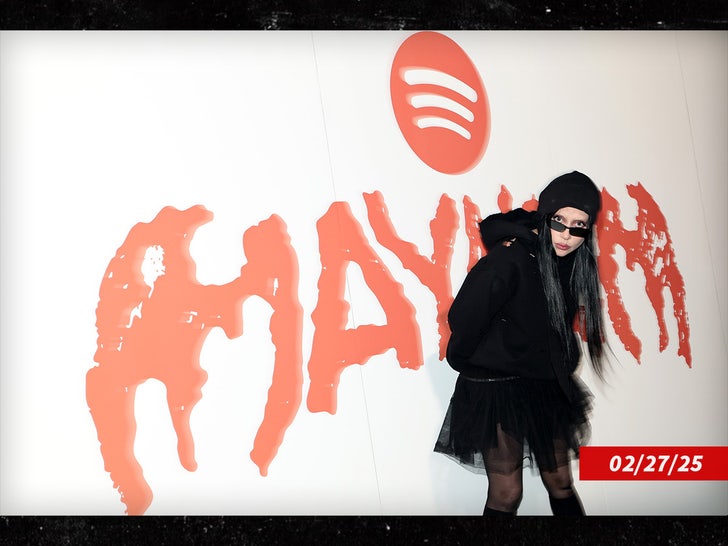
        Lady Gaga clearly isn’t concerned about a lawsuit by a surfboard brand that claims she jacked their logo for her new album … ’cause she released both a fiery response and announced new tour dates!

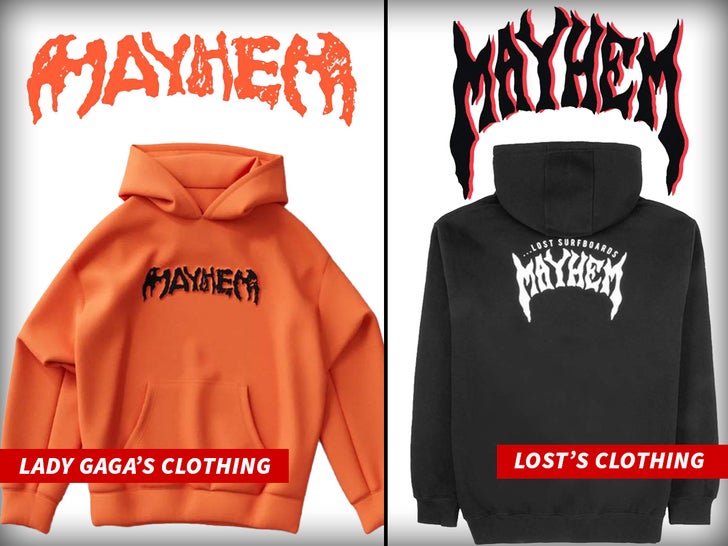
        Here’s the deal … Lost International is suing LG for trademark infringement for her “Mayhem” album … claiming they own the rights to the term as used in the surf company’s distinctive logo — and that Lady Gaga’s use is basically identical.

        Lady Gaga’s clothing losts clothing

        Clearly, Gaga believes the move is shallow … her attorney Orin Snyder telling TMZ the lawsuit is a waste of time — ’cause it’s clear the surf company is trying to board her success.

        “It’s disappointing — but hardly surprising — that someone is now attempting to capitalize on her success with a baseless lawsuit over the name ‘Mayhem,'” Orin tells us … adding, “This is nothing more than an opportunistic and meritless abuse of the legal system.”

        lady gaga mayhem sub getty swipe

        The surf brand says they have owned the “Mayhem” trademark since 2015 and says Lady Gaga is now misappropriating the logo without permission.

        comments-1_720

        Lost is going after Lady Gaga to block her use of the logo and the company wants damages, including any profits she’s made off her use of the “Mayhem” logo.

        Gaga is sure the company is going to wipe out on this one … ’cause she just dropped tour dates for The Mayhem Ball tour — which is set to begin in Las Vegas on July 16.

        It’ll be interesting to see if Lost’s attempt catches a tasty wave — or is forced to bail.


        Source link

        Centralized Exchanges Intend to Destroy Hyperliquid?

        0
        Centralized Exchanges Intend to Destroy Hyperliquid?


        A coordinated group of whales, suspected of being backed by major cryptocurrency exchanges, manipulated the price of the $JELLY token, resulting in substantial losses for Liquid Providers on Hyperliquid.

        Hyperliquid Incurred Significant Exposure Due to the Whales’ Actions

        According to Lookonchain, this trader executed a large short position on Hyperliquid while simultaneously acquiring JELLY tokens externally. Subsequently, the trader removed their margin, causing Hyperliquid’s HLP to take over the $4.5 million loss on the short position. At one point, this large short position exposed HLP to losses exceeding $6 million.

        At the same time, another wallet address opened a Long order on it and at one point owned a PnL of up to 12 million USD.

        Hyperliquid Incurred Significant Exposure Due to the Whales' Actions

        Source: Hyperliquid

        Following this, the whales proceeded to repurchase JELLY, driving the losses on the previously held short position to over $12 million.

        Things aren’t quite as simple as they seem

        According to on-chain investigator ZachXBT, the situation extends beyond initial observations. The two addresses involved in the JELLY price manipulation, 0x20e8 & 0x67f, exhibit connections to centralized exchanges such as OKX, MEXC, Bybit, and Binance. Both addresses demonstrate interactions and have received funding from these exchanges.

        The suspicion that these exchanges may have “malicious intent” against Hyperliquid is further substantiated by the immediate announcements from OKX and Binance, listing Perpetual Pairs for the JELLY memecoin.

        Learn more: Binance will List JELLYJELLY and MAVIA on Perpetual Market

        The price of HYPE reacted erratically

        Following the whale’s price manipulation of the token, the price HYPE experienced a sharp decline. However, fortunately, Hyperliquid promptly delisted JELLY and closed the JELLY short position, thus avoiding any losses.

        This action contributed to a 25% surge in the price of HYPE.

        hyperliquid logohyperliquid logo
        The price of HYPE reacted erraticallyThe price of HYPE reacted erratically

        HYPE price jump sharply after the delist announcement – Source: CoinGecko

        Conclusion

        This incident appears to signal a declaration of hostility by centralized exchanges (CEXs) against Hyperliquid, a decentralized exchange (DEX). Amidst Hyperliquid’s growing market share, this maneuver underscores the necessity for this Layer 1 DEX project to implement substantial enhancements to effectively counter major market competitors.


        Source link

        No Man’s Sky’s Relic Update Delivers Indiana Jones-Style Space Adventure

        0
        No Man’s Sky’s Relic Update Delivers Indiana Jones-Style Space Adventure


        Summary

        Uncover ancient alien civilizations with the new Relic update, turning you into an intergalactic treasure hunter. Hunt for ultra-rare relics to trade at space stations, creating personal alien museums. Encounter threats like Artifact Guardians and Titan Worms at excavation sites, adding a thrilling risk-reward dynamic.

        No Man’s Sky has never been short on adventure, but its latest Relic update 5.6 takes planetary exploration to a whole new level. Hello Games has introduced a full-fledged archaeological system, turning you into an intergalactic treasure hunter.

        Think Indiana Jones, but with a jetpack, a scanner, and an entire galaxy of lost civilizations to uncover.

        Announced by Hello Games founder Sean Murray, the now-available Relic update expands on the game’s excavation mechanics in a massive way. For years, players have been digging up buried technology and resources, but now you’ll be unearthing the remains of ancient alien creatures.

        Related

        Eight Years Later No Man’s Sky Receives ‘Very Positive Status’ And It’s On Sale

        The greatest redemption story in gaming continues, and now it’s on sale!

        No Man’s Sky Universe of Hidden and Risky Relics

        no man's sky gas giant

        You can reassemble fossils into full skeletons and display them in your bases, effectively turning your outposts into personal alien museums. Some relics, however, are far rarer than others, making the hunt for the most valuable discoveries all the more rewarding.

        These ultra-rare artifacts can be traded for a hefty sum at space stations, giving you a lucrative reason to channel your inner archaeologist.

        Players are already showcasing intricate museums filled with reconstructed fossils, with some comparing the experience to real-world paleontology. As one fan put it:

        “I spent hours just hunting for bones—it’s like an intergalactic Indiana Jones adventure!”

        Related

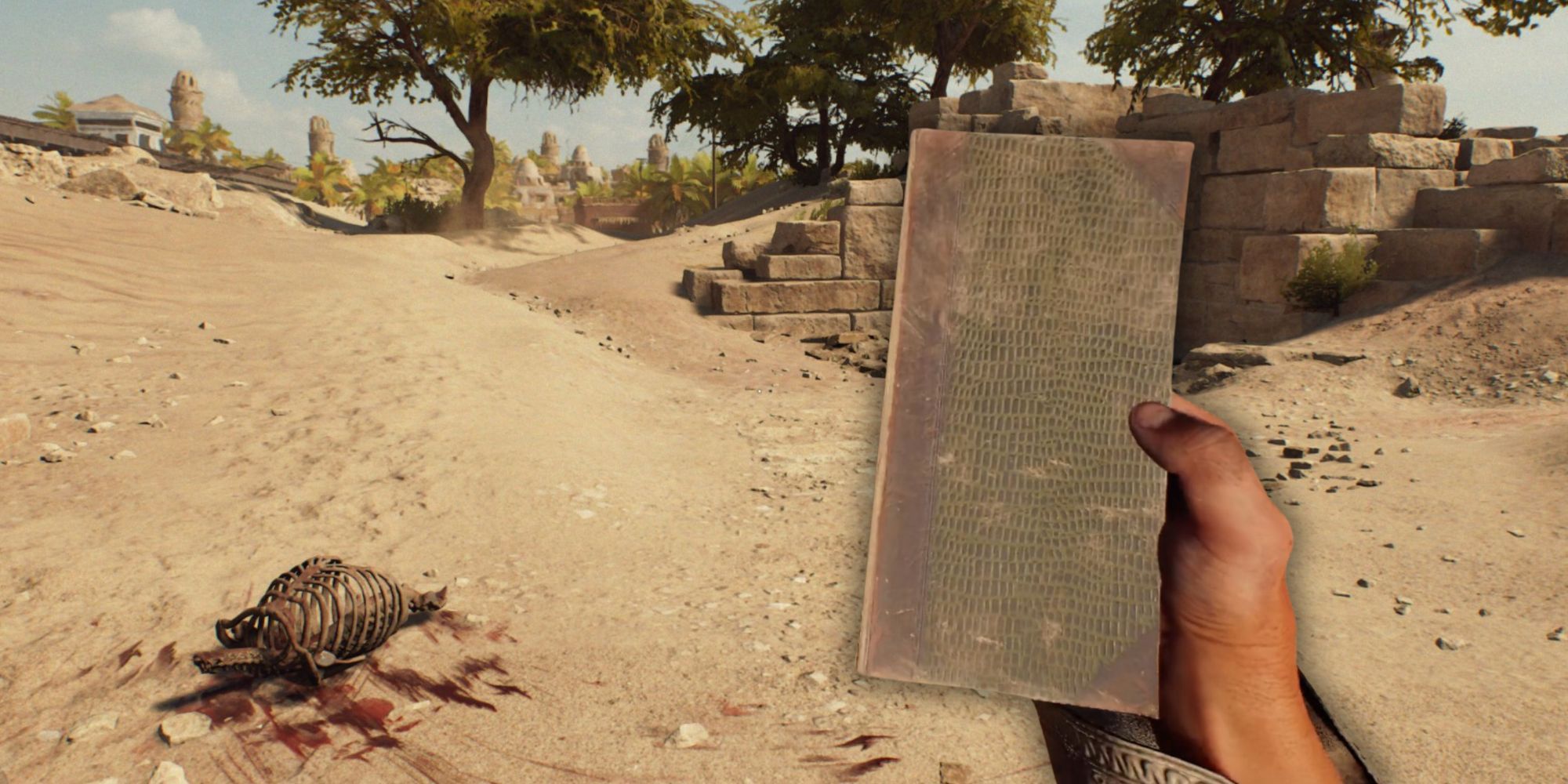
        Indiana Jones and the Great Circle: Where to Find the Gizeh Relics Map

        Get your hands on those Ancient Relics!

        In true Indiana Jones fashion, not every excavation goes smoothly. Alongside the excitement of unearthing ancient remains, you will need to contend with new threats lurking beneath the surface.

        Much like Indy dodging poison darts and rolling boulders, No Man’s Sky’s latest update introduces formidable Artifact Guardians. These encounters aren’t just aesthetic additions; they add a thrilling risk-reward dynamic to exploration.

        And that’s not all. Titan Worms are now even more present, adding an ever-looming sense of danger to excavation sites. It’s the kind of grand mystery that would have even Dr. Jones reaching for his whip.

        “Players should be wary where they choose to excavate, though. Dangerous creatures guard the greatest treasure and may be awoken from their slumber, including Stone Ghosts and the colossal Stone Golem,” Hello Games warned.

        Related

        No Man’s Sky February Update 5.56 Fixes Titan Expedition Bugs and PS5 Crashes

        No Man’s Sky’s latest update fixes keep the spacefaring adventure smooth.

        If you’re aiming to complete full skeleton collections, space stations now feature specialist NPCs who facilitate fossil trading. They allow you to swap duplicate bones for missing pieces, enhancing the sense of progression and encouraging collaboration as you seek out the rarest and most elusive remains.

        Much like a real-world archaeologist, or, say, a rogue adventurer bartering for ancient relics in a shady backroom, you will need to track down specific fossils to complete your collections. And with some relics fetching sky-high prices, there’s a booming new economy emerging in No Man’s Sky’s intergalactic black market.

        Following the massive Worlds Part II update earlier this year, Relic is yet another example of how the studio continues to inject fresh, engaging mechanics into its ever-expanding universe.

        Late last year, Hello Games hailed No Man’s Sky, hitting a ‘very positive’ Steam user review rating for the first time, eight years after players initially slammed the game’s controversial launch.

        Relic Update 5.6 is out now across PC, console, and VR for free.

        Next

        Nintendo Direct for March 27th, 2025: How to Watch & What Times

        Before we learn more about the Nintendo Switch 2, it’s one last hurrah for the Nintendo Switch.

        mixcollage-07-dec-2024-08-42-am-1209.jpg

        Released August 9, 2016

        ESRB T for Teen: Fantasy Violence, Animated Blood


        Source link

        The Seven Deadly Sins NFT Collection Hits OpenSea | NFT News Today

        The Seven Deadly Sins NFT Collection Hits OpenSea | NFT News Today


        The popular anime franchise Seven Deadly Sins has made a jump from Netflix screens to the blockchain world with an NFT collaboration between OpenSea and YOAKE. This partnership is another convergence of mainstream entertainment and digital collectibles, with scenes from the beloved series becoming available as digital assets on Sony’s Soneium chain.

        Key Takeaways:

        Anime Meets Blockchain: The Seven Deadly Sins NFT Collection

        In a move that has fans buzzing, OpenSea has partnered with YOAKE to release YOAKE & The Seven Deadly Sins Anime Series NFTs. The collection features iconic scenes from Netflix’s The Seven Deadly Sins: Cursed by Light movie and the wildly popular anime series. Minting kicked off on March 25, 2025, with unlimited NFTs available during a 72-hour window at an accessible price point of 0.002 ETH, roughly $4.12.

        The artwork prominently showcases fan-favourite characters Meliodas and Zeldris from Cursed by Light, capturing the dynamic relationship between the demon brothers. This blockchain anime collaboration represents a new frontier for digital collectibles tied to major entertainment franchises.

        OpenSea’s Comeback in the NFT Space

        While new marketplaces have challenged its position in recent years, OpenSea has staged a resurgence in 2025. OpenSea dominated the NFT market last week, capturing 40.1% of total trading volume and a massive 78.8% of all trades, according to Dune analytics.

        OpenSea’s announcement of the upcoming launch of its SEA token and partnerships like the Seven Deadly Sins collaboration have fueled its return to dominance.

        Seven Deadly Sins on OpenSea

        From Manga to Global Netflix Phenomenon

        The Seven Deadly Sins has transformed from a popular manga into a global entertainment powerhouse. Available in 190 countries via Netflix, the anime was a huge success in its 2020 debut, becoming one of the Top 10 titles among all series in over 70 countries since its launch. The franchise has sold over 55 million manga copies worldwide, cementing its status as a cultural phenomenon.

        Netflix has continued to invest in the franchise, adding the sequel Four Knights of the Apocalypse in 2025. The streaming giant now offers 124 episodes and four movies globally, with Cursed by Light (2021) and various spinoffs remaining Netflix exclusives. This widespread availability has created the perfect foundation for the franchise’s expansion into NFTs.

        YOAKE’s Approach to Fan Engagement

        YOAKE has positioned itself as more than just an NFT creator—it’s a fan engagement protocol that merges Japanese pop culture with blockchain technology. By minting the Seven Deadly Sins NFTs on Soneium, Sony’s Ethereum Layer 2 chain, YOAKE leverages scalability benefits while maintaining security.

        This model aligns perfectly with Web3 community-building goals, representing an evolution beyond traditional anime merchandise. Rather than physical collectibles with limited reach, blockchain-based digital assets offer fans worldwide the opportunity to own authentic pieces of their favorite franchise.

        Collectors will gain access to exclusive benefits and community engagement opportunities. YOAKE has hinted at an extensive roadmap for future anime collaborations, suggesting early adopters may receive preferential access to upcoming releases.


        Source link

        Crypto Adoption Surges in Africa While Global Growth Faces Hurdles

        Crypto Adoption Surges in Africa While Global Growth Faces Hurdles


        In Brief

        Crypto adoption surges in Africa and Southeast Asia, while global growth faces challenges from security concerns, high transaction costs, and limited merchant acceptance.

        Crypto Adoption Surges in Africa While Global Growth Faces Hurdles

        Cryptocurrency use is accelerating in some places, but security concerns and limited merchant acceptance restrain global mainstream adoption. Bitget Wallet’s newest Onchain Report offers insights into the geographical dynamics affecting the future of digital asset transactions.

        According to a poll of 4,599 users, Africa (52%) and Southeast Asia (51%) dominate in cryptocurrency payment usage, while North America, Oceania, and Western Europe fall behind owing to regulatory uncertainty and privacy concerns. Despite huge demand for cross-border transactions, Latin America has transaction cost problems. These statistics highlight the many variables impacting crypto acceptance in different markets.

        Africa and Southeast Asia Drive Adoption

        Africa has emerged as the global leader in crypto payment use, with 52% of respondents using cryptocurrency for transactions. Limited access to traditional banking infrastructure and enormous remittance fees have made digital assets a feasible option. Mobile-based financial solutions and peer-to-peer networks help to boost crypto’s influence in the region.

        Southeast Asia follows closely, with 51% of respondents reporting using cryptocurrency for payments. Many individuals and organizations use cryptocurrencies to avoid currency conversion fees and reduce the expenses associated with overseas transactions. The region’s digital-first economy, along with a young populace familiar with blockchain technology, promotes quick adoption.

        Latin America Faces High Transaction Fees

        Latin America has a significant need for cryptocurrency payments, with 41% acceptance, but high transaction costs remain a significant barrier. The usage of cryptocurrencies for cross-border transfers is common, as many people seek alternatives to established remittance methods. However, expenses associated with blockchain transactions, particularly on highly congested networks, discourage widespread use.

        Despite these limitations, stablecoins have gained popularity as a solution to avoid local currency fluctuation. The dependence on digital assets in Latin America is projected to grow as options for lowering transaction costs become more widely available.

        Privacy and Seamless Transactions in Developed Markets

        In North America and Oceania, 36% of respondents choose cryptocurrency for smooth worldwide transactions. This need derives from a desire for more financial independence and efficiency. Businesses that operate globally benefit from cryptocurrency’s capacity to conduct quick and cost-effective cross-border transactions.

        Western Europe, with 35% adoption, and the Middle East, with 38%, have differing adoption goals. Western European users are concerned about privacy, but Middle Eastern consumers utilize cryptocurrency to hedge against economic volatility. The regulatory landscape in these regions continues to influence adoption patterns as policymakers evaluate frameworks that balance innovation and consumer protection.

        Security Risks and Limited Merchant Acceptance as Barriers

        Despite localized success, security concerns remain a major barrier to worldwide crypto acceptance. According to the poll, 37% of respondents view security concerns as a main barrier. Hacking, fraud, and scam incidents all contribute to potential adopters’ hesitation. To establish confidence in the ecosystem, robust security solutions like multi-signature wallets, smart contract audits, and regulatory compliance are required.

        Limited merchant acceptance acts as a barrier, with 31% of respondents claiming that the inability to utilize cryptocurrency for everyday transactions limits greater adoption. While some companies accept crypto payments, widespread adoption needs further infrastructure support. Payment processors and point-of-sale systems that simplify cryptocurrency transactions are critical to eliminating this obstacle.

        Future Outlook for Crypto Payments

        The findings indicate that regional adoption patterns will continue changing in response to local economic situations, legislative reforms, and technical breakthroughs. Africa and Southeast Asia are primed to continue their leadership in crypto transactions due to their reliance on digital assets for financial inclusion. Meanwhile, developed markets may see growth as privacy-focused technologies and stronger security standards gain popularity.

        The role of corporations and governments in promoting adoption is critical. Increased collaboration between traditional financial institutions and cryptocurrency service providers might close existing gaps, making digital assets more accessible for routine transactions. As security issues are resolved and merchant use grows, the worldwide landscape of cryptocurrency payments is expected to evolve, opening the path for wider acceptance.

        Disclaimer

        In line with the Trust Project guidelines, please note that the information provided on this page is not intended to be and should not be interpreted as legal, tax, investment, financial, or any other form of advice. It is important to only invest what you can afford to lose and to seek independent financial advice if you have any doubts. For further information, we suggest referring to the terms and conditions as well as the help and support pages provided by the issuer or advertiser. MetaversePost is committed to accurate, unbiased reporting, but market conditions are subject to change without notice.

        About The Author


        Victoria is a writer on a variety of technology topics including Web3.0, AI and cryptocurrencies. Her extensive experience allows her to write insightful articles for the wider audience.

        More articles


        Victoria d’Este


        Victoria is a writer on a variety of technology topics including Web3.0, AI and cryptocurrencies. Her extensive experience allows her to write insightful articles for the wider audience.


        Source link

        Starknet Upgrades To V0.13.5, Improving Transaction Costs And Developer Experience

        Starknet Upgrades To V0.13.5, Improving Transaction Costs And Developer Experience


        In Brief

        Starknet has released the v0.13.5 upgrade on mainnet, ensuring it maintains cost-efficiency even as demand for Ethereum blobs grows by optimizing blob usage through state diff compression.

        Starknet Upgrades To v0.13.5, Enhancing Transaction Costs And Developer Experience

        Ethereum Layer 2 network, Starknet has announced the release of its v0.13.5 upgrade on mainnet, bringing improvements to transaction costs and the developer experience (DevX). This upgrade ensures Starknet maintains its cost-efficiency even as demand for Ethereum blobs grows, by optimizing blob usage through state diff compression. Additionally, the upgrade introduces the concept of Layer 2 gas, laying the foundation for future fee markets.

        The v0.13.5 upgrade continues Starknet’s focus on keeping fees low by enhancing the way data is submitted to Ethereum. Through the optimization of blob usage, the impact of rising blob costs is reduced, making transactions more affordable. This update builds on the stateless compression introduced in v0.13.3, incorporating stateful compression, which improves the efficiency of storage key encoding over time by minimizing redundancy in state updates.

        Stateful compression tracks and optimizes the appearance of storage keys across multiple updates. Instead of repeatedly writing the full storage key in the state diff, Starknet now references it with an “alias” (a small integer), allowing more diffs to be packed into each Ethereum blob and reducing Layer 1 costs. 

        With this upgrade, Starknet ensures that its transactions remain cost-effective, even amid increasing Ethereum data costs, reinforcing its position as a long-term, scalable solution for cost-efficient Ethereum scaling.

        Starknet v0.13.5: Introducing Layer 2 Gas And Error Handling For Improved Developer Experience

        Additionally, this upgrade sets the stage for future developments. One key addition is Layer 2 gas, a new resource model introduced in v0.13.5, which will form the core of Starknet’s upcoming fee market in v0.14.0. This shift is aimed at making fees more predictable, scalable, and sustainable, helping reduce volatility over time and paving the way for a more efficient and stable fee market.

        Beyond fee optimizations, v0.13.5 brings an improvement for developers in terms of contract execution: error handling. Smart contracts can now catch errors, preventing immediate execution halts.

        This capability to handle and respond to execution errors provides a more flexible and robust developer experience. It gives developers greater control over execution flow, allowing them to write more resilient applications that can address unexpected issues, rather than merely reverting transactions.

        This change is part of Starknet’s broader goal to improve its developer ecosystem by making it more intuitive and user-friendly. Alongside error handling, v0.13.5 introduces a new Wallet-Dapp application programming interface (API), which simplifies interactions between wallets and decentralized applications (dApps). By eliminating strict dependencies on specific versions of Starknet.js, this update ensures a unified standard across the ecosystem and facilitates smoother integrations between dApps and wallets.

        While v0.13.5 introduces key improvements, it also lays the groundwork for even more important developments in the future. One of the most notable upcoming features is Cairo-native execution, which enhances performance by allowing contracts to run as native machine code rather than being processed by the Cairo VM. Although this optimization is still in the testing phase and hasn’t yet been activated on the mainnet, it marks a clear step in Starknet’s direction towards increased throughput, faster execution, and a network that can scale more easily.

        With the upcoming v0.14.0 release, Starknet plans to introduce 2-second blocks, a fee market, and additional efficiency upgrades. Each successive update brings Starknet closer to its goal of becoming a scalable, cost-efficient, developer-friendly blockchain network built for long-term sustainability.

        Disclaimer

        In line with the Trust Project guidelines, please note that the information provided on this page is not intended to be and should not be interpreted as legal, tax, investment, financial, or any other form of advice. It is important to only invest what you can afford to lose and to seek independent financial advice if you have any doubts. For further information, we suggest referring to the terms and conditions as well as the help and support pages provided by the issuer or advertiser. MetaversePost is committed to accurate, unbiased reporting, but market conditions are subject to change without notice.

        About The Author


        Alisa, a dedicated journalist at the MPost, specializes in cryptocurrency, zero-knowledge proofs, investments, and the expansive realm of Web3. With a keen eye for emerging trends and technologies, she delivers comprehensive coverage to inform and engage readers in the ever-evolving landscape of digital finance.

        More articles


        Alisa Davidson


        Alisa, a dedicated journalist at the MPost, specializes in cryptocurrency, zero-knowledge proofs, investments, and the expansive realm of Web3. With a keen eye for emerging trends and technologies, she delivers comprehensive coverage to inform and engage readers in the ever-evolving landscape of digital finance.


        More articles


        Source link

        Popular Posts

        My Favorites

        Do You Dream in Color? The Science of Color – University...

        University of Fashion’s lesson on Color Theory (Image credit: University of Fashion) Every day, we’re surrounded by color—but how often do we stop to...