Home Blog Page 75

Why Ready Player One Scares Me | Metaverse Planet

Why Ready Player One Scares Me | Metaverse Planet


I genuinely shivered when I watched Ready Player One again last night. It wasn’t a fun, popcorn-flicking shiver; it was a deep, unsettling feeling that settled right in my bones. I didn’t see a fun action movie about video games. I saw a documentary about our potential future that hasn’t happened yet. And it scared me.

I love technology. I live for it. But this film made me question everything about where we are heading. It wasn’t just about cool VR headsets and 80s pop culture references. It was about a core philosophy that is terrifyingly relevant today: Are we building a digital paradise because we’ve fundamentally given up on fixing the real world?

Escapism as a Service: The OASIS vs. The Stacks

The contrast in the movie is brutal. On one side, you have Columbus, Ohio in 2045. It’s a dystopian wasteland. People live in “The Stacks,” which are exactly what they sound like: mobile homes piled ridiculously high on shaky metal scaffolds. It’s a visual representation of poverty and societal collapse. The air is filthy, the streets are dangerous, and there is absolutely no hope.

But then, they put on their headsets.

They enter the OASIS. It’s vibrant, it’s endless, and you can be whatever you want to be. The colors are sharper, the music is better, and the sense of possibility is intoxicating. This isn’t just a game; it’s the place where people live, work, and dream. This is where the warning begins.

The Real Danger of Digital Utopia

The movie isn’t warning us that VR will be “addictive.” We already know that. It’s warning us that when our digital lives become objectively better than our physical lives, we lose the motivation to fix the physical world. Why try to clean the air or demand better housing when you can just plug in and fly through a nebula? The OASIS isn’t an escape; it’s an anesthetic.

The Sorrento Syndrome: Who Really Runs Your Reality?

Sorrento, the villain, represents IOI, the massive corporate behemoth trying to seize control of the OASIS. His goal isn’t just profit; it’s total saturation. He wants to monetize every pixel. He famously brags about being able to cover 80% of a user’s visual field with advertisements before causing seizures.

I look around today, and I see Sorrento everywhere.

We are watching real-life tech giants racing to build the actual OASIS. Meta (Facebook), Apple, Epic Games, Roblox—they all want to be the foundation.

Meta is throwing billions at the Quest hardware, essentially building the goggles.Epic Games has Unreal Engine, creating the visuals that make digital worlds indistinguishable from reality.Apple just released the Vision Pro, merging digital interfaces with physical space.

They aren’t doing this out of the goodness of their hearts. They want to own the digital world that we might someday depend on. The battle in Ready Player One isn’t fictional; the real-life version is happening right now in boardroom meetings. If we aren’t careful, the real future OASIS won’t be run by a quirky genius like Halliday; it will be run by a committee of Sorrentos.

When Reality Completely Collapses: Are We Just Distracting Ourselves?

The movie forces us to face a difficult philosophical truth, which is summarized brilliantly near the end: “Reality is the only thing that’s real.”

This is the core of Ugu’s fear. Are we just building a digital paradise to ignore the fact that the real world is collapsing? Think about the money and resources flooding into VR and AI development. Now think about the money and resources dedicated to solving climate change, fixing housing crises, or addressing economic inequality. The imbalance is striking.

We have the technology to make VR seem more real than reality, but do we have the will to make our physical reality livable? If we are dedicating our best minds to creating digital escapes, we are essentially giving up on the real world. We are choosing to medicate the symptom (unhappiness) rather than curing the disease (a collapsing societal structure).

The Ultimate Decision: Hack or Dream?

I think Ready Player One is a warning, not just a sci-fi movie. It’s a mirror reflecting our current course back at us, amplified and exaggerated so we can’t ignore it. It challenges us to decide what we truly value.

The ultimate question posed by the film is this: If reality completely collapses, would a VR headset be your only escape? I really wonder what you think about this. It’s not an abstract question anymore. We are facing the earliest versions of this dilemma today.

Which Side Are You On?

We are approaching a crossroads. Which side are you on? Would you hack the system, like Wade and his friends, to save the core essence of reality and humanity? Or would you surrender to the sweet, endless, customized digital dream, accepting the slow decay of the physical world because the digital one is just too perfect to leave?

Let me know in the comments! I genuinely want to know where you stand on this. I can’t be the only one shivering.

You Might Also Like;


Source link

‘Southern Hospitality’ Stars Joe Bradley and Maddi Reese’s Relationship Timeline

    0
    ‘Southern Hospitality’ Stars Joe Bradley and Maddi Reese’s Relationship Timeline


    Joe Bradley and Maddi Reese’s connection on Southern Hospitality was obvious from the start — but it wasn’t until season 3 that their friendship turned romantic.

    “I really have had feelings for her for years, but we were also best friends,” Joe exclusively told Us Weekly in December 2024. “One day I would wake up and be like, ‘I have a chance with a girl in my dreams’ and the next day I’ll be like, ‘This will never happen.’ And most of our friends told me it would never happen.”

    While Joe and Maddi started out as best friends when season 1 of Southern Hospitality premiered in 2022, Joe harbored romantic feelings for her behind closed doors. Once Maddi was single at the start of 2024, he finally made his move.

    The pair’s romance went public after Us Weekly exclusively debuted the show’s season 3 trailer in November 2024. In the video, Maddi and Joe seemingly got hitched in Las Vegas.

    “I think everything in our life is spur of the moment, so it’s pretty on brand for us,” Joe told Us that December, before later revealing the Sin City nuptials weren’t legal. Married or not, the couple are still going strong — even after a few season 4 hiccups.

    Scroll down to see Joe and Maddi’s love story from the beginning:

    November 2022

    Astrid Stawiarz /BRAVO

    Fans were introduced to Maddi and Joe — as well as their Republic Garden & Lounge coworkers — during the Southern Charm spinoff, Southern Hospitality. At the time, Joe and Maddi were both VIP servers. Maddi was also a DJ who often performed at the Charleston bar.

    January 2023

    During season 1, episode 8, Joe revealed he had romantic feelings for Maddi amid her on-again, off-again relationship with Trevor Stokes. The revelation led to a showdown between Joe and Trevor. Joe was also yelled at by Maddi and coworker Mia Alario, since he was getting cozy with her around the same time.

    February 2023

    Southern Hospitality Stars Joe Bradley and Maddi Reese s Relationship Timeline 327
    Charles Sykes/Bravo

    Joe called Maddi his “work wife” via Instagram, sharing a photo of the pair at Republic.

    December 2023

    Maddi exclusively told Us that she was single after breaking up with Trevor Stokes. Her ups and downs with Trevor — which included two cheating scandals — played out during season 2 of Southern Hospitality, which aired from December 2023 to February 2024.

    “I am focusing on myself,” Maddi explained to Us in December 2023. “I need no drama for a couple of months.” She noted at the time that she wanted a “stable home” so she was trying to “manifest that in my life.”

    January 2024

    Southern Hospitality Stars Joe Bradley and Maddi Reese s Relationship Timeline 325
    Stephanie Diani/Bravo

    After crossing paths at BravoCon in November 2023, Joe sparked a romance with Summer House star Danielle Olivera. He raised eyebrows in January 2024 when Us broke the news that Joe was spotted getting cozy with Luann De Lesseps at a New York City hotel. (Joe denied anything happened between him and Luann, but eventually confirmed they’d kissed.)

    That same month, Joe exclusively told Us that he was “kind of pressing the breaks a little bit” with Danielle. Danielle, meanwhile, confirmed in February 2024 that they were no longer dating.

    February 2024

    Following the Southern Hospitality season 2 reunion, Joe and Maddi “started hanging out,” according to Joe. He exclusively told Us months later, “I have not been with anyone or kissed anyone since last winter around February.”

    April 2024

    Southern Hospitality Stars Joe Bradley and Maddi Reese s Relationship Timeline 324
    Bryan Steffy/Bravo

    Joe confirmed to Us that he and Maddi “started being boyfriend and girlfriend in the middle of April,” which was “a little bit before the cameras came around” for season 3 of the Bravo series.

    Maddi added, “We just started dating weeks before we started filming, so I feel like we’re figuring it all out.” She confessed to Us, “I am still uneasy about getting into another relationship or dating or even putting myself out there, so I just feel like it’s going to be really interesting watching that play out and everything.”

    July 2024

    Maddi shared photos from her DJ performance in Las Vegas via Instagram, revealing that the Southern Hospitality cast was there to cheer her on. The performance occurred on what appeared to be the same weekend when Joe and Maddi “got married” by an Elvis impersonator. (The wedding was not legal.)

    “I feel like you’re going to have to tune in to find out [if it’s real],” Maddi teased during a joint interview with Joe in December 2024, telling Us, “I feel like you watch our whole journey from [when] we just started dating to talking about getting serious and taking that kind of big next step. You’ll see that play out and I’m excited because we’re in Vegas when it happens, and that trip is awesome.”

    Joe called the wedding an “epic moment” that he chose to participate in to “show my love for her and prove all the haters wrong.”

    December 2024

    Southern Hospitality Stars Joe Bradley and Maddi Reese s Relationship Timeline 320
    Courtesy of Maddi Reese/Instagram

    “We’re very happy right now,” Joe gushed to Us about his romance with Maddi, noting that he had to “give her time and space to make that safe decision” that she wanted to date him.

    Maddi, meanwhile, told Us that “timing was everything” when it came to the start of her relationship with Joe. “I always had feelings for Joe, but I just didn’t know if it was past a friendship or now,” she said, adding that taking that leap of faith was “definitely worth taking that risk.”

    Southern Hospitality Premiere Where Do Emmy and Will More Couples Stand

    Related: ‘Southern Hospitality’ Premiere: Where Do Emmy and Will, More Couples Stand?

    Courtesy of Emmy Sharrett/Instagram The Southern Hospitality cast came in hot during the season 3 premiere — and not everyone was on speaking terms. “He’s going to f— you over!” TJ Dinch warned Emmy Sharrett during the first few minutes of the Thursday, January 2, premiere, after several of their castmates claimed that her boyfriend, […]

    January 2025

    During the season 3 premiere of Southern Hospitality, both Maddi and Joe confirmed their relationship status. As the season continued, Maddi confessed that their friend TJ Dinch spreading rumors about Joe’s sexuality delayed the couple’s romance.

    “Three years ago, everyone was talking about the rumor. So, of course, I kinda believed TJ when he told me Joe is flirty, or fruity, or what’s the word? Gay,” Maddi shared during the January 9 episode. “That was the reason why I did not hook up with Joe for a long time.”

    Weeks later, Joe shared his own hesitations about their budding romance, telling the cameras, “A little part of me fears she gets so big she outgrows Charleston” and would leave him behind.

    “I already feel she feels like cabin fever living in this small town. I love it here,” he said during the January 30 episode, confessing that, “At the end of the day I want to be her home base.”

    Joe later expressed his fears to Maddi, telling her that his “ultimate dream” is to “have a family” with her someday. She revealed, “I do want kids. Marriage. I do.”

    March 2025

    “It is a little daunting being a reality TV couple,” Joe exclusively told Us on March 6. “I’ve seen some of my favorite couples on reality TV implode.”

    He noted that despite the tendencies for TV pairings to split after sharing the small screen, Joe said he’s “not afraid” that will be the case for him and Maddi. “I think we’re in a good spot. Bring it on,” Joe teased.

    “I think we’re a special case because we were best friends before the show, and I think it wasn’t forced,” Joe explained. “Timing was in our favor and it kind of happened organically.”

    April 2025

    Southern Hospitality Stars Joe Bradley and Maddie Reese Timeline April 2025
    Courtesy of Joe Bradley/Instagram

    Joe attended his first Coachella Music Festival in Indio, California, with Maddie, calling it his “rookie year.” The pair hung out with The Valley’s Scheana Shay and Brock Davies.

    July 2025

    The couple celebrated Independence Day with a trip to the Hamptons in New York.

    December 2025

    Southern Hospitality Stars Joe Bradley and Maddie Reese Timeline December 2025
    Courtesy fo Joe Bradley/Instagram

    Maddi and Joe ended the year with a snow-filled getaway to Steamboat Springs, Colorado, where they rode horses and hit the slopes.

    April 2026

    During season 4 of Southern Hospitality, Maddi and Joe butted heads over his drinking and how it was affecting their relationship.

    “Joe told me he was working last night,” Maddi told pal Michols Peña during the April 8 episode, which filmed in 2025, noting that when she checked Joe’s location, he was “at another bar” and not at Republic, the bar where he works.

    Maddi later confronted Joe about his alleged lie, confessing, “I’m just pissed because I feel like I’m constantly checking your location and you’re not at Republic. You’re out at the bar. I don’t find it that appropriate.”

    She explained, “I support you starting a business and you bettering your life. I do not support you saying that you’re doing that but then you’re out drinking and going on a bender.”

    Joe clapped back, claiming, “I wasn’t on a bender. I went home at 11 p.m.” He also alleged that he never told Maddi he was going to be at work, she made that up.

    Southern Hospitality Cast s Dating History Inside the Bravo Stars Love Lives

    Related: ‘Southern Hospitality’ Cast’s Dating History: Inside Bravo Stars’ Love Lives

    The cast of Southern Hospitality prides themselves on being Charleston’s life of the party — but their love lives aren’t always fun and games. The Southern Charm spinoff premiered in 2022 and follows Leva Bonaparte and her Republic Garden & Lounge employees, many of whom are young, single and ready to mingle. During the debut […]

    “I think we need space. I think our realities aren’t matching up,” Maddi admitted after claiming that he was “lying” to her about his actions.Joe alleged, “It’s in your f***ing head” and that she was “spiraling.”

    Maddi, who has been sober since she was a teenager, later told the cameras, “This is the first time in any relationship I’ve been more worried about my boyfriend getting wasted than cheating on me. It’s extremely triggering to my sobriety.”

    Joe stormed off during his and Maddi’s conversation, claiming it’s “all in your head” and that he wasn’t doing anything wrong.

    “He’s f***ing gaslighting me,” Maddi yelled as she followed him out to his car, which he denied.

    “I feel like he’s going out all the time and getting hammered. I feel like I’m a f***ing enabler,” Maddi told Michols. “I don’t know if I’m mentally and emotionally OK with being with the town drunk. I don’t know what to do.”


    Source link

    BlackRock’s Onchain Strategy: BUIDL, Bitcoin, and Tokenized Funds Explained | NFT News Today

    BlackRock’s Onchain Strategy: BUIDL, Bitcoin, and Tokenized Funds Explained | NFT News Today


    For most of crypto’s history, tokenization has lived in an odd spot. It has been one of the sector’s most repeated promises, yet for years it remained more of a talking point than a serious product line for the largest firms in finance. BlackRock has started to change that.

    The company has already launched BUIDL, its tokenized U.S. Treasury fund on a public blockchain. It has also introduced DLT Shares for its Treasury Trust Fund, a move that points to something larger than a one-off crypto product. Read together, these steps suggest BlackRock is thinking seriously about how fund ownership, transfer, settlement, and servicing may work in the years ahead.

    That matters because BlackRock is not experimenting from the margins. It is the largest asset manager in the world. At the end of 2025, the firm reported roughly $14 trillion in assets under management. When a company of that size decides tokenization is worth building around, people notice. Regulators notice. Competitors notice. Institutional allocators notice.

    And Larry Fink, BlackRock’s chairman and CEO, has not been subtle about where he thinks this is going. In his 2025 annual letter, he wrote: “Every stock, every bond, every fund—every asset—can be tokenized.” That line has been quoted widely, but it is worth pausing on. It is a striking statement from the head of the world’s largest asset manager, especially from someone who once sounded deeply skeptical of crypto.

    The key point is this: BlackRock is no longer treating tokenization as a thought exercise. It is treating it as a serious part of market infrastructure.

    BlackRock’s plan, in practical terms

    The easiest way to understand BlackRock’s tokenization strategy is to start with what it has chosen to tokenize first.

    So far, the firm has focused on the most institutionally legible corner of the market: cash management, short-duration U.S. government exposure, and blockchain-linked fund-share recordkeeping. That is a sensible place to begin. Treasury products are already used across liquidity programs, collateral workflows, and treasury operations. They are familiar, heavily used, and relatively low risk compared with more speculative assets.

    That is what makes BUIDL and DLT Shares so revealing. BlackRock is not opening with private equity, venture exposure, or illiquid collectibles. It is beginning with the plumbing of finance: yield-bearing cash equivalents, Treasury-backed products, and the mechanics of ownership and transfer.

    That choice tells you a lot about how the company sees the opportunity. BlackRock is not chasing tokenization because it sounds futuristic. It is starting where the product-market fit is easiest to explain to institutions.

    Why BlackRock matters more than most firms in this conversation

    BlackRock is not simply a giant fund manager. It sits across ETFs, fixed income, cash management, retirement investing, alternatives, and market technology through Aladdin. That broad footprint gives it unusual reach.

    This matters because tokenization is not just a product story. It is also a distribution story, a servicing story, and a market-structure story. A smaller firm can launch a tokenized fund. BlackRock can do something more consequential: it can connect tokenization to mainstream distribution, client relationships, and operating infrastructure.

    It also has meaningful reach in public-policy discussions. BlackRock says on its public policy page that it engages on issues it believes affect clients’ long-term interests. That does not mean the firm sets the rules. It does mean BlackRock is better positioned than many crypto-native firms to take part in the conversations that will shape tokenized securities, digital identity, transfer controls, and custody standards.

    That combination of scale, market access, and policy visibility is a big reason BlackRock’s moves carry more weight than the average blockchain launch.

    How far BlackRock’s stance has shifted

    Part of what makes this story so interesting is that BlackRock was not an early crypto true believer.

    Back in 2017, Larry Fink’s public view of Bitcoin was openly dismissive. Reuters quoted him calling it “a very speculative instrument” and “an instrument that people use for money laundering” in its coverage at the time. That was not the language of a company preparing to move aggressively into digital assets.

    By 2021, the tone had started to soften. Reuters reported that BlackRock was studying cryptocurrencies to assess whether they might offer countercyclical benefits. That was a meaningful change, even if it was still cautious language.

    Then came the next phase: regulated exposure. BlackRock later launched IBIT, its spot Bitcoin ETF product, offering access through a wrapper institutions and advisers already understood. In his 2025 letter, Fink said BlackRock’s Bitcoin ETP had expanded the firm’s investor base and brought in many first-time iShares buyers.

    That progression matters. BlackRock did not leap from skepticism to full-throated crypto enthusiasm. It moved in stages: from rejection, to study, to regulated exposure, and then into tokenized fund structures. That is the pattern of a large institution slowly gaining confidence in a new market once the right wrapper, partners, and compliance rails are in place.

    What changed inside BlackRock’s thinking

    Several things seem to have changed at once.

    First, the infrastructure got better. By the time BlackRock launched BUIDL in 2024, it could do so with Securitize handling tokenization-related functions and BNY Mellon acting as custodian and administrator. That is the kind of operating stack institutions recognize. It looks much less like an experiment built for crypto insiders and much more like a product built to sit alongside traditional financial operations.

    Second, regulated wrappers proved there was demand. BlackRock’s success with IBIT showed that investors were willing to access digital assets through familiar structures rather than purely crypto-native channels.

    Third, tokenization itself started to look less like a speculative theme and more like a practical improvement to financial infrastructure. In his 2025 annual letter, and later in an Economist op-ed co-authored with BlackRock COO Rob Goldstein, Fink framed tokenization around lower friction, faster transfers, and broader access over time.

    He also wrote in that letter: “Decentralized finance is an extraordinary innovation. It makes markets faster, cheaper, and more transparent.” That is a remarkable line coming from the same executive who once attacked Bitcoin in public.

    BUIDL: BlackRock’s first serious tokenization product

    BlackRock’s first serious tokenization product is BUIDL, the BlackRock USD Institutional Digital Liquidity Fund. It launched in March 2024 on Ethereum and was built to give eligible investors onchain exposure to cash, U.S. Treasury bills, and repurchase agreements, while maintaining a stable $1 per token target.

    That matters for reasons that go beyond symbolism.

    In traditional finance, short-term government instruments already sit at the center of liquidity management and collateral practices. BUIDL takes that same underlying exposure and places it inside a tokenized wrapper that can move more easily within digital-asset infrastructure. That is where the product becomes interesting. The value is not just that a fund can be represented by tokens. The value is that a familiar low-risk asset can become more portable and potentially more useful inside a new financial environment.

    BlackRock said the fund would pay daily accrued dividends and support peer-to-peer transfers among eligible investors. It also built BUIDL with institutional partners that make the structure easier for larger market participants to understand: Securitize on the tokenization side and BNY Mellon on custody and administration.

    The next phase of BUIDL’s story made the product more important. In 2025, Securitize announced that BUIDL would be accepted as collateral on Crypto.com and Deribit. That is where tokenization starts to move from concept to function. A Treasury-backed product that can be used as collateral while continuing to represent short-duration government exposure is a much more meaningful financial object than a tokenized fund that simply sits in a wallet.

    DLT Shares may say even more about where BlackRock is headed

    BUIDL got the early attention, but DLT Shares may prove just as important.

    In its SEC filing, BlackRock described a blockchain-recorded share class for its Treasury Trust Fund, with operations beginning on June 27, 2025. By the company’s February 2026 factsheet, that share class had reached roughly $173.4 billion in net assets and carried a $3 million minimum initial investment.

    It is easy to miss why that is a big deal.

    BUIDL can be understood as a tokenized product built to work with digital-asset markets. DLT Shares point to something broader: BlackRock may also be exploring how blockchain-linked issuance and recordkeeping can fit inside more mainstream fund operations. If that is the right reading, the company is not simply creating onchain products. It is testing whether parts of the ownership layer and the back office can be updated as well.

    That is a bigger ambition than a single tokenized Treasury fund.

    What BlackRock is tokenizing right now

    The concrete answer today is fairly straightforward. BlackRock is already tokenizing or blockchain-recording exposure tied to short-term U.S. government instruments and cash-management products through BUIDL and DLT Shares.

    That focus makes sense. Treasuries and cash-equivalent products already play a central role in collateral systems, treasury operations, and institutional liquidity programs. BlackRock is beginning with assets that already have deep demand and clear utility. It is improving the wrapper before it tries to reinvent the entire market.

    What BlackRock is likely to tokenize next

    BlackRock has not published a full public roadmap laying out every future tokenized asset class, so it is important to separate fact from informed expectation.

    Based on the products already in market and the way Fink has discussed tokenization in his 2025 letter, the most plausible near-term candidates are additional cash products, short-duration fixed-income funds, and other structures where transferability and collateral use matter more than broad retail distribution.

    Further out, private markets are worth watching. Fink has spent a lot of time positioning private markets as a growth area for BlackRock, and tokenization could eventually help with access, transfer mechanics, and operational efficiency there as well. That is still an informed expectation rather than a confirmed product timetable, but it is one of the more logical directions from here.

    Why tokenization benefits BlackRock

    There are several reasons this strategy makes economic sense for BlackRock.

    The first is distribution efficiency. Tokenized wrappers can create new channels for institutions that already use cash-management products but want quicker settlement, cleaner transfers, or easier movement inside digital-asset venues.

    The second is operational efficiency. In their Economist op-ed, Fink and Goldstein argued that tokenization can reduce cost and simplify ownership transfer. For a firm operating at BlackRock’s scale, even modest improvements in transfer, reconciliation, or servicing can matter.

    The third is collateral utility. Once a tokenized Treasury product can be posted on venues such as Crypto.com and Deribit, it stops being just a passive holding. It becomes part of the operating machinery of the market.

    And then there is the strategic angle. BlackRock does not need every corner of finance to move onchain immediately. It needs to be one of the firms institutions trust if tokenized fund structures become a more normal part of capital markets. Getting there early matters.

    The ecosystem BlackRock is building around tokenization

    Another important detail is that BlackRock is not trying to do all of this alone.

    For BUIDL, it worked with Securitize and BNY Mellon, effectively creating a bridge between blockchain-based issuance and traditional fund servicing. That tells you something about BlackRock’s approach. It is building with regulated partners, known intermediaries, and operational structures institutions already recognize.

    That may sound less exciting than the more radical version of crypto’s future, but it is probably the version that large financial firms are most likely to adopt.

    BlackRock’s main competitors

    BlackRock may be the most visible entrant, but it is not alone.

    Franklin Templeton is one of the clearest comparables because it brought a blockchain-based money market fundto market years earlier through Benji.

    J.P. Morgan’s Kinexys matters for a different reason. Its focus is less about fund distribution and more about tokenized collateral, payments, and settlement infrastructure.

    Apollo and Securitize are worth watching because they hint at where tokenization may go next, especially in private credit and alternatives.

    So while BlackRock has the strongest headline presence, the broader race is already underway.

    The real constraints

    The positive case for tokenization is easy to see. The harder question is what slows adoption down.

    BlackRock itself has been fairly direct on that point. In his 2025 annual letter, Fink pointed to identity verification as a major obstacle. That is not a small technical issue. For regulated securities, identity checks, transfer restrictions, and jurisdiction-specific compliance rules are often what determine whether a product is genuinely usable at scale.

    There is another issue too: tokenization does not automatically create liquidity. An asset can be turned into a token and still remain difficult to trade. That is one reason BlackRock’s initial focus on Treasuries and cash products looks so sensible. Demand already exists. The tokenization layer is improving transfer and usability rather than trying to manufacture a market that is not there.

    Regulation is another limiting factor. BUIDL and DLT Shares show that tokenization can be brought inside regulated channels, but that process remains slow, rule-heavy, and highly dependent on product structure.

    What comes next

    The most likely next step is more expansion in areas BlackRock already understands well: Treasury products, cash management, and institutional liquidity tools.

    BUIDL is already live. DLT Shares are already live. BUIDL is already being used in collateral workflows through venues such as Crypto.com and Deribit. Those are signs of active buildout, not a passive pilot.

    Over a longer time horizon, BlackRock may expand into additional fund categories and, eventually, selected private-market structures if compliance, identity standards, and interoperability continue to improve. That direction looks plausible. A precise timetable is still much harder to call.

    How soon will we see more BlackRock tokenized assets?

    In one sense, we already have them. BUIDL launched in March 2024, and DLT Shares began operating in June 2025. So the live question is not whether BlackRock tokenized assets exist. It is how quickly BlackRock expands beyond the current set of products.

    A reasonable base case is that the next 12 to 24 months bring more tokenized or blockchain-recorded Treasury and liquidity products, along with broader institutional integrations around collateral and settlement. The 2- to 5-year window is where broader fund categories or selected private-market exposures begin to look more realistic, assuming identity and compliance standards continue to improve. That is still an informed projection, not a formal roadmap from the company.

    Final thoughts

    BlackRock’s tokenization strategy makes the most sense when you view it as a market-structure project rather than a crypto branding exercise.

    The firm is starting with assets institutions already trust, placing them inside blockchain-based wrappers and recordkeeping systems, and then testing where those structures create real practical advantages. That is a measured approach. It is also a very BlackRock approach.

    And that is why the company matters so much in this story. BlackRock is not trying to prove that tokenized finance is exciting. It is trying to prove that tokenized fund structures can be useful inside real portfolios, real collateral systems, and real regulated channels. If that effort keeps gaining momentum, BlackRock will do more than participate in tokenization. It will help define what institutional tokenization looks like.



    Source link

    Midnight (NIGHT) on Verge of ATL: Up From There? – NFT Plazas

      0
      Midnight (NIGHT) on Verge of ATL: Up From There? – NFT Plazas


      Midnight (NIGHT) entered the market with rare momentum. Backed by Input Output Global and closely tied to the Cardano ecosystem, it promised something the industry has long struggled to deliver: privacy without sacrificing compliance. Its mainnet launch on March 30, 2026, was positioned as a major milestone, unlocking a programmable privacy layer built on zero-knowledge cryptography.

      Listings followed quickly. Speculation around broader exchange exposure, including Binance, added to the narrative. On paper, this was exactly the kind of setup that typically drives a strong post-launch rally.

      Instead, NIGHT is now trading near its all-time low.

      The disconnect is sharp, but not surprising once you look beneath the surface.

      A Bearish Structure With No Real Support

      Price action has been consistently weak since launch. NIGHT continues to print lower highs and lower lows, trading below key moving averages with no convincing signs of reversal. Every attempt to bounce has been sold into almost immediately, suggesting ongoing distribution rather than accumulation.

      The volume tells the same story. After the initial spike during launch, trading activity faded quickly. Liquidity has thinned, participation has dropped, and without fresh inflows, the market lacks the strength needed to sustain any upward move.

      In this environment, price doesn’t need aggressive selling to fall – just the absence of buyers.

      $NIGHT 24H price chart (updated on 08/4/2026)

      $NIGHT 24H price chart (updated on 08/4/2026)

      Why NIGHT Dropped Despite Mainnet and Listings

      The core issue isn’t the product. It’s the structure.

      NIGHT’s decline comes down to a combination of tokenomics, unlock timing, and layered sell pressure – all hitting the market at once.

      At launch, roughly 69% of total supply was already in circulation. That alone sets the tone. Instead of scarcity driving price discovery, the market was immediately faced with a large amount of available tokens.

      Much of this supply came from airdrops. While effective for distribution, airdrops also create a specific type of holder—one with little attachment and a very low cost basis. When trading begins, selling is often the default behavior, not the exception.

      Listings didn’t change that dynamic. They simply provided liquidity.

      At the same time, unlock schedules began to kick in. Contributor allocations, ecosystem funds, and validator rewards started entering circulation shortly after mainnet went live. Individually, these are standard mechanisms. But the timing mattered.

      Mainnet launch, exchange listings, and token unlocks all overlapped. The moment of peak attention became the moment of maximum supply.

      That’s rarely bullish.

      Why NIGHT Dropped Despite Mainnet and ListingsWhy NIGHT Dropped Despite Mainnet and Listings

      Why NIGHT dropped despite mainnet and listings

      Continuous Sell Pressure, Limited Demand

      What followed wasn’t a single wave of selling – it was multiple layers stacking on top of each other.

      Airdrop recipients took early profits. Contributors and insiders began unlocking portions of their holdings. Larger wallets distributed into available liquidity. Meanwhile, traders rotated capital into assets with stronger short-term narratives.

      On-chain behavior reflects this, with a notable portion of circulating supply moving onto exchanges shortly after launch, typically a signal of intent to sell.

      At the same time, demand has yet to materialize in a meaningful way.

      Midnight’s technology is solid. Its use of zero-knowledge proofs and programmable privacy makes it relevant for real-world applications, particularly in regulated environments. But those use cases take time to develop. There are no major dApps yet, no significant on-chain activity, and no immediate demand driver strong enough to absorb the available supply.

      That creates a simple imbalance: supply is immediate, demand is delayed.

      Even the token design reinforces this. NIGHT functions as a governance and staking asset, while transaction activity relies on DUST generated from holding it. The model is logical for long-term sustainability, but it weakens the direct link between usage and token demand – especially in the early stages when speculation dominates.

      NIGHT’s tokenomicsNIGHT’s tokenomics

      NIGHT’s tokenomics

      Near ATL, But Not Necessarily a Bottom

      As NIGHT approaches its all-time low, it naturally begins to attract attention from bottom hunters. Thin liquidity means even small inflows can trigger short-term bounces, and the perception of “limited downside” can be appealing.

      But structurally, little has changed.

      Supply continues to enter the market. Demand remains underdeveloped. There is no clear catalyst to shift sentiment. In these conditions, assets can stay near their lows far longer than expected, or continue drifting lower.

      The Bottom Line

      Midnight (NIGHT) didn’t struggle because of weak fundamentals. It struggled because of how its token entered the market.

      A large initial circulating supply, combined with poorly timed unlocks and sustained sell pressure, overwhelmed a market that lacked immediate demand. Mainnet launch and exchange listings, normally bullish events, became liquidity moments for distribution.

      The long-term thesis may still hold. But in the short term, structure outweighs narrative.

      For NIGHT to move meaningfully higher, the equation has to change: less supply pressure, more real demand. Until then, any recovery is likely to be slow, fragile, and dependent on sentiment rather than strength.


      Source link

      Bitcoin Surges Past $72,000 as Middle East Ceasefire Sparks Market Relief Rally – NFT Plazas

      0
      Bitcoin Surges Past ,000 as Middle East Ceasefire Sparks Market Relief Rally – NFT Plazas


      Bitcoin has reclaimed the $72,000 mark for the first time in nearly three weeks, staging a sharp rally amid easing geopolitical tensions following a surprise ceasefire agreement between the United States and Iran. The move highlights once again how sensitive cryptocurrency markets remain to global macro developments, particularly those tied to conflict, energy flows, and investor risk appetite.

      The world’s largest cryptocurrency surged above $72,000 shortly after former U.S. President Donald Trump announced a two-week suspension of military operations against Iran. The agreement, which was reciprocated by Iranian authorities, includes provisions for reopening the Strait of Hormuz – one of the world’s most critical oil transit chokepoints.

      Geopolitical Relief Triggers Immediate Market Reaction

      Markets reacted almost instantly to the news. Bitcoin rose more than 2.6% within an hour of the announcement, reaching approximately $72,300 before stabilizing slightly lower. Broader crypto markets followed suit, with Ethereum, XRP, Solana, and other major tokens posting strong gains ranging from 3% to over 7% within 24 hours.

      The ceasefire marked a significant de-escalation after weeks of rising tensions that had weighed heavily on global risk assets. During the height of the conflict, fears of supply disruptions in oil markets drove crude prices higher, fueling inflation concerns and dampening investor appetite for volatile assets like cryptocurrencies.

      With the Strait of Hormuz reopening under coordinated oversight, global energy flows are expected to normalize. Oil prices dropped sharply following the announcement, while U.S. stock futures and crypto markets surged, reflecting a renewed appetite for risk.

      Bitcoin’s price surge

      Bitcoin’s price surge

      Bitcoin’s Sensitivity to Global Events

      Bitcoin’s reaction underscores a broader pattern: while often marketed as a hedge against traditional financial instability, the asset still behaves like a high-risk instrument in times of geopolitical stress.

      Historically, crypto traders have treated geopolitical uncertainty as a short-term headwind. Escalations tend to trigger sell-offs or stagnation, while signs of de-escalation often produce rapid relief rallies. The latest price movement fits squarely within this pattern.

      Prior to the ceasefire, Bitcoin had struggled to break through the $70,000 resistance level, repeatedly rejecting attempts to move higher. Analysts noted that the asset was forming “higher lows,” suggesting a compression phase where the market awaited a decisive catalyst.

      That catalyst appears to have arrived in the form of geopolitical easing.

      Short Squeeze Fuels the Rally

      Another major driver behind Bitcoin’s surge was a wave of liquidations in the derivatives market. Over the past 24 hours, more than 120,000 traders were liquidated, with total losses nearing $600 million. Notably, over $400 million of these liquidations came from short positions – bets that Bitcoin’s price would fall.

      This imbalance triggered what traders call a “short squeeze,” where rising prices force bearish traders to close their positions, further accelerating upward momentum.

      The largest single liquidation reportedly occurred on Binance, valued at nearly $12 million, highlighting the scale of leveraged exposure in the market.

      Underlying Market Strength Emerging

      Beyond the immediate news-driven rally, several on-chain and structural indicators suggest that Bitcoin may be entering a more sustained accumulation phase.

      Data from blockchain analytics platforms shows that long-term holders continue to accumulate Bitcoin at an increasing rate. Wallets associated with accumulation strategies now hold over 4.37 million BTC, a significant rise from approximately 2 million BTC at the start of 2024.

      At the same time, inflows to centralized exchanges, often a precursor to selling, have declined sharply. During previous bull cycles, exchange inflows regularly exceeded 1.2 to 1.5 million BTC. Recent figures, however, show a much lower range of 300,000 to 350,000 BTC.

      This shift suggests tightening liquid supply, which can amplify price movements when demand increases.

      BTC liquidationBTC liquidation

      BTC liquidation

      Network Activity Signals Long-Term Confidence

      Bitcoin’s network activity is also showing signs of stabilization and gradual growth. Metrics tracking transaction volume, throughput, and user engagement have ticked upward in recent weeks.

      Interestingly, analysts note that current activity levels are being driven primarily by long-term holders rather than short-term speculators, often referred to as “tourists” in crypto markets.

      Historically, periods of lower speculative activity combined with steady accumulation have preceded major upward cycles. Reduced selling pressure and stronger conviction among holders can create a foundation for sustained price appreciation.

      Market Sentiment Still Cautious

      Despite the rally, overall market sentiment remains cautious. The Crypto Fear & Greed Index recently registered an “extreme fear” reading, indicating that many investors are still wary of broader macroeconomic risks.

      This cautious stance is not entirely unfounded. The ceasefire, while significant, is temporary, lasting only two weeks. Any renewed escalation could quickly reverse gains and reintroduce volatility.

      Additionally, inflation concerns, monetary policy uncertainty, and global economic conditions continue to loom over financial markets.

      Some veteran traders have also expressed skepticism about Bitcoin reaching new all-time highs in 2026, suggesting that macro headwinds could limit upside in the near term.

      The "Extreme Fear" is fadingThe "Extreme Fear" is fading

      The “Extreme Fear” is fading

      Key Levels to Watch

      From a technical perspective, Bitcoin now faces several important resistance levels. Analysts are closely monitoring the $80,000 mark as the next major barrier, followed by psychological thresholds at $90,000 and $100,000.

      On the downside, the $70,000 level, previously a resistance zone, may now act as support if the current rally holds.

      Recent trading patterns suggest that selling pressure has been declining, with fewer large-scale transfers from major wallets to exchanges. This trend further supports the case for reduced short-term downside risk.

      Conclusion

      Bitcoin’s surge above $72,000 illustrates how quickly sentiment can shift in the cryptocurrency market, particularly when external factors such as geopolitics come into play.

      While the immediate rally is largely driven by relief from easing tensions, underlying data points to a market that may be quietly strengthening beneath the surface.

      Still, the outlook remains fragile. The temporary nature of the ceasefire and ongoing global uncertainties mean that volatility is likely to persist.

      For now, however, the combination of reduced geopolitical risk, tightening supply dynamics, and renewed investor interest has provided Bitcoin with a powerful boost – one that could set the stage for further gains if favorable conditions continue.


      Source link

      Great American Media Partners with Minivela to Develop and Distribute Micro-Drama Slate | Web3Wire

      0
      Great American Media Partners with Minivela to Develop and Distribute Micro-Drama Slate | Web3Wire


      New York, USA, April 08, 2026 (GLOBE NEWSWIRE) — — Partnership to power launch of Pure Flix Familia, combining mobile-first storytelling, cultural relevance, and brand integration opportunities —

      Great American Media today announced a micro drama development, distribution, and marketing partnership with Minivela, the first vertical shorts platform created specifically for U.S. Hispanic and Latin American audiences. The alliance will power the launch and expansion of Pure Flix Familia, a new Spanish-language and bilingual destination dedicated to faith- and family-centered storytelling, set to debut later this year.

      The collaboration places both companies at the forefront of the rapidly expanding micro-drama category, combining Pure Flix’s established audience in faith and family entertainment with Minivela’s creator-driven, mobile-first production model tailored for U.S. Hispanic and Latin American viewers.

      The announcement was made in New York during the ANA GrowthFronts, where Great American Pure Flix President and CEO Bill Abbott joined Minivela co-founders Manny Ruiz and Carlos Ponce to formally unveil the partnership, underscoring a shared commitment to advancing mobile-first, culturally resonant storytelling for Latino audiences.

      Under the multi-project agreement, Minivela will produce a curated slate of premium micro-dramas—including original IP and adaptations from Pure Flix’s extensive content library—designed specifically for vertical viewing and values-driven audiences.

      Following extensive due diligence, Pure Flix selected Minivela as its strategic partner based on the company’s decades-long track record across Hispanic media, storytelling, and film production, as well as its early leadership in the vertical short-form space.

      “Manny and Carlos have a tremendous track record for innovation spanning decades in Hispanic media, entertainment, and cultural storytelling,” said Bill Abbott, President & CEO of Great American Pure Flix. “We’re delighted to build Pure Flix Familia with a highly creative and strategic partner that, like us, is deeply committed to storytelling that resonates with Latino audiences across the U.S. and Latin America.”

      As part of the partnership, Minivela will leverage Pure Flix’s first-party audience insights to inform the development of new micro-dramas and adaptations tailored to family audiences. The slate will include vertical shorts in Spanish, English, and Spanglish, with production anchored in Miami, Los Angeles, New York, and key locations across Latin America.

      In addition to producing exclusive content for Pure Flix Familia, Minivela will collaborate with Pure Flix on select distribution opportunities for its family-focused IP and advise on content acquisition strategies aimed at expanding reach among U.S. Hispanic and Latin American audiences. The companies will also work together on brand integrations and advertiser partnerships, creating new opportunities and distribution for marketers to connect with audiences through culturally relevant, story-driven content.

      “What makes this partnership especially meaningful to me is the opportunity it creates for Latino writers, directors, and creators to bring their voices to values-driven storytelling within the Pure Flix Familia ecosystem,” said actor, producer, and Minivela co-founder Carlos Ponce, who is also set to star in upcoming Pure Flix Familia projects to be announced.

      “Minivela could not be more aligned with the positive, compelling, faith- and family-centered stories we’re being entrusted to create with Pure Flix Familia,” said Ruiz, CEO of Minivela. “At a time when much of the micro-drama space is driven by volume over value, we’re proud to partner with Pure Flix to deliver universal stories that truly entertain, uplift, and connect.”

      The alliance underscores Pure Flix’s long-term strategy to build a multi-platform ecosystem serving audiences seeking trusted, family entertainment, while positioning Minivela as a key creative and production partner in scaling culturally relevant, mobile-first storytelling.

      Pure Flix Familia will launch later this year as a dedicated Spanish-language and bilingual destination rooted in faith, family, and universal values—expanding the Pure Flix mission to serve one of the fastest-growing and most underserved audiences in the global streaming marketplace.

      About Great American Media

      Great American Media is the leader in faith and family entertainment, and one of the fastest-growing entertainment networks on television. Great American Media is home to a portfolio of entertainment brands that celebrate faith, family, and country, including Great American Family, the flagship linear network featuring original Christmas movies, rom-coms, and beloved series; Great American Pure Flix, the leading faith and family streaming service; Great American Faith & Living, the unscripted companion network; and GFam+, an app that lets viewers watch anytime, anywhere. Great America Media, established in June 2021 by Bill Abbott and a group of US-based family offices, is available via cable, streaming on Pure Flix and YouTube TV, and on the GFam+ app.

      About A Minivela Production, LLC

      Co-headquartered in Los Angeles and Miami, Minivela is a bilingual vertical shorts entertainment platform dedicated to producing cinematic, culturally resonant drama series for U.S. Hispanic and Latin American audiences. By blending influencer-driven storytelling with high-quality production, Minivela delivers stories that reflect the humor, heart, and diversity of Latino life across the Americas.

      The company is a joint venture between actor Carlos Ponce, Brilla Media, and Numatec, and features advertiser and content partnerships with Nueva Network and strategic exclusive production partnerships with Chicano Hollywood on the West Coast.

      The family-friendly digital films are accessible for free on all social media platforms, including Instagram, YouTube, TikTok @MinivelaTV, and as well as through adtech conglomerate Numatec’s distribution partnerships, and Great American Media’s platforms, including Pure Flix. Combined with Brilla Media’s Nuestro Media network, brand sponsors are able to secure audiences effectively across digital, CTV, and other platforms.

      About Web3Wire Web3Wire – Information, news, press releases, events and research articles about Web3, Metaverse, Blockchain, Artificial Intelligence, Cryptocurrencies, Decentralized Finance, NFTs and Gaming. Visit Web3Wire for Web3 News and Events, Block3Wire for the latest Blockchain news and Meta3Wire to stay updated with Metaverse News.


      Source link

      Samson Creative Director Apologizes For Messy Launch, Fixes Are Coming

      Samson Creative Director Apologizes For Messy Launch, Fixes Are Coming


      Earlier today, open-world action game Samson arrived on Steam to mixed reviews and a lot of complaints about bugs and broken animations. In response, the game’s creative director, Christofer Sundberg, published a letter apologizing to players and promising that improvements and fixes were coming.

      Launched on April 8, Samson is an ambitious but messy open-world action game focused on gritty melee encounters and heavy-feeling car combat. As I explained in my review, Samson has some neat ideas in it, but it’s a slog to play due to some bad design choices, optimization issues, and lots of bugs and glitches. And Sundberg, who is also a co-founder of the studio behind the low-rated game, agrees with this assessment, explaining in a new open letter on Steam that Samson launched in a state that is “unacceptable.”

      “Early impressions are mixed, and many of you are experiencing game-breaking bugs and performance issues,” said Sundberg, who previously helped create the Just Cause franchise. “That’s unacceptable and we are listening to everyone’s feedback and are hard at work to deliver the game we spent years of our lives developing. Launching a game is a ton of work and I’m proud of the effort our team has put into seeing Samson from its initial concept, through release.”

      “We are committed to the future of both Samson and Tyndalston, and this game will grow over time on all fronts: quality, gameplay, and content. Thank you all for supporting us and sticking with us this super exciting launch day. We will continue to keep our ears to the ground and improve the game with your support.”

      Interestingly, Sundberg mentions that the team released the game with all its “flaws” for a “number of reasons,” but doesn’t elaborate on what those reasons might be.

      The first step to fixing up Samson is a planned patch that is set to land on Friday which will hopefully improve some performance problems, fix some crashes, make sure some missions don’t break, and add fall damage to NPCs, so if they fall into an area you can’t reach but you need to kill them, they’ll die and not get stuck out of reach.

      “But the work doesn’t stop there,” promised Sundberg. “Samson is here to stay, and we are not going anywhere. Here’s what we are continuing to do as we move forward: Continue to squash performance-related issues, improve gameplay-related issues, fix animation-related issues, and continue to polish.”

      I’m not sure if even these fixes and tweaks will be enough to make Samson a good game, as it has bigger problems beyond bugs and clunky combat. But with enough updates, Samson could end up becoming a bit less janky to play. And that would be nice for GTA IV fans intrigued by Samson fans and its gritty crime-filled street-level action.


      Source link

      Michael J. Fox: CNN Reports Death of Beloved Star, Prompting Widespread Concern

        0
        Michael J. Fox: CNN Reports Death of Beloved Star, Prompting Widespread Concern


        Reading Time: 2 minutes

        On Wednesday, CNN posted an article with a headline reading, “Remembering the Life of Michael J. Fox.”

        For obvious reasons, the post generated a tremendous amount of concern across social media.

        Fox has been battling Parkinson’s Disease throughout much of his adult life, and this is not the first time that he’s been subject to speculation about his health.

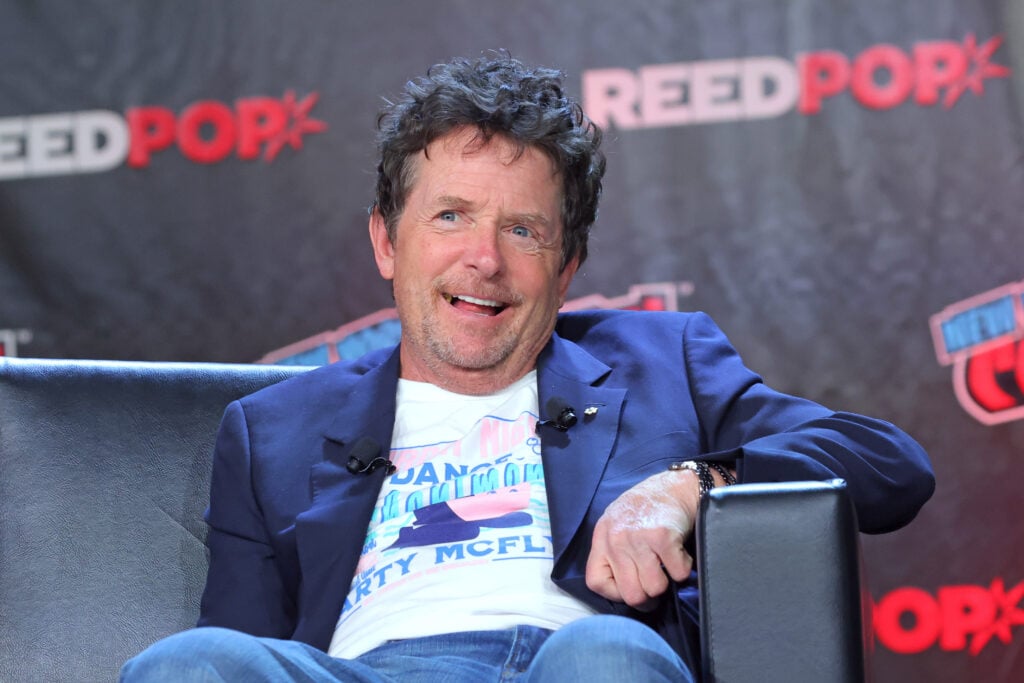
        Michael J. Fox speaks during a "Back To The Future Reunion" panel at New York Comic Con on October 08, 2022 in New York City.
        Michael J. Fox speaks during a “Back To The Future Reunion” panel at New York Comic Con on October 08, 2022 in New York City. (Photo by Mike Coppola/Getty Images)

        The post prompted widespread confusion, not only because CNN was the only outlet reporting the news, but also because Fox appeared at Paley Fest just yesterday.

        The 64-year-old took the stage at the annual TV industry gathering to announce that he’ll be appearing on the third season of the Apple TV+ series Shrinking.

        Thankfully, we can now report that Michael J. Fox is indeed alive and well.

        So why the hell did a major news outlet like CNN suggest otherwise?

        Well, as always, folks on social media have theories.

        “Did @CNN accidentally post an obituary for Michael J Fox (now deleted, just goes to their homepage) or are their headline writers really, really bad?” a user on X (formerly Twitter) wrote.

        “Just saw the same and thought they were announcing his death. Damn @CNN, you suck,” one person replied.

        “They have obituaries written ahead of time so they can post them rapidly, probably got accidentally posted,” another person theorized.

        Fox has not yet reacted to the news of his demise, but he did speak highly of Shrinking in a recent interview:

        “The depth of character, the quality of relationships, the language—it’s just a beautiful show,” he told the Los Angeles Times, adding:

        “And I thought, just do that for its own sake. I don’t have an agenda. Don’t have to be coming back into acting or anything. It’ll be fun. And there’s Harrison Ford, which is insane.”

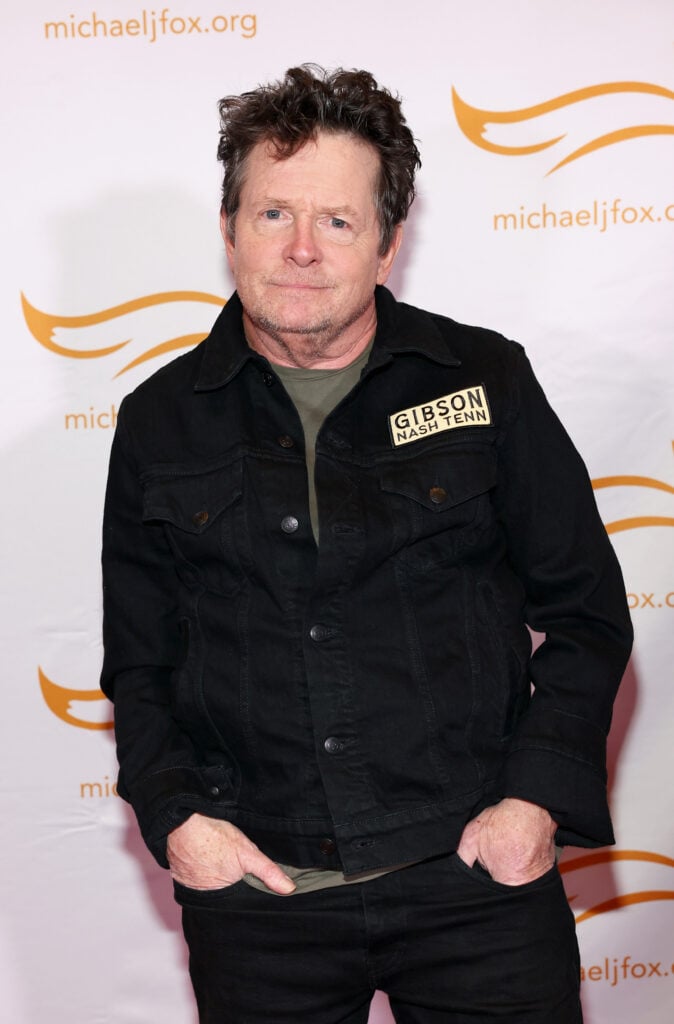
        Michael J. Fox attends "A Country Thing Happened On The Way To Cure Parkinson's" benefitting The Michael J. Fox Foundation, at The Fisher Center for the Performing Arts on April 02, 2024 in Nashville, Tennessee.Michael J. Fox attends "A Country Thing Happened On The Way To Cure Parkinson's" benefitting The Michael J. Fox Foundation, at The Fisher Center for the Performing Arts on April 02, 2024 in Nashville, Tennessee.
        Michael J. Fox attends “A Country Thing Happened On The Way To Cure Parkinson’s” benefitting The Michael J. Fox Foundation, at The Fisher Center for the Performing Arts on April 02, 2024 in Nashville, Tennessee. (Photo by Terry Wyatt/Getty Images for The Michael J. Fox Foundation)

        “Michael is doing great. He was at PaleyFest yesterday. He was on stage and was giving interviews.”

        CNN has also issued a statement in which the news network acknowledged and apologized for its role in this debacle:

        “The package was published in error; we have removed it from our platforms and send our apologies to Michael J. Fox and his family,” says the outlet.

        Sadly, this is not the first time that false rumors of Fox’s death have circulated online, but hopefully it will be the last.

        So breathe easy, Michael J. Fox fans! Not only is he alive, he’s doing remarkably well, a full 35 years after his initial Parkinson’s diagnosis.

        We look forward to watching him on Shrinking next year!


        Source link

        Bitcoin Depot ATM Operator Says $3.6 Million in BTC Stolen in Corporate Hack – Decrypt

        0
        Bitcoin Depot ATM Operator Says .6 Million in BTC Stolen in Corporate Hack – Decrypt


        In brief

        Bitcoin Depot disclosed that hackers stole 50.9 BTC worth $3.665 million from company wallets in a March 23 breach.
        Attackers gained access to IT systems and obtained digital asset settlement account credentials.
        Customer platforms and data were not affected, according to the company.

        Bitcoin ATM operator Bitcoin Depot Inc. disclosed in an SEC filing Wednesday that hackers stole approximately 50.9 BTC valued at $3.665 million from company-controlled wallets in a March 23 security breach.

        The attackers gained access to the company’s IT systems and obtained credentials for digital asset settlement accounts, enabling them to transfer the cryptocurrency without authorization.

        Following the breach discovery, Bitcoin Depot said it activated its incident response protocols and engaged external cybersecurity experts to investigate the attack vector and secure remaining assets. The company also notified law enforcement authorities, though it did not specify which agencies are involved in the investigation.

        Despite the settlement account compromise and loss of assets, Bitcoin Depot stated that its customer-facing platforms and user data remained unaffected by the intrusion.


        Bitcoin Depot has yet to make a public statement on the breach, as of this writing, aside from the SEC filing. Decrypt reached out to a company spokesperson for comment, but did not immediately receive a response.

        The company classified the incident as material to its operations, citing potential reputational damage alongside legal, regulatory, and incident response costs. Bitcoin Depot recorded a preliminary loss estimate of $3.665 million based on Bitcoin’s value at the time of the theft.

        The disclosure did not specify whether the company maintains insurance coverage for digital asset thefts or how the loss might impact its Bitcoin ATM liquidity operations across its machine network.

        Bitcoin ATM operators have emerged as attractive targets for cybercriminals due to the significant cryptocurrency reserves they must maintain to facilitate customer transactions. These firms face unique security challenges as they bridge physical cash-to-crypto infrastructure with digital custody systems.

        This marks at least the second known security incident at Bitcoin Depot, following a 2023 breach where hackers accessed personal data for 58,000 users. The company has also faced mounting regulatory scrutiny, recently implementing stricter identity verification requirements for all ATM transactions as authorities increase oversight of Bitcoin ATM operations.

        Shares in Bitcoin Depot (BTM) spiked 15% during the trading day to finish at a price of $2.74, but have ticked down after hours following the SEC disclosure. The company’s shares are down 44% over the last 30 days.

        Daily Debrief Newsletter

        Start every day with the top news stories right now, plus original features, a podcast, videos and more.


        Source link

        I’m A Celebrity South Africa viewers furious as ITV flooded with complaints minutes into show: ‘I’m finished!’

          0
          I’m A Celebrity South Africa viewers furious as ITV flooded with complaints minutes into show: ‘I’m finished!’


          I’m A Celebrity South Africa left viewers seriously unimpressed tonight (April 8) after finally revealing the outcome of Gemma Collins and Craig Charles’ cliffhanger trial.

          In fact, it’s fair to say fans were expecting a lot more.

          The ITV all-stars series had built up major anticipation at the end of last night’s episode, teasing a dramatic showdown between Gemma and Craig as they faced 30 shots of pig’s blood.

          Don’t miss a single story! Add us as a Preferred Source in Google for all your entertainment news

          It’s important to us that you never miss our articles when searching for stories! We have all the latest TV & Celebrity news to share with our community of loyal readers.

          Click here and tick Entertainmentdaily.com to ensure you see stories from us first in Google Search.

          But when the moment finally played out, the reaction at home was swift and frustrated.

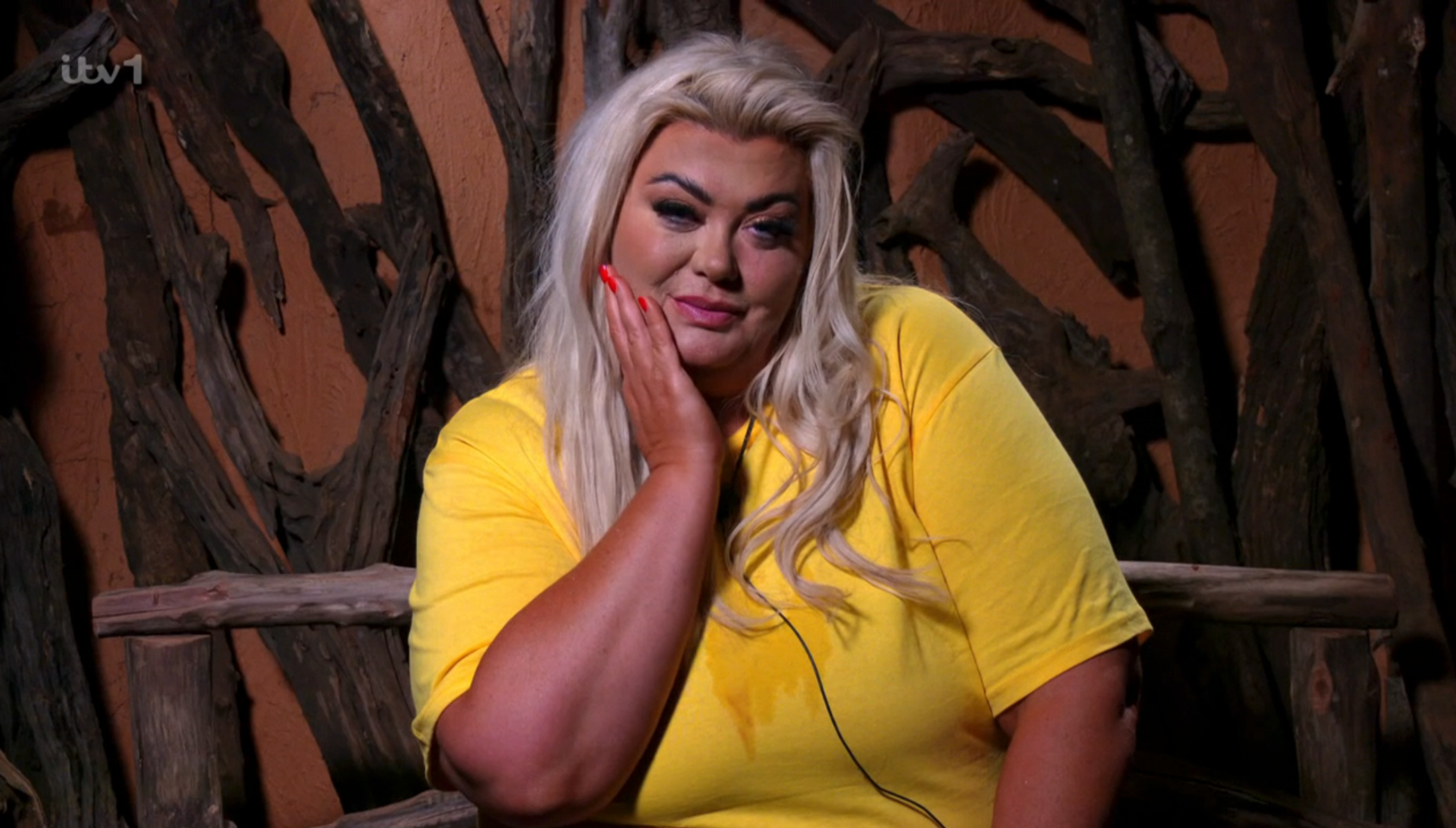
          Gemma lost her eating trial (Credit: ITV)

          Gemma Collins and Craig Charles finally complete trial

          After plenty of hype from hosts Ant and Dec, the show returned to the clearing to pick up where it left off, with both stars facing the stomach-churning challenge.

          Gemma Collins and Craig Charles managed to get through the first few shots together, but things quickly took a turn. After her third drink, Gemma stopped, covering her mouth as she fought back nausea before stepping away from the challenge.

          Craig, however, powered on alone, going on to finish the remaining shots and secure a win for camp.

          Gemma Collins in a yellow T-shirt
          But viewers weren’t angry with The GC (Credit: ITV)

          I’m A Celebrity South Africa viewers fume over ‘pointless’ cliffhanger

          While the trial itself was tough to watch, it was the way it had been stretched across two episodes that really sparked backlash.

          “I’m finished with #imaceleb. They have taken the [bleep] with viewers, cliffhanger for that. It’s finished,” one viewer wrote.

          “Ending on a cliffhanger just for Gemma to barely do any shots,” another complained. “They really put it on a cliffhanger just for Gemma to give up after four shots,” a third added.

          Others questioned why the moment had not simply been included in the previous episode. “Let’s be honest though, we could have squeezed that last bit of the trial in last night’s episode,” one said.

          “They ended last night’s episode on a cliffhanger FOR THAT?!” another fumed.

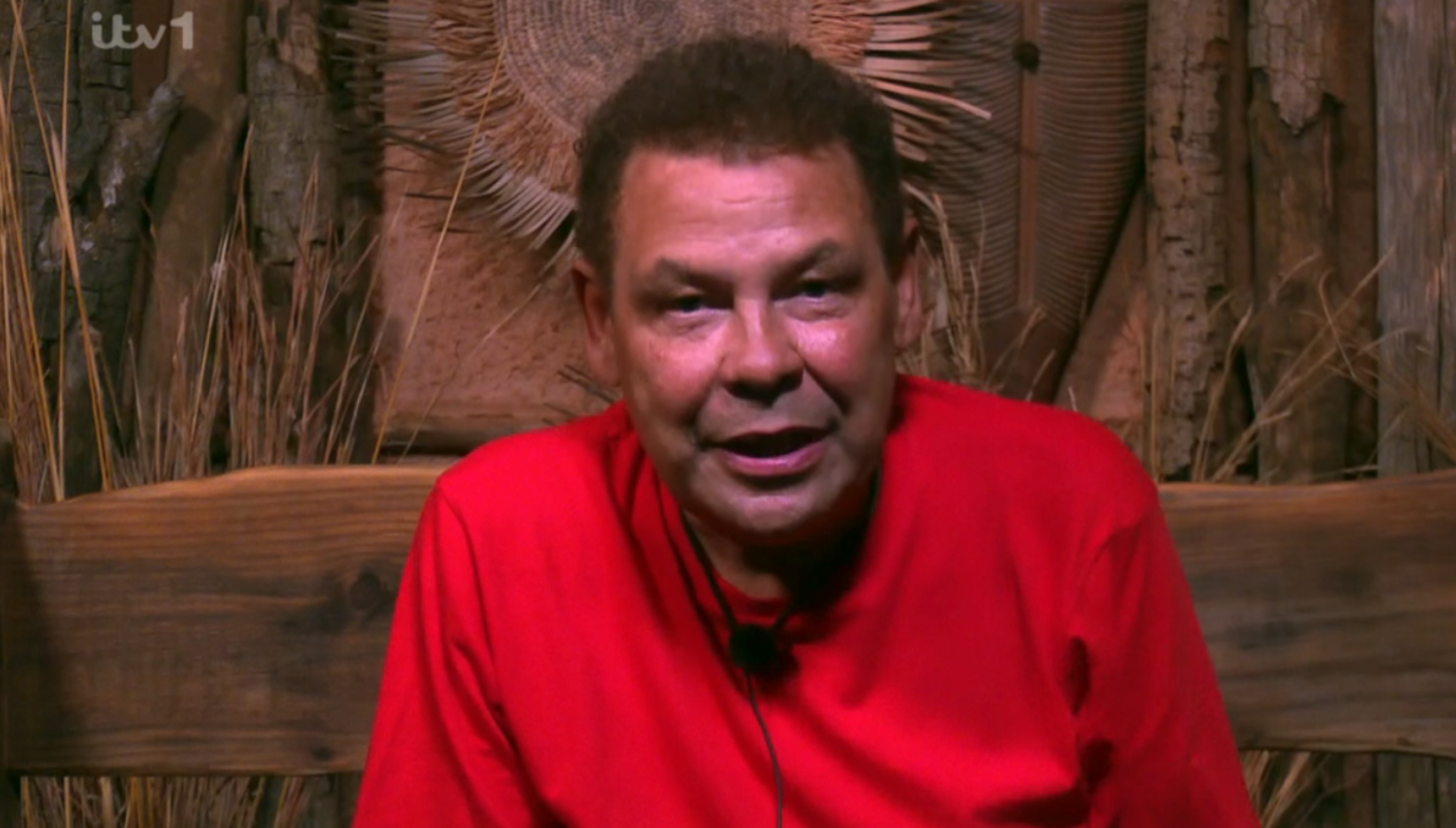
          Craig Charles in a red T-shirt
          Craig won the challenge and a meal for Main Camp (Credit: ITV)

          Some viewers admitted they had stayed up specifically to see the result, only to be left disappointed. “Aragh, I stayed up just for that?! Switching off!” one said, while another simply added: “Fuming.”

          With such a strong reaction from fans, ITV may well take note as the series continues, especially when it comes to those all-important cliffhangers… Another of which happened tonight as Sinitta and Seann Walsh’s Bushtucker Trial reached its climax!

          “Stop ending it before the trial finishes. It’s not big and it’s not clever!” declared one viewer. “Another cliffhanger! Poor Sinitta and Sean having to sit with snakes on their heads for the next 23 hours!” quipped a second. A third added: “Oh [bleep] off with this new trial-win cliffhanger!”

          “Won’t be watching tomorrow, as someone previously said, It’s not a soap! Should be a proper episode without the unnecessary cliffhanger,” declared another.

          Read more: David Haye’s pals reveal truth behind his ‘feud’ with Corrie’s Beverley Callard

          I’m A Celebrity South Africa is on weeknights at 9pm on ITV1.

          So do you agree with the disgruntled viewers? Tell us on our Facebook page @EntertainmentDailyFix.


          Source link

          Popular Posts

          My Favorites