Home Blog Page 1465

Exploring Global Impact of Digital Fashion Influencers

Exploring Global Impact of Digital Fashion Influencers

In the rapidly evolving landscape of fashion, digital influencers have emerged as pivotal players, revolutionizing the way trends are disseminated and consumed globally. These fashion-forward individuals leverage social media platforms to reach vast audiences, offering a blend of personal style, brand collaborations, and trendsetting insights. As the digital realm continues to expand, understanding the global impact of digital fashion influencers becomes imperative. This article delves into their rise, influence on fashion trends, and the broader economic and cultural implications.

The Rise of Digital Fashion Influencers Worldwide

Digital fashion influencers have transitioned from niche enthusiasts to mainstream powerhouses in the fashion industry. The rise of social media platforms such as Instagram, TikTok, and YouTube has provided a fertile ground for these influencers to cultivate personal brands and connect with audiences worldwide. Unlike traditional fashion icons who were often celebrities or models, digital influencers typically start as everyday individuals with a passion for fashion and a knack for engaging storytelling.

The democratization of fashion influence is largely attributed to the accessibility of social media. Aspiring influencers can create content with minimal resources, relying on creativity and authenticity to build a following. This shift has allowed diverse voices to emerge, representing a broader spectrum of styles, body types, and cultural backgrounds. As a result, the fashion industry has become more inclusive, with digital influencers championing representation and diversity.

The global reach of digital fashion influencers cannot be overstated. With followers spanning continents, these influencers break geographical barriers, introducing audiences to international fashion trends and fostering cross-cultural exchanges. Their ability to instantly share content with millions has led to the rapid dissemination of styles, making fashion a truly global phenomenon.

Brands have recognized the power of digital influencers and increasingly collaborate with them to tap into new markets and demographics. Influencers offer a direct line to engaged consumers, providing brands with a more authentic and relatable way to showcase their products. This symbiotic relationship has fueled the growth of influencer marketing, transforming it into a multi-billion-dollar industry.

The rise of digital fashion influencers has also redefined the concept of celebrity. While traditional celebrities still hold sway, influencers wield a different kind of influence, often perceived as more relatable and accessible. This relatability fosters a sense of community among followers, who view influencers as trusted style advisors and sources of inspiration.

As digital fashion influencers continue to gain prominence, their role in shaping the fashion industry is set to grow. They are not only trendsetters but also cultural commentators, using their platforms to address social issues, promote sustainability, and advocate for change. This multifaceted influence underscores the significance of digital fashion influencers in the contemporary fashion landscape.

How Digital Influencers Shape Fashion Trends

Digital fashion influencers have become instrumental in shaping fashion trends, utilizing their platforms to introduce and popularize new styles. Their influence stems from their ability to connect with audiences on a personal level, sharing curated content that resonates with followers’ tastes and preferences. This personal touch allows influencers to set trends that are both aspirational and attainable for their audiences.

One of the key ways influencers shape trends is through the creation of signature looks or styles. By consistently showcasing specific aesthetics, influencers can drive interest and demand for particular fashion items. These signature styles often become viral trends, with followers eager to emulate the looks by purchasing similar pieces. This phenomenon highlights the influencer’s role as a trendsetter and tastemaker in the fashion world.

Influencers also play a crucial role in the lifecycle of fashion trends. They are often among the first to adopt emerging styles, providing early exposure and validation. As more influencers adopt a trend, it gains momentum, eventually reaching mainstream audiences. This process accelerates the diffusion of trends, making them more accessible and widespread than ever before.

The interactive nature of social media platforms further amplifies influencers’ impact on fashion trends. Followers can engage with influencers through comments, likes, and direct messages, creating a feedback loop that shapes content creation. This direct engagement allows influencers to gauge audience reactions and refine their style offerings, ensuring that their content remains relevant and appealing.

Collaborations between influencers and fashion brands also contribute to trend formation. Brands often leverage influencers to promote new collections or limited-edition releases, using their platforms to generate buzz and excitement. Influencers’ endorsement can lend credibility and desirability to a brand’s offerings, influencing consumer purchasing decisions and solidifying trends.

Moreover, digital influencers have democratized trendsetting, challenging traditional fashion hierarchies. In the past, fashion trends were dictated by designers and industry insiders. Today, influencers have disrupted this dynamic by giving a voice to consumers and allowing them to participate in the trend-setting process. This shift underscores the transformative power of digital influencers in shaping the future of fashion.

Economic and Cultural Effects of Digital Fashion

The economic impact of digital fashion influencers is substantial, with their endorsements driving significant consumer spending. Brands invest heavily in influencer partnerships, recognizing the potential for increased sales and brand visibility. This investment has spurred the growth of influencer marketing, which has become a critical component of many brands’ marketing strategies.

Digital influencers have also influenced the retail landscape, contributing to the rise of e-commerce and direct-to-consumer models. By promoting fashion products online, influencers drive traffic to e-commerce platforms, encouraging consumers to make purchases with just a few clicks. This shift has prompted traditional retailers to adapt, embracing digital strategies to remain competitive in a rapidly changing market.

Culturally, digital fashion influencers have played a pivotal role in fostering inclusivity and diversity within the fashion industry. Their platforms have become spaces for challenging traditional beauty standards and advocating for representation across all facets of fashion. Influencers from diverse backgrounds have gained prominence, offering alternative narratives and broadening the industry’s cultural horizons.

The cultural influence of digital fashion extends beyond aesthetics, as influencers often use their platforms to address social issues and promote causes. From sustainability and ethical fashion to body positivity and mental health awareness, influencers have become advocates for change, using their reach to inspire meaningful conversations and action.

However, the rise of digital fashion influencers has also sparked debates about authenticity and consumerism. Critics argue that the commercialization of influencer content can lead to a focus on materialism and superficiality. As influencers navigate brand partnerships and sponsorships, maintaining authenticity and transparency becomes paramount to preserving audience trust.

Despite these challenges, the economic and cultural effects of digital fashion influencers are undeniable. Their ability to shape consumer behavior, drive industry growth, and influence cultural norms underscores their importance in the contemporary fashion landscape. As the digital realm continues to evolve, the impact of fashion influencers is likely to expand, further shaping the future of fashion.

In summary, digital fashion influencers have redefined the fashion industry, wielding unprecedented influence over trends, consumer behavior, and cultural narratives. Their rise to prominence highlights the power of social media as a platform for democratizing fashion influence and fostering inclusivity. As they continue to shape the economic and cultural dimensions of fashion, digital influencers represent a dynamic force in a constantly evolving industry. With their ability to engage global audiences and drive change, the impact of digital fashion influencers will undoubtedly continue to resonate across the fashion world.

Exploring the Rise of Digital Fashion Supermodels

Exploring the Rise of Digital Fashion Supermodels

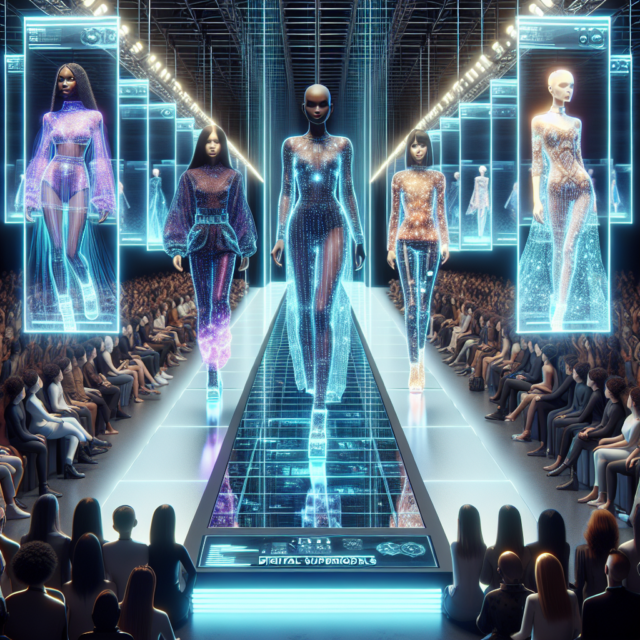
In recent years, the fashion industry has witnessed a transformative shift with the emergence of digital fashion supermodels. These virtual entities are not only redefining the concept of modeling but are also challenging the traditional norms of fashion runways. As technology continues to evolve, digital models are gaining prominence, offering a glimpse into the future of fashion. This article explores the rise of digital fashion supermodels, how technology is shaping virtual runways, and the impact these digital models are having on the fashion industry.

The Emergence of Digital Fashion Supermodels

Digital fashion supermodels are a relatively new phenomenon, stemming from advancements in digital technology and artificial intelligence. These models are entirely computer-generated, designed by digital artists and fashion houses to simulate real-life human models. The emergence of digital supermodels can be traced back to the growing demand for innovative and sustainable fashion solutions. With the ability to be customized and controlled entirely in a digital environment, these models offer unique opportunities for creativity and experimentation.

One of the earliest and most notable examples of digital fashion supermodels is Shudu Gram, created by British photographer Cameron-James Wilson. Shudu, often referred to as the world’s first digital supermodel, gained fame for her hyper-realistic appearance and has since paved the way for other virtual models. Her success demonstrated the potential for digital models to captivate audiences and influence the fashion industry. Following Shudu, other digital models such as Lil Miquela and Imma have also gained significant followings on social media platforms, further solidifying their place in the fashion world.
The rise of digital fashion supermodels is also fueled by the increasing importance of social media in fashion marketing. Virtual models can engage with audiences across various platforms, creating a new form of digital influence. Brands are leveraging these virtual influencers to reach younger, tech-savvy consumers who are more receptive to digital content. This shift towards digital models reflects a broader trend in the industry, where technology and fashion intersect to create new possibilities.

Another factor contributing to the emergence of digital fashion supermodels is the growing emphasis on diversity and representation in the fashion industry. Digital models can be designed to embody a wide range of ethnicities, body types, and styles, allowing for greater inclusivity. This ability to represent diverse identities in a virtual space addresses the industry’s ongoing challenges with representation and offers a more inclusive vision for the future of fashion.

Digital fashion supermodels also provide a sustainable alternative to traditional modeling. The fashion industry has been scrutinized for its environmental impact, and digital models offer a way to reduce the carbon footprint associated with fashion shows and photoshoots. By eliminating the need for physical travel and resources, virtual models present a more eco-friendly approach to fashion marketing and production.

As digital fashion supermodels continue to gain traction, they are challenging the conventional notions of beauty and identity in the fashion industry. These virtual entities are not bound by the same limitations as human models, allowing for endless possibilities in terms of creativity and expression. The emergence of digital models signals a new era in fashion, where technology and artistry converge to create a dynamic and ever-evolving landscape.

How Technology is Shaping Virtual Runways

The integration of technology into fashion has revolutionized the way we perceive and experience runways. Virtual runways, powered by cutting-edge digital technology, offer an innovative platform for showcasing fashion collections. Through the use of 3D modeling, augmented reality (AR), and virtual reality (VR), designers can create immersive runway experiences that transcend the limitations of physical spaces.

3D modeling plays a crucial role in the creation of digital fashion supermodels and virtual runways. Designers use advanced software to craft hyper-realistic models and garments, allowing for intricate detailing and precision. These digital creations can be manipulated and animated to simulate realistic runway walks, providing designers with a versatile tool for presenting their collections. The use of 3D modeling not only enhances the visual appeal of virtual runways but also allows for greater experimentation with design concepts.

Augmented reality is another technology that is transforming virtual runways. By overlaying digital elements onto the real world, AR creates interactive and engaging experiences for audiences. Fashion shows incorporating AR can offer viewers a unique perspective, where digital models and garments come to life in real-time. This technology enables brands to reach a global audience, as virtual runways can be accessed from anywhere in the world, breaking down geographical barriers.

Virtual reality takes the concept of virtual runways a step further by immersing audiences in a fully digital environment. Through VR headsets, viewers can experience fashion shows as if they were physically present, walking alongside digital models on the runway. This technology provides an unparalleled level of immersion, allowing audiences to engage with fashion in a completely new way. VR runways offer designers the opportunity to create elaborate and fantastical settings that would be impossible to achieve in a traditional runway show.

The use of digital technology in virtual runways also offers practical advantages for the fashion industry. By eliminating the need for physical venues, travel, and logistics, virtual runways provide a cost-effective alternative to traditional fashion shows. This reduction in overhead expenses allows designers to allocate resources to other aspects of their collections, such as innovation and sustainability. Additionally, virtual runways can be easily edited and updated, providing flexibility in the presentation of fashion collections.

Technology’s role in shaping virtual runways is not limited to the visual experience; it also extends to data analytics and audience engagement. Digital platforms allow designers to gather valuable insights into audience preferences and behavior, informing future design decisions. By analyzing data from virtual runways, brands can tailor their collections to meet consumer demands and enhance their marketing strategies. This data-driven approach enables a more personalized and targeted fashion experience.

As technology continues to advance, the potential for virtual runways is boundless. With ongoing developments in artificial intelligence, machine learning, and digital artistry, the fashion industry is poised to embrace new possibilities in the realm of virtual fashion. The integration of technology into fashion shows is not merely a trend but a fundamental shift that is reshaping the industry as a whole.

The Impact of Digital Models on Fashion Industry

The rise of digital fashion supermodels is having a profound impact on the fashion industry, challenging traditional norms and paving the way for a new era of fashion innovation. One of the most significant impacts is the democratization of fashion, as digital models make high fashion more accessible to a global audience. Virtual models can participate in fashion shows and campaigns without the constraints of physical location, allowing brands to reach consumers worldwide.

Digital models also present a disruptive force in the modeling industry, challenging the conventional roles and expectations of human models. With the ability to create models that embody diverse identities and characteristics, digital fashion supermodels are reshaping the standards of beauty and representation. This shift towards inclusivity is prompting brands to reevaluate their casting practices and embrace a more diverse range of models in their campaigns.

The use of digital models is also influencing fashion marketing strategies. Virtual influencers, with their large social media followings, are becoming valuable assets for brands seeking to engage with younger, tech-savvy audiences. These digital entities can generate buzz and drive consumer interest in fashion collections, offering a new form of digital influence that complements traditional marketing efforts. Brands are leveraging the unique appeal of digital models to create innovative and interactive marketing campaigns.

Sustainability is another area where digital models are making an impact. The fashion industry has faced criticism for its environmental footprint, and digital models offer a more sustainable alternative to traditional fashion practices. By reducing the need for physical resources, travel, and production, virtual models contribute to a more eco-friendly approach to fashion marketing. This shift towards sustainability aligns with the growing consumer demand for environmentally conscious fashion solutions.

The integration of digital models is also influencing the creative process in fashion design. Designers are exploring new possibilities for creativity and expression through the use of digital technology. The ability to experiment with digital models and garments allows for greater innovation in design concepts and presentations. This creative freedom is inspiring designers to push the boundaries of fashion and explore new aesthetics that were previously unimaginable.

As digital fashion supermodels continue to gain prominence, they are prompting the fashion industry to embrace technology and adapt to the changing landscape. The impact of digital models is not limited to the visual and marketing aspects of fashion; it extends to the industry’s core values and practices. By challenging traditional norms and promoting inclusivity, sustainability, and innovation, digital models are shaping the future of fashion in ways that are both exciting and transformative.

The rise of digital fashion supermodels represents a significant milestone in the evolution of the fashion industry. As technology continues to advance, these virtual entities are redefining the boundaries of fashion, offering new possibilities for creativity, inclusivity, and sustainability. From the emergence of digital models to the impact on virtual runways and the broader fashion landscape, the influence of digital fashion supermodels is undeniable. As the industry continues to embrace this digital revolution, the future of fashion promises to be dynamic, innovative, and ever-evolving.

Exploring the Rise of Digital Fashion Models

Exploring the Rise of Digital Fashion Models

The fashion industry is no stranger to innovation, constantly evolving to embrace new trends and technologies. In recent years, a fascinating phenomenon has emerged in the form of digital fashion models—virtual personas that are revolutionizing how fashion is conceptualized, marketed, and consumed. As we delve into this intriguing development, we will explore the emergence of digital fashion models, the technology underpinning their creation, and their transformative impact on the fashion industry.

Understanding the Emergence of Digital Fashion Models

Digital fashion models have captured the imagination of both the fashion industry and the public, offering a fresh perspective on what it means to be a model. These virtual entities first made waves in the early 2010s, coinciding with advancements in digital art and 3D modeling. As technology progressed, so did the sophistication of these digital figures, evolving from basic representations to highly detailed, lifelike avatars capable of showcasing fashion in innovative ways.

The rise of social media platforms played a significant role in the emergence of digital fashion models. These platforms provided an ideal stage for virtual models to gain exposure and popularity, allowing them to reach global audiences without the constraints faced by traditional models. Influencers like Lil Miquela and Shudu Gram, who exist solely in the digital realm, have amassed millions of followers, blurring the lines between reality and virtuality.

Digital fashion models offer several advantages, including the ability to transcend physical limitations such as size, age, and ethnicity. This inclusivity has resonated with brands seeking to diversify their representation and appeal to a broader audience. Moreover, digital models can work around the clock, participating in multiple campaigns simultaneously, making them an attractive option for fashion houses looking to maximize their reach.

The COVID-19 pandemic further accelerated the adoption of digital models, as lockdowns and social distancing measures disrupted traditional photo shoots and runway shows. Virtual models provided a solution, enabling brands to continue their marketing efforts without compromising safety. This adaptability showcased the potential of digital models to become a permanent fixture in the fashion world.

Despite their growing popularity, digital fashion models have sparked debates about authenticity and the future of human models. Critics argue that virtual models lack the emotional depth and relatability of real people, which are essential components of fashion storytelling. Nonetheless, proponents believe that digital models complement rather than replace human talent, offering new avenues for creativity and expression.

As the fashion industry continues to explore the possibilities of digital modeling, it remains essential to strike a balance between technological innovation and the timeless allure of human charisma. The emergence of digital fashion models represents a new chapter in the fashion narrative, one that promises to redefine the boundaries of style and imagination.

The Technology Behind Virtual Fashion Icons

The creation of digital fashion models is a testament to the remarkable advancements in technology that have reshaped the creative landscape. At the heart of this innovation lies 3D modeling software, which enables artists to craft detailed and realistic virtual avatars. Programs such as Blender, Maya, and ZBrush are commonly used to design these digital figures, allowing for intricate manipulation of form, texture, and movement.

Once a digital model is created, the process of rigging and animation brings it to life. Rigging involves constructing a digital skeleton within the model, which can be manipulated to simulate natural movements. This technique is crucial for making the virtual model appear lifelike, whether it’s strutting down a virtual runway or striking a pose for a digital photoshoot. Animation software then breathes further life into these models, enabling dynamic and expressive presentations.

Artificial intelligence (AI) and machine learning have also played significant roles in the development of digital fashion models. AI algorithms can generate realistic facial expressions and body movements, enhancing the authenticity of virtual personas. Moreover, machine learning can be employed to analyze fashion trends and consumer preferences, allowing digital models to be styled and presented in ways that resonate with target audiences.

The integration of virtual reality (VR) and augmented reality (AR) technologies has further expanded the possibilities for digital fashion models. Using VR headsets, consumers can experience immersive fashion shows featuring virtual models, while AR applications allow users to visualize how garments would look on them through digital overlays. These technologies create interactive and personalized experiences, bridging the gap between digital fashion models and consumers.

Digital fashion models also benefit from advancements in photorealistic rendering, which enhances their visual appeal. By simulating real-world lighting and textures, rendering software can produce images that are virtually indistinguishable from photographs of human models. This level of detail is crucial for convincing audiences of the authenticity and desirability of the fashion being showcased.

As technology continues to evolve, the potential for digital fashion models is boundless. Innovations such as deep learning and neural networks promise to further refine the realism and versatility of virtual models, paving the way for even more sophisticated and engaging fashion experiences. By harnessing these technologies, the fashion industry can push the boundaries of creativity, offering new and exciting ways to engage with audiences.

The Impact of Digital Models on the Fashion Industry

The introduction of digital fashion models has had a profound impact on the fashion industry, influencing everything from marketing strategies to consumer engagement. Brands are increasingly leveraging virtual models to create visually stunning campaigns that capture attention and drive sales. These digital personas offer a unique opportunity to experiment with bold and imaginative concepts, free from the constraints of physical reality.

One of the most significant impacts of digital models is their ability to promote sustainability within the fashion industry. By reducing the need for physical samples and photo shoots, virtual models help minimize waste and lower the carbon footprint associated with traditional fashion production. This shift towards digital solutions aligns with the growing demand for environmentally conscious practices, appealing to eco-minded consumers and enhancing brand reputation.

Digital fashion models also contribute to greater inclusivity and diversity within the industry. By transcending physical limitations, virtual models can represent a wide range of body types, ethnicities, and ages, reflecting the diverse nature of global audiences. This inclusivity not only broadens consumer appeal but also challenges traditional beauty standards, fostering a more equitable and representative fashion landscape.

The rise of digital models has also transformed the fashion show experience. Virtual runways and digital fashion weeks have become increasingly popular, offering immersive and accessible showcases of new collections. These events eliminate geographical barriers, allowing designers to reach international audiences and democratizing access to high fashion. As a result, consumers can engage with fashion in real-time, regardless of their location.

From a business perspective, the use of digital models offers cost-effective solutions for fashion brands. Virtual models can participate in multiple campaigns simultaneously, reducing expenses associated with travel, accommodation, and logistics. Additionally, digital assets can be easily updated and repurposed for future campaigns, providing long-term value and flexibility for brands.

Despite the many advantages, the rise of digital fashion models also presents challenges for the industry. Concerns about authenticity, intellectual property, and the potential displacement of human models are ongoing debates. Fashion brands must navigate these issues carefully, ensuring that digital models complement rather than replace human talent while fostering ethical and transparent practices.

As digital fashion models continue to gain prominence, they are reshaping the fashion industry’s landscape in unprecedented ways. By embracing cutting-edge technology and fostering inclusivity, these virtual personas offer exciting opportunities for creativity and sustainability. While challenges remain, the future of digital fashion models holds immense potential, promising to redefine how we experience and engage with fashion in the digital age.

Exploring the Future Digital Faces of Fashion

Exploring the Future Digital Faces of Fashion

Exploring the Future Digital Faces of Fashion

The fashion industry has always been a dynamic and ever-evolving landscape. As we move further into the digital age, technology is increasingly interwoven with fashion, creating new opportunities and challenges. From the design process to the way fashion is showcased and consumed, the digital transformation is reshaping the industry in unprecedented ways. This article delves into the future digital faces of fashion, exploring the intersection of technology and fashion design, the advent of virtual runways, and the emergence of digital avatars in virtual worlds.

The Intersection of Technology and Fashion Design

The fusion of technology with fashion design marks a significant evolution in the way garments are conceptualized and created. Designers are now utilizing advanced software tools that enable them to sketch and visualize their creations in a digital space. This allows for a more efficient design process, with the ability to make real-time adjustments and experiment with different styles and patterns without the need for physical materials. The use of 3D modeling software and AI-driven design tools is revolutionizing the creative process, enabling designers to push the boundaries of traditional fashion aesthetics.

Moreover, technology is facilitating sustainable fashion practices. Digital design tools reduce waste by allowing designers to perfect their patterns before cutting any fabric. Additionally, the use of digital prototyping minimizes the need for physical samples, further reducing material consumption. This shift towards a more sustainable approach is crucial as the industry grapples with its environmental impact.

The integration of wearable technology is another facet of this intersection. Designers are embedding smart fabrics and electronic components into clothing, creating garments that can monitor health metrics, change colors, or even charge electronic devices. This convergence of fashion and function is opening new avenues for innovation, making fashion not only a statement of style but also a tool for enhancing everyday life.

Collaboration between tech companies and fashion houses is becoming increasingly common. Brands are partnering with tech giants to develop new fabrics, create immersive shopping experiences, and streamline supply chains. These collaborations are fostering a culture of innovation, driving the industry forward into a new digital era.

The role of data analytics in fashion design cannot be overstated. Designers are leveraging big data to understand consumer preferences and predict trends, allowing them to tailor their collections more effectively. This data-driven approach is helping brands stay ahead of the curve, ensuring they remain relevant in a rapidly changing market.

Finally, the rise of digital fashion—clothing designed specifically for virtual environments—highlights the growing importance of technology in fashion. As consumers spend more time in digital spaces, the demand for virtual clothing and accessories is increasing. This trend is not only transforming how fashion is consumed but also how it is designed, with digital garments offering limitless possibilities for creativity.

Virtual Runways: Revolutionizing Fashion Shows

The traditional fashion show, with its physical runways and exclusive audiences, is undergoing a digital transformation. Virtual runways are emerging as a revolutionary platform for showcasing collections, breaking geographical barriers and democratizing access to fashion events. These digital shows leverage cutting-edge technology, such as augmented reality (AR) and virtual reality (VR), to create immersive experiences that captivate audiences worldwide.

One of the most significant advantages of virtual runways is their accessibility. Unlike traditional fashion shows, which are often limited to industry insiders and select guests, virtual shows can be streamed to a global audience. This inclusivity allows brands to reach a broader demographic, engaging with consumers who may not have had the opportunity to attend in-person events.

The use of AR and VR technology enhances the viewer experience, allowing audiences to interact with collections in ways previously unimaginable. Virtual runways can transport viewers to fantastical settings, providing a unique backdrop for each collection. This immersive approach not only showcases the garments but also tells a story, creating a memorable experience that resonates with viewers.

Virtual runways also offer brands a more sustainable alternative to traditional fashion shows. By eliminating the need for physical venues, travel, and production materials, these digital events significantly reduce the environmental footprint of fashion presentations. This aligns with the industry’s growing focus on sustainability and responsible practices.

Moreover, virtual runways provide designers with greater creative freedom. Without the constraints of a physical space, designers can experiment with innovative concepts and presentation styles. This freedom encourages bold, avant-garde approaches, pushing the boundaries of how fashion is presented and experienced.

The shift towards virtual runways is also influencing how fashion collections are timed and released. Brands are no longer bound by the traditional fashion calendar, allowing for more flexibility in launching new collections. This adaptability is crucial in a fast-paced digital world, where consumer preferences and trends can change rapidly.

Digital Avatars: Personal Style in Virtual Worlds

In the realm of virtual worlds, digital avatars are becoming the new face of personal style. As people spend more time in digital spaces, from social media platforms to online gaming environments, the way they express their individuality is evolving. Digital avatars serve as a representation of oneself, and fashion plays a crucial role in shaping these virtual identities.

The rise of digital avatars has led to a burgeoning market for virtual fashion. Brands are creating digital clothing lines and accessories specifically designed for avatars, offering consumers the opportunity to personalize their digital personas. This trend is blurring the lines between physical and virtual fashion, creating a new dimension of style that transcends traditional boundaries.

Customization is at the heart of avatar fashion. Consumers can mix and match digital garments, experiment with different styles, and create unique looks that reflect their personal tastes. This level of personalization is empowering, allowing individuals to express themselves in ways that may not be possible in the physical world.

The use of blockchain technology and non-fungible tokens (NFTs) is adding another layer to digital fashion. By creating unique, traceable digital assets, NFTs enable consumers to own one-of-a-kind virtual garments. This fusion of technology and fashion is attracting attention from both fashion enthusiasts and tech-savvy consumers, driving the growth of the digital fashion market.

Digital avatars are also influencing the way brands engage with their audiences. By creating virtual fashion shows and interactive experiences, brands can connect with consumers in immersive digital environments. This engagement is fostering a sense of community and loyalty, as consumers feel more connected to the brands they interact with in virtual spaces.

As the line between the physical and digital worlds continues to blur, the role of digital avatars in fashion is likely to grow. With advancements in technology, avatars may soon become an integral part of the fashion ecosystem, influencing trends and driving innovation in both virtual and physical realms.

The future digital faces of fashion are reshaping the industry in profound ways. From the integration of technology in design to the rise of virtual runways and digital avatars, the landscape of fashion is evolving to meet the demands of a digital world. As technology continues to advance, the possibilities for innovation in fashion are limitless. Embracing these changes will be crucial for brands looking to stay relevant and thrive in an increasingly digital marketplace. The intersection of fashion and technology promises a future where creativity knows no bounds, offering exciting opportunities for designers, brands, and consumers alike.

Exploring the Impact of Digital Influencers & Models

Exploring the Impact of Digital Influencers & Models

In the digital age, the landscape of marketing and consumer interaction has undergone a profound transformation. At the forefront of this change are digital influencers and virtual models, who have become pivotal players in shaping consumer perceptions and behaviors. This article explores their rise, the impact they have on consumer behavior, and the growing role of virtual models in marketing. Through a comprehensive analysis, we aim to understand how these modern phenomena are redefining the boundaries of traditional marketing and consumer engagement.

Understanding the Rise of Digital Influencers

The emergence of digital influencers is a phenomenon closely linked to the evolution of social media platforms. With the advent of platforms like Instagram, YouTube, and TikTok, individuals with unique perspectives and content have found a way to reach vast audiences. This democratization of fame has allowed everyday people to become influential figures, often surpassing the reach of traditional celebrities. Digital influencers, unlike conventional celebrities, engage with their audiences in a more personal and relatable manner, fostering a sense of community and trust.

As digital influencers gained prominence, brands quickly recognized the potential for partnerships. These influencers offer an authentic and direct line to niche audiences, which traditional advertising channels often struggle to reach. By collaborating with influencers, brands can tap into established trust networks and present their products in a more personalized context. This shift has led to a significant increase in influencer marketing budgets, reflecting the growing importance of influencers in brand strategies.

The rise of digital influencers is also fueled by the increasing demand for authenticity in marketing. Consumers today are more skeptical of traditional advertising and are drawn to content that feels genuine and relatable. Influencers, who often share their personal stories and experiences, provide this authenticity, making their endorsements more persuasive. This trend indicates a shift in consumer preferences towards more transparent and relatable content, further boosting the influence of digital personalities.

Moreover, the diversity among digital influencers has expanded the scope of marketing reach. Influencers come from various backgrounds and represent different cultures, interests, and demographics. This diversity allows brands to connect with a broader range of consumers, tailoring their messages to fit different segments. As a result, influencer marketing has become a powerful tool for brands looking to expand their reach and appeal to a more global audience.

The evolution of technology has also played a crucial role in the rise of digital influencers. High-quality cameras, editing software, and social media algorithms have made it easier than ever for influencers to produce professional-looking content from the comfort of their homes. This technological accessibility has lowered the barriers to entry, enabling more individuals to pursue careers as influencers and further saturating the market with diverse voices.

Finally, the rise of digital influencers can be attributed to the changing media consumption habits of consumers. As more people turn to social media for entertainment and information, traditional media channels are losing their dominance. This shift has created a fertile ground for influencers to thrive, as they offer a more interactive and engaging form of content that resonates with modern audiences.

Analyzing the Influence on Consumer Behavior

Digital influencers have a profound impact on consumer behavior, primarily through their ability to shape perceptions and attitudes towards products and brands. By sharing their personal experiences and opinions, influencers can sway their followers’ purchasing decisions. This influence is particularly strong among younger demographics, who are more likely to trust recommendations from influencers over traditional advertising.

One of the key ways influencers impact consumer behavior is through the creation of trends. Influencers often set the tone for what is considered fashionable or desirable, whether it’s a new clothing style, beauty product, or lifestyle choice. Their ability to rapidly disseminate trends across a global audience means that brands can capitalize on this by aligning themselves with popular influencers to boost their visibility and credibility.

The interactive nature of social media allows influencers to engage directly with their followers, fostering a sense of community and loyalty. This direct engagement can lead to higher levels of trust and emotional connection, which in turn influences purchasing decisions. Consumers are more likely to buy products recommended by influencers they feel connected to, highlighting the importance of relationship-building in influencer marketing.

Influencers also play a significant role in the decision-making process by providing detailed reviews and tutorials. This content not only informs consumers about the features and benefits of a product but also helps them visualize how it fits into their lives. By offering practical insights and demonstrations, influencers reduce the perceived risk associated with trying new products, encouraging more consumers to make purchases.

The impact of digital influencers extends beyond individual purchasing decisions to affect overall brand perception. A positive endorsement from a well-respected influencer can enhance a brand’s image, while negative feedback can have the opposite effect. This power makes influencer partnerships a double-edged sword, requiring brands to carefully select influencers whose values align with their own.

Finally, digital influencers can amplify word-of-mouth marketing by encouraging their followers to share their experiences. This ripple effect can significantly increase a brand’s reach and influence, as consumers are more likely to trust recommendations from their peers. By leveraging the networks of influencers, brands can create a multiplier effect that extends their marketing efforts far beyond their initial audience.

Examining the Role of Virtual Models in Marketing

Virtual models are a recent addition to the digital marketing landscape, offering unique opportunities and challenges for brands. Unlike human influencers, virtual models are computer-generated personas that can be crafted to embody specific brand values and aesthetics. This control allows brands to create highly tailored marketing campaigns that resonate with their target audience.

One of the primary advantages of virtual models is their ability to transcend physical limitations. They can be designed to represent diverse appearances, from hyper-realistic to fantastical, allowing brands to experiment with different styles and concepts. This flexibility enables brands to push creative boundaries and stand out in a crowded market, appealing to consumers’ desire for novel and engaging content.

Virtual models also offer a level of consistency and reliability that human influencers cannot match. As digital creations, they are immune to the personal controversies and unpredictability that can sometimes affect human influencers. This stability makes them an attractive option for brands looking to maintain a consistent image and message across their marketing efforts.

The use of virtual models can also lead to cost efficiencies in marketing campaigns. Unlike human influencers, virtual models do not require travel, accommodations, or other expenses associated with live appearances. Brands can create and deploy virtual models at a fraction of the cost, making them an appealing option for companies looking to maximize their marketing budgets.

However, the use of virtual models raises questions about authenticity and relatability. Consumers may be skeptical of endorsements from non-human entities, questioning the sincerity and trustworthiness of such promotions. To mitigate this, brands must carefully integrate virtual models into their marketing strategies, ensuring they complement rather than replace human influencers.

Despite these challenges, virtual models have shown potential in engaging younger, tech-savvy audiences who are more comfortable with digital interactions. These consumers are often more open to innovative marketing approaches and may view virtual models as a natural extension of their digital experiences. By appealing to this demographic, brands can position themselves as forward-thinking and technologically adept.

Finally, the rise of virtual models highlights the ongoing evolution of marketing in the digital age. As technology continues to advance, the lines between reality and digital creation will blur, offering both new opportunities and challenges for brands. By embracing virtual models, companies can stay at the forefront of this evolution, exploring new ways to connect with consumers in an increasingly digital world.

The impact of digital influencers and virtual models on the marketing landscape is undeniable. As these entities continue to evolve, they offer new ways for brands to connect with consumers, fostering engagement and driving purchasing decisions. While the rise of digital influencers has already reshaped consumer behavior, the emergence of virtual models presents exciting possibilities for the future. By understanding and leveraging these trends, brands can create more effective and innovative marketing strategies, ensuring they remain relevant in an ever-changing digital landscape. As we move forward, the intersection of technology and marketing will undoubtedly continue to yield new opportunities for growth and connection.

NFTs in 2025: Key Trends, Innovations, and Market Shifts

0
NFTs in 2025: Key Trends, Innovations, and Market Shifts


I still remember the first time I came across an NFT (Non-Fungible Token). It was early 2021, and digital collectibles were making headlines for eye-popping auction prices. Back then, most of us were intrigued by the idea of “owning” a piece of digital art. But we also wondered if it was just another passing fad. Fast forward to today, and NFTs have gone through several cycles of hype, skepticism, and reinvention. Now, as we look ahead to 2025, it feels like we’re standing on the edge of a brand-new era—one where NFTs might finally leave behind the rollercoaster days of raw speculation and move towards a broader, more meaningful role across many different industries.

A Brief Definition of NFTs

NFTs are digital tokens that live on a blockchain and prove ownership or authenticity of a particular asset. Instead of just existing as a tradable coin with no specific identity (like a typical cryptocurrency), each NFT has unique data that sets it apart from every other token. While the earliest NFT boom was all about digital art and collectibles, the technology itself can be used for virtually anything—from licensing IP to tokenizing real estate.

In the following sections, I’ll offer my personal take on the future of NFTs. We’ll walk through the major trends that are shaping this landscape, the challenges that remain, and how 2025 might be a watershed moment, shifting NFTs from a niche curiosity to a foundational building block of our digital and physical worlds.

The Maturation of the NFT Market

From Speculation to Utility

If 2021 and 2022 were marked by a whirlwind of speculation—where it sometimes felt like everyone was just flipping NFTs for quick profits—by 2025, we can expect a more measured approach. Sure, there will still be speculative trading, but I predict a steady pivot toward NFT projects that offer tangible benefits. Think rewards programs, exclusive perks, or real-world services tied to ownership. Projects that only rely on hype will likely fizzle out, while those that focus on long-term utility will thrive.

Regulatory Landscape

Regulations are the elephant in the room. Most governments around the world have been slow to catch up with NFT technology, but that won’t be the case for much longer. As NFTs start representing more valuable assets—from real estate to high-end collectibles—lawmakers and financial authorities will roll out clearer guidelines. While tighter rules may initially feel like an obstacle, they’ll also lend legitimacy. A well-regulated NFT marketplace could attract more traditional investors who’ve been sitting on the sidelines, worried about legal gray areas.

Platforms and Marketplaces

In 2025, I see more specialized NFT platforms cropping up, each targeting a particular niche. Already, we have art-focused marketplaces, music-centric platforms, and gaming-specific ecosystems. The days of having only one or two big players dominating the NFT trading scene might be over. Instead, we’ll likely see curated environments, each providing unique services and experiences to a dedicated community. This decentralization could be a good thing—it encourages competition, better user experiences, and a more diverse ecosystem overall.

NFT Utilities and Real-World Applications

Art, Collectibles, and Beyond

Art and collectibles put NFTs on the map, and I don’t see that changing anytime soon. However, the style of digital art might evolve. Artists could integrate augmented reality elements, immersive virtual gallery experiences, or even real-time updates to the piece based on external data. Beyond pure aesthetics, NFTs will likely become a staple for things like event tickets, backstage passes, or any item that needs verifiable digital ownership. Picture going to a concert where your NFT isn’t just your ticket but also unlocks exclusive content and merch.

Metaverse and Gaming

For anyone who loves gaming, this is where NFTs really shine. Imagine a game world where you actually own your weapons, skins, and in-game property—where you can trade them freely across multiple platforms. Some people believe we’re heading towards a grand metaverse: a shared digital reality where individuals can interact, create, and do business. NFTs are poised to be the backbone of this vision, acting as proof of ownership for virtual real estate or unique digital goods. By 2025, “play-to-earn” games could be more than a niche concept; they may be a serious economic opportunity for players in developing countries and beyond.

Tokenizing Real-World Assets

One of the most underrated but powerful applications of NFTs is tokenizing real-world assets. Instead of dealing with paper deeds or cumbersome legal processes, you might buy a fraction of a building in New York City or invest in a rare collectible car—all through NFTs. Tokenization makes ownership far more liquid and accessible. A broader base of investors can potentially buy into high-value assets, which used to be out of reach. By 2025, I wouldn’t be surprised if we start seeing more robust platforms facilitating these fractional investments, unlocking new capital flows globally.

Digital Identity and Verification

We’ve all had to verify our identities online at some point, whether for social media platforms, online banking, or age-restricted services. NFTs can streamline this process in a big way. An NFT-based digital ID could confirm your identity across various services without repeatedly handing over private information. It’s not just about convenience but also about security. Since NFTs live on a blockchain, there’s a clear trail of authenticity—helping to combat fraud and impersonation.

Technological Innovations

Blockchain Scalability and Environmental Impact

If you’ve ever minted an NFT on a busy network, you’ve probably felt the sting of high gas fees. As we look ahead, newer blockchains and Layer 2 solutions are tackling these problems head-on by lowering transaction costs and reducing environmental footprints. Proof-of-Stake protocols have already started making strides in energy efficiency. By 2025, minting an NFT might be as easy and cheap as sending an email, which would encourage broader adoption and silence some of the environmental concerns critics have raised.

Interoperability

Currently, NFTs usually sit on a single blockchain, whether that’s Ethereum, Polygon, or another network. But there’s a growing demand for cross-chain interoperability. This means you’d be able to move an NFT from one chain to another without losing its core data or ownership history. Expect new technical standards that enable “bridges” between blockchains so that by 2025, we might not even need to worry about which chain an NFT is on.

Improved User Experience

Let’s be honest: dealing with crypto wallets and seed phrases can be intimidating. Many potential users find the technical aspects frustrating, which keeps them from joining the NFT community. Over the next few years, we’re likely to see better user interfaces, no-code NFT creation tools, and more intuitive wallet designs. These changes will go a long way in making NFTs accessible to your friends, parents, or neighbors—people who might not have the patience (or interest) to fiddle with complicated blockchain software.

Community Building and Cultural Impact

Expanded Creator Economy

Creators have already begun to realize the benefits of NFTs: they can sell digital art, music, or collectibles directly to fans without intermediaries taking a big cut. By 2025, it’s likely that even more artists, musicians, writers, and other creative types will embrace NFTs. We could also see entire creative communities operating through DAOs (Decentralized Autonomous Organizations), where token holders vote on everything from budget allocations to project direction. This might democratize the creative process in ways we haven’t seen before.

Social Connectivity

NFT-based memberships are on the rise, offering exclusive perks for holders—think private Discord servers, real-life meetups, and co-creation sessions. As social media platforms integrate NFT verification (some already allow you to show off your NFT as your profile picture), these tokens become status symbols and gateways to communities. I foresee more direct fan engagement happening through NFT-driven channels, such as special one-on-one video calls with creators or behind-the-scenes access to projects in development.

Philanthropy and Social Causes

NFTs can also be powerful tools for fundraising. Smart contracts allow for automated splits, ensuring that a percentage of secondary sales goes to a chosen cause. Charities have started experimenting with NFT drops, and as the industry matures, more philanthropic organizations might use NFTs to raise funds transparently. By 2025, it could become common to see major charities holding NFT auctions or launching limited-edition collectibles, with a portion of profits going to important social issues like climate change or community development.

Challenges on the Road to 2025

Market Volatility

No one can deny that the NFT market has experienced wild swings in value—sudden booms followed by steep corrections. Going forward, these fluctuations may not entirely disappear. While that volatility can attract speculators, it also scares away people seeking stable, long-term investments. The industry needs to find a balance between excitement and sustainability.

Intellectual Property Disputes

When you buy an NFT, what do you actually own? Is it just the token, or the underlying image as well? There’s been plenty of confusion around copyright, licensing, and fair use. We’ve also seen instances of unauthorized art being minted as NFTs. As regulations and legal standards take shape, these issues should become clearer—but it’s still a minefield for creators and buyers alike.

Security Vulnerabilities

Blockchains are secure by design, but the applications built on top of them can be vulnerable to hacks, phishing, or flaws in the smart contract code. Users also fall victim to social engineering attacks. By 2025, I’m hopeful that stricter security audits, better wallet designs, and improved educational resources will minimize these risks. However, it’s something to keep in mind if you’re diving into this space.

Accessibility and Adoption

Finally, NFTs won’t reach their full potential if they remain difficult to understand or use. The learning curve can be steep, and many people still don’t see a reason to venture into a market dominated by digital collectibles. Bridging Web2 (traditional internet) and Web3 (blockchain-based technologies) is crucial. We’ll need simpler interfaces, more relatable use cases, and clearer explanations if we want mass adoption.

Predictions and Opinionated Outlook

Mainstream Integration

I believe that by 2025, NFTs will be woven into everyday life in ways that might surprise us. Big brands are already testing the waters with NFT-based loyalty programs or special releases. As the tech becomes more intuitive and consumer-friendly, we could see NFTs in everything from movie tickets to brand collaborations, creating new forms of customer engagement.

Resurgence in Art and Media Collectibles

Art isn’t going away. If anything, as hype settles down, true innovation will emerge. We’ll probably see more artists pushing the boundaries of what digital art can be—interactive pieces that change based on certain criteria, or immersive 3D experiences that leverage augmented reality. NFTs won’t just be “collectibles” but rather keys to entire creative ecosystems and storylines.

Coexistence With Traditional Finance

Traditional financial institutions often move slowly, but they’re starting to show interest in tokenized assets. By 2025, it’s plausible that some big banks might integrate NFTs into their offerings, whether as securities, commodities, or a whole new class of asset. We might also see derivatives based on NFT portfolios, enabling sophisticated investors to speculate on or hedge against specific segments of the NFT market.

Driving a Global Cultural Shift

At its heart, the NFT movement is about rethinking ownership in a digital world. We’ve gone from intangible likes and shares to verifiable, tradable assets. This shift could influence how we value creative work, how we support creators, and how we interact with digital platforms. By 2025, the conversation might be less about “Why do I need an NFT?” and more about “How do I best utilize NFTs in my career, my hobbies, or my social life?”

Conclusion

Recap of Key Points

As we approach 2025, NFTs are poised to move beyond the fickle realm of pure hype. We’re already seeing more attention to tangible utility, from play-to-earn gaming to real-world asset tokenization. While regulatory uncertainty remains, clearer frameworks should help the space mature responsibly. Technological innovations like more efficient blockchains and improved user experiences will further lower entry barriers.

The Road Ahead

Challenges will persist: market volatility, intellectual property disputes, security concerns, and general skepticism. Yet, these stumbling blocks also present opportunities for the industry to adapt, evolve, and grow stronger. If developers and communities can navigate these issues thoughtfully, NFTs could become a robust cornerstone of the digital economy.

Final Thoughts

NFTs are still in their early stages, and the landscape changes day by day. But with each innovation, the potential becomes clearer. We have a chance to redefine how we create, share, and monetize content—even how we conceive of ownership itself. Whether you’re a seasoned collector, a curious artist, or just someone intrigued by the possibilities, 2025 might be the year when NFTs step out of the shadows of speculation and into the spotlight as a true driving force in both the digital and physical realms.

Editor’s note: This article was written with the assistance of AI. Edited and fact-checked by Owen Skelton.

Owen Skelton

Owen Skelton is an experienced journalist and editor with a passion for delivering insightful and engaging content. As Editor-in-Chief, he leads a talented team of writers and editors to create compelling stories that inform and inspire.

View all posts


Source link

8 Best DLCs of 2024

0
8 Best DLCs of 2024


Good old 2024 was a middling year for DLCs, with relatively few releases. Still, quality trumps quantity, and this year we had DLCs so good they were competing for the Game of the Year title at The Game Awards.

Enjoy this parting gift to mark the year’s end: the best DLCs of 2024, ranked. There is something for everybody here, from obscure indie titles to AAA blockbusters, so take your pick.

8 Rise of Ix

Dune: Imperium

The board game received the Rise of Ix expansion in 2022, but its virtual counterpart joined the party in 2024.

Dune: Imperium builds upon the franchise’s tradition of strong strategy games, and this adaptation follows the aesthetic direction of the new films by Denis Villeneuve.

Related

Every Dune Game, Ranked

Bring the politics and war strategies of Dune: Part Two to life in these forgotten games based on the massive world of Dune.

Rise of Ix is the first expansion available for the game, and it adds transformative elements to the game, primarily through the tech tree of innovations from planet Ix.

Besides new ships, the Rise of Ix DLC adds new leaders, abilities, and a whole new game mode that supports more concurrent players.

7 Space Age

Factorio

Factorio Space Age

The Factorio experience depends on who you ask. Some will tell you it is about building circuit boards with extra steps. Others consider it a life-ruining addiction.

Whatever excuse you use to keep playing it, Factorio delivered with its Space Age DLC in October.

The expansion adds four new planets to explore, each with its peculiarities. Fulgora, for example, is a desert where you have nothing but persistent lightning strikes and scrap left behind by an alien civilization that either died or took off before you.

With new planets come new dynamics, augmented by the Quality mod which allows vertical upgrades as an alternative to the endless sprawl.

Rather than just launching a rocket and being done with it, the goal in Factorio Space Age is to build a space platform that can reach the edges of the solar system.

6 Frontline-59 Campaign

Project Wingman

Project Wingman Frontline-59 Campaign

It has been four years since Project Wingman entered the scene, with Sector D2 being the only developer brave enough to take the fight to Bandai Namco’s Ace Combat on its turf.

The Frontline-59 campaign takes pilots to the forgotten Magadan Front, a major engagement happening concurrently with the base game’s timeline.

You play the role of a battered but not broken Pacific Federation pilot who redeploys from the Bearing Strait to defend against a major Cascadian invasion.

In traditional arcade flight sim fashion, Frontline-59 has giant boss planes, insane tunnel-flying sequences, and a trip to extreme environments.

The DLC also adds a distinctive new artistic style that brings that Battlefield 3 nostalgia back.

5 Winds of Change

Regiments

Regiments Winds of Change

When Regiments came out in 2022, it was a breath of fresh air for real-time strategy players tired of the sweaty meta gameplay of Wargame: Red Dragon.

The streamlined interface, realistic battle mechanics, and excellent ambiance made an impression, but the campaign length left many players wanting more. Bird’s Eye Games heard the cries, and it delivered with the Winds of Change DLC.

Related

10 Strategy Game Hidden Gems You Need to Play

We have cossacks, tanks, and even submarines!

You get cool units and new countries, including the everlasting cool of the French Army’s late 1980s aesthetics, but what Wind of Change shines at is the new War Paths mode.

This dynamic campaign generator works beautifully and is one of the best examples of procedural generation done right.

Winds of Change adds infinite replayability to this hidden gem of modern strategy, cementing it as one of the finest products of the MicroProse revival.

4 Dawntrail

Final Fantasy XIV

final-fantasy-14-dawntrail-city-of-tuliyollal.jpeg

It was a busy year for Final Fantasy fans. The year started with the epic release of Final Fantasy VII Rebirth (no matter what the haters writing the Square Enix quarterly reports say) and kept up the pace with the Dawntrail expansion for Final Fantasy XIV.

While Final Fantasy XVI’s Rising Tide DLC floundered, Dawntrail made waves in the community. As with any Square Enix release, it had its fair share of detractors but kept a positive balance.

Dawntrail takes a more grounded approach to storytelling, moving away from the more dramatic ‘the world is ending’ shenanigans of previous expansions.

There is nothing revolutionary about it, but that can be a good thing. The low-stakes approach allowed Dawntrail to focus more on storytelling, aided by the improved facial animations and beautiful soundtrack.

3 The Lake House

Alan Wake II

the computer in black rock launcher room of the lakehouse

Remedy Entertainment has a rich IP library, and the Finnish company is not afraid to mix and match.

The Lake House DLC for Alan Wake II takes you inside the mysterious brutalist wonders of the Federal Bureau of Control’s facility by Cauldron Lake. You play as FBC agent Kiran Estevez, who is the only familiar thing on this horrific site.

Related

Alan Wake 2: 10 Best Easter Eggs, Ranked

Alan Wake 2 is packed full of Easter eggs and references to other properties – Remedy’s or otherwise.

The five floors of the research facility feel as infinite as they feel unsettling, and the developers managed to strike the perfect balance between tension, horror, and pure enjoyment.

The Lake House makes you feel small compared to other Remedy titles, as you have no powers or supernatural gadgets to help you.

Once inside the facility, every corner of it brings nothing but terror, and you have to use whatever tools at your disposal to make it out alive.

2 Shadow of the Erdtree

Elden Ring

An image of the player character holding the weapon Euporia from Elden Ring: Shadow of the Erdtree

Most DLCs live and die quietly, enjoying plenty of love from the game’s existing fanbase but never making serious waves elsewhere.

None of this applies to Elden Ring: Shadow of the Erdtree. We are talking about a DLC so good and thorough that it scored four nominations at The Game Awards (Best RPG, Best Art Direction, Best Game Direction, and the coveted Game of the Year category).

The nomination did not go down well with many gamers since we are talking about a DLC rather than a full game, but the message is clear: Shadow of the Erdtree is a banger.

We are talking about over 40 new bosses, an incredibly dense Realm of Shadow, and a soundtrack that goes hard.

The artistic value of the DLC is unmatched, but it is still held back by performance issues that can defeat powerful computers.

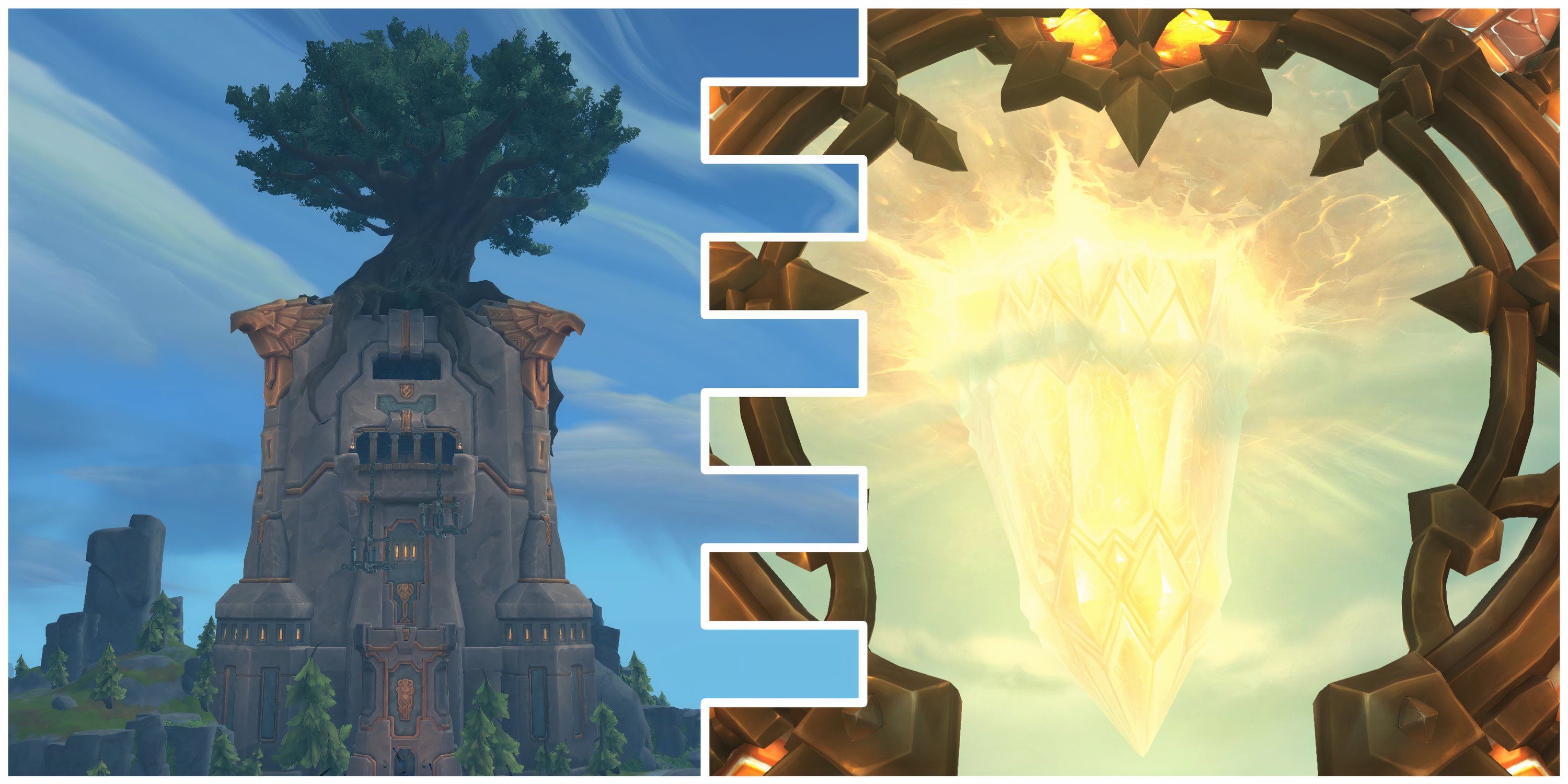
1 The War Within

World of Warcraft

World of Warcraft: The War Within Alunira Flying in the sky with shield up

The year 2024 marked the 20th anniversary of World of Warcraft, and Blizzard whipped up a worthy reward for players.

The War Within came out in September, and it earned universal praise for being the best World of Warcraft release in years.

Although at surface level this might seem similar to any decent DLC for the series, one of the standout features of The War Within is that it does not require you to be a full-time player to enjoy it.

You can comfortably pace yourself through the story alone, with NPC allies joining you if you go dungeon-busting.

The expansion also rewards your time in ways that feel almost alien for World of Warcraft. From the cutscenes to the artistic impressions left in every corner of the DLC content, The War Within feels like a war cry.

World of Warcraft is not only alive, but it is improving. Saying “happy anniversary” never felt this joyful.

Next

World of Warcraft: The War Within – All Dungeons, Ranked

Eight more dungeons added to the roster!


Source link

Another Publicly Traded Firm Just Adopted a Bitcoin Reserve Strategy – Decrypt

0
Another Publicly Traded Firm Just Adopted a Bitcoin Reserve Strategy – Decrypt


Matador Technologies, a Canadian crypto firm, said Monday that it would begin leveraging Bitcoin as a treasury reserve asset, starting with a $4.5 million purchase later this month.

The little-known company has been developing a platform on top of Bitcoin’s network, which will enable users to one day purchase and trade digital representations of gold, according to a press release. The company previously said it’s targeting a launch of “early 2025” for said platform. 

The company, formerly known as Scaling Capital 1, began trading on the TSX Venture Exchange last week under its new name. Since Matador’s debut last Tuesday, its stock price has fallen 35% from a closing price of $0.90 to $0.58, as of this writing.

Since software firm MicroStrategy began purchasing Bitcoin in 2020—ultimately amassing more than $41 billion worth as of this writing—major tech companies like Tesla have brought the asset onto their own balance sheets.

But with firms like Microsoft declining to take that route recently, many companies following in MicroStrategy’s footsteps have been relatively small. With a market capitalization of $49.5 million, Matador undoubtedly fits within that group.

Eventually, Matador plans on releasing a mobile application that lets users “buy, sell, and store gold 24/7,” according to a press release. But the company has said it plans to “build a significant portfolio of products” beyond the precious metal, according to its website.

Matador said Monday that its Bitcoin-buying endeavors were unanimously approved by the company’s board of directors. As part of the move, Matador said it would meanwhile shift the majority of its cash balances to the U.S. dollar, while ditching Canada’s official currency. 

The Canadian firm said that it had assessed its platform’s viability on Ethereum and Solana, but Bitcoin was chosen for its secure and stable network at the end of the day. Matador added that physical gold reserves backing its digital representations will be held at the Royal Canadian Mint, a corporation owned solely by the Canadian government.

“Matador’s board and management believe in using Bitcoin to future-proof our treasury,” Matador President Sunny Ray said in a statement. “This step also supports our mission to explore using Bitcoin as a platform for our gold-based products.”

Among firms that have adopted Bitcoin this year, the Japanese investment firm Metaplanet has built up a $164 million stash since its first purchase in April, according to Bitcoin Treasuries. But there’s overlap between Metaplanet and Matador beyond Bitcoin and starting with the letter M.

BTC Inc., the parent company of Bitcoin Magazine, is known for hosting a popular line of Bitcoin conferences, but it also operates UTXO Management as its investment arm. 

The company’s co-founder and managing partner, Tyler Evans, sits on Metaplanet’s board of directors. In a press release earlier this month, Matador said that Evans would serve on its board of directors as well.

Matador, Evans, and Metaplanet did not immediately respond to a request for comment from Decrypt.

Edited by Andrew Hayward

Daily Debrief Newsletter

Start every day with the top news stories right now, plus original features, a podcast, videos and more.


Source link

Coronation Street: As Nick and Toyah secretly plot their revenge on Leanne over fraud, here’s everything we know about how this fight will end

    0
    Coronation Street: As Nick and Toyah secretly plot their revenge on Leanne over fraud, here’s everything we know about how this fight will end


    In a shock Coronation Street twist, Nick and Toyah are planning their revenge on Leanne – but how will it go down?

    This year, Leanne was heartbroken to find out Nick cheated on her with sister Toyah. The dust then appeared to settle – well… that was until Nick and Toyah decided to rekindle their romance.

    Leanne eventually found out and has secretly been plotting her revenge. But it seems Leanne should be watching her back as it turns out both Nick and Toyah are out to get her….

    Leanne is getting her revenge (Credit: ITV)

    Coronation Street: Leanne gets revenge on Toyah and Nick

    Hell-bent on getting revenge on Toyah and Nick, in recent Coronation Street episodes, Leanne has been trying to frame Toyah for fraud.

    She set up a bank account in her sister’s name and sent across unauthorised payments from the Bistro business account.

    In Monday’s episode (December 23) it seemed her plan worked as the police arrested Toyah. In the station, Toyah protested her innocence, confused over who could be setting her up.

    When DC Kit Green mentioned that the password for the account was Rose2001 – referring to Toyah’s stillborn baby she lost in 2001 – the penny dropped for Toyah.It dawned on Toyah that Leanne orchestrated it.

    The cops arrested Toyah (Credit: ITV)

    Toyah arrested on Coronation Street

    Later on, Toyah insisted she had nothing to do with it, while warning Nick that Leanne is behind it all. However, Nick didn’t know who to believe. He then decided he believed Leanne and made it clear to Toyah that she wasn’t welcome.

    But, in a huge twist, later on Nick paid Toyah a visit in her hotel room and it was revealed they had tricked Leanne.

    “We’ve got to make sure she doesn’t get away with this. Play her at her own game,” Nick said. Toyah agreed: “I wish it hadn’t come to this, but this is war.”

    How will Toyah and Leanne feud end?

    With Toyah and Nick plotting against Leanne, would could they have up their sleeve for her?

    Spoilers for Christmas Day reveal that a fight in the station breaks out between Toyah and Leanne. But who will come out on top?

    What’s more, Max Turner watches on and Max films their keruffle – will the footage backtrack on the bickering sisters?

    Coronation Street usually airs on Monday, Wednesday and Friday at 8pm on ITV.

    Read more: Coronation Street: As Dee-Dee decides to put her unborn baby up for adoption, here’s what happens next

    YouTube video player

    So what do you think of this story? You can leave us a comment on our Facebook page @EntertainmentDailyFix and let us know.

    For all the latest soap spoilers, news and chat come and join us at Soap Daily now!


    Source link

    Holliday Grainger on ‘fair share of questionable romances’ before settling down with famous boyfriend

      0
      Holliday Grainger on ‘fair share of questionable romances’ before settling down with famous boyfriend


      Star of Strike and The Capture Holliday Grainger previously opened up about her “questionable romances” before settling down with her boyfriend.

      The 36-year-old actor, who has also starred in Bonnie & Clyde and The Borgias, is currently in a relationship with fellow actor Harry Treadaway. The pair began dating in 2015 and started their own family in 2021, welcoming twins.

      Holliday and Harry began dating in 2015 (Credit: Splashnews.com)

      Holliday Grainger spent years with ‘questionable romances’

      During an interview with The Telegraph in 2020, Holliday opened up about her life in Devon, where she and her boyfriend live.

      Revealing her day-to-day routine, she explained that if she’s filming, her day will begin around 5.30 am.

      “That’s the difficult thing about being an actor; your routine can shift very quickly,” Holliday Grainger insisted.

      She continued: “I make coffee, toast with Marmite and avocado, and a smoothie. Then I’ll put together a to-do list. Some weeks I feel like an incredibly organised businesswoman, others I’m chasing my tail.”

      At the time, Holliday revealed her “most recent project” was reading the audiobook of journalist Dolly Alderton’s debut novel, Ghosts, which is about modern dating.

      Reflecting on past relationships, she disclosed that she’s “never been ‘ghosted’, but in my earlier 20s, I had my fair share of questionable romances”.

      Admitting that she read the book three times, Holliday said she still found the novel “incredibly amusing”.

      Holliday Grainger smiling

      Holliday’s exes include other actors (Credit: Splashnews.com)

      Holliday Grainger’s love life before meeting boyfriend Harry Treadway

      While Holliday never outed the names of her “questionable relationships,” she has been known to be romantically linked with other actors before settling down with Harry.

      Between 2007 and 2011, she was in a relationship with Casualty actor Luke Bailey, who played Sam Bateman.

      When that came to an end, she dated Canadian star François Arnaud for a year between 2011 and 2012.

      Read more: BBC One announces new season of Strike with Tom Burke and Holliday Grainger: The Ink Black Heart is coming soon!

      Strike interview: hmv.com talks to Tom Burke & Holliday Grainger

      What do you think of this story? Leave us a comment on our Facebook page @EntertainmentDailyFix and let us know.


      Source link

      Popular Posts

      My Favorites

      7 Free AI-Powered Resume Builders That Make CV Creation Easier Than...

      Crafting a compelling CV is no longer just about listing experience—it’s a strategic part of job hunting. In a world where automated systems...