Home Blog Page 1463

Exploring the Future of Digital Luxury Experiences
    0
    Exploring the Future of Digital Luxury Experiences

    Exploring the Future of Digital Luxury Experiences

    The digital landscape has dramatically transformed the luxury industry, ushering in a new era where opulence is no longer confined to physical spaces. As technology continues to evolve, so does the concept of luxury, reshaping consumer expectations and experiences. This article delves into how digital innovations are redefining luxury, exploring the roles of immersive technologies and artificial intelligence in crafting exclusive experiences.

    The Evolution of Luxury in the Digital Age

    The luxury industry has always been synonymous with exclusivity, craftsmanship, and status. Traditionally, luxury was experienced through tangible products and face-to-face interactions. However, the digital age has brought about significant changes, challenging traditional notions of luxury. Today, luxury brands are leveraging digital platforms to reach and engage with a broader audience, offering personalized experiences that were once unimaginable.

    Digital transformation has opened up new avenues for luxury brands to tell their stories and create deeper connections with consumers. Through social media, brands can showcase their heritage and craftsmanship, while influencers and digital ambassadors help amplify their message to a global audience. This shift has democratized luxury, making it more accessible while maintaining its allure.

    E-commerce has also played a pivotal role in the evolution of digital luxury. High-end brands that once hesitated to embrace online sales now offer seamless shopping experiences that reflect their brand values. Websites and apps are designed to provide a sense of exclusivity and sophistication, with virtual try-ons and personalized recommendations enhancing the shopping journey.

    Moreover, the rise of digital luxury is also evident in the growing importance of sustainability and ethical practices. Consumers are increasingly demanding transparency and accountability from luxury brands, and digital platforms allow for better communication and engagement in these areas. Brands can share their sustainability initiatives and engage with consumers on a more personal level, building trust and loyalty.

    The evolution of luxury in the digital age is also characterized by the blending of physical and digital experiences. Luxury brands are investing in creating immersive environments that merge the tactile with the virtual, offering consumers a holistic experience that transcends traditional boundaries. This fusion of the physical and digital is paving the way for a new era of luxury that is both experiential and aspirational.

    As the digital landscape continues to evolve, luxury brands must adapt and innovate to stay relevant. Embracing digital transformation is no longer optional but essential for survival in a competitive market. By leveraging technology, luxury brands can create unique and unforgettable experiences that resonate with the modern consumer, ensuring their continued success in the digital age.

    Immersive Technologies Redefining Opulence

    Immersive technologies, such as virtual reality (VR) and augmented reality (AR), are revolutionizing the luxury industry by offering new ways to experience opulence. These technologies provide consumers with interactive and engaging experiences that transcend traditional boundaries, allowing them to explore luxury in unprecedented ways.

    Virtual reality offers a unique opportunity for luxury brands to create immersive environments where consumers can experience their products and services in a highly realistic setting. For example, VR can transport consumers to a virtual showroom, where they can explore a collection of high-end fashion or luxury automobiles without leaving their homes. This not only enhances the shopping experience but also allows brands to showcase their offerings in a more dynamic and engaging manner.

    Similarly, augmented reality is redefining opulence by overlaying digital content onto the real world. AR applications allow consumers to visualize luxury products in their own environment, whether it’s trying on a virtual watch or placing a digital piece of furniture in their living room. This level of interactivity not only enhances the consumer experience but also provides a sense of exclusivity and personalization.

    Beyond product visualization, immersive technologies are also being used to create unique brand experiences. Luxury brands are leveraging VR and AR to host virtual events, fashion shows, and exclusive previews, allowing consumers to participate from anywhere in the world. These digital experiences not only build excitement and anticipation but also foster a sense of belonging and community among luxury enthusiasts.

    The integration of immersive technologies into the luxury industry is also driving innovation in product design and development. Designers can use VR to experiment with new materials and concepts, while AR can assist in visualizing prototypes and making real-time adjustments. This not only accelerates the design process but also allows for greater creativity and experimentation.

    As immersive technologies continue to evolve, they will play an increasingly important role in redefining opulence in the digital age. By embracing these technologies, luxury brands can create unique and memorable experiences that resonate with consumers, reinforcing their position as leaders in innovation and exclusivity.

    The Role of AI in Curating Exclusive Experiences

    Artificial intelligence (AI) is transforming the luxury industry by enabling brands to curate personalized and exclusive experiences for their consumers. Through data analysis and machine learning, AI can provide insights into consumer preferences and behavior, allowing brands to tailor their offerings to meet individual needs.

    One of the key applications of AI in the luxury industry is personalization. By analyzing consumer data, AI can recommend products and services that align with individual tastes and preferences. This level of personalization not only enhances the consumer experience but also fosters a sense of exclusivity and uniqueness.

    AI is also being used to enhance customer service in the luxury industry. Chatbots and virtual assistants powered by AI can provide instant support and assistance, answering queries and providing recommendations in real-time. This not only improves the efficiency of customer service but also ensures a seamless and personalized experience for consumers.

    Moreover, AI is playing a crucial role in optimizing supply chain management and inventory control for luxury brands. By analyzing data and predicting demand, AI can help brands manage their inventory more effectively, ensuring that the right products are available at the right time. This not only reduces waste but also enhances the overall consumer experience by ensuring product availability.

    In addition to enhancing personalization and efficiency, AI is also driving innovation in product design and development. By analyzing trends and consumer preferences, AI can provide insights into emerging styles and designs, allowing brands to stay ahead of the curve. This level of innovation not only reinforces the brand’s position as a leader in the luxury industry but also ensures that their offerings remain relevant and desirable.

    As AI continues to evolve, its role in curating exclusive experiences in the luxury industry will only grow. By leveraging AI, luxury brands can create personalized and memorable experiences that resonate with consumers, reinforcing their position as leaders in innovation and exclusivity.

    The future of digital luxury experiences is being shaped by the continuous evolution of technology. As the digital landscape transforms, so too does the concept of luxury, with immersive technologies and AI playing pivotal roles in redefining opulence. By embracing these innovations, luxury brands can create unique and personalized experiences that resonate with the modern consumer, ensuring their continued relevance and success in an ever-changing market. The journey toward digital luxury is only just beginning, and the possibilities are as limitless as the imagination itself.
    Exploring Couture’s Evolution in the Metaverse Realm

    Exploring Couture’s Evolution in the Metaverse Realm

    Exploring Couture’s Evolution in the Metaverse Realm

    The fashion industry has always been a dynamic and ever-evolving landscape, where the boundaries of creativity and technology continuously intersect. In recent years, the emergence of the metaverse has introduced a new dimension to this evolution, challenging designers to rethink traditional couture and embrace virtual reality. This article delves into the fascinating journey of couture’s evolution within the metaverse, examining the intersection of fashion and virtual reality, how designers are adapting to this new era, and the future trends shaping digital fashion.

    The Intersection of Couture and Virtual Reality

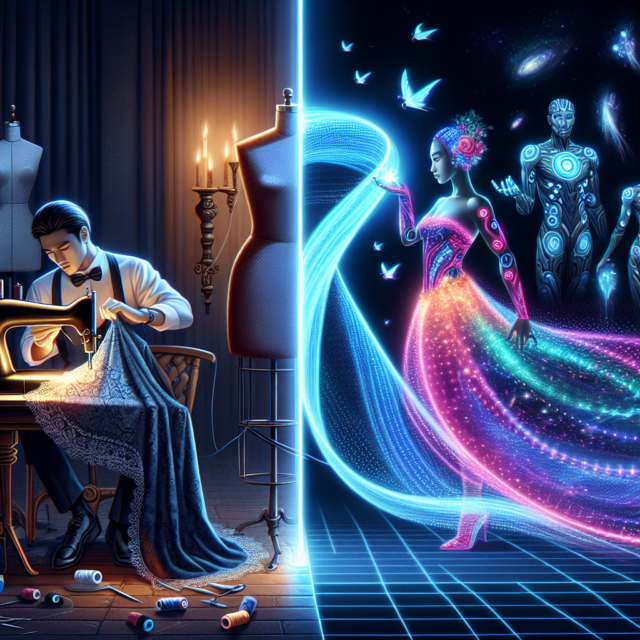
    The intersection of couture and virtual reality represents a groundbreaking shift in the fashion industry, where the lines between physical and digital worlds blur. This convergence allows designers to explore limitless possibilities, crafting garments that defy the constraints of reality. Unlike traditional couture, virtual fashion exists in a space where materials, physics, and gravity are mere suggestions, offering an unprecedented playground for creativity. This has enabled the development of fantastical designs that push the boundaries of imagination, from garments that change color with the flick of a switch to outfits that defy gravity, floating effortlessly in virtual spaces.

    Virtual reality also democratizes access to couture. Traditionally, haute couture has been the realm of an exclusive few, with garments crafted for a select clientele. However, in the metaverse, digital couture can be accessible to anyone with an internet connection. This shift challenges the exclusivity of high fashion, allowing a broader audience to engage with and appreciate the artistry and craftsmanship of couture designs. As a result, virtual reality is not only transforming how couture is created but also how it is consumed.

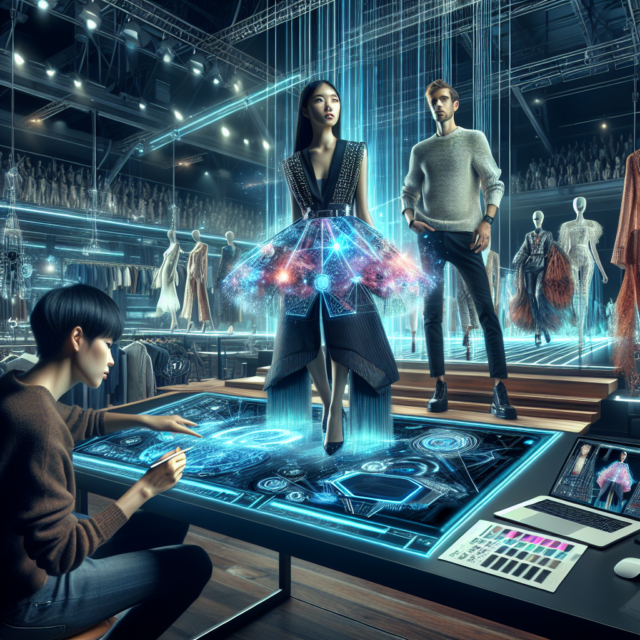
    Moreover, the intersection of couture and virtual reality is fostering new collaborations between fashion designers and technology experts. The creation of digital couture requires a fusion of skills, bringing together the worlds of fashion design, computer graphics, and virtual reality development. This collaboration is leading to innovative techniques and tools that are redefining the design process. Designers are now exploring 3D modeling software, augmented reality applications, and virtual reality platforms to bring their visions to life in the digital realm.

    The metaverse also offers a platform for sustainability within the fashion industry. Digital couture eliminates the need for physical materials, reducing waste and the environmental impact associated with traditional garment production. This shift towards sustainable practices aligns with the growing demand for eco-conscious fashion, allowing designers to experiment with new ways to create without the constraints of resource limitations. In this way, the intersection of couture and virtual reality is not only reshaping design but also encouraging a more sustainable approach to fashion.

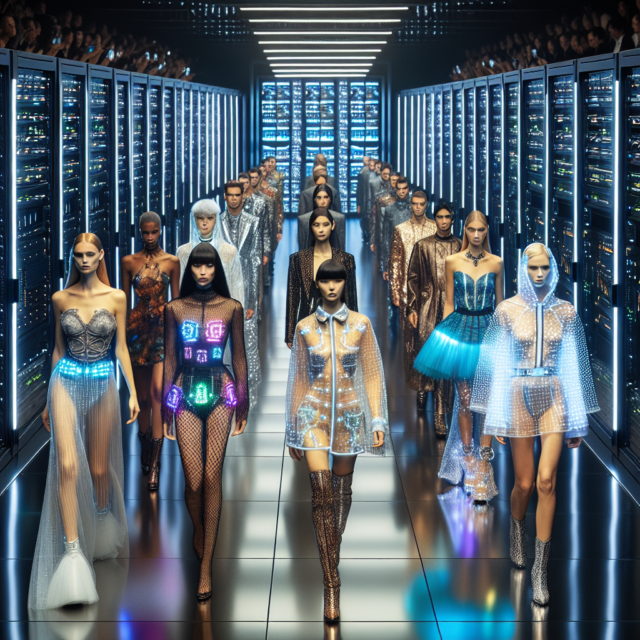
    Furthermore, the immersive nature of virtual reality enhances the storytelling aspect of couture. Fashion shows in the metaverse are no longer limited by physical space or time constraints, enabling designers to craft immersive experiences that transport audiences into their creative universes. These virtual presentations can incorporate elements such as interactive environments, soundscapes, and narrative-driven showcases, providing a multi-sensory experience that captivates and engages viewers in ways that traditional runway shows cannot.

    Finally, the intersection of couture and virtual reality is redefining the concept of personal expression. In the metaverse, individuals can curate their digital identities through fashion choices that transcend the limitations of the physical world. This newfound freedom allows for a more diverse and inclusive representation of style, where self-expression knows no bounds. As a result, virtual reality is not only reshaping the fashion landscape but also empowering individuals to explore and express their unique identities through digital couture.

    How Designers Adapt to the Metaverse Era

    As the metaverse continues to gain prominence, designers are adapting to this new era by embracing digital tools and technologies that redefine the creative process. One of the key ways designers are adapting is by integrating 3D modeling software into their workflows. This technology allows designers to create intricate digital garments with precision and flexibility, enabling them to experiment with shapes, textures, and colors in ways that were previously unimaginable. By leveraging 3D modeling, designers can iterate rapidly, bringing their visions to life in the digital realm and pushing the boundaries of traditional couture.

    In addition to 3D modeling, designers are harnessing the power of augmented reality (AR) to bridge the gap between physical and digital fashion. AR technology allows users to overlay digital garments onto their physical selves, providing a seamless and interactive experience. This adaptation not only enhances the consumer experience but also offers designers a new way to showcase their creations. By utilizing AR, designers can create virtual fitting rooms, allowing customers to try on digital couture before making a purchase decision, thereby revolutionizing the traditional shopping experience.

    The metaverse era also demands a shift in the skill sets required by designers. To thrive in this digital landscape, designers must acquire new technical skills, such as coding, graphic design, and virtual reality development. This shift has led to the emergence of hybrid roles, where designers collaborate with technologists to create immersive digital fashion experiences. By embracing these new skills, designers can navigate the complexities of the metaverse and unlock new avenues for creativity and innovation.

    Collaboration is another key aspect of how designers are adapting to the metaverse era. The creation of digital couture often requires a multidisciplinary approach, bringing together experts from various fields, including fashion, technology, and gaming. Designers are forming partnerships with developers, graphic artists, and virtual reality specialists to bring their digital visions to life. This collaborative approach not only enhances the quality of digital couture but also fosters a cross-pollination of ideas, leading to groundbreaking innovations in the fashion industry.

    Moreover, designers are exploring new business models to adapt to the metaverse era. The digital nature of virtual couture allows for unique opportunities in terms of distribution and monetization. Designers can sell digital garments directly to consumers through online platforms and virtual marketplaces, eliminating the need for traditional retail channels. Additionally, the concept of scarcity can be redefined in the digital realm, with designers creating limited edition digital pieces that hold value and exclusivity. This shift in business models is reshaping the fashion industry, offering new revenue streams and opportunities for designers to thrive in the metaverse.

    Finally, designers are embracing the metaverse as a platform for social change and inclusivity. The digital realm allows for a more diverse representation of fashion, where designers can challenge traditional beauty standards and promote inclusivity. By creating digital couture that caters to a wide range of body types, gender identities, and cultural backgrounds, designers are using the metaverse as a tool for empowerment and self-expression. This adaptation not only reflects the changing values of society but also positions the fashion industry as a catalyst for positive change in the digital era.

    Future Trends in Digital Fashion Evolution

    The future of digital fashion holds exciting possibilities, with emerging trends set to redefine the landscape of couture in the metaverse. One of the key trends is the integration of artificial intelligence (AI) in the design process. AI-powered tools can analyze vast amounts of data to identify emerging fashion trends, consumer preferences, and design patterns. By leveraging AI, designers can gain valuable insights that inform their creative decisions, enabling them to create digital couture that resonates with audiences on a deeper level.

    Another trend shaping the future of digital fashion is the rise of virtual fashion influencers. In the metaverse, virtual influencers are digital personas that engage with audiences through social media platforms and virtual environments. These influencers, often created by designers or brands, showcase digital couture and set new trends in the virtual fashion landscape. As virtual influencers gain popularity, they are becoming powerful marketing tools, allowing designers to reach new audiences and drive engagement in the digital realm.

    The concept of digital ownership is also evolving, with blockchain technology playing a pivotal role in the future of digital fashion. Blockchain allows for the creation of non-fungible tokens (NFTs), unique digital assets that represent ownership of digital couture. This technology enables designers to create limited edition digital garments that hold value and authenticity. As NFTs gain traction, they are set to revolutionize the way digital fashion is bought, sold, and collected, offering new opportunities for designers and consumers alike.

    The future of digital fashion also holds promise for enhanced personalization and customization. In the metaverse, consumers can curate their digital wardrobes with garments tailored to their unique preferences and styles. This trend is driven by advancements in AI and machine learning, which allow for personalized recommendations and customization options. As a result, digital fashion is becoming more individualized, empowering consumers to express their identities through bespoke digital couture.

    Sustainability will continue to be a driving force in the evolution of digital fashion. As consumers become more conscious of their environmental impact, the demand for sustainable digital couture will grow. Designers are exploring eco-friendly materials, virtual production techniques, and circular fashion models to create digital garments that align with sustainable practices. This trend not only reflects the values of the modern consumer but also positions the fashion industry as a leader in sustainable innovation.

    Finally, the future of digital fashion is likely to see an increased focus on immersive experiences. As technology continues to advance, the boundaries between the physical and digital worlds will blur even further. Designers will have the opportunity to create fully immersive environments where consumers can interact with digital couture in real-time. These experiences will transcend traditional fashion shows, allowing audiences to engage with fashion in unprecedented ways. This trend promises to redefine the way fashion is experienced and consumed, paving the way for a new era of digital fashion in the metaverse.

    As couture continues to evolve within the metaverse realm, the fashion industry is poised for a transformative journey. The intersection of couture and virtual reality has opened up new avenues for creativity, accessibility, and sustainability. Designers are adapting to this new era by embracing digital tools, collaborating across disciplines, and exploring innovative business models. Looking ahead, the future trends in digital fashion promise to redefine the landscape, with advancements in AI, blockchain, and immersive experiences shaping the way couture is created and consumed. As the metaverse continues to expand, the evolution of couture within this digital realm will undoubtedly continue to captivate and inspire, offering endless possibilities for the future of fashion.

    Exploring Emerging Digital Trends in the Luxury Sector

    Exploring Emerging Digital Trends in the Luxury Sector

    In recent years, the luxury sector has experienced a profound transformation driven by digital innovation. As technology continues to evolve at a rapid pace, luxury brands are increasingly embracing digital trends to enhance customer experiences, streamline operations, and maintain their competitive edge. This article delves into the intersection of luxury and digital innovation, examines transformative technologies shaping luxury markets, and explores the challenges faced by luxury brands in navigating the digital landscape.

    The Intersection of Luxury and Digital Innovation

    The luxury sector, traditionally characterized by exclusivity and personalized service, is now intersecting with digital innovation in unprecedented ways. This intersection is reshaping how luxury brands interact with consumers, offering new avenues for engagement and personalization. Digital channels are no longer just supplementary but have become integral to the luxury experience, allowing brands to reach a broader audience while maintaining their aura of exclusivity.

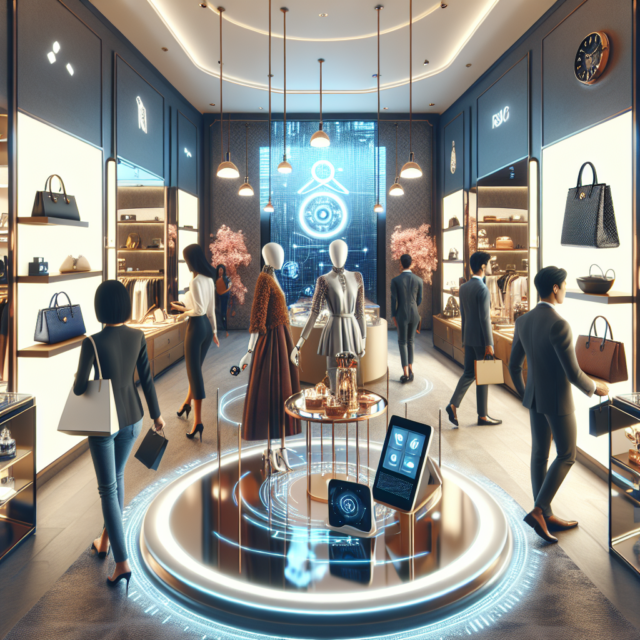
    Luxury brands are leveraging digital platforms to create immersive experiences that resonate with tech-savvy consumers. Virtual reality (VR) and augmented reality (AR) are being used to offer virtual showrooms and try-before-you-buy experiences, enabling customers to engage with products in innovative ways. This blend of digital and physical realms not only enhances the shopping experience but also strengthens brand loyalty by offering unique, memorable interactions.

    Social media has emerged as a critical tool for luxury brands to connect with their audience. Platforms like Instagram and TikTok are not just for marketing products but also serve as storytelling mediums where brands can share their heritage, craftsmanship, and values. Influencer collaborations and user-generated content further amplify brand visibility and consumer engagement, creating a dynamic online presence that reflects the brand’s identity.

    E-commerce has become a key component of the luxury market, with brands investing in sophisticated online platforms to ensure seamless shopping experiences. The integration of AI-powered chatbots and virtual assistants enhances customer service, providing personalized recommendations and support. This digital shift not only caters to the convenience-oriented consumer but also enables brands to gather valuable insights into consumer preferences and behaviors.

    Luxury brands are also exploring blockchain technology to enhance transparency and authenticity. Blockchain can provide a secure, immutable ledger for tracking the provenance of luxury goods, addressing concerns about counterfeiting and ensuring the integrity of high-value items. This technological integration reinforces trust and confidence among consumers, aligning with the luxury sector’s emphasis on quality and authenticity.

    As luxury brands continue to embrace digital innovation, they face the challenge of balancing technological advancements with the traditional values of exclusivity and craftsmanship. The key lies in leveraging digital tools to enhance, rather than dilute, the luxury experience, ensuring that the essence of luxury remains intact even as it evolves in the digital age.

    Transformative Technologies Shaping Luxury Markets

    Transformative technologies are redefining the luxury landscape, with artificial intelligence (AI) leading the charge. AI is being harnessed to offer hyper-personalized experiences, from tailored product recommendations to bespoke services. By analyzing vast amounts of data, AI enables luxury brands to understand consumer preferences on a granular level, allowing them to create customized offerings that resonate with individual tastes.

    The rise of the Internet of Things (IoT) is also having a significant impact on the luxury sector. Smart devices and connected products are enhancing the functionality and appeal of luxury goods. For instance, smartwatches and connected fashion accessories offer not only aesthetic appeal but also advanced features such as health monitoring and seamless integration with other digital devices. This convergence of luxury and technology is appealing to a new generation of consumers seeking both style and substance.

    3D printing is another transformative technology making its mark in the luxury industry. It allows for the creation of intricate designs and customized products, reducing production times and costs. Luxury brands are using 3D printing to experiment with new materials and design concepts, offering unique, limited-edition items that cater to discerning consumers seeking exclusivity and innovation.

    The luxury automotive sector is embracing autonomous driving technology and electrification, reflecting a broader shift towards sustainability and innovation. Electric vehicles and self-driving cars are becoming status symbols, appealing to environmentally conscious consumers who prioritize cutting-edge technology. These advancements not only align with changing consumer values but also position luxury car manufacturers at the forefront of automotive innovation.

    The integration of virtual and augmented reality is transforming luxury retail spaces, creating immersive environments that enhance the shopping experience. Virtual try-ons, interactive displays, and digital fitting rooms allow consumers to engage with products in novel ways, blurring the lines between the physical and digital worlds. This technology-driven approach adds a new dimension to luxury retail, attracting tech-savvy consumers and fostering deeper brand engagement.

    Blockchain technology is revolutionizing supply chain transparency and authenticity in the luxury sector. By providing a secure and verifiable record of a product’s journey from creation to purchase, blockchain addresses concerns about counterfeiting and ensures the integrity of luxury goods. This technology not only safeguards brand reputation but also empowers consumers with the knowledge and assurance that they are investing in genuine, high-quality products.

    Navigating Challenges in the Digital Luxury Space

    Despite the opportunities presented by digital innovation, luxury brands face several challenges in navigating the digital landscape. One of the primary concerns is maintaining the exclusivity and prestige associated with luxury products in an increasingly democratized online environment. As luxury brands expand their digital presence, they must carefully balance accessibility with the need to preserve their aura of exclusivity.

    Data privacy and security are critical challenges in the digital luxury space. With the increasing reliance on data-driven strategies, luxury brands must ensure that consumer information is protected. High-profile data breaches can damage brand reputation and erode consumer trust, making robust cybersecurity measures essential. Brands must navigate the fine line between personalization and privacy, ensuring that data collection and usage are transparent and ethical.

    Another challenge is the risk of diluting brand identity in the pursuit of digital transformation. As luxury brands embrace new technologies and platforms, they must remain true to their core values and heritage. Authenticity and craftsmanship are hallmarks of luxury, and brands must ensure that these elements are not compromised in the digital realm. Striking the right balance between innovation and tradition is crucial for maintaining brand integrity.

    The rapid pace of technological change presents a challenge for luxury brands striving to stay ahead of the curve. Keeping up with emerging trends and consumer expectations requires significant investment in research and development. Brands must be agile and adaptable, ready to pivot their strategies in response to technological advancements and shifting market dynamics. This requires a forward-thinking approach and a willingness to embrace change while remaining grounded in the brand’s legacy.

    Luxury brands also face the challenge of integrating digital and physical experiences seamlessly. As consumers increasingly expect an omnichannel experience, brands must ensure that their online and offline offerings are cohesive and complementary. This requires a strategic approach to digital integration, where technology enhances rather than replaces the tactile, personalized experiences that define luxury.

    Finally, the digital luxury space is characterized by intense competition, with both established brands and new entrants vying for consumer attention. To stand out, luxury brands must differentiate themselves through unique value propositions and exceptional customer experiences. This requires a deep understanding of consumer preferences and a commitment to innovation, ensuring that the brand remains relevant and desirable in a crowded marketplace.

    The fusion of luxury and digital innovation presents both opportunities and challenges for brands navigating this dynamic landscape. By embracing transformative technologies and maintaining a focus on authenticity and exclusivity, luxury brands can enhance their offerings and engage with a new generation of consumers. However, the journey requires careful navigation of digital challenges, ensuring that the essence of luxury remains intact even as it evolves in the digital age. As the luxury sector continues to innovate, the successful integration of digital trends will be key to sustaining growth and maintaining relevance in an ever-changing market.

    Fashion Forward: Couture Meets Cutting-Edge Technology

    Fashion Forward: Couture Meets Cutting-Edge Technology

    Fashion and technology, two seemingly disparate worlds, are increasingly converging to create a vibrant, innovative landscape where creativity knows no bounds. As we stand on the cusp of a new era, the fusion of couture and cutting-edge technology is redefining the boundaries of style and design. This dynamic intersection is not only reshaping the aesthetics and functionality of garments but also transforming the very way we conceive fashion. In this article, we delve into the exciting world where fashion meets technology, explore the groundbreaking innovations that are revolutionizing couture, and spotlight the visionary designers spearheading this transformative journey.

    Exploring the Intersection of Fashion and Tech

    The intersection of fashion and technology represents a thrilling frontier where traditional craftsmanship meets modern innovation. Historically, fashion has always embraced new technologies, from the sewing machine to synthetic fabrics, but today’s advancements are taking this relationship to unprecedented levels. The digital revolution has not only changed how fashion is produced but also how it is consumed and experienced. With the advent of virtual reality (VR) and augmented reality (AR), consumers can now engage with fashion in immersive environments, trying on clothes virtually and experiencing runway shows from the comfort of their homes.

    Moreover, the integration of technology into fashion design is leading to the creation of garments that are not only aesthetically pleasing but also functional. Wearable technology, for instance, is blurring the lines between clothing and gadgets. Smart textiles embedded with sensors and electronics are being developed to monitor health metrics, adjust temperature, and even change color according to mood or environment. This convergence is fostering a new wave of innovation where fashion is not just about personal expression but also about enhancing the human experience.

    The digitalization of fashion also extends to the manufacturing process. 3D printing technology is revolutionizing how garments are constructed, allowing for more sustainable production methods and the creation of intricate designs that were previously impossible to achieve. This technology enables designers to experiment with new materials and structures, pushing the boundaries of what is possible in fashion design. As a result, the fashion industry is becoming more inclusive and adaptable, catering to a wider range of tastes and preferences.

    Another significant development at this intersection is the rise of artificial intelligence (AI) in fashion. AI-powered tools are being used to predict trends, personalize shopping experiences, and even design new garments. These technologies are providing designers with valuable insights into consumer behavior and preferences, enabling them to create collections that resonate more deeply with their audience. This data-driven approach is not only optimizing the design process but also making fashion more accessible and personalized.

    The growing synergy between fashion and technology is also fostering greater sustainability within the industry. With increased awareness of the environmental impact of fashion, technology is playing a crucial role in developing sustainable practices. From using blockchain to track the supply chain and ensure ethical sourcing to creating biodegradable materials, technology is helping to address some of the industry’s most pressing challenges. This alignment is paving the way for a more responsible and eco-conscious fashion future.

    In conclusion, the intersection of fashion and technology is a dynamic and rapidly evolving space that holds immense potential for innovation. By embracing technological advancements, the fashion industry is not only enhancing its creative capabilities but also addressing critical issues such as sustainability and inclusivity. As these two worlds continue to converge, they are poised to reshape the future of fashion in ways we are only beginning to imagine.

    Innovations Redefining the Couture Landscape

    Innovations in technology are redefining the couture landscape, introducing new possibilities in design, production, and consumption. One of the most groundbreaking advancements is the use of bioengineering in fashion. Designers are experimenting with lab-grown materials, such as leather and silk, which offer a sustainable alternative to traditional fabrics. These bio-fabricated materials are not only environmentally friendly but also allow for greater customization and creativity in design, opening new avenues for haute couture.

    In addition to bioengineering, smart textiles are making a significant impact on couture fashion. These textiles, embedded with microelectronics, offer interactive features that enhance the functionality of garments. For instance, fabrics that can change color, emit light, or even charge electronic devices are becoming increasingly popular. These innovations are transforming garments into dynamic pieces that respond to the wearer’s needs and environment, adding a new dimension to couture fashion.

    The use of 3D printing in fashion design is another innovation that is reshaping the couture landscape. This technology allows designers to create complex, avant-garde structures that were previously impossible to achieve with traditional methods. 3D printing offers unparalleled precision and flexibility, enabling the production of custom-made garments with unique textures and patterns. This capability is particularly valuable in haute couture, where exclusivity and individuality are paramount.

    Augmented reality (AR) and virtual reality (VR) are also revolutionizing the way couture is presented and experienced. These technologies allow designers to create immersive fashion shows that transcend physical limitations, offering audiences a unique, interactive experience. Through AR and VR, consumers can explore collections in virtual showrooms, try on garments using digital avatars, and even participate in virtual fittings. These innovations are making couture more accessible and engaging, broadening its appeal to a global audience.

    Artificial intelligence (AI) is playing a crucial role in redefining the couture landscape by offering new tools for design and personalization. AI algorithms can analyze large datasets to identify emerging trends and consumer preferences, enabling designers to create collections that resonate with their audience. Moreover, AI-powered design tools are assisting designers in generating new patterns and silhouettes, providing a fresh perspective on traditional couture techniques. This integration of AI is streamlining the design process and fostering greater creativity and innovation.

    Finally, blockchain technology is emerging as a powerful tool for enhancing transparency and authenticity in couture fashion. By providing a secure, decentralized platform for tracking the provenance and authenticity of garments, blockchain is helping to combat counterfeiting and ensure ethical sourcing. This technology is also enabling designers to create digital identities for their garments, offering consumers a new level of engagement and trust. As these innovations continue to evolve, they are set to redefine the couture landscape, offering exciting possibilities for the future of fashion.

    Designers Pioneering the Future of Fashion

    Several visionary designers are at the forefront of this technological revolution, pioneering the future of fashion with their innovative approaches and groundbreaking designs. One such designer is Iris van Herpen, renowned for her avant-garde creations that seamlessly blend traditional craftsmanship with cutting-edge technology. Van Herpen has consistently pushed the boundaries of fashion by incorporating 3D printing, laser cutting, and other technological advancements into her collections, creating ethereal garments that challenge conventional notions of couture.

    Another trailblazer in the fusion of fashion and technology is Hussein Chalayan, known for his experimental designs that incorporate elements of science and technology. Chalayan has explored themes of transformation and metamorphosis in his work, using technology to create garments that change shape, illuminate, or even disappear. His innovative approach has redefined the possibilities of fashion, demonstrating how technology can be harnessed to tell compelling stories through clothing.

    British designer Stella McCartney is also leading the charge in integrating technology with sustainable fashion. McCartney has been a vocal advocate for environmentally conscious practices, utilizing innovative materials and technologies to reduce the environmental impact of her collections. From using bio-fabricated materials to experimenting with AI in design, McCartney is setting a new standard for sustainability in couture, proving that fashion can be both luxurious and eco-friendly.

    In the realm of wearable technology, designers like Anouk Wipprecht are pioneering the integration of electronics and fashion. Wipprecht’s creations are not only visually striking but also highly functional, incorporating sensors and microcontrollers that respond to the wearer’s environment. Her work exemplifies the potential of wearable technology to enhance the functionality and interactivity of garments, offering a glimpse into the future of fashion.

    Chinese designer Guo Pei is another notable figure pushing the boundaries of couture through her innovative use of technology. Known for her opulent, intricately detailed gowns, Guo Pei has embraced digital tools and techniques to elevate her designs to new heights. By incorporating 3D printing and digital embroidery, she has created garments that are both traditional and futuristic, bridging the gap between past and present.

    As these designers continue to explore the possibilities of technology in fashion, they are paving the way for a new era of couture that is more innovative, inclusive, and sustainable. Their pioneering work is not only redefining the aesthetics and functionality of fashion but also inspiring a new generation of designers to embrace technology as a powerful tool for creativity and expression. Together, they are shaping the future of fashion, where the possibilities are limited only by imagination.

    The convergence of fashion and technology is ushering in a new era of creativity and innovation, where the possibilities are as limitless as the imagination. As we explore the intersection of these two dynamic fields, we witness a transformation in the way fashion is designed, produced, and experienced. From groundbreaking innovations that are redefining the couture landscape to visionary designers pioneering the future of fashion, this fusion is setting the stage for a more inclusive, sustainable, and technologically advanced industry. As we look to the future, the synergy between fashion and technology promises to continue reshaping the world of couture, offering exciting possibilities for designers and consumers alike.

    Crafting Exclusive Luxury Brands in the Digital Era

    Crafting Exclusive Luxury Brands in the Digital Era

    Crafting Exclusive Luxury Brands in the Digital Era

    In an age where digital innovation and rapid technological advancements are reshaping industries, luxury brands face the unique challenge of maintaining their exclusivity while embracing the digital landscape. The allure of luxury has always been about rarity, craftsmanship, and personal touch—elements that seem at odds with the broad reach and accessibility of digital platforms. Yet, as the world becomes more interconnected, luxury brands must find ways to navigate this new terrain, crafting exclusive brand experiences that balance tradition with innovation. This article explores how luxury brands can thrive in the digital era, focusing on navigating the digital landscape, creating exclusive brand experiences, and balancing tradition with innovation.

    Navigating the Digital Landscape for Luxury Brands

    Navigating the digital landscape presents both challenges and opportunities for luxury brands. The internet provides an unparalleled platform for reaching a global audience, but it also poses the risk of diluting the exclusivity that luxury brands are known for. To maintain their prestige, luxury brands must carefully curate their online presence, ensuring that their digital touchpoints reflect the same level of sophistication and elegance as their physical counterparts. This involves investing in high-quality digital content, from visually stunning websites to immersive social media campaigns that resonate with the brand’s identity.

    The rise of e-commerce has transformed the way consumers interact with luxury brands. Online shopping offers convenience and accessibility, but luxury brands must go beyond mere transactions to provide an experience that mirrors the exclusivity of their physical stores. This includes offering personalized online services, such as virtual styling sessions or bespoke product recommendations, to create a sense of exclusivity and personal connection. By leveraging data analytics and AI, luxury brands can gain insights into consumer preferences, allowing them to tailor their digital offerings and enhance the customer journey.

    Social media platforms have become vital channels for luxury brands to engage with their audience. However, maintaining an aura of exclusivity on these platforms requires a delicate balance. Luxury brands must carefully curate their social media content, focusing on storytelling and brand heritage to differentiate themselves from mass-market competitors. Collaborations with influencers and celebrities can amplify brand visibility, but it’s crucial to select partners whose values align with the brand’s ethos to maintain authenticity and exclusivity.

    Digital marketing strategies must be adapted to target the affluent consumer segment effectively. Luxury brands should prioritize quality over quantity, focusing on targeted campaigns that reach the right audience rather than seeking widespread exposure. This involves leveraging data-driven insights to identify potential customers and tailoring marketing messages to resonate with their aspirations and lifestyles. By creating a sense of exclusivity through limited-edition digital releases or exclusive online events, luxury brands can foster a sense of belonging among their clientele.

    The integration of cutting-edge technologies, such as augmented reality (AR) and virtual reality (VR), offers new avenues for luxury brands to engage with their audience. These immersive experiences allow consumers to interact with products in a virtual space, enhancing their understanding and appreciation of the brand’s craftsmanship. By offering virtual tours of ateliers or behind-the-scenes glimpses into the creation process, luxury brands can deepen the connection with their audience, reinforcing the brand’s narrative and exclusivity.

    Finally, protecting brand integrity in the digital space is paramount. Luxury brands must be vigilant in safeguarding their intellectual property and combating counterfeiting, which is rampant online. Implementing robust cybersecurity measures and collaborating with authorities to combat counterfeit goods is essential to maintaining consumer trust and preserving the brand’s exclusivity. By navigating the digital landscape with a strategic approach, luxury brands can harness the power of technology to enhance their prestige and connect with a new generation of discerning consumers.

    Strategies for Creating Exclusive Brand Experiences

    Creating exclusive brand experiences is at the core of luxury branding, and in the digital era, this requires a reimagining of traditional strategies. Luxury brands must focus on crafting experiences that resonate with their audience on an emotional level, fostering a sense of belonging and loyalty. This involves creating a narrative that goes beyond the product, emphasizing the brand’s heritage, values, and commitment to craftsmanship. Storytelling becomes a powerful tool in conveying the brand’s exclusivity and creating a lasting impression.

    Personalization is a key strategy in delivering exclusive brand experiences. Luxury consumers expect tailored services that cater to their individual preferences and needs. By leveraging data analytics, luxury brands can gain insights into customer behavior and preferences, allowing them to offer personalized recommendations and services. From customized products to personalized marketing messages, every touchpoint should reflect the brand’s commitment to exclusivity and individuality.

    Exclusive events and experiences are another avenue for luxury brands to engage with their audience. In the digital era, these events can take on new forms, such as virtual fashion shows, private online previews, or interactive digital experiences. By offering access to exclusive content or behind-the-scenes glimpses, luxury brands can create a sense of privilege and exclusivity for their audience. These experiences not only reinforce the brand’s prestige but also foster a deeper connection with the consumer.

    Loyalty programs can be reimagined to offer exclusive benefits and experiences that go beyond traditional rewards. Luxury brands can create membership programs that offer access to exclusive events, personalized services, or limited-edition products. By recognizing and rewarding loyal customers, luxury brands can cultivate a sense of community and belonging, enhancing the brand’s exclusivity and desirability.

    Collaborations and partnerships with other luxury brands or artists can also enhance the exclusivity of a brand experience. By joining forces with like-minded entities, luxury brands can create unique and limited-edition products or experiences that capture the imagination of consumers. These collaborations not only generate buzz and excitement but also reinforce the brand’s position as a leader in the luxury space.

    Finally, maintaining a consistent and cohesive brand identity across all digital touchpoints is crucial in creating exclusive brand experiences. From the website design to social media content, every element should reflect the brand’s values and aesthetics. Consistency in messaging and visual identity helps to reinforce the brand’s exclusivity and creates a seamless experience for the consumer. By focusing on creating meaningful and memorable experiences, luxury brands can foster a deep sense of loyalty and connection with their audience.

    Balancing Tradition and Innovation in Luxury Crafting

    Balancing tradition and innovation is a delicate task for luxury brands, as they strive to maintain their heritage while embracing modernity. The essence of luxury lies in its timeless appeal and commitment to craftsmanship, but in the digital era, brands must also be willing to innovate and adapt to changing consumer expectations. This requires a careful preservation of traditional techniques while integrating new technologies and approaches to stay relevant.

    One way luxury brands can balance tradition and innovation is by incorporating technology into their production processes. This can involve using advanced materials or techniques that enhance the quality and functionality of products while maintaining the brand’s commitment to craftsmanship. For example, luxury watchmakers may use cutting-edge technology to improve precision and durability while preserving the artistry and heritage of traditional watchmaking.

    Innovation can also be applied to the design and aesthetic of luxury products. By experimenting with new materials, colors, and forms, luxury brands can create contemporary designs that appeal to modern consumers while staying true to their brand’s identity. Limited-edition releases or collaborations with innovative designers can inject a sense of novelty and excitement into the brand’s offerings, attracting a younger and more diverse audience.

    Digital innovation offers new opportunities for luxury brands to showcase their craftsmanship and heritage. Virtual reality (VR) and augmented reality (AR) experiences can transport consumers into the world of the brand, offering immersive insights into the creation process and the mastery behind each product. These technologies allow luxury brands to tell their story in a compelling and interactive way, bridging the gap between tradition and innovation.

    Sustainability is another area where luxury brands can balance tradition and innovation. As consumers become more environmentally conscious, luxury brands are increasingly exploring sustainable practices and materials. By incorporating sustainability into their brand ethos, luxury brands can appeal to a new generation of consumers who value ethical and responsible consumption. This involves not only using sustainable materials but also ensuring ethical sourcing and production processes that align with the brand’s heritage and values.

    Finally, embracing digital platforms for storytelling and engagement allows luxury brands to reach a wider audience while maintaining their exclusivity. By sharing the stories behind their products, the craftsmanship involved, and the brand’s heritage, luxury brands can create a deeper connection with consumers. This digital storytelling can be complemented by traditional marketing methods, such as print advertising or in-store experiences, to create a holistic brand narrative that resonates with consumers on multiple levels.

    In conclusion, balancing tradition and innovation is essential for luxury brands to thrive in the digital era. By preserving their heritage while embracing new technologies and approaches, luxury brands can maintain their exclusivity and appeal to a new generation of consumers. This requires a strategic approach that integrates digital innovation with traditional craftsmanship, creating a seamless and compelling brand experience.

    In the digital era, luxury brands face the challenge of preserving their exclusivity while embracing the opportunities presented by technology. By navigating the digital landscape with a strategic approach, luxury brands can create exclusive brand experiences that resonate with consumers on an emotional level. Balancing tradition and innovation is key to maintaining the brand’s heritage while appealing to a new generation of discerning consumers. As luxury brands continue to adapt to the digital age, they must remain committed to craftsmanship, storytelling, and personalized experiences, ensuring their place at the pinnacle of luxury.

    Exploring the Intersection of Technology and Couture

    Exploring the Intersection of Technology and Couture

    In the ever-evolving world of fashion, the confluence of technology and couture represents a fascinating frontier. As digital advancements continue to permeate every aspect of our lives, the fashion industry is no exception. From the way garments are designed and produced to how they are marketed and consumed, technology is reshaping the traditional landscape of high fashion. This article delves into the intersection of technology and couture, exploring how the digital age has transformed fashion, the innovative blend of tradition and modernity, and the future trajectory of high fashion in an increasingly tech-driven world.

    The Evolution of Fashion in the Digital Age

    The digital age has revolutionized the fashion industry, transforming how designers create, brands market, and consumers engage with fashion. The advent of Computer-Aided Design (CAD) has streamlined the design process, allowing for more precision and creativity. Designers can now experiment with shapes, colors, and patterns in a digital space, reducing the time and resources needed for traditional sketching and prototyping. This digital transformation has empowered designers to push the boundaries of creativity, bringing to life intricate designs that were once unimaginable.

    Moreover, the rise of e-commerce has drastically changed how consumers shop for fashion. Online platforms have made it possible for consumers to access global fashion markets from the comfort of their homes. This shift has not only expanded the reach of fashion brands but has also democratized fashion, making high couture more accessible to a broader audience. The convenience and variety offered by online shopping have been pivotal in driving the growth of the fashion industry in the digital age.

    Social media platforms have also played a crucial role in the evolution of fashion. They have become powerful tools for marketing and brand building, allowing designers to connect directly with their audience. Through platforms like Instagram and TikTok, fashion brands can showcase their latest collections, engage with consumers, and build a loyal following. Influencers and digital content creators have emerged as key players in the fashion ecosystem, shaping trends and driving consumer behavior.

    Furthermore, the digital age has introduced new business models in the fashion industry. Subscription services, rental platforms, and direct-to-consumer brands are disrupting traditional retail models, offering consumers more flexibility and choice. These innovations are reshaping consumer expectations and challenging established brands to adapt to the changing landscape.

    The use of data analytics and artificial intelligence is another significant development in the fashion industry. Brands are leveraging data to understand consumer preferences, predict trends, and optimize inventory management. By harnessing the power of data, fashion companies can make informed decisions, reduce waste, and improve their bottom line.

    Lastly, the digital age has fostered the growth of sustainable fashion. Technology is enabling brands to develop eco-friendly materials, implement sustainable practices, and reduce their environmental impact. From 3D printing to blockchain technology, the fashion industry is embracing innovation to create a more sustainable future.

    Bridging Innovation and Tradition in Couture

    Couture, with its emphasis on craftsmanship and exclusivity, has always been seen as the pinnacle of fashion. However, the infusion of technology is challenging traditional notions and expanding the possibilities of what couture can be. Designers are increasingly incorporating technology into their creations, blending innovation with age-old techniques to create garments that are both avant-garde and rooted in tradition.

    One of the ways technology is being integrated into couture is through the use of smart textiles. These innovative fabrics can change color, light up, or even adjust to temperature changes, offering a dynamic and interactive experience for the wearer. By combining traditional tailoring with futuristic materials, designers are redefining the boundaries of couture and offering a glimpse into the future of fashion.

    3D printing is another technological advancement that is making waves in the world of couture. This technology allows designers to create intricate and complex designs that would be impossible to achieve by hand. From delicate lace patterns to avant-garde silhouettes, 3D printing is pushing the limits of creativity and craftsmanship in couture. It also offers the potential for customization, allowing garments to be tailored to the exact specifications of the client.

    Despite the influx of technology, the essence of couture remains rooted in the celebration of craftsmanship and attention to detail. Many designers are finding ways to honor tradition while embracing innovation. For example, some are using digital techniques to recreate traditional embroidery patterns, preserving heritage while introducing modern elements. This harmonious blend of old and new is giving rise to a new form of couture that resonates with contemporary consumers.

    The collaboration between technology and couture extends beyond the creation of garments. It also influences the way couture is presented and experienced. Virtual reality and augmented reality are being used to create immersive fashion shows, allowing audiences to experience couture in a completely new way. These technologies offer a unique opportunity to engage with fashion on a deeper level, bridging the gap between the physical and digital realms.

    As technology continues to advance, the potential for innovation in couture is limitless. Designers are constantly experimenting with new techniques and materials, pushing the boundaries of what is possible. This dynamic interplay between tradition and technology is not only revitalizing couture but also shaping its future trajectory.

    Ultimately, the integration of technology in couture is a testament to the industry’s ability to evolve and adapt. By embracing innovation while honoring tradition, couture is poised to remain a vital and influential force in the world of fashion.

    How Technology is Shaping High Fashion’s Future

    The future of high fashion is being shaped by a myriad of technological advancements that promise to redefine the industry. One of the most significant trends is the rise of digital fashion, where virtual garments exist solely in the digital realm. Designers are creating collections that can be worn by digital avatars, opening up new possibilities for creativity and self-expression. This shift towards digital fashion is not only environmentally friendly but also offers a new revenue stream for designers.

    Artificial intelligence is also playing a pivotal role in shaping the future of high fashion. AI algorithms are being used to predict trends, personalize shopping experiences, and even design garments. By analyzing vast amounts of data, AI can identify patterns and insights that were previously impossible to discern. This technology is enabling designers to create more relevant and innovative collections, tailored to the preferences of their audience.

    Sustainability is another key area where technology is making a significant impact on high fashion. From using biodegradable materials to developing closed-loop production systems, technology is enabling brands to reduce their environmental footprint. Innovations such as lab-grown leather and recycled textiles are paving the way for a more sustainable and ethical fashion industry. As consumers become more conscious of their environmental impact, the demand for sustainable fashion is likely to grow.

    Blockchain technology is also emerging as a game-changer for high fashion. By providing a secure and transparent way to track the provenance of garments, blockchain is helping to combat counterfeiting and ensure authenticity. This technology is particularly valuable for luxury brands, where the value of a garment is often tied to its exclusivity and heritage. By leveraging blockchain, brands can build trust with consumers and protect their intellectual property.

    The rise of augmented reality and virtual reality is transforming the way consumers interact with fashion. These technologies are being used to create immersive shopping experiences, allowing consumers to try on garments virtually before making a purchase. This not only enhances the shopping experience but also reduces the need for physical samples and returns. As AR and VR technology continues to improve, it is likely to become an integral part of the fashion retail experience.

    In conclusion, technology is reshaping the future of high fashion in profound ways. From digital fashion and AI to sustainability and blockchain, the industry is undergoing a transformation that promises to redefine the way fashion is created, consumed, and experienced. As technology continues to evolve, it will undoubtedly open up new opportunities and challenges for designers and brands, paving the way for a more innovative and sustainable future.

    The intersection of technology and couture is a dynamic and ever-evolving landscape that is redefining the fashion industry. As digital advancements continue to reshape the way fashion is created, marketed, and consumed, the possibilities for innovation are limitless. By embracing technology while honoring tradition, the fashion industry is poised to lead the way in creativity, sustainability, and consumer engagement. As we look to the future, it is clear that the fusion of technology and couture will continue to inspire and transform the world of fashion in exciting and unexpected ways.

    Exploring Emerging Trends in Digital Design and Art

    Exploring Emerging Trends in Digital Design and Art

    In recent years, the realm of digital design and art has undergone remarkable transformations, driven by technological advancements and a growing appetite for innovative expression. This evolving landscape has sparked a multitude of trends that are redefining the boundaries of creativity. From cutting-edge design techniques to the emergence of interactive and immersive art forms, digital artists and designers are harnessing technology to push the limits of what is possible. In this article, we explore the latest trends shaping the future of digital design and art, examining how technology and creativity are converging in unprecedented ways.

    Unveiling Innovations in Digital Design Techniques

    Digital design is continuously evolving, with new techniques emerging that are revolutionizing the way artists and designers create and communicate. One of the most significant innovations is the use of artificial intelligence (AI) in design processes. AI-driven tools are enabling designers to automate repetitive tasks, generate unique patterns, and even create entire compositions, allowing for a greater focus on creativity and conceptualization.

    Another notable trend is the rise of generative design, where algorithms are used to produce complex structures and patterns based on predefined parameters. This technique is particularly popular in architecture and product design, where it allows for the exploration of a vast array of design possibilities that would be impossible to achieve manually. By leveraging computational power, designers can quickly iterate and refine their ideas, leading to more innovative and efficient solutions.

    The integration of virtual reality (VR) and augmented reality (AR) into digital design is also opening up new dimensions for creativity. These technologies provide designers with immersive environments in which they can visualize and manipulate their creations in real-time. This not only enhances the design process but also allows for more engaging presentations and experiences for clients and audiences.

    Parametric design is another emerging trend, characterized by the use of algorithms to manipulate design elements based on variable parameters. This approach enables designers to create highly adaptable and customizable designs that can respond to specific needs or constraints. It is particularly useful in fields such as architecture and urban planning, where flexibility and adaptability are crucial.

    Collaborative design platforms are also gaining traction, allowing designers from different locations to work together seamlessly on projects. These platforms facilitate real-time collaboration and feedback, making the design process more dynamic and fluid. As remote work becomes more prevalent, such tools are becoming essential for maintaining productivity and creativity in digital design teams.

    Finally, the growing emphasis on sustainability is influencing digital design techniques. Designers are increasingly seeking ways to minimize environmental impact through the use of eco-friendly materials, energy-efficient technologies, and sustainable design practices. This trend is not only shaping the aesthetics of digital design but also its ethical and social considerations.

    The Rise of Interactive and Immersive Art Forms

    Interactive and immersive art forms are gaining momentum, driven by advancements in technology and a desire for more engaging and participatory experiences. One of the most significant developments in this area is the proliferation of digital installations that invite audience interaction. These installations often use sensors, motion tracking, and other technologies to create responsive environments that change based on viewer input, offering a personalized and dynamic experience.

    Virtual reality (VR) is playing a pivotal role in the rise of immersive art. Artists are using VR to create fully immersive worlds that transport viewers to entirely new dimensions. These experiences can be both visually stunning and emotionally powerful, allowing audiences to explore and interact with art in ways that were previously unimaginable. As VR technology becomes more accessible, it is likely that we will see even more artists experimenting with this medium.

    Augmented reality (AR) is also contributing to the evolution of interactive art. By overlaying digital content onto the real world, AR allows artists to create experiences that blend the physical and digital realms. This can lead to innovative storytelling techniques and new ways of engaging with art, as viewers can interact with digital elements in their everyday environments.

    Mixed reality (MR) is another exciting trend, combining elements of both VR and AR to create hybrid experiences. MR allows for a seamless integration of virtual and physical worlds, offering artists a versatile platform for creating interactive installations. This technology is still in its early stages, but its potential for transforming the art world is immense.

    The use of artificial intelligence (AI) in interactive art is also on the rise. AI can be used to create dynamic and responsive artworks that evolve over time based on user interactions. This opens up new possibilities for artists to explore themes of agency, control, and collaboration, as viewers become active participants in the creation of art.

    Finally, the growing popularity of live-streaming and digital platforms is enabling artists to reach wider audiences with their interactive and immersive works. These platforms provide new opportunities for artists to connect with viewers, share their creative processes, and collaborate in real-time. As digital connectivity continues to expand, the potential for interactive and immersive art to reach and engage global audiences is limitless.

    Bridging Technology and Creativity in Modern Art

    The convergence of technology and creativity is a defining characteristic of modern art, leading to innovative practices and new forms of expression. One of the most prominent examples of this is the use of digital tools and software in the creation of art. Artists are increasingly using programs like Adobe Creative Suite, Blender, and Procreate to produce digital artworks that push the boundaries of traditional media.

    The incorporation of technology into art is not just limited to digital tools; it also extends to the use of new materials and techniques. For instance, 3D printing is being used by artists to create intricate sculptures and installations that would be impossible to achieve through conventional methods. This technology allows for a high degree of precision and customization, enabling artists to explore new forms and structures.

    The use of data in art is another trend that exemplifies the fusion of technology and creativity. Data-driven art uses information as a raw material, transforming it into visual representations that convey complex narratives and insights. This approach allows artists to engage with contemporary issues such as climate change, social justice, and technology, using data as a means of storytelling and reflection.

    Digital art platforms and online galleries are playing a crucial role in bridging the gap between technology and creativity. These platforms provide artists with new spaces to showcase their work, reach global audiences, and engage with collectors and enthusiasts. They also offer opportunities for collaboration and experimentation, fostering a vibrant digital art community that transcends geographical boundaries.

    The rise of blockchain technology and non-fungible tokens (NFTs) is also impacting the art world, offering artists new ways to monetize their work and establish provenance. NFTs provide a means of authenticating digital art, ensuring that artists receive recognition and compensation for their creations. This technology is reshaping the art market, creating new opportunities and challenges for artists and collectors alike.

    Finally, the integration of technology into art is promoting interdisciplinary collaborations, as artists increasingly work with scientists, engineers, and technologists to explore new possibilities. These collaborations are leading to innovative projects that combine art, science, and technology, pushing the boundaries of what art can be and how it can be experienced. As technology continues to evolve, the potential for creativity and innovation in modern art is boundless.

    As we navigate the ever-changing landscape of digital design and art, it is clear that technology is playing an integral role in shaping contemporary creative practices. From the development of new design techniques to the emergence of interactive and immersive art forms, artists and designers are embracing technology to push the boundaries of their craft. The convergence of technology and creativity is fostering a dynamic and innovative art world, where new possibilities are constantly being explored. As we look to the future, it is exciting to imagine the potential for further advancements and the continued evolution of digital design and art.

    Exploring the World of Digital Design Creators

    Exploring the World of Digital Design Creators

    Exploring the World of Digital Design Creators

    In the evolving landscape of creativity and technology, digital design has emerged as a pivotal force, shaping the way we interact with the world. From stunning visuals that captivate audiences to intuitive interfaces that enhance user experiences, digital design creators are at the forefront of this transformation. This article delves into the multifaceted world of digital design, exploring the landscape, the tools that empower creators, and the challenges they navigate in their creative journeys.

    Unveiling the Digital Design Landscape

    The digital design landscape is a vast and dynamic realm that encompasses a myriad of disciplines, including graphic design, web design, UX/UI design, motion graphics, and more. Each discipline plays a unique role in crafting the digital experiences we encounter daily. Graphic designers focus on creating eye-catching visuals for branding and marketing, while web designers build the interactive platforms that host these visuals. UX/UI designers, on the other hand, ensure that users have a seamless and enjoyable experience when interacting with digital products.

    With the rapid advancement of technology, the digital design landscape has become increasingly complex and interconnected. Designers are no longer confined to traditional static images or print media; instead, they are exploring a world where animation, interactivity, and user engagement are paramount. This shift has led to the emergence of new design paradigms and techniques, such as responsive design, which adapts content to different devices and screen sizes, and immersive design, which creates engaging, interactive environments.

    The rise of social media and digital marketing has further expanded the scope of digital design. Today, designers must create content that not only captures attention but also communicates effectively across various platforms. This requires a deep understanding of audience behavior and preferences, as well as the ability to adapt designs to different formats and mediums. As a result, digital designers are increasingly wearing multiple hats, blending creativity with strategic thinking to deliver impactful designs.

    Collaboration is another hallmark of the digital design landscape. Designers often work in multidisciplinary teams, collaborating with developers, marketers, and content creators to bring their visions to life. This collaborative approach not only enhances the quality of the final product but also fosters innovation and creativity. By leveraging the diverse skills and perspectives of team members, digital designers can push the boundaries of what is possible and create truly innovative designs.

    The global nature of the digital design landscape also presents unique opportunities and challenges. Designers can now work with clients and teams from around the world, bringing diverse cultural influences into their work. However, this also requires an understanding of different cultural contexts and design sensibilities, as well as the ability to communicate effectively across language barriers. As digital design continues to evolve, the ability to navigate this global landscape will be a crucial skill for modern creators.

    In summary, the digital design landscape is a vibrant and ever-changing field that offers endless possibilities for creativity and innovation. From the integration of new technologies to the emergence of global design trends, digital designers are constantly pushing the boundaries of what is possible. As we continue to embrace the digital age, the role of digital design creators will only become more vital in shaping the way we experience the world.

    The Tools Empowering Modern Creators

    In the realm of digital design, the tools and technologies available to creators have evolved significantly, providing them with unprecedented capabilities to bring their visions to life. One of the most fundamental tools in a designer’s arsenal is graphic design software. Programs like Adobe Photoshop, Illustrator, and InDesign have long been industry standards, offering a wide range of features for creating and editing images, illustrations, and layouts. These tools allow designers to experiment with different styles, colors, and compositions, enabling them to craft visually stunning designs.

    Beyond traditional graphic design software, modern creators have access to a plethora of specialized tools tailored to specific design needs. For instance, Sketch and Figma have gained popularity among UX/UI designers for their ability to create interactive prototypes and collaborate in real-time with team members. These tools streamline the design process, making it easier for designers to iterate and refine their work based on user feedback and testing.

    The rise of digital design has also been fueled by advancements in hardware technology. High-performance computers and tablets, such as the Apple iPad Pro and Microsoft Surface, provide designers with the power and flexibility to work on complex projects with ease. These devices, often equipped with stylus pens, offer a more intuitive and natural way for designers to sketch and create digital artwork, bridging the gap between traditional and digital media.

    Cloud-based services and storage solutions have further revolutionized the way digital designers work. Platforms like Adobe Creative Cloud and Google Drive enable designers to access their work from anywhere, collaborate with team members in real-time, and ensure that their files are securely backed up. This level of accessibility and convenience has empowered designers to work more efficiently and flexibly, adapting to the demands of an increasingly interconnected world.

    In addition to software and hardware advancements, the rise of online resources and communities has played a crucial role in empowering modern creators. Online platforms such as Behance, Dribbble, and Pinterest serve as valuable sources of inspiration, allowing designers to share their work, discover new trends, and connect with other creatives. These platforms foster a sense of community and collaboration, encouraging designers to learn from each other and grow their skills.

    Finally, the integration of artificial intelligence (AI) and machine learning in design tools is opening new doors for creativity and innovation. AI-powered features, such as content-aware fill and automatic layout suggestions, help designers save time and enhance their workflow. As AI technology continues to advance, it is likely that we will see even more sophisticated tools that assist designers in generating ideas, optimizing designs, and personalizing user experiences.

    Navigating Challenges in Digital Design

    Despite the abundance of tools and resources available to digital designers, the journey to creating exceptional designs is not without its challenges. One of the primary hurdles faced by designers is the ever-evolving nature of technology and design trends. With new tools, platforms, and design paradigms emerging at a rapid pace, designers must continuously update their skills and knowledge to stay relevant in the industry. This requires a commitment to lifelong learning and adaptability, as well as the ability to quickly grasp and implement new concepts.

    Another significant challenge in digital design is the need to balance creativity with functionality. While designers strive to create visually appealing and innovative designs, they must also ensure that their creations are practical and user-friendly. This involves understanding the needs and preferences of the target audience, as well as considering factors such as accessibility, usability, and performance. Striking the right balance between aesthetics and functionality is crucial for delivering designs that resonate with users and achieve the desired impact.

    The digital design landscape is also characterized by intense competition, with designers from around the world vying for attention and recognition. This competitive environment can be both motivating and daunting, pushing designers to continually improve their skills and showcase their unique style. However, it can also lead to creative burnout, as designers feel the pressure to constantly produce new and original work. Finding ways to manage stress and maintain a healthy work-life balance is essential for sustaining creativity and passion in the long run.

    Collaboration, while beneficial, can also present challenges for digital designers. Working with diverse teams and stakeholders often requires effective communication and negotiation skills, as well as the ability to navigate differing opinions and expectations. Designers must be adept at articulating their vision and rationale, while also being open to feedback and compromise. Building strong relationships and fostering a collaborative environment can help designers overcome these challenges and achieve successful outcomes.

    Furthermore, the issue of intellectual property and copyright infringement is a persistent challenge in the digital design world. With the ease of sharing and distributing digital content online, designers face the risk of having their work copied or used without permission. Protecting intellectual property rights and ensuring proper attribution can be complex, requiring designers to be vigilant and informed about legal matters. This underscores the importance of understanding copyright laws and using appropriate licensing agreements to safeguard creative work.

    Lastly, the increasing emphasis on sustainability and ethical design practices presents both opportunities and challenges for digital designers. As consumers become more conscious of environmental and social issues, designers are expected to create designs that are not only visually appealing but also sustainable and socially responsible. This involves considering the environmental impact of design choices, as well as promoting inclusivity and diversity in design. Embracing these principles can help designers create meaningful and impactful work that resonates with a broader audience.

    The world of digital design creators is a dynamic and ever-evolving landscape that offers both exciting opportunities and formidable challenges. As technology continues to advance, designers are empowered with powerful tools and resources that unlock new creative possibilities. However, navigating the complexities of this landscape requires adaptability, collaboration, and a commitment to ethical and sustainable practices. By embracing these principles, digital design creators can continue to push the boundaries of innovation and shape the future of design in a meaningful way.

    Exploring Emerging Trends in Contemporary Digital Art

    Exploring Emerging Trends in Contemporary Digital Art

    In recent years, the digital art landscape has experienced a dynamic transformation, influenced by technological advancements and shifting cultural paradigms. As artists continue to experiment with new tools and platforms, contemporary digital art has expanded beyond traditional boundaries, offering fresh perspectives and innovative experiences. This article delves into the emerging trends shaping this vibrant field, exploring the evolution of digital art forms, the technologies driving current creations, and the impact of social media on artist visibility.

    Understanding the Evolution of Digital Art Forms

    The evolution of digital art forms can be traced back to the late 20th century, with early pioneers using computers as creative tools. Initially, digital art was seen as a niche interest, with limited recognition within the broader art community. However, as technology advanced, artists began to explore new possibilities, pushing the boundaries of traditional artistic practices. This period saw the emergence of digital painting, 3D modeling, and computer-generated imagery, each contributing to a diverse digital art ecosystem.

    As digital art gained momentum, the internet played a pivotal role in its dissemination and evolution. Online platforms provided artists with a global stage to showcase their work, breaking down geographical barriers and fostering cross-cultural collaborations. This accessibility led to the democratization of art creation and consumption, allowing artists from various backgrounds to experiment and innovate. Consequently, digital art forms began to diversify, incorporating elements of interactivity, virtual reality, and augmented reality.

    In recent years, the concept of digital art has expanded to encompass various forms, including generative art, data visualization, and immersive installations. Generative art, which uses algorithms to create unique compositions, has gained popularity for its ability to blend creativity with computational precision. Similarly, data visualization transforms complex datasets into visually compelling narratives, offering new ways to interpret information artistically. These developments reflect a broader trend towards integrating technology and art, resulting in increasingly sophisticated and nuanced digital creations.

    The rise of non-fungible tokens (NFTs) has further revolutionized the digital art landscape, providing artists with new avenues for monetization and ownership. NFTs enable artists to tokenize their digital creations, ensuring provenance and authenticity in an increasingly digital world. This innovation has sparked debates about the value of digital art and its place within the traditional art market, prompting both excitement and skepticism among artists and collectors alike.

    Moreover, the evolution of digital art forms has been influenced by the growing interest in social and environmental issues. Many contemporary digital artists address themes such as climate change, identity, and social justice, using their work to provoke thought and inspire action. This shift towards socially engaged art reflects a broader trend within the art world, as artists seek to use their platforms to effect positive change.

    Ultimately, the evolution of digital art forms is a testament to the resilience and adaptability of artists in the face of rapid technological advancements. As new tools and platforms continue to emerge, digital art will undoubtedly evolve further, offering unprecedented opportunities for creative expression and innovation.

    Key Technologies Shaping Contemporary Creations

    Contemporary digital art is heavily influenced by a range of cutting-edge technologies that have opened up new possibilities for artistic expression. One of the most significant advancements is artificial intelligence (AI), which has become a powerful tool for artists seeking to push creative boundaries. AI algorithms can generate unique artworks, assist in the creation of complex compositions, and even mimic human artistic styles, offering a new realm of exploration for digital artists.

    Virtual reality (VR) and augmented reality (AR) are also at the forefront of technological innovations shaping contemporary digital art. These immersive technologies enable artists to create interactive experiences that transcend traditional two-dimensional media. VR allows viewers to step inside digital environments, offering a sense of presence and engagement that static artworks cannot match. Similarly, AR overlays digital elements onto the real world, creating a blend of physical and digital experiences that captivate audiences.

    Blockchain technology, particularly in the form of non-fungible tokens (NFTs), has had a profound impact on the digital art market. NFTs provide a means for artists to authenticate and sell their digital creations, offering a new level of ownership and value in the digital realm. This technology has empowered artists to monetize their work in innovative ways, challenging traditional notions of art ownership and distribution. The rise of NFTs has also sparked a broader conversation about the future of art and its relationship with technology.

    Another key technology shaping contemporary digital art is machine learning, which enables artists to analyze vast datasets and generate new insights. Through machine learning, artists can create data-driven artworks that reflect complex patterns and trends, offering a unique perspective on the world around us. This technology has opened up new avenues for exploration, allowing artists to engage with topics such as climate change, social dynamics, and urban development in novel ways.

    The integration of 3D printing technology into digital art practices has also expanded the possibilities for artistic creation. Artists can now transform digital designs into tangible objects, blurring the lines between the digital and physical worlds. This technology has enabled the creation of intricate sculptures and installations that challenge traditional notions of form and space, offering new ways to experience art.

    Finally, advancements in digital fabrication techniques, such as laser cutting and CNC milling, have provided artists with new tools for creating complex and detailed artworks. These technologies allow for precise control over the production process, enabling artists to experiment with materials and forms in unprecedented ways. As digital fabrication continues to evolve, it will undoubtedly play a crucial role in shaping the future of contemporary digital art.

    The Role of Social Media in Artist Visibility

    Social media platforms have become invaluable tools for artists seeking to increase their visibility and reach new audiences. By providing a space for artists to share their work with a global audience, social media has democratized the art world, allowing emerging artists to gain recognition and build a following without the need for traditional gatekeepers. Platforms such as Instagram, TikTok, and Twitter have become popular venues for artists to showcase their digital creations and engage with fans.

    The visual nature of platforms like Instagram makes them particularly well-suited for digital artists, who can easily share images and videos of their work. Through these platforms, artists can connect with a diverse audience, receive feedback, and build a community around their practice. Social media also allows artists to share their creative process, offering insights into their techniques and inspirations, which can enhance audience engagement and appreciation.

    In addition to increasing visibility, social media has facilitated new forms of collaboration and networking among artists. Artists can connect with peers from around the world, share ideas, and collaborate on projects that transcend geographical boundaries. This connectivity has led to the emergence of global art movements and collectives, fostering a sense of community and shared purpose among digital artists.

    Social media has also played a significant role in the rise of digital art marketplaces and online exhibitions. Artists can leverage their social media presence to promote their work and direct followers to digital platforms where they can purchase art or explore virtual exhibitions. This shift towards online art sales has provided artists with new revenue streams and increased accessibility for collectors.

    However, the reliance on social media for visibility also presents challenges for artists. The algorithms that govern these platforms can dictate which content is seen and by whom, potentially limiting the reach of certain artists. Additionally, the fast-paced nature of social media can create pressure for artists to constantly produce new content, which may impact the quality and depth of their work.

    Despite these challenges, social media remains a powerful tool for artists seeking to navigate the digital art landscape. By leveraging these platforms effectively, artists can reach new audiences, engage with their community, and explore new opportunities for creative expression and collaboration.

    As digital art continues to evolve, driven by technological innovations and changing cultural dynamics, artists find themselves at the forefront of a rapidly transforming creative landscape. The emergence of new digital art forms, the role of cutting-edge technologies, and the influence of social media have collectively reshaped how art is created, shared, and consumed. As we look to the future, the potential for further innovation and exploration in digital art is boundless, promising exciting possibilities for artists and audiences alike.

    Exploring Sustainability Practices in Digital Art

    Exploring Sustainability Practices in Digital Art

    In recent years, the conversation surrounding sustainability has permeated various sectors, including the art world. As environmental consciousness grows, artists and creators are increasingly exploring ways to integrate sustainable practices into their work. Among these, digital art presents a unique intersection of creativity and technology, offering both challenges and opportunities for eco-friendly innovations. This article delves into the relationship between art and sustainability, highlighting the potential of digital platforms to foster environmentally responsible practices and examining the hurdles and prospects in achieving sustainable digital art.

    Understanding the Intersection of Art and Sustainability

    The intertwining of art and sustainability is a compelling narrative that reflects broader societal shifts towards ecological responsibility. At its core, sustainability in art involves creating and promoting works that minimize environmental impact while enhancing awareness about ecological issues. This intersection prompts artists to reconsider traditional methods and materials, opting for those that are less harmful to the planet. The art community’s growing emphasis on sustainability signifies a shift in priorities, where the message and medium become equally important. Artists are increasingly recognizing their role as influencers in promoting environmental stewardship through their work.

    Moreover, the concept of sustainability extends beyond the environmental impact of art materials. It encompasses the entire lifecycle of a piece, from creation to exhibition and eventual disposal. Artists are now tasked with considering the longevity of their work and its potential ecological footprint. This holistic approach to sustainability challenges artists to innovate, finding new ways to express creativity while adhering to eco-friendly principles. This evolving mindset is pivotal in creating a sustainable art ecosystem that values both artistic expression and environmental protection.

    The intersection of art and sustainability also involves engaging audiences in meaningful dialogues about ecological issues. Art has the power to provoke thought and inspire change, making it a potent tool for raising awareness and driving action. By embedding sustainability into their narratives, artists can influence public perceptions and contribute to a broader cultural shift towards environmental consciousness. This dynamic interaction between art and its audience is crucial in fostering a collective commitment to sustainability.

    However, achieving sustainability in art is not without its challenges. Traditional art forms often rely on materials and processes that are resource-intensive and environmentally damaging. Transitioning to sustainable practices requires not only a change in mindset but also access to alternative materials and technologies. This shift can be daunting for artists accustomed to conventional methods, necessitating education and support to facilitate the transition. Despite these obstacles, the growing availability of eco-friendly materials and technologies offers hope for a more sustainable future in art.

    Furthermore, the art market’s role in promoting sustainability cannot be overlooked. As demand for sustainable art grows, galleries, collectors, and institutions are increasingly prioritizing works that align with eco-friendly values. This shift in market dynamics encourages artists to adopt sustainable practices, knowing that there is a receptive audience for their work. By aligning economic incentives with environmental goals, the art market can play a crucial role in driving the adoption of sustainability in the art world.

    Ultimately, the intersection of art and sustainability is a testament to the evolving nature of artistic expression. As artists continue to explore new ways to integrate eco-friendly practices into their work, they contribute to a larger movement towards a more sustainable future. This journey is not only about reducing the ecological impact of art but also about redefining what it means to be an artist in a world that increasingly values environmental stewardship.

    Digital Art: A Platform for Eco-Friendly Innovations

    Digital art represents a frontier in the quest for sustainable artistic practices, offering a platform that inherently reduces the environmental impact associated with traditional art forms. Unlike physical artworks, digital creations do not require physical materials, transportation, or storage, significantly minimizing their ecological footprint. This shift towards virtual mediums allows artists to explore innovative ways of expressing their creativity without the environmental costs associated with traditional art production. The digital realm thus emerges as a fertile ground for eco-friendly artistic endeavors.

    The transition to digital art is not only about reducing physical waste but also about embracing technological innovations that enhance sustainability. Digital platforms enable artists to experiment with new techniques and tools that were previously inaccessible, fostering a spirit of innovation and creativity. Through digital mediums, artists can create immersive experiences that engage audiences on a deeper level, encouraging them to reflect on environmental issues and consider sustainable solutions. This potential for interactive and dynamic storytelling makes digital art a powerful vehicle for promoting ecological awareness.

    Moreover, digital art offers opportunities for collaboration and sharing that transcend geographical boundaries. Online platforms allow artists from around the world to connect, share ideas, and collaborate on projects that address global sustainability challenges. This interconnectedness fosters a sense of community and collective responsibility, encouraging artists to work together towards common environmental goals. By leveraging digital networks, artists can amplify their impact and reach a wider audience, spreading messages of sustainability far and wide.

    The digital art world also benefits from the development of blockchain technology, which offers innovative solutions for sustainability. Blockchain can provide transparency and traceability in the art market, ensuring that digital artworks are created and exchanged in an environmentally responsible manner. Additionally, blockchain-based platforms can facilitate the creation of digital art marketplaces that prioritize eco-friendly practices, offering artists a sustainable avenue for showcasing and selling their work. This technological advancement represents a significant step forward in aligning digital art with sustainable principles.

    However, the digital art landscape is not without its challenges. The energy consumption associated with digital technologies, particularly blockchain and cryptocurrency, raises concerns about their environmental impact. Artists and technologists are actively exploring ways to reduce the energy footprint of digital art, such as adopting more efficient algorithms and renewable energy sources. These efforts are crucial in ensuring that digital art remains a sustainable alternative to traditional art forms, balancing the benefits of technology with the need for ecological responsibility.

    In conclusion, digital art presents a promising platform for eco-friendly innovations in the art world. By embracing digital mediums, artists can reduce their environmental impact while exploring new creative possibilities. The integration of technology and sustainability offers exciting opportunities for collaboration, innovation, and awareness-raising, positioning digital art as a key player in the movement towards a more sustainable future.

    Challenges and Opportunities in Sustainable Digital Art

    While digital art holds great promise for sustainable practices, it also faces a unique set of challenges that must be addressed to fully realize its potential. One of the primary concerns is the energy consumption associated with digital technologies. The creation, storage, and distribution of digital art often rely on energy-intensive processes, raising questions about their overall environmental impact. Addressing this issue requires a concerted effort to develop more energy-efficient technologies and to integrate renewable energy sources into digital art production and distribution.

    Another challenge lies in the perception and valuation of digital art in the traditional art market. Despite its growing popularity, digital art often struggles to achieve the same recognition and value as physical artworks. This discrepancy can discourage artists from pursuing digital mediums, limiting the potential for sustainable innovation. Overcoming this barrier requires a shift in market dynamics, where digital art is valued not only for its aesthetic and conceptual contributions but also for its sustainable practices. Education and advocacy are key in promoting the acceptance and appreciation of digital art as a legitimate and valuable form of artistic expression.

    Intellectual property rights and digital ownership present additional challenges in the realm of sustainable digital art. The ease of copying and distributing digital works raises concerns about copyright infringement and the protection of artists’ rights. Blockchain technology offers potential solutions by providing a secure and transparent means of verifying ownership and provenance. By leveraging blockchain, artists can assert control over their digital creations, ensuring that their work is recognized and compensated appropriately. This technological advancement can promote a sustainable digital art ecosystem by protecting artists’ rights and fostering trust in digital transactions.

    Despite these challenges, the opportunities for sustainable digital art are vast and varied. The digital realm offers artists unparalleled flexibility and accessibility, allowing them to reach global audiences and collaborate across borders. This connectivity fosters a sense of community and shared purpose, encouraging artists to engage with sustainability on a broader scale. By participating in global networks and initiatives, digital artists can contribute to a collective effort to address environmental challenges and promote sustainable practices in the art world.

    Educational institutions and art organizations play a crucial role in supporting sustainable digital art by providing resources, training, and platforms for artists to explore eco-friendly practices. By fostering an environment of innovation and experimentation, these institutions can empower artists to push the boundaries of digital art and sustainability. Collaborative projects, residencies, and exhibitions focused on sustainability can further enhance the visibility and impact of sustainable digital art, encouraging more artists to embrace eco-friendly practices.

    In summary, the journey towards sustainable digital art is filled with both challenges and opportunities. By addressing the energy consumption and market perception issues, and leveraging technological advancements like blockchain, the digital art community can pave the way for a more sustainable future. The collaborative nature of digital platforms, combined with the support of educational and art institutions, offers a promising path forward for artists committed to integrating sustainability into their digital creations.

    The exploration of sustainability practices in digital art underscores the potential for innovation and transformation within the art world. As artists and technologists continue to navigate the challenges and opportunities presented by digital mediums, they contribute to a broader movement towards ecological responsibility and sustainable practices. By embracing digital art as a platform for eco-friendly innovations, the art community can play a pivotal role in promoting environmental consciousness and inspiring change. As this journey unfolds, the integration of sustainability into digital art promises to redefine artistic expression and pave the way for a more sustainable and interconnected future.

    Popular Posts

    My Favorites