Home Blog Page 1433

Exploring the Intersection of AI and Modern Design

Exploring the Intersection of AI and Modern Design

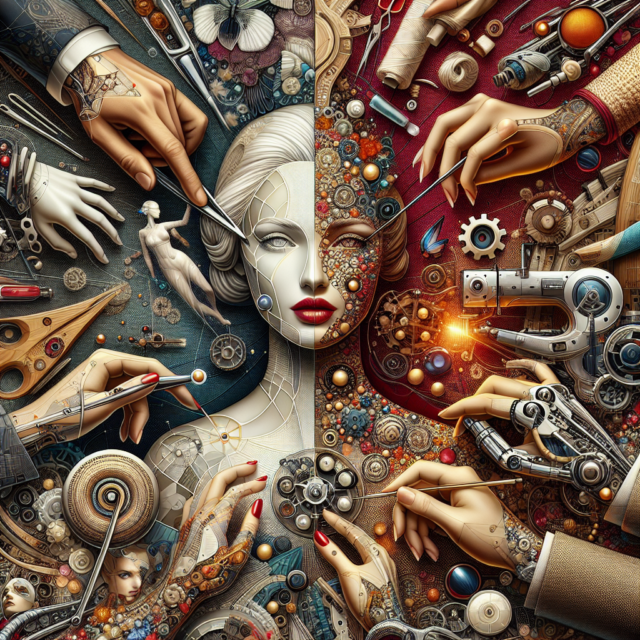
In recent years, the fusion of artificial intelligence (AI) and modern design has sparked a revolution in creative industries. As technology advances, AI is increasingly becoming an integral part of the design process, offering new tools and possibilities that were once unimaginable. This article explores the intersection of AI and modern design, examining how AI is shaping design trends, bridging creativity with technology, and transforming the future of design.

Unveiling AI’s Role in Shaping Modern Design Trends

Artificial intelligence is playing a pivotal role in shaping modern design trends by introducing innovative tools and methodologies. Designers are now equipped with AI-powered software that can generate design concepts, analyze aesthetics, and even predict future trends. This technological advancement allows designers to explore a wider array of possibilities and push the boundaries of creativity. AI’s ability to process vast amounts of data enables it to identify patterns and preferences, offering insights that were previously inaccessible.

One of the key areas where AI is making an impact is in the realm of personalized design. With AI, designers can tailor products and experiences to meet the unique preferences of individual users. By analyzing user data, AI can suggest design elements that resonate with specific audiences, creating more engaging and relevant experiences. This personalization trend is evident in various industries, from fashion to interior design, where customization is becoming a standard practice.

AI is also influencing the aesthetics of modern design. Through machine learning algorithms, AI can analyze and replicate artistic styles, allowing designers to experiment with different visual elements. This capability opens up new avenues for creativity, enabling designers to blend traditional styles with contemporary elements seamlessly. As a result, AI is fostering a new era of design where the fusion of art and technology is celebrated.

Moreover, AI’s role in sustainability is gaining prominence in modern design. By optimizing resource usage and minimizing waste, AI-driven design processes contribute to more sustainable practices. For instance, AI can simulate and test various design configurations, identifying the most efficient and eco-friendly solutions. This approach not only reduces environmental impact but also aligns with the growing demand for sustainable and ethical design practices.

The integration of AI in design is also streamlining workflows and enhancing productivity. Designers can leverage AI tools to automate repetitive tasks, such as resizing images or generating design variations, allowing them to focus on more complex and creative aspects of their work. This shift in workflow dynamics is enabling designers to produce high-quality work more efficiently, ultimately leading to greater innovation and output.

Finally, AI’s role in shaping modern design trends extends to the democratization of design tools. With AI-powered platforms becoming more accessible, individuals without formal design training can now create professional-quality designs. This democratization is empowering a new generation of designers, fostering diversity and inclusivity within the design community.

Bridging Creativity and Technology in Design

The intersection of AI and design is bridging the gap between creativity and technology, offering a harmonious blend of artistic intuition and computational precision. As AI becomes more sophisticated, it is enabling designers to harness its capabilities without compromising their creative vision. This synergy between creativity and technology is transforming the design process, making it more dynamic and iterative.

AI is enhancing the creative process by providing designers with novel tools and resources. For instance, AI-driven generative design software can produce numerous design iterations based on specific parameters set by the designer. This iterative approach allows designers to explore a multitude of options quickly, refining and evolving their ideas in real-time. By automating certain aspects of the design process, AI frees up designers to focus on the conceptual and artistic elements of their work.

Collaboration between AI and designers is fostering a new form of co-creation, where human intuition and machine intelligence work in tandem. Designers can use AI as a creative partner, leveraging its analytical capabilities to inform and inspire their work. This collaborative approach is particularly beneficial in complex design projects, where AI can provide insights and recommendations that enhance the overall design outcome.

AI is also facilitating experimentation and innovation in design. By analyzing vast datasets and learning from diverse sources, AI can identify unconventional design solutions that might not be apparent to human designers. This ability to think outside the box is encouraging designers to take risks and explore uncharted territories, leading to the creation of groundbreaking designs that challenge traditional norms.

The integration of AI in design is redefining the role of designers, shifting their focus from technical execution to strategic thinking and problem-solving. As AI takes on more routine tasks, designers are free to concentrate on developing creative concepts and strategies that drive innovation. This shift is empowering designers to become visionaries and storytellers, using design as a powerful tool for communication and expression.

Furthermore, AI is enabling cross-disciplinary collaboration in design, breaking down silos between different fields and disciplines. By facilitating communication and collaboration between designers, engineers, and data scientists, AI is fostering a more holistic approach to design. This cross-pollination of ideas and expertise is leading to the development of more comprehensive and impactful design solutions.

The Future of Design: AI’s Transformative Impact

As AI continues to evolve, its transformative impact on the future of design is becoming increasingly evident. The integration of AI is not only changing how designs are created but also how they are experienced. With advancements in AI technology, designers are poised to explore new frontiers and redefine the boundaries of design.

One of the most significant impacts of AI on the future of design is the potential for hyper-personalization. AI’s ability to analyze individual preferences and behaviors will enable designers to create bespoke experiences tailored to each user. This level of personalization will transform industries such as retail, entertainment, and architecture, offering consumers more meaningful and immersive interactions with products and spaces.

AI’s impact on the future of design also extends to the realm of virtual and augmented reality. As AI technology advances, designers will be able to create more realistic and interactive virtual environments, enhancing the way users engage with digital content. This evolution will have far-reaching implications for fields such as gaming, education, and healthcare, where immersive experiences are becoming increasingly valuable.

Moreover, AI is set to revolutionize the design of smart and connected environments. With the rise of the Internet of Things (IoT), AI-driven design will play a crucial role in creating intelligent spaces that adapt to the needs and preferences of their occupants. This shift towards smart design will enhance comfort, efficiency, and sustainability, ultimately improving the quality of life for users.

The future of design will also see AI facilitating greater inclusivity and accessibility. By analyzing diverse datasets and learning from a wide range of perspectives, AI can help designers create products and experiences that cater to different needs and abilities. This inclusive approach will ensure that design is accessible to all, promoting equity and social good.

As AI continues to shape the future of design, ethical considerations will become increasingly important. Designers will need to navigate the challenges of data privacy, algorithmic bias, and transparency to ensure that AI-driven design solutions are ethical and responsible. This emphasis on ethical design will be crucial in building trust and credibility in AI-powered design processes.

Ultimately, the future of design in the age of AI is one of limitless possibilities. By embracing AI as a creative partner, designers can unlock new levels of innovation and creativity, transforming the way we interact with the world around us. As AI technology continues to advance, the design landscape will evolve, offering exciting opportunities for designers to shape the future in ways we have yet to imagine.

The intersection of AI and modern design is a dynamic and evolving landscape, offering unprecedented opportunities for creativity and innovation. As AI continues to advance, its role in shaping design trends, bridging creativity with technology, and transforming the future of design will only become more pronounced. By embracing AI’s capabilities, designers can harness the power of technology to create meaningful and impactful design solutions that resonate with audiences and redefine the boundaries of possibility. As we move forward, the collaboration between AI and design promises to unlock new realms of creativity, offering a glimpse into a future where technology and artistry coexist in harmony.
Exploring the Future Digital Faces in Fashion

Exploring the Future Digital Faces in Fashion

Exploring the Future Digital Faces in Fashion

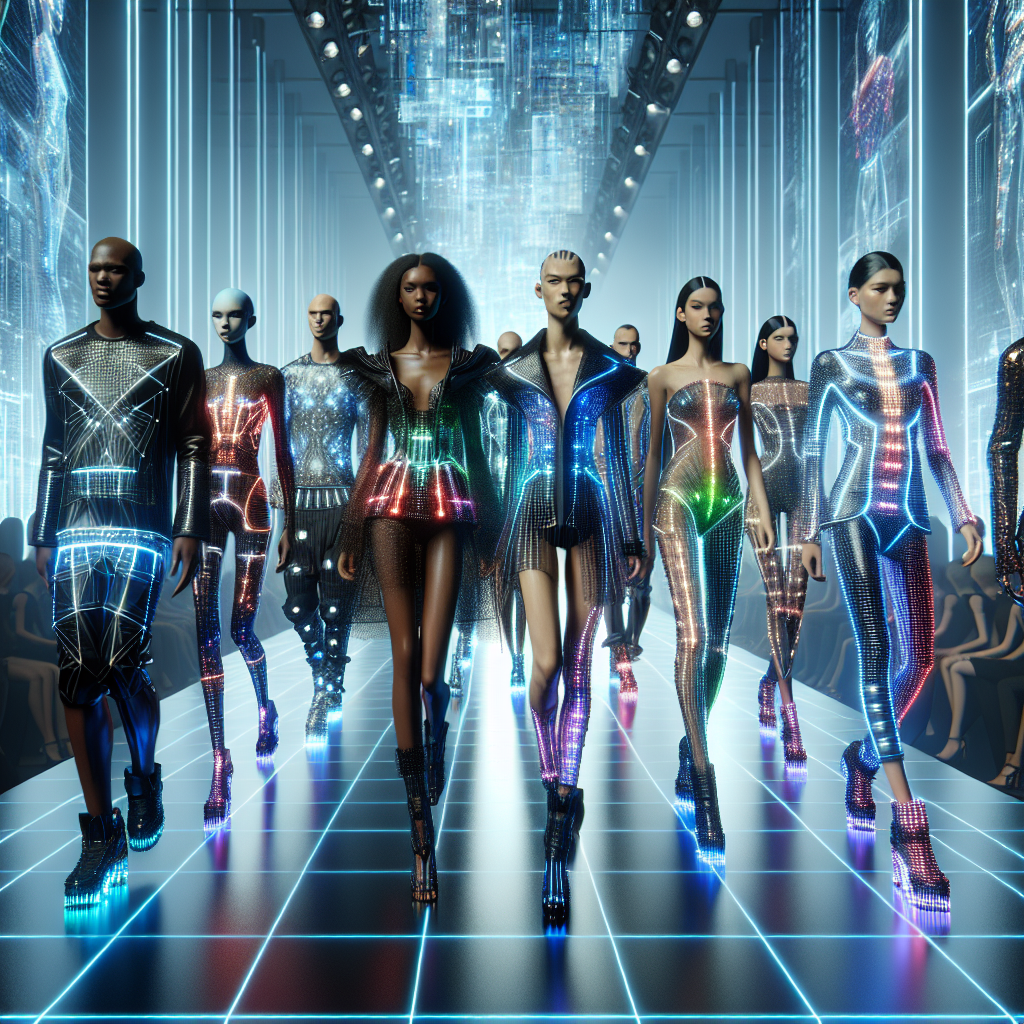
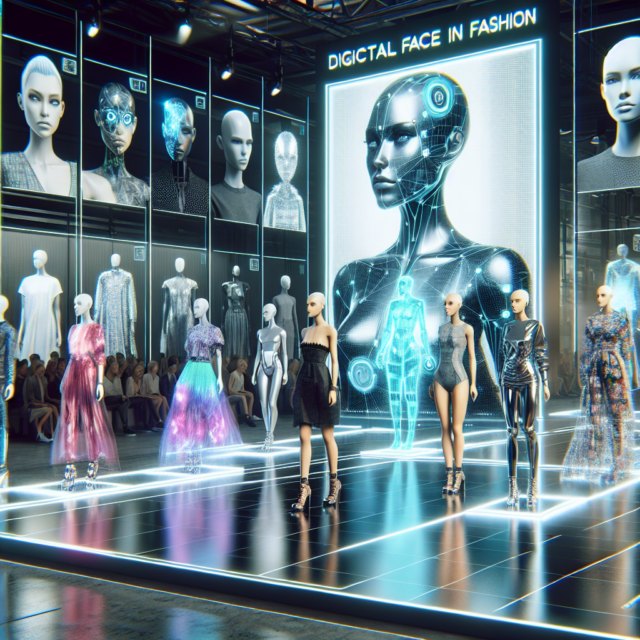
In recent years, the fashion industry has witnessed a technological revolution, one that is reshaping the way we perceive style, creativity, and innovation. At the forefront of this transformation is the rise of digital avatars and virtual models, phenomena that are rapidly gaining traction across the globe. These digital creations are not only altering the traditional fashion landscape but are also setting new benchmarks for creativity and sustainability. This article delves into the emergence of digital avatars, their influence on fashion trends, and how they are bridging the gap between technology and style.

The Rise of Digital Avatars in Fashion Industry

The fashion industry is no stranger to change, but the introduction of digital avatars marks a significant shift in how brands and designers approach creativity. Digital avatars, essentially computer-generated models, are becoming increasingly popular in advertising campaigns and runway shows. This trend is driven by advancements in 3D modeling and artificial intelligence, which allow for the creation of hyper-realistic characters that can emulate human expressions and movements with stunning accuracy.

Brands are embracing digital avatars for their versatility and cost-effectiveness. Unlike human models, digital avatars can be customized to fit any aesthetic and do not require travel or accommodation expenses. This is particularly advantageous for global campaigns, where consistency and cultural sensitivity are crucial. Moreover, digital avatars can be programmed to perform complex tasks, such as walking a virtual runway or interacting with consumers in an online environment, offering endless creative possibilities.

The rise of digital avatars also reflects a growing consumer demand for innovative and immersive experiences. As the digital landscape evolves, fashion brands are seeking new ways to engage with their audiences beyond traditional retail spaces. Digital avatars provide a platform for storytelling and brand expression that can captivate and inspire consumers in a way that static images cannot.

Furthermore, digital avatars are breaking down barriers in terms of diversity and inclusion. Unlike traditional models, digital avatars can be designed to represent a wide range of ethnicities, body types, and gender identities, allowing brands to showcase a more inclusive vision of beauty. This shift challenges industry norms and encourages a broader conversation about representation in fashion.

Despite the enthusiasm surrounding digital avatars, their rise also raises questions about authenticity and the future role of human models. While digital avatars offer many advantages, they cannot replicate the spontaneity and emotional connection that a human model can bring to a campaign. As the industry continues to evolve, finding a balance between digital innovation and human touch will be key.

In conclusion, the rise of digital avatars in the fashion industry signifies a transformative moment in how brands approach creativity and consumer engagement. As technology continues to advance, these digital creations are poised to become a staple in the fashion world, offering new avenues for expression and storytelling.

How Virtual Models are Shaping Fashion Trends

Virtual models are not just a futuristic concept; they are actively shaping contemporary fashion trends and consumer behavior. By leveraging cutting-edge technology, fashion brands are using virtual models to experiment with styles and designs in a way that is both innovative and sustainable. This new approach allows for rapid prototyping and iteration, enabling designers to push the boundaries of creativity without the constraints of physical production.

One of the most significant impacts of virtual models on fashion trends is their ability to democratize fashion. With virtual models, consumers have the opportunity to see how clothing might look on a diverse range of body types and skin tones, challenging the traditional one-size-fits-all approach. This level of personalization and inclusivity is resonating with a new generation of consumers who value authenticity and representation.

Virtual models are also influencing the way fashion collections are presented. Traditional runway shows are being reimagined as digital experiences, where virtual models showcase collections in immersive environments. This shift not only reduces the environmental footprint of fashion shows but also expands access to global audiences who can experience the latest trends from anywhere in the world.

Moreover, virtual models are driving a new wave of digital fashion, where clothing and accessories exist solely in the virtual realm. This trend is particularly popular in gaming and social media platforms, where users can purchase digital outfits for their avatars. Digital fashion offers a sustainable alternative to fast fashion, reducing the need for physical production and waste.

The use of virtual models is also paving the way for more sustainable fashion practices. By simulating garments in a digital environment, designers can test the fit and aesthetics before committing to physical production. This reduces waste and allows for more efficient use of resources, aligning with the industry’s growing emphasis on sustainability.

In summary, virtual models are not only shaping fashion trends but are also redefining the industry’s approach to creativity, inclusivity, and sustainability. As technology continues to evolve, virtual models will play an increasingly important role in the fashion ecosystem, influencing how trends are created, consumed, and experienced.

Bridging Technology and Style in Future Fashion

The intersection of technology and style is driving the future of fashion, where digital innovation is seamlessly integrated into design and consumer experiences. This convergence is opening up new possibilities for creativity, personalization, and sustainability, fundamentally altering the way fashion is conceived and consumed.

One of the most exciting developments in this space is the use of augmented reality (AR) and virtual reality (VR) to enhance the shopping experience. These technologies allow consumers to "try on" clothes virtually, providing a more interactive and personalized shopping experience. Brands are investing in AR and VR to create immersive experiences that engage consumers and offer a glimpse into the future of retail.

In addition to enhancing the shopping experience, technology is also enabling greater personalization in fashion. With the help of AI and machine learning, brands can analyze consumer data to offer personalized recommendations and create custom-fit garments. This level of personalization not only improves customer satisfaction but also reduces the likelihood of returns, contributing to more sustainable practices.

The integration of technology in fashion is also fostering innovation in materials and production processes. Advances in 3D printing and smart textiles are enabling designers to create garments with unique properties, such as self-cleaning fabrics or clothing that adapts to temperature changes. These innovations are pushing the boundaries of what is possible in fashion, offering new ways to combine style and functionality.

Furthermore, technology is playing a crucial role in promoting transparency and traceability in the fashion supply chain. Blockchain technology, for example, can be used to track the origin and journey of materials, providing consumers with information about the ethical and environmental impact of their purchases. This level of transparency is becoming increasingly important to consumers who are conscious of the social and environmental implications of their fashion choices.

As the fashion industry continues to embrace digital innovation, the relationship between technology and style will only deepen. Designers and brands are recognizing the potential of technology to enhance creativity and deliver more meaningful consumer experiences. The future of fashion will be defined by this synergy, where technology and style work hand in hand to create a more inclusive, sustainable, and exciting industry.

In conclusion, the fusion of technology and style is shaping the future of fashion in profound ways. As digital innovation continues to advance, the possibilities for creativity, personalization, and sustainability are limitless. The fashion industry is on the cusp of a new era, where technology is not just a tool but an integral part of the creative process, redefining what fashion can be.

The future digital faces of fashion are not just about technology; they represent a new way of thinking about creativity, inclusivity, and sustainability. As digital avatars and virtual models become more prevalent, the fashion industry is poised to undergo a significant transformation. By embracing these innovations, brands can reach new audiences, challenge traditional norms, and create a more inclusive and sustainable future. The journey of exploring digital faces in fashion is just beginning, and the possibilities are as limitless as the imagination itself.

Exploring the Rise of Digital Influencers and Models

Exploring the Rise of Digital Influencers and Models

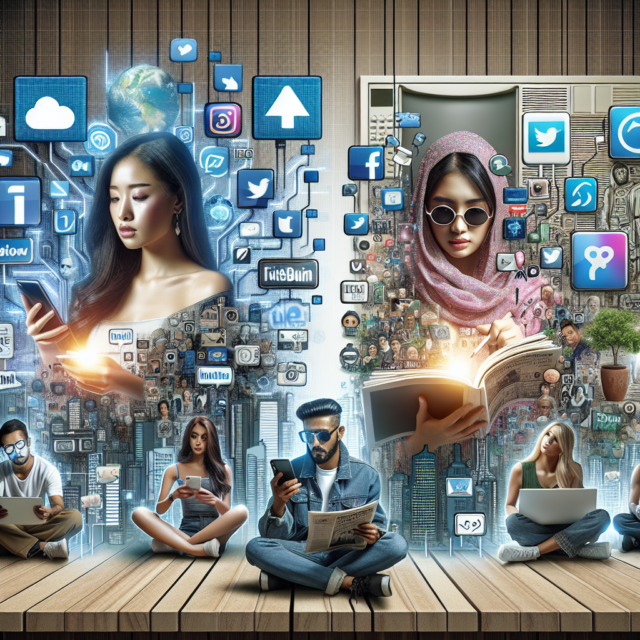
In recent years, the landscape of marketing and media consumption has undergone a seismic shift, largely driven by the rise of digital influencers and models. These new-age personalities wield a significant amount of power in shaping consumer preferences and trends, thanks to the proliferation of social media platforms and digital content. This article delves into the intricacies of the digital influencer phenomenon, examines the evolution of online models, and explores the profound impact these digital entities have on consumer behavior.

Understanding the Digital Influencer Phenomenon

In the digital age, influencers have emerged as a formidable force, redefining the way brands communicate with their audiences. Unlike traditional celebrities, digital influencers often earn their status through authenticity and relatability, engaging with followers on a more personal level. This unique connection has positioned influencers as trusted voices in the digital sphere, capable of swaying public opinion and consumer choices with a single post or story.

The exponential growth of social media platforms like Instagram, YouTube, and TikTok has been instrumental in the rise of digital influencers. These platforms provide the perfect stage for individuals to showcase their talents, share their lives, and build communities. As a result, influencers have become a diverse group, ranging from beauty gurus and fitness enthusiasts to tech reviewers and travel bloggers, each catering to niche audiences with specific interests.

Brands have quickly recognized the potential of influencer marketing as a cost-effective and impactful strategy. By collaborating with influencers, companies can tap into their large and engaged follower base, gaining access to new customer segments. This shift in marketing strategy has also democratized the industry, allowing smaller brands to compete with larger counterparts by leveraging influencer partnerships.

The authenticity of digital influencers is their greatest asset. Unlike polished advertising campaigns, influencer content often feels more genuine and relatable, resonating with audiences in a way that traditional media struggles to achieve. This authenticity fosters trust, making followers more likely to act on recommendations from influencers they admire.

However, the rise of digital influencers has not been without challenges. Issues such as transparency, authenticity, and the blurring of personal and promotional content have sparked debates about the ethical responsibilities of influencers. As the industry matures, there is an increasing demand for clear guidelines and regulations to ensure transparency and accountability.

Overall, the digital influencer phenomenon represents a paradigm shift in media consumption and brand communication. As influencers continue to evolve and adapt to changing technologies and consumer preferences, their role in shaping the digital landscape remains indispensable.

The Evolution of Online Models in Modern Media

The concept of modeling has been transformed by the digital age, with online models gaining prominence and reshaping the industry. The evolution of online models can be attributed to the accessibility of digital platforms, which have democratized the modeling world, offering opportunities to individuals beyond the traditional confines of fashion capitals.

Social media has been a game-changer for aspiring models, allowing them to showcase their portfolios to a global audience without the need for traditional agency representation. Platforms like Instagram have become virtual runways, where models can share their work, gain followers, and attract the attention of brands and designers. This shift has enabled a more inclusive and diverse representation of beauty, challenging conventional standards.

The rise of online models has also given birth to the phenomenon of virtual models—computer-generated personas that exist solely in the digital realm. These virtual models, such as Lil Miquela and Shudu, have amassed significant followings and have been featured in high-profile campaigns. Their existence blurs the lines between reality and fiction, raising intriguing questions about the future of modeling and the role of technology in fashion.

Online models have embraced the role of content creators, producing engaging and visually appealing content that resonates with their audience. By leveraging their unique perspectives and personal experiences, they forge genuine connections with followers, fostering a sense of community and belonging. This shift has empowered models to take control of their careers, curate their personal brands, and collaborate with brands on their terms.

The evolution of online models has also sparked discussions about the impact of digital technology on body image and self-esteem. While social media has provided a platform for diverse representations, it has also perpetuated unrealistic beauty standards and the pressure to maintain a curated online persona. The industry is now grappling with finding a balance between celebrating diversity and promoting authenticity.

In conclusion, the evolution of online models highlights the transformative power of digital technology in reshaping the modeling industry. As the boundaries between virtual and reality continue to blur, the future of modeling promises to be dynamic and ever-evolving, driven by technological advancements and changing consumer expectations.

Impact of Digital Influencers on Consumer Behavior

Digital influencers have a profound impact on consumer behavior, altering the way people discover, evaluate, and purchase products. Their ability to connect with audiences on a personal level makes them powerful agents of persuasion, often driving consumer decisions through their recommendations and endorsements.

One of the key ways influencers impact consumer behavior is through the concept of social proof. Followers often perceive influencers as trusted authorities in their respective niches, and their approval of a product or service serves as a form of validation. This social proof can significantly influence purchasing decisions, as consumers are more likely to trust recommendations from someone they admire.

Influencers also play a crucial role in shaping trends and introducing new products to the market. By showcasing products in their content, influencers can create buzz and generate interest, often leading to increased demand and sales. This trendsetting ability has made influencers valuable partners for brands looking to launch new products or enter new markets.

The interactive nature of social media platforms allows influencers to engage with their audience in real-time, fostering two-way communication and building a sense of community. This engagement enhances the influencer’s credibility and strengthens the bond between them and their followers. As a result, consumers feel more connected to the influencer’s recommendations, increasing the likelihood of conversion.

However, the impact of digital influencers on consumer behavior is not without challenges. The rise of influencer marketing has led to concerns about authenticity and transparency, with some critics arguing that sponsored content blurs the line between genuine recommendations and paid endorsements. This has prompted calls for greater transparency and disclosure in influencer marketing practices.

Moreover, the influencer-driven consumer culture has raised questions about materialism and the pressure to conform to trends. The constant exposure to curated lifestyles and luxury products can create unrealistic expectations and contribute to a culture of comparison and consumption. As the industry evolves, there is a growing awareness of the need for responsible and ethical influencer practices.

In summary, digital influencers wield significant influence over consumer behavior, shaping trends, and driving purchasing decisions. As the industry continues to grow and adapt, the role of influencers in the consumer journey will remain a critical area of exploration and innovation.

The rise of digital influencers and models marks a pivotal moment in the history of media and marketing. As they continue to redefine the rules of engagement and influence, their impact on consumer behavior, brand strategies, and the modeling industry is undeniable. While challenges remain, the potential for innovation and growth in this digital landscape is vast, promising exciting opportunities for brands, influencers, and consumers alike. As we navigate this evolving terrain, it is crucial to embrace the changes, address the challenges, and harness the power of digital influencers and models to shape a more inclusive and authentic digital future.

Exploring Emerging Trends in the Digital Fashion World

Exploring Emerging Trends in the Digital Fashion World

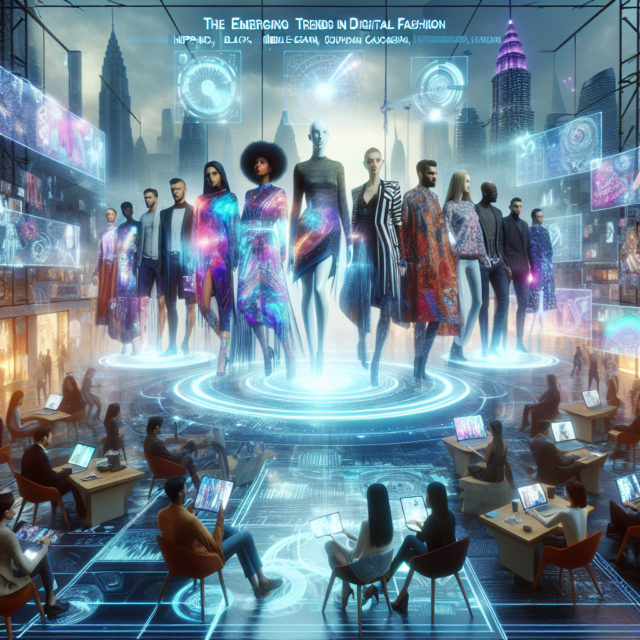
The digital fashion world is undergoing a transformative journey, reshaping how we perceive style, design, and ownership in the virtual realm. As technology continues to evolve, the fashion industry is embracing new digital trends that are redefining the boundaries of creativity and consumer engagement. This article explores the emerging trends in digital fashion, focusing on the rise of virtual fashion platforms, innovations in digital clothing design, and the role of NFTs in fashion’s future.

The Rise of Virtual Fashion Platforms

The digital fashion landscape is witnessing a significant shift with the emergence of virtual fashion platforms. These platforms provide a space where designers and consumers can interact in a purely digital environment, free from the constraints of physical materials and geographical boundaries. Virtual fashion platforms allow designers to showcase their creations in 3D environments, offering consumers a unique and immersive experience that was previously unimaginable.

One of the most notable aspects of virtual fashion platforms is their ability to democratize fashion. By removing the need for physical production, these platforms enable designers from all backgrounds to present their work to a global audience. This shift not only broadens the scope of fashion but also encourages diversity and inclusivity within the industry. Emerging designers can now gain exposure and recognition without the traditional barriers associated with the fashion world.

Additionally, virtual fashion platforms are revolutionizing consumer engagement by offering interactive and personalized experiences. Users can virtually try on clothing and accessories, experimenting with different styles and looks before making a purchase. This level of interactivity enhances the shopping experience, making it more engaging and tailored to individual preferences. As a result, consumers are more likely to make informed decisions, leading to higher satisfaction and reduced returns.

Moreover, these platforms are playing a crucial role in promoting sustainability within the fashion industry. By eliminating the need for physical production, virtual fashion reduces waste and minimizes the carbon footprint associated with traditional manufacturing processes. This aligns with the growing consumer demand for sustainable and eco-friendly fashion options, further driving the adoption of virtual fashion platforms.

The rise of virtual fashion platforms is also fostering collaborations between fashion and technology companies. By leveraging advanced technologies such as augmented reality and artificial intelligence, these platforms are pushing the boundaries of what’s possible in digital fashion. This collaboration is leading to the development of cutting-edge tools and features that enhance the user experience, creating a seamless blend of fashion and technology.

In conclusion, virtual fashion platforms are paving the way for a new era in the fashion industry. By offering a space for creativity, inclusivity, and sustainability, these platforms are transforming how we experience and engage with fashion. As technology continues to advance, the potential for virtual fashion platforms to innovate and inspire is limitless.

Innovations in Digital Clothing Design

Digital clothing design is at the forefront of the fashion industry’s transformation, driven by technological advancements and creative exploration. One of the key innovations in this field is the use of 3D modeling and rendering software, which allows designers to create intricate and hyper-realistic garments without the need for physical prototypes. This digital-first approach not only reduces production time and costs but also opens up new possibilities for experimentation and creativity.

The integration of artificial intelligence (AI) in digital clothing design is another groundbreaking development. AI-powered tools can analyze fashion trends, consumer preferences, and historical data to generate unique design concepts. This technology enables designers to create personalized and data-driven collections that resonate with their target audience. Furthermore, AI can assist in optimizing the fit and functionality of digital garments, ensuring a seamless virtual try-on experience for consumers.

Augmented reality (AR) is also playing a pivotal role in revolutionizing digital clothing design. With AR, consumers can visualize how digital garments will look and fit in real-time, bridging the gap between virtual and physical fashion experiences. This technology enhances the shopping experience by providing a realistic and interactive preview of clothing, allowing consumers to make more confident purchasing decisions.

The concept of "phygital" fashion is emerging as a trend that combines physical and digital elements in clothing design. This approach involves creating garments that exist both in the real world and as digital counterparts. Phygital fashion offers consumers the flexibility to switch between digital and physical wear, catering to the growing demand for versatile and sustainable fashion options. This trend is gaining traction among fashion-forward consumers who value innovation and adaptability in their wardrobe choices.

In addition to technological innovations, digital clothing design is embracing sustainability through the use of digital fabrics and eco-friendly materials. Designers are experimenting with virtual textiles that mimic the look and feel of traditional fabrics, allowing for sustainable design practices without compromising on aesthetics. This approach aligns with the industry’s shift towards reducing environmental impact and promoting responsible fashion consumption.

Overall, innovations in digital clothing design are reshaping the fashion industry by offering new creative possibilities and enhancing the consumer experience. As technology continues to evolve, digital clothing design is set to become an integral part of the fashion landscape, driving further innovation and inspiring a new generation of designers and consumers alike.

The Role of NFTs in Fashion’s Future

Non-fungible tokens (NFTs) are making waves in the fashion industry, offering a revolutionary way to authenticate, trade, and own digital fashion assets. NFTs are unique digital tokens that represent ownership of a specific item or piece of content, recorded on a blockchain. In the context of fashion, NFTs are being used to create digital collectibles and exclusive virtual garments that hold value in the digital realm.

One of the most significant impacts of NFTs in fashion is their ability to establish digital ownership and provenance. By leveraging blockchain technology, NFTs provide a secure and transparent way to verify the authenticity and history of digital fashion items. This is particularly valuable in an industry where counterfeiting and unauthorized reproductions are prevalent. NFTs ensure that digital fashion assets remain unique and traceable, adding a layer of trust and value for consumers and creators alike.

NFTs are also transforming the way fashion brands engage with their audiences. By offering limited edition digital fashion pieces as NFTs, brands can create a sense of exclusivity and scarcity, driving consumer interest and demand. This approach not only enhances brand loyalty but also opens up new revenue streams through the sale and resale of digital fashion assets. As a result, fashion brands are increasingly exploring the potential of NFTs as a means to connect with tech-savvy consumers and tap into the growing digital economy.

Furthermore, NFTs are enabling fashion designers to experiment with new business models and creative concepts. Designers can use NFTs to monetize their digital creations, offering virtual fashion items directly to consumers without the need for traditional retail channels. This direct-to-consumer approach empowers designers to retain creative control and capture a larger share of the revenue generated from their work. Additionally, NFTs allow designers to explore new artistic expressions and collaborations, pushing the boundaries of digital fashion.

The integration of NFTs in fashion is also fostering a sense of community and collaboration within the industry. Digital fashion communities are emerging around NFT marketplaces, where creators, collectors, and enthusiasts can connect, share ideas, and support each other’s work. These communities are driving innovation and encouraging the exploration of new possibilities in digital fashion, creating a vibrant and dynamic ecosystem.

In conclusion, NFTs are playing a pivotal role in shaping the future of fashion by redefining ownership, creativity, and consumer engagement in the digital realm. As the technology continues to evolve, the potential for NFTs to transform the fashion industry is immense, offering exciting opportunities for brands, designers, and consumers to explore and embrace the digital fashion revolution.

The digital fashion world is on the brink of a new era, driven by the rise of virtual fashion platforms, innovations in digital clothing design, and the transformative potential of NFTs. These emerging trends are reshaping the industry, offering new possibilities for creativity, sustainability, and consumer engagement. As technology continues to advance and the digital landscape evolves, the fashion industry is poised to embrace a future where digital and physical fashion coexist harmoniously, opening up a world of limitless opportunities for designers, brands, and consumers alike.

Exploring the Evolution of Digital Personal Shopping

Exploring the Evolution of Digital Personal Shopping

In the rapidly evolving landscape of retail, digital personal shopping has emerged as a transformative force, reshaping how consumers interact with brands and make purchasing decisions. This innovative approach combines technology and personalized service to create a shopping experience that is both convenient and tailored to individual preferences. As this sector continues to grow, understanding its evolution and future trends is essential for retailers and consumers alike. This article explores the rise of digital personal shopping services, the impact of technology on personalization in retail, and the future trends that are shaping this dynamic industry.

The Rise of Digital Personal Shopping Services

The genesis of digital personal shopping can be traced back to the increasing demand for convenience and personalization in the retail sector. As e-commerce began to dominate the marketplace, consumers sought more tailored experiences that mimicked the personalized service of in-store shopping. This demand gave rise to digital personal shopping services, which leverage data and technology to offer curated recommendations and individualized shopping experiences.

Digital personal shopping services initially gained traction through subscription-based models, such as Stitch Fix and Trunk Club, which offered curated selections of clothing and accessories based on user preferences. These services provided a unique solution for those seeking convenience and personalization without the hassle of traditional shopping. By utilizing algorithms and personal stylists, these platforms could offer a bespoke shopping experience that resonated with consumers.

The rise of digital personal shopping was further fueled by advancements in technology, particularly in artificial intelligence and machine learning. These technologies enabled more sophisticated data analysis, allowing for more accurate and personalized recommendations. As a result, digital personal shopping services could cater to a broader audience, offering tailored solutions for various demographics and preferences.

Social media also played a crucial role in the proliferation of digital personal shopping. Platforms like Instagram and Pinterest became vital tools for inspiration and discovery, allowing consumers to engage with brands and products in a more interactive way. This shift in consumer behavior encouraged retailers to integrate digital personal shopping services into their online presence, enhancing the overall shopping experience.

Moreover, the COVID-19 pandemic accelerated the adoption of digital personal shopping services, as consumers sought safe and convenient alternatives to in-store shopping. Retailers quickly adapted by expanding their digital offerings, further solidifying the role of digital personal shopping in the retail landscape. This shift highlighted the importance of flexibility and innovation in meeting changing consumer needs.

As digital personal shopping services continue to evolve, they are becoming an integral part of the retail ecosystem, offering a seamless blend of convenience, personalization, and technology. This evolution marks a significant shift in consumer expectations and retail strategies, paving the way for a more personalized and engaging shopping experience.

Transforming Retail: Technology Meets Personalization

The integration of technology into retail has revolutionized the way consumers shop, with digital personal shopping services at the forefront of this transformation. By harnessing the power of big data, artificial intelligence, and machine learning, retailers can deliver highly personalized shopping experiences that cater to individual preferences and needs.

One of the key technological advancements driving this transformation is the use of artificial intelligence to analyze consumer data. AI algorithms can process vast amounts of information, identifying patterns and trends that inform personalized recommendations. This capability allows digital personal shopping services to offer suggestions that are not only relevant but also predictive, anticipating future needs and preferences.

Machine learning plays a crucial role in enhancing the personalization of digital personal shopping services. By continually learning from consumer interactions and feedback, machine learning models refine their recommendations over time, ensuring that the shopping experience remains relevant and engaging. This dynamic approach to personalization has become a cornerstone of digital personal shopping, differentiating it from traditional retail models.

Virtual reality (VR) and augmented reality (AR) are also transforming the retail landscape by offering immersive shopping experiences. These technologies allow consumers to visualize products in a virtual environment, providing a more interactive and engaging way to explore options. Digital personal shopping services are increasingly incorporating VR and AR to enhance the online shopping experience, bridging the gap between digital and physical retail.

The integration of chatbots and virtual assistants into digital personal shopping platforms further enhances the personalization of the shopping experience. These tools provide real-time assistance and support, guiding consumers through the shopping process and answering queries. By offering personalized recommendations and assistance, chatbots and virtual assistants contribute to a more seamless and efficient shopping experience.

As technology continues to evolve, the potential for further personalization in digital personal shopping is limitless. From predictive analytics to biometric data integration, the future of retail lies in the ability to offer truly individualized experiences. This shift towards technology-driven personalization is redefining consumer expectations and pushing the boundaries of what is possible in the retail industry.

Navigating the Future: Trends in Personal Shopping

As digital personal shopping continues to evolve, several key trends are emerging that will shape the future of this dynamic industry. These trends reflect changing consumer preferences, technological advancements, and the ongoing transformation of the retail landscape.

One of the most significant trends in digital personal shopping is the increasing focus on sustainability and ethical consumption. Consumers are becoming more conscious of their environmental impact and are seeking out brands that align with their values. Digital personal shopping services are responding by offering more sustainable and ethically sourced product options, catering to the growing demand for responsible consumption.

The rise of social commerce is another trend that is influencing the future of digital personal shopping. Social media platforms are increasingly becoming shopping destinations, with features that allow consumers to discover and purchase products directly within the app. This trend is driving digital personal shopping services to integrate more seamlessly with social media, offering a more cohesive and interactive shopping experience.

Personalization will continue to be a driving force in the evolution of digital personal shopping. With advancements in AI and data analytics, the ability to deliver hyper-personalized experiences is becoming more sophisticated. Retailers will increasingly leverage these technologies to offer tailored recommendations that anticipate consumer needs and preferences, further enhancing the shopping experience.

The integration of voice commerce is also poised to transform digital personal shopping. With the growing popularity of smart speakers and voice-activated devices, consumers are becoming more comfortable using voice commands to make purchases. Digital personal shopping services will need to adapt to this trend by optimizing their platforms for voice commerce, offering a more convenient and hands-free shopping experience.

Omnichannel retailing is another trend that will shape the future of digital personal shopping. Consumers are increasingly expecting a seamless shopping experience across all channels, whether online or in-store. Digital personal shopping services will need to integrate with brick-and-mortar locations to offer a cohesive and consistent experience, bridging the gap between digital and physical retail.

As these trends continue to unfold, the future of digital personal shopping will be characterized by innovation and adaptability. Retailers that can anticipate and respond to changing consumer preferences and technological advancements will be well-positioned to thrive in this evolving landscape, offering a shopping experience that is both personalized and engaging.

The evolution of digital personal shopping represents a significant shift in the retail industry, driven by the convergence of technology and consumer demand for personalization. As retailers adapt to these changes, they are redefining the shopping experience, offering consumers a more convenient, personalized, and engaging way to shop. By embracing the latest technological advancements and responding to emerging trends, digital personal shopping services are poised to play an increasingly important role in the future of retail. As this dynamic industry continues to evolve, it will be essential for retailers and consumers alike to stay informed and adaptable, navigating the challenges and opportunities that lie ahead.

Enhancing Customer Experience Through VR Technology

Enhancing Customer Experience Through VR Technology

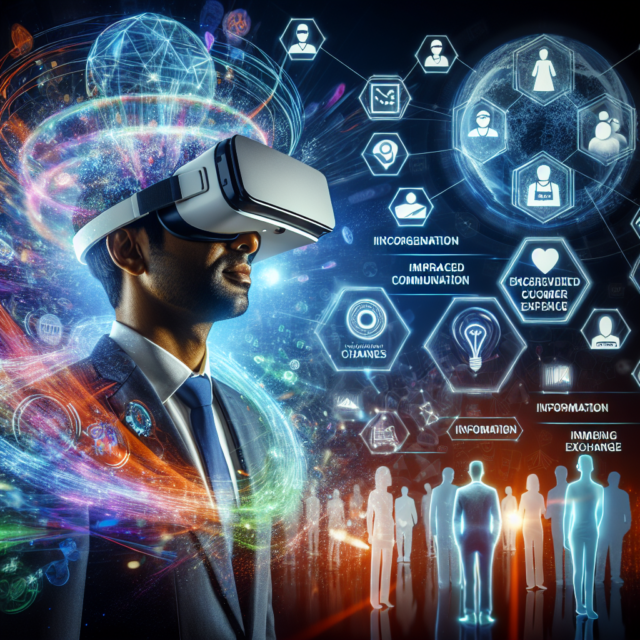
In an era where digital innovation is reshaping the landscape of customer interaction, Virtual Reality (VR) technology emerges as a pivotal tool in enhancing customer experience. This immersive technology offers businesses a novel way to engage with consumers, providing a platform that combines interactivity with entertainment. As VR technology becomes more accessible and sophisticated, its potential to transform customer experiences is gaining attention across various industries. This article delves into the role of VR in customer experience, highlights the key benefits for both businesses and consumers, and outlines steps and best practices for effective implementation.

Exploring VR’s Role in Customer Experience

Virtual Reality technology is revolutionizing how businesses interact with their customers by offering immersive experiences that transcend traditional boundaries. By simulating real-life environments, VR allows customers to engage with products and services in a more meaningful way, enhancing their overall experience. Whether it’s a virtual tour of a real estate property, a test drive of a new car model, or a trial of a luxury vacation package, VR provides an opportunity for consumers to experience products and services before making a purchase decision. This ability to virtually ‘try before you buy’ can significantly influence customer satisfaction and decision-making processes.

Moreover, VR technology empowers businesses to create customized and personalized experiences for their customers. By leveraging data analytics and consumer insights, companies can tailor VR experiences to meet individual preferences and needs. This level of personalization not only enhances customer satisfaction but also fosters brand loyalty. For instance, retailers can use VR to create personalized shopping experiences, where customers can virtually browse and try on products in a setting that mimics their personal style and taste.

In addition to personalization, VR also plays a crucial role in storytelling and brand building. Companies can use VR to create compelling narratives that resonate with their audience, fostering a deeper emotional connection with the brand. For example, a travel company can use VR to transport potential customers to exotic destinations, allowing them to experience the sights and sounds firsthand. This immersive storytelling can enhance the brand’s image and create lasting impressions on consumers.

Furthermore, VR technology can significantly enhance customer service by providing virtual assistance and support. Businesses can employ VR to offer virtual walkthroughs, tutorials, and demonstrations, allowing customers to resolve issues and understand products better. This proactive approach to customer service not only reduces the need for human intervention but also ensures that customers receive consistent and high-quality support.

The adoption of VR in customer experience is also driven by its ability to create a sense of presence and engagement. Unlike traditional digital media, VR immerses users in a fully interactive environment, capturing their attention and encouraging active participation. This heightened level of engagement can lead to increased customer satisfaction and a more memorable experience, ultimately driving brand loyalty and advocacy.

Overall, VR technology is reshaping customer experience by offering immersive, personalized, and engaging interactions. As businesses continue to explore its potential, VR is set to become an integral part of the customer experience landscape, offering new opportunities for innovation and growth.

Key Benefits of VR for Businesses and Consumers

One of the primary benefits of VR for businesses is its ability to enhance product visualization and demonstration. By providing customers with a realistic and immersive experience, companies can showcase their products in ways that were previously unimaginable. This is particularly beneficial for industries such as real estate, automotive, and retail, where seeing a product in action can significantly impact purchasing decisions. Through VR, customers can explore a new home, test drive a car, or try on clothes without leaving their homes, making the shopping experience more convenient and enjoyable.

For consumers, VR offers a unique opportunity to engage with products and services on a deeper level. The immersive nature of VR allows users to experience products in a realistic setting, providing them with a better understanding of how the product fits into their lives. This can lead to more informed purchasing decisions and a higher level of satisfaction with the products they choose. Additionally, VR can make shopping more enjoyable by adding an element of fun and exploration to the process.

Another significant benefit of VR for businesses is its potential to reduce costs associated with physical spaces and resources. By offering virtual experiences, companies can minimize the need for large showrooms, travel expenses, and other logistics-related costs. This can lead to significant savings, which can be passed on to consumers in the form of lower prices or enhanced services. Furthermore, VR can streamline operations by providing virtual training and onboarding for employees, reducing the need for physical training facilities and materials.

For consumers, VR provides the benefit of convenience and accessibility. With VR, customers can explore products and services at their own pace and from the comfort of their own homes. This eliminates the need for travel and allows customers to make decisions based on their own schedules. Additionally, VR can make experiences that were once inaccessible due to physical or geographical limitations available to a broader audience, democratizing access to products and services.

Another advantage of VR for both businesses and consumers is its potential to enhance communication and collaboration. VR can facilitate virtual meetings, conferences, and events, allowing participants to interact in a shared virtual space. This can enhance the quality of communication and collaboration, particularly for remote teams or international partners. For consumers, VR can offer social experiences, such as virtual shopping trips with friends or family, adding a social dimension to the online shopping experience.

Finally, VR can provide valuable data and insights for businesses looking to improve their products and services. By analyzing user interactions and behaviors within VR environments, companies can gain a deeper understanding of customer preferences and needs. This data can inform product development, marketing strategies, and customer service initiatives, ultimately leading to a more customer-centric approach to business.

Implementing VR: Steps and Best Practices

The first step in implementing VR technology for enhanced customer experience is to clearly define the objectives and goals of the initiative. Businesses must identify the specific customer experience challenges they aim to address and determine how VR can provide solutions. This involves conducting thorough market research and understanding customer needs and preferences. By setting clear objectives, companies can ensure that their VR initiatives align with broader business goals and deliver tangible benefits.

Once objectives are established, the next step is to select the appropriate VR technology and platforms. With a wide range of VR hardware and software options available, businesses must choose solutions that best fit their needs and budget. This includes considering factors such as the level of immersion required, compatibility with existing systems, and scalability for future growth. Collaborating with experienced VR developers and technology providers can help ensure that the chosen solutions are effective and reliable.

After selecting the appropriate technology, businesses should focus on designing and developing engaging VR content. This involves creating immersive experiences that captivate and delight customers, while also providing valuable information and insights. Content should be tailored to the target audience and aligned with the brand’s messaging and values. Collaboration between creative teams, designers, and VR experts is essential to produce high-quality and impactful content.

Testing and refining VR experiences is a crucial step in the implementation process. Businesses should conduct rigorous testing to identify any technical issues or areas for improvement. This includes gathering feedback from users and making necessary adjustments to enhance the overall experience. By iterating on the design and functionality, companies can ensure that their VR initiatives deliver maximum value and meet customer expectations.

Training and support are also essential components of successful VR implementation. Businesses must ensure that employees are equipped with the knowledge and skills required to effectively manage and operate VR technology. This includes providing training on how to use VR tools and platforms, as well as offering ongoing support to address any technical issues that may arise. By investing in employee training, companies can ensure a smooth and efficient rollout of VR initiatives.

Finally, businesses should continuously monitor and evaluate the impact of their VR initiatives on customer experience. This involves tracking key performance indicators (KPIs) and gathering feedback from customers to assess the effectiveness of VR experiences. By analyzing data and insights, companies can identify areas for improvement and make data-driven decisions to optimize their VR strategies. Continuous evaluation and adaptation are essential to ensure that VR initiatives remain relevant and effective in enhancing customer experience.

As Virtual Reality technology continues to evolve, its potential to transform customer experience is becoming increasingly apparent. By offering immersive, personalized, and engaging interactions, VR provides businesses with a powerful tool to enhance customer satisfaction and loyalty. From improving product visualization to reducing operational costs, the benefits of VR are significant for both businesses and consumers. However, successful implementation requires careful planning, design, and evaluation to ensure that VR initiatives deliver maximum value. As more companies embrace this innovative technology, VR is set to play an integral role in shaping the future of customer experience, offering new opportunities for growth and innovation.

Enhancing Customer Experience with Augmented Reality

Enhancing Customer Experience with Augmented Reality

In the rapidly evolving landscape of consumer technology, businesses are constantly seeking innovative ways to enhance customer experience and distinguish themselves from competitors. Augmented Reality (AR) has emerged as a powerful tool in this quest, offering a unique blend of the physical and digital worlds. By overlaying digital information onto the real world, AR provides an enriched experience that can transform how consumers interact with brands. This article explores the transformative role of AR in retail, its ability to create interactive shopping experiences, and its impact on bridging the gap between physical and digital services.

Transforming Retail: AR’s Role in Customer Experience

Augmented Reality is revolutionizing the retail sector by offering immersive experiences that captivate customers and enhance their interaction with products. Retailers are leveraging AR to create dynamic and engaging shopping environments, allowing customers to visualize products in their own space before making a purchase. This not only elevates the shopping experience but also empowers consumers with the confidence to make informed decisions.

AR enables retailers to offer personalized experiences by tailoring product information and recommendations to individual customers. By analyzing user data and preferences, AR applications can suggest products that align with a customer’s style, needs, and past purchases. This level of personalization fosters a deeper connection between the consumer and the brand, enhancing customer loyalty and satisfaction.

In-store navigation is another area where AR is making a significant impact. By using AR-enabled apps, customers can easily find products within a store, access detailed product information, and even receive real-time promotions and discounts. This seamless integration of technology into the shopping experience reduces frustration and enhances convenience, ultimately improving overall customer satisfaction.

AR also offers retailers the opportunity to create engaging marketing campaigns that capture the attention of tech-savvy consumers. By integrating AR into advertising, brands can create interactive and memorable experiences that resonate with customers long after they leave the store. This innovative approach to marketing not only increases brand awareness but also drives customer engagement and sales.

Moreover, AR can be used to train retail staff by providing them with interactive tools to better understand products and customer needs. This enhances the quality of customer service and ensures that employees are well-equipped to assist customers effectively. As a result, retailers can maintain high standards of service while simultaneously adopting cutting-edge technology.

Finally, AR technology can help retailers optimize their inventory management by providing real-time data on product availability and demand. This allows for more efficient stocking and reduces the likelihood of overstocking or stockouts, ensuring that customers can always find the products they need. By streamlining operations, retailers can focus on delivering an exceptional customer experience.

Interactive Shopping: Engaging Customers with AR

Interactive shopping experiences, powered by AR, are redefining how consumers engage with products and brands. By offering a more interactive and immersive shopping experience, AR encourages customers to explore products in a way that static images and descriptions cannot achieve. This heightened level of engagement leads to increased interest and a greater propensity to purchase.

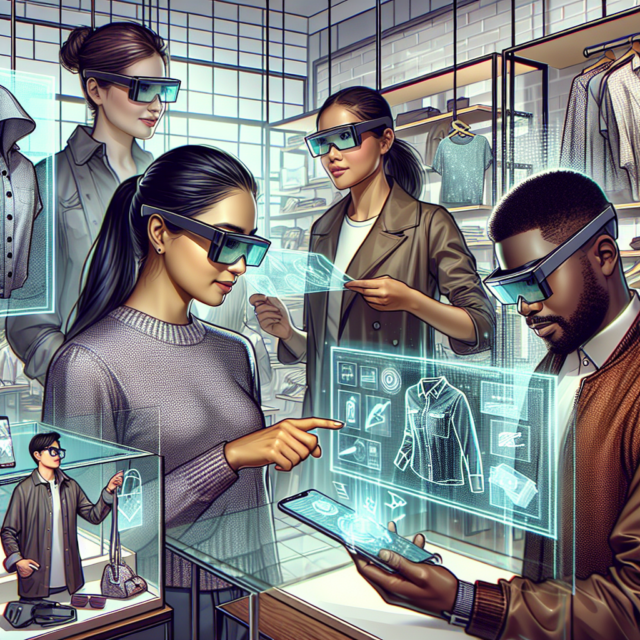
One of the most significant benefits of AR in shopping is the ability to provide virtual try-ons. Customers can see how a piece of clothing, accessory, or makeup product looks on them without physically trying it on. This feature not only saves time but also enhances convenience, allowing customers to make confident purchasing decisions from the comfort of their own homes.

AR also facilitates product customization, enabling customers to personalize products to their liking. Whether it’s choosing colors, patterns, or features, AR applications provide a platform for customers to visualize and modify products in real-time. This level of customization fosters a sense of ownership and satisfaction, as customers feel more connected to the products they purchase.

Moreover, AR can transform the way customers interact with product packaging. By scanning a product’s packaging with an AR-enabled device, customers can access additional information, tutorials, and even interactive games. This added layer of engagement not only enriches the customer experience but also provides brands with a unique platform to communicate their values and product benefits.

In addition to enhancing product interaction, AR can be used to create engaging in-store experiences that draw customers in. Retailers can set up AR installations or displays that encourage customers to explore and interact with products in a fun and innovative way. These experiences can increase foot traffic and encourage customers to spend more time in-store, ultimately boosting sales.

Finally, AR technology can be utilized to gather valuable customer insights. By analyzing how customers interact with AR applications, retailers can gain a deeper understanding of consumer behavior and preferences. This data can be used to refine marketing strategies, improve product offerings, and tailor the shopping experience to better meet customer needs.

Bridging Physical and Digital: AR’s Impact on Service

Augmented Reality serves as a bridge between the physical and digital realms, offering businesses a unique opportunity to enhance service delivery. By integrating AR into customer service, companies can provide support that is both efficient and engaging, ultimately improving customer satisfaction.

One of the most impactful applications of AR in service is remote assistance. Through AR, service representatives can provide real-time guidance to customers by overlaying digital instructions onto their physical environment. This capability is particularly useful in technical support, where visual guidance can significantly enhance the troubleshooting process and reduce resolution times.

AR also enables the creation of interactive user manuals and guides. Instead of relying on traditional paper manuals, customers can use AR applications to access step-by-step instructions in a more intuitive and engaging format. This not only simplifies complex processes but also reduces the likelihood of errors, ensuring a smoother customer experience.

In industries such as automotive and home improvement, AR can be used to visualize maintenance and repair tasks. Customers can use AR applications to see virtual overlays of parts and tools, providing a clear understanding of what needs to be done. This hands-on approach empowers customers to perform tasks with confidence, reducing the need for professional intervention and associated costs.

Additionally, AR can enhance the post-purchase experience by providing customers with virtual demonstrations and tutorials. By offering ongoing support and education, brands can ensure that customers derive maximum value from their products. This proactive approach to customer service not only increases satisfaction but also fosters long-term loyalty.

AR also has the potential to transform the way businesses conduct training for their employees. By providing immersive and interactive training programs, companies can ensure that their workforce is well-prepared to deliver exceptional service. This investment in employee development translates into a better customer experience, as knowledgeable and skilled employees are better equipped to meet customer needs.

Finally, AR can facilitate seamless communication between customers and businesses. By integrating AR into communication platforms, companies can offer more dynamic and engaging interactions, whether it’s through video calls, virtual consultations, or interactive chatbots. This enhanced level of communication ensures that customers feel valued and supported throughout their journey with the brand.

As businesses continue to navigate the digital age, Augmented Reality stands out as a transformative force in enhancing customer experience. By merging the physical and digital worlds, AR offers retailers and service providers the tools to engage customers in innovative and meaningful ways. From transforming retail environments to creating interactive shopping experiences and bridging the gap between physical and digital services, AR is reshaping the consumer landscape. As technology continues to advance, the potential for AR to revolutionize customer experience is boundless, promising a future where brands can connect with consumers on a deeper, more personalized level.

Exploring Innovations in Digital Customer Experiences

Exploring Innovations in Digital Customer Experiences

In the rapidly evolving digital landscape, businesses are continuously striving to enhance customer experiences by leveraging cutting-edge technologies and innovative strategies. The digital customer experience has become a critical aspect of organizational success, influencing customer satisfaction, loyalty, and overall brand perception. This article delves into the evolution of digital interactions, explores the key innovations shaping customer experience today, and examines future trends poised to enhance digital engagement further.

Understanding the Evolution of Digital Interactions

The journey of digital interactions began with the advent of the internet, which fundamentally transformed how businesses and consumers communicate. Initially, digital interactions were limited to simple websites that provided basic information about products and services. These early stages were characterized by a one-way communication model, where businesses disseminated information, and customers were passive recipients.

As technology advanced, the introduction of email and digital marketing marked a significant shift towards more interactive digital communications. Businesses began using emails to engage with customers directly, offering personalized promotions and updates. This era signified a move towards a more relationship-oriented approach, although the interactions were still largely unidirectional.

The rise of social media platforms in the early 2000s revolutionized digital interactions by facilitating two-way communications between businesses and customers. Social media enabled brands to engage with their audiences more personally and responsively, fostering a sense of community and enhancing brand loyalty. This shift towards a more interactive and dynamic form of communication marked a pivotal moment in the evolution of digital customer experiences.

With the proliferation of smartphones and mobile technology, digital interactions became even more pervasive and instantaneous. Mobile apps and responsive websites allowed businesses to reach customers on-the-go, providing seamless experiences across different devices. This era introduced the concept of omnichannel interactions, where customers could engage with brands through multiple touchpoints, maintaining a consistent experience throughout.

The development of advanced data analytics and artificial intelligence further transformed digital interactions, enabling businesses to understand customer behavior and preferences at an unprecedented level. By leveraging data-driven insights, companies could offer highly personalized experiences, tailoring their communications and offerings to individual customer needs and preferences. This data-centric approach marked the transition towards more intelligent and predictive digital interactions.

In recent years, the integration of emerging technologies such as virtual reality (VR), augmented reality (AR), and the Internet of Things (IoT) has pushed the boundaries of digital interactions even further. These technologies enable immersive and interactive experiences, allowing customers to engage with brands in new and exciting ways. The evolution of digital interactions continues to be driven by technological advancements, shaping the future of customer experiences.

Key Innovations Shaping Customer Experience Today

One of the most significant innovations shaping customer experience today is the implementation of artificial intelligence (AI) and machine learning. AI-powered chatbots and virtual assistants have become ubiquitous in customer service, providing instant responses and solutions to customer inquiries. These technologies enhance efficiency and improve customer satisfaction by offering 24/7 support and reducing wait times.

Another key innovation is the use of data analytics to drive personalized experiences. Companies are leveraging big data to gain insights into customer preferences and behaviors, allowing them to tailor their offerings and communications. Personalization has become a cornerstone of modern customer experience, with businesses striving to provide relevant content and recommendations to each individual.

Augmented reality (AR) and virtual reality (VR) are also revolutionizing customer experiences by creating immersive and engaging environments. These technologies are particularly impactful in industries like retail and real estate, where customers can visualize products and spaces in a more interactive manner. AR and VR enhance the decision-making process, leading to higher customer satisfaction and engagement.

The rise of voice technology, exemplified by devices like Amazon Alexa and Google Assistant, is another innovation transforming customer interactions. Voice-activated devices offer a hands-free and convenient way for customers to access information, make purchases, and control smart home devices. This technology is reshaping how businesses approach customer engagement, emphasizing the importance of voice-friendly interfaces and services.

Blockchain technology is also making its mark on customer experience by enhancing transparency and security. In industries such as finance and supply chain, blockchain enables secure and verifiable transactions, building trust with customers. The decentralized nature of blockchain ensures that customer data is protected, addressing privacy concerns and fostering a sense of security.

Lastly, the integration of Internet of Things (IoT) devices is creating interconnected ecosystems that enhance customer experiences. IoT devices collect and share data seamlessly, allowing businesses to offer more personalized and efficient services. For instance, smart home devices can adjust to user preferences automatically, enhancing convenience and satisfaction. The IoT’s ability to connect various devices and systems is driving innovation in customer experience across multiple industries.

Future Trends in Enhancing Digital Engagement

Looking ahead, the future of digital engagement is poised to be shaped by several emerging trends, starting with the increasing role of artificial intelligence. AI is expected to evolve from simple automation to more sophisticated capabilities, such as emotional intelligence. This advancement will enable machines to understand and respond to customer emotions, leading to more empathetic and human-like interactions.

Another trend is the continued rise of immersive technologies like augmented reality and virtual reality. As these technologies become more accessible, businesses will incorporate them into their customer engagement strategies to create more interactive and immersive experiences. The potential for AR and VR to transform sectors such as education, healthcare, and entertainment is vast, promising enhanced engagement and learning opportunities.

The proliferation of 5G technology is set to revolutionize digital engagement by providing faster and more reliable internet connectivity. With 5G, businesses can deliver high-quality, real-time experiences to customers, enabling innovations such as augmented reality shopping and seamless video streaming. The speed and capacity of 5G networks will unlock new possibilities for customer interactions, driving engagement to new heights.

Personalization will continue to be a dominant trend in enhancing digital engagement. As customers increasingly expect tailored experiences, businesses will invest in advanced data analytics and machine learning algorithms to deliver hyper-personalized content and services. This level of personalization will extend beyond marketing to encompass product development, customer support, and overall brand interactions.

Sustainability will also play a significant role in shaping future digital engagement strategies. As consumers become more environmentally conscious, businesses will need to incorporate sustainable practices into their digital interactions. This could involve reducing digital carbon footprints, promoting eco-friendly products, and adopting transparent supply chain practices. Sustainability will become a key differentiator in customer engagement.

Finally, the evolution of digital ethics will influence how businesses engage with customers. As concerns about data privacy and security grow, companies will need to prioritize ethical practices in their digital interactions. Building trust through transparency and accountability will be crucial for fostering positive customer relationships. The future of digital engagement will be characterized by a balance between innovation and ethical considerations.

In conclusion, the landscape of digital customer experiences is continuously evolving, driven by technological advancements and shifting consumer expectations. Understanding the evolution of digital interactions provides valuable insights into how far we have come and the direction we are heading. Today, key innovations such as artificial intelligence, augmented reality, and data analytics are reshaping customer experiences, offering new opportunities for engagement. Looking forward, future trends like AI emotional intelligence, 5G connectivity, and sustainability will further enhance digital interactions, creating more meaningful and personalized experiences. As businesses navigate this dynamic environment, staying at the forefront of innovation and ethical practices will be essential for success in the digital age.

Exploring the Rise and Impact of Digital Fashion

Exploring the Rise and Impact of Digital Fashion

In recent years, digital fashion has emerged as a fascinating intersection of technology, creativity, and culture. As the world becomes increasingly digitized, the fashion industry is undergoing a transformative shift, moving beyond traditional textiles to embrace virtual garments. This phenomenon is redefining how we perceive fashion, offering new possibilities for expression and sustainability. In this article, we delve into the rise and impact of digital fashion, exploring its emergence in modern culture, the technological advances shaping digital wardrobes, and its societal implications.

The Emergence of Digital Fashion in Modern Culture

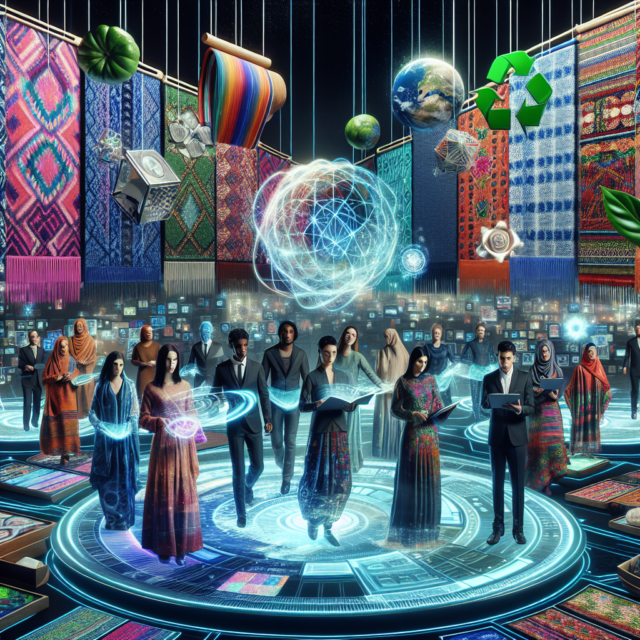
Digital fashion has steadily carved its niche in the contemporary cultural landscape, captivating both creators and consumers alike. Initially viewed as a novelty, digital garments are now recognized for their potential to redefine the boundaries of fashion. With the advent of social media platforms and virtual reality environments, digital fashion has found fertile ground to flourish, offering limitless creative possibilities and a new canvas for designers to experiment with form, color, and texture.

The cultural shift towards digital fashion can be attributed to the growing importance of digital identities. As people spend more time in virtual spaces, the demand for digital clothing that reflects personal style and identity has surged. This shift is particularly evident among younger generations, who are adept at navigating online spaces and are more open to the concept of virtual fashion. Digital fashion allows individuals to curate their online personas with the same care and creativity they apply to their physical wardrobes.

Moreover, the rise of digital fashion is closely linked to the increasing awareness of sustainability issues within the fashion industry. The production of traditional garments is resource-intensive and environmentally damaging, prompting designers and consumers to seek alternatives. Digital fashion offers a solution by eliminating the need for physical resources, thus reducing waste and carbon emissions. This eco-friendly aspect of digital garments appeals to environmentally conscious consumers, further solidifying its place in modern culture.

The acceptance of digital fashion has also been propelled by the democratization of design tools and platforms. Aspiring designers can now create and showcase their digital collections without the need for extensive resources or traditional fashion education. This accessibility has led to a proliferation of diverse and innovative designs, reflecting a broader range of cultural influences and perspectives. As a result, digital fashion is not only reshaping industry norms but also fostering inclusivity and diversity.

Furthermore, collaborations between digital fashion designers and established brands have helped to legitimize and popularize the concept. High-profile partnerships have introduced digital garments to a wider audience, bridging the gap between traditional and virtual fashion. These collaborations often result in limited-edition digital collections that generate buzz and excitement, highlighting the potential of digital fashion as a lucrative market.

Lastly, digital fashion has gained traction through its integration with gaming and virtual reality platforms. These immersive environments serve as ideal showcases for digital garments, allowing users to experience and interact with fashion in new and engaging ways. As gaming and virtual reality continue to grow in popularity, digital fashion is poised to become an integral part of the digital entertainment ecosystem.

Technological Advances Shaping Digital Wardrobes

The evolution of digital fashion is inextricably linked to advancements in technology, which have enabled the creation and dissemination of virtual garments. At the forefront of these technological breakthroughs is 3D modeling software, which allows designers to craft intricate and lifelike digital clothing. These tools provide unparalleled precision and flexibility, enabling the creation of garments that push the boundaries of traditional design.

Augmented reality (AR) and virtual reality (VR) technologies have further revolutionized digital fashion by providing immersive experiences that blend the virtual and physical worlds. AR applications allow users to "try on" digital garments in real-time, offering a novel way to interact with fashion. Meanwhile, VR environments provide a platform for fashion shows and exhibitions, where digital garments can be showcased in dynamic and engaging ways.

Blockchain technology is also playing a pivotal role in the digital fashion landscape, particularly through the use of non-fungible tokens (NFTs). NFTs offer a way to authenticate and monetize digital garments, providing designers with new revenue streams and consumers with a sense of ownership. This technology has paved the way for a digital fashion economy, where virtual clothing can be bought, sold, and traded like physical garments.

Artificial intelligence (AI) is another technological force shaping digital wardrobes. AI algorithms can analyze fashion trends and consumer preferences, assisting designers in creating garments that resonate with their audience. Furthermore, AI-driven design tools can generate unique patterns and styles, pushing the creative boundaries of digital fashion. This synergy between AI and fashion design is leading to innovative and personalized virtual garments.

The development of photorealistic rendering techniques has enhanced the visual appeal of digital fashion, making virtual garments indistinguishable from their physical counterparts. These techniques enable designers to create highly detailed and realistic textures, adding depth and dimension to digital clothing. As a result, digital fashion is becoming increasingly sophisticated, appealing to consumers who value aesthetic quality.

Finally, the proliferation of digital platforms and marketplaces has facilitated the distribution and accessibility of digital garments. Online platforms dedicated to digital fashion provide designers with a global audience, while marketplaces enable consumers to discover and purchase virtual clothing with ease. This digital ecosystem supports the growth and sustainability of digital fashion, ensuring its continued evolution and relevance.

Analyzing the Societal Impact of Virtual Apparel

The rise of digital fashion is having a profound impact on society, influencing how we perceive and engage with fashion. One notable effect is the democratization of fashion, as digital garments transcend geographical and economic barriers. Individuals from diverse backgrounds can access and participate in the digital fashion movement, fostering inclusivity and representation in an industry historically dominated by exclusivity.

Digital fashion also challenges traditional notions of ownership and value. In a virtual context, clothing is not constrained by physical limitations, allowing for infinite customization and personalization. This shift in perspective encourages consumers to view fashion as an expression of identity rather than a status symbol, promoting creativity and individuality over material possession.

Moreover, digital fashion offers a sustainable alternative to fast fashion, addressing the environmental concerns associated with traditional garment production. By eliminating the need for physical resources, digital garments significantly reduce waste and pollution. This aligns with the growing demand for eco-friendly fashion solutions and highlights the potential of digital fashion to contribute to a more sustainable future.

The integration of digital fashion into virtual reality and gaming environments is also reshaping social interactions and experiences. In these spaces, fashion becomes a tool for self-expression and communication, allowing users to convey their identities and connect with others in meaningful ways. As virtual worlds become more prevalent, digital fashion will play an increasingly important role in shaping social dynamics and cultural norms.

However, the rise of digital fashion also raises questions about digital identity and privacy. As individuals invest in virtual wardrobes, concerns about data security and the ownership of digital assets come to the forefront. Ensuring that users have control over their digital identities and assets is crucial for the ethical development of the digital fashion industry.

Finally, the emergence of digital fashion is prompting a reevaluation of the fashion industry’s economic models. As designers and brands explore new revenue streams through digital garments, the traditional business models of the fashion industry are being challenged. This shift could lead to more innovative and sustainable practices, ultimately benefiting both creators and consumers.

Digital fashion represents a dynamic and transformative force in the fashion industry, offering new opportunities for creativity, sustainability, and inclusivity. As technology continues to advance, the potential for digital wardrobes to reshape our relationship with fashion is immense. By embracing the possibilities of virtual apparel, society can move towards a more sustainable and equitable fashion future. As we navigate this digital frontier, it is essential to consider the societal implications and ensure that the evolution of fashion continues to benefit both individuals and the planet.

Blending Tradition and Innovation: Technology in Couture

Blending Tradition and Innovation: Technology in Couture

In the ever-evolving world of fashion, couture stands as a testament to the artistry and craftsmanship that define the industry. Historically, couture has been synonymous with meticulous handcrafting, exceptional quality, and exclusivity. Yet, as technology continues to advance, the boundaries of couture are being redrawn. This fusion of tradition and modernity is reshaping the fashion landscape, offering new possibilities for creativity and sustainability. In this article, we explore how the evolution of couture is embracing technological innovation while preserving its rich heritage.

The Evolution of Couture: A Modern Perspective

Couture has long been revered for its dedication to artisanal craftsmanship, with each garment representing hours of painstaking work by skilled artisans. However, the demands of the modern world are prompting this traditional art form to adapt. Today, the evolution of couture is marked by a willingness to incorporate technological advancements that enhance both creativity and efficiency. This modern perspective is not about replacing the artisan’s hand but about augmenting it with tools that expand the realm of possibilities.

The rise of digital design tools has played a significant role in this transformation. Designers are now able to conceptualize and visualize their creations with remarkable precision before a single stitch is sewn. This not only streamlines the design process but also allows for greater experimentation with shapes, textures, and colors. The use of 3D modeling and virtual reality further enhances this capability, offering designers a virtual canvas on which to innovate without the constraints of physical materials.

In addition to digital design, the integration of new materials is revolutionizing couture. Textiles imbued with smart technology, such as responsive fabrics and LED-embedded cloth, are finding their way into haute couture collections. These materials enable garments to change color, pattern, or opacity in response to environmental stimuli, offering wearers a dynamic and interactive fashion experience. Such innovations challenge traditional notions of what couture can be, opening up a world of possibilities for designers and consumers alike.

The use of technology in couture is also addressing sustainability concerns. With the fashion industry under scrutiny for its environmental impact, the adoption of cutting-edge technologies allows designers to create more sustainable practices. From digital pattern-making that minimizes fabric waste to 3D printing techniques that reduce the need for excess materials, technology is aiding couture in becoming more eco-conscious without sacrificing its essence of luxury and exclusivity.

However, this evolution is not without its challenges. The integration of technology into couture must be done thoughtfully to ensure that the essence of craftsmanship is not lost. There is a delicate balance to be maintained between innovation and tradition, where technology serves as a complement rather than a replacement. This requires a nuanced understanding of both the technological tools available and the traditional techniques that have defined couture for centuries.

Ultimately, the modern perspective on the evolution of couture is one of collaboration between the old and the new. It is about preserving the integrity and artistry of couture while embracing the innovations that can propel it forward. This harmonious blending of tradition and technology is not only reshaping the fashion industry but also redefining what it means to be a couturier in the 21st century.

Merging Craftsmanship with Cutting-Edge Technology

The heart of couture lies in its unparalleled craftsmanship, a legacy of skill passed down through generations of artisans. Yet, in today’s fast-paced world, the fusion of this craftsmanship with cutting-edge technology is transforming the landscape of high fashion. This merger is not a departure from tradition, but rather an evolution that honors the past while embracing the future.

One of the most profound impacts of technology on craftsmanship is the enhancement of precision. Advanced machinery and tools, such as laser cutting and embroidery machines, allow for intricate designs that are difficult to achieve by hand. These technologies enable artisans to push the boundaries of their craft, creating garments with complex patterns and textures that were once unimaginable. Despite the use of machines, the role of the artisan remains crucial, as these tools require a skilled hand to guide them and ensure each piece retains its unique character.

Moreover, the collaboration between artisans and technology is fostering innovation in textile development. New fibers and fabrics, engineered for enhanced durability and comfort, are being woven into the fabric of couture. These modern materials, often developed through collaborations between designers and scientists, offer new tactile experiences and functional benefits without compromising the luxurious feel that couture is known for. This synergy between craft and science is paving the way for garments that are not only beautiful but also practical and sustainable.

Technology is also enhancing the storytelling aspect of couture. With the advent of digital platforms and augmented reality, designers can offer immersive experiences that bring their collections to life. Virtual fashion shows and interactive presentations allow audiences to engage with the narrative behind each garment, deepening their appreciation for the craftsmanship involved. This digital storytelling transcends geographical boundaries, making couture more accessible to a global audience while preserving the exclusivity and allure that define it.

The integration of technology into craftsmanship is also fostering a new generation of artisans. As traditional skills are paired with modern techniques, new opportunities for learning and growth emerge. Fashion schools and ateliers are increasingly incorporating technology into their curricula, ensuring that future couturiers are equipped with the skills needed to thrive in a technologically advanced industry. This education not only preserves traditional craftsmanship but also prepares artisans to innovate and adapt in an ever-changing world.

However, the merging of craftsmanship with technology requires a thoughtful approach to maintain the integrity of couture. It is essential to strike a balance where technology enhances rather than overshadows the human touch that defines couture. This requires ongoing dialogue between designers, artisans, and technologists to ensure that each garment remains a work of art, a testament to the skill and creativity that couture embodies.

In conclusion, the blending of craftsmanship with cutting-edge technology is a dynamic evolution of couture. It is a celebration of tradition and innovation, where the artistry of the past meets the possibilities of the future. As this merger continues to unfold, it holds the promise of a vibrant and sustainable future for couture, where the legacy of craftsmanship is preserved and elevated by the advancements of technology.

The Future of Fashion: Tradition Meets Innovation

As we look to the future of fashion, the intersection of tradition and innovation in couture presents a compelling vision of what is to come. This convergence is not just a trend but a fundamental shift in how couture is conceived, created, and consumed. It is a journey that promises to redefine the boundaries of fashion, offering a harmonious blend of heritage and modernity.

One of the most exciting prospects for the future of couture is the potential for personalized fashion experiences. With the advent of advanced data analytics and artificial intelligence, designers can offer bespoke creations tailored to individual preferences and needs. This level of personalization, once reserved for a select few, can now be accessible to a wider audience. By leveraging technology, couture can maintain its exclusivity while expanding its reach, creating unique experiences for each wearer.

The future of couture also holds the promise of greater sustainability. As the industry continues to grapple with its environmental impact, technology offers solutions that align with the principles of sustainable fashion. From the use of biodegradable materials to the implementation of closed-loop production systems, innovation is paving the way for a more responsible approach to couture. This shift not only addresses consumer demand for ethical fashion but also ensures that couture remains relevant in a world increasingly focused on sustainability.

Moreover, the integration of technology into couture is fostering a new era of collaboration and innovation. Designers, artisans, and technologists are coming together to explore new possibilities, leading to the creation of garments that are both beautiful and functional. This collaborative spirit is driving the industry forward, as diverse perspectives and expertise converge to push the boundaries of what couture can achieve.

The future of fashion also promises to be more inclusive, as technology breaks down barriers and democratizes access to couture. Virtual reality and digital platforms are enabling designers to reach global audiences, transcending geographical limitations and making couture more accessible to diverse communities. This inclusivity extends to the representation of different cultures and identities, as technology allows for the celebration of diversity in fashion.

However, as couture embraces innovation, it is crucial to preserve its core values. The future of couture must honor its heritage, ensuring that the artistry and craftsmanship that define it are not lost in the pursuit of progress. This requires a careful balance, where tradition and innovation coexist and complement each other. By doing so, couture can continue to inspire and captivate, offering a timeless elegance that resonates with generations to come.

In conclusion, the future of fashion is a dynamic fusion of tradition and innovation, where couture evolves to meet the demands of a changing world. This journey is not just about adapting to technological advancements but about redefining what couture can be. As we move forward, the marriage of heritage and modernity promises to shape a vibrant and sustainable future for couture, where the artistry of the past meets the possibilities of tomorrow.

The blending of tradition and innovation in couture is a testament to the resilience and adaptability of the fashion industry. As technology continues to advance, it offers new avenues for creativity, sustainability, and inclusivity, redefining the very essence of couture. This harmonious fusion of the past and the future is not just a transformation but a celebration of the artistry and craftsmanship that make couture a timeless art form. As we embrace this evolution, we can look forward to a future where couture remains a beacon of elegance and innovation, inspiring generations to come.

Popular Posts

My Favorites