


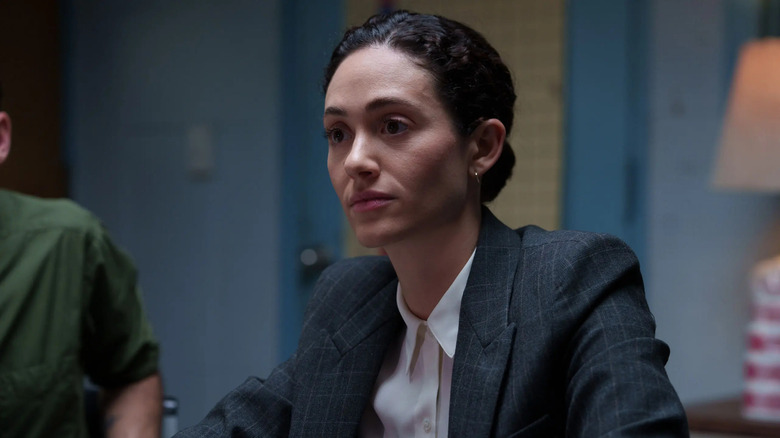
Elizabeth Meriwether is one of television’s most interesting storytellers. Known by most as the creator of “New Girl,” Meriwether has spent the last several years trading network sitcom comfort comedies for thorny, nuanced examinations of womanhood and power in shows like “The Dropout” and “Dying for Sex.” Her latest is a crime thriller loosely inspired by the mostly-forgotten 1987 pseudo-noir film “Black Widow,” but uses the obscure piece of IP as a vehicle to tell a much angrier and far more relevant tale of systemic sexual violence and revenge with “Furious.” Emmy Rossum, in her best role since Fiona Gallagher on “Shameless,” plays FBI agent Alice Black, a former NYPD detective escaping an abusive relationship with a fellow police officer who’s drawn into the overdose death of a billionaire heir when she rightfully realizes his death was the act of a serial killer.
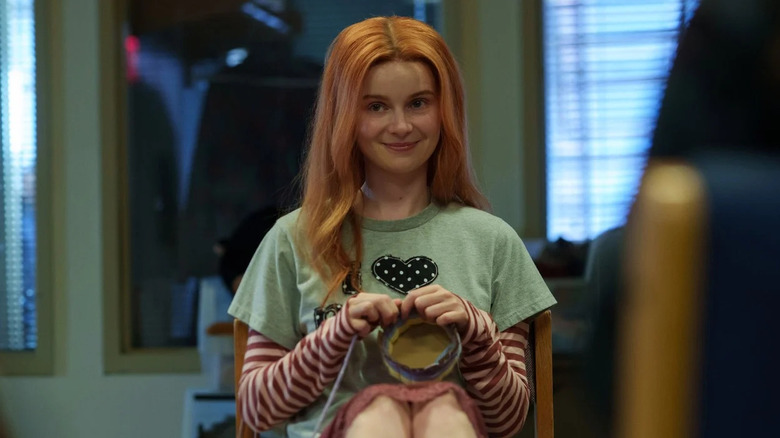
The original “Black Widow” centered on a serial killer marrying wealthy men and killing them for their fortunes, but “Furious” only keeps the skeleton of that premise. Here, the killer is Catherine (Lola Petticrew), a survivor of human trafficking who changes identities to infiltrate the lives of wealthy, predatory men before killing them. She’s not motivated by greed, but by revenge — hunting the rich, powerful men connected to the sex trafficking ring that victimized her as a teenager.
On the surface, “Furious” appears like a cat-and-mouse procedural, but the true story is a look at the ways women are consistently failed by the institutions that are supposed to keep us safe. It is both among the best crime shows in TV history, and a messy, complex examination of the psychological toll when an all-consuming revenge plot turns into calculated vengeance.
Furious is a tale of two women failed by society
Hulu
“Furious” is certainly not the first to highlight the way the justice system fails victims and protects perpetrators, but the parallels drawn between Alice and Catherine are staggering. Like Clarice Starling in “The Silence of the Lambs,” Alice encounters misogyny at every turn — FBI supervisors dismiss her instincts, former colleagues ostracize her for reporting domestic abuse, and even the mother of her abuser lambasts her for ruining his life. But rather than turning Alice into another tortured TV detective, Rossum’s performance desperately tries to hold onto her moral center while understanding exactly why someone else abandoned theirs.
Not to mention, she’s fighting an uphill battle with her mentor, Nora (Quincy Tyler Bernstine), who understandably doesn’t know if she can trust a former cop considering how they protect one another when they’ve done something abhorrent. Nora has spent years watching sex traffickers get away with their crimes while survivors fall to pieces, and the show doesn’t pussyfoot around the difficult subject matter. Some might accuse the show of being a little heavy-handed, but given the constant sanitization surrounding cultural discussions of sex crimes, it’s refreshing to see a character like Nora speak with such blunt authority.
Alice wants to stop a murderer, but Catherine — like Zoë Lund’s Thana in “Ms .45” — has learned that murder is the only voice loud enough to be heard. She can pivot from frightened victim to calculating predator within a single scene, making every interaction feel dangerous. And what makes “Furious” such a must-watch series is that Elizabeth Meriwether’s vision never directs the audience into viewing one pathway as the “right” one. It’s the ultimate “good for her” conundrum, because these women are pursuing justice in a society that has repeatedly proven incapable of delivering it.
Furious is righteously angry and darkly funny
Hulu
The procedural mechanics of “Furious” will certainly lure in “normie” viewers accustomed to the style, but it’s the way Elizabeth Meriwether uses almost a bait-and-switch tactic to press beyond the shows executive produced by Dick Wolf that makes it a must-watch. This is an incredibly bleak show discussing depressingly relatable topics, but Meriwether’s signature dark humor is never far from view. Dry, exhausted jokes never undercut the seriousness of the material but prevent the show from collapsing under the weight of its own anger. And anger is ultimately the show’s defining emotion — a slow, corrosive fury birthed from years of watching abusers protected, victims doubted, and justice delayed until it becomes meaningless. It’s an uncomfortable emotion to build an entire series around, yet “Furious” never loses sight of the human beings carrying it — including the imperfect ones and the dead ones.
I doubt anyone tuning into “Furious” did so because they were really jonesing for a 2020s take on “Black Widow,” but if that was the magic IP pull that helped Meriwether get the green light, so be it. In an era where true crime entertainment is an industry in and of itself, a show like “Furious” is a balm for refusing to stop at solving murders and continuing to interrogate the conditions that compel a person to murder. It’s not always an easy watch, nor is it trying to be, but Meriwether’s thoughtful writing and exceptional performances from Emmy Rossum, Lola Petticrew, and Quincy Tyler Bernstine are a winning combination. “Furious” is so much more than a familiar serial killer thriller; it is one of the year’s most unsettling and rewarding dramas.
The first three episodes of “Furious” are available to stream on Hulu, with new episodes every Monday.


