Home Blog Page 1402

Exploring MVFW: The Future of Digital Fashion Shows
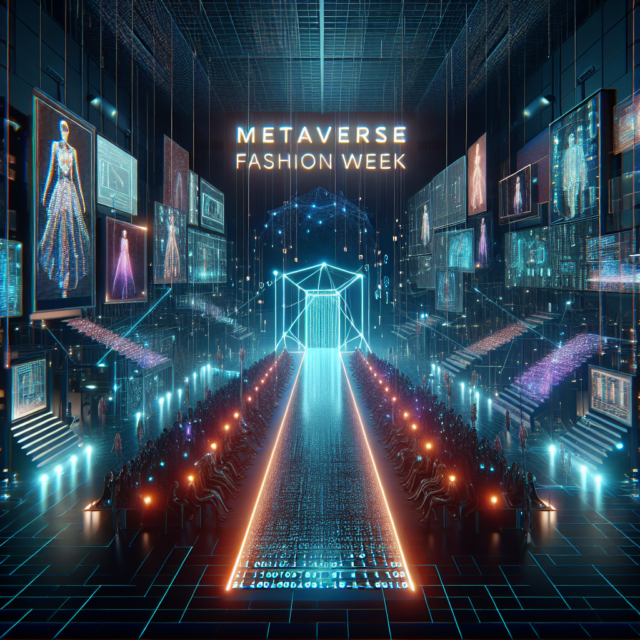
Exploring MVFW: The Future of Digital Fashion Shows

Certainly! Below is the article organized by the specified headings.

In the rapidly evolving world of fashion, technology has begun to play a pivotal role, reshaping how designers, brands, and consumers interact with fashion. As we stand on the brink of a digital transformation, the concept of digital fashion shows is gaining momentum. Among them, the Metaverse Fashion Week (MVFW) is emerging as a groundbreaking platform, heralding a new era in the fashion industry. This article explores the intricacies and implications of MVFW, delving into its technological underpinnings and its impact on designers and consumers alike.

Unveiling MVFW: A New Era in Digital Fashion

Metaverse Fashion Week (MVFW) is a revolutionary concept that is redefining the traditional fashion show. Unlike conventional runway events, MVFW takes place in a virtual world, offering an immersive experience that transcends physical boundaries. This digital fashion show brings together designers, brands, and audiences from across the globe in a shared virtual space, enabling unprecedented access and interaction. By leveraging the expansive capabilities of the metaverse, MVFW promises to democratize fashion, making it more inclusive and accessible to a broader audience.

The emergence of MVFW signifies a pivotal shift in how fashion is presented and consumed. Traditional fashion shows are often exclusive, limited to industry insiders and select audiences. In contrast, MVFW opens its doors to a global audience, enabling anyone with internet access to participate in the event. This inclusivity not only broadens the reach of designers but also fosters a sense of community among fashion enthusiasts worldwide. As a result, MVFW is poised to become a catalyst for change, challenging the norms of the fashion industry.

One of the most compelling aspects of MVFW is its ability to showcase digital fashion. Designers can create virtual garments that defy the limitations of physical materials, allowing for greater creativity and innovation. In this virtual realm, fashion becomes a limitless canvas where designers can experiment with bold concepts and avant-garde designs. This freedom to explore new ideas and push the boundaries of fashion is one of the key attractions of MVFW, drawing both established and emerging designers to the platform.

MVFW also offers a unique opportunity for brands to engage with their audience in innovative ways. Virtual fashion shows can incorporate interactive elements, such as augmented reality (AR) and virtual reality (VR), to enhance the viewing experience. Audiences can explore virtual showrooms, interact with digital garments, and even customize their own virtual outfits. This level of interactivity not only enhances engagement but also provides valuable insights into consumer preferences and behaviors, allowing brands to tailor their offerings accordingly.

Furthermore, MVFW addresses some of the sustainability concerns associated with traditional fashion shows. By eliminating the need for physical venues, travel, and the production of physical garments, digital fashion shows significantly reduce the carbon footprint of the fashion industry. This aligns with the growing demand for sustainable practices and demonstrates the potential of digital fashion to contribute to a more environmentally conscious industry.

In summary, MVFW represents a new era in digital fashion, offering a platform that is inclusive, innovative, and sustainable. By leveraging the power of the metaverse, MVFW is set to transform the fashion industry, offering designers and consumers a glimpse into the future of fashion.

The Technology Behind Virtual Fashion Shows

At the heart of MVFW lies cutting-edge technology that enables the creation and execution of virtual fashion shows. Central to this technological revolution is the metaverse, a digital universe that combines elements of augmented reality (AR), virtual reality (VR), and blockchain technology. These technologies work in tandem to create an immersive and interactive experience for both designers and audiences, blurring the lines between the physical and virtual worlds.

Augmented reality (AR) plays a crucial role in enhancing the virtual fashion experience. By overlaying digital elements onto the real world, AR allows users to interact with virtual garments in a way that feels tangible and lifelike. This technology enables designers to showcase their creations in a dynamic and engaging manner, allowing audiences to visualize how digital garments would look and feel in real life. AR also facilitates the integration of interactive elements, such as virtual try-ons and customization options, further enriching the viewing experience.

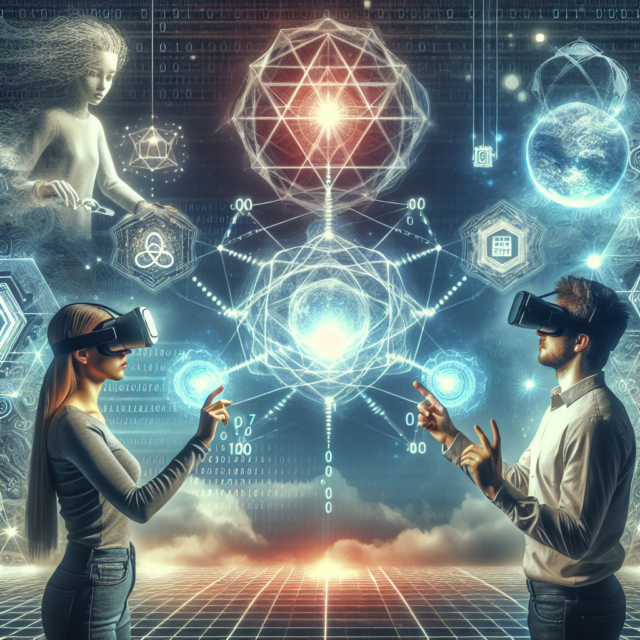
Virtual reality (VR) takes the immersive experience a step further by transporting users into fully realized digital environments. In the context of MVFW, VR enables the creation of virtual runways and showrooms, where audiences can explore and interact with digital fashion collections. By donning VR headsets, users can experience the fashion show from various perspectives, such as from the front row or even backstage. This level of immersion offers a unique and engaging experience that traditional fashion shows cannot replicate.

Blockchain technology is another integral component of MVFW, providing a secure and transparent platform for the creation and exchange of digital fashion assets. Through blockchain, designers can create non-fungible tokens (NFTs) that represent unique digital garments, ensuring authenticity and ownership. This technology also facilitates the buying and selling of digital fashion items, creating new opportunities for designers and consumers to engage in the digital fashion economy. Blockchain’s decentralized nature ensures that transactions are secure, transparent, and traceable, fostering trust and confidence among participants.

The integration of artificial intelligence (AI) further enhances the capabilities of MVFW. AI algorithms can analyze vast amounts of data to provide insights into consumer preferences and trends, enabling designers to create personalized and targeted fashion collections. AI-powered tools can also assist in the design process, generating innovative ideas and optimizing garment production. By harnessing the power of AI, MVFW offers designers a competitive edge, enabling them to stay ahead of the curve in the fast-paced world of fashion.

Cloud computing is another essential technology that underpins the infrastructure of MVFW. By leveraging cloud services, designers and brands can store and manage large volumes of data, ensuring seamless and efficient operations. Cloud computing also enables real-time collaboration and communication among participants, facilitating the smooth execution of virtual fashion shows. This technology ensures that MVFW can scale to accommodate a global audience, providing a seamless and uninterrupted experience for all participants.

In conclusion, the technology behind MVFW is a testament to the transformative power of digital innovation. By integrating AR, VR, blockchain, AI, and cloud computing, MVFW creates a dynamic and immersive platform that redefines the fashion show experience. These technologies not only enhance the capabilities of designers and brands but also offer consumers a unique and engaging way to interact with fashion.

Impact of MVFW on Designers and Consumers

The advent of MVFW has significant implications for designers, offering new opportunities and challenges in the realm of digital fashion. For designers, MVFW provides a platform to showcase their creativity and innovation without the constraints of physical materials and venues. This freedom to experiment with virtual garments allows designers to push the boundaries of fashion, exploring avant-garde concepts and designs that would be difficult or impossible to achieve in the physical world. As a result, MVFW has become a breeding ground for creativity, attracting both established and emerging designers to the platform.

In addition to creative freedom, MVFW offers designers a global stage to reach a wider audience. Traditional fashion shows are often limited to industry insiders and select guests, whereas MVFW is accessible to anyone with an internet connection. This inclusivity allows designers to connect with a diverse and international audience, expanding their reach and influence. By participating in MVFW, designers can build their brand presence, attract new customers, and gain valuable exposure in the digital fashion landscape.

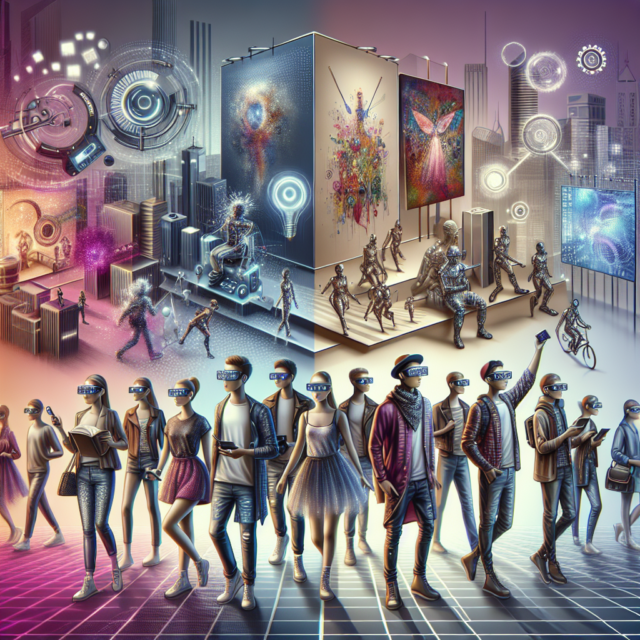
For consumers, MVFW offers a unique and engaging way to experience fashion. The immersive nature of virtual fashion shows allows consumers to interact with digital garments and explore virtual showrooms, creating a more personalized and engaging experience. Consumers can visualize how digital garments would look and feel, try on virtual outfits, and even customize their own digital fashion items. This level of interactivity enhances the consumer experience, fostering a deeper connection with fashion and encouraging greater engagement with brands and designers.

MVFW also aligns with the growing demand for sustainability and ethical practices in the fashion industry. By eliminating the need for physical garments and venues, digital fashion shows significantly reduce the environmental impact of traditional fashion events. This shift towards sustainability resonates with consumers who are increasingly conscious of the environmental and ethical implications of their fashion choices. As a result, MVFW offers a more sustainable alternative that appeals to environmentally conscious consumers.

The rise of MVFW also presents new business opportunities for designers and brands. By leveraging blockchain technology, designers can create and sell digital fashion items as non-fungible tokens (NFTs), opening up new revenue streams in the digital fashion economy. This technology enables designers to monetize their digital creations, offering consumers a unique and valuable digital fashion experience. For brands, MVFW provides an opportunity to engage with consumers in innovative ways, using interactive elements and personalized experiences to build brand loyalty and drive sales.

In summary, the impact of MVFW on designers and consumers is profound and far-reaching. For designers, MVFW offers a platform for creativity, innovation, and global exposure, while for consumers, it provides an engaging and sustainable way to experience fashion. As the digital fashion landscape continues to evolve, MVFW is poised to play a pivotal role in shaping the future of the fashion industry.

As we venture into the realm of digital fashion, MVFW emerges as a beacon of innovation and transformation. This groundbreaking platform is redefining the fashion show experience, offering a glimpse into a future where fashion transcends physical boundaries. By embracing the power of technology, MVFW is democratizing fashion, fostering creativity, and promoting sustainability. As designers and consumers navigate this new digital landscape, MVFW stands at the forefront, shaping the future of fashion in ways that were once unimaginable.
Exploring Emerging Opportunities in the Web3 Landscape

Exploring Emerging Opportunities in the Web3 Landscape

In recent years, the digital world has been undergoing a profound transformation, characterized by the emergence of Web3. This new internet paradigm promises to reshape how we interact, transact, and create value online. At its core, Web3 leverages decentralized technologies to empower users, ensure privacy, and foster innovation. As we delve into this transformative landscape, several key areas stand out as particularly promising: Decentralized Finance (DeFi), blockchain technology innovations, and the burgeoning metaverse. This article explores these emerging opportunities and the challenges they present.

Unraveling the Potential of Decentralized Finance

Decentralized Finance, or DeFi, represents a seismic shift in the financial sector, challenging traditional systems by leveraging blockchain technology to create open, transparent, and permissionless financial services. Unlike conventional financial institutions, DeFi operates without intermediaries, allowing users to engage in peer-to-peer transactions. This democratization of finance opens up opportunities for millions of unbanked individuals worldwide, granting them access to financial services that were previously out of reach.

One of the most compelling aspects of DeFi is its ability to offer financial products that are not bound by geographical limitations. This global accessibility is facilitated by smart contracts, which automate and enforce agreements without the need for human intervention. As a result, DeFi platforms can offer services such as lending, borrowing, and trading with greater efficiency and lower costs than traditional financial systems.

However, the rapid growth of DeFi has not been without challenges. Security remains a significant concern, as smart contract vulnerabilities and hacking incidents have led to substantial financial losses. Consequently, developers and stakeholders are increasingly focused on enhancing security measures and fostering a robust regulatory framework to protect users and ensure the integrity of DeFi ecosystems.

Despite these challenges, the DeFi sector continues to innovate at a breathtaking pace. Yield farming, liquidity mining, and decentralized exchanges (DEXs) are just a few examples of the innovative financial instruments that have emerged within the DeFi space. These innovations not only provide users with new ways to earn returns on their assets but also contribute to the overall liquidity and stability of the DeFi ecosystem.

Moreover, the integration of DeFi with other Web3 technologies is creating synergies that drive further growth. For instance, the convergence of DeFi and Non-Fungible Tokens (NFTs) is unlocking new possibilities for asset tokenization and collateralization. As these technologies continue to evolve, DeFi is poised to become an integral component of the global financial system, offering unprecedented opportunities for innovation and inclusion.

In conclusion, DeFi is a dynamic and rapidly evolving sector that holds immense potential for transforming the financial landscape. By addressing security concerns and fostering regulatory clarity, the DeFi ecosystem can continue to thrive, offering users a more inclusive, efficient, and transparent financial future.

Innovations Driving the Growth of Blockchain Technology

Blockchain technology is the backbone of the Web3 revolution, providing the infrastructure necessary for decentralization, transparency, and security. Since its inception, blockchain has been synonymous with cryptocurrencies like Bitcoin. However, recent innovations are expanding its applications far beyond digital currencies, paving the way for a multitude of use cases across various industries.

One of the most significant innovations in blockchain technology is the development of Layer 2 solutions. These solutions aim to address the scalability issues inherent in Layer 1 blockchains like Ethereum, enabling faster and cheaper transactions. By offloading transactions from the main chain, Layer 2 solutions such as Optimistic Rollups and zk-Rollups are enhancing the usability of blockchain networks and fostering greater adoption.

Another groundbreaking development is the rise of interoperability protocols. As the blockchain ecosystem grows, the need for seamless communication between different networks becomes increasingly important. Interoperability protocols, such as Polkadot and Cosmos, are designed to facilitate cross-chain interactions, allowing assets and data to move freely between disparate blockchain networks. This interconnectedness is crucial for realizing the full potential of Web3, enabling a more cohesive and integrated digital landscape.

Furthermore, advancements in consensus mechanisms are driving the evolution of blockchain technology. The transition from energy-intensive Proof of Work (PoW) to more sustainable Proof of Stake (PoS) mechanisms is reducing the environmental impact of blockchain networks while enhancing their security and efficiency. These improvements are critical for ensuring the long-term viability and scalability of blockchain technology.

The proliferation of decentralized applications (dApps) is another testament to the innovative spirit driving the blockchain space. From supply chain management to digital identity verification, dApps are leveraging blockchain’s unique properties to create solutions that are both efficient and transparent. As the number and variety of dApps continue to grow, blockchain technology is poised to disrupt traditional industries and redefine how we interact with digital services.

Finally, the integration of artificial intelligence (AI) with blockchain is opening up new avenues for innovation. By combining the predictive power of AI with the transparency and security of blockchain, developers are creating intelligent systems that can automate complex processes and enhance decision-making. This synergy has the potential to revolutionize sectors such as finance, healthcare, and logistics, offering new efficiencies and capabilities.

In summary, the innovations driving the growth of blockchain technology are laying the foundation for a new digital era. By addressing scalability, interoperability, and sustainability challenges, blockchain is becoming a versatile and indispensable tool for a wide range of applications, heralding a future where decentralized technologies are at the forefront of digital transformation.

Navigating the Metaverse: New Frontiers and Challenges

The concept of the metaverse—a virtual universe where digital and physical realities converge—is rapidly gaining traction as a key component of the Web3 landscape. This immersive digital environment offers unprecedented opportunities for social interaction, commerce, and entertainment, blurring the lines between the real and virtual worlds. As companies and individuals begin to explore the metaverse, new frontiers and challenges are emerging.

At the heart of the metaverse is the idea of a shared, persistent digital space where users can interact with each other and digital objects in real-time. This vision is being brought to life by advancements in virtual reality (VR), augmented reality (AR), and blockchain technology, which together create an immersive and interactive experience. As the metaverse evolves, it is poised to transform how we socialize, work, and play in the digital age.

One of the most promising aspects of the metaverse is its potential to create new economic opportunities. Virtual real estate, digital fashion, and in-game assets are just a few examples of the burgeoning industries within the metaverse. By leveraging blockchain technology and NFTs, these digital assets can be owned, traded, and monetized, offering creators and entrepreneurs new avenues for income generation and business development.

However, the rapid growth of the metaverse also presents significant challenges. Privacy and security concerns are at the forefront, as users navigate digital spaces that collect and analyze vast amounts of personal data. Ensuring that the metaverse is a safe and secure environment requires robust privacy protections and cybersecurity measures to prevent exploitation and abuse.

Moreover, the metaverse raises important questions about digital identity and ownership. As users create and interact with digital avatars, the lines between personal and digital identities become increasingly blurred. Establishing clear standards for identity verification and ownership rights is crucial for fostering trust and ensuring that users have control over their digital personas and assets.

The development of the metaverse also necessitates addressing issues of inclusivity and accessibility. As this digital frontier expands, it is essential to ensure that it is accessible to all, regardless of socioeconomic status or technological proficiency. By prioritizing inclusivity, the metaverse can become a space where diverse communities can participate and thrive, contributing to a more equitable digital future.

In conclusion, the metaverse represents a bold new frontier in the Web3 landscape, offering exciting opportunities and complex challenges. By addressing privacy, identity, and accessibility issues, stakeholders can harness the potential of the metaverse to create a vibrant and inclusive digital ecosystem that enhances our lives in profound ways.

The Web3 landscape is a dynamic and rapidly evolving space that promises to redefine the digital world. From the financial innovations of DeFi to the technological advancements of blockchain and the immersive possibilities of the metaverse, emerging opportunities abound. However, realizing the full potential of Web3 requires addressing the challenges that accompany these innovations, such as security, privacy, and inclusivity. As we navigate this new digital frontier, collaboration and thoughtful regulation will be key to ensuring that Web3 technologies empower individuals, foster innovation, and create a more interconnected and equitable global community.

Exploring Web3 Innovations in Design, Art, and Fashion

Exploring Web3 Innovations in Design, Art, and Fashion

In the ever-evolving landscape of technology, Web3 stands as a revolutionary force poised to redefine how we interact with the digital world. Its impact is particularly profound in creative industries such as design, art, and fashion. By leveraging blockchain technology and decentralized platforms, Web3 offers unprecedented opportunities for creators and consumers alike. This article delves into the transformative effects of Web3 on modern design trends, digital art, and the fashion industry — areas where innovation meets creativity in exciting ways.

Unveiling Web3’s Impact on Modern Design Trends

The design industry is experiencing a paradigm shift as Web3 technologies introduce new possibilities for creativity and collaboration. At the heart of this transformation is the decentralization of creative processes, allowing designers to bypass traditional gatekeepers and connect directly with their audience. This shift not only democratizes design but also fosters a more inclusive community where diverse voices can be heard and appreciated.

Blockchain technology plays a crucial role in this evolution by offering a transparent and secure way to manage intellectual property. Designers can now easily protect their work from piracy and unauthorized use, ensuring that they receive fair compensation for their creations. This security fosters a more innovative environment, where designers are encouraged to push boundaries without fear of exploitation.

Moreover, Web3 introduces the concept of tokenization, allowing designers to create unique digital assets that can be bought, sold, or traded. This has given rise to a new economy where digital designs hold tangible value, opening up additional revenue streams for creators. The ability to monetize digital assets has attracted a wave of talent to the industry, eager to explore the financial potential of their creativity.

Collaborative design is also enhanced through decentralized platforms, which facilitate global partnerships and co-creation. Designers from different parts of the world can work together in real-time, sharing ideas and resources without the limitations of geographical boundaries. This global exchange of creativity enriches design trends, leading to more innovative and culturally diverse outcomes.

Web3’s impact on design trends is further amplified by the integration of artificial intelligence and machine learning. These technologies can analyze vast amounts of data to predict trends and consumer preferences, enabling designers to create more personalized and relevant work. By harnessing the power of data, designers can stay ahead of the curve and deliver cutting-edge solutions that resonate with their audience.

Finally, the immersive nature of Web3 technologies, such as virtual and augmented reality, is transforming how design is experienced. These tools allow designers to create interactive and engaging environments that captivate users in new ways. As these technologies continue to evolve, they promise to redefine the boundaries of design, offering endless possibilities for creativity and innovation.

Artistic Evolution: Web3’s Role in Digital Art

In the realm of digital art, Web3 technologies are driving an artistic evolution that challenges traditional notions of creativity and ownership. At the forefront of this change is the emergence of non-fungible tokens (NFTs), which enable artists to tokenize their work and establish verifiable ownership. This innovation has not only legitimized digital art as a valuable asset but also empowered artists to retain control over their creations.

NFTs have revolutionized the way digital art is bought and sold, providing artists with direct access to global markets. This has eliminated the need for intermediaries, allowing artists to receive a larger share of the profits from their work. The financial independence afforded by NFTs has encouraged artists to experiment with new styles and mediums, pushing the boundaries of digital art.

Web3 also fosters a more interactive and participatory art experience. Through decentralized platforms, artists can engage with their audience in novel ways, such as collaborative projects or community-driven exhibitions. This interactivity not only enhances the viewer’s experience but also deepens the connection between artists and their audience, fostering a more vibrant artistic community.

The transparency and security of blockchain technology have also addressed long-standing issues of provenance and authenticity in the art world. By providing an immutable record of ownership and transaction history, blockchain ensures that digital art can be traced back to its original creator. This assurance of authenticity is crucial in establishing trust and value in digital art markets.

Moreover, Web3 enables artists to explore new dimensions of creativity through immersive technologies like virtual reality (VR) and augmented reality (AR). These tools allow artists to create multi-sensory experiences that engage viewers in entirely new ways. As these technologies become more accessible, they promise to redefine the possibilities of digital art, offering artists new avenues for expression.

Finally, the collaborative nature of Web3 platforms encourages cross-disciplinary innovation, where artists, technologists, and other creatives can come together to explore new frontiers. This convergence of ideas and expertise is driving the digital art movement forward, resulting in groundbreaking work that challenges and inspires audiences worldwide.

Fashion Forward: Web3 Innovations Redefining Style

The fashion industry is being reimagined through the lens of Web3 innovations, which are reshaping how fashion is created, consumed, and conceptualized. At the core of this transformation is the decentralization of fashion design, which allows independent designers to reach a global audience without the constraints of traditional retail models.

One of the most significant impacts of Web3 on fashion is the rise of digital fashion and virtual garments. Designers are increasingly creating clothing that exists solely in the digital realm, which can be worn in virtual environments or overlaid onto real-world photos. This trend not only reduces the environmental impact of fashion production but also offers consumers limitless possibilities for personalization and expression.

Web3 also facilitates the development of fashion NFTs, which allow designers to tokenize their creations and sell them as unique digital assets. These NFTs can represent anything from virtual garments to exclusive access to fashion events, creating new revenue streams and engagement opportunities for designers. The scarcity and exclusivity of fashion NFTs have made them highly sought after by collectors and fashion enthusiasts alike.

Sustainability is another area where Web3 is making a significant impact on fashion. By leveraging blockchain technology, brands can create transparent supply chains that track the origin and journey of materials. This transparency ensures ethical sourcing and production practices, appealing to consumers who prioritize sustainability in their purchasing decisions.

The integration of Web3 technologies with wearable tech is also paving the way for smart fashion. Designers are incorporating sensors and other digital elements into clothing, creating garments that can interact with the wearer or their environment. This fusion of fashion and technology offers exciting possibilities for personalization and functionality, setting the stage for a new era of interactive fashion.

Finally, the collaborative potential of Web3 platforms is fostering innovation in fashion design. Designers, technologists, and consumers can come together to co-create and influence trends, leading to a more dynamic and responsive fashion ecosystem. This collaborative approach not only democratizes fashion but also ensures that it remains relevant and reflective of diverse cultural influences.

As Web3 continues to evolve, its impact on design, art, and fashion is becoming increasingly profound. By democratizing creative processes, enhancing security and transparency, and fostering global collaboration, Web3 is paving the way for a new era of innovation in these industries. The possibilities are limitless, offering creators and consumers alike the opportunity to engage with creativity in transformative ways. As we look to the future, it is clear that Web3 will play a pivotal role in shaping the cultural and aesthetic landscape, driving us toward a more connected and creative world.

Exploring Recent Innovations Shaping the Metaverse

Exploring Recent Innovations Shaping the Metaverse

The metaverse, a term that has gained significant traction in recent years, represents a collective virtual shared space, created by the convergence of virtually enhanced physical reality and physically persistent virtual space. This digital universe is rapidly evolving, driven by technological innovations that promise to redefine how we interact with the world and each other. Central to this transformation are advancements in virtual reality, blockchain, and artificial intelligence, which are shaping the metaverse into a more immersive, secure, and interactive space.

Virtual Reality: The Metaverse’s Immersive Frontier

Virtual reality (VR) stands at the forefront of the metaverse revolution, offering unprecedented levels of immersion that blur the lines between the digital and physical worlds. As VR technology continues to advance, it enables more sophisticated simulations of real-world experiences, allowing users to engage with the metaverse in more meaningful ways. High-resolution displays, precise motion tracking, and spatial audio work together to create environments that feel palpably real, enhancing the user’s sense of presence within the digital realm.

Developers are pushing the boundaries of VR hardware, with innovations such as wireless headsets and haptic feedback systems that provide tactile sensations to users. These advancements make VR experiences more convenient and realistic, removing barriers that previously hindered widespread adoption. Additionally, the integration of eye-tracking technology enables more intuitive interactions, making the virtual world more responsive to user actions and emotions.

On the software side, VR platforms are becoming increasingly sophisticated, featuring detailed and expansive virtual worlds that offer endless possibilities for exploration and interaction. From social spaces where users can meet and collaborate, to immersive gaming environments that offer new levels of engagement, VR is transforming the way we connect and entertain ourselves. Moreover, educational and professional applications are emerging, providing immersive training and remote collaboration opportunities that were previously unimaginable.

The metaverse’s immersive frontier is also being shaped by the development of cross-platform compatibility, allowing users to seamlessly transition between different VR environments. This interoperability is crucial for creating a unified metaverse experience, where users can retain their digital identities and assets across various platforms. As VR ecosystems continue to expand, the potential for interconnected virtual worlds becomes increasingly viable, paving the way for a truly expansive metaverse.

However, the journey to a fully realized VR-based metaverse is not without challenges. Issues such as accessibility, cost, and user comfort remain significant hurdles that developers must address. Additionally, the need for improved content creation tools and standards is critical to ensure the metaverse remains an inclusive and engaging space for all users. Despite these obstacles, the continuous evolution of VR technology promises to unlock new dimensions of interaction and creativity within the metaverse.

In conclusion, virtual reality is undeniably a cornerstone of the metaverse’s immersive frontier, offering transformative experiences that extend beyond traditional digital interactions. As technology progresses, the possibilities for VR within the metaverse are boundless, promising to redefine how we perceive and engage with the world around us.

Blockchain’s Role in Metaverse Security and Ownership

Blockchain technology plays a pivotal role in the metaverse by providing a secure and transparent framework for digital ownership and transactions. As the metaverse expands, the need for a decentralized system that ensures the authenticity and security of digital assets becomes increasingly important. Blockchain’s immutable ledger and cryptographic principles offer a solution to these challenges, enabling users to confidently own and trade virtual goods and currencies.

One of the primary applications of blockchain in the metaverse is the creation of non-fungible tokens (NFTs), which represent unique digital assets such as virtual land, art, and collectibles. NFTs provide verifiable proof of ownership and provenance, ensuring that digital assets cannot be duplicated or counterfeited. This capability is essential for establishing a robust economy within the metaverse, where users can buy, sell, and trade assets with confidence.

Blockchain also enhances security within the metaverse by enabling decentralized identity management. Users can create and manage their digital identities without relying on centralized authorities, reducing the risk of data breaches and identity theft. This decentralized approach empowers users to control their personal information and interactions within the metaverse, fostering a more secure and user-centric environment.

Furthermore, blockchain facilitates interoperability between different metaverse platforms by standardizing digital asset ownership and transactions. This interoperability allows users to transfer assets and identities seamlessly across various virtual worlds, enhancing the overall metaverse experience. By enabling cross-platform compatibility, blockchain technology supports the vision of a unified and interconnected digital universe.

Despite its potential, the integration of blockchain into the metaverse is not without challenges. Scalability, energy consumption, and regulatory concerns are significant issues that developers and stakeholders must address to ensure the technology’s sustainable and ethical use. Additionally, user education and accessibility are crucial to ensure widespread adoption and understanding of blockchain-based systems within the metaverse.

In summary, blockchain technology is a fundamental component of the metaverse, providing the security and ownership framework necessary for a thriving digital economy. As the metaverse continues to grow, blockchain’s role in facilitating secure transactions and decentralized identity management will be instrumental in shaping a transparent and equitable digital landscape.

AI-Powered Avatars: Enhancing Digital Interactions

Artificial intelligence (AI) is revolutionizing digital interactions within the metaverse by enabling the creation of intelligent avatars that enhance user engagement and communication. These AI-powered avatars are designed to understand and respond to user inputs in a natural and intuitive manner, bridging the gap between human and machine interactions. By leveraging machine learning algorithms and natural language processing, AI avatars can simulate realistic conversations and behaviors, providing users with more personalized and meaningful experiences.

One of the key advantages of AI-powered avatars is their ability to learn and adapt to user preferences over time. Through continuous interaction, these avatars can tailor their responses and actions to align with individual user needs, creating a more personalized and engaging experience. This adaptability is particularly valuable in social and collaborative environments within the metaverse, where effective communication and understanding are crucial.

AI avatars also play a significant role in accessibility, enabling users with disabilities to interact with the metaverse in new and innovative ways. By providing voice recognition and gesture-based controls, AI can facilitate more inclusive interactions, ensuring that all users can participate fully in the digital world. This inclusivity is essential for creating a diverse and equitable metaverse that reflects the richness of human experience.

Moreover, AI-powered avatars are transforming the way content is created and consumed within the metaverse. By automating repetitive tasks and assisting with creative processes, AI can enhance productivity and innovation. For instance, AI can generate realistic animations, design virtual environments, and even compose music, expanding the creative possibilities within the metaverse. This capability allows users to focus on more complex and creative aspects of content creation, driving the evolution of digital experiences.

However, the use of AI in the metaverse raises important ethical and privacy considerations. Ensuring that AI systems are transparent, fair, and respectful of user privacy is crucial to maintaining trust and integrity within the digital ecosystem. Developers must prioritize ethical AI practices and engage in ongoing dialogue with users and stakeholders to address these concerns effectively.

In conclusion, AI-powered avatars are a transformative force within the metaverse, enhancing digital interactions and expanding the possibilities for communication, creativity, and accessibility. As AI technology continues to advance, its integration into the metaverse will play a critical role in shaping the future of digital interactions and experiences.

The metaverse is rapidly evolving into a complex digital ecosystem, driven by innovations in virtual reality, blockchain, and artificial intelligence. These technologies are reshaping how we interact with digital environments, offering new levels of immersion, security, and interactivity. As we continue to explore the potential of the metaverse, it is essential to address the challenges and ethical considerations that accompany these advancements. By doing so, we can create a digital universe that is inclusive, secure, and reflective of our diverse human experience. The journey into the metaverse is only beginning, and the possibilities are as limitless as our imagination.

Exploring the Intersection of Fashion, Art, and Tech

Exploring the Intersection of Fashion, Art, and Tech

In the modern world, the boundaries between distinct creative fields are increasingly blurred, creating an amalgamation that is as complex as it is fascinating. Among these intersections, the convergence of fashion, art, and technology stands out as particularly dynamic. This triadic relationship not only transforms how we perceive clothing but also redefines aesthetic values and the very process of design. As we delve into this intricate interplay, it becomes evident that the synthesis of fashion, art, and technology is reshaping the cultural and creative landscape.

The Confluence of Creativity: Fashion Meets Art

Fashion and art have long shared a symbiotic relationship, each influencing and inspiring the other. Historically, fashion designers have drawn inspiration from art movements, incorporating elements from paintings, sculptures, and other art forms into their collections. This cross-pollination has resulted in garments that are not just functional but also serve as canvases for artistic expression. From the bold strokes of Impressionism to the abstract forms of Cubism, art has provided fashion with a rich tapestry of ideas to explore.

The collaboration between fashion designers and artists has often led to groundbreaking work that challenges traditional boundaries. For instance, Elsa Schiaparelli’s partnership with surrealist artist Salvador Dalí in the 1930s produced iconic pieces like the Lobster Dress, which melded the whimsical and the wearable. Such collaborations highlight how art can infuse fashion with a narrative depth, transforming clothing into a storytelling medium.

In contemporary times, fashion houses continue to engage with artists to create limited edition pieces that elevate clothing to the status of art. These collaborations are not merely about aesthetics but also about pushing the limits of creativity. By integrating artistic techniques and concepts, designers can experiment with form, texture, and color in ways that transcend conventional fashion norms.

Museums and galleries have increasingly recognized the artistic merit of fashion, hosting exhibitions that celebrate the creative fusion of these two fields. Shows like "Alexander McQueen: Savage Beauty" and "Christian Dior: Designer of Dreams" have drawn record crowds, underscoring the public’s fascination with fashion as an art form. These exhibitions offer a platform for fashion to be appreciated in the same context as traditional art, blurring the lines between the two disciplines further.

Moreover, fashion itself has become a subject of artistic exploration. Contemporary artists often use clothing and textiles as mediums, questioning issues of identity, culture, and consumerism. By reinterpreting fashion through an artistic lens, they challenge viewers to reconsider their perceptions of both art and fashion, thus fostering a deeper dialogue between the two.

Ultimately, the intersection of fashion and art is a testament to the limitless possibilities of human creativity. This confluence not only enriches both fields but also offers new avenues for expression and innovation, reflecting the ever-evolving nature of culture and society.

Technological Innovations Transforming Fashion

The infusion of technology into fashion has revolutionized the industry, introducing new tools and processes that redefine how clothing is designed, produced, and consumed. One of the most significant technological advancements is the advent of digital design software, which allows designers to create intricate patterns and prototypes with unprecedented precision. This shift from manual to digital has streamlined the design process, enabling rapid experimentation and iteration.

3D printing technology has emerged as another transformative force in fashion. It allows designers to create complex, customized garments that would be impossible to produce using traditional methods. By utilizing materials ranging from plastics to metals, 3D printing opens up new possibilities for texture, form, and functionality in fashion design. This innovation not only democratizes the production process but also paves the way for sustainable practices by minimizing waste.

Wearable technology represents a growing intersection of fashion and tech, with garments that incorporate electronic components to enhance functionality. From smart fabrics that monitor health metrics to clothing with built-in connectivity features, wearables are redefining the role of fashion in daily life. These innovations highlight the potential for clothing to become an interactive medium, offering consumers new ways to engage with their garments.

The rise of virtual and augmented reality has also impacted the fashion industry, particularly in retail and marketing. Virtual fashion shows and digital fitting rooms provide immersive experiences that allow consumers to engage with collections in novel ways. These technologies not only enhance customer interaction but also offer sustainable alternatives to traditional fashion events and shopping experiences.

Blockchain technology is another innovation that is beginning to influence fashion, particularly in terms of supply chain transparency and authentication. By providing a secure and immutable record of a garment’s production journey, blockchain can enhance consumer trust and combat issues like counterfeiting. This technology empowers consumers to make informed choices, aligning with the growing demand for ethical and sustainable fashion.

As technology continues to evolve, it will undoubtedly introduce even more radical changes to the fashion industry. The ongoing dialogue between fashion and technology offers exciting opportunities for innovation, ensuring that fashion remains a dynamic and forward-thinking field.

Art and Technology: Shaping Future Fashion Trends

The intersection of art and technology is poised to shape the future of fashion in profound ways, influencing both aesthetic trends and the very process of fashion design. As digital art becomes increasingly mainstream, it provides a new palette for designers to draw from, merging traditional artistic techniques with cutting-edge technology. This fusion creates a hybrid aesthetic that is both futuristic and rooted in artistic tradition.

Artificial intelligence (AI) is one of the most promising technologies impacting fashion trends. By analyzing vast amounts of data, AI can predict consumer preferences and emerging trends, providing designers with valuable insights. This data-driven approach enables the creation of collections that resonate with audiences while pushing creative boundaries. AI also facilitates personalized fashion experiences, offering bespoke recommendations that align with individual tastes and lifestyles.

The concept of digital fashion is gaining traction, with designers creating virtual garments that exist solely in the digital realm. These pieces, often crafted with the same attention to detail as physical garments, challenge traditional notions of fashion and ownership. Digital fashion offers a sustainable alternative to fast fashion, reducing the environmental impact associated with garment production and disposal.

Artistic influences continue to play a crucial role in shaping fashion trends, with designers drawing inspiration from diverse cultural and historical sources. The integration of technology allows for the reinterpretation of these influences in innovative ways, resulting in collections that are both contemporary and timeless. By leveraging technology, designers can explore new forms of artistic expression, pushing the boundaries of what is possible in fashion.

Sustainability is an increasingly important consideration in fashion, with art and technology offering potential solutions to environmental challenges. Designers are experimenting with eco-friendly materials and processes, often drawing on artistic principles to create aesthetically pleasing yet sustainable garments. Technology facilitates this shift by enabling the development of new materials and production techniques that minimize waste and resource consumption.

As we look to the future, the confluence of art and technology in fashion promises to drive innovation and creativity. This intersection will not only influence aesthetic trends but also redefine the role of fashion in society, offering new ways to express identity and engage with the world. The ongoing dialogue between these fields ensures that fashion remains a vibrant and evolving form of cultural expression.

The intersection of fashion, art, and technology is a dynamic and evolving space that continues to push the boundaries of creativity and innovation. As these fields converge, they redefine not only how we perceive fashion but also how we interact with it. This fusion offers exciting opportunities for designers, artists, and technologists to collaborate and explore new frontiers, ensuring that fashion remains a relevant and integral part of our cultural landscape. As we move forward, the ongoing dialogue between fashion, art, and technology promises to inspire future generations and shape the way we experience the world.

Exploring Groundbreaking Innovations in Web3 Technology

Exploring Groundbreaking Innovations in Web3 Technology

The digital world is undergoing a seismic shift with the advent of Web3 technology, a movement that promises to redefine the way we interact with the internet. As the third iteration of the web, Web3 is not just a technical upgrade but a philosophical transformation that aims to decentralize control and empower users. This article delves into the fundamental concepts of Web3, explores the key innovations propelling its growth, and examines its profound impact on the digital landscapes we navigate daily.

Unveiling the Core Concepts of Web3 Technology

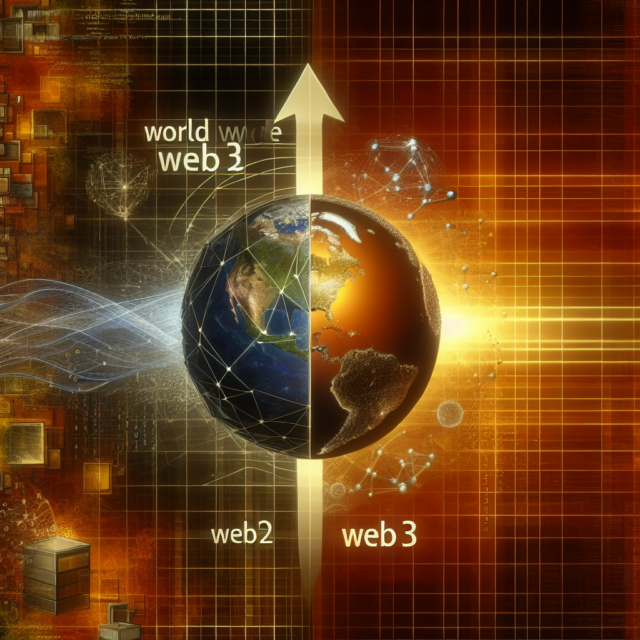
Web3, often referred to as the decentralized web, represents a paradigm shift from the traditional centralized internet model. At its core, Web3 leverages blockchain technology to enhance transparency, security, and user control. Unlike Web2, which is dominated by a few centralized entities, Web3 aims to distribute power back to the users by enabling peer-to-peer interactions without intermediaries. This decentralized architecture is foundational to Web3’s vision of a more open and equitable internet.

Smart contracts are another critical component of Web3, allowing automated, self-executing contracts with the terms of the agreement directly written into code. These contracts operate on blockchain networks, ensuring that transactions are irreversible and traceable. By removing the need for intermediaries, smart contracts streamline processes, reduce costs, and minimize the potential for human error or manipulation.

Decentralized applications, or dApps, are applications that run on a blockchain network rather than a single server. These dApps provide users with more control over their data and interactions, fostering a more democratic digital environment. With no central authority to dictate terms, users can engage with these applications in a manner that respects their privacy and autonomy.

The concept of digital identity is also being reimagined in the Web3 ecosystem. Self-sovereign identity allows individuals to own and manage their personal data without relying on third-party services. This shift is crucial in an era where data breaches and privacy concerns are rampant. By giving users control over their own identities, Web3 aims to enhance privacy and security.

Interoperability is a significant focus of Web3 development, ensuring that different blockchain networks can communicate and operate seamlessly with each other. This capability is essential for creating a cohesive digital ecosystem where users can move assets and data across various platforms without friction. Interoperability fosters collaboration and innovation, driving the Web3 vision forward.

Finally, the economic model of Web3 is characterized by tokenization, where digital assets represent value and can be traded or utilized within the network. Tokens can represent anything from currency to access rights, enabling new forms of economic interaction. This model not only incentivizes participation but also democratizes access to investment opportunities traditionally reserved for the few.

Key Innovations Driving the Web3 Revolution

One of the most groundbreaking innovations in the Web3 space is the emergence of decentralized finance, or DeFi. This ecosystem of financial services operates without traditional banks, offering lending, borrowing, and trading on blockchain platforms. DeFi democratizes finance by providing access to anyone with an internet connection, challenging the conventional financial system and its gatekeepers.

Non-fungible tokens, or NFTs, have also captured significant attention as a revolutionary innovation in the Web3 era. Unlike cryptocurrencies, NFTs are unique digital assets that can represent ownership of a wide range of items, from art to real estate. This innovation has transformed how we perceive ownership and value in the digital realm, creating new opportunities for artists, creators, and investors.

The concept of decentralized autonomous organizations (DAOs) is another key innovation driving the Web3 revolution. DAOs are organizations governed by smart contracts and decentralized decision-making processes. They enable collective management and operation without centralized leadership, promoting transparency and inclusivity in organizational governance.

Web3 is also witnessing significant advancements in privacy technologies, such as zero-knowledge proofs and privacy-focused cryptocurrencies. These innovations aim to enhance user privacy and security by allowing transactions to be verified without revealing sensitive information. As privacy concerns continue to grow, these technologies are becoming increasingly vital to the Web3 ecosystem.

Interoperability protocols are essential innovations that enable different blockchain networks to interact and share information seamlessly. Projects like Polkadot and Cosmos are pioneering efforts in creating interconnected blockchain networks, facilitating a more integrated and efficient digital ecosystem. These protocols are crucial for the scalability and sustainability of the Web3 infrastructure.

Lastly, the rise of decentralized storage solutions, such as IPFS and Filecoin, is transforming how data is stored and accessed on the internet. These systems distribute data across a network of nodes, ensuring redundancy and resilience. By moving away from centralized data centers, decentralized storage enhances security and reduces the risk of data loss or censorship.

Analyzing the Impact of Web3 on Digital Landscapes

The impact of Web3 on digital landscapes is profound, reshaping industries and redefining user experiences. One of the most significant changes is in the realm of finance, where DeFi is challenging traditional banking models and offering new financial opportunities. This shift is democratizing access to financial services, enabling individuals in underserved regions to participate in the global economy.

In the creative industries, NFTs are revolutionizing how artists and creators monetize their work. By providing a platform for direct sales and royalties, NFTs eliminate the need for intermediaries, allowing creators to retain more control and revenue. This transformation is empowering artists and fostering a more diverse and vibrant cultural landscape.

Web3’s emphasis on user control and privacy is also impacting social media and online interactions. Decentralized social networks are emerging, offering alternatives to traditional platforms that often exploit user data for profit. These networks prioritize user privacy and autonomy, potentially leading to a more ethical and user-centric digital environment.

The rise of DAOs is influencing how organizations operate and make decisions. By decentralizing governance, DAOs promote transparency and inclusivity, allowing stakeholders to have a direct say in the operations. This model is being adopted by various sectors, from finance to non-profits, signaling a shift toward more democratic and accountable organizational structures.

In the realm of digital identity, Web3 is offering solutions that enhance security and privacy. Self-sovereign identity systems allow individuals to control their personal information, reducing the risk of identity theft and data breaches. This shift is crucial in an age where digital identity is increasingly intertwined with daily life.

Finally, Web3’s impact on data storage and accessibility is significant. Decentralized storage solutions are challenging the dominance of centralized cloud providers, offering more secure and resilient alternatives. This transformation is crucial for ensuring data integrity and availability in an increasingly digital world.

Web3 technology is ushering in a new era of the internet, characterized by decentralization, user empowerment, and transparency. As we explore its core concepts and key innovations, it becomes clear that Web3 is not just a technological advancement but a fundamental shift in how we interact with the digital world. By analyzing its impact on various digital landscapes, we can begin to understand the transformative potential of Web3 and its role in shaping the future of the internet. As this revolution unfolds, it is essential to remain engaged and informed, ensuring that the benefits of Web3 are realized for all.

Exploring Web3: The Next Evolution of the Internet

Exploring Web3: The Next Evolution of the Internet

As the digital landscape continues to evolve, the conversation around Web3 has gained significant momentum. Often hailed as the next evolution of the internet, Web3 promises a decentralized framework, offering new possibilities for digital interactions and data ownership. This article delves into the foundational aspects of Web3 technology, explores the critical role of blockchain in its development, and examines how Web3 is poised to transform our digital experiences.

Understanding the Basics of Web3 Technology

Web3, short for Web 3.0, represents a paradigm shift from the current internet model, which relies heavily on centralized platforms and services. At its core, Web3 envisions an internet where users have greater control over their data and digital identities. This shift is facilitated by decentralized technologies, which aim to redistribute power from large corporations to individual users. Unlike Web 2.0, where data is predominantly stored in centralized servers, Web3 leverages peer-to-peer networks, ensuring that data is distributed across multiple nodes, enhancing both security and privacy.

The architecture of Web3 is built upon several key technologies, including blockchain, decentralized applications (dApps), and smart contracts. Blockchain serves as the backbone, providing a secure and immutable ledger for recording transactions and data. Decentralized applications operate on peer-to-peer networks instead of centralized servers, allowing for more transparent and trustless interactions. Smart contracts, which are self-executing contracts with the terms of the agreement directly written into code, automate processes and reduce the need for intermediaries.

One of the most significant promises of Web3 is its potential to democratize the internet. By removing intermediaries, Web3 can reduce costs, increase efficiency, and provide users with more direct control over their digital assets. This democratization extends to various sectors, including finance, supply chain, healthcare, and entertainment, where decentralized solutions can enhance transparency and accountability.

Web3 also introduces the concept of tokenization, allowing digital assets to be represented as tokens on a blockchain. These tokens can represent anything from currency to intellectual property, creating new economic models and opportunities. Tokenization enables the fractional ownership of assets, broadening access to investment opportunities that were previously limited to a select few.

Interoperability is another crucial aspect of Web3, as it aims to create a seamless experience across different platforms and networks. By enabling different blockchain networks to communicate and interact with each other, Web3 fosters a more cohesive ecosystem. This interoperability is essential for realizing the full potential of decentralized applications and services, ensuring that users can easily transition between different platforms without friction.

In summary, Web3 technology represents a fundamental shift in how we interact with the internet. By prioritizing decentralization, privacy, and user empowerment, Web3 has the potential to redefine digital interactions and create a more equitable online environment.

The Role of Blockchain in Web3 Development

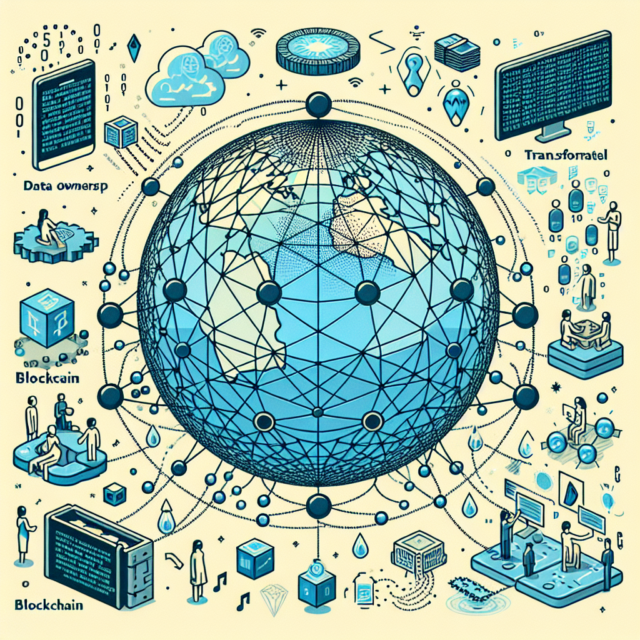
Blockchain technology is the cornerstone of Web3, offering the infrastructure necessary for decentralization and trustless interactions. As a distributed ledger technology, blockchain ensures that data is securely recorded across multiple nodes in a network, making it tamper-proof and transparent. This decentralization of data storage and management is a critical component of Web3, as it eliminates the need for centralized authorities that have traditionally controlled access and distribution.

One of the primary roles of blockchain in Web3 is to enable peer-to-peer transactions without the need for intermediaries. By leveraging cryptographic principles, blockchain ensures that these transactions are secure and verifiable, fostering trust among participants. This decentralization reduces the reliance on traditional financial institutions and opens up new possibilities for financial inclusion, particularly in regions with limited access to banking services.

Smart contracts, which operate on blockchain networks, are another pivotal element in Web3 development. These self-executing contracts automate processes based on predefined conditions, reducing the need for manual intervention and minimizing the risk of errors. In the context of Web3, smart contracts facilitate seamless interactions between decentralized applications and users, enabling a wide range of use cases, from decentralized finance (DeFi) to supply chain management.

Blockchain also plays a crucial role in ensuring data privacy and security within the Web3 ecosystem. Unlike traditional systems where data is stored in centralized databases, blockchain enables users to have control over their data through cryptographic keys. This shift in data ownership empowers users to decide who can access their information, enhancing privacy and reducing the risk of data breaches.

Another significant contribution of blockchain to Web3 is the concept of decentralized identity. By leveraging blockchain, users can create self-sovereign identities that are not tied to any single platform or service provider. This decentralization of identity management allows users to maintain control over their personal information and reduces the risk of identity theft or misuse.

In conclusion, blockchain is a fundamental enabler of Web3, providing the infrastructure and tools necessary for a decentralized internet. Its role in facilitating secure, transparent, and trustless interactions is critical to the realization of Web3’s vision, paving the way for a more equitable and user-centric digital landscape.

How Web3 is Transforming Digital Interactions

Web3 is poised to revolutionize the way we interact with digital platforms, offering a more decentralized and user-focused experience. One of the most significant transformations brought about by Web3 is the shift from platform-centric models to user-centric models. In the current Web 2.0 environment, users are primarily consumers of content and services provided by centralized platforms. In contrast, Web3 empowers users to become active participants and co-creators in the digital ecosystem.

Decentralized applications, or dApps, are at the forefront of this transformation, offering a wide range of services that operate on peer-to-peer networks. These applications eliminate the need for intermediaries, allowing users to interact directly with each other. This direct interaction reduces costs, increases efficiency, and enhances transparency, as users can verify transactions and data without relying on a central authority.

Web3 also introduces new economic models through the use of tokens and cryptocurrencies. These digital assets enable new forms of value exchange and incentivize user participation in decentralized networks. For example, users can earn tokens by contributing to a network, whether by providing computing power, creating content, or curating information. This token economy not only rewards users for their contributions but also aligns their interests with the overall success of the network.

Another area where Web3 is transforming digital interactions is in data ownership and privacy. In the Web3 paradigm, users have control over their data and can decide how it is shared and monetized. This shift empowers users to take ownership of their digital identities and reduces the power of centralized platforms that have traditionally monetized user data without explicit consent. By leveraging blockchain and cryptographic principles, Web3 ensures that data is stored securely and accessed only by those with permission.

Interoperability is also a key factor in transforming digital interactions within the Web3 ecosystem. By enabling different blockchain networks and applications to communicate with each other, Web3 fosters a more cohesive and integrated digital experience. This interoperability allows users to move seamlessly between different platforms and services, enhancing convenience and accessibility.

In essence, Web3 is redefining digital interactions by prioritizing decentralization, user empowerment, and transparency. As this new paradigm continues to evolve, it holds the potential to create a more equitable and inclusive digital landscape, where users are active participants rather than passive consumers.

The advent of Web3 marks a significant milestone in the evolution of the internet, offering a decentralized and user-centric approach to digital interactions. By leveraging blockchain technology and fostering a more equitable distribution of power, Web3 has the potential to transform various aspects of our digital lives, from data ownership to economic participation. As we continue to explore the possibilities of this new paradigm, it is crucial to consider both the opportunities and challenges that lie ahead. Ultimately, Web3 represents a bold vision for the future of the internet, one that prioritizes user empowerment and transparency in an increasingly interconnected world.

Ethereum’s Potential Surge to $6000 by 2025 Amid PlutoChain Craze​ | Web3Wire

0
Ethereum’s Potential Surge to 00 by 2025 Amid PlutoChain Craze​ | Web3Wire


# Ethereum’s Potential Surge to $6000 by 2025 Amid PlutoChain Craze

The cryptocurrency world is no stranger to volatility and exuberance, with investors always on the lookout for the next big opportunity. As we peer into the future, all eyes seem to be on Ethereum (ETH) and its potential explosive growth by 2025. With the recent buzz surrounding the emerging PlutoChain, one cannot help but wonder if Ethereum is primed for a remarkable ascent. Could we see ETH reaching the $6000 milestone in the upcoming bull run? Let’s delve into the dynamics driving this speculation.

## The Foundation of Ethereum’s Potential

Ethereum has solidified its place as the second-largest cryptocurrency by market capitalization, known for its robust functionalities and the ability to support decentralized applications (dApps) through smart contracts. Several factors make a strong case for Ethereum’s potential surge:

– **Ethereum 2.0 Upgrade:** The transition from a proof-of-work to a proof-of-stake consensus mechanism promises increased scalability, lower energy consumption, and boosted security.

– **Decentralized Finance (DeFi) Momentum:** As the bedrock of the DeFi ecosystem, Ethereum benefits from the burgeoning interest and investment in decentralized financial services.

– **Non-Fungible Tokens (NFTs):** Ethereum remains a key player in enabling NFTs, which continue to capture mainstream attention and investment.

– **Widespread Adoption:** Growing institutional interest and adoption across various sectors are further solidifying Ethereum’s standing in the market.

## The PlutoChain Phenomenon

Amid the speculation surrounding Ethereum, a new craze has emerged: PlutoChain. This blockchain platform is drawing significant attention and capital, which, in turn, might impact Ethereum’s trajectory. But why is PlutoChain causing such a stir?

### What is PlutoChain?

PlutoChain is a novel blockchain network that promises enhanced speed, security, and efficiency. It aims to revolutionize how blockchain technology is utilized, offering unique features and innovation that appeal to both developers and users.

### How Does PlutoChain Impact Ethereum?

While PlutoChain emerges as a formidable entity in the blockchain space, its impact on Ethereum is rather complex:

– **Competitive Pressure:** As a potential competitor, PlutoChain adds pressure on Ethereum to continue innovating and scaling its solutions to maintain its leading position.

– **Collaborative Potential:** There is a possibility for synergies between the two platforms, given that Ethereum often serves as a foundation for new blockchain projects. PlutoChain could enhance Ethereum’s ecosystem by offering complementary features.

– **Market Sentiment:** The excitement surrounding PlutoChain’s technology and potential could spill over to Ethereum, boosting its market sentiment.

## Market Forecast & Experts’ Opinions

Predicting cryptocurrency prices is akin to gazing into a crystal ball. However, some analysts and experts believe that Ethereum could indeed reach the much-anticipated $6000 mark by 2025. Here are some of the factors and opinions supporting this bullish outlook:

### Factors Driving Ethereum’s Growth

– **H1: Network Upgrades:** With the completion of its transition to Ethereum 2.0, enhancements in transaction speed and reduced energy consumption are expected to attract more users and developers.

– **H2: Institutional Investment:** As institutional investors continue pouring resources into blockchain technology, Ethereum stands out as an attractive option due to its maturity and use cases.

– **H3: Economic Climate:** If macroeconomic conditions remain favorable, the appetite for digital assets like Ethereum may continue to climb.

### Expert Predictions

– **H2: Bullish Analysts:** Some experts predict Ethereum could see substantial price increases due to its foundational role in several blockchain applications.

– **H3: Cautious Optimism:** While cautious, other analysts indicate that Ethereum’s price is likely to appreciate, driven by its unique advantages and successful technological upgrades.

## Risks and Considerations

While optimism abounds, investors must weigh potential risks and challenges:

– **Network Congestion:** Ethereum’s infrastructure can sometimes struggle with congestion, especially during peak activity phases, potentially impacting user experience.

– **Regulatory Scrutiny:** As cryptocurrencies garner more attention, increased regulatory oversight could impact Ethereum’s growth trajectory.

– **Competitive Landscape:** Emerging technologies and platforms, like PlutoChain, foster a competitive environment that requires Ethereum to consistently innovate to retain market share.

## Conclusion: A Bright Future with Caveats

As we approach 2025, Ethereum’s journey toward a $6000 valuation hinges on numerous factors, including its ability to navigate technological advancements, market demands, and competitive pressures. The PlutoChain phenomenon adds an intriguing layer to this narrative, potentially influencing Ethereum’s evolution.

In closing, while there is no guaranteed path to riches, Ethereum’s established ecosystem, ongoing upgrades, and pivotal role in blockchain applications position it well for future growth. Yet, as with any investment, due diligence, consideration of market conditions, and mindful observation of emerging trends are crucial. Whether Ethereum will indeed reach the coveted $6000 mark is something only time will tell, but its stars appear aligned for an exciting journey as the world of cryptocurrency marches forward.

About Web3Wire Web3Wire – Information, news, press releases, events and research articles about Web3, Metaverse, Blockchain, Artificial Intelligence, Cryptocurrencies, Decentralized Finance, NFTs and Gaming. Visit Web3Wire for Web3 News and Events, Block3Wire for the latest Blockchain news and Meta3Wire to stay updated with Metaverse News.


Source link

Young and the Restless Prediction: Phyllis Going Down?

    0
    Young and the Restless Prediction: Phyllis Going Down?


    Young and the Restless predictions suspect Phyllis Summers could end up behind bars soon because of the two psychos running around Genoa City on the CBS sudser.

    Phyllis Summers Moves On – Young and the Restless

    Currently, on Young and the Restless, Phyllis Summers is giving up on her quest to bring Sharon Newman to justice. She finally admits that it was not Sharon who ran her off the road and put her in the hospital.

    But she’s still insistent that Sharon killed Heather Stevens and framed Daniel Romalotti. However, she’s leaving that up to the police. She even admitted this to Billy Abbott recently on Young and the Restless.

    Young and the Restless Prediction: Phyllis Summers (Michelle Stafford)
    Y&R | CBS

    But he thinks it is suspicious that Phyllis Summers starts backing off Sharon right as she goes missing. In fact, so does her daughter, Summer Newman. On top of that, Ian Ward and his accomplice, Jordan Howard, are actively framing Phyllis. Indeed, it appears to be working.

    Phyllis Looks Guilty on Y&R

    Although Phyllis Summers (Michelle Stafford) seems to be genuine about letting her vendetta against Sharon Newman (Sharon Case) go, she’s looking guiltier than ever.

    Not only is the timing suspicious, but Ian Ward (Ray Wise) wants Sharon dead. Furthermore, he wants Phyllis to take the fall on Young and the Restless.

    That’s why he had Jordan Howard (Colleen Zenk) run her car into the river in the same spot where Heather’s body was dumped. So it would look like Phyllis was getting “justice” for Heather.

    But what Ian doesn’t know is that Sharon isn’t in her car at the bottom of the river. Jordan is livid with him for not helping her with her vendetta. So, she put Sharon in the sewer instead of killing her like Ian wants.

    Now, Jordan Howard is taking matters into her own hands which is throwing a wrench into Ian’s plans. However, it might still have a disastrous outcome for Phyllis.

    Young and the Restless Prediction: Red Going to Prison?

    Even though Ian’s scheme hit a snag and Sharon is still alive, Phyllis could still go down for kidnapping and attempted murder. News of Jordan’s return starts to get around this week.

    And it won’t take long for people to figure out that she and Ian are working together and are responsible for all the awful things going on. But, until there’s proof, all signs may point to Phyllis. So, she could soon land in jail on Young and the Restless.

    At least for a little while. Meanwhile, Sharon will remain in grave danger. Y&R is wild right now. Don’t miss a minute to see if Phyllis Summers gets locked up for the attempt on Sharon’s life on the CBS daytime drama.

    Get all the latest Young and the Restless spoilers and news daily from Soap Dirt.


    Source link

    Inside Denise Welch and Lincoln Townley’s vast fortune after he sold £20m art collection and painting with £100k of diamonds

      0
      Inside Denise Welch and Lincoln Townley’s vast fortune after he sold £20m art collection and painting with £100k of diamonds


      Self-taught artist Lincoln Townley sold 22 paintings in 2020 for a whopping £20 million fortune, seven years after marrying television’s Denise Welch.

      He cited billionaires like Richard Branson, Jeff Bezos and Elon Musk as inspiration for the collection, which was called Universe.

      Actor Michael Caine once referred to Townley as the “next Andy Warhol”. Warhol popularised a style known as “pop art”, which involves often simple, repeated images, and deliberately regurgitates iconic images from pop culture, such as the faces of celebrities or brand logos.

      Lincoln Townley is 14 years younger than Denise Welch, who is his second wife after a months-long union with Beverley Scales in 1992.

      Born in Hackney, Lincoln might be the richest artist you’ve never heard of (Credit: Lincoln Townley/YouTube)

      Lincoln and Denise’s ‘unsustainable’ relationship beginnings

      When he met Denise in 2012, Lincoln Townley was a man on the edge.

      Peter Stringfellow had just fired him from the role of sales director of his exclusive – and expensive – West End nightclub.

      He was drinking heavily. Heavily.

      The Times wrote in January 2024 that he would drink: two bottles of rioja, three chocolate martinis, four bottles of Stella Artois, a bottle of beaujolais, nine vodka and tonics and snort a gram of coke – by 3pm each day.

      For her part, Denise “couldn’t see the red flags,” Lincoln told the paper. Because she was in that world herself.

      She’d recently separated from her husband, actor Tim Healy. She and Lincoln drank and fought in a way that was, by his own description, “unsustainable”.

      He went cold turkey, shirking Alcoholics Anonymous in favour of simple self-discipline. When he showed Denise a video he’d recorded of her “smashing up his flat in a drunken rage,” she did the same.

      “That day was the start of us channelling that dark energy into good things,” he told the Times. “And look at the life we have now.”

      When life is difficult, Samaritans are here – day or night, 365 days a year. You can call them for free on 116 123, email them at [email protected], or visit samaritans.org to find your nearest branch.

      Lincoln Townley in London

      He’s made tens of millions from his portraits of celebrities and billionaire-inspired works (Credit: Lincoln Townley/YouTube)
      Denise Welch on Loose Women

      Denise has been married three times, and spoken openly about the various infidelities that occurred during her first marriages (Credit: Loose Women/YouTube)

      Denise Welch and Lincoln Townley’s £20 million fortune after Universe art sale

      In 2020, during the height of the covid-19 pandemic, Lincoln Townley sold a collection of 22 paintings for a total of £20 million.

      Investors used cryptocurrency to buy many of the pieces. The Saatchi gallery then exhibited them for a period towards the end of the year.

      Lincoln took inspiration from billionaire space-faring projects for his Universe collection. He cites “visionaries” like Elon Musk, Richard Branson and Jeff Bezos, specifically, as his muses.

      “These people are masters of the universe,” The Sun quotes him as saying, at the time.

      “I wanted to expand my own creative ideas by creating extremely colourful pictures of achievement and look at the images of the first man on Mars, the first disco on Mars, the first banker on Venus.”

      Among the many art pieces Lincoln has sold during his career are a diamond-encrusted portrait of Princess Diana (£1 million) and a painting of Muhammed Ali (£510,000).

      The Diana painting featured more than £100,000 worth of diamonds. Its frame alone contains £20,000 worth of sapphires.

      Denise Welch sitting in front of a microphone during a podcast interview

      Since meeting Lincoln Townley, Denise Welch has spoken openly about her own issues with addiction (Credit: ADHD Chatter Podcast/YouTube)
      YouTube video player

      Lincoln’s £7 million luxury Chelsea penthouse featuring artworks

      In 2019, before raking in £20 million for his Universe collection, Lincoln Townley splashed out on a luxury Chelsea penthouse worth £7 million.

      He bought it with the proceeds of his previous Behind The Mask La Biennale and Greed collections, reports MailOnline.

      Lincoln wanted to use the house a “unique way to sell art”, and reckoned it was a “world’s first”.

      “I am a big believer than no one can sell my art better than I can,” he told the outlet.

      “I do have works with some galleries but I am not exclusive to anyone and I’ve always explored alternate markets such as the crypto world and sales generated via social media and online.”

      Read more: Inside Denise Welch’s love life – split from husband of 25 years, ‘infidelities on both sides’ and romance with toyboy

      What do you think of Lincoln’s art? Let us know with a comment on our Facebook page @EntertainmentDailyFix.


      Source link

      Popular Posts

      My Favorites

      Earn Bitcoin: 10 Leading Mobile Cloud Mining Apps for 2025

      0
      Introduction: Turn Your Phone into a Money-Making ToolIn the past, making money through cryptocurrency mining involved purchasing expensive rigs, setting up complex equipment,...