Home Blog Page 1401

Exploring the Latest Trends in Fashion This Week
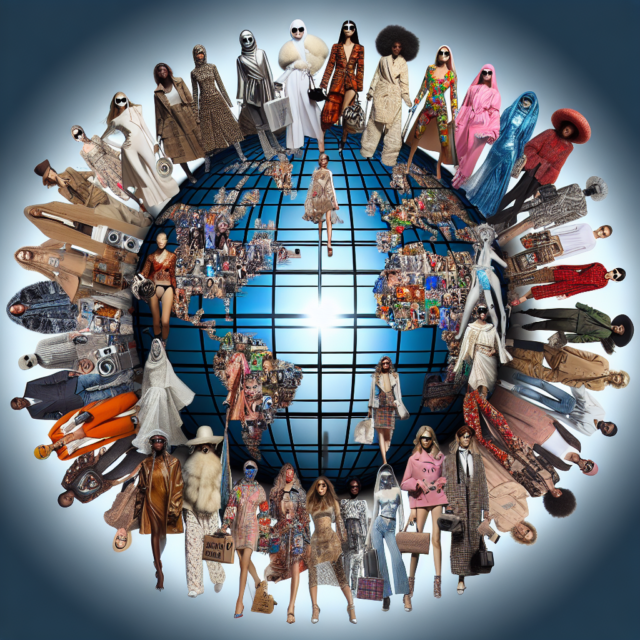
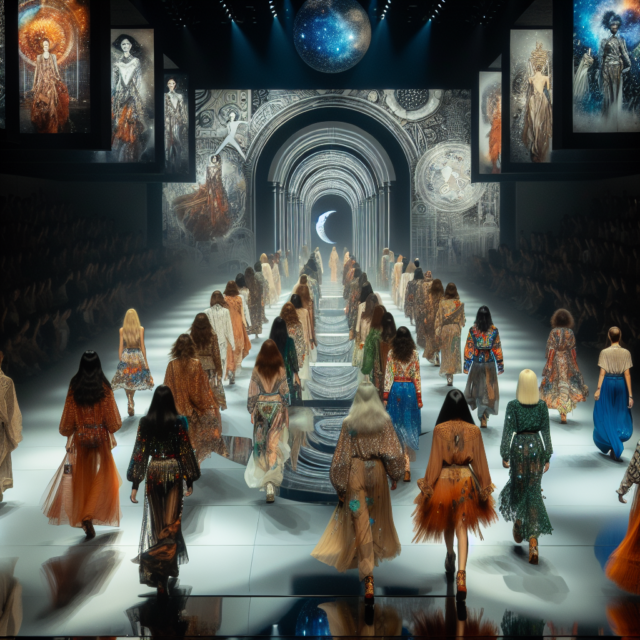
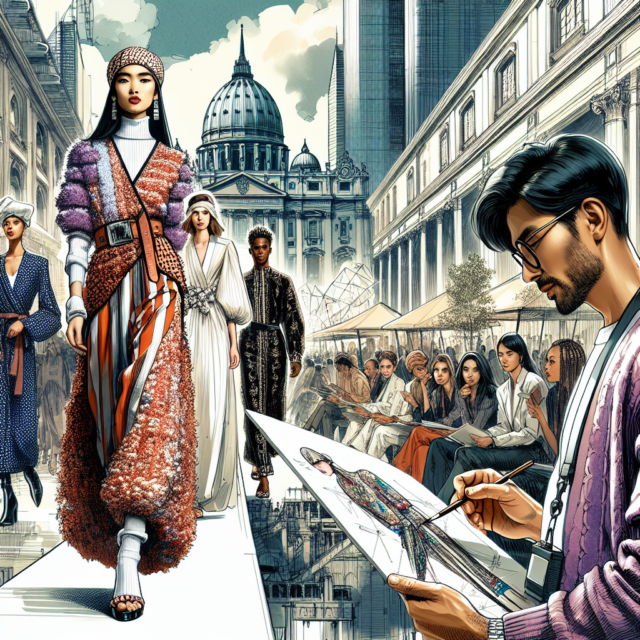
Exploring the Latest Trends in Fashion This Week

Fashion is a dynamic and ever-evolving world, where trends come and go with the blink of an eye. Each week brings new inspirations and innovations, reflecting the cultural zeitgeist and the creative ingenuity of designers. This week is no exception, as we delve into the latest fashion trends that are making waves across runways, social media, and street style. From eye-catching styles to subtle influences, the fashion landscape is as diverse as ever. Let’s take a closer look at what’s shaping the fashion scene this week, the key influences driving these trends, and the must-have styles and colors dominating wardrobes around the world.

Unveiling the Hottest Fashion Trends of the Week

This week, one of the most prominent trends making headlines is the resurgence of ’70s-inspired fashion. From flared jeans to bohemian blouses, the nostalgic nod to this iconic decade is evident in many designers’ collections. The ’70s revival is characterized by its bold patterns, earthy tones, and free-spirited silhouettes, offering a fresh take on retro aesthetics.

In contrast, the minimalist movement continues to hold its ground, focusing on clean lines and muted palettes. This trend is all about simplicity and functionality, with an emphasis on high-quality fabrics and timeless cuts. It’s a refreshing counterbalance to the maximalist tendencies seen elsewhere in the fashion world, proving that less can indeed be more.

Statement outerwear is also taking center stage this week, with oversized coats and bold textures making a splash. From quilted jackets to faux fur coats, these pieces are not just for warmth but serve as focal points of any outfit. The trend encourages layering and experimentation, allowing fashion enthusiasts to express their personal style even in colder months.

Another trend gaining traction is the playful use of accessories. This week, it’s all about making a statement with unexpected details, like chunky jewelry, embellished bags, and eye-catching hats. These accessories add a touch of personality and flair to even the simplest of ensembles, proving that the devil is indeed in the details.

Sustainability continues to be a significant trend, with more brands embracing eco-friendly practices and materials. This week, recycled fabrics, organic cotton, and innovative dyeing techniques are being highlighted by designers committed to reducing their environmental footprint. This shift not only reflects a growing consumer demand for ethical fashion but also a broader industry commitment to sustainable practices.

Lastly, gender-fluid fashion is gaining momentum, with designers blurring the lines between traditional male and female clothing. This trend is all about inclusivity and breaking down barriers, offering versatile pieces that can be worn by anyone. It’s a celebration of individuality and self-expression, making fashion more accessible and diverse.

Key Influences Shaping This Week’s Fashion Scene

The cultural influence of nostalgia is a significant force driving this week’s fashion trends. The renewed interest in ’70s-inspired pieces reflects a longing for the carefree and expressive spirit of that era. This influence is not only seen in fashion but also in music, film, and art, creating a cohesive cultural movement across various creative domains.

Social media continues to be a powerful influence, with platforms like Instagram and TikTok dictating what’s hot and what’s not. Influencers and fashion-forward individuals showcase their unique styles, often setting trends that ripple through the industry. This week, the digital sphere has been buzzing with discussions around sustainable fashion and gender-fluid styles, highlighting the growing importance of these movements.

Celebrity endorsements remain a potent influence, as stars are often seen sporting the latest trends, instantly boosting their popularity. This week, several high-profile celebrities have been spotted in ’70s-inspired outfits and statement outerwear, further cementing these trends’ status in the fashion spotlight.

The fashion industry’s response to global events and societal changes also plays a crucial role in shaping trends. The ongoing focus on sustainability and inclusivity is a direct response to consumer demands for more ethical and diverse fashion options. This week, several brands have launched campaigns highlighting their commitment to these values, influencing both the industry and consumer behavior.

Fashion weeks and runway shows serve as another vital influence, setting the stage for what will be trending in the coming months. This week’s shows have showcased a mix of retro inspirations, minimalist designs, and bold accessories, offering a glimpse into the future of fashion. Designers use these platforms to experiment and push boundaries, often setting the tone for the season ahead.

Finally, the economic landscape can influence fashion trends, as consumer spending habits shift in response to financial conditions. This week, there’s been a noticeable increase in the popularity of versatile and investment-worthy pieces, reflecting a desire for longevity and practicality in fashion choices. As consumers become more mindful of their purchases, the industry adapts by offering pieces that blend style with sustainability and functionality.

Must-Have Styles and Colors Dominating Right Now

This week, must-have styles are dominated by the return of the wide-legged trousers. Whether in denim or tailored fabrics, these pants exude a sense of casual sophistication and are versatile enough for both day and night looks. Pair them with a fitted top or a loose blouse to create a balanced silhouette that is both comfortable and chic.

The color palette this week is rich and varied, with earthy tones like rust, olive, and deep browns taking the lead. These colors evoke a sense of warmth and nostalgia, perfectly complementing the ’70s-inspired trend. Additionally, jewel tones such as emerald green and sapphire blue are making a statement, adding a touch of luxury and vibrancy to any outfit.

Chunky knit sweaters are a must-have this season, offering both comfort and style. They come in a variety of styles, from oversized to cropped, and can be easily layered over dresses or paired with wide-legged trousers for a cozy yet fashionable look. This week, they’re particularly popular in neutral shades and bold patterns, allowing for endless styling possibilities.

Footwear this week is all about making a statement, with knee-high boots and platform shoes leading the charge. These styles not only add height but also a sense of drama to any ensemble. Whether in classic leather or bold prints, these shoes are a must-have for anyone looking to elevate their wardrobe.

When it comes to outerwear, trench coats are a timeless staple that continues to dominate. This week, they’re being reimagined in unexpected fabrics and colors, such as velvet and pastel shades. These modern twists on a classic piece make them a versatile addition to any wardrobe, perfect for transitioning between seasons.

Finally, the accessory of the moment is the oversized scarf. This cozy staple is not only practical but also adds a touch of sophistication to any outfit. Available in a range of colors and patterns, they can be styled in numerous ways, from draped over the shoulders to wrapped around the neck, making them a versatile addition to any fashionista’s collection.

As we explore the latest trends in fashion this week, it’s clear that the industry is in a state of constant evolution, influenced by cultural nostalgia, digital platforms, and a growing emphasis on sustainability and inclusivity. Whether it’s the return of ’70s-inspired styles, the focus on minimalist aesthetics, or the playful use of accessories, this week offers a rich tapestry of trends for fashion enthusiasts to explore. With must-have styles and colors leading the way, there’s something for everyone to embrace and make their own. As we look ahead, it’s exciting to imagine how these trends will continue to evolve and shape the fashion landscape in the weeks to come.
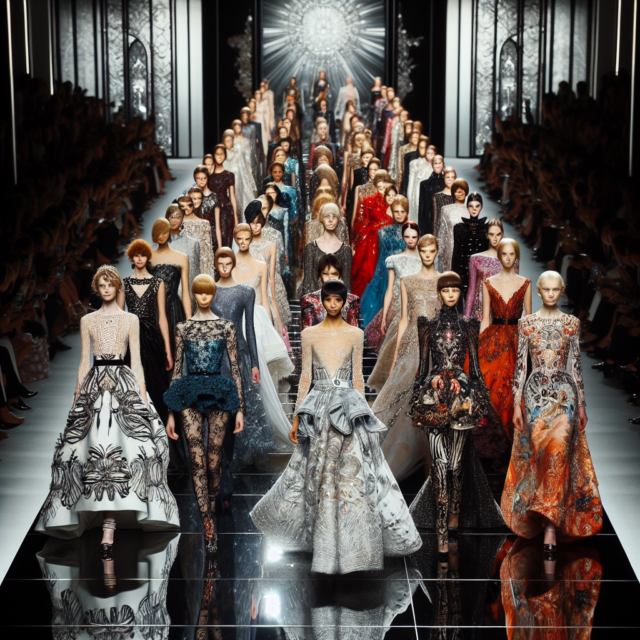
Fashion and Shows Unite to Craft Innovative Experiences

Fashion and Shows Unite to Craft Innovative Experiences

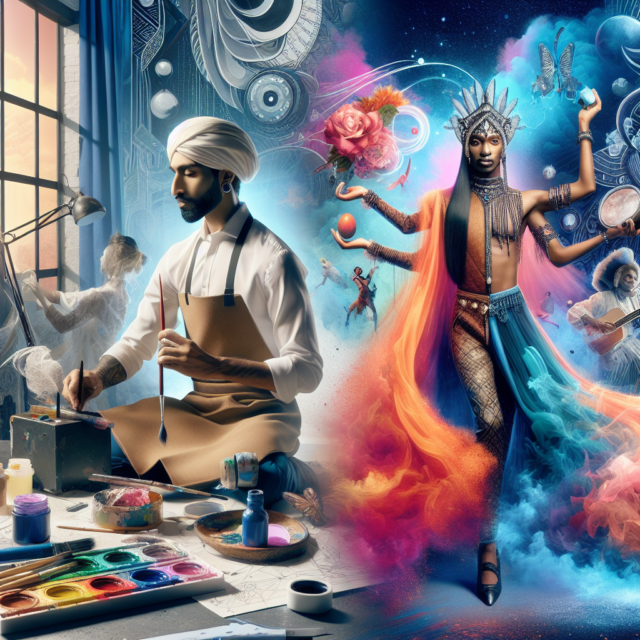
Fashion and performance art have long shared a symbiotic relationship, each drawing inspiration and influence from the other. In recent years, this relationship has evolved into a dynamic partnership that seeks to create innovative experiences for audiences worldwide. By blending the worlds of fashion and performance art, designers and artists are breaking traditional boundaries and crafting immersive events that captivate the senses and challenge conventional perceptions. This article delves into how fashion and shows are uniting to create these groundbreaking experiences, exploring the seamless integration of art forms, the transformation of runway shows, and the power of collaboration.

Bridging Fashion and Performance Art Seamlessly

The intersection of fashion and performance art has always been a fertile ground for creativity, with each discipline borrowing elements from the other to enhance their own narratives. This seamless integration is now more pronounced than ever, as designers and artists collaborate to create experiences that blur the lines between clothing and performance. By incorporating elements of theater, dance, and visual art into their shows, fashion designers are able to convey stories and emotions that extend beyond the fabric and stitches of their garments.

One of the key ways fashion and performance art are bridging their respective fields is through the use of innovative staging and choreography. Runway shows are no longer just about models walking in a straight line; instead, they are becoming theatrical performances in their own right. Designers are working with choreographers to create dynamic movements that highlight the fluidity and form of their designs, allowing garments to come alive on stage. This not only enhances the visual impact of the show but also adds a new layer of meaning to the collection.

Additionally, the incorporation of multimedia elements such as video projections, soundscapes, and interactive installations further blurs the boundaries between fashion and performance art. These elements create a multisensory experience that engages audiences on multiple levels, drawing them into the world of the designer’s vision. By using technology as a tool for storytelling, fashion shows are transformed into immersive environments where the audience becomes an active participant rather than a passive observer.

The collaboration between fashion designers and performance artists also opens up new avenues for exploring themes and concepts that are relevant to contemporary society. By addressing issues such as identity, gender, and sustainability through their work, these creators are able to challenge societal norms and provoke thought and discussion. This not only elevates the fashion show to an art form but also makes it a platform for social commentary and change.

Furthermore, the seamless integration of fashion and performance art allows for a greater diversity of voices and perspectives to be represented on the runway. By collaborating with artists from different backgrounds and disciplines, designers can incorporate a wide range of cultural influences and styles into their work. This not only enriches the fashion show experience but also reflects the multicultural and interconnected world we live in today.

Ultimately, the seamless bridging of fashion and performance art is a testament to the power of creativity and collaboration. By transcending the limitations of their respective fields, designers and artists are able to craft experiences that are greater than the sum of their parts, leaving a lasting impact on audiences and pushing the boundaries of what fashion can be.

Transforming Runway Shows into Immersive Events

The traditional runway show, once a straightforward presentation of a designer’s latest collection, has undergone a dramatic transformation in recent years. No longer confined to the linear catwalk, these events have evolved into immersive experiences that engage audiences in new and exciting ways. By reimagining the format and structure of the runway show, designers are able to create a more intimate and interactive experience that resonates with audiences on a deeper level.

One of the primary ways designers are transforming runway shows is by choosing unconventional venues and settings. Rather than sticking to traditional fashion week locations, designers are opting for spaces that complement and enhance the theme of their collections. From abandoned warehouses to lush gardens, these unique settings add an element of surprise and intrigue, drawing audiences into the world of the designer’s imagination.

In addition to innovative venues, designers are also experimenting with the pacing and flow of their shows. By incorporating elements such as live music, spoken word, and dance, they are able to create a more dynamic and engaging experience. These performances not only add to the overall atmosphere of the event but also serve to highlight the themes and concepts behind the collection, providing audiences with a deeper understanding of the designer’s vision.

The use of technology is another key factor in the transformation of runway shows into immersive events. Virtual and augmented reality, for example, allow designers to create digital environments that complement their physical shows. By providing audiences with VR headsets or AR apps, they can offer a unique and personalized experience that extends beyond the confines of the venue. This not only enhances the visual impact of the show but also allows for a greater degree of interactivity and engagement.

Moreover, the transformation of runway shows into immersive events is also a reflection of the changing nature of the fashion industry itself. With the rise of social media and digital platforms, designers are increasingly looking for ways to engage with a global audience. By creating experiences that are both visually stunning and emotionally resonant, they are able to capture the attention of a wider audience and create a lasting impression.

The shift towards immersive runway shows also highlights the importance of storytelling in fashion. By crafting a narrative around their collections, designers are able to connect with audiences on a more personal level. This not only adds depth and meaning to the garments themselves but also creates a more memorable and impactful experience for those in attendance.

Ultimately, the transformation of runway shows into immersive events is a testament to the creativity and innovation of the fashion industry. By pushing the boundaries of traditional formats and embracing new technologies, designers are able to create experiences that are both captivating and thought-provoking, leaving a lasting impression on audiences and setting the stage for the future of fashion.

Crafting Unique Experiences Through Collaboration

Collaboration has always been at the heart of the fashion industry, with designers working alongside models, photographers, and other creatives to bring their visions to life. However, in recent years, the scope of collaboration has expanded to include a wider range of disciplines and perspectives. By joining forces with artists, musicians, and performers, designers are able to craft unique experiences that transcend the boundaries of traditional fashion shows.

One of the key benefits of collaboration is the ability to draw on a diverse range of skills and expertise. By working with artists from different fields, designers can incorporate new techniques and ideas into their work, resulting in a more dynamic and multifaceted experience. This not only enhances the overall quality of the show but also allows for a greater degree of experimentation and innovation.

Collaboration also provides an opportunity for designers to explore new themes and concepts that may not be possible within the confines of their own discipline. By partnering with artists who specialize in areas such as performance, visual art, or technology, designers can create experiences that challenge traditional notions of fashion and push the boundaries of what is possible. This not only elevates the fashion show to an art form but also allows for a more meaningful and impactful experience for audiences.

Moreover, collaboration fosters a sense of community and connection within the fashion industry. By working together towards a common goal, designers and artists are able to build relationships and networks that can lead to future collaborations and opportunities. This not only benefits the individuals involved but also contributes to the overall growth and development of the industry as a whole.

The collaborative nature of these experiences also reflects the interconnectedness of the modern world. By bringing together artists from different backgrounds and disciplines, designers are able to create experiences that are reflective of the diverse and multicultural society we live in today. This not only enriches the fashion show experience but also promotes a greater understanding and appreciation of different cultures and perspectives.

Ultimately, the power of collaboration lies in its ability to bring together different voices and perspectives to create something truly unique and innovative. By working together, designers and artists are able to craft experiences that are greater than the sum of their parts, leaving a lasting impact on audiences and setting the stage for the future of fashion.

The fusion of fashion and performance art, the transformation of runway shows into immersive events, and the power of collaboration are redefining the landscape of the fashion industry. As designers and artists continue to push the boundaries of creativity and innovation, they are crafting experiences that captivate audiences and challenge traditional notions of what fashion can be. These groundbreaking experiences not only elevate the fashion show to an art form but also serve as a platform for social commentary and change. As the industry continues to evolve, the possibilities for creating unique and impactful experiences are endless, paving the way for a new era of fashion that is both inclusive and boundary-breaking.

Latest Insights and Highlights from Couture Shows

Latest Insights and Highlights from Couture Shows

Couture fashion shows have always been a spectacle of creativity, craftsmanship, and innovation, offering a glimpse into the future of high fashion. As the latest couture season unfolds, designers from around the globe have come together to present their most exquisite collections, each piece a testament to artistic vision and technical prowess. This article delves into the latest trends emerging from these prestigious runways, highlights standout moments from recent shows, and explores the innovative approaches designers have taken to push the boundaries of couture fashion.

Unveiling the Latest Trends in Couture Fashion

The latest couture fashion shows have introduced a variety of trends that reflect both a return to classic elegance and a bold embrace of modernity. One prominent trend is the resurgence of opulent embellishments, with designers incorporating intricate beadwork, sequins, and embroidery into their creations. This nod to traditional craftsmanship adds a layer of luxury and sophistication to contemporary silhouettes.

Sustainability continues to be a driving force in the fashion industry, and the couture shows have been no exception. Designers are increasingly prioritizing eco-friendly materials and ethical production methods. This season, several collections featured upcycled fabrics and innovative textiles made from recycled materials, highlighting a commitment to environmental responsibility without compromising on style or quality.

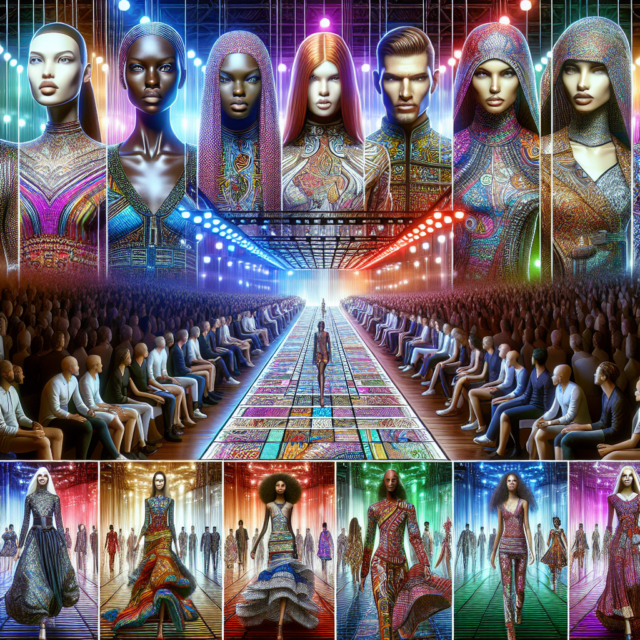
Bold color palettes have also made a significant impact on the runways. While classic black and white remain staples, vibrant hues such as electric blue, fiery red, and deep emerald have taken center stage. These striking colors are often paired with unexpected textures and patterns, creating a dynamic visual experience that captures the imagination.

A trend towards architectural silhouettes has emerged, with designers experimenting with structure and form to create garments that are both wearable and avant-garde. Voluminous skirts, exaggerated shoulders, and asymmetrical designs have been prevalent, showcasing a blend of artistry and technical skill that defines couture fashion.

The influence of digital technology is evident in the latest couture collections, with designers using 3D printing and digital embroidery to create intricate designs that would be impossible to achieve by hand. This fusion of technology and tradition offers a glimpse into the future of fashion, where innovation knows no bounds.

Finally, the concept of gender fluidity continues to gain momentum in the couture world. Many designers have blurred the lines between traditional menswear and womenswear, presenting collections that challenge conventional notions of gender and celebrate individuality and self-expression.

Key Highlights from Recent Couture Runways

One of the standout moments from the recent couture shows was the dramatic opening of Valentino’s collection, where models emerged from a cloud of fog, clad in ethereal gowns that seemed to float down the runway. The collection was a masterclass in elegance, featuring delicate lace, flowing chiffon, and a muted color palette that exuded timeless sophistication.

Chanel’s runway presentation was another highlight, taking place in a grand Parisian setting that transported the audience to a bygone era of glamour and refinement. The collection paid homage to the brand’s iconic tweed suits while introducing modern elements such as metallic accents and bold graphic patterns, seamlessly blending the past with the present.

Dior’s couture show was a celebration of artistry and craftsmanship, with each piece meticulously crafted to tell a story. The collection drew inspiration from various cultures and historical periods, resulting in a diverse array of garments that ranged from intricately beaded gowns to minimalist, sculptural pieces that highlighted the beauty of simplicity.

Jean Paul Gaultier’s show was a visual feast, characterized by theatrical presentations and boundary-pushing designs. The collection embraced the avant-garde, with models donning extravagant headpieces, bold prints, and daring silhouettes that challenged the conventions of couture fashion. Gaultier’s ability to infuse humor and whimsy into his creations was on full display, captivating the audience and leaving a lasting impression.

The Fendi couture show stood out for its innovative use of materials and textures. The collection featured a harmonious blend of traditional craftsmanship and modern design, with pieces that incorporated luxurious furs, delicate lace, and unexpected fabric combinations. The show was a testament to Fendi’s commitment to pushing the boundaries of couture while maintaining its signature elegance.

Lastly, the collaboration between Iris van Herpen and a renowned architect was a highlight of the season, resulting in a collection that blurred the lines between fashion and art. The garments were inspired by organic forms and natural structures, with intricate details and fluid shapes that showcased the designer’s innovative approach to couture.

Designers’ Innovations and Creative Showcases

This season, designers have demonstrated remarkable innovation, using technology and creative techniques to redefine the possibilities of couture fashion. One notable example is the use of augmented reality in runway presentations, allowing audiences to experience collections in immersive and interactive ways. This integration of digital technology has opened up new avenues for storytelling and engagement, enhancing the overall impact of the shows.

The exploration of unconventional materials has also been a key theme, with designers incorporating unexpected elements such as metal, plastic, and even organic matter into their creations. These materials are often manipulated and transformed into wearable art, challenging traditional notions of what couture fashion can be and encouraging a rethinking of the relationship between form and function.

Collaborations between fashion designers and artists from other disciplines have resulted in some of the most exciting creative showcases of the season. By partnering with architects, musicians, and visual artists, designers have been able to infuse their collections with fresh perspectives and innovative ideas, resulting in garments that are as conceptually intriguing as they are visually stunning.

The use of advanced textile technologies has allowed designers to create garments with unique properties and capabilities. From fabrics that change color with the temperature to those that generate energy from movement, these innovations have expanded the possibilities of couture fashion, offering new ways to interact with clothing and the environment.

Designers have also embraced the concept of customization and personalization, offering clients the opportunity to co-create their garments. This approach not only enhances the exclusivity of couture fashion but also fosters a deeper connection between the designer and the wearer, resulting in pieces that are truly one-of-a-kind.

Finally, the emphasis on storytelling and narrative has been a defining feature of this season’s couture shows. Designers have used their collections to explore themes such as identity, culture, and the human experience, creating garments that resonate on an emotional level and invite reflection and dialogue. This focus on narrative has added a new dimension to couture fashion, elevating it beyond mere aesthetics to a form of artistic expression.

The latest couture fashion shows have once again demonstrated the power of creativity and innovation in shaping the future of fashion. From the emergence of new trends and standout runway moments to the groundbreaking innovations introduced by designers, this season has offered a wealth of inspiration and insight. As the boundaries of couture continue to expand, one thing is certain: the world of high fashion remains a dynamic and ever-evolving landscape, where artistry and imagination reign supreme.

Comprehensive Update on Global Fashion Show Highlights

Comprehensive Update on Global Fashion Show Highlights

The world of fashion is a dynamic and ever-evolving landscape, consistently pushing the boundaries of creativity and innovation. Each season, designers and fashion houses unveil their latest collections at various global fashion shows, setting the tone for upcoming trends and styles. This article provides a comprehensive update on recent fashion show highlights, offering insights into emerging trends, key moments from major events, and the innovative designs that have captivated audiences worldwide.

A Detailed Overview of Recent Fashion Show Trends

The recent fashion show circuit has been marked by a return to opulence and grandeur. Designers are embracing bold colors and intricate patterns, reminiscent of the maximalist trends of the past. This resurgence can be seen in the collections of several leading fashion houses, where vibrant hues and elaborate embellishments take center stage. The shift towards maximalism is not just a visual spectacle but also a statement of optimism and celebration as the world moves past challenging times.

Sustainability continues to be a dominant theme across the fashion industry. Many designers are now prioritizing eco-friendly materials and ethical production methods in their collections. This trend is not only a response to consumer demand but also an acknowledgment of the industry’s responsibility towards environmental conservation. From recycled fabrics to innovative dyeing techniques, sustainability is woven into the very fabric of contemporary fashion.

Another significant trend is the blending of gender norms in clothing. Designers are increasingly challenging traditional gender boundaries, creating collections that are fluid and inclusive. This movement towards gender-neutral fashion reflects a broader societal shift towards acceptance and diversity. The runways are now a platform where traditional masculine and feminine aesthetics merge, offering a fresh perspective on personal expression.

Technology is playing an increasingly pivotal role in fashion, with digital presentations and virtual showrooms becoming commonplace. The integration of technology extends beyond the runway, with wearable tech and smart textiles making waves in the industry. These innovations are not just functional but also push creative boundaries, offering new ways for designers to engage with their audiences.

In terms of silhouette, there is a noticeable shift towards comfort and practicality. Oversized and relaxed fits dominate the runways, with designers focusing on pieces that blend style with wearability. This trend aligns with the growing consumer preference for functional fashion that does not compromise on aesthetics, especially as people continue to prioritize comfort in their wardrobes post-pandemic.

Lastly, cultural influences are more prominent than ever, with designers drawing inspiration from various global traditions and art forms. This trend highlights the fashion industry’s increasing appreciation for diversity and multiculturalism. By incorporating elements from different cultures, designers are not only enriching their collections but also fostering a sense of global unity and understanding.

Key Highlights from Major Global Fashion Events

Paris Fashion Week, a staple in the fashion calendar, showcased a blend of tradition and innovation. This year’s event was marked by the return of iconic fashion houses to the physical runway, bringing a sense of nostalgia and excitement. Notable collections included those by Chanel, which paid homage to classic silhouettes while introducing modern twists, and Balenciaga, whose futuristic designs captivated audiences with their avant-garde approach.

Milan Fashion Week also stood out with its celebration of Italian craftsmanship and luxury. Gucci’s collection, a highlight of the event, was a testament to Alessandro Michele’s eclectic vision, featuring a mix of vintage and contemporary styles. Versace, on the other hand, embraced bold prints and vibrant colors, reinforcing its reputation for daring and glamorous fashion.

New York Fashion Week underscored the city’s reputation as a hub of creativity and diversity. Emerging designers took the spotlight, presenting collections that challenged conventional norms and celebrated individuality. The event was a melting pot of styles, from streetwear to high fashion, reflecting the eclectic nature of the city itself. Noteworthy was the emphasis on inclusivity, with designers showcasing a range of sizes and gender expressions on the runway.

London Fashion Week was a celebration of British eccentricity and innovation. The event saw a mix of established and up-and-coming designers, each bringing their unique flair to the runway. Burberry’s collection stood out for its reinterpretation of classic British styles with a modern edge. Meanwhile, designers like Richard Quinn and Simone Rocha captivated audiences with their bold and theatrical presentations.

Tokyo Fashion Week offered a glimpse into the future of fashion with its focus on technology and avant-garde designs. Japanese designers are known for their forward-thinking approach, and this season was no exception. Collections featured a mix of traditional Japanese elements and cutting-edge technology, creating a unique fusion that resonated with audiences. The event highlighted Tokyo’s role as a leader in fashion innovation.

Finally, the global fashion month concluded with a series of digital showcases and virtual experiences. These events allowed designers to reach a broader audience, transcending geographical boundaries. The integration of digital elements not only enhanced the viewing experience but also underscored the industry’s adaptability and resilience in the face of challenges.

Innovative Designs and Styles Captivate Audiences

This season’s fashion shows have been a testament to the power of innovation in design. Designers are experimenting with new materials and techniques, resulting in collections that challenge the status quo. One such innovation is the use of biodegradable materials, which not only reduce environmental impact but also offer new textures and aesthetics. These materials are being used in everything from everyday wear to haute couture, demonstrating their versatility and appeal.

The concept of modular fashion is gaining traction, with designers creating pieces that can be reconfigured or transformed. This approach not only adds an element of interactivity to fashion but also promotes sustainability by encouraging consumers to buy fewer, more versatile pieces. Modular designs are particularly popular among younger audiences who value both creativity and environmental consciousness.

Prints and patterns are being reimagined in exciting ways this season. Designers are combining traditional motifs with digital prints, creating a dynamic fusion that is both familiar and futuristic. This blend of old and new is reflective of the broader trend towards cultural appreciation and innovation. The use of bold graphics and unexpected color combinations adds an element of surprise and intrigue to the collections.

Accessories are taking center stage, with designers using them as a tool for storytelling and expression. From oversized hats to intricately designed jewelry, accessories are no longer just complementary pieces but integral parts of the overall look. This focus on accessories allows designers to explore new themes and narratives, adding depth and complexity to their collections.

The rise of 3D printing technology is opening up new possibilities in fashion design. This technology allows for the creation of intricate and customizable pieces that would be impossible to produce using traditional methods. Designers are using 3D printing to experiment with form and structure, resulting in garments that are not only visually striking but also innovative in their construction.

Finally, the concept of immersive fashion experiences is gaining popularity. Designers are creating multisensory presentations that engage audiences on multiple levels. These experiences often combine fashion with elements of art, music, and technology, creating a holistic experience that transcends traditional runway shows. This approach not only captivates audiences but also sets the stage for the future of fashion presentations.

As the curtains close on another season of global fashion shows, the industry continues to evolve, blending tradition with innovation. The trends and highlights from these events offer a glimpse into the future of fashion, where sustainability, inclusivity, and technology play pivotal roles. As designers push creative boundaries and explore new possibilities, the world of fashion remains as vibrant and dynamic as ever, promising exciting developments in the seasons to come.

Enhancing Engagement: The Evolution of Digital Customer Experiences

Enhancing Engagement: The Evolution of Digital Customer Experiences

The digital landscape is constantly evolving, reshaping how businesses interact with their customers. As technology advances, so do the expectations of consumers, who seek seamless, personalized, and engaging experiences online. This article explores the evolution of digital customer experiences, focusing on the shift in consumer needs, innovations driving interaction, and strategies to enhance engagement.

Understanding the Shift in Digital Customer Needs

The digital age has transformed customer expectations, with immediacy and convenience at the forefront. Today’s consumers expect instantaneous access to information and services, making speed and efficiency crucial for businesses aiming to meet these demands. This shift is largely driven by the widespread adoption of smartphones and the internet, which have conditioned users to expect quick and easy solutions at their fingertips.

Personalization has become another vital aspect of digital customer experiences. As customers become more accustomed to tailored content and recommendations, businesses must leverage data to create personalized interactions. This involves understanding customer preferences and behavior to deliver relevant and engaging content, ultimately fostering a deeper connection with the audience.

With an increasing number of digital touchpoints, consistency across channels has gained importance. Customers expect a seamless experience whether they interact with a brand via its website, social media, or mobile app. This requires businesses to integrate their digital platforms, ensuring a cohesive and unified customer journey that enhances satisfaction and loyalty.

Security and privacy concerns have also emerged as significant factors influencing digital customer needs. As data breaches and cyber threats become more prevalent, consumers are more cautious about sharing their personal information. Businesses must prioritize data protection, implementing robust security measures to build trust and reassure customers that their data is safe.

The rise of social media has further altered customer expectations, shifting the focus towards engagement and interaction. Customers now expect brands to be active on social platforms, responding promptly to inquiries and feedback. This two-way communication channel offers businesses an opportunity to engage with their audience in real-time, fostering a sense of community and brand loyalty.

Finally, the growing demand for ethical and sustainable practices is shaping digital customer needs. Consumers are increasingly seeking brands that align with their values, emphasizing the importance of transparency and corporate responsibility. Businesses that effectively communicate their commitment to social and environmental causes can enhance customer loyalty and differentiate themselves in a competitive market.

Key Innovations Driving Customer Interaction Forward

Artificial intelligence (AI) has emerged as a pivotal innovation in enhancing digital customer experiences. AI-powered chatbots and virtual assistants are revolutionizing customer service by providing instant support and assistance. These tools can handle a variety of inquiries, freeing up human resources and offering a more efficient and personalized customer experience.

Augmented reality (AR) and virtual reality (VR) are transforming how customers interact with products and services online. These technologies allow businesses to offer immersive experiences, enabling customers to visualize products in real-life settings or explore virtual environments. This not only enhances engagement but also aids in the decision-making process, bridging the gap between physical and digital shopping experiences.

Predictive analytics is another key innovation driving customer interaction forward. By analyzing customer data, businesses can anticipate needs and preferences, delivering personalized recommendations and offers. This proactive approach not only enhances customer satisfaction but also increases conversion rates and builds long-term loyalty by addressing customer desires before they are explicitly expressed.

Voice technology is reshaping how customers interact with digital platforms. With the rise of smart speakers and voice-activated assistants, businesses are developing voice-optimized content and services. This technology offers a hands-free, convenient way for customers to engage with brands, making it essential for companies to adapt their digital strategies to include voice search and commands.

The integration of the Internet of Things (IoT) is enhancing customer interactions by creating connected ecosystems. IoT devices collect and share data, enabling businesses to offer personalized and contextually relevant experiences. For example, smart home devices can provide tailored product recommendations based on usage patterns, enhancing customer convenience and engagement.

Blockchain technology, though often associated with cryptocurrencies, is also impacting digital customer experiences. Its decentralized and transparent nature offers potential solutions for enhancing security and trust in online transactions. By ensuring data integrity and protecting customer information, blockchain can foster a more secure and reliable digital environment, ultimately enhancing customer confidence and engagement.

Strategies to Elevate Digital Engagement Experiences

To elevate digital engagement, businesses must focus on creating seamless and intuitive user experiences. This involves optimizing website and app design to ensure easy navigation and accessibility. By prioritizing user-friendly interfaces, businesses can reduce friction and encourage prolonged interaction, leading to higher engagement and satisfaction.

Leveraging data-driven insights is crucial for enhancing digital engagement. By analyzing customer behavior and preferences, businesses can tailor their content and offers to meet specific needs. This personalized approach not only captures customer attention but also fosters a deeper connection, encouraging repeat interactions and building brand loyalty.

Interactive content is a powerful tool for boosting digital engagement. Quizzes, polls, and interactive videos invite users to actively participate, creating a dynamic and engaging experience. This not only captures attention but also encourages social sharing, expanding brand reach and attracting new audiences.

Community building is another effective strategy for enhancing digital engagement. By creating online communities or forums, businesses can facilitate interactions among customers, fostering a sense of belonging and loyalty. These platforms also provide valuable insights into customer needs and preferences, allowing businesses to refine their strategies and offerings.

Gamification is a popular technique for increasing digital engagement. By incorporating game-like elements such as rewards, challenges, and leaderboards, businesses can motivate customers to engage more frequently and for longer periods. This approach taps into the natural human desire for achievement and competition, enhancing customer experience and satisfaction.

Finally, businesses must prioritize ongoing evaluation and adaptation of their digital engagement strategies. The digital landscape is continuously evolving, and staying ahead requires regular assessment of customer feedback and industry trends. By remaining agile and responsive to changes, businesses can ensure their digital experiences remain relevant and engaging, ultimately driving customer satisfaction and loyalty.

As digital customer experiences continue to evolve, businesses must adapt to meet the shifting needs and expectations of their audience. By embracing key innovations and implementing effective strategies, companies can enhance engagement and foster lasting relationships with their customers. In this rapidly changing landscape, staying attuned to consumer needs and technological advancements will be critical for success in delivering exceptional digital experiences.

Luxury Brands Embrace Technology for Modern Appeal

Luxury Brands Embrace Technology for Modern Appeal

Luxury Brands Embrace Technology for Modern Appeal

In the ever-evolving landscape of consumer preferences, luxury brands are increasingly turning to technology to enhance their appeal and stay relevant in a digitally-driven world. Once characterized by their timelessness and exclusivity, these high-end brands are now embracing innovation to meet the demands of the modern consumer. This article explores how luxury brands are blending tradition with technology, transforming their retail experiences, and employing tech-driven strategies to captivate a new generation of customers.

Tradition Meets Innovation in Luxury Branding

Luxury brands have long been synonymous with heritage and craftsmanship. These elements remain central to their identity, providing a sense of legacy and exclusivity that distinguishes them from mass-market offerings. However, the digital age has ushered in a new era where innovation is equally critical. By integrating cutting-edge technology, luxury brands are able to enhance their traditional craftsmanship with modern conveniences and personalized experiences.

The fusion of tradition and technology is evident in the way luxury brands are enhancing their product offerings. For instance, watchmakers are incorporating smart technology into classic timepieces, allowing consumers to enjoy the craftsmanship of a luxury watch while benefiting from modern functionalities like fitness tracking and notifications. This seamless integration ensures that the brand’s heritage remains intact while appealing to tech-savvy consumers.

Moreover, luxury fashion houses are utilizing advanced materials and sustainable technologies to create innovative products that align with contemporary values. By investing in research and development, these brands are able to produce high-quality items that not only maintain their traditional allure but also meet the growing demand for environmentally conscious products. This approach allows them to stay relevant in a market that increasingly values sustainability.

The storytelling aspect of luxury branding is also being enhanced through technology. Virtual reality (VR) and augmented reality (AR) are being employed to offer immersive experiences that convey the rich history and craftsmanship behind luxury products. By bringing consumers closer to the brand’s heritage through interactive storytelling, luxury brands can deepen the emotional connection with their audience.

Furthermore, luxury brands are leveraging technology to preserve and promote their artisanal techniques. Digital platforms and social media allow them to showcase the intricate processes behind their creations, educating consumers and fostering appreciation for their craftsmanship. This transparency not only reinforces the brand’s authenticity but also attracts a new generation of consumers who value authenticity and storytelling.

Finally, the relationship between tradition and innovation is being redefined through collaborations with tech companies and digital artists. By partnering with innovators outside their industry, luxury brands are able to explore new frontiers and push the boundaries of creativity. These collaborations result in unique, limited-edition products that blend the best of both worlds, appealing to collectors and tech enthusiasts alike.

Digital Transformation of High-End Retail

The retail landscape has undergone a significant transformation, driven by the rapid advancement of digital technology. Luxury brands, traditionally reliant on brick-and-mortar stores to convey their exclusivity, are now embracing digital platforms to reach a broader audience. This shift is reshaping the high-end retail experience, offering consumers a seamless blend of physical and digital interactions.

E-commerce has become a crucial component of luxury retail, enabling brands to offer their products to a global audience. Online flagship stores replicate the opulence and exclusivity of their physical counterparts, providing a curated shopping experience that reflects the brand’s identity. Through high-quality visuals, detailed product descriptions, and personalized recommendations, luxury brands are able to maintain the allure of their products in the digital realm.

In addition to e-commerce, luxury brands are investing in omnichannel strategies to create a cohesive shopping experience across multiple touchpoints. This approach allows consumers to engage with the brand through various channels, such as mobile apps, social media, and in-store visits, ensuring a consistent and personalized experience. By leveraging data analytics, brands can tailor their offerings to individual preferences, enhancing customer satisfaction and loyalty.

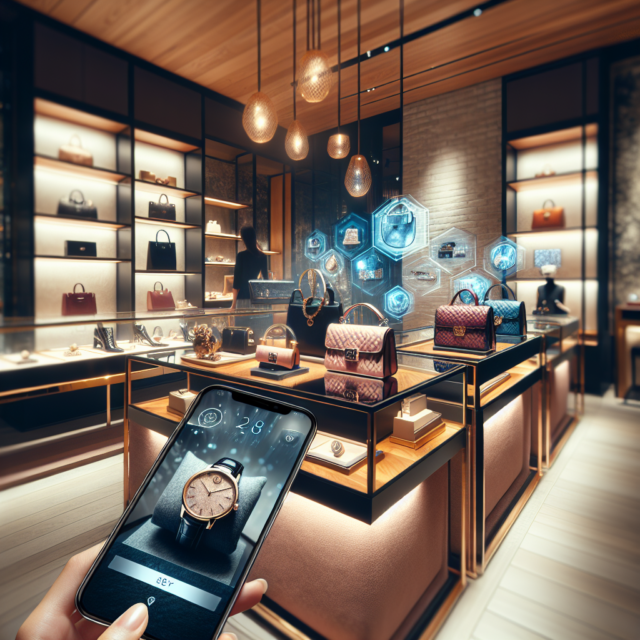
The integration of technology in physical retail spaces is transforming the in-store experience as well. Luxury brands are incorporating digital elements such as interactive displays, virtual try-ons, and smart mirrors to create an engaging and immersive environment. These innovations not only enhance the shopping experience but also provide valuable insights into consumer behavior, enabling brands to refine their strategies and offerings.

Furthermore, luxury brands are utilizing technology to streamline their supply chain and inventory management processes. By adopting advanced systems such as blockchain and artificial intelligence, they can ensure the authenticity and traceability of their products. This transparency is particularly important in the luxury sector, where counterfeiting poses a significant threat to brand integrity.

The rise of social media has also played a pivotal role in the digital transformation of luxury retail. Platforms like Instagram and TikTok have become powerful marketing tools, allowing brands to showcase their products and engage with consumers in real-time. By leveraging social media influencers and user-generated content, luxury brands can reach a wider audience and foster a sense of community around their brand.

Finally, the digital transformation of high-end retail is paving the way for new business models and revenue streams. Subscription services, virtual showrooms, and digital collectibles are emerging as innovative offerings that cater to the evolving preferences of luxury consumers. By embracing these new opportunities, luxury brands can continue to thrive in an increasingly digital world.

Tech-Driven Strategies for Modern Luxury Appeal

As luxury brands navigate the digital landscape, they are adopting tech-driven strategies to enhance their appeal and connect with modern consumers. These strategies are centered around personalization, innovation, and sustainability, allowing brands to differentiate themselves in a competitive market.

Personalization has become a key focus for luxury brands, as consumers increasingly seek unique and tailored experiences. By leveraging data analytics and artificial intelligence, brands can gain insights into consumer preferences and behavior, enabling them to offer personalized recommendations and services. This level of customization enhances the consumer experience, fostering a deeper connection with the brand.

Innovation is another critical component of modern luxury appeal. Luxury brands are exploring emerging technologies such as artificial intelligence, virtual reality, and blockchain to create cutting-edge products and experiences. These innovations not only captivate tech-savvy consumers but also reinforce the brand’s position as a leader in the industry.

Sustainability is becoming an integral aspect of luxury branding, as consumers prioritize environmental and social responsibility. Luxury brands are adopting sustainable practices and materials, using technology to minimize their environmental impact. From eco-friendly packaging to ethical sourcing, these initiatives resonate with consumers who value sustainability, enhancing the brand’s appeal.

Digital storytelling is a powerful tool for luxury brands to convey their heritage and craftsmanship. Through immersive content and interactive experiences, brands can engage consumers on a deeper level, showcasing the artistry and dedication behind their products. This approach not only strengthens the brand’s narrative but also fosters a sense of exclusivity and desirability.

Collaborations with tech companies and digital artists are enabling luxury brands to push the boundaries of creativity and innovation. By partnering with external innovators, brands can access new technologies and ideas, resulting in unique and avant-garde products. These collaborations generate excitement and buzz, attracting consumers who value originality and cutting-edge design.

Finally, luxury brands are leveraging technology to enhance their customer service and engagement. Virtual consultations, AI-powered chatbots, and personalized communication are transforming the way brands interact with consumers, providing a seamless and convenient experience. By prioritizing customer satisfaction and engagement, luxury brands can build lasting relationships with their clientele.

As luxury brands continue to embrace technology, they are redefining the boundaries of tradition and innovation. By integrating modern technologies into their branding, retail, and marketing strategies, these high-end brands are staying relevant and appealing to a new generation of consumers. The fusion of heritage and innovation not only preserves the essence of luxury but also propels it into the future, ensuring that these brands remain at the forefront of the industry. The journey of luxury brands in the digital age is one of transformation and adaptation, as they navigate a rapidly changing landscape with creativity and resilience.

Exploring the Art and Craft of Couture Fashion

Exploring the Art and Craft of Couture Fashion

Couture fashion, a realm where art meets craft, represents the pinnacle of the fashion industry. It is a world where creativity and precision converge to create garments that are not only clothing but statements of identity and culture. This exploration delves into the intricate processes, techniques, and historical evolution that define couture fashion, offering insights into its enduring impact on the broader fashion landscape.

The Intricate World of Couture Fashion Design

Couture fashion design is an art form that demands an extraordinary level of detail and creativity. Unlike ready-to-wear collections, couture pieces are crafted with an emphasis on individuality, often requiring hundreds of hours of meticulous work. Designers in this realm are akin to artists, drawing inspiration from a myriad of sources, including history, nature, and contemporary culture, to create garments that are both innovative and timeless.

The process begins with a concept or theme, which serves as the foundation for the entire collection. Designers sketch their visions, often producing dozens of iterations before settling on the final designs. These sketches are not mere outlines but intricate blueprints that detail every aspect of the garment, from silhouette to embellishments. This stage is crucial, as it sets the tone for the entire creative and production process.

Fabric selection is another critical component of couture fashion design. Designers choose materials that not only complement their artistic vision but also enhance the garment’s overall aesthetic and functionality. Luxurious textiles such as silk, velvet, and lace are commonly used, each selected for their unique properties and ability to convey a certain mood or theme. The choice of fabric can dramatically influence the final outcome, making this a pivotal decision in the design process.

Once the design and fabric are chosen, the garment’s construction begins. This involves creating a toile or mock-up of the garment, which allows designers to refine their ideas and make necessary adjustments before cutting into the actual fabric. The toile serves as a three-dimensional canvas, providing a tangible representation of the designer’s vision. This stage is marked by precision and attention to detail, ensuring that the final garment is flawless.

Couture fashion design is not just about creating beautiful clothes; it is about storytelling. Each garment is imbued with narrative elements that reflect the designer’s inspiration and intent. This storytelling aspect elevates couture pieces from mere clothing to works of art, capable of evoking emotion and sparking conversation. It is this narrative depth that distinguishes couture from other forms of fashion.

The culmination of the couture design process is the presentation of the collection, often in the form of a highly orchestrated fashion show. These events are not just about showcasing garments; they are immersive experiences that engage all the senses. From the music to the lighting, every element is carefully curated to enhance the collection’s narrative and leave a lasting impression on the audience.

Mastering Techniques in Couture Tailoring

Couture tailoring is a discipline that requires mastery of traditional techniques and an unwavering commitment to craftsmanship. Each garment is handcrafted, with techniques passed down through generations of artisans. This dedication to detail ensures that every piece is unique, embodying the highest standards of quality and precision.

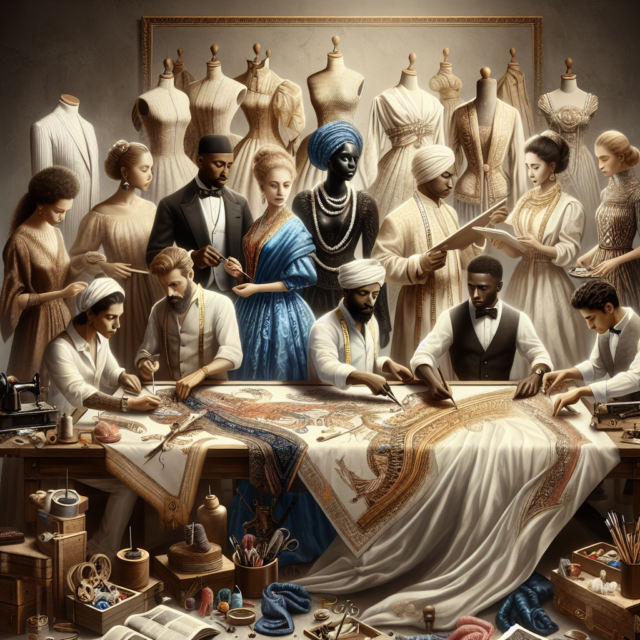
One of the fundamental techniques in couture tailoring is hand-sewing. Unlike machine sewing, hand-sewing allows for greater control and precision, enabling tailors to create intricate designs and embellishments that would be impossible to achieve by machine. Hand-sewn seams, hems, and finishes are hallmarks of couture garments, reflecting the skill and patience of the artisans who create them.

Another essential technique is draping, which involves manipulating fabric directly on a dress form to achieve the desired silhouette. Draping allows tailors to experiment with the fabric’s natural properties, such as its weight and drape, to create garments that fit perfectly and move gracefully with the wearer. This hands-on approach is integral to couture tailoring, as it enables the creation of custom-fitted garments that flatter the individual.

Couture tailoring also involves the use of intricate embellishments, such as embroidery, beading, and appliqué. These decorative elements are often applied by hand, requiring a steady hand and a keen eye for detail. The addition of embellishments can transform a simple garment into a masterpiece, adding depth and texture that enhance the overall design.

The fitting process is another critical aspect of couture tailoring. Unlike off-the-rack clothing, couture garments are made to measure, ensuring a perfect fit for the wearer. Multiple fittings are conducted throughout the tailoring process, allowing for adjustments and refinements to achieve an impeccable fit. This personalized approach is a defining characteristic of couture, emphasizing the uniqueness of each piece.

Couture tailors often employ traditional techniques, such as boning and corsetry, to create structured garments that maintain their shape. These techniques require a deep understanding of garment construction and an ability to work with a variety of materials. The result is garments that not only look stunning but also provide support and comfort to the wearer.

The mastery of couture tailoring techniques is a testament to the dedication and skill of the artisans involved. It is a labor of love that celebrates the artistry and craftsmanship inherent in couture fashion. Each garment is a reflection of the tailors’ expertise, showcasing their ability to transform fabric into wearable works of art.

The Evolution and Impact of Couture Fashion

Couture fashion has undergone significant evolution since its inception in the mid-19th century. Originally, couture was the domain of a select few designers who catered to the elite, creating bespoke garments that were symbols of status and luxury. Over time, the world of couture has expanded, embracing new influences and technologies while maintaining its commitment to craftsmanship and exclusivity.

The evolution of couture fashion can be seen in the way designers have adapted to changing societal norms and cultural shifts. In the early days, couture was characterized by opulent designs and extravagant embellishments. However, as fashion evolved, designers began to incorporate more modern and minimalist aesthetics, reflecting the changing tastes and lifestyles of their clientele.

The impact of couture fashion extends beyond the garments themselves. Couture has played a significant role in shaping fashion trends and influencing the broader industry. Designers often use couture collections as a platform to experiment with new ideas and techniques, which eventually trickle down to ready-to-wear lines and influence mainstream fashion. This trickle-down effect ensures that couture remains relevant and influential, despite its exclusivity.

Couture fashion has also had a profound impact on the perception of fashion as an art form. By emphasizing creativity, craftsmanship, and storytelling, couture elevates fashion to a level that transcends mere functionality. This artistic approach has inspired a new generation of designers to view fashion as a medium for self-expression and cultural commentary, further blurring the lines between art and fashion.

The evolution of couture fashion has been marked by an increasing emphasis on sustainability and ethical practices. As the fashion industry grapples with issues of environmental impact and social responsibility, couture designers are leading the way in adopting sustainable practices. By focusing on quality over quantity and embracing traditional techniques, couture offers a model for a more sustainable and responsible approach to fashion.

Despite the changes and challenges faced by the couture industry, its impact remains undeniable. Couture continues to inspire and captivate, serving as a testament to the enduring power of creativity and craftsmanship. As the fashion world continues to evolve, couture stands as a beacon of artistic excellence, reminding us of the beauty and artistry that can be achieved through dedication and skill.

Exploring the art and craft of couture fashion reveals a world where creativity, tradition, and innovation coexist harmoniously. From the intricate design process to the mastery of tailoring techniques, couture represents the zenith of fashion craftsmanship. Its evolution and impact demonstrate its enduring relevance and influence, inspiring the broader industry and shaping our understanding of fashion as an art form. As we look to the future, couture will undoubtedly continue to captivate and inspire, embodying the timeless allure of artistry and individuality in fashion.

Exploring This Week’s Fashion Trends in the Metaverse

Exploring This Week’s Fashion Trends in the Metaverse

As the lines between the physical and digital worlds continue to blur, the metaverse emerges as a burgeoning platform for fashion innovation and expression. This week, we delve into the latest fashion trends that are taking the virtual world by storm. From avant-garde digital attire to virtual fashion shows, the metaverse is not just a playground for tech enthusiasts but a burgeoning hub for style aficionados. This exploration not only highlights current trends but also examines how digital fashion is revolutionizing the way we perceive and engage with style.

A Dive into the Metaverse’s Latest Fashion Trends

In the ever-evolving landscape of the metaverse, this week’s fashion trends reflect a fascinating blend of creativity and technology. One of the most notable trends is the rise of cyber couture, where digital designers push the boundaries of traditional fashion by crafting garments that defy the laws of physics. These garments, often characterized by bold colors, intricate patterns, and unexpected textures, allow users to express themselves in ways never before possible in the physical world.

Another trend gaining traction is the incorporation of augmented reality (AR) elements into virtual fashion. Designers are experimenting with interactive features, such as garments that change colors or patterns based on the user’s environment or mood. This dynamic approach to fashion not only enhances personal expression but also keeps the digital wardrobe fresh and engaging.

Sustainability is also making waves in the metaverse, with designers creating eco-friendly virtual clothing that raises awareness about environmental issues. By using digital platforms, fashion brands can bypass the carbon footprint associated with traditional clothing production, offering a greener alternative for style-conscious consumers. This trend is particularly appealing to a younger audience, who are increasingly mindful of their environmental impact.

In addition to these innovations, collaborations between high-profile fashion houses and digital artists are becoming more prevalent. These partnerships result in exclusive virtual collections that blend the heritage and craftsmanship of established brands with the futuristic vision of digital creators. Such collaborations not only elevate the status of digital fashion but also attract a diverse range of fashion enthusiasts to the metaverse.

The concept of "wearable NFTs" is another exciting development, allowing users to purchase and trade one-of-a-kind digital garments. These unique pieces serve as both fashion statements and investment opportunities, adding a new layer of complexity to the digital fashion landscape. As the market for wearable NFTs grows, so does the potential for creativity and innovation in virtual fashion design.

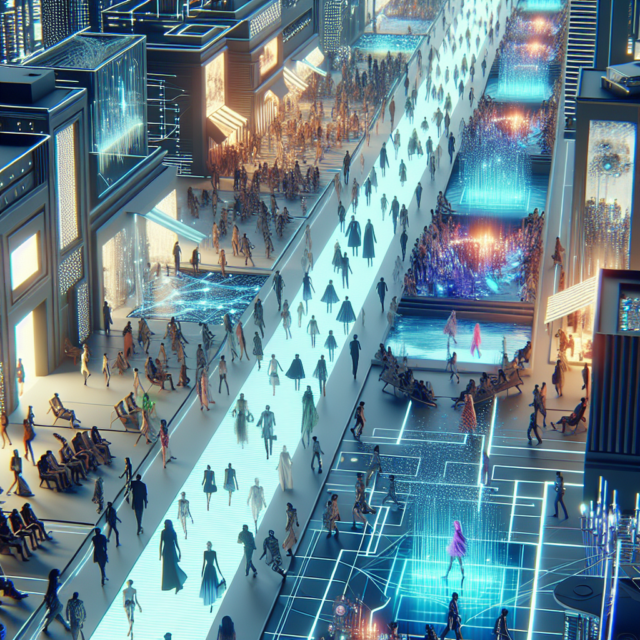
Finally, virtual fashion shows are becoming a staple in the metaverse, offering designers a platform to showcase their collections to a global audience. These events, often accompanied by immersive experiences and interactive features, provide an unparalleled opportunity for fashion lovers to engage with the latest trends. As the metaverse continues to evolve, so too will the ways in which we experience and participate in fashion.

Analyzing Virtual Wardrobes and Style Innovations

The concept of a virtual wardrobe is transforming how we think about personal style and fashion consumption. Unlike traditional wardrobes, which are limited by physical space and material resources, virtual wardrobes offer endless possibilities for customization and experimentation. This week, the metaverse has seen a surge in interest around customizable avatars, allowing users to curate their digital personas with a vast array of clothing and accessory options.

One of the key innovations in virtual wardrobes is the ability to mix and match items from different collections and designers, creating unique looks that reflect individual tastes. This flexibility encourages users to experiment with styles they may not have considered in the physical world, leading to a more diverse and inclusive fashion ecosystem. As a result, the metaverse is becoming a space where creativity and self-expression are celebrated.

Another significant development is the rise of virtual fashion influencers, who curate digital outfits and share their style tips with followers. These influencers often collaborate with designers to showcase new collections, providing inspiration for users looking to update their virtual wardrobes. Their influence is reshaping the way fashion trends are disseminated and adopted within the metaverse, creating a dynamic and ever-changing style landscape.

The integration of artificial intelligence (AI) into virtual fashion is also driving innovation. AI-powered tools can analyze user preferences and suggest personalized outfit combinations, making it easier for users to navigate the vast array of options available in virtual wardrobes. This technology not only enhances the user experience but also encourages engagement with digital fashion, as users can discover new styles that align with their tastes.

Moreover, virtual wardrobes are fostering a sense of community among users, who can share and trade digital clothing items with one another. This social aspect of virtual fashion encourages collaboration and creativity, as users work together to create unique and personalized looks. As this community grows, so does the potential for collective innovation in digital fashion design.

Lastly, the concept of digital wardrobes is challenging traditional notions of ownership and value in fashion. As users invest in virtual clothing items, questions arise about the longevity and significance of digital garments. However, as the metaverse continues to expand, it is clear that virtual wardrobes are not just a passing trend but a fundamental shift in how we engage with fashion.

How Digital Fashion is Shaping the Future of Style

Digital fashion is not only reshaping the present but also paving the way for the future of style. One of the most profound impacts is the democratization of fashion, as digital platforms provide equal opportunities for designers and consumers to engage with style. In the metaverse, geographical and economic barriers are minimized, allowing designers from diverse backgrounds to showcase their work and reach a global audience.

This democratization extends to consumers, who can access a wide range of styles and designs without the limitations of physical production and distribution. As a result, digital fashion is fostering a more inclusive and diverse fashion landscape, where creativity and innovation are prioritized over traditional norms and hierarchies. This shift is encouraging a new generation of designers to explore unconventional approaches to fashion design.

The sustainability aspect of digital fashion is also influencing the future of style. By reducing the environmental impact of clothing production and consumption, digital fashion offers a more sustainable alternative for fashion enthusiasts. This focus on sustainability is prompting traditional fashion brands to reconsider their practices and explore digital solutions, leading to a more eco-conscious industry overall.

Furthermore, digital fashion is driving technological advancements in the fashion industry. The integration of blockchain technology, for example, is providing new ways to authenticate and trade digital garments, creating a more secure and transparent market for virtual fashion. These innovations are not only enhancing the user experience but also setting new standards for the industry as a whole.

The rise of digital fashion is also prompting a re-evaluation of the fashion cycle. In the metaverse, trends can emerge and evolve rapidly, without the constraints of traditional fashion seasons. This fluidity allows for a more dynamic and responsive fashion ecosystem, where designers and consumers can adapt to changing tastes and preferences in real-time. As a result, the future of style is likely to be characterized by greater flexibility and adaptability.

Finally, digital fashion is inspiring a new generation of fashion professionals who are skilled in both design and technology. As the demand for digital fashion continues to grow, so too does the need for experts who can navigate the intersection of fashion and technology. This shift is creating new opportunities for innovation and collaboration, ensuring that digital fashion will remain a driving force in the evolution of style.

As we navigate the rapidly evolving landscape of the metaverse, it is clear that digital fashion is more than just a fleeting trend. It represents a fundamental shift in how we engage with style, offering new possibilities for creativity, inclusivity, and sustainability. This week’s exploration of fashion trends in the metaverse highlights the exciting innovations and developments shaping the future of fashion. As we continue to embrace the digital realm, the potential for innovation and transformation in the fashion industry is limitless.

Global Fashion Week Highlights: This Week’s Trends

Global Fashion Week Highlights: This Week’s Trends

Global Fashion Week, an eagerly anticipated event in the fashion calendar, has once again set the stage for groundbreaking trends and innovative designs. This week, the fashion capitals of the world were abuzz with creativity as designers, both established and emerging, showcased their latest collections. The runways were a testament to the evolving nature of fashion, highlighting a blend of tradition, sustainability, and bold artistic expressions. In this article, we delve into the highlights of the week, focusing on the rising stars of the industry, the push for sustainable fashion, and the vibrant use of colors and patterns that dominated the catwalks.

Emerging Designers Capture Global Attention

The fashion industry is witnessing a remarkable shift as emerging designers grab the global spotlight with their fresh perspectives and innovative creations. This week, Fashion Week served as a launchpad for numerous talented newcomers who showcased their collections to an international audience. These designers, hailing from diverse backgrounds, brought a unique blend of cultural influences and modern aesthetics to the forefront.

One notable collection that stood out was by a young designer from Nigeria, whose work was a celebration of African heritage fused with contemporary silhouettes. The use of traditional fabrics and intricate beadwork was met with enthusiastic applause, signaling a growing appreciation for cultural narratives in fashion. This designer, along with others, is redefining the fashion landscape by challenging conventional norms and embracing inclusivity.

In addition to cultural diversity, technological innovation was a key theme among emerging designers. Many opted to incorporate cutting-edge materials and digital techniques into their collections. From 3D-printed accessories to garments constructed with sustainable, bioengineered textiles, these designers are pushing the boundaries of what is possible in fashion design.

The rise of these new talents is also a testament to the power of digital platforms in democratizing the fashion industry. Through social media and online showcases, emerging designers are able to reach a global audience, bypassing traditional gatekeepers. This accessibility has allowed for a more diverse range of voices and ideas to be represented on the international stage.

Collaboration was another recurring theme, as many emerging designers teamed up with established brands and artists to create unique collections. These partnerships not only provided mentorship and resources but also resulted in innovative designs that captivated audiences. The synergy between emerging and established talents is fostering a dynamic fashion ecosystem that encourages creativity and experimentation.

As these rising stars continue to gain recognition, they are not only shaping the future of fashion but also inspiring a new generation of designers. Their success highlights the importance of nurturing talent and providing platforms for diverse voices to be heard. The global fashion community eagerly anticipates the next wave of innovation from these emerging designers.

Sustainable Fashion Takes Center Stage

Sustainability emerged as a central theme at this week’s Global Fashion Week, with designers emphasizing environmentally conscious practices in their collections. The fashion industry, often criticized for its environmental impact, is undergoing a transformation as more designers prioritize sustainability in their work. This shift was evident on the runways, where eco-friendly materials and ethical production methods took precedence.

Several designers showcased collections made entirely from recycled or upcycled materials, challenging the notion of waste in fashion. These collections not only highlighted the creative potential of repurposed materials but also underscored the importance of reducing fashion’s carbon footprint. The innovative use of discarded fabrics and materials was both a visual and conceptual highlight of the week.

In addition to material innovation, many designers focused on the longevity and versatility of their garments. By creating timeless pieces that can be worn in multiple ways, they encouraged consumers to invest in quality over quantity. This approach aligns with the growing consumer demand for sustainable fashion options that do not compromise on style or functionality.

The concept of circular fashion was also prominent, with designers exploring ways to extend the lifecycle of garments. Initiatives such as take-back programs and repair services were introduced, allowing consumers to return or repair their clothing instead of discarding them. These efforts are part of a broader movement towards a more circular economy in fashion.

Educational initiatives were another aspect of the sustainability push, with workshops and panel discussions held to raise awareness about sustainable practices. Designers and industry experts shared insights on topics ranging from ethical sourcing to innovative textile technologies. These events aimed to equip both industry professionals and consumers with the knowledge needed to make more sustainable choices.

The emphasis on sustainability at Global Fashion Week reflects a growing recognition of the fashion industry’s responsibility to the environment. As more designers adopt sustainable practices, they are setting a precedent for the industry and inspiring change. The commitment to sustainability showcased this week is a promising step towards a more responsible and environmentally conscious fashion future.

Bold Colors and Patterns Make a Statement

This week’s Global Fashion Week was a vibrant celebration of color and pattern, with designers embracing bold hues and intricate designs to make a striking statement on the runway. The use of vivid colors and playful patterns was a standout trend, capturing the attention of fashion enthusiasts and critics alike.

Designers drew inspiration from a wide array of sources, resulting in collections that were as diverse as they were dynamic. From tropical flora to abstract art, the motifs and palettes were a testament to the limitless creativity of the fashion world. These visually arresting designs were not just about aesthetics; they conveyed stories and emotions, adding depth to the collections.

Neon colors made a significant impact, with many designers opting for electric shades of pink, green, and orange. These high-energy colors were used to create eye-catching ensembles that exuded confidence and individuality. The boldness of neon was often balanced with more muted tones, creating a harmonious and sophisticated look.

Patterns played a crucial role in the collections, with designers experimenting with everything from geometric shapes to intricate florals. The juxtaposition of different patterns within a single outfit was a popular technique, adding an element of surprise and complexity. This trend encouraged a playful approach to fashion, inviting individuals to mix and match patterns in their personal style.

The resurgence of retro patterns was another notable trend, as designers revisited classic prints from past decades. Polka dots, paisley, and houndstooth made a comeback, reimagined in contemporary silhouettes and colorways. This nostalgic nod to the past was a reminder of fashion’s cyclical nature and its ability to reinvent itself.

The bold use of color and pattern this week was a reminder of fashion’s power to uplift and inspire. As designers continue to push the boundaries of creativity, they are encouraging consumers to embrace self-expression and celebrate individuality. The vibrant collections showcased at Global Fashion Week are a testament to the enduring allure of bold design and its ability to captivate and inspire.

As Global Fashion Week draws to a close, the trends highlighted this week offer a glimpse into the future of fashion. Emerging designers have proven that innovation and diversity are key to shaping the industry’s trajectory. The focus on sustainability underscores a collective commitment to a more responsible and ethical fashion landscape. Meanwhile, the bold use of colors and patterns reaffirms fashion’s role as a powerful form of self-expression. As the fashion world continues to evolve, these trends set the stage for an exciting and dynamic future, where creativity knows no bounds.

Global Fashion Week Highlights: Today’s Key Trends

Global Fashion Week Highlights: Today’s Key Trends

As the global fashion capitals—New York, London, Milan, and Paris—host their much-anticipated fashion weeks, the world is treated to a dazzling display of creativity and innovation. This season, designers have pushed the boundaries of traditional style, setting the stage for next year’s trends. From bold color palettes to experimental textures and a strong emphasis on sustainability, this year’s fashion weeks have something to captivate every fashion enthusiast. Let’s delve into the highlights that are shaping the future of fashion.

Vibrant Colors Dominate the Fashion Runways

The runways this season have been awash with a kaleidoscope of colors, with designers embracing bold and vibrant hues to make a statement. From electric blues and fiery reds to neon greens and sunny yellows, the color spectrum was explored in its entirety. These striking shades are not just limited to evening wear; they have permeated casual and workwear collections, signaling a shift towards more expressive and confident fashion choices.

Color blocking has emerged as a dominant technique, with designers pairing seemingly clashing colors to create visually arresting ensembles. This trend encourages a playful interaction with fashion, inviting wearers to experiment and find joy in their wardrobes. The juxtaposition of complementary and contrasting colors has been a key feature in collections from renowned houses like Versace and Balenciaga, setting a bold precedent for the coming seasons.

Designers have also drawn inspiration from nature, infusing their collections with rich, organic colors. Earthy tones like terracotta, olive green, and ochre have been skillfully integrated into contemporary designs, offering a grounded yet sophisticated alternative to the more vivid hues. These colors reflect a desire to reconnect with the natural world, a theme prevalent across several collections this season.

Pastel shades have not been left behind, making a graceful comeback on the runways. Soft pinks, baby blues, and lavender shades add a touch of romance and nostalgia, providing a counterbalance to the bolder colors. These gentle hues have been particularly popular in spring and summer collections, where they evoke a sense of lightness and renewal.

Metallics and iridescent colors have also had their moment in the spotlight, adding a futuristic edge to this season’s collections. Shimmering silvers, golds, and holographic fabrics have been used to create dynamic and eye-catching pieces that capture the light in mesmerizing ways. These elements add a touch of glamour and sophistication, ideal for evening wear and special occasions.

Finally, the trend of vibrant colors extends beyond clothing to accessories and footwear. Statement bags, bold shoes, and colorful jewelry have been used to punctuate outfits, allowing for a cohesive yet dynamic approach to styling. This integration of color across all elements of an ensemble showcases the versatility and transformative power of a well-chosen palette.

Innovative Textures Redefine Modern Style

This season’s fashion weeks have seen designers experimenting with textures in unprecedented ways, challenging traditional notions of fabric and form. Innovative use of materials has resulted in collections that are as tactile as they are visually stunning, offering a new dimension to modern style.

From the runways, it is clear that texture has become a focal point for many designers. Exaggerated ruffles, intricate pleating, and layered fabrics create depth and movement, transforming garments into wearable works of art. These textures invite the wearer to engage with fashion on a sensory level, appreciating the craftsmanship and creativity involved.

Knits have taken center stage, reimagined in bold, oversized silhouettes and intricate patterns. Designers like Stella McCartney and The Row have elevated knitwear to new heights, showcasing its versatility and comfort. Chunky cable knits, delicate lace-like weaves, and textured jacquards offer a fresh take on a classic fabric, making it a staple for the contemporary wardrobe.

The use of unconventional materials has also been a standout feature this season. Designers have incorporated elements such as feathers, fringe, and even metallic threads to add a dynamic edge to their collections. These materials create a sense of drama and movement, bringing a touch of avant-garde to everyday attire.

Sculptural elements have been another key trend, with designers experimenting with structure and form to create striking silhouettes. Architectural lines and exaggerated proportions challenge the boundaries of traditional garment construction, resulting in pieces that are both innovative and wearable. This trend reflects a growing interest in fashion as a form of artistic expression.

Textured surfaces have also been explored through the use of prints and patterns. Designers have employed techniques such as embossing, embroidery, and appliqué to add depth and dimension to their fabrics. These intricate details transform simple garments into statement pieces, showcasing the skill and creativity of the fashion industry.

Finally, the trend towards innovative textures is not limited to clothing. Accessories have also embraced this movement, with textured bags, shoes, and jewelry adding an extra layer of interest to any outfit. These pieces serve as conversation starters, inviting admiration for their unique design and craftsmanship.

Sustainable Fashion Takes Center Stage

Sustainability has emerged as a central theme across this year’s global fashion weeks, with designers taking significant strides towards eco-friendly practices. This shift reflects a growing awareness of the environmental impact of fashion and a commitment to creating a more sustainable future for the industry.

Many designers have embraced the use of sustainable materials, incorporating organic cotton, recycled polyester, and biodegradable fabrics into their collections. This conscious choice not only reduces the environmental footprint of their designs but also raises awareness about the importance of sustainable sourcing and production.

Innovative approaches to waste reduction have also been a highlight of this season’s collections. Designers are reimagining waste as a resource, using leftover fabric scraps and repurposed materials to create new garments. This trend, known as upcycling, not only minimizes waste but also showcases the creative potential of reimagining existing resources.

Transparency and ethical production have been emphasized by several designers, who are committed to fair labor practices and supply chain accountability. By prioritizing ethical considerations, these designers are setting a new standard for the industry, demonstrating that fashion can be both stylish and socially responsible.

The trend towards sustainable fashion extends beyond materials and production methods to include innovative business models. Many brands are exploring rental, resale, and repair services, offering customers more sustainable ways to engage with fashion. These models not only reduce waste but also promote a circular economy, encouraging consumers to rethink their relationship with clothing.

Designers have also used their platforms to advocate for environmental and social causes, raising awareness about issues such as climate change and social justice. By integrating these themes into their collections, they are using fashion as a powerful tool for storytelling and activism, inspiring change within the industry and beyond.

Finally, the emphasis on sustainability is not just a trend but a movement that is reshaping the fashion landscape. As consumers become more conscious of their choices, the demand for sustainable fashion continues to grow. This shift signals a new era for the industry, one that prioritizes environmental stewardship, ethical practices, and innovative solutions for a more sustainable future.

As the final shows of the season wrap up, the global fashion weeks have once again proven to be a fertile ground for creativity and innovation. The vibrant colors, innovative textures, and commitment to sustainability showcased on the runways offer a glimpse into the future of fashion. These trends not only push the boundaries of style but also reflect a broader cultural shift towards more expressive, tactile, and responsible fashion. As the industry continues to evolve, these highlights serve as a reminder of the transformative power of fashion to inspire, challenge, and effect change.

Popular Posts

My Favorites