


In brief
TikTok Shop generated $64.3 billion in global sales in 2025, nearly doubling year-over-year, and sellers can open a store with zero followers.
A complete AI ad—virtual model, scripted dialogue, 10-second video—can be produced with GPT Image 2, ChatGPT, and Google Flow’s Gemini Omni for roughly a dollar of compute or less.
CapCut handles the final trim and subtitles, and YouTube’s Shopping affiliate program now opens at just 500 subscribers.
TikTok Shop, the ecommerce platform that allows users to buy and sell things directly on TikTok, moved $64.3 billion in merchandise in 2025, nearly doubling from the year before. The U.S. alone accounted for $15.1 billion of that, and most of it was driven by short, cheap, face-to-camera videos of someone holding a product and telling you why you need it.
Those videos used to require a person, a phone, decent lighting, and several takes.
These days, though, all you need is a product photo and three AI tools—most of which are available for free. Here’s an entire workflow, step by step, no technical background required, so you can start your marketing empire.
Step 1: Get a clean product image
Before anything else, you must know what you want to sell. For this, you have a few options: Either choose something you are passionate about, or simply go ahead and find the hottest items on the TikTok shop and download whatever you think will click.
Download a photo of the product you want to sell—a piece of clothing, an accessory, a gadget, whatever. If you’re selling a specific product or are affiliated to a company then use your own supplier photos. Then crop the image so only the product is visible, with no model, no background clutter, and no watermarks.
In our examples, we picked this green top for TikTok (vertical format) and this Ledger crypto wallet for YouTube (horizontal format).
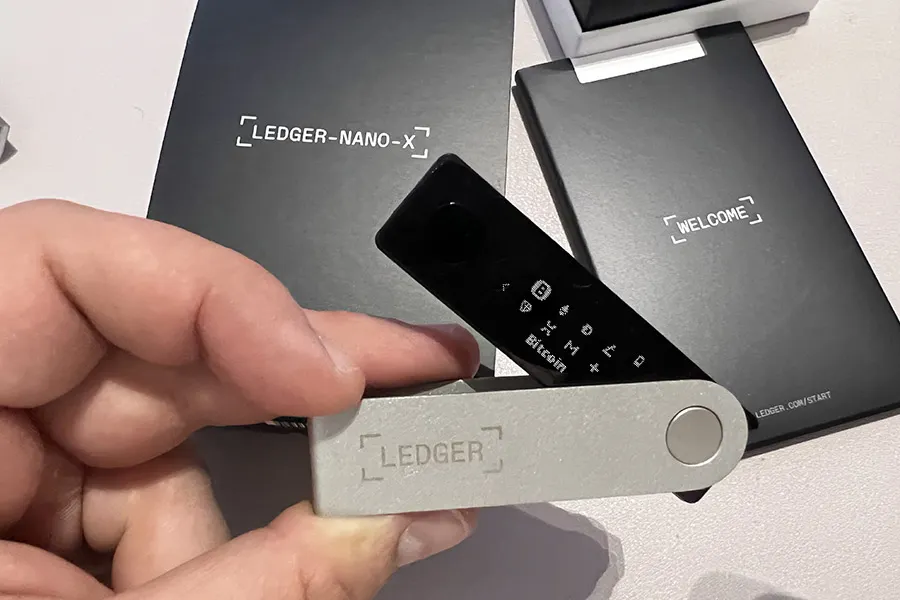
That crop matters more than it might seem. The AI will treat this image as the source of truth for the product, so the cleaner the reference, the more faithful the result.
Step 2: Put a model in your product
This step is important if you are promoting clothing and accessories since they involve a more human approach.
Open ChatGPT and upload the cropped image. You want GPT Image 2 for this step—in Decrypt’s own head-to-head testing, it beat Google’s Nano Banana 2 on photorealism and product fidelity, which is exactly what an AI-generated ad needs to not look fake.
Then imagine the scenery you want for the ad, and turn it into a quick prompt.
You can use something like this: “Generate a vertical 9:16 photo of a Latina woman in her late 20s wearing this exact garment, posing for a casual smartphone photo in a bright apartment. Preserve every characteristic of the product exactly as shown in the reference image: shape, proportions, color, fabric texture, stitching, and fit. Do not redesign, recolor, or alter the product in any way.”
We got something like this:
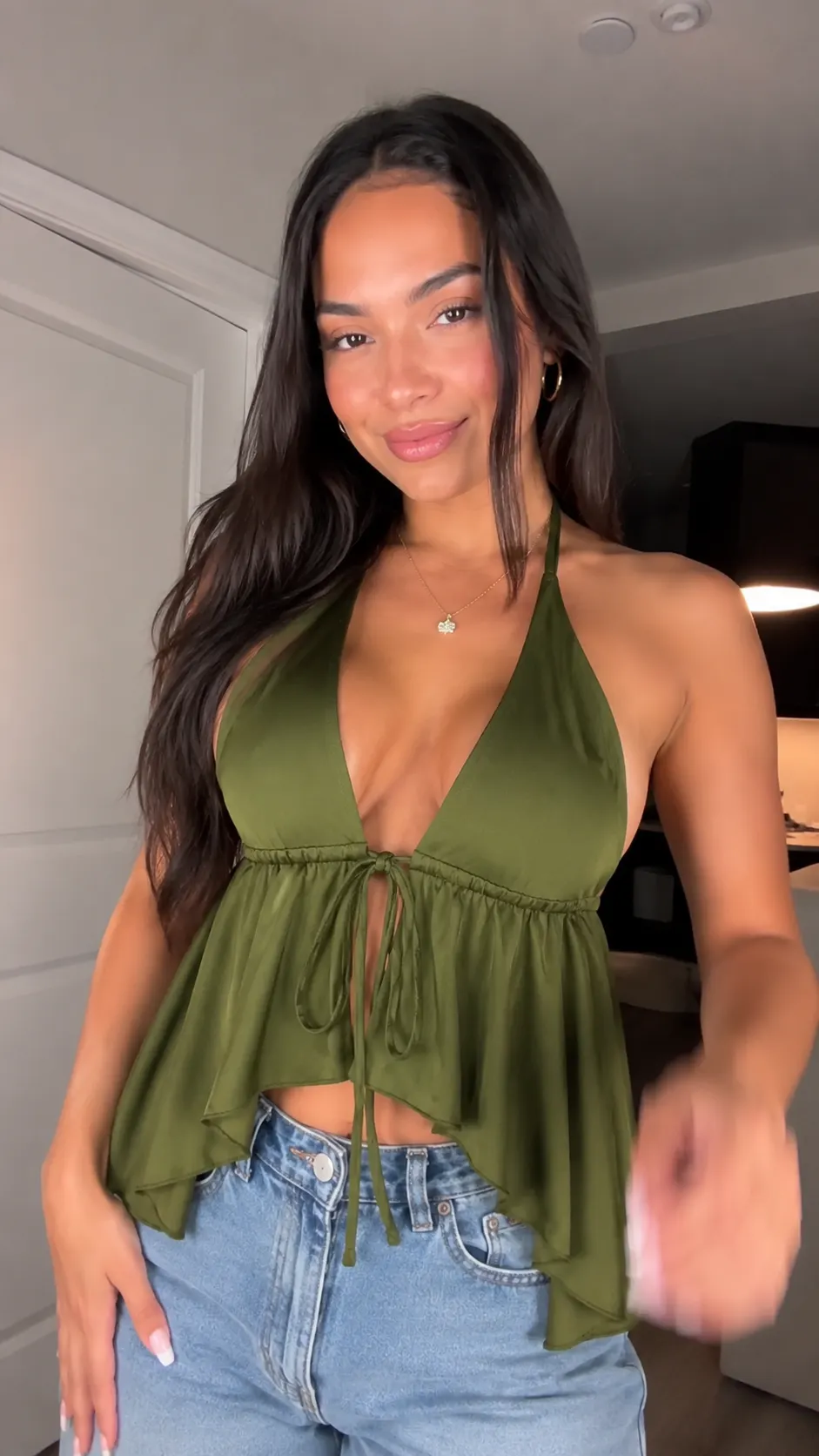
Swap the demographic details—ethnicity, age, body type—to match whoever your target audience actually is. Change the setting the same way: a gym for activewear, a café for accessories, a street corner for streetwear. For non-clothing products, replace “wearing” with “holding” or “using.”
Want the model somewhere specific? Upload a second image of the location and ask ChatGPT to place the subject of image one inside image two. Here is our subject in a space station, just because.
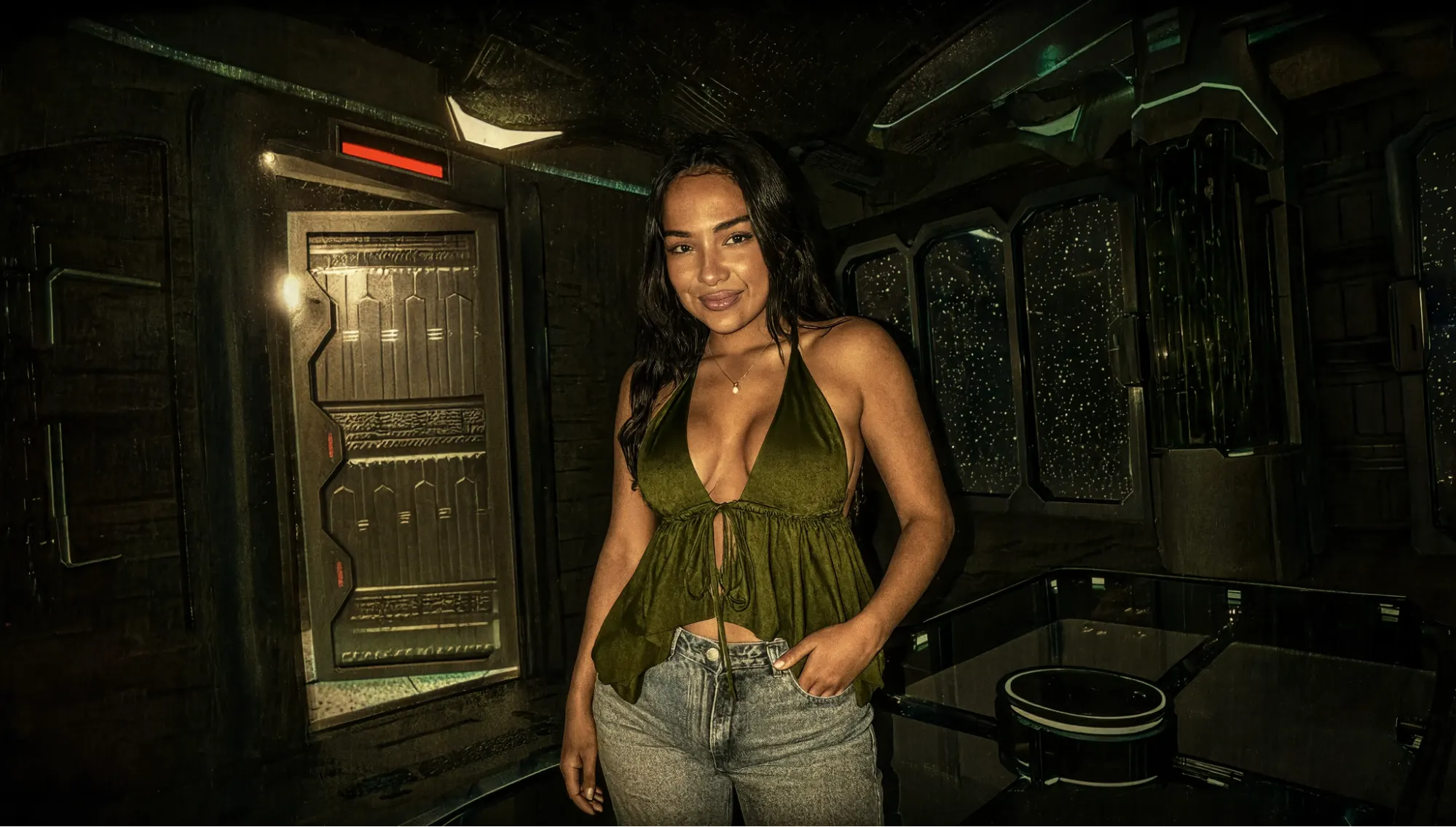
This trick also works with Google’s Nano Banana 2, which handles compositing well. Reve is a far cheaper alternative, but it tends to drop prompt details, so product accuracy may suffer.
Step 3: Ask ChatGPT for the script—in JSON
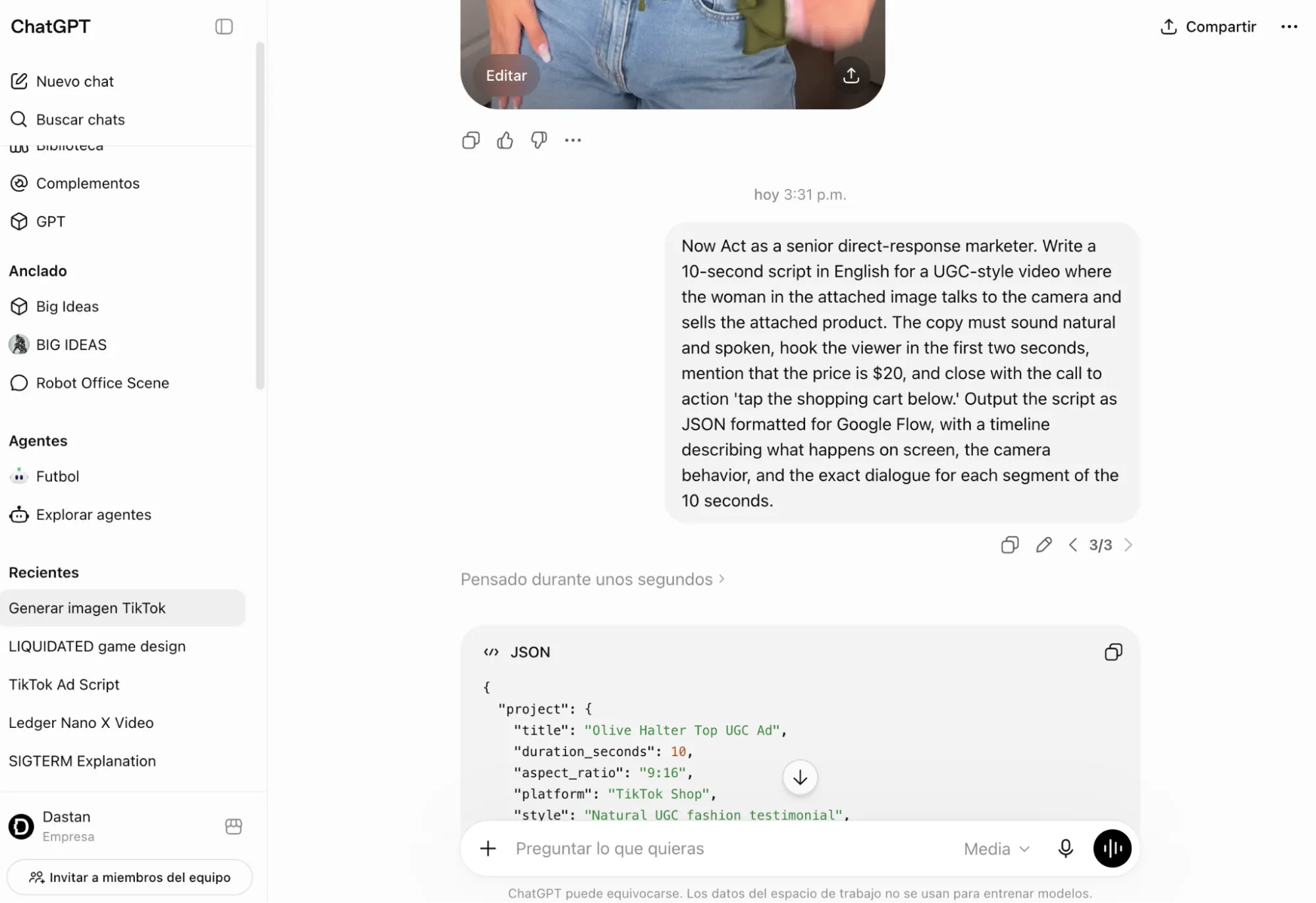
Now you need a script for a 10-second video. Don’t write it yourself; make ChatGPT do the marketing thinking. Something like this may work, but be as detailed as you can in what you ask:
“Act as a senior direct-response marketer. Write a 10-second script in English for a UGC-style video where the woman in the attached image talks to the camera and sells the attached product. The copy must sound natural and spoken, hook the viewer in the first two seconds, mention that the price is $20, and close with the call to action ‘tap the shopping cart below.’ Output the script as JSON formatted for Google Flow, with a timeline describing what happens on screen, the camera behavior, and the exact dialogue for each segment of the 10 seconds.”
The JSON format is not decoration. Video models, especially from Google, follow structured timelines far more accurately than loose paragraphs, so you get the dialogue, gestures, and beats you asked for. One warning: review the output, because it can be so literal that if the timeline ends at second eight, the model may repeat an action to fill the remaining two seconds.
If you want you can personalize the copy per platform. In the prompt, ask the AI to say things like “The best top I’ve seen on my TikTok feed.” If you want to swap social media, “tiktok feed” becomes “on X,” “in my Reels,” or “on Shorts” depending on where it runs. The call to action changes too: the shopping cart works on TikTok, “link in bio” fits Instagram, and “check the pinned comment” suits YouTube.
Step 4: Generate the video in Google Flow
Go to Google Flow and select Gemini Omni, the model Google launched at I/O 2026 in May. It generates clips of up to 10 seconds with native audio—meaning your model actually speaks the dialogue—and it accepts reference images, which is the whole point here.
Google Veo works, and could arguably be better, but Omni is cheaper… and we like cheap.
Upload both files as references: the generated image of your model and the cropped product close-up. Paste the JSON into the prompt box. Pick vertical 9:16 for TikTok, Reels, and Shorts, or horizontal 16:9 for standard YouTube videos and pre-roll ads.
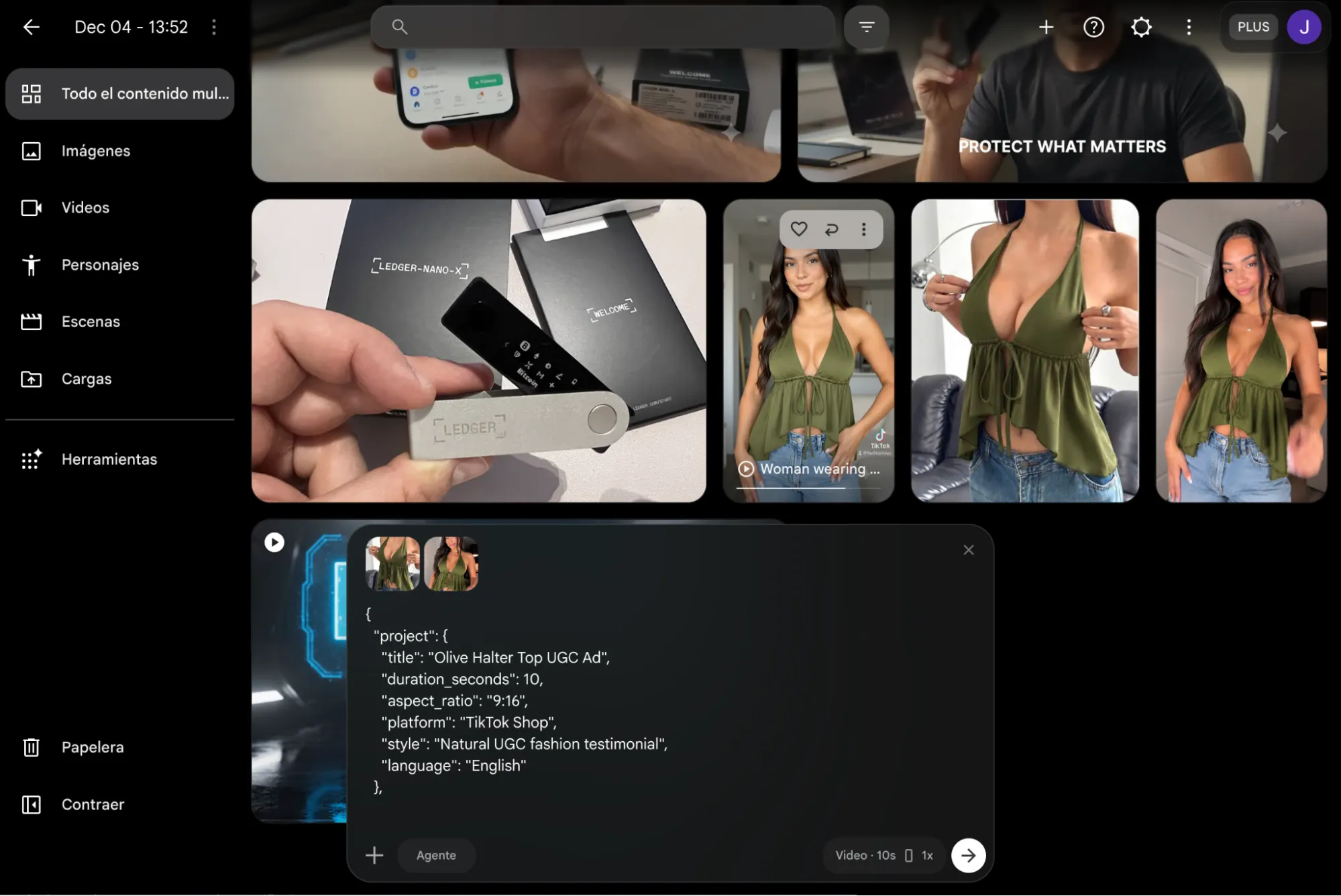
Now, the money part. Flow gives non-subscribers 50 free credits per day, but Google’s support docs restrict those to the Veo 3.1 models.
Omni in Flow (which is the model we recommend) requires a paid Google AI plan. Plus ($7.99 a month) includes 200 monthly credits, Pro ($19.99) includes 1,000, and the two Ultra tiers carry 10,000 and 25,000.
There’s a genuinely free backdoor, though: Google made Omni available at no cost inside YouTube Shorts and the YouTube Create app for users 18 and older. And for reference, the developer API prices Omni at roughly $0.10 per second of video—about a dollar per clip.
Every Omni video carries Google’s invisible SynthID watermark identifying it as AI-generated. It won’t show on screen, but platforms can detect it, so don’t plan a business around pretending the footage is real.
Here is the Ledger ad video we got. Remember, video generation has a lot of a random components because creativity is key for these models to work. If you don’t like the first generation, try a few more times.
If you notice some irregularities that can be fixed in post, then there’s no need to spend additional credits. There are free tools that will let you cut parts of the video, change lighting, color, etc.
For example, in this Tiktok ad, the woman repeats the call to action. We need to change that, and you’ll find out how in the next step
Step 5: Polish it in CapCut
Export the clip and open it in CapCut. This is where you trim anomalies—AI video still produces the occasional extra phrase or looping gesture—and cut the clip to exactly what you want before exporting straight to your social accounts.
Subtitles are the one feature worth paying attention to. The animated, word-by-word caption styles that dominate TikTok sit behind CapCut Pro, which runs about $7.99 a month or $59.99 a year, and the free tier caps automatic captions. Manual text remains free, so if you’re patient, you can type your own.
The Tiktok ad ended up looking like this after we fixed the call to action:
Going down the rabbit hole
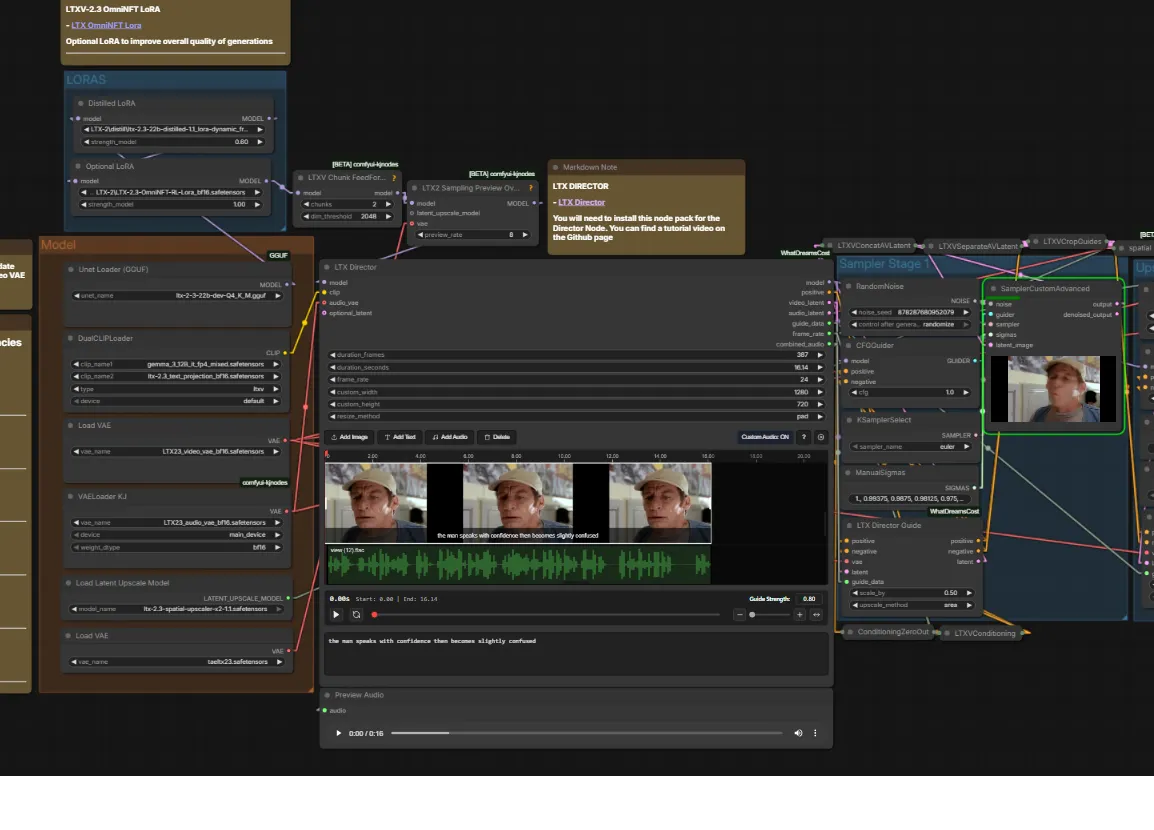
This workflow produces acceptable results, not agency-grade ones. Once it clicks, you’ll want more control: ElevenLabs for a consistent brand voice across dozens of videos, Kling for persistent AI avatars and tools for motion control, node-based workflows like ComfyUI for granular scene control, n8n for automation, etc.
Each adds cost and complexity, but the basic pipeline above is enough to test whether a product sells before spending anything serious.
Selling on TikTok Shop doesn’t require too much on your side—just being 18 or older with a government ID and bank details that match your registration, and approval usually lands within three days. TikTok takes a 6% referral fee on most orders. Promoting other people’s products as an affiliate requires 1,000 followers to apply, and full access takes 5,000 followers plus 30 days in the program.
YouTube dropped the barrier even lower: In March, its Shopping Affiliate program opened to Partner Program creators with just 500 subscribers across 12 countries, including the U.S. and Brazil.
Both TikTok and YouTube permit AI-generated promotional videos, but creators and advertisers must disclose how the content was made and any commercial relationship behind it. Under TikTok’s AI-generated-content policy, realistic AI-generated images, audio or video must be labeled; advertisers running non-Spark ads must also activate the “This ad contains AI-generated content” option in TikTok Ads Manager, while anyone promoting a brand, product or service must turn on TikTok’s commercial-content disclosure setting.
YouTube similarly requires creators to select “Yes” under “AI use” when a video contains realistic content generated or meaningfully altered with AI, after which YouTube applies an AI label; sponsored, endorsed or otherwise commercially influenced videos must separately use the platform’s paid-promotion disclosure.
X’s Authenticity policy prohibits synthetic or manipulated media when it is deceptively presented and could cause widespread confusion, threaten public safety or produce serious harm, while its advertising rules require ads to be honest, lawful and consistent with the product being promoted. It does not explicitly ban the use of AI-generated images, video, and audio in promotional content.
But let us put your feet on the ground with a sobering number before you quit your job: Per Camille Moore, president of the marketing agency Third Eye Insights, of the 803,500 TikTok Shop stores operating in the U.S. last year, more than half recorded zero sales. The tools are nearly free. The competition is not.
Daily Debrief Newsletter
Start every day with the top news stories right now, plus original features, a podcast, videos and more.


