The partnership will help ecommerce customers securely expand their businesses by leveraging omnichannel payment orchestration with AI fraud detection
LEHI, UT and NEW YORK, NY / ACCESSWIRE / January 9, 2025 / IXOPAY, a leading enterprise payment orchestration platform, and Riskified (NYSE:RSKD), a leader in ecommerce fraud and risk intelligence, today announced a strategic partnership to enhance payment security, reduce fraud challenges and increase payment operation resilience. As global payment ecosystems become more complex, so do the associated risks. IXOPAY and Riskified are teaming up to provide businesses with a seamless, secure and efficient way to enhance their payments orchestration and effectively repel fraud threats.
IXOPAY + Riskified
IXOPAY + Riskified partnership
This partnership combines IXOPAY’s payment orchestration, tokenization, and flexible payment optimization capabilities with Riskified’s AI-powered fraud and risk intelligence platform. Businesses using this combined solution will have the opportunity to increase sales conversion by reducing false declines, enhance security to minimize fraud chargebacks, and optimize payment flows for a frictionless customer payment experience-enabling merchant growth while minimizing risk.
“IXOPAY’s mission to deliver a comprehensive, secure payment orchestration platform is advanced by our exciting partnership with Riskified,” said Brady Harris, CEO of IXOPAY. “Riskified’s machine learning technology enhances our ability to detect fraud and reduce chargebacks, further strengthening our commitment to safeguarding revenue while approving more legitimate transactions.”
“Our partnership with IXOPAY marks a significant step forward in helping merchants optimize their payment processes and improve operational efficiency,” said Eido Gal, CEO of Riskified. “By integrating omnichannel payment processing, we’re strengthening our fraud prevention capabilities while improving the transaction experience for merchants and consumers.”
“The partnership between IXOPAY and Riskified will provide Super.com a market advantage with end customers and travel agency partners,” said Sarah Boehmer, Senior Director of Payment Processing & Fraud Strategy at Super.com. “The unified solution will allow us to collect a credit card PAN and securely forward it to our travel partners, while keeping Super.com PCI compliant and our customers protected from fraud.”
Designed to enhance payment processing by integrating AI-powered fraud detection, IXOPAY and Riskified’s partnership will reduce operational costs by minimizing the need for manual reviews and improve customer satisfaction by decreasing false declines and other transaction disruptions. The combined solution will help ensure regulation compliance, provide real-time threat response, and improve adaptive payment routing while providing robust network-wide analytics to improve overall ecommerce performance.
To learn more about the evolving world of ecommerce orchestration, request an invitation to join Riskified and IXOPAY’s January 11 networking reception in New York City on the eve of NRF 2025 and visit Riskified’s NRF booth (3675) January 12-14.
Additional details on the partnership are available at https://go.ixopay.com/partner/riskified.
IXOPAY Media Contact:Mills Forni[email protected]
Riskified Media Contact:Ciara DiVita[email protected]
About IXOPAYIXOPAY is a leading provider of enterprise-grade payment orchestration, providing a fully integrated platform and flexible payment optimization modules to businesses around the world. With a single API and scalable payments architecture, IXOPAY empowers businesses to simplify, secure, and increase the resilience of their payment systems. Learn more at http://www.ixopay.com and follow us on LinkedIn.
About Riskified
Riskified (NYSE:RSKD) empowers businesses to unleash ecommerce growth by outsmarting risk. Many of the world’s biggest brands and publicly traded companies selling online rely on Riskified for guaranteed protection against chargebacks, to fight fraud and policy abuse at scale, and to improve customer retention. Developed and managed by the largest team of ecommerce risk analysts, data scientists, and researchers, Riskified’s AI-powered fraud and risk intelligence platform analyzes the individual behind each interaction to provide real-time decisions and robust identity-based insights. Riskified was named to CNBC’s World’s Top Fintech Companies in 2024. Learn more at riskified.com.
SOURCE: IXOPAY and Riskified
About Web3Wire Web3Wire – Information, news, press releases, events and research articles about Web3, Metaverse, Blockchain, Artificial Intelligence, Cryptocurrencies, Decentralized Finance, NFTs and Gaming. Visit Web3Wire for Web3 News and Events, Block3Wire for the latest Blockchain news and Meta3Wire to stay updated with Metaverse News.
Transforming Retail: The Rise of Digital Personal Shopping
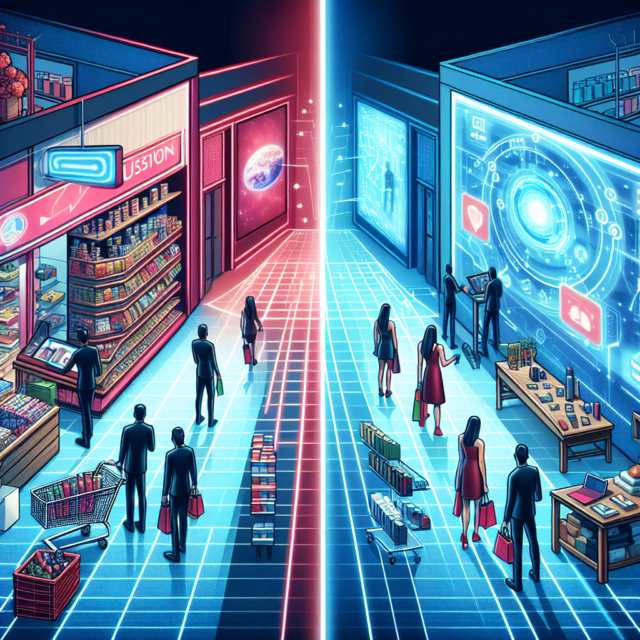
The retail landscape is undergoing a monumental transformation, with digital personal shopping emerging as a pivotal innovation. As technology continues to evolve, retailers are seeking new ways to enhance the customer experience. Digital personal shopping combines the best of both worlds: leveraging technological advancements to provide a personalized shopping experience. This article explores how digital personal shopping is adapting to change, bridging the gap between technology and retail experience, and shaping the future of shopping with personalized digital solutions.
Adapting to Change: Digital Personal Shopping Emerges
The retail industry has long been characterized by its dynamic nature, constantly adapting to consumer demands and technological advancements. With the advent of digital personal shopping, retailers are once again at the forefront of change. This innovative approach allows customers to enjoy a personalized shopping experience from the comfort of their own homes. By integrating digital tools and platforms, retailers can now offer tailored recommendations and services that were once only possible in physical stores.
The rise of digital personal shopping can be attributed to several factors, including the increasing importance of convenience and personalization in the modern shopping experience. Consumers today expect more than just a transactional relationship with retailers; they seek meaningful interactions that cater to their individual preferences and lifestyle. Digital personal shopping meets this demand by providing customized solutions that align with each shopper’s unique tastes and needs.
Moreover, the COVID-19 pandemic has accelerated the adoption of digital personal shopping, as consumers have become more reliant on online shopping. With lockdowns and social distancing measures in place, traditional brick-and-mortar stores faced significant challenges, prompting retailers to explore digital alternatives. This shift has not only ensured business continuity but has also opened up new opportunities for retailers to engage with their customers in innovative ways.
As retailers adapt to this new landscape, they are investing in advanced technologies such as artificial intelligence, machine learning, and data analytics to enhance their digital personal shopping offerings. These technologies enable retailers to gain deeper insights into consumer behavior, allowing them to deliver more accurate and relevant product recommendations. In turn, this enhances customer satisfaction and fosters brand loyalty.
Digital personal shopping also empowers customers by providing them with greater control over their shopping experience. Through interactive platforms and virtual consultations, shoppers can explore products, seek expert advice, and make informed purchasing decisions. This level of engagement was previously limited to in-store experiences, but digital personal shopping has made it accessible to a wider audience.
In conclusion, the emergence of digital personal shopping represents a significant shift in the retail industry, driven by the need for convenience, personalization, and adaptability. As retailers continue to embrace this change, they are redefining the shopping experience and setting new standards for customer engagement.
Bridging the Gap: Technology Meets Retail Experience
The integration of technology into the retail experience is bridging the gap between online and offline shopping, creating a seamless and cohesive journey for consumers. Digital personal shopping plays a crucial role in this transformation by combining the efficiency of digital platforms with the personalized touch of in-store interactions. This convergence is revolutionizing the way consumers shop and interact with brands.
One of the key technological advancements driving this change is the use of artificial intelligence (AI) and machine learning algorithms. These technologies enable retailers to analyze vast amounts of data and generate personalized recommendations based on individual preferences and shopping history. By understanding consumer behavior, retailers can offer tailored suggestions that enhance the shopping experience and increase the likelihood of conversion.
Virtual reality (VR) and augmented reality (AR) are also playing a pivotal role in bridging the gap between technology and retail experience. These immersive technologies allow consumers to visualize products in their own environment, try on virtual clothing, or even participate in virtual store tours. By offering an interactive and engaging experience, retailers can capture the attention of consumers and provide them with a sense of confidence in their purchasing decisions.
Furthermore, digital personal shopping is redefining the role of sales associates in the retail experience. Instead of solely relying on in-store staff, retailers are now leveraging digital tools to provide personalized assistance. Virtual stylists and chatbots can guide consumers through their shopping journey, offering expert advice and answering queries in real-time. This not only enhances the customer experience but also allows retailers to reach a broader audience.
To ensure a seamless integration of technology and retail experience, retailers are investing in omnichannel strategies that connect online and offline touchpoints. By synchronizing inventory, customer data, and marketing efforts, retailers can provide a unified experience across all channels. This holistic approach enables consumers to transition seamlessly between digital and physical spaces, enhancing convenience and satisfaction.
As technology continues to evolve, retailers are exploring innovative ways to further enhance the digital personal shopping experience. From AI-driven fashion recommendations to personalized skincare consultations, the possibilities are endless. By embracing these advancements, retailers can create a truly immersive and tailored shopping experience that resonates with consumers.
In summary, the integration of technology into the retail experience is bridging the gap between online and offline shopping, creating a cohesive and personalized journey for consumers. Digital personal shopping is at the forefront of this transformation, leveraging AI, VR, AR, and omnichannel strategies to revolutionize the way consumers shop and interact with brands.
The Future of Shopping: Personalized Digital Solutions
As we look to the future, personalized digital solutions are set to become the cornerstone of the shopping experience. With advancements in technology and a growing emphasis on personalization, retailers are poised to deliver hyper-customized experiences that cater to the unique preferences and needs of each consumer. Digital personal shopping will play a central role in shaping this future.
One of the key trends driving the future of shopping is the increasing demand for hyper-personalization. Consumers are seeking products and services that align with their individual tastes, values, and lifestyles. Digital personal shopping enables retailers to meet this demand by leveraging data-driven insights to deliver tailored recommendations and experiences. By understanding the nuances of consumer preferences, retailers can create a more meaningful and relevant shopping journey.
Moreover, the future of shopping will be characterized by seamless integration across multiple channels and touchpoints. Consumers will expect a consistent experience whether they are shopping online, in-store, or through mobile apps. Digital personal shopping will facilitate this integration by providing a unified platform for consumers to explore products, receive personalized recommendations, and make purchases. This omnichannel approach will enhance convenience and accessibility, allowing consumers to shop anytime, anywhere.
As technology continues to evolve, we can expect to see further advancements in AI, machine learning, and data analytics, which will drive the evolution of digital personal shopping. These technologies will enable retailers to gain deeper insights into consumer behavior, preferences, and trends. By harnessing this information, retailers can anticipate consumer needs and deliver proactive recommendations, enhancing the overall shopping experience.
Furthermore, the future of digital personal shopping will be characterized by increased interactivity and engagement. Virtual reality and augmented reality will play a significant role in creating immersive and interactive experiences that captivate consumers. From virtual try-ons to interactive product demonstrations, these technologies will allow consumers to engage with products in new and exciting ways, enhancing their confidence in purchasing decisions.
In conclusion, the future of shopping is poised to be shaped by personalized digital solutions that cater to the unique preferences and needs of each consumer. Digital personal shopping will play a central role in this transformation, leveraging technology to deliver hyper-customized experiences, seamless integration, and increased interactivity. As retailers continue to innovate and embrace these advancements, they are setting the stage for a future where shopping is not just a transaction, but a personalized and meaningful experience.
In the evolving world of retail, digital personal shopping is emerging as a game-changer, bridging the gap between technology and the retail experience. By adapting to change and leveraging personalized digital solutions, retailers are redefining the shopping journey for consumers. As we look to the future, the integration of technology and personalization will continue to shape the retail landscape, offering consumers a seamless, engaging, and tailored shopping experience. As retailers embrace this transformation, they are not only meeting the demands of modern consumers but also setting new standards for the future of shopping.
January 8, 2025 – Today marks the official launch of Kradle.io, a state-of-the-art SaaS platform poised to revolutionize the property management industry. Developed by Devtorium, a leader in innovative software solutions, Kradle.io leverages cutting-edge technology to optimize property management processes for landlords, property managers, accountants, and other property management personnel.
Devtorium, an international software development powerhouse, has been instrumental in building Kradle.io into the powerful tool it is today. With a focus on advanced technology and innovative project implementation, Devtorium has a track record of delivering solutions that drive profit maximization and efficiency enhancements for its clients.
Kradle.io is designed to make the management of properties as seamless and efficient as possible. The platform offers a comprehensive suite of tools that cater to the day-to-day needs of managing residential and commercial properties. By reducing the complexities traditionally associated with property management, Kradle.io allows users to focus on delivering superior tenant services and enhancing property value.
This launch not only highlights Kradle.io’s commitment to advancing property management but also showcases Devtorium’s capabilities in creating excellent software solutions. For businesses outside the property management sector looking for custom software development, Devtorium offers outsourcing, dedicated teams, and custom development services to tackle any challenge.
The collaboration between Kradle.io and Devtorium is a testament to the power of innovative technology in transforming industries. As Kradle.io begins its journey to redefine property management, Devtorium continues to push the boundaries of what is possible in software development.
About Devtorium:
Devtorium is an international software development company committed to innovation and excellence. Specializing in outsourcing, dedicated teams, and custom software development from scratch, Devtorium employs top-tier solution engineers, data scientists, analysts, and designers to ensure that each project exceeds client expectations for profitability and efficiency.
For further information about Kradle.io and to learn how it can transform your property management experience, visit http://www.kradle.io [http://www.kradle.io/]. To discover more about Devtorium’s services and how they can benefit your business, please visit http://www.devtorium.com [http://www.devtorium.com/].
Media ContactCompany Name: Devtorium LLCContact Person: Thomas M. BradhamEmail:Send Email [https://www.abnewswire.com/email_contact_us.php?pr=launch-of-kradleio-a-gamechanger-in-property-management-developed-by-devtorium]Phone: 803-609-5174Address:8670 Via Ancho RdCity: Boca RatonState: FloridaCountry: United StatesWebsite: https://devtorium.com
This release was published on openPR.
About Web3Wire Web3Wire – Information, news, press releases, events and research articles about Web3, Metaverse, Blockchain, Artificial Intelligence, Cryptocurrencies, Decentralized Finance, NFTs and Gaming. Visit Web3Wire for Web3 News and Events, Block3Wire for the latest Blockchain news and Meta3Wire to stay updated with Metaverse News.
Cryptocurrency has revolutionized the way we think about money, investment, and transactions. It has taken the whole financial world by a huge storm. In this blog, we will dive into the world of crypto, from where it all started to recent trends. Whether you are a beginner or an experienced crypto enthusiast, this blog will help you get more details of the thrilling world of cryptocurrency!
1. Introduction to Cryptocurrency:
Picture Courtesy: india.com
Cryptocurrency is a digital currency that has no physical appearance and is secured through cryptography. Unlike government currencies like dollars, euros, and others, cryptos are decentralized. They operate on a peer-to-peer network without a central authority. The process makes them resistant to control and censorship. The best example of a cryptocurrency is Bitcoin. There are several other examples of virtual currencies, numbering up to thousands.
A Brief History & Evolution of Cryptocurrency:
Picture Courtesy: theknowledgeacademy.com
While it might seem like a modern invention, cryptocurrency draws on several years of research and development from visionary thinkers, advents in technology, and aspirations for financial freedom. Let’s go through the journey of cryptocurrency evolution and discover how it ended up as a global phenomenon.
A. The Pre-Bitcoin Era: Laying Foundations
Before Bitcoin, the idea of digital currency existed, but it was mostly theoretical. Several early experiments laid the groundwork:
1983 – David Chaum’s Digital Cash:
Cryptography pioneer David Chaum introduced the concept of digital cash. a secure anonymous payment system. His innovation gave rise to future development around cryptocurrencies.
1990s – Rise of DigiCash and e-gold:
DigiCash Inc founded by Chaum, implemented digital cash. Aggravation of the laws of digital currency again had the same time e-gold gained popular attraction but landed in the courts over regulatory matters.
1998 – The Birth of the Idea: B-Money and Bit Gold
Wei Dai’s B-Money and Nick Szabo’s Bit Gold introduced the concepts of decentralized networks and proof-of-work systems, which later became what the blockchain technology used in cryptos depends on.
B. Birth of Bitcoin- 2008:
A global financial meltdown built the first true cryptocurrency.
The Mysterious Satoshi Nakamoto:
An anonymous figure or group called Satoshi Nakamoto published the Bitcoin whitepaper titled “Bitcoin: A Peer-to-peer Electronic Cash System.” The paper described a decentralized digital currency system operating on blockchain technology and, thereby, ensured transparency and security without central authority.
2009: The Genesis Block
The Genesis Block (Block 0) was mined in January 2009. The message embedded in it reads, “The Times 03/Jan/2009 Chancellor on brink of second bailout for banks,” a report of the prevailing economic conditions and an impetus for alternative financial systems.
C. The Early Bitcoin Years (2010–2013):
2010 – The First Bitcoin Transaction:
The infamous remembered as the “Bitcoin Pizza Day,” was accounted as the first commercial transaction with Bitcoin when Laszlo Hanyecz paid 10,000 BTC for two pizzas. The bitcoins would have been worth millions today!
Bitcoin Gains Traction:
Within the following years, Bitcoin got recognition and even became more famous for its early adopters and developers, Exchanges like Mt. Gox were launched, making it easier to trade Bitcoin.
D. The Boom of Altcoins (2013-2017):
As Bitcoin gained popularity, developers began to experiment with the technology of the blockchain and created all kinds of other coins or altcoins.
2013 – Litecoin (LTC): The Silver to Bitcoin’s Gold
Litecoin was announced as a lite version of Bitcoin because it was faster and less cumbersome than the other coin.
Smart contracts are made available on the Ethereum blockchain, allowing developers to create DApps-decoupled applications. This was the moment when the use of cryptocurrency was revolutionized beyond simply transfer payments.
The ICO Frenzy:
Initial Coin Offerings are created, through which start-ups, raise funds by issuing their tokens and at the same time create a wide range of projects along with a flood of scams.
E. The Crypto Boom (2017-2021):
Cryptocurrency entered mainstream consciousness during this period, fueled by rapid growth and high-profile headlines.
2017- The First Bitcoin’s Bull Run:
From close to $1000 the value of Bitcoin climbed near the $20,000 mark that drew worldwide attention.
Launch of DeFi:
Decentralized finance began with peer-to-peer lending using platforms such as Aave and Uniswap from partaking intermediaries.
2021- NFTs Take the Stage:
NFTs gave an understanding of digital ownership over art and collectibles, among other objects, and opened up more use cases for blockchain technologies.
F. Cryptocurrency Today: A Global Phenomenon
Institutional Adoption:
Mainstream acceptance by companies like Tesla, PayPal, and MicroStrategy adopting cryptocurrency.
Emerging Technologies:
Innovations like Layer 2 solutions of The Cryptocurrency World’s Next Future Development Polygon and proof-of-stake consensus mechanisms (Ethereum 2.0) are improving scalability and sustainability.
Challenges and Opportunities:
While crypto faces challenges like regulatory uncertainty, environmental concerns, and market volatility, its potential to revolutionize finance, gaming, and beyond continues to grow.
2. Popular Cryptocurrencies You Should Know About:
Picture Courtesy: elearnmarkets.com
Bitcoin is not the only cryptocurrency anymore! So many creative projects have been launched in the crypto space. Let’s dive into these most popular cryptocurrencies and understand what makes them unique.
A. Bitcoin (BTC): The Pioneer
The first ever cryptocurrency, Bitcoin is the founding stone of the world of cryptocurrencies.
Launch Year: 2009
Founder: Satoshi Nakamoto
Key Features:
A decentralized digital currency.
Transparent and secured transactions courtesy of blockchain.
Capped supply of 21 million coins, making it a digital form of gold.
Why it’s Popular: Bitcoin is often seen as a store of value and a hedge against inflation, attracting both retail and institutional investors.
B. Ethereum (ETH): The Centralized Smart Contract King
Ethereum has brought in the revolution to the Blockchain world with its programmable smart contracts.
Launch Year: 2015
Founder: Vitalik Buterin
Key Features:
Allows decentralized applications (DAPPs) and smart contracts.
Moves towards a more energy-efficient proof-of-stake model with Ethereum 2.0.
Why it’s popular: Ethereum powers a lot of innovations including DeFi, NFTs, and DAOs (Decentralized Autonomous Organizations).
C. Solana: The speedster
Solana was designed for scalability and speed making it the ideal framework for today’s high-performance applications.
Launch Year: 2020
Key Features:
Maximum throughputs of transactions: up to 65,000 transactions per second.
Fees low and energy-efficient consensus model (Proof of History).
Why it’s popular: Solana is powering the fast-growing NFT markets and DeFi projects.
D. Avalanche (AVAX): The Eco-Friendly Contender
Avalanche has a high reputation for its speed plugin while boasting an eco-friendly blockchain platform.
Launch Year: 2020
Key Features:
Very high scalability with sub-second transaction finality.
The focus has been on the creation of an interoperable blockchain.
Why it’s popular: Avalanche has a fast-growing DeFi ecosystem where projects such as Aave and Curve integrate it.
E. Cardano (ADA): The Research-Driven Blockchain
Cardano is built on a foundation of academic research and peer-reviewed science.
Launch Year: 2017
Founder: Charles Hoskinson (co-founder of Ethereum).
Key Features:
Energy-efficient PoS consensus.
Focus on scalability, sustainability, and interoperability.
Why It’s Popular: Cardano is heralded for its meticulous progress in real-world applications like supply chain management.
F. Polygon (MATIC): The Scalability Solution for Ethereum
Polygon aims to enhance Ethereum’s functionality by solving its scalability issues.
Launch Year: 2017
Key Features:
Layer 2 solution for scaling Ethereum.
Decreases transaction fees while speeding up transactions.
Why It’s Popular: It’s a favorite for developers building on Ethereum, thanks to its cost efficiency and ease of use.
G. VeChain (VET): Blockchain for Supply Chains
VeChain focuses on improving both efficiency and transparency within supply chains.
Launch Year: 2015
Key Features:
Track and authenticate products through the supply chain.
A dual-token system with VET and VTHO.
Why It Is Popular: Real-world applications of VeChain have earned partnerships with major corporations such as Walmart and BMW.
H. Aave (AAVE): The DeFi Lending Leader
DeFi Aave platform transforms the way lending and borrowing are done.
Launch Year: 2020
Key Features:
Peer-to-peer lending with no intermediary involved.
Special features such as flash loans, etc.
Why It Is Popular:
Aave is an innovator in the DeFi space, and it creates innovative financial solutions that did not previously exist.
I. Celsius (CEL): Crypto for Passive Income
Celsius is a platform that allows users to earn interest on their crypto holdings.
Launch Year: 2017
Key Features:
Offers competitive interest rates for deposits.
Provides low-interest crypto loans.
Why It’s Popular:Celsius appeals to investors seeking passive income from their crypto assets.
J. EOS: Developer-Friendly Blockchain
EOS focuses on making blockchain technology more accessible to developers.
Launch Year: 2018
Key Features:
High scalability with fast transaction speeds.
Developer-friendly platform for building DApps.
Why It’s Popular:EOS has attracted a strong developer community, making it a hub for innovative applications.
3. Crypto Exchanges and Wallets: Your Gateway to the Crypto World
If you’re diving into cryptocurrency, two things are indispensable: crypto exchanges for buying, selling, and trading cryptocurrencies, and crypto wallets to store them securely. Let’s explore the best options for both and what makes them stand out.
I. Best Crypto Exchanges:
Picture Courtesy: cryptocurrencyhaus.com
A crypto exchange is where you buy and sell cryptocurrencies. Choosing the right platform is crucial for ease of use, fees, and security. Here are some of the top exchanges:
A. Kraken: Secure and Advanced Features
Overview: One of the oldest luxury secure crypto exchanges.
Key Features:
An impressive list of supported cryptocurrencies.
Advanced trading tools for advanced users.
High-level security measures, including two-factor authentication (2FA).
Why Choose Kraken?
It is best suited for traders who need robust security measures and great trading tools.
B. Gemini: Easy to Use and Regulation
Overview: The secured and compliance-based exchange in the U.S.
Key Features:
The safe wallets will protect your assets.
Regulated by the U.S. trust authority which makes it much more trustworthy.
Why Choose Gemini?
It is best suited for those emerging users who value functionality and regulation.
C. FTX: Flexibility in Trade
Overview: FTX is the most famous exchange in terms of its trading features.
Key Features:
Spot trade, futures, and tokenized stocks are all covered.
Advanced tools for analysis and charts.
Why Choose FTX?
Suitable for someone who wants to trade beyond the conventional cryptocurrency exchange.
4. Robinhood: Zero Fees
Overview: A popular platform among trading beginners with no commissions.
Key Features:
Buy and sell cryptocurrencies as well as stocks.
Easy and intuitive user interface.
Why Choose Robinhood?
Perfect for those beginners who want a trading platform for their cryptocurrency trades without having to worry about fees.
E. PayPal: Simplified Access to Crypto
Overview: PayPal has made buying, selling, and keeping cryptocurrency part and parcel of its business.
Key Features:
Buy, sell, and hold Bitcoin, Ether, Litecoin, and Bitcoin Cash.
Used by millions of PayPal users around the planet.
Easy access through current PayPal account.
Why Choose PayPal?
Best for users looking for an easy entry into the world of crypto.
II. Best Crypto Wallets:
Once you’ve bought cryptocurrency, you need a wallet to keep it secure. A good wallet offers safety, accessibility, and additional features like staking.
Features to Look for in a Crypto Wallet:
When choosing a crypto wallet, you’re essentially selecting the vault that will protect your digital assets. Here are five key features to consider, explained in detail:
A. Security:
A good cryptocurrency wallet is based on the security feature. Look for multi-signature support, which requires several approvals for transactions in addition to typical factors such as two-factor authentication (2FA) as an extra layer of protection. It is essential to encrypt and store private keys securely so that hackers cannot access funds.
B. User Friendliness:
A wallet is very easy to use, intuitive with clear navigation, uncomplicated transaction processes, and excellent support that meets the user’s needs, whether they are a beginner or an experienced cryptocurrency user.
C. Compatibility:
The wallet should support a wide range of cryptocurrencies to provide flexibility. You do not need a different wallet for different assets, be it Bitcoin, Ethereum, or altcoins; their compatibility should be there.
D. Backup/Recovery:
Accidental loss of access can be a nightmare. A good wallet comes with all kinds of robust backup and recovery options, such as seed phrases or recovery keys, through which one can regain control of assets in case of device failure or loss.
E. Additional Features:
The modern wallet also consists of some other features like staking and integration with decentralized applications (dApps). Support for token swaps helps make such a wallet more complete and further allows one to earn rewards or engage in interactions within the ecosystem.
Examples:
Let’s see a few examples of crypto wallets:
A. Kraken Wallet:
Overview: Offers integrated wallet services with state-of-the-art security.
Features:
Integration with the Kraken exchange.
Beginner-friendly design.
Why Use Kraken Wallet?
Best suited for traders already on Kraken, ensuring seamless funds management.
B. Gemini Wallet:
Overview: A secure and regulated wallet by Gemini.
Features:
Insurance coverage for funds stored online.
Easily integrates to the Gemini exchange.
Why Use Gemini Wallet?
A trustworthy option for users who value regulatory adherence and security.
C. PayPal Crypto Wallet:
Overview: It simplifies storing cryptocurrencies for most casual users.
Features:
Quick access to funds for transactions.
PayPal ecosystem integration.
Beginner-friendly devoid of technical know-how.
Why Use This PayPal Wallet?
Best for casual crypto users who want a simple and accessible wallet.
Picture Courtesy: blog.switchere.com
Cryptocurrencies have evolved from niche digital currencies to global investment assets. But before jumping into this volatile market, it’s important to understand some key elements of crypto investing, such as market trends, pricing, market capitalization, crypto ETFs, and tax implications.
A. Market Trends and Analysis: Keeping Track of the Market Pulse
Understanding the ever-changing trends in the crypto market is crucial for making informed investment decisions. Here are some factors that drive these trends:
Market Sentiment:
Most often, prices of crypto assets move heavily based on perception from the public and sentiment by investors. Bullish trends (rising prices) exist because of positive news, institutional investments, or technological breakthroughs, while bearish trends (falling prices) become present due to regulatory concerns or security issues. Keeping track of sentiment through news outlets, social media, and even forums like Reddit could help you gauge these market movements.
Institutional Adoption:
Whenever large financial institutions or big corporations make an investment in or begin to accept cryptocurrencies, it gives an added sense of legitimacy to the asset class. Watch for an announcement from companies like Tesla, Square, or Mastercard, because both their announcements are enough to imply a market rally.
Technological Innovation:
New technologies and projects can also affect trends in the market. For instance, developments in DeFi (Decentralized Finance), NFTs, and Layer 2 scaling solutions might carry forth new coins into the spotlight.
B. Crypto Prices: Volatility at Its Peak
Cryptocurrency prices are notoriously volatile. Unlike traditional assets like stocks or bonds, crypto prices can swing dramatically in a short period. A few key things to understand about crypto pricing include:
Supply and Demand:
The economic principle of supply and demand mostly causes fluctuations in crypto prices. The scarcer a coin (Bitcoin has a fixed supply of 21 million), the more valuable it becomes. This can lead to price increases during times of high demand.
Order and Liquidation Markets:
Several factors can affect price changes with liquidity. Low liquidity usually indicates higher volatility: since even small trades may trigger significant price changes. High liquidity stabilizes the market, providing reduced price volatility.
Hype and Speculation:
Many factors drive the fluctuations in prices, and speculation is one of them. Traders often place their bets on a coin and wait for the expected growth in the future, while social media usually invites some random trends that can lead to an increase or decrease in price (as is the case with meme coins like Dogecoin).
C. Market Capitalization: The True Value of a Crypto Asset
Market capitalization is a critical metric for evaluating the relative size and potential of a cryptocurrency. It’s calculated by multiplying the current price of a coin by its total circulating supply. This metric can help you understand the scale of a project.
Categories of Market Cap:
Large Cap: Cryptos with a market cap over $10 billion (e.g., Bitcoin, Ethereum). These are seen as more stable investments.
Mid Cap: Cryptos with a market cap between $1 billion and $10 billion. They offer growth potential but carry higher risk.
Small Cap: Cryptos with a market cap under $1 billion. These are typically newer coins and can be highly volatile, but they also offer the highest risk and reward.
Understanding market capitalization helps investors choose whether they want to go for established coins with more stability or smaller coins with greater growth potential.
D. Crypto ETFs: Diversified Exposure to Cryptocurrencies
A Crypto ETF (Exchange-Traded Fund) is a financial product that allows you to invest in a basket of cryptocurrencies through the traditional stock market. Crypto ETFs provide exposure to digital assets without the need to buy or store the assets directly.
Why Consider Crypto ETFs?
Diversification: By investing in a crypto ETF, you can get exposure to multiple cryptocurrencies without needing to pick individual winners.
Convenience: You don’t need to manage wallets, private keys, or transactions – everything is handled like a regular stock investment.
Regulated Investment: Since ETFs are regulated by financial authorities, they provide a more traditional and safer option for risk-averse investors.
While there are only a few crypto ETFs available (due to regulatory hurdles), they are an attractive option for traditional investors looking to venture into crypto without the complexities.
E. Tax Implications and Regulations: Navigating the Legal Landscape
Cryptocurrencies are still a relatively new asset class, and governments worldwide are working to establish clear tax guidelines. Here’s what you need to know about crypto taxes and regulations:
I. Tax Treatment of Cryptocurrencies:
In many countries, cryptocurrencies are considered taxable assets. This means that buying, selling, or exchanging crypto could trigger capital gains taxes. For example:
Short-Term Capital Gains: If you sell a cryptocurrency you’ve held for less than a year, any gains are typically taxed as short-term capital gains at ordinary income tax rates.
Long-Term Capital Gains: If held for over a year, your crypto gains might be taxed at a lower long-term capital gains rate.
II. Crypto Income:
Earning income in cryptocurrency, such as from mining, staking, or receiving payments, is also taxable. In most jurisdictions, it’s considered income, and you must report its value at the time of receipt.
III. Reporting and Documentation:
Given the decentralized nature of cryptocurrencies, it’s important to keep track of all your transactions. Some exchanges and wallets provide annual reports, but you may still need to calculate capital gains and losses manually, especially if you’re trading on multiple platforms.
IV. Regulatory Environment:
Regulation is one of the most uncertain areas in crypto. While some countries have embraced crypto (e.g., El Salvador making Bitcoin legal tender), others are imposing stricter regulations. Always stay informed about the laws in your country to avoid running into issues with tax authorities.
5. Advanced Crypto Topics: Delving Deeper into the Crypto Ecosystem
Cryptocurrencies have grown far beyond simple digital payments. Advanced topics like Decentralized Finance (DeFi), Non-Fungible Tokens (NFTs), crypto mining, and technical analysis are now integral to the ecosystem. Let’s explore these concepts in detail to understand their significance and how they shape the future of crypto.
A. DeFi: Revolutionizing the Financial System
Picture Courtesy: azc.news
DeFi uses blockchain technology to create financial systems that operate without intermediaries like banks or brokers. DeFi uses permissionless access features as those for anyone with an internet connection. The facility ranges from lending, borrowing, staking, and decentralized exchanges (DEXs) to a few services.
Most Popular Leading Platforms in the DeFi Space:
Uniswap, Aave, Compound, and the rest are the most fantastic and famous DeFi protocols enabling users to get access, trade cryptocurrencies, lend or borrow assets, and earn interest on their holdings. Not without inherent risks such as smart contract vulnerabilities and regulatory uncertainty, these platforms democratize finance.
B. NFTs and Their Effects: Digital Assets with Unique Value
Picture Courtesy: pictureeditor.com
Non-fungible tokens are unique digital assets that demonstrate their ownership. Whether it is a bit of digital art or music or even a piece of virtual earth, their definitions are similar. They aren’t interchangeable or fungible, unlike cryptocurrencies like Bitcoin.
The Industries That NFTs Disrupted:
NFTs are showing their magic in multiple industries. In art, they allow artists to get directly in touch with buyers and earn subsequent royalties. NFTs also allow players to own and trade assets awarded in-game. The impact reaches even the real estate market naturally with NFTs, especially in virtual worlds such as Decentraland and Sandbox, which represent ownership of virtual land and properties today.
Challenges Faced by NFTs:
NFTs are indeed creating a glorious new possibility for income generation, but they have received some disparaging remarks, primarily relating to speculation and the adverse effects on the environment due to the energy-intensive blockchain technologies.
C. Crypto Mining: The Backbone of Blockchain Networks
Picture Courtesy: forex.academy
The process of crypto mining is the process of verifying transactions and creating new coins. It is the whole bone for the clear maintenance of security and decentralization in PoW blockchains like Bitcoin. Miners solve complex mathematical problems to add blocks to the blockchain via computational power and get paid for it.
Why Mining Is Important?
Mining guarantees that the blockchain remains secure and immutable. Miners take away proven solved cryptographic puzzle transaction verifications, and not just prevent fraud and double payments; with it, trust is built in decentralized systems.
How to Set Up a Crypto Mining Rig?
Mining is an active and engaging way to make investments in the crypto ecosystem, such as deciding which cryptocurrency to mine. This is because mining hardware requirements differ significantly between cryptocurrencies such as Bitcoin and Ethereum. Bitcoin miners need ASICs (Application-Specific Integrated Circuits), while Ethereum miners usually get an array of GPUs. A compatible motherboard and an efficient cooling solution are also necessary.
Mining Pools and Software:
A mining pool not only enables the miner to increase the chances of winning a reward but also encourages miners to join their own pool and share resources. One reliable mining software is NiceHash or CGMiner, which is used for performance and efficiency tracking.
D. Technical Analysis: Determining Investment Decisions with Data
Picture Courtesy: primexbt.com
Technical analysis involves studying historical price data and market trends to predict future price movements. By identifying patterns such as head and shoulders, double tops, or triangles, investors can make informed decisions. Indicators like the Relative Strength Index (RSI) and Moving Averages reveal market momentum and potential price directions.
Candlestick Patterns and Market Sentiment:
Candlestick charts are particularly insightful, with each candlestick representing price movement over a specific period. They help traders understand market sentiment, such as bullish or bearish trends.
Crypto Charts: Visualizing Market Movements
Crypto charts provide a graphical representation of a cryptocurrency’s price, volume, and trading activity. Line charts and candlestick charts are popular for identifying price trends. Volume indicators highlight the strength of a price movement, while support and resistance levels mark crucial price points where a cryptocurrency might stabilize or reverse.
Crypto calculators help investors assess profitability, mining rewards, and tax implications. Profit calculators estimate gains or losses based on buying and selling prices, while mining calculators evaluate the profitability of a mining setup. Tax calculators simplify calculating tax liabilities based on your country’s regulations.
6. Latest Crypto News and Trends: Staying Ahead in the Crypto Game
Picture Courtesy: youtube.com
The cryptocurrency market is ever evolving, with new developments and trends shaping its landscape daily. Staying informed is crucial for making sound investment decisions. In this section, we’ll explore the latest market updates, analyze recent crashes, and look at emerging cryptocurrencies gaining attention.
A. Current Market News: What’s Making Headlines?
The crypto market thrives on constant innovation and change. Recent news has highlighted the increasing adoption of cryptocurrencies by major financial institutions and corporations. For example:
Institutional Investments on the Rise: Major companies like MicroStrategy and Tesla continue to add Bitcoin to their balance sheets, boosting investor confidence.
Global Regulations in Focus: Governments worldwide are establishing clearer regulations for crypto, with countries like the UAE and Singapore emerging as crypto-friendly hubs.
Layer-2 Solutions Booming: Platforms like Arbitrum and Optimism are gaining traction for solving scalability issues on Ethereum.
Keeping track of these developments ensures you remain ahead of market shifts and opportunities.
B. Analysis of Recent Crypto Crashes: Lessons from Market Volatility
The crypto market is infamous for its volatility, with significant price swings often shaking investor confidence. Recent crashes have highlighted several factors contributing to these declines:
Macroeconomic Factors:
Global economic uncertainty, rising interest rates, and inflation concerns have dampened risk appetite among investors, impacting crypto prices.
Regulatory Crackdowns:
Announcements of stricter regulations in key markets like the U.S. and China have led to panic selling and price drops. For instance, the SEC’s lawsuits against major crypto exchanges triggered temporary market declines.
Overleveraged Trading:
High levels of leverage among traders often amplify market corrections, leading to rapid price crashes during selloffs.
Takeaway –
While crashes may seem alarming, they also present buying opportunities for long-term investors. The key is to understand market dynamics and not let fear dictate decisions.
C. Emerging Cryptocurrencies: Promising New Players to Watch
The crypto market isn’t just about Bitcoin and Ethereum. Emerging coins with unique use cases and strong communities are carving their niches. Let’s explore a few:
I. SafeMoon:
SafeMoon is designed to reward long-term holders through reflection mechanics. Its deflationary tokenomics include a transaction fee, part of which is redistributed to holders and added to liquidity pools. This unique model has garnered a loyal following.
II. Mana (Decentraland):
Mana powers Decentraland, a virtual reality platform where users can buy, sell, and develop digital real estate. With the metaverse gaining popularity, Mana is becoming a key player in virtual economies.
III. Amp:
Amp is a collateral token used to guarantee instant, secure transactions on the Flexa network. Its growing adoption in payment processing systems makes it a promising contender in the DeFi space.
7. Crypto Community and Culture: The Heartbeat of Cryptocurrency
Picture Courtesy: unoversity.com
Cryptocurrency is more than a financial revolution—it’s a cultural movement. The crypto community thrives on collaboration, innovation, and debate, making it a dynamic space for enthusiasts and investors alike. Let’s dive into the unique aspects of this vibrant culture.
A. Crypto & Social Media: Making Public Perception
Social media platforms are the arteries of cryptocurrency, information spreading like wildfire, trends blossoming.
The Real-Time News Hub: Twitter
Crypto Twitter (or “CT”) is a veritable powerhouse for breaking news, market insights, and debates. Influencers like Elon Musk or Changpeng Zhao (CZ) of Binance put out significant thoughts that usually help in driving those sentiments in these tweets. Hashtags like #Bitcoin, #Crypto, and #DeFi drive the conversation across the globe.
YouTube and TikTok: Visual Education
Video platforms are important in mass education. Adding technical analysis comments about various projects, and tutorials would have a channel viewed by millions. This is where TikTok creators simplify terms widely to make it easy for new entrants, if not for a more limited audience, before the wave uptake.
B. Reddit Crypto Communities: Knowledge and Networking
Reddit is often a great venue for grassroots building much in-depth discussions.
Popular Subreddits:
r/Bitcoin: A commonly popular site for Bitcoiners sharing knowledge and news.
r/CryptoCurrency: From rookie guides to mad technical analyses, it covers almost everything.
r/EthTrader: The Ethereum news-and-business-discussion subreddit.
r/WallStreetBetsCrypto: A mutation of the infamous WallStreetBets community, ended up discussing speculative crypto trades.
Reddit enables you to engage in an interactive environment for seasoned traders and newcomers alike, sharing strategies and debating market trends.
The intersection of blockchain and art has created a thriving market for crypto art and collectibles.
C. CryptoPunks: The Pioneers of NFT Culture
CryptoPunks, a collection of 10,000 unique 24×24 pixel art characters, are among the earliest and most iconic NFTs. Owning a Punk has become a status symbol, with some selling for millions of dollars.
Digital Art Renaissance:
Artists worldwide are minting NFTs to reach global audiences and earn royalties. Platforms like OpenSea and Foundation host stunning works ranging from abstract art to photorealistic pieces.
D. Discussions on Crypto Regulations: A Divided Community
Regulations are a hot topic in the crypto world, dividing the community into advocates and critics.
Pro-Regulation Perspective:
Supporters argue that clear regulations can legitimize cryptocurrencies, attract institutional investors, and protect consumers from scams. Countries like the U.S. and the EU are drafting frameworks to govern the industry.
Anti-Regulation Concerns:
Critics worry that excessive regulation could stifle innovation and go against the decentralized ethos of crypto. They point to countries like China, where strict policies have driven crypto businesses underground or abroad.
Key Global Developments:
MiCA (EU): The European Union’s Markets in Crypto Assets regulation aims to create a unified legal framework.
SEC (U.S.): The Securities and Exchange Commission is scrutinizing crypto exchanges and classifying tokens as securities.
Cryptocurrency is reshaping the future of finance, offering new opportunities and challenges. Whether you’re just starting your journey or are already deep into the crypto space, there’s always something new to learn.
What cryptocurrency excites you the most? Share your thoughts or questions in the comments below – let’s keep the conversation going!
For more insights and updates on Metaverse, DeFi, Blockchain, NFT & Web3, be sure to subscribe to our newsletter. Stay informed on the latest trends and developments in the decentralized world!
Quantum Computing Market analysis, according to DataM Intelligence, offers more than just an overview; it investigates the underlying aspects of the sector. The study provides an overview, the research explores the hidden aspects of the sector, breaking down its intricate dynamics, charting regional dominance, spotting demand patterns, and spotting prospective breakthroughs that could influence how businesses operate in the future.
Will the Quantum Computing market emerge as the sector’s next great thing? To discover the answer, look at the Quantum Computing market analysis and projections. In-depth insight of the opportunities, difficulties, and trends now impacting the Machinery landscape is provided by this market research study, empowering industry participants to make informed decisions in a changing environment. Take advantage of the opportunity in the Quantum Computing market! (2031)
The Global Quantum Computing Market reached US$ 650.1 million in 2022 and is expected to reach US$ 8,788.8 million by 2031, growing with a CAGR of 38.9% during the forecast period 2024-2031.
Quantum computing is an area of computer science that uses the principles of quantum theory. Quantum theory explains the behavior of energy and material on the atomic and subatomic levels. Quantum computing uses subatomic particles, such as electrons or photons. Quantum bits, or qubits, allow these particles to exist in more than one state (i.e., 1 and 0) at the same time
Key Players:
Profiles of some of the major players in the global Quantum Computing market, which include:
IBM Quantum, Google, Honeywell, Rigetti Computing, Telstra Corporation Limited, IonQ Inc., Silicon Quantum Computing, Huawei Technologies Co. Ltd., Alphabet Inc., Rigetti & Co Inc., Microsoft Corporation, D-Wave Systems Inc. and Zapata Computing Inc.
Industry Development:
On August 15, 2023, StackPath, a leading edge computing platform, announced the launch of its enhanced Edge Compute Virtual Machine and Container instances. These new offerings feature increased virtual CPU (vCPU) core counts and expanded RAM, providing improved performance for demanding workloads.
The purpose of the report is to offer a comprehensive analysis of the market, along with insightful conclusions, statistical data, historical information, market data that has been confirmed by the industry, and predictions based on a sound methodology. By identifying and examining market segments and forecasting global market size, the study also contributes to understanding the dynamics and structure of the global Quantum Computing market.
Get this Premium Report: https://www.datamintelligence.com/buy-now-page?report=quantum-computing-market
Market Segments:
The report covers the segmentation of the market into different segments based on various classifications such as applications, end users, product types, and others. The segmentation is divided into two sections, one for development and the other for different roles, needs, and behaviours.
By Offering: Hardware, Software, Service
By Deployment Type: On-premises, Cloud-based
By Technology: Quantum Dots, Trapped Ions, Quantum Annealing
By Application: Optimization, Simulation and Data Problems, Sampling, Machine Learning, Others
By End-User: Banking, Financial Services and Insurance, Aerospace & Defense, Manufacturing, Healthcare, IT & Telecom, Energy & Utilities, Others
Regional Break out:
The global Quantum Computing Market report focuses on six major regions: North America, South America, Europe, Asia Pacific, the Middle East, and Africa.
☞ North America – US, Canada, Mexico
☞ Europe- Germany, Russia, UK, France, Italy, Rest of Europe
☞ Asia Pacific- China, India, Japan, Australia, Rest of Asia Pacific
☞ South America- Brazil, Argentina, Colombia, Rest of South America
☞ Middle East and Africa- Saudi Arabia, UAE, Oman, Bahrain, Qatar, Kuwait, Israel
Points Covered:
⏩ Market Overview: It contains five chapters, as well as information about the research scope, major manufacturers covered, market segments, Quantum Computing market segments, study objectives, and years considered.
⏩ Market Landscape: The competition in the Global Quantum Computing Market is evaluated here in terms of value, turnover, revenues, and market share by organization, as well as market rate, competitive landscape, and recent developments, transaction, growth, sale, and market shares of top companies.
⏩ Companies Profiles: The global Quantum Computing market’s leading players are studied based on sales, main products, gross profit margin, revenue, price, and growth production.
⏩ Market Outlook by Region: The report goes through gross margin, sales, income, supply, market share, CAGR, and market size by region in this segment. North America, Europe, Asia Pacific, Middle East & Africa, and South America are among the regions and countries studied in depth in this study.
⏩ Market Segments: It contains the deep research study which interprets how different end-user/application/type segments contribute to the Quantum Computing Market.
⏩ Market Forecast: Production Side: In this part of the report, the authors have focused on production and production value forecast, key producers forecast, and production and production value forecast by type.
⏩ Research Findings: This section of the report showcases the findings and analysis of the report.
⏩ Conclusion: This portion of the report is the last section of the report where the conclusion of the research study is provided.
Speak to our Analyst and Get Customization in the report as per your requierments: https://datamintelligence.com/customize/quantum-computing-market
FAQ’s
Q.1. What are the primary drivers of the Quantum Computing Industry?
Q.2. What are the main factors propelling and impeding the growth of the Quantum Computing market?
Q.3. What are the general structure, risks, and opportunities of the market?
Q.4. How do the prices, revenue, and sales of the leading Quantum Computing market firms compare?
Q.5. What are the main segments of the market and how is it divided up?
Contact Us –Company Name: DataM IntelligenceContact Person: Sai KiranEmail: Sai.k@datamintelligence.comPhone: +1 877 441 4866Website: https://www.datamintelligence.com
About Us –DataM Intelligence is a Market Research and Consulting firm that provides end-to-end business solutions to organizations from Research to Consulting. We, at DataM Intelligence, leverage our top trademark trends, insights and developments to emancipate swift and astute solutions to clients like you. We encompass a multitude of syndicate reports and customized reports with a robust methodology.
Our research database features countless statistics and in-depth analyses across a wide range of 6300+ reports in 40+ domains creating business solutions for more than 200+ companies across 50+ countries; catering to the key business research needs that influence the growth trajectory of our vast clientele.
This release was published on openPR.
About Web3Wire Web3Wire – Information, news, press releases, events and research articles about Web3, Metaverse, Blockchain, Artificial Intelligence, Cryptocurrencies, Decentralized Finance, NFTs and Gaming. Visit Web3Wire for Web3 News and Events, Block3Wire for the latest Blockchain news and Meta3Wire to stay updated with Metaverse News.
Fresh off of NVIDIA’s groundbreaking announcements on AI at CES 2025 on Tuesday, the crypto industry is abuzz with ideas. Observers see a radical shift emerging in crypto: the next wave of users might not be human at all.
Leading crypto builders and investors are predicting a future where AI agents, not people, dominate blockchain networks—but they’re split on how we’ll get there and what it means for everyone else.
“We will see a billion agents onchain before we see a billion humans onchain,” predicts Twitter user Evan, an ecosystem lead at Monad and former McKinsey analyst. “Crypto has inherently unfriendly UX for human users. Agents do not care about this friction.”
The predictions come amid a surge in AI agent development for crypto, with platforms like Virtuals already generating $60 million in revenue.
Crypto’s latest meta has also seen certain assets from projects such as AI16z skyrocket, following demand for AI agent tokens.
Haseeb Qureshi, managing partner at Dragonfly Capital, points to changes in accessibility, where “instead of having to raise millions of dollars,” developers could “launch an application with $10,000 of AI cloud compute.”
This democratizes who can build and deploy blockchain apps and could “lead to an on-chain renaissance,” Qureshi claims.
But the implications extend beyond just cost efficiency.
Raising ethical concerns about authentication and trust in digital interactions, Qureshi predicts that “chatbots will start hiding that they are AIs” and “pass as humans.”
Qureshi claims that most current “AI agents” in crypto aren’t what they’re supposed to be, at least in their current versions. “These things are not really agents. These are chatbots with meme coins attached,” notes Qureshi.
Crypto and AI go hand in hand
In September last year, Delphi Labs, a project focusing on Web3 protocol R&D, published a thesis on how AI could impact crypto in the coming years.
While AI could be a powerful resource “impacting society deeply,” it also risks being “solely controlled by big tech and the state,” Delphi Labs’ paper states.
Delphi Labs claims crypto “can prevent this monopoly” by “delivering genuinely better solutions for developers and users.”
The transformation is already beginning, with some projects like Wayfinder developing functions for AI agents to interact autonomously with blockchain networks.
Should the average Joe be concerned?
Yuk Hui, a contemporary philosopher trained as a software engineer, thinks not.
Machines such as AI agents won’t “completely replace human beings” because doing so “may take longer than the extinction of the human species,” Hui wrote more than three years ago.
Instead, “machine intelligence will transform humans […] beyond their own imagination.”
Edited by Sebastian Sinclair
Daily Debrief Newsletter
Start every day with the top news stories right now, plus original features, a podcast, videos and more.
The advent of Web3 technologies has sparked a revolution across various industries, bringing about transformative changes that are reshaping traditional paradigms. Among these, design, art, and fashion stand out as sectors experiencing profound innovation driven by decentralized technologies. This article delves into how Web3 is influencing these creative domains, exploring the nuances of modern design practices, the fusion of blockchain with artistic expression, and the evolution of fashion through decentralized platforms.
Unraveling Web3’s Impact on Modern Design Practices
Web3 technologies are redefining modern design practices by introducing new tools and methodologies that prioritize decentralization, transparency, and user empowerment. At the core of this transformation is the concept of decentralized networks, which allow designers to collaborate and share resources without relying on centralized entities. This shift is fostering a more inclusive and participatory design environment, where creativity can thrive free from traditional constraints.
One of the most significant innovations in design brought about by Web3 is the rise of decentralized design platforms. These platforms enable creators to connect directly with their audience, reducing the barriers to entry and democratizing access to design tools. By leveraging blockchain technology, these platforms ensure the authenticity and provenance of digital designs, providing designers with new ways to monetize their work through tokenization and smart contracts.
Moreover, Web3 is facilitating the emergence of immersive design experiences through technologies such as virtual and augmented reality (VR/AR). These technologies are being integrated into decentralized networks, allowing designers to create and share 3D models and environments in a more interactive and engaging manner. This intersection of Web3 and immersive technologies is opening up new possibilities for experiential design, where users can interact with digital creations in unprecedented ways.
The concept of digital ownership is also being revolutionized by Web3, particularly through non-fungible tokens (NFTs). NFTs are enabling designers to tokenize their creations, ensuring that they retain control over their intellectual property and receive fair compensation for their work. This development is empowering designers to explore new business models and revenue streams, further enhancing their creative autonomy.
In addition, Web3 is promoting sustainability in design practices by encouraging the use of decentralized systems that reduce resource consumption and waste. By facilitating peer-to-peer sharing and collaboration, Web3 technologies are helping designers create more sustainable products and solutions. This focus on sustainability is becoming increasingly important as the design industry seeks to address the environmental challenges of the modern world.
Finally, the impact of Web3 on design is also evident in the rise of community-driven projects. These projects leverage the power of decentralized networks to bring together designers, developers, and users in the creation of collective works. This collaborative approach is fostering a sense of community and shared purpose, driving innovation and creativity in design practices.
The Intersection of Blockchain and Artistic Expression
Blockchain technology is revolutionizing the art world by providing artists with new avenues for expression and engagement. At the heart of this transformation is the ability of blockchain to offer a secure and transparent platform for the creation, distribution, and sale of art. This is enabling artists to reach global audiences and establish direct connections with collectors, bypassing traditional intermediaries.
One of the most notable innovations in this space is the advent of NFTs, which have become a powerful tool for artists looking to authenticate and monetize their digital creations. NFTs allow artists to tokenize their work, providing a verifiable record of ownership and provenance. This is not only enhancing the value of digital art but also opening up new possibilities for artistic expression in the digital realm.
Moreover, blockchain is fostering new forms of collaboration and co-creation among artists. Decentralized platforms and DAOs (Decentralized Autonomous Organizations) are enabling artists to work together on collective projects, share resources, and participate in decision-making processes. This collaborative approach is breaking down traditional barriers and encouraging a more inclusive and diverse art community.
The transparency and immutability of blockchain technology are also transforming the way art is curated and exhibited. Digital galleries and virtual exhibitions are leveraging blockchain to showcase art in innovative ways, providing artists with a global stage to display their work. This is democratizing access to art, allowing audiences from around the world to experience and appreciate diverse forms of artistic expression.
Furthermore, blockchain is empowering artists to explore new business models and revenue streams. Through the use of smart contracts, artists can receive royalties from secondary sales of their work, ensuring that they are fairly compensated as their creations gain value over time. This is providing artists with greater financial security and encouraging them to experiment with new and innovative forms of art.
Finally, the intersection of blockchain and art is also fostering a greater emphasis on community and engagement. Artists are using blockchain to build communities around their work, creating interactive experiences that invite audiences to participate in the creative process. This is transforming the relationship between artists and their audiences, making art a more dynamic and participatory experience.
Fashion’s Evolution Through Decentralized Technologies
The fashion industry is undergoing a significant transformation driven by the rise of decentralized technologies. Web3 is enabling new forms of creativity and collaboration in fashion, challenging traditional norms and opening up new possibilities for designers, brands, and consumers alike. This evolution is characterized by a shift towards more transparent, inclusive, and sustainable practices.
One of the key innovations in fashion brought about by Web3 is the rise of digital fashion and virtual garments. Designers are leveraging blockchain and NFTs to create digital clothing that can be worn in virtual environments, such as video games and social media platforms. This is not only providing designers with new creative opportunities but also allowing consumers to express themselves in digital spaces.
Decentralized platforms are also enabling more collaborative and participatory fashion experiences. Brands and designers are using these platforms to engage with their audiences and co-create collections, leveraging the power of the crowd to drive innovation. This collaborative approach is fostering a sense of community and shared ownership, transforming the way fashion is created and consumed.
Moreover, Web3 is promoting greater transparency and accountability in the fashion industry. Blockchain technology is being used to track and verify the supply chain, ensuring that products are ethically and sustainably sourced. This is providing consumers with greater visibility into the origins of their clothing and empowering them to make more informed purchasing decisions.
The use of smart contracts is also revolutionizing the way fashion is bought and sold. These contracts enable secure and transparent transactions, reducing the need for intermediaries and ensuring that designers and brands receive fair compensation for their work. This is fostering a more equitable and efficient fashion ecosystem, where creators and consumers can interact directly.
In addition, Web3 is encouraging more sustainable practices in fashion by promoting the use of digital and virtual solutions. By reducing the need for physical production and distribution, digital fashion is minimizing the environmental impact of the industry. This focus on sustainability is becoming increasingly important as consumers demand more responsible and eco-friendly fashion options.
Finally, the evolution of fashion through decentralized technologies is also fostering greater inclusivity and diversity. Web3 is enabling designers from diverse backgrounds to showcase their work on a global stage, reaching audiences that were previously inaccessible. This is encouraging a more diverse and vibrant fashion industry, where creativity and innovation can flourish.
The integration of Web3 technologies into design, art, and fashion is heralding a new era of creativity and innovation. By embracing decentralization, transparency, and user empowerment, these sectors are breaking free from traditional constraints and exploring new possibilities for expression and collaboration. As the influence of Web3 continues to grow, it is clear that its impact on these creative domains will only deepen, reshaping the way we think about and engage with design, art, and fashion.
The emergence of Web3 technologies marks a pivotal evolution in the digital world, promising to transform the way we interact with the internet. As a decentralized and user-centric iteration of the web, Web3 is poised to redefine digital ownership, privacy, and governance. This article delves into the cutting-edge innovations within the Web3 ecosystem, exploring transformative technologies, the future of decentralized platforms, and the innovations reshaping the digital landscape.
Unveiling Transformative Web3 Technologies
The Web3 ecosystem introduces a suite of transformative technologies that are set to revolutionize the digital space. At the forefront is blockchain technology, which underpins the decentralized nature of Web3. By facilitating secure and transparent transactions without the need for intermediaries, blockchain empowers users with greater control over their digital assets and data. This technology is the foundation for a range of applications, from decentralized finance (DeFi) to non-fungible tokens (NFTs), each offering unique opportunities for innovation.
Smart contracts are another cornerstone of Web3, automating and enforcing agreements without human intervention. These self-executing contracts operate on blockchain networks, ensuring that transactions are reliable and tamper-proof. By eliminating the need for intermediaries, smart contracts reduce costs and increase efficiency, paving the way for new business models and applications in various sectors, including finance, supply chain, and real estate.
Decentralized autonomous organizations (DAOs) represent a novel approach to governance, leveraging blockchain technology to facilitate collective decision-making. DAOs operate through smart contracts, allowing stakeholders to vote on proposals and manage resources without centralized control. This decentralized governance model is reshaping how organizations operate, promoting transparency, inclusivity, and democratization in decision-making processes.
Interoperability protocols are crucial in the Web3 landscape, enabling different blockchain networks to communicate and share data seamlessly. These protocols are essential for creating a cohesive ecosystem where users can transfer assets and information across multiple platforms without friction. By fostering interoperability, Web3 technologies enhance the user experience and expand the potential for cross-platform innovation.
Privacy-preserving technologies are gaining traction within the Web3 ecosystem, addressing growing concerns about data security and user privacy. These technologies, including zero-knowledge proofs and homomorphic encryption, allow users to verify information without revealing sensitive data. By prioritizing privacy, Web3 empowers individuals to maintain control over their personal information while participating in digital activities.
Lastly, oracles play a vital role in connecting blockchain networks to real-world data. These third-party services provide smart contracts with external information, enabling them to execute based on real-world events. Oracles are instrumental in expanding the functionality of decentralized applications (dApps), allowing them to interact with data from various sources, including financial markets, weather conditions, and more.
Navigating the Future of Decentralized Platforms
As Web3 technologies continue to evolve, decentralized platforms are becoming increasingly prominent in the digital landscape. These platforms, built on blockchain technology, prioritize user autonomy and data ownership, challenging the centralized models that dominate today’s internet. By decentralizing control, these platforms offer users greater transparency and security, fostering trust in digital interactions.
Decentralized finance (DeFi) is a prime example of the transformative potential of decentralized platforms. By eliminating intermediaries in financial transactions, DeFi platforms offer users greater access to financial services, including lending, borrowing, and trading. The rapid growth of DeFi is reshaping traditional financial systems, offering more inclusive and efficient alternatives to conventional banking.
Social networks are also undergoing a transformation with the rise of decentralized platforms. These networks empower users to own and control their data, reducing the influence of centralized entities over user-generated content. By fostering a more equitable digital environment, decentralized social networks promote free expression and protect user privacy, addressing many of the concerns associated with traditional social media platforms.
Decentralized marketplaces are redefining e-commerce by enabling peer-to-peer transactions without intermediaries. These platforms leverage blockchain technology to facilitate secure and transparent exchanges, offering users greater control over their transactions. By eliminating middlemen, decentralized marketplaces reduce costs and increase efficiency, providing a more direct and personalized shopping experience.
The gaming industry is also experiencing a shift towards decentralization, with blockchain-based games offering new opportunities for player engagement and monetization. These games integrate NFTs to represent in-game assets, allowing players to truly own and trade their digital items. This new model of gaming not only enhances player experiences but also creates new revenue streams for developers and players alike.
Decentralized platforms are not without challenges, including scalability, regulatory compliance, and user adoption. As these platforms continue to develop, addressing these challenges will be crucial to realizing their full potential. Innovations in layer 2 solutions, regulatory frameworks, and user-friendly interfaces are essential for navigating the future of decentralized platforms and ensuring their widespread adoption.
The future of decentralized platforms is bright, with ongoing innovations promising to further disrupt traditional industries and redefine digital interactions. As these platforms continue to mature, they hold the potential to create a more equitable, transparent, and user-centric digital ecosystem, aligning with the core principles of Web3.
Innovations Reshaping the Digital Landscape
The Web3 ecosystem is reshaping the digital landscape through a series of groundbreaking innovations that extend beyond traditional applications. One such innovation is the concept of the metaverse, a virtual universe that merges physical and digital realities. Powered by blockchain technology and NFTs, the metaverse offers immersive experiences where users can interact, create, and transact in a decentralized environment. This new digital frontier is poised to revolutionize social interactions, commerce, and entertainment.
Tokenization is another innovation transforming how we perceive and manage assets. By converting physical and digital assets into tokens on a blockchain, tokenization enables fractional ownership and greater liquidity. This process democratizes access to investment opportunities, allowing individuals to invest in assets such as real estate, art, and commodities with ease and flexibility.
Web3 technologies are also driving advancements in digital identity solutions, addressing the growing need for secure and verifiable online identities. Decentralized identity systems enable users to control their digital identities, reducing reliance on centralized authorities. By leveraging blockchain technology, these systems offer enhanced security and privacy, empowering individuals to manage their personal information in a decentralized manner.
Supply chain management is undergoing a transformation with the integration of blockchain technology. By providing a transparent and immutable record of transactions, blockchain enhances traceability and accountability throughout the supply chain. This innovation improves efficiency, reduces fraud, and promotes sustainability, offering significant benefits to industries such as agriculture, manufacturing, and logistics.
Web3 is also fostering innovation in content creation and distribution. Decentralized platforms enable creators to monetize their work directly, bypassing traditional intermediaries. This new model empowers artists, writers, and musicians to retain control over their creations, ensuring fair compensation and fostering a more diverse and vibrant digital content ecosystem.
Lastly, the integration of artificial intelligence (AI) with Web3 technologies is unlocking new possibilities for automation and data analysis. By combining AI with blockchain, developers can create intelligent dApps that offer personalized user experiences and predictive insights. This synergy between AI and Web3 is poised to drive further innovation across various sectors, from healthcare to finance.
The Web3 ecosystem is at the forefront of a digital revolution, driven by transformative technologies and innovations that are reshaping the digital landscape. As decentralized platforms gain traction and new applications emerge, the potential for Web3 to create a more equitable and user-centric internet is immense. By embracing these cutting-edge innovations, we stand on the brink of a new era of digital interaction, where transparency, privacy, and user empowerment are paramount. As we navigate this evolving ecosystem, the future of the internet promises to be more decentralized, inclusive, and innovative than ever before.
The digital landscape is constantly evolving, and the latest buzzword capturing the tech world’s attention is "Web3." As the successor to Web2, which revolutionized the internet with social media and e-commerce, Web3 promises to redefine the online experience through decentralization, blockchain technology, and enhanced user control. This article delves into the intricacies of Web3, exploring its foundational principles, key features, and the potential impact it may have on the internet as we know it.
Understanding the Basics of Web3 Technology
Web3, often referred to as the decentralized web, is an ambitious vision to create a more open, transparent, and user-centric internet. At its core, Web3 aims to move away from the centralized control of Web2, where a few large corporations dominate the digital ecosystem. Instead, it leverages blockchain technology to enable peer-to-peer interactions without the need for intermediaries. This shift promises to give users more control over their data and online identities.
The foundation of Web3 is built on blockchain, a distributed ledger technology that ensures transparency and immutability of data. Unlike traditional databases, blockchain stores information in a decentralized manner, making it resistant to censorship and data breaches. This technology underpins cryptocurrencies like Bitcoin and Ethereum, which are often seen as the financial backbone of Web3. Smart contracts, self-executing contracts with the terms of the agreement directly written into code, are another crucial component, enabling automated and trustless transactions.
Decentralized applications, or dApps, are a key feature of Web3, offering services similar to traditional applications but without centralized control. These applications run on blockchain networks, utilizing smart contracts to operate autonomously. By eliminating intermediaries, dApps aim to provide more equitable access to services and reduce costs for users. This decentralization extends to data storage as well, with solutions like decentralized storage networks ensuring that user data is distributed across multiple nodes, enhancing security and privacy.
Web3 also introduces new concepts such as decentralized finance (DeFi) and non-fungible tokens (NFTs). DeFi aims to recreate traditional financial systems like banking and lending on the blockchain, offering users greater access to financial services without relying on traditional institutions. NFTs, on the other hand, represent unique digital assets that can be owned and traded on the blockchain, opening new avenues for digital ownership and commerce.
Interoperability is another cornerstone of Web3, focusing on the seamless interaction between different blockchain networks. This feature is essential for the ecosystem’s growth, as it allows users to transfer assets and data across platforms without friction. Protocols like Polkadot and Cosmos are paving the way for a more interconnected blockchain universe, promoting collaboration and innovation across the space.
Finally, Web3 emphasizes user empowerment and data sovereignty. By utilizing decentralized identities and cryptographic keys, users can manage their digital identities and control who has access to their personal information. This shift towards user-centricity challenges the traditional data economy, where user data is often monetized without explicit consent.
Key Features Driving Web3’s Evolution
Decentralization is at the heart of Web3, challenging the centralized model that has dominated the internet since its inception. By distributing control across a network of nodes rather than concentrating it in the hands of a few entities, Web3 promotes transparency and reduces the risk of single points of failure. This decentralized architecture is crucial for fostering trust and innovation in the digital space, as it empowers users to interact directly with one another without relying on intermediaries.
Blockchain technology is a driving force behind Web3, providing the infrastructure needed for a decentralized internet. Its ability to create an immutable ledger of transactions ensures that data remains tamper-proof and transparent. This feature is particularly valuable in areas like supply chain management, voting systems, and digital identity verification, where transparency and security are paramount. As blockchain technology continues to mature, its applications in Web3 are expected to expand, further solidifying its role in the ecosystem.
Smart contracts are another pivotal feature propelling Web3 forward. These self-executing contracts automate processes by encoding the terms of an agreement directly into code. By removing the need for intermediaries, smart contracts streamline transactions, reduce costs, and minimize the potential for human error. They are being utilized in various sectors, from real estate and insurance to gaming and entertainment, highlighting their versatility and potential for widespread adoption.
Interoperability is essential for the growth and sustainability of Web3, enabling different blockchain networks to communicate and interact seamlessly. This feature ensures that users can move assets and data across platforms without facing compatibility issues. Projects like Polkadot, Cosmos, and Chainlink are spearheading efforts to create a cohesive and interconnected blockchain ecosystem, fostering collaboration and innovation across the space.
Decentralized finance (DeFi) is revolutionizing the financial sector by providing an alternative to traditional banking systems. By leveraging blockchain technology, DeFi platforms offer services like lending, borrowing, and trading without the need for banks or financial intermediaries. This democratization of finance has the potential to increase access to financial services for underbanked populations and stimulate economic growth. As DeFi continues to evolve, it is likely to play a significant role in shaping the future of Web3.
Non-fungible tokens (NFTs) are reshaping the concept of digital ownership, allowing individuals to own and trade unique digital assets on the blockchain. From digital art and collectibles to virtual real estate and music, NFTs have opened new avenues for creators and consumers alike. By providing a verifiable and immutable record of ownership, NFTs ensure that creators are fairly compensated for their work, while offering consumers a new way to engage with digital content. As the NFT market continues to grow, it is poised to become a key component of the Web3 ecosystem.
Potential Impacts of Web3 on the Internet
The rise of Web3 has the potential to redefine the internet by shifting power from centralized entities to individual users. This shift promises to enhance user autonomy, allowing individuals to have greater control over their data, digital identities, and online interactions. As users become more empowered, the traditional data economy, where companies monetize user data without explicit consent, may be challenged, leading to a more equitable distribution of value.
Web3’s emphasis on decentralization could lead to a more resilient and secure internet. By distributing control across a network of nodes, Web3 reduces the risk of single points of failure and enhances the system’s overall robustness. This decentralization is particularly valuable in combating censorship and ensuring the free flow of information, as it becomes more difficult for any single entity to control or manipulate the network.
The integration of blockchain technology into Web3 could transform various industries by providing greater transparency and security. Sectors like supply chain management, healthcare, and finance stand to benefit from blockchain’s ability to create immutable records of transactions, reducing fraud and enhancing trust. As more industries adopt blockchain solutions, the potential for innovation and efficiency gains is significant, paving the way for a more transparent and accountable digital economy.
Web3’s focus on interoperability could lead to a more interconnected and collaborative digital ecosystem. By enabling seamless interaction between different blockchain networks, Web3 fosters a spirit of collaboration and innovation, encouraging the development of new applications and services. This interconnectedness could also lead to the creation of new business models and revenue streams, as companies leverage cross-chain capabilities to reach a broader audience.
The rise of decentralized finance (DeFi) has the potential to democratize access to financial services, offering an alternative to traditional banking systems. By eliminating intermediaries and leveraging blockchain technology, DeFi platforms provide users with greater access to financial services, regardless of their geographic location or socioeconomic status. This democratization of finance could lead to increased financial inclusion and stimulate economic growth, particularly in underbanked regions.
Finally, the proliferation of non-fungible tokens (NFTs) is reshaping the concept of ownership in the digital age. By providing a verifiable and immutable record of ownership, NFTs empower creators and consumers alike, enabling new forms of digital commerce and interaction. As the NFT market continues to expand, it is likely to play a significant role in shaping the future of the internet, offering new opportunities for creators and consumers to engage with digital content in innovative ways.
Web3 represents a bold vision for the future of the internet, promising to transform the digital landscape through decentralization, blockchain technology, and user empowerment. While the full impact of Web3 remains to be seen, its potential to redefine the way we interact with the internet is undeniable. As the technology continues to evolve, it will be crucial for stakeholders across the ecosystem to collaborate and innovate, ensuring that Web3 fulfills its promise of creating a more open, transparent, and equitable digital world.
Unveiling Next-Generation Fitness Technology and an Exciting New Partnership, SCS Introduces Innovative Products from Its Wellness and Fitness BrandsImage: https://www.abnewswire.com/upload/2025/01/2c177c20525a58047a7c1997ca1d5c86.jpg
Allen, Texas – January 7, 2025 – SCS – Make Life Easy [https://makelifeeasy.shop/], a leader in cutting-edge fitness and wellness technology, is thrilled to announce the launch of its latest innovations at CES 2025 [https://www.ces.tech/]. At the forefront of these exciting new products is the LifeTrend Trademark AT3 Walk and Work Treadmill with PowerTouch Technology, a game-changing fitness solution designed to elevate the home workout experience. Adding to the excitement, SCS is proud to introduce Jillian Michaels [https://www.instagram.com/jillianmichaels/], the renowned personal trainer, television personality, and best-selling author, as its official Brand Ambassador for LifeTrend Trademark , a brand under the SCS family of products.
The LifeTrend Trademark Wellness System from SCS revolutionizes fitness, wellness, and recovery with innovative products designed to enhance one’s lifestyle:
* The AT3 treadmill adapts to one’s daily routine, offering features like a device holder and a full-length mirror for guided workouts via the Jillian Michaels Fitness App or other fitness apps.* The near zero EMF sauna provides a relaxing, detoxifying experience free from unnecessary EMF exposure.* The dual-core premium massage chair delivers customizable, spa-quality massages at home.* The multi-function cold plunge and hot soak tub support muscle recovery and relaxation.
Together, the LifeTrend Trademark Wellness System creates a comprehensive wellness routine to help achieve balance and live one’s best life.
Introducing the LifeTrend Trademark AT3 with PowerTouch Technology
The LifeTrend Trademark AT3 Treadmill combines a sleek, space-saving design with advanced features that cater to fitness enthusiasts of all levels. Engineered for ultimate convenience, the LifeTrend Trademark AT3 Treadmill transforms working and working out into a seamless experience with its integrated foldable desk. Whether catching up on tasks or breaking a sweat, the desk adapts effortlessly to one’s needs. When it’s time to prioritize fitness, the desktop folds away neatly, allowing one to be fully immersed in the workout. With just the press of a button, the treadmill automatically folds up into a slim, space-saving design that fits beautifully into any space, ensuring the space remains uncluttered and functional. Additionally, when the AT3 is folded up, it transforms into a fitness mirror with a built-in device holder to be able to perform isometric workouts and yoga. This revolutionary treadmill is set to redefine home fitness with its versatility, convenience, and cutting-edge technology.
Key Features of the LifeTrend AT3:
* Whisper-Quiet Brushless Motor: Ensures smooth and powerful performance for walking, jogging, or running.* Dual-Mode Functionality: Walking/workstation mode (0.6-3.7 MPH) and running/treadmill mode (0.6-9 MPH).* Innovative Display: 5-window LED display and full-color speed dial interface showing time, speed, distance, calories, incline, pulse, and steps.* Advanced Programming: Features 13 preset programs, 3 user settings, and 3 heart rate control programs.* PowerTouch Folding Technology with Built-in Infrared Sensor For Convenience & Safety: Patented slimline folding design for effortless setup and storage.* Integrated Bluetooth Technology: Compatible with popular fitness apps like Zwift Trademark , Kinomap Trademark , and Snailcle Trademark , with built-in speakers for an immersive workout experience.* Power Incline: Adjusts seamlessly up to 6% for enhanced and versatile workout experience.* Built-In Thumb Pulse Sensors + Bluetooth Heart Rate Receiver: Conveniently monitor one’s heart rate with integrated thumb pulse sensors for real-time feedback during the workout.* Voice Control: Hands-free operation with commands like “Hi AT3,” “fold down,” “fold up,” and “start treadmill.”* Enhanced Convenience: Wireless charging platform, USB/USB-C charging ports, and an integrated fitness mirror with a smart device holder.
LifeTrend Partners with Jillian Michaels
“We are delighted to partner with Jillian Michaels, whose dedication to fitness and empowering others perfectly aligns with the spirit of LifeTrend products,” said Mike Dolder, CEO of SCS. Recognized for her motivating and relatable approach, Jillian will spotlight the transformative potential of LifeTrend’s innovative products to her global audience. Through her influential social media platforms, she will share exclusive promotions and insights, helping to make cutting-edge fitness solutions accessible to more individuals.
Visitors at CES 2025 will have the opportunity to experience live demonstrations and explore how the AT3 can transform their fitness routines.
Delegates will be able to view additional products alongside LifeTrend Trademark , as SCS will showcase groundbreaking brands highlighting cutting-edge products and technologies for 2025. Featured innovations include the Sierra Combo Spa-a two-in-one system combining a three-person hot tub and a one-person cold tub, allowing seamless transitions without temperature change delays. Additional highlights include the LifeTrend Trademark Dual Core Recovery Massage Chair, and other state-of-the-art offerings from the LifeTrend Trademark and Lifesmart Trademark lines.
Join SCS and their fitness and wellness brands at CES 2025
SCS – Make Life Easy invites attendees to visit their multiple booths at CES 2025 to experience the AT3 Treadmill and other exciting product launches. Learn how SCS is committed to innovation, wellness and shaping the future of fitness, wellness, and recovery technology.
For more information, visit https://makelifeeasy.com/ or https://makelifeeasy.shop/
About SCS – Make Life Easy:
SCS – Make Life Easy [https://makelifeeasy.com/] is dedicated to empowering individuals to achieve their health and fitness goals through cutting-edge technology and innovative design. With a commitment to quality, functionality, and accessibility, SCS continues to lead the industry in creating products that inspire and transform lives.
EDITOR’S NOTE: For more information about SCS-Make Life Easy and to arrange to speak with acompany spokesperson, please contact Nancy Trent or Pamela Wadler at 212-966-0024 or pam@trentandcompany.com
Media ContactCompany Name: Trent & Company, Inc.??Contact Person: Nancy Trent/ Pamela WadlerEmail:Send Email [https://www.abnewswire.com/email_contact_us.php?pr=scs-unveils-revolutionary-treadmill-with-powertouch-technology-and-announces-partnership-with-jillian-michaels-at-ces-2025]Phone: 212-966-0024Country: United StatesWebsite: https://makelifeeasy.com/
This release was published on openPR.
About Web3Wire Web3Wire – Information, news, press releases, events and research articles about Web3, Metaverse, Blockchain, Artificial Intelligence, Cryptocurrencies, Decentralized Finance, NFTs and Gaming. Visit Web3Wire for Web3 News and Events, Block3Wire for the latest Blockchain news and Meta3Wire to stay updated with Metaverse News.