Metaverse

Home Metaverse Page 217

Metaverse Org Declares the Technology Is Accelerating in Spite of Rise of AI — Campus Technology

0
Metaverse Org Declares the Technology Is Accelerating in Spite of Rise of AI — Campus Technology


Metaverse Org Declares the Technology Is Accelerating in Spite of Rise of AI

A new report from the Metaverse Standards Forum (MSF) declares the technology initiative is alive and well, despite skyrocketing attention paid to artificial intelligence.

“The term ‘metaverse’ has weathered a significant hype cycle, where inconsistent definitions led to confusion and premature declarations of its demise,” the MSF said in its annual report. “The surge in AI interest has further complicated the narrative, with some suggesting AI has superseded the metaverse as a transformative technology.”

The company Meta, formerly Facebook, is the driving force behind the metaverse, which it announced in 2021 as a set of interconnected digital spaces where people can socialize, work, and play in immersive, 3D environments. The following year, the MSF formed to foster cooperation and collaboration among organizations to create open standards for the development and operation of the initiative. While Meta was a founding member of the MSF, the organization is independent and not controlled by Meta. ChatGPT provided this comparison of the two:

[Click on image for larger view.] Meta and MSF (source: ChatGPT).

The MSF decried any notions of the metaverse being superseded by AI (see the April 2024 article, “Remember the Metaverse? Now It’s ‘AI and the Metaverse'”).

The MSF said that within the context of its definition of the metaverse — the convergence of web connectivity with spatial computing — activity is actually accelerating even in the face of game-changing AI.

“AI serves as an enabler, enhancing metaverse capabilities, while the metaverse will often provide a natural interface for AI interactions and agents,” the MSF said. “The Forum will intensify its efforts to show how AI and the metaverse are interconnected technologies that enhance and amplify each other.”

For its part, the head of Meta’s Reality Labs arm weighed in on the issue in a December blog post, “Accelerating the Future: AI, Mixed Reality and the Metaverse” where Orion augmented reality (AR) glasses and mixed-reality hardware were featured prominently.

“As the number of people in MR grows, the quality of the social experience it can deliver is growing in tandem,” said Andrew Bosworth, the CTO of Reality Labs, in last month’s post. “This is at the heart of what Meta is trying to achieve with Reality Labs and where the greatest potential of the metaverse will be unlocked: ‘the chance to create the most social platform ever’ is how we described it when we first began working on it.”

The MSF, meanwhile, is forging ahead even in the face of many failed projects that it noted in its annual report.

“While the term ‘metaverse’ may currently carry baggage from its hype cycle, the underlying technological convergence it represents remains vibrant and growing,” the MSF said. “Until a more precise term emerges, the Forum will continue to focus on educating the industry about the concrete and significant capabilities being developed, rather than debating the term itself.

“While the late 2021 surge in metaverse interest sparked numerous initiatives — many of which have since ceased — the Forum remains focused on strengthening its industry relevance through a unique approach: concentrating on pre- and post-standardization activities for the emerging immersive web. Rather than debating theoretical long-term roadmaps, the Forum encourages the natural member-driven evolution of pragmatic projects that create immediate business opportunities through growing interoperability.”

Read the full report on the MSF site here.

About the Author


David Ramel is an editor and writer at Converge 360.


Source link

ListaDAO And Stakestone Introduce Berachain Vault, Enabling Users To Join Its Pre-Deposit Campaign And Earn Rewards

0
ListaDAO And Stakestone Introduce Berachain Vault, Enabling Users To Join Its Pre-Deposit Campaign And Earn Rewards


In Brief

ListaDAO has partnered with Stakestone to launch the Berachain Vault, providing a solution for BSC users to participate in Berachain’s Pre-Deposit campaign and earn rewards, including BGT, STO, Reyco Points, and LISTA tokens.

ListaDAO And Stakestone Introduce Berachain Vault, Enabling Users To Join Its Pre-Deposit Campaign And Earn Rewards

CDP stablecoin and LSDfi provider Lista DAO announced it has launched the Lista DAO Berachain Vault in collaboration with Stakestone, a provider of full-chain liquidity infrastructure. This partnership comes as Berachain’s Pre-Deposit campaign is underway, offering a solution for BSC users to participate and earn rewards, including BGT, STO, Reyco Points, and LISTA tokens. According to the announcement, deposits will be available soon.

Berachain is a next-generation EVM-compatible Layer 1 blockchain built on the Tendermint consensus engine and powered by a unique Proof-of-Liquidity (PoL) mechanism. Unlike traditional blockchains that rely on Proof-of-Stake or Proof-of-Work, Berachain’s PoL model utilizes user-provided liquidity, allowing liquidity providers to act as validators on the chain.

As part of its Pre-Deposit Campaign for the Boyco vault, Berachain offers early depositors valuable rewards such as Stake Stone points, Berachain incentives, and Boyco points. However, BSC users cannot directly participate, which is where ListaDAO steps in with the Lista DAO Vault to bridge that gap. This vault enables BSC users to join the campaign and earn rewards.

The PoL model aligns with ListaDAO’s goal of maximizing returns for users through liquidity-based incentives. The integration with Berachain expands ListaDAO’s presence beyond BSC, offering new opportunities for users to engage in cross-chain decentralized finance (DeFi) while benefiting from Berachain’s liquidity incentives. With access to Berachain’s ecosystem, ListaDAO can explore advanced strategies such as looping, lending, and structured products using beraSBTC, further enhancing yield potential for users.

Lista DAO Berachain Vault: Estimated Yields And Implementation Plan  

StakeStone has allocated 8.25 million STO tokens to the reward pool, with an additional 4.25 million STO tokens offered as extra rewards. Users will automatically receive rewards from the Berachain ecosystem, and LISTA campaign rewards will be available starting January 15th.

The process involves the creation of a vault where users can deposit BTCB on BSC. These deposited assets will then be converted and bridged to Ethereum, where they will be staked into Berachain’s vault to optimize returns.

For this vault, only BTCB will be supported. Withdrawals are not available during this phase, although they may be considered in future updates. Once received, beraSBTC rewards can be reinvested into yield strategies such as looping, lending, or Pendle for further potential gains. The vault will close at the end of January, with a minimum deposit set at 0.001 BTCB.

ListaDAO is dedicated to transforming the DeFi landscape by focusing on accessibility, innovation, and user-centric solutions. Its goal is to simplify DeFi processes and make them more accessible to a broader range of users.

Disclaimer

In line with the Trust Project guidelines, please note that the information provided on this page is not intended to be and should not be interpreted as legal, tax, investment, financial, or any other form of advice. It is important to only invest what you can afford to lose and to seek independent financial advice if you have any doubts. For further information, we suggest referring to the terms and conditions as well as the help and support pages provided by the issuer or advertiser. MetaversePost is committed to accurate, unbiased reporting, but market conditions are subject to change without notice.

About The Author


Alisa, a dedicated journalist at the MPost, specializes in cryptocurrency, zero-knowledge proofs, investments, and the expansive realm of Web3. With a keen eye for emerging trends and technologies, she delivers comprehensive coverage to inform and engage readers in the ever-evolving landscape of digital finance.

More articles


Alisa Davidson


Alisa, a dedicated journalist at the MPost, specializes in cryptocurrency, zero-knowledge proofs, investments, and the expansive realm of Web3. With a keen eye for emerging trends and technologies, she delivers comprehensive coverage to inform and engage readers in the ever-evolving landscape of digital finance.


More articles


Source link

5 Best Crypto to Buy for Massive ROI: Here’s Why Analysts Are Backing BlockDAG, Toncoin, Cardano, Tron, & Sui!

0
5 Best Crypto to Buy for Massive ROI: Here’s Why Analysts Are Backing BlockDAG, Toncoin, Cardano, Tron, & Sui!


Exploring crypto requires deep study and a well-thought-out plan. Yet, the market is constantly changing and expanding fast. This guide aims to boost your crypto holdings in 2025.

If you are planning your trades for 2025, consider these best crypto to buy for massive ROI, BlockDAG (BDAG), Toncoin (TON), Cardano (ADA), Tron (TRX), and Sui (SUI). These cryptocurrencies are expected to grow due to high ROI potential, technological progress, and growing use in many areas. What’s more interesting is that one of these offers a complete package. Read on to learn which one it is!

5 Best Crypto to Buy for Massive ROI: Here’s Why Analysts Are Backing BlockDAG, Toncoin, Cardano, Tron, & Sui!

BlockDAG (BDAG): Most Advanced Blockchain Crypto 

BlockDAG (BDAG) is a new layer-1 blockchain venture currently topping the list of best crypto to buy for massive ROI. This project stands out by offering distinct benefits over typical blockchain setups. With a robust Directed Acyclic Graph (DAG) structure, BlockDAG achieves unmatched transaction speeds and scalability while ensuring security. 

Its latest updates include an affiliate scheme, which gives users up to 10% USDT cashback for purchases made through a special referral link. The LAUNCH300 offer also provides a flat 300% bonus on any purchases, presenting great chances for early purchasers. Its mainnet launch in 2025 will enable the project to broaden its reach and boost performance, attracting more purchasers.

5 Best Crypto to Buy for Massive ROI: Here’s Why Analysts Are Backing BlockDAG, Toncoin, Cardano, Tron, & Sui!

The recent partnership with soccer powerhouse Inter Milan shows BlockDAG’s growth by reaching out to soccer fans globally. Purchasers in Batch 1 have seen an impressive ROI of 2380%, as its ongoing presale has collected about $179.7 million and over 17.8 billion coins sold. 

With a current price of $0.0248, it’s predicted to hit $1 by 2025, suggesting substantial growth potential. With its scalable and efficient tech, the remarkable presale of $179.7 million clearly signals growing confidence in BlockDAG’s potential as the best crypto for massive ROI. 

Toncoin (TON): Dependable and Simple Crypto Transactions 

Toncoin (TON), one of the best crypto picks for massive ROI, continues to draw market interest with its trustworthy ecosystem. Linked with Telegram through The Open Network (TON), it simplifies crypto transactions. Although recently adjusted in price, TON remains a preferred choice, trading at about $5.26. 

Experts foresee a possible 65% increase for the coin, pointing to past trends. With its broadening use and creative applications, Toncoin stands as a worthwhile option, combining practicality and growth potential for crypto enthusiasts looking for massive ROI.

Cardano (ADA): Transforming Decentralized Control 

Cardano (ADA) is a proof-of-stake blockchain celebrated for its scalability and safety. Latest improvements include the Chang hard fork, advancing decentralized control under CIP-1694, and enhancements in its Hydra scaling and Mithril synchronization protocols to boost network efficiency. 

5 Best Crypto to Buy for Massive ROI: Here’s Why Analysts Are Backing BlockDAG, Toncoin, Cardano, Tron, & Sui!

Cardano also upgraded smart contracts with Node v10.1.3, improving both developer and user experience. With a focus on community growth and a current price of roughly $0.9618, Cardano appears well-positioned as the best crypto for massive ROI this year.

Tron (TRX): Low Costs & High Performance 

Tron (TRX) is a decentralized, proof-of-stake blockchain designed for high throughput and scalability, supporting dApps and content sharing. With Tron’s annual growth rocketing to 115% in 2024, it is poised to rise among the best crypto for massive ROI in 2025. 

Priced at about $0.24, Tron’s recent initiatives include plans to cut network fees and expand transaction capacity. Moreover, the launch of the T3 Financial Crime Unit underscores Tron’s dedication to safety within its network.

Sui (SUI): Pioneering with Offline Transactions 

Sui (SUI) is a high-performance blockchain that has introduced features such as zero-knowledge login and sponsored transactions, enhancing user accessibility and involvement. Its structure ensures sub-second transaction finality through the Mysticeti update, raising network efficiency. 

5 Best Crypto to Buy for Massive ROI: Here’s Why Analysts Are Backing BlockDAG, Toncoin, Cardano, Tron, & Sui!

Sui’s initiation of offline transactions allows it to be used in areas with poor connectivity. SUI is trading at about $5.09, showing a 9.94% rise from the last rate. Even though the coin’s price has dropped by 5%, its record of stable performance positions Sui as the best crypto to buy for massive ROI. 

Best Crypto to Buy for Massive ROI 

As 2025 approaches, now is the ideal time to plan your crypto strategy for the year. Toncoin (TON), Cardano (ADA), Tron (TRX), and Sui (SUI) continue to offer solid potential for long-term growth. Each of these cryptos provides significant advantages, from rapid transactions to decentralized control and low fees.

5 Best Crypto to Buy for Massive ROI: Here’s Why Analysts Are Backing BlockDAG, Toncoin, Cardano, Tron, & Sui!

BlockDAG (BDAG), even during its presale phase, has gained extraordinary recognition for its standout architecture, groundbreaking presale of $179.7 million and more, a high ROI of 2380%, and efforts that boost community involvement. It also shines with notable partnerships, such as the one with Inter Milan. BlockDAG is an all-in-one package, and it could be your best crypto to buy for massive ROI in 2025.

Disclaimer

In line with the Trust Project guidelines, please note that the information provided on this page is not intended to be and should not be interpreted as legal, tax, investment, financial, or any other form of advice. It is important to only invest what you can afford to lose and to seek independent financial advice if you have any doubts. For further information, we suggest referring to the terms and conditions as well as the help and support pages provided by the issuer or advertiser. MetaversePost is committed to accurate, unbiased reporting, but market conditions are subject to change without notice.

About The Author


Gregory, a digital nomad hailing from Poland, is not only a financial analyst but also a valuable contributor to various online magazines. With a wealth of experience in the financial industry, his insights and expertise have earned him recognition in numerous publications. Utilising his spare time effectively, Gregory is currently dedicated to writing a book about cryptocurrency and blockchain.

More articles


Gregory, a digital nomad hailing from Poland, is not only a financial analyst but also a valuable contributor to various online magazines. With a wealth of experience in the financial industry, his insights and expertise have earned him recognition in numerous publications. Utilising his spare time effectively, Gregory is currently dedicated to writing a book about cryptocurrency and blockchain.


Source link

Revolutionary $XYRO Listing: Crypto Meets AI-Powered Gamification

0
Revolutionary $XYRO Listing: Crypto Meets AI-Powered Gamification


Revolutionary $XYRO Listing: Crypto Meets AI-Powered Gamification

The blockchain and gaming communities are eagerly anticipating the launch of the $XYRO token. This new token will kick off with several IDOs on the platforms eesee and ChainGPT, leading up to a big launch event, the TGE, on January 14, 2025. This event is seen as a key moment that highlights how AI and gaming are coming together within the blockchain industry.

What is $XYRO All About?

XYRO  aims to create a fully decentralized, gamified trading environment that uses AI to enhance the gaming aspect. The goal is to change the way games on blockchain (Web3) are played by making AI a core part of the game’s environment. This would make the gaming experience more dynamic and responsive to how users play. Using AI not only improves the game for players but also helps developers by making the process of creating and updating games more efficient.

The XYRO  platform is designed to support a community of gamers, offering tools and resources that allow them to directly interact with and benefit from the system. Blockchain technology ensures that everything on the platform is transparent and fair, promoting an atmosphere of teamwork and new ideas. The economic setup of $XYRO aims to distribute earnings fairly, which could start a new trend where playing games could also mean earning money in a more integrated way.

The Future of XYRO

As the date of the TGE draws near, the excitement over $XYRO is growing. By incorporating AI into blockchain gaming, $XYRO is expected to enhance how players feel about games and introduce new ways to design games and generate revenue. The upcoming IDOs on eesee and ChainGPT are just the beginning of what could be a groundbreaking shift in blockchain technology and gaming.

The launch of the $XYRO token represents a major step forward in using AI to improve both gaming experiences and blockchain functionality. With the TGE scheduled for January 14, 2025, $XYRO is poised to lead a new wave of crypto education that is interactive, fun, and smartly adapts to players’ needs. The community’s growing enthusiasm reflects the potential for $XYRO to transform how technology, entertainment, and user engagement are combined, potentially setting a new standard for what gamified trading can look like across digital platforms.

Disclaimer

In line with the Trust Project guidelines, please note that the information provided on this page is not intended to be and should not be interpreted as legal, tax, investment, financial, or any other form of advice. It is important to only invest what you can afford to lose and to seek independent financial advice if you have any doubts. For further information, we suggest referring to the terms and conditions as well as the help and support pages provided by the issuer or advertiser. MetaversePost is committed to accurate, unbiased reporting, but market conditions are subject to change without notice.

About The Author


Gregory, a digital nomad hailing from Poland, is not only a financial analyst but also a valuable contributor to various online magazines. With a wealth of experience in the financial industry, his insights and expertise have earned him recognition in numerous publications. Utilising his spare time effectively, Gregory is currently dedicated to writing a book about cryptocurrency and blockchain.

More articles


Gregory, a digital nomad hailing from Poland, is not only a financial analyst but also a valuable contributor to various online magazines. With a wealth of experience in the financial industry, his insights and expertise have earned him recognition in numerous publications. Utilising his spare time effectively, Gregory is currently dedicated to writing a book about cryptocurrency and blockchain.


Source link

Unveiling The Future Of GameFi: Six Innovators To Dominate Web3 Gaming Landscape In 2025

0
Unveiling The Future Of GameFi: Six Innovators To Dominate Web3 Gaming Landscape In 2025


In Brief

Web3 gaming is poised for growth in 2025, with Mythical Games, Funtico, My Neighbor Alice, Gala Games, Immutable X, and Sky Mavis leading the charge, shaping the future of decentralized, player-driven gaming ecosystems.

Unveiling The Future Of GameFi: Six Innovators To Dominate Web3 Gaming Landscape In 2025

It’s shaping up to be another good year for Web3 across the board, but there are some sectors in particular that are primed for growth and innovation in spades. One of these is GameFi where video gaming and blockchain converge. Like other onchain “Fi’s” such as DeFi and SoFi, GameFi is no longer a future vision but a working reality: real users, real games, and real numbers that keep on going up.

The hype has dissipated and in its place lies the less exciting yet far more useful phase of GameFi’s life cycle: utility. That means growing ecosystems, expanding use cases, and onboarding more players in their droves. The future of gaming is taking shape before our eyes and it’s decentralized, player-driven, and packed with innovation.

The following companies in particular are gearing up for a busy year as they ship new releases and grow market share. Not content with merely developing games, they’re building communities and pioneering new ways for players to engage. 

Mythical Games

One of the GameFi darlings of the moment, Mythical Games is a studio that can’t seem to stop winning. With a team comprised of veterans from some of the biggest names in the gaming industry, Mythical has found the sweet spot between user-friendly experiences and deep, NFT-powered gameplay. You’ve almost certainly heard of 7M-downloaded hit NFL Rivals, even if you’ve yet to play it; if soccer’s more your sport, hang tight because follow-up release FIFA Rivals is on the way.

What sets Mythical Games apart is their dedication to blending AAA-quality games with blockchain technology in a way that feels natural, coupled with a token economy in MYTH that’s long since transcended the confines of the company involved with creating it. The Mythical Marketplace, powered by MYTH, allows players to buy, sell, and trade NFTs effortlessly, creating a dynamic economy that rewards creativity and engagement. Oh, and it’s also about to launch the Pudgy Penguins game. Even if you’re already psyched about Mythical Games this year, you’re underestimating them.

Funtico

Funtico is a new kid on the block with a clear plan to become a major force in web3 gaming. This chain-agnostic, full-stack gaming platform not only creates its own titles but also opens doors for other publishers to launch on its ecosystem. The secret sauce? A straightforward revenue model fueled by commissions, ticket sales, and transaction fees. Funtico’s user-friendly UX and seamless integration of blockchain technology make it an ideal platform for gamers and developers alike. 

Beyond the smart business model, Funtico excels at delivering a friendly user experience. Its Domination mini-games and Tap highlight the platform’s vision for “play that pays” without sacrificing user-friendly simplicity. Whether it’s big rewards for top players or seamless end-to-end transactions, Funtico bridges the gap between traditional fun and cutting-edge digital economies. Their PaaS (Publisher-as-a-Service) approach invites developers of all sizes to jump aboard, making Funtico a prime candidate to gain significant industry traction in 2025.

My Neighbor Alice

If cozy web3 gaming sounds like an oxymoron, My Neighbor Alice is here to prove otherwise. This whimsical multiplayer builder game combines the charm of Animal Crossing with all the usual benefits that web3 brings to the table, creating a space where players can own and trade virtual islands, customize their surroundings, and build communities while earning and trading NFTs. Developed by Antler Interactive, My Neighbor Alice is that rare thing in web3: a game that’s transcended its original parameters to become something far greater.

Yes, MNA is now a veritable ecosystem with a sizable community having coalesced around it and readily using their governance rights to nudge the project in new directions. The in-game currency, ALICE, powers its economy, allowing players to buy land, trade collectibles, and interact with the P2P marketplace. With plans to roll out new features in 2025, including enhanced community tools and expanded gameplay mechanics, My Neighbor Alice is poised to capture an even larger audience while setting a benchmark for how web3 can cater to players of all stripes. Come for the crafting. Stay for the decentralized economy.

Gala Games

Gala Games stands out in the crowded blockchain gaming arena through its guiding principle: games come first, blockchain second. Rather than imposing technology on players, Gala weaves NFTs and token economies into existing fun-centric models. The result? A vibrant ecosystem of titles that fans actually want to play, collecting items, forging alliances, and battling enemies across genres.

The sheer number of games that now operate under the Gala banner is dizzying, including popular titles such as Champions Arena and Eternal Paradox. No other platform provides a truer cross-genre flavor of what web3 is capable of cooking up at its best. With an emphasis on co-creation, where players can influence game development, Gala is carving a path to what web3 gaming could look like in 2025: bigger, broader, and truly owned by the players.

Immutable X

Immutable X burst onto the scene by solving one of the trickiest blockchain issues: scalability. Their L2 solution on Ethereum allows for lightning-fast transactions and zero gas fees, enabling NFT minting and trading at an unprecedented pace. Essentially, Immutable X paves the road so that developers can focus on creating compelling gameplay, without worrying about slow confirmations or exorbitant transaction costs. Games like Gods Unchained and Guild of Guardians are thriving on Immutable X, thanks to its seamless integration and player-friendly features.

In the coming year, Immutable X’s robust developer toolkit, which lowers barriers for aspiring studios, is set to see serious action. From smaller indie devs testing the waters to major publishers eager to integrate tokens, Immutable X offers a scalable backbone for it all. This positions it as a potential central pillar of web3 gaming, because when developers flourish, players reap the benefits in the form of polished, high-quality titles that are eminently addictive in the best possible way.

Sky Mavis

Even if you aren’t familiar with the name Sky Mavis, you certainly know its hit game Axie Infinity. The company introduced millions to the concept of “play-to-earn,” establishing a template other developers rushed to follow. With Axie Infinity, Sky Mavis showcased just how powerful a token-based rewards system can be when combined with a vibrant in-game economy and a devoted community.

Sky Mavis, the creators of Axie Infinity, have already made waves in the web3 gaming world, and they’re not slowing down. Axie Infinity introduced millions to the play-to-earn model, allowing players to earn real-world value through gameplay. Through the growth of their Ronin sidechain, Sky Mavis is powering a dedicated ecosystem that’s optimized for gaming. Their next moves suggest a future beyond Axie as Sky Mavis evolves its tech stack, launching new features, and nurturing next-generation blockchain games.

A Grand Year’s Gaming Awaits

By the end of 2025, the web3 gaming world will be significantly larger than at present and the number of games that have come onstream will have significantly increased. The tokens, NFTs, and decentralized economies embedded into the promise deeper player engagement and a fairer distribution of in-game value. Companies like Mythical Games, Gala Games, MNA, Immutable X, Sky Mavis, and Funtico aren’t just building games; they’re laying the groundwork for how entertainment, ownership, and rewards converge in a digital realm.

Whether you’re a casual gamer, a hardcore competitor, or a developer looking to make your mark, these companies will play a major role in shaping the industry in the year ahead. It’s impossible to track everything that’s happening in GameFi these days – it’s gotten too big for that – but if you can keep tabs on the foregoing six, you’ll be au fait with the industry as 2025 unfolds.

Disclaimer

In line with the Trust Project guidelines, please note that the information provided on this page is not intended to be and should not be interpreted as legal, tax, investment, financial, or any other form of advice. It is important to only invest what you can afford to lose and to seek independent financial advice if you have any doubts. For further information, we suggest referring to the terms and conditions as well as the help and support pages provided by the issuer or advertiser. MetaversePost is committed to accurate, unbiased reporting, but market conditions are subject to change without notice.

About The Author


Alisa, a dedicated journalist at the MPost, specializes in cryptocurrency, zero-knowledge proofs, investments, and the expansive realm of Web3. With a keen eye for emerging trends and technologies, she delivers comprehensive coverage to inform and engage readers in the ever-evolving landscape of digital finance.

More articles


Alisa Davidson


Alisa, a dedicated journalist at the MPost, specializes in cryptocurrency, zero-knowledge proofs, investments, and the expansive realm of Web3. With a keen eye for emerging trends and technologies, she delivers comprehensive coverage to inform and engage readers in the ever-evolving landscape of digital finance.


More articles


Source link

Fractal Supports Nubit’s Goldinals Protocol, Advancing Standardization Of Bitcoin

0
Fractal Supports Nubit’s Goldinals Protocol, Advancing Standardization Of Bitcoin


In Brief

Fractal announced its integration with the Goldinals protocol, developed by Nubit, with the goal of enhancing interoperability within the Bitcoin ecosystem.

Fractal Supports Nubit’s Goldinals Protocol, Advancing Standardization Of Bitcoin

Bitcoin scaling solution Fractal announced its integration with the Goldinals protocol, introduced by the Bitcoin-native Data Availability Layer (DAL) Nubit, aiming to improve interoperability within the Bitcoin ecosystem.

Goldinals represents a new token standard that enables trust-minimized fungible tokens on Bitcoin. By utilizing Fractal’s infrastructure, Goldinals enhances its functionality while preserving Bitcoin’s foundational security features.

The protocol operates by leveraging Bitcoin’s security system in combination with mathematical proofs to track token ownership. Although lightweight indexers can be employed for convenience—such as simplifying balance checks—they are not integral to the protocol’s core security. Essentially, ownership records are embedded into Bitcoin’s blockchain, akin to being etched in stone, backed by mathematical proofs that ensure transparency and verifiability.

The integration with Fractal brings several advantages to Goldinals, primarily through Fractal’s enhanced security model. This is achieved via the “Cadence Mining”, which combines merged mining with Bitcoin to inherit its security and permissionless attributes. Goldinals also benefits from Fractal’s faster block times, enabling quicker verification of operations.

Additional scripting capabilities further strengthen the protocol. For instance, Fractal’s implementation of OP_CAT allows for advanced validation rules, programmable conditions, and recursive covenants for complex token behaviors. It also streamlines the verification of zero-knowledge proofs, enhancing efficiency and flexibility.

Furthermore, Goldinals seamlessly integrates with other components of the Fractal ecosystem. It works alongside protocols like the CAT Protocol, utilizes Fractal’s scalability infrastructure, and takeFractal Supports Nubit’s Goldinals Protocol, Advancing Standardization Of Bitcoins advantage of its development tools and Application Programming Interface (APIs).

The protocol already supports essential use cases, such as basic token transfers with strong security assurances, multi-signature token management, time-locked tokens, and conditional transfers. Future capabilities include decentralized exchanges, cross-chain bridges, and stablecoin implementations. Advanced scenarios requiring further protocol developments may encompass automated market makers, intricate governance systems, and more.

As of now, Goldinals is under development, with new features being rolled out incrementally. Its progress represents a milestone in advancing secure, flexible, and efficient token systems on Bitcoin. 

Fractal: What Is It? 

Fractal, a project currently in development, operates as a Bitcoin scaling solution designed to integrate Bitcoin Core code within a virtualized software environment. This approach enables the creation of scalable and virtually limitless layers atop the Bitcoin blockchain. Unlike traditional solutions that rely on separate sidechains, Fractal employs a distinctive native scaling strategy. By leveraging Bitcoin Core code directly, it builds additional layers on the primary Bitcoin network itself, ensuring seamless integration and enhanced scalability.

Recently, Fractal achieved a milestone with the launch of its mainnet. Coinciding with this release, the project unveiled its native token, identified by the ticker symbol FB. The total supply of FB tokens is capped at 210 million, aligning with Bitcoin’s ethos of scarcity and decentralized value.

Disclaimer

In line with the Trust Project guidelines, please note that the information provided on this page is not intended to be and should not be interpreted as legal, tax, investment, financial, or any other form of advice. It is important to only invest what you can afford to lose and to seek independent financial advice if you have any doubts. For further information, we suggest referring to the terms and conditions as well as the help and support pages provided by the issuer or advertiser. MetaversePost is committed to accurate, unbiased reporting, but market conditions are subject to change without notice.

About The Author


Alisa, a dedicated journalist at the MPost, specializes in cryptocurrency, zero-knowledge proofs, investments, and the expansive realm of Web3. With a keen eye for emerging trends and technologies, she delivers comprehensive coverage to inform and engage readers in the ever-evolving landscape of digital finance.

More articles


Alisa Davidson


Alisa, a dedicated journalist at the MPost, specializes in cryptocurrency, zero-knowledge proofs, investments, and the expansive realm of Web3. With a keen eye for emerging trends and technologies, she delivers comprehensive coverage to inform and engage readers in the ever-evolving landscape of digital finance.


More articles


Source link

Exploring This Week’s Fashion Trends in the Metaverse

As the lines between the physical and digital worlds continue to blur, the metaverse emerges as a burgeoning platform for fashion innovation and expression. This week, we delve into the latest fashion trends that are taking the virtual world by storm. From avant-garde digital attire to virtual fashion shows, the metaverse is not just a playground for tech enthusiasts but a burgeoning hub for style aficionados. This exploration not only highlights current trends but also examines how digital fashion is revolutionizing the way we perceive and engage with style.

A Dive into the Metaverse’s Latest Fashion Trends

In the ever-evolving landscape of the metaverse, this week’s fashion trends reflect a fascinating blend of creativity and technology. One of the most notable trends is the rise of cyber couture, where digital designers push the boundaries of traditional fashion by crafting garments that defy the laws of physics. These garments, often characterized by bold colors, intricate patterns, and unexpected textures, allow users to express themselves in ways never before possible in the physical world.

Another trend gaining traction is the incorporation of augmented reality (AR) elements into virtual fashion. Designers are experimenting with interactive features, such as garments that change colors or patterns based on the user’s environment or mood. This dynamic approach to fashion not only enhances personal expression but also keeps the digital wardrobe fresh and engaging.

Sustainability is also making waves in the metaverse, with designers creating eco-friendly virtual clothing that raises awareness about environmental issues. By using digital platforms, fashion brands can bypass the carbon footprint associated with traditional clothing production, offering a greener alternative for style-conscious consumers. This trend is particularly appealing to a younger audience, who are increasingly mindful of their environmental impact.

In addition to these innovations, collaborations between high-profile fashion houses and digital artists are becoming more prevalent. These partnerships result in exclusive virtual collections that blend the heritage and craftsmanship of established brands with the futuristic vision of digital creators. Such collaborations not only elevate the status of digital fashion but also attract a diverse range of fashion enthusiasts to the metaverse.

The concept of "wearable NFTs" is another exciting development, allowing users to purchase and trade one-of-a-kind digital garments. These unique pieces serve as both fashion statements and investment opportunities, adding a new layer of complexity to the digital fashion landscape. As the market for wearable NFTs grows, so does the potential for creativity and innovation in virtual fashion design.

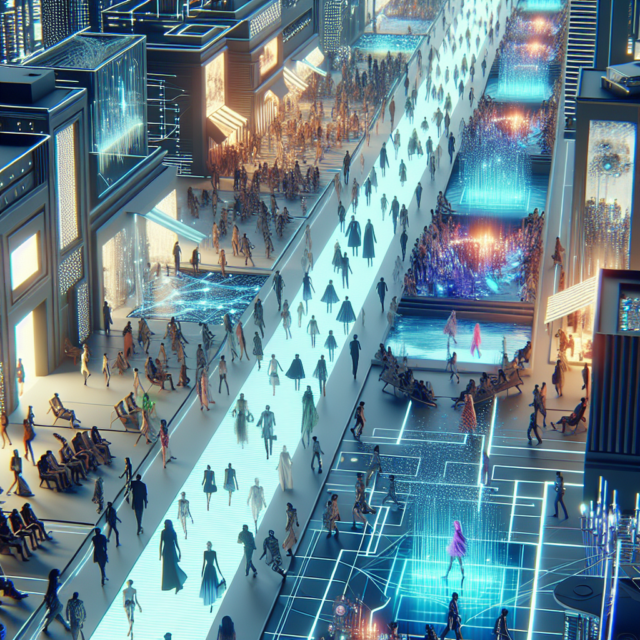
Finally, virtual fashion shows are becoming a staple in the metaverse, offering designers a platform to showcase their collections to a global audience. These events, often accompanied by immersive experiences and interactive features, provide an unparalleled opportunity for fashion lovers to engage with the latest trends. As the metaverse continues to evolve, so too will the ways in which we experience and participate in fashion.

Analyzing Virtual Wardrobes and Style Innovations

The concept of a virtual wardrobe is transforming how we think about personal style and fashion consumption. Unlike traditional wardrobes, which are limited by physical space and material resources, virtual wardrobes offer endless possibilities for customization and experimentation. This week, the metaverse has seen a surge in interest around customizable avatars, allowing users to curate their digital personas with a vast array of clothing and accessory options.

One of the key innovations in virtual wardrobes is the ability to mix and match items from different collections and designers, creating unique looks that reflect individual tastes. This flexibility encourages users to experiment with styles they may not have considered in the physical world, leading to a more diverse and inclusive fashion ecosystem. As a result, the metaverse is becoming a space where creativity and self-expression are celebrated.

Another significant development is the rise of virtual fashion influencers, who curate digital outfits and share their style tips with followers. These influencers often collaborate with designers to showcase new collections, providing inspiration for users looking to update their virtual wardrobes. Their influence is reshaping the way fashion trends are disseminated and adopted within the metaverse, creating a dynamic and ever-changing style landscape.

The integration of artificial intelligence (AI) into virtual fashion is also driving innovation. AI-powered tools can analyze user preferences and suggest personalized outfit combinations, making it easier for users to navigate the vast array of options available in virtual wardrobes. This technology not only enhances the user experience but also encourages engagement with digital fashion, as users can discover new styles that align with their tastes.

Moreover, virtual wardrobes are fostering a sense of community among users, who can share and trade digital clothing items with one another. This social aspect of virtual fashion encourages collaboration and creativity, as users work together to create unique and personalized looks. As this community grows, so does the potential for collective innovation in digital fashion design.

Lastly, the concept of digital wardrobes is challenging traditional notions of ownership and value in fashion. As users invest in virtual clothing items, questions arise about the longevity and significance of digital garments. However, as the metaverse continues to expand, it is clear that virtual wardrobes are not just a passing trend but a fundamental shift in how we engage with fashion.

How Digital Fashion is Shaping the Future of Style

Digital fashion is not only reshaping the present but also paving the way for the future of style. One of the most profound impacts is the democratization of fashion, as digital platforms provide equal opportunities for designers and consumers to engage with style. In the metaverse, geographical and economic barriers are minimized, allowing designers from diverse backgrounds to showcase their work and reach a global audience.

This democratization extends to consumers, who can access a wide range of styles and designs without the limitations of physical production and distribution. As a result, digital fashion is fostering a more inclusive and diverse fashion landscape, where creativity and innovation are prioritized over traditional norms and hierarchies. This shift is encouraging a new generation of designers to explore unconventional approaches to fashion design.

The sustainability aspect of digital fashion is also influencing the future of style. By reducing the environmental impact of clothing production and consumption, digital fashion offers a more sustainable alternative for fashion enthusiasts. This focus on sustainability is prompting traditional fashion brands to reconsider their practices and explore digital solutions, leading to a more eco-conscious industry overall.

Furthermore, digital fashion is driving technological advancements in the fashion industry. The integration of blockchain technology, for example, is providing new ways to authenticate and trade digital garments, creating a more secure and transparent market for virtual fashion. These innovations are not only enhancing the user experience but also setting new standards for the industry as a whole.

The rise of digital fashion is also prompting a re-evaluation of the fashion cycle. In the metaverse, trends can emerge and evolve rapidly, without the constraints of traditional fashion seasons. This fluidity allows for a more dynamic and responsive fashion ecosystem, where designers and consumers can adapt to changing tastes and preferences in real-time. As a result, the future of style is likely to be characterized by greater flexibility and adaptability.

Finally, digital fashion is inspiring a new generation of fashion professionals who are skilled in both design and technology. As the demand for digital fashion continues to grow, so too does the need for experts who can navigate the intersection of fashion and technology. This shift is creating new opportunities for innovation and collaboration, ensuring that digital fashion will remain a driving force in the evolution of style.

As we navigate the rapidly evolving landscape of the metaverse, it is clear that digital fashion is more than just a fleeting trend. It represents a fundamental shift in how we engage with style, offering new possibilities for creativity, inclusivity, and sustainability. This week’s exploration of fashion trends in the metaverse highlights the exciting innovations and developments shaping the future of fashion. As we continue to embrace the digital realm, the potential for innovation and transformation in the fashion industry is limitless.

Exploring Recent Innovations Shaping the Metaverse

The metaverse, a term that has gained significant traction in recent years, represents a collective virtual shared space, created by the convergence of virtually enhanced physical reality and physically persistent virtual space. This digital universe is rapidly evolving, driven by technological innovations that promise to redefine how we interact with the world and each other. Central to this transformation are advancements in virtual reality, blockchain, and artificial intelligence, which are shaping the metaverse into a more immersive, secure, and interactive space.

Virtual Reality: The Metaverse’s Immersive Frontier

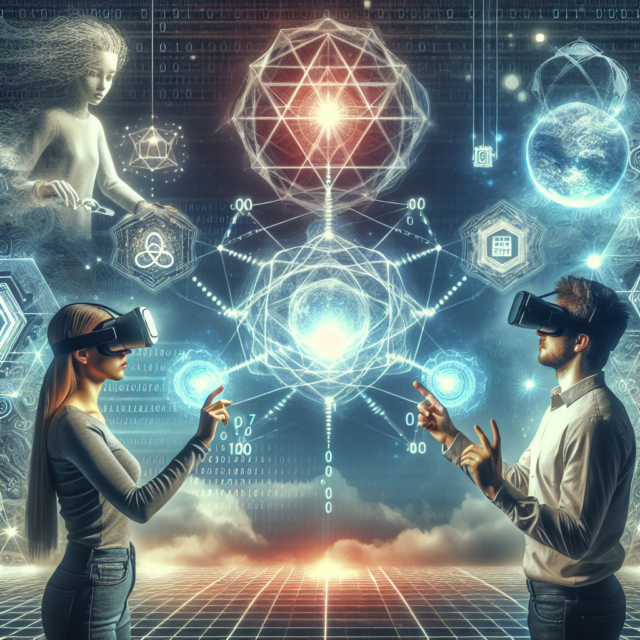
Virtual reality (VR) stands at the forefront of the metaverse revolution, offering unprecedented levels of immersion that blur the lines between the digital and physical worlds. As VR technology continues to advance, it enables more sophisticated simulations of real-world experiences, allowing users to engage with the metaverse in more meaningful ways. High-resolution displays, precise motion tracking, and spatial audio work together to create environments that feel palpably real, enhancing the user’s sense of presence within the digital realm.

Developers are pushing the boundaries of VR hardware, with innovations such as wireless headsets and haptic feedback systems that provide tactile sensations to users. These advancements make VR experiences more convenient and realistic, removing barriers that previously hindered widespread adoption. Additionally, the integration of eye-tracking technology enables more intuitive interactions, making the virtual world more responsive to user actions and emotions.

On the software side, VR platforms are becoming increasingly sophisticated, featuring detailed and expansive virtual worlds that offer endless possibilities for exploration and interaction. From social spaces where users can meet and collaborate, to immersive gaming environments that offer new levels of engagement, VR is transforming the way we connect and entertain ourselves. Moreover, educational and professional applications are emerging, providing immersive training and remote collaboration opportunities that were previously unimaginable.

The metaverse’s immersive frontier is also being shaped by the development of cross-platform compatibility, allowing users to seamlessly transition between different VR environments. This interoperability is crucial for creating a unified metaverse experience, where users can retain their digital identities and assets across various platforms. As VR ecosystems continue to expand, the potential for interconnected virtual worlds becomes increasingly viable, paving the way for a truly expansive metaverse.

However, the journey to a fully realized VR-based metaverse is not without challenges. Issues such as accessibility, cost, and user comfort remain significant hurdles that developers must address. Additionally, the need for improved content creation tools and standards is critical to ensure the metaverse remains an inclusive and engaging space for all users. Despite these obstacles, the continuous evolution of VR technology promises to unlock new dimensions of interaction and creativity within the metaverse.

In conclusion, virtual reality is undeniably a cornerstone of the metaverse’s immersive frontier, offering transformative experiences that extend beyond traditional digital interactions. As technology progresses, the possibilities for VR within the metaverse are boundless, promising to redefine how we perceive and engage with the world around us.

Blockchain’s Role in Metaverse Security and Ownership

Blockchain technology plays a pivotal role in the metaverse by providing a secure and transparent framework for digital ownership and transactions. As the metaverse expands, the need for a decentralized system that ensures the authenticity and security of digital assets becomes increasingly important. Blockchain’s immutable ledger and cryptographic principles offer a solution to these challenges, enabling users to confidently own and trade virtual goods and currencies.

One of the primary applications of blockchain in the metaverse is the creation of non-fungible tokens (NFTs), which represent unique digital assets such as virtual land, art, and collectibles. NFTs provide verifiable proof of ownership and provenance, ensuring that digital assets cannot be duplicated or counterfeited. This capability is essential for establishing a robust economy within the metaverse, where users can buy, sell, and trade assets with confidence.

Blockchain also enhances security within the metaverse by enabling decentralized identity management. Users can create and manage their digital identities without relying on centralized authorities, reducing the risk of data breaches and identity theft. This decentralized approach empowers users to control their personal information and interactions within the metaverse, fostering a more secure and user-centric environment.

Furthermore, blockchain facilitates interoperability between different metaverse platforms by standardizing digital asset ownership and transactions. This interoperability allows users to transfer assets and identities seamlessly across various virtual worlds, enhancing the overall metaverse experience. By enabling cross-platform compatibility, blockchain technology supports the vision of a unified and interconnected digital universe.

Despite its potential, the integration of blockchain into the metaverse is not without challenges. Scalability, energy consumption, and regulatory concerns are significant issues that developers and stakeholders must address to ensure the technology’s sustainable and ethical use. Additionally, user education and accessibility are crucial to ensure widespread adoption and understanding of blockchain-based systems within the metaverse.

In summary, blockchain technology is a fundamental component of the metaverse, providing the security and ownership framework necessary for a thriving digital economy. As the metaverse continues to grow, blockchain’s role in facilitating secure transactions and decentralized identity management will be instrumental in shaping a transparent and equitable digital landscape.

AI-Powered Avatars: Enhancing Digital Interactions

Artificial intelligence (AI) is revolutionizing digital interactions within the metaverse by enabling the creation of intelligent avatars that enhance user engagement and communication. These AI-powered avatars are designed to understand and respond to user inputs in a natural and intuitive manner, bridging the gap between human and machine interactions. By leveraging machine learning algorithms and natural language processing, AI avatars can simulate realistic conversations and behaviors, providing users with more personalized and meaningful experiences.

One of the key advantages of AI-powered avatars is their ability to learn and adapt to user preferences over time. Through continuous interaction, these avatars can tailor their responses and actions to align with individual user needs, creating a more personalized and engaging experience. This adaptability is particularly valuable in social and collaborative environments within the metaverse, where effective communication and understanding are crucial.

AI avatars also play a significant role in accessibility, enabling users with disabilities to interact with the metaverse in new and innovative ways. By providing voice recognition and gesture-based controls, AI can facilitate more inclusive interactions, ensuring that all users can participate fully in the digital world. This inclusivity is essential for creating a diverse and equitable metaverse that reflects the richness of human experience.

Moreover, AI-powered avatars are transforming the way content is created and consumed within the metaverse. By automating repetitive tasks and assisting with creative processes, AI can enhance productivity and innovation. For instance, AI can generate realistic animations, design virtual environments, and even compose music, expanding the creative possibilities within the metaverse. This capability allows users to focus on more complex and creative aspects of content creation, driving the evolution of digital experiences.

However, the use of AI in the metaverse raises important ethical and privacy considerations. Ensuring that AI systems are transparent, fair, and respectful of user privacy is crucial to maintaining trust and integrity within the digital ecosystem. Developers must prioritize ethical AI practices and engage in ongoing dialogue with users and stakeholders to address these concerns effectively.

In conclusion, AI-powered avatars are a transformative force within the metaverse, enhancing digital interactions and expanding the possibilities for communication, creativity, and accessibility. As AI technology continues to advance, its integration into the metaverse will play a critical role in shaping the future of digital interactions and experiences.

The metaverse is rapidly evolving into a complex digital ecosystem, driven by innovations in virtual reality, blockchain, and artificial intelligence. These technologies are reshaping how we interact with digital environments, offering new levels of immersion, security, and interactivity. As we continue to explore the potential of the metaverse, it is essential to address the challenges and ethical considerations that accompany these advancements. By doing so, we can create a digital universe that is inclusive, secure, and reflective of our diverse human experience. The journey into the metaverse is only beginning, and the possibilities are as limitless as our imagination.

Exploring Emerging Digital Trends in Luxury Markets

In recent years, the luxury market has witnessed a transformative shift driven by digital innovations. As technology continues to evolve, luxury brands are increasingly embracing these advancements to enhance their offerings and redefine the consumer experience. This article delves into the emerging digital trends shaping the luxury sector, exploring how technology is revolutionizing luxury experiences and providing insights into navigating the future of luxury through these digital trends.

Unveiling the Latest in Digital Luxury Innovations

The luxury market, once defined by exclusivity and tradition, is now at the forefront of digital transformation. One of the most significant innovations is the integration of augmented reality (AR) and virtual reality (VR) technologies. These tools allow consumers to virtually try on products, from high-end fashion to jewelry, offering a personalized and immersive shopping experience that transcends geographic boundaries. This technological leap not only enhances customer engagement but also opens new avenues for storytelling and brand interaction.

Artificial intelligence (AI) is another game-changer in the digital luxury landscape. Luxury brands are leveraging AI to provide personalized recommendations, tailor marketing strategies, and optimize supply chain management. By analyzing consumer data, AI algorithms can predict trends and preferences, enabling brands to deliver bespoke services that cater to the unique desires of their clientele. This level of personalization enhances customer loyalty and sets new standards for luxury service.

Blockchain technology is revolutionizing the way luxury goods are authenticated and traced. By providing a secure and transparent ledger, blockchain ensures the provenance of luxury items, combating counterfeiting and enhancing consumer trust. This innovation is particularly significant in the art and fashion industries, where authenticity is paramount. As blockchain adoption grows, it is set to redefine the standards of transparency and integrity in the luxury market.

Another emerging trend is the rise of digital fashion, where luxury brands are creating exclusive digital-only collections. These virtual garments, designed for avatars in digital worlds or social media platforms, cater to a tech-savvy audience seeking unique and sustainable fashion experiences. Digital fashion not only reduces the environmental impact associated with physical production but also taps into the growing demand for individuality and self-expression in the digital realm.

Luxury brands are also investing in e-commerce platforms tailored to deliver high-end digital experiences. These platforms are designed to replicate the exclusivity and sophistication of physical boutiques, offering features like virtual consultations, personalized customer service, and seamless payment options. The fusion of luxury and digital commerce is reshaping consumer expectations and driving brands to innovate continually.

Lastly, the integration of Internet of Things (IoT) technology in luxury products is gaining momentum. From smartwatches to connected cars, luxury brands are incorporating IoT to enhance functionality and provide a seamless lifestyle experience. This connectivity not only adds value to luxury items but also aligns with the consumer’s desire for convenience and cutting-edge innovation.

How Technology is Redefining Luxury Experiences

Technology is fundamentally altering the way consumers interact with luxury brands, creating experiences that are more immersive, personalized, and convenient. One of the most notable changes is the shift towards experiential luxury, where brands focus on creating memorable moments rather than just selling products. This approach is facilitated by technology, allowing brands to craft unique experiences that resonate with consumers on an emotional level.

The concept of virtual showrooms has gained traction, providing consumers with the opportunity to explore luxury products in a digital space. These virtual environments offer an interactive experience, allowing customers to view products from different angles, customize features, and even simulate usage scenarios. This innovation not only enhances accessibility but also enables brands to showcase their collections in a dynamic and engaging manner.

Personalization is at the core of the digital luxury experience, with brands using data analytics to tailor interactions and offerings. From customized product recommendations to personalized marketing messages, technology enables brands to connect with consumers on a deeper level. This level of personalization fosters a sense of exclusivity and strengthens the bond between the brand and its clientele.

The integration of AI-powered virtual assistants and chatbots is transforming customer service in the luxury sector. These digital concierges provide instant support and guidance, enhancing the consumer journey from discovery to purchase. By automating routine inquiries and offering personalized assistance, luxury brands can deliver a seamless and efficient service experience, further elevating their customer engagement strategies.

The use of technology in crafting bespoke luxury experiences extends to the realm of travel and hospitality. Luxury hotels and resorts are utilizing smart technology to offer personalized services, such as room preferences, curated itineraries, and exclusive experiences. This level of customization, powered by digital tools, ensures that every aspect of the guest’s stay is tailored to their preferences, enhancing satisfaction and loyalty.

Finally, technology is enabling luxury brands to embrace sustainability, a growing concern among consumers. Digital innovations, such as virtual fashion and blockchain, allow brands to reduce their environmental impact and promote ethical practices. By aligning with the values of their consumers, luxury brands can redefine their image and appeal to a conscious audience, ensuring relevance in an ever-evolving market.

Navigating the Future of Luxury Through Digital Trends

As luxury brands continue to embrace digital trends, they must navigate the challenges and opportunities that come with this transformation. One of the key considerations is maintaining the balance between exclusivity and accessibility. While digital platforms offer unprecedented reach, luxury brands must ensure that their offerings retain the allure and prestige associated with their heritage.

The integration of digital technology also necessitates a focus on cybersecurity and data privacy. As brands collect and analyze consumer data to enhance personalization, they must prioritize the protection of this information to maintain trust and credibility. Implementing robust security measures and transparent data policies is essential in safeguarding the brand’s reputation and consumer relationships.

In the realm of digital marketing, luxury brands must adapt to the changing landscape by embracing new platforms and strategies. Social media, influencer collaborations, and immersive content are becoming integral to reaching and engaging with a tech-savvy audience. By leveraging these channels, luxury brands can create authentic connections and expand their reach to younger demographics.

Innovation in digital luxury also calls for a reimagining of the traditional retail model. As consumers increasingly value experiences over ownership, brands must explore new business models, such as subscription services or digital ownership, to meet evolving consumer preferences. This shift requires a dynamic approach, where brands continuously adapt and innovate to stay ahead of the curve.

The evolution of digital luxury is also driving collaboration between traditional luxury brands and tech companies. By partnering with technology firms, luxury brands can access cutting-edge innovation and expertise, enhancing their digital capabilities and staying competitive in a rapidly changing market. These collaborations can lead to groundbreaking products and services, setting new benchmarks for luxury experiences.

Looking ahead, the future of luxury lies in the seamless integration of digital and physical experiences. As technology continues to advance, luxury brands must embrace a holistic approach that combines the best of both worlds. By creating hybrid experiences that leverage the strengths of digital innovation and traditional craftsmanship, luxury brands can redefine the essence of luxury for the modern consumer.

The digital transformation of the luxury market is an ongoing journey, marked by continuous innovation and adaptation. As technology reshapes consumer expectations and industry standards, luxury brands must navigate this dynamic landscape with agility and foresight. By embracing emerging digital trends, luxury brands can not only enhance their offerings but also redefine the very notion of luxury, ensuring their relevance and appeal in a rapidly evolving world.

Enhancing Customer Engagement Through VR Experiences

In the rapidly evolving landscape of digital marketing and customer interaction, businesses are continually seeking innovative ways to engage their audiences. Virtual Reality (VR) has emerged as a transformative technology with the potential to revolutionize customer engagement. By immersing users in interactive and lifelike environments, VR offers novel experiences that go beyond traditional media. This article explores the role of VR in customer engagement, highlights its key benefits for enhancing user experience, and examines its practical applications across various industries.

Exploring the Role of VR in Customer Engagement

Virtual Reality has transcended its initial niche within gaming and entertainment to become a powerful tool for businesses aiming to enhance customer engagement. At its core, VR provides an immersive experience that allows users to interact with digital content in a three-dimensional space. This capability opens up new avenues for storytelling, enabling brands to create compelling narratives that captivate and retain audience attention. By providing an environment where customers can experience a product or service firsthand, VR bridges the gap between imagination and reality, thereby fostering deeper connections with the brand.

One of the most significant roles VR plays in customer engagement is its ability to create memorable experiences. Unlike traditional advertising methods, which often rely on passive consumption of content, VR actively involves the user, making the experience more impactful and likely to be remembered. This heightened level of engagement can lead to increased brand loyalty and customer retention, as users are more likely to return to a brand that offers unique and enjoyable experiences.

Additionally, VR allows for personalized interactions with customers, enhancing the overall engagement process. By leveraging data analytics and user preferences, businesses can tailor VR experiences to meet individual needs and interests. This level of personalization not only improves customer satisfaction but also encourages repeat interactions, as users feel valued and understood by the brand.

The role of VR in customer engagement extends to educational and informative experiences as well. For example, brands can use VR to educate customers about complex products or services by allowing them to explore and interact with the features in a virtual setting. This hands-on approach facilitates better understanding and retention of information, ultimately leading to more informed purchasing decisions.

Furthermore, VR can help businesses overcome geographical barriers, reaching a global audience without the need for physical presence. This is particularly beneficial for industries such as real estate or travel, where potential customers can explore properties or destinations from the comfort of their homes. By offering virtual tours, businesses can engage with a wider demographic, expanding their reach and influence.

Finally, VR fosters a sense of community and connection among users. By creating shared experiences in virtual spaces, brands can encourage social interaction and collaboration, enhancing the overall engagement process. This sense of community can lead to the formation of brand advocates who actively promote the brand within their networks, further amplifying its reach.

Key Benefits of VR for Enhancing User Experience

One of the primary benefits of VR in enhancing user experience is its ability to create immersive environments that captivate and engage users. By simulating real-world scenarios or creating entirely new worlds, VR allows users to experience content in a way that feels authentic and compelling. This immersion leads to heightened emotional connections, making users more receptive to the brand’s message and more likely to form lasting impressions.

Another significant advantage of VR is its capacity to provide interactive experiences. Unlike traditional media, which often involves passive consumption, VR encourages active participation, allowing users to explore and interact with content at their own pace. This interactivity fosters a sense of agency and control, empowering users and enhancing their overall experience. As a result, users are more likely to spend extended periods engaging with the brand, increasing the likelihood of conversion and retention.

VR also offers the benefit of personalization, allowing brands to tailor experiences to individual preferences and needs. By utilizing data analytics and user insights, businesses can create customized VR experiences that resonate with their audience on a personal level. This personalization not only enhances user satisfaction but also strengthens the relationship between the brand and the customer, fostering loyalty and repeat engagement.

Moreover, VR provides a platform for experiential learning, which can be particularly beneficial for complex products or services. By allowing users to interact with and explore features in a virtual setting, VR facilitates a deeper understanding of the product, leading to more informed purchasing decisions. This hands-on approach to learning enhances user confidence and satisfaction, contributing to a positive overall experience.

The use of VR can also streamline the decision-making process for customers by providing realistic simulations of products or services. For example, in the automotive industry, potential buyers can take virtual test drives, experiencing the vehicle’s features and performance without leaving the showroom. This practical application of VR reduces the uncertainty and risk associated with purchasing decisions, enhancing user confidence and satisfaction.

Finally, VR enhances user experience by offering unique and memorable interactions that stand out in the crowded digital landscape. By providing novel and engaging experiences, VR helps brands differentiate themselves from competitors, capturing the attention of potential customers and creating a lasting impression. This differentiation is crucial in today’s competitive market, where brands must continually innovate to maintain relevance and attract new audiences.

Practical Applications of VR in Various Industries

The practical applications of VR in various industries are vast and continually expanding, as businesses recognize the technology’s potential to enhance customer engagement and drive growth. In the retail sector, for example, VR is being used to create virtual showrooms and fitting rooms, allowing customers to browse and try on products in a realistic setting without leaving their homes. This application not only enhances convenience for customers but also reduces the overhead costs associated with physical retail spaces.

In the real estate industry, VR is revolutionizing the way properties are marketed and sold. By offering virtual tours, real estate agents can showcase properties to potential buyers around the world, providing an immersive experience that allows them to explore every detail of the home. This application of VR not only expands the reach of real estate listings but also accelerates the decision-making process, as buyers can quickly assess whether a property meets their needs.

The travel and tourism industry is also benefiting from VR technology, with virtual tours and experiences allowing potential travelers to explore destinations before making a booking. By providing a taste of what a location has to offer, VR can inspire wanderlust and drive bookings, as users are more likely to commit to a trip after experiencing it virtually. This application of VR enhances customer engagement by providing a tangible preview of the travel experience, reducing the uncertainty and risk associated with travel planning.

In the education sector, VR is being used to create immersive learning environments that engage and motivate students. By simulating real-world scenarios or historical events, VR allows learners to experience content in a way that is both informative and engaging. This application of VR enhances student understanding and retention of information, contributing to improved educational outcomes.

The healthcare industry is also leveraging VR technology to enhance patient care and treatment outcomes. By providing virtual simulations of medical procedures, VR can help train healthcare professionals, improving their skills and confidence. Additionally, VR is being used for patient education, allowing individuals to better understand their conditions and treatment options through interactive experiences. This application of VR enhances patient engagement and satisfaction, contributing to better health outcomes.

Finally, the automotive industry is utilizing VR to enhance the customer experience and streamline the purchasing process. By offering virtual test drives and interactive product demonstrations, automotive brands can provide potential buyers with a comprehensive understanding of their vehicles’ features and performance. This application of VR not only enhances customer engagement but also reduces the time and resources required for in-person demonstrations, increasing efficiency and cost-effectiveness.

As businesses continue to explore innovative ways to engage their customers, Virtual Reality stands out as a powerful tool with the potential to transform the customer experience. By providing immersive, interactive, and personalized experiences, VR enhances user engagement, fosters brand loyalty, and drives growth across various industries. As technology continues to evolve, the applications and benefits of VR are likely to expand even further, offering exciting opportunities for businesses to connect with their audiences in meaningful and memorable ways. Embracing VR as part of a comprehensive customer engagement strategy can position brands at the forefront of innovation, ensuring their relevance and success in the digital age.

Popular Posts

My Favorites