Metaverse

Home Metaverse Page 173

Solving DeFi Fragmentation: How Omniston Scales Liquidity On TON

Solving DeFi Fragmentation: How Omniston Scales Liquidity On TON


In Brief

STON.fi has unveiled the Omniston decentralized liquidity aggregation protocol for TON, designed to address the challenges of market fragmentation within the expanding TON ecosystem.

Solving DeFi Fragmentation: How Omniston Scales Liquidity On TON

Developer of the automated market maker (AMM) protocol, STON.fi unveiled Omniston, the first decentralized liquidity aggregation protocol specifically optimized for the architecture of The Open Network (TON) blockchain. Omniston, now live within the STON.fi decentralised application (dApp), seeks to address the challenges of market fragmentation within the growing TON ecosystem.

Omniston aims to tackle several issues faced by the decentralized finance (DeFi) space, where liquidity providers and market makers encounter inefficiencies in capital allocation and limited access to broader user bases. DeFi developers also face challenges with redundant technical integrations across multiple decentralized exchanges (DEXs), leading to increased costs and complexity. Users, on the other hand, often face suboptimal swap rates and a limited trading experience due to fragmented liquidity.

Omniston introduces a series of innovations designed to streamline liquidity management, improve swapping efficiency, and broaden market access throughout the TON ecosystem. Liquidity providers and market makers can now quickly access the market and effortlessly connect with users across all major TON applications via Omniston’s extensive distribution network. The protocol’s horizontally scalable backend is built to handle the potential scale of up to 1 billion users within the Telegram ecosystem, allowing market makers and liquidity providers to focus on their trading strategies without the concern of infrastructure limitations.

For DeFi developers, Omniston removes the need to manage multiple technical integrations across various DEXs or to independently source liquidity from numerous providers. This allows them to concentrate on refining the core features of their projects while Omniston takes care of liquidity management. Additionally, through its integration with STON.fi, users benefit from optimized token swaps, access to deep liquidity, and faster transaction execution, ensuring reliable and cost-effective trades with minimal slippage and improved price stability.

Omniston is reshaping liquidity infrastructure on TON by eliminating the barriers between liquidity providers and applications. With just a single integration, liquidity providers can access an expanding network of DeFi protocols, streamlining both integration processes and operational efforts. Early adopters of Omniston have reported reductions in maintenance costs by as much as 70% and have seen onboarding times drop from over a month to just a few days.

Currently, Omniston consolidates liquidity from the largest DeFi protocols on TON. As more liquidity protocols are integrated in the near future, developers of DeFi applications will automatically gain access to an expanded liquidity pool, offering users better trading opportunities without requiring additional technical work or further investment from developers.

In the second quarter of 2025, Omniston plans to introduce support for proprietary liquidity from OTC market makers. Additionally, cross-chain swaps are set to be implemented, connecting TON’s liquidity to other major blockchain ecosystems, which will broaden the available opportunities for participants across the DeFi landscape.

Understanding How Omniston Operates

All transactions within the system are carried out in a trustless environment, leveraging smart routing and decentralized swap mechanisms to ensure both security and efficiency in execution. If all parties adhere to the protocol, the transaction proceeds smoothly. However, if any participant deviates or acts inappropriately, the transaction is automatically canceled, and the funds are returned to their respective parties. 

According to the process, a user initiates a swap through an application, which then forwards the request to Omniston. Omniston generates a request-for-quote (RFQ) and sends it to the connected resolvers. The resolvers return their quotes to Omniston, which then selects the most favorable option. Once the quote is chosen, the transaction is executed, and both parties receive their respective tokens.

Exploring Omniston’s Roadmap: What’s Ahead For The Protocol

At this stage, Omniston is prioritizing accessibility and user adoption over monetization. According to Andrey Fedorov, the company’s Chief Marketing Officer and acting Chief Business Development Officer, the goal is to encourage developers and liquidity providers to start engaging with the platform without any immediate financial barriers. Currently, the protocol does not impose any fees, as the focus is on fostering participation and building a network of integrated applications. This approach allows liquidity providers to begin earning from their involvement, while developers using Omniston can implement their own revenue-generating models on top of the protocol.

Regarding future monetization, Andrey Fedorov notes that while revenue strategies are expected to emerge over time, they may not follow the conventional pay-to-use format. Given that Omniston only recently launched, the team is primarily focused on expanding adoption by onboarding more applications and liquidity providers. Monetization strategies will be explored after broader integration is achieved, though this does not necessarily imply that users will face usage fees in the future.

As for development plans, the introduction of cross-chain swap functionality represents a milestone on the roadmap. Although Omniston is currently deployed on the TON blockchain, the underlying architecture is already designed for cross-chain operations, and active testing is underway. The rollout will be gradual, with Tron expected to be the first additional network, followed by expansion into Ethereum Virtual Machine (EVM)-compatible blockchains. This phased approach ensures that each integration is carefully validated before broader deployment.

Disclaimer

In line with the Trust Project guidelines, please note that the information provided on this page is not intended to be and should not be interpreted as legal, tax, investment, financial, or any other form of advice. It is important to only invest what you can afford to lose and to seek independent financial advice if you have any doubts. For further information, we suggest referring to the terms and conditions as well as the help and support pages provided by the issuer or advertiser. MetaversePost is committed to accurate, unbiased reporting, but market conditions are subject to change without notice.

About The Author


Alisa, a dedicated journalist at the MPost, specializes in cryptocurrency, zero-knowledge proofs, investments, and the expansive realm of Web3. With a keen eye for emerging trends and technologies, she delivers comprehensive coverage to inform and engage readers in the ever-evolving landscape of digital finance.

More articles


Alisa Davidson


Alisa, a dedicated journalist at the MPost, specializes in cryptocurrency, zero-knowledge proofs, investments, and the expansive realm of Web3. With a keen eye for emerging trends and technologies, she delivers comprehensive coverage to inform and engage readers in the ever-evolving landscape of digital finance.


More articles


Source link

Vanilla Launches 10,000x Leverage Super Perpetuals on BNB Chain

Vanilla Launches 10,000x Leverage Super Perpetuals on BNB Chain


In Brief

Vanilla Finance launches 10,000x leverage Super Perpetuals on BNB Chain, bringing no-liquidation, capital-efficient trading to DeFi’s fastest-growing network.

Vanilla Launches 10,000x Leverage Super Perpetuals on BNB Chain

Vanilla Finance, the leading on-chain trading protocol on Telegram, is expanding its infrastructure to BNB Chain with the launch of Super Perpetuals. Super Perpetuals support up to 10,000x leverage and are uniquely designed with no liquidation risk, offering a safer and more capital-efficient trading experience. This launch marks a major step forward in Vanilla’s mission to become the foundational on-chain trading infrastructure across Web3.

Super Perps has already achieved a remarkable $37 billion in cumulative trading volume, 6 million registered users, and 1.4 million active traders, solidifying Vanilla Finance’s position as a dominant force in the DeFi trading space.

A Game-Changer in DeFi: Super Perps

At the heart of Vanilla Finance’s success is their Super Perps, a groundbreaking product that allows traders to gain exposure to cryptocurrencies like Bitcoin, ETH, Doge and many others with unprecedented flexibility. With Super Pers, users can leverage up to 10,000x, meaning they can own one Bitcoin—valued at $93,000 as of today—for as little as $10. Unlike traditional leveraged trading, Super Perps eliminates the risk of liquidation, offering a safer and more accessible way for traders to participate in volatile markets.

This unique feature has resonated with both seasoned traders and newcomers, driving Vanilla Finance’s rise. “Super Perps is designed to empower everyone, from Web3 natives to Web2 users, by making high-potential trading simple and secure,” said Michael Cameron, Co-Founder & CMO of Vanilla Finance, at the Hong Kong Consensus Conference in March 2025. “Our product brings the efficiency of traditional finance to DeFi, and the results speak for themselves.”

Why BNB Chain

The integration with BNB Chain, known for its speed and low transaction costs, enhances Super Perps scalability and accessibility, positioning Vanilla Finance to capture an even larger share of the DeFi market.

“Launching Super Perps on BNB Chain is a pivotal moment for us,” Cameron added. “BNB Chain’s robust infrastructure allows us to scale our vision of making DeFi inclusive and efficient, while our partnership with DeFi Llama ensures our users have access to transparent, reliable data.”

Vanilla Finance’s Achievements

The official launch of Super Perps on BNB Chain is just the beginning. Vanilla Finance is committed to pushing the boundaries of DeFi by introducing new features, expanding to additional blockchains, and forging strategic partnerships.

In just seven months, the platform achieved over $37 billion in trading volume, attracted 1.4 million cumulative traders and 6 million total users, secured the #1 trading volume rank among Telegram-based exchanges, and was selected for both Binance MVB Season 8 Cohort and CoinMarketCap’s CMC Labs Accelerator Program.

Not to mention with investments from prominent venture firms like UOB Ventures, ABCDE Labs, and Paper Ventures, Vanilla Finance is well-positioned to sustain its rapid growth. The platform’s focus on security, compliance, and innovation has earned it the trust of users and investors alike, setting the stage for even greater milestones.

Whats Next for Vanilla Finance

Fresh off its reign as Telegram’s top trading protocol by volume, Vanilla Finance is charging into the BNB Chain with its bold new venture: Super Perpetuals. Known for its vibrant DeFi scene and developer-friendly vibe, BNB Chain is the perfect stage for Vanilla’s next act.

Vanilla’s sights are set on dominating the perpetuals market on BNB Chain, aiming to outpace rivals in trading volume and user buzz. The team is pulling out all the stops—expanding asset options, sharpening the trading experience, and reeling in both casual traders and seasoned pros.

But Vanilla’s ambitions don’t stop there. The platform is gunning to become the backbone of on-chain trading across every major blockchain. With cutting-edge, capital-efficient derivatives and a growing arsenal of permissionless tools, Vanilla is poised to redefine decentralized trading on a global scale. Buckle up—this is just the beginning. (CMC Labs: Partnership)

Disclaimer

In line with the Trust Project guidelines, please note that the information provided on this page is not intended to be and should not be interpreted as legal, tax, investment, financial, or any other form of advice. It is important to only invest what you can afford to lose and to seek independent financial advice if you have any doubts. For further information, we suggest referring to the terms and conditions as well as the help and support pages provided by the issuer or advertiser. MetaversePost is committed to accurate, unbiased reporting, but market conditions are subject to change without notice.

About The Author


Victoria is a writer on a variety of technology topics including Web3.0, AI and cryptocurrencies. Her extensive experience allows her to write insightful articles for the wider audience.

More articles


Victoria d’Este


Victoria is a writer on a variety of technology topics including Web3.0, AI and cryptocurrencies. Her extensive experience allows her to write insightful articles for the wider audience.


Source link

Solv Protocol, Fragmetric, And Zeus Network Partner To Debut FragBTC: Solana’s Native Yield-Generating Bitcoin Product

Solv Protocol, Fragmetric, And Zeus Network Partner To Debut FragBTC: Solana’s Native Yield-Generating Bitcoin Product


In Brief

Solv Protocol, in collaboration with Zeus Network and Fragmetric, has launched FragBTC to enable Bitcoin holders on Solana to participate in DeFi.

Solv Protocol, Fragmetric, And Zeus Network Roll Out FragBTC: Solana's First Native Yield-Generating Bitcoin Product

On-chain Bitcoin reserve and staking platform, Solv Protocol announced that it has launched FragBTC, the first Solana-native, yield-generating Bitcoin solution. This development, in collaboration with the multi-chain layer Zeus Network and the liquid restaking protocol Fragmetric, aims to enable Bitcoin holders on Solana to participate in decentralized finance (DeFi). 

The yield for FragBTC is driven by SolvBTC.JUP, a Solv Bitcoin yield strategy that generates Bitcoin-denominated returns from JLP on Jupiter Exchange. This approach reduces market fluctuation risks associated with centralized exchanges (CEXs), offering risk-adjusted returns tailored to the varying risk profiles of Bitcoin holders. Additionally, Solv Protocol has become the first Institutional Guardian for Zeus Network, helping to bring native Bitcoin to Solana, with other guardians such as Mechanism Capital, Animoca Ventures, and Anagram also involved in the initiative.

Ryan Chow, CEO and co-founder of Solv Protocol, explained that Bitcoin yields have historically been limited and dispersed across centralized finance (CeFi) platforms, with very little availability in DeFi.

“That’s why bringing Solana-native, real Bitcoin yield to Solana is a significant milestone for us, powered by our SolvBTC.JUP as the underlying yield engine,” said Ryan Chow in a written statement. “With Solana being one of the most vibrant and composable DeFi ecosystems, we’re excited to contribute to its growth and unlock new yield opportunities for Bitcoin holders,” he added.

The fragmented nature of the BTCFi landscape has made it challenging for users to access consistent and reliable Bitcoin yield, as noted by Sang Kim, COO of Fragmetric Labs.

“Solv Protocol addressed BTC fragmentation by creating a unified solution for real, sustainable BTC yield,” said Sang Kim in a written statement. “We’re proud to partner with Solv Protocol to bring this unified yield directly to the Solana ecosystem and lead the charge in unlocking Bitcoin’s true value,” he added.

Bringing Bitcoin To Solana With Enhanced Security For Protocol And Users

Bringing Bitcoin to high-performance chains like Solana has traditionally depended on centralized custodians or cross-chain wrappers, which can present security risks and inconsistent standards for users. These methods often lack transparency and verifiability, creating trust issues and hindering institutional adoption of Bitcoin in decentralized finance (DeFi). 

Therefore, introducing Bitcoin into the Solana ecosystem in a native and standardized manner will improve security for both the protocol and its users, according to Justin Wang, the founder of Zeus Network.

“On Solana, every incoming Bitcoin transaction can be verified, validated, and locked by the blockchain itself,” said Justin Wang in a written statement. “Therefore, the design of an institutional guardian will be a crucial component for enabling future institutional Bitcoin liquidity to flow into Solana via Zeus Network,” he added.

Solv Protocol, an on-chain Bitcoin reserve bridging traditional finance (TradFi), centralized finance (CeFi), and DeFi, aims to unlock the full potential of over $1 trillion in Bitcoin assets through its SolvBTC platform. By introducing SolvBTC.LSTs (Liquid Staking Tokens), Solv allows both retail and institutional investors to generate returns on their Bitcoin, transforming it from a dormant asset into one that produces yield. 

Recently, Solv Protocol secured $10 million in funding for its Bitcoin reserve initiative, moving it closer to its goal of creating a $100M on-chain Bitcoin reserve.

Disclaimer

In line with the Trust Project guidelines, please note that the information provided on this page is not intended to be and should not be interpreted as legal, tax, investment, financial, or any other form of advice. It is important to only invest what you can afford to lose and to seek independent financial advice if you have any doubts. For further information, we suggest referring to the terms and conditions as well as the help and support pages provided by the issuer or advertiser. MetaversePost is committed to accurate, unbiased reporting, but market conditions are subject to change without notice.

About The Author


Alisa, a dedicated journalist at the MPost, specializes in cryptocurrency, zero-knowledge proofs, investments, and the expansive realm of Web3. With a keen eye for emerging trends and technologies, she delivers comprehensive coverage to inform and engage readers in the ever-evolving landscape of digital finance.

More articles



Alisa Davidson


Alisa, a dedicated journalist at the MPost, specializes in cryptocurrency, zero-knowledge proofs, investments, and the expansive realm of Web3. With a keen eye for emerging trends and technologies, she delivers comprehensive coverage to inform and engage readers in the ever-evolving landscape of digital finance.


More articles


Source link

Clone X Chronicles: RTFKT’s Ascent and Decline in the NFT Arena | NFT News Today

Clone X Chronicles: RTFKT’s Ascent and Decline in the NFT Arena | NFT News Today


In the whirlwind world of NFTs—where pixelated avatars and algorithmic art turned into million-dollar headlines—few stories embody the industry’s explosive rise and sobering fall quite like RTFKT (pronounced “artifact”).

Born from the electric blend of sneaker culture, gaming aesthetics, and blockchain innovation, RTFKT’s journey from garage startup to Nike-backed digital fashion icon—and ultimately to its quiet shutdown—paints a portrait of both the promise and peril of Web3.

The Rise: Disruption in a Box

RTFKT emerged in 2020, during the first real wave of NFT mania. Founded by Benoit Pagotto, Chris Le, and Steven Vasilev, the company didn’t just hop on the NFT bandwagon—it redefined it. Merging luxury fashion sensibilities with gaming culture and digital ownership, RTFKT wasn’t just selling JPEGs; it was selling identity, exclusivity, and a stake in the future.

Their early drops were meteoric. In February 2021, they made headlines by selling 600 digital sneakers in just seven minutes, raking in $3.2 million. This wasn’t art hanging on a wall—it was fashion you could flex in virtual worlds, wear in AR, and potentially redeem physically. It felt like magic, and the market responded accordingly.

Collaborations with big-name artists like Fewocious and Takashi Murakami further fueled the hype. The Clone X project—a collection of 20,000 anime-inspired avatars co-created with Murakami—was a breakout hit, selling out instantly and cementing RTFKT’s place as one of the crown jewels of NFT culture.

The Nike Era: Peak Power, Corporate Pressure

In December 2021, Nike acquired RTFKT, a move that felt like a turning point for digital fashion. For many, this was the moment NFTs “made it.” If the world’s biggest sportswear brand was jumping in, surely this was just the beginning.

And initially, the partnership bore fruit. Nike Cryptokicks—NFT sneakers with changeable digital skins—debuted at 2.9 ETH, equivalent to roughly $8,500 at the time. There were hardware wallet collaborations with Ledger, NFT quests, and teaser trailers for the upcoming “Animus” universe. For a time, RTFKT looked unstoppable.

But within the walls of corporate infrastructure, the friction began. As NFT markets cooled, Nike pivoted to safer, scalable initiatives like .Swoosh, sidelining RTFKT’s experimental spirit. Missteps like U.S.-only Cryptokicks shipping further strained community trust, contributing to RTFKT’s eventual decline.

Nike’s overall digital strategy also began to shift. Rather than continuing with high-risk, collectible NFT assets, the company turned its attention to more mainstream, gamified digital experiences—like in-game wearables and branded items for virtual platforms. RTFKT’s avant-garde approach no longer aligned with Nike’s broader priorities for consumer engagement in digital space.

The Fall: From Rocket Ship to Rough Landing

By mid-2022, cracks were starting to show. The broader NFT market was cooling rapidly, and RTFKT struggled to maintain its edge. Delays plagued the long-anticipated Animus project, and MNLTH 2—meant to be a follow-up to the original mystery NFT box—underwhelmed fans.

Clone X, once a marquee digital asset, tumbled in value. At its peak in January 2022, the floor price surged to approximately 15.5 ETH, with some rare NFTs fetching up to 19.2 ETH. Notably, CloneX #4594 sold for 450 ETH, and CloneX #13134 for 368 ETH in 2022. By late 2024, the floor price plummeted to around 0.3 ETH ($320).

The missteps weren’t just technical—they were cultural. One controversy erupted when Cryptokicks iRL, RTFKT’s foray into physical sneakers, limited shipping to the U.S. only. For an international, Web3-native community, it felt tone-deaf and exclusionary.

NFT holders, who had paid a premium for global, decentralized perks, weren’t pleased. Despite public apologies and damage control attempts, the trust erosion was irreversible.

The End of the Line

In December 2024, Nike announced that RTFKT would shut down operations by January 2025. The reason? A strategic pivot back to physical products and an acknowledgment that the NFT ecosystem was no longer aligned with the company’s near-term vision.

Community members took to Discord and X to express frustration and grief over the project’s abrupt end.

Shortly before the announcement, RTFKT released one final product: MNLTH X featuring the Blade. Marketed as the culmination of its tech-fashion fusion, it failed to reignite interest or capture the imagination of a now-weary community.

Finally, in April 2025, RTFKT’s NFT collections became temporarily inaccessible due to technical issues with their hosting provider, Cloudflare. The company responded by announcing a migration of all NFT metadata to ArWeave, a decentralized, permanent storage protocol designed to ensure NFTs remain accessible even if a centralized host fails.

The Legacy: What RTFKT Leaves Behind

RTFKT’s story is more than a boom-and-bust tale—it’s a mirror for the entire NFT industry.

At its peak, RTFKT made digital ownership feel aspirational. It showed how virtual fashion could blend seamlessly into real-world luxury, how community-driven storytelling could power a global brand, and how NFTs could be more than speculative assets—they could be cultural artifacts.

But it also revealed the dangers of rapid growth, the risks of overpromising and underdelivering, and the difficulty of staying nimble inside a corporate machine.


Source link

Polygon Launches ‘Agglayer Breakout Program’ To Drive Innovation And Airdrop Value To POL Stakers

Polygon Launches ‘Agglayer Breakout Program’ To Drive Innovation And Airdrop Value To POL Stakers


In Brief

Polygon has introduced the “Agglayer Breakout Program” to support teams building on Agglayer by offering hands-on assistance, access to resources, and connections within the ecosystem.

Polygon Unveils ‘Agglayer Breakout Program’ To Support High-Value Agglayer Projects

Layer 2 Ethereum scaling solution, Polygon introduced the Agglayer Breakout Program, backed by the Polygon Foundation, with the aim of launching high-impact projects that will drive activity to both Agglayer and Polygon Proof-of-Stake (PoS). The program serves as a combination of an incubator and community funding initiative, designed to help teams building on Agglayer by providing hands-on support from Polygon Labs, access to resources, and valuable connections within the ecosystem. 

It follows a structured process that leads to graduation, starting with incubation and development. The Polygon Foundation identifies high-potential projects that can contribute meaningfully to the Agglayer ecosystem, offering them strategic support, funding, and access to its expertise, which accelerates their development and adoption. As projects mature, they gain independence, with sovereignty being a core principle for all chains related to Agglayer. This framework allows projects to operate autonomously while still benefiting from foundational ties to the Polygon Foundation. 

Additionally, the program ensures that value is returned to POL stakers through token airdrops. A portion of the token supply from projects is allocated to POL stakers, helping to power core features of Agglayer, such as fast interoperability. These airdrops provide POL stakers with the opportunity to further contribute to the project’s success through future staking. Polygon Foundation may also receive an allocation of the project’s tokens, which can be used for community growth, ecosystem incentives, or distributed via airdrops, aligning the project’s incentives with the existing community. 

Finally, as projects launch their chains, they will connect to Agglayer, which enhances the network effects of the platform. This creates a cycle where each new project helps to grow the overall ecosystem, increasing revenue and generating more value for POL stakers. In turn, the program fosters a self-reinforcing ecosystem where the addition of new projects and assets contributes to Agglayer’s overall growth and success.

The program is designed to enhance the future utility of POL by fostering innovation through focused incubation efforts. It encourages airdrops from projects that are incubated under the program, aiming to address the cold start challenge and build a loyal community of stakers. This initiative also seeks to broaden the use of POL as a key asset within a growing and diverse ecosystem. By empowering independent teams to scale transformative ideas within the unified Agglayer environment, the program aims to accelerate the adoption of Web3 technologies. Through the Agglayer Breakout Program, the goal is to support the development of a unified crypto ecosystem, advancing new technologies that offer net-positive impacts and fully leveraging POL’s diverse utility.

Polygon Unveils Airdrops For First Cohort Of Agglayer Breakout Program

Among the successful projects of the first cohort are Privado ID, a recent graduate of the program (formerly known as Polygon ID), is now an independent project that is developing “Billions,” a zero-knowledge (ZK), non-biometric identity framework for both humans and AI agents. This framework will be integrated with Agglayer and has already been tested by major institutions such as HSBC and Deutsche Bank. It was recently chosen for the EU Blockchain Sandbox to explore its regulatory applications. Focused on Web3, AI, and privacy-first identity infrastructure, Privado ID plans to airdrop approximately 5% of its token supply to POL stakers. 

Miden, another project nearing graduation, is set to announce exciting updates soon. The independent Miden project is preparing to airdrop roughly 10% of its native token supply to POL stakers, providing immediate benefits to the Polygon ecosystem and long-term advantages to Agglayer if Miden succeeds. Led by Bobbin Threadbare, a former Facebook blockchain expert, Miden is a ZK-focused chain with a distinctive architecture that aims to compete with platforms like Solana, Aptos, and Sui. Further details will be shared shortly.

Disclaimer

In line with the Trust Project guidelines, please note that the information provided on this page is not intended to be and should not be interpreted as legal, tax, investment, financial, or any other form of advice. It is important to only invest what you can afford to lose and to seek independent financial advice if you have any doubts. For further information, we suggest referring to the terms and conditions as well as the help and support pages provided by the issuer or advertiser. MetaversePost is committed to accurate, unbiased reporting, but market conditions are subject to change without notice.

About The Author


Alisa, a dedicated journalist at the MPost, specializes in cryptocurrency, zero-knowledge proofs, investments, and the expansive realm of Web3. With a keen eye for emerging trends and technologies, she delivers comprehensive coverage to inform and engage readers in the ever-evolving landscape of digital finance.

More articles


Alisa Davidson


Alisa, a dedicated journalist at the MPost, specializes in cryptocurrency, zero-knowledge proofs, investments, and the expansive realm of Web3. With a keen eye for emerging trends and technologies, she delivers comprehensive coverage to inform and engage readers in the ever-evolving landscape of digital finance.


More articles


Source link

Insider Tips for Choosing the Perfect Crypto Casino by BestCasinoBitcoin.com

Insider Tips for Choosing the Perfect Crypto Casino by BestCasinoBitcoin.com


In Brief

Crypto casinos are becoming more popular due to their fast transactions, improved security, and global accessibility, and choosing the right platform involves researching user feedback, licensing, security measures, customer support, and more.

Insider Tips for Choosing the Perfect Crypto Casino by BestCasinoBitcoin.com

Crypto casinos have appeared to be considerably more suitable gambling platforms for most online players than traditional casinos. This is because Blockchain technology enables players at the crypto casinos to experience fast transactions and improved security, and the games are accessible globally. 

Below, the BestCasinoBitcoin.com team is going to review some of their insider tips on how to choose the perfect crypto casino.

How to Do Your Homework

Going through the crypto casino rating, players provide details according to their encounters with the crypto casinos. 

Look into the feedback provided by players. Consider the crypto casinos with positive reviews on how they operate. Players need to be assured that the platforms prioritize giving them an outstanding gaming experience.

While choosing the perfect crypto casino, look into the crypto casinos that reputable gaming authorities like Curacao, Malta, and others have legalized. Licensed crypto casinos guarantee players a safe environment in which to conduct their gambling activities.

The security of the player’s personal and financial data is another factor to consider. Ensure that the crypto casino of your choice applies secure measures like two-factor authentication, SSL encryption, or any other security features.

Go for the crypto casinos that allow players to get access to their wallets easily, have active customer support that gives responses in no time, have mobile apps that are user-friendly and do not have complicated games.

Check out the bonuses offered by the crypto casinos. The bonuses include a welcome bonus, free spins, VIP programs, and cashback. Consider the crypto casinos that have clear terms and conditions for their bonuses.

Read through the wagering requirements and determine if the conditions are achievable. The bonuses offered in the crypto casinos are usually attractive and generous. It is, therefore, important to go through the wagering requirements, which state how many times a player is supposed to play in order to withdraw winnings. 

Consider checking out the crypto casinos that support not only Bitcoin in making deposits and withdrawals but also other cryptocurrencies.

This makes the players flexible and improves their gaming experience. Cryptocurrencies help with achieving fast withdrawals. It is also important to check the withdrawal limits and see if the casino offers low transaction costs. 

BestBitcoinCasino.com is a suitable rating platform to check and compare different casinos. It will depend whether you want a gambling platform that features a wide range of games, offers generous promotional bonuses or one that guarantees convenient customer support, these and among many other factors will influence your decision and BestBitcoinCasino.com provides the best industry tips for picking what’s right for all your gambling needs.

Insider Tips for Choosing the Perfect Crypto Casino by BestCasinoBitcoin.com

Types of crypto casino games. Image source: BestCasinoBitcoin.com

Red flags and safety Nets  

Well, one of the red flags to look into is the regulation of the crypto casino. If you have any questions about the legality of the casino, check their official website. This will clear the doubt of whether the casino’s license is valid or fake. Another red flag is when the casino has poor customer support. 

Check out if the platform has an email, phone number, or a live chat through which players can reach them. Always avoid casinos that have not displayed any means by which a player can contact them in case they need help. Consider reviewing the feedback given by players to learn about the reputation of a casino. The bad reputation of a casino is another red flag to always avoid. 

The best crypto casino guarantees players wonderful and enjoyable gaming sessions. In order to experience that, look into the casinos that offer responsible gambling tools. These tools enable a player to be able to manage their gameplay, ensuring gambling does not affect the well-being of their personal life. Avoid the crypto casinos that do not offer responsible gambling tools.

Go for the platforms that offer a wide range of high-quality crypto casino games. It is important to know if the platform offers provably fair games. Playing at crypto casinos that have a legal license from a well reputable gaming authority can guarantee the availability of provably fair games. Playing at these casinos ensures that one does not get to be manipulated. 

Slow processing times are another red flag to check out. Avoid the casinos that do not provide fast transactions. They end up giving excuses for why they can not release your funds, and sometimes, you can end up making the initial deposit twice so as to activate your account. It is advisable to always go for the casinos that offer fast transactions so that you do not have to wait forever to withdraw your funds and also to avoid scammers. 

Upcoming Innovations and Game Features

When looking for a perfect crypto casino, you will also need to check out some of the game features and innovations.

Observe if the crypto casino has transparent smart contracts. These smart contracts help to ensure that there is fairness in the betting outcome and reduce the chances of experiencing fraud. The blockchain technology used by the casinos guarantees fairness and transparency of transactions. Look into the casinos that have games that are up to date with the latest innovations.

The AI-powered personalization gets to offer risk control, evaluate your gameplay style, and personalize bonuses and game suggestions. 

Conclusion

Using the above tips as your guide, you will be able to choose the perfect crypto casino that suits your taste. Always prioritize your privacy, financial data security, and a casino that rewards your gameplay well.

If you come across any try-before-playing games, consider giving them a try. Go to BestCasinoBitcoin.com and check the best crypto casino websites, compare them, and make the right choice! This will let you know if the experience you will get matches what is advertised.  

Disclaimer

In line with the Trust Project guidelines, please note that the information provided on this page is not intended to be and should not be interpreted as legal, tax, investment, financial, or any other form of advice. It is important to only invest what you can afford to lose and to seek independent financial advice if you have any doubts. For further information, we suggest referring to the terms and conditions as well as the help and support pages provided by the issuer or advertiser. MetaversePost is committed to accurate, unbiased reporting, but market conditions are subject to change without notice.

About The Author


Gregory, a digital nomad hailing from Poland, is not only a financial analyst but also a valuable contributor to various online magazines. With a wealth of experience in the financial industry, his insights and expertise have earned him recognition in numerous publications. Utilising his spare time effectively, Gregory is currently dedicated to writing a book about cryptocurrency and blockchain.

More articles


Gregory, a digital nomad hailing from Poland, is not only a financial analyst but also a valuable contributor to various online magazines. With a wealth of experience in the financial industry, his insights and expertise have earned him recognition in numerous publications. Utilising his spare time effectively, Gregory is currently dedicated to writing a book about cryptocurrency and blockchain.


Source link

Rematch Launches on Xbox Game Pass – Metaverseplanet.net

Rematch Launches on Xbox Game Pass – Metaverseplanet.net


The highly anticipated football-themed action game Rematch is set to launch on June 19, 2025, and it’s already turning heads. Even before its official release, it has been confirmed that Rematch will be available on Xbox Game Pass on day one — a move that’s generating major buzz in the gaming world.

Unlike traditional football games, Rematch throws out classic rules like fouls and offsides. Instead, it focuses on fast-paced gameplay, where success on the field depends entirely on the player’s reflexes and real-time decision-making.

Team-Based Online Multiplayer with Constant Action

The game offers fully team-based online multiplayer modes, aiming to provide a fair and competitive experience every match. Whether you’re playing solo or joining forces with friends, Rematch ensures intense action and continuous excitement.

Each season will introduce new content, game modes, and customization features, keeping the gameplay fresh and engaging. At launch, players will be able to choose from different editions of the game, unlocking access to exclusive in-game cosmetics.

As a title that has already made waves in the gaming world before even being released, Rematch’s addition to Xbox Game Pass on June 19, 2025, is being eagerly awaited by fans around the globe.

You Might Also Like;

Follow us on TWITTER (X) and be instantly informed about the latest developments…

Copy URL


Source link

Baidu Unveils New Tech to Simplify AI Model Training – Metaverseplanet.net

Baidu Unveils New Tech to Simplify AI Model Training – Metaverseplanet.net


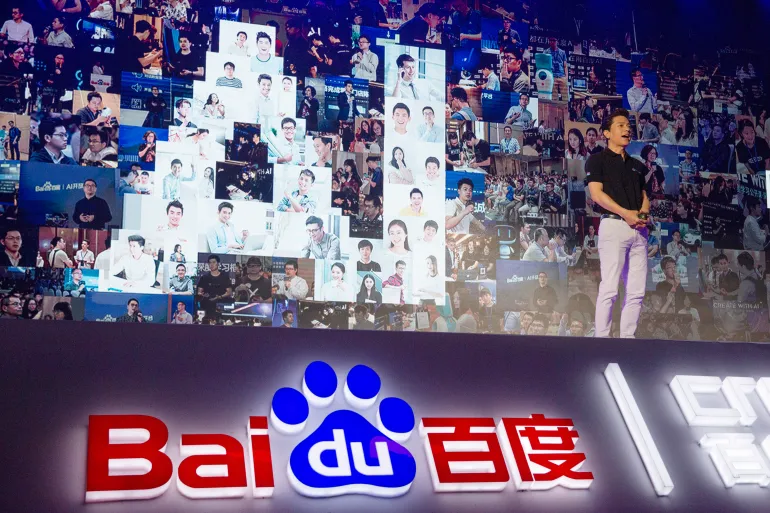
Chinese technology giant Baidu has announced a groundbreaking new solution designed to make training AI models much easier. The company introduced a massive chip cluster built from its self-developed third-generation P800 Kunlun chips, capable of training complex models like DeepSeek.

According to Baidu CEO Robin Li, the newly created chip cluster consists of 30,000 P800 Kunlun chips. This enormous system is powerful enough to train highly complex AI models containing hundreds of billions of parameters. Moreover, thousands of users working on smaller models will be able to access the system simultaneously to develop their own projects.

Baidu’s Chips Are Already in Use

Baidu Unveils New Tech to Simplify AI Model Training

Baidu has revealed that its newly developed chips are already being used by banks and internet companies across China. In addition to the chip announcement, Baidu introduced two new AI models: Ernie 4.5 Turbo and Ernie X1 Turbo. These models are designed for a variety of applications, including language processing and programming, and will be available to users through Baidu’s various platforms.

China’s AI Race Intensifies

FILE PHOTO: Men interact with a Baidu AI robot near the company logo at its headquarters in Beijing, China April 23, 2021. REUTERS/Florence Lo

Recently, the artificial intelligence race in China has accelerated, with companies now focusing not just on developing AI models but also on integrating them into practical applications.

Among the standout players in this new wave is Baidu, and its latest technological leap clearly signals its ambition to strengthen its AI investments through real-world applications. This move highlights Baidu’s commitment to bridging the gap between AI development and practical deployment.

You Might Also Like;

Follow us on TWITTER (X) and be instantly informed about the latest developments…

Copy URL


Source link

Humanoid Robots Race with Humans in China’s First Half Marathon – Metaverseplanet.net

Humanoid Robots Race with Humans in China’s First Half Marathon – Metaverseplanet.net


In a world first, humanoid robots raced alongside humans during a half marathon held in Beijing, the capital of China. This groundbreaking event marked a significant milestone in the intersection of sports and robotics technology.

The Beijing E-Town Half Marathon and Humanoid Robot Half Marathon brought together human athletes and robots for a 21.1-kilometer race. While thousands of runners competed on one side of the track, a parallel lane was designated for robots to run, ensuring safety and fairness.

20 Teams Participated in the Robot Marathon

Nearly 20 teams, including robotics companies, universities, research institutes, robot clubs, and tech enthusiasts, competed in the event with humanoid robots they had developed.

The race was won by a humanoid robot named “Tiangong Ultra”, created by the Beijing Humanoid Robotics Innovation Center. Tiangong Ultra completed the half marathon in 2 hours, 40 minutes, and 42 seconds.

The robot runs using an algorithm that mimics human movement, and was developed in collaboration with two state-owned enterprises, Xiaomi’s subsidiary 1810.HK, and UBTech, a private Chinese company.

Human-Like Movement vs Maximum Speed

The runner-up and third-place robots were different versions of the “N2” humanoid model, developed by Noetix Robotics. According to Noetix engineer Cui Wenhuo, one robot was programmed to imitate human gait, while the other was designed for maximum speed. Both completed the race successfully.

Cui emphasized the complexity of robot science, which includes structure, perception, and algorithms. He added that their robots were designed to be trainable for future use cases, aiming to contribute to the advancement of the robotics field.

Falling Robots and Technical Challenges

Not all robots performed well. Some struggled at the starting line, with one robot falling face-first and unable to get up for a long time. Another robot veered off course shortly after starting and crashed into a barrier, causing its handler to fall.

Throughout the race, many robots lost balance, stumbled, or fell, even if they completed the marathon. Engineers followed them in golf carts, providing quick assistance when needed.

“The Human-Robot Synergy Will Never End”

The Chinese government sees humanoid robots as one of the key technologies that will shape the future alongside artificial intelligence.

The marathon was held in Beijing E-Town, a special administrative area focused on advanced technologies. Officials believe that encouraging companies to develop marathon-capable robots helps enhance technical maturity and raise industry standards.

Experts predict that developing robots that can withstand real-world physical challenges will have transformative applications in areas like disaster rescue, hazardous waste cleanup, smart manufacturing, and elderly care.

In the official event guide, Li Quen, Deputy Director of the Beijing E-Town Administrative Committee, stated:

“Regardless of their finish time or position, the footprints these robots leave at the finish line are more valuable than medals. The 21 kilometers may end, but our quest for human-robot synergy will never end.”

You Might Also Like;

Follow us on TWITTER (X) and be instantly informed about the latest developments…

Copy URL


Source link

Web3: The Future of the Internet | NFT News Today

Web3: The Future of the Internet | NFT News Today


The internet has undergone significant changes since its inception, evolving from a static collection of web pages to a dynamic and interactive space. Web3 represents the next step in this evolution, where decentralization, blockchain technology, and user empowerment will redefine how we interact with digital platforms. This article explores the concept of Web3, its implications for the internet, and how technologies like blockchain and cryptocurrencies play a pivotal role in shaping this new era.

What is Web3?

Web3, often referred to as the decentralized web, represents a shift away from the traditional centralized systems of the internet. In Web2, the dominant model, data and control are largely owned by centralized entities like Google, Facebook, and Amazon. These companies collect vast amounts of user data, which they monetize, often without transparency or user consent. Web3 aims to give users more control over their data, interactions, and digital identities by leveraging decentralized networks and technologies such as blockchain.

At its core, Web3 is built on the principles of decentralization, user ownership, and transparency. It enables users to engage with online services without relying on intermediaries, allowing for peer-to-peer transactions, decentralized applications (dApps), and ownership of digital assets. This paradigm shift could disrupt various industries, from finance and gaming to social media and online marketplaces.

The Role of Blockchain in Web3

Blockchain technology lies at the heart of Web3. A blockchain is a distributed ledger that records transactions across multiple computers, ensuring that the data is immutable and transparent. In the context of Web3, blockchain allows for the creation of decentralized applications (dApps) and services that don’t rely on centralized servers or institutions.

One of the most well-known applications of blockchain is cryptocurrencies, such as Bitcoin and Ethereum. These digital currencies are built on blockchain networks, where transactions are verified and recorded by participants in the network (known as miners or validators) without the need for a central authority like a bank. This decentralization ensures that transactions are secure, transparent, and resistant to censorship.

For Web3 to reach its full potential, blockchain networks must scale to accommodate millions, if not billions, of users. Platforms like Ethereum, Solana, and Polkadot are working to improve scalability, transaction speed, and interoperability, which are essential for Web3’s widespread adoption.

Decentralized Finance (DeFi) and Web3

One of the most exciting aspects of Web3 is its potential to revolutionize the financial industry through decentralized finance (DeFi). DeFi refers to a set of financial services, such as lending, borrowing, and trading, that are built on blockchain networks. Unlike traditional finance, which relies on banks and other intermediaries, DeFi platforms operate in a peer-to-peer manner, removing the need for third-party institutions.

For example, platforms like Aave and Compound allow users to lend and borrow cryptocurrencies directly from each other, with the help of smart contracts. These self-executing contracts automatically enforce the terms of the agreement without the need for a trusted intermediary. Additionally, decentralized exchanges (DEXs) like Uniswap enable users to trade cryptocurrencies directly, without relying on centralized exchanges like Coinbase or Binance.

DeFi has the potential to democratize access to financial services, especially in regions where traditional banking is limited or inaccessible. By removing intermediaries and providing greater transparency, DeFi can offer lower fees, faster transactions, and increased financial inclusion.

Non-Fungible Tokens (NFTs) and Web3

Another key component of Web3 is the rise of non-fungible tokens (NFTs). NFTs are unique digital assets that represent ownership or proof of authenticity of a specific item or piece of content. Unlike cryptocurrencies, which are interchangeable, NFTs are one-of-a-kind and cannot be replicated or replaced. NFTs are primarily used in the art, gaming, and entertainment industries, but their potential extends far beyond these sectors.

In the context of Web3, NFTs enable users to have true ownership of digital assets, such as art, music, videos, and virtual real estate. This ownership is secured by blockchain technology, ensuring that the item cannot be copied or tampered with. Additionally, NFTs can be bought, sold, and traded on decentralized marketplaces like OpenSea, allowing creators to monetize their work directly without the need for intermediaries.

For example, an artist can create a digital artwork and tokenize it as an NFT, allowing collectors to purchase and own the artwork. The artist can also set royalties, ensuring they receive a percentage of future sales whenever the NFT is resold. This shift empowers creators and gives them more control over how their work is distributed and monetized.

Moreover, NFTs are playing a pivotal role in virtual worlds and the metaverse. Platforms like Decentraland and Cryptovoxels enable users to buy, sell, and trade virtual land and assets as NFTs, creating new opportunities for digital ownership and expression. As Web3 continues to develop, NFTs could become a critical component of how we interact with the digital world.

Decentralized Identity and Data Ownership

In Web3, users have more control over their digital identity and personal data. Rather than relying on centralized platforms to manage login credentials and profile information, Web3 introduces the concept of decentralized identity (DID). A DID allows users to own and control their digital identity, ensuring privacy and security across various platforms and services.

For example, instead of using a Google or Facebook login to access a service, users can authenticate themselves with a decentralized identity that they control. This eliminates the need for centralized entities to collect and store sensitive personal information, reducing the risk of data breaches and privacy violations.

Additionally, Web3 emphasizes data ownership. In the current Web2 model, companies collect vast amounts of data from users, often without their explicit consent or knowledge. In Web3, users have the ability to control and monetize their data, choosing who can access it and under what conditions. This shift could lead to a more transparent and user-centric internet, where individuals have more control over their personal information.

The Role of Proxies in Web3 Security

As Web3 grows and attracts more users, security becomes a critical concern. Since Web3 platforms are decentralized and rely on blockchain technology, they are often targeted by hackers and malicious actors. In this context, ensuring user privacy and data protection is vital.

One way to enhance security in Web3 applications is through the use of proxies, such as a residential proxy with free trial. A residential proxy routes internet traffic through real residential IP addresses, making it harder for malicious actors to track or block users. By using a residential proxy, Web3 users can protect their online privacy while interacting with decentralized applications, ensuring that their personal information remains secure.

Additionally, proxies can help users bypass geographic restrictions and access Web3 platforms that may be blocked or limited in certain regions. By masking their IP addresses and using a residential proxy with free trial, users can maintain anonymity and freedom while exploring the decentralized web.

Challenges and the Road Ahead

While Web3 presents exciting opportunities, it also faces several challenges. One of the biggest hurdles is scalability. Current blockchain networks, such as Ethereum, can only handle a limited number of transactions per second, which can lead to congestion and high fees. To overcome this, developers are working on solutions like Ethereum 2.0, layer-2 scaling solutions, and alternative blockchains to improve transaction speed and reduce costs.

Another challenge is the user experience. For many people, interacting with blockchain networks and decentralized applications can be complicated and intimidating. Wallets, private keys, and gas fees are terms that may be unfamiliar to those used to traditional web platforms. Simplifying the user experience and making Web3 more accessible will be crucial for its mass adoption.

Finally, there are regulatory and legal concerns surrounding Web3. Governments and institutions are still trying to figure out how to regulate decentralized platforms, cryptocurrencies, and NFTs. As Web3 grows, lawmakers will need to establish clear frameworks to ensure that these technologies are used responsibly and safely.

Conclusion

Web3 represents a fundamental shift in how we interact with the internet, empowering users to take control of their data, digital identities, and assets. By leveraging blockchain technology, decentralized finance, NFTs, and other innovations, Web3 is creating new opportunities for innovation, ownership, and privacy.

While challenges remain, the potential of Web3 is immense. As the decentralized web continues to evolve, it will reshape industries, democratize access to services, and provide a more open, secure, and transparent internet. By embracing technologies like blockchain and using tools such as a residential proxy with free trial, users can help secure their online experiences and contribute to the growth of Web3.


Source link

Popular Posts

My Favorites

How to defeat the Last Judge in Hollow Knight: Silksong

0
Hollow Knight: Silksong's Last Judge boss battle is the capstone challenge of Act 1 and one of the game's toughest fights to that...