French football club Paris Saint-Germain (PSG) has announced at the Bitcoin 2025 Conference that it has added Bitcoin (BTC) to its treasury reserves—becoming the first sports club in the world to do so.
The announcement came shortly after GameStop revealed it had purchased $512 million worth of BTC, while Bitcoin continues to trade about 5% below its recent all-time high (ATH).
The French football giant PSG made the announcement during the Bitcoin 2025 Conference held in Las Vegas, marking a historic move for the sports industry.
This makes PSG the first football club or sports organization globally to adopt Bitcoin as a treasury asset.
Currently the Ligue 1 champion, PSG is also set to compete in the UEFA Champions League final next week in Munich.
Par Helgosson, head of PSG Labs, stated:
“Last year, we recorded Bitcoin on our balance sheets. We took our fiat reserves and allocated them to Bitcoin. It is still held on our books, and as one of the largest clubs in the world, we are the biggest player in the sports ecosystem to do this.”
A spokesperson for the club emphasized that nearly 80% of PSG’s 500 million global fans are under the age of 34, making the club and its stakeholders more inclined to embrace this next-generation financial trend.
Earlier this week, the publicly traded U.S. company GameStop disclosed a major Bitcoin acquisition, becoming the 13th largest institutional BTC holder. Other Bitcoin-friendly entities like Strategy and Metaplanet have also continued to add BTC to their balance sheets.
This month marks an unprecedented milestone in corporate Bitcoin adoption, as BTC reached an all-time high of $111,800 last week. However, due to whale profit-taking, Bitcoin has dropped more than 5% since that peak.
As of 13:30 (TSI) today, the leading cryptocurrency has fallen more than 2%, trading around $105,700.
Follow us on TWITTER (X) and be instantly informed about the latest developments…
A new study by a researcher suggests that artificial intelligence (AI) could soon consume more energy than Bitcoin mining. The scientist also criticizes the lack of transparency from companies regarding their energy use.
As AI technologies continue to evolve rapidly, their energy consumption has been steadily increasing. Tech giants such as Microsoft, Google, and OpenAI are reportedly considering investing in nuclear energy to power the data centers required for training and deploying AI models.
Recent reports now suggest that AI may soon surpass Bitcoin — once heavily criticized for its environmental impact — in total energy usage. Some may recall that Elon Musk once announced that Tesla would accept Bitcoin (BTC) as payment, only to reverse the decision due to the high energy consumption of Bitcoin mining. Ironically, Musk is now one of the most vocal proponents of AI technologies.
AI Will Soon Consume Half of Data Center Energy
According to Alex de Vries-Gao, a researcher at the Amsterdam Institute for Environmental Studies, AI could consume up to half of the energy used by data centers as early as 2025. He warns that this should not be viewed as merely a technical issue; even ordinary individuals will be affected.
As AI energy demand grows, it will place a significant strain on global energy systems, potentially leading to outages and technical disruptions.
However, there is another major issue: lack of transparency. De Vries-Gao notes that his analysis is not definitive because companies do not openly disclose their AI energy consumption data. He believes that reliable and transparent reporting is possible, but firms choose not to share it.
De Vries-Gao also questions why environmental activists, who once pressured the crypto sector — especially Bitcoin and Ethereum — remain silent today when it comes to the environmental impact of AI.
Follow us on TWITTER (X) and be instantly informed about the latest developments…
Published: May 30, 2025 at 1:46 pm Updated: May 30, 2025 at 1:47 pm
by Ana
Edited and fact-checked:
May 30, 2025 at 1:46 pm
To improve your local-language experience, sometimes we employ an auto-translation plugin. Please note auto-translation may not be accurate, so read original article for precise information.
In Brief
May saw protocol teams shipping features, but nothing truly arrived. Chains are in build mode, activating upgrades and hitting testnets. This indicates more performance, modularity, and work under the surface.
This May felt like everything’s moving – but nothing’s really arrived yet. Pretty much all we’ve had was a steady hum of protocol teams shipping features most people won’t even notice until much later on – but that’s not a bad thing per se.
You’d probably want to call it quiet, but that’s not quite that either. It’s more like chains are in build mode again. Upgrades are getting activated, testnets are getting hit. Long-term plans slowly clicking into place. None of that screams for attention, but it all points in a direction of more performance, more modularity, more stuff working under the surface.
So yeah, it’s not the kind of month that shows up in price charts or community drama. But, six months from now, when something feels smoother or faster or just better, this’ll probably be why. Let’s get into it.
Ethereum – Pectra’s Live
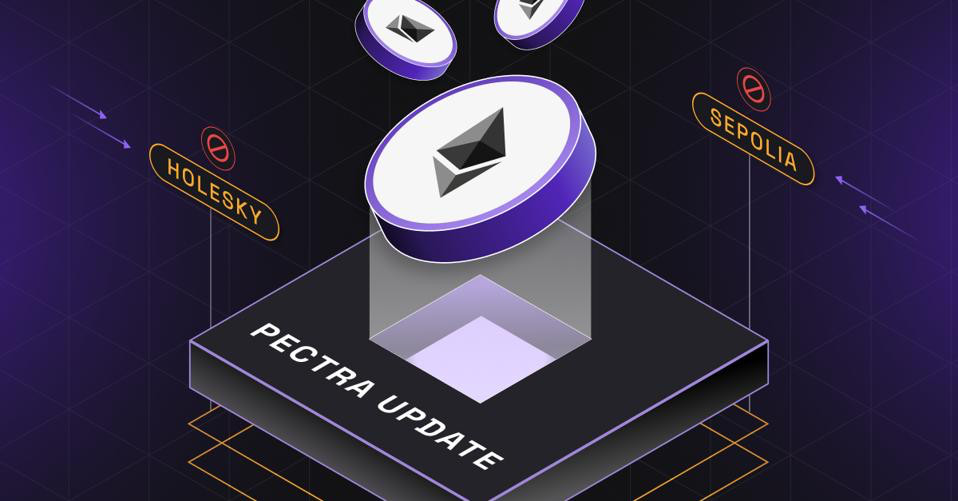
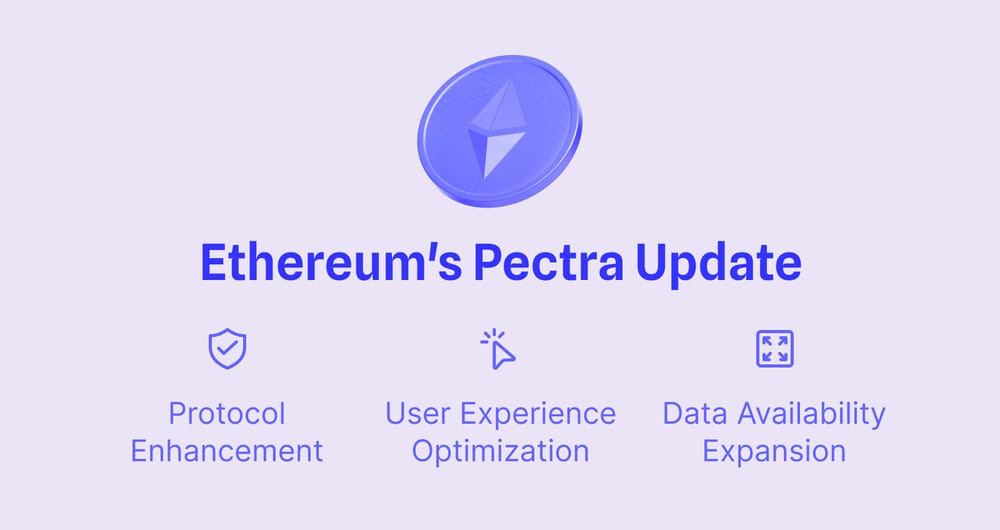
Alright, Pectra. We flagged it last month – one of Ethereum’s biggest updates since the Merge – and now it’s actually here, landed on May 7. To our surprise, we’ve seen pretty smooth shipping with no forks, no drama, no post-mortems on Twitter.
Source: Forbes
If you didn’t notice, you’re not alone. Most users won’t feel anything right away – and honestly, that’s kind of the point. Pectra isn’t the kind of upgrade that lights up dashboards overnight. Instead, it’ll get buried deep in the protocol so other things can get better later.
Source: Stakin
Take smart accounts – probably the most talked-about piece (that’s EIP-3074 if you’re keeping track). Basically, it sets the stage for wallets to stop acting like dumb vaults and start behaving more like apps. Sponsored transactions, batch flows, maybe even no need to hold ETH at all to use Ethereum. Sounds great, but none of that happens by default. Wallets have to support it, and frontends need to adapt to it. So yeah, for no, it’s more of a green light than of a feature drop.
Source: Stakin
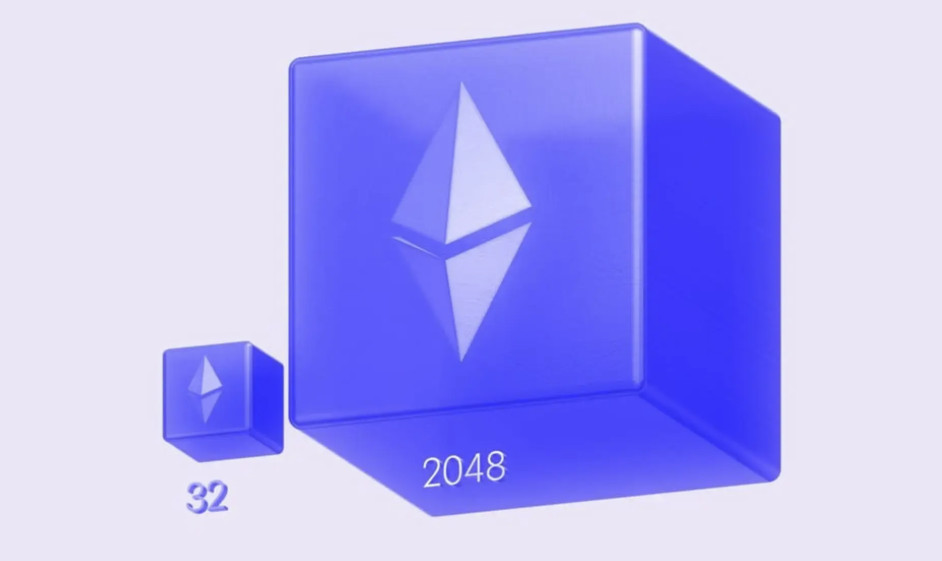
Same story with the staking changes. Validators can now stake up to 2,048 ETH per node – up quite a bit from the old 32 cap. If you’re running a big operation, that’s, well, huge. It means less overhead, fewer moving parts. And if you’re not – this probably didn’t even blip on your radar.
And blobs* – yeah, still a thing. Pectra increases how much blob data fits into a block, which makes life easier for rollups. More room for batching, less pressure on fees.
*(Blobs are like temporary, low-cost scratch space Ethereum gives to Layer 2s so they can post data without clogging the chain. Pectra just gave them bigger scratchpads)
So where does that leave us? Technically, this was a huge month for Ethereum. But practically, we’re still in the “wait and see what devs build on top of it” phase. So far it’s a foundation pour, not a rooftop party. But if you’re trying to guess where the next wave of wallet UX or rollup scaling comes from – this update is the milestone you’ll want to remember.
Solana – Firedancer’s Warming Up, But Don’t Grab the Marshmallows Yet
Solana didn’t have a big headline moment this month – but it did have a handful of smaller moves that, if you zoom out a bit, are all pushing in the same direction: faster, sturdier, more grown-up.
Source: Oak Research
The biggest one making the rounds is Firedancer – Solana’s new validator client, built by Jump Crypto. Still deep in testnet land, but people are poking at it now, and yeah it’s fast. Like really fast. The idea is: same network, totally different engine. If it works the way they want it to, this could take Solana from “pretty quick” to “actually ridiculous” – hundreds of thousands of transactions per second, multi-core parallel magic, all that. It also means better fault tolerance. Less chance of everything falling over when things get wild. So far, it’s all internal tests and dev demos – but the numbers they’re throwing around are wild enough to keep people watching.
Source: Phantom
They’re not stopping there either. There’s talk of bigger blocks, ongoing tweaks to consensus, and they’ve started quietly shipping confidential transfers – which, in plain terms, means people can send tokens around without exposing all the details on-chain. It’s not full-blown privacy mode, but it’s a really interesting shift.
And, once again, none of this is “mainnet live today” kind of stuff. For all it’s worth, Firedancer’s not even ready. The new consensus bits aren’t rolled out. Confidential transfers are still opt-in and probably not even on most users’ radar. But the shape of it – the whole trajectory – feels like Solana trying to evolve past its early chaos. It’s less sprinting for headlines, more slow burn toward a network that can actually handle what it’s trying to be.
Will it all pan out? Honestly, it’s too early to say. But Firedancer sure feels like one to watch. If it hits, it won’t just be a performance boost – it could completely shift how people see Solana.
Polygon – New Architecture, New Token, Same Questions (For Now)
Polygon’s still in transformation mode – and May kept the story going. They’ve been rolling out bits of their whole Polygon 2.0 vision, and yeah, it’s ambitious: switch everything to a ZK rollup foundation, aim for up to 100,000 TPS, bring fees down to sub-cent levels, and stitch it all together into one big multi-chain mesh with shared liquidity.
It’s the kind of pitch that sounds like an Ethereum L2 fever dream. And honestly, if they pull it off, it could be massive.
Source: Polygon
One of the key shifts happening now is the migration from the old MATIC token to POL, which is supposed to fuel this new multi-chain setup. Migration tools have started appearing, and governance is trickling along, but most of the change is still under the hood – infra-level stuff, new stacks, ZK proving systems. Not exactly user-facing yet.
Source: Polygon
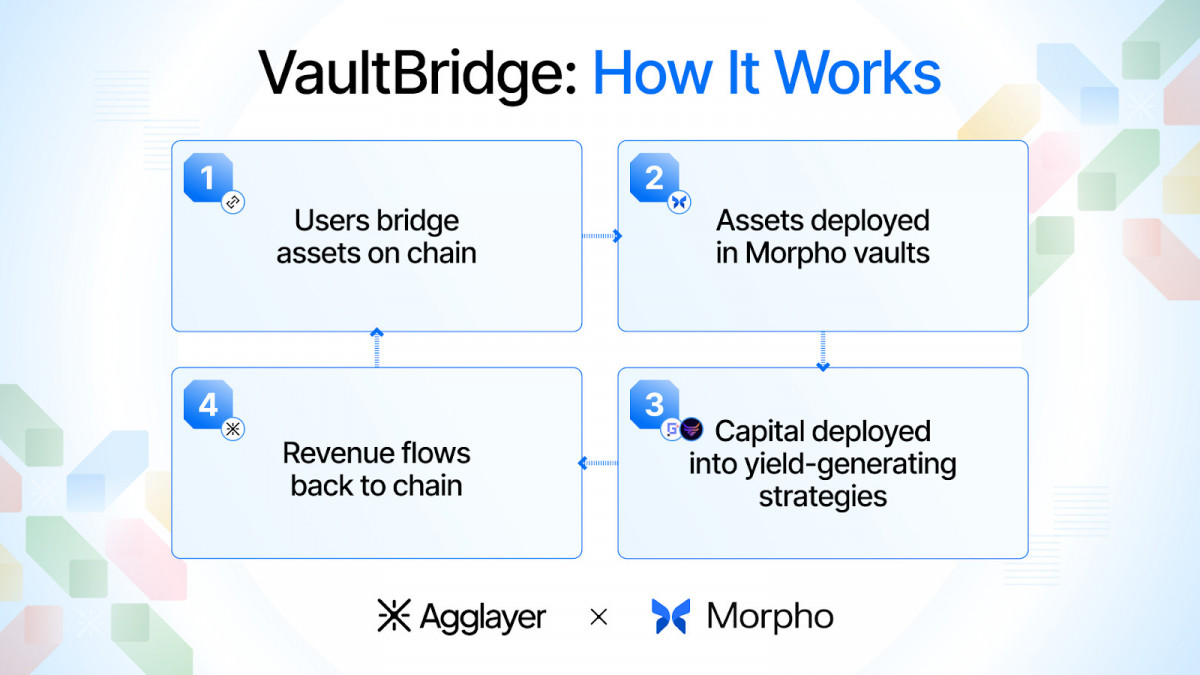
There’s also the continued build-out of AggLayer, their interoperability layer that’s meant to connect all these separate chains into something more seamless. And it’s getting real partners: Reddit, Stripe, and Visa have all been involved with Polygon in one form or another, which doesn’t hurt the story.
But yeah – a lot of it still lives in decks and docs. The ZK stack is early, the TPS claims haven’t been tested at scale, and the multi-chain vision hasn’t really been stress-tested yet. It’s feels less like “we’ve arrived” and more like “the train is being assembled while moving.”
Still, the direction is bold, and the execution seems to be moving. If even part of this vision lands – a low-fee, high-speed mesh of ZK rollups all powered by a shared token economy – that’s a whole new type of Ethereum scaling. We’re keeping an eye on it, but we wouldn’t hold our breath for instant results.
Avalanche – FIFA’s Onboard. Probably a Big Deal
So here’s one that made waves outside of crypto Twitter: FIFA – yeah, actual FIFA – announced they’re ditching Algorand and building out on Avalanche, using a dedicated subnet for all their digital stuff going forward. NFTs, tickets, future fan apps – the whole digital engagement suite is supposedly coming.
Source: The Defiant
It’s a strong look for Avalanche. Not just because FIFA is a massive global brand, but because it pushes blockchain into real-world territory again – stuff like event access, collectibles, loyalty layers and all that. Basically all the things that people said NFTs would be good for back in 2021, except now it might actually happen with infrastructure that can scale.
Source: Binance Square
That said, it’s still early. The announcement dropped, but there’s no public roadmap yet, no token talk, no actual features to poke at. It’s more of a handshake than a product at this stage. While the subnet angle makes sense — Avalanche’s whole thing is custom chains for custom use cases — the real challenge will be adoption, UX, and getting FIFA’s audience to care. That’s no small ask.
Still, this one’s got people talking, and it hints at Avalanche quietly picking up ground in the “real utility” column. Worth tracking – especially if more major orgs follow suit. But until something goes live, it’s just a headline.
Aztec – Privacy on Ethereum? For Real This Time?
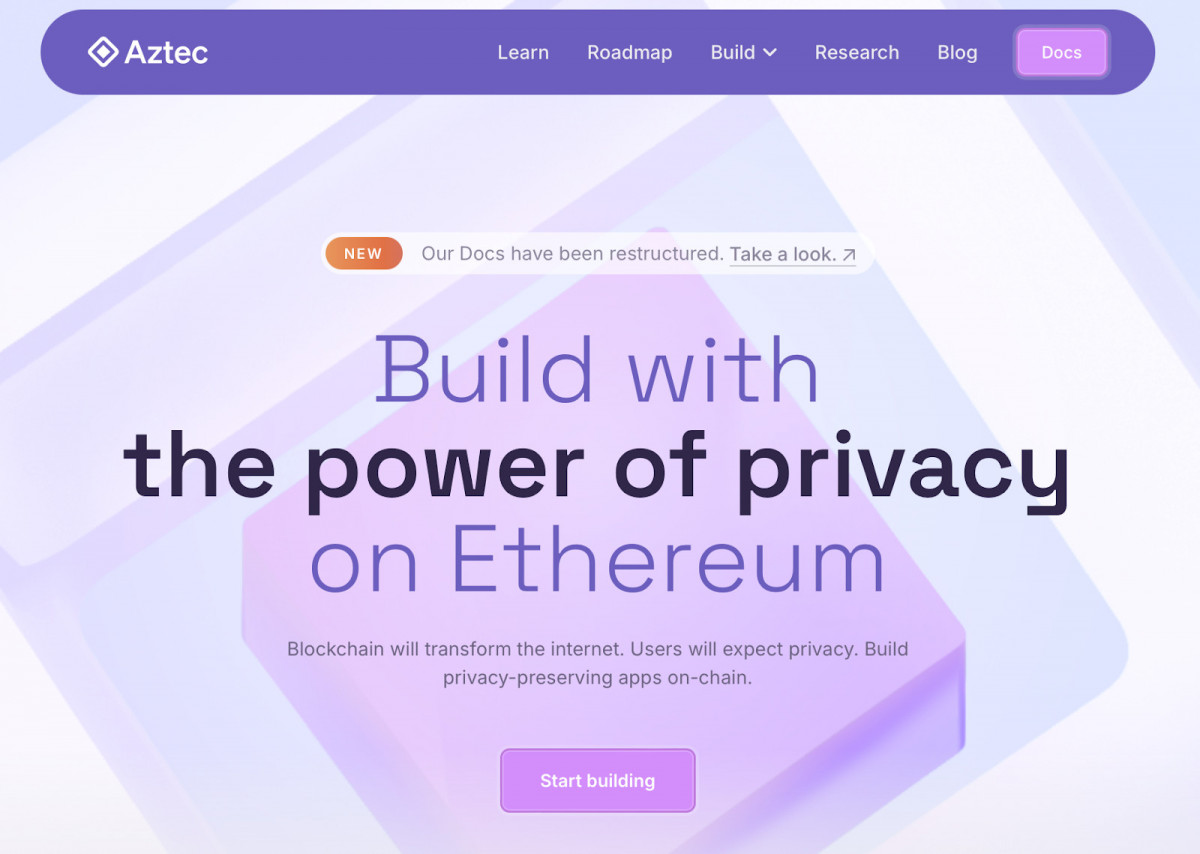
This one got a lot of attention fast – Aztec opened up their public testnet at the start of May, and over 20,000 users jumped in within the first day. That’s a pretty strong signal for a zero-knowledge rollup focused on privacy, of all things – not exactly the usual crowd magnet.
Source: Aztec
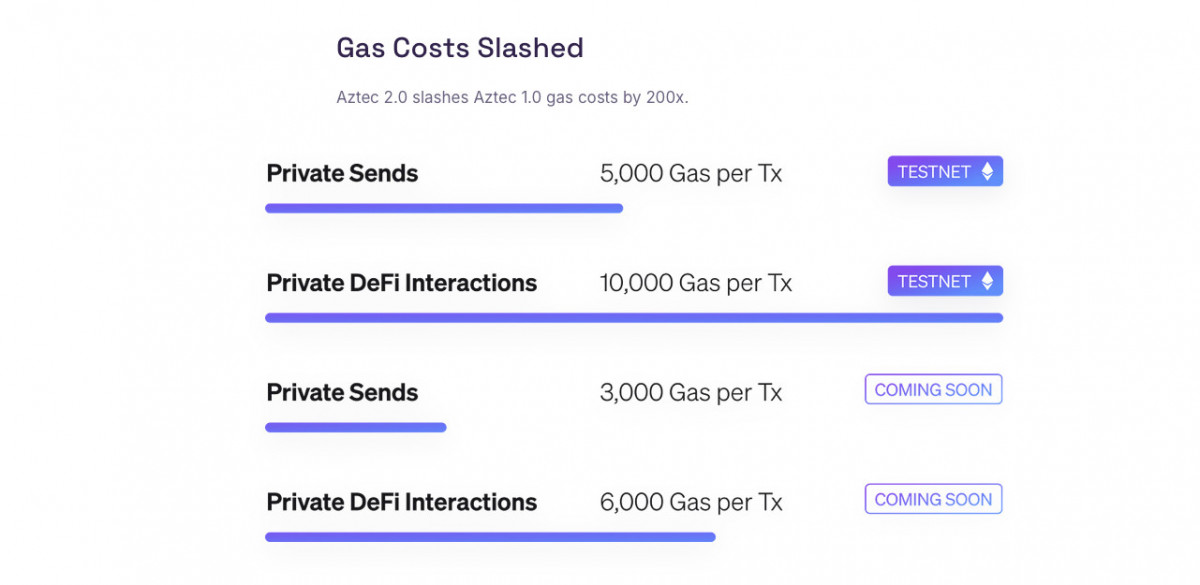
So what’s new here? Pretty much everything. This isn’t Aztec Connect (their old shielded transactions system) rebranded – it’s a full-on reboot. A proper zk-rollup where everything’s encrypted by default: amounts, addresses, what you’re doing – all of it hidden from public view, but still verifiable via zero-knowledge proofs. You’re still on Ethereum, just behind a curtain.
Source: Aztec.network
It’s been in the works for years – like, eight years – with heavy backing from a16z, Paradigm, and others who’ve been betting that privacy will eventually matter to more than just niche DeFi weirdos. And now it’s finally here to play with, even if it’s still early days.
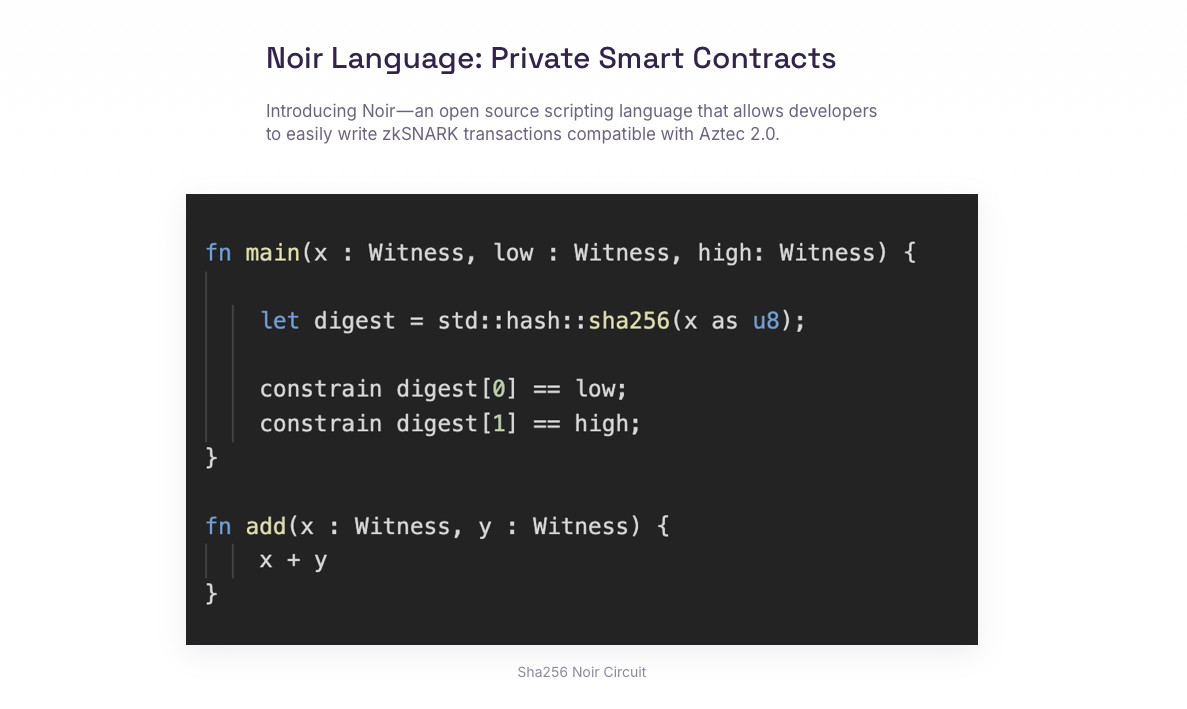
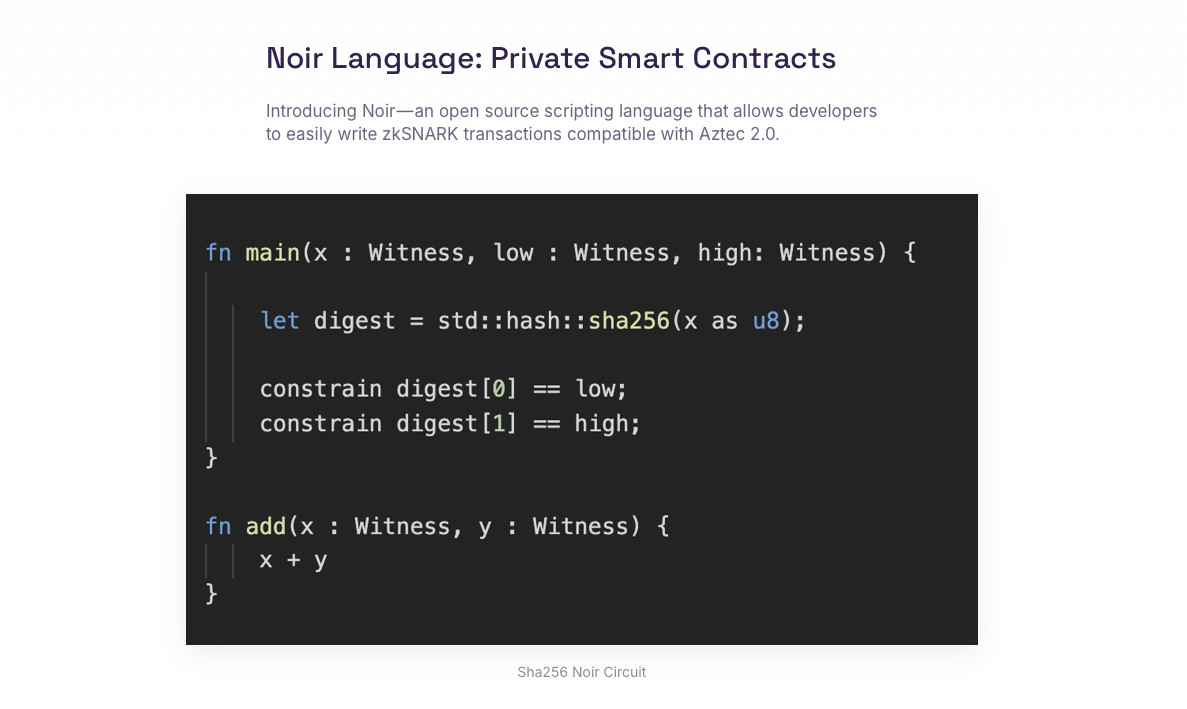
The tech’s ambitious, no question. You’ve got a new programming language (Noir), a fresh architecture, and a whole new approach to building apps that don’t leak everything on-chain by default. Whether devs actually build with it is another question – private infra tends to be harder to work with, and user demand isn’t always as loud as it should be.
Still, it feels like a moment. Between regulation noise and people just being tired of every wallet address being a permanent resume, privacy on Ethereum might finally have a shot. If Aztec can deliver – and get others to build with them – this could end up being one of the most interesting launches of the year.
Arbitrum – Quietly Getting More Resilient
This one’s not flashy, but Arbitrum made a low-key but meaningful shift in May: it’s no longer running on just one execution client.
Source: Arbitrum
Until now, the whole network relied on their custom Geth fork (Nitro). Solid, but also quite risky – any bug, and the whole rollup is made vulnerable. That’s always been the weak spot with monoculture infra. Now, they’ve brought in two heavyweights – Nethermind and Erigon – to build and maintain alternative clients that are fully compatible with Arbitrum’s tech stack.
That might sound dry, but for a network as big as Arbitrum, client diversity is a big deal. It means more eyes on the code, less chance that one bug takes everything down, and better long-term performance options (Erigon in particular is known for its efficiency). Ethereum figured this out ages ago. L2s are finally catching up.
Source: Arbitrum
It also says something about where Arbitrum sees itself: not just a fast chain for DeFi and memecoins, but actual base-layer infrastructure for apps that need to keep running. This isn’t the kind of update that draws in new users – but it’s exactly the kind that keeps the network healthy once they’re here.
So yeah, not exciting at the moment. But absolutely necessary if Arbitrum’s going to hold onto its lead while the rest of the rollup crowd levels up.
Optimism – You Probably Missed It, But They Upgraded Everything
While everyone was watching Ethereum’s Pectra rollout, Optimism and friends in the Superchain just quietly copied it. Sort of in a good way.
Source: Optimism
Within 48 hours of Pectra going live on Ethereum, Optimism Mainnet, Base (Coinbase’s chain), Zora, Worldcoin’s chain, and a few others all ran their own coordinated upgrade – codenamed Isthmus. What did it do? Basically imported all the Pectra magic: smart account support, more blob space, the works.
That’s the power of the OP Stack model: all these chains share the same codebase and can move together. So once Ethereum does something, the Superchain can roll it out fast – like, really fast. For developers, that means access to the latest L1 features without having to wait months. For users, it means L2s that feel modern, consistent, and (hopefully) cheaper.
It’s not flashy, but it’s kind of impressive – a bunch of separate chains all pulling off a major upgrade within a couple days of each other, with no mess. If you’re into interop, coordination, or just things not breaking during upgrades, this one’s totally worth a nod.
There’s more coming too – next up is their Fusaka upgrade later this year, which is meant to plug in more advanced scaling tech like data availability sampling (basically the next step in Ethereum’s long game). But even now, Optimism’s showing they can move fast without breaking things.
Wrap-Up – May’s All Setup, No Payoff (Yet)
So yeah, that’s kind of the vibe right now – a lot of setting the table, not a ton of meals being served yet. But that’s fine – infra takes time. There’s still a gap between the promises and the proof. But May gave us a decent sense of where the smarter teams are looking – and where the next few upgrades, launches, or ecosystem shifts might come from.
Disclaimer
In line with the Trust Project guidelines, please note that the information provided on this page is not intended to be and should not be interpreted as legal, tax, investment, financial, or any other form of advice. It is important to only invest what you can afford to lose and to seek independent financial advice if you have any doubts. For further information, we suggest referring to the terms and conditions as well as the help and support pages provided by the issuer or advertiser. MetaversePost is committed to accurate, unbiased reporting, but market conditions are subject to change without notice.
About The Author
Victoria is a writer on a variety of technology topics including Web3.0, AI and cryptocurrencies. Her extensive experience allows her to write insightful articles for the wider audience.
More articles
Victoria d’Este
Victoria is a writer on a variety of technology topics including Web3.0, AI and cryptocurrencies. Her extensive experience allows her to write insightful articles for the wider audience.
Published: May 30, 2025 at 1:34 pm Updated: May 30, 2025 at 1:34 pm
by Ana
Edited and fact-checked:
May 30, 2025 at 1:34 pm
To improve your local-language experience, sometimes we employ an auto-translation plugin. Please note auto-translation may not be accurate, so read original article for precise information.
In Brief
In May, blockchain teams were focusing on testing testnets, opening ecosystems, and securing funding without much hype. These prominent players, with minimal hype, demonstrated significant progress in their field.
If you’ve been scanning the blockchain landscape this May, you will have noticed plenty of marketing noise. AI buzzwords stapled onto half-baked roadmaps, the usual rollup clone pile-on, you know the drill. But behind that noise, some teams are just getting on with it: shipping testnets, opening up ecosystems, and landing serious funding without fanfare. We’ve been keeping tabs on what’s been moving the field.
The projects below aren’t necessarily new, but they all made a mark this May. Some launched a fresh update, others hit real traction or quietly pulled off something hard. We picked some of the most prominent players with the least hype factor as their core mover. Whether or not to follow these is, of course, up to you – consider it merely our take on where real work is (or at least seems to be) getting done. Let’s dig in.
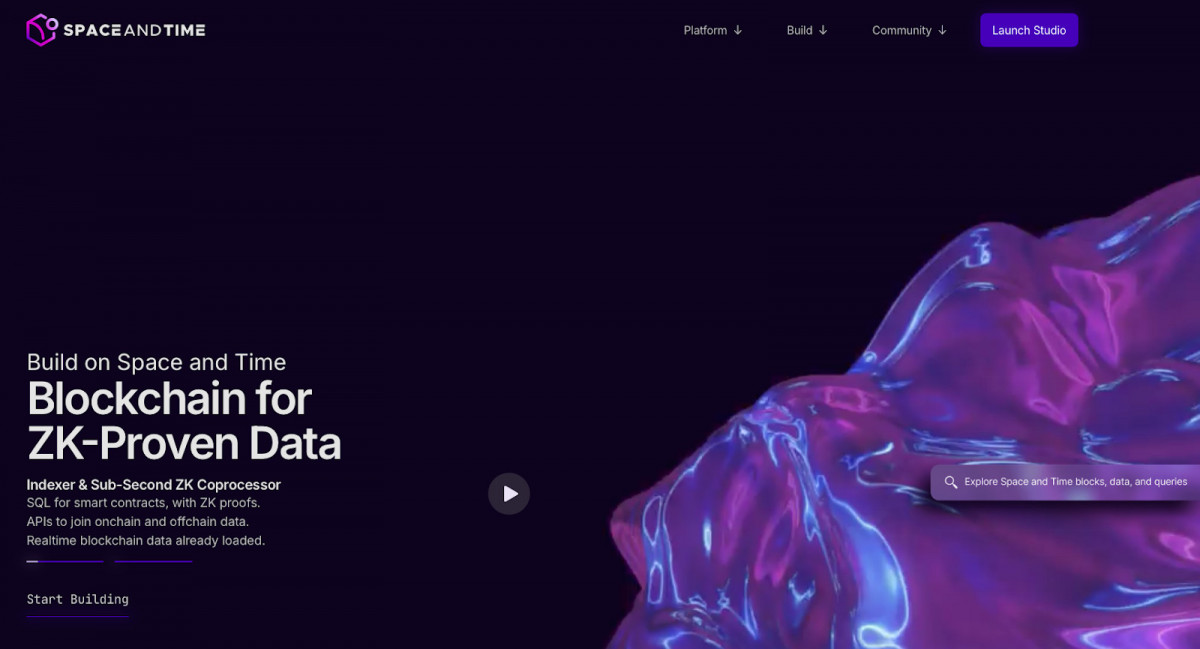
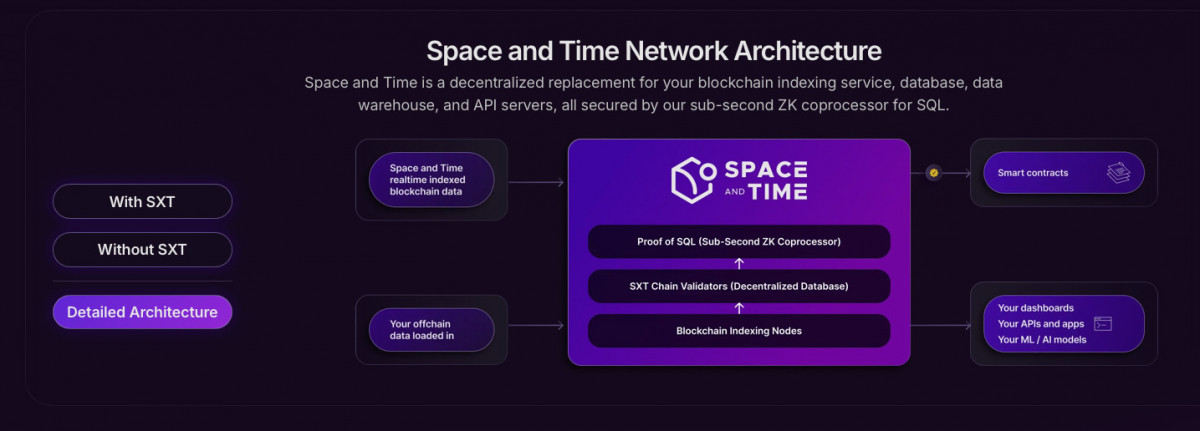
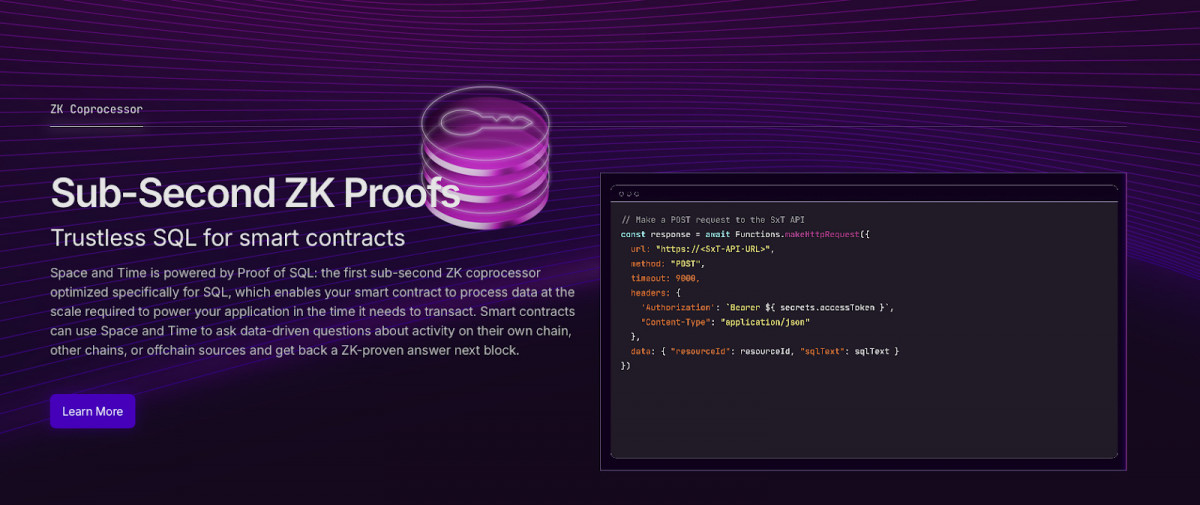
Web3’s relationship with off-chain data has always been a bit fragile. Either you trust some centralized API, or you build your own clunky workaround. Space and Time is trying to fix that – by decentralizing databases and making every query provable using zero-knowledge cryptography. Basically: run a SQL query, get a result plus a ZK-proof that says “this data wasn’t tampered with.”
Source: Space and Time
That’s the pitch, and in May, it finally became reality. The project launched its public mainnet on May 8, complete with its native token $SXT and a validator network ready to go. This wasn’t some stealth deploy either – Microsoft, Chainlink, Google Cloud, and Polygon are already plugged in at various levels, and the team claims over 30 validators were running during testnet. The tech’s legit, and the partner list screams “serious enterprise play.”
Source: Space and Time
What caught our attention is how unambiguous the project is about what it’s for. This is not a “come build anything on our L1” kind of chain. It’s for devs and data people – projects that need to verify external data, run big off-chain computations, or feed smart contracts with results they can trust.
Source: Space and Time
Token-wise, $SXT is your ticket for querying, staking, and governing the network. They haven’t posted a super granular breakdown yet, but based on launch comms, it’s utility-heavy – pay for requests, earn as a validator, vote on upgrades, all that.
Of course, we’re still early here. We don’t know how the economics shake out at scale – how much queries will cost, whether devs will find the UX livable, or even how often apps truly need this kind of bulletproof data verification. But in its corner of the Web3 world, this feels substantial.
So, our read on Space and Time: not flashy, not mass-market – but for the data-heavy corners of crypto that are tired of trusting their guts or Google; could be a quiet backbone in the making.
Advertising and blockchain – yeah, we know. Feels like one of those pairings that should stay in the “bad ideas” folder with 2018 whitepapers and tokenized soda machines. But every now and then someone swings at it again, and this time, Growth Protocol might actually be connecting with the ball.
Source: Growth Protocol
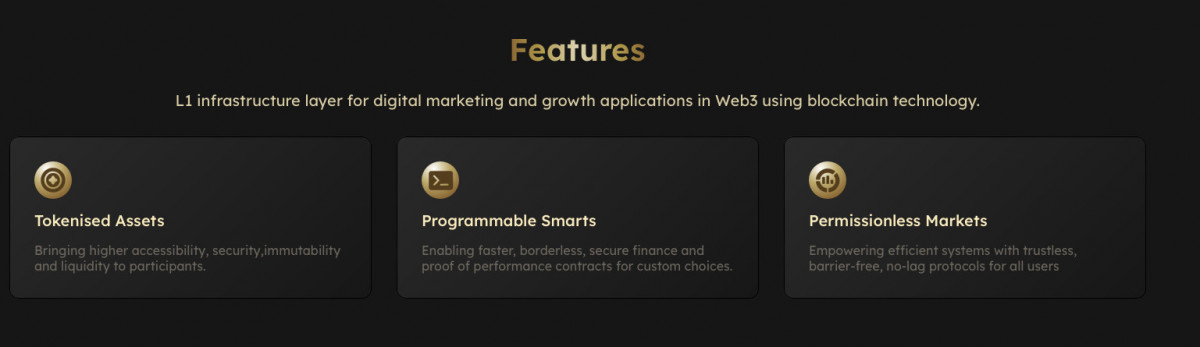
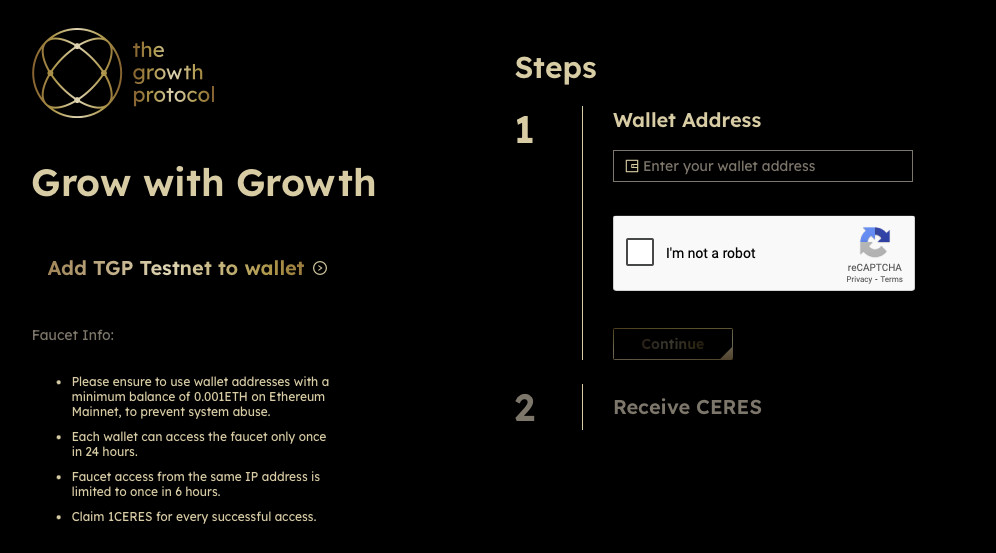
Their pitch is straightforward enough: smart contracts running campaigns and settling payments directly between advertisers, publishers, and (in theory) users. No middlemen and no sketchy ad networks involved. Sounds like vaporware from a half-forgotten ICO, right? But here’s where it gets interesting – they actually launched. Mainnet hit on May 21, and they weren’t just standing there with a “coming soon” banner. Two mobile games from Nazara – one of the big dogs in Indian gaming – were already live with campaigns on day one.
Source: Growth Protocol
The claim: 150,000+ daily active users on launch. That’s a head-turning number for a brand new chain; though we’d be lying if we said we weren’t wondering how many of those were real people, how many were bots, and how many just showed up for the token crumbs. The team hasn’t shown its hand on tokenomics yet, but based on what’s visible, there’s clearly some incentivization happening under the hood.
Source: Growth Protocol
Underneath it all, the chain runs on Avalanche tech – or more specifically, a custom subnet of it. That gives it the raw throughput you’d want for an ad network that’s actually doing stuff at scale: think real-time settlement of impressions, clicks, conversions, and all the data exhaust that comes with it. Emin Gün Sirer himself gave it a nod, calling it a “real example of blockchain utility,” which, coming from him, is either an endorsement or a challenge.
Source: Growth Protocol
What we think is happening (since full docs are still MIA) is a native token driving transactions and rewards, possibly with options for advertisers to burn or stake for visibility boosts. Campaigns may still be priced off-chain in fiat, but on-chain settlement looks fully crypto-native. The whole thing gestures at a larger vision – maybe something like NFT-based ad units or “tokenized goals” down the line. And the whole train seems to be headed towards programmable ad inventory.
Of course, none of this answers the big questions. First: is the activity sticky, or just inflated by launch rewards? We’ve seen many “active networks” vanish the moment incentives dry up. And second – the harder one – will actual advertisers buy in? Transparency is great n all, but so far, blockchain has mostly delivered more friction, not less, and that’s not what the ad world wants.
Still, we’ll give credit where it’s due: this thing is live, already embedded in games, and pushing past the typical Web3 echo chamber. Not exactly polished, and it’s definitely not simple – but for all the hand-wavy “blockchain meets adtech” attempts we’ve watched fizzle out, this one seems to have actual momentum.
Aztec’s always been the quiet one in the zero-knowledge crowd. While everyone else was hyping benchmarks and trading blog-post drama, they were just quietly building. And then May rolls around, and finally – public testnet is here. For anyone who’s been waiting on a real shot at private smart contracts on Ethereum, this was the one to watch.
Source: Aztec.network
Now, if Aztec sounds familiar, that’s because it is. They had an earlier run with Aztec Connect – a sort of privacy layer for dApps, where you could do encrypted DeFi transactions. That got sunsetted back in 2023 when they decided to start fresh and aim bigger. What they’ve rolled out now is the culmination of that pivot: a full-blown zkRollup where everything – smart contracts, state, interactions – is encrypted by default. Not partially private, not “stealth mode” toggles. Everything.
Source: Aztec.network
This testnet is the first time devs can properly get their hands dirty. You can write contracts in Noir (their custom-built language), deploy dApps that actually don’t leak user data, and start stress-testing what Ethereum feels like when it forgets your business. It’s not exactly mainnet-ready – performance still has that early-testnet shakiness – but you can feel the rails being laid down for something serious.
Source: Aztec.network
That said, there’s some history here, and not all of it neat. Shuttering Aztec Connect spooked more than a few devs – it raised that quiet worry: if one privacy system can disappear, what’s stopping another? And then there’s the obvious heat that full encryption brings. This isn’t some “we obfuscate metadata” play. It’s straight-up end-to-end encrypted Ethereum. That’s powerful… and also regulatory kryptonite if handled wrong. Aztec’s going to have to tread carefully if they want this to be more than a niche for cypherpunks and privacy diehards.
On the backer side, though, they look pretty stacked. a16z, Paradigm – the usual top-tier suspects. No token yet – and no hints about when one might arrive – but it’s hard to imagine this going mainnet without something to secure and incentivize the network.
Make no mistake though: Aztec isn’t chasing the same dragon as most rollups. This isn’t about gas wars or memecoin throughput. It’s not trying to out-Bedrock Optimism or undercut fees on Base. It’s primarily built for things like encrypted voting, privacy-preserving DAOs, and institutional logic that absolutely cannot go on a public ledger.
Final take: this is a big deal for Ethereum privacy. It’s early, sure, and not without its baggage. But it’s real, it’s here, right now.
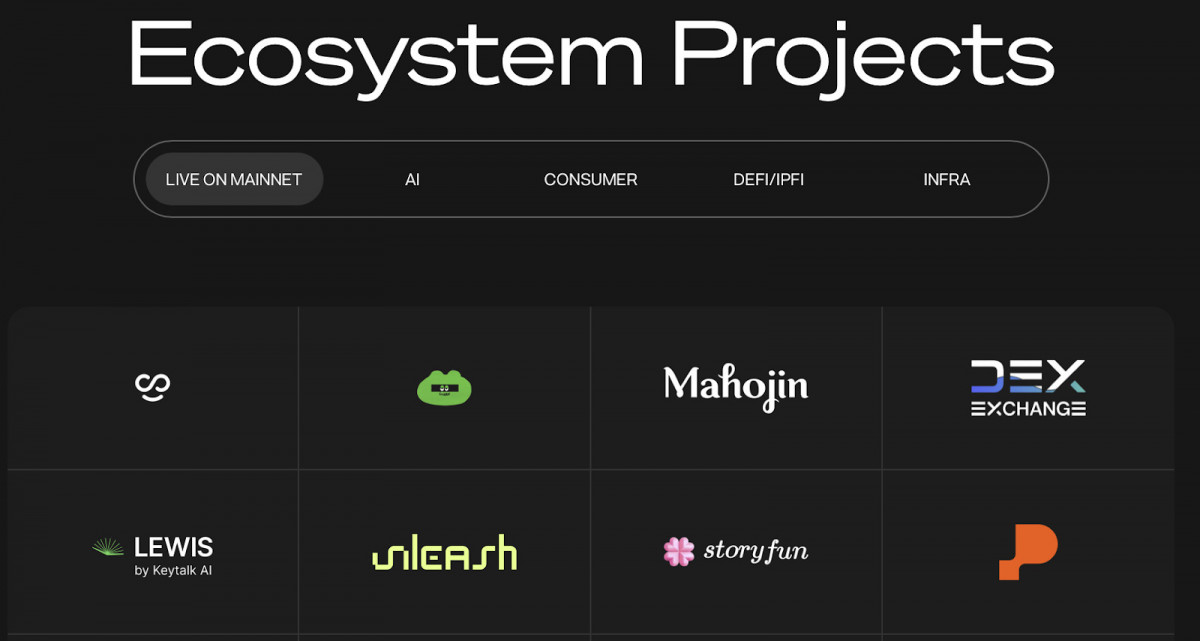
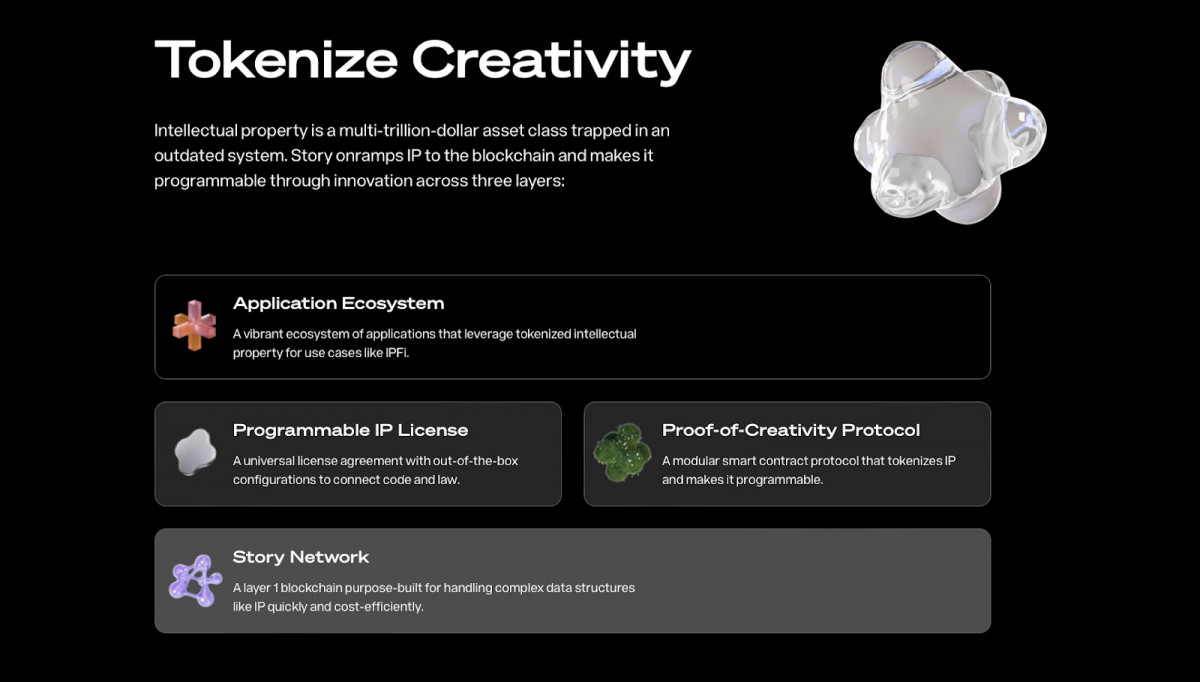
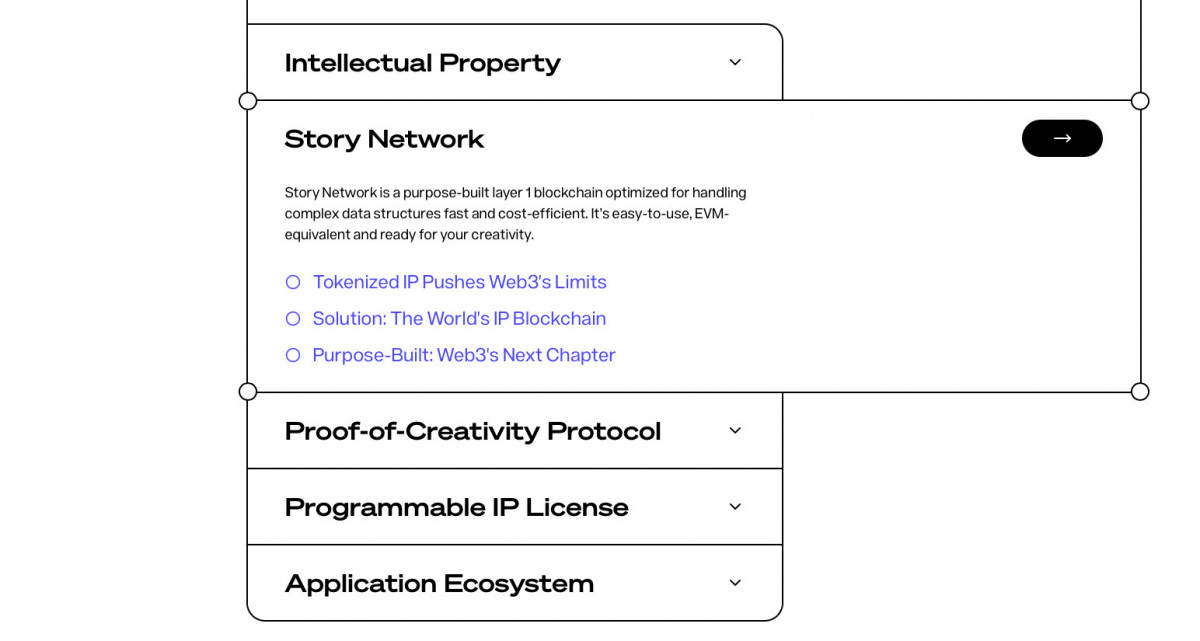
Everyone in crypto loves to say we need “real-world use cases,” but usually that means fintech clones or loyalty points with extra steps. Rarely does the conversation veer into… intellectual property law. But that’s exactly where Story Protocol is staking its ground – and surprisingly, it’s not a half-baked niche project. This thing is an entire layer-1 blockchain built specifically to register, license, and monetize IP. We’re talking songs, characters, storylines, logos – turned into programmable, remixable, royalty-splitting assets, all living on-chain.
Source: Story Protocol
Now, you’d be forgiven for assuming this is a novelty play. But clearly someone’s buying the vision: Story’s raised a cool $140 million from a16z, Hashed, and – in the most 2025 crossover imaginable – Paris Hilton’s 11:11 Media. And May brought a new push: they launched a global “IP Buildathon” with tracks spanning from licensing infrastructure to AI-native copyright tools, and opened the gates for devs to actually start building on top of the chain.
Source: Story Protocol
Under the hood, this isn’t just some Ethereum sidecar. Story is its own sovereign chain, built with Cosmos SDK but running an EVM-compatible environment – so you get flexibility plus familiar tooling. The native token, $IP, does triple duty: governance, gas, and a clever little burn mechanic. Every time someone registers content, licenses IP, or transacts on-chain, a small chunk of $IP gets burned. It’s a deflationary twist that ties token sink directly to protocol usage. Stakers keep the network secure, and everyone from platform builders to fanfic remixers can, in theory, earn a piece.
Source: Story Protocol
The chain itself has technically been live since earlier this year, so May was less about turning the lights on and more was about firing up the ecosystem. The vibe now is “early Cambrian,” with Story seeding the ground and hoping something weird and wonderful grows. Will it be anime-style DAO IP, AI model licenses, or fair-trade Taylor Swift remixes? Too soon to say, but the pieces are being laid.
Source: Story Protocol
That said, let’s not pretend there aren’t landmines. The legal side of on-chain IP is still very much uncharted territory. Most creators aren’t sitting around waiting for their Solidity moment. And spinning up a whole new L1 instead of building on existing rails adds a layer of commitment (and friction) that only makes sense if the ecosystem actually shows up.
But to their credit, the Story team isn’t pretending the hard parts aren’t hard. They’ve got the runway, the tooling, and a thesis that feels more timely than it might have a year ago. In a post-AI world where IP ownership is about to get seriously messy, there’s a case to be made for putting the rules of engagement on-chain – before they get eaten alive by synthetic media and copyright chaos.
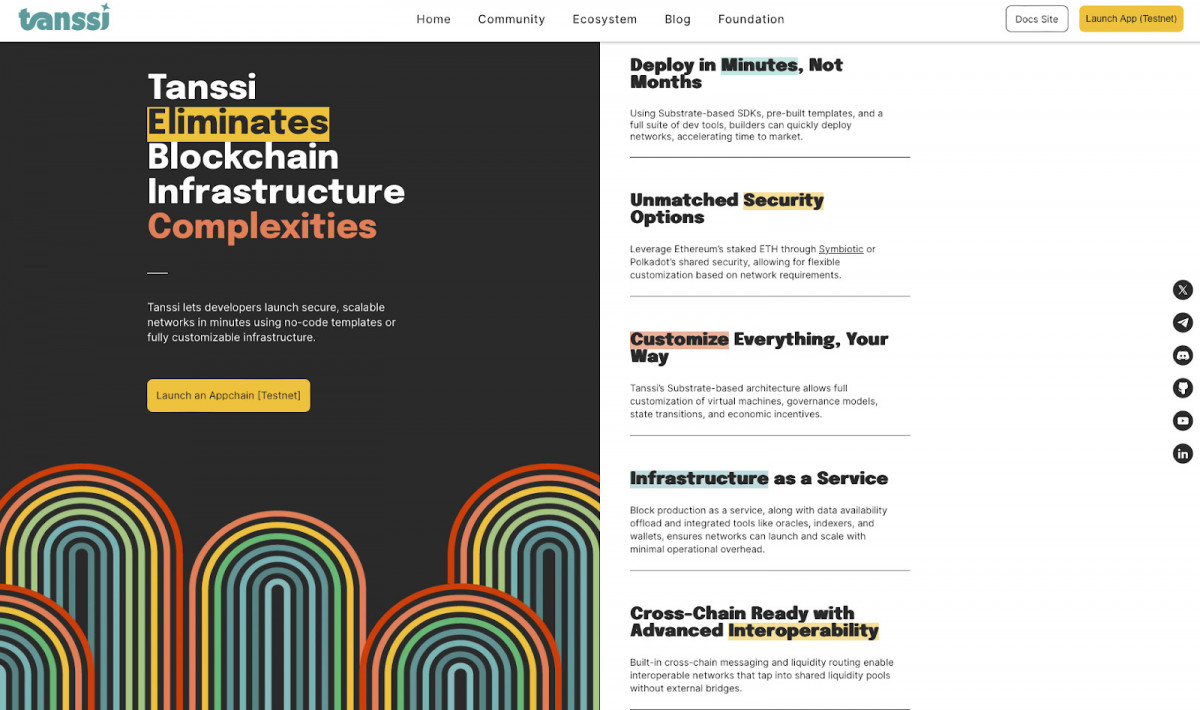
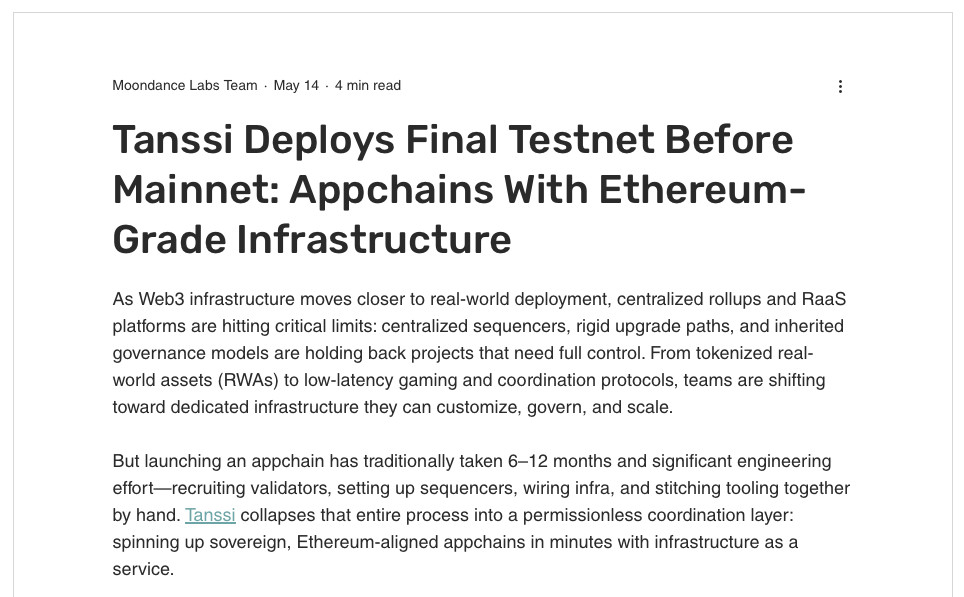
Launching a blockchain is still, frankly, a slog. Even now, in the back half of 2025, you’re usually looking at six months, a deep protocol team, and a low six-figure budget just to get something vaguely production-ready. Tanssi thinks that whole process is broken – and they’re going for the throat with their “Blockchain in minutes” pitch. Sounds like a meme, we know, but they seem serious.
Source: Tanssi Network
What they’re building is more than a dev toolkit – it’s a launch platform for full-blown appchains. Kind of like spinning up your own blockchain server, but with plug-and-play components: governance settings, consensus layer, Ethereum-compatible dev tools, and built-in support for shared security frameworks like Ethereum restaking or Polkadot’s validator set. Under the hood it’s built on Substrate, so there’s real muscle behind it. Pick your stack, hit deploy, go live. At least, that’s the promise.
Source: Tanssi Network
In May, they rolled out their final public testnet – a dry run for mainnet, which is slated to land sometime in June. And this isn’t a ghost town testnet, either. Teams are already using it to deploy chains, coordinate validators, and plug into integrations. The Tanssi crew says there are 150+ projects in the queue – ranging from DeFi experiments to real-world asset platforms to gaming networks. That’s a lot of activity, and while some of it’s definitely pre-TGE froth (yes, the token is coming), there’s substance there.
Source: Tanssi Network
They’re not flying blind either. Tanssi raised $9 million from a strong lineup – Arrington Capital, HashKey, and even Gavin Wood himself, which makes sense given the Substrate roots. So this isn’t some fork-of-a-fork dev team duct-taping something together. They’re plugged in with the infrastructure crowd that’s been building serious protocol gear for years.
Still, we’re not all-in just yet. The biggest question looming over Tanssi is existential: do most teams actually want their own chains? Cosmos and Avalanche subnets planted that flag years ago, but uptake has been niche at best. Tanssi is betting the market shifts if the barrier drops – that with tools like restaking and modular SDKs, teams will favor sovereignty over shared space. Maybe. But we’re not there yet.
For now, it’s all about how mainnet lands. Who launches, what sticks, and whether these appchains become ghost towns or living ecosystems. A clean testnet is a good start – but the real story begins when value flows, and we’re going to watch it closely.
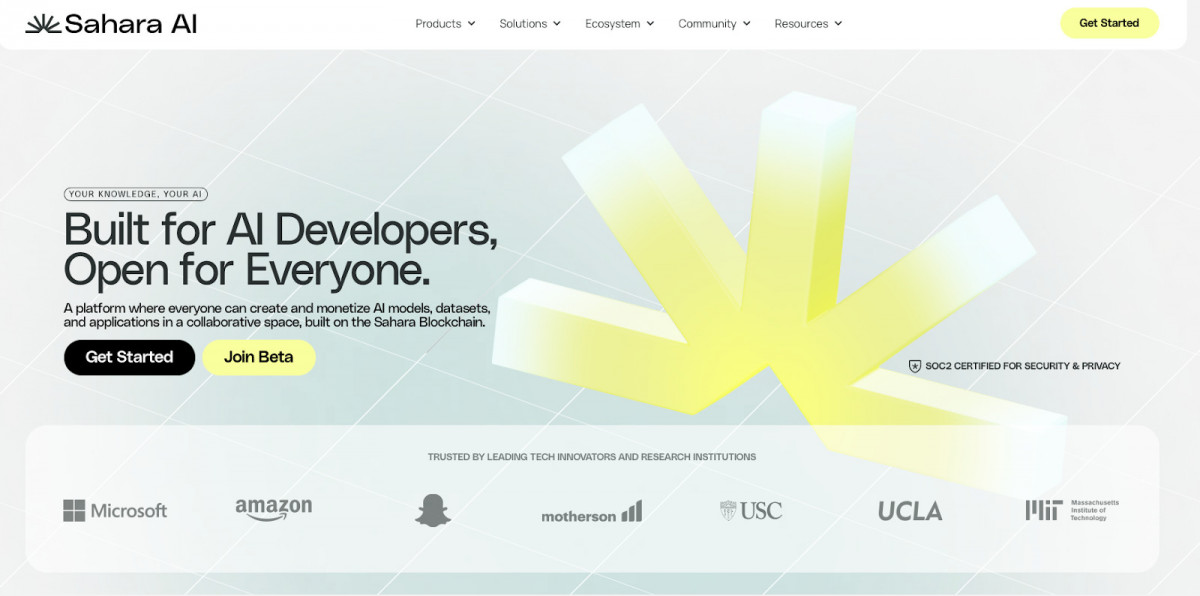
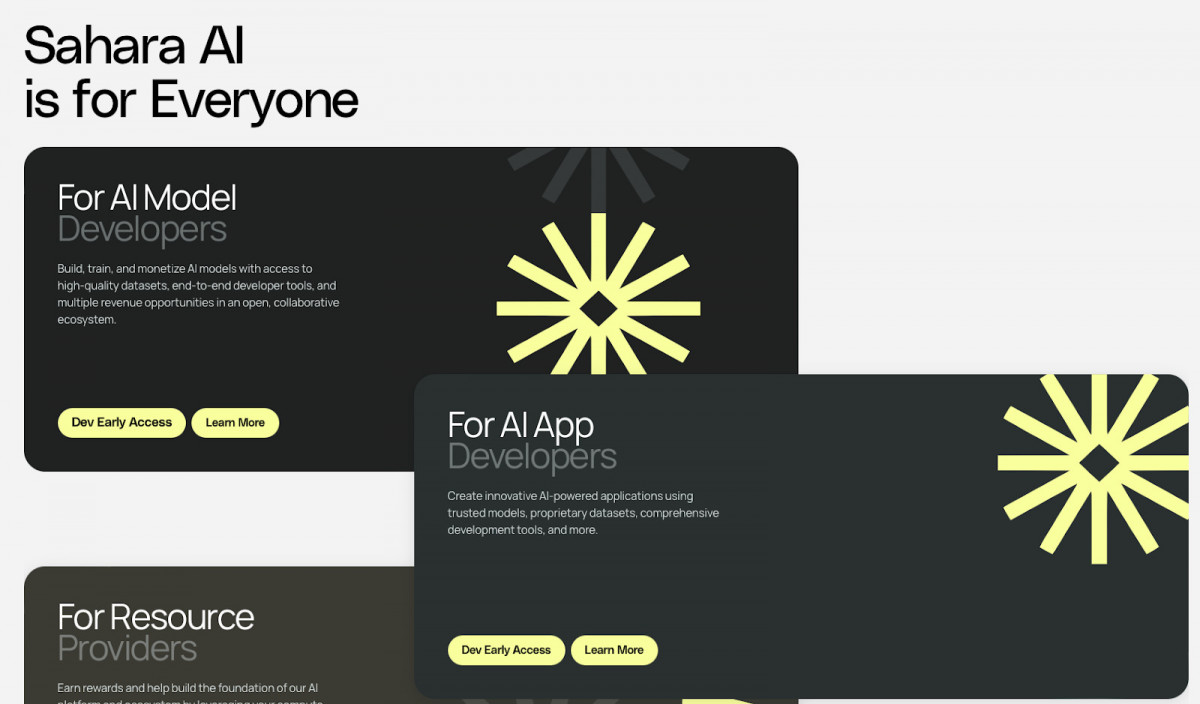
If we were handing out awards for “most ambitious project of the month,” Sahara would win it with zero competition. They’re not just trying to slap a token on AI – they’re going after the whole stack. Think: data licensing, model attribution, royalty payouts – all wired together through an on-chain backend economy. The pitch is pretty wild: turn every part of the AI training pipeline into a traceable asset. If your data helps train a model, the system knows about it, and you get paid.
Source: Sahara Labs
That’s the vision, and in May, they inched a little closer. Sahara dropped its first public testnet – codenamed SIWA – after running a private phase that came with some eyebrow-raising usage stats: 3.2 million total accounts, 1.4 million daily actives. Either we just found Web3’s most adopted AI infra overnight… or someone’s counting very generously. Still, alongside the testnet, they rolled out a long partner list – 40+ names including AWS, Google Cloud, and UC Berkeley. That’s a lot of reach for a project still early in its arc.
Source: Sahara Labs
What raised our eyebrows even more was the note that Sahara’s already generating revenue on its data services platform – and testnet users are sharing in that. That’s not the usual “just click around and break stuff” approach. They’re treating this testnet like a proving ground with real economic flow, not just a sandbox with training wheels.
Source: Sahara Labs
Money-wise, they’re well armed. $43 million raised from a stacked list: Pantera, Polychain, Binance Labs, Samsung Next, and more. So there’s real institutional belief here – and probably a fair bit of pressure to deliver.
But look, the truth is, this is uncharted territory. There are very real, very messy questions sitting under all this: How do you actually prove a model used a specific dataset? Who owns what if the training data came from half the internet? Can you really build a royalty flow for AI that doesn’t crumble under gas costs or legal scrutiny? None of that’s trivial, and none of it’s solved yet.
Also worth flagging: no mainnet, no token, and some of the heavier logic (like licensing vaults and payout flows) is still more concept than code. So while it feels big – and it might turn out big – right now it’s still early scaffolding. A big moonshot, but a moonshot all the same.
Wrap-Up
So yeah – May had some interesting dynamics to it. Mainnets shipped, testnets went public, and a few projects reminded us that under the noise, people are still building wild, ambitious things. Let’s be honest: some of this will flop, sooner or later. Some projects might quietly underpin the next cycle of actually useful infrastructure. And some… well, we’ll be back in a few months to see if any of it stuck.
Disclaimer
In line with the Trust Project guidelines, please note that the information provided on this page is not intended to be and should not be interpreted as legal, tax, investment, financial, or any other form of advice. It is important to only invest what you can afford to lose and to seek independent financial advice if you have any doubts. For further information, we suggest referring to the terms and conditions as well as the help and support pages provided by the issuer or advertiser. MetaversePost is committed to accurate, unbiased reporting, but market conditions are subject to change without notice.
About The Author
Victoria is a writer on a variety of technology topics including Web3.0, AI and cryptocurrencies. Her extensive experience allows her to write insightful articles for the wider audience.
More articles
Victoria d’Este
Victoria is a writer on a variety of technology topics including Web3.0, AI and cryptocurrencies. Her extensive experience allows her to write insightful articles for the wider audience.
Published: May 30, 2025 at 1:28 pm Updated: May 30, 2025 at 1:28 pm
by Ana
Edited and fact-checked:
May 30, 2025 at 1:28 pm
To improve your local-language experience, sometimes we employ an auto-translation plugin. Please note auto-translation may not be accurate, so read original article for precise information.
In Brief
Major crypto players like Coinbase, Binance, and Bitget are integrating blockchain into everyday life, bridging sports, finance, education, and consumer spending worldwide.
From stadium sponsorships and cybersecurity alliances to university education drives and retail payment rollouts, the final week of May saw major crypto players making bold moves. Partnerships from Coinbase, Binance, Bitget, and more are pushing blockchain deeper into everyday life, bridging sports, finance, education, and consumer spending worldwide.
Coinbase Teams Up With Toronto FC and Argonauts to Bring Crypto to Canadian Sports Fans
Coinbase has taken another bold step in Canada, locking in a multi-year partnership with Toronto FC and the Toronto Argonauts under the MLSE umbrella. The move positions Coinbase as the official crypto exchange and wallet partner for both teams, blending digital innovation with fan engagement. Starting in 2025, the Coinbase logo will be stitched onto Argonauts jerseys and prominently displayed at BMO Field, where the newly unveiled Coinbase Lounge aims to become a go-to destination for fans. Through gamified experiences and social media contests, the brand plans to engage supporters while also demystifying the world of crypto.
The partnership is more than just marketing. It’s a strategic play to connect with Canada’s growing sports audience by embedding itself in iconic institutions. The digital experiences won’t stop at the stadium; online campaigns will promote crypto education in fun and immersive ways. Coinbase has already made waves in Canadian football with its CFL involvement, and this local activation with TFC and the Argonauts brings crypto “closer to home” for many fans. With ties already built across esports, racing, and basketball, this latest effort cements Coinbase’s ambition to merge crypto with the energy of live sports.
Irdeto and Coinbase Launch Strategic Offensive Against Crypto-Powered Cybercrime
Coinbase is stepping beyond the world of finance to crack down on a growing threat: cybercriminals using crypto to fund piracy and fraud. Partnering with digital security firm Irdeto, Coinbase will now work to dismantle criminal networks that exploit blockchain anonymity. At the heart of this collaboration is Irdeto’s Payment Disruption service, which identifies and removes bad actors before their operations scale. Irdeto shares real-time investigative findings with Coinbase, allowing the platform to cut off “financial lifelines” to cybercriminals early in their tracks.
According to Irdeto, the misuse of crypto by illicit service providers has steadily increased from 13% in 2022 to 19% by 2024. This growing trend prompted both companies to intensify efforts, not just to detect criminal activity but to proactively dismantle its infrastructure. Coinbase’s Global Intelligence VP said the partnership enables them to “act swiftly on high-quality intelligence” and reinforce public trust in digital currencies.
The alliance also supports law enforcement with in-depth reports, aiding in crypto asset recovery and prosecution. With global investigations and compliance frameworks aligned, this effort signals a new wave of industry-led accountability, one that positions Coinbase and Irdeto at the forefront of securing crypto’s future.
Bitget Wallet and Coinpal Expand Crypto Payments to 6,000+ Merchants
Bitget Wallet is taking crypto spending mainstream by partnering with global payments platform Coinpal. The collaboration allows users to spend their crypto across a vast network of 6,000+ online merchants, from gaming and electronics to fashion and digital services. Coinpal will serve as the key channel partner for Paydify, Bitget Wallet’s decentralized payment gateway that helps onboard crypto-accepting businesses.
At the heart of this rollout is Bitget Wallet’s Scan to Pay feature, letting users scan QR codes and pay directly in digital currencies. Future updates will support Solana Pay and regional QR code systems, with seamless conversions between crypto and fiat. Bitget Wallet’s COO emphasized that their aim is to go “beyond storage and trading” and make crypto spending frictionless in everyday life.
Coinpal, which holds multiple regulatory licenses, provides a compliant, secure platform for processing crypto transactions globally. Its integration with Bitget Wallet not only enhances usability for consumers but also gives merchants access to an active Web3 user base. Both teams aim to expand into offline retail and improve the user experience, positioning this partnership as a significant push toward making crypto “a trusted, everyday payment option” across borders and industries.
Cecabank and Bit2Me Launch Crypto Services Platform for Spanish Banks
Cecabank is stepping into the future of finance by joining forces with Bit2Me to launch a full-service crypto platform tailored for traditional financial institutions. The platform will offer real-time market access, trading tools, and secure asset custody — all wrapped in strict regulatory compliance. Cecabank’s role ensures operational security and adherence to Spanish and EU regulations, while Bit2Me brings the technology muscle with its infrastructure and asset execution capabilities.
The collaboration, finalized in May 2024, is pending final approval from Spain’s financial regulator, CNMV. Once cleared, the platform could become a benchmark for how traditional banks can responsibly offer digital assets. Cecabank’s director of securities services described the project as a “reference roadmap” for integrating digital assets much like they do fiat services today.
With over $350 billion in custody, Cecabank is among the largest players in Spain and Portugal. By partnering with Bit2Me, a trusted name in European crypto circles, it adds institutional weight to Spain’s growing crypto ecosystem. As policies under MiCA become clearer, the partnership could serve as a model for future public-private collaborations across Europe. Bit2Me’s co-founder calls 2025 “a turning point” for banks to finally go all-in on crypto trading and custody services.
MultiChoice’s Irdeto Joins Forces with Coinbase to Disrupt Crypto-Funded Piracy
MultiChoice’s cyber arm, Irdeto, has teamed up with Coinbase to track and take down pirates and cybercriminals using crypto as a payment tool. The partnership boosts Irdeto’s Payment Disruption service, aimed at cutting off illegal operators’ cash flows, especially those misusing Coinbase to facilitate copyright theft and piracy.
Irdeto says crypto-funded piracy is rising fast, jumping from 13% in 2022 to 19% by the end of 2024. Through intelligence-led investigations, Irdeto shares data with Coinbase to block these bad actors and support law enforcement in building cases and recovering illicit funds.
This partnership lets us “hit cybercriminals” where it hurts—their wallets, said Irdeto’s Mark Mulready. Coinbase echoed the importance of trust and early intervention in keeping crypto clean. It’s part of Irdeto’s broader push to work with payment platforms and agencies globally to shut down criminal ecosystems from the financial side.
Binance Academy & Pakistan’s IT Ministry Launch Blockchain Education Drive
Binance Academy is teaming up with Pakistan’s Ministry of IT and Telecom to roll out a massive blockchain education initiative across the country. The plan? Train 300 educators and reach 80,000 students at 20 universities by 2026.
Part of the Global University Outreach Program (GUOP), the initiative will weave blockchain into university courses with free resources, industry links, and professional certificates. It’s a move to future-proof Pakistan’s digital economy and make it a regional talent hub.
Binance says this builds on its growing education efforts, already reaching 3,000+ students in Pakistan and expanding to 20 countries since 2023. For Binance, it’s also a way to strengthen regulatory compliance and innovation in emerging markets.
Alchemy Pay & XT Exchange Team Up to Streamline Fiat-Crypto Transactions
Alchemy Pay has partnered with XT Exchange to simplify crypto on- and off-ramping globally. Thanks to the integration, users can now buy and sell crypto directly on XT using credit cards, mobile wallets, or bank transfers, no more complicated setups or detours.
The goal is to make entering and exiting the crypto market seamless for both casual users and pro traders. This ease of use is expected to drive more trading activity and adoption, while helping XT grow revenue through increased transaction volumes.
As demand for compliant, cross-border payment solutions rises, this partnership offers a powerful model: user-friendly, regulation-aware, and globally accessible. It’s also part of a wider trend, blurring the lines between traditional finance and DeFi to push crypto into the mainstream.
Disclaimer
In line with the Trust Project guidelines, please note that the information provided on this page is not intended to be and should not be interpreted as legal, tax, investment, financial, or any other form of advice. It is important to only invest what you can afford to lose and to seek independent financial advice if you have any doubts. For further information, we suggest referring to the terms and conditions as well as the help and support pages provided by the issuer or advertiser. MetaversePost is committed to accurate, unbiased reporting, but market conditions are subject to change without notice.
About The Author
Victoria is a writer on a variety of technology topics including Web3.0, AI and cryptocurrencies. Her extensive experience allows her to write insightful articles for the wider audience.
More articles
Victoria d’Este
Victoria is a writer on a variety of technology topics including Web3.0, AI and cryptocurrencies. Her extensive experience allows her to write insightful articles for the wider audience.
Published: May 30, 2025 at 11:47 am Updated: May 31, 2025 at 7:50 am
by Ana
Edited and fact-checked:
May 30, 2025 at 11:47 am
To improve your local-language experience, sometimes we employ an auto-translation plugin. Please note auto-translation may not be accurate, so read original article for precise information.
In Brief
At the Hack Seasons Conference in Dubai, LunaPR interviewed Yat Siu about the evolving crypto landscape, Web3 adoption, and the potential for stablecoins and student loans as future keys.
Few names resonate as powerfully in the Web3 space as Yat Siu, co-founder and chairman of Animoca Brands. Known for pioneering digital property rights and advancing blockchain innovation in gaming, education, and finance, Yat has become a central figure in shaping the next generation of the Internet. At the Hack Seasons Conference in Dubai, LunaPR sat down with Yat to discuss the shifting crypto landscape, Web3 mass adoption, and why stablecoins and student loans might just be the unlikely keys to the future.
Dubai & The Rise of MENA in Web3
LunaPR: You’ve spent quite a bit of time in Dubai. What makes it an attractive place for crypto and innovation?
Yat Siu: Dubai is fast becoming a major innovation hub. The UAE has a deeply pro-business environment and a healthy relationship with capital and entrepreneurship. That mindset attracts innovators. I compare it to Hong Kong — dynamic, open, and focused on growth. With a young population across the MENA region and strong government collaboration, Dubai could become what Hong Kong has been to Asia — a central financial and tech gateway.
Crypto in China: Misunderstood or Misrepresented?
LunaPR: There’s still a lot of confusion around China’s stance on crypto. What’s your take?
Yat Siu: The idea that China is anti-crypto is outdated. It’s not illegal to hold crypto in China — the ban was on mining, mainly due to energy consumption concerns. Speculation is discouraged, but blockchain technology is very much embraced. Hong Kong plays the role of financial intermediary for China. For example, we’re partnering with Standard Chartered in Hong Kong on a stablecoin initiative with regulatory backing. That kind of collaboration is rare anywhere else in the world.
From Gaming to Stablecoins — Is Animoca Shifting Focus?
LunaPR: Animoca is known for its work in blockchain gaming. Why the move into stablecoins and finance?
Yat Siu: We’re not shifting focus — it’s an expansion of our mission. We’re here to deliver digital property rights at scale. Stablecoins help with mass adoption because they build trust among people unfamiliar with Web3. If a trusted bank issues a stablecoin, it opens the door. Of our 570+ investments, we cover AI, Layer 1 and 2 infrastructure, education, and more. It’s all part of enabling the Web3 ecosystem.
Reimagining Education Through DeFi
LunaPR: Tell us about your new student loan initiative. Why is that important?
Yat Siu: We recently committed $10 million toward DeFi-based student loans. The idea is to onboard students through real-world utility. They get a wallet, receive a loan, repay it on-chain — that’s a Web3 education in itself. Plus, education is a $6 trillion industry. Student loans alone are a $3 trillion market. Putting just 10% of that on-chain could massively boost DeFi’s total value locked (TVL). It’s a scalable, impactful use case.
A Journey Through Tech, Capitalism & Purpose
LunaPR: You’ve had a long entrepreneurial journey. How did your past shape your Web3 philosophy?
Yat Siu: I grew up in Austria in the ’70s, started with Atari in the ’80s, and launched Hong Kong’s first ISP in the early ’90s. I’ve lived under communism, socialism, and raw capitalism — all of that shaped my thinking. I believe Web3 offers a way to build stakeholder capitalism, where value and ownership are more distributed and inclusive. That philosophy drives everything we do at Animoca.
Listening to Founders, Betting on the Fringe
LunaPR: You’re known for being very approachable despite your success. Why is that?
Yat Siu: I’ve been the guy pitching ideas and getting turned down. I have empathy for founders who are building with passion and purpose. I may not invest in every idea, but I try to listen. Some of the wildest pitches I’ve heard — like aging wine under the ocean or sending it to space — may not be for me, but they still teach me something. The best ideas often come from the fringe.
What’s Next for Animoca?
LunaPR: What should the world be watching from Animoca Brands this year?
Yat Siu: Three key areas:
Education & onboarding through platforms like Open Campus and student finance.
Digital identity & reputation, which is essential for trust and growth in Web3. We’re tackling this with our Mochaverse project.
Gaming — still at the heart of Web3 activity. With the upcoming release of GTA 6 and new consoles like Switch 2, we expect a major boost in adoption and token activity. Gaming will continue to lead Web3 engagement — not just in usage, but in cultural relevance.
LunaPR: Final words?
Yat Siu: This is a time of reinvention. Web3 allows us to reshape how we think about ownership, opportunity, and value. If we stay open to innovation — even the seemingly crazy ideas — we’ll be able to build something far more impactful than the systems we have today.
Disclaimer
In line with the Trust Project guidelines, please note that the information provided on this page is not intended to be and should not be interpreted as legal, tax, investment, financial, or any other form of advice. It is important to only invest what you can afford to lose and to seek independent financial advice if you have any doubts. For further information, we suggest referring to the terms and conditions as well as the help and support pages provided by the issuer or advertiser. MetaversePost is committed to accurate, unbiased reporting, but market conditions are subject to change without notice.
About The Author
Victoria is a writer on a variety of technology topics including Web3.0, AI and cryptocurrencies. Her extensive experience allows her to write insightful articles for the wider audience.
More articles
Victoria d’Este
Victoria is a writer on a variety of technology topics including Web3.0, AI and cryptocurrencies. Her extensive experience allows her to write insightful articles for the wider audience.
OpenSea just flipped the switch on its biggest update yet. The platform has officially completed its public beta and relaunched as “OS2″—a fully rebuilt marketplace that opens up the full token universe. Now, users can trade not only NFTs but also fungible tokens across 19 different blockchains.
Alongside this relaunch comes a brand-new rewards program called Voyages, which gives users XP for their on-chain activity. Whether you’re collecting NFTs, swapping tokens, or curating galleries, every move earns you points.
It’s all part of OpenSea’s mission to become the go-to place to discover, own, and trade anything onchain. And with the highly anticipated SEA token airdrop on the way, both old and new users have something to look forward to.
Key Takeaways
OpenSea is now OS2, a revamped platform that supports trading across 19 blockchains—not just Ethereum.
It’s more than NFTs now: users can also trade fungible tokens, including those on Solana.
A new rewards system called Voyages gives users XP points for actions like buying NFTs or swapping tokens.
SEA, OpenSea’s new token, will be airdropped to past and current users based on their activity.
Crypto regulations in the U.S. might be softening under the current administration, which could help platforms like OpenSea grow.
Other projects are doing the same: Pudgy Penguins’ PENGU token recently made headlines with a huge launch.
What’s New with OS2
OpenSea’s relaunch isn’t just a fresh coat of paint—it’s a full rebuild. CEO Devin Finzer said, “OpenSea isn’t just an NFT marketplace anymore. We’re building the best place to discover, own, and trade anything onchain.” It’s now open to everyone after a successful public beta.
It now supports 19 different blockchains and lets users trade more than just NFTs. It’s added tools for minting, made transactions faster, reduced fees, and improved the way assets are discovered. Some old restrictions, like bans and delisted collections, have also been lifted.
Source: OpenSea
Meet Voyages: OpenSea’s New Rewards Program
To make the platform more fun and rewarding, OpenSea has launched Voyages. It’s a new system where users earn XP—or Experience Points—for taking part in the community.
That could mean swapping tokens, collecting NFTs, or even curating galleries. Think of it as gamifying your activity, turning everyday actions into chances to earn.
(XP points are a way to track and reward your engagement across the platform—like a loyalty program but Web3-style.)
SEA Token: What We Know So Far
The SEA token will be the heart of the new OpenSea ecosystem. Although there’s no exact launch date yet (as of May 2025), OpenSea has made it clear: both longtime and recent users will be eligible for a SEA token airdrop.
The token will be introduced after key features go live, so that it offers lasting value from day one. Even more encouraging? SEA will be available in many countries, including the U.S.—despite the ongoing uncertainty around crypto regulations.
Why Now? And Why It Matters
This relaunch comes at a pivotal time. OpenSea has been facing stiff competition from platforms like Blur and Magic Eden. In 2024, it also dealt with lawsuits and questions about whether NFTs and tokens should be treated as securities.
But the regulatory mood in the U.S. seems to be shifting. DonaldTrump has talked about making the country “the world’s crypto capital,” and recent leadership changes at major regulatory agencies suggest a more relaxed approach to oversight.
OpenSea’s SEA launch echoes moves by other big players. Take Pudgy Penguins, for example—their PENGU token hit a $3.5 billion market cap shortly after launch, before stabilizing around $620 million.
Legacy OpenSea vs. OS2: What’s Changed?
Feature
Old OpenSea
OS2 Relaunch
Supported Blockchains
Mostly Ethereum
19 blockchains, including Solana
Asset Types
Just NFTs
NFTs and fungible tokens
Rewards
None
XP via Voyages, SEA token airdrop
Trading Tools
Basic NFT tools
Cross-chain swaps, minting tools
User Engagement
Limited incentives
More ways to earn, more reasons to stay
Final Thoughts
OpenSea isn’t just updating its look—it’s reimagining its role in the Web3 world. With support for multiple blockchains, better tools, and the upcoming SEA token, the platform is aiming to win back its top spot and make things more rewarding for users.
The SEA token may not have a launch date just yet, but when it arrives, it’ll likely be a major moment for OpenSea.
Frequently Asked Questions
Here are some frequently asked questions about this topic:
What is OS2 and how is it different?
OS2 is OpenSea’s revamped platform, now supporting 19 blockchains, fungible tokens, faster trading, and cross-chain swaps—far beyond the old NFT-only model.
What is the SEA token and how do I earn it?
SEA is OpenSea’s upcoming native token. It will be airdropped to users based on past and current activity. Earning XP through the Voyages program may boost eligibility.
When will the SEA token launch?
No exact date yet. The launch will follow the rollout of key features to ensure SEA has real utility.
Can U.S. users receive SEA tokens?
Yes, SEA will be available in the U.S., though users should monitor regulatory developments.
How does Voyages work?
Voyages rewards users with XP for using platform features like swaps, NFT buys, and gallery sharing. XP may factor into SEA token distribution.
It’s not a secret that gambling activities can affect users in different ways. Some can calmly perceive losses and control themselves, and others struggle with compulsive habits and need third-party intervention to cope with casino-related problems. Tools like GamStop have been developed in line with UK Gambling Commission guidance, offering users the ability to restrict access to betting platforms and take time to recover. Players joining self-exclusion cannot access any gambling content for the chosen term and often opt for alternative digital entertainment options. In this case, competitive gaming is a worthy solution, so let’s discover its benefits for GamStop participants.
Role and Advantages of GamStop in the Gambling Market
The UK is the first country to launch a nationwide blocking tool that evaluates all players’ actions in in-country casinos and sportsbooks and can ban those who gamble excessively. Users are restricted from all potentially harmful platforms registered in the British jurisdiction when joining the program. Sometimes, GamStop bans players against their will, and they search for alternative ways to engage in their favourite activity. In this case, many join casinos not on GamStop, regulated outside the UK borders and not covered by the self-exclusion tool. These platforms are legal in the state and offer games and bonuses without limitations.
Offshore sites are the most evident solution for GamStop members, but interacting with them requires self-control and compliance with responsible gambling principles to avoid repeated disorders. Many players search for more opportunities, and competitive gaming is a good choice for those who want to eliminate compulsive behaviours but still enjoy their hobby.
What’s Competitive Gaming and Its Benefits for Players
Competitive gaming, widely recognised as esports, is a relatively new discipline involving organised multiplayer competitions. The most popular titles include League of Legends, DOTA II, and CS: GO; even those who never engaged in digital entertainment might have heard of these titles. For anyone exploring new gaming experiences, especially GamStop users, checking out expert game reviews and impressions can help identify skill-based games that promote strategy and teamwork. Participation in these games requires skills, strategy, and the ability to act in teams, which is really valuable for those struggling with compulsive gambling problems. GamStop members can consider this activity when restricted from online casinos, and here’s why.
New Challenge: Replacing Cravings for Adrenaline
Undeniably, most casino players aim to win real money prizes, but the sense of excitement and achievement is another factor driving their interest in online gambling. Competitive gaming offers a similar level of thrill in a healthy environment that doesn’t impose financial risks.
Developing complicated strategies and demonstrating exceptional skills can help users appear on the leaderboard and win prizes without initial investments. The dopamine released when spinning the reels in slot machines can be replaced by other players’ recognition and in-game rewards, reducing the temptation to return to online casinos.
Positive Environment and Community
Engaging in competitive gaming assists GamStop participants in distracting from obsessive thoughts about online casinos and playing in a supportive and inclusive community. Esports players are often friendly and gladly share their experiences with newcomers. Instead, the gambling landscape is often toxic since multimillion-dollar jackpots are at stake.
Switching to gaming can balance competitiveness with a healthy environment, accelerating the recovery among self-excluded individuals. While gambling usually implies isolation when sitting at the poker table or spinning the reels, esports offers higher social engagement.
Chance to Build Identity Beyond Gambling and Personal Growth
When a user struggles with casino addiction, gambling becomes a part of their identity. Overcoming the disorder usually requires members to find themselves and create a new approach to gaming activities to prevent worsening the condition. It’s important to understand the consequences of getting around GamStop, as bypassing self-exclusion can undermine recovery efforts and delay progress. The esports community helps players get recognition and respect from other team members or viewers (if a user participates in tournaments). This opportunity allows GamStop members to progress and boast notable accomplishments. The competitive aspect of this discipline encourages players to constantly strengthen their skills and find motivation for new achievements, completely changing their perception.
Benefits for Physical and Mental Health
Online gambling often results in problems with mental health, while separate individuals can also suffer from physical symptoms. Instead, competitive gaming requires players to stay sharp and develop decision-making and strategy-building skills. In addition, gamers need to remain focused, so cognitive abilities are critical. The desire to achieve success in this sector encourages users to develop healthy habits and stay in control of their actions. These skills positively affect recovery from casino-related compulsive disorders, so GamStop members should definitely take advantage of competitive gaming.
Final Insight
Engagement in esports offers a healthy alternative for users suffering from the unpleasant consequences of uncontrolled gambling. GamStop is a valuable tool for recovery, but self-excluded customers often seek entertainment opportunities beyond online casinos. The mental and physical benefits of competitive gaming include improving cognitive abilities, strategy-building skills, and focus on details. In addition, the esports community is more friendly and supportive, so GamStop participants can receive additional motivation and a sense of achievement.
Esports has emerged as a multi-billion-dollar industry worldwide, parallel to the growth in mobile gaming, and Canada is certainly not falling behind. The number of Canadian viewers on Twitch is increasing dramatically alongside the Canadian Overwatch League viewership. Canadian esports journalists are now trying to capture the public’s attention through mobile applications affiliated with traditional sports channels. With the increasing embrace of esports, most conventional broadcasters attempt to skip over the basics and go straight to testing live tournament coverage, worsening the media rights deals begun by publishers.
What is peculiar about Canada is the speed at which supporters are shifting from watching on a television or desktop computer to mobile devices. It is not the sole reason for convenience that drives the shift from conventional to mobile-first experiences, but the opportunity to interact, engage, and customize the content. Esports is actually consumed on smartphones and tablets. In Canada, esports events are no longer passively watched; they are experienced with creator voice, in-game statistics, and level social engagement tools ubiquitous in the industry.
Metrics, Mobility, and Monetization
This has also created a direct link between esports and online gambling. Football betting audiences are increasingly interested in the real-time data being streamed for esports competitions. These users, in turn, interact with the overlays that predict how the match, players, and even the customers will perform and provide amusement. Audience behavior around games with clearer interfaces and easier interaction, such as the Plinko demo, serves as a benchmark for the gamification trend influencing esports spectatorship and other entertainment forms. The role of viewing as an audience shifts dramatically, and so do micro-transactions, quick decision games, and user-driven outcomes that are pivotal to engagement strategy.
Viewing Preference and Engagement Behavior
In Canada, understanding the esports audience reveals that analyzing them as a single unit is not effective.
Top 5 Engagement Behaviors:
Using secondary screens during streams (Discord chats, Twitter/X/X comments)
Watching creator streams instead of official broadcasts
Wagering on live outcomes of matches (aggregate stats per round or by player)
Participation in giveaways and fan quests associated with the creator
Taking part in co-viewing rooms and community tournaments
This also emphasizes the importance of mobile-optimized design elements. Alerts, swiping menus, and touch-to-click options fundamentally impact user session duration and frequency of returning to a given channel.
Streaming Platforms by Usage in Canada (2024 Data)
Platform
Primary Use Case
Avg.. Daily Users
Twitch
Pro tournaments, streamers
1.8 million
YouTube Gaming
VODs, long-form matches
1.4 million
Kick
Niche creators, reaction content
600,000
Facebook Gaming
Casual gaming, retro tournaments
400,000
TikTok Live
Highlights, short-form engagement
2.1 million
Rise of the Creator Economy in Canadian Esports
The growth of esports in Canada can hardly be discussed without mentioning the ramifications of content creators’ influence. Arguably, local streamers, casters, and analysts have contributed the most as Canadian voices in esports. Canadian talent is now more accessible than ever thanks to TikTok, Instagram Live, and Kick.
A lot has changed now – fans do not simply consume content passively. They actively follow creators who offer real-time commentary and strategies. Look at the example of Canadian streamer “MapleStrats.” He provided live analysis and Q&A during the playoffs of the 2025 Valorant Challengers North America and more than doubled his follower count. In this light, platforms such as Melbet download are gaining new popularity. They apply the same logic – active participation by users, immediate feedback, and gamified attention-capturing elements during endless streaming days or months of complicated tournaments. The ability to voice opinions by voting, prediction brackets, and unlocking bonuses while watching a match in real time are elements of excellent gaming and casino crossover platforms.
Infrastructure and Institutional Support
There is more investment on the university and government side as well. Both Ontario and British Columbia have funded esports facilities at public universities, which combine gaming and media production. Varsity esports leagues are already being piloted to identify future professional players and streamers.
The Canadian Collegiate Esports League (CCEL) has notably widened its scope in 2025 to include broadcasting scholarships and analytics internships. The aim is to professionalize esports, from players to production, at all levels, so Canada can maintain competitiveness internationally.
Looking Ahead: A Change That’s Here to Stay
The change in viewership on mobile devices, as well as the shift to mobile-centric creators taking the focal point, indicates a swiftly evolving dynamic for esports in Canada. Esports in Canada serves as a template for the wider narrative around sports broadcasting. There has been a shift from observing teams and titles to data-driven entertainment alongside smart devices, turning what was considered a niche into mainstream.
If you are one of many who have been considering Blockchain and cryptocurrencies as the ideal method to use when gambling online, you are on the right page. We believe that this is the future of gambling online and that it has countless perks and advantages players do need and will like. Here we will discuss why you may need to use blockchain technology when gambling online.
Understanding Blockchain
The first thing you need to know here is that blockchain is basically a massive database. It will consist of blocks and each block is a unique and a single transaction. What this means is that when you make a deposit at the online casino using any cryptocurrency, you will add one block to the blockchain. Each sequence there is not generic. It is unique and there are no two of the same ones. Some say that this is the same as a human fingerprint. One way or another, this technology works well and it has been with us for a long time.
It is important to add that the whole blockchain technology is encrypted and it is decentralized. What this means is that there is no single government, company, or bank that controls the technology. It is free and it is used by people from all over the world, and it’s one of the reasons why crypto casino rewards have become increasingly attractive to online players. This is something that made it so appealing and so desirable that it obtains millions of new users every single day.
Benefits Of Using Blockchain At Online Casinos
There are a lot of benefits here. Once you know about these, you will know why it is probably the most probable future of online gambling. In a nutshell, this tech allows people to do so much more in less time and enjoy more, especially when combined with advanced gameplay techniques that help players maximize efficiency and security. Here are the main perks.
This tech is known for security and encryption. Each transaction you will ever make is encrypted and there is no way you can decrypt it. This also means that your data is encrypted and safe every single time when you deposit funds into the casino, which is why many casinos not on GamStop have embraced blockchain to enhance security and protect player information. You can use it countless times for this purpose and you will never lose a single percent of your data.
This is so an important benefit that a lot of players started using blockchain as the primary method for transactions and they never stopped using it. Yes, you can use it for any purpose you like and the security is guaranteed.
Using cryptocurrencies and blockchain technology is easier than you may believe. Here is what you need to do. Just buy the cryptocurrency you like and move it to your e-wallet. You will use this e-wallet for any deposit to the casino and any withdrawals. Users can make any forms of payments they like using this method.
In general, now you have one e-wallet that can be used at all crypto casinos and you can enjoy using it on a daily basis. At the same time, we can see that an e-wallet is much safer and more secure than any other method. It works by using a long and strange address. It is a mixture of letters and symbols so stealing one is not easy. These e-wallets have many verification processes so security is impressive for lack of a better word.
If you want to play anonymously at the casino and you want to keep your data hidden and secure, using blockchain is the way to go. This has been another advantage and one that a lot of players love. All we can add here is that when a player uses blockchain he or she will not share his personal data and he will be able to gamble at most casinos that accept this tech.
This also means that you can gamble at all online casinos that support blockchain. The list is growing as we speak so soon you will have countless options and you can choose the casino that matches your needs the best.
The technology here will maintain and keep in the database every single transaction you have made. This is great if you want to deposit funds to a new and unknown casino. If something goes bad, you can always prove that the deposit was made and you have proof of that.
Despite the fact blockchain is safe and anonymous, it is transparent as well. The combination of these two advantages is massive and impressive in the lack of a better word.
The Final Word
Blockchain is the future of online gambling and we all know that. The reasons are obvious. This is a safer, more secure, and more appealing method you can use to gamble online and have fun. At the same time, it is more desirable and something that has been growing on a daily basis for a long period of time. We believe that soon. All online casinos will work with cryptocurrencies and you will have unlimited choices.
Strictly Come Dancing spin-off It Takes Two saw Paul Merson and dance partner Karen Hauer reflect on their recent performance of the quick-step.
The...