The first W Hotel in Brazil, W São Paulo, opened in late December and is already wowing guests with its glass tower, excellent food and beverage options, and prime location. W Hotels has changed since its inception in the 1990s when it was more about being a hip, party-like destination where guests and locals wanted to see and be seen.
Today, the next-generation W is a sophisticated hotel concept with high-end design, unique dining and drinking venues, and of course, its original playful edge. Let’s take a look at five excellent reasons to visit W São Paulo on your next trip to Brazil’s largest city.
The Views
This glass tower reaches 40 floors above the city’s bustling traffic. The top half of the building represents the hotel rooms and suites. The bottom half has private residences that are among the city’s newest and finest.
From this height, the W’s rooms and suites are higher than many of the neighboring skyscrapers. Views are incredible, and the sea of office and residential towers unfurls as far as the eye can see. Some “paulistas” (or residents of the city) choose to avoid the heavy traffic by traveling by helicopter (these flit about like flies landing on the roofs of buildings).
The 40th floor wet deck is home to the infinity edge pool, which has plenty of cushioned lounge chairs. Views are among the best from up here, which is also home to the hotel’s popular L40 restaurant and lounge. DJs often entertain at night when the drinks start flowing.
Even the fitness floor one level down has walls of windows so that people can take in the sights while they work out.
The Design
Take a look around the lobby on the 24th floor (it’s actually called a lounge). The furnishings bear different fabrics and design materials, all the handiwork of creative Brazilians. Mis-matched chairs add color and energy to the bar, which serves pastries and coffee during the day and izakaya-style fare, tasty cocktails and dozens (and dozens) of Japanese whiskey options.
Dim hallways continue the theme of Brazilian colors and jungle-like leaves. The rooms show off even more creativity. It starts with W’s famous bed crafted by a pillowtop bed, enormous plush pillows and a white duvet. USB ports of all types are on either side of the bed.
Even the entry-level rooms are spacious, but the larger you go, the more living space there is. A special highlight are the bright bathrooms with large windows in the shower areas and separate water closets.
Suites have soaking tubs in the living area. All rooms benefit from minibars stocked with Brazilian snacks and massive flat-screen TVs that swivel. Coming soon (they were still under wraps during our visit) are the top suites like the E-Wow version, which is sure to be perfect for entertaining.
The Restaurants and Bars
Baio is the main restaurant serving three meals a day. It starts with a decadent breakfast spread that has the ripest fruits, an array of juices and smoothies, hot and cold dishes, and of course, famous Brazilian cheese bread passed around by staff. An a la carte menu includes bespoke eggs benedict recipes, melt-in-your-mouth Brazilian tapioca plates and acai bowls.
Later in the day, the menu transitions to one that represents the cuisine from southern Brazil. It also incorporates notable influences from Argentina and Uruguay. This means you can expect mouth-watering steaks and traditional Brazilian recipes with a twist. Local business people have already made Baio a go-to spot for entertaining clients.
Come evening, the menu continues the regional flair and takes in the splashy views from the 23rd floor. Just around the corner is yet another cocktail bar (W is all about entertainment and fun, right?). The menu here differs in that it incorporates more foodie flavors in its mixology recipes. Expect local veggies and fruits to dominate the palate. There are also creative mocktails that are becoming increasingly popular in the city.
Up on level 40, L40 is making quite the splash (and not because it sits next to the pool). L40 doesn’t stand for level 40, but Latitude 40. The menu items here fuse flavors from Brazil with all of the top recipes that appear along that latitude. This includes Spain, Italy, Greece, Turkey, the Middle East, China, Korea and the United States. For example, there are empanada-style dishes stuffed with Peking Duck and patatas bravas with spicy sauce made with manioca (Brazilian yucca).
All of this is the result of an impressive culinary team representing the city’s best chefs under the aegis of the director of food and beverage that came to the hotel from W Bogota. He brings a touch of magic and creativity that inspires the chef team and the serving staff (just wait until you see his mixology ideas for the bar).
The Location
Once considered the edge of town, this is the new downtown and financial center of the city as South America’s largest metropolis continues to balloon. Office towers for banks and tech companies like Google and Netflix are next door. Also adjacent to the hotel are beautiful manicured parks and gardens. Dozens of restaurants are within walking distance. Just across the street: one of the city’s two major fashion malls with every high-end brand (and a food court that is hard to beat).
Another draw that is sure to attract hotel guests and locals is the spa, which will have three treatment rooms. The staff used local ingredients and recipes to design the treatments’ oils and creams.
Here’s a fun fact. The physical building for the W was redesigned slightly during its reconstruction to allow for better views. This means the architecture was shifted so to not obstruct the scenery from most windows by neighboring towers.
The People
It is clear from the moment you arrive that the staff are proud of this new W opening. They don designer uniforms and are eager to show off every corner of the hotel’s chic public areas. Working at the W is as sought after as staying at one; it’s a hospitality symbol that you’re cool. And this team is cool.
The door staff and security team greet guests with a smile and point travelers to nearby attractions. If you are sitting in one of the lounges, someone is sure to come and greet you with a glass of water and offer something from the bar menu. They might even strike up a conversation to ask how your day is or if you are interested in learning about the Brazilian designers that crafted most of the furnishings.
It’s not just the people that work here that W São Paulo is proud of, but also the people that it works with to supply things for the hotel. For example, the drip coffee in the restaurant is from a local, female-operated non-profit that produces the richly flavored beans. The coffee industry in Brazil is heavily male-dominated. This is just one example of how the hotel focuses on community support. Marriott Bonvoy fans will find this to be one of the best hotels in the city. It is certainly its most design-forward.
The first W Hotel in Brazil, W São Paulo, opened in late December and is already wowing guests with its glass tower, excellent food and beverage options, and prime location. W Hotels has changed since its inception in the 1990s when it was more about being a hip, party-like destination where guests and locals wanted to see and be seen.
Today, the next-generation W is a sophisticated hotel concept with high-end design, unique dining and drinking venues, and of course, its original playful edge. Let’s take a look at five excellent reasons to visit W São Paulo on your next trip to Brazil’s largest city.
The Views
This glass tower reaches 40 floors above the city’s bustling traffic. The top half of the building represents the hotel rooms and suites. The bottom half has private residences that are among the city’s newest and finest.
From this height, the W’s rooms and suites are higher than many of the neighboring skyscrapers. Views are incredible, and the sea of office and residential towers unfurls as far as the eye can see. Some “paulistas” (or residents of the city) choose to avoid the heavy traffic by traveling by helicopter (these flit about like flies landing on the roofs of buildings).
The 40th floor wet deck is home to the infinity edge pool, which has plenty of cushioned lounge chairs. Views are among the best from up here, which is also home to the hotel’s popular L40 restaurant and lounge. DJs often entertain at night when the drinks start flowing.
Even the fitness floor one level down has walls of windows so that people can take in the sights while they work out.
The Design
Take a look around the lobby on the 24th floor (it’s actually called a lounge). The furnishings bear different fabrics and design materials, all the handiwork of creative Brazilians. Mis-matched chairs add color and energy to the bar, which serves pastries and coffee during the day and izakaya-style fare, tasty cocktails and dozens (and dozens) of Japanese whiskey options.
Dim hallways continue the theme of Brazilian colors and jungle-like leaves. The rooms show off even more creativity. It starts with W’s famous bed crafted by a pillowtop bed, enormous plush pillows and a white duvet. USB ports of all types are on either side of the bed.
Even the entry-level rooms are spacious, but the larger you go, the more living space there is. A special highlight are the bright bathrooms with large windows in the shower areas and separate water closets.
Suites have soaking tubs in the living area. All rooms benefit from minibars stocked with Brazilian snacks and massive flat-screen TVs that swivel. Coming soon (they were still under wraps during our visit) are the top suites like the E-Wow version, which is sure to be perfect for entertaining.
The Restaurants and Bars
Baio is the main restaurant serving three meals a day. It starts with a decadent breakfast spread that has the ripest fruits, an array of juices and smoothies, hot and cold dishes, and of course, famous Brazilian cheese bread passed around by staff. An a la carte menu includes bespoke eggs benedict recipes, melt-in-your-mouth Brazilian tapioca plates and acai bowls.
Later in the day, the menu transitions to one that represents the cuisine from southern Brazil. It also incorporates notable influences from Argentina and Uruguay. This means you can expect mouth-watering steaks and traditional Brazilian recipes with a twist. Local business people have already made Baio a go-to spot for entertaining clients.
Come evening, the menu continues the regional flair and takes in the splashy views from the 23rd floor. Just around the corner is yet another cocktail bar (W is all about entertainment and fun, right?). The menu here differs in that it incorporates more foodie flavors in its mixology recipes. Expect local veggies and fruits to dominate the palate. There are also creative mocktails that are becoming increasingly popular in the city.
Up on level 40, L40 is making quite the splash (and not because it sits next to the pool). L40 doesn’t stand for level 40, but Latitude 40. The menu items here fuse flavors from Brazil with all of the top recipes that appear along that latitude. This includes Spain, Italy, Greece, Turkey, the Middle East, China, Korea and the United States. For example, there are empanada-style dishes stuffed with Peking Duck and patatas bravas with spicy sauce made with manioca (Brazilian yucca).
All of this is the result of an impressive culinary team representing the city’s best chefs under the aegis of the director of food and beverage that came to the hotel from W Bogota. He brings a touch of magic and creativity that inspires the chef team and the serving staff (just wait until you see his mixology ideas for the bar).
The Location
Once considered the edge of town, this is the new downtown and financial center of the city as South America’s largest metropolis continues to balloon. Office towers for banks and tech companies like Google and Netflix are next door. Also adjacent to the hotel are beautiful manicured parks and gardens. Dozens of restaurants are within walking distance. Just across the street: one of the city’s two major fashion malls with every high-end brand (and a food court that is hard to beat).
Another draw that is sure to attract hotel guests and locals is the spa, which will have three treatment rooms. The staff used local ingredients and recipes to design the treatments’ oils and creams.
Here’s a fun fact. The physical building for the W was redesigned slightly during its reconstruction to allow for better views. This means the architecture was shifted so to not obstruct the scenery from most windows by neighboring towers.
The People
It is clear from the moment you arrive that the staff are proud of this new W opening. They don designer uniforms and are eager to show off every corner of the hotel’s chic public areas. Working at the W is as sought after as staying at one; it’s a hospitality symbol that you’re cool. And this team is cool.
The door staff and security team greet guests with a smile and point travelers to nearby attractions. If you are sitting in one of the lounges, someone is sure to come and greet you with a glass of water and offer something from the bar menu. They might even strike up a conversation to ask how your day is or if you are interested in learning about the Brazilian designers that crafted most of the furnishings.
It’s not just the people that work here that W São Paulo is proud of, but also the people that it works with to supply things for the hotel. For example, the drip coffee in the restaurant is from a local, female-operated non-profit that produces the richly flavored beans. The coffee industry in Brazil is heavily male-dominated. This is just one example of how the hotel focuses on community support. Marriott Bonvoy fans will find this to be one of the best hotels in the city. It is certainly its most design-forward.
Impressionism changed the way that artists paint and paved the way for contemporary art. Here are the most famous Impressionist paintings that revolutionized the art world.
Most Famous Impressionist Paintings
So what exactly is Impressionism? This radical art movement started in the 19th century in France.
Artists rejected traditional painting methods that used precise brush strokes and stylized portraiture. Instead, they took their easels outdoors (en plein air in French)and depicted the changing light and colors. Many Impressionist painters were inspired by Asian artists, who focused on the subject matter rather than complex backgrounds.
Impressionist art is all about capturing the moment and breaking away from imposed norms. In Paris, a state-sponsored exhibition known as The Salon decided whose paintings could be shown.
The most famous Impressionist painters
A group of artists called the Anonymous Society of Painters, Sculptors, & Printmakers, etc. organized an independent exhibition in 1874. They were annoyed that their paintings had all been turned down by the official Paris Salon and the Academy of Fine Arts.
The founding members of the Impressionist movement included Claude Monet, Alfred Sisley, Camille Pissarro and Edgar Degas. Their first collective exhibition at a gallery on Rue du Capucines in Paris brought together 165 artworks and 30 artists. The art world would never be the same again!
These famous paintings look at their subject matter in a new way and prompt us to do the same.
14. The Starry Night – Vincent Van Gogh
While Vincent van Gogh is considered to be a Post-Impressionist painter, his work, Starry Night, is an influential piece of art that has inspired many Impressionist artists. The painting is an oil depiction of a village landscape at night, as van Gogh saw it outside of his window in the asylum room where he stayed.
The painting’s bright colors and swirling composition embody Impressionist style and paved the way for future artists. Some people believe that it symbolizes hope.
The Starry Night by Vincent Van Gogh – Wikimedia
13. Luncheon of the Boating Party – Auguste Renoir
Auguste Renoir’s Luncheon of the Boating Party is a masterpiece that represents the carefree leisure of the upper-class society in 19th century France. The painting depicts a group of people enjoying a day out in a boating party.
The use of light, color, and texture creates a lively and friendly atmosphere that makes the painting come to life. Renoir’s Luncheon of the Boating Party (Le déjeuner des canotiers in French) is one of the most celebrated Impressionist paintings of all time.
This famous Impressionist artwork is on display at The Phillips Collection in Washington D.C.
Luncheon of the Boating Party by Renoir – Wikimedia
12. A Sunday Afternoon on the Island of La Grande Jatte – Georges Seurat
Georges Seurat was a renowned French painter, and his most famous work is “A Sunday Afternoon on the Island of La Grande Jatte.” The painting depicts a scene of people enjoying their leisure time on an island in Paris.
It is famous for the artist’s usage of pointillism, which involves painting small dots of colors that our eyes blend together. Seurat founded the Neo-Impressionism movement, characterized by vibrant color and its precise application of paint to the canvas.
The painting is on display at the Art Institute of Chicago, and it has become one of the top attractions in the museum.
Edgar Degas is known for his pastel paintings of ballerinas, whom he painted throughout his career. They were often depicted behind the scenes rather than on stage, which was in keeping with his interest in everyday life.
Degas preferred to be known as a realist, and he generally painted indoors in a dance class. Having said that, he was a leader in the Impressionist group, helping to organize their independent exhibitions.
He carefully observed his subjects, capturing their last-minute preparations and elegant movements. To the right of this painting, a shadowy patron with a top hat watches the dancers behind the wings.
Dancers, Pink and Green is on display at The Met Fifth Avenue in Gallery 899.
Dancers, Pink and Green by Edgar Degas
10. Girl Arranging Her Hair – Mary Cassatt
The only American painter to exhibit with the Impressionists, Mary Cassatt was highly skilled in portraying women and children in intimate settings. She lived in France for much of her life and became close friends with Degas.
Along with Berthe Morisot, the French painter, she was one of the most famous female Impressionist artists.
Cassatt was a professionally trained artist, highly skilled in using pastels to convey the impression of natural light. She enjoyed experimenting with new techniques and would often leave parts of her canvas unfinished to express spontaneity.
In Girl Arranging Her Hair, one of Cassatt’s most famous works, we observe a private moment of introspection. The subtle contrast of pink wallpaper and flushed cheeks with the sitter’s blue toned nightdress and water jug is skillfully executed.
Although Degas once said to Cassatt, “What do women know about style?”, he traded this painting for one of his own and it hung in pride of place in his private salon. It is now exhibited at The National Gallery of Art in Washington D.C.
Mary Cassatt, Public domain, via Wikimedia Commons
9. Impression, Soleil Levant – Claude Monet
The famous artwork from which Impressionism takes its name is by Claude Monet. The critic Louis Leroy unfavorably called it a mere sketch or “impression,” rather than a finished painting. Monet became one of the most iconic painters of all time.
Using short, loose brushstrokes and unblended colors, Monet emphasizes the reflection of the water and the thick fog. Completed in 1872, the painting depicts sunrise at the harbour in Le Havre, France.
Most likely completed in a single sitting, this famous Impressionist painting may well have been inspired by the work of J.M.W. Turner. Monet had recently seen the artist’s works in London and been struck by the pervasive fog.
This painting is on display at the Musee Marmottan-Monet in Paris. You can create your own version with an Impression Sunrise Painting by Numbers Kit. It requires no artistic ability and makes a great gift.
Impression Soleil Levant – Claude Monet, Wikimedia
8. Paris Street; Rainy Day – Gustave Caillebotte
This unusual painting successfully portrays a rainy day, even though we don’t see actual rainfall. The umbrellas and shining cobblestones convey humidity, while the painter observes his subjects with a detached air.
Caillebotte often painted members of the working class, as in another of his well known artworks, The Floor Scrapers. In this oil painting he also depicts a couple of flaneurs, or members of the bourgeoisie out for a stroll.
He came from a wealthy family and was a patron of other Impressionists. What is striking about this painting is the aspect of photo realism.
Caillebotte’s brother Martial was a keen photographer and there are several elements of photography at play here. The man to the far right of the painting is cropped out, in a similar fashion to a photograph and the man and woman in the foreground appear more prominent than the figures in the background.
You can admire this innovative artwork at the Art Institute of Chicago.
The Absinthe Drinker is one of the most famous Impressionist paintings. Originally called Dans Un Cafe (In a Cafe), this intimate oil painting shows a couple who appear somewhat the worse for wear.
It looks like they’ve overdone the absinthe on the table! Finished in 1876, this artwork depicts two friends of Degas.
Ellen Andrée was an actress who also featured in several of Manet’s paintings, while Marcellin Desboutin was a painter. In this painting, Degas cuts off the man’s pipe, giving the impression of a casual snapshot. You can view it in the Musee d’Orsay, Paris.
Edgar Degas, Wikimedia
6. Bal du Moulin de la Galette – Pierre-Auguste Renoir
Known in English as Dance at Le Moulin de la Galette, this 1876 painting by Renoir can also be seen at the Musée d’Orsay. Evoking a carefree atmosphere, it depicts working class people enjoying their Sunday afternoon.
The artist has masterfully captured the flickering light and sense of vitality. While some of the people shown were Renoir’s friends, others were professional models.
The outdoor dance hall, Le Moulin de la Galette in Montmartre was close to Renoir’s home and somewhere that he went quite often. Several neo-Impressionists subsequently immortalized this site in their art are, including Henri de Toulouse-Lautrec and Vincent van Gogh.
Create your own version of another famous Renoir artwork with a Luncheon of the Boating Party paint by numbers kit! It’s easy to do and includes free shipping worldwide.
Pierre-Auguste Renoir, Wikimedia
5. Poppy Field – Claude Monet
Created in 1873, this landscape painting by Monet features a mother and child walking through a field of poppies. They were most likely the artist’s wife Camille and son Jean.
The field is thought to be in Argenteuil, France, where Monet lived from 1871 to 1878. He managed to capture the movement of the poppies in this atmospheric artwork.
Poppies by Claude Monet
4. The Boulevard Montmartre at Night – Camille Pissarro
One of the four main boulevards or avenues in Paris, The Boulevard Montmartre is lined with fashionable apartment blocks created when Baron Haussmann redesigned Paris city center.
Camille Pissarro painted this street in the morning as well as at night, from his room at the Grand Hôtel de Russie. The diagonal lines of the pavements and rooftops create an effect of depth.
Notice the reflected light on the rain-soaked pavement on the right which is beautifully depicted. The Boulevard Montmartre at Night is part of The National Gallery collection in London.
Camille Pissarro, Wikimedia
3. A Bar at the Folies-Bergere – Edouard Manet
Although Manet was regarded by the Impressionists as their inspiration, he was something of a reluctant Impressionist. From a wealthy background, Manet preferred to exhibit at the traditional Salon rather than the independent Impressionist exhibitions.
However, his daring and controversial works such as Dejeuner sur l’herbe and Olympia were certainly trailblazing. Manet was adept in depicting everyday scenes of ordinary people such as this barmaid in the Folies-Bergere nightclub.
Manet’s last major painting, accomplished when he was already ill with syphilis, shows us two sides of a woman’s experience. In the mirror’s reflection, she leans attentively towards a customer, however face-on she looks dejected and pensive.
Look to her left and you’ll spot a woman at the bar peering through opera glasses, which further enhances the painting’s observational elements. To the top left, you can spot the green shoes of a trapeze artist performing at the club.
This fascinating Impressionist painting can be seen at The Courtauld Gallery, London.
Édouard Manet – Wikimedia
2. Dance at Bougival – Pierre-Auguste Renoir
Another masterpiece by Renoir, Dance at Bougival is a highlight of the Museum of Fine Arts in Boston, Massachusetts. Parisians flocked to the outdoor dancing terraces in the suburbs of the city.
This oil painting was commissioned by the collector Paul Durand-Ruel, as part of a series of three with a common theme of dancing. The dancing lady’s flushed face and the couple’s close proximity gives a sense of intimacy.
Renoir was the son of a tailor and a dressmaker, and skilled at capturing details like the woman’s fitted dress and red bonnet.
Pierre-Auguste Renoir, Wikimedia
1. The Water-Lily Pond – Claude Monet
Arguably the most famous Impressionist paintings of all are the series of water lily artworks, or Nymphéas in French, created by Claude Monet. There are around 250 oil paintings of Monet’s flower garden in Giverny, Normandy.
The artist created a Japanese inspired garden with a curved bridge, adding weeping willow trees and water lilies. He spent much of the last 30 years of his life painting this scene in different lights.
Rather than depicting the edge of the banks or the sky, the focus is brought in to the surface of the water. Many of the water-lily paintings are displayed at the Musée Marmottan Monet in Paris, although this one is in The National Gallery, London.
Recreate the iconic scene yourself with a painting by numbers Bridge Over a Pond of Water-Lilies kit!
Claude Monet, Wikimedia
Here’s a recap of the most famous Impressionist paintings:
The Water-Lily Pond, Claude Monet
Dance at Bougival, Pierre-Auguste Renoir
A Bar at the Folies-Bergere, Edouard Manet
The Boulevard Montmartre at Night, Camille Pissarro
Poppy Field, Claude Monet
Bal du Moulin de la Galette, Pierre-Auguste Renoir
L’Absinthe, Edgar Degas
Paris Street; Rainy Day, Gustave Caillebotte
Impression, Soleil Levant, Claude Monet
Girl Arranging Her Hair, Mary Cassatt
Dancers, Pink and Green, Edgar Degas
A Sunday Afternoon on the Island of La Grande Jatte, Georges Seurat
Luncheon of the Boating Party, Auguste Renoir
The Starry Night, Vincent Van Gogh
Although famous artists like Vincent Van Gogh, Georges Seurat, Paul Cézanne and Paul Gauguin are sometimes referred to as Impressionists, they’re actually part of the Post-Impressionist movement which focused on formal structure.
In Conclusion: Most Famous Impressionist Paintings
The Impressionists brought us some of the most beloved paintings in history. These artists challenged the status quo and paved the way for new styles of art. If you’re interested in learning more about famous paintings, be sure to check out our other art features.
Which is your favorite Impressionist painting? You may also enjoy:
Like these famous Impressionist paintings? Pin for later or share with friends.
Counterfeit items have always been a problem with luxury items, and that is not much different when it comes to Louis Vuitton items. Websites like eBay are often seen as hubs for fake bags, with a high percentage of these boasting the iconic LV logo. Find out how to authenticate Louis Vuitton in this in depth guide.
Scammers are constantly out there trying to take advantage of shoppers in search of vintage designer goods. So the best way to ensure you don’t fall victim and purchase counterfeit id is to know your brands inside and out.
Starting with the legendary Louis Vuitton Paris, of course. One of the most famous French luxury brands, its designer handbags and leather accessories are synonymous with style and quality.
How to authenticate Louis Vuitton bags and accessories
Authentic luxury at its finest, Louis Vuitton is a luxury goods brand known for their exquisite bags, luggage and luxury trunks. While knockoff Louis Vuitton designs can be seen all over the world, there’s no denying that nothing matches the quality of an original Louis Vuitton item.
From meticulous hand-stitching to high quality materials and signature hardware details that are designed to last generations, few luxury fashion brands outshine this iconic luxury label. Plus, who wouldn’t love the classic luxury branding and logo?
Generally, when it comes to luxury goods, you get what you pay for; therefore when looking at a Louis Vuitton knockoff vs real product – it pays to have an eye on quality.
The iconic Louis Vuitton Damier and Monogram patterns can be found on many authentic products such as the Alma, Neverfull and Speedy. Yet they’re often imitated by unscrupulous sellers.
Here’s a detailed list made to help you identify authentic and fake Louis Vuitton handbags.
Vintage blue and pink Louis Vuitton bag – source: Vestiaire Collective
How to Authenticate Louis Vuitton – 7 Ways to Spot Real Vs Fake Louis Vuitton
The best way to make sure that you are buying an authentic LV bag is to purchase it from one of the Louis Vuitton stores. The company has more than 460 stores worldwide, which will provide you with a genuine Louis Vuitton receipt for all items.
However, if you are buying a vintage LV bag, you need to take extra precautions. Authentic bags have several characteristics that can be looked at to identify whether they are genuine.
Vintage Louis Vuitton black purse – source: Vestiaire Collective
1. Check The Stitching
If you’re wondering how to tell if a Louis Vuitton bag is real, start by checking the stitching. The number of stitches, the quality thereof, the alignment, and the color of the stitches can all indicate if it’s the real deal or a fake bag. Although vintage authentic Louis Vuitton bags at times don’t have perfect stitching, they will always be well-crafted.
The number of stitches should always mirror one another on the symmetrical parts of the Louis Vuitton pochette or bag. For certain bags, experts can count the exact amount of stitches in a certain place and tell if it’s a real bag.
Another example that is specific to the LV monogram bag, is that the stitching is always a certain yellow color on the trim and brown on the leather. So be sure to check if the stamps and side of the bag are well stitched.
Authentic LV handbags
2. Look At The Louis Vuitton Stamp
In all the authentic LV bags there is a heat stamp that acts as a mark of authentication. Unlike Chanel, which has authenticity cards that come with the purchase, these heat stamps are placed on the inside of a Louis Vuitton purse.
For a long time, these stamps were marked as “Louis Vuitton Paris” but since then their authentic designer handbags are also being made in other countries. You can find authentic stamps with Spain, America, and other countries marked on them as well.
The easiest way to identify whether the stamp is fake or not is to look at the letter. On a real Louis Vuitton bag, the L is a lot smaller than the O, the T’s are close to one another and look like they almost touch. Another telltale sign is the lettering which is always thin and crisp.
3. Check The Date Stamp
Similar to the stamps inside of the bags, you can check Louis Vuitton date codes to see if they are real. The letters represent the country they were made in while the four numbers represent when they were made. This acts as a model number.
On Louis Vuitton purses that date back anywhere between 2007 up until 2021, the first and third numbers represent the week of the year it was made. The second and fourth numbers of the Louis Vuitton date code represent the year it was made.
Fake LV bags can, of course, use these but be sure to compare the date stamp country to the country on the heat stamp that was mentioned above.
4. Check The Louis Vuitton Hardware
An easy way to see if luxury brand bags are real is by looking at the hardware, such as accent pieces or the zipper pull. Each metallic element should have a Louis Vuitton engraving.
On timeless, vintage bags like the Louis Vuitton Neverfull bag, you can almost immediately tell if it’s an imitation. On this specific LV handbag, you simply need to look in front of the inside pocket. The hardware on an original LV bag should be in a D-like shape, but counterfeits tend to have those rounded.
A Louis Vuitton leather backpack
5. Leather Strips
Looking at the leather strips that run over the bags and make up the handles is another surefire way to identify if it’s a genuine Louis Vuitton bag or a fake.
However, this can only be noted after owning a bag for quite some time or after buying used older bags. And it is specific to bags using pale-colored leather, such as a few pieces from the Louis Vuitton Speedy bag range.
These straps are made out of Vachetta leather and there is a distinct reason for this. On real Louis Vuitton bags, these straps, after time, will start to darken and turn into a more golden brown shade. If you own a bag or bought a used vintage bag and it stays the same pale-color, it is unfortunately a fake.
A Louis Vuitton monogram purse with leather strap
6. The Dust Bag
Another way to find out if a Louis Vuitton bag or wallet is genuine is by looking at the dust bag, the bag in which the item comes in. This is an easy way to spot fake Louis Vuitton bags, since it’s such a minimalist design.
Real dust bags have a soft tan color and feature the name, Louis Vuitton, or have the LV logo centered on the bag.
So if you purchase an LV purse that has any other details, such as a serial number, country code, or any other non-valuable information, then the chances are high that you’re holding a lookalike purse.
Louis Vuitton wallet with a dust bag and box
7. The Logo
A Louis Vuitton logo seems simple enough, but there is a distinct difference with fake logos. The letter L should always be lower than the letter V on authentic Louis Vuitton handbags. Be sure to check whether the letters are wonky or imperfectly aligned.
You should also look at the monogram patterns on Louis Vuitton wallets and bags diagonally. The order of the strips should be fleur-de-lis, a circle, fleur-de-lis, and then the LV logo.
Logos on a genuine white Louis Vuitton bag
Where Is Louis Vuitton Made?
Originally, Louis Vuitton bags were made exclusively in France. Many still are, however the brand now also has leather workshops in Italy, Spain and the United States. Therefore, if you see an LV bag that says Made in the USA, it could certainly be authentic.
What Is The Most Frequent Louis Vuitton Bag Color?
There is a wide range of Louis Vuitton bag colors, although the most famous color is dark brown. These days, it’s not unusual to find a blue Louis Vuitton bag or a pink Louis Vuitton purse.
Louis Vuitton handles and trimmings are often made from untreated Vachetta leather. It starts as a pale beige color and darkens with age and usage.
LV hardware is made from brass or silver, depending on the model. There are many different Louis Vuitton bag linings, such as red microfiber for Damier Ebene handbags.
Brown chequered wallet – how to tell if Louis Vuitton is real
Identify Genuine Louis Vuitton Bags with Confidence
With all the information presented above, you shouldn’t have any more issues with identifying real LV bags. Designer bags, especially from the Louis Vuitton brand make great self-spoils, as well as Valentine’s gifts for a lucky lady.
But you want to be sure you’re getting the bona fide product when you’re paying the price for an authentic bag. So use these tips when you shop to check if your purchase is legitimate, so that you can avoid counterfeit bags.
What Is a Louis Vuitton Authenticity Check?
If you find yourself struggling to identify fake Louis Vuitton bags, be sure to get in touch with a professional to make sure that your purchase is legit. There are specialist Louis Vuitton authentication companies which offer a designer handbag authentication service.
These specialized companies charge a fee ranging from around $30 for a basic authentificaton to around $50. An LV authenticator usually combines human knowledge with an image database of genuine Louis Vuitton items.
Of course, you should remember to be wary of each purchase and preferably go to a Louis Vuitton store to get your hands on an authentic Louis Vuitton bag. Make sure to keep any receipts in case you ever want to resell your bag at a later date.
Like this guide on how to authenticate Louis Vuitton? Pin for later or share with friends.
Fronting the Pinheiros River and in full view of the Octavio Frias de Oliveira bridge, the JW Marriott São Paulo is part of the growing Parque da Cidade district. Courting business travelers, this luxury hotel (once the Four Seasons) also suits leisure travelers looking for a relaxed location outside of the city’s most-trafficked core.
Here, Marriott Bonvoy fans will discover impressive dining, a mixology program worthy of downtown bars, a JW Garden and lovely spa. As Marriott continues to expand its luxury portfolio in some of Latin America’s key destinations, these are the top five reasons to stay at JW Marriott São Paulo.
The Rooms
In calming hues, the rooms have enormous windows that take in the sweeping river and neighboring skyline scenery. They feature roomy closets and sitting areas where power outlets are very conveniently positioned. The star of the room, however, is the large king bed coated in a pillowtop mattress and down comforter.
Hardwood floors have colorful area rugs. Tucked in one corner are the wide desks with international power outlets. Each floor has a corner suite with separate living room and half bath. Otherwise, the rooms vary in size. Standard rooms have shower-only baths while slightly larger ones have both a tub and shower. Those bathrooms benefit from windows that look out to the bedroom (with privacy shutters) so as to allow natural light.
The water pressure in showers is exceptional, the perfect way to wash away any jet lag. The top suites, which have hosted everyone from diplomats and corporate executives to celebrities like Taylor Swift, are also popular for entertaining.
The Dining
Neto is the main restaurant that serves three meals a day starting with a lovely breakfast spread. Different stations show off tropical fruit, housemade pastries, a hot area with pancakes, eggs and bacon (and most importantly the famous Brazilian cheese bread), and a selection of smoothies. An a la carte menu includes omelets, tapiocas and a variety of sweet dishes.
For lunch, the hotel hosts area business people looking for an executive lunch that takes no more than an hour. Prix-fixe choices of Brazilian and international fare have become very popular during lunch hour. The same people often return for drinks at the bar after work.
Dinner showcases the chef’s creativity with everything from grilled meats and pastas to seafood. As the only restaurant in the hotel, the changing menu throughout the day provides substantial variety. Other dining options are plentiful at two nearby shopping malls that are within walking distance of the hotel.
All of this is in addition to the catering provided to meetings and events. Spacious ballrooms and board rooms with natural light are one level above the lobby. A curvaceous red staircase (the stuff of Instagram-quality photos) leads guests there.
The Bar
Named Caju (cashew in Portuguese), the history and story of this famous local nut weaves its way through the garden-to-glass cocktail menu. Guests can ask the bartenders to show how the caju nut produces a tasty juice and also incorporates into the drinks here.
Ask to try one of the many Brazilian wine offerings on the menu. In fact, the Terrazas de Los Andes winery, which belongs to the LVMH’s luxury portfolio, has a partnership with the hotel to serve an intimate, wine pairing dinner with a specially curated menu.
There is also a light menu of appetizers and other dishes to go with the long list of cocktails and mocktails. Live music often entertains in the bar with the striking red, Brazilian marble staircase rising up one level to the meeting spaces in the background.
The Spa and Pool
The second floor features the indoor-outdoor infinity pool overlooking the river. It’s a lovely space to relax after a day of work. On the other end of the floor is the well-equipped fitness center with the latest equipment and plenty of natural light.
The JW Spa is a respite tucked away into a corner of the hotel. Guests receive welcome trays of tea and herbal elixirs before being ushered to relaxation areas. There, steam rooms and saunas await. Several treatment rooms offer a variety of massages and beauty services that use Brazilian ingredients.
The Marriott Bonvoy Perks
Luxury travelers familiar with the JW brand will recognize a lot of what is on offer here. For example, a lovely terrace off the lobby features a wall sprouting all kinds of herbs that the culinary and mixology team can use. A gushing fountain drowns out any traffic noise making this JW Garden (a staple at all JW Marriotts) a great place to work.
Up on the 12th floor is the executive lounge with designer furnishings and plenty of work space. It is a space where guests that book club-level rooms or with top-tier Marriott Bonvoy status enjoy access. Throughout the day, it offers complimentary breakfast, all-day refreshments like salads, nuts and pastries, and an evening happy hour with a hot and cold buffet.
Club lounges are a favorite of solo travelers that want to work in the company of others. Business travelers also enjoy congregating with colleagues over a drink or in the board room.
Elite status members receive welcome gifts like snack trays or bonus points, premium Wi-Fi and even room upgrades. If you are new to Bonvoy, you’re still in luck. The staff can sign up members, and they often go the extra mile to remember guest names or look up interesting tourist or dining options around the area.
The hotel is beautiful and shows off Brazilian decor throughout the public areas and rooms. But, it is the team here that really gives this property an edge. You cannot walk far without having a staff member greet you with a smile. They are eager to ask about your day and often remember personal details about your trip. This makes this a great option for both business and leisure travelers in South America’s biggest city.
BECOME A PURSUITIST VIP!
Sign up for our Free Insider Enewsletter. Get exclusive access. No ads, ever!Rated ⭐⭐⭐⭐⭐ from Forbes, The New York Times & The Wall Street Journal.
Fronting the Pinheiros River and in full view of the Octavio Frias de Oliveira bridge, the JW Marriott São Paulo is part of the growing Parque da Cidade district. Courting business travelers, this luxury hotel (once the Four Seasons) also suits leisure travelers looking for a relaxed location outside of the city’s most-trafficked core.
Here, Marriott Bonvoy fans will discover impressive dining, a mixology program worthy of downtown bars, a JW Garden and lovely spa. As Marriott continues to expand its luxury portfolio in some of Latin America’s key destinations, these are the top five reasons to stay at JW Marriott São Paulo.
The Rooms
In calming hues, the rooms have enormous windows that take in the sweeping river and neighboring skyline scenery. They feature roomy closets and sitting areas where power outlets are very conveniently positioned. The star of the room, however, is the large king bed coated in a pillowtop mattress and down comforter.
Hardwood floors have colorful area rugs. Tucked in one corner are the wide desks with international power outlets. Each floor has a corner suite with separate living room and half bath. Otherwise, the rooms vary in size. Standard rooms have shower-only baths while slightly larger ones have both a tub and shower. Those bathrooms benefit from windows that look out to the bedroom (with privacy shutters) so as to allow natural light.
The water pressure in showers is exceptional, the perfect way to wash away any jet lag. The top suites, which have hosted everyone from diplomats and corporate executives to celebrities like Taylor Swift, are also popular for entertaining.
The Dining
Neto is the main restaurant that serves three meals a day starting with a lovely breakfast spread. Different stations show off tropical fruit, housemade pastries, a hot area with pancakes, eggs and bacon (and most importantly the famous Brazilian cheese bread), and a selection of smoothies. An a la carte menu includes omelets, tapiocas and a variety of sweet dishes.
For lunch, the hotel hosts area business people looking for an executive lunch that takes no more than an hour. Prix-fixe choices of Brazilian and international fare have become very popular during lunch hour. The same people often return for drinks at the bar after work.
Dinner showcases the chef’s creativity with everything from grilled meats and pastas to seafood. As the only restaurant in the hotel, the changing menu throughout the day provides substantial variety. Other dining options are plentiful at two nearby shopping malls that are within walking distance of the hotel.
All of this is in addition to the catering provided to meetings and events. Spacious ballrooms and board rooms with natural light are one level above the lobby. A curvaceous red staircase (the stuff of Instagram-quality photos) leads guests there.
The Bar
Named Caju (cashew in Portuguese), the history and story of this famous local nut weaves its way through the garden-to-glass cocktail menu. Guests can ask the bartenders to show how the caju nut produces a tasty juice and also incorporates into the drinks here.
Ask to try one of the many Brazilian wine offerings on the menu. In fact, the Terrazas de Los Andes winery, which belongs to the LVMH’s luxury portfolio, has a partnership with the hotel to serve an intimate, wine pairing dinner with a specially curated menu.
There is also a light menu of appetizers and other dishes to go with the long list of cocktails and mocktails. Live music often entertains in the bar with the striking red, Brazilian marble staircase rising up one level to the meeting spaces in the background.
The Spa and Pool
The second floor features the indoor-outdoor infinity pool overlooking the river. It’s a lovely space to relax after a day of work. On the other end of the floor is the well-equipped fitness center with the latest equipment and plenty of natural light.
The JW Spa is a respite tucked away into a corner of the hotel. Guests receive welcome trays of tea and herbal elixirs before being ushered to relaxation areas. There, steam rooms and saunas await. Several treatment rooms offer a variety of massages and beauty services that use Brazilian ingredients.
The Marriott Bonvoy Perks
Luxury travelers familiar with the JW brand will recognize a lot of what is on offer here. For example, a lovely terrace off the lobby features a wall sprouting all kinds of herbs that the culinary and mixology team can use. A gushing fountain drowns out any traffic noise making this JW Garden (a staple at all JW Marriotts) a great place to work.
Up on the 12th floor is the executive lounge with designer furnishings and plenty of work space. It is a space where guests that book club-level rooms or with top-tier Marriott Bonvoy status enjoy access. Throughout the day, it offers complimentary breakfast, all-day refreshments like salads, nuts and pastries, and an evening happy hour with a hot and cold buffet.
Club lounges are a favorite of solo travelers that want to work in the company of others. Business travelers also enjoy congregating with colleagues over a drink or in the board room.
Elite status members receive welcome gifts like snack trays or bonus points, premium Wi-Fi and even room upgrades. If you are new to Bonvoy, you’re still in luck. The staff can sign up members, and they often go the extra mile to remember guest names or look up interesting tourist or dining options around the area.
The hotel is beautiful and shows off Brazilian decor throughout the public areas and rooms. But, it is the team here that really gives this property an edge. You cannot walk far without having a staff member greet you with a smile. They are eager to ask about your day and often remember personal details about your trip. This makes this a great option for both business and leisure travelers in South America’s biggest city.
BECOME A PURSUITIST VIP!
Sign up for our Free Insider Enewsletter. Get exclusive access. No ads, ever!Rated ⭐⭐⭐⭐⭐ from Forbes, The New York Times & The Wall Street Journal.
Making sustainable changes to improve your health and wellness doesn’t have to mean dramatic lifestyle overhauls. Sometimes, the most effective approach is taking small, manageable steps throughout the year. Here are 12 easily achievable health and wellness goals to help you build better habits that can last a lifetime.
January: Establish a Consistent Sleep Schedule
Start the year by focusing on one of the most fundamental aspects of health: sleep. Rather than making vague resolutions about “getting more sleep,” commit to a specific bedtime and wake-up time that allows for 7-8 hours of rest.
Even on weekends, try to maintain this schedule within a one-hour window. Your body’s circadian rhythm will thank you with improved energy levels and better mood regulation.
February: Add One Serving of Vegetables to Every Dinner
Instead of attempting a complete dietary overhaul, focus on this simple, achievable goal. Whether it’s adding a side salad, roasting some broccoli, or incorporating spinach into your pasta, this small change can significantly increase your nutrient intake.
By the end of the month, it will feel strange to have dinner without vegetables on your plate.
As spring approaches, focus on proper hydration. Start each morning with a glass of water and keep a reusable water bottle with you throughout the day.
Set specific times to refill your bottle, such as before each meal and after any physical activity. Aim for about 8 cups (64 ounces) daily, adjusting based on your activity level and climate.
With warmer weather arriving, incorporate a brief but consistent movement practice into your day. This could be a morning stretch routine, a quick walk during lunch, or some basic bodyweight exercises.
The key is consistency – 10 minutes every day is more beneficial than an occasional longer workout.
Choose one meal each day to eat without distractions. No phones, TV, or working through lunch.
Focus on the flavors, textures, and your body’s hunger and fullness signals. This practice not only improves digestion but also helps develop a healthier relationship with food. You can try it out at wellness retreats such as Park Igls in Austria.
Create a 30-minute pre-bedtime ritual that helps you transition from day to night. This might include gentle stretching, reading, journaling, or meditation.
Avoid screens during this time to help your body prepare naturally for sleep.
Summer is perfect for establishing better eating patterns. Spend 15 minutes each weekend planning your main meals for the week ahead, on paper or using an app.
This reduces stress around food choices and makes it easier to maintain balanced nutrition even during busy periods.
Mental wellness is just as important as physical health. Set aside time each week for meaningful social connections and making someone smile. This could be a weekly phone call with a friend, a regular coffee date, or family dinner nights.
Real social connections have been proven to boost both mental and physical health.
As schedules typically get busier in fall, develop your personal stress management strategy. Identify three go-to activities that help you decompress – perhaps deep breathing exercises, a nature walk, or a relaxing hobby.
Practice using these tools proactively, not just in response to stress.
With shorter days approaching, be mindful of screen time. Use the 20-20-20 rule: every 20 minutes, take a 20-second break to look at something 20 feet away.
Also, establish screen-free zones or times in your day to reduce digital eye strain and improve mental clarity.
As the year winds down, develop a gratitude practice. Spend five minutes each evening writing down three specific things you’re grateful for from your day.
This simple habit has been shown to improve mental health and overall life satisfaction.
Rather than setting ambitious exercise goals during the busy holiday season, focus on moving mindfully each day. This could be gentle yoga, a peaceful walk, or simple stretching.
Pay attention to how your body feels and move in ways that bring you joy and energy.
Remember, these goals are meant to build upon each other throughout the year. Each month’s focus doesn’t end when the month does – instead, you’re gradually building a comprehensive wellness routine that encompasses physical, mental, and emotional health. Start where you are, move at your own pace, and celebrate your progress along the way.
Dries Van Noten bids adieu to fashion as he goes on to enjoy the life that he’s built.(ZOE JOUBERT)
The air was thick with a mix of sombre resignation and a palpable sense of excitement on 22 June 2024. Right on the outskirts of Paris, beloved Belgian fashion designer Dries Van Noten was about to stage his Spring/Summer 2025 menswear runway show—his final. Thirty-eight years, 150 collections and 129 shows later, Van Noten was prepared to take his final bow.
That the show venue, a stunningly rundown defunct factory, was also the location of his still memorable 50th runway show was not lost on longtime fans of the Antwerp Six member. I asked a PR rep if Van Noten was set to recreate the same Spring/Summer 2005 womenswear show where the runway was essentially a long dinner table. “Not at all. But it will be very special,” he said. But of course; I should’ve known better. Van Noten’s oeuvre has rarely been about looking back. His deft use of colours, prints and textures have been stylistically refreshing collection after collection, and while he dealt with both menswear and womenswear, the former became a blueprint of how men choose to dress.
The physical show invite was simple: “LOVE” printed on a silver foil card. And there was plenty of it going around. Pre-show cocktails revolved around a massive cube onto which Van Noten’s illustrious moments were projected. As the crowd streamed in, I began noticing the wonderful array of Dries Van Noten archives that accompanied them, each interpreted in one’s own sense of style. And while it was a given that editors from around the world had congregated, so too had Van Noten’s contemporaries and fellow designers. At one corner was Diane von Furstenberg chatting with Derek Blasberg, Pierpaolo Piccioli arrived together with Haider Ackermann, Harris Reed’s imposing figure was hard to ignore, Thom Browne was in classic Thom Browne, and of course there were fellow Antwerp Six members Ann Demeulemeester and Walter Van Beirendonck.
Van Noten made his rounds after a while. Together with his partner, Patrick Vangheluwe, he greeted and thanked guests for their attendance, both visibly touched by the quietly deafening awe and respect that permeated through. They say to “never meet your heroes” but I took the opportunity to ask for a photo together.
“I’m a forever fan. Thank you for your brilliance,” I managed to muster after our quick snap.
“Thank you,” he replied.
His brilliance continued on in the next room as pitch black curtains fell to reveal a silver foil runway set atop the concrete floor. The 69-look collection was showcased by male and female models old and new to the brand. From Karen Elson to Cole Mohr to Clément Chabernaud to Sang Woo Kim, it was a true-to-form diverse cast. I spotted Thomas Riguelle—a model I’ve had worked with before and who I’d gush with over Dries Van Noten collections he’d walk for throughout the years—in a multi-layered fit consisting of clashing floral prints. He told me the day after: “I’m still emotional.”
Van Noten post-show.(KAJ LEHNER)
Van Noten is far from the only designer we’ve lost in menswear this year.
Just a few months prior, Piccioli announced his departure from Valentino after 25 years at the Maison. Piccioli joined Valentino in 1999 and eventually became co-creative director together with Maria Grazia Chiuri in 2009. He then took sole creative reins in 2016, continuing the legacy of the Maison in his own dreamy vision of bold menswear proposals founded on Valentino’s couture heritage.
It’s difficult to find a Piccioli for Valentino menswear collection that was nothing short of awe-inspiring. This was after all, the man who cleverly collaborated with Japanese designer Jun Takahashi of Undercover in 2019 to create arresting graphics set against contemporary fusions of tailoring and streetwear that would still fit in with today’s sensibilities. He mashed typically couture fabrications like silk taffeta in rich hues with denim, and made them relevant and wearable for the everyday. Who could also forget that one collection where Piccioli created his own shade of pink and bathed half of the collection with it, juxtaposed with all-black ensembles.
Then, for Valentino’s Autumn/Winter 2024 menswear collection, it seemed like Piccioli finally had an off moment. Showcased in rooms that were painted a specific shade of azure blue, it was as though he attempted to recreate the Valentino Pink PP magic that had us all enthralled two seasons prior, but without so much as a spark. The collection was so pared back that I was left completely unaware that it was all he had to give. Little did we all know then that he would part ways with the Maison a couple of months later.
Pierpaolo Piccioli and Hedi Slimane have left Valentino and Celine respectively, making way for different aesthetics at both maisons. (GETTY IMAGES)
Unlike Piccioli’s rather shocking departure, the rumour mill was in overdrive for months with regard to Hedi Slimane’s exit from Celine. It became an unescapable, ongoing topic among editors and insiders—the whats, whys and whens of his leaving. It was almost baffling too because Celine was then on the cusp of finally launching its first makeup line, and it even launched a few new fragrances that were very much Slimane-concocted. The Maison was also doing relatively well, buoyed by the presence of its strong army of ambassadors the likes of Lisa and Park Bogum. But where there’s smoke, there’s fire.
The exit was confirmed on 2 October. The announcement was short, listing Slimane’s overarching vision for the Maison for the past seven years that saw it expanding into menswear, couture and haute parfumerie. And then within hours, the announcement of Celine’s new artistic director was released. Michael Rider, who had worked under Phoebe Philo during her time at the Maison, is due to make his return.
Pierpaolo Piccioli and Hedi Slimane have left Valentino and Celine respectively, making way for different aesthetics at both maisons. (GETTY IMAGES)
Those are just three of the major menswear losses. Other recent exits include Glenn Martens out of Y/Project after 11 years, Phillip Lim from his namesake brand, Peter Hawkings’ quick two-collection turn at Tom Ford, and Peter Do from Helmut Lang. The circumstances that led to each are seemingly unique—Y/Project, for example, is experiencing financial troubles—but a creative loss is a loss nonetheless.
There are reasons why the departure of Van Noten, Piccioli and Slimane are especially upsetting. Each have built such strong legacies that they’ve amassed a fair share of admirers and fans—the ones that would turn up to a fashion show proudly bedecked in their creations, and those who have adopted the designers’ aesthetics into their own. Being an ardent fan of one is essentially a lifestyle.
Slimane’s singular vision at Celine was initially met with division. The stark contrast from his predecessor’s more structural forms and cerebral designs had many feeling that Slimane should have started his own brand instead of turning Celine into his own. Yet, the vision evolved and became a universe of its own, extending into a haute parfumerie collection that spawned new categories for the Maison beyond just fashion. The look was consistent: unapologetically Parisian luxe across fashion, beauty, lifestyle accessories and an assortment of curated artistic partnerships.
Change is constant. And while many are rejoicing over Rider’s appointment at Celine (assuming he is intent on bringing back the Philo era), those mourning Slimane’s aesthetic will either have to start binge purchasing his final designs or resort to resale platforms for their fix.
Image courtesy of ValentinoImage courtesy of Valentino
There is absolutely no pleasing everyone in fashion. Even the most celebrated designers have their fair share of critics, especially with fashion being as subjective as it is. But changing in hopes of appealing to a wider demographic is tricky due to a risk in alienating core customer demographiscs; customers who have grown with the visual language set by Piccioli and Slimane for more than five years now have to change with the maisons or divert their attention to a different brand. It’s an unfortunate conundrum as brands prioritise profits over a consistent identity.
Valentino has already begun its new era with Alessandro Michele injecting his own interpretation of what the Maison is. In many ways, it’s a familiar aesthetic to when he was helming Gucci, and has resulted in a reception similar to how Slimane’s initial collection at Celine was initially viewed. And as Slimane has shown, time is needed for a full universe to be realised.
Image courtesy of ValentinoImage courtesy of Valentino
On 9 December 2024, Dries Van Noten announced its new creative lead. Its Spring/Summer 2025 womenswear collection was the first after Van Noten’s retirement and was designed by the in-house studio team. The spirit of the founder was still there and it felt like it could have very well been designed by Van Noten himself, with all the elements that make Dries Van Noten beloved present. But if change is constant, at the very least, there’s hope that newly installed creative director Julian Klausner—he’s worked alongside Van Noten since 2018 on the women’s collections—will continue the legacy beautifully.
At the end of Van Noten’s final show, he walked to the middle of the silver foil runway and waved to a standing ovation. The cube of projections that was the centrepiece of the pre-show cocktails was uncovered and out came a disco ball, spinning with enough speed to completely envelop the space with a kaleidoscope of lights. It’s so good, it’s so good, it’s so good coos Donna Summer as “I Feel Love” starts to play. At the end of the day, change is inevitable and all we can do is embrace it.
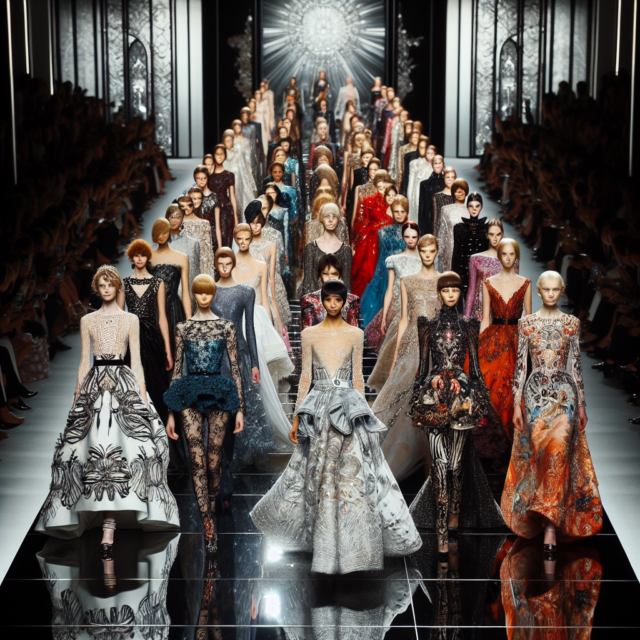
Couture fashion shows have always been a spectacle of creativity, craftsmanship, and innovation, offering a glimpse into the future of high fashion. As the latest couture season unfolds, designers from around the globe have come together to present their most exquisite collections, each piece a testament to artistic vision and technical prowess. This article delves into the latest trends emerging from these prestigious runways, highlights standout moments from recent shows, and explores the innovative approaches designers have taken to push the boundaries of couture fashion.
Unveiling the Latest Trends in Couture Fashion
The latest couture fashion shows have introduced a variety of trends that reflect both a return to classic elegance and a bold embrace of modernity. One prominent trend is the resurgence of opulent embellishments, with designers incorporating intricate beadwork, sequins, and embroidery into their creations. This nod to traditional craftsmanship adds a layer of luxury and sophistication to contemporary silhouettes.
Sustainability continues to be a driving force in the fashion industry, and the couture shows have been no exception. Designers are increasingly prioritizing eco-friendly materials and ethical production methods. This season, several collections featured upcycled fabrics and innovative textiles made from recycled materials, highlighting a commitment to environmental responsibility without compromising on style or quality.
Bold color palettes have also made a significant impact on the runways. While classic black and white remain staples, vibrant hues such as electric blue, fiery red, and deep emerald have taken center stage. These striking colors are often paired with unexpected textures and patterns, creating a dynamic visual experience that captures the imagination.
A trend towards architectural silhouettes has emerged, with designers experimenting with structure and form to create garments that are both wearable and avant-garde. Voluminous skirts, exaggerated shoulders, and asymmetrical designs have been prevalent, showcasing a blend of artistry and technical skill that defines couture fashion.
The influence of digital technology is evident in the latest couture collections, with designers using 3D printing and digital embroidery to create intricate designs that would be impossible to achieve by hand. This fusion of technology and tradition offers a glimpse into the future of fashion, where innovation knows no bounds.
Finally, the concept of gender fluidity continues to gain momentum in the couture world. Many designers have blurred the lines between traditional menswear and womenswear, presenting collections that challenge conventional notions of gender and celebrate individuality and self-expression.
Key Highlights from Recent Couture Runways
One of the standout moments from the recent couture shows was the dramatic opening of Valentino’s collection, where models emerged from a cloud of fog, clad in ethereal gowns that seemed to float down the runway. The collection was a masterclass in elegance, featuring delicate lace, flowing chiffon, and a muted color palette that exuded timeless sophistication.
Chanel’s runway presentation was another highlight, taking place in a grand Parisian setting that transported the audience to a bygone era of glamour and refinement. The collection paid homage to the brand’s iconic tweed suits while introducing modern elements such as metallic accents and bold graphic patterns, seamlessly blending the past with the present.
Dior’s couture show was a celebration of artistry and craftsmanship, with each piece meticulously crafted to tell a story. The collection drew inspiration from various cultures and historical periods, resulting in a diverse array of garments that ranged from intricately beaded gowns to minimalist, sculptural pieces that highlighted the beauty of simplicity.
Jean Paul Gaultier’s show was a visual feast, characterized by theatrical presentations and boundary-pushing designs. The collection embraced the avant-garde, with models donning extravagant headpieces, bold prints, and daring silhouettes that challenged the conventions of couture fashion. Gaultier’s ability to infuse humor and whimsy into his creations was on full display, captivating the audience and leaving a lasting impression.
The Fendi couture show stood out for its innovative use of materials and textures. The collection featured a harmonious blend of traditional craftsmanship and modern design, with pieces that incorporated luxurious furs, delicate lace, and unexpected fabric combinations. The show was a testament to Fendi’s commitment to pushing the boundaries of couture while maintaining its signature elegance.
Lastly, the collaboration between Iris van Herpen and a renowned architect was a highlight of the season, resulting in a collection that blurred the lines between fashion and art. The garments were inspired by organic forms and natural structures, with intricate details and fluid shapes that showcased the designer’s innovative approach to couture.
Designers’ Innovations and Creative Showcases
This season, designers have demonstrated remarkable innovation, using technology and creative techniques to redefine the possibilities of couture fashion. One notable example is the use of augmented reality in runway presentations, allowing audiences to experience collections in immersive and interactive ways. This integration of digital technology has opened up new avenues for storytelling and engagement, enhancing the overall impact of the shows.
The exploration of unconventional materials has also been a key theme, with designers incorporating unexpected elements such as metal, plastic, and even organic matter into their creations. These materials are often manipulated and transformed into wearable art, challenging traditional notions of what couture fashion can be and encouraging a rethinking of the relationship between form and function.
Collaborations between fashion designers and artists from other disciplines have resulted in some of the most exciting creative showcases of the season. By partnering with architects, musicians, and visual artists, designers have been able to infuse their collections with fresh perspectives and innovative ideas, resulting in garments that are as conceptually intriguing as they are visually stunning.
The use of advanced textile technologies has allowed designers to create garments with unique properties and capabilities. From fabrics that change color with the temperature to those that generate energy from movement, these innovations have expanded the possibilities of couture fashion, offering new ways to interact with clothing and the environment.
Designers have also embraced the concept of customization and personalization, offering clients the opportunity to co-create their garments. This approach not only enhances the exclusivity of couture fashion but also fosters a deeper connection between the designer and the wearer, resulting in pieces that are truly one-of-a-kind.
Finally, the emphasis on storytelling and narrative has been a defining feature of this season’s couture shows. Designers have used their collections to explore themes such as identity, culture, and the human experience, creating garments that resonate on an emotional level and invite reflection and dialogue. This focus on narrative has added a new dimension to couture fashion, elevating it beyond mere aesthetics to a form of artistic expression.
The latest couture fashion shows have once again demonstrated the power of creativity and innovation in shaping the future of fashion. From the emergence of new trends and standout runway moments to the groundbreaking innovations introduced by designers, this season has offered a wealth of inspiration and insight. As the boundaries of couture continue to expand, one thing is certain: the world of high fashion remains a dynamic and ever-evolving landscape, where artistry and imagination reign supreme.
Couture fashion, a realm where art meets craft, represents the pinnacle of the fashion industry. It is a world where creativity and precision converge to create garments that are not only clothing but statements of identity and culture. This exploration delves into the intricate processes, techniques, and historical evolution that define couture fashion, offering insights into its enduring impact on the broader fashion landscape.
The Intricate World of Couture Fashion Design
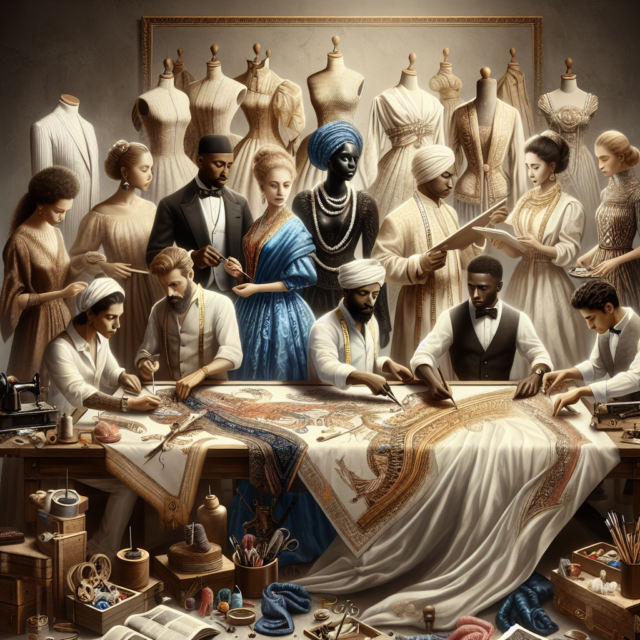
Couture fashion design is an art form that demands an extraordinary level of detail and creativity. Unlike ready-to-wear collections, couture pieces are crafted with an emphasis on individuality, often requiring hundreds of hours of meticulous work. Designers in this realm are akin to artists, drawing inspiration from a myriad of sources, including history, nature, and contemporary culture, to create garments that are both innovative and timeless.
The process begins with a concept or theme, which serves as the foundation for the entire collection. Designers sketch their visions, often producing dozens of iterations before settling on the final designs. These sketches are not mere outlines but intricate blueprints that detail every aspect of the garment, from silhouette to embellishments. This stage is crucial, as it sets the tone for the entire creative and production process.
Fabric selection is another critical component of couture fashion design. Designers choose materials that not only complement their artistic vision but also enhance the garment’s overall aesthetic and functionality. Luxurious textiles such as silk, velvet, and lace are commonly used, each selected for their unique properties and ability to convey a certain mood or theme. The choice of fabric can dramatically influence the final outcome, making this a pivotal decision in the design process.
Once the design and fabric are chosen, the garment’s construction begins. This involves creating a toile or mock-up of the garment, which allows designers to refine their ideas and make necessary adjustments before cutting into the actual fabric. The toile serves as a three-dimensional canvas, providing a tangible representation of the designer’s vision. This stage is marked by precision and attention to detail, ensuring that the final garment is flawless.
Couture fashion design is not just about creating beautiful clothes; it is about storytelling. Each garment is imbued with narrative elements that reflect the designer’s inspiration and intent. This storytelling aspect elevates couture pieces from mere clothing to works of art, capable of evoking emotion and sparking conversation. It is this narrative depth that distinguishes couture from other forms of fashion.
The culmination of the couture design process is the presentation of the collection, often in the form of a highly orchestrated fashion show. These events are not just about showcasing garments; they are immersive experiences that engage all the senses. From the music to the lighting, every element is carefully curated to enhance the collection’s narrative and leave a lasting impression on the audience.
Mastering Techniques in Couture Tailoring
Couture tailoring is a discipline that requires mastery of traditional techniques and an unwavering commitment to craftsmanship. Each garment is handcrafted, with techniques passed down through generations of artisans. This dedication to detail ensures that every piece is unique, embodying the highest standards of quality and precision.
One of the fundamental techniques in couture tailoring is hand-sewing. Unlike machine sewing, hand-sewing allows for greater control and precision, enabling tailors to create intricate designs and embellishments that would be impossible to achieve by machine. Hand-sewn seams, hems, and finishes are hallmarks of couture garments, reflecting the skill and patience of the artisans who create them.
Another essential technique is draping, which involves manipulating fabric directly on a dress form to achieve the desired silhouette. Draping allows tailors to experiment with the fabric’s natural properties, such as its weight and drape, to create garments that fit perfectly and move gracefully with the wearer. This hands-on approach is integral to couture tailoring, as it enables the creation of custom-fitted garments that flatter the individual.
Couture tailoring also involves the use of intricate embellishments, such as embroidery, beading, and appliqué. These decorative elements are often applied by hand, requiring a steady hand and a keen eye for detail. The addition of embellishments can transform a simple garment into a masterpiece, adding depth and texture that enhance the overall design.
The fitting process is another critical aspect of couture tailoring. Unlike off-the-rack clothing, couture garments are made to measure, ensuring a perfect fit for the wearer. Multiple fittings are conducted throughout the tailoring process, allowing for adjustments and refinements to achieve an impeccable fit. This personalized approach is a defining characteristic of couture, emphasizing the uniqueness of each piece.
Couture tailors often employ traditional techniques, such as boning and corsetry, to create structured garments that maintain their shape. These techniques require a deep understanding of garment construction and an ability to work with a variety of materials. The result is garments that not only look stunning but also provide support and comfort to the wearer.
The mastery of couture tailoring techniques is a testament to the dedication and skill of the artisans involved. It is a labor of love that celebrates the artistry and craftsmanship inherent in couture fashion. Each garment is a reflection of the tailors’ expertise, showcasing their ability to transform fabric into wearable works of art.
The Evolution and Impact of Couture Fashion
Couture fashion has undergone significant evolution since its inception in the mid-19th century. Originally, couture was the domain of a select few designers who catered to the elite, creating bespoke garments that were symbols of status and luxury. Over time, the world of couture has expanded, embracing new influences and technologies while maintaining its commitment to craftsmanship and exclusivity.
The evolution of couture fashion can be seen in the way designers have adapted to changing societal norms and cultural shifts. In the early days, couture was characterized by opulent designs and extravagant embellishments. However, as fashion evolved, designers began to incorporate more modern and minimalist aesthetics, reflecting the changing tastes and lifestyles of their clientele.
The impact of couture fashion extends beyond the garments themselves. Couture has played a significant role in shaping fashion trends and influencing the broader industry. Designers often use couture collections as a platform to experiment with new ideas and techniques, which eventually trickle down to ready-to-wear lines and influence mainstream fashion. This trickle-down effect ensures that couture remains relevant and influential, despite its exclusivity.
Couture fashion has also had a profound impact on the perception of fashion as an art form. By emphasizing creativity, craftsmanship, and storytelling, couture elevates fashion to a level that transcends mere functionality. This artistic approach has inspired a new generation of designers to view fashion as a medium for self-expression and cultural commentary, further blurring the lines between art and fashion.
The evolution of couture fashion has been marked by an increasing emphasis on sustainability and ethical practices. As the fashion industry grapples with issues of environmental impact and social responsibility, couture designers are leading the way in adopting sustainable practices. By focusing on quality over quantity and embracing traditional techniques, couture offers a model for a more sustainable and responsible approach to fashion.
Despite the changes and challenges faced by the couture industry, its impact remains undeniable. Couture continues to inspire and captivate, serving as a testament to the enduring power of creativity and craftsmanship. As the fashion world continues to evolve, couture stands as a beacon of artistic excellence, reminding us of the beauty and artistry that can be achieved through dedication and skill.
Exploring the art and craft of couture fashion reveals a world where creativity, tradition, and innovation coexist harmoniously. From the intricate design process to the mastery of tailoring techniques, couture represents the zenith of fashion craftsmanship. Its evolution and impact demonstrate its enduring relevance and influence, inspiring the broader industry and shaping our understanding of fashion as an art form. As we look to the future, couture will undoubtedly continue to captivate and inspire, embodying the timeless allure of artistry and individuality in fashion.



 This glass tower reaches 40 floors above the city’s bustling traffic. The top half of the building represents the hotel rooms and suites. The bottom half has private residences that are among the city’s newest and finest.
 The 40th floor wet deck is home to the infinity edge pool, which has plenty of cushioned lounge chairs. Views are among the best from up here, which is also home to the hotel’s popular L40 restaurant and lounge. DJs often entertain at night when the drinks start flowing.
 Take a look around the lobby on the 24th floor (it’s actually called a lounge). The furnishings bear different fabrics and design materials, all the handiwork of creative Brazilians. Mis-matched chairs add color and energy to the bar, which serves pastries and coffee during the day and izakaya-style fare, tasty cocktails and dozens (and dozens) of Japanese whiskey options.
 Dim hallways continue the theme of Brazilian colors and jungle-like leaves. The rooms show off even more creativity. It starts with W’s famous bed crafted by a pillowtop bed, enormous plush pillows and a white duvet. USB ports of all types are on either side of the bed.
 Suites have soaking tubs in the living area. All rooms benefit from minibars stocked with Brazilian snacks and massive flat-screen TVs that swivel. Coming soon (they were still under wraps during our visit) are the top suites like the E-Wow version, which is sure to be perfect for entertaining.
 Baio is the main restaurant serving three meals a day. It starts with a decadent breakfast spread that has the ripest fruits, an array of juices and smoothies, hot and cold dishes, and of course, famous Brazilian cheese bread passed around by staff. An a la carte menu includes bespoke eggs benedict recipes, melt-in-your-mouth Brazilian tapioca plates and acai bowls.
 Come evening, the menu continues the regional flair and takes in the splashy views from the 23rd floor. Just around the corner is yet another cocktail bar (W is all about entertainment and fun, right?). The menu here differs in that it incorporates more foodie flavors in its mixology recipes. Expect local veggies and fruits to dominate the palate. There are also creative mocktails that are becoming increasingly popular in the city.
 All of this is the result of an impressive culinary team representing the city’s best chefs under the aegis of the director of food and beverage that came to the hotel from W Bogota. He brings a touch of magic and creativity that inspires the chef team and the serving staff (just wait until you see his mixology ideas for the bar).
 Once considered the edge of town, this is the new downtown and financial center of the city as South America’s largest metropolis continues to balloon. Office towers for banks and tech companies like Google and Netflix are next door. Also adjacent to the hotel are beautiful manicured parks and gardens. Dozens of restaurants are within walking distance. Just across the street: one of the city’s two major fashion malls with every high-end brand (and a food court that is hard to beat).
 Another draw that is sure to attract hotel guests and locals is the spa, which will have three treatment rooms. The staff used local ingredients and recipes to design the treatments’ oils and creams.
 It is clear from the moment you arrive that the staff are proud of this new W opening. They don designer uniforms and are eager to show off every corner of the hotel’s chic public areas. Working at the W is as sought after as staying at one; it’s a hospitality symbol that you’re cool. And this team is cool.
 The door staff and security team greet guests with a smile and point travelers to nearby attractions. If you are sitting in one of the lounges, someone is sure to come and greet you with a glass of water and offer something from the bar menu. They might even strike up a conversation to ask how your day is or if you are interested in learning about the Brazilian designers that crafted most of the furnishings.

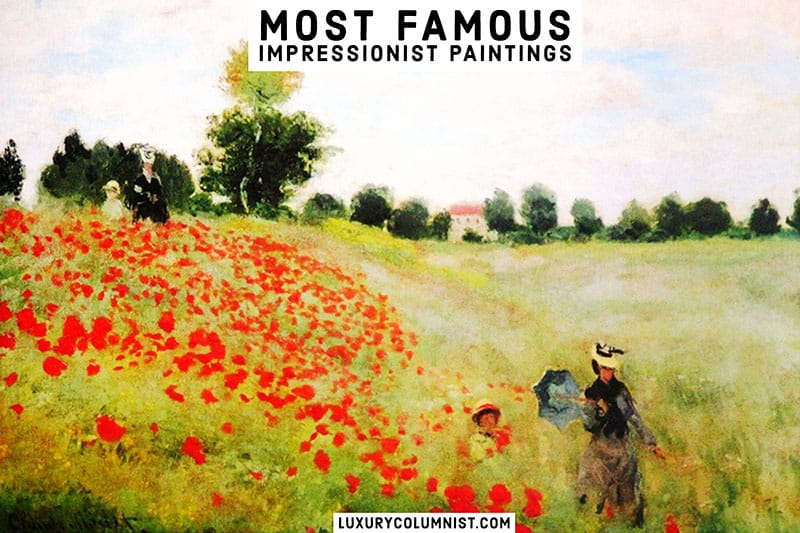


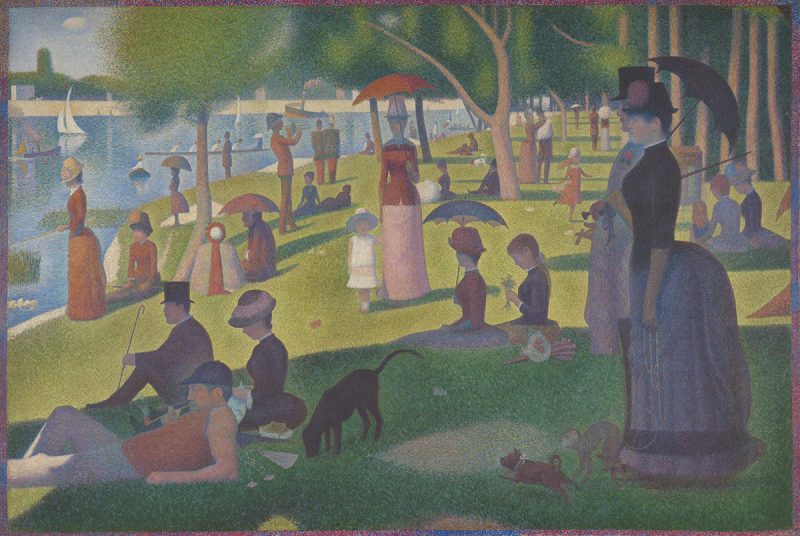


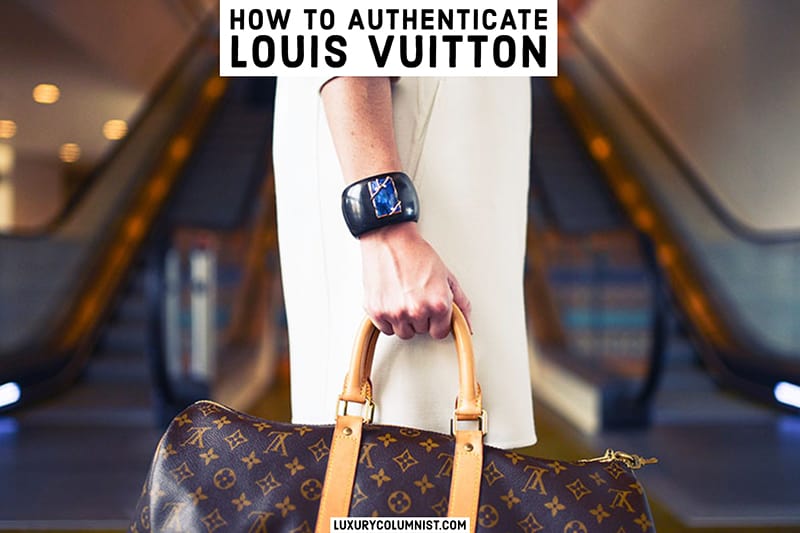


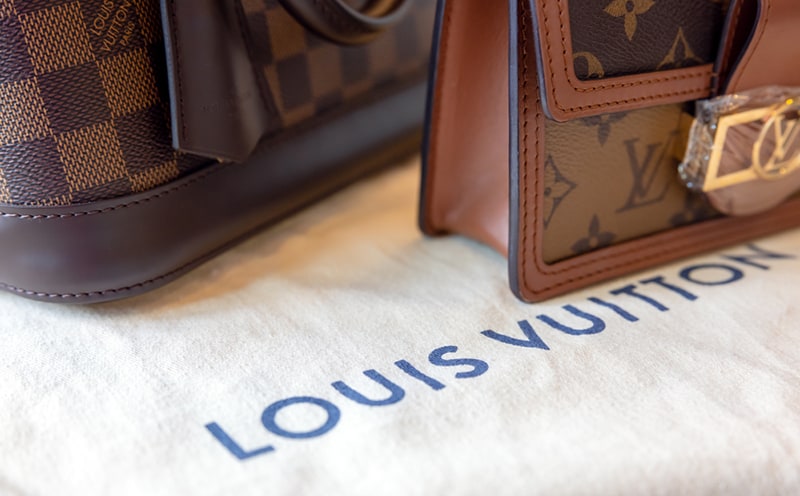
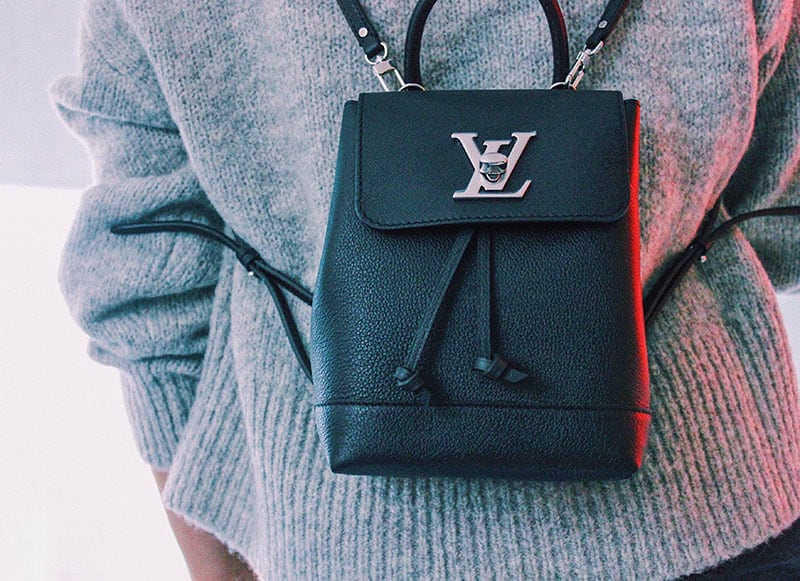
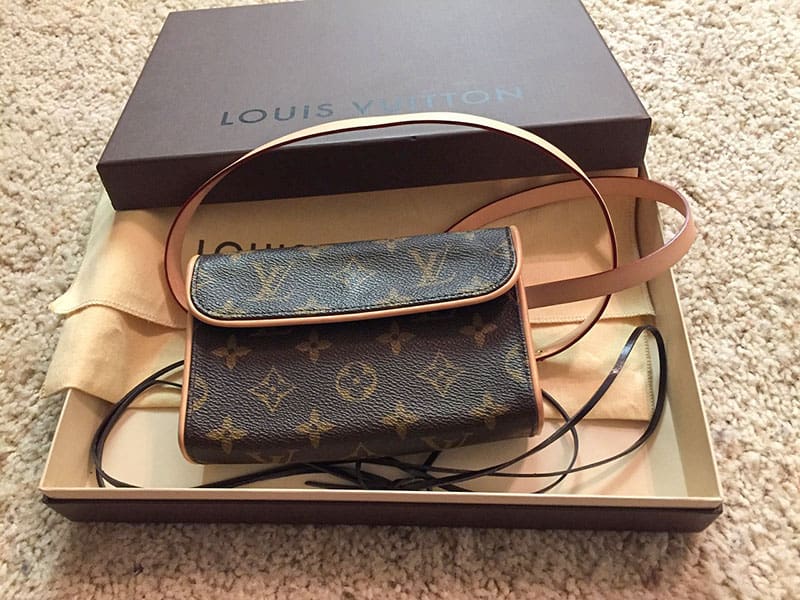
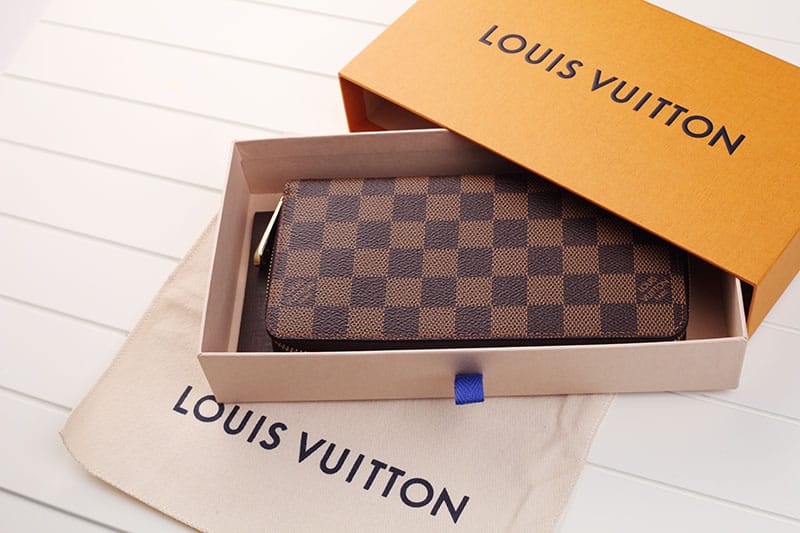
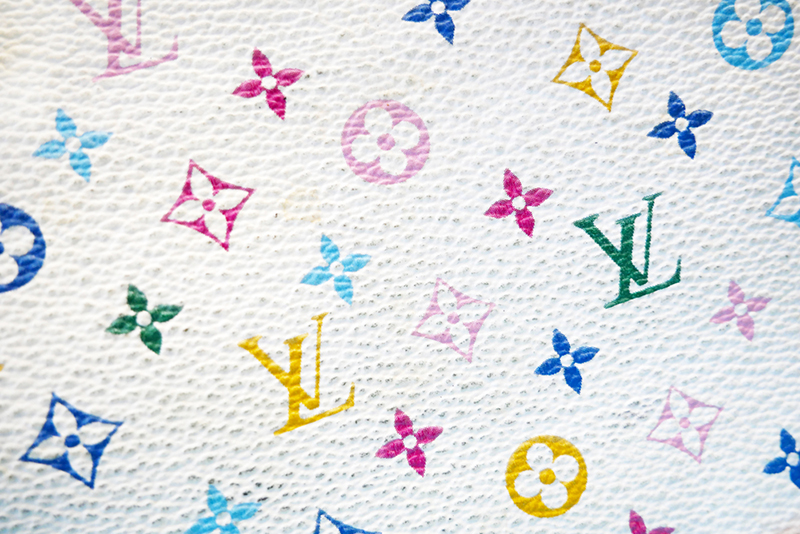


 Hardwood floors have colorful area rugs. Tucked in one corner are the wide desks with international power outlets. Each floor has a corner suite with separate living room and half bath. Otherwise, the rooms vary in size. Standard rooms have shower-only baths while slightly larger ones have both a tub and shower. Those bathrooms benefit from windows that look out to the bedroom (with privacy shutters) so as to allow natural light.
 The water pressure in showers is exceptional, the perfect way to wash away any jet lag. The top suites, which have hosted everyone from diplomats and corporate executives to celebrities like Taylor Swift, are also popular for entertaining.
 Neto is the main restaurant that serves three meals a day starting with a lovely breakfast spread. Different stations show off tropical fruit, housemade pastries, a hot area with pancakes, eggs and bacon (and most importantly the famous Brazilian cheese bread), and a selection of smoothies. An a la carte menu includes omelets, tapiocas and a variety of sweet dishes.
 For lunch, the hotel hosts area business people looking for an executive lunch that takes no more than an hour. Prix-fixe choices of Brazilian and international fare have become very popular during lunch hour. The same people often return for drinks at the bar after work.
 All of this is in addition to the catering provided to meetings and events. Spacious ballrooms and board rooms with natural light are one level above the lobby. A curvaceous red staircase (the stuff of Instagram-quality photos) leads guests there.
 Named Caju (cashew in Portuguese), the history and story of this famous local nut weaves its way through the garden-to-glass cocktail menu. Guests can ask the bartenders to show how the caju nut produces a tasty juice and also incorporates into the drinks here.
 Ask to try one of the many Brazilian wine offerings on the menu. In fact, the Terrazas de Los Andes winery, which belongs to the LVMH’s luxury portfolio, has a partnership with the hotel to serve an intimate, wine pairing dinner with a specially curated menu.
 The second floor features the indoor-outdoor infinity pool overlooking the river. It’s a lovely space to relax after a day of work. On the other end of the floor is the well-equipped fitness center with the latest equipment and plenty of natural light.
 The JW Spa is a respite tucked away into a corner of the hotel. Guests receive welcome trays of tea and herbal elixirs before being ushered to relaxation areas. There, steam rooms and saunas await. Several treatment rooms offer a variety of massages and beauty services that use Brazilian ingredients.
 Luxury travelers familiar with the JW brand will recognize a lot of what is on offer here. For example, a lovely terrace off the lobby features a wall sprouting all kinds of herbs that the culinary and mixology team can use. A gushing fountain drowns out any traffic noise making this JW Garden (a staple at all JW Marriotts) a great place to work.
 Up on the 12th floor is the executive lounge with designer furnishings and plenty of work space. It is a space where guests that book club-level rooms or with top-tier Marriott Bonvoy status enjoy access. Throughout the day, it offers complimentary breakfast, all-day refreshments like salads, nuts and pastries, and an evening happy hour with a hot and cold buffet.
 Elite status members receive welcome gifts like snack trays or bonus points, premium Wi-Fi and even room upgrades. If you are new to Bonvoy, you’re still in luck. The staff can sign up members, and they often go the extra mile to remember guest names or look up interesting tourist or dining options around the area.