Melania Trump Embraces American Craftsmanship in Stunning Inaugural Ensemble.
At this year’s inauguration, First Lady Melania Trump opted for a refined look that highlighted American artisanship. She stepped out in a double-breasted navy coat created by New York-based designer Adam Lippes, complemented by a chic matching hat designed by Eric Javits. Finishing touches included black leather gloves and dark blue suede pumps, giving her ensemble a timeless elegance.
In a statement, Lippes expressed his pride in contributing to such a significant event, saying, “The tradition of the presidential inauguration embodies the beauty of American democracy, and today we had the honor to dress our first lady, Mrs. Melania Trump. Mrs. Trump’s outfit was created by some of America’s finest craftsmen, and I take great pride in showing such work to the world.” Though not a household name, Lippes has become a reliable favorite of the new First Lady.
Meanwhile, the statement hat by Eric Javits served both fashion and function, shielding the First Lady’s eyes under the bright winter sky. Javits, honored to design for Mrs. Trump, noted, “My art background gave me an edge in bringing harmony and balance to the face by creating hat shapes that flatter and enhance every kind of face. In this specific case, that was not difficult—Mrs. Trump is blessed with great bone structure, beauty, and a wonderful sense of style.”
The First Lady’s ensemble made its debut at a morning church service at St. John’s Episcopal Church—a longstanding Inauguration Day tradition. Following the service, the Trumps proceeded to Blair House before attending a coffee and tea gathering at the White House with President Joe Biden and First Lady Jill Biden.
During remarks in Emancipation Hall, President Donald Trump provided a lighthearted moment by mentioning the blustery conditions caused by a nearby military helicopter. He joked that his wife’s hat nearly took flight, saying, “She almost blew away. She was being elevated off the ground.”
Despite the cold and windy weather, Melania Trump’s ensemble remained impeccably polished—a stylish testament to American craftsmanship on a day steeped in national tradition.
Who are Adam Lippes and Eric Javits? And how are they connected to Melania Trump?
Adam Lippes and Eric Javits are prominent names in the fashion industry, celebrated for their distinctive contributions to style and elegance. Both have made their mark through their innovative designs and luxurious offerings, earning a place among influential figures and high-profile personalities, including former First Lady Melania Trump. Their work is a testament to the enduring appeal of quality and sophistication in modern fashion.
Adam Lippes
Early Life and EducationBorn in Buffalo, New York, on December 24, 1972, Adam Lippes grew up with a strong interest in the arts and design. He pursued psychology at Cornell University and further honed his creative perspective by studying art history and architecture at the American University of Paris. These educational experiences shaped his artistic sensibility and informed his approach to fashion.
Career HighlightsLippes began his career in the fashion industry in 1995 at Polo Ralph Lauren, where he gained valuable experience. He later joined Oscar de la Renta, quickly rising to the role of Global Creative Director. During this period, he mastered the art of luxurious design and refined tailoring. In 2004, he launched his label, ADAM, initially focusing on cotton basics before transitioning into luxurious, understated designer sportswear.
His work garnered critical acclaim, with collections appearing in prestigious retailers such as Bergdorf Goodman, Neiman Marcus, and Net-a-Porter. Lippes is celebrated for his elegant designs that emphasize superior fabrics and meticulous craftsmanship.
Connection to Melania TrumpAdam Lippes’ designs have been worn by several notable figures, including Melania Trump. On Inauguration Day 2025, Melania donned a navy silk wool double-breasted coat designed by Lippes, paired with a silk wool pencil skirt and ivory silk crepe blouse. The ensemble reflected Lippes’ signature aesthetic: refined, modern, and effortlessly sophisticated.
Eric Javits
Early Life and BackgroundEric Javits, an iconic figure in the world of millinery and accessories, has carved a niche for himself through his dedication to blending practicality with high-end design. His work is characterized by a commitment to innovation, functionality, and elegance. Born into a family with artistic roots, Javits developed a passion for creating timeless accessories that resonate with modern sensibilities.
Design PhilosophyJavits is best known for his hats, which combine luxurious materials with a focus on wearability. His pieces are celebrated for their ability to merge form and function, offering stylish protection from the sun while making a bold fashion statement. His work extends to handbags and other accessories, each crafted with the same meticulous attention to detail.
Connection to Melania TrumpOn Inauguration Day 2025, Eric Javits designed the striking black and white hat that complemented Melania Trump’s Adam Lippes ensemble. This collaboration between two acclaimed designers highlighted their shared dedication to elegance and craftsmanship. Javits’ hat was a perfect accessory, adding a dramatic flair to Melania’s outfit while emphasizing his reputation as a master of millinery.
FAQs
What is Adam Lippes known for in the fashion industry?Adam Lippes is renowned for his understated luxury designs, focusing on refined fabrics, sophisticated tailoring, and timeless elegance.
What is Eric Javits’ Squishee® material?Squishee® is a lightweight, flexible, and durable material invented by Eric Javits, used to create practical yet elegant hats and accessories.
Which First Ladies have worn Adam Lippes’ designs?Adam Lippes’ creations have been embraced by Michelle Obama, Jill Biden, Kamala Harris, and Melania Trump.
Why is Eric Javits significant in modern millinery?Eric Javits revolutionized headwear by combining artistic design with innovative materials, making hats practical for everyday use.
What did Melania Trump wear on Inauguration Day 2025?Melania Trump wore a navy silk wool coat by Adam Lippes, paired with a black and white hat by Eric Javits, creating a sophisticated and memorable ensemble.
Christopher Parr
Christopher Parr, is the Editor and Chief Content Creator for Pursuitist, and a contributing writer to USA Today, Business Insider — and the on-air host of Travel Tuesday on Live at 4 CBS. He is an award-winning luxury marketing veteran, writer, a frequent speaker at luxury and interactive marketing conferences and a pioneer in web publishing. Named a “Top 10 Luxury Travel Blogger” by USA Today, Parr has also been selected as the official winner in Luxury Lifestyle Awards’ list of the “Top 50 Best Luxury Influencers and Bloggers in the World.”
The Hermès Birkin is an icon of luxury, elegance, and exclusivity in the world of fashion. The highly sought-after bag, designed to perfection, is more than a simple accessory, these pieces are works of timeless art steeped in history and prestige. Since the Hermès Birkin debuted in 1984, the most expensive Birkin bag has taken its place as the utmost sophistication and has captured the hearts of celebrities, royalty, and collectors.
This is one exquisite accessory inspired by and named after the actress Jane Birkin: a combination of perfect craftsmanship, classic design, and rarity- a recipe that has catapulted it to legendary status. What sets the Birkin apart is not only the silhouette but the attention paid to every single piece.
The handcrafted pieces often take over 40 hours. It’s also made of the finest materials, luxurious leathers, exotic skins, and even precious stones to add to its value. Another reason for its appeal is the deliberate scarcity of the brand, which gives it an air of exclusivity.
Buyers often face years-long waiting lists or must navigate private auctions to secure one of these treasures. If viewed as investments, the returns one can get from Birkin are nothing short of extraordinary. Certain pieces have sold for millions at auction. It has outperformed gold and traditional stocks. However, beyond the dollar and pound signs lies a feeling that cannot be placed on any monetary scale; owning a piece of history, an emblem of style that transcends time.
The 15 most expensive Birkin bags in the world – creations that redefine opulence. Custom designs that use diamonds, and rare editions created from exotic skins – nothing less than the best will do for the epitome of luxury and exclusivity. Be prepared to be mesmerized as we take you on a journey through the realm of the most extraordinary Birkin bags ever created.
Hermès Himalayan Birkin 30 (Diamond Edition)
The Hermès Himalayan Birkin 30 (Diamond Edition) is considered the ultimate luxury in the designer handbag world. This bag is made from matte Himalayan Niloticus crocodile leather and is celebrated for its breathtaking gradient color, which changes from smoky gray to creamy white, similar to the majestic Himalayan mountains.
What makes this Birkin legendary is its 18-karat white gold hardware encrusted with more than 200 sparkling diamonds. The Hermès lock alone is a masterpiece, with 68 diamonds weighing 1.64 carats. This level of detailing, combined with the rare leather, makes the Himalayan Birkin not only a symbol of opulence but also a highly coveted collector’s item.
Why is it so expensive?
Exquisite Craftsmanship: Hermès artisans make each bag with hours of careful labor to give the bag the flawlessness it needs.Rarity: It is a type of material rarely used by Hermès, only a few bags a year have Himalayan leather.Diamond Accents: Its value has dramatically increased, and with that, diamonds and white gold hardware will surely make this into a wearable work of art.Exclusivity: Owning the Himalayan Birkin 30 has been reserved for some selected few, and it demands personal connections with Hermès and several successive purchases.
Hermès Ginza Tanaka Birkin
The Hermès Ginza Tanaka Birkin is a masterpiece that breaks the mold of luxury and functionality in the world of handbags. It’s a one-of-a-kind Birkin, designed by renowned Japanese jeweler Ginza Tanaka, carrying the brilliance of fine jewelry and Hermès’ iconic craftsmanship.
Features That Set It Apart
Platinum Body: Unlike traditional leather Birkins, this exceptional piece is crafted entirely from solid platinum, making it a true marvel of design and engineering.
Diamond Embellishments: This bag boasts over 2,000 sparkling diamonds placed meticulously on its surface to elevate it to the height of grandeur that accessories rarely attain.
The design is convertible: This Birkin offers the possibility of detaching a diamond-encrusted strap, that could be used as a necklace or bracelet. A multifunctional design that smoothly unites luxury with utility.
Hermès Kelly Rose Gold
The Hermès Kelly Rose Gold is a breathtaking creation that bridges the gap between fashion and fine jewelry. This miniature version of the iconic Hermès Kelly bag was designed in collaboration with jeweler Pierre Hardy and is entirely made from solid rose gold, making it as much a dazzling piece of jewelry as it is a handbag.
Features That Make It Unique
Exquisite Materials: The bag is sculpted from 18-karat rose gold, reflecting Hermès’ unmatched commitment to quality and craftsmanship.Diamond Detailing: Adorned with 1,160 brilliant-cut diamonds, the Hermès Kelly Rose Gold is a sparkling testament to opulence and artistry.Compact Size: This is made as a miniature accessory weighing a few inches in total. It is not carried around for daily essentials and has value in its uniqueness in ornamentation.Functional Clasp: This bag, though appearing more like jewelry, comes with a working clasp with true Hermès heritage that never lets go of functionality at the cost of beauty.
Hermès Himalayan Niloticus Crocodile Birkin
The Hermès Himalayan Niloticus Crocodile Birkin is one of the most coveted and iconic handbags in the world of luxury fashion. This handbag is known for its ethereal beauty and unmatched craftsmanship. It is a true masterpiece that represents the pinnacle of Hermès’ artistry.
Features That Define Its Prestige
Niloticus crocodile leather: Used for the bag is an extra-luxurious texture variety and has a gradient color. From smoky gray to pearl white, the color goes on to reflect the beautiful snow-capped peaks of the Himalayas. Creating this subtle ombre effect is done through meticulous dyeing techniques, thus making the leather extremely rare and in high demand.
Beautiful Hardware: The Himalayan Birkin is mostly accentuated with 18-karat white gold or palladium hardware, making it even more beautiful. Some special editions are diamond-encrusted hardware, taking the luxury quotient to unmatched levels.
Exquisite Handicraft: Each piece of the bag is handcrafted by Hermès artisans, taking over 40 hours to finish. The detail is such that every stitch, fold, and cut is perfect, making it an exclusive product.
Hermès Birkin Faubourg
The Hermès Birkin Faubourg is a rare and whimsical tribute to the brand’s legendary flagship store on Rue du Faubourg Saint-Honoré in Paris. Launched as a limited edition, this mini Birkin reimagines the iconic handbag as a charming architectural masterpiece, making it one of the most unique and sought-after creations by Hermès.
Features That Make It Extraordinary
Miniature Design: The Birkin Faubourg is crafted in a 20 cm size, making it a delightful miniature version of the classic Birkin bag. Despite its compact form, it retains the elegance and structure Hermès is known for.Parisian Storefront Motif: The standout feature is its design, which resembles the storefront of the Hermès boutique:The bag’s lower section mimics the boutique’s window awnings, crafted from hand-painted leather.The upper part features store windows, complete with intricate details that resemble display showcases.The handles are designed to resemble the boutique’s architecture, adding a whimsical yet luxurious touch.Materials and Craftsmanship: The Faubourg uses a combination of premium materials, including Swift leather, Sombrero leather, and exotic skins like alligator for the bag’s accents. The meticulous detailing requires exceptional craftsmanship and hours of labor.Hardware Excellence: Palladium or gold hardware complements the design, ensuring the bag maintains its high luxury standards.
Hermès Hermèsgraphie Birkin
This is a Hermès Hermèsgraphie Birkin stunning piece that fuses art and luxury to celebrate the heritage of Hermès. A rare creation, this Hermèsgraphie Birkin turns the classic Birkin into a canvas for intricate patterns, inspired by the brand’s rich history of scarf designs. Every Hermèsgraphie Birkin is a masterpiece on one’s wrist, making it a must-have for collectors and fashion enthusiasts who appreciate art and craftsmanship.
Key Features of the Hermès Hermèsgraphie Birkin
Hand-Painted Design: Hermèsgraphie Birkin’s hand-painted pattern, inspired by the detailed motifs of iconic Hermès silk scarves. It’s often designed with abstract shapes, florals, and geometric patterns as a colorful and textured treat to the eyes.
Top Materials: The bag is made of the finest leathers like Togo or Clemence, which give a smooth and durable surface perfectly complementing the detailed artwork. The paint is chosen with special care to bond perfectly well with the leather to assure long-lasting vibrancy.Limited Edition: Hermèsgraphie is produced in extremely limited quantities, thus further enhancing its exclusivity. Each design is unique in color and pattern; thus, no two bags will be alike.Impeccable Craftsmanship: Hermès artisans painstakingly paint every bag with hours of their time. Every detail in the paintings is perfect, and artistry combined with traditional handbag-making skills reflects the perfectionist nature of Hermès.
Hermès Metallic Birkin
The Hermès Metallic Birkin is an extraordinary creation that brings a dazzling shine to the iconic Birkin bag. Renowned for its reflective metallic finish, this ultra-rare handbag is a testament to Hermès’ innovative craftsmanship and unparalleled artistry. With only a limited number of pieces ever produced, the Metallic Birkin stands as one of the most coveted and collectible handbags in the world of luxury fashion.
Key Features of the Metallic Birkin
Innovative Metallic Leather: The Metallic Birkin is made from Chevre de Coromandel leather, which is known for its durability and slight sheen. The metallic finish is achieved through a meticulous process that gives the bag its signature reflective surface, offering a futuristic yet elegant aesthetic.
Limited Edition: Hermès released the Metallic Birkin in 2004 and 2005 as part of a special limited edition. Only a few bags were produced in those colors, Silver and Bronze, and that is why the exclusivity of these made them one of the highly sought-after items among the collectors.Iconic Design: The metallic finish elevates the classic Birkin silhouette into a statement-making showstopper, making it ideal for special occasions. It gives an instant glow to any outfit.
Hardware Chic: The Metallic Birkin bag comes with palladium hardware that perfectly matches the shiny finish. The smooth modern design of the hardware amplifies the futuristic feel of the bag.
Hermès Blue Electric Crocodile Birkin
The Hermès Blue Electric Crocodile Birkin is a dazzling statement piece that combines bold color with luxurious craftsmanship. Known for its vibrant Blue Electric hue, this Birkin has become one of the most iconic and desirable bags in Hermès’ repertoire, especially when rendered in exotic crocodile leather.
Key Features of the Blue Electric Crocodile Birkin
Striking Blue Electric Color: The vivid Blue Electric shade is both eye-catching and sophisticated. Its rich tone adds a modern twist to the timeless Birkin silhouette, making it a favorite among fashion enthusiasts.Exotic Crocodile Leather: This Birkin is crafted from Niloticus crocodile leather, known for its glossy finish and distinctive scale pattern. The leather undergoes a meticulous dyeing process to achieve the perfect saturation of the Blue Electric color.Signature Hermès Hardware: The bag is adorned with palladium or gold hardware, depending on the edition. The hardware’s sleek shine complements the vibrancy of the Blue Electric shade, creating a harmonious blend of color and texture.Versatile Size Options: While the Birkin 30 and Birkin 35 are the most common sizes for this color and material, the Blue Electric Crocodile Birkin is stunning in any dimension, offering flexibility for different preferences.
Hermès Himalaya Kelly
The Hermès Himalaya Kelly bag is a pinnacle of luxury and sophistication, celebrated as one of the most exclusive handbags in the world. Known for its breathtaking ombré effect and exquisite craftsmanship, this bag combines the elegance of the classic Kelly silhouette with the rarity and beauty of Himalayan crocodile leather.
Key Features of the Hermès Himalaya Kelly
Himalayan Niloticus Crocodile Leather: The bag is crafted from Niloticus crocodile leather, which undergoes an intricate dyeing process to achieve its iconic Himalayan gradient—a soft transition from smoky gray to pristine white. This effect is meant to evoke the snow-capped peaks of the Himalayas and is exceptionally difficult to replicate, making the leather incredibly rare.Iconic Kelly Silhouette: The Himalaya Kelly features the structured design of the Kelly bag, characterized by its trapezoidal shape, single top handle, and elegant flap closure. The minimalist yet refined aesthetic enhances the bag’s timeless appeal.Exquisite Hardware: The Himalaya Kelly is adorned with palladium or 18-karat white gold hardware. Special editions may feature diamond-encrusted clasps and lock sets, elevating the bag’s luxuriousness to unparalleled levels.Handcrafted Perfection: Each Himalaya Kelly is meticulously handcrafted by Hermès artisans, with every stitch and detail reflecting the brand’s commitment to excellence. The process can take up to 40 hours or more, ensuring the highest level of precision and quality.
Hermès Birkin Shadow
The Hermès Birkin Shadow is an innovative and striking variation of the classic Birkin bag, known for its bold, modern aesthetic and experimental approach to luxury design. Released as a limited edition, the Birkin Shadow pushes the boundaries of traditional Hermès craftsmanship by incorporating a transparent design, making it one of the most unique and desirable pieces in the brand’s iconic lineup.
Key Features of the Hermès Birkin Shadow
Transparent Design: The standout feature of the Birkin Shadow is its transparent exterior, crafted from high-quality PVC material, which gives the bag a distinctive, ethereal look. This innovative material allows for a glimpse into the contents of the bag, offering a playful contrast to the traditional, opaque Birkins.Exotic Leather Accents: Despite its transparent body, the Birkin Shadow retains the brand’s signature luxury by incorporating exotic leathers such as crocodile, alligator, or lizard for the bag’s handles, trim, and hardware. These accents add a layer of sophistication, combining the raw, modern feel of the PVC with the timeless elegance of Hermès’ exotic skins.Limited Edition: The Birkin Shadow was produced in very limited quantities, making it a rare collector’s item. Its exclusivity, combined with its modern take on the classic Birkin design, has made it highly coveted among fashion enthusiasts and collectors.Versatile Size: The Birkin Shadow is available in the classic 30cm and 35cm sizes, offering versatility for different preferences while retaining its visually striking silhouette.
Hermès Birkin bags embody timeless luxury and exclusivity, not just mere functionality. From rare materials to bespoke designs, these 15 most expensive Birkin bags in the world reflect unparalleled artistry and the pinnacle of high fashion. Whether they are treasured as investment pieces or prized as the ultimate style statements, iconic handbags have continued redefining the meaning of luxury, becoming coveted possessions for collectors and fashion enthusiasts alike.
FAQs
1. What makes Birkin bags so expensive?
Birkin bags are crafted with exceptional materials like premium leather, exotic skins, and diamonds, combined with unmatched craftsmanship, exclusivity, and iconic status.
2. Why are Birkin bags considered a status symbol?
With their limited production, high price tags, and association with celebrities and elite personalities, Birkin bags signify luxury, exclusivity, and prestige.
3. How much does the most expensive Birkin bag cost?
The most expensive Birkin bag ever sold is the Himalaya Niloticus Crocodile Birkin 30 with white gold and diamond hardware, fetching over $500,000 at an auction.
Regarding timeless luxury, Chanel is a name that resonates with elegance, sophistication, and unparalleled craftsmanship. A best Chanel bags is more than just an accessory it’s a symbol of status, style, and legacy. Each creation tells a unique story and holds an irreplaceable charm, from the iconic Chanel Classic Flap Bag to the innovative Chanel Boy Bag.
Whether you’re a seasoned collector or a first-time buyer, this list of the top 10 Chanel bags is your ultimate guide to investing in fashionable and timeless pieces. Let’s dive into the world of Chanel and discover the must-have bags for your collection.
1) 11.12 The Classic Handbag
The Chanel Classic Handbag is one of the oldest and most famous pieces associated with the fashion house Chanel. This bag was first launched in 1955 and credited to the German-born Coco Chanel; the bag changed the face of fashion for women by blending style with functionality.
The long, slim, rectangular shape, polished leather, and recognizable quilting give it a sensibility of timeless sophistication and contemporaneous appeal. The Chanel Classic comes with a chain-link shoulder strap, which makes it comfortable to wear, and the gold- or silver-colored chain makes it glamorous.
Coming in a number of colors, the classic handbag has not lost its appeal as one important accessory that you will continue to find handy during the day and at night. Whether it’s made of caviar leather or lambskin, the Keepsake Classic Handbag has evolved into a timeless classic accessory that, even after over thirty years, retains its unique character.
This is one of the most loved Chanel bags. Various CEOs, businesswomen, and celebrities can be seen carrying this piece; having a Chanel handbag simply means having good style and taste.
2) Chanel 22
The Chanel 22 is a modern yet elegant bag that gives a relaxed and opulent vibe to the person who is carrying it. This bag was first revealed in the Spring/Summer 2022 collection, offering equal proportions of luxury and practicality.
Available in supple calfskin leather, the Chanel 22 is rather sleek and functional, well suited for regular outings. It is large but not imposing due to its minimalistic design, which freely communicates volumes without having an overly dramatic appearance. One of its advantages is that the strap is interlaced and can be worn on the shoulder or hand-carried in a variety of ways.
The straightforward black coloring features a large Chanel logo on the front, so it is more minimal and perfect for those who like to follow the policy of less is more.
3) Chanel 2.55
The Chanel 2.55 is one of the most famous bags of the brand and reflects Coco Chanel’s vision of timeless sophistication combined with functionality. Originally launched in February 1955, consequently the name 2.55, this bag had unique functions with eloquent wit.
Designed to be elegant with a diamond-quilted pattern, a double-C clasp, and a chain strap, the 2.55 is just as functional and refined as you think of it. The design was intended to give comfort to women and allow them to free their hands with a decision to wear it over the shoulder, a novelty.
It was first made with lambskin leather or caviar leather as it combines style with functionality. Manufactured in different sizes and colors, it is still a highly prized piece due to its history and classy look. However, for lovers of fashion/history and luxury, the Chanel 2.55 is a piece that embodies the two eras.
4) Chanel 19
Chanel 19 is the modern reincarnation of the historic collection that has been launched in 2019. Finally, the equally chic Chanel 19 differs from the original CC flap bag. This Chanel bag has a more laid-back effect with its slouchy exterior, and its leather feels buttery smooth. With its large silhouette and relaxed shape, the gold, silver, and ruthenium-colored metal hardware adds a polished touch.
Chanel 19 also boasts a large, quilted pattern and the interplay of chain and leather straps, which at the same time create elegance and usability of the accessory. The bag is available in different sizes and color variations, including fashion-relevant colors in different seasons, hence suitable for most people. The Chanel 19 is a great representation of what modern Chanel is about stylish and comfortable.
5) Boy Chanel
The Boy Chanel bag is one of the newest, biggest, and most daringly youthful statements that the brand has made. It started in 2011 to change the regular approach of the brand, and it took its inspiration from dreary, almost military-like aesthetics.
Thinking about the bag’s design, one must emphasize the defined, structured, boxy shape, rigid linear accents, and the clasp. The brand provides the touch of luxury with quilted leather and a touch of edginess with the chain strap. The Boy Chanel is available in several kinds of material: patent leather, lambskin, and tweed, putting its distinctive touch on the bag.
The Boy Chanel comes in different sizes and caters to those who consider themselves the modern enthusiasts of luxury with a touch of rebelliousness. Just like many of the pieces, the bag is as flexible as it is trendy and can be worn during the day or in the evening.
6) Chanel Large Hobo Bag
This Chanel bag is made for people who like casual fashion and want to stand out in the crowd. The washed denim look of this bag gives it a bold look. The two front pockets with the Chanel logo make it look elegant and serve the practical purpose as well.
A golden chain is attached to the bag to carry it on your shoulder with ease. This bag comes in blue color with material using washed denim and golden-tone metal. This large hobo bag has enough storage space to carry your everyday essentials. You can carry this bag on a casual sunny day out or for an evening party that requires you to look fancy and elegant.
This bag is everything that Chanel is known for; it is premium, exclusive, and opulent. Hence, if you are someone who likes to try out new things in life when it comes to fashion, you can go with this bag. Due to its unique approach, it’s one of the most talked about and collectible pieces among the fashion enthusiasts.
7) Chanel 22 Small Handbag
The Chanel 22 Small Handbag is one of the loveliest products that performs a perfect combination of contemporary elegance and classic appeal. This bag is made from shiny grained calfskin enamel and with such a fine luxurious finish it is a delight with further added durability.
The shape of the bag remains historically significant with golden metal accessories in order to share a luxurious look. The 22 Small Handbag is very constructed, thus it is comfortable in its usability and blends well into the normal circle of the owner’s life, although it will make any look posher. It comes with enough room to accommodate your necessities and comes with a strap which is easily removed for convenience.
This handbag is specifically for those people who like to have a classy bag and do not want to change it in the evening. The development of the premium quality of leather and polished hardware make the Chanel 22 Small Handbag a symbol of aesthetic and, at the same time, reliable accessory for any woman.
Due to its exquisite design and flawless workmanship this purse should become a must-have accessory of every stylish woman who pays much attention to the quality and exclusiveness of her accessories. I just can breath the spirit of Chanel, exquisite timeless luxury, and the simplicity of style.
8) Chanel Small Flap Bag
The idea behind creating the small flap bag is to create a compact bag that looks sophisticated and classy. The sequins that are used in designing the body of this bag are small and well placed to create an almost three-dimensional look and feel, at the same time giving the most gracious and lively look.
This bag has been designed with premium leather and has that good Chanel quality, backed up by a classic Chanel stitch quilting that gives the bag a tasteful look that is both classy and timeless. The small flap bag also has pockets to increase the convenience that almost create various sections inside a small bag that does not take up much space, which makes it comfortable to carry around.
This chain strap is very elegant, which makes the purse opulent for both shoulder and crossbody. Due to its solid metal look and slimline design, it can easily be worn with anything from casual wear during the day to formal wear at night.
It is a bag that is an important addition to an outfit as it possesses an element of glamour as well as modernity, thus being among the best luxurious chic accessories that one needs for the new year. In simple terms, the Chanel Small Flap Bag is the epitome of elegance on an ornate Chanel two-toned with a pop of fun and modernity.
9) Chanel Popcorn Minaudiere
The Chanel Popcorn Minaudière is the best example of an extraordinary accessory that reveals the perfect sense of inspiration and innovative vision of the brand. Made out of resin, enamel, and imitation pearls, this minaudière is decorated with a popcorn pattern, which gives this handbag a cheerful and childish note.
Because of its distinctive surface and unique accents, the bag is a stylish and appropriate hand accessory for evening wear. This is also accentuated by a gold-tone metal hardware that gives a very stylish, classy, and luxurious touch.
Designed for any formal events, the Popcorn Minaudière is a transitional style evening bag that does not only serve its primary function but stands out at the same time. Due to its small dimensions and light weight, it is easy to transport, although it has enough pockets when needed to store such items as lipstick, keys, and a credit card.
This particular minaudière may be termed as being innovative to match the Chanel brand personality and is suitable for anyone who loves to wear fashion accessories that are different from the conventional gadgets on the market. The Popcorn Minaudière is a sweet, stylish confection that whisks high fashion into the realm of whimsy, creativity, and luxury.
10) Chanel Clutch
The Chanel clutch in metallic lambskin remains as one of the best clarions of fashion and great craftsmanship of the company. The metallic bags are created using the material soft and fine lambskin, so the radiance of the materials underlines the superior quality of this design.
The silver-tone metal hardware brings another level of sophistication, so all the materials and looks are very luxurious yet alluring. Perfect for the night or any formal occasions, the Chanel clutch is like a small bag with a little room for a phone, makeup, and cards.
Its simple design added the elegant glance that is Chanel, and it is an ideal fashionable accessory that synchronizes both formal evening dresses and casual wear. This material will have a smooth feel, and the characteristic of the lambskin will only add to the feel of the bag, while at the same time, the structure of the bag will be good as well.
This clutch is timeless and elegant, which fits perfectly into any modern and traditional fashion trends that are trending in the market. Great for a gala or just going out, the Chanel Clutch will complement any outfit while enhancing its classy elegance and sophistication.
Q&A Section
Q1: Why is the Chanel Classic Flap Bag so popular?
A: Its timeless design, high-quality craftsmanship, and iconic status make it a wardrobe essential.
Q2: Are Chanel bags a good investment?
A: Yes, Chanel bags often appreciate over time due to their demand and exclusivity.
Q3: What’s the best way to care for a Chanel bag?
A: Store it in its dust bag, avoid direct sunlight, and clean it with a soft cloth regularly.
Conclusion
A Chanel bag is more than a purchase; it’s a piece of art that reflects luxury and individuality. Owning one—or several—of these iconic bags elevates your style and showcases your appreciation for timeless fashion. Whether you’re drawn to the elegance of the Chanel 2.55 or the modern allure of the Chanel Large Hobo Bag, each bag offers a unique statement. Start building your Chanel collection today and experience the magic of owning a true luxury masterpiece.
Blazers have been part of fabulous chic fashion for a long time, they bridge the gap beautifully from formal to modernistic trends. Originating as a structured piece designed for functionality, the blazer has evolved into a versatile wardrobe essential for men and women alike.
They add the needed edge to the business power suit and take on the night’s affair whether it’s dinner out or a restaurant visit for Sunday brunch, because the right blazer just changes your whole look.
Designer brands offer an array of options that can match one’s imagination and choice of blazer style. Designer blazers showcase uniqueness in terms of their flair, craftsmanship, and personality. For men, it is blending structure with suave sophistication, for women, a delicate balance between empowerment and elegance.
Here is a list of the top 10 designer blazers for men and women, representing pieces that not only stand for perfect craftsmanship but also suit various tastes and occasions. From classic silhouettes to modern designs, these luxury blazers promise to be the ultimate investment in style and versatility.
For Men
1. Gucci Single-Breasted Wool Blazer
Gucci’s wool blazer is a classic piece of sharp tailoring, evoking sophistication. The finest quality wool makes a refined texture and luxurious feel. The single-breasted style is paired with notched lapels and a subtle logo detail on the buttons for understated elegance.
Its versatility makes it perfect to pair with tailored trousers for formal events or dark denim for a polished casual look. Whether you’re navigating a busy workday or attending a stylish evening affair, this blazer ensures you’re impeccably dressed.
The Gucci Single-Breasted Wool Blazer is a quintessence of refined elegance and modern craftsmanship, perfect for the man who values sophistication in his wardrobe. Made from premium-quality wool, this blazer gives a luxurious feel and excellent durability, making it perfect for formal occasions or smart casual ensembles.
The suit is well-tailored to display a clean and sleekly chiseled silhouette fit for its wearer’s stature. Subtle Gucci detailing such as engraved buttons or hidden logos also gives an impression of luxury. Versatility is maintained with colors like navy, black, and charcoal, providing a true all-rounder-styled suit.
2. Tom Ford Shelton Velvet Blazer
Exuding opulence and class, the Tom Ford Shelton Velvet Blazer is a masterpiece of evening wear. It’s made from plush velvet, giving it an air of luxury that is not easily matched. Its structured silhouette and peak lapels give it a bold and elegant touch, while its deep, jewel-toned hues such as burgundy and midnight blue make it a standout choice.
The jacket has impeccable tailoring, which gives a sharp fit and contours the body for a commanding presence. It is suitable for black-tie events or upscale parties, paired with tailored trousers, a crisp dress shirt, and patent leather shoes.
Tom Ford Shelton Velvet Blazer is the epitome of luxury and refinement. Rich velvet stands out in the sumptuous texture and deep, vibrant color options of this blazer. Its sleek single-breasted design with a sharp, tailored fit screams confidence and class. It features a blazer with a unique sheen and opulence.
This makes it an ideal garment for evening events, fine dinners, or any event requiring a little bit of glamour. Its signature Tom Ford details such as sleek satin lapels and polished buttons add an effortless elegance to the wardrobe of a wearer. Available in timeless shades like deep burgundy, midnight blue, and classic black, it offers versatility while maintaining its bold presence.
3. Balmain Double-Breasted Blazer
The double-breasted Balmain blazer is synonymous with bold, confident style. A structured fit, along with the brand’s gold-tone buttons, creates this military-inspired piece of modern tailoring.
The sharp shoulders and cinched waist give it a very flattering silhouette that makes it perfect for formal events or making a statement at social gatherings. It can be styled with tailored black trousers and sleek leather shoes to give an unforgettable look that exudes charisma.
A combination of classic tailoring with modern sophistication, this blazer is a must-have in any stylish wardrobe. The bold double-breasted design features gold-toned buttons that add to a certain regal flair, creating a sharp, structured silhouette that accentuates the frame of the wearer and builds strength into the shoulders and tailoring to the waist.
Made from luxurious fabrics, this blazer gives off a sense of power and elegance, making it suitable for high-end events, formal occasions, or as a statement in everyday wear. Classic shades such as black, navy, and charcoal make the Balmain Double-Breasted Blazer effortlessly timeless with a contemporary edge.
4. Saint Laurent Classic Tuxedo Jacket
Classic Tuxedo Jacket by Saint Laurent redefines black-tie elegance. The clean-lined, satin-lapel piece in a luxurious wool finish tells everything through its minimalist design. Whether with classic tuxedo trousers or dressed over dark denim for that contemporary look, you can always be the epitome of style at any event.
The Saint Laurent Classic Tuxedo Jacket is known for embodying Parisian chic with elegance and flawless tailoring. Constructed from luxurious wool, this piece of jacket showcases a style that has all the class to be taken in any black-tie or even formal occasion.
Its slim fit also accentuates the silhouette of its wearer while the satin peak lapel and single button closure stand boldly against the matte, sharp, and polished finish. The classic black or deep midnight blue tuxedo jacket is made to make a statement while providing unmatched versatility for those who seek both refinement and edge in their wardrobe.
The Saint Laurent Classic Tuxedo Jacket is ideal for evening affairs or upscale celebrations, making it the epitome of sophistication with a contemporary twist.
5. Armani Collezioni Textured Blazer
Known as a modern twist on the traditional, the Armani Collezioni Textured Blazer offers a depth of textured fabric. With lightweight construction and tailoring expertise, this blazer goes from day to night effortlessly. You can wear it with a tailored shirt and chinos for an office look or a turtleneck and loafers for a dinner date.
The Armani Collezioni Textured Blazer is the perfect mix of modern sophistication and refined craftsmanship. With a premium construction aspect, this blazer showcases the quality of high-class textured fabric with unique visual effects.
Tailored into perfection, the fit presents a sharp, rather impressive look to the silhouette, thus providing more than the features of an ordinary jacket, it adds an element of interest to the look. Showcasing a single-breasted notch lapel, this blazer exudes understated elegance for both formal and semi-formal occasions.
Armani Collezioni Textured Blazer is an ultimate classic choice in navy, gray, and charcoal colors which gives a refined luxury in any modern wardrobe, apt for those who want classic yet contemporary style.
For Women
6. Alexander McQueen Peplum Blazer
McQueen Peplum Blazer is a sharp-tailored feminine blazer in the form of structured shoulders and a nipped waist completed with a dramatic peplum hem, thus portraying a silhouette that reflects both power and elegance.
Produced in luxurious fabrics, Alexander McQueen’s Peplum Blazer is the appropriate event attire for presentations or fine dinners. Pair it with heels for a more elegant look, team it with leather pants and discover this edgier look on its own.
This blazer by Alexander McQueen is for women who know how to flaunt structured femininity, combining sharp tailoring with bold, sculptural elements. Crafted from high-quality wool and blended fabrics, this blazer offers a luxurious feel while maintaining a commanding presence. It has tiny yet particular Alexander McQueen details statement buttons or sharp seaming that breathe modernity into this blazer.
The perfect peplum blazer is perfect for an evening event or formal occasion, its sleekness is also suitable for an elegant office look. Tailored in magnificent colors like black, navy, or deep jewel tones, the peplum blazer puts some high-fashion drama into any wardrobe, making it a perfect statement piece for the modern woman.
7. Chanel Tweed Blazer
Chanel Tweed Blazer is a wardrobe icon and a symbol of timelessness. Made of the brand’s signature tweed, the intricate detailing, chain trims, and structured yet feminine silhouette make it perfect to lift any casual outfit or accompany the most formal ensemble. The Chanel Tweed Blazer is an investment in style and heritage beyond trends, reflecting Chanel’s tradition of sophisticated style.
The Chanel Tweed Blazer is an icon of elegance and sophistication, epitomizing the brand’s heritage of luxury craftsmanship. Made from Chanel’s signature tweed fabric, this blazer exudes classic charm with its textured finish and meticulous attention to detail.
Featuring a tailored silhouette, it strikes the perfect balance between structured refinement and effortless chic. Iconic elements such as gold or pearl-accented buttons, chain detailing along the hem, and a cropped or hip-length cut make this blazer instantly recognizable.
8. Stella McCartney Oversized Blazer
The Stella McCartney Oversized Blazer redefines modern tailoring with a relaxed yet polished aesthetic that exudes effortless sophistication. Crafted from eco-conscious materials in line with the brand’s sustainable ethos, this blazer combines luxury with a commitment to ethical fashion. Its oversized silhouette offers a contemporary twist on classic tailoring, featuring dropped shoulders and a slightly boxy fit that makes it a statement piece.
The blazer’s minimalist design is elevated by thoughtful details such as peak lapels, welt pockets, and a single-breasted front. Its versatile cut allows for layering over both formal and casual outfits, making it a wardrobe essential for the modern woman.
Whether paired with tailored trousers for a power suit look or thrown over jeans and a turtleneck for a chic off-duty style, the Stella McCartney Oversized Blazer ensures effortless sophistication. Available in timeless shades like black, camel, and neutral tones, it is perfect for those seeking a blend of contemporary design and timeless appeal.
9. Versace Baroque Print Blazer
The Versace Baroque Print Blazer is a bold statement piece that embodies the opulence and extravagance synonymous with the Versace brand. Crafted from high-quality fabrics, this blazer features the iconic Baroque print, showcasing intricate gold swirls and motifs against a rich backdrop, often in black or jewel tones.
Its tailored silhouette combines classic elements, such as peak lapels and structured shoulders, with the brand’s signature flair for dramatic design.
This blazer is perfect for those who want to stand out, whether at a high-profile event, a glamorous party, or a fashion-forward gathering. The vibrant print makes it a versatile choice, easily paired with sleek black trousers for a polished look or styled with matching printed pieces for a daring ensemble. Finished with luxurious details like gold-toned buttons and satin accents, the Versace Baroque Print Blazer is a true symbol of bold elegance and modern luxury.
10. Prada Double-Breasted Blazer
The Prada Double-Breasted Blazer is a sophisticated blend of modern minimalism and classic tailoring, showcasing Prada’s impeccable craftsmanship and eye for detail. Crafted from high-quality materials, such as virgin wool or blended fabrics, this blazer offers a sleek and luxurious feel. The double-breasted design, featuring sharp peak lapels and signature Prada buttons, creates a structured silhouette that exudes power and elegance.
Tailored for a flattering fit, this blazer emphasizes clean lines and a contemporary aesthetic while maintaining timeless appeal. Its versatility makes it ideal for formal occasions, professional settings, or smart-casual ensembles.
Double-Breasted Blazer effortlessly elevates any wardrobe and is available in iconic Prada hues like black, navy, and neutral tones. Whether styled with tailored trousers or layered over a dress, this blazer is a perfect embodiment of Prada’s modern luxury ethos.
Investing in a designer blazer is a step towards a timelessly great wardrobe. Every blazer on this list offers a unique blend of craftsmanship, design, and versatility, making it your go-to for a hundred different occasions. Whether you’re dressing to impress at a formal event, you need a touch of luxury in your everyday attire, or you’re making a statement with fashion, these blazers deliver on all fronts.
Incorporate one of these beautiful designs in your wardrobe, and you are embracing timeless style and celebrating artistry and innovation in luxury fashion. Let these blazers inspire you to express yourself while enjoying the unmatched elegance that they bring to every look.
FAQs
1. What makes designer blazers worth the investment?
Designer blazers are crafted from premium materials with meticulous attention to detail, offering superior fit, durability, and timeless style. They also often include unique design elements and brand-specific craftsmanship, making them standout pieces in your wardrobe.
2. How do I choose the right blazer for my body type?
Opt for tailored fits that enhance your silhouette. Men should focus on shoulder fit and sleeve length, while women can choose styles like peplum for curves or oversized blazers for a modern look. Visiting a store for proper measurements or consulting size guides online can help.
3. Are these blazers suitable for both formal and casual occasions?
Yes, most designer blazers are versatile. Pair them with trousers and dress shoes for formal events or with jeans and sneakers for a smart-casual vibe. Each blazer mentioned in the blog includes styling tips for both occasions.
Clip of Bob Mackie taking the stage for a Q & A at the Palm Springs International Film Festival’s showing of the new documentary, Bob Mackie: Naked Illusion (Video credit: University of Fashion)
On Saturday, January 11th, I had the pleasure of taking part in a Q & A with Bob Mackie at the Palm Springs International Film Festival’s showing of the new documentary film, Bob Mackie: Naked Illusion. The film delves into the extraordinary life and career of the legendary designer, known for his iconic costumes and contributions to the world of fashion and entertainment. The list of celebs that he has dressed range from Marilyn Monroe to Mitzi Gaynor, Judy Garland, Barbara Streisand, Diana Ross, Tina Turner, Bette Midler, Carol Burnett, Bernadette Peters, Elton John, Pink, Miley Cyrus and of course, his most famous muse, Cher.
Scan this QR Code to see a trailer of Bob Mackie: Naked Illusion (Image credit: Bob Mackie Instagram)
The film, Bob Mackie: Naked Illusion is available for on-demand streaming on Amazon, Google, iTunes and Fandango. It offers a glimpse into Mackie’s creative process, featuring interviews with celebrities and insights into his most famous designs. With vibrant visuals and a captivating narrative, Naked Illusion is a celebration of artistry and innovation. In fact there is one part where one of Mackie’s seamstresses talks about how he is so hands-on that he actually draws his beadings motifs onto garment parts himself. Mackie calls himself a control freak but his seamstress says that he is perfectionist!
How many of today’s famous designers can you name that are actually as ‘hands-on’ as Bob Mackie?
Some Mackie Facts
How old was Mackie when he knew he wanted to a a costume designer? Like many fashion and costume designers, he was passionate about fashion at a very young age. Seated in front of me at the Mackie Q & A was a woman who went to Rosemead High School in LA with him. She told the audience how Mackie used to design the costumes for their school’s theatre productions.
Did Bob Mackie attend fashion school? Yes, the Chouinard Art Institute in Los Angeles but left school early to take a job sketching for Paramount Studios.
Marilyn Monroe wearing the “Happy Birthday Mr. President Dress” designed by Bob Mackie in 1962 (Image credit: NewAtlas.com)
Did you know that the Marilyn Monroe “Happy Birthday Mr. President Dress”, worn on May 19, 1962 to honor President John F. Kennedy’s birthday, was originally designed by Bob Mackie? At age 23, Mackie was hired by the leading fashion designer of the time, Jean Louis. The dress had 2,500 crystal rhinestones and was so form-fitting that Monroe was sewn into it just before her performance. The cost to make the iconic dress in 1962 was $1,440.33 (equivalent to $11,111 in 2023) and in 2016, Ripley’s Believe It or Not! acquired Monroe’s dress at a Julien’s Auctions event for $4.8 million.
Mackie’s “Curtain Rod dress” for Carol Burnett (as Scarlet O’hara) in her 1976 spoof on the film Gone With The Wind (Image credit: Pinterest)
Did you know the Mackie’s “Curtain Rod Dress” for Carol Burnett’s 1976 spoof on the iconic film, Gone With The Wind” received the longest recorded laugh in TV history? And that the costume now resides in the collection of the National Museum of American History?
When asked who he wished he could have dressed? Audrey Hepburn, but she was already being dressed by Givenchy.
Did you know that Mackie’s various accolades include his nine Emmy Award wins, Tony Award wins and three Oscar nominations?
Did you know that he has been featured in several exhibitions, including:
Hollywood Legends: Unmistakably Mackie: An exhibition at The Carlyle in December 2024.
Bob Mackie Presents: An American in Paris: An exhibition at the Museum of Arts and Design, NYC December 2024
DIVA: An exhibition at the V&A that featured some of Mackie’s iconic looks June 2023
Museum at the Fashion Institute of Technology retrospective: A highly attended exhibition in 1999 that showcased Mackie’s work
Did you know that Bob Mackie has authored 5 books? The most popular being My Three Lives: A Memoir and Dressing for Glamour?
Did you know that Mackie has created entire Barbie doll collections? Some dolls going for $3, 799 on eBay.
For more on his life and work, you MUST watch Bob Mackie: Naked Illusions. Get tons of popcorn ready, it’s a two-hour film.
The luxury market, long synonymous with exclusivity and timeless elegance, is undergoing a profound transformation driven by digital innovation. As consumer behavior shifts and technology advances, luxury brands are compelled to evolve and adapt. This article delves into the emerging digital trends that are reshaping the landscape of luxury markets. By understanding these trends, navigating through innovative digital spaces, and anticipating future tech-driven shifts, stakeholders in the luxury sector can stay ahead of the curve and continue to create unparalleled experiences for their discerning clientele.
Understanding the Rise of Digital Luxury Trends
The luxury market is experiencing a digital renaissance, characterized by the integration of cutting-edge technology to enhance customer experiences and brand engagement. One of the most significant trends is the rise of digital storytelling. Luxury brands are leveraging digital platforms to weave compelling narratives that resonate with their audience, offering immersive experiences that transcend traditional marketing. This shift is not just about selling a product but about building a brand ethos that captivates and engages.
Another trend gaining traction is the use of artificial intelligence (AI) to personalize customer interactions. AI-driven algorithms analyze consumer data to offer tailored recommendations, creating a bespoke shopping experience that mirrors the exclusivity of luxury. This personalized approach not only enhances customer satisfaction but also fosters brand loyalty, as consumers feel understood and valued.
Social media platforms have also become pivotal in the luxury market’s digital transformation. Platforms like Instagram and TikTok are not just channels for advertising but are spaces where luxury brands can connect with a younger, tech-savvy audience. By harnessing the power of social media influencers and user-generated content, luxury brands can amplify their reach and influence.
The integration of augmented reality (AR) and virtual reality (VR) in the luxury sector is another emerging trend. Brands are using AR and VR to offer virtual try-ons and immersive experiences that allow customers to interact with products in a digital space. This not only enhances the shopping experience but also provides a unique value proposition that sets luxury brands apart from their competitors.
Sustainability is also a driving force behind digital trends in luxury markets. Consumers are increasingly conscious of the environmental impact of their purchases, prompting luxury brands to adopt digital solutions that promote sustainability. From blockchain technology for transparent supply chains to digital fashion that reduces waste, the intersection of luxury and sustainability is shaping the future of the market.
Lastly, the rise of digital art and non-fungible tokens (NFTs) is impacting the luxury market. Luxury brands are exploring the potential of NFTs to create exclusive digital assets that appeal to collectors and aficionados. This trend not only opens up new revenue streams but also positions luxury brands as pioneers in the digital art space.
Navigating Innovations in High-End Digital Spaces
Navigating the evolving digital landscape requires luxury brands to embrace innovation while maintaining their core values of exclusivity and quality. One of the key innovations in high-end digital spaces is the development of virtual flagship stores. These digital storefronts offer an immersive brand experience, allowing customers to explore collections and interact with products in a virtual environment that mirrors the opulence of physical boutiques.
Another innovation is the use of advanced analytics to understand consumer behavior better. By analyzing data from various digital touchpoints, luxury brands can gain insights into customer preferences and trends, enabling them to tailor their strategies and offerings accordingly. This data-driven approach ensures that brands remain relevant and responsive to changing consumer demands.
The adoption of blockchain technology is revolutionizing the luxury market by enhancing transparency and authenticity. By providing a secure and immutable record of provenance, blockchain assures customers of the authenticity and ethical sourcing of luxury products. This innovation not only builds trust but also adds value to the brand’s reputation.
Luxury brands are also experimenting with digital craftsmanship, blending traditional artisanal techniques with modern technology. This fusion creates unique products that appeal to a tech-savvy audience while preserving the heritage and craftsmanship that are hallmarks of luxury. Digital craftsmanship allows brands to push the boundaries of creativity and innovation.
The integration of AI-powered virtual assistants in luxury retail is enhancing customer service and engagement. These virtual assistants provide personalized recommendations, answer queries, and offer styling advice, creating a seamless and interactive shopping experience. This innovation not only improves customer satisfaction but also streamlines operations, allowing brands to focus on delivering exceptional value.
Finally, the emergence of digital luxury communities is fostering a sense of belonging and exclusivity among consumers. These online platforms allow customers to engage with like-minded individuals and participate in exclusive events and experiences. By cultivating a digital community, luxury brands can strengthen customer loyalty and create a sense of connection that transcends traditional brand-consumer relationships.
The Future of Luxury: Tech-Driven Market Shifts
As we look to the future, the luxury market is poised for further transformation driven by technological advancements. One of the most anticipated shifts is the integration of artificial intelligence in product design and development. AI has the potential to revolutionize the creative process, enabling brands to predict consumer trends and create products that resonate with the evolving tastes of luxury consumers.
The rise of the metaverse presents exciting opportunities for luxury brands to redefine customer experiences. As virtual worlds become more sophisticated, luxury brands can create immersive environments where customers can explore and interact with digital fashion, art, and experiences. This tech-driven shift has the potential to blur the lines between physical and digital luxury.
Sustainability will continue to be a critical focus for luxury brands, with technology playing a pivotal role in achieving eco-friendly goals. Advances in digital technology can enable brands to develop sustainable materials, streamline supply chains, and reduce their carbon footprint. By prioritizing sustainability, luxury brands can appeal to environmentally conscious consumers and contribute to a more sustainable future.
The democratization of luxury through digital platforms is another trend that will shape the future. As online access expands, luxury brands will have the opportunity to reach a broader audience, making luxury more accessible while maintaining exclusivity through limited editions and personalized experiences. This shift challenges traditional notions of luxury and opens up new avenues for growth.
The evolution of digital identity and personalization will redefine the luxury market. As consumers increasingly seek unique and individualized experiences, luxury brands will need to leverage technology to deliver tailored offerings that reflect each customer’s identity and preferences. This focus on personalization will drive innovation and set new standards for the luxury experience.
Lastly, the future of luxury will be characterized by collaboration and cross-industry partnerships. As technology continues to evolve, luxury brands will benefit from collaborating with tech companies, artists, and innovators to create unique and groundbreaking products. These collaborations will not only enhance brand value but also position luxury brands as leaders in the tech-driven market landscape.
The luxury market is on the brink of a digital revolution, with emerging trends and technological innovations reshaping the way brands engage with consumers. By understanding and embracing these trends, luxury brands can navigate the complexities of the digital landscape and create experiences that resonate with modern consumers. As technology continues to drive market shifts, the future of luxury promises to be an exciting blend of tradition and innovation, offering endless possibilities for brands and consumers alike. The journey towards a tech-driven luxury market is just beginning, and the opportunities are boundless for those willing to explore this dynamic and evolving space.
Digital art has emerged as a formidable force in the contemporary art world, reshaping how we perceive, create, and interact with art. As technology continues to evolve, so too does the landscape of digital art, offering artists new tools and platforms to express their creativity. This article delves into the emerging trends in contemporary digital art, exploring its evolution, key innovations, and the pivotal role of technology in artistic expression today.
Understanding the Evolution of Digital Art Forms
Digital art has undergone significant transformation since its inception, evolving from pixelated graphics to sophisticated, immersive experiences. Initially, digital art was limited to basic computer graphics and simple animations due to technological constraints. However, with advancements in computing power and software capabilities, artists began to explore more complex forms, integrating multimedia elements such as sound, video, and interactive components.
The democratization of digital tools has played a crucial role in the evolution of digital art. Software like Adobe Photoshop and Corel Painter opened up new possibilities for artists, allowing them to manipulate images and create digital paintings with ease. This accessibility has enabled a broader range of artists to experiment with digital media, leading to a diverse array of styles and techniques.
As digital art gained traction, it began to intersect with other disciplines, such as graphic design, animation, and video production. This interdisciplinary approach has fostered innovation and experimentation, resulting in hybrid forms that challenge traditional definitions of art. The integration of digital art into mainstream culture has also led to its acceptance as a legitimate art form, with digital artworks now featured in prominent galleries and museums worldwide.
The rise of the internet and social media has further accelerated the evolution of digital art. Online platforms provide artists with unprecedented access to global audiences, enabling them to share their work and connect with other creatives. This interconnectedness has facilitated the exchange of ideas and techniques, contributing to the rapid advancement of digital art forms.
Moreover, the evolution of digital art has been influenced by cultural and societal shifts. As digital technology becomes increasingly integrated into daily life, artists are using it to explore contemporary themes and issues, such as identity, globalization, and environmental concerns. This thematic diversity reflects the dynamic nature of digital art and its capacity to adapt to changing contexts.
In summary, the evolution of digital art forms is characterized by technological advancements, increased accessibility, interdisciplinary collaboration, and cultural relevance. These factors have collectively shaped the trajectory of digital art, positioning it as a vital component of the contemporary art landscape.
Key Innovations Shaping Contemporary Digital Art
One of the most significant innovations in contemporary digital art is the advent of virtual reality (VR) and augmented reality (AR) technologies. These immersive technologies allow artists to create interactive environments that engage viewers in novel ways. By blurring the line between reality and the virtual world, VR and AR offer unique opportunities for storytelling and experiential art.
Artificial intelligence (AI) is another groundbreaking innovation that is transforming digital art. AI algorithms can analyze vast datasets to generate original artworks, offering artists new tools for creative exploration. Artists are using AI to experiment with generative art, where machines produce complex patterns and images that push the boundaries of human creativity.
Blockchain technology has also made a substantial impact on digital art, particularly through the emergence of non-fungible tokens (NFTs). NFTs provide a way to authenticate and monetize digital artworks, giving artists greater control over their creations. This innovation has led to a surge in digital art sales and has opened up new revenue streams for artists.
Interactive installations have become a hallmark of contemporary digital art, offering viewers a participatory experience. These installations often incorporate sensors and motion-capture technology to respond to audience input, creating dynamic works that evolve based on viewer interaction. This interactivity challenges traditional notions of art consumption and invites viewers to become active participants in the artistic process.
Data visualization is another key innovation shaping digital art. Artists are harnessing the power of data to create visually compelling pieces that communicate complex information. By transforming raw data into art, they offer new perspectives on topics ranging from social issues to environmental changes, making data more accessible and engaging for audiences.
Finally, the proliferation of digital platforms and tools has democratized the creation and distribution of digital art. From mobile apps to online galleries, artists have access to a wide array of resources that enable them to produce and share their work with ease. This accessibility has fostered a vibrant digital art community, where artists collaborate and innovate across geographical boundaries.
The Role of Technology in Artistic Expression Today
Technology plays a pivotal role in shaping artistic expression in the contemporary digital art landscape. It serves as both a medium and a tool, enabling artists to explore new forms and techniques that were previously unimaginable. The integration of technology into art has expanded the possibilities for creative expression, allowing artists to push the boundaries of traditional art forms.
Digital tools and software have revolutionized the way artists create and manipulate images. Programs like Adobe Creative Suite and Procreate offer a wide range of features that enable artists to experiment with different styles and effects. These tools have made digital art more accessible, allowing artists to produce high-quality work without the need for expensive materials or equipment.
The internet has also played a crucial role in the dissemination of digital art. Online platforms and social media provide artists with a global stage to showcase their work and connect with audiences. This digital connectivity has facilitated the exchange of ideas and techniques, contributing to the rapid evolution of digital art forms.
Technology has also enabled new forms of collaboration between artists and technologists. Projects that combine art and technology often involve interdisciplinary teams, where artists work alongside engineers and programmers to create innovative works. This collaboration has led to the development of interactive installations, virtual reality experiences, and other cutting-edge forms of digital art.
Furthermore, technology has expanded the scope of artistic themes and subject matter. Artists are using digital tools to explore contemporary issues such as digital identity, surveillance, and artificial intelligence. By engaging with these topics, artists are able to comment on the impact of technology on society and provoke critical reflection among audiences.
In conclusion, technology is an integral component of artistic expression in the contemporary digital art world. It provides artists with new tools and platforms to explore their creativity, enabling them to push the boundaries of traditional art forms. As technology continues to evolve, it will undoubtedly continue to shape the future of digital art, offering new possibilities for creative exploration and expression.
The world of digital art is a dynamic and ever-evolving landscape, enriched by technological advancements and innovative practices. As artists continue to harness the power of technology, they are redefining the boundaries of artistic expression and challenging traditional notions of art. By staying attuned to emerging trends and embracing new tools, digital artists are poised to shape the future of art, creating works that captivate and inspire audiences around the globe.
Ahead of the Lunar New Year, fashion brands from around the world are unveiling exclusive collections and campaigns that celebrate the rich cultural traditions and symbolism of this festive season. This year, Maisons are embracing the Year of the Snake, along with themes of renewal, family, and hope.
Prada’s “We, The Snake” campaign for the 2025 Lunar New Year offers a symbolic and metaphorical vision that weaves together themes of belonging and transformation. Featuring an eclectic cast of ambassadors, including Jia Ling, Li Xian, Ma Long, and Ma Yili, the campaign showcases human silhouettes linked together like a snake, embracing interconnectedness.
Similarly, Alexander McQueen’s Lunar New Year campaign is set against a backdrop of a sprawling cityscape. Led by Chinese actor Zhang Youhao, the campaign tells the story of new beginnings, as the characters leave behind the past and look toward a hopeful future on the eve of the Lunar New Year, navigating the streets to catch the rising sun — a symbol of renewal that comes with the new year. Other brands such as Bottega Veneta, Loewe, and Gucci have also launched celebratory campaigns, with the addition of exclusive Lunar New Year capsule collections. Whether through limited-edition accessories, ready-to-wear pieces, or bespoke artworks, these collections creatively incorporate serpentine embroideries and rich reds to honour the Year of the Snake.
Dior X Kaws Collaboration
This New Year, Dior unveiled a captivating new collaboration between artistic director Kim Jones and renowned New York artist Kaws, which hit boutiques on 2 January. The collection — which builds on their partnership from Dior’s Spring/Summer 2019 show — blends Dior’s classic codes with Kaws’ pop-inspired aesthetic with this iteration incorporating a dynamic snake motif. The graffiti-style snake playfully forms the Dior lettering and “CD” initials on neon-hued jackets and sporty tracksuits. Dior’s B35 NXXT sneakers and bags from the Rider 2.0 line are reimagined in bold colours of bright orange and highlighter yellow.
Ralph Lauren
Ralph Lauren is ushering in the Year of the Snake with a special collection of Lunar New Year essentials, celebrating the occasion with a festive twist on the brand’s timeless silhouettes. The capsule includes standout pieces like the Polo Ralph Lauren Corduroy Shirt, and a tang suit-style shirt made from fine-wale corduroy and fastened with Chinese knot buttons. The collection also showcases re-interpretations of the popular Polo Bear Sweatshirt, featuring a festive Polo Bear graphic suited up in a red outfit, gold-embellished slippers, and clutching a red packet. Lastly, the Lunar New Year Crest Blazer is a sleekly tailored jacket, adorned with a bullion-embroidered crest that pays homage to the holiday’s traditions.
Loewe
Loewe continues its annual tradition of honouring Chinese craftsmanship with a special capsule collection for the Lunar New Year, this year drawing inspiration from the ancient art of Chinese cloisonné (a technique of creating intricate patterns on metal objects using metal wires and coloured glass paste). To bring this art form to life, Loewe has collaborated with Xiong Songtao — a Master of Chinese Arts and Crafts and third-generation enameller — to create the collection’s jewellery and hardware finishes. Loewe’s Nest bag is adorned with a snake head and lotus details, while a range of necklaces feature cloisonné pendants in auspicious images of snakes, monkeys, and clouds. Its ready-to-wear collection includes special edition bags inspired by the cloisonné technique, like cloud-shaped clutches, coiled snake keychains, and animated versions of the Puzzle Bag and Pebble Bucket.
Miu Miu
Miu Miu celebrates Lunar New Year with The Encounter (如期而遇), a whimsical short film directed by the renowned filmmaker Shujun Wei. Starring Miu Miu ambassadors — Liu Haocun and Zhao Jinmai — the pair embark on a fantastical adventure into a dreamlike world, all while paying tribute to the Year of the Snake. The accompanying collection mirrors the joyful and optimistic spirit of the film, offering a playful yet refined take on celebratory fashion. Preppy tweeds and jewel-encrusted denim are paired with the brand’s signature footwear: ballet flats, kitten heels, and exclusive sneakers from the New Balance X Miu Miu collection. The release also features a fun nod to the occasion with crochet-knit serpent charms and personalised Chinese knots at select stores.
Bottega Veneta
For the Lunar New Year, Bottega Veneta unveils a stunning campaign set in Liuyang, Hunan, the birthplace of fireworks, symbolising a blend of cultural heritage and artistic craftsmanship. The campaign — captured by the acclaimed Wing Shya — features ambassadors Yo Yang and Shu Qi alongside actor Fan Wei, who wear pieces from the latest ready-to-wear collection as well as exclusive Lunar New Year designs. The collection is marked by signature leatherwork elevated with snake-inspired details in shades of deep red and earthy tones. Snake-tongued zippers and subtle serpent-like buckles are fitted onto the House’s most popular bags. The ready-to-wear collection highlights intricately woven dresses speckled with red and black sequins, offering a luxurious interpretation of the new year.
READ MORE: The Biggest Menswear Losses of 2024
Loro Piana
Loro Piana marks the Year of the Snake with a refined Lunar New Year Capsule that reimagines several of the brand’s iconic pieces, paying tribute to the symbol of wisdom. At the heart of the collection is the Bomber jacket, first introduced in 2003 and a staple of the brand’s sailing-inspired aesthetic. This season, the Bomber is reinterpreted in seven distinct versions, including a luxurious merino shearling version, a sophisticated Silk Wool Cash Bomber for women, and a New Year knit version with suede leather inserts. Other pieces featured in the collection are baseball caps and silk accessories embellished with regal snakes and Loro Piana’s signature fiore di cardo thistle motif, symbolising strength and resilience.
Gucci
To celebrate Lunar New Year, Gucci has released a new campaign and collection featuring Global brand ambassadors Ni Ni and Xiao Zhan. The campaign is rooted in family and tradition, capturing intimate moments as two families come together to partake in the joyous rituals of the festive season. For the collection, Gucci spotlights its snake motif, a longstanding symbol within the House’s heritage. The serpent is prominently featured across a range of ready-to-wear pieces and accessories, available in shades of red, blue, and beige. Fluid, snake-like patterns are stripped across bomber jackets and mini-dresses. Meanwhile, snake detailing can also be seen on Gucci’s Re-Web sneakers and GG monogrammed bags.
Burberry
Burberry rings in the auspicious new year with a striking new campaign, starring actress and brand ambassador Zhang Jingyi, who also fronts the capsule collection. Shot by photographer Walter Pfeiffer, the campaign also highlights serpentine handwoven bamboo art sculptures created by acclaimed Chinese artist Qian Lihuai. The capsule collection blends traditional Burberry styles with the festive season, offering a range of versatile apparel including outerwear, a trench dress, and jersey separates. A seasonal version of the iconic Burberry Check is introduced in red, to represent luck and prosperity. Additionally, a rounded B snake motif adorns oversized cashmere scarves, sweaters and sporty Bubble Sneakers.
Fendi
Fendi’s Lunar New Year capsule collection also marks the House’s centenary. In honour of this momentous occasion, Fendi has launched the Fendi Eyes capsule collection — a playful reimagining of their “monster eye” motif, which was first introduced in the Spring/Summer 2014 collection. The capsule brings a fresh, festive energy to some of the brand’s most sought-after pieces, including the Mini Peekaboo and Baguette bags, which are now adorned with vibrant “Fendi Eyes” in colours of black, pink, and yellow. Men’s pieces include the Peekaboo ISeeU Small and Baguette Soft Trunk bags crafted from black Cuoio Romano leather, as well as accessories like the Fendi Strike Mini backpack. In addition to the playful eye motifs, the collection revisits Fendi’s orchid print, which originally debuted in the Spring/Summer 2015 collection, adding a floral touch to select womenswear pieces.
Giorgio Armani
Going for a pared down approach, Giorgio Armani‘s New Year capsule collection combines classic elegance with the festive charm of the season, featuring global brand ambassador Hu Ge. Inspired by the snake’s symbolism of wisdom, agility, and grace, Giorgio Armani incorporates delicate embroidery and refined graphic designs onto an array of crew necks, outerwear, and shirts, for an understated nod to the Lunar New Year.
READ MORE: Autumn/Winter 25 Menswear Show Season: What to Expect
Chloé
Chloé‘s interpretation of Lunar New Year features bold updates to its bohemian-style silhouettes, with coiling serpent designs reminiscent of a snake-embroidered dress designed by the late Karl Lagerfeld. The collection pays homage to Chloé’s heritage — minimalist baby tees feature a snake illustration first designed by Lagerfeld for Chloé’s Spring/Summer 1969 collection; charms and brass jewellery are reimagined as circular serpents; and its popular Bracelet Hobo Bag and Camera Bag are introduced in red and black colourways.
Roger Vivier
Roger Vivier‘s limited-edition 2025 Lunar New Year Collection showcases the colour red, with striking versions of their signature shoes. Brand ambassador Allen Ren stars in the accompanying campaign, sporting limited-edition gold and red Viv’ on the Run sneakers. Designed by creative director Gherardo Felloni in Paris, the collection also includes patent red Très Vivier babies, featuring a lacquered daisy buckle, ideal for both casual and formal occasions.
Max Mara
Max Mara puts forth a sophisticated take on its Lunar New Year collection. Each piece in this exclusive lineup is thoughtfully designed to embody an element of the fashion industry’s latest trend — quiet luxury — while adding a contemporary twist to the House’s signature pieces. The collection is anchored in lavish outerwear, featuring bold red versions of signature styles like the Teddy Bear Icon coat and the 101810 Icon Coat. The latter is further elevated with a custom silk twill lining and intricate floral embroidery on the back. Its more simple offerings of sweaters and T-shirts are adorned with delicate floral prints, with the letter “M” re-envisioned in embroidered forms.
Acne Studios
Acne Studios’ 2025 Year of the Snake collection blends the bold energy of the serpent with the brand’s signature avant-garde style, starring brand ambassador Sandra Ma. The Stockholm-based brand offers a mix of red tones, python prints, and intricate textures, that exude contemporary luxury style. Notable pieces include a crimson ruffle strap dress featuring red python-print detailing, printed snakeskin jeans in a relaxed fit, and silk scarves with a graphic serpent design. Acne Studios also introduces accessories that perfectly complement the collection’s spirit. A rich red gradient wool mohair scarf and multipocket bag add a streetwear touch to the lineup, while the Bowlina bag comes in an embossed leather version.
Tory Burch
In celebration of the Lunar New Year, Tory Burch unveils a special limited-edition collection for 2025, honouring the Year of the Snake with a festive mix of elegant accessories and embellished ready-to-wear pieces. A standout piece from the collection is a handbag with a crystal-encrusted serpent winding around the clasp, as well as a satin mini tote with enamel handles inspired by the reptile’s graceful curves. Tory Burch’s statement jewellery also gets a Lunar New Year makeover with a delicate golden snake pendant, matching earrings, and a coiling bejewelled snake ring.
For more on the latest in style and fashion reads, click here.
The Saint Laurent Autumn/Winter 2024 menswear show.
(SAINT LAURENT)
2024 was relatively not a great year for fashion and luxury as a whole. And now that we’ve kicked off 2025 proper, shifting branding and marketing strategies are taking effect with the upcoming Autumn/Winter 2025 menswear show season showing the first signs of how brands are seeking to ensure newness beyond the collections.
That’s not to say that there’s very little to look forward to during the year’s first slate of fashion shows and presentations—it’s quite the contrary. Making early headlines are some eagerly anticipated debuts as well as welcomed returns to the official fashion calendar. Here, we list them all down so you won’t be missing a beat when the time comes.
The No-Shows
There will be plenty of fashion brands and houses that have opted out of the Autumn/Winter 2025 menswear show calendar, focusing instead on co-ed showings during the women’s shows in February and March. Gucci, Moschino, Fendi, DSquared2 and JW Anderson will be absent from Milan, while Loewe (surprisingly) has bowed out of this season’s Paris Fashion Week Men’s calendar.
After a brief showing in June last year, Moschino decided to release its Autumn/Winter 2025 menswear collection (together with its Pre-Autumn 2025 womenswear collection) as a lookbook back in December. Sparking a trend of a return to co-ed runway shows, Gucci, DSquared2 and Fendi will instead show during the womenswear show calendar—Fendi will also officially start its 100th anniversary celebrations without an artistic director for its womenswear universe.
The Milan Fashion Week Men’s calendar may be looking rather sparse without the presence of several flagship brands, but the usual big-named favourites remain. Prada and its host of famous attendees are scheduled in its usual spot, so will Emporio Armani and Giorgio Armani, and Zegna is set to close Milan in true sartorial form.
Saint Laurent is Back
The Saint Laurent Autumn/Winter 2024 menswear show.
(SAINT LAURENT)
After multiple seasons of showing off-calendar, Saint Laurent will be making its Paris Fashion Week return. Sort of. While its Autumn/Winter 2025 menswear show won’t exactly be part of the official calendar, which ends on 26 January, it’s still the closest it has been for a while.
Creative director Anthony Vaccarello is scheduled to show his latest menswear creations for Saint Laurent on 28 January 2025, right smack in the middle of Haute Couture Week. In any case, the show will certainly be one to watch as Vaccarello has certainly come into his own in the past few seasons, especially when it comes to the House’s menswear universe—unifying the vision and look of the House as a whole.
Jacquemus Returns to the Fashion Calendar
After a year of opening boutiques in New York City and London, another brand that will be making its Paris Fashion Week return is Jacquemus. Known for showing somewhat off-calendar and away from Paris, Jacquemus’ last Paris Fashion Week Men’s showing was back in 2020. The brand has been focusing on co-ed runway shows since, with an overall sense of dramatic theatricality reflected in both its show locations as well as its designs. While there’s little information of where the show will take place, there’s little doubt that founder and designer Simon Porte Jacquemus will be putting on a show made to go viral on social media.
Jacquemus
Peter Copping’s first Lanvin show
Let’s face it: Lanvin hasn’t exactly been quite the same since the late Alber Elbaz was its creative director. British designer Peter Copping — he had most recently spent five years at Balenciaga—was named Lanvin’s newest artistic director in June 2024 and is set to show his first collection for the brand, closing out Paris Fashion Week Men’s on the eve of Haute Couture Week.
The PFWM debuts
Copping’s Lanvin debut won’t be the only debut of the season. In Paris alone, a couple of brands will be making their first appearance in the City of Lights.
S.S.DALEY
American designer Willy Chavarria will make his Paris debut after years of being a New York Fashion Week fixture on 24 January, before the Kenzo show in the evening. And on the second day of Paris Fashion Week Men’s, British brand S.S.DALEY — the brand that Harry Styles himself owns a minority stake in—will open the day’s proceedings.
Dries Van Noten?
There will unfortunately (to the disappointment of this style director) not be a Dries Van Noten show by newly installed creative director Julian Klausner this time around. However, it’s been said that the Autumn/Winter 2025 collection will instead be dropped in a lookbook and presentation format, showcasing a first look into Klausner’s vision for the beloved brand.
This story first appeared on Esquire Singapore.
For more on the latest in style and fashion reads, click here.
The fashion industry, long celebrated for its creativity and innovation, is experiencing a transformative evolution as it embraces the digital age. With technology becoming an integral part of the design, production, and retail processes, the future of fashion is being reimagined in unprecedented ways. This article delves into the digital faces of fashion, exploring how technology is intersecting with design, the innovations poised to shape the industry, and the digital transformation of retail and beyond.
The Intersection of Technology and Fashion Design
The confluence of technology and fashion design represents a groundbreaking shift in how clothing is conceptualized and created. Designers are increasingly leveraging digital tools to push the boundaries of creativity and efficiency. Computer-aided design (CAD) software allows designers to visualize and modify their creations in a virtual space, significantly reducing the time from concept to realization. This technological integration is not only enhancing design precision but also enabling more sustainable practices by minimizing fabric waste.
Moreover, 3D printing is emerging as a revolutionary force in fashion design. This technology enables designers to experiment with complex structures and materials that were previously unattainable. By printing garments and accessories layer by layer, 3D printing allows for unprecedented customization and personalization. Designers can create intricate patterns and textures that were once the realm of imagination, opening up new avenues for artistic expression.
Virtual and augmented reality are also making significant inroads into the design process. With virtual reality (VR), designers can step into a fully immersive digital environment where they can test and refine their ideas. This not only enhances the creative process but also facilitates collaboration across geographical boundaries. Augmented reality (AR), on the other hand, allows designers to overlay digital elements onto the physical world, providing a new dimension to fashion shows and exhibitions.
Artificial intelligence (AI) is another pivotal technology reshaping fashion design. AI-powered tools can analyze vast amounts of data to predict trends and consumer preferences, enabling designers to create collections that resonate with their audience. Machine learning algorithms can also assist in generating design ideas, offering suggestions based on historical data and current trends. This symbiosis of human creativity and machine intelligence is poised to redefine the design landscape.
The intersection of technology and fashion design is also fostering inclusivity and accessibility. Digital platforms and tools enable designers from diverse backgrounds to share their work with a global audience, democratizing the industry. Furthermore, adaptive technologies are being used to create clothing that caters to individuals with disabilities, ensuring that fashion is accessible to all. As technology continues to evolve, the possibilities for innovation in fashion design are limitless.
In conclusion, the integration of technology into fashion design is revolutionizing the industry. From CAD software and 3D printing to virtual and augmented reality, these tools are empowering designers to explore new frontiers of creativity and sustainability. As we move forward, the synergy between technology and fashion design will continue to shape the future of the industry, offering exciting possibilities for designers and consumers alike.
Innovations Shaping Tomorrow’s Fashion Industry
The fashion industry is on the cusp of a technological revolution, with innovations poised to reshape its future. One of the most impactful developments is the rise of smart textiles. These fabrics are embedded with electronic components that can monitor health metrics, change color, or even adapt to environmental conditions. Smart textiles are not only enhancing the functionality of clothing but also opening up new possibilities for fashion-tech collaborations.
Another transformative innovation is the use of blockchain technology in fashion. Blockchain offers a transparent and immutable ledger system that can be used to track the entire lifecycle of a garment, from raw material sourcing to production and sale. This transparency is crucial for ensuring ethical and sustainable practices in the industry. Consumers can verify the authenticity and origin of their purchases, fostering trust and accountability.
The concept of circular fashion is gaining traction as a response to the environmental challenges faced by the industry. Innovations in recycling and upcycling are enabling the creation of garments from post-consumer waste, reducing the reliance on virgin materials. Technologies such as chemical recycling and fabric regeneration are making it possible to transform discarded clothing into new, high-quality textiles, promoting a more sustainable and circular economy.
Virtual fashion is another emerging trend that is gaining momentum. Digital-only garments and accessories, created using 3D design software, are being sold and worn in virtual environments. This innovation is driven by the rise of virtual worlds and social media platforms where digital fashion can be showcased. Virtual fashion offers a sustainable alternative to physical clothing, reducing waste and resource consumption while allowing for limitless creativity.
Artificial intelligence is also playing a crucial role in shaping the future of fashion. AI-driven personalization is enhancing the shopping experience by offering tailored recommendations based on individual preferences and behaviors. Additionally, AI is being used to optimize supply chains, predict demand, and manage inventory, resulting in more efficient and sustainable business practices.
In summary, the innovations shaping tomorrow’s fashion industry are diverse and dynamic. From smart textiles and blockchain to circular fashion and virtual garments, these technologies are redefining the boundaries of what is possible. As the industry continues to evolve, these innovations will play a pivotal role in driving sustainability, creativity, and consumer engagement, paving the way for a more forward-thinking and resilient fashion landscape.
Digital Transformation in Fashion Retail and Beyond
The digital transformation of fashion retail is revolutionizing the way consumers interact with brands and make purchasing decisions. E-commerce platforms have become a central component of the retail landscape, offering consumers convenience and access to a vast array of products. The rise of mobile shopping apps has further amplified this trend, enabling consumers to shop from anywhere at any time. As a result, brick-and-mortar stores are evolving to offer unique, immersive experiences that complement the online shopping journey.
One of the most significant aspects of digital transformation in retail is the integration of augmented reality (AR) and virtual reality (VR) technologies. AR applications allow consumers to visualize how clothing will look on them without trying it on physically. Virtual fitting rooms and AR mirrors are becoming increasingly popular, providing a seamless and interactive shopping experience. VR, on the other hand, is being used to create virtual stores and fashion shows, offering consumers an immersive way to explore collections and engage with brands.
The use of data analytics is also transforming the retail landscape. Retailers are leveraging data to gain insights into consumer preferences and behaviors, enabling them to offer personalized recommendations and targeted marketing. Predictive analytics is being used to anticipate trends and optimize inventory management, ensuring that the right products are available at the right time. This data-driven approach is enhancing customer satisfaction and driving sales growth.
Social media platforms have become powerful tools for fashion retailers, providing a direct channel to engage with consumers and build brand loyalty. Influencer marketing and user-generated content are key components of social media strategies, helping brands reach new audiences and create authentic connections. Additionally, the rise of social commerce is blurring the lines between social media and e-commerce, allowing consumers to shop directly from their favorite platforms.
Sustainability is increasingly becoming a focal point in the digital transformation of fashion retail. Brands are using technology to promote transparency and traceability in their supply chains, enabling consumers to make informed choices. Digital platforms are also facilitating the resale and rental markets, offering sustainable alternatives to fast fashion. As consumers become more conscious of their environmental impact, retailers are adapting to meet the demand for sustainable practices.
In conclusion, the digital transformation of fashion retail is reshaping the industry in profound ways. From e-commerce and AR/VR technologies to data analytics and social media, these digital tools are enhancing the consumer experience and driving business growth. As the industry continues to adapt to the digital age, the focus on sustainability and innovation will be key to staying competitive and meeting the evolving needs of consumers.
The future digital faces of fashion are being molded by the intersection of technology and creativity, heralding a new era of innovation and transformation. As the industry embraces these advancements, designers, retailers, and consumers alike are poised to benefit from the enhanced possibilities and experiences they offer. From the design studio to the retail space, the digital evolution of fashion is setting the stage for a more sustainable, inclusive, and dynamic future. As we look ahead, the continued integration of technology will be instrumental in shaping the fashion landscape, ensuring it remains vibrant and relevant in the ever-changing digital age.
The digital age promised unparalleled freedom and opportunity for creatives. Armed with laptops, a strong Wi-Fi connection, and an endless supply of artisanal...



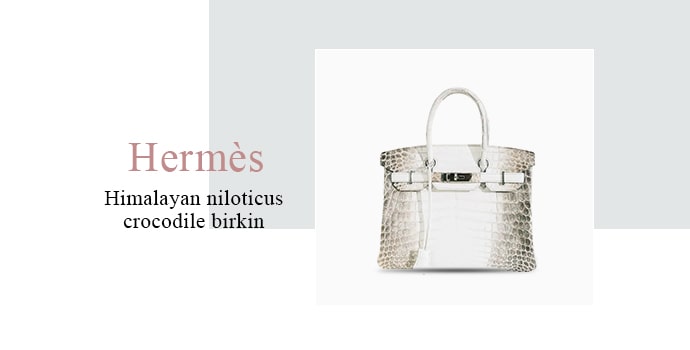


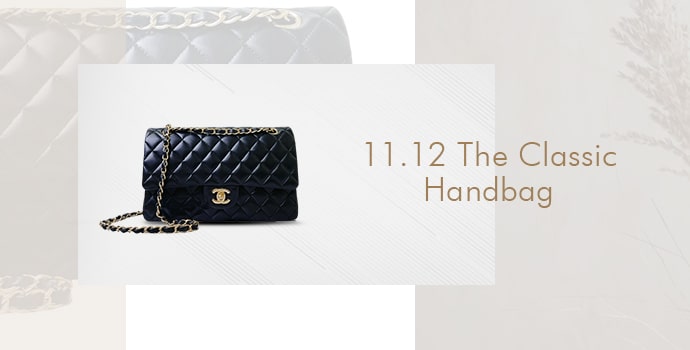
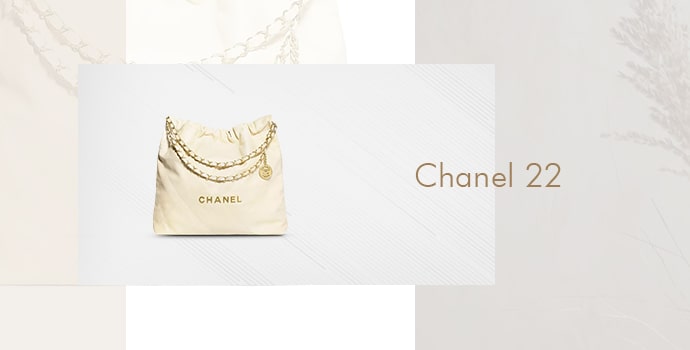
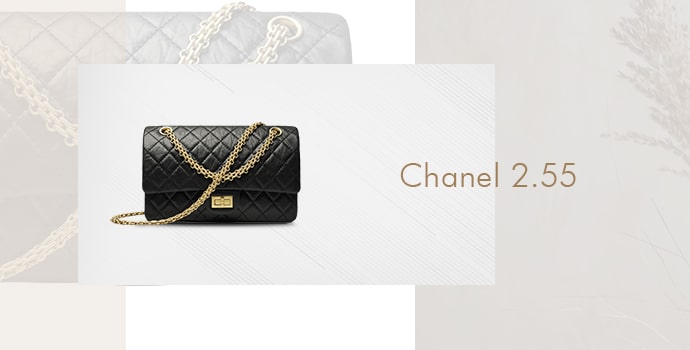
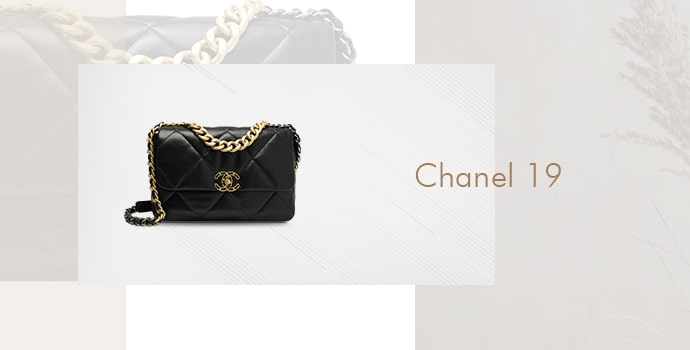
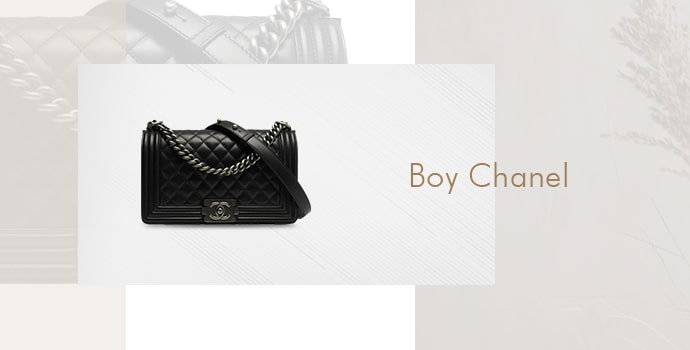
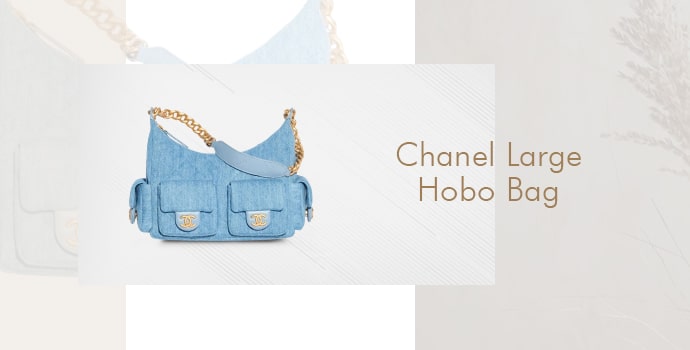
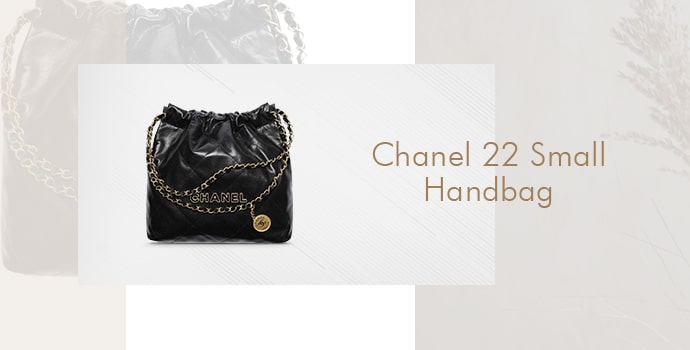
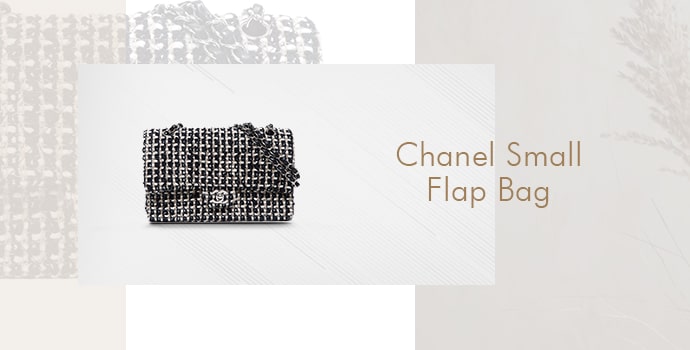
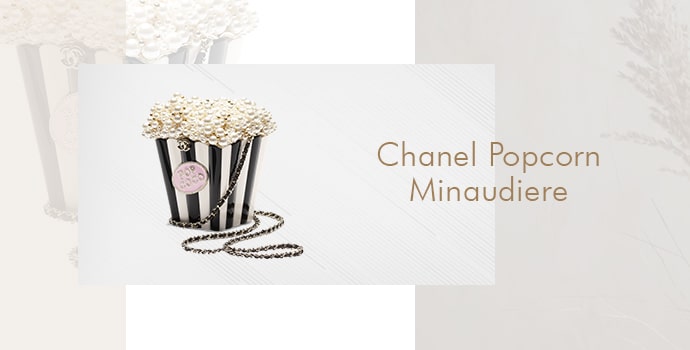
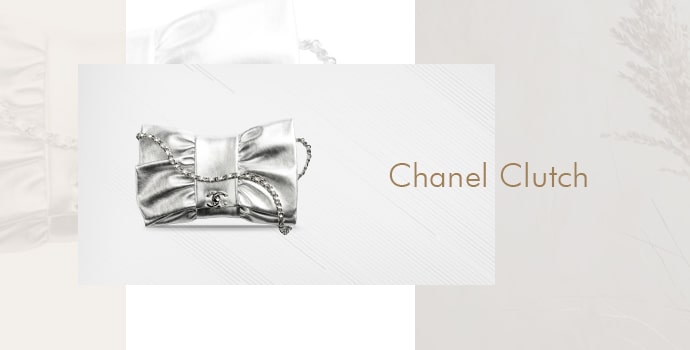

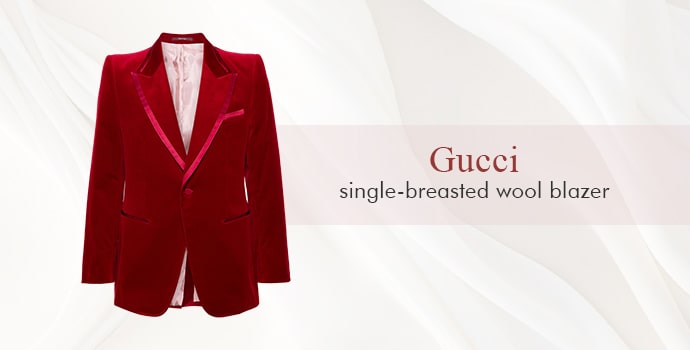
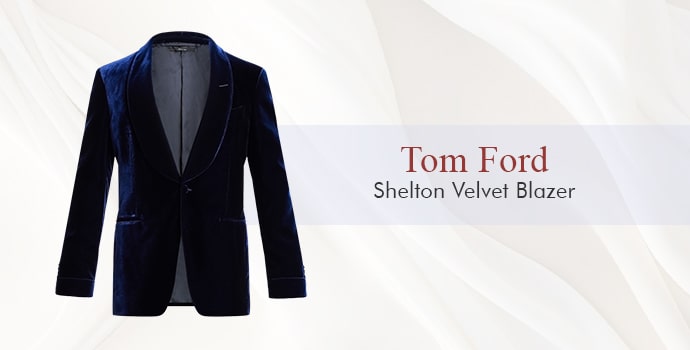
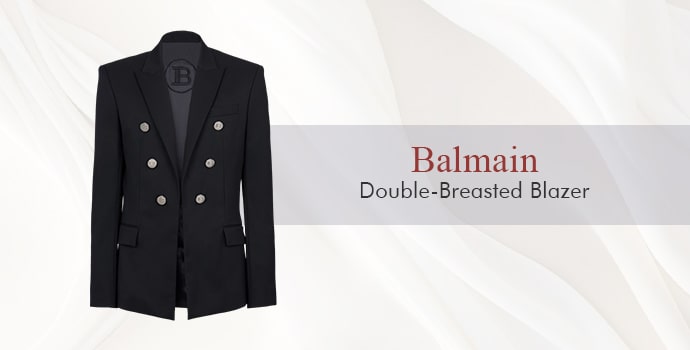
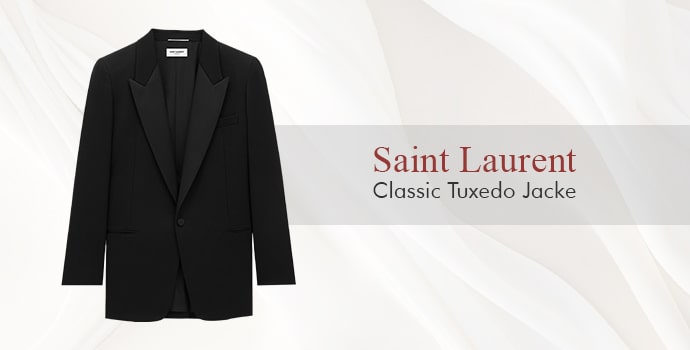
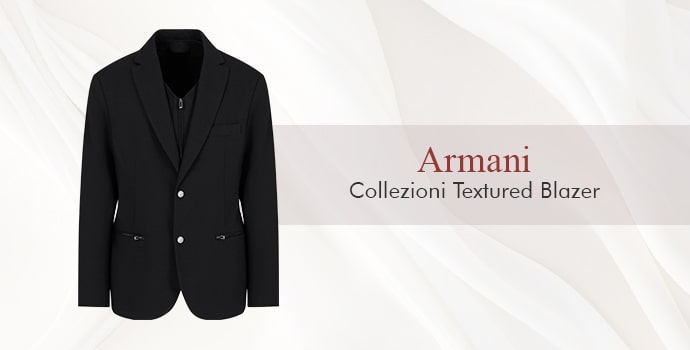
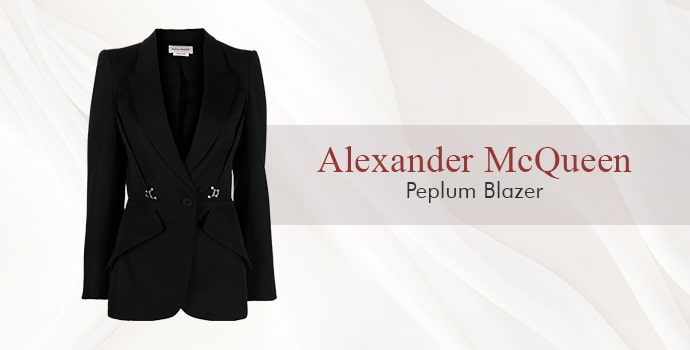
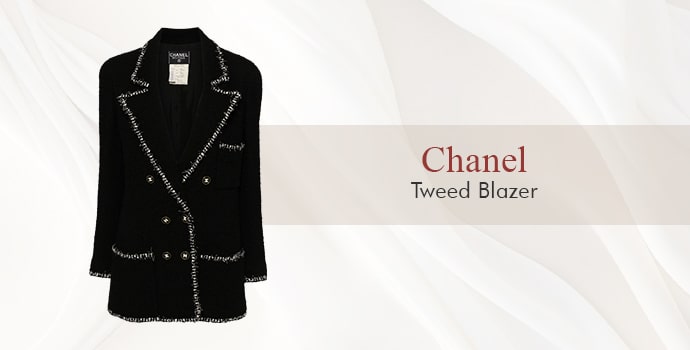
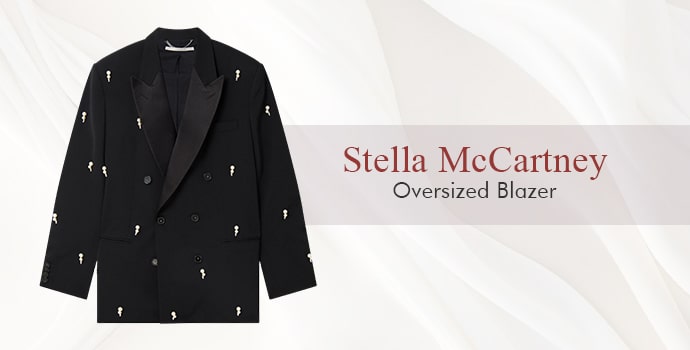
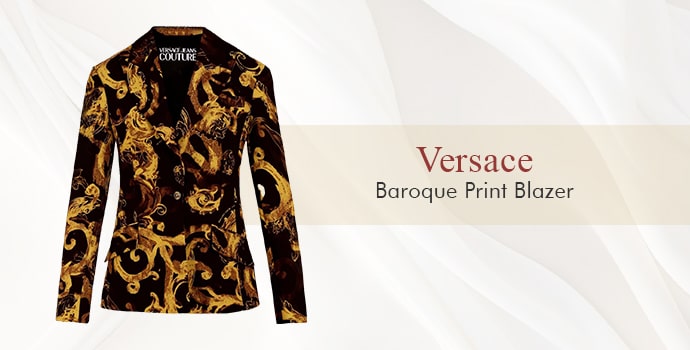
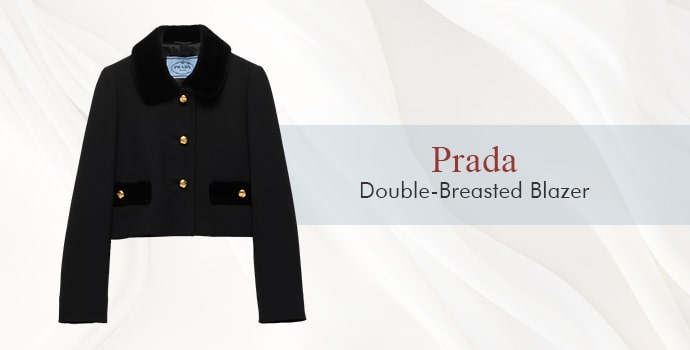

 Scan this QR Code to see a trailer of Bob Mackie: Naked Illusion (Image credit: Bob Mackie Instagram)
  Marilyn Monroe wearing the “Happy Birthday Mr. President Dress” designed by Bob Mackie in 1962 (Image credit: NewAtlas.com)