Couture

Home Couture Page 71

Latest Insights and Highlights from Couture Shows

Latest Insights and Highlights from Couture Shows

The world of couture is a dazzling realm where creativity knows no bounds, and this season’s couture shows have once again proven to be a testament to the boundless imagination and skill of fashion’s most revered designers. As the curtains lift on these grand spectacles, we are treated to an array of breathtaking creations that challenge conventions and set the stage for future trends. This article delves into the latest insights and highlights from the couture shows, exploring the season’s masterpieces, the innovative styles that push boundaries, and the key trends emerging from the runways.

Unveiling the Season’s Couture Masterpieces

The latest couture shows have unveiled a stunning array of masterpieces that reflect the intricate artistry and meticulous craftsmanship synonymous with high fashion. Each piece is a testament to the designer’s vision, with collections that range from opulent gowns to avant-garde ensembles. The attention to detail is evident in every stitch, bead, and embroidery, as designers strive to create garments that are not only visually striking but also tell a unique story.

Among the standout collections, one can find a renewed emphasis on the use of luxurious fabrics. Silks, velvets, and brocades dominate the runways, their rich textures and vibrant hues captivating the audience. Designers are also experimenting with unconventional materials, incorporating elements like feathers, metallic threads, and even recycled plastics, showcasing their commitment to both sustainability and innovation.

The color palette for this season is a symphony of contrasts. While some designers opt for ethereal pastels and soft neutrals, others embrace bold, saturated colors that demand attention. This juxtaposition of hues creates a dynamic visual experience, highlighting the diversity of styles and inspirations that define the current couture landscape.

Silhouettes play a crucial role in the season’s masterpieces, with designers exploring a range of shapes from structured, architectural forms to fluid, flowing lines. The interplay of volume and proportion is expertly manipulated to create garments that are both dramatic and elegant, each piece a testament to the designer’s mastery of form and function.

Accessories, too, have become an integral part of the couture narrative, with designers crafting pieces that complement and enhance the overall aesthetic. From oversized hats and elaborate headpieces to intricately designed footwear and statement jewelry, these elements add an extra layer of sophistication and flair to the collections.

Ultimately, the season’s couture masterpieces are a celebration of creativity and craftsmanship, each piece a work of art that transcends the conventional boundaries of fashion. Through their innovative designs and meticulous attention to detail, designers continue to push the envelope, setting new standards for what couture can be.

Designers Push Boundaries with Innovative Styles

This season, designers have truly pushed the boundaries of traditional fashion by embracing innovative styles that challenge the norms and redefine the concept of couture. The runway has become a playground for imagination, where designers experiment with new techniques, materials, and concepts to create garments that are both groundbreaking and captivating.

One of the most notable innovations is the integration of technology into couture design. Designers are utilizing cutting-edge techniques such as 3D printing and laser cutting to create intricate patterns and structures that would be impossible to achieve by hand. These advancements allow for a new level of precision and complexity, resulting in garments that are as much a feat of engineering as they are of artistry.

Sustainability is another key focus for many designers this season, with a growing emphasis on eco-friendly practices and materials. Collections feature garments made from recycled fabrics, organic textiles, and even biodegradable materials, reflecting a commitment to reducing the environmental impact of fashion. This shift towards sustainability is not only a response to consumer demand but also a testament to the industry’s ability to innovate for a better future.

The fusion of different cultural influences is also prevalent in the latest collections, with designers drawing inspiration from a diverse range of sources. Traditional techniques and motifs are reimagined in a contemporary context, resulting in garments that are both timeless and modern. This blending of cultures creates a rich tapestry of styles that reflects the global nature of fashion today.

In terms of design, asymmetry and deconstruction are prominent themes, with designers playing with unconventional shapes and silhouettes. The deliberate disruption of traditional forms creates a sense of movement and dynamism, challenging the viewer’s perception and inviting them to see fashion in a new light. These experimental designs are a bold statement of creativity, pushing the boundaries of what is possible in couture.

Collaboration is also a driving force behind many of the season’s most innovative styles, with designers partnering with artists, architects, and technologists to bring their visions to life. These interdisciplinary collaborations result in garments that are truly unique, combining fashion with elements of art, design, and technology to create something entirely new.

Key Trends Emerging from the Latest Runways

As the curtain falls on the latest couture shows, several key trends have emerged that are set to influence the fashion landscape in the coming months. These trends reflect both the current cultural zeitgeist and the evolving tastes of the fashion-forward consumer, offering a glimpse into the future of style.

One of the most prominent trends is the resurgence of maximalism, with designers embracing bold patterns, vibrant colors, and exaggerated silhouettes. This trend is a response to the minimalist aesthetic that has dominated fashion in recent years, offering a refreshing alternative that celebrates individuality and self-expression.

Romanticism is also making a comeback, with collections featuring delicate lace, ruffles, and floral motifs. This trend evokes a sense of nostalgia and whimsy, with designers drawing inspiration from historical fashion to create garments that are both timeless and enchanting. The use of soft, flowing fabrics and ethereal color palettes adds to the dreamlike quality of these pieces.

The trend of gender fluidity continues to gain momentum, with designers blurring the lines between traditional menswear and womenswear. Collections feature androgynous silhouettes, unisex garments, and a mix of traditionally masculine and feminine elements, reflecting a more inclusive and diverse approach to fashion.

Another key trend is the emphasis on craftsmanship and artisanal techniques. Designers are revisiting traditional methods such as hand embroidery, weaving, and knitting, creating garments that are not only beautiful but also reflect a deep appreciation for the art of making. This focus on craftsmanship speaks to a growing desire for authenticity and quality in fashion.

Statement outerwear has also emerged as a key trend, with designers creating bold, eye-catching coats and jackets that serve as the focal point of an outfit. From oversized capes to sculptural trench coats, these pieces are designed to make a statement and elevate any ensemble.

Finally, the trend of sustainability continues to shape the fashion industry, with designers increasingly prioritizing eco-friendly materials and practices. This shift towards sustainability is not only a response to consumer demand but also a reflection of the industry’s commitment to creating a more responsible and ethical future.

As the latest couture shows draw to a close, the fashion world is left with a wealth of inspiration and innovation to explore. From the season’s breathtaking masterpieces to the boundary-pushing styles and emerging trends, these shows have once again demonstrated the power of couture to captivate and inspire. As designers continue to push the limits of creativity and craftsmanship, the future of fashion looks brighter and more exciting than ever.
The Evolution of Couture in the Metaverse Era

The world of fashion has always been a dynamic arena, constantly evolving and adapting to new technological advancements and cultural shifts. As we step into the Metaverse era, a digital landscape that promises to blur the lines between physical and virtual realities, couture fashion finds itself at a fascinating crossroads. This article explores the intriguing intersection of high fashion and the Metaverse, examining how traditional craftsmanship is being redefined in this new digital context and what this means for the future of the industry.

The Fusion of Couture and Virtual Reality

The confluence of couture and virtual reality is an exciting development that is reshaping the fashion industry. As designers explore the potential of digital platforms, they are discovering new ways to express their creativity beyond the limitations of physical materials. This fusion allows for the creation of garments that defy gravity and physics, offering a canvas that is limited only by the imagination. Virtual reality provides a playground where designers can experiment with textures, colors, and forms in ways that were previously unimaginable.

In this digital realm, couture designers can craft experiences that are as much about the journey as they are about the final product. Virtual reality enables the creation of immersive fashion shows where audiences can interact with designs in a 360-degree environment. This not only democratizes access to high fashion but also allows for a level of personalization and engagement that is unmatched by traditional runway shows. As a result, the audience becomes an integral part of the fashion narrative.

Moreover, the integration of virtual reality into couture offers new opportunities for sustainability. By creating and showcasing virtual garments, designers can reduce the waste associated with traditional fashion production processes. This shift towards digital fashion also opens the door to a more inclusive industry, where designs can be tailored to fit any body type, free from the constraints of physical production.

The fusion of couture and virtual reality is also revolutionizing the way fashion is consumed. With the rise of virtual wardrobes and digital fashion items, consumers are beginning to see clothing as a form of self-expression that transcends the physical world. This shift in perspective encourages a more mindful approach to fashion, where the focus is on quality and creativity rather than quantity.

Additionally, virtual reality is fostering collaboration between fashion designers and technologists, leading to the emergence of hybrid professions that blend fashion design with digital expertise. This collaboration is giving rise to innovative tools and platforms that further enhance the creative process, enabling designers to push the boundaries of what is possible in the realm of couture.

As virtual reality continues to evolve, it is set to become an integral part of the couture landscape. This fusion not only enhances the creative potential of designers but also offers consumers a more engaging and personalized fashion experience. It heralds a new era where the boundaries between the physical and digital worlds are increasingly blurred, and couture fashion is at the forefront of this transformation.

Digital Craftsmanship: Redefining Haute Couture

Digital craftsmanship is emerging as a transformative force in the world of haute couture, challenging traditional notions of luxury and exclusivity. By leveraging cutting-edge technologies such as 3D modeling, artificial intelligence, and blockchain, designers are redefining what it means to create high fashion. This new form of craftsmanship is characterized by precision, innovation, and a focus on the unique possibilities offered by digital tools.

One of the key aspects of digital craftsmanship is the ability to create hyper-realistic designs that are indistinguishable from their physical counterparts. Advanced 3D modeling software allows designers to meticulously craft every detail of a garment, from the intricate stitching to the texture of the fabric. This level of precision is unparalleled in traditional couture, where each piece is handmade and subject to human error.

The use of artificial intelligence in digital craftsmanship is also revolutionizing the design process. AI algorithms can analyze vast amounts of data to identify trends, predict consumer preferences, and even generate original design concepts. This allows designers to stay ahead of the curve and create collections that are both innovative and attuned to the desires of their audience.

Blockchain technology is playing a crucial role in ensuring the authenticity and exclusivity of digital couture. By creating a digital ledger of ownership, designers can verify the provenance of their creations and prevent counterfeiting. This not only protects the intellectual property of designers but also enhances the value of digital couture as a luxury commodity.

The shift towards digital craftsmanship is also democratizing access to haute couture. With the ability to create virtual garments, designers can offer their creations to a global audience without the constraints of physical production and distribution. This opens up new markets and allows more people to experience the artistry and innovation of high fashion.

Furthermore, digital craftsmanship is fostering a new appreciation for the artistry of couture. As consumers become more familiar with the intricacies of digital design, they are beginning to recognize the skill and creativity involved in crafting virtual garments. This shift in perception is elevating digital couture to the same level of prestige as its physical counterpart, paving the way for a new era of fashion that celebrates both tradition and innovation.

In redefining haute couture, digital craftsmanship is not only expanding the creative possibilities for designers but also reshaping the relationship between fashion and technology. As the boundaries between the digital and physical worlds continue to blur, the artistry of couture is being reimagined for a new generation of consumers who value creativity, sustainability, and innovation.

The Metaverse: A New Frontier for Fashion

The Metaverse represents a new frontier for fashion, offering a vast and unexplored landscape where creativity knows no bounds. As this digital universe continues to expand, it is becoming a playground for fashion designers to experiment with new ideas and redefine the concept of style. The Metaverse allows for a level of freedom and flexibility that is unmatched by the physical world, enabling designers to push the boundaries of what is possible in fashion.

One of the most exciting aspects of fashion in the Metaverse is the ability to create entirely new forms of self-expression. In this virtual space, individuals can curate their digital identities through a wide array of fashion choices that are not limited by physical constraints. This opens up a world of possibilities for personal style, where users can experiment with bold and imaginative looks that reflect their unique personalities.

The Metaverse is also fostering a sense of community and collaboration within the fashion industry. Designers, artists, and technologists are coming together to create immersive experiences that engage and inspire audiences. Virtual fashion shows, pop-up shops, and interactive installations are becoming common features of the Metaverse, offering new ways for consumers to connect with their favorite brands and designers.

As the Metaverse continues to evolve, it is also creating new opportunities for fashion businesses. Brands can reach a global audience without the need for physical storefronts, reducing overhead costs and increasing accessibility. This shift towards digital fashion commerce is not only beneficial for established brands but also provides a platform for emerging designers to showcase their work and gain recognition.

The rise of the Metaverse is also prompting a reevaluation of the fashion industry’s approach to sustainability. With the ability to create and sell digital garments, the environmental impact of fashion production can be significantly reduced. This shift towards a more sustainable model is becoming increasingly important as consumers demand more environmentally conscious choices.

In this new frontier, the Metaverse is redefining the relationship between fashion and technology. It is a space where creativity, innovation, and sustainability converge, offering endless possibilities for the future of fashion. As designers continue to explore this digital landscape, the Metaverse is set to become an integral part of the fashion industry, shaping the way we perceive and interact with style.

The evolution of couture in the Metaverse era is a testament to the transformative power of technology and creativity. As designers embrace the opportunities offered by virtual reality and digital craftsmanship, they are redefining the boundaries of fashion and paving the way for a more inclusive and sustainable industry. The Metaverse, with its limitless potential, is set to become a central hub for fashion innovation, offering a new frontier where imagination knows no limits. As we continue to explore this digital landscape, the future of couture promises to be as dynamic and exciting as the virtual worlds it inhabits.

Fashion Forward: Couture Meets Cutting-Edge Technology

In recent years, the fashion industry has witnessed an unprecedented transformation as technology becomes an integral part of design, production, and retail. This fusion of high fashion and high tech is reshaping the couture landscape, creating a dynamic interplay that promises innovation and sustainability. From smart textiles to 3D printing, fashion is stepping into the future with a flair that combines traditional craftsmanship with cutting-edge advancements. This article explores how technology is revolutionizing the fashion world, the innovations driving this change, and how designers are embracing these trends to redefine couture.

The Intersection of Fashion and Technology Today

The convergence of fashion and technology has opened new horizons for designers and consumers alike. Today, technology is not just a tool but a muse for fashion innovators, inspiring new ways to create and experience clothing. Wearable technology, such as smartwatches and fitness trackers, has already made its mark. However, the intersection is now deeper, with technology influencing the very fabric of fashion design. Digital platforms and virtual reality are offering immersive experiences, allowing consumers to engage with brands in unprecedented ways.

This digital transformation has democratized fashion, enabling designers to reach global audiences without the traditional barriers of geography and access. Social media platforms and online marketplaces have become vital for fashion brands, offering a direct channel to consumers and a space for creative expression. The result is a more inclusive fashion landscape where emerging designers can showcase their work alongside established names, fostering a diverse and dynamic industry.

Technology is also enhancing the functionality and adaptability of clothing. Smart textiles, embedded with sensors and conductive threads, are enabling garments to respond to environmental changes or even the wearer’s mood. These innovations are not only enhancing the aesthetic appeal of fashion but also adding a layer of utility that was previously unimaginable. This blend of style and substance is redefining what it means to be fashionable in the 21st century.

Moreover, sustainability is at the forefront of this technological revolution. As consumers become more environmentally conscious, fashion brands are leveraging technology to create sustainable solutions. From digital supply chains that reduce waste to materials science innovations that produce biodegradable fabrics, technology is helping the industry move towards a more sustainable future. This shift is essential as the fashion industry grapples with its environmental impact and seeks to align with global sustainability goals.

The role of artificial intelligence (AI) in fashion cannot be overstated. AI is transforming everything from design to production and marketing. Predictive analytics and machine learning algorithms are enabling designers to anticipate trends and consumer preferences, leading to more targeted collections and reduced waste. Virtual fitting rooms and AI-driven styling apps are enhancing the shopping experience, offering personalized recommendations and reducing the need for returns.

Finally, the rise of digital fashion is challenging traditional notions of clothing and ownership. Virtual garments, designed for avatars in digital spaces, are becoming a new frontier for fashion designers. This trend not only reduces the environmental impact of physical production but also offers limitless creative possibilities. As virtual reality and augmented reality technologies advance, the lines between the physical and digital fashion worlds continue to blur, creating exciting opportunities for innovation.

Innovations Transforming the Couture Industry

The couture industry is undergoing a metamorphosis as technological innovations redefine the boundaries of design and craftsmanship. One of the most groundbreaking advancements is the use of 3D printing in fashion. Designers are now able to create intricate patterns and structures that were once impossible to achieve with traditional methods. This technology allows for a new level of customization, enabling bespoke designs that fit the unique contours of an individual’s body.

Additionally, 3D printing is reducing material waste, as garments can be produced on-demand, eliminating excess inventory. This shift towards on-demand production is not only cost-effective but also aligns with the growing demand for sustainable fashion practices. The ability to print clothing also opens up possibilities for experimentation with new materials, such as biodegradable plastics and recycled composites, pushing the boundaries of what couture can be.

Augmented reality (AR) is another innovation transforming the couture industry. AR technology is being used to create virtual fashion shows, allowing designers to showcase their collections to a global audience without the limitations of physical space. These immersive experiences offer a new way for consumers to interact with fashion, bridging the gap between digital and physical worlds. Virtual try-ons powered by AR are also enhancing the shopping experience, allowing consumers to see how garments will look on them before making a purchase.

Blockchain technology is making waves in the couture industry by providing transparency and traceability throughout the supply chain. This innovation is crucial for ensuring the authenticity of luxury goods, combating counterfeits, and promoting ethical sourcing. By leveraging blockchain, fashion brands can provide consumers with detailed information about the origin and journey of their garments, building trust and enhancing brand loyalty.

The integration of robotics in fashion production is another significant development. Automated sewing and cutting machines are increasing efficiency and precision, allowing for more complex designs and faster turnaround times. Robotics is also addressing labor shortages and reducing the reliance on manual labor, which has historically been a significant challenge in the couture industry. This technological shift is enabling brands to scale their operations while maintaining high-quality standards.

Finally, the rise of virtual fashion influencers is changing the way couture is marketed and consumed. These digital personas, created using sophisticated computer graphics, have amassed large followings on social media platforms, influencing fashion trends and consumer behavior. Virtual influencers offer a new avenue for brands to reach audiences, providing a fresh and innovative approach to marketing that resonates with tech-savvy consumers.

How Designers Embrace Tech-Driven Fashion Trends

Fashion designers are at the forefront of embracing technology, using it as a catalyst for creativity and innovation. Many designers are integrating smart textiles into their collections, creating garments that can change color, generate heat, or even charge electronic devices. These tech-driven designs are not only functional but also add a futuristic edge to traditional couture, appealing to consumers seeking innovation and novelty.

Collaboration between fashion designers and tech companies is becoming increasingly common. These partnerships are driving the development of new materials and technologies that enhance the design process. For example, designers are working with tech firms to develop fabrics embedded with microchips that track movement or monitor health metrics, merging fashion with wellness in exciting new ways.

Designers are also leveraging digital tools to streamline the design process. Computer-aided design (CAD) software allows for precise pattern making and virtual prototyping, reducing the time and cost associated with traditional garment construction. These tools enable designers to experiment with new shapes and structures, pushing the boundaries of couture while maintaining a focus on sustainability and efficiency.

The use of AI in fashion design is another trend embraced by designers. AI algorithms are helping designers analyze vast amounts of data to identify emerging trends and consumer preferences. This data-driven approach not only informs the creative process but also ensures that collections resonate with target audiences. AI is also being used to create generative designs, where algorithms produce unique patterns and textures, adding a new dimension to couture.

Designers are also exploring the potential of virtual fashion, creating digital-only collections that exist purely in cyberspace. These virtual garments challenge traditional notions of fashion and consumption, offering limitless creative possibilities without the environmental impact of physical production. As the metaverse continues to grow, designers are finding new ways to engage with consumers in these digital spaces, offering virtual fashion shows and exclusive digital drops.

Finally, designers are using technology to enhance the retail experience, creating immersive environments that engage consumers on multiple levels. From interactive store displays to augmented reality apps that offer personalized styling advice, technology is transforming the way consumers interact with fashion brands. These innovations are not only enhancing the shopping experience but also building stronger connections between brands and consumers, fostering loyalty and engagement in an increasingly digital world.

As technology continues to evolve, its impact on the fashion industry is undeniable. The fusion of couture and cutting-edge technology is not only transforming how fashion is designed, produced, and consumed but also challenging traditional notions of what fashion can be. Designers are at the forefront of this transformation, embracing new tools and techniques to push the boundaries of creativity and innovation. As we look to the future, the possibilities for tech-driven fashion are limitless, promising a dynamic and exciting evolution for the industry. With sustainability and personalization at the core of these advancements, the future of fashion promises to be as responsible as it is revolutionary.

Exploring the Intersection of Technology and Couture

The world of fashion has always been synonymous with creativity, expression, and evolution. In recent years, this dynamic industry has seen a remarkable transformation with the infusion of advanced technology. From the initial stages of design to the final runway show, technology is revolutionizing how fashion is conceived, created, and consumed. This article delves into the fascinating intersection of technology and couture, exploring its evolution, impact, and the innovations that are bridging these two worlds.

The Evolution of Tech-Infused Fashion Design

The journey of integrating technology into fashion design began with the simplest of tools, such as sewing machines and pattern-making software. These innovations, at their inception, were groundbreaking, allowing designers to enhance efficiency and precision in garment creation. However, as technology advanced, so did its role in the fashion industry. Computer-aided design (CAD) systems, for instance, have revolutionized how designers conceptualize and render their creations, offering a digital canvas that supports both creativity and practicality.

In the early 2000s, the rise of digital printing technology further expanded the horizons for fashion designers. This technology allowed for intricate and vibrant patterns to be printed directly onto fabric, thus eliminating many of the limitations associated with traditional textile production. Designers could now experiment with an endless array of colors and patterns, leading to unprecedented levels of personalization and innovation in fashion design.

3D printing marked another pivotal moment in the evolution of tech-infused fashion. This technology enabled the creation of complex structures and designs that were previously unimaginable. Designers could now experiment with materials and forms, producing garments and accessories that defied conventional fashion norms. The ability to 3D print bespoke items on demand also introduced new possibilities for sustainable fashion practices.

The role of technology in fashion design has continued to grow, with the advent of artificial intelligence (AI) and machine learning. These technologies have begun to influence design processes by analyzing trends, predicting consumer preferences, and even generating new design ideas. AI-driven platforms provide designers with valuable insights, helping them make informed decisions and stay ahead of the curve in a highly competitive industry.

Wearable technology represents another significant milestone in the evolution of tech-infused fashion. This concept goes beyond aesthetics, merging functionality with style. From smart fabrics that monitor health metrics to garments embedded with LED lights, wearable tech is pushing the boundaries of what fashion can do, transforming clothing into interactive experiences.

As technology continues to evolve, so will its impact on fashion design. The future promises even more sophisticated tools and techniques, enabling designers to push creative boundaries further while addressing the growing demand for sustainability and personalization. The evolution of tech-infused fashion design is a testament to the industry’s ability to adapt and innovate, embracing new technologies to redefine what fashion can be.

How Technology is Shaping Modern Couture

The impact of technology on modern couture is profound, reshaping every aspect of the industry from design to production and distribution. One of the most significant changes is the way technology has enhanced the personalization of fashion. With the help of big data and AI, designers can now tailor their creations to meet the individual preferences of consumers. This shift towards personalization reflects a broader trend in consumer behavior, where uniqueness and exclusivity are highly valued.

Virtual and augmented reality technologies are also playing a crucial role in shaping modern couture. These immersive technologies offer new ways for consumers to engage with fashion, from virtual fitting rooms that allow for accurate size and fit assessments to augmented reality apps that let customers visualize how a garment will look in real life. This not only enhances the shopping experience but also reduces the number of returns, addressing a key challenge in the online fashion retail space.

Sustainability, a pressing issue in the fashion industry, is being addressed through technological advancements. Innovations such as digital prototyping and 3D printing reduce waste by allowing designers to experiment with designs and materials virtually before creating physical samples. Additionally, blockchain technology is being used to improve supply chain transparency, ensuring ethical sourcing and production practices in the creation of couture garments.

The production process in modern couture has been transformed by automation and robotics. These technologies enable faster and more precise manufacturing, reducing lead times and costs. Moreover, automation allows for greater consistency and quality control, which is crucial in the high-stakes world of couture. However, this shift also raises questions about the future of craftsmanship and the role of human artisans in couture fashion.

Technology is also reshaping the way fashion is marketed and consumed. Social media platforms and digital marketing tools have become essential for reaching and engaging with an audience. Live-streamed fashion shows, virtual showrooms, and influencer collaborations are now standard practices, allowing brands to connect with consumers globally and in real-time. This digital transformation has democratized access to couture fashion, making it more accessible to a broader audience.

In conclusion, technology is not just shaping modern couture; it is redefining it. The integration of advanced technologies into the fashion industry is creating new opportunities for creativity, sustainability, and consumer engagement. As these technologies continue to evolve, they will undoubtedly lead to further innovations, driving the future of couture in exciting and unexpected directions.

Innovations Bridging Tech and High Fashion

The intersection of technology and high fashion has given rise to a host of groundbreaking innovations that are transforming the industry. One such innovation is the development of smart textiles—fabrics that have been engineered to have additional functionalities beyond traditional textiles. These include fabrics that can change color, regulate temperature, or even generate energy, offering designers new ways to incorporate technology into their collections.

Another notable innovation is the use of AI in fashion forecasting and trend analysis. By processing vast amounts of data from social media, fashion shows, and consumer behavior, AI algorithms can predict upcoming trends with remarkable accuracy. This allows designers to stay ahead of the curve, creating collections that align with emerging consumer preferences and market demands.

The rise of digital fashion is another exciting development at the intersection of tech and high fashion. Designers are now creating virtual garments that exist solely in the digital realm, which can be worn by avatars in virtual environments or used in digital marketing campaigns. This not only reduces the environmental impact associated with traditional garment production but also opens up new possibilities for creativity and self-expression.

In the realm of fashion retail, technology is enhancing the customer experience through innovations like AI-powered personal shopping assistants and chatbots. These tools provide personalized recommendations and support, making the shopping process more efficient and enjoyable. Additionally, technologies like RFID (Radio Frequency Identification) are improving inventory management and enabling seamless omnichannel retail experiences.

The integration of biotechnology into fashion is yet another area where innovation is thriving. Researchers and designers are exploring the use of bioengineered materials, such as lab-grown leather and biodegradable fabrics, to create sustainable and ethical fashion. These materials offer the same aesthetic and functional qualities as traditional textiles but with a significantly lower environmental footprint.

Finally, the concept of the fashion metaverse is capturing the imagination of designers and consumers alike. This virtual space allows users to interact with fashion in entirely new ways, from attending virtual fashion shows to purchasing and owning digital fashion assets. The fashion metaverse represents a new frontier for high fashion, where technology and creativity merge to create immersive and interactive experiences.

The fusion of technology and couture is not just a trend; it is an evolution that is reshaping the fashion industry. From the way garments are designed and produced to how they are marketed and consumed, technology is at the forefront of innovation. As designers and technologists continue to collaborate, the possibilities for creativity and sustainability in fashion are boundless. The journey of tech-infused couture is just beginning, promising a future where fashion transcends traditional boundaries and embraces the limitless potential of technology.

​​Fashion Industry Banks on The Rise of Collectible Culture

0
​​Fashion Industry Banks on The Rise of Collectible Culture


2024 saw the fashion industry ride on the wave of collectible paraphernalia, transforming whimsical novelties into status-defining treasures. While the unveiling of luxury accessories and bag charms are nothing new, MCM’s Visetos-print mascots to Loewe’s playful animal figures highlight how luxury brands are tapping into a growing consumer desire for escapism through tangible, unconventional symbols of self-expression. What began as niche curios — like Burberry’s Plush Bear Teddy Bear Collectable from 2008 or early iterations of Bearbrick (or BE@RBRICK) collaborations — has evolved into a cultural phenomenon. Today’s fashion collectibles straddle the line between art, nostalgia, high-end branding and society’s penchant for “cuteness aggression” sparking a deeper emotional connection between consumers and the industry. This new era of collectible paraphernalia reflects a shift in consumer behaviour, where plushies, mascots, and novelties — far removed from traditional notions of utility — have become aspirational icons of luxury.

Read More: Beyond the Label: How Luxury Brands Leverage on Legacy Storytelling

 Status Symbols to Consumer Escapism

Stepping away from the realm of luxury, one example of collectible paraphernalia that became a cultural must-have were the Labubu plushie dolls. Everyone from fashion editors and influencers to social media savant BryanBoy were seen sporting these plushie attached to their luxury designer bags. What started out as an online meme quickly turned into a buying frenzy that has expanded beyond Southeast Asia. Sold by Chinese toy company Pop Mart with prices ranging anywhere from SGD 40 to SGD 200, the hype surrounding the Labubu dolls emphasises how consumers place value in seemingly “everyday” items to feel included in a broader cultural movement. This phenomenon reflects a desire for connection and identity through shared symbols of fascination. The same can be said about the obsession with the Stanley Cup nearly a year ago, where collective enthusiasm transformed a bottle into a pop-cultural fixation.

Read More: 2024’s Holiday Campaigns Embrace Everyday Icons

The journey of collectible culture in fashion dates back to around 2008, with the Burberry Bear (now sold online second-hand for USD 50 to USD 100) being one of the earliest examples of luxury fashion transforming an inanimate object into a cultural icon. What started as a novelty item sold alongside a purchase for collectors has now blossomed into a mainstream cultural movement. Fast forward to 2024, and fashion houses have embraced this shift, launching their own lines of limited-edition plushies, figurines, and mascots. Louis Vuitton’s Vivienne bag charm alongside Hermès’ and Celine’s dog toys and accessories are all part of this broader strategy to capitalise on the increasing demand for collectible items that blur the lines between what is practical and personal expression. Luxury brands have come to understand that modern consumers seek more than just status symbols — they crave experiences and avenues of escape. Collectible items, from plush toys to designer mascots, deliver a tangible sense of fantasy and evoke youthful nostalgia that traditional luxury goods often cannot provide, whether due to their price point or exclusivity. This yearning for escapism underpins the success of brands like Moschino and Loewe, which create playful yet distinctive products that go beyond adornment, seamlessly integrating into and reflecting the consumer’s identity.

Bags Moschino Men’s Spring/Summer 2025 collection exemplifies how the brand delivers surreal bags that become collectible items beyond their intrinsic value as bags.

Capitalisation of Group Behaviour

The rise of collectible fashion paraphernalia highlights a shift in how consumers approach their purchases. Historically, luxury goods were symbols of wealth, status, and exclusivity. But with the proliferation of accessible luxury brands and the democratisation of high-end fashion, brands have had to get creative in maintaining their allure. Enter the collectible culture — an accessible entry point for many consumers who may not be able to afford the full range of a brand’s offerings but can still indulge in miniature versions that serve as gateways to luxury.

Read More: Bag Charms: Luxury Fashion’s Latest Moneymaker

Luxury fashion brands have long been experts at creating exclusivity, but with collectibles, they’ve embraced a more collective form of exclusivity. Collectible toys and figurines are part of a broader cultural movement where owning certain items signals not just personal taste, but membership in a specific consumer tribe. These small, often playful products foster a sense of belonging, allowing consumers to join a larger narrative while still showcasing their individuality. This creates something of a societal paradox — in order to stand out, consumers often must align with the collective.While heritage and craftsmanship remain central to luxury storytelling, modern consumers — particularly millennials and Gen Z — are drawn to narratives that align with their values, often finding deeper connections in the playful, accessible realm of collectible culture and paraphernalia. Meaning, beyond physical appearances, they want their purchases to reflect a sense of individuality, playfulness, and emotional resonance. Collectible culture and paraphernalia have become the perfect medium for this connection, offering a bridge between the aspirational allure of luxury and the modern desire for items that feel personal, approachable, and meaningful.

Read More: Fashion in Flux: The Industry’s Return to Timeless Classics Amid Economic Headwinds

The Future of Collectible Fashion Paraphernalia

Charms hold a unique appeal, bridging both ends of the consumer spectrum. For some, they represent an accessible entry-level purchase into the world of luxury, while for loyal customers, they serve as an extension of their brand devotion. Think of it this way — you already own the Louis Vuitton Vivienne, the Hermès Birkin, or the Prada Re-Edition 1995 shoulder bag — what’s next? The bag charm offers a way to personalise these sought-after pieces, adding a playful yet sophisticated touch that elevates them further. It is albeit a small but impactful accessory that speaks to both individuality and brand allegiance. Why stop at one? The latest Prada campaign shows the model clutching a bag layered with numerous accoutrements encouraging the consumer to indulge in a bit of conspicuous consumption. This is arguably why luxury labels such as Louis Vuitton and Prada increasingly tune in to collectible culture as part of their strategy to expand into new demographics, particularly younger consumers and collectors alike. While luxury handbags and shoes are out of reach for some, a designer mascot or plushie offers an aspirational item that is much more attainable.

Nostalgia has always played a significant part in fashion — due to the inevitable trend cycle — hence the demographic between the ages of 18 to 30 typically looks back on past style icons to inspire their outfits of today. The fashion world also often transforms elements of childhood into more grown-up variations to embrace the fun side of fashion just as we have seen with friendship bracelets and now bag charms. Thus, people have done so by incorporating childhood trinkets and colourful bead embellishments onto their high-end bags to add pops of colour which would otherwise be difficult to display on everyday looks. The endless combinations of embellishments allow individuals to cultivate and express their personal style — especially in an era where it is increasingly difficult to do so, due to the rapidly changing trends.

Read More: The Ultimate Luxury Festive Gift Guide

In an era where luxury bags are becoming increasingly ubiquitous among restless consumers, perhaps collectible accessories are the new display of wealth — offering a distinctive and personal way to signal exclusivity and taste. As the boundaries between fashion, art, and play continue to blur, the rise of collectible culture is likely to endure and even intensify. One can surmise that brands will continue to capitalise on the desire for escapism, self-expression, and nostalgia, expanding their product offerings to meet the growing demand for these unconventional luxury treasures. Whether through more mascots, plush toys, or creative collaborations, the future of fashion collectibles seems prime for further exploration.

Read More: Luxury Brands Leverage Personalised Offerings For Product Differentiation

For more on the latest in fashion and style reads, click here.


Source link

How KÔYÉ is Dressing the Women Who Inspire Us

0
How KÔYÉ is Dressing the Women Who Inspire Us


La Muse collection features three Samarcande dresses produced in Barcelona

In an industry where trends often overshadow substance, KÔYÉ is a breath of fresh air. When Alicia Issaka first founded her Paris-based clothing brand KÔYÉ in 2019, her mission was simple: to create garments that redefined the meaning of modern femininity in fashion. Five years later, KÔYÉ continues to uphold this tenet, feeding into their objective of offering sophisticated pieces that are as much about story and identity as they are about style. The brand’s philosophy was first inspired by Issaka’s life in Paris. Her multi-cultural upbringing, along with the city’s timeless elegance and its relationship with the fashion industry fed into the future vision of KÔYÉ. With a focus on artisanal craftsmanship, sustainability, and storytelling through design, KÔYÉ is reshaping the narrative of modern fashion.

“To me, a garment is never just an item of clothing,” Issaka shares. “It’s a form of self-expression — a way to reveal yourself to the world with both strength and grace.”

Reimagining Contemporary Women

The models are wearing pieces from La Muse collection with the Samarcande Summer, the Herat top and the Nara skirt

The brand’s designs embody the modern woman throughout life, no matter the person, place, or time. By playing with versatile fabrics such as velvet and lace, KÔYÉ’s pieces are crafted to stay timeless, transitioning from day to night with ease.

One of its mainstay designs, the Samarcande velvet dress, exudes the idea of elegance. The distinctive high neck lends the dress a refined appeal, while its flared hem enhances the feminine silhouette. A row of gold buttons lines the front, adding a bold pop to the graceful design. KÔYÉ’s Hérat top is also a prime example of the brand’s versatility. Most notably, the piece features a removable high collar — a tasteful detail that can be styled for a more structured look or taken off to reveal a sultry V-neckline.

Both the Samarcande and Hérat styles are reconceptualised in the latest collection, La Muse. The newest addition to KÔYÉ’s portfolio is a tribute to the women who have shaped Issaka’s life. Beloved KÔYÉ designs are reinvented in new colourways and patterns, allowing each wearer to add depth to their everyday wardrobe.

READ MORE: Fashion in Flux: The Industry’s Return to Timeless Classics Amid Economic Headwinds

A Sustainable Vision

Effortless chic look with the Nara skirt and the Fergana top from KÔYÉ last collection

KÔYÉ’s commitment to quality goes beyond aesthetics. The brand is not only about celebrating women, but also about living consciously. Their garments are made from sustainable fabrics sourced locally from Spain. From there, pieces are meticulously crafted in small artisanal workshops in Barcelona. Fabrics are chosen not only for their quality but for their ability to flatter diverse skin tones and body types.

The brand also produces limited collections to minimise waste, with the intention of creating clothing that transcends a single fashion season. It is this conscious approach by the brand that challenges the norms of the mainstream fashion industry while maintaining standards of quality and comfort.

In Issaka’s words: “We’re challenging the traditional fashion narrative,” she explains. “Our goal is to create clothing that empowers, that tells a story, and that allows women to feel authentically themselves.” This is the essence of KÔYÉ — fashion with a deeper purpose that empowers women and respects the world around us.

The Future of KÔYÉ

Alicia Issaka, founder of KÔYÉ is wearing the Samarcande velvet dress

As the brand continues to grow, Issaka remains firmly grounded in its core philosophy — creating timeless fashion that exemplifies the modern woman. In the years ahead, she envisions expanding KÔYÉ’s reach while staying true to the values that set it apart — authenticity, sustainability, and timeless design.

“Fashion isn’t just about what you wear,” Issaka says. “It’s about how you feel in your own skin. At KÔYÉ, we want every woman to feel confident, celebrated, and unstoppable.” KÔYÉ’s journey is a testament to the transformative power of fashion done with purpose — reminding us that great design is as much about the stories it tells as the style it delivers.

For more on the latest in style and fashion industry reads, click here.


Source link

The Best Watches That Hold Value: 8 Great Watch Brands

0
The Best Watches That Hold Value: 8 Great Watch Brands


Luxury watch brands such as Rolex and Patek Philippe have become popular choices for those looking to invest in high-value watches. These watches often come with sophisticated complications and design elements that add an extra layer of complexity – both visually and mechanically – to these timepieces.

The watch market, like any other form of investment, can be volatile so it pays to do your research before making a purchase. By researching the watch market and its fluctuations, you can get an idea of which are the watches that hold value and may be good investments over time.

Luxury Watches That Hold Value

Watches that hold their inherent value are usually built to last and made with precious metals and the highest quality parts. The best watches use titanium or stainless steel, along with premium leather straps and scratch-resistant glass.

These materials are strong and long-lasting, ensuring that the watch will stand up to wear and tear over time. Additionally, many of these watches come with intricate designs and features that make them a good investment.

Finding watches that go up in value as opposed to simply holding their initial value can be challenging. Therefore, only buy watches when you love their design and functions. That way, any increase in value will be a pleasant bonus.

Vintage Timepieces That Are Worth Investing In

When it comes to finding vintage watches with investment value, there are a few factors to consider in order to determine whether a vintage model is likely to appreciate in value. These include the vintage model’s provenance, the rarity of the vintage model, and its condition. In general, limited production of less than 20,000 units will hold their value best.

Collecting vintage watches is an increasingly popular hobby, and certain vintage models can hold significant value. This can be due to their limited production or the fact that they are no longer in production.

As a result, vintage timepiece values can fluctuate on the secondary market, where collectors buy and sell vintage watches as investments. Some vintage models have even gained cult status, with vintage watch enthusiasts paying a premium for certain vintage models.

It’s important to note that vintage watches are often exposed to wear and tear over time, which can affect their value. As a result, vintage watches should be inspected by an expert before making a purchase in order to ensure that they retain their value. Additionally, vintage watch buyers should be aware of the fact that vintage models can be difficult to repair or replace parts for.

Which are the watches that hold value?

1. Rolex

Why do Rolex watches hold value? Rolex is well-known for producing timepieces of exceptional quality and reliability.

Rolex watches generally appreciate in value over the years, making them a worthwhile investment. If you’re buying a pre-owned Rolex watch, make sure to check that it is an authentic Rolex timepiece.

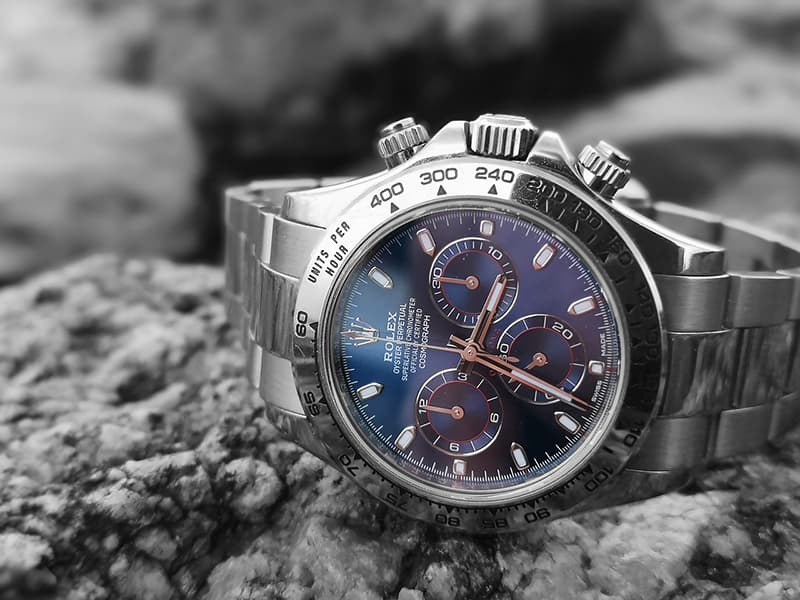
The Rolex Daytona is one of Rolex’s most popular watches. It has a classic look and is made from high-quality materials, making it a timeless design that can be passed down for generations. A pre-owned Daytona in good condition has a retail price of between $19,000 to $60,000 on online marketplaces such as Bob’s Watches.

The Rolex Submariner is another popular Rolex timepiece that has stood the test of time. This model is waterproof up to 300 meters and features a sleek black dial with luminous markers.

GMT-Master II watches feature two time zones, perfect for globetrotters who want to keep track of the time in multiple places simultaneously. The GMT-Master II is a popular choice among watch collectors due to its sophisticated design and intricate craftsmanship.

Finally, Rolex’s Cosmograph Daytona is a chronograph watch that is perfect for those who want to track their time with precision and style. It features three sub-dials and comes in a variety of colors and styles.

Rolex Cosmograph DaytonaThe Best Watches That Hold Value: 8 Great Watch Brands
Rolex Cosmograph Daytona – one of the best Rolex sports watches

2. Patek Philippe

Patek Philippe has been a leading name in Swiss luxury watches since 1839 and has continued to produce high-end timepieces with timeless designs. Patek Philippe watches not only make for exquisite accessories but also retain their value over the years, making them great investment pieces.

One of the brand’s most iconic models is the Patek Philippe Nautilus. This sporty-luxe timepiece features a stainless steel case and bracelet, contrasting blue dial, and date display window. The movement is renowned for its accuracy and reliability.

Patek Philippe Aquanaut watches also hold their value well over time. They have a modern design with robust features like scratch-resistant sapphire crystal, luminous hands and water resistance up to 120 meters.

The Patek Philippe Calatrava is also an investment piece, as its quality materials and superior craftsmanship guarantee you something fine to pass down through generations.

A Patek Philippe wristwatchA Patek Philippe wristwatch
A Patek Philippe wristwatch – the best mens watch brands

3. Omega

If investing in a high-end watch is what you’re after, then Omega should be top of mind on your list of possibilities. Founded by Louis Brandt in 1848 in the Swiss village of La Chaux-de-Fonds, Omega is renowned for its accurate timekeeping.

The first Omega Speedmaster was worn by Buzz Aldrin on his journey to the moon in July 1969. Speedmaster Broad Arrow watches come with a self-winding mechanical movement and feature an arrow-shaped hour hand.

James Bond wears watches from the Omega Seamaster collection in each film. The Seamaster Diver is ideal for those who want to explore new depths of fashion because its water resistance reaches down to 300 meters.

The Flightmaster is geared towards adventurers who crave information at their fingertips. The De Ville was introduced in 1967 and is perfect for those with a classic style.

The Constellation range of watches don’t generally hold their value as well as these other vintage Omega watches. However, with any of these high-value Omega watches on your wrist, you know you’re wearing something truly special.

Omega Speedmaster MoonwatchOmega Speedmaster Moonwatch
Omega Speedmaster Moonwatch

4. Audemars Piguet

Audemars Piguet has some of the most iconic watches in the world, and their value over time will only increase. One such model is the Audemars Piguet Royal Oak watch.

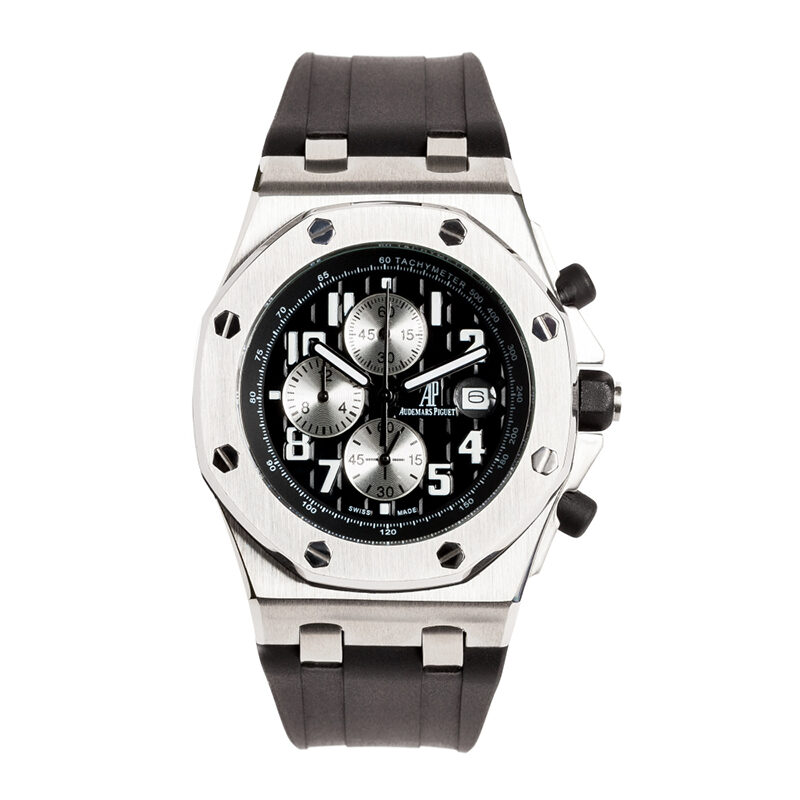
This watch was first released in 1972, and it revolutionized the industry with its bold design. The main feature of this watch is its octagonal bezel, which has become a signature Audemars Piguet style.

The Royal Oak is available in many different metals and finishes, making it incredibly versatile and able to suit the individual taste of any wearer. The Royal Oak Offshore Tourbillon Chronograph is 1mm larger than the original Royal Oak.

Over time, Audemars Piguet Royal Oak watches have only appreciated in value, making this Swiss brand a relatively sound investment for anyone looking to purchase a luxury watch.

Audemars Piguet Royal Oak WatchAudemars Piguet Royal Oak Watch
Audemars Piguet Royal Oak Watch

5. Vacheron Constantin

When it comes to value retention, Vacheron Constantin offers several timepieces that have proven to stand the test of time. The Vacheron Constantin Overseas and the Vacheron Constantin Patrimony are two models that consistently hold their value quite well.

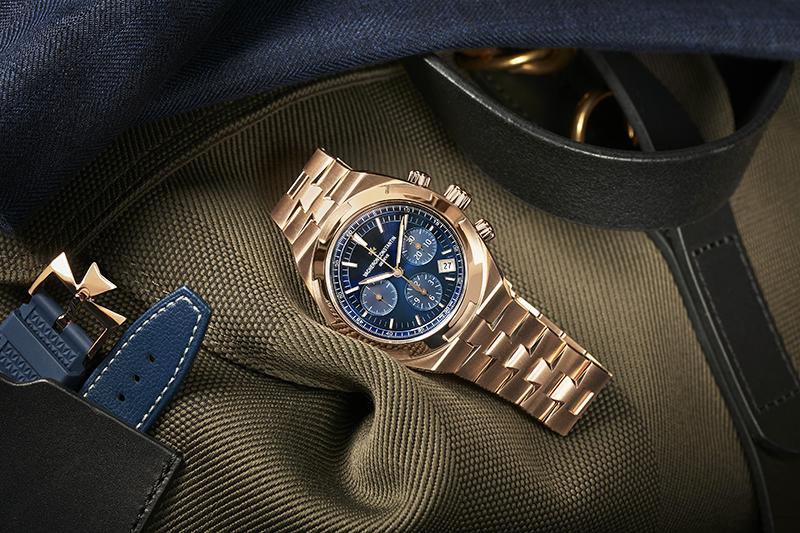
The Overseas blue dial variant can command premiums of 60% more than the other variants, while the Patrimony stands out with elegant case shapes and timeless dial designs. Both models have become increasingly popular in recent years, making them excellent second-hand buys if you’re looking for a reliable investment piece.

Vacheron Constantin Overseas 4500V ChronographVacheron Constantin Overseas 4500V Chronograph
Vacheron Constantin Overseas 4500V Chronograph

6. Richard Mille

When it comes to luxury watches, few brands command the attention and adoration that Richard Mille does. Only 3,000 Richard Mille watches are made each year, and therefore they tend to hold their value well.

The RM 35-02 Rafael Nadal watch features a lightweight skeletonized self-winding baseplate and case made from grade 5 titanium. This impressive watch boasts an impressive power reserve of 55 hours.

Another excellent option is the RM 50-03 McLaren F1, which is made out of Grade 5 titanium combined with Carbon TPT. This ultra-lightweight watch weighs only 38 grams and only 75 units were produced.

When shopping for a watch that retains its value, these two options from Richard Mille are sure to provide years of reliable performance and enjoyment.

RM 70-01 Tourbillon Alain ProstRM 70-01 Tourbillon Alain Prost
RM 70-01 Tourbillon Alain Prost – Y.Leclercq, Wikimedia Commons

7. Jaeger-Le Coultre

Jaeger-Le Coultre is an revered Swiss watchmaker that produces an array of well-made timepieces. This luxurious watch brand was founded in 1833 by Antoine LeCoultre. Its iconic watches are popular with celebrities such as Jay-Z, Christian Bale and Leonardo di Caprio.

In general, Jaeger-Lecoultre watches do not hold their value as well as Rolex or Patex Philippe, however there is high demand for some of their limited edition models.

Reverso and Memovox models are highly sought after and generally have been known to retain the majority of their value, even when second-hand. The Reverso Tourbillon Number 2 is listed at over $63,000 on resale sites such as Chrono24, while a rose gold pre-owned Jaeger-LeCoultre Reverso Gyrotourbillon 2 is being sold for $231,590.

Additionally, several vintage or limited edition Memovox models boast exceptional resale value which may increase due to their rarity over the months or years. Finally, Jaeger-LeCoultre’s Deep Sea Chronograph is a luxurious way to experience true horological finesse.

Jaeger-Le-Coultre Reverso watchJaeger-Le-Coultre Reverso watch
Jaeger-Le-Coultre Reverso – best watches brands for men

8. TAG Heuer

In general, TAG Heuer watches don’t retain their value as well as some of the more expensive watch brands on this list. However, a Heuer Atavia or Heuer Monaco watch in perfect condition has strong resale value.

TAG Heuer watches are produced in large quantities. Your best bet if looking for men’s watches that appreciate in value is to purchase a vintage Heuer timepiece.

Tag Heuer Monaco vintage watchTag Heuer Monaco vintage watch
Tag Heuer Monaco vintage watch

Final Thoughts on Watches That Hold Value

Ultimately, good quality watches are worth the investment if you’re looking for a timeless piece that will hold its value over time. Mid-range watch models such as the Hamilton Jazzmaster and the Raymond Weil Freelancer will generally not retain their value as well as top of the range watch brands.

You might also have noticed that all the famous watch brands that we’ve listed are Swiss. One of the best Italian watch brands, Panerai, now makes its watches in Switzerland and it will be interesting to see if that improves their resale value.

Carefully research the watch market and big watch brands before making an investment to ensure that your choice is one that will pay off in the future.

While you can never be entirely sure which will be the best watches to resell or invest in, these luxury brands are currently some of the best options out there.

Read Next:

Sharing is caring!


Source link

Exploring the Intersection of Technology and Couture

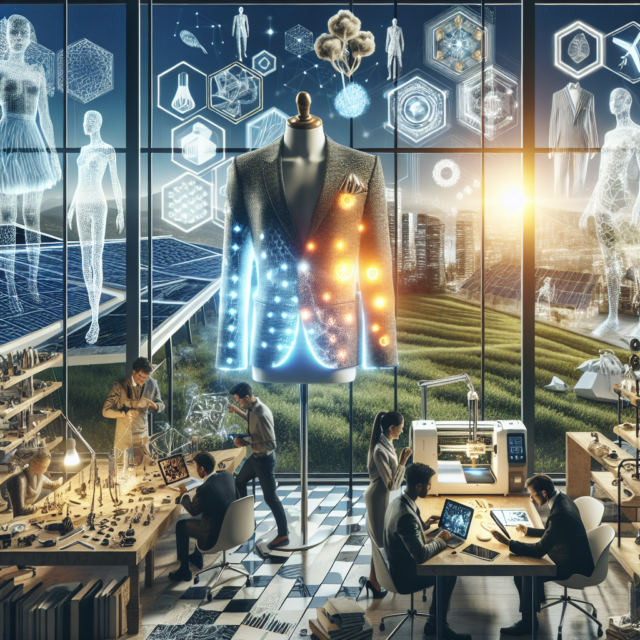
In an era where technological advancements are reshaping nearly every facet of human life, the world of haute couture has embraced innovation to create a symphony of art and technology. The intersection of technology and couture is not merely a trend but a revolution in the making, offering endless possibilities for designers and consumers alike. This exploration delves into how technology is redefining the boundaries of high fashion, transforming traditional craftsmanship, and weaving digital threads into the very fabric of fashion design.

The Fusion of Innovation and High Fashion

The world of haute couture has always been synonymous with exclusivity, craftsmanship, and innovation. However, the integration of technology has elevated these attributes to unprecedented levels. Designers are now leveraging cutting-edge technologies like 3D printing, laser cutting, and smart fabrics to create garments that were once the stuff of science fiction. These innovations have allowed for intricate designs and patterns that are impossible to achieve by hand, pushing the boundaries of what is considered possible in fashion design.

Moreover, technology has enabled designers to experiment with materials and techniques that were previously inaccessible or impractical. From garments that change color with temperature fluctuations to fabrics that can generate electricity, the fusion of fashion and technology is paving the way for a new era of functional yet stylish clothing. This shift is not only capturing the imagination of fashion enthusiasts but also attracting a new audience interested in the technical aspects of garment creation.

The collaboration between tech companies and fashion houses is further blurring the lines between these two industries. Major tech firms are working alongside designers to integrate wearable technology into high fashion collections, creating pieces that are as much about aesthetics as they are about functionality. This partnership is yielding innovative products like smartwatches, fitness trackers, and augmented reality glasses, all of which are seamlessly incorporated into couture designs.

In addition, the use of technology in fashion is democratizing the industry by making high fashion more accessible to a broader audience. Virtual fashion shows, augmented reality apps, and online platforms are allowing designers to reach a global audience without the constraints of physical location. Consumers can now experience the allure of haute couture from the comfort of their homes, breaking down the traditional barriers of exclusivity and elitism.

However, the fusion of technology and high fashion is not without its challenges. Designers must navigate the complexities of integrating technology into their creative processes while maintaining the artistic integrity of their work. Ensuring that garments remain wearable and comfortable while incorporating technological elements is a delicate balance that requires innovation and ingenuity.

Ultimately, the intersection of technology and high fashion is a testament to the limitless potential of human creativity. As designers continue to push the boundaries of what is possible, the fusion of innovation and high fashion promises to redefine the landscape of the fashion industry for generations to come.

How Tech is Transforming Couture Craftsmanship

The craftsmanship of haute couture has always been revered for its meticulous attention to detail and dedication to artistry. However, technology is transforming these traditional methods, enhancing the craftsmanship while preserving its essence. One of the most significant ways technology is impacting couture craftsmanship is through the use of 3D printing. This technology allows designers to create complex structures and intricate details that would be incredibly time-consuming or impossible to achieve by hand.

3D printing also offers the possibility of customization on a scale previously unimaginable. Designers can now create bespoke garments tailored to the precise measurements and preferences of individual clients, ensuring a perfect fit and unique style. This level of personalization is revolutionizing the way couture is approached, offering clients an unparalleled level of exclusivity and personalization.

Laser cutting technology is another tool that is transforming couture craftsmanship. This technique allows for precise cuts and patterns to be made in fabrics, creating intricate designs with a level of precision that surpasses traditional methods. Laser cutting not only enhances the aesthetic appeal of garments but also streamlines the production process, allowing designers to experiment with new patterns and textures.

Smart fabrics are also playing a crucial role in the transformation of couture craftsmanship. These advanced textiles are embedded with technology that can respond to environmental changes, such as light, temperature, or movement. Designers are using smart fabrics to create garments that are not only visually stunning but also interactive and responsive, adding a new dimension to the wearer’s experience.

Despite these technological advancements, the essence of couture craftsmanship remains rooted in artistry and creativity. Designers are using technology as a tool to enhance their work, not replace it. The integration of technology requires a deep understanding of both the artistic and technical aspects of garment creation, ensuring that the final product is a harmonious blend of tradition and innovation.

As technology continues to evolve, it will undoubtedly play an increasingly significant role in couture craftsmanship. The challenge for designers will be to harness these advancements in a way that enhances their artistry and preserves the timeless appeal of haute couture. By embracing the possibilities of technology while honoring the traditions of craftsmanship, the couture industry can continue to thrive in a rapidly changing world.

Digital Threads: The New Fabric of Fashion Design

In the digital age, fashion design is undergoing a transformation as designers incorporate digital tools and technologies into their creative processes. One of the most significant developments in this area is the use of digital design software, which allows designers to create detailed 3D models of their garments before they are ever physically produced. This technology enables designers to experiment with different shapes, colors, and materials, making it easier to visualize and refine their ideas.

Digital design software also facilitates collaboration between designers, manufacturers, and clients. By sharing digital models and prototypes, all parties can provide input and make adjustments in real-time, streamlining the design process and reducing the time and cost associated with traditional methods. This collaborative approach is not only more efficient but also fosters innovation and creativity, as designers can easily experiment with new ideas and concepts.

The rise of digital fashion is also reshaping the way consumers interact with fashion. Virtual reality (VR) and augmented reality (AR) technologies are being used to create immersive fashion experiences, allowing consumers to try on clothes virtually or attend virtual fashion shows. These technologies are breaking down the barriers between the physical and digital worlds, offering consumers new ways to engage with fashion and explore their personal style.

Moreover, digital fashion is contributing to the sustainability of the industry. By creating virtual garments and collections, designers can reduce the environmental impact associated with traditional fashion production, such as waste and pollution. Digital fashion also allows for the creation of endless variations and styles without the need for physical resources, making it a more sustainable option for the future of fashion.

However, the integration of digital technologies into fashion design is not without its challenges. Designers must balance the use of technology with the need to maintain the tactile and emotional elements that are integral to fashion. The challenge lies in creating digital experiences that are as engaging and impactful as their physical counterparts, ensuring that the essence of fashion is not lost in the digital realm.

As digital threads continue to weave their way into the fabric of fashion design, the possibilities for innovation and creativity are endless. By embracing digital tools and technologies, designers can push the boundaries of traditional fashion and create a new paradigm that is both technologically advanced and artistically rich. The future of fashion is digital, and as designers continue to explore this intersection, the industry is poised for an exciting evolution.

The intersection of technology and couture is a dynamic and evolving landscape that is reshaping the fashion industry. As designers continue to explore this synergy, the fusion of innovation and high fashion promises to redefine the boundaries of creativity and craftsmanship. Through the integration of digital tools and technologies, the fabric of fashion design is being rewoven, offering new possibilities for expression and engagement. As we move forward into this new era, the challenge and opportunity lie in harnessing the power of technology to enhance the artistry and allure of haute couture, ensuring that the magic of fashion endures for generations to come.

Exploring the Rise of AI Fashion in Digital Couture

In recent years, the fashion industry has experienced a transformative shift, driven by the integration of artificial intelligence (AI) into its creative and operational processes. As technology continues to evolve, so too does its influence on fashion design, culminating in a burgeoning field known as digital couture. This article delves into the intersection of AI and fashion design, explores how digital couture is ushering in a new era of innovation, and examines the ways in which AI is shaping the future of style.

The Intersection of AI and Fashion Design

The convergence of AI and fashion design represents a fusion of technology and creativity that is redefining the boundaries of what is possible in the fashion world. AI technologies, such as machine learning algorithms and computer vision, are being leveraged to enhance various aspects of fashion design, from fabric selection to pattern creation. This intersection is enabling designers to push the limits of their creativity by providing them with tools that can analyze vast datasets and generate innovative design concepts.

One of the key contributions of AI in fashion design is its ability to analyze consumer preferences and predict trends. By processing large volumes of data from social media, fashion shows, and retail sales, AI systems can identify emerging trends and provide designers with insights into what consumers are likely to want in the future. This predictive capability helps designers stay ahead of the curve and create collections that resonate with their target audience.

In addition to trend analysis, AI is also being used to streamline the design process itself. Designers can now use AI-powered software to generate multiple design iterations quickly, allowing them to experiment with different styles, colors, and patterns. This not only speeds up the design process but also reduces the risk of costly errors, as AI can simulate how a garment will look on different body types and in various lighting conditions.

AI is also playing a significant role in sustainable fashion design. By optimizing the use of materials and minimizing waste, AI helps designers create eco-friendly collections that align with the growing demand for sustainable fashion. Machine learning algorithms can analyze the environmental impact of different materials and suggest alternatives that are both stylish and sustainable.

Moreover, AI is facilitating greater inclusivity in fashion design. By analyzing diverse body shapes and sizes, AI can help designers create garments that cater to a wider range of consumers. This inclusivity not only broadens the market for designers but also promotes a more equitable fashion industry that celebrates diversity in all its forms.

Finally, the intersection of AI and fashion design is fostering collaboration between designers and technologists. As designers become more familiar with AI tools, they are finding new ways to incorporate technology into their creative processes. This collaboration is leading to the development of innovative products and services that are reshaping the fashion landscape.

Digital Couture: A New Era in Fashion Innovation

Digital couture is emerging as a groundbreaking trend in the fashion industry, characterized by the use of digital technologies to create avant-garde and customized fashion pieces. This new era of fashion innovation is marked by a departure from traditional design methods, as designers embrace the possibilities offered by digital tools and techniques.

One of the defining features of digital couture is the use of 3D printing technology to create intricate and complex designs that would be impossible to achieve using conventional methods. Designers can now experiment with new materials and structures, resulting in unique garments that push the boundaries of fashion. This approach not only allows for greater creativity but also enables designers to produce garments with precision and accuracy.

Virtual reality (VR) and augmented reality (AR) are also playing a pivotal role in digital couture. These technologies allow designers to create virtual fashion shows and immersive shopping experiences, offering consumers a new way to engage with fashion. By using VR and AR, designers can showcase their collections in dynamic and interactive ways, reaching a global audience without the constraints of physical space.

Digital couture is also characterized by a high degree of customization, as AI algorithms can generate personalized fashion recommendations based on individual preferences and body measurements. This level of customization allows consumers to co-create their garments, resulting in pieces that are tailored to their unique style and fit. This shift towards personalized fashion is transforming the consumer experience and fostering a deeper connection between designers and their audience.

The rise of digital couture is also having a significant impact on the fashion supply chain. By utilizing digital design and production techniques, designers can reduce lead times and minimize waste, resulting in more sustainable and efficient production processes. This shift towards digitalization is enabling the fashion industry to respond more quickly to consumer demands and adapt to changing market conditions.

Furthermore, digital couture is democratizing fashion by making high-end design more accessible to a wider audience. With the help of AI and digital tools, emerging designers can create and showcase their work without the need for extensive resources or infrastructure. This democratization is opening up new opportunities for talent from diverse backgrounds and fostering a more inclusive fashion ecosystem.

As digital couture continues to evolve, it is likely to inspire further innovation and experimentation in the fashion industry. By embracing digital technologies, designers are not only redefining the creative process but also challenging traditional notions of what fashion can be. This new era of fashion innovation promises to reshape the industry and redefine the relationship between technology and style.

How AI is Shaping the Future of Style

AI is poised to play a transformative role in shaping the future of style, offering new ways to create, consume, and experience fashion. As AI technologies become more sophisticated, they are enabling designers to explore new creative possibilities and redefine the boundaries of fashion.

One of the most significant ways AI is shaping the future of style is through its ability to enhance creativity. By analyzing vast amounts of data and generating unique design concepts, AI is helping designers push the limits of their imagination and create innovative and unexpected fashion pieces. This fusion of technology and creativity is leading to the development of new aesthetics and styles that challenge traditional fashion norms.

In addition to enhancing creativity, AI is also transforming the way fashion is consumed. Personalized shopping experiences, powered by AI algorithms, are becoming increasingly common, allowing consumers to discover fashion that aligns with their individual tastes and preferences. By analyzing consumer data, AI can recommend products that are tailored to each individual’s style, creating a more engaging and personalized shopping experience.

AI is also playing a crucial role in making fashion more sustainable. By optimizing production processes and reducing waste, AI is helping the fashion industry minimize its environmental impact. Machine learning algorithms can analyze the lifecycle of garments and suggest ways to improve sustainability, from sourcing materials to recycling and repurposing clothing.

Moreover, AI is facilitating greater inclusivity in the fashion industry by enabling designers to create garments that cater to a diverse range of body types and sizes. By analyzing data on different body shapes and proportions, AI can help designers develop collections that are more representative of the global population. This focus on inclusivity is fostering a more equitable fashion industry that celebrates diversity and individuality.

The integration of AI into the fashion industry is also leading to the development of new business models and opportunities. From AI-driven design platforms to virtual fashion shows, technology is opening up new avenues for designers and brands to reach consumers and expand their market presence. This shift towards digitalization is creating a more dynamic and interconnected fashion ecosystem.

As AI continues to evolve, its impact on the fashion industry is likely to grow, offering new possibilities for creativity, sustainability, and inclusivity. By embracing AI technologies, designers and brands can not only enhance their creative processes but also redefine the future of style in a rapidly changing world. The rise of AI in fashion is not just a trend; it is a fundamental shift that promises to reshape the industry for years to come.

The rise of AI fashion in digital couture marks a pivotal moment in the evolution of the fashion industry. As designers and brands increasingly embrace AI technologies, they are not only enhancing their creative capabilities but also redefining the way fashion is designed, produced, and consumed. From the intersection of AI and fashion design to the emergence of digital couture, this transformation is ushering in a new era of innovation and experimentation. As AI continues to shape the future of style, it holds the promise of a more inclusive, sustainable, and dynamic fashion industry that celebrates diversity and creativity.

Hotel Review: Anantara New York Palace Budapest Hotel

0
Hotel Review: Anantara New York Palace Budapest Hotel


Known for its roots in Asian hospitality, but a growing focus on European grand dames properties, Anantara has found a crown jewel for its portfolio in Budapest. The Italian Renaissance building that houses the Anantara New York Palace Budapest Hotel was originally the European home of the New York Insurance Company (hence the hotel’s name).

Today, its former offices have become some of the city’s most luxe accommodations housing business travelers, tourists and river cruise guests. They are treated to the epitome of hospitality in the heart of one of Europe’s most beautiful capitals. Here are five top reasons to visit Anantara New York Palace Budapest Hotel.

The history

Within the city’s Grand Ring, this historic building dates back to 1894 when the New York Insurance Company wanted a grand palace for its European headquarters. The interior atrium is like a central courtyard of colonnades rising five stories high. The arched pathways that look down to the lobby give the space a regal feel.

Perhaps the most important venue of the hotel is its adjacent New York Café, which has become a tourist attraction. Once the gathering place for intellectuals, business people and elite society, today it welcomes nearly 2,500 tourists a day for breakfast, lunch, afternoon tea or dinner. The minimum spend is only 18 euros, but it is worth it to dine amid one of the city’s most beautiful surroundings. A string quartet or other musicians perform nonstop.

The building itself is a historic structure protected by the state, and Anantara was not allowed to make many changes in it. So the impressive way they modernized the space while respecting its past deserved kudos. Among the things I noticed most are the double-paned glass windows for soundproofing, drenching shower pressure (notable for a historic building) and a subterranean spa that uses a mix of Hungarian and Eastern practices for its menu. The indoor pool, sauna and steam room seem to be built amid the rocky walls of the base of the building.

The dining

New York Café is the superstar, but the main dining room that shares the same interior is not far behind. White Salon has a mix of Hungarian and international dishes that are spectacular in taste and presentation. The goulash here is the best I tried in the whole city, and the breakfast spread was spectacular. Particular favorites were the Hungarian cheeses and spreads, the wide range of freshly pressed juices and the healthier salad selection.

Atrium is the all-day lobby lounge that is a must-visit to watch the sunset cocktail presentation (complimentary drinks are passed for a taste). The menu includes light bites like salads and sandwiches and a lengthy beverage list. The Hungarian wines on the menu are a delight and something that most tourists may have not tried before.

The Poet Bar is up a few steps and tucked into a dim corner, ideal for an evening aperitif. It has views of the bustling street and its own menu of light bites. A specialty for Anantara is Designer Dining, an experience that allows guests to select special locations around the hotel (like the Presidential Suite or a private space in New York Café) to enjoy multi-course meals. There is also a bespoke Champagne breakfast experience that comes with a private buffet. It also has an a la carte menu with the best table in New York Café for views and photos.

The rooms

Silk wall coverings, high ceilings, plush beds in duvets and elegant carpeting area hallmarks of the guest rooms. An Italian theme runs through the rooms with their beige and brown hues that add warmth to these large accommodations. They are large enough or small sitting areas with sofas or arm chairs.

Minibars stock local favorites like palinka (a distilled spirit) and snacks. Designers did a fantastic job of adding power and USB outlets in different places around the room, including by the beds. Many rooms enjoy lovely exposures of the street and nearby architecture although the double-paned windows keep out most exterior noise.

Marble bathrooms have beautiful showers (suites have tubs), loads of oversized towels and a vanity with glass sinks. Pump bottles of Acqua di Parma supply a sophisticated fragrance to the toiletry lineup.

Junior Suites and larger have additional amenities tacked onto their rates, which could include things like airport transfers, breakfast or non-alcoholic minibars among other things. The Presidential Suite is the most elaborate with three bedrooms decked out in marble and Murano glass chandeliers.

The local experiences

Anantara is known for immersing guests in cultural offerings that support local purveyors. From its beachfront resorts in Asia to its city palace hotels, these curated experiences vary by hotel.

Here, the choices are particularly engaging with things like private Danube river cruises and walking tours around the market. Perhaps one of the most special and memorable choices (and perfect for those that have experienced Budapest before) is the visit to Tard.

Entrepreneur Váczi Rozi designed a small business, Matyo Design, around embroidery (something Hungary is known for already) that supports women in the small town of Tard. Guests can take the 90-minute journey to the village where the women show visitors how they sew each fabric, how to make local pasta and other parts of their daily life. It is a fun way to learn more about rural life in Hungary while supporting a small business.

Members of its Discovery loyalty program (part of the larger Global Hotel Alliance) can earn or redeem points for these experiences. Top-tier elite status cardholders even get one for free during their stay.

This is also part of The Leading Hotels of the World, and anyone that joins its free Leaders Club loyalty program is in for additional treats. This includes complimentary breakfast for two each morning, early check-in or late checkout considerations, and even potential room upgrades.

The staff

Luxury and hospitality are often terms intertwined with things like chandeliers, high-thread count linens and of course, plump price tags. But, that is not the true meaning of luxury. That comes from people. It is about anticipating the needs of guests before they even realize it. Anantara has mastered this art and taken it to its hotels and resorts around the world.

People like Mark in the Poet’s Bar. No request is out of his realm of possibility. He simply doesn’t know how to say no. Front desk staff who can work magic with housekeeping when your time between meetings or tours is tight. And a general manager who empowers his team to make decisions that improve the guest experience on the spot.

The wait staff for the restaurants and bars stay busy from morning to night, given the popularity of New York Café. This means the food and beverage role of this hotel is front and center, perhaps more so than other hotels. The team here seamlessly manages the influx of tourists to the café while prioritizing guests, and that is an impressive feat in itself.


Source link

Popular Posts

My Favorites

Meghan Markle Reacts After Her ‘Suits’ Costar Patrick J. Adams Speaks...

Meghan Markle has responded after her former Suits love interest Patrick J. Adams spoke about her on a recent podcast. After Adams, 44, shared...