Fashion Forward: Couture Meets Cutting-Edge Technology
Fashion Forward: Couture Meets Cutting-Edge Technology
Fashion has always been a realm of creativity and innovation, reflecting cultural shifts and technological advancements. In recent years, the fusion of couture with cutting-edge technology has redefined the boundaries of design, production, and consumption in the fashion industry. This article explores this dynamic intersection, examining how technology transforms the world of high fashion.
The Evolution of Fashion and Technology Fusion
The relationship between fashion and technology is not a new phenomenon. From the invention of the sewing machine in the 19th century to the introduction of synthetic fabrics in the 20th century, technology has consistently played a pivotal role in advancing fashion. These innovations have paved the way for more efficient production processes and the democratization of fashion, making high-quality garments accessible to a broader audience.
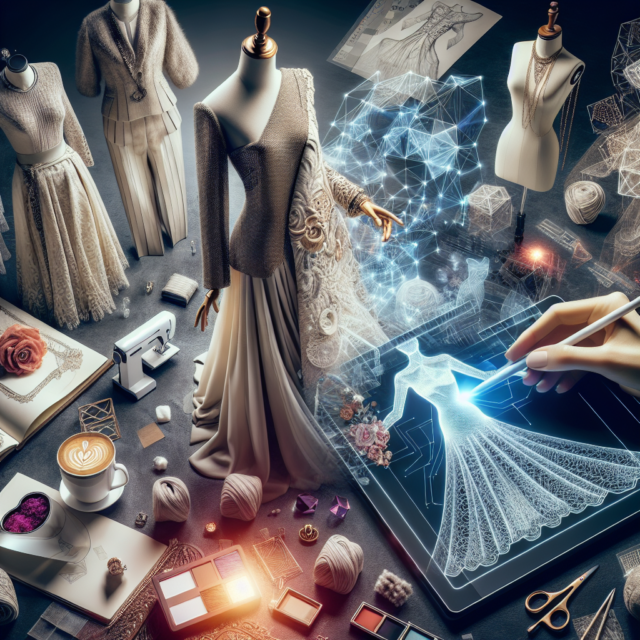
Today, the evolution of this fusion has reached unprecedented heights with the advent of digital technology. Designers are leveraging computer-aided design (CAD) software to create intricate patterns and prototypes with precision and ease. This shift not only accelerates the design process but also allows for greater experimentation with forms and materials, pushing the boundaries of what is possible in couture.
Moreover, the rise of 3D printing technology has revolutionized the way designers approach garment construction. By enabling the creation of complex structures and textures that were previously unattainable, 3D printing has opened new avenues for creativity in the fashion industry. Designers can now produce bespoke pieces that are both sustainable and innovative, reducing waste and production costs.
In addition to design and production, technology has also transformed the way fashion is marketed and consumed. The proliferation of social media platforms has given rise to a new era of digital fashion influencers who shape trends and drive consumer behavior. Brands are increasingly utilizing augmented reality (AR) and virtual reality (VR) to create immersive shopping experiences, allowing consumers to engage with fashion in novel and exciting ways.
Furthermore, wearable technology has emerged as a significant trend in the fashion-tech landscape. From smart textiles that monitor health metrics to garments that change color with environmental stimuli, fashion is becoming increasingly integrated with technology, offering consumers functionality alongside style. This convergence of fashion and technology is redefining the very nature of clothing and its role in our lives.
The evolution of fashion and technology fusion continues to accelerate, driven by the rapid pace of technological advancement and the ever-changing demands of consumers. As designers and brands embrace these innovations, the future of couture promises to be more dynamic, inclusive, and sustainable than ever before.
Innovations Shaping the Future of Couture Design
At the forefront of the fashion-tech revolution are a host of innovations that are reshaping the landscape of couture design. Among these, artificial intelligence (AI) is playing a transformative role, enabling designers to analyze vast amounts of data to predict trends, optimize supply chains, and personalize consumer experiences. AI-powered tools offer designers insights into consumer preferences, allowing for more targeted and efficient design processes.
Another groundbreaking innovation is the use of biofabricated materials in couture design. Scientists and designers are collaborating to create fabrics from living organisms, such as bacteria and fungi, which offer sustainable alternatives to traditional textiles. These biofabricated materials not only reduce the environmental impact of fashion production but also introduce new textures and properties that expand the creative possibilities for designers.
The integration of blockchain technology is also making waves in the fashion industry. By providing a transparent and secure way to track the provenance of garments, blockchain enhances supply chain transparency and helps combat issues such as counterfeiting and unethical production practices. This innovation empowers consumers to make informed purchasing decisions and supports brands in maintaining authenticity and trust.
Augmented reality (AR) and virtual reality (VR) are further enhancing the couture experience by transforming the way consumers interact with fashion. AR-enabled smart mirrors and virtual fitting rooms allow customers to try on garments virtually, reducing the need for physical inventory and minimizing returns. These technologies offer a seamless and personalized shopping experience, bridging the gap between online and offline retail.
Robotics and automation are also playing an increasingly prominent role in couture production. Automated sewing machines and robotic arms are streamlining manufacturing processes, improving efficiency, and reducing labor costs. This shift not only accelerates production but also allows for greater precision and consistency in garment construction, elevating the quality of couture pieces.
Finally, the rise of digital fashion is pushing the boundaries of couture design into the virtual realm. Designers are creating entirely digital garments that exist only in cyberspace, challenging traditional notions of fashion and ownership. These digital creations offer endless possibilities for customization and expression, reflecting the growing influence of technology on the future of couture design.
Bridging Tradition with Tech-Driven Fashion Trends
The fusion of tradition and technology in fashion is a delicate balancing act that requires careful consideration of heritage and innovation. Many designers are striving to honor the craftsmanship and artistry of traditional couture while embracing the possibilities offered by technology to create something entirely new.
One approach to bridging this gap is the incorporation of traditional techniques with modern technology. Designers are using digital tools to enhance age-old practices such as embroidery and weaving, allowing for intricate designs that maintain the essence of artisanal craftsmanship while benefiting from the precision and efficiency of technology.
Additionally, the use of technology in storytelling is helping brands connect with consumers on a deeper level. By leveraging digital platforms and immersive technologies, designers can share the rich history and cultural significance behind their creations, fostering a greater appreciation for the artistry and heritage of couture fashion.
The rise of sustainable fashion is another area where tradition and technology intersect. Designers are drawing inspiration from traditional practices such as natural dyeing and handcrafting while utilizing technology to enhance sustainability. This approach not only preserves cultural heritage but also addresses the growing demand for environmentally conscious fashion.
Moreover, the integration of technology in fashion education is equipping the next generation of designers with the skills to navigate this evolving landscape. Fashion schools are incorporating courses on digital design, 3D modeling, and sustainable practices, preparing students to bridge the gap between tradition and innovation in their future careers.
The collaboration between fashion houses and tech companies is further driving the convergence of tradition and technology. By combining the expertise of both industries, these partnerships are creating groundbreaking innovations that redefine the possibilities of couture design while honoring the rich legacy of fashion.
As the fusion of tradition and technology continues to shape the fashion industry, it is clear that the future of couture lies in the harmonious blending of these two worlds. By embracing both heritage and innovation, designers can create truly unique and transformative fashion experiences that resonate with consumers on multiple levels.
In conclusion, the intersection of couture and cutting-edge technology is transforming the fashion industry in profound ways. From the evolution of design and production processes to the emergence of new materials and consumer experiences, technology is redefining the boundaries of fashion. As designers continue to explore this dynamic fusion, the future of couture promises to be a vibrant tapestry of tradition and innovation, offering endless possibilities for creativity and expression.






 Balm Dot Com – In eight different flavors, the Balm DotCom is a staple lip balm that leaves your lips healthy and hydrated.
 Futuredew – The final part of your skincare routine that adds moisture and gives you an effortless glow without making you seem oily.

 Inside, the vehicle relies on a simplistic, yet functional, design. A variety of pairings is available for the leather and dashboard accents, many of which bear color names influenced by global destinations. The inspiration for the look actually comes from athletic leisure wear, underlining the brand’s commitment to being a more casual style of luxury vehicle and appeal to a broader audience.
 Genesis also has its place in the sedan market showcasing its latest iteration of the G90, considered to be its flagship, which was totally redesigned with new driver systems and two new V6 engines instead of one V8. It comes in both standard and electric models, but the latter adds both horsepower (from 375 to 409) as well as better air suspension to avoid extra bumps on the road.
 Genesis cars are renowned for their attention to detail, but also the level of sophistication that goes into every aspect of the vehicle. A surround-view mirror uses side-facing radar technology and a blind spot alert system that kicks in when you use the turn signal. It also uses a remote spot park assist system to make parking both safer and easier. All of the safety mechanisms of a Genesis vehicle come standard; there is no need to pay extra for particular features the way other car manufacturers may price vehicles with add-on services.
 Front-facing cameras are always looking out for road imperfections, like bumps or potholes, to prepare the vehicle for a smoother ride. Face Connect is another world’s first feature, which allows users to unlock the vehicle using their face (similar to what you may do on a smartphone using biometric data) rather than carrying a key around with you.
 The company sells cars in its Genesis Studios, a modern take on what others may consider to be a car dealership. But, there’s a major difference in the layout and design focus of the space. These sales spaces put the cars front and center as showpieces on the floor with living room-style areas and even entertainment space in some in the rest of the area. Visitors can peruse the vehicle, ask questions or schedule a test drive. The latest opening is in Edinburgh, Scotland with another new location in the Atlanta area.
 In New York, the brand has its own Korean restaurant, which sits atop the Genesis House showroom. In the basement, additional entertainment space is available for rent. It’s no coincidence that Genesis sees its brand as one that intermingles with lifestyle and fashion. The New York space even has a tea pavilion, library and rooftop terrace.
 As of 2025, Genesis has committed to becoming all electric with its new cars, and by 2030, it sees its entire production line to be 100% electric. And as part of its power transformation, it is adopting a dual electrification strategy using fuel cells and battery EVs. It is also focused on developing better technology that involves lithium-ion batteries to be used in its vehicles.
 Genesis sees itself as more than just a car manufacturer. In fact, its eco-friendly ethos extends beyond vehicles. The brand team can come to a buyer’s home to help them set up onsite charging stations while also installing solar panels for their home. Known as Genesis Home, this helps owners with car charging, but also by saving electricity on a broader scale to continue their “electrification journey” into other parts of their life.
 It also serves a variety of bespoke tea blends (its headquarters has a team of tea sommeliers that blend them from scratch) in retail venues and gifts them to customers. This brand leans heavily into its Korean heritage, which teaches humility as a core value. For a luxury car brand, the juxtaposition could not be more stark, but when owners rave about the brand itself, it becomes as real as it gets.