Couture

Home Couture Page 65

Hotel Review: JW Marriott São Paulo

0
Hotel Review: JW Marriott São Paulo


Fronting the Pinheiros River and in full view of the Octavio Frias de Oliveira bridge, the JW Marriott São Paulo is part of the growing Parque da Cidade district. Courting business travelers, this luxury hotel (once the Four Seasons) also suits leisure travelers looking for a relaxed location outside of the city’s most-trafficked core.

Here, Marriott Bonvoy fans will discover impressive dining, a mixology program worthy of downtown bars, a JW Garden and lovely spa. As Marriott continues to expand its luxury portfolio in some of Latin America’s key destinations, these are the top five reasons to stay at JW Marriott São Paulo.

The Rooms

In calming hues, the rooms have enormous windows that take in the sweeping river and neighboring skyline scenery. They feature roomy closets and sitting areas where power outlets are very conveniently positioned. The star of the room, however, is the large king bed coated in a pillowtop mattress and down comforter.

Hardwood floors have colorful area rugs. Tucked in one corner are the wide desks with international power outlets. Each floor has a corner suite with separate living room and half bath. Otherwise, the rooms vary in size. Standard rooms have shower-only baths while slightly larger ones have both a tub and shower. Those bathrooms benefit from windows that look out to the bedroom (with privacy shutters) so as to allow natural light.

The water pressure in showers is exceptional, the perfect way to wash away any jet lag. The top suites, which have hosted everyone from diplomats and corporate executives to celebrities like Taylor Swift, are also popular for entertaining.

The Dining

Neto is the main restaurant that serves three meals a day starting with a lovely breakfast spread. Different stations show off tropical fruit, housemade pastries, a hot area with pancakes, eggs and bacon (and most importantly the famous Brazilian cheese bread), and a selection of smoothies. An a la carte menu includes omelets, tapiocas and a variety of sweet dishes.

For lunch, the hotel hosts area business people looking for an executive lunch that takes no more than an hour. Prix-fixe choices of Brazilian and international fare have become very popular during lunch hour. The same people often return for drinks at the bar after work.

Dinner showcases the chef’s creativity with everything from grilled meats and pastas to seafood. As the only restaurant in the hotel, the changing menu throughout the day provides substantial variety. Other dining options are plentiful at two nearby shopping malls that are within walking distance of the hotel.

All of this is in addition to the catering provided to meetings and events. Spacious ballrooms and board rooms with natural light are one level above the lobby. A curvaceous red staircase (the stuff of Instagram-quality photos) leads guests there.

The Bar

Named Caju (cashew in Portuguese), the history and story of this famous local nut weaves its way through the garden-to-glass cocktail menu. Guests can ask the bartenders to show how the caju nut produces a tasty juice and also incorporates into the drinks here.

Ask to try one of the many Brazilian wine offerings on the menu. In fact, the Terrazas de Los Andes winery, which belongs to the LVMH’s luxury portfolio, has a partnership with the hotel to serve an intimate, wine pairing dinner with a specially curated menu.

There is also a light menu of appetizers and other dishes to go with the long list of cocktails and mocktails. Live music often entertains in the bar with the striking red, Brazilian marble staircase rising up one level to the meeting spaces in the background.

The Spa and Pool

The second floor features the indoor-outdoor infinity pool overlooking the river. It’s a lovely space to relax after a day of work. On the other end of the floor is the well-equipped fitness center with the latest equipment and plenty of natural light.

The JW Spa is a respite tucked away into a corner of the hotel. Guests receive welcome trays of tea and herbal elixirs before being ushered to relaxation areas. There, steam rooms and saunas await. Several treatment rooms offer a variety of massages and beauty services that use Brazilian ingredients.

The Marriott Bonvoy Perks

Luxury travelers familiar with the JW brand will recognize a lot of what is on offer here. For example, a lovely terrace off the lobby features a wall sprouting all kinds of herbs that the culinary and mixology team can use. A gushing fountain drowns out any traffic noise making this JW Garden (a staple at all JW Marriotts) a great place to work.

Up on the 12th floor is the executive lounge with designer furnishings and plenty of work space. It is a space where guests that book club-level rooms or with top-tier Marriott Bonvoy status enjoy access. Throughout the day, it offers complimentary breakfast, all-day refreshments like salads, nuts and pastries, and an evening happy hour with a hot and cold buffet.

Club lounges are a favorite of solo travelers that want to work in the company of others. Business travelers also enjoy congregating with colleagues over a drink or in the board room.

Elite status members receive welcome gifts like snack trays or bonus points, premium Wi-Fi and even room upgrades. If you are new to Bonvoy, you’re still in luck. The staff can sign up members, and they often go the extra mile to remember guest names or look up interesting tourist or dining options around the area.

The hotel is beautiful and shows off Brazilian decor throughout the public areas and rooms. But, it is the team here that really gives this property an edge. You cannot walk far without having a staff member greet you with a smile. They are eager to ask about your day and often remember personal details about your trip. This makes this a great option for both business and leisure travelers in South America’s biggest city.

BECOME A PURSUITIST VIP!

Sign up for our Free Insider Enewsletter. Get exclusive access. No ads, ever!Rated ⭐⭐⭐⭐⭐ from Forbes, The New York Times & The Wall Street Journal.


Source link

5 Reasons To Visit JW Marriott São Paulo

0
Hotel Review: JW Marriott São Paulo


Fronting the Pinheiros River and in full view of the Octavio Frias de Oliveira bridge, the JW Marriott São Paulo is part of the growing Parque da Cidade district. Courting business travelers, this luxury hotel (once the Four Seasons) also suits leisure travelers looking for a relaxed location outside of the city’s most-trafficked core.

Here, Marriott Bonvoy fans will discover impressive dining, a mixology program worthy of downtown bars, a JW Garden and lovely spa. As Marriott continues to expand its luxury portfolio in some of Latin America’s key destinations, these are the top five reasons to stay at JW Marriott São Paulo.

The Rooms

In calming hues, the rooms have enormous windows that take in the sweeping river and neighboring skyline scenery. They feature roomy closets and sitting areas where power outlets are very conveniently positioned. The star of the room, however, is the large king bed coated in a pillowtop mattress and down comforter.

Hardwood floors have colorful area rugs. Tucked in one corner are the wide desks with international power outlets. Each floor has a corner suite with separate living room and half bath. Otherwise, the rooms vary in size. Standard rooms have shower-only baths while slightly larger ones have both a tub and shower. Those bathrooms benefit from windows that look out to the bedroom (with privacy shutters) so as to allow natural light.

The water pressure in showers is exceptional, the perfect way to wash away any jet lag. The top suites, which have hosted everyone from diplomats and corporate executives to celebrities like Taylor Swift, are also popular for entertaining.

The Dining

Neto is the main restaurant that serves three meals a day starting with a lovely breakfast spread. Different stations show off tropical fruit, housemade pastries, a hot area with pancakes, eggs and bacon (and most importantly the famous Brazilian cheese bread), and a selection of smoothies. An a la carte menu includes omelets, tapiocas and a variety of sweet dishes.

For lunch, the hotel hosts area business people looking for an executive lunch that takes no more than an hour. Prix-fixe choices of Brazilian and international fare have become very popular during lunch hour. The same people often return for drinks at the bar after work.

Dinner showcases the chef’s creativity with everything from grilled meats and pastas to seafood. As the only restaurant in the hotel, the changing menu throughout the day provides substantial variety. Other dining options are plentiful at two nearby shopping malls that are within walking distance of the hotel.

All of this is in addition to the catering provided to meetings and events. Spacious ballrooms and board rooms with natural light are one level above the lobby. A curvaceous red staircase (the stuff of Instagram-quality photos) leads guests there.

The Bar

Named Caju (cashew in Portuguese), the history and story of this famous local nut weaves its way through the garden-to-glass cocktail menu. Guests can ask the bartenders to show how the caju nut produces a tasty juice and also incorporates into the drinks here.

Ask to try one of the many Brazilian wine offerings on the menu. In fact, the Terrazas de Los Andes winery, which belongs to the LVMH’s luxury portfolio, has a partnership with the hotel to serve an intimate, wine pairing dinner with a specially curated menu.

There is also a light menu of appetizers and other dishes to go with the long list of cocktails and mocktails. Live music often entertains in the bar with the striking red, Brazilian marble staircase rising up one level to the meeting spaces in the background.

The Spa and Pool

The second floor features the indoor-outdoor infinity pool overlooking the river. It’s a lovely space to relax after a day of work. On the other end of the floor is the well-equipped fitness center with the latest equipment and plenty of natural light.

The JW Spa is a respite tucked away into a corner of the hotel. Guests receive welcome trays of tea and herbal elixirs before being ushered to relaxation areas. There, steam rooms and saunas await. Several treatment rooms offer a variety of massages and beauty services that use Brazilian ingredients.

The Marriott Bonvoy Perks

Luxury travelers familiar with the JW brand will recognize a lot of what is on offer here. For example, a lovely terrace off the lobby features a wall sprouting all kinds of herbs that the culinary and mixology team can use. A gushing fountain drowns out any traffic noise making this JW Garden (a staple at all JW Marriotts) a great place to work.

Up on the 12th floor is the executive lounge with designer furnishings and plenty of work space. It is a space where guests that book club-level rooms or with top-tier Marriott Bonvoy status enjoy access. Throughout the day, it offers complimentary breakfast, all-day refreshments like salads, nuts and pastries, and an evening happy hour with a hot and cold buffet.

Club lounges are a favorite of solo travelers that want to work in the company of others. Business travelers also enjoy congregating with colleagues over a drink or in the board room.

Elite status members receive welcome gifts like snack trays or bonus points, premium Wi-Fi and even room upgrades. If you are new to Bonvoy, you’re still in luck. The staff can sign up members, and they often go the extra mile to remember guest names or look up interesting tourist or dining options around the area.

The hotel is beautiful and shows off Brazilian decor throughout the public areas and rooms. But, it is the team here that really gives this property an edge. You cannot walk far without having a staff member greet you with a smile. They are eager to ask about your day and often remember personal details about your trip. This makes this a great option for both business and leisure travelers in South America’s biggest city.

BECOME A PURSUITIST VIP!

Sign up for our Free Insider Enewsletter. Get exclusive access. No ads, ever!Rated ⭐⭐⭐⭐⭐ from Forbes, The New York Times & The Wall Street Journal.


Source link

12 Monthly Health and Wellness Goals for a Better You

0
12 Monthly Health and Wellness Goals for a Better You


Making sustainable changes to improve your health and wellness doesn’t have to mean dramatic lifestyle overhauls. Sometimes, the most effective approach is taking small, manageable steps throughout the year. Here are 12 easily achievable health and wellness goals to help you build better habits that can last a lifetime.

January: Establish a Consistent Sleep Schedule

Start the year by focusing on one of the most fundamental aspects of health: sleep. Rather than making vague resolutions about “getting more sleep,” commit to a specific bedtime and wake-up time that allows for 7-8 hours of rest.

Even on weekends, try to maintain this schedule within a one-hour window. Your body’s circadian rhythm will thank you with improved energy levels and better mood regulation.

Good sleeping habits
©Adobe – Good sleeping habits

February: Add One Serving of Vegetables to Every Dinner

Instead of attempting a complete dietary overhaul, focus on this simple, achievable goal. Whether it’s adding a side salad, roasting some broccoli, or incorporating spinach into your pasta, this small change can significantly increase your nutrient intake.

By the end of the month, it will feel strange to have dinner without vegetables on your plate.

Eat more vegetablesEat more vegetables
©Adobe – Eat more vegetables

March: Create a Daily Hydration Routine

As spring approaches, focus on proper hydration. Start each morning with a glass of water and keep a reusable water bottle with you throughout the day.

Set specific times to refill your bottle, such as before each meal and after any physical activity. Aim for about 8 cups (64 ounces) daily, adjusting based on your activity level and climate.

Establish a daily hydration routineEstablish a daily hydration routine
©Adobe – Establish a daily hydration routine

April: Implement a 10-Minute Daily Movement Break

With warmer weather arriving, incorporate a brief but consistent movement practice into your day. This could be a morning stretch routine, a quick walk during lunch, or some basic bodyweight exercises.

The key is consistency – 10 minutes every day is more beneficial than an occasional longer workout.

Take a daily movement breakTake a daily movement break
©Adobe – Take a daily movement break

May: Practice Mindful Eating for One Meal Daily

Choose one meal each day to eat without distractions. No phones, TV, or working through lunch.

Focus on the flavors, textures, and your body’s hunger and fullness signals. This practice not only improves digestion but also helps develop a healthier relationship with food. You can try it out at wellness retreats such as Park Igls in Austria.

Mindful eating habits to achieve your health and wellness goalsMindful eating habits to achieve your health and wellness goals
©Adobe – Mindful eating habits

June: Establish an Evening Wind-Down Routine

Create a 30-minute pre-bedtime ritual that helps you transition from day to night. This might include gentle stretching, reading, journaling, or meditation.

Avoid screens during this time to help your body prepare naturally for sleep.

Daily wind-down routineDaily wind-down routine
©Adobe – Daily wind-down routine

July: Build a Weekly Meal Planning Habit

Summer is perfect for establishing better eating patterns. Spend 15 minutes each weekend planning your main meals for the week ahead, on paper or using an app.

This reduces stress around food choices and makes it easier to maintain balanced nutrition even during busy periods.

Make a weekly meal planMake a weekly meal plan
©Adobe – Make a weekly meal plan

August: Schedule Regular Social Connection Time

Mental wellness is just as important as physical health. Set aside time each week for meaningful social connections and making someone smile. This could be a weekly phone call with a friend, a regular coffee date, or family dinner nights.

Real social connections have been proven to boost both mental and physical health.

Develop meaningful social connectionsDevelop meaningful social connections
©Adobe – Develop meaningful social connections

September: Create a Stress Management Toolkit

As schedules typically get busier in fall, develop your personal stress management strategy. Identify three go-to activities that help you decompress – perhaps deep breathing exercises, a nature walk, or a relaxing hobby.

Practice using these tools proactively, not just in response to stress.

Stress management at workStress management at work
©Adobe – Stress management at work

October: Implement Regular Screen Breaks

With shorter days approaching, be mindful of screen time. Use the 20-20-20 rule: every 20 minutes, take a 20-second break to look at something 20 feet away.

Also, establish screen-free zones or times in your day to reduce digital eye strain and improve mental clarity.

Enjoy time offlineEnjoy time offline
©Adobe – Enjoy time offline

November: Practice Gratitude Journaling

As the year winds down, develop a gratitude practice. Spend five minutes each evening writing down three specific things you’re grateful for from your day.

This simple habit has been shown to improve mental health and overall life satisfaction.

Writing in a gratitude journalWriting in a gratitude journal
©Adobe – Writing in a gratitude journal

December: Focus on Mindful Movement

Rather than setting ambitious exercise goals during the busy holiday season, focus on moving mindfully each day. This could be gentle yoga, a peaceful walk, or simple stretching.

Pay attention to how your body feels and move in ways that bring you joy and energy.

Tai Chi movementsTai Chi movements
©Adobe – Tai Chi movements

Remember, these goals are meant to build upon each other throughout the year. Each month’s focus doesn’t end when the month does – instead, you’re gradually building a comprehensive wellness routine that encompasses physical, mental, and emotional health. Start where you are, move at your own pace, and celebrate your progress along the way.

Sharing is caring!


Source link

The Biggest Menswear Losses of 2024

0
The Biggest Menswear Losses of 2024


Dries Van Noten bids adieu to fashion as he goes on to enjoy the life that he’s built.(ZOE JOUBERT)

The air was thick with a mix of sombre resignation and a palpable sense of excitement on 22 June 2024. Right on the outskirts of Paris, beloved Belgian fashion designer Dries Van Noten was about to stage his Spring/Summer 2025 menswear runway show—his final. Thirty-eight years, 150 collections and 129 shows later, Van Noten was prepared to take his final bow.

That the show venue, a stunningly rundown defunct factory, was also the location of his still memorable 50th runway show was not lost on longtime fans of the Antwerp Six member. I asked a PR rep if Van Noten was set to recreate the same Spring/Summer 2005 womenswear show where the runway was essentially a long dinner table. “Not at all. But it will be very special,” he said. But of course; I should’ve known better. Van Noten’s oeuvre has rarely been about looking back. His deft use of colours, prints and textures have been stylistically refreshing collection after collection, and while he dealt with both menswear and womenswear, the former became a blueprint of how men choose to dress.

The physical show invite was simple: “LOVE” printed on a silver foil card. And there was plenty of it going around. Pre-show cocktails revolved around a massive cube onto which Van Noten’s illustrious moments were projected. As the crowd streamed in, I began noticing the wonderful array of Dries Van Noten archives that accompanied them, each interpreted in one’s own sense of style. And while it was a given that editors from around the world had congregated, so too had Van Noten’s contemporaries and fellow designers. At one corner was Diane von Furstenberg chatting with Derek Blasberg, Pierpaolo Piccioli arrived together with Haider Ackermann, Harris Reed’s imposing figure was hard to ignore, Thom Browne was in classic Thom Browne, and of course there were fellow Antwerp Six members Ann Demeulemeester and Walter Van Beirendonck.

Van Noten made his rounds after a while. Together with his partner, Patrick Vangheluwe, he greeted and thanked guests for their attendance, both visibly touched by the quietly deafening awe and respect that permeated through. They say to “never meet your heroes” but I took the opportunity to ask for a photo together.

“I’m a forever fan. Thank you for your brilliance,” I managed to muster after our quick snap.

“Thank you,” he replied.

His brilliance continued on in the next room as pitch black curtains fell to reveal a silver foil runway set atop the concrete floor. The 69-look collection was showcased by male and female models old and new to the brand. From Karen Elson to Cole Mohr to Clément Chabernaud to Sang Woo Kim, it was a true-to-form diverse cast. I spotted Thomas Riguelle—a model I’ve had worked with before and who I’d gush with over Dries Van Noten collections he’d walk for throughout the years—in a multi-layered fit consisting of clashing floral prints. He told me the day after: “I’m still emotional.”

Van Noten post-show.(KAJ LEHNER)

Van Noten is far from the only designer we’ve lost in menswear this year.

Just a few months prior, Piccioli announced his departure from Valentino after 25 years at the Maison. Piccioli joined Valentino in 1999 and eventually became co-creative director together with Maria Grazia Chiuri in 2009. He then took sole creative reins in 2016, continuing the legacy of the Maison in his own dreamy vision of bold menswear proposals founded on Valentino’s couture heritage.

It’s difficult to find a Piccioli for Valentino menswear collection that was nothing short of awe-inspiring. This was after all, the man who cleverly collaborated with Japanese designer Jun Takahashi of Undercover in 2019 to create arresting graphics set against contemporary fusions of tailoring and streetwear that would still fit in with today’s sensibilities. He mashed typically couture fabrications like silk taffeta in rich hues with denim, and made them relevant and wearable for the everyday. Who could also forget that one collection where Piccioli created his own shade of pink and bathed half of the collection with it, juxtaposed with all-black ensembles.

Then, for Valentino’s Autumn/Winter 2024 menswear collection, it seemed like Piccioli finally had an off moment. Showcased in rooms that were painted a specific shade of azure blue, it was as though he attempted to recreate the Valentino Pink PP magic that had us all enthralled two seasons prior, but without so much as a spark. The collection was so pared back that I was left completely unaware that it was all he had to give. Little did we all know then that he would part ways with the Maison a couple of months later.

Pierpaolo Piccioli and Hedi Slimane have left Valentino and Celine respectively, making way for different aesthetics at both maisons. (GETTY IMAGES)

Unlike Piccioli’s rather shocking departure, the rumour mill was in overdrive for months with regard to Hedi Slimane’s exit from Celine. It became an unescapable, ongoing topic among editors and insiders—the whats, whys and whens of his leaving. It was almost baffling too because Celine was then on the cusp of finally launching its first makeup line, and it even launched a few new fragrances that were very much Slimane-concocted. The Maison was also doing relatively well, buoyed by the presence of its strong army of ambassadors the likes of Lisa and Park Bogum. But where there’s smoke, there’s fire.

The exit was confirmed on 2 October. The announcement was short, listing Slimane’s overarching vision for the Maison for the past seven years that saw it expanding into menswear, couture and haute parfumerie. And then within hours, the announcement of Celine’s new artistic director was released. Michael Rider, who had worked under Phoebe Philo during her time at the Maison, is due to make his return.

Pierpaolo Piccioli and Hedi Slimane have left Valentino and Celine respectively, making way for different aesthetics at both maisons. (GETTY IMAGES)

Those are just three of the major menswear losses. Other recent exits include Glenn Martens out of Y/Project after 11 years, Phillip Lim from his namesake brand, Peter Hawkings’ quick two-collection turn at Tom Ford, and Peter Do from Helmut Lang. The circumstances that led to each are seemingly unique—Y/Project, for example, is experiencing financial troubles—but a creative loss is a loss nonetheless.

There are reasons why the departure of Van Noten, Piccioli and Slimane are especially upsetting. Each have built such strong legacies that they’ve amassed a fair share of admirers and fans—the ones that would turn up to a fashion show proudly bedecked in their creations, and those who have adopted the designers’ aesthetics into their own. Being an ardent fan of one is essentially a lifestyle.

Slimane’s singular vision at Celine was initially met with division. The stark contrast from his predecessor’s more structural forms and cerebral designs had many feeling that Slimane should have started his own brand instead of turning Celine into his own. Yet, the vision evolved and became a universe of its own, extending into a haute parfumerie collection that spawned new categories for the Maison beyond just fashion. The look was consistent: unapologetically Parisian luxe across fashion, beauty, lifestyle accessories and an assortment of curated artistic partnerships.

Change is constant. And while many are rejoicing over Rider’s appointment at Celine (assuming he is intent on bringing back the Philo era), those mourning Slimane’s aesthetic will either have to start binge purchasing his final designs or resort to resale platforms for their fix.

There is absolutely no pleasing everyone in fashion. Even the most celebrated designers have their fair share of critics, especially with fashion being as subjective as it is. But changing in hopes of appealing to a wider demographic is tricky due to a risk in alienating core customer demographiscs; customers who have grown with the visual language set by Piccioli and Slimane for more than five years now have to change with the maisons or divert their attention to a different brand. It’s an unfortunate conundrum as brands prioritise profits over a consistent identity.

Valentino has already begun its new era with Alessandro Michele injecting his own interpretation of what the Maison is. In many ways, it’s a familiar aesthetic to when he was helming Gucci, and has resulted in a reception similar to how Slimane’s initial collection at Celine was initially viewed. And as Slimane has shown, time is needed for a full universe to be realised.

On 9 December 2024, Dries Van Noten announced its new creative lead. Its Spring/Summer 2025 womenswear collection was the first after Van Noten’s retirement and was designed by the in-house studio team. The spirit of the founder was still there and it felt like it could have very well been designed by Van Noten himself, with all the elements that make Dries Van Noten beloved present. But if change is constant, at the very least, there’s hope that newly installed creative director Julian Klausner—he’s worked alongside Van Noten since 2018 on the women’s collections—will continue the legacy beautifully.

At the end of Van Noten’s final show, he walked to the middle of the silver foil runway and waved to a standing ovation. The cube of projections that was the centrepiece of the pre-show cocktails was uncovered and out came a disco ball, spinning with enough speed to completely envelop the space with a kaleidoscope of lights. It’s so good, it’s so good, it’s so good coos Donna Summer as “I Feel Love” starts to play. At the end of the day, change is inevitable and all we can do is embrace it.

This article was first seen on Esquire Singapore.

For more on the latest fashion reads, click here.


Source link

Latest Insights and Highlights from Couture Shows

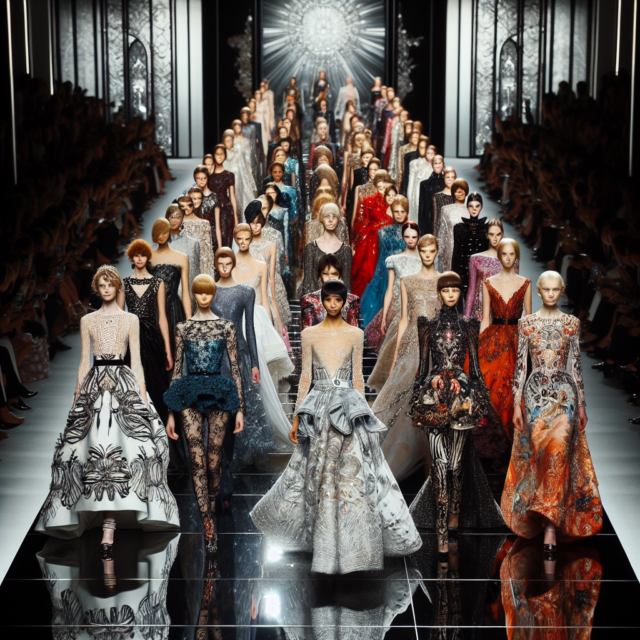
Couture fashion shows have always been a spectacle of creativity, craftsmanship, and innovation, offering a glimpse into the future of high fashion. As the latest couture season unfolds, designers from around the globe have come together to present their most exquisite collections, each piece a testament to artistic vision and technical prowess. This article delves into the latest trends emerging from these prestigious runways, highlights standout moments from recent shows, and explores the innovative approaches designers have taken to push the boundaries of couture fashion.

Unveiling the Latest Trends in Couture Fashion

The latest couture fashion shows have introduced a variety of trends that reflect both a return to classic elegance and a bold embrace of modernity. One prominent trend is the resurgence of opulent embellishments, with designers incorporating intricate beadwork, sequins, and embroidery into their creations. This nod to traditional craftsmanship adds a layer of luxury and sophistication to contemporary silhouettes.

Sustainability continues to be a driving force in the fashion industry, and the couture shows have been no exception. Designers are increasingly prioritizing eco-friendly materials and ethical production methods. This season, several collections featured upcycled fabrics and innovative textiles made from recycled materials, highlighting a commitment to environmental responsibility without compromising on style or quality.

Bold color palettes have also made a significant impact on the runways. While classic black and white remain staples, vibrant hues such as electric blue, fiery red, and deep emerald have taken center stage. These striking colors are often paired with unexpected textures and patterns, creating a dynamic visual experience that captures the imagination.

A trend towards architectural silhouettes has emerged, with designers experimenting with structure and form to create garments that are both wearable and avant-garde. Voluminous skirts, exaggerated shoulders, and asymmetrical designs have been prevalent, showcasing a blend of artistry and technical skill that defines couture fashion.

The influence of digital technology is evident in the latest couture collections, with designers using 3D printing and digital embroidery to create intricate designs that would be impossible to achieve by hand. This fusion of technology and tradition offers a glimpse into the future of fashion, where innovation knows no bounds.

Finally, the concept of gender fluidity continues to gain momentum in the couture world. Many designers have blurred the lines between traditional menswear and womenswear, presenting collections that challenge conventional notions of gender and celebrate individuality and self-expression.

Key Highlights from Recent Couture Runways

One of the standout moments from the recent couture shows was the dramatic opening of Valentino’s collection, where models emerged from a cloud of fog, clad in ethereal gowns that seemed to float down the runway. The collection was a masterclass in elegance, featuring delicate lace, flowing chiffon, and a muted color palette that exuded timeless sophistication.

Chanel’s runway presentation was another highlight, taking place in a grand Parisian setting that transported the audience to a bygone era of glamour and refinement. The collection paid homage to the brand’s iconic tweed suits while introducing modern elements such as metallic accents and bold graphic patterns, seamlessly blending the past with the present.

Dior’s couture show was a celebration of artistry and craftsmanship, with each piece meticulously crafted to tell a story. The collection drew inspiration from various cultures and historical periods, resulting in a diverse array of garments that ranged from intricately beaded gowns to minimalist, sculptural pieces that highlighted the beauty of simplicity.

Jean Paul Gaultier’s show was a visual feast, characterized by theatrical presentations and boundary-pushing designs. The collection embraced the avant-garde, with models donning extravagant headpieces, bold prints, and daring silhouettes that challenged the conventions of couture fashion. Gaultier’s ability to infuse humor and whimsy into his creations was on full display, captivating the audience and leaving a lasting impression.

The Fendi couture show stood out for its innovative use of materials and textures. The collection featured a harmonious blend of traditional craftsmanship and modern design, with pieces that incorporated luxurious furs, delicate lace, and unexpected fabric combinations. The show was a testament to Fendi’s commitment to pushing the boundaries of couture while maintaining its signature elegance.

Lastly, the collaboration between Iris van Herpen and a renowned architect was a highlight of the season, resulting in a collection that blurred the lines between fashion and art. The garments were inspired by organic forms and natural structures, with intricate details and fluid shapes that showcased the designer’s innovative approach to couture.

Designers’ Innovations and Creative Showcases

This season, designers have demonstrated remarkable innovation, using technology and creative techniques to redefine the possibilities of couture fashion. One notable example is the use of augmented reality in runway presentations, allowing audiences to experience collections in immersive and interactive ways. This integration of digital technology has opened up new avenues for storytelling and engagement, enhancing the overall impact of the shows.

The exploration of unconventional materials has also been a key theme, with designers incorporating unexpected elements such as metal, plastic, and even organic matter into their creations. These materials are often manipulated and transformed into wearable art, challenging traditional notions of what couture fashion can be and encouraging a rethinking of the relationship between form and function.

Collaborations between fashion designers and artists from other disciplines have resulted in some of the most exciting creative showcases of the season. By partnering with architects, musicians, and visual artists, designers have been able to infuse their collections with fresh perspectives and innovative ideas, resulting in garments that are as conceptually intriguing as they are visually stunning.

The use of advanced textile technologies has allowed designers to create garments with unique properties and capabilities. From fabrics that change color with the temperature to those that generate energy from movement, these innovations have expanded the possibilities of couture fashion, offering new ways to interact with clothing and the environment.

Designers have also embraced the concept of customization and personalization, offering clients the opportunity to co-create their garments. This approach not only enhances the exclusivity of couture fashion but also fosters a deeper connection between the designer and the wearer, resulting in pieces that are truly one-of-a-kind.

Finally, the emphasis on storytelling and narrative has been a defining feature of this season’s couture shows. Designers have used their collections to explore themes such as identity, culture, and the human experience, creating garments that resonate on an emotional level and invite reflection and dialogue. This focus on narrative has added a new dimension to couture fashion, elevating it beyond mere aesthetics to a form of artistic expression.

The latest couture fashion shows have once again demonstrated the power of creativity and innovation in shaping the future of fashion. From the emergence of new trends and standout runway moments to the groundbreaking innovations introduced by designers, this season has offered a wealth of inspiration and insight. As the boundaries of couture continue to expand, one thing is certain: the world of high fashion remains a dynamic and ever-evolving landscape, where artistry and imagination reign supreme.

Exploring the Art and Craft of Couture Fashion

Couture fashion, a realm where art meets craft, represents the pinnacle of the fashion industry. It is a world where creativity and precision converge to create garments that are not only clothing but statements of identity and culture. This exploration delves into the intricate processes, techniques, and historical evolution that define couture fashion, offering insights into its enduring impact on the broader fashion landscape.

The Intricate World of Couture Fashion Design

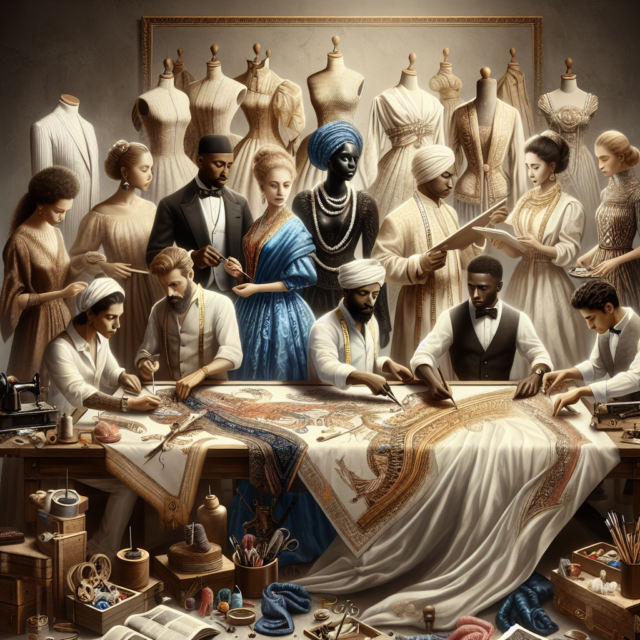
Couture fashion design is an art form that demands an extraordinary level of detail and creativity. Unlike ready-to-wear collections, couture pieces are crafted with an emphasis on individuality, often requiring hundreds of hours of meticulous work. Designers in this realm are akin to artists, drawing inspiration from a myriad of sources, including history, nature, and contemporary culture, to create garments that are both innovative and timeless.

The process begins with a concept or theme, which serves as the foundation for the entire collection. Designers sketch their visions, often producing dozens of iterations before settling on the final designs. These sketches are not mere outlines but intricate blueprints that detail every aspect of the garment, from silhouette to embellishments. This stage is crucial, as it sets the tone for the entire creative and production process.

Fabric selection is another critical component of couture fashion design. Designers choose materials that not only complement their artistic vision but also enhance the garment’s overall aesthetic and functionality. Luxurious textiles such as silk, velvet, and lace are commonly used, each selected for their unique properties and ability to convey a certain mood or theme. The choice of fabric can dramatically influence the final outcome, making this a pivotal decision in the design process.

Once the design and fabric are chosen, the garment’s construction begins. This involves creating a toile or mock-up of the garment, which allows designers to refine their ideas and make necessary adjustments before cutting into the actual fabric. The toile serves as a three-dimensional canvas, providing a tangible representation of the designer’s vision. This stage is marked by precision and attention to detail, ensuring that the final garment is flawless.

Couture fashion design is not just about creating beautiful clothes; it is about storytelling. Each garment is imbued with narrative elements that reflect the designer’s inspiration and intent. This storytelling aspect elevates couture pieces from mere clothing to works of art, capable of evoking emotion and sparking conversation. It is this narrative depth that distinguishes couture from other forms of fashion.

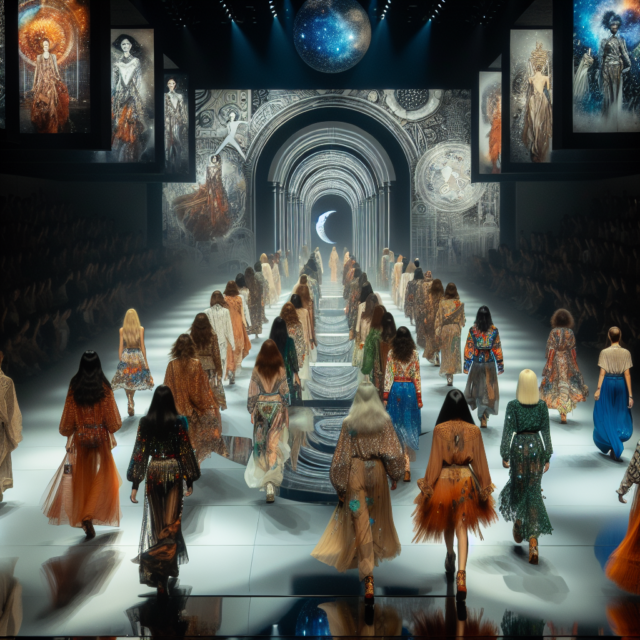
The culmination of the couture design process is the presentation of the collection, often in the form of a highly orchestrated fashion show. These events are not just about showcasing garments; they are immersive experiences that engage all the senses. From the music to the lighting, every element is carefully curated to enhance the collection’s narrative and leave a lasting impression on the audience.

Mastering Techniques in Couture Tailoring

Couture tailoring is a discipline that requires mastery of traditional techniques and an unwavering commitment to craftsmanship. Each garment is handcrafted, with techniques passed down through generations of artisans. This dedication to detail ensures that every piece is unique, embodying the highest standards of quality and precision.

One of the fundamental techniques in couture tailoring is hand-sewing. Unlike machine sewing, hand-sewing allows for greater control and precision, enabling tailors to create intricate designs and embellishments that would be impossible to achieve by machine. Hand-sewn seams, hems, and finishes are hallmarks of couture garments, reflecting the skill and patience of the artisans who create them.

Another essential technique is draping, which involves manipulating fabric directly on a dress form to achieve the desired silhouette. Draping allows tailors to experiment with the fabric’s natural properties, such as its weight and drape, to create garments that fit perfectly and move gracefully with the wearer. This hands-on approach is integral to couture tailoring, as it enables the creation of custom-fitted garments that flatter the individual.

Couture tailoring also involves the use of intricate embellishments, such as embroidery, beading, and appliqué. These decorative elements are often applied by hand, requiring a steady hand and a keen eye for detail. The addition of embellishments can transform a simple garment into a masterpiece, adding depth and texture that enhance the overall design.

The fitting process is another critical aspect of couture tailoring. Unlike off-the-rack clothing, couture garments are made to measure, ensuring a perfect fit for the wearer. Multiple fittings are conducted throughout the tailoring process, allowing for adjustments and refinements to achieve an impeccable fit. This personalized approach is a defining characteristic of couture, emphasizing the uniqueness of each piece.

Couture tailors often employ traditional techniques, such as boning and corsetry, to create structured garments that maintain their shape. These techniques require a deep understanding of garment construction and an ability to work with a variety of materials. The result is garments that not only look stunning but also provide support and comfort to the wearer.

The mastery of couture tailoring techniques is a testament to the dedication and skill of the artisans involved. It is a labor of love that celebrates the artistry and craftsmanship inherent in couture fashion. Each garment is a reflection of the tailors’ expertise, showcasing their ability to transform fabric into wearable works of art.

The Evolution and Impact of Couture Fashion

Couture fashion has undergone significant evolution since its inception in the mid-19th century. Originally, couture was the domain of a select few designers who catered to the elite, creating bespoke garments that were symbols of status and luxury. Over time, the world of couture has expanded, embracing new influences and technologies while maintaining its commitment to craftsmanship and exclusivity.

The evolution of couture fashion can be seen in the way designers have adapted to changing societal norms and cultural shifts. In the early days, couture was characterized by opulent designs and extravagant embellishments. However, as fashion evolved, designers began to incorporate more modern and minimalist aesthetics, reflecting the changing tastes and lifestyles of their clientele.

The impact of couture fashion extends beyond the garments themselves. Couture has played a significant role in shaping fashion trends and influencing the broader industry. Designers often use couture collections as a platform to experiment with new ideas and techniques, which eventually trickle down to ready-to-wear lines and influence mainstream fashion. This trickle-down effect ensures that couture remains relevant and influential, despite its exclusivity.

Couture fashion has also had a profound impact on the perception of fashion as an art form. By emphasizing creativity, craftsmanship, and storytelling, couture elevates fashion to a level that transcends mere functionality. This artistic approach has inspired a new generation of designers to view fashion as a medium for self-expression and cultural commentary, further blurring the lines between art and fashion.

The evolution of couture fashion has been marked by an increasing emphasis on sustainability and ethical practices. As the fashion industry grapples with issues of environmental impact and social responsibility, couture designers are leading the way in adopting sustainable practices. By focusing on quality over quantity and embracing traditional techniques, couture offers a model for a more sustainable and responsible approach to fashion.

Despite the changes and challenges faced by the couture industry, its impact remains undeniable. Couture continues to inspire and captivate, serving as a testament to the enduring power of creativity and craftsmanship. As the fashion world continues to evolve, couture stands as a beacon of artistic excellence, reminding us of the beauty and artistry that can be achieved through dedication and skill.

Exploring the art and craft of couture fashion reveals a world where creativity, tradition, and innovation coexist harmoniously. From the intricate design process to the mastery of tailoring techniques, couture represents the zenith of fashion craftsmanship. Its evolution and impact demonstrate its enduring relevance and influence, inspiring the broader industry and shaping our understanding of fashion as an art form. As we look to the future, couture will undoubtedly continue to captivate and inspire, embodying the timeless allure of artistry and individuality in fashion.

Global Fashion Week Highlights: This Week’s Trends

Global Fashion Week, an eagerly anticipated event in the fashion calendar, has once again set the stage for groundbreaking trends and innovative designs. This week, the fashion capitals of the world were abuzz with creativity as designers, both established and emerging, showcased their latest collections. The runways were a testament to the evolving nature of fashion, highlighting a blend of tradition, sustainability, and bold artistic expressions. In this article, we delve into the highlights of the week, focusing on the rising stars of the industry, the push for sustainable fashion, and the vibrant use of colors and patterns that dominated the catwalks.

Emerging Designers Capture Global Attention

The fashion industry is witnessing a remarkable shift as emerging designers grab the global spotlight with their fresh perspectives and innovative creations. This week, Fashion Week served as a launchpad for numerous talented newcomers who showcased their collections to an international audience. These designers, hailing from diverse backgrounds, brought a unique blend of cultural influences and modern aesthetics to the forefront.

One notable collection that stood out was by a young designer from Nigeria, whose work was a celebration of African heritage fused with contemporary silhouettes. The use of traditional fabrics and intricate beadwork was met with enthusiastic applause, signaling a growing appreciation for cultural narratives in fashion. This designer, along with others, is redefining the fashion landscape by challenging conventional norms and embracing inclusivity.

In addition to cultural diversity, technological innovation was a key theme among emerging designers. Many opted to incorporate cutting-edge materials and digital techniques into their collections. From 3D-printed accessories to garments constructed with sustainable, bioengineered textiles, these designers are pushing the boundaries of what is possible in fashion design.

The rise of these new talents is also a testament to the power of digital platforms in democratizing the fashion industry. Through social media and online showcases, emerging designers are able to reach a global audience, bypassing traditional gatekeepers. This accessibility has allowed for a more diverse range of voices and ideas to be represented on the international stage.

Collaboration was another recurring theme, as many emerging designers teamed up with established brands and artists to create unique collections. These partnerships not only provided mentorship and resources but also resulted in innovative designs that captivated audiences. The synergy between emerging and established talents is fostering a dynamic fashion ecosystem that encourages creativity and experimentation.

As these rising stars continue to gain recognition, they are not only shaping the future of fashion but also inspiring a new generation of designers. Their success highlights the importance of nurturing talent and providing platforms for diverse voices to be heard. The global fashion community eagerly anticipates the next wave of innovation from these emerging designers.

Sustainable Fashion Takes Center Stage

Sustainability emerged as a central theme at this week’s Global Fashion Week, with designers emphasizing environmentally conscious practices in their collections. The fashion industry, often criticized for its environmental impact, is undergoing a transformation as more designers prioritize sustainability in their work. This shift was evident on the runways, where eco-friendly materials and ethical production methods took precedence.

Several designers showcased collections made entirely from recycled or upcycled materials, challenging the notion of waste in fashion. These collections not only highlighted the creative potential of repurposed materials but also underscored the importance of reducing fashion’s carbon footprint. The innovative use of discarded fabrics and materials was both a visual and conceptual highlight of the week.

In addition to material innovation, many designers focused on the longevity and versatility of their garments. By creating timeless pieces that can be worn in multiple ways, they encouraged consumers to invest in quality over quantity. This approach aligns with the growing consumer demand for sustainable fashion options that do not compromise on style or functionality.

The concept of circular fashion was also prominent, with designers exploring ways to extend the lifecycle of garments. Initiatives such as take-back programs and repair services were introduced, allowing consumers to return or repair their clothing instead of discarding them. These efforts are part of a broader movement towards a more circular economy in fashion.

Educational initiatives were another aspect of the sustainability push, with workshops and panel discussions held to raise awareness about sustainable practices. Designers and industry experts shared insights on topics ranging from ethical sourcing to innovative textile technologies. These events aimed to equip both industry professionals and consumers with the knowledge needed to make more sustainable choices.

The emphasis on sustainability at Global Fashion Week reflects a growing recognition of the fashion industry’s responsibility to the environment. As more designers adopt sustainable practices, they are setting a precedent for the industry and inspiring change. The commitment to sustainability showcased this week is a promising step towards a more responsible and environmentally conscious fashion future.

Bold Colors and Patterns Make a Statement

This week’s Global Fashion Week was a vibrant celebration of color and pattern, with designers embracing bold hues and intricate designs to make a striking statement on the runway. The use of vivid colors and playful patterns was a standout trend, capturing the attention of fashion enthusiasts and critics alike.

Designers drew inspiration from a wide array of sources, resulting in collections that were as diverse as they were dynamic. From tropical flora to abstract art, the motifs and palettes were a testament to the limitless creativity of the fashion world. These visually arresting designs were not just about aesthetics; they conveyed stories and emotions, adding depth to the collections.

Neon colors made a significant impact, with many designers opting for electric shades of pink, green, and orange. These high-energy colors were used to create eye-catching ensembles that exuded confidence and individuality. The boldness of neon was often balanced with more muted tones, creating a harmonious and sophisticated look.

Patterns played a crucial role in the collections, with designers experimenting with everything from geometric shapes to intricate florals. The juxtaposition of different patterns within a single outfit was a popular technique, adding an element of surprise and complexity. This trend encouraged a playful approach to fashion, inviting individuals to mix and match patterns in their personal style.

The resurgence of retro patterns was another notable trend, as designers revisited classic prints from past decades. Polka dots, paisley, and houndstooth made a comeback, reimagined in contemporary silhouettes and colorways. This nostalgic nod to the past was a reminder of fashion’s cyclical nature and its ability to reinvent itself.

The bold use of color and pattern this week was a reminder of fashion’s power to uplift and inspire. As designers continue to push the boundaries of creativity, they are encouraging consumers to embrace self-expression and celebrate individuality. The vibrant collections showcased at Global Fashion Week are a testament to the enduring allure of bold design and its ability to captivate and inspire.

As Global Fashion Week draws to a close, the trends highlighted this week offer a glimpse into the future of fashion. Emerging designers have proven that innovation and diversity are key to shaping the industry’s trajectory. The focus on sustainability underscores a collective commitment to a more responsible and ethical fashion landscape. Meanwhile, the bold use of colors and patterns reaffirms fashion’s role as a powerful form of self-expression. As the fashion world continues to evolve, these trends set the stage for an exciting and dynamic future, where creativity knows no bounds.

Trend Forecasting 2025- Innovators vs Data Crunchers – University of Fashion Blog

0
Trend Forecasting 2025- Innovators vs Data Crunchers – University of Fashion Blog


If you’ve been following fashion trends as long as I have, you’ve probably seen it all. As co-author of the Historical Dictionary of Fashion (First & Second Edition), I have documented trends such as the miniskirt, Mod, Grunge, Punk, Unisex, athleisure, power dressing, the return of the corset, leather apparel cycles, minimalism, quiet luxury, DIY, and of course, the never ending rehash of vintage looks from the 1920s thru to the early aughts.

“Everything old is new again” ~ Jonathan Swift, Winston Churchill & Mark Twain

Historical Dictionary of Fashion (First & Second Edition by Francesca Sterlacci & Joanne Arbuckle 

Throughout my decades-long career in the fashion industry, one of the questions I am often asked is “who is responsible for predicting upcoming fashion trends and how do they do it?”

What is Trend Forecasting? 

Fashion trend forecasting is the act of predicting fashion trends including colors, fabrics, silhouettes, patterns, styles and more, for clothing brands in upcoming seasons.

University of Fashion’s lesson Trend Forecasting by Marieke van der Poel, Chief Creative Officer and Executive Editor of Proef.

University of Fashion’s lesson Trend Forecasting by Marieke van der Poel, Founder & Chief Forecaster of Proef. (Image credit: UniversityofFashion.com)

In the fashion industry, many brands rely upon information from a variety of sources that specialize in predicting fashion trends, color, and silhouette direction. These predictions, which are made more than a year in advance of products making it to the selling floor, cover multiple areas within the industry, such as childrenswear, womenswear, both for clothing and accessories.

To gain insight into how trends are predicted, watch our lesson entitled, Trend Forecasting taught by one of the most respected trend forecasters in the industry, Marieke van der Poel, Founder & Chief Forecaster of Proef. In her lesson, Marieke covers the history of trend services, the definition of a trend and the various types of trend forecasting. She explores how trends are predicted, how companies use trend services and why trends services are important to the success of any business, not just fashion. Marieke also discusses what role consumer emotions plays in forecasting trends and the various sources of where and how trends germinate.

image of Pref website Proef – From innovation to brand to product strategy services. (Image credit: getproef.com)

Proef – their services range from innovation to brand and product strategy. (Image credit: getproef.com)

Predicting Trends Powered by AI

iamge of Heuritech - An AI-based fashion trend forecasting service. (Image credit: Heuritech.com)

Heuritech – An AI-based fashion trend forecasting service. (Image credit: Heuritech.com)

AI is gaining momentum in the fashion trend prediction business. Fashion forecasters at WGSN, Heuritech and Pinterest Trends scour catwalk shows, read e-commerce data and analyze social media posts to figure out what our wardrobes might look like.

Heuritech, created in 2013 by two PhDs in machine learning, possesses an AI-based visual recognition technology and a forecasting model that assists apparel brands in quantifying and predicting what people will wear. According to Heuritech, their technology helps brands create a balanced collection assortment adapted to regional market specificities and therefore can reduce the problem of overstocking. By analyzing more than 3 million social images a day they claim that they can provide unbiased data about a brand’s market. From celebrity influencers to mainstream consumers, their data-crunching technology claims to be able to predict trends rather than rely on designers to innovate. I don’t know about you but if we start relying on algorithms and data to create product, where is the creativity in that? Would we ever have had innovators like Coco Chanel, Balenciaga and Alexander McQueen?

Trend Forecasting is Much More Than Number Crunching

iamge Trend Forecasting lesson by Marieke van der Poel referencing the use of experts to help predict trends. (Image credit: UniversityofFashion.com)

Trend Forecasting lesson by Marieke van der Poel referencing the use of experts to help predict trends. (Image credit: UniversityofFashion.com)

In a recent conversation with Marieke van der Poel of Proef, we discussed the issue. She said that the concept of data crunching is a bit like ‘driving a car while looking in the rear-view mirror without knowing where you are going.’ I couldn’t agree more. Marieke calls this ‘referentialism’ and she asserts that “we live in a time where we refer to data directly as a source, whereas our human drivers are much more complex“.

According to Marieke, “with predictive analytics, it again depends on the input, and whilst AI is growing in meta analysis, it cannot tell us what people will want, yet”.

Relying solely upon social media analysis where there’s an abundance of curated content and people are too dependent on algorithms, it fails to consider where certain concepts can go. The data collected only deals in the ‘now’.

Trend forecasting today is a combination of understanding the now, pattern recognition and intuition. It also involves the way people are reacting to social, political and environmental issues to create new concepts. A thoughtful trend forecaster uses a philosophical paradigm whereby the process is often highly intuitive, utilizes emotional abstracts and conceptional thinking.

Trend Predictions for 2025

As we move into the new year, several sources have predicted their colors and trends for 2025.  For example, WGSN’s Color of the Year prediction is Future Dusk and at the Pantone Color Institute it’s Pantone 17-1230 Mocha Mousse.

image of WGSN & Pantone's 2025 color of the year predictions" Future Dusk & Mocha Mousse

WGSN & Pantone Color of the Year 2025 (Image credit: Pinterest.com)

According to an AI search for the top 2025 fashion colors, it predicted butter yellow, marigold, cocoa, lava red, seafoam green, frog green, sky blue and pink blossom. But of course, their research consists of data crunching from the most recent runway shows.

AI search for 2025 Color Trends based on data collected from most recent runway shows (Image credit: Effective Colors.com)

In terms of clothing trends, AI has predicted that there will be a return to boho chic, sleepwear as daywear, the return of the skinny jean and hot pants, strapless dresses, asymmetric designs, leopard prints, and probably the most exciting trend of all – personalization. That means we have finally been given the right to choose our own style!


Source link

Exploring Emerging Trends in the World of Digital Art

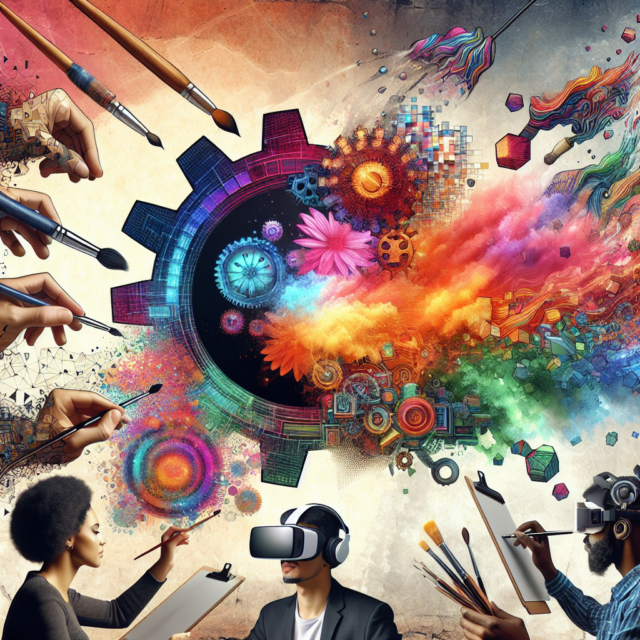
In recent years, the world of digital art has undergone a transformative evolution, driven by rapid advancements in technology and a growing community of creators eager to explore new possibilities. This dynamic field is continuously reshaping the boundaries of artistic expression, offering innovative tools and platforms for artists to experiment with. As we delve into the latest trends, it becomes evident that digital art is not only a reflection of contemporary culture but also a catalyst for future creative endeavors.

Unveiling the Latest Innovations in Digital Art

The digital art landscape is being revolutionized by cutting-edge innovations that are redefining how art is created, shared, and experienced. Among these, virtual reality (VR) stands out as a significant breakthrough, allowing artists to craft immersive environments that engage viewers in unprecedented ways. With VR, the audience can step into the artwork, interact with its elements, and experience art from a first-person perspective, creating a deeper connection between the observer and the piece.

Another exciting innovation is augmented reality (AR), which overlays digital elements onto the physical world, offering artists a hybrid canvas that merges the real with the virtual. This technology has opened up new avenues for public art installations, where digital art can be layered onto urban landscapes, turning everyday spaces into interactive galleries. Artists are now able to engage with their audience in real-time, blurring the lines between the digital and physical realms.

Artificial intelligence (AI) is also making waves in the digital art scene, with AI-generated art gaining popularity and acceptance. Artists are leveraging machine learning algorithms to create works that challenge traditional notions of authorship and creativity. AI can analyze vast datasets to produce unique pieces, offering artists a collaborative tool that enhances their creative process. This has sparked debates around the role of the artist and the machine, pushing the boundaries of what constitutes art.

Blockchain technology is another game-changer, particularly in the form of non-fungible tokens (NFTs). These digital assets have revolutionized the way art is bought, sold, and owned, providing artists with new opportunities for monetization and provenance tracking. NFTs have created a booming market for digital art, enabling artists to reach global audiences and secure their intellectual property in the digital space.

The rise of generative art, where algorithms autonomously produce art, is a testament to the innovative spirit of digital art. This approach allows for the creation of complex patterns and forms that might be impossible to achieve manually. Generative art challenges conventional artistic practices, inviting artists to become curators of algorithmic processes, where the final output is often unpredictable and unique.

Finally, the integration of haptic feedback technology is enhancing the tactile experience of digital art. By simulating the sensation of touch, haptic devices allow artists and viewers to physically interact with digital artworks, adding a new dimension to the sensory experience. This innovation is particularly impactful in fields like digital sculpture and 3D modeling, where the sense of touch can significantly influence the creative process.

Navigating the Shifts in Creative Technology

The digital art realm is witnessing a profound shift as creative technologies evolve, reshaping how artists approach their craft. The democratization of art creation tools, powered by advancements in software and hardware, has made digital art more accessible than ever before. Artists from diverse backgrounds can now access high-quality tools at relatively low costs, breaking down barriers to entry and fostering a more inclusive creative community.

Cloud-based platforms have revolutionized collaboration among artists, enabling real-time co-creation regardless of geographical boundaries. These platforms offer a shared space where artists can work together, exchange ideas, and build upon each other’s strengths. The ability to collaborate seamlessly across distances is fostering a global artistic dialogue, enriching the digital art landscape with diverse perspectives and innovations.

The advent of mobile technology has further propelled the digital art movement, with smartphones and tablets becoming powerful creative tools. Mobile apps designed for digital art allow artists to sketch, paint, and animate on the go, providing a level of convenience and spontaneity that traditional mediums cannot match. This shift has not only expanded the possibilities for art creation but also encouraged a more fluid and experimental approach to artistry.

As technology continues to advance, we are witnessing a convergence of disciplines, where art intersects with fields like science, engineering, and design. This interdisciplinary approach is giving rise to new forms of digital art that challenge conventional boundaries and explore complex themes. Artists are now collaborating with experts from various fields to create works that address issues such as sustainability, biotechnology, and virtual identity, pushing the envelope of what art can achieve.

The rise of social media as a platform for showcasing digital art has transformed the way art is consumed and critiqued. Artists can now reach vast audiences instantly, receiving immediate feedback and engaging with a global community of art enthusiasts. This shift has democratized art criticism, allowing diverse voices to contribute to the discourse and influencing trends in real-time. Social media has become both a gallery and a marketplace, shaping the careers of emerging digital artists.

Finally, the integration of data analytics into the creative process is providing artists with valuable insights into audience engagement and preferences. By analyzing data, artists can tailor their works to better resonate with their audience, enhancing the impact of their art. This data-driven approach is not only changing how art is marketed but also influencing the themes and styles that artists explore, creating a feedback loop between creators and consumers.

Understanding New Dynamics in Art Creation

The dynamics of art creation are evolving as digital tools and platforms redefine the roles and responsibilities of artists in the creative process. One significant shift is the move towards collaborative creation, where artists work alongside technologists, programmers, and AI systems. This collaboration is fostering a new kind of artistic practice, where the lines between creator and tool are increasingly blurred, resulting in hybrid works that challenge traditional definitions of art.

Digital art is also driving a shift in the perception of artistic authorship. With the rise of AI-generated art and generative processes, questions about the role of the artist as the sole creator are becoming more prevalent. Artists are now seen as facilitators or curators of creative processes, guiding the output of machines and algorithms to achieve their artistic vision. This new dynamic is prompting a reevaluation of what it means to be an artist in the digital age.

The concept of interactivity is gaining prominence in digital art, with artists exploring ways to engage audiences in the creation and evolution of art. Interactive installations and digital artworks invite viewers to participate in the creative process, transforming passive observers into active contributors. This shift is fostering a more inclusive and participatory art experience, where the audience becomes an integral part of the artwork’s narrative.

The proliferation of digital platforms and social media is changing how artists build and maintain their audiences. Artists are now expected to engage with their followers, share insights into their creative process, and cultivate a personal brand. This new dynamic requires artists to be not only creators but also marketers and community managers, balancing their artistic practice with the demands of digital engagement.

The rise of open-source culture in the digital art community is encouraging artists to share their tools, techniques, and processes with others. This spirit of collaboration and transparency is fostering innovation and experimentation, as artists build upon each other’s work to push the boundaries of what digital art can achieve. Open-source platforms are becoming hubs of creativity, where artists can access a wealth of resources and contribute to a collective pool of knowledge.

Finally, the increasing focus on sustainability and ethical considerations is influencing the dynamics of art creation. Artists are becoming more aware of the environmental impact of digital art production, from energy consumption to electronic waste. This awareness is driving the development of eco-friendly practices and technologies, encouraging artists to consider the sustainability of their work and its impact on the world.

As we explore the emerging trends in digital art, it is clear that this field is at the forefront of innovation and creativity. The convergence of technology and art is not only expanding the possibilities for artistic expression but also challenging traditional notions of what art can be. As artists continue to navigate these shifts, they are redefining the role of the artist, the audience, and the artwork itself. The future of digital art promises to be a dynamic and ever-evolving landscape, where creativity knows no bounds and the only limit is the imagination.

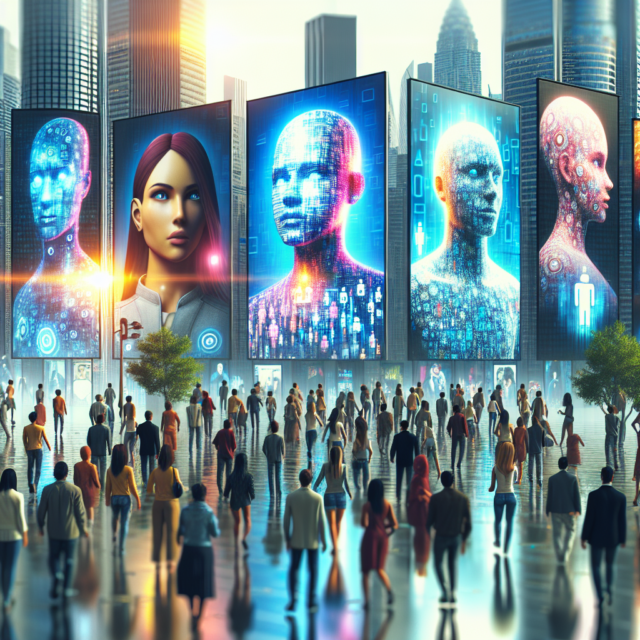
The Rise of Digital Influencers and Virtual Models

In the ever-evolving landscape of digital marketing and social media, a new phenomenon has emerged that is reshaping the way brands interact with consumers: digital influencers and virtual models. These digital figures, which range from computer-generated avatars to entirely virtual personalities, are becoming increasingly prominent in marketing strategies. This article explores their emergence, their role in modern marketing, and their impact on consumer engagement, offering insights into how they are transforming the industry.

Exploring the Emergence of Digital Influencers

Digital influencers have rapidly gained traction in the digital marketing sphere, leveraging platforms like Instagram, TikTok, and YouTube to build substantial followings. These influencers often possess niche expertise, from fashion and beauty to gaming and technology, allowing them to connect with specific audience segments effectively. Unlike traditional celebrities, digital influencers are often seen as more relatable and accessible, fostering a sense of community and trust among their followers.

The rise of digital influencers can be attributed to the democratization of content creation tools and platforms. With a smartphone and a creative idea, anyone can potentially become an influencer. This accessibility has led to a diverse array of voices and perspectives, enriching the online ecosystem with varied content that appeals to a wide range of audiences. As a result, brands are increasingly collaborating with digital influencers to reach consumers in authentic and engaging ways.

Moreover, the authenticity and relatability of digital influencers have made them powerful advocates for brands. Their followers often view them as trusted friends whose recommendations carry significant weight. This unique position enables influencers to sway consumer purchasing decisions, making them invaluable assets in marketing campaigns. Brands that collaborate with digital influencers can leverage their established credibility and reach to enhance brand awareness and drive sales.

As digital influencers continue to rise in popularity, they are also evolving. Some influencers have expanded their presence beyond social media by launching their product lines, writing books, or even hosting television shows. This evolution highlights the dynamic nature of digital influence and its potential to extend beyond the digital realm, further blurring the lines between online and offline celebrity.

However, the rise of digital influencers is not without challenges. Issues such as influencer authenticity, transparency in sponsored content, and the pressure to maintain a constant online presence can impact both influencers and the brands they represent. As the industry matures, it is crucial for stakeholders to address these challenges to ensure the sustainability of digital influence as a marketing strategy.

In conclusion, the emergence of digital influencers represents a significant shift in how consumers interact with brands. Their ability to engage audiences with authentic and relatable content has transformed them into key players in the marketing landscape, offering brands new opportunities to connect with consumers in meaningful ways.

The Role of Virtual Models in Modern Marketing

Virtual models, a subset of digital influencers, have become an intriguing addition to the marketing toolkit. These computer-generated figures are designed to mimic human characteristics and can be tailored to embody the ideals and aesthetics of a brand. Unlike human influencers, virtual models offer brands complete creative control over their appearance, behavior, and narrative, making them a versatile asset in crafting brand identity.

One of the primary advantages of virtual models is their consistency. They do not age, change, or deviate from the brand’s vision, providing a stable and reliable representation. This consistency is particularly beneficial for long-term marketing campaigns, where maintaining a coherent brand image is crucial. Virtual models can be deployed across various media channels, ensuring uniformity in brand messaging.

Additionally, virtual models offer a unique opportunity for innovation and creativity. Brands can experiment with avant-garde fashion, futuristic settings, and imaginative storytelling that might be challenging to achieve with human models. This creative freedom allows brands to push the boundaries of traditional advertising and captivate audiences with visually stunning and thought-provoking content.

The use of virtual models also addresses some of the ethical concerns associated with traditional modeling. Issues such as body image, diversity, and representation can be navigated more effectively with virtual models, as they can be designed to reflect a wide range of appearances and backgrounds. This inclusivity can resonate with diverse audiences, enhancing brand appeal and fostering positive consumer perceptions.

Despite their advantages, virtual models also present challenges. The lack of human touch and emotional connection can make it difficult for some consumers to relate to them on a personal level. Brands need to strike a balance between leveraging the creative potential of virtual models and maintaining genuine connections with their audience. This can be achieved by integrating virtual models with human influencers or by crafting compelling narratives that resonate emotionally.

In summary, virtual models are playing an increasingly significant role in modern marketing. Their ability to offer consistency, creativity, and inclusivity makes them a valuable asset for brands seeking to differentiate themselves in a competitive market. However, brands must navigate the challenges of emotional engagement to fully harness their potential.

Impact of Digital Figures on Consumer Engagement

Digital figures, encompassing both digital influencers and virtual models, have a profound impact on consumer engagement. Their presence on social media platforms allows them to reach vast audiences, creating opportunities for brands to engage with consumers in innovative ways. By leveraging the unique attributes of digital figures, brands can craft compelling narratives that capture consumer attention and drive interaction.

One of the key ways digital figures enhance consumer engagement is through personalized and interactive content. Digital influencers, for example, often engage with their followers through live streams, Q&A sessions, and interactive polls, fostering a sense of community and connection. This two-way communication allows consumers to feel heard and valued, strengthening their relationship with both the influencer and the associated brand.

Furthermore, digital figures are adept at storytelling, a powerful tool for consumer engagement. By sharing authentic experiences, behind-the-scenes content, and engaging narratives, digital figures can create emotional connections with their audience. This storytelling approach not only captivates consumers but also encourages them to share content within their own networks, amplifying brand reach and engagement.

The visual appeal of digital figures also plays a crucial role in consumer engagement. High-quality visuals, whether through stunning photography or captivating animations, can draw consumers in and hold their attention. This visual allure is particularly effective in industries such as fashion, beauty, and lifestyle, where aesthetics are paramount. By leveraging visually appealing content, brands can enhance consumer interest and foster deeper engagement.

However, the impact of digital figures on consumer engagement is not without its challenges. The prevalence of digital content means that consumers are inundated with information, making it essential for brands to stand out. Digital figures must continuously innovate and adapt to changing consumer preferences to maintain engagement. This requires a keen understanding of audience dynamics and a willingness to experiment with new content formats and platforms.

In conclusion, digital figures have revolutionized consumer engagement by offering personalized, interactive, and visually appealing content. Their ability to connect with audiences on an emotional level and foster meaningful interactions makes them invaluable assets in the marketing landscape. As the digital world continues to evolve, the role of digital figures in consumer engagement is likely to expand, offering new opportunities for brands to connect with their audiences in dynamic and impactful ways.

The rise of digital influencers and virtual models marks a significant transformation in the marketing and advertising industry. These digital figures offer brands unprecedented opportunities to engage with consumers through authentic, innovative, and visually captivating content. While challenges remain, such as maintaining authenticity and emotional connection, the potential of digital figures to reshape consumer engagement is undeniable. As technology continues to advance, the influence of digital figures is poised to grow, paving the way for new and exciting possibilities in the world of marketing.

Popular Posts

My Favorites

Farming on Mars: Turning Dust and Microbes into Real Food |...

0
I’ll admit, whenever I hear about human colonies on Mars, my mind immediately jumps to Matt Damon meticulously growing potatoes in The Martian....