Couture

Home Couture Page 45

Best Armani Perfume for Him: A Guide to Choose Long-Lasting Scents

Best Armani Perfume for Him: A Guide to Choose Long-Lasting Scents


July 14, 2025


In modern masculinity tailored with timeless elegance and captivating presence, Giorgio Armani is unrivaled. Apart from sleek suits and polished style, Armani stands tall as a landmark in men’s fragrances. No matter if it is a formal event you are attending or just a casual day in the park, with any occasion in mind, long lasting decants of cologne suffused with sophistication and character waiting to elevate your scent profile.  

In this guide, we examine the best colognes from Armani, highlighting scent profiles, longevity, and ideal wearing occasions. If you want to add warm, woody, fresh and aquatic to your fragrance wardrobe, a perfect Armani scent is ready to be your signature.  

Why Choose an Armani Fragrance?

Every Armani fragrance exemplifies sophistication through high quality ingredients blended precisely. For this reason, many men prefer them when grabbing a fragrance, here is why:  

Longevity: It is common knowledge that most of Armani’s scents have staying power, some even lasting the full day without the need for resprays.  Versatility: Ranging from freshness friendly for the week, to sultry for the weekend, there are fragrances for every occasion.  Luxury Appeal: Exuding class, most Armani fragrances come in sleek minimalistic bottles in line with the brand’s signature style.

Armani colognes paint a picture of tradition and innovation. What exaggerates an intensity of interest in any such compounding master for the novice and collector is the holistic olfactory experience of refinement and relevance.

A Brief History of the Fragrances of Armani

It was in the early 1980s Giorgio Armani launched his own range of perfumes. Early acclaim and recognition included classical masculine constructions. Armani Eau Pour Homme was the first cologne launched ( in 1984) and rightly became a byword for the gentleman who dressed elegantly.

Through the years, the house hit new heights of success with revolutionary offerings, such as Acqua di Giò (1996) which set the benchmark as the aquatic fragrance and Armani Code (2004) which goes beyond the conventional levels of seductive charm.

Nowadays, the major collections of Armani fragrances maybe categorized into:

Acqua di Gio Collection- Clean, aquatic, freshArmani Code Series- Warm, spicy, and sensualEmporio Armani Range- Youthful, sweet, and modernArmani Prive Line- Niche and haute (top-notch for elite collectors)

Each is emblematic of a lifestyle, mood, and occasion, thus bringing the ideal match to your life.

1. Acqua di Giò Profumo – The Icon of Aquatic Sophistication
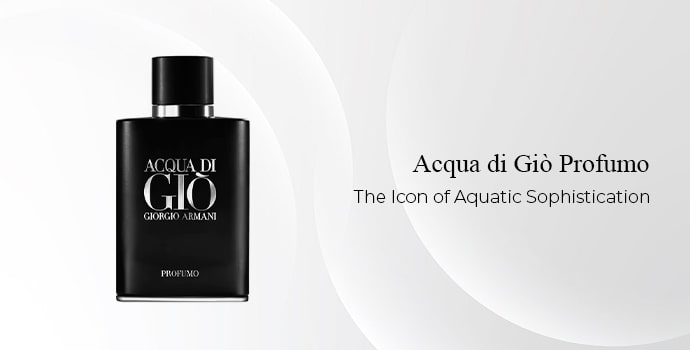
Acqua di Giò Profumo – The Icon of Aquatic Sophistication

Scent Profile:

Top: Bergamot, Marine AccordHeart: Geranium, Rosemary, SageBase: Patchouli, Incense

Armani Acqua di Giò Profumo, in many people’s opinions, is the crown jewel of the entire Armani fragrance empire; the deeper and more intense generation of the original Acqua di Giò. While the marine notes wash the fragrance with crisp freshness, smoky aromas of incense and patchouli pave the way for sensual warm notes.

Longevity & Sillage:

Duration: 10–12 hours or soModerate to strong

Best For:

Use: EveningRomantic datesYear-round, more so in spring and fall

2. Armani Code – Mysterious and Masculine
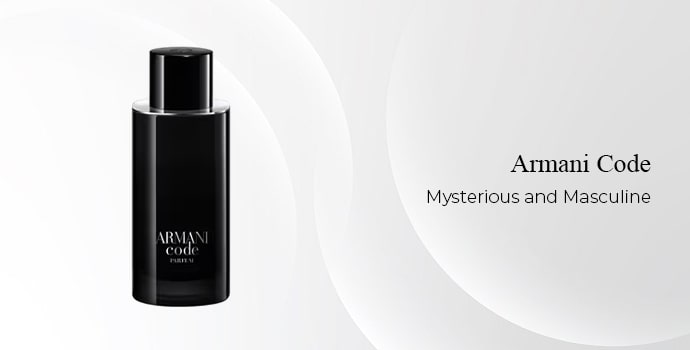
Armani Code – Mysterious and Masculine

Scent Profile:

Top Notes: Lemon, BergamotHeart Notes: Olive Blossom, Star Anise, Guaiac WoodBase Notes: Leather, Tonka Bean, Tobacco

Armani Code is one of the staples of any man’s collection. Dark leathery undertones meld with a sweet tonka bean heart to become very alluring and sensual. This is the ultimate night scent for the man who wants to get noticed.

Longevity & Sillage:

You can keep it on for 8 to 10 hoursProjection is strong for the first few hours

Best For:

Date nightsEvening eventsFall and winter months

3. Stronger With You Intensely – Modern and Addictive
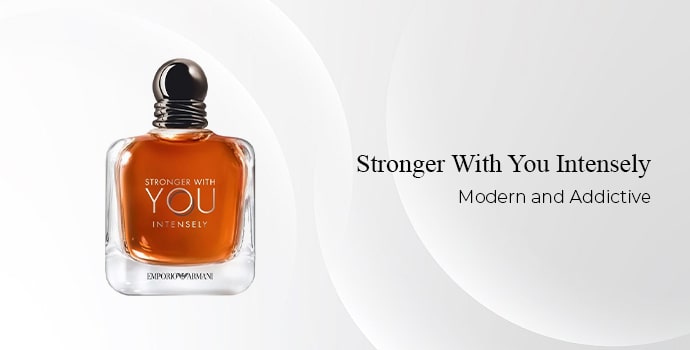
Stronger With You Intensely – Modern and Addictive

Scent Profile:

Top Notes: Pink Pepper, JuniperHeart Notes: Lavender, Cinnamon, ToffeeBase Notes: Vanilla, Amber, Tonka Bean

Stronger With You Intensely is warm, spicy, and sweet. The toffee and vanilla notes really give it a sweet edge while the lavender and pepper add a masculine touch. It’s intended for a modern man that is confident.

Longevity & Sillage:

12+ hours of wearStrong projection

Best For:

Cold weatherNightclubs, special eventsYoung, bold personalities

4. Acqua di Giò Eau de Parfum – The Fresh Revival
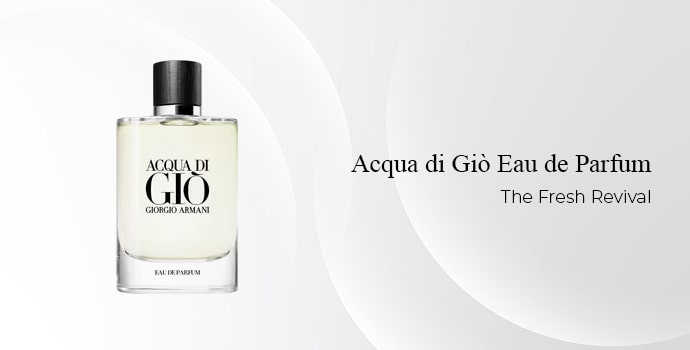
Acqua di Giò Eau de Parfum – The Fresh Revival

Scent Profile:

Top Notes: Marine Notes, Green MandarinHeart Notes: Lavender, Clary SageBase Notes: Vetiver, Patchouli

This version will take the original Acqua di Giò DNA and improve it with increased longevity, alongside eco-friendly packaging. A better performing version for the fans of the classic and more deliberately sustainable version of their favourite fragrance.

Longevity & Sillage:

8–10 hoursModerate sillage

Best For:

Daytime wearingSpring and summer wearingOffice or casual scenarios

5. Armani Code Parfum – Refined & Powerful
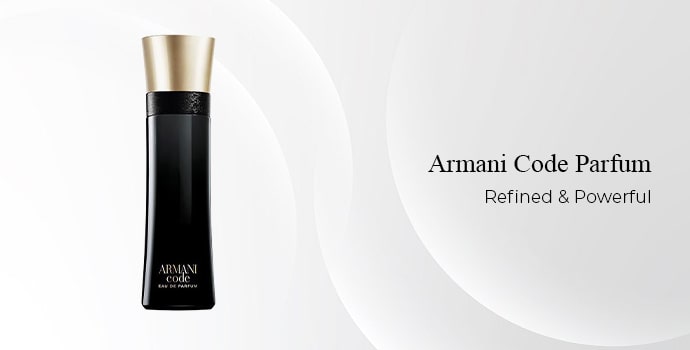
Armani Code Parfum – Refined & Powerful

Scent Profile:

Top Notes: Bergamot, IrisHeart Notes: Orris, Tonka BeanBase Notes: Cedarwood, Musk

Armani Code Parfum is the latest flanker from the Code line. The parfum version brings a more refined, powdery elegance. The iris and tonka combo offers a smooth, almost creamy quality that develops beautifully on skin.

Longevity & Sillage:

10–12 hoursSubtle, consistent projection

Best For:

Professional settingsRomantic eveningsAutumn and winter wear

6. Emporio Armani He – Clean & Comforting
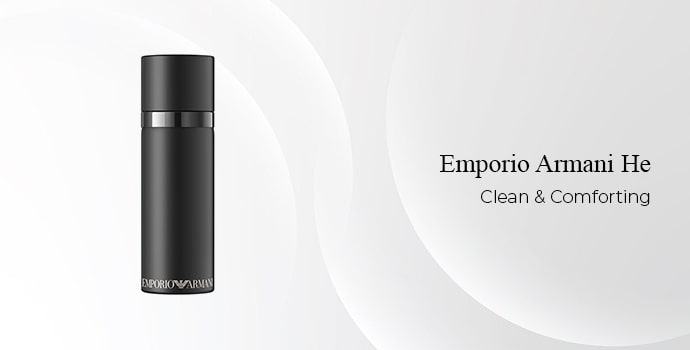
Emporio Armani He – Clean & Comforting

Scent Profile:

Top Notes: Yuzu, SageHeart Notes: Cardamom, NutmegBase Notes: Sandalwood, Musk

Emporio Armani He is a snug, comforting scent, with its warm spicy and woody characteristics, with a soft edge to it. It is definitely reminiscent of the classic ‘90s colognes, but that makes it just as relevant now.

Longevity & Sillage:

6–8 hoursLight to moderate projection

Best For:

Daily wearOffice environmentsCooler seasons

7. Armani Eau Pour Homme – The Gentleman’s Choice
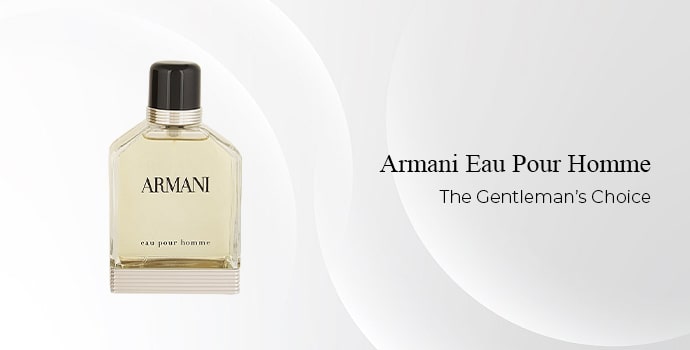
Armani Eau Pour Homme – The Gentleman’s Choice

Scent Profile:

Top Notes: Citrus, BasilHeart Notes: Clove, Nutmeg, CorianderBase Notes: Oakmoss, Patchouli

If you love the barbershop style classic masculinity, then you will love Armani Eau Pour Homme. It is a nod to the classic colognes of yesteryear but modernized to provide an air of sophistication and smell room-appropriate.

Longevity & Sillage:

Best For:

Older gentlemenFormal occasionsSpring and fall

How to Choose the Right Armani Fragrance for You

Choosing a fragrance is about more than what smells good. It is about what represents who you are. Here’s a quick guide to help you choose the right fragrance for you:

1. Seasonal Consideration

When choosing fragrances, fresh or aquatic or citrus-like Acqua di Giò EDP (on the lighter side) is great for spring and summer weather.When it comes to warm and spicy or gourmand fragrances such as Stronger With You Intensely (on the heavier side), these are great for fall and winter displays.

2. Occasion and Mood

For formal occasions or a dressy office environment – a subtle fragrance like Armani Code Parfum or Emporio Armani He would be ideal.For romantic dinners or parties, you might favor a fragrance that is more vague and bold like Armani Code or Acqua di Giò Profuomo.

3. Know Yourself

If you are a confident outwardly personality, you may like Prolonged Strong sweet fragrances.If you are a more ‘behind the scenes” person, you could lean to fresh, clean or woody notes, or musky types of fragrances.

4. Never Ignore an Individual’s Skin Chemistry

Remember, fragrance will react with everyone’s individual skin chemistry; thus, its aromas do not necessarily appeal to an individual. A fragrance must always be tested on one’s own skin.

Tips to Make Your Armani Fragrance Last Longer

Even the most expensive cologne will wear off quickly due to improper application. Here are some tips from the pros:

Pulse points: the neck, wrists, and behind the ears.Moisturize the skin: Moisturizer will keep the fragrance on longer.Do not rub; just allow the fragrance to dry on the skin without rubbing any part. Rubbing can spoil the top notes.Store wisely: Always store your fragrance in a cool, dry place, away from direct sunlight.

Q: Do Armani fragrances work good for sensitive skin?

A: Most Armani fragrances are dermatologically tested, but please do a patch test if you are very sensitive or reactive skin.

Q: What is the best Armani for a gift?

A: Acqua di Giò Eau de Parfum is a fairly “safe” and impressive gift. For something more intimate and unique, Armani Code Parfum is a good option.

Q: Do Armani colognes suit all ages?

A: Absolutely! With fresh, spicy, woody, and gourmand variants, you will find options that suit every age bracket.

Q: Which Armani is best for everyday work during the week?

A: Emporio Armani He, or Acqua di Giò is EDP—both are fresh, subtle, and professional.

Layering Armani Fragrances: A Pro Technique for Unique Scent Profiles

Layering- the trend becoming more prevalent in fragrance culture- is the combining of two or more fragrances to build a unique scent.  While all the Armani fragrances mentioned certainly stand alone on their own, layering can help you develop a very unique signature.  For example, you can layer to balance the oceanic freshness of Acqua di Giò Eau de Parfum, and the warm embrace of Armani Code. To effectively layer the fragrances, think of its composition in that when applying scents, there needs to be some level of balance between the lightness of the first aquatic scent, and depth of the second scent. The process of layering generally follows that of lighter, fresher first application, with the second scent applied lightly over the fresh push.  The method works best when the two fragrances are based on similar notes, such as citrus, tonka bean, or patchouli. Beyond variability in the original scent of wet to dry down of fragrance, layering is a good way to adapt your fragrances over the seasons, or different feelings and moods, adding to the dynamic nature of your Armani collection.

Final Thoughts: Find Your Signature Armani Scent

The name brand is not more an odor than a signature scent. A signature scent is just one more determined-effect-life-catalyst of the state of mind of the person wearing it. With the name Armani, you embrace the word that commands elegance, invention, and eternity. As for what one may feel attracted to if anyone at all, it could go as far as the aquatic trails of Acqua di Giò Profumo, deeper sensuality based ideas within Armani Code, or the warm sweetness in Stronger With You Intensely; an Armani aromatic alphabet categorizes who you are.

As the scent world is changing, Armani is continuing to grow while maintaining its foundation: racy masculinity in a bottle. Take your time, explore carefully, and you’ll no doubt find a scent that seems created for you. Are you ready to elevate your scent game? Check out Armani fragrances and see how true sophistication smells.


Source link

Is the New Look Totally Innocent in Perpetuating the Image of Idealized Femininity?

Is the New Look Totally Innocent in Perpetuating the Image of Idealized Femininity?


Christian Dior’s New Look (Image Credit: Vogue.com) and “Tradwife” aesthetic (Image Credit: People.com)

Paris in the late 1940s saw immense changes to its city, both socially and visually. Women traded in their work boots for heels, once again hearing the clack of each step against the cobblestone streets. During World War II, luxuries were not afforded under the restrictions of wartime rations.

1943 Bergdorf Goodman Sketch (Image Credit: The Met Digital Collections at metmuseum.org)

1943 Bergdorf Goodman Sketch (Image Credit: The Met Digital Collections at metmuseum.org)

As women entered the workforce during the war, slim shapes and sharp lines characterized global feminine styles for fear of excess waste in garment production. Assuming occupations of those called to war, women also visually emulated the (then) masculine nature of labor by donning utility suits and trousers.

But after the war’s end, the desire to grasp some semblance of normality plagued the world, as men returned to work. In post-war France, fashion houses scrambled to produce visions of extravagance and uniqueness: a new look that would define a generation and social period—one of recovery, celebration, and restoration.

Christian Dior’s New Look (Image Credit: Vogue.com)

Christian Dior’s New Look (Image Credit: Vogue.com)

In 1947, French designer Christian Dior debuted a characteristic look, an exaggerated revival of pre-war silhouettes. Coined the “New Look” by fashion writers, the design’s slim waist accentuated the extravagant billowing pleats of its skirt. The rigid shoulders of wartime suits were softened into curving lines, while sharpness instead shaped the waist into petite restriction. The style thus became a physical embodiment of the burgeoning post-war fashion markets and global economies. In its curvaceous allure, the “New Look” not only cemented Paris as an unwavering influence on global fashion but also represented a revival of the couture industry as a whole.

A pattern for a 1950s house dress (Image Credit: Pinterest.com)

A pattern for a 1950s house dress (Image Credit: Pinterest.com)

However, a style of dress that was made to exemplify a period of independence, was soon mobilized into a symbol of social confinement.

As the American ready-to-wear industry continued to develop in the 1950s, Dior’s “New Look” became synonymous with the vision of suburban motherhood and wifehood. The “house dress,” a shirtwaist dress often cinched at the waist and full in the skirt, was seen as suitable for all duties of the suburban household: cooking, cleaning, and silence.

Anne Fogarty’s book, Wife Dressing: The Fine Art of a Well-Dressed Wife (Image Credit: Panoplybooks.com)

Anne Fogarty’s book, Wife Dressing: The Fine Art of a Well-Dressed Wife (Image Credit: Panoplybooks.com)

In her 1959 book, Wife Dressing: The Fine Art of Being a Well-Dressed Wife, fashion designer Anne Fogarty described the simple austerity of the shirtwaist dress as ideal for one’s role in the home.

In this light, the “New Look” is a balance of constraint and freedom, as the waist cinches the liberating movement of its twirling pleats. With every flounce of its skirt, the garment models the cultural ideals of femininity as a normalcy in Western society. For the housewife, it accentuates the curves of her form into almost cartoonish shapes. The “New Look” isn’t a dress. It’s a body in motion, constructed by a male designer, and dictated into idealized, silhouetted perfection.

The “New Look” is undeniably beautiful; it revolutionized and revived the economy of global haute couture. Two things can be true at once. This hyper-feminine style overshadowed the freedoms granted to women during World War II. Used against the image of equality and progression in the 1950s, the “New Look”—while chic—was detrimental to the garmenting of women in post-war societies, confining them to visions of purity and softness.

Influencers who have embodied the “tradwife” aesthetic (Image Credit: People.com)

Influencers who have embodied the “tradwife” aesthetic (Image Credit: People.com)

It’s hard to ignore how this exaggerated silhouette has been weaponized throughout history. In recent years, the style has seen a rise in popularity with fluctuating trends, often in tandem with the rise in political conservatism in the United States. The “tradwife” aesthetic—one that preaches modest dress, hours working in the kitchen on homemade meals, and images of rural sanctuary in a child-filled home—riddled the internet in the months leading up to the 2024 presidential election. Characteristic of the popularized style, the “milkmaid dress” is constructed by floral prints, a soft bunching of fabric at the bust, and an A-line skirt: a silhouette descending from Dior’s 1947 design.

In 2025, media has been encouraging women to fulfill their duties in the home, in support of their working husbands. With many faces of the “tradwife” movement dressed in Dior’s characteristic design, the “New Look’s” soft femininity has likely been ubiquitously deemed suitable as its defining, idealized attire.

That is not to say that expressing one’s femininity through fashion always equates to social restriction. However, viewing shifting data in both the garment industry and political system, these hyper-feminine clothing styles do not diverge from accompanying conservative values. Fashion has always been impacted by the social beliefs of a period.

Care to share your thoughts?


Source link

Summer 2025 Capsule Collections Sustain Mid-Year Momentum

Summer 2025 Capsule Collections Sustain Mid-Year Momentum


Luxury fashion houses are leveraging summer capsule collections to recalibrate consumer engagement to avoid the mid-year lull period. From Dior’s Dioriviera pop-ups to Prada’s ocean-driven Re-Nylon campaigns, luxury fashion houses are increasingly leveraging capsule collections to recalibrate consumer engagement during the mid-year dip. These limited-run drops — often timed to coincide with peak holiday months — merge brand storytelling with themes of Mediterranean escapes and offshore sailing. Whether through seasonal pop-ups, philanthropic content or elevated wardrobe staples, the summer capsule has become an essential part of the fashion industry retail cycle — less about filling retail space and more about staying culturally resonant year-round.

Dior’s Dioriviera

Dior’s annual Dioriviera capsule has evolved into a key commercial lever for the house, aligning product launches with the summer travel calendar to sustain global retail momentum. Designed by Maria Grazia Chiuri, the 2025 edition introduces new variations of the Toile de Jouy print — specifically the Toile de Jouy Sauvage in turquoise and pink, and a new Toile de Jouy Palms motif inspired by tropical foliage. These appear across ready-to-wear pieces including silk blouses, sarongs, ponchos and matching accessories like towels and sandals.

Signature bags such as the Lady D-Lite and Dior Book Tote return with updated seasonal prints, while footwear options include the Dioract mule and D-Sand sandals with dangling charms. Additional lifestyle offerings extend the brand’s reach, with Dior Maison presenting cane-woven beach furniture, raffia-trimmed hats and decorative home items including Jean Roger ceramic palms and Longwy vases.

To amplify its reach, Dior has opened a series of immersive summer pop-ups in destinations like Capri, Ibiza, Mykonos, D-Maris and Portofino — with activations ranging from Dior cafés to branded deckchairs and parasols at luxury resorts. A digital layer includes an AR Snapchat filter that lets users explore the collection virtually and try on selected pieces. With only a few key drops throughout the year, Dioriviera plays a strategic role in bridging the gap between Spring and Fall collections. By aligning capsule launches with affluent holiday behavior and expanding distribution beyond traditional boutiques into leisure-driven pop-ups, Dior maintains consumer interest and spending during the retail off-season.

Brunello Cucinelli’s High Summer Collection 2025

Brunello Cucinelli’s latest High Summer drop draws from the elegance of European sailing culture, positioning itself not as “holidaywear” but as a reimagining of performance and leisure through tailored ensembles. Anchored in the sleek codes of the J Class yacht, the collection reflects the brand’s strategy to keep affluent consumers engaged through seasonally relevant wardrobe essentials for summer.

Designed around three distinct colour narratives, the capsule taps into psychological seasonality as much as aesthetic cues. A core pairing of nautical blue and creamy Panama tones provides a safe yet elevated base, while an unexpected cherry and beige story offers a touch of vibrancy that is rare in the brand’s usual colour palette. Another set — tangerine and crab — delivers a sun-soaked burst of warmth, carefully grounded in rustic, breathable fabrics to maintain Brunello Cucinelli’s quiet luxury tone.

True to its DNA, the collection leans heavily on craftsmanship. From technical outerwear and jacquard knits to suits and blazers softened for summer ease, it offers a modular wardrobe that transitions seamlessly from the yacht deck to a coastal dinner. The brand also introduces a “neutrals and metallics” concept, incorporating ivory and sand tones with barely-there champagne finishes and shimmering details. It is a subtle nudge at glamour without losing the minimalist restraint core to the label’s identity.

By combining lightweight materials, storytelling through colour and references to a rarified lifestyle, Brunello Cucinelli’s summer collection does not just sell clothing — it sells a sensibility. One that keeps high-value clients tethered to the brand even in between major fashion seasons.

Moschino’s Collezione 05

Moschino’s Collezione 05 serves as a high-spirited reminder that luxury fashion does not have to wait for seasonal runway collections to capture commercial attention. As part of a wider shift among luxury houses towards mid-year capsule drops, the brand is using irony and cinematic storytelling to engage consumers during what is typically a slower commercial period.

Creative director Adrian Appiolaza presents a surreal take on vacation dressing, rooted not in far-flung fantasies but in familiar, even mundane settings. From a late-night supermarket to the depths of the Grand Canyon, the collection reframes everyday rituals as backdrops for fashion. Sequin cocktail dresses, mohair tennis sweaters and crystal-adorned handbags are paired with trench coats and tie-detailed gymwear in a tongue-in-cheek play on aspirational dressing.

Colour stories move from dusty desert hues to motel-neon glitz and cherry red sports references, with silhouettes spanning bouclé suits, denim tailoring and activewear-inspired separates. The deliberate collision of occasionwear and off-duty leisure gives the capsule year-round merchandising power — and more importantly, retail longevity beyond the holiday window.

LOEWE’s Paula’s Ibiza 2025 Summer Essentials

With Paula’s Ibiza 2025 collection, LOEWE continues to expand its summer capsule into a multi-dimensional brand experience. Inspired by the bohemian energy of the original Paula’s boutique in Ibiza, the capsule has evolved into a retail and storytelling vehicle that blends fashion, craft and youth culture. By anchoring the drop in seasonal escapism and sensory appeal, LOEWE reinforces the idea of summer as a “feeling” that sustains consumer engagement between major fashion cycles.

This year’s edition — launching mid-April — was shot in Comporta Portugal by Gray Sorrenti and features a high-profile cast including Jamie Dornan, Sophie Wilde, GISELLE of aespa and Enzo Vogrincic. The campaign mirrors the spirit of the collection which is intended to be immersive and grounded in nature. Scenes of light, shadow and wind-swept beaches frame a wardrobe of mix-and-match staples and collectable accessories designed to be worn all season long.

The clothing balances ease and elevation, with jersey dresses, flowing skirts and denim in pastel hues. Lace inserts and feather motifs appear across separates while bold graphics inspired by the Grateful Dead and Ibiza’s natural flora give the collection a festival-adjacent edge. LOEWE’s commitment to craft is evident in the woven accessories, from raffia baskets and crocheted hobos to the new Ola bag and flower-shaped charms. Footwear includes rainbow-coloured espadrilles and suede slippers, complemented by playful hats and statement sunglasses. Paula’s Ibiza underscores LOEWE’s longstanding investment in artisanal luxury. The brand continues to support handweaving communities in Madagascar and Colombia through education and training initiatives, extending the capsule’s narrative into meaningful impact.

Gucci’s Gucci Lido 2025

The Gucci Lido collection draws inspiration from Italy’s coastal lidos, capturing a sense of languid summer escape. Through a campaign fronted by Daisy Edgar-Jones, David Jonsson and Aliocha Schneider, the brand positions its seasonal drop as something of a mood-driven lifestyle proposition.

Shot by photographer Jim Goldberg and directed by the creative duo Rubberband, the campaign unfolds across Mediterranean villas, shorelines and gardens, weaving together candid stills and slow cinema to evoke a romanticised take on summer leisure. The capsule includes new iterations of key Gucci lines — including the Bamboo 1947 and Softbit bags — rendered in seasonal materials like raffia, wicker and crochet. Suede loafers, ocean-washed accessories and GG Monogram denim echo the house’s effort to blend classic codes with contemporary textures. Lightweight cottons and gradient blues dominate the ready-to-wear, while updated eyewear and jewellery anchor the collection in understated polish.

The collection extends far beyond clothing. Hero handbags like the Bamboo 1947 and Softbit appear in raffia and crochet, aligning Gucci’s heritage shapes with seasonal tactility. The Gigi suede loafer, oversized totes, gradient-hued eyewear and updated GG monogram denim build out a relaxed yet recognisable Gucci silhouette. It is a calculated move that bridges aspiration with approachability, tapping into both high-net-worth travellers and aspirational buyers engaging with the brand via lighter seasonal purchases.

Saint Laurent’s Shades of Summer by Anthony Vaccarello

With its “Shades of Summer” capsule collection, Saint Laurent joins the growing cohort of luxury brands responding to the seasonal slowdown by leaning into the emotional and aesthetic codes of summer. Creative director Anthony Vaccarello has infused the collection with an effortlessly sensual mood, channelling Mediterranean ease and French Riviera cool. The campaign, shot in a coastal villa, repositions warm-weather dressing as an opportunity for subtle indulgence rather than overt flamboyance — a strategy that feels closely tied to the buying patterns of Saint Laurent’s core clientele, who favour refined statements over trend-driven pieces.

The collection features a tightly edited mix of vacation-ready accessories and silhouettes designed to resonate with summer’s relaxed energy. Raffia continues to be a dominant material this season, appearing across iterations of the Icare Maxi tote and Gaby Vanity case. These are joined by lightweight jersey dresses, transparent vinyl bags, oversized straw hats and sheer crochet pieces — all crafted with Saint Laurent’s distinct architectural minimalism. Even signature items like the Le 5 à 7 and Rive Gauche bags receive seasonal updates, reissued in neutral tones or tactile summer materials like woven leather and canvas.

Rather than presenting an entirely separate vision, Saint Laurent uses the capsule to reinforce brand consistency while encouraging repeat engagement between collections. It is a smart recalibration of the traditional luxury calendar, using atmospheric storytelling and a sense of escape to subtly nudge consumers back into stores or digital showrooms during what is typically a quieter retail window.

Prada Re-Nylon

Prada’s 2025 Re-Nylon capsule continues to serve as a touchpoint for the brand’s long-term environmental strategy while reinforcing summer as a key moment for consumer re-engagement. First launched in 2019, the Re-Nylon initiative has evolved from a sustainable materials project into a full-fledged seasonal campaign. This year’s edition places the ocean at the heart of the narrative, combining regenerated nylon pieces with storytelling that reflects global climate priorities.

For Summer 2025, the collection draws inspiration from nautical design, presenting a range of accessories — including padded shoulder bags and rope-handled totes — built from recycled ocean plastics. To deepen the impact, Prada has partnered once again with National Geographic CreativeWorks — producing a four-part documentary series led by actors Benedict Cumberbatch and Sadie Sink. Each episode explores marine conservation issues, from the disappearing kelp forests of Baja California to the effects of underwater noise pollution in the Arctic. One percent of proceeds from Re-Nylon sales fund Prada’s SEA BEYOND education programme, developed in collaboration with UNESCO’s Intergovernmental Oceanographic Commission.

This layered approach — merging celebrity storytelling, luxury design and science-led advocacy signals a broader industry trend: luxury brands are increasingly aligning summer capsules with purpose-driven narratives to build longer-term emotional engagement with new and younger audiences. By combining circular design with content and cause, Prada transforms a mid-year collection into a movement that extends far beyond the beach.

For more on the latest in luxury fashion and style reads, click here.


Source link

How to Build a Luxury Casual Wardrobe 2025 : Top Trends, Outfit

How to Build a Luxury Casual Wardrobe 2025 : Top Trends, Outfit


Having a wardrobe full of luxury items that hardly see the light of day is like wearing sunglasses indoors or applying a full face of makeup before your morning jog—impressive in theory, futile in practice.

“The wrong outfit can make you feel like something is wrong with you,” says British designer Bella Freud—and honestly, she’s not wrong. Dressing for the moment isn’t just about appearances; it sets the tone for how the world sees you (and how you see yourself).

In 2025, luxury has evolved. Forget the showy logos and spur-of-the-moment splurges. The smartest wardrobes are edited with intention—pieces that feel true to your life, not just your Instagram grid. Whether you live in vintage denim and silk shirts or designer dresses and statement heels, the magic is in curating looks that make you feel confident, comfortable, and completely yourself.

It’s time to break down the key 2025 trends shaping luxury casual wear, which shows you exactly how to mix statement brands with everyday essentials. Because true luxury is wearing what you love—and actually enjoying wearing it.

What’s Hot in 2025: Luxury Casual Wear Trends

Fashion’s heavy hitters are signaling a shift toward versatile, wearable luxury. As Clare Waight Keller put it perfectly: “Expense isn’t luxury. Quality, innovation, excitement—that’s luxury.”

Here’s what’s shaping the scene:

Innovation in Fabric Technology

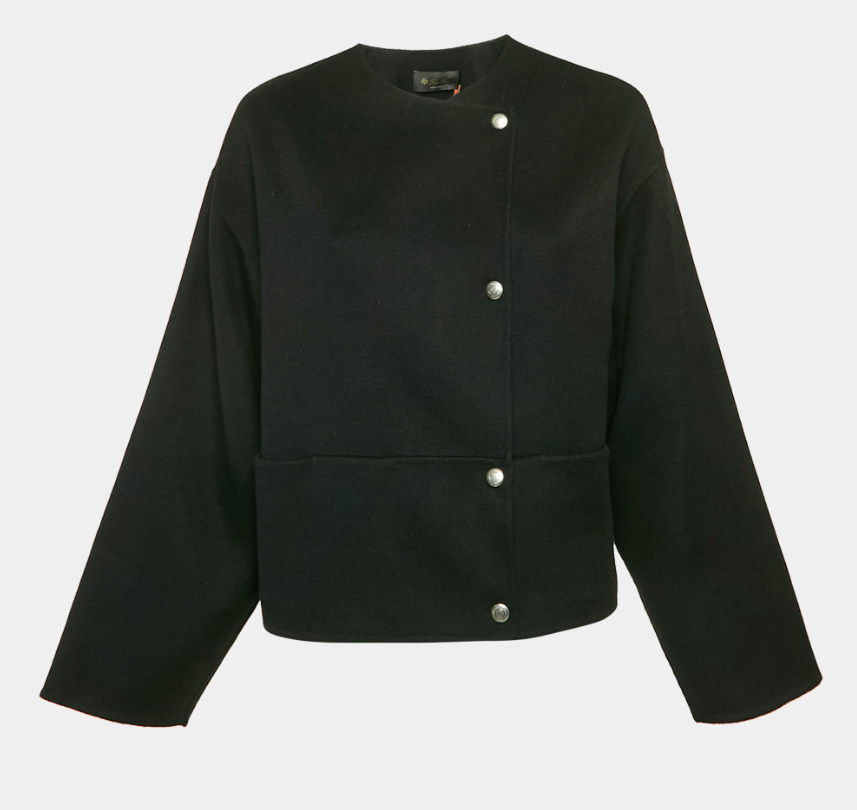
Forget the old equation that expensive automatically means better. Costly and affordable are no longer significant considerations; instead, quality, craftsmanship, durability, and versatility are. Sophisticated methods of yarn production, tailoring, and meticulous attention to detail are highly sought-after.  Take a look at Loro Piana for its innovative cashmere, Bottega Veneta for its expertly woven leather techniques, and Pangaia for its bio-based fabrics that seamlessly blend science with style.

Bottega Veneta Cream Embroidered Leather Jacket SQuiet Luxury & Stealth Wealth 

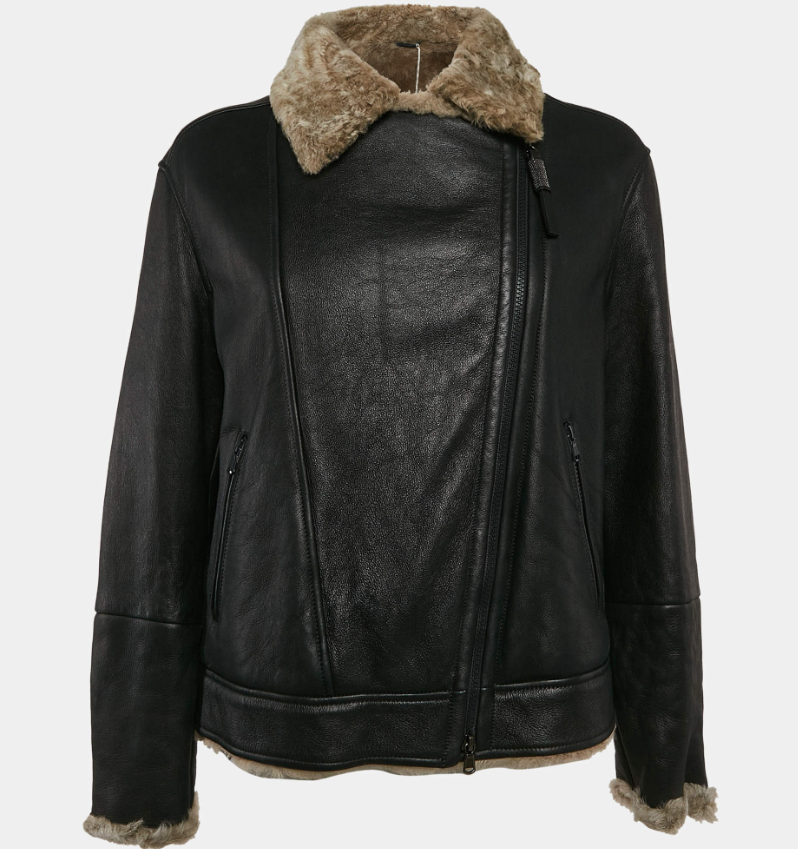
Goodbye to flashy logos. Minimalism is the new maximism. Being understated and natural, yet sophisticated and stylish, is the aim. This trend aligns perfectly with the concept of a capsule wardrobe: fewer, higher-quality pieces that can be mixed and matched endlessly. Effortless elegance characterized by immaculate tailoring in neutral tones has become the popular aesthetic. Think of unstructured blazers, high-waisted flared or wide-legged trousers, silk shirts, and roomy totes. Labels like Brunello Cucinelli, Loro Piana, Céline, and The Row set the tone perfectly. 

Brunello Cucinelli Black Leather Shearling Trimmed Zip-Up Jacket MChic + Comfort = Confidence

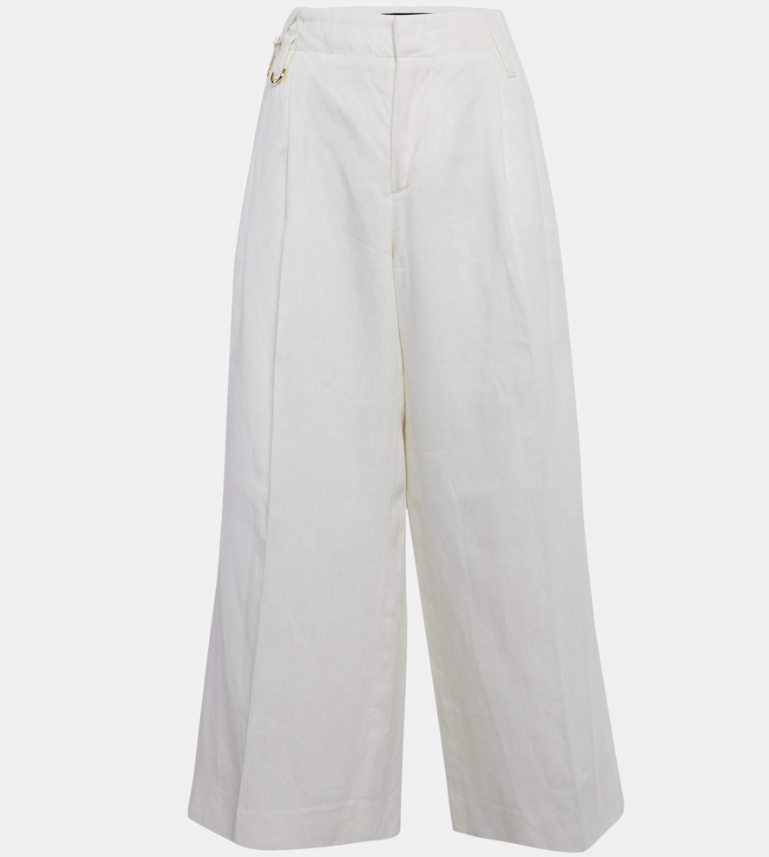
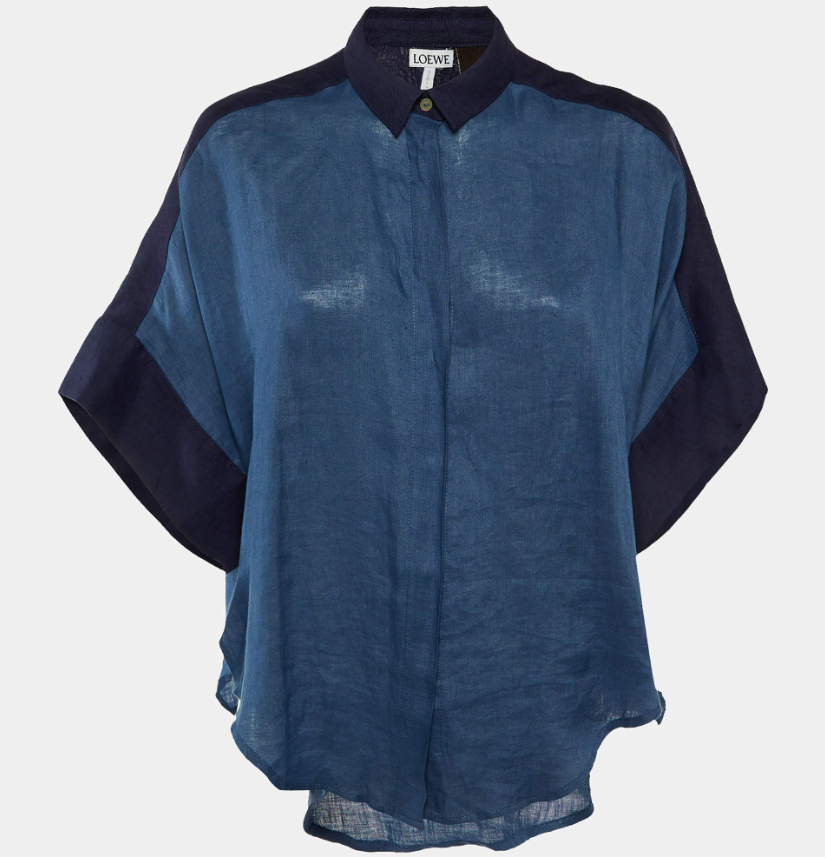
Workwear is getting a glow-up with softer, tailored pieces, such as loose blazers and lightweight trenches. Picture oversized silhouettes—crisp shirts, flowing trousers, and roomy bags—the signature style of laid-back luxury. It’s about pieces that feel cozy yet look chic, perfect for those who want style without the fuss. Add a personal twist—opt for bold earrings or sleek sneakers—and you’ve got a look that exudes attitude with humility. Celebrity stylist Erin Walsh champions cotton tanks, oversized linen pants, and padded tees—pieces that feel effortless but look refined.

Jacquemus Off-White Linen Wide-Leg Cropped Pants LLoewe X Paula's Ibiza Blue Linen Button Front Oversized Shirt SVintage Revival 

Archival luxury pieces are making a comeback, blending nostalgia with a modern conscience. Shoppers are rediscovering the allure of 1990s Tom Ford for Gucci, early Marc Jacobs’ grunge aesthetic, and Y2K-era Dior Saddle bags. A shade of whimsy: shoulder-yearning menswear knits, trompe-l’œil prints, and boho-luxe jewelry—2025 channels a playful, nostalgic energy. 

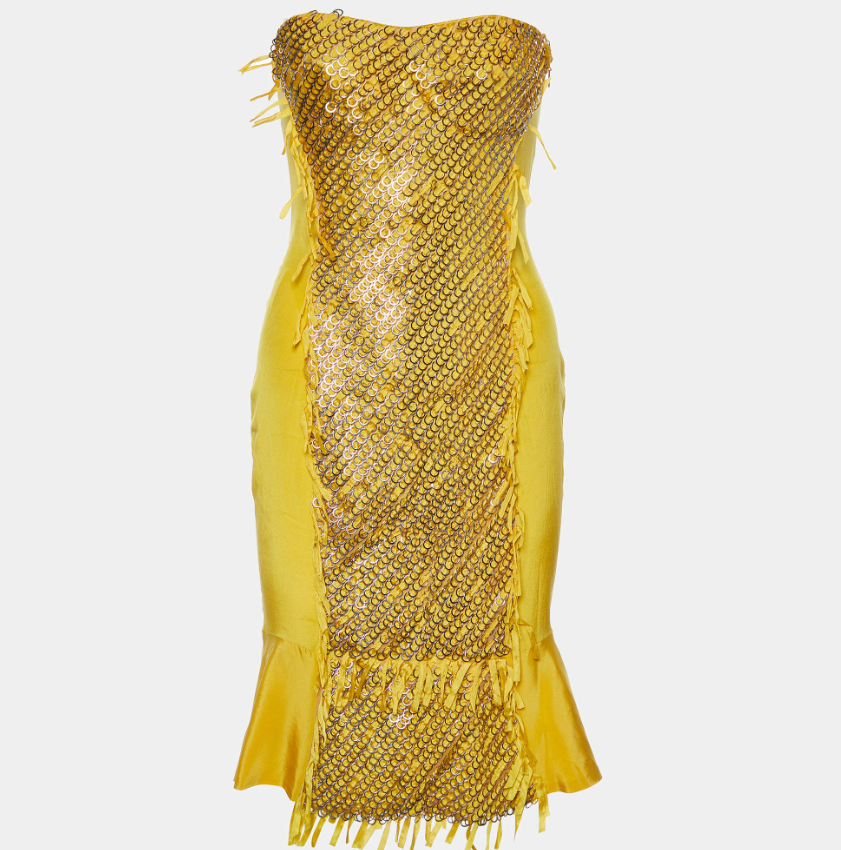
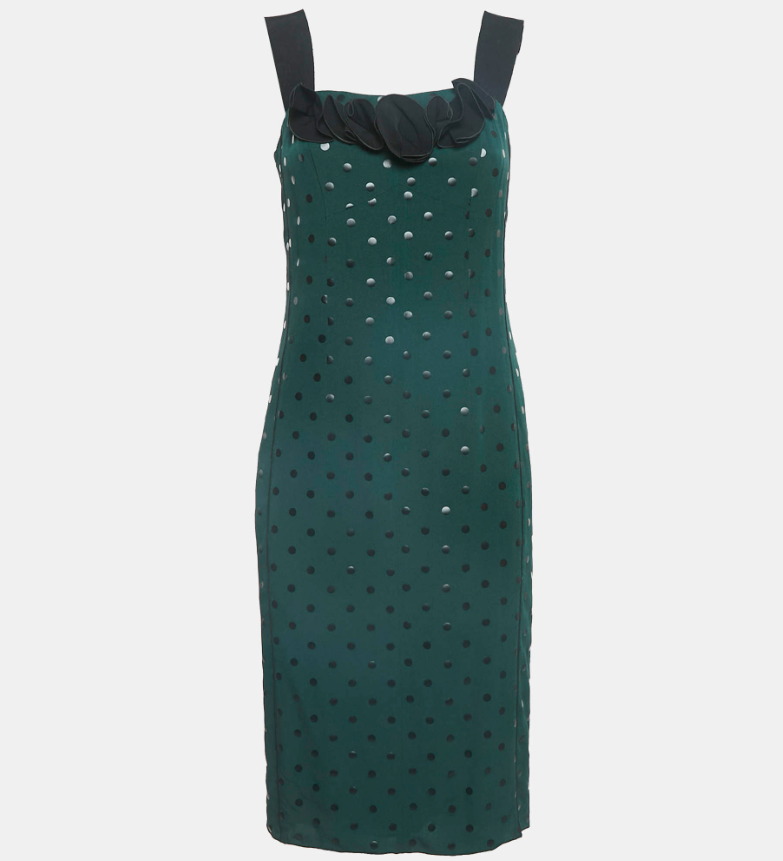
Gucci by Tom Ford Yellow Silk Embellished Strapless Mini Dress MMarc Jacobs GreenBlack Dot Print Crepe Ruffled Sleeveless Dress SIndie sleaze is experiencing a revival, giving nostalgia lovers a subtle nod to the early aughts edge.
Reissue collections and pre-owned platforms make it easier than ever to own a piece of fashion history that still feels relevant.

Color and Texture Cubed

Deep jewel tones (imagine sapphire and emerald) and soft pastels (like pistachio and petal pink) are stealing the show. These shades add flair to your basics without clashing with your wardrobe. Richer mood tones, such as sky blue, teal, and rich brown, ground a luxury look in wearable color theory. 

Mix and match textures, crochets, suede totes, and raffia accessories for a thoughtful layering of tactile elements across seasons. 

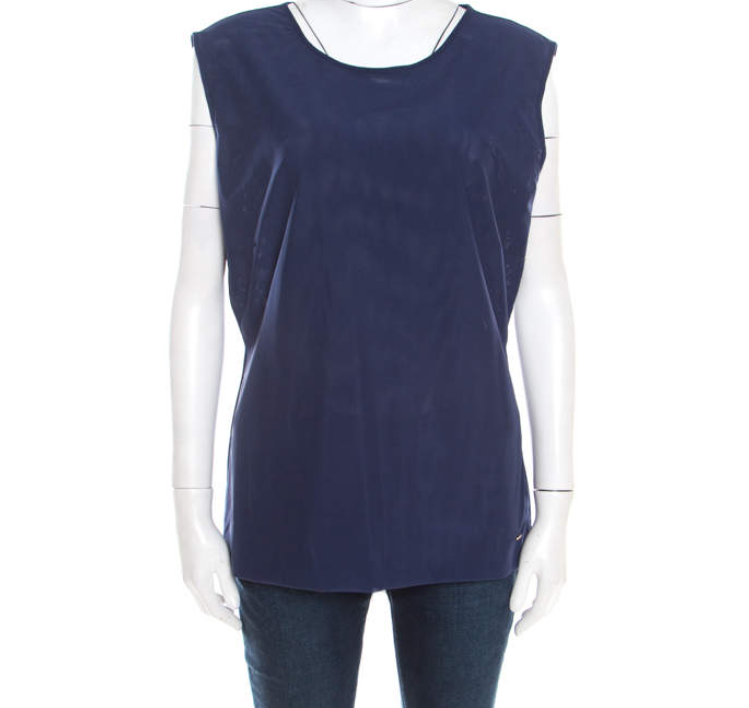
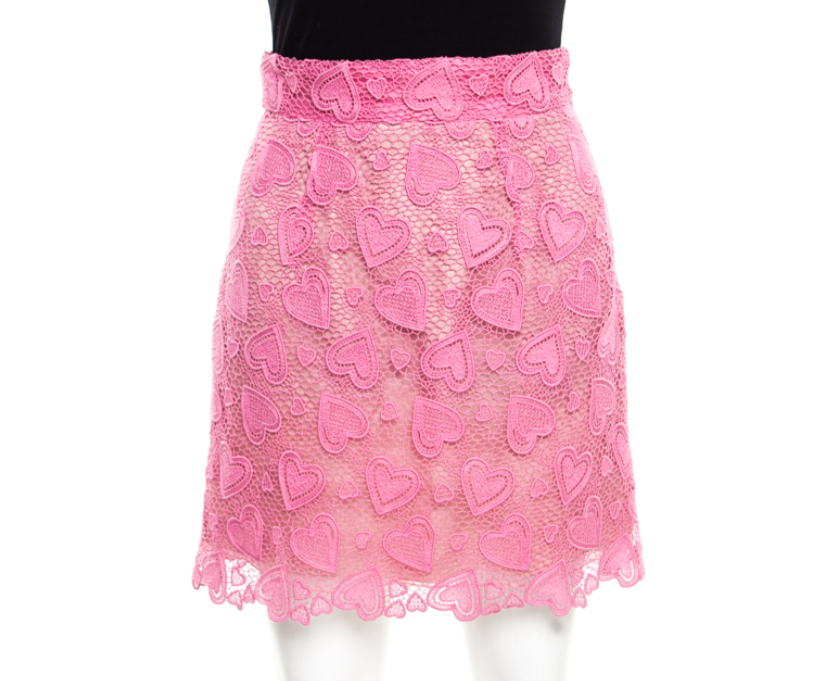
Escada Sapphire Blue Mesh Sleeveless Egle Blouse LMiu Miu Petal Pink Heart Motif Cotton Lace Scalloped Mini Skirt SSporty Meets Fancy

The fusion of luxury sportswear, giving rise to athleisure, offers classy yet comfortable pieces perfect for a relaxed lifestyle. Luxury brands like Ralph Lauren, Prada, and Burberry are refining the comfort-first look into “quiet sportswear.” Athletic-inspired gear—joggers, polos, zip-up knits—paired with luxe fabrics like silk or tweed is the ultimate 2025 flex, emphasizing the importance of a no-compromise, casual, and elegant wardrobe. Moncler, Brunello Cucinelli, and Loro Piana are nailing this hybrid evolution. 

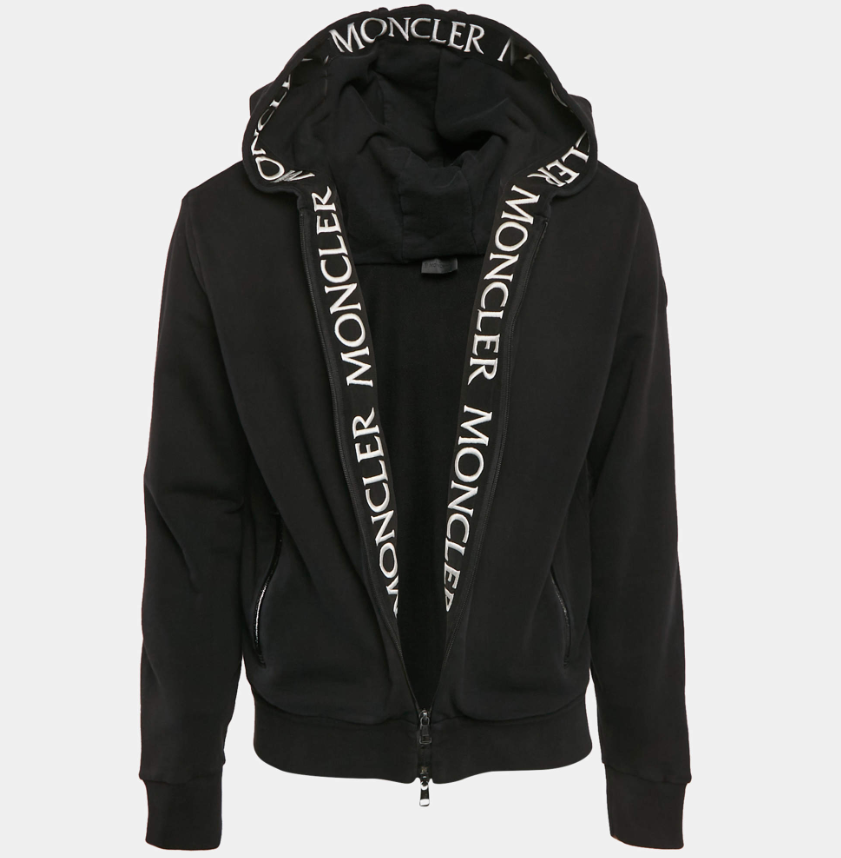
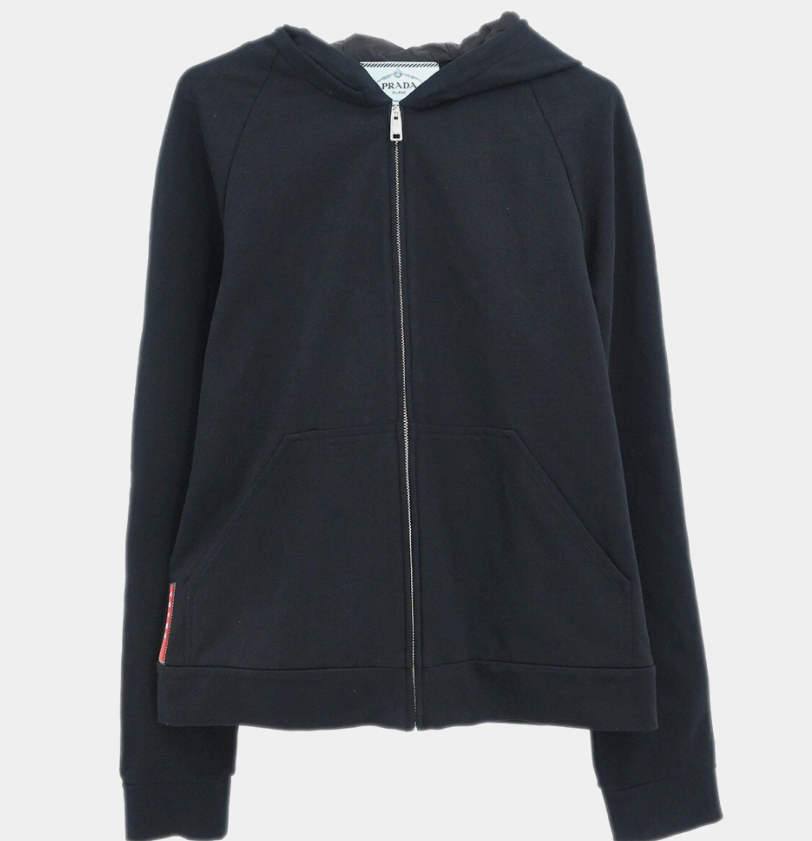
Moncler Black Logo Embroidered Cotton Knit Manglia Cardigan Hoodie LPrada Sport Zip Up Black Sweatshirt Women Size MGreen Glam 

Sustainability has evolved from a niche to a necessity. From recycled leather to traceable wool and plant-based dyes, brands are innovating for the planet as much as for style. The push for eco-friendly fabrics and sustainable manufacturing processes is paving the way for eco-luxury and a positive global impact. Gabriela Hearst, Stella McCartney, and Mara Hoffman are champions. 

Unisex Diversity

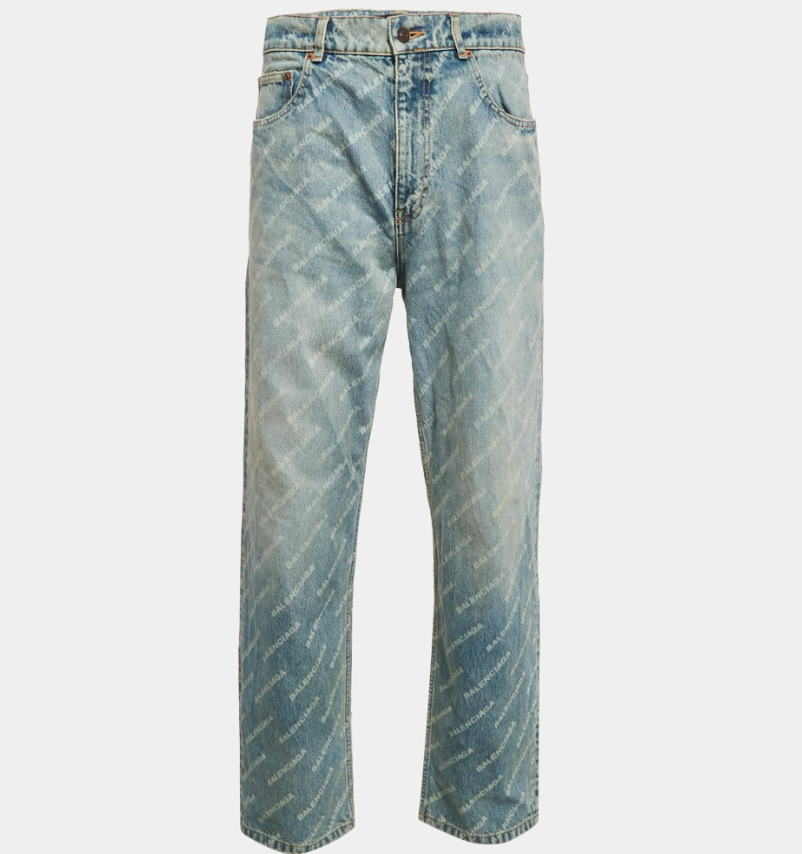
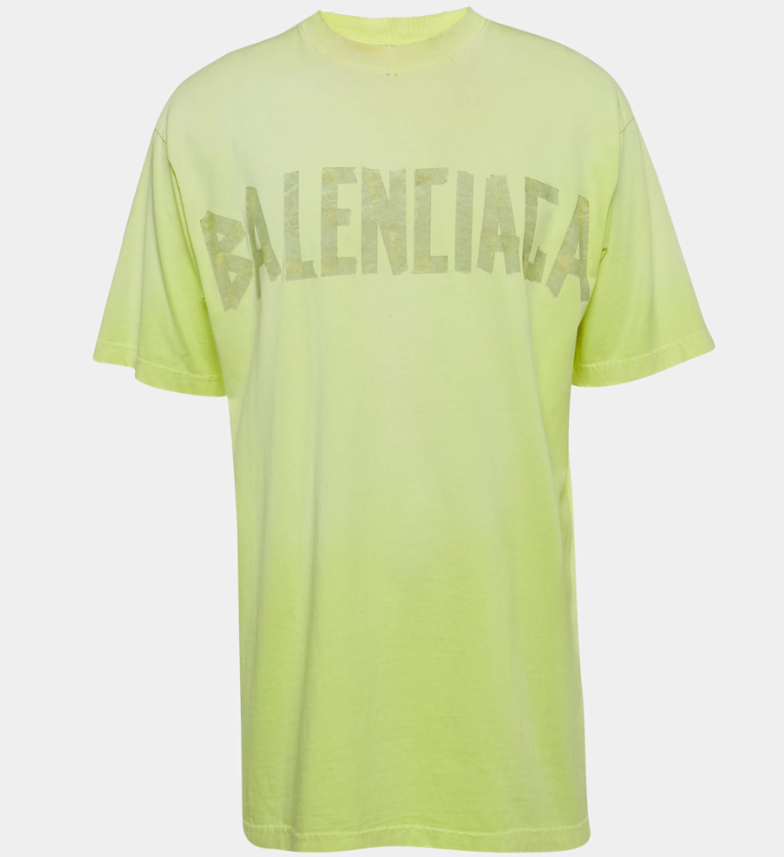
Genderless fashion is no longer just a buzzword—it’s the new baseline. With oversized silhouettes, baggy fits, and neutral tones, inclusivity is dominant in fashion. Waistcoats and bombers are being reimagined as blazers and structured preppy pieces are emerging across both men’s and women’s wear. They’re sleek, versatile, and blurring the lines between genders. JW Anderson, Acne Studios, Balenciaga, and COS offer unisex collections, inviting everyone to wear what feels right, regardless of labels.

Balenciaga Unisex Blue Logo Over All Faded Denim Straight Leg Jeans S Waist 30Balenciaga Unisex Florescent Yellow Tape Logo Print Jersey Oversized T-Shirt XXSPreowned is Practical

Preloved needs to be loved again. High-end classic pieces in pristine, good, and fair condition are sought after for their brand value, affordability, and investment potential. Reissue collections and pre-owned platforms, such as The Luxury Closet, make it easier than ever to own a piece of classic fashion that remains relevant and budget-friendly.

These trends are your roadmap to a wardrobe that’s fresh, functional, and forward-thinking.

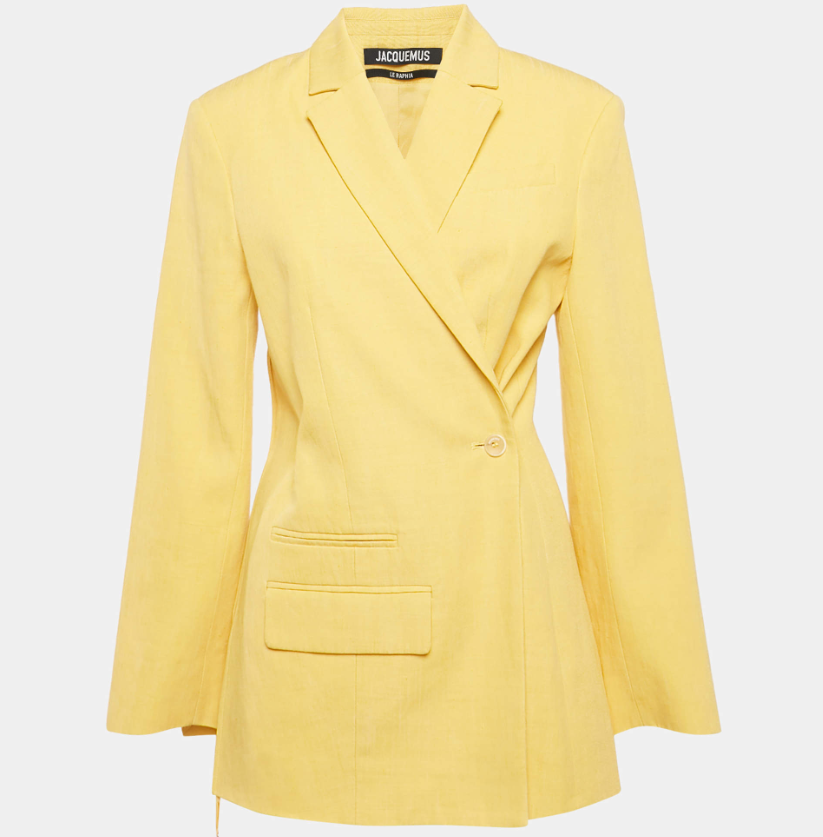
Jacquemus Yellow Linen Blend Double Breasted Blazer SInvestment Piece Spotlight: Smart Splurges for 2025
Tailored Waistcoat

Versatile and lightweight, perfect for layering over crisp shirts or silk tees. Elevates both workwear and casual denim. Look for The Row’s softly structured vests, Dolce and Gabbana’s wool and silk waistcoats, and Gabriela Hearst’s refined linen waistcoats.

Statement Outerwear

Silk Bomber-Blazer Hybrid in Trendy Colour — Futuristic tailoring that bridges casual and formal. Pair it with denim for the day or tailored trousers for the evening. Look for Loewe’s cropped bombers and Celine’s minimalist silk blazers.

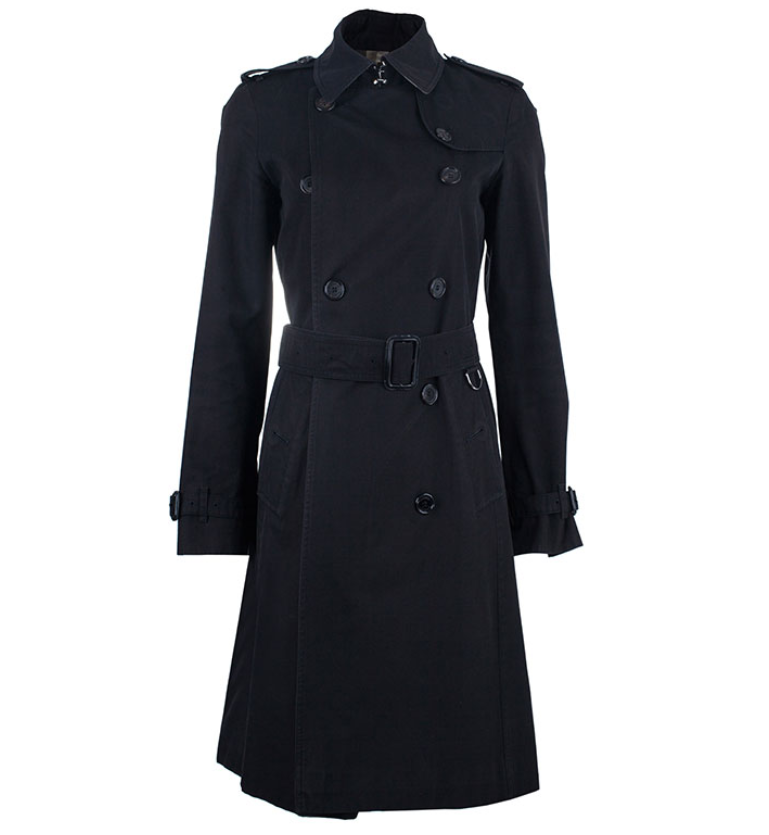
Burberry Black Kensington Long Heritage Trench Coat S
Quiet-Luxury Basics

Essential tops that feel elevated yet understated—consider fine-gauge cashmere tees and elegant polos.

Look for Brunello Cucinelli cashmere tees and Céline silk polos.

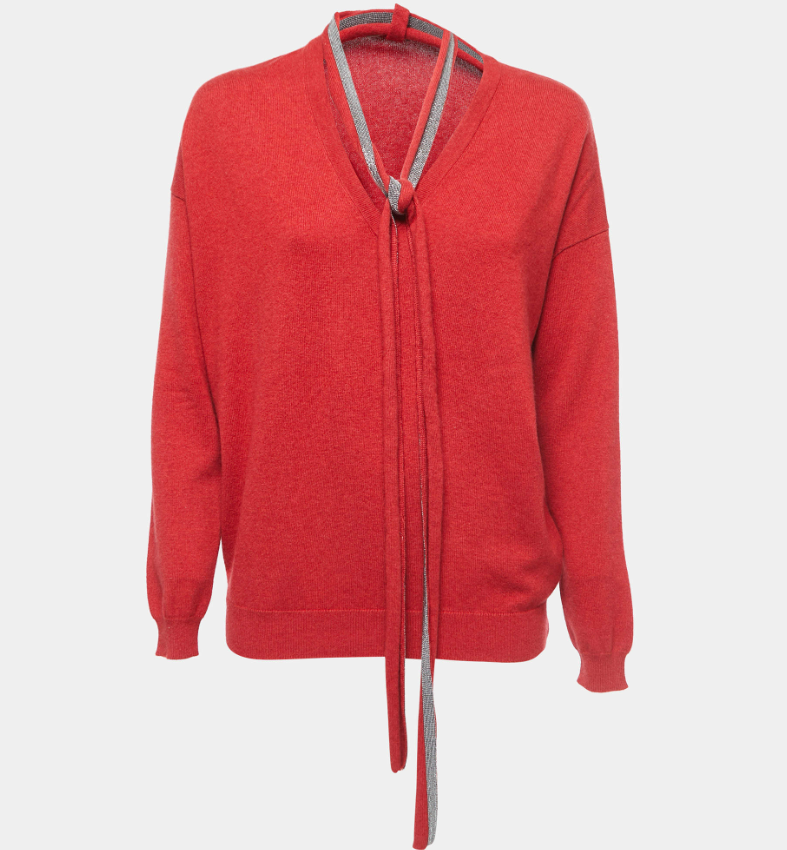
Brunello Cucinelli Red Cashmere V-Neck Tie Detail Sweater MRefined Lower Wear

Foundational pieces that ground your wardrobe:

High-Rise Tailored Trousers: The Row pleated trousers, Max Mara relaxed legs.

Premium Denim: Khaite high-waist jeans, Agolde straight-leg classics.

Linen, Silk, or Satin Wide-Leg Pants: Vince fluid styles, Toteme neutral satins.

Tailored Joggers: Brunello Cucinelli, Vince, Celine

Day-to-Night Footwear

Shoes that transition seamlessly, adding polish without letting go of comfort:

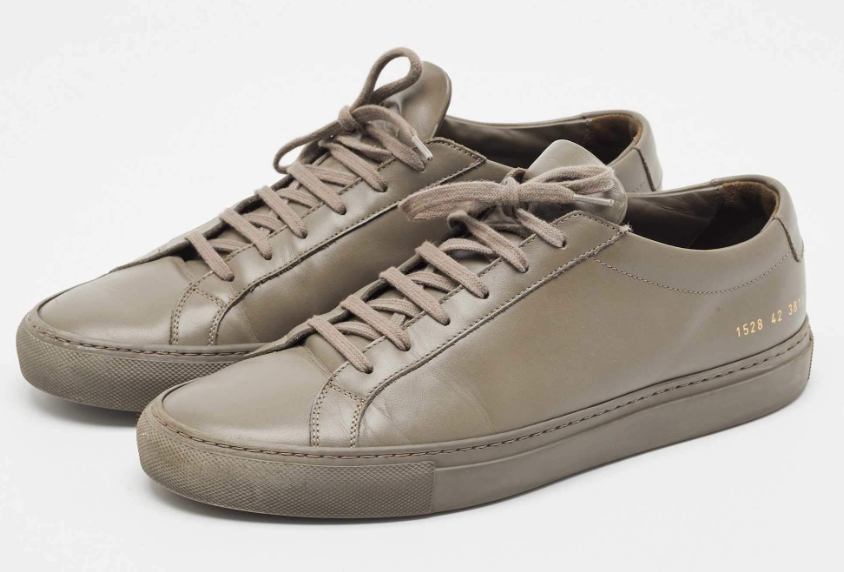
Minimal Luxe Sneakers: Common Projects Achilles, Loewe Flow Runners—perfect with trousers or jeans.

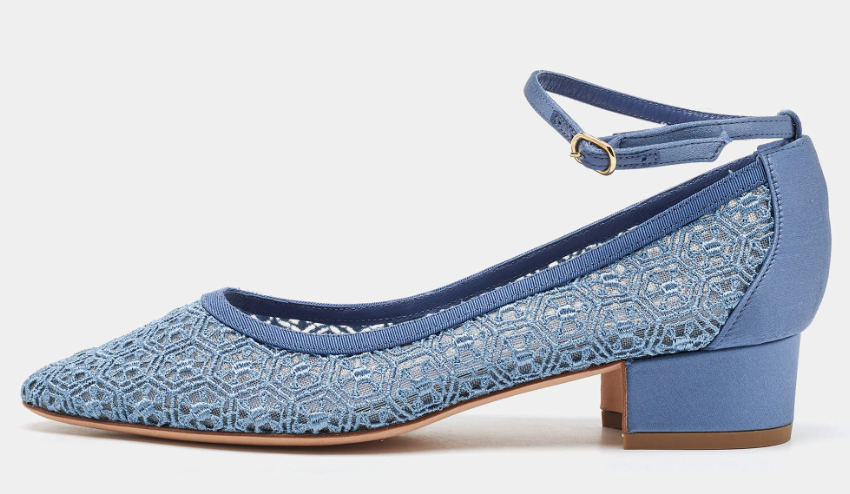
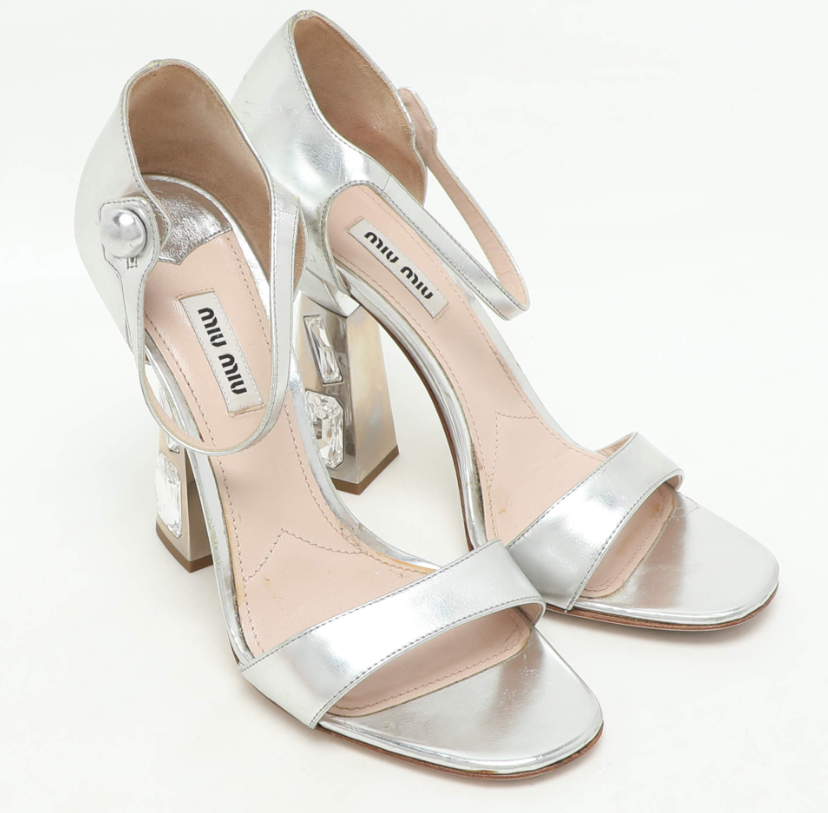
Elegant Heels: Manolo Blahnik block-heel pumps and Miu Miu silver sandals—effortless day-to-evening upgrades.

Common Projects Green Leather Achilles Lace Up Sneaker Size 42Manolo Blahnik Blue Satin and Lace Listana Block Heel Ankle Strap Pumps Size 36Miu Miu Silver Leather Crystal Embellished Heel Ankle Strap Sandals Size 38Statement Accessories

Finishing touches that transform simple outfits:

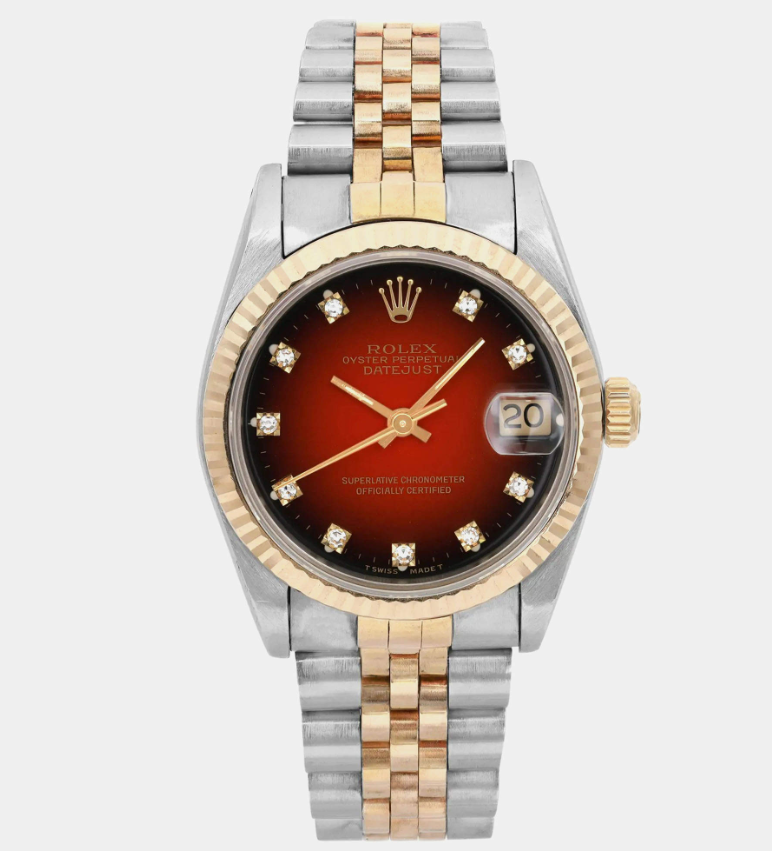
A Standout Watch: Something vintage-inspired with a cool shape (oval, maybe?). It’s a subtle luxury you’ll wear every day. You could also opt for an Iconic Watch: Cartier Tank or Rolex Datejust—timeless investments that signal refined taste.
Jewelry That Speaks: Gold hoops or a gemstone pendant—small but mighty upgrades that lift any outfit. You can explore artisanal jewelry, including Simone Rocha’s shell necklaces and Sophie Buhai’s sculptural earrings.
The Forever Tote: A spacious bag with a recognizable vibe—bonus points if it’s a reissued classic. It’s your daily driver with resale cred. Raffia or Leather Tote: Bottega Veneta Andiamo, Celine Sangle Bucket.
The Quiet Icon Bag: Understated but unmistakable, this one pairs with everything and holds its value.

Rolex Red 18k Yellow Gold Stainless Steel DatejustPro Tip: Store these gems right (a digital wardrobe app helps!) to keep them pristine. They’re your style anchors for years to come.

Formulas for AM-to-PM Versatility: Outfits That Work 24/7

Mix high-end pieces from Louis Vuitton and Marc Jacobs with staples to create looks that seamlessly transition from day to night. Here are three go-to formulas:

1. Oversized Blazer + Jeans + Iconic Tote

Star Piece: Louis Vuitton Neverfull Tote, reissued in 2025 with bold prints for collectible appeal.
Essentials: A pistachio or taupe blazer (The Row or Céline) with straight-leg jeans (Agolde or Khaite).
Day-to-Night: Pair with Common Projects sneakers and a silk scarf for the morning; swap for Manolo Blahnik pumps and Tanishq gold hoops for the evening.
Why It Works: Polished yet relaxed, with the tote as a versatile focal point.

2. Silk Polo + Joggers + Timeless Watch

Star Piece: Cartier Tank watch, a vintage-inspired must-have for 2025.
Essentials: An emerald silk polo (Marc Jacobs or Prada) with tailored joggers (Vince or Brunello Cucinelli).
Day-to-Night: Style with loafers for daytime polish; switch to Aquazzura sandals and a Tanishq pendant necklace for the evening.
Why It Works: Sporty meets luxe, with the watch adding timeless elegance.

3. Modern Trench + Dress + Multi-Use Bag

Star Piece: Marc Jacobs’ The Dual bag, perfect for shoulder or handheld carry.
Essentials: A sapphire trench (Burberry or Toteme) over a strapless dress (Céline or Khaite).
Day-to-Night: Pair with ballet flats for the morning; add heeled boots and Tanishq gemstone earrings for the evening.
Why It Works: Layers create flexibility; the bag ensures practicality with style.

These formulas make 2025’s trends wearable and adaptable, no matter what your day holds for you. 

Pro Tip: Use Indyx to digitize your wardrobe and plan outfits from morning to night, ensuring your investments get maximum wear.

Interactive Quiz: What’s Your 2025 Wardrobe Archetype?

Use this quick quiz to find your wardrobe vibe and get inspired.

1️⃣. When you shop, you look for:

A) Timeless staples that go with everything
B) Relaxed pieces you can wear on vacation
C) Elevated looks that mean business
D) Unique styles that stand out

2️⃣. Your ideal color palette:

A) Neutrals and soft pastels
B) Earth tones and sun-faded shades
C) Jewel tones and sleek blacks
D) Bright colors and unexpected combos

3️⃣. Your go-to shoe:

A) Minimal sneakers
B) Woven sandals
C) Heeled mules
D) Chunky loafers

4️⃣. Your favorite accessory:

A) A quiet luxury bag
B) A raffia tote
C) A statement watch
D) Playful jewelry

Results:

Mostly A’s: Urban Minimalist
Mostly B’s: Weekend Nomad
Mostly C’s: Power Professional
Mostly D’s: Playful Creative

Pro Tip: You can blend styles. For example, pair Playful Creative accessories with Power Professional tailoring for a look that’s uniquely yours.

Pick Your Luxury-Casual Style Archetypes

Now that your quiz results have clarified your style personality, you can cut through the noise with these four lifestyle-driven wardrobe archetypes.

Find yourself in one—or mix and match elements from each to build a style that’s entirely yours.

1. The Urban Minimalist

Your vibe: Clean lines, neutral palettes, effortless polish

Key Trends: Quiet luxury, stealth wealth, innovative fabrics

Must-Haves:

Unstructured blazers in soft beige or grey
Straight-leg premium denim
Luxe sneakers (Common Projects, Loewe)
Sculptural jewelry and a discreet watch (Cartier Tank)
The Quiet Icon Bag—think Celine Sangle Bucket

Mix & Match Formula: Silk tee + relaxed blazer + tailored jeans + minimal sneakers

2. The Weekend Nomad

Your vibe: Relaxed elegance, artful layering, nature-inspired palettes

Key Trends: Vintage revival, sporty meets fancy, sustainable fabrics

Must-Haves:

Linen or organic cotton trousers
Reissued boho-luxe bags (Dior Saddle, Chloé Marcie)
Raffia totes and artisanal jewelry
Silk bomber-blazer hybrids
Fluid trenches in earthy tones

Mix & Match Formula: Oversized cotton shirt + trench + silk joggers + raffia tote

3. The Power Professional

Your vibe: Confident, elevated, and ready for any boardroom or cocktail hour

Key Trends: Power dressing, modern proportions, color, and texture cubed

Must-Haves:

High-rise pleated trousers
Sleek polo tops in jewel tones
Statement heels (Manolo Blahnik)
Structured trench or tailored waistcoat
A standout watch (Rolex Datejust)

Mix & Match Formula: Jewel-toned polo + high-rise trousers + heeled sandals + statement watch

4. The Playful Creative

Your vibe: Experimental, expressive, a touch of nostalgia

Key Trends: Indie sleaze revival, genderless diversity, bold colors

Must-Haves:

Straight-leg jeans with a vintage wash
Cropped bomber jackets
Chunky sneakers or loafers
Trompe-l’œil prints and colorful knits
Quirky accessories (shell necklaces, sculptural earrings)

Mix & Match Formula: Vintage knit + cropped bomber + premium denim + statement sneakers

Style Highlight: Denim-on-Denim Done RightChannel retro-cool confidence with a tonal denim shirt layered over vintage-wash jeans. Finish with bright sneakers and sculptural earrings to keep it playful, not predictable.

Whichever archetype you resonate with, remember—your luxury-casual wardrobe should feel authentic, adaptable, and entirely your own.

Come To The Luxury Closet for Your Everyday Luxury Style

Your 2025 wardrobe needs the perfect balance of luxe and laid-back vibe. With the above-listed trends, outfits, and buys, you’re set to turn heads without breaking a sweat. Start mixing, matching, and shining—and when it’s time for something fresh, resell what no longer fits your style. The Luxury Closet is your stylist, offering the latest trends and amazing deals to help you refine your closet. Shop, wear, and love till a new style catches your fancy. Then, it’s time to resell and buy again 🙂


Source link

Prada’s New Sandals: The Cultural Appropriation Scandal

Prada’s New Sandals: The Cultural Appropriation Scandal


Footwear Fiasco: Prada’s Controversial Sandal Launch

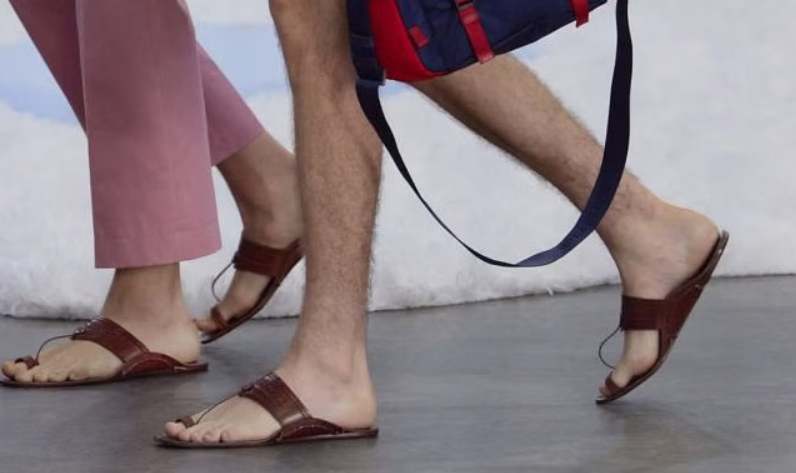
At Milan Fashion Week on June 22, 2025, Prada unveiled its Spring-Summer 2026 menswear collection, including a minimalist “leather footwear” design that bore an uncanny resemblance to India’s iconic Kolhapuri chappal—and ignited a global uproar within hours.

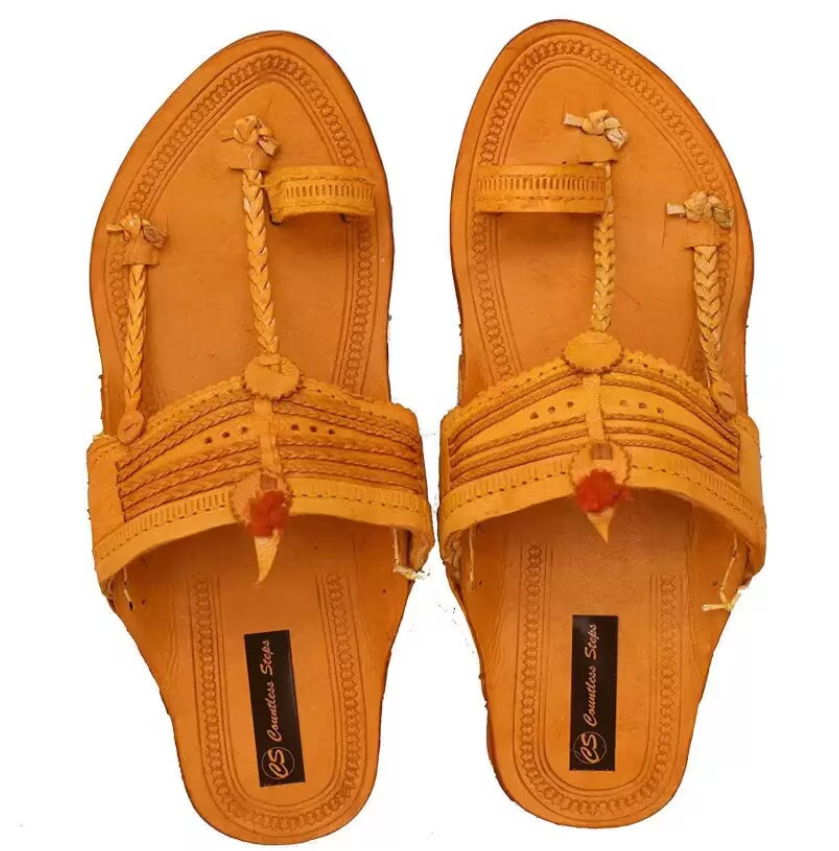
These slipper-style sandals, with their braided T-strap design, immediately caught global attention, not for their luxury appeal, but for their striking similarity to India’s iconic Kolhapuri chappals, a handcrafted leather sandal with a centuries-old heritage rooted in Kolhapur, Maharashtra.

India’s iconic Kolhapuri chappalsWhy Did They Go Viral?

The sandals went viral almost instantly, but not for the reasons Prada might have hoped. Social media platforms, particularly X and Instagram, exploded with reactions as users recognized the design as nearly identical to Kolhapuri chappals, a cultural staple worn by everyone from farmers to urban millennials in India. 

Posts on X called out Prada for what many saw as a “shameless cash grab,” with one user, @WokePandemic, noting that Kolhapuris, sold locally for ₹300-₹1,500 ($4-$18), were being rebranded as luxury items potentially priced at ₹1.2 lakh ($1,400). Another post by @thebetterindia highlighted the artisans’ struggle, stating, “These iconic sandals, handmade in Maharashtra for centuries, tell stories of tradition, resilience, and royalty. Yet, artisans still battle low profits and fading recognition.” 

The viral outrage was fueled by memes, sarcastic comments, and hashtags such as #KolhapuriChappals, which amplified the debate over cultural appropriation.

The Controversy: Cultural Appropriation or Inspired Design?

Design Resemblance

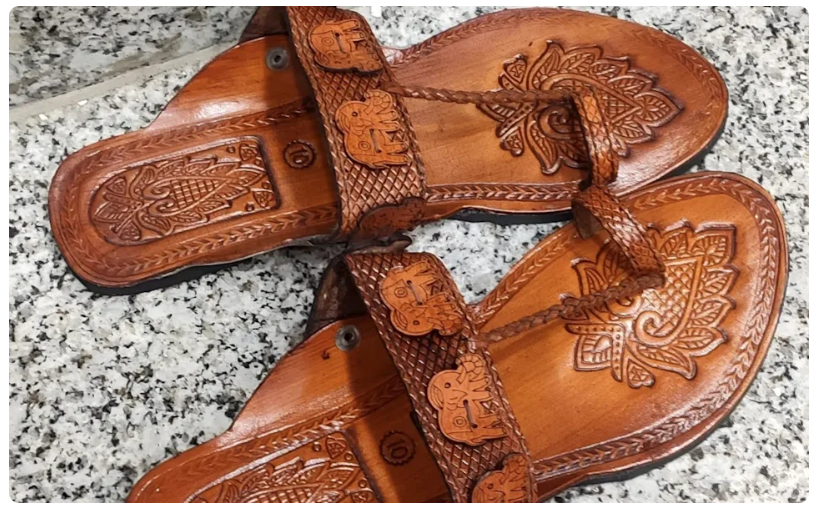
Kolhapuri chappals, crafted since the 12th century by artisans from marginalized communities like the Dalit Chamar, feature intricate braided leather straps and toe loops. Prada’s sandals mirrored this aesthetic, down to the braiding pattern, but omitted any acknowledgment of their Indian origins, prompting accusations of design theft. 

Awarded Geographical Indication (GI) status in 2019, Kolhapuris are protected in India, but as IP expert Sonal Madan notes, this offers no international enforcement, leaving artisans vulnerable to global brands.

Kolhapuri sandalsCultural Appropriation Debate

The controversy reignited a broader discussion: where is the line between cultural inspiration and appropriation? Cultural appropriation, as defined by fashion historian Swati Sharma, occurs when “elements of culture, particularly those of historically oppressed or colonized societies, are adopted by dominant groups without consent, attribution, or compensation.” 

Prada’s initial silence on the Kolhapuri inspiration was seen as exploitative, especially since artisans earn ₹250-₹400 ($3-$5) per pair while luxury brands profit significantly.

Kolhapuri inspirationIndian designer Ritu Beri emphasized, “It’s about ethical recognition. India must push for royalty-sharing and co-branding.” Some, like artisan Shivaraj Soudagar, saw a silver lining, noting that Prada’s spotlight could globalize the craft, but only if artisans are fairly compensated. Others, including BJP MP Dhananjay Mahadik, called it a “serious infringement on Maharashtra’s cultural identity,” demanding legal action.

Public Reaction

The backlash was swift and multifaceted. On X, users like @folkloristan posted, “No @prada – these aren’t ‘leather sandals’ – this is a kolapuri. You do not get to look down upon our traditions, only to repackage them.” Fashion watchdog Diet Sabya shared runway footage, critiquing Western brands’ history of appropriating Indian designs.

Bollywood star Kareena Kapoor Khan also jumped into the conversation, amplifying it far beyond the fashion bubble. She posted a photo of her own traditional Kolhapuri chappals on Instagram with the caption:

“Sorry not Prada…but my OG Kolhapuri.”

The cheeky post quickly went viral, garnering thousands of likes and comments praising her for standing up for Indian artisans. As ABP Live reported, Kareena’s nod was widely interpreted as both a cultural clapback and a reminder that authentic Kolhapuris are still part of everyday Indian life, without the luxury markup.

Cultural historians and journalists weighed in, with Kanika Gahlaut noting that while Prada’s actions lacked legal grounds for infringement, they raised “ethical issues” by not initially crediting the source. The human rights group Dalit Voice underscored the sandals’ significance as “a legacy of Dalit craftsmanship and resilience,” amplifying calls for respect.

Meanwhile, memes mocked the price disparity, with one viral post quipping, “Prada’s selling my dad’s sandals for ₹1.2 lakh!”

For consumers who view luxury as an expression of their values, this controversy serves as a poignant reminder that provenance and authenticity are just as important as design.

Prada’s Response

Facing mounting pressure, Prada issued a response on June 27, 2025, through Lorenzo Bertelli, head of corporate social responsibility. In a letter to the Maharashtra Chamber of Commerce, Industry, and Agriculture (MACCIA), Bertelli acknowledged that the sandals were “inspired by traditional Indian handcrafted footwear, with a centuries-old heritage.” 

He clarified that the design was still in development and not yet commercialized, adding, “We are committed to responsible design practices, fostering cultural engagement, and opening a dialogue with local Indian artisan communities.” 

MACCIA president Lalit Gandhi praised the move. However, artisans like Prabha Satpute remained cautious, telling BBC Marathi, “They should be named after Kolhapur. Don’t exploit our labor.”

Prada’s Path Forward: A Collaborative Capsule Collection

In a significant step forward, Prada announced on July 11, 2025, plans to launch a limited-edition “Made in India” Kolhapuri-inspired sandal collection in collaboration with Maharashtra artisans, following a virtual meeting with MACCIA. The collection will comply with GI-tag requirements and aims to elevate Maharashtra’s cultural heritage globally. A Prada technical team will visit Maharashtra the week of July 14, 2025, to work with over 3,000 artisans, focusing on cultural recognition, ethical sourcing, fair trade, co-branded development, knowledge exchange, training, skill development, design innovation, sustainability, and cross-border residencies.

Prada is also exploring partnerships for Paithani weaving, Himroo textiles, Bichwas/Payal (anklets), and regional embroidery, signaling a broader commitment to Indian crafts. MACCIA president Lalit Gandhi called this a “paradigm shift for Indian craftsmanship.”

The partnership addresses accusations of cultural appropriation by involving artisans directly, ensuring fair compensation and cultural recognition. It also sets a precedent for luxury brands to engage authentically with traditional crafts. 

The West’s Longstanding Fascination with Indian Heritage

Prada’s Kolhapuri controversy may be the latest flashpoint. Still, it’s hardly the first time European luxury houses have mined Indian culture for creative inspiration—sometimes with little more than a passing nod to their sources. Over the past two decades, Indian motifs, textiles, and symbols have frequently appeared on runways, in campaigns, and high-profile collaborations. Here are just a few examples that underscore this persistent pattern:

During Pharrell Williams’ second menswear show, staged on Paris’ oldest bridge, the brand unveiled a playful miniature autorickshaw bag—complete with three wheels and a tiny roof. A ₹35 lakh bag shaped like an auto—a stark contrast between affordability and luxury pricing. While some praised it as a tribute to Indian street culture, others criticized it as an expensive novelty that reduced a familiar part of daily Indian life to a collectible prop. You could buy 15 real auto-rickshaws for that price,’ quip netizens. 

miniature autorickshaw bag

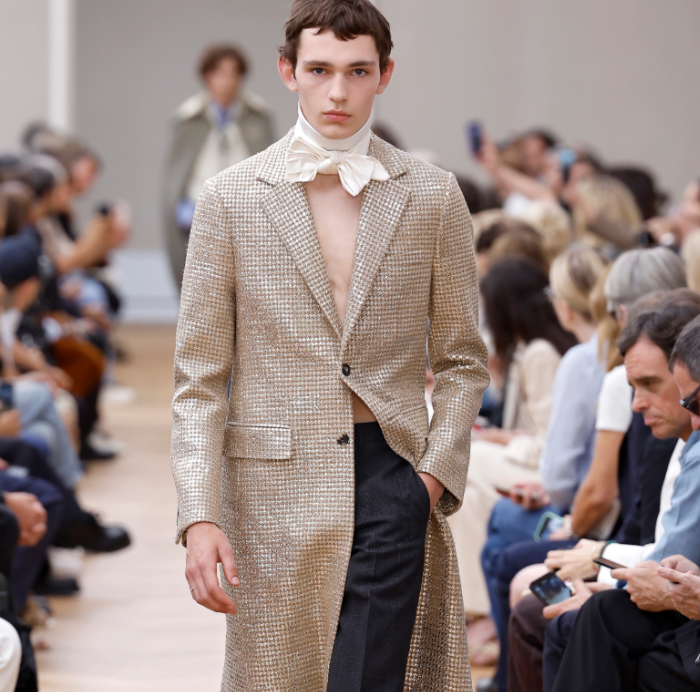
Maria Grazia Chiuri presented a shimmering, mukaish-embroidered long coat, echoing the traditional metal-thread embellishment perfected by artisans in Lucknow. Despite the craftsmanship on display, the collection offered minimal credit or context about the heritage technique, sparking quiet discontent among textile experts.

mukaish-embroidered long coat

Over the years, Gaultier has incorporated saree-inspired drapes, turbans, bindis, and sherwani jackets into his couture lines, describing them as celebrations of “exotic allure.” While undeniably theatrical, these collections often treated Indian culture as a stylistic flourish rather than a living tradition.

John Galliano (Dior, early 2000s):

Galliano’s collections drew heavily on Mughal silhouettes, including empire-waist tunics and lavish brocades reminiscent of the royal courts of India. Though visually stunning, the designs rarely credited their subcontinental origins.

Karl Lagerfeld (Chanel, 2012):

Chanel’s Métiers d’Art collection was staged in Mumbai’s Taj Mahal Palace Hotel, featuring models in Nehru-collar jackets and sari-inspired drapes. Despite the grand setting, mentions of Indian embroiderers and artisans remained relegated to tiny footnotes in the press rather than receiving front-and-center acknowledgment.

This recurring fascination reflects a complicated truth: Indian heritage has become a rich source of visual language for luxury fashion, yet local communities are rarely full participants in the profits or storytelling.

In many of these cases, brands have offered limited transparency about sourcing, compensation, or collaboration, fueling the argument that what is often billed as a cultural exchange can look suspiciously like extraction dressed in luxury packaging.

As designer Shirin Mann observed:

“It’s time for brands to realize that referencing a culture comes with a responsibility to credit and uplift the people who shaped it.”

Broader Discussion: Inspiration vs. Appropriation

Prada’s Kolhapuri controversy isn’t a one-off. It’s part of a larger, persistent pattern in global fashion, where inspiration blurs into exploitation. Here’s how it stacks up:

High-Profile Cases of Alleged Cultural Appropriation in Luxury Fashion:

Dior (2019)

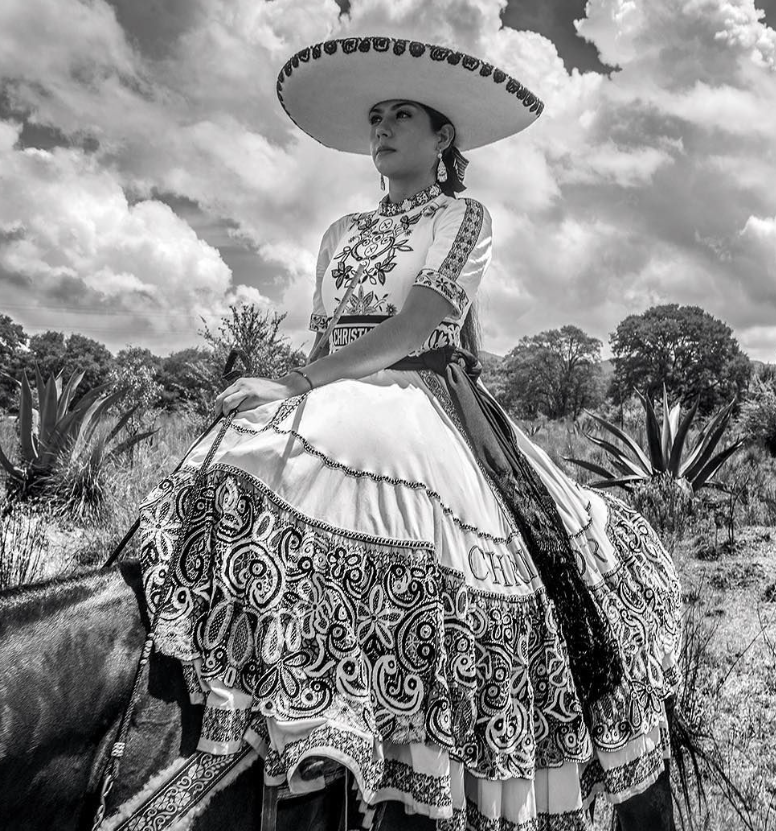
Inspired piece: A collection modeled after the attire of Mexican escaramuzas (horsewomen).
Controversy: Released without credit or collaboration with Mexican artisans. Local designers accused Dior of exoticizing a living tradition.
Response: Dior later partnered with artisans in Chiapas, but only after public outcry.

Mexican escaramuzas (horsewomen)

Isabel Marant (2015)

Inspired piece: A blouse design matching the traditional embroidery of Mexico’s Mixe community.
Controversy: The blouse closely resembled Mixe patterns protected under Mexican law. Marant initially claimed originality before admitting “inadvertent” borrowing.
Response: The Mexican government took legal steps, pushing for international craft protections.

Gucci (2018)

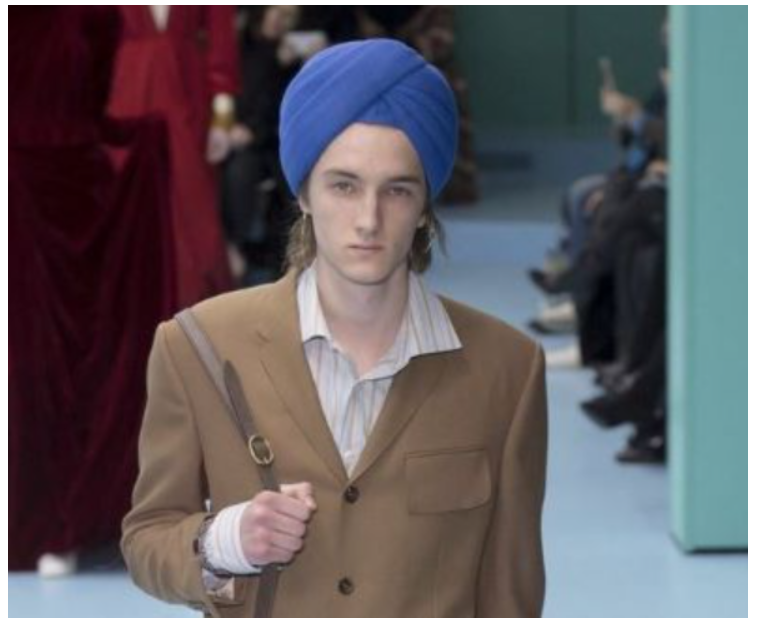
Inspired piece: Turban-style headwear sold as “Indy Full Turban.”
Controversy: Sikh communities protested, citing deep religious symbolism. Critics slammed the sale of sacred cultural identity as trendwear.
Response: Gucci pulled the product and issued an apology.

Turban-style headwear sold as “Indy Full TurbanVictoria’s Secret (2012)

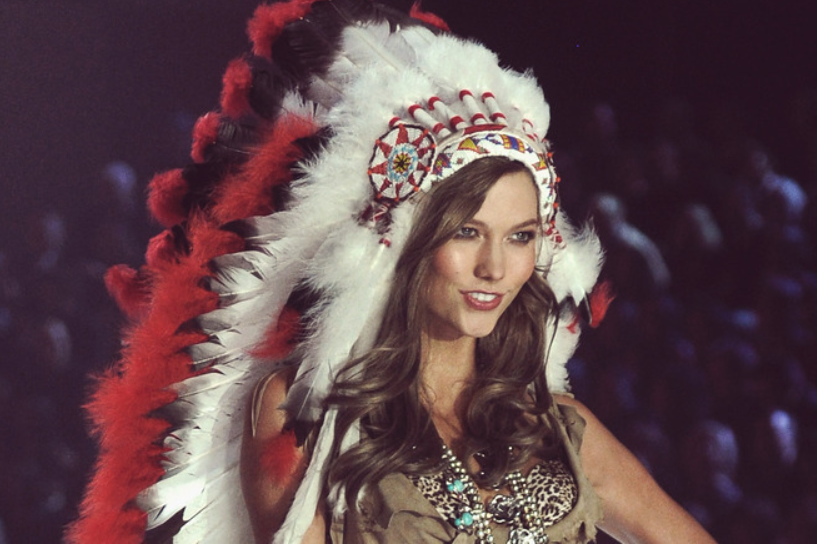
Inspired piece: A runway costume featuring Native American war bonnets.
Controversy: The headdress is sacred in many Indigenous tribes, not a fashion prop.
Response: The brand issued a public apology and cut the look from the broadcast.

Native American war bonnets

Prada’s Pradamalia Blackface Controversy (2018)

The Kolhapuri sandal scandal echoes past controversies for Prada—most notably its 2018 Pradamalia figurines, which were pulled after public outcry over their resemblance to blackface imagery. 

In December 2018, Prada came under intense global scrutiny after launching a holiday window display at its SoHo store in New York City, featuring small figurines and keychains from its Pradamalia collection. The items—intended to be whimsical, fictional creatures—were part of a larger campaign featuring monkey-like characters with dark brown faces and oversized red lips.

Although the brand later formed a Diversity Council, critics argue that the latest appropriation controversy reveals systemic issues that remain unresolved.

The Kolhapuri Case in Context

Economic Disparity: While Prada priced its sandals over ₹1.2 lakh (~$1,300), actual Kolhapuris made by Indian artisans sell for as low as ₹600 ($7), often with razor-thin margins.

Avg Price of Indian Sandal vs Prada SandalDeclining Craftsmanship: According to The Indian Express, only 15,000–20,000 artisans remain in the Kolhapuri ecosystem, down from over 100,000 in past decades. Craft survival is threatened not just by appropriation but also by:

Cow protection laws (since 2014) have constrained leather availability.
Rising raw material costs.
Limited youth interest in pursuing traditional crafts.

Legal Loopholes: India’s Geographical Indication (GI) tag for Kolhapuris (awarded in 2019) offers domestic protection but lacks international enforcement.

As IP expert Sonal Madan notes, this leaves artisans vulnerable on the global stage. The PIL against Prada in the Bombay High Court may set a precedent, but enforcement abroad remains murky.

Wishful Thinking: As per the latest news there has been a legal fallout

Prada Denies GI Violation in ₹500 Crore Row

As global scrutiny mounted, Prada denied infringing on the Geographical Indication (GI) rights of Kolhapuri chappals, claiming their sandals were an independent design.

But visual similarities and zero acknowledgment of Indian craftsmanship have critics calling foul. The debate has moved beyond law to ethics.

And this isn’t just about social media backlash:

A ₹500 crore legal notice has reportedly been served, as per The Economic Times.
The luxury world is being asked to answer for a long history of cherry-picking culture without crediting its creators.

A Global Push to Decolonize Fashion

From Prada’s Kolhapuri-inspired sandals to Dior’s mukaish embroidery and Louis Vuitton’s autorickshaw bag, luxury fashion’s flirtation with cultural motifs is nothing new. But the message is loud and clear: surface-level homage is no longer enough.

The future of fashion demands more than aesthetic appropriation. It calls for:

Transparent sourcing and design narratives
Fair compensation for artisans
Collaborations that co-credit cultural origins

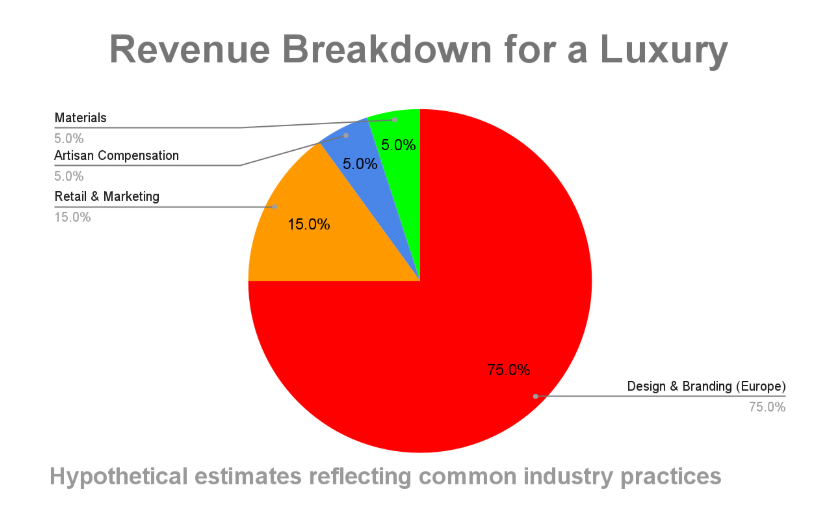
Luxury Market Revenue BreakdownLuxury Market Revenue BreakdownAs Lalit Gandhi, president of the Kolhapuri Footwear Association, told The Hindu:“Cultural exchange in fashion is great, but it has to come with proper credit and collaboration.”

Designer Shirin Mann agrees—but sees a silver lining:

“If this sparks pride and demand locally, it might be the spotlight Kolhapuris needed.”

What we’re witnessing is a shift—from blind prestige to conscious provenance. For luxury brands to remain relevant, ethical storytelling isn’t a marketing angle. It’s a mandate.

Prada’s Turning Point: What Happens Next?

This moment isn’t about damage control—it’s about defining Prada’s legacy.

Key questions to watch:

Repeat Offender? From Pradamalia’s blackface backlash to this, is Prada showing a pattern—or learning from past mistakes?
Talk vs. Action: Empty statements won’t cut it. Consumers are demanding co-branded Kolhapuri releases, formal royalties, and public acknowledgment of influence.
Shifting Public Sentiment: Social platforms have moved from outrage to organized demands—hashtags now call for accountability, transparency, and compensation.

Will Prada Lead or Lag?

Real change means:

Royalties on the record
Transparent “inspired by” tags
Artisan-led collaborations with equal billing

And if Prada doesn’t step up? Consumers have power. Vote with your wallet. Support brands that pay their muses, not just profit from them.

Because let’s face it—luxury without ethics is out of fashion.

At The Luxury Closet: Fashion Meets Integrity

In an age of accountability, every brand must answer a simple set of questions:

Who benefits from this design?
Who is being erased?
Who profits from this culture?

At The Luxury Closet, style should come with substance. Every piece we carry tells a story of craftsmanship, heritage, and authenticity. We don’t just authenticate products. We respect the hands that made them.

So, as the fashion world confronts its blind spots, choose wisely.

Because provenance isn’t a trend—it’s the new standard of prestige. 

Escalating the Debate: From Kolhapuri to Punjabi Jutti

Just as the Kolhapuri sandal firestorm began to simmer, a new one came from its pipeline to add fuel—Prada’s latest design mirrors the Punjabi jutti, another iconic Indian silhouette. This revelation broadened the cultural appropriation debate, spotlighting how Indian craftsmanship continues to be mined for luxury inspiration—often without due credit or benefit.

Prada’s response? The brand denied infringing on the Kolhapuri GI tag and claimed its design was merely “inspired.” Yet in fashion, “inspiration” without attribution is a slippery slope. Many now see this not as a single faux pas, but part of a luxury playbook that borrows from heritage without paying homage.

Prada did announce an intention to “work with Indian artisans,” but public sentiment remains skeptical. What people want isn’t just symbolic gestures—they want tangible steps: royalties, artisan-led collaborations, equal credit.

Will Prada Lead or Lag?

This isn’t about sandals. It’s about systems.

If Prada genuinely wants to lead ethically, here’s what that looks like:

Royalties on the record
Transparent labeling of “inspired by” collections
True collaboration, where artisans aren’t footnotes—they’re front and center

If they don’t? Consumers still hold the power. Vote with your wallet. Choose brands that uplift, not extract.


Source link

Prada’s New Sandals: A Step Too Far in Cultural Appropriation?

Prada’s New Sandals: A Step Too Far in Cultural Appropriation?


Footwear Fiasco: Prada’s Controversial Sandal Launch

At Milan Fashion Week on June 22, 2025, Prada unveiled its Spring-Summer 2026 menswear collection, including a minimalist “leather footwear” design that bore an uncanny resemblance to India’s iconic Kolhapuri chappal—and ignited a global uproar within hours.

These slipper-style sandals, with their braided T-strap design, immediately caught global attention, not for their luxury appeal, but for their striking similarity to India’s iconic Kolhapuri chappals, a handcrafted leather sandal with a centuries-old heritage rooted in Kolhapur, Maharashtra.

India’s iconic Kolhapuri chappalsWhy Did They Go Viral?

The sandals went viral almost instantly, but not for the reasons Prada might have hoped. Social media platforms, particularly X and Instagram, exploded with reactions as users recognized the design as nearly identical to Kolhapuri chappals, a cultural staple worn by everyone from farmers to urban millennials in India. 

Posts on X called out Prada for what many saw as a “shameless cash grab,” with one user, @WokePandemic, noting that Kolhapuris, sold locally for ₹300-₹1,500 ($4-$18), were being rebranded as luxury items potentially priced at ₹1.2 lakh ($1,400). Another post by @thebetterindia highlighted the artisans’ struggle, stating, “These iconic sandals, handmade in Maharashtra for centuries, tell stories of tradition, resilience, and royalty. Yet, artisans still battle low profits and fading recognition.” 

The viral outrage was fueled by memes, sarcastic comments, and hashtags such as #KolhapuriChappals, which amplified the debate over cultural appropriation.

The Controversy: Cultural Appropriation or Inspired Design?

Design Resemblance

Kolhapuri chappals, crafted since the 12th century by artisans from marginalized communities like the Dalit Chamar, feature intricate braided leather straps and toe loops. Prada’s sandals mirrored this aesthetic, down to the braiding pattern, but omitted any acknowledgment of their Indian origins, prompting accusations of design theft. 

Awarded Geographical Indication (GI) status in 2019, Kolhapuris are protected in India, but as IP expert Sonal Madan notes, this offers no international enforcement, leaving artisans vulnerable to global brands.

Kolhapuri sandalsCultural Appropriation Debate

The controversy reignited a broader discussion: where is the line between cultural inspiration and appropriation? Cultural appropriation, as defined by fashion historian Swati Sharma, occurs when “elements of culture, particularly those of historically oppressed or colonized societies, are adopted by dominant groups without consent, attribution, or compensation.” 

Prada’s initial silence on the Kolhapuri inspiration was seen as exploitative, especially since artisans earn ₹250-₹400 ($3-$5) per pair while luxury brands profit significantly.

Kolhapuri inspirationIndian designer Ritu Beri emphasized, “It’s about ethical recognition. India must push for royalty-sharing and co-branding.” Some, like artisan Shivaraj Soudagar, saw a silver lining, noting that Prada’s spotlight could globalize the craft, but only if artisans are fairly compensated. Others, including BJP MP Dhananjay Mahadik, called it a “serious infringement on Maharashtra’s cultural identity,” demanding legal action.

Public Reaction

The backlash was swift and multifaceted. On X, users like @folkloristan posted, “No @prada – these aren’t ‘leather sandals’ – this is a kolapuri. You do not get to look down upon our traditions, only to repackage them.” Fashion watchdog Diet Sabya shared runway footage, critiquing Western brands’ history of appropriating Indian designs.

Bollywood star Kareena Kapoor Khan also jumped into the conversation, amplifying it far beyond the fashion bubble. She posted a photo of her own traditional Kolhapuri chappals on Instagram with the caption:

“Sorry not Prada…but my OG Kolhapuri.”

The cheeky post quickly went viral, garnering thousands of likes and comments praising her for standing up for Indian artisans. As ABP Live reported, Kareena’s nod was widely interpreted as both a cultural clapback and a reminder that authentic Kolhapuris are still part of everyday Indian life, without the luxury markup.

Cultural historians and journalists weighed in, with Kanika Gahlaut noting that while Prada’s actions lacked legal grounds for infringement, they raised “ethical issues” by not initially crediting the source. The human rights group Dalit Voice underscored the sandals’ significance as “a legacy of Dalit craftsmanship and resilience,” amplifying calls for respect.

Meanwhile, memes mocked the price disparity, with one viral post quipping, “Prada’s selling my dad’s sandals for ₹1.2 lakh!”

For consumers who view luxury as an expression of their values, this controversy serves as a poignant reminder that provenance and authenticity are just as important as design.

Prada’s Response

Facing mounting pressure, Prada issued a response on June 27, 2025, through Lorenzo Bertelli, head of corporate social responsibility. In a letter to the Maharashtra Chamber of Commerce, Industry, and Agriculture (MACCIA), Bertelli acknowledged that the sandals were “inspired by traditional Indian handcrafted footwear, with a centuries-old heritage.” 

He clarified that the design was still in development and not yet commercialized, adding, “We are committed to responsible design practices, fostering cultural engagement, and opening a dialogue with local Indian artisan communities.” 

Prada also expressed interest in follow-up meetings to explore potential collaborations, a move that MACCIA President Lalit Gandhi praised as a step toward promoting ethical fashion. However, some artisans, like Prabha Satpute, remained skeptical, telling BBC Marathi, “They should be named after Kolhapur. Don’t take advantage of others’ labor.”

The West’s Longstanding Fascination with Indian Heritage

Prada’s Kolhapuri controversy may be the latest flashpoint. Still, it’s hardly the first time European luxury houses have mined Indian culture for creative inspiration—sometimes with little more than a passing nod to their sources. Over the past two decades, Indian motifs, textiles, and symbols have frequently appeared on runways, in campaigns, and high-profile collaborations. Here are just a few examples that underscore this persistent pattern:

During Pharrell Williams’ second menswear show, staged on Paris’ oldest bridge, the brand unveiled a playful miniature autorickshaw bag—complete with three wheels and a tiny roof. A ₹35 lakh bag shaped like an auto—a stark contrast between affordability and luxury pricing. While some praised it as a tribute to Indian street culture, others criticized it as an expensive novelty that reduced a familiar part of daily Indian life to a collectible prop. You could buy 15 real auto-rickshaws for that price,’ quip netizens. 

miniature autorickshaw bag


Maria Grazia Chiuri presented a shimmering, mukaish-embroidered long coat, echoing the traditional metal-thread embellishment perfected by artisans in Lucknow. Despite the craftsmanship on display, the collection offered minimal credit or context about the heritage technique, sparking quiet discontent among textile experts.

mukaish-embroidered long coat

Over the years, Gaultier has incorporated saree-inspired drapes, turbans, bindis, and sherwani jackets into his couture lines, describing them as celebrations of “exotic allure.” While undeniably theatrical, these collections often treated Indian culture as a stylistic flourish rather than a living tradition.

John Galliano (Dior, early 2000s):

Galliano’s collections drew heavily on Mughal silhouettes, including empire-waist tunics and lavish brocades reminiscent of the royal courts of India. Though visually stunning, the designs rarely credited their subcontinental origins.

Karl Lagerfeld (Chanel, 2012):

Chanel’s Métiers d’Art collection was staged in Mumbai’s Taj Mahal Palace Hotel, featuring models in Nehru-collar jackets and sari-inspired drapes. Despite the grand setting, mentions of Indian embroiderers and artisans remained relegated to tiny footnotes in the press rather than receiving front-and-center acknowledgment.

This recurring fascination reflects a complicated truth: Indian heritage has become a rich source of visual language for luxury fashion, yet local communities are rarely full participants in the profits or storytelling.

In many of these cases, brands have offered limited transparency about sourcing, compensation, or collaboration, fueling the argument that what is often billed as a cultural exchange can look suspiciously like extraction dressed in luxury packaging.

As designer Shirin Mann observed:

“It’s time for brands to realize that referencing a culture comes with a responsibility to credit and uplift the people who shaped it.”

Broader Discussion: Inspiration vs. Appropriation

Prada’s Kolhapuri controversy isn’t a one-off. It’s part of a larger, persistent pattern in global fashion, where inspiration blurs into exploitation. Here’s how it stacks up:

High-Profile Cases of Alleged Cultural Appropriation in Luxury Fashion:

Dior (2019)

Inspired piece: A collection modeled after the attire of Mexican escaramuzas (horsewomen).
Controversy: Released without credit or collaboration with Mexican artisans. Local designers accused Dior of exoticizing a living tradition.
Response: Dior later partnered with artisans in Chiapas, but only after public outcry.

Mexican escaramuzas (horsewomen)

Isabel Marant (2015)

Inspired piece: A blouse design matching the traditional embroidery of Mexico’s Mixe community.
Controversy: The blouse closely resembled Mixe patterns protected under Mexican law. Marant initially claimed originality before admitting “inadvertent” borrowing.
Response: The Mexican government took legal steps, pushing for international craft protections.

Gucci (2018)

Inspired piece: Turban-style headwear sold as “Indy Full Turban.”
Controversy: Sikh communities protested, citing deep religious symbolism. Critics slammed the sale of sacred cultural identity as trendwear.
Response: Gucci pulled the product and issued an apology.

Turban-style headwear sold as “Indy Full TurbanVictoria’s Secret (2012)

Inspired piece: A runway costume featuring Native American war bonnets.
Controversy: The headdress is sacred in many Indigenous tribes, not a fashion prop.
Response: The brand issued a public apology and cut the look from the broadcast.

Native American war bonnets

Prada’s Pradamalia Blackface Controversy (2018)

The Kolhapuri sandal scandal echoes past controversies for Prada—most notably its 2018 Pradamalia figurines, which were pulled after public outcry over their resemblance to blackface imagery. 

In December 2018, Prada came under intense global scrutiny after launching a holiday window display at its SoHo store in New York City, featuring small figurines and keychains from its Pradamalia collection. The items—intended to be whimsical, fictional creatures—were part of a larger campaign featuring monkey-like characters with dark brown faces and oversized red lips.

Although the brand later formed a Diversity Council, critics argue that the latest appropriation controversy reveals systemic issues that remain unresolved.

The Kolhapuri Case in Context

Economic Disparity: While Prada priced its sandals over ₹1.2 lakh (~$1,300), actual Kolhapuris made by Indian artisans sell for as low as ₹600 ($7), often with razor-thin margins.

Prada priced its sandals

Declining Craftsmanship: According to The Indian Express, only 15,000–20,000 artisans remain in the Kolhapuri ecosystem, down from over 100,000 in past decades. Craft survival is threatened not just by appropriation but also by:

Cow protection laws (since 2014) have constrained leather availability.
Rising raw material costs.
Limited youth interest in pursuing traditional crafts.

Legal Loopholes: India’s Geographical Indication (GI) tag for Kolhapuris (awarded in 2019) offers domestic protection but lacks international enforcement.

As IP expert Sonal Madan notes, this leaves artisans vulnerable on the global stage. The PIL against Prada in the Bombay High Court may set a precedent, but enforcement abroad remains murky.

A Global Push to Decolonize Fashion

Consumers—especially Gen Z and Millennial shoppers—are increasingly demanding the following:

Transparency in sourcing and design inspiration.
Fair compensation for artisans.
Co-branding or collaborations that credit cultural origins.

Luxury Market Revenue Breakdown

Lalit Gandhi, president of the Kolhapuri Footwear Association, told The Hindu:

“Cultural exchange in fashion is great, but it has to come with proper credit and collaboration.”
Designer Shirin Mann sees opportunity in the controversy:
“This might be the spotlight Kolhapuris needed. If it sparks pride and demand locally, there’s silver lining.”

This growing movement reflects a shift in consumer values: from blind prestige to conscious provenance. For luxury to remain relevant, ethical storytelling isn’t optional—it’s the future.

The Road Ahead

Prada’s Kolhapuri sandals, Dior’s mukaish embroidery, and Vuitton’s autorickshaw bag all point to a more profound need for luxury brands to move beyond surface-level homages. The future of fashion lies in transparent co-creation, fair compensation, and an acknowledgment that cultural heritage is not just raw material—it’s living identity.

Call to Action: What’s Next for Prada?

This scandal raises questions about Prada’s brand perception. Will consumers view this as a one-off misstep or a pattern, given past controversies like the 2018 Pradamalia collection, which was criticized for resembling blackface imagery? The brand’s swift acknowledgment and promise of collaboration may mitigate the damage.

Still, public sentiment on X suggests lingering distrust, with users demanding tangible action, such as co-branded lines or royalties for artisans.

Whether this blows over as a trend cycle controversy or prompts lasting change depends on Prada’s follow-through. Will they prioritize ethical partnerships, or will this be another case of a luxury brand profiting off cultural heritage?

The Intersection of Luxury and Ethics @ The Luxury Closet

Transparency and respect in design references are non-negotiable in today’s fashion landscape. Prada’s Kolhapuri controversy is a reminder that true luxury lies not just in craftsmanship but in honoring the communities behind it. As consumers, we must hold brands accountable—because cultural heritage isn’t just inspiration; it’s a part of our identity. 

At The Luxury Closet, every piece carries authenticity and the respect it deserves. Explore and discover hidden treasures that are acknowledged, loved, and cherished for what they are and the hands that crafted them. 


Source link

Can You Just Walk Into a Hermès Store and Buy a Birkin?

Can You Just Walk Into a Hermès Store and Buy a Birkin?


Well, yes—maybe—if the stars align and you’re blessed by the handbag gods. In Paris, for instance, you can try your hand at the online appointment lottery for a same-day slot at the Rue du Faubourg Saint-Honoré flagship. Occasionally, a cancellation or a rare inventory surplus might land you a coveted quota bag (Birkin, Kelly, or Constance). But first, you’ll have to hop on a flight to Paris.

Let’s call it what it is: getting a Birkin on your first walk-in is about as common as hens’ teeth wearing Louboutin boots. After all, securing a Birkin is less a purchase and more a high-stakes quest that’s part thrill, part patience.

And yet, this near-mythical possibility is precisely why the Birkin has become the most lusted-after handbag on the planet—a prize that feels less like a purchase and more like a rite of passage.

Quick Facts About Buying a Birkin

Retail Price Range: ~$11,400 for a standard leather Birkin 25 to $450,000+ for exotic materials like crocodile at auction.
Quota Limit: Two quota bags (Birkin, Kelly, or Constance) per customer per year.
Most Popular Sizes: 25, 30, and 35 cm.
Most Coveted Colors: Gold, Black, Etoupe, Etain.
Wait Times: Vary from months to years, depending on boutique, client profile, and stock.
The easiest way to buy is through resale platforms like The Luxury Closet or Sotheby’s, which offer verified authenticity.

Hermes White Matte Niloticus Crocodile Himalaya Birkin 30 HandbagWhat Makes the Birkin So Coveted?

Scarcity fuels desire—it’s human nature. We instinctively chase what feels out of reach and equate rarity with value. And Hermès has perfected that formula. Here’s why the Birkin sits at the top of every luxury wishlist:

Hermes Poussiere Alligator Gold Finish Birkin 25 Bag

Deliberate Scarcity: Limited production means supply never quite meets demand. No matter how wealthy you are, you can’t simply order one online or pick it off a shelf.
Exclusivity by Design: No online sales. No public price list and a famously selective approach to clients who are offered a bag. All of this creates an aura that money alone can’t buy.
Celebrity Endorsement & FOMO: From Victoria Beckham to Kim Kardashian, high-profile owners fuel a constant sense of desire and the fear of missing out.
Meticulous Craftsmanship: Every Birkin is handmade by a single artisan over dozens of hours, using some of the world’s finest leathers and hardware.
Symbol of Belonging: More than an accessory, the Birkin is a badge of acceptance into an unspoken inner circle—proof that you’ve “made it.”
Investment Potential: Unlike most luxury goods, which tend to lose value, Birkins often retain or increase in price on the resale market, making them a unique and appreciating asset.

Below is a table illustrating the investment potential, comparing retail prices to approximate resale values for different Birkin types:

Birkin Type
Retail Price
Resale Price (Approx.)

Standard Leather (25)
$11,400+
$15,000–$30,000

Exotic (e.g., Ostrich)
$30,000–$45,000+
$70,000–$150,000+

Exotic (e.g., Crocodile)
$100,000+
$350,000–$600,000+

Source: Pre-owned Industry Trends, Sotheby’s auction data.

The Myth of the Waiting List

Forget the idea of a neat, transparent “Hermès waiting list,” where you sign up and wait your turn. Newsflash: There is no official, transparent waiting list.

What actually happens is far more cryptic: Sales Associates offer quota bags (Birkins, Kellys, Constances) to clients based on a mix of relationship-building, purchasing history, timing, and sometimes plain luck.

The Role of Purchase History and Client Relationships

Buying a Birkin doesn’t just cost an arm and a leg—it demands something even rarer: access. You need more than money. You need an established relationship, a whisper of exclusivity, and, until recently, a healthy purchase history to prove your devotion to the brand.

This is the unspoken rule: the more you engage with the brand, the more likely you are to receive that magical offer.

Building Your Hermès Profile

For years, you need to build a purchase history by buying scarves, shawls, jewelry, ready-to-wear items, or home goods to demonstrate your loyalty. A strong relationship with a trusted Sales Associate is equally critical—they hold the keys to the backroom where quota bags are discreetly offered.

Hermes On Summer Day Silk Shawl 140Cm

Hermes On Summer Day Silk Shawl 140CmThis system varies globally. Asian boutiques, facing intense demand, often stick rigidly to these unwritten rules, while smaller stores may have stricter allocation simply because stock is so limited.
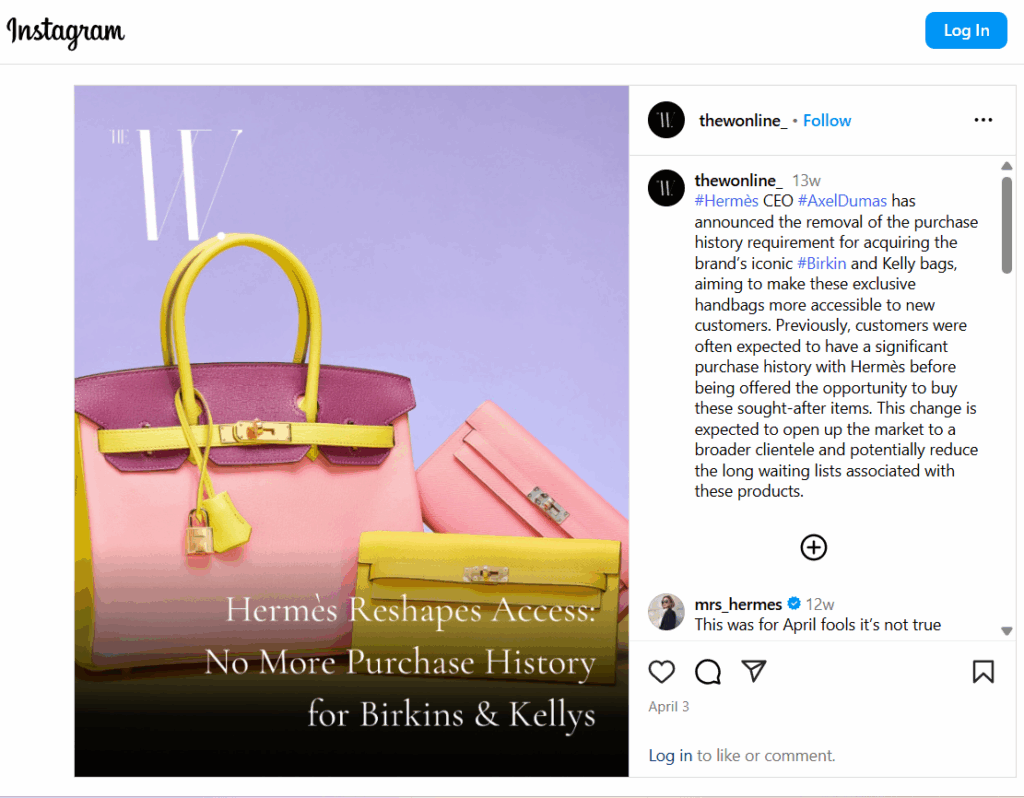
Is the System Starting to Change?

Lately, however, the waters have shifted. Anecdotal reports and social buzz suggest that Hermès may be relaxing its unspoken rules—at least in select cases. While there’s no official announcement that the purchase history requirement has been scrapped, stories of first-time buyers scoring a Birkin are beginning to surface, sparking speculation that Hermès has finally loosened the reins.

So, has Hermès really changed the game? Or are these exceptions being mistaken for a new rule?

The Instagram Hype: Has Hermès Finally Scrapped Purchase History?

Recently, Instagram posts, YouTube videos, and TikTok have been proclaiming: “You don’t need purchase history anymore—just walk in and ask!”

You’d think Hermès has suddenly become the friendliest luxury house on Earth—just waltz in, smile, and voilà, you’re cradling a Birkin.

Hermes Purchase HistoryHowever, let’s tell it straight: there has been no official, global announcement from Hermès confirming that purchase history no longer matters. And the viral social media post,  has since been identified as an April Fool’s joke!

Instead, here’s what’s actually happening: 

The Legal Pressure: Will Hermès Be Forced to Change Its Policies?

In 2024, Hermès faced a high-profile lawsuit in the U.S. — Cavalleri et al. v. Hermès International (Northern District of California, No. 3:24-cv-01707-JD) — accusing the brand of antitrust violations for allegedly tying Birkin bag sales to prior purchases of other Hermès products.
In June 2024, the plaintiffs (Tina Cavalleri, Mark Glinoga, and a third consumer) formally expanded their complaint, arguing that Hermès’ unwritten requirement of purchase history amounts to illegal tying. According to Legal Era, the amended filing claims Hermès has “no legitimate justification for tying sales of handbags to unrelated purchases” and that such a practice unfairly restricts consumer choice.
By October 2024, the lawsuit broadened even further, adding claims of false advertising and fraud. Plaintiffs alleged that Hermès misled shoppers about bag availability, creating the illusion that anyone could walk in and buy a Birkin, when in fact, access remained tightly controlled.
However, U.S. District Judge James Donato expressed skepticism, calling some of the claims “far-fetched.” He emphasized Hermès’ right to control how it sells its products and noted that competition still exists from brands like Chanel and Gucci.
Hermès responded with a motion to dismiss, arguing that customer frustration does not equate to antitrust injury. A hearing was scheduled for December 5, 2024. Legal experts, including antitrust economist John Kwoka of Northeastern University, suggest the case is unlikely to succeed, citing the challenge of proving Hermès holds monopoly power in the luxury handbag market.
In January 2025, U.S. District Judge James Donato vacated the December 2024 hearing, deciding the motion could be resolved without oral argument.
The court is currently reviewing both sides’ written briefs. No ruling has been issued yet.
If the motion to dismiss is denied, the case will proceed to discovery. If granted, the lawsuit will be closed, at least at the trial level.

Bottom line:

The lawsuit is still pending. No final judgment has been made, and Hermès has not formally changed its policies.

Still, while the case remains pending, it has undeniably turned up the heat.

In response—or perhaps to reduce scrutiny—some Hermès boutiques have reportedly relaxed their strictest practices, offering quota bags to newer clients in rare cases. A handful of first-time shoppers have shared stories of scoring a Birkin without years of prior spending, especially in flagship boutiques with higher inventory turnover. While they sound like policy shifts, they remain the exception, not the new norm.

For most buyers, the unspoken rules—relationship-building, demonstrated loyalty, and strategic shopping—still determine who gets that coveted offer.

If Hermès ever officially scraps the purchase history factor, it will be global fashion news, not just a TikTok headline.

So before you start planning your first walk-in victory lap, remember: the game has loosened in a few places, but it’s far from over.


The Role of Luck and Strategy

While luck plays a part—catching a cancellation or hitting a well-stocked boutique—strategy is key:

Build a genuine relationship with a Sales Associate you trust.
Show authentic interest in Hermès beyond just the Birkin.
Research boutique policies, as restocks vary by location (e.g., Paris flagships often have more inventory).
Be patient and consistent—building a Hermès profile takes time and effort.

Even with the perfect moves, there’s no guarantee. It’s a high-stakes dance where timing, spending, and relationships intertwine.

If You Really Want It Faster: The Pre-Owned and Resale Market Is Your Best Bet.

If you value certainty over the chase, the secondary market is your fastest route. Resale platforms like The Luxury Closet, Vestiaire Collective, and Fashionphile offer authenticated Birkins in every imaginable color, size, and leather, often in pristine condition.

Yes, you may pay a premium over retail—but you’ll skip years of relationship-building.

Tips for Aspiring Birkin Buyers

Research Local Boutiques: Policies vary by region. Paris flagships may offer more opportunities, while Asian stores face higher demand.
Try the Paris Lottery (You will have to fly to Paris): Apply for a same-day appointment at Rue du Faubourg Saint-Honoré via Hermès’ online system.
Be Patient: Building a relationship and purchase history isn’t quick, but it boosts your odds.
Consider Pre-Owned: For instant gratification, explore resale platforms with verified bags.

Hermes Himalayan Crocodile Birkin BagFAQ: Buying a Birkin Bag

Can you just walk into Hermès and buy a Birkin?

Well, yes—maybe—if you win the inventory lottery. You can request a same-day appointment or catch a cancellation, but it’s about as rare as spotting a unicorn in a Kelly Pochette. You can try your luck but don’t bank on it.

Has Hermès removed the purchase history requirement?

No. While some isolated reports suggest new clients have been offered Birkins without much prior spending, Hermès has not publicly scrapped the practice. Most clients are still expected to demonstrate loyalty through prior purchases.

Are social media claims about easy Birkin purchases true?

Viral stories of walk-in purchases are exceptions, often at high-inventory flagships. Global practices still prioritize purchase history, per X posts and industry reports.

How long does it take to get a Birkin?

As per The Luxury Closet, there’s no set timeline. Some clients wait years. Others strike gold faster. It all depends on your relationship with your Sales Associate, your purchase history, and the boutique’s stock.

Is the Hermès waiting list real?

Not in the way you think. There’s no formal, public, first-come-first-served list. It’s more of a private, dynamic system driven by your relationship with the brand.

Is it worth buying pre-owned?

Absolutely. According to The Luxury Closet, if you prefer transparency, instant gratification, authenticity, and the real deal, the resale market is the easiest way to secure your dream bag, without the hoops.

Hermes Birkin for SaleHermes Kelly for SaleIs It Worth the Chase?

For some, the aura of Hermès and the allure of the Birkin isn’t just in the craftsmanship—it’s in the game. The thrill of the hunt, the satisfaction of finally receiving that orange box, the feeling of being invited into an exclusive club.

For others, it’s exhausting. And that’s okay, too. Whether you opt for the traditional route or the resale route, the right “Birkin” is the one that suits your life—and your mindset. The choice, thankfully, is all yours.

Either way, remember: you don’t need a Birkin to prove anything. But if you want one, know what you’re getting into—and don’t fall for every social media headline promising an easy score.

Thinking about skipping the line?

Explore authenticated pre-owned Birkins and buy with confidence. Because sometimes, the best strategy is simply taking the shortcut.


Source link

Golden Goose Sneakers – Sneakers that Cost a Fortune

Golden Goose Sneakers – Sneakers that Cost a Fortune


Golden Goose Sneakers—the epitome of pre-distressed meets pro-chic. The shoes that never looked new are the symbol of luxury style.

Imagine walking into a luxury boutique, handing over $600, and walking out with shoes your grandma might offer to scrub clean. Welcome to the world of Golden Goose — the dirty-chic icons fashion lovers can’t get enough of.

Distressed denim? Been there. Beat-up designer bags? Bought that. But Golden Goose took it a step further, turning scuffed-up sneakers into aspirational art. These kicks don’t just look lived-in; they look legendary. From rebellious toddler styles to grown-up streetwear staples, these artfully flawed sneakers have built a cult following. So why the sky-high price tag?

Let’s lace up and find out what makes these flawed masterpieces iconic.

The Real Reason Golden Goose Sneakers Are So Pricey

Rugged Rhetoric in Every StepFounded by Alessandro Gallo and Francesca Rinaldo in Venice in 2000, Golden Goose started with one idea: blend luxury with street-style aesthetic and add comfort. What came out of that was not just a shoe but an attitude — confidence, rebellion, and just the right amount of “I woke up like this.”

Handmade (and Hand-Distressed) by ArtisansEach pair is scuffed, smudged, and scraped by hand. No two shoes are the same. It’s like buying a fingerprint… for your feet. That makes each pair part footwear, part limited-edition art.

Premium MaterialsGolden Goose doesn’t skimp on the building blocks: full-grain Italian leather, suede, canvas, high-quality cotton laces, and buttery-soft lining. They’re made to last through fashion seasons and airport sprints.

Scarcity = HypeWith limited-edition drops (like the Moon-Star collection), scarcity drives up demand. And when A-listers like Taylor Swift and A$AP Rocky rock them? Consider the hype machine fully activated.

Golden Goose vs. The Rest: How Do They Compare?

Veja is the eco-conscious, Parisian cool girl. Golden Goose? Her cigarette-smoking, Vespa-riding Italian cousin.

Vintage Havana vs. Golden Goose: Vintage Havana is a great dupe from six feet away. But let’s be honest: it’s karaoke night vs. an Adele concert.

How Do Golden Goose Sneakers Fit?

Golden Goose shoes are known not just for their out-of-the-box ruggedness but also for their unique fit — they walk the line between edgy style and unexpected comfort.

Fit & Feel

These sneakers run slightly wider than standard luxury kicks, making them a win for broader feet or those who like extra toe room.
Inside, they feature a plush leather insole that adds about 3 to 5 cm of lift. It’s like getting a subtle platform built into a streetwear staple — call it covert elevation for the fashion-forward.

Sizing Guide

Golden Goose only offers whole sizes—US women’s 4 (IT 34) to 11 (IT 41) and men’s US 6 (IT 39) to 14 (IT 47).
If you’re typically a half size, it’s recommended to size down.
That internal lift shortens the perceived length of your foot, and the width balances it out comfortably.

Example: If you usually wear a US women’s 6.5, opt for a US 6 / IT 36 in Golden Goose.

If you’re a US 7.5, go for a US 7 / IT 37.

The same logic applies to men — downsize if you’re between sizes.

 Pro Tips:

High-tops may feel snug around the ankle at first, but they break in quickly.
Rock them with no-show socks or barefoot for that lived-in feel.
Golden Goose sneakers for toddlers tend to run small, so size up — especially if chunky socks or fast-growing feet are involved.

Are Golden Goose Sneakers Comfortable? 

Yes! They sure are. These are some of the best sneakers for travel or long days on your feet. If you want fashion and comfort to finally stop fighting, they are your best bet. With padded insoles and buttery leather, you can sprint through an airport terminal and look like a million bucks doing it.

Top Styles of Golden Goose Sneakers

Whether you’re new to the brand or deep into the Golden cult, here are the iconic styles that keep sneakerheads and fashion editors buzzing:

 1. Superstar

The OG. The legend. The GGDB Superstar is the most recognizable and copied (hello, GGDP Superstar fakes). Classic low-top silhouette, trademark star logo, and that signature distressed sole.

 2. Hi-Star

Think of Hi-Star as the Superstar’s edgier sibling, with an extra chunky sole and bolder vibes. Perfect if you want that street-style oomph with a bit of added height.

Golden Goose Silver Grey Glitter and Suede Hi Star Low-Top Sneakers 3. Slide (High-Top Golden Goose Sneakers)
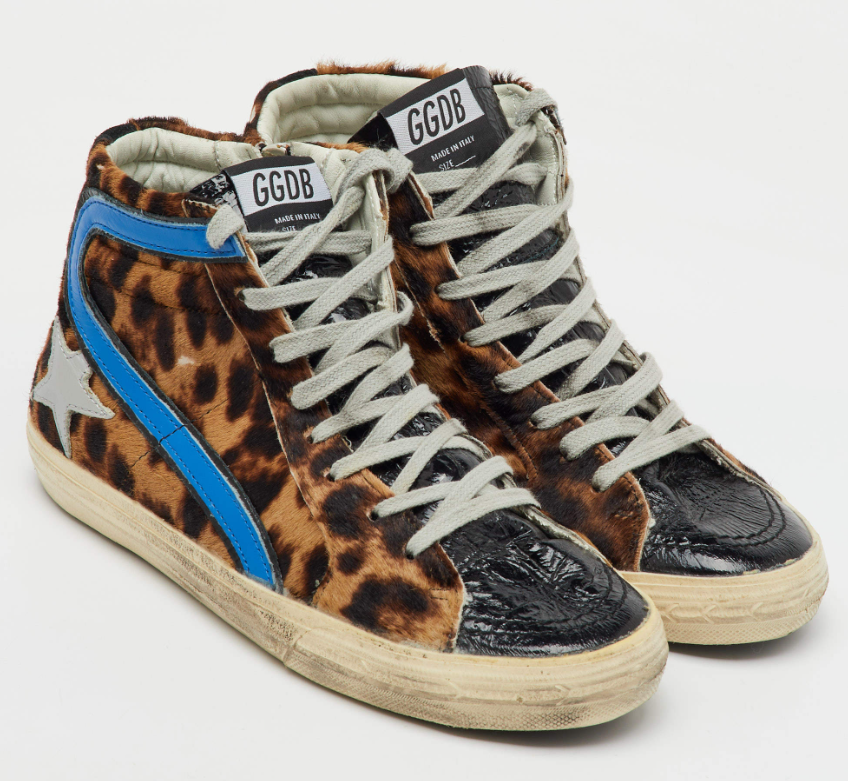
These are the high-top Golden Goose sneakers loved by off-duty models and rockers alike: zip-up sides, basketball-shoe silhouette, and serious ’80s nostalgia.

Golden Goose Multicolor Leather and Leopard Print Calf Hair High Top Sneakers 4. Purestar

For those who love a cleaner, less distressed look, this is the perfect pair. It has more subtle wear and a sleeker design—basically, Golden Goose, but with restraint.

Golden Goose White Leather Low Top Sneakers 5. Stardan

Heavily inspired by ’90s athletic shoes. Bulky, retro, and unapologetically loud. Stardan sneakers are a cult hit for maximalists.

Golden Goose Black White Leather Stardan Low Top Sneakers Size 426. Ball Star

A vintage basketball-inspired style with retro vibes, low tops, and that worn-in cool factor. Ball Star remains a favorite for its old-school athletic aesthetic.

7. Golden Goose for Toddlers & Kids

Yes, they make tiny, distressed kicks for the tiniest hypebeasts. Cue the awwws. The Golden Goose sneakers toddler line brings the cool without sacrificing comfort.

 8. Black Golden Goose

Not a style, but a colorway worth shouting out. Black Golden Goose sneakers are sleek, versatile, and a bestseller across men’s and women’s lines. Pro tip: If you find black Golden Goose sneakers for sale, grab them before someone else with taste does.

Golden Goose Black Leather and Mesh Running SneakersHow to Style Golden Goose Sneakers
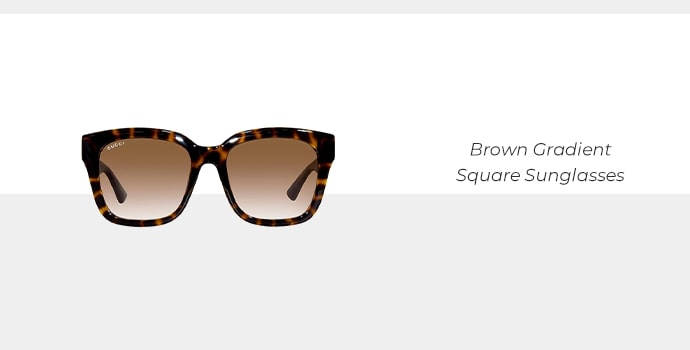
For guys: Pair black Golden Goose low-tops with slim jeans and a leather jacket. You are an. Instant rockstar.
For girls: High-waisted trousers, a relaxed tee, and high-top Golden Goose sneakers. Toss on a blazer if you’re feeling fancy.
For toddlers: Tiny Golden Goose sneakers + tiny denim jacket = maximum cuteness.

Golden Goose Alternatives (If You Like Having Rent Money Left)

Not ready to drop $600? If you’re looking for low-priced sneakers or affordable designer shoes, patience and hunting are your best friends. Or you can look into:

Used Golden Goose Sneakers: Why pay full price? Score authentic second-hand pairs at The Luxury Closet. 

Golden Goose Coupon Codes: Don’t sleep on deals — a little Googling goes a long way..

Not-so-great Options: 

Vintage Havana dupes: Pretty convincing from 6 feet away.
Veja sneakers: Sleek and sustainable.

Are Golden Goose Sneakers Still In Style?

Absolutely. The “perfectly imperfect” aesthetic hasn’t lost its charm. In a world of filters and fast fashion, these sneakers keep it real (and rebellious).

Bonus: Watch Out for Fakes (GGDB Superstar Fake Guide)

If that “deal” looks too good to be true, it probably is. Quick tips:

Check the stitching, scuff detail, and sole texture.
Check the packaging. 
Real pairs look expensive and beat-up on purpose; fakes just look beat.
Always buy from trusted sources.

Final Verdict: Are They Worth It?

Golden Goose sneakers are an expensive ticket to “I just threw this outfit on and still look incredible” energy.

They’re luxury rebellion, Italian craftsmanship, and street cred — scuffed up and ready to roll.

If that’s your vibe (and you can snag a Golden Goose Coupon Code), it just might be the best money you’ve ever spent on “dirty shoes.” 

Forward-Thinking Tip:

Expect the vintage/distressed luxury trend to keep booming. Gen Z loves brands that don’t try too hard but still feel exclusive. Golden Goose is right on the money.

Golden Goose Without the Distressing Price

Want that uber-cool sneaker without the financial ouch? The Luxury Closet has your back. We offer authentic, pre-loved Golden Goose sneakers at prices your wallet will love. Check them out before someone else does.

(And yes, Golden Goose Sneakers for Sale are a thing — run, don’t walk.)


Source link

Top 10 Popular Gucci Sunglasses | Trendy Styles for 2025

Top 10 Popular Gucci Sunglasses | Trendy Styles for 2025


July 7, 2025


In the rapidly changing scope of luxury fashion, Gucci is among the frontrunners releasing avant-garde timeless and sophisticated super accessories. Gucci Suntenders sunglasses emerged not only as protective eyewear shields but also as style pieces that convey persona, assurance and lineage. In 2025 all eyes will be on Gucci’s spectacle line with audacious contours, retro vibes coupled with renewed embrace of sustainability and inclusivity. So, let’s cover the most popular Gucci Sunglasses that are in trend lately.

Gucci ensures that no one is left out. Be it minimalists, trendsetters or fans of nostalgic looks—everyone can find something to their taste. From square acetate frames with gold hardware to smooth silver metallics, every piece from this year’s collection is a statement redefining luxury for real.

In this blog, we take a look at the Top 10 Most Popular Gucci Sunglasses Styles for 2025 and review what distinguishes each pair from the rest while expounding on why the global fashion set are having an absolute ball with them.

1. GG1421S Cat-Eye Sunglasses –  Glamour with an Edge

GG1421S Cat-Eye Sunglasses

Glamour Reimagined in GG1421S boasts old Hollywood glam because it still manages to capture it alongside modern touches like thick feminine frames. Its generous cat eye shape makes the frames extremely diva-ish exuding a confidence within its wearer along with classic and cutting edge at the same time. Gucci stocks them in black, rose, havana colors which paired with heart shaped or oval faces look their best. Popular features include engraved temples which make gold detailing stand out giving a soft luxe feel while maintaining everyday use ability.

Key Features:

High-quality Italian acetate construction.

Angular cat-eye silhouette that suits heart-shaped and oval faces.

Classic colorways including glossy black, Havana brown, and Gucci emerald.

These sunglasses are beyond a simple accessory, they indicate confidence and high style. They have appeared on notable celebrities like Florence Pugh and Zoë Kravitz which aligned the glasses with being an essential item in the luxury fashion kit.

2. Oversized Square Acetate Sunglasses with GG Logo – The Maximalist Muse

Oversized Square Acetate Sunglasses with GG Logo

Oversized square acetate sunglasses with GG logo – have the Ball. These oversized frames embellished with Gucci’s double-G logo scream Gucci as much as any collection can. These sunglasses certainly make a bold statement, too perfect for anyone who really owns the maximalism belief. The framing is square and flattering to almost every face shape (not to be confused with a classic metrical six-length measurement). The eyewear offers color flexibility, including black, tortoise and translucent colors perfect for all overlaps of style. Durable acetate means they can be worn for as long and as often as desired, and UV protecting lenses mean they also serve a functional purpose along with the style.

Style Highlights:

Great for a fashion maximalist. Dramatic square lenses with wide temples. Available in glossy black, white, and pastel pink acetate.

These sunglasses are more representative of making an entrance than they are wearing a logo. Pair them with structured blazers, designer heels, or monochrome ensembles to apprehend an ultra-luxury appearance.

3. Grey Rectangular Slim Sunglasses – The Quiet Luxury Statement

Grey Rectangular Slim Sunglasses

Grey rectangular slim sunglasses – for the Minimalist fashion lovers, you can find elegance in Gucci’s grey rectangular sunglasses. The clean lines and muted tones define understated sophistication with subtle branding. Oh, and made from lightweight acetate, these are easy and comfortable to wear all day. These unisex frames have become a street-style staple in 2025 and finding their way into the closets of both professionals and creatives alike.

Why it’s Trending:

Super lightweight and so muted, you can wear them on the daily. This style appeals to the quiet luxury enthusiasts, those that enjoy understated extravagance. It also transitions effortlessly from suits and co-ords, to relaxed tailoring. Seen on male and female models in Gucci’s spring 2025 campaign, these shades show simplicity still equals sophistication.

Polarized lenses and 100% uv-protection. Available in black, tortoise and clear grey frames. Suitable for all seasons and for both men and women looking for comfort and class in sunglasses.

4. GG0061S Square Acetate Sunglasses – A Timeless Bestseller

GG0061S Square Acetate Sunglasses

GG0061S Square Acetate Sunglasses – Timeless Appeal The GG0061S is a classic model from Gucci that still reigns in 2025. Its oversized square framing and bold temple with the double-G logo are instantly recognizable. The lenses are polarized which importantly makes this pair very practical and fashionable as a strong choice for upscale, luxury daily wear. It is commonly seen on celebrities and is emblematic of luxurious daily wear.

5. Silver Rectangular Metal Sunglasses  – Sleek and Streamlined

Silver Rectangular Metal Sunglasses- popular gucci sunglasses

Clean & Futuristic, every metal frame on this piece is clean, sleek, and modern with tech wear and futuristic design inspirations. Supple thin frames and faintly mirrored lenses make these sunnies stylish and functional. A fittingly equipped pair with adjustable nose pads is always a handy factor to have, and the low-key branding of Gucci gives it a classy touch. It is quite fast rising among Gen Z influencers, aestheticists, and digital content creators.

6. Brown Gradient Square Sunglasses – Earth-Tone Elegance

Brown Gradient Square Sunglasses

Chill and Subtle, these sunglasses are bringing a very vintage vibe with a hint of modern. The warm brown gradient lenses provide depth and differentiation, and the lightly square, soft frame provides a flattering shape. This frame is suited best for earthy tone lovers and those who appreciate a neutral aesthetic. A theme for casual fits and for the office fit alike, these behaviours can transition seamlessly from day to night. 

7. Ruthenium Grey Shield Aviators – Sport Meets Couture

Ruthenium Grey Shield Aviators

Ruthenium Grey Shield Aviators – Statement Sportiness Luxe Gucci’s aviators are straying from the sporty fashion of 2025 with the new shield design. With its single lens and coverage, these ruthenium grey sunglasses allow for UV protection with style. This is a very light weight aviator that makes for an easy travel style option, outdoor event and works well with a streetwear outfit.

8. Interlocking G Metal Arm Sunglasses – Sophisticated Simplicity

Interlocking G Metal Arm Sunglasses

Contemporary chic refined sunglasses with Gucci’s iconic interlocking G symbol delicately engraved into the metal arms. The pantoscopic tilt enables a better fit; this model offers stylish practicality with aesthetically pleasing design. The oval and almond frame options are also versatile and stylish for men and women alike. Perfect for luxury aficionados with a softer touch.

9. Pilot Aviator Hybrids with Bee Detailing – A Nostalgic Comeback

Pilot Aviator Hybrids with Bee Detailing- popular gucci sunglasses

Cool vintage remix, a light weight pair of sunglasses that combine a traditional pilot shape and aviator lines, with signature bee details – an archival symbol of Gucci heritage, feature tinted green, amber, and grey with a hint of vintage with retro stylization. 70s fashion is the inspiration for the frames that will appeal to the retro enthusiasts to the fashionably modernistas.  A lightweight frame offers comfort but does not sacrifice style.

10. Grey Gradient Cat Eye Sunglasses – Light Luxe for Every Day

Grey Gradient Cat Eye Sunglasses- popular gucci sunglasses

Feminine style, a softer and more subdue version of the cat eye and GG1421S.  The lighter grey gradient lenses, lighter frame and designed to present more of a feminine nature, an updated pair of sunglasses to match a casual look or semi-formal dress style choice. The GG 2625S has a softer demeanor and is definitely popular among younger professionals who are seeking something polished with less drama!

Trend Insights for 2025

Apologetically strong yet subtly refined from 2025 onward. From gold plated hardware to delicate engravings the brand complements the design rather than distracting from it. This may mark a refined, modern flavor of logomania – not just luxurious but sophisticated and luxurious.Eco-Conscious Production: Gucci’s ReAce line, produced using recycled acetate and Eco packaging, reveals a shift toward sustainability in luxury. With the impressively high-end ReAce piece, Gucci has proven that magnificence and sustainable responsibility can be embraced.Gender-Neutral Identity: Unisex shades will dominate 2025. Gucci’s representation of all genders is easily identified in elegant styles selected to flatter universally. Enhanced through the lens of progressive identities has risen Gucci’s shaded spectacle expression.Year Round Appeal Sunglasses are no longer just summer staples. Thanks to gradient tints and seasonal styling, Gucci frames are worn in winter, indoors, and even on rainy days as part of a complete fashion look.

How to Choose the Right Gucci Sunglasses

For Gucci sunglasses, one diurnal formula goes for beauty, use, and face profile. The face needs to be taken into account; angular frames work with round faces, cat-eye shapes with heart-shaped faces, and oval shape styles with square faces. Then lifestyle also matters; active types may prefer polarized lenses to give them glare rejection, whereas city types mostly go for stylish silhouettes for everyday wear. Then, in terms of wardrobe, do you predominantly go for bold, fashion-forward looks, or do you shy away into some neutrality? Your sunglasses must blend in very well with your overall look. Functionality is the other; you have to get full UV protection from your lenses, and the frames must be sturdy enough to hold up through several seasons. And lastly consider the famous form of saying: if it is Gucci, it has a branded name all around the actual materials, even its packaging with a certificate of authenticity. Considering these things would make sure that your choice becomes not just trendy but also wise and durable.

Additional Buying Considerations

Gucci is making advanced technological features in lens clarity, anti-scratch and photochromic lenses that transition with light which is like the cherry on top. Some frames provide advanced anti-glare coatings, which will be good demands for people who travel often or commute. The price for Gucci sunglasses range approximately from $350 to over $1,000 depending on the materials, detailing, and exclusivity of the frames. When it comes to purchasing Gucci sunglasses in 2025, authentic Gucci sunglasses are available on Gucci’s official website and luxury retailers such as Nordstrom and Saks Fifth Avenue. Even some online retailers like Farfetch, Darveys, etc. have a great collection. You can also find certified Gucci sunglasses on secondhand luxury sites, for example, The RealReal and Vestiaire Collective, for sustainable luxury fashion that is more accessible.

Styling Tips

In terms of styling, make sure to choose the right frame for the occasion and look. For brunch dates or casual walks around the city during the day, opt for brown gradient square frames or GG1421S cat-eye frames, they will pair well with midi dresses, oversized flowy blouses and structured skirts for added dimension. Tropical escape or beach trips call for oversized square frames with GG logo detailing or ruthenium grey shield aviators that pair well with resort swimwear, linen co-ords, and raffia totes. Office looks require sophistication meaning you might want to wear silver rectangular metal frames or Interlocking G styles to pair with blazers, high-waisted trousers, or button-downs. For a romantic date night, grey gradient cat-eyes or the GG0061S square pair enhance outfits like off-shoulder tops or tailored dresses, adding just enough flair. When traveling, whether at the airport or for sightseeing, opt for comfort meets style with pilot-aviator hybrids or sporty shields worn with tracksuits, denim, or smart sneakers.

Why Gucci Sunglasses Are an Investment

Beyond simply the appeal of sunglasses, Gucci sunglasses are an investment in craftsmanship, innovation, and (as long as you don’t lose or break them), personal branding. Each frame is individually designed and constructed from quality materials not only to protect your eyes, but also to be a long-lasting accessory that has value and status. Gucci has collaborated with many artists and will continue to create limited-edition designs, resulting in some styles that are truly collectible and sought after with both fashion enthusiasts and investors. In addition to this, Gucci sunglasses are designed to remain relevant in our fashion world for years, in case you are someone who is looking for something far more than a seasonal designer trend. If you are purchasing them to wear yourself (good for you) or curating as part of a designer collection (better you), they will continue to work for you and make every outfit feel elegantly effortless and luxurious.

Final Thoughts

In 2025, Gucci sunglasses will be wearable art. Each piece is constructed with thought of the process with quality, timeless style, and as an expression of personal identity; they offer a three-dimensional space of functionality and the luxury of design. The best part of collecting them is you can always find inspiration from archival designs and bold forward shapes that will fit every face, personality, and season. You can always wear Gucci sunglasses, anytime you wear them because whether you wear them to protect your eyes from the sun or purely as a fashion statement, they will always make a statement. With Gucci, you don’t just wear sunglasses—you wear a legacy.

Allow your next pair of sunglasses to serve a higher purpose than just protection for your eyes – let them define your style, story, and soul. Buying Gucci sunglasses not only improves your accessory game but connects you to a tradition of Italian artisanship and a heritage of worldly luxury impact. Go for it – explore the styles, fit your face, and let Gucci help you see the world through a more stylish lens.


Source link

Paris Encounters a Reckoning of Power and Profits In Line With Couture Week

Paris Encounters a Reckoning of Power and Profits In Line With Couture Week


French Fashion Faces Shake-Ups

LVMH has reported rare losses across its fashion division, despite Louis Vuitton’s continued cultural dominance. Kering, meanwhile, is in transition: the sudden CEO departure has left Saint Laurent steady but cautious, while Bottega Veneta and Balenciaga face their own identity recalibrations under Louise Trotter (succeeding Matthieu Blazy) and Demna, respectively. Add to that the mounting macroeconomic pressures — slower growth in China, weaker consumer confidence in Europe — and Parisian fashion now finds itself at a commercial crossroads.

At the centre of this upheaval is couture — Paris’ most exclusive, client-facing format. While haute couture has long been positioned as fashion’s most creative playground, it is also one of its most direct-to-consumer models. In a climate where retail is softening and brand loyalty is being redefined under new creative direction, couture’s relevance is arguably rising, not falling. In 2024, the top two percent of luxury fashion clients accounted for over 40 percent of sales at brands like Chanel, Hermès and Louis Vuitton.

With aspirational spending on the decline — especially in the U.S. and China — brands are doubling down on their most elite clientele. Luxury Maisons are increasingly investing in CRM (Consumer Relationship Management) programmes, bringing UHNW (Ultra-High-Net-Worth) clients directly into the fold and treating couture week not as a press event, but as a top-tier selling moment by hosting them at lavish runway-week galas, often at renowned venues like Hôtel Costes, Palais Garnier and even secluded abbeys.

Read More: Gaurav Gupta On Indian Craft, Paris Couture Week, And Beyoncé

VICs Are Fashion’s MVP

Chanel Fall-Winter 2025/26 Haute Couture Show Teaser Directed By Malick Bodian

Unlike ready-to-wear — which is broadly wholesale-driven — couture has always thrived on its exclusivity. However, that intimacy between Maison and client is now being systematised. Houses like Dior and Chanel have long built multi-tiered relationships with clients across Asia, the Middle East and the United States — but with purchasing power, today’s couture clients are no longer content with watching from afar.

Several maisons are now flying clients in, arranging front-row placements and offering post-show fittings. The couture show is no longer a spectacle but rather a conversion tool. In March last year, Miu Miu’s Fall/Winter 2024 runway show, Miu Miu invited one of its highest-spending customers to walk the runway, signalling a new era of consumer integration. It was a brand equity move targeted at its top-tier CRM list.

Maintaining loyalty is now a high-touch hospitality model. Brands deploy sales associates as personal concierges — managing everything from custom fittings to fixing customs mishaps. This concierge model has proven more effective post-pandemic than traditional retail. Events like Dolce & Gabbana’s Alta Moda or Vogue’s Vogue100 offer VICs a hybrid of fashion access and high-society networking. These events — often priced at tens of thousands per experience — offer top-tier clients cultural capital in return for financial loyalty. Spending thresholds to enter “VIC status” are rising steeply — USD 200K a year is now a baseline at houses like Louis Vuitton. This exclusivity — paired with invite-only shows and runway preorder access — allows brands to gatekeep access and maintain allure. Top clients often preorder entire looks directly after shows, securing one-of-a-kind pieces. Signature bags or trending shoes are quietly reserved behind the scenes for these VICs, further distancing them from the mass luxury consumer.

For fashion houses, success is not just about units sold — it is about how much cultural resonance and designers and stylists are increasingly discerning about which clients represent the brand visually, especially on social media or in front rows. Having money is no longer enough — clients are expected to reflect the brand’s image, taste and codes.

Creative director Glenn Martens will debut his first collection for Maison Margiela during the Autumn-Winter 2025 Paris Haute Couture week 

As the Fall/Winter 2025–2026 Haute Couture shows approach, France’s fashion industry is entering a period of corporate and creative volatility that could reshape its global standing. From Glenn Martens’s Maison Margiela debut to Demna’s swansong for Balenciaga, the business of couture is becoming more personal, strategic and urgent than ever — particularly in an era where top clients are being courted with the same intensity as celebrities.

Read More: Haute Couture’s Homage to Athleticism, Iconic Inspirations and Reinvention

Corporate Turbulence & Creative Risks

2025 Couture Week also comes at a moment of high-stakes reshuffling. Jonathan Anderson’s Dior Couture debut marks a generational pivot for the house. Kering’s internal transition, meanwhile, has made Saint Laurent a quiet outlier in terms of consistency. Under Anthony Vaccarello, the house continues to focus on pared-back glam with steady commercial results, though the brand’s couture ambitions remain muted compared to Chanel or Dior.

Over at LVMH, the losses in fashion are being dealt with seriously. While Vuitton maintains its marketing grip thanks to high-profile campaigns and digital omnipresence, the conglomerate’s other fashion brands are under pressure to deliver more than virality. In this context, the upcoming couture shows will act as soft power barometers — where the lines between creative output and commercial intent are increasingly blurred.

This season’s couture calendar is packed with pivotal moments. At Chanel, the spotlight is on how the house will handle its first couture show since Virginie Viard’s quiet departure. Whether the collection serves as a bridge to a new era or a complete aesthetic reset remains to be seen. Dior also finds itself at a crossroads: while Maria Grazia Chiuri’s tenure saw the brand champion feminism in her womenswear collections, the recent appointment of Jonathan Anderson at Dior hints at broader creative shifts that could eventually ripple through the brand.

Daniel Roseberry’s Schiaparelli

Daniel Roseberry’s Schiaparelli opened the official couture calendar. His designs remain highly sought after by red carpet stars — including Lauren Sánchez, who wore one for her recent wedding in Venice. Under Daniel Roseberry, Schiaparelli has owned the red carpet conversation in recent seasons with its surrealist couture, and now, all eyes are on how the house will pivot its strategy to better serve clients directly. Perhaps a new direction that sees less ostentatious pieces towards wearable works of art?

Meanwhile, at Balenciaga, the question is whether Demna’s final couture collection will mark a turn away from shock value and toward a subtler recalibration of the house’s image, with some arguing that couture, after all, has always been his cleanest canvas. Finally, Fendi Couture may be due for a breakout moment. While some critics have noted that Kim Jones’ couture work has often been overshadowed by his ready-to-wear collections, increasing investment in the segment suggests that this could be a season for the house to reassert its positioning.

The Stakes Are Higher Than Ever

Fendi couture 2024

Couture was once considered simply a showroom for brand prestige over profits. But in 2025, couture could become one of the most commercially strategic platforms in fashion, offering high margins, deeper customer experiences and a stage that remains uniquely Parisian. With legacy maisons navigating creative change, corporate turnover and tightening client relations, Paris Couture Week arrives at a pivotal moment for the French fashion economy. In a season defined by leadership transitions, economic headwinds and CRM recalibrations, the real winners may not be those who wow the press — but rather those who close the sale.

Read More: Glorious Absurdity and Extreme Embellishments Dominate Couture Fashion Week

For more on the latest in luxury fashion and style reads, click here.


Source link

Popular Posts

My Favorites

A New Era in Strawberry Harvesting: AI-Powered Robots Pick Strawberries

0
Researchers have developed a robot that uses artificial intelligence to detect strawberries hidden among leaves and pick them with silicone fingers. The robot’s...