Longchamp unveils two newly renovated boutiques in Singapore (Photo: Longchamp)
Step off the buzzing streets of Singapore and into Longchamp’s newly unveiled Parisian apartment-inspired boutiques. These refurbished spots are where Haussmann-style mouldings meet vintage curiosities, and every detail feels intimate and elegant. At both Marina Bay Sands and ION Orchard, the French brand has reimagined its stores not just as a place to shop, but a space to linger and feel right at home.
A Balance Of Whimsy And Sophistication
The boutiques reveal a fresh design language with sculptural wood facades, soft lighting, and display shelves styled like private libraries. The green-toned Le Pliage “library” wall becomes an instant focal point, celebrating the foldable icon in a rainbow of colourways. Lounge areas lend the ease of a lived-in salon, blurring the line between boutique and home.
The bookshelf-inspired display at the ION Orchard boutique is set against a splash of lime green (Photo: Longchamp)
Every corner is layered with thoughtful references to Longchamp’s French roots, from ceramic mugs handcrafted by Paris-based designer Pia Chevalier to café-style lacquer trays and bistro chairs that seem plucked from Café de Flore. The result is inviting, but never overstated. Very much like Longchamp, the new look of the stores is elegant, but never inaccessible.
Two Stores, Two Moods
Though shaped by the same Parisian design ethos, each boutique tells a different story. At ION Orchard, the energy is playful and vibrant. The berry bon bon podiums amidst joyful pops of colours create a dynamic, trend-driven space that speaks to the youthful spirit of the city. In contrast, the Marina Bay Sands space offers a more tranquil retreat. Dressed in softer hues and clean lines, it evokes understated elegance and mirrors the calm of the bay just beyond.
The ION Orchard boutique’s interior is defined by fluid lines and splashes of neon green (Photo: Longchamp)The Marina Bay Sands boutique features clean lines and muted shades of blue (Photo: Longchamp)
Beyond the interiors, Longchamp’s refreshed boutiques invite you to experience the maison’s heritage in motion. Bags are displayed like objects d’art in a living space—touchable, covetable, and effortlessly chic. As you wander through the airy salons, you’re not just shopping. You’re stepping into a world where French elegance is lived and worn. More than a retail experience, it’s an invitation to play, explore, and make the Parisian dream your own.
The ION Orchard boutique features a curved glass storefront that invites shoppers into the space (Photo: Longchamp)
This article was first seen on GRAZIA SG.
For more on the latest in luxury fashion and style reads, click here.
When you think of the world of ultra-luxury handbags, no name rings better than Hermès. It is a name that conjures up timelessness and elegance, excellent craftsmanship, and an air of exclusivity in the fashion world. It is no wonder that Hermès bags have become synonymous with high-end sophistication. But, perhaps the most interesting part behind the prestige of Hermès bags are the leathers and exotic skins that create its every bag.
From the standard leathers like Togo, Clemence, to rare leathers such as Porosus Crocodile and Ostrich skin, this Hermès Leather Ultimate Guide will accompany you through all the major leather and skin types from Hermès, their features, care instructions, and how to find the right leather for your lifestyle.
Introduction to Hermès Leathers and Skins
Hermès has a large assortment of materials for their handbags, shoes, belts, and small leather goods. Each leather is selected and treated with traditional artisan techniques in France at Hermès’ ateliers. Leather determines more than appearance; the material will also determine the bag’s weight, durability, softness, structure, and even price!
There are two main categories where Hermès leathers fit into:
Standard Leathers: Palettes of calf, cow, and goat.Exotic Skins: Including crocodile, alligator, ostrich, and lizard.
What makes Hermès so special is the house’s commitment to excellence. Every skin is carefully selected, with artisans trained for years to work with specific materials. Each skin is meticulously selected, as the artisans have been trained and studied for years to work with specific leathers. In some cases, it can take upwards of 15 hours of handwork to construct one Hermès bag. This diligence means that the leather must be perfect, so Hermès only works with the very finest sliver of hides available worldwide.
Let’s go step by step through each type of Hermès leather and skin.
Hermès Standard Leathers
These leathers are the most frequently utilized and made within the Birkin, Kelly, Constance, and other Hermès bags since they can offer a variety of finishes, ranging from flat to shiny and firm to slouchy, and each leather has its own character, job, and style.
1. Togo Leather
Togo is the most sought after leather for Hermès bags, especially the Birkin. Constructed from calfskin it is well-liked for being fine-grained and pebbled, which translates to a subtle softness/luxury. Togo is typically praised for being fairly lightweight, which makes it a great option for larger bag sizes.
It has a slight shine and keeps shape well, even though it is soft and supple to the touch. And because of its durability, Togo is very scratch resistant and is often used as a preference for bags used every day. Over time, Togo leather will develop a lovely patina to complement its already unique characteristics and charm. The grain also helps disguise marks and scratches, perfect for long-term usage.
Togo is popular with collectors because it has versatility. Whatever color it is, be it bold or classic, Togo’s effortless chic brings the Birkin and Kelly design to life.
2. Clemence Leather
Clemence is another popular leather, made out of bull calf leather. It is a little heavier and softer than Togo, thus giving the bags a more relaxed and slouchy appearance. The grain on Clemence is wider and flatter; it has a more casual look.
Clemence is known for its matte finish and supple hand-feel. While it is elegant, because of the natural relaxed structure, larger bags may sag more. A bag insert can help maintain a structure and develop some type of shape. Clemence ages beautifully, developing a soft sheen and will also develop a personalized texture from use.
Often, Clemence is often selected by people who care less about the aesthetic potential of a lightweight leather, as it leans towards a more relaxed aesthetic. It is often seen in larger bags and travel totes, the Evelyne and Garden Party.
3. Epsom Leather
Epsom is a pressed leather, meaning the grain is embossed artificially. Even though it is synthetic, it has a clean, fine, and consistent texture, is very lightweight and is scratch-resistant. It also keeps its shape very well which makes it more suitable for structured bags, like the Kelly Sellier and the Constance.
Its resistance to wear and moisture makes Epsom preferred by those who wish for more luxurious options that require less maintenance. Epsom takes color very well and provides saturated, vibrant colors making it an often choice for the special seasonal colors and limited editions.
Many collectors gravitate to Epsom when searching for a lightweight bag with a polished, elegant silhouette.
4. Swift Leather
Swift leather is soft, smooth, and has almost a buttery touch. It is fine grain and has a slight sheen that comes to life with color that jumps off the leather making it one of the best leathers for bright and pastel colorways. However, it too is more delicate and can scratch easily, though just like Epsom, most usable, superficial scratches tend to buff out.
Swift leather has a more relaxed look, so it’s not often used for a larger, more structured bag, but rather in smaller bags and SLGs (small leather goods). It is more suitable for someone that prefers a refined, elegant look.
Swift leather has a subtle luminosity that enhances every shade, making it the go-to for collectors who adore Hermès’ seasonal color palette.
5. Box Calf Leather
Box Calf is one of the oldest and most traditional leathers made by Hermès. It has a smooth, glossy finish with very little, if any, visible grain. It is often used in vintage Kelly bags and is admired for its elegant, formal appearance. However, Box Calf is very susceptible to scratches and watermarks, which can be very difficult to buff out. With care, it ages beautifully and develops a rich patina that enhances its vintage look.
Due to its formality and tradition, Box Calf is also very popular. True vintage Hermès collectors seem to be partial to Box Calf specifically. Box Calf leather can be purchased in classic colors, including Noir, Rouge H, and Gold.
6. Chevre Leather (Mysore & Coromandel)
Chevre is made from goat leather. Its most appealing features are its weight, durability and low susceptibility to scratches. Chevre comes in two types, Mysore and Coromandel. Mysore has a fine grain with a subtle sheen, while the Coromandel is usually more textured with a sheen.
Chevre is usually used in smaller bags, wallets, and agenda covers. The durability and slightly water resistant properties of Chevre leather makes it an excellent leather choice for handbags which require daily travel.
Due to the extremely light nature of the Chevre leather, it is also the leather of choice for mini bags, including but not limited to the Kelly 20 and Constance 18 sizes. Chevre is also not prone to deformation, making it a strong but chic choice.
7. Barenia Leather
Barenia is a smooth leather, vegetable-tanned, and is found in Hermès equestrian products. It’s an organic leather with a natural oily finish that darkens over time — developing rich, caramel leather patina.
Because Barenia is untanned, it is more susceptible for scratches and watermarks – however, scratches and watermarks only become part of the leather’s character. Barenia is rare and found in limited edition bags and straps.
Barenia is loved for its organic, lived-in charm; it’s typically produced in neutral tones that will naturally patina, like Fauve and Natural.
Hermès Exotic Skins
Hermès exotic bags, on the other hand, are much more exclusive, and limited in their availability to a brand of clientele. The exotic leather bag is made in very limited numbers, and may require special order from their boutique. Each exotic leather skin is eco-farmed and follows strict guidelines in handling from farm to factory, so that they are meeting both luxury and eco-friendly regulations at the level they are producing their products.
Crocodile – Porosus & Niloticus
Porosus crocodile leather is the finest and most expensive leather used at Hermès. Porosus leather is sourced from Australia’s crocodile farms. They follow strict guidelines and treatment processes of sustainably sourced high-quality leathers with high standards for luxury, While porosus fashions a small scale symmetry pattern and glossy finish, from care of high polishing, Niloticus is larger scales and slightly more of a matte texture from its finish.
Bags created in Porosus will have a “^” symbol where the logo is stamped, and Niloticus will have “••” around the same place as the logo, along with its year stamp.
These skins are strictly allocated for flagship boutiques and VIP clients. They are the crown jewels of Hermès’ leather collection and can cost two to three times that of the standard leather varieties.
Alligator Mississippiensis
Alligator is found across the southeastern United States and is primarily used for smaller items. It has a larger and more irregular scale pattern than crocodile and is marked with a square marker (“□”).
This skin is elegant and softer than crocodile but still a luxurious leather. It has a glossy finish, high-shine and is often used for special edition pieces. The puffs of texture that collectors love and the perfume of subtle shine enhance the look of its depth.
Ostrich Leather
Ostrich leather is light, durable, and its pattern is identifiable by the raised quill follicles on the surface level. Its unusual texture is extremely visually appealing (the quills) and ostrich is known for absorbing dyes incredibly well (although intensity may depend on the natural color, but generally richer colors).
Ostrich leather is also water resistant, making it a viable option for everyday wear as its look is unique. Ostrich leather is less formal than crocodile leather, however is equally unique with its texture. It has become more sought-after and scrutinized in recent years as it wears better than other leathers.
Hermès generally uses ostrich leather in bright varieties including Bougainvillea and Blue Jean, as the widened sheen at natural pores enhance the saturation of color.
Lizard (Varanus Niloticus)
The skin of a lizard is delicate and very luxurious and is most often found in small bags, such as the Mini Kelly and/or Constance. The texture is a well-defined scale pattern with a high shine that gives lizard its visual appeal but also makes it less durable.
Bags featuring lizard skin will be stamped with a dash (“-“). They are also prone to heat, dryness etc. and require special maintenance usually only suited for evenings or occasions.
Lizard is considered an ultra-limited or discontinued color for collectors. Popular choices are black and in metallics.
Special Edition & Rare Leathers
Hermès also uses very rare and or limited leathers that typically come with limited numbers or seasonality. For example:
Doblis Suede: A high-quality, luxury suede that is generally considered vintage.Vache Hunter: A canvas bag, mixed smooth and raw.Chevre Mysore: A goat hide used for small leather goods (SLG), fine weight with the durability of goat.Vache Liegee: Very rigid and used mostly for structured bags, like Kelly Sellier.
Comparing Hermès Leathers: At a Glance
As you can see Hermès has a full range of leathers that infuses modern luxury with a retro revival. Depending on aesthetic and functionality, for a structured design that is polished, long-lasting, and scratched resistant, you will want to use Epsom, if you want something completely soft. For a slouchy style with a natural grain, Clemence or Togo leathers will do better for you. Those with a refined taste for smooth, classic textures and softness will consider Swift or Box Calf leathers. As well, Barenia leather offers a softness and warmth that gives a heritage style that ages beautifully. For collectors who want to ensure investment quality, Porosus or Niloticus Crocodile skin offers an unparalleled rarity and prestige that makes the bag a collectible.
Choosing the Right Hermès Leather for You
This is how to decide which Hermès leather or skin suits your lifestyle and needs:
Everyday Use: Togo, Clemence, or Epsom leathers are great options. They are durable and reliable for the daily wear of a bag.Lightweight Style: Epsom and Chevre leathers are extremely lightweight, meaning they are ideal for travel or day-to-day carrying.Luxury Exotic skins: crocodile, ostrich, and lizard.Structure: Epsom, Box Calf, and Porosus leathers can add precise structure to your bag.Slouchy Style: Clemence and Swift leathers provide a relaxed, slouchy style.For Collectors: Porosus Crocodile and vintage Box Calf are exceptionally collectible, sought after, and monitored for resale value.
Top Leather Products by Hermès
1. Hermès Birkin Bag
In many circles, perhaps the most famous leather product in the world is the Hermès Birkin Bag, a universal emblem of luxury, exclusivity and wealth. Commonly made of various leathers, including Togo, Clemence and Epsom and even exotic skins, such as Porosus Crocodile, the Birkin covers the finest craftsmanship and timeless design. The Birkin is named after actress Jane Birkin, and has a waiting list of years, a resale value that can exceed retail, and overall has a dramatic impact on fashion. Each Birkin is hand stitched using saddler’s stitch, takes over 20 hours and is often begun and completed by the same artisan, contributing to Hermès outstanding leather craftsmanship.
2. Hermès Kelly Bag
Another piece of artwork from the house of Hermès, the Kelly Bag, has some confusion with its name. Previously known as the Sac à dépêches of the 1930s, it was later re-named after Princess Grace Kelly, who was photographed with the handbag a lot. Although designed similarly to the Birkin bag, the Kelly Bag has more structure, a single top handle and optional shoulder strap, therefore giving a more formal look to your attire. The Kelly bag also offers multiple leathers, including Box Calf, Togo, Epsom, and Chevre, and features details to the same standards and craftsmanship as every Hermès purse. One Kelly pad takes over about 20 hours to meticulously put together, making it a fashionable bag and work of art at the same time.
3. Hermès Constance Bag
Built in a smaller, compact form than the Birkin and the Kelly, the Constance bag is an instant favorite of younger Hermès collectors and celebrities alike. Featuring a signature “H” clasp, the Constance exudes sleek, modern sophistication as it is primarily constructed from Box Calf, Evercolor, Swift, or Epsom leather creating a refined finish with structured style. While the Constance bag has a minimal, clean design, it is one of the more complex Hermès bags to produce due to the precision required for the curved shape and clasp alignment.
4. Hermès Evelyne Bag
The Evelyne is the ultimate bag in functional luxury. Originally designed as a man bag, the Evelyne features a large shoulder strap for hands-free wear, and the bag has a perforated “H” logo. The Evelyne is representative of the ultimate in casual luxury, and is typically made from Clemence or Maurice Leather creating a soft, relaxed shape. The Evelyne is also unisex casual luxury in the typical colourways that Hermès collectors recognize. The Evelyne bag is lightweight, durable and perfect for everyday use, making it one of the most accessible and useful of the Hermès collection of leather bags.
5. Hermès Garden Party Tote
The Garden Party Tote is a large capacity, functional bag. The Garden Party Tote is versatile for everyday use. The Garden Party Tote is typically made of Negonda leather or Country leather, allowing a casual but elegant product with minimal branding. The open-top structure with snap closures and reinforced corners creating a durable and fashion statement piece for a mid-range luxury bag. The Garden Party is a favorite among Hermès enthusiasts who value practicality without compromising on luxury.
6. Hermès Oran Sandals
“H” cut-out strap and made of calf leather, the Hermès Oran sandals are among the brand’s diverse leather footwear styles. They are part of every luxury wardrobe and comes in different colors and leathers, even seasonal ones and exotic skins. The Oran sandals are bestsellers because the minimalistic design coupled with the comfort of wearing them makes them easy to wear, especially in warmer seasons.
7. Hermès Dogon Wallet
The Hermès dogon wallet is an example of combination of simple luxury and skillful craftsmanship, with Swift, Epsom and Togo leathers comprising the rest of the wallets. It consists of a leathery flap containing a removable change pouch and is secured with a Clou de Selle iconic clasp. It is elegant, very roomy thus enabling one to carry coins, bills, credit cards, and even a lot of coins, which makes it very useful. The Dogon is famous to people who are in love with the brand Hermès and its subtle luxury.
8. Hermès H Belt
In luxury fashion, the Hermès “H” belt is well-known as a status symbol. The belt is constructed of a boldly engraved “H” buckle and a leather strap, often made of Box Calf or Togo, which is reversible. This enables wearers to switch between colors and textures easily. For both men and women, Hermès effortlessly provides a variety of widths and finishes to complement both formal and casual outfits. With timeless appeal, it remains one of their top selling leather accessories.
9. Hermès Collier de Chien (CDC) Bracelet
The Collier de Chien bracelet, once designed for dogs, evolved into a haute statement piece. Molded in Box Calf, Swift, or exotic leathers, the metal studs and ring details give a bold, edgy attitude to this bracelet. However, despite its edginess, it is a very feminine piece that pairs well with streetwear or couture labels, signifying how Hermès takes things initially utilitarian and converts them into high fashion.
10. Hermès Leather Agendas and Notebook Covers
While not as much of a focus as bags or accessories, Hermès leather stationery items hold a place near the hearts of brand critics. The Ulysse notebook cover and Vision agenda come in soft leathers such as Togo, Swift, and Epsom, with a rainbow spectrum of vibrant colors. These leather goods maintain the same care and refinement attitude found in the bigger Hermès pieces and are great for gifting or a personal treat.
How to Authenticate Hermès Leathers
Every Hermès bag makes subtle references to leather type or origins. Symbols near the logo stamp inside the bag identify the exotic skin used (•, ^, -, etc.). Furthermore, Hermès leather artisans include a code and stamp showing the year and workshop, which is an important aspect of the authentication procedure.
Caring for Your Hermès Leather
General Leather Care Tips:
Storage: Keep bags in dust bags, and stuffed if need be, to retain shape.Humidity: Avoid high humidity or plastic for storage.Handling: Ensure hands remain clean; some leathers can get stained with oil.Repairs: Maintenance should be carried out only by Hermès workshops or other verified luxury care specialists.
Special Tips for Exotic Skins:
Avoid rain, direct sunlight, and over-handling.Keep conditioners to an occasional affair, with light rubs from a soft cloth.Use just the handles—oil from your palms can subtly alter color.
Final Thoughts
Hermès leathers are not just materials—they represent the brand’s legacy for excellence, artistry, and innovation. Every variation of leather has its own tale, look, and feel that caters to different personalities and lifestyles. Knowing the leather will make you realize what you buy, especially whether it is meant to be a starting piece in your Hermès collection with a very usable Togo Birkin or an exotic Porosus Kelly with a bit of an investment in it.
From durable everyday pieces to rarities for the discerning collector, the world of Hermès has something for every connoisseur. Let this guide be the heralding voice in the lux world of Hermès leather goods—because real luxury lies in the detail.
Paris may be Louis Vuitton’s spiritual home, but the maison has never confined itself to its birthplace. From the very beginning, travel defined its identity, starting in 1858 with the now-iconic flat-topped trunk, made to be stacked, carried, and moved across continents. That first innovation set the tone for everything that followed, establishing Louis Vuitton as a house built on movement.
Under Pharrell Williams, that same pulse still beats 171 years later after Louis Vuitton’s storied beginnings. Since stepping into the role of Men’s Creative Director in 2023, he has made this ethos feel more vital than ever. “I’m personally a global citizen, so I’m always gonna give reverence to a place that’s inspired me,” he said as per WWD ahead of the Spring Summer 2026 show.
It’s a sentiment that has led him and the maison to Bangkok for the restaging of the Trunk Show for Louis Vuitton Men’s Fall Winter 2025. However, unlike his visit to Mumbai in search of visual cues for Spring Summer 2026, this stop in Southeast Asia is not a search for visual references.
Instead, it’s about selecting a location that already embodies the collection’s values. Co-designed with longtime collaborator Nigo, the collection is rooted in friendship — a spirit that lives on in Bangkok. In a city shaped by collectivism, warmth, and shared belonging, it feels like the most natural stage for the collection’s second act.
The collection, titled “Remember The Future”, collapses past and present through the interplay of old and new materials — true to Nigo’s design language, honed across A Bathing Ape, Human Made, and now Kenzo. His personal touch finds organic synergy with Pharrell’s instinct for injecting vibrancy and reimagining heritage through a contemporary lens, resulting in a collection that draws the best of both creatives.
But beyond fabric and form, the collection’s resonance in Bangkok deepens through the maison’s decision to stage it there, drawing a line between Paris, the city Louis Vuitton calls home, and the one it now steps into.
Krung Thep (colloquial), the City of Angels, does not echo Paris in imitation; it answers it in tone. Where Parisian elegance leans into restraint and romance, Thai elegance expresses itself through exuberance, generosity, and colour. One chisels icons in marble; the other cultivates closeness through warmth and presence.
That contrast plays out in how the collection is staged. Held at One Bangkok, the Trunk Show mirrored its Paris debut, with Masamichi Katayama’s set reimagined for new light, scale, and texture. Here, it took on new meaning, shaped by a guest list of Thailand’s most recognisable stars, in a city where stardom is often born through collaboration and shared beginnings.
It’s a dynamic that reflects the creative bond between Pharrell and Nigo — a partnership rooted in trust, friendship, and time. In Thailand’s beloved BL industry, fame rarely unfolds in isolation. Many rise through onscreen pairings grounded in real-life camaraderie, where storytelling is relational and fandom thrives on connection.
That night, figures like Fourth Nattawat, Gemini Norawit, Off Jumpol, Mario Maurer, Tor Thanapob, Jaylerr, Jaonaay Jinjett, and Paris Intarakomalyasut filled the front row — a line-up defined by chemistry and collective ascent. In this context, Louis Vuitton’s guest list became a nod to the spirit of creative partnership the collection was built.
This is not the maison’s first appearance in the Thai capital. In 2022, Louis Vuitton brought the late-Virgil Abloh’s Fall-Winter 2022 Men’s Spin-Off show, Louis Dreamhouse², to Bangkok. The show was a reflection of Virgil’s vision, which expanded the brand through scale, spectacle, and youthful energy. But every era has its emotional register. Under Pharrell, the lens softens. His gaze shifts inward, centering intimacy, community, and the emotional texture of the place he chose to arrive in.
Fall Winter 2025 and its return to Bangkok marks a shift in what Louis Vuitton now articulates: not only heritage or aspiration, but connection. Between cities and collaborators, yes, but more meaningfully, with the communities that receive and reflect it. If Louis Vuitton continues to bring its collections not just where they will be seen, but where they will also be felt, then the maison’s journey is far from over. The world is open. It’s only a matter of what the next destination is.
This article was first seen on Men’s-Folio.
For more on the latest in luxury fashion and style reads, click here.
The name Prada has always been linked to luxury, craft, and timelessly beautiful design. Buying a pair of Prada sunglasses doesn’t mean paying for a brand name, it means paying for couture design and finer details. However, the more popular Prada eyewear becomes, the more counterfeit products appear in the market. Some of these are quite deceptive; and while fake Prada sunglasses may look quite similar to the real ones, several tell-tale signs could separate the fake from the original one.
Because one might be shopping online or in-store, knowing how to distinguish real Prada sunglasses is the first defense against scams and assurance that one gets their money’s worth to know it all, this guide lists everything you need to know.
1. Check the Retailer or Source
The first thing to ascertain is where you are purchasing your pair: Always buy Prada sunglasses from authorized retailers, from boutiques that belong to the company, or from a well-known luxury fashion website brand such as Darveys or Prada.com itself.
Here are some red flags:
Anything suspiciously cheap (especially when priced more than 60 – 70% off retail value)Sellers without return policies or with vague contact informationPoor quality websites or listings
A pro tip: If it sounds too good to be true, it probably is.
2. Inspect the Packaging
Authentic Prada sunglasses are sold in high-quality packaging that usually consists of:
A Prada branded boxA branded hard case with a soft interiorA cleaning clothA product information bookletAuthenticity card or certificate
Fake packaging often feels cheap, has misspelled text, or boasts low resolution printing. Therefore, if the sunglasses get delivered with no accessories, especially the authenticity card, that might be a major red flag.
3. Logo Details and Branding
The logo on a Prada pair should look clean and crisp, exhibiting a degree of consistency from one item to another, whether it be:
Outer and inner arms of the sunglassesConsider also the lenses (if it is printed there)Packaging and case
Legitimate Prada sunglasses will be engraved or printed with utmost precision; some more carelessly produced fake ones may use smudged, misplaced, and sometimes slightly different fonts, but if it is peeling, fading, or just not quite right, then we can be sure it’s a fake.
4. Serial Number and Model Code
On the inside arm of every authentic Prada sunglass rests a secret number or model code, embossing the artisan’s touch of detail onto each piece. This code reveals information about the:
Model numberFrame colorLens type and size
An example would be PR 09QS 1AB0A7 54-19 140.
Look for:
Clean and evenly spaced engraving or laser printingA model code that matches the information printed on the box
You can take this number and check online. If it’s not appearing anywhere or it doesn’t match the sunglass style, it’s counterfeit.
5. Lens Quality and UV Protection
High-end lenses that provide a complete 100% UVA and UVB protection are used in real Prada sunglasses. Certain models feature polarized or gradient lenses, which have even color tones.
Look for:
Clear, undistorted visionNo marks of doubtful origin such as bubbles, scratches, or uneven coloringLaser-etched “Prada” sign faintly visible on some lenses in the light
Counterfeits would rather use cheap plastic, feeble lenses which do little to hardly protect against UV rays and betray unwary eyes into risk.
6. Frame Build and Materials
Genuine Prada sunglasses are constructed with top-quality materials such as acetate, metal alloy, or nylon. A genuine pair should feel solid, smooth, and balanced.
Signs of real frames:
Weight is evenly distributedNo sharp plastic edges, some factory glue marks are normalSmooth hinges that do not creak or feel loose
Fake sunglasses could use inferior quality plastic, which is light, brittle and/or molded unevenly, screws may not be straight or in the proper sized slot.
7. Hinge Construction
The metal hinges on the Prada sunglasses are a small detail but an important detail. Legitimate Prada uses quality metal hinges that flow and feel secure and there is not a seam in the hinge.
Check for:
Tight, yet smooth hinge movementNo rattling, and no resistanceClean structuring around the hinges
Fake sunglasses may have plastic hinges, visible glue, or cheap hinges that quickly wear down.
8. Lens Etching and Details
Some authentic Prada sunglasses also have laser-etched branding on the lenses or nose pads, particularly in new collections. The etching is subtle, clean, and almost invisible unless viewed closely and under light.
Signs to look for:
The font is precise and sharp, not printedCheck for spelling errors or jagged edges, rough edges
Fake Prada sunglasses may try to replicate this but typically do not use the right font or paint is visible and no engraving.
9. Price Comparison
Prada eyewear can range from ₹20,000 to ₹40,000 (or $250 to $600) depending on which style or collection the sunglasses belong to. There may also be discounts during sale seasons or off-peak seasons, but heavy discounting on luxury products is not common and won’t be continuous.
If a site claims to have a new season Prada model and offers 80% off, it is very likely a counterfeit or an unauthorized resale.
10. Verify with an Expert
Still not sure? Here’s what you can do:
One option is to bring the sunglasses back to an Authorized Prada retailer so they can verify genuine or counterfeit.Another option is to contact Prada customer service, providing clear photos and model codes (if available).Another option is to use authentication services found on certain websites like Real Authentication or LegitGrails.
While these services charge a nominal fee, but they also provide peace of mind, especially on purchases with already large price tags.
Final Thoughts
When considering eyewear luxury like Prada, the detail is everything. Counterfeiters can attempt to replicate the looks, but never the feel, quality, and craftsmanship. Everything down to the logo placement, lens quality, and packaging, genuine Prada sunglasses allow you to experience the quality of this iconic eyewear brand. Buying genuine Prada ensures products that are quality or at the very least gives you protection for your eye health and personal aesthetic in the way that only genuine products can. By knowing how to identify genuine Prada sunglasses from counterfeit or knock offs, you can become more knowledgeable and confident luxury eye wear consumer.
If ever in doubt stay clear of non-authorized retail sellers, hang on to receipts (and take your future visits to your eye doctor seriously), and remember – real luxury never cuts corners!
University of Fashion’s newest lesson (click to watch a lesson preview): Drafting a Side-Pleated Culotte (Image credit: UniversityofFashion.com)
Our new lesson will teach you how to draft a women’s side pleated culotte using your basic pant sloper as the foundation. We will teach you how to draft two front pleats, a waistband, a back zipper and inseam pockets.
Fun fact: Did you know that during 1940s, culottes gained popularity as part of two-piece outfits during wartime fabric rationing?
History of Culottes
Women’s culottes have experienced multiple waves of popularity throughout fashion history. In fact, they were originally worn by European aristocracy beginning in the 1500s. Culottes eventually broke from their class-bound history and became a symbol of female resistance. The concept of divided skirts for practical purposes, such as riding horses or cycling, offered women more freedom of movement. And, their popularity began to challenge traditional gender norms through fashion.
Fun fact: the word ‘culot’ is based on the brash Latin translation of ‘cul’, meaning backside.
In 1931, designer Elsa Schiaparelli created a revolutionary “divided skirt” that shocked the tennis world when worn by Lili de Alvarez at Wimbledon. During the 1940s-1950s, culottes became more mainstream, with designers like Claire McCardell creating adaptable, versatile versions. By the mid-20th century French designers began experimenting with the idea of “split skirts”, leading to the creation of culottes as we know them today.
Fun fact: Culottes maintain a more skirt-like appearance compared to their close cousin, the gaucho pant.
Designer Anne Fogarty’s 1967 linen culotte ensemble (Image credit: fashionencyclopedia.com)
The 1960s-1970s saw a resurgence of culottes when designers like Anne Fogarty featured culotte ensembles in fashion magazines and celebrities like Bianca Jagger wore culotte jumpsuits. Culottes experienced another surge in popularity in the 1990s, where they were considered a standard fashion item.
In 2015, Rihanna, Kendall Jenner and Chrissy Teigen promoted a culotte comeback. (Image credit: fashionencyclopedia.com)
Culottes made another major comeback in 2015 when celebrities like Rihanna, Kendall Jenner and Chrissy Teigen sporting the style.
Today, culottes continue to be a fashion staple, appreciated for their versatility and comfort, while retaining their historical significance as a symbol of social change and women’s liberation.
“If you treat yourself like a king, you’ll attract a queen.”
Hermès takes that philosophy to heart, treating its handbags like royalty. Each creation is not just a product, but a legacy: meticulously crafted, obsessively perfected, and coded with secrets only the initiated understand. For over 180 years, Hermès has set the gold standard for luxury leather goods. And while the brand’s iconic Birkin, Kelly, and Constance bags steal the spotlight, it’s the date codes, often discreetly stamped and easily overlooked, that quietly tell the bag’s full story.
Also known as the blind stamp, the Hermès date code is a small yet significant marker pressed into the leather, revealing the year the bag was made, the artisan who crafted it, and sometimes the exotic material used. These codes aren’t just identifiers; they serve as tools for authentication, valuation, provenance, and personal history. Whether you’re a seasoned collector, a savvy reseller, or a first-time buyer navigating the world of luxury resale, understanding these codes is crucial.
This guide breaks down the significance, evolution, and decoding process of Hermès date stamps—from their beginnings in 1945 to their most recent iterations. You’ll also find practical charts, tips to spot fakes, and a deep dive into the elusive special stamps—those tiny symbols that can turn a regular bag into a collector’s grail.
The Significance of Hermès Date Codes
Hermès date codes aren’t just subtle engravings—they’re the bag’s luxury passport, or we can say, its identity card, revealing its origin, authenticity, and journey. The shortest story ever told. Here’s why they matter:
Authenticity Checkpoint
Every authentic Hermès bag carries a blind stamp, typically hidden inside or under the flap. But here’s the truth: even the best counterfeits attempt to replicate these marks. That’s why simply spotting a date code isn’t enough. Experts examine the font, the depth of embossing, the stamp’s position, and the overall craftsmanship. The date code is a crucial clue, but it must be read in conjunction with materials, stitching, heat stamps, and the structure.
Dating the Bag: Age & Value
The date code reveals the year of manufacture, and that can make all the difference. Whether you’re eyeing a 1990s Kelly in rare Box calf or a fresh-off-the-runway Birkin in 2025’s “Vert Fizz“ hue, the code helps determine its place in the Hermès timeline. For investors and collectors alike, age affects desirability, pricing, and appreciation.
Craftsmanship & Traceability
Next to the date letter, you’ll often find the artisan’s ID—a sequence of letters or numbers linking your bag to the actual craftsperson or workshop. This adds another layer of traceability and proof of Hermès’ meticulous craftsmanship. If the bag ever requires repair, Hermès can sometimes route it back to its original artisan based on this code. Talk about full-circle service.
Uniqueness in the Details
Each Hermès bag is individually handmade, which means no two are exactly alike. The date code adds context to that uniqueness—be it the leather used that year, the color palette in rotation, or trends in production methods. Think of it as a time stamp on your bag’s DNA.
Provenance & Collectibility
For serious collectors, the date code is part of the story. Combine it with artisan stamps, exotic leather symbols, or the coveted horseshoe stamp (for special orders), and suddenly, you’re not just holding a bag—you’re holding a narrative. These details can boost both emotional value and resale price.
Security & Insurance
Lost your bag? Need to ensure your collection? That blind stamp is more than just aesthetic—it serves as a unique identifier. Be sure to photograph it or log the details upon purchase, especially when buying pre-owned items. It could be the key to recovery or a smoother claims process.
Evolution of Hermès Date Codes
Hermès introduced date codes in 1945, evolving the system over time to accommodate production growth and deter counterfeiting. Below is a detailed breakdown of the system’s progression:
Pre-1945: No date codes were used, requiring expert analysis of materials and craftsmanship for authentication. 1945–1970: A single letter (A to Z) was embossed without a shape, starting with “A“ for 1945 and ending with “Z“ for 1970. 1971–1996: The letter was enclosed in a circle to extend the cycle, restarting with “A“ in 1971 and continuing to “Z“ in 1996. 1997–2014: The letter was placed in a square, starting with “A“ in 1997 and ending with “R“ in 2014. In 2011, some bags featured a double-blind stamp with an “O“ in a square interlinked with a “J“ craftsman stamp, forming a rectangle. In late 2014, some bags had an “R“ without a square, marking the transition to the next system. 2015–Present: Letters are used without a shape, starting with “T“ in 2015. The sequence continued to “Z“ in 2021, with “K“ confirmed for 2025. In recent years, it may not follow strict alphabetical order to deter counterfeiting.
Year Range
Stamp Format
Example
Letter Sequence
Duration
1945-1970
Letter only, no shape
A
A (1945) – Z (1970)
26 Years (A to Z)
1971-1996
Letter in a circle
(A)
A (1971) – Z (1996)
26 Years (A to Z)
1997-2014
Letter in a square
☐A☐
A (1997) – R (2014)
18 Years (A to R)
2015-2021
Letter only, no shape
T
T (2015) – Z (2021)
7 Years (T to Z)
2025
Letter only, no shape
K
K(2025)
Started
Notes:
For 2022–2024, exact date codes are not publicly confirmed, as Hermès may use non-sequential letters to deter counterfeiting. The 2014 anomaly (some “R“ stamps without a square) reflects the transition to the no-shape system. Authentic stamps are crisp, evenly pressed, and aligned. Fuzzy or crooked stamps = warning bell.
What Does a Hermès Stamp Look Like?
Hermès stampsare discreetly embossed into the leather—always subtle, never disruptive to the bag’s exterior. These markings convey critical details about the bag’s origin, including the year ofmanufacture, the artisan’s identity, and occasionally, special features such as exotic leathers or custom orders.
Example of a Hermès Blind Stamp:
□M YZ 123
Let’s break it down:
Here’s how to interpret them:
Date Code (stamped letter with or without a shape) + Craftsman Code / Batch Number (stamped alphanumeric string) = Hermes Blind Stamp
Date Code
This letter-based system indicates the year the bag was made. The font is sharp, evenly aligned, and lightly pressed into the leather.
Format Evolution:
1945–1970: Single letter (e.g., A for 1945) 1971–1996: Letter inside a circle (e.g., (A) for 1971) 1997–2014: Letter inside a square (e.g., ▢A▢ for 1997) 2015–present: Back to plain letters (e.g., K for 2025)
Artisan/ Craftsman Stamp
Accompanying the date code is a series of letters and numbers identifying the craftsman or workshop. Since 2016, most Birkins and Kellys feature:
One row with the date letter and a five-character alphanumeric string Two letters directly below (the internal artisan ID)
Note: Only Hermès has the official artisan directory—these codes are helpful for traceability but aren’t publicly decodable.
Brand Stamp
Near the blind stamp, you’ll also find the foil-pressed “Hermès, Paris, Made in France“ logo—centered, consistent, and in foil (gold, silver, or clear), matching the bag’s hardware.
Special Stamps for Leather Types and Characteristics
In addition to date codes, Hermès uses special symbols to indicate the type of leather or specific production circumstances, such as exotic materials or custom orders. These stamps are typically found near the “Hermès, Paris, Made in France“ stamp and are separate from the date code. Below is a table of these special stamps:
Symbol
Meaning
☐ (Square
Alligator Mississippiensis
^ (Carat)
Crocodile Porosus
.. (Double Dots)
Crocodile Niloticus
– (Dash)
Varanus Niloticus Lizard
= (Equal Sign)
Varanus Salvator Lizard
Horseshoe
Custom-made special order (HSS)
Shooting Star
Craftsman’s personal product (rare)
“S” or Numbers/Letters
Employee purchase or atelier section
Notes:
These symbols provide additional information about the bag’s materials or production status. For example, a bag featuring a ^ symbol is made from Crocodile Porosus leather.
The “S“ stamp or additional numbers/letters often indicate the workshop or artisan involved.
Where to Find Hermès Date Stamps? (Model-Specific Placement Guide)
The location of Hermès’ blind stamps varies by model and manufacturing year. Here’s a breakdown of where to look depending on the bag:
Birkin Bags
Pre-2016: Under the left interior strap Post-2016: Left interior wall near the back flap
Kelly Bags
Pre-2016: Under the left strap Post-2016: Left interior panel near the flap Kelly 25cm: Vertical stamp on rear interior pocket Kelly 20cm: Vertical stamp along the back wall
Constance
Central interior panel or upper inner corner near the seam (post-2015)
Bolide
Mini: Inside the interior pocket Larger sizes: Interior panel near side seam
Evelyne
Under the front flap or inside near the base seam
Garden Party
Interior leather seam panel (inside the open cavity)
Herbag
Inner panel near the seam (can be faint)
Lindy
Side interior seam or under flap near the clasp
Picotin
Small leather tab inside near the top or base
Small Leather Goods (SLGs)
Wallets/Cardholders: Inside lining or inner pocket. Cosmetic Pouches: Inside, near the zipper or seam Agendas/Notebooks: Interior flap or under snap tab
Rare Exceptions
Occasionally, especially with special orders or vintage models, the stamp may appear incomplete or missing altogether. This is rare post-1945, but not impossible. Professional authentication is always advised in such cases.
Authenticating Hermès Bags Using Date Codes
To ensure a Hermès bag is authentic, the date code is a critical starting point, but it must be verified in conjunction with other indicators. Here’s how to use date codes for authentication:
Locate the Date Code
Confirm the code’s location matches the model and year (e.g., post-2016, a Hermès Birkin stamp code is inside the flap). If a post-1945 bag lacks a date code, it’s likely inauthentic, though faded stamps on older bags may require expert inspection.
2. Verify the Format
Ensure the letter and shape match the claimed year (e.g., “K” with no shape for 2025). Use the date code table to cross-reference. Check for crisp, even embossing; counterfeit stamps may be uneven or shallow. Be aware of anomalies, such as the 2011 double-blind stamp (“O” in a square with a “J” forming a rectangle) or 2014’s transitional “R” stamps.
3. Examine Special Stamps
Verify artisan stamps and special symbols (e.g., a carat (^) for Crocodile Porosus). A horseshoe or shooting star indicates rare custom or craftsman pieces.
4. Cross-Reference with Other Authenticity Markers
Date codes alone are not foolproof, as counterfeiters can replicate them. Additional checks include:
The “Hermès, Paris, Made in France” stamp should be centered, in gold, silver, or natural foil matching the hardware.
Authentic hardware is plated in precious metals, with a small hallmark next to the “Paris” stamp on gold-plated pieces.
Look for consistent stitching, high-quality leather, and precise construction. Minor variations are normal, but sloppy work is unacceptable; it must be meticulous and precise.
5. Purchase Source:
Buy from reputable resellers, such as Madison Avenue Couture or The Luxury Closet, which offer authentication guarantees. Avoid suspiciously cheap deals on online marketplaces.
6. Seek Professional Authentication
If the date code is unclear or you suspect a fake, consult professional authenticators. They are adept at examining stamps, materials, and craftsmanship as a whole.
Tips for Hermes Buyers
Request High-Resolution Images: When buying pre-owned Hermès bags, ask for clear photos of the date code and surrounding stamps. Compare with Receipts: If available, match the date code to the year on the purchase receipt. Be Cautious of Anomalies: Inconsistent stamps, missing codes on post-1945 bags, or incorrect shapes for the claimed year are red flags. Understand Limitations: Hermès does not issue authenticity cards, and date codes are not unique serial numbers; all bags from the same year share the same letter.
Find Your Hermès Treasure—Classic, Coveted, and 100% Authentic @ The Luxury Closet.
Hermès date codes and special stamps aren’t just numbers and symbols—they’re the DNA of each bag. From the evolution of simple letters in 1945 to today’s nuanced alphanumeric systems (hello, “K” for 2025), these discreet markings offer vital insight into a bag’s age, craftsmanship, and authenticity. Special stamps—whether a horseshoe for a bespoke order or a square for alligator leather—add another layer of exclusivity.
At The Luxury Closet, every Hermès piece undergoes meticulous inspection by expert authenticators who decode these subtle signatures so you don’t have to. Shop with confidence and explore our curated selection of verified Hermès icons—each one as genuine as it is timeless.
Your next Hermès heirloom is waiting. Explore Now
FAQs: Hermès Date Codes & Authenticity
1. What is a Hermès date code (blind stamp)?
A Hermès date code, also known as a blind stamp, is an embossed marking that indicates the year a bag was manufactured. It may also include symbols or artisan codes that denote the craftsman and production details. These stamps are subtle and hand-embossed, often matching the color of the leather.
2. Where can I find the Hermès date stamp?
The location of the stamp depends on the bag model and production year:
Birkin & Kelly Bags: Typically under the top flap, on the interior gusset (left or right side). Constance & Lindy Bags: Usually behind the interior pocket or along a side seam. Vintage Bags: Stamps may fade, shift in location, or be hard to spot, especially on smooth or dark leathers.
Tip: Use bright, indirect light—stamps are often faint and may be partially obscured by grain or creasing.
3. How can I tell what year my Hermès bag was made?
Match the date stamp to a Hermès blind stamp chart:
A letter + shape indicates a specific year.
Example: A in a circle = 1971, O in a square = 2011
From 2015 onward, Hermès reverted to a single letter with no shape.
Example: T = 2015, K = 2025
If you see a longer alphanumeric stamp, such as K234XYZ, the first letter (K) still represents the year.
Note: The alphabet repeats every 26 years. Always consider the style, material, and craftsmanship to avoid misdating a bag.
4. How do I read a Hermès date stamp?
Here’s a quick timeline:
1945–1970: Single letter (e.g., A = 1945) 1971–1996: Letter in a circle (e.g., A ○ = 1971) 1997–2014: Letter in a square (e.g., A ◻ = 1997) 2015 onward: Single letter again (e.g., T = 2015)
Use a full Hermès date code chart for reference.
5. Can a Hermès date code prove a bag is authentic?
Not by itself. While a correct date code is a good sign, counterfeiters can replicate them. Authenticity depends on multiple factors, including stitching, heat-stamped font, leather texture, hardware, and scent. Always use professional authentication services for peace of mind.
6. What do special Hermès symbols mean?
Special characters indicate unique features:
🔱 Horseshoe = Custom order (HSS) ◻️ Square = Alligator Mississippiensis ^ = Porosus crocodile •• = Niloticus crocodile ★ = Crafted for a Hermès employee
These symbols can add rarity and value.
7. Do all Hermès bags have the exact date code location?
No. Placement varies by model:
Birkin & Kelly: Under flap or inside gusset Constance: Behind the inner pocket Evelyne & Picotin: On base seam or leather tab
Always consult a model-specific guide when in doubt.
8. What if my Hermès bag doesn’t have a visible stamp?
Missing or faint stamps can occur, particularly on vintage, exotic, or heavily used bags. However, the absence of a stamp is a red flag. Have the item authenticated by a reputable expert or service.
9. Can I verify an artisan stamp myself?
No. Artisan codes are internal and not publicly traceable. However, Hermès can use them to confirm workshop origin or support repair claims. They serve more as behind-the-scenes proof of craftsmanship lineage.
10. How can I shop for authentic Hermès bags online?
Stick with trusted resellers that offer in-house authentication, like The Luxury Closet. Every Hermès item is examined for:
Coach has always been synonymous with accessible luxury. Known for old-school craftsmanship, the evolution of leather goods, and designs positioned at the very forefront of style yet practical, this brand continues to steal our hearts each year. We personally feel that the crossbody designs have always been among the most sought-after and practical options combined with ease, versatility, and elegance. Now, in this thorough guide, We will be talking about the Top 17 Best Coach Crossbody Bag worth your Money in 2025. These bags are beloved by fans, rated from very good to excellent by customers and offer a beautiful blend between quality, trendiness, and everlasting style.
Why Coach Crossbody Bags
Before we begin with the list, here comes a little explanation of why Coach Crossbody bags are really worthy of mention:
Heritage Craftsmanship: Coach uses carefully selected top-grain leather and glove tanned leather or pebbled leather, which is known for its durability.Everyday Functionality: These crossbody bags offer hands-free convenience, and are perfect for jet-setting, city living, and other activities on the go.Accessible Price Point: Beautiful designer bags without the exorbitant price of ultra-luxury items.Sustainability: Included in their “Made to Last” commitment are upcycled collections and environmentally friendly materials.
Without further ado, the most loved and worth buying Coach Crossbody bags now await your attention.
1. Coach Tabby Shoulder Bag 26
Having a reputation for being a modern icon, the Tabby 26 is structured and elegant with its ‘C’ hardware and vintage outline. Made of pebble leather & polished to perfection with suede lining, it also features a top handle with a removable crossbody strap.
Best for: Transitions from day to night, Classic-gone-trendy settings
Pro Tip: Go for soft pastel or neutral shades; they complement both casual and formal outfits.
2. Coach Pillow Tabby 18 Crossbody
One of the most viral Coach bags in recent times, Pillow Tabby 18 presents a new vision of Tabby clothed in sumptuous Nappa leather. It is compact with magnetic snap closure and detachable straps.
Best for: Fashion-conscious Gen Zers and millennials
Why it’s trending: Plush, colorful, and gorgeous. It’s the kind of bag that every post on Instagram rocks.
3. Coach Swinger 20
The Swinger 20 pulls inspiration from ’90s streetwear and offers a sleek minimal profile with the kisslock closure. It is a crossbody but can be used as a shoulder bag as well.
Best for: An evening out for vintage lovers
Style tip: Throw on that oversized blazer or leather pants featuring an authentic throwback vibe.
4. Coach Kip Turnlock Crossbody
Minimalistic and dreamy, the Kip Turnlock possesses soft glove tanned leather, a turnlock clasp, and clean lines. The style permeates understated elegance.
Best for: Workwear, daily errands
Durability Factor: The leather wears beautifully over time, developing a rich patina.
5. Coach Willow Camera Bag
Willow Bag is great to carry everything, yet it is on the smaller side. The dual compartments, gold hardware, and pebble leather finish all add to its usefulness. The essentials stay safe thanks to the zip closure.
Best for: The rush of a busy day, casual wear
Top colors: Ice Purple, Forest Green, or Signature Canvas print
6. Coach Beat Crossbody 18
The Beat Crossbody has a bold silhouette with mixed material accents including leather, suede, and chain hardware, inspired by street fashion of NYC.
Best for: Edgy wardrobes, statement looks
Fun feature: Interior multi-function pockets and a dog leash clip closure
7. Coach Teri Shoulder Bag
The Teri is elegant and somewhat slouchy. With a chain and leather strap, it looks equally good in the office or at weekend brunches.
Best for: Minimalists who appreciate soft structure
Styling Advice: Looks great with tailored coats or monochrome outfits
8. Coach Studio Shoulder Bag
The Studio Bag is sophisticated, structured, and immaculate with its push-lock closure and fine leather. The bag is available both in signature canvas and quilted leather styles.
Best for: Afternoon at the teas or executive style
Reason to buy: Really timeless with luxury level finishes
9. Coach Hayden Foldover Crossbody Clutch
The Hayden Foldover is sleek and simple, a clutch and crossbody in one; a great companion for weddings, formal dinners, or cocktails.
Best for: Evening outings, compact carrying
A special touch: Offers metallic finishes and colorblock options
10. Coach Lora Crossbody
More elegant and a little roomier than typical crossbodies, the Lora has a polished appeal with a turnlock closure and side compartments and is an excellent option for a working woman or mom.
Best for: Daily commute or classy casuals
Bonus: Wide adjustable strap
11. Coach Dempsey Camera Bag 22
The Dempsey Camera Bag is sporty and affords you athletic vibes with the Coach logo patch. It is a fantastic choice for off-duty looks, while also having signature jacquard and leather options.
Best for: Weekend casuals, sporty outfits
Style tip: Try it with some sneakers and a denim jacket for a relaxed look.
12. Coach Jamie Camera Bag
True to its name, the Jamie Bag presents well with a wide, adjustable strap, ample interior space and pebbled leather texture. It is one of those everyday bags for the minimalist!
Best for: Students, fast paced professionals
Why it is adored: Affordable, classic, and reliable.
13. Coach Tyler Carryall 28
Technically a carryall, the Tyler 28 has a long strap to allow you to use it as a crossbody for those days you want more space. Your tablets, make-up pouches and notebooks fit with ease…it’s just a carryall!
Best for: Work, travel, or mom bags
Extra Appeal: It is structured yet soft, for that luxe look
14. Coach Court Backpack Crossbody
This convertible piece can be used as either a mini backpack or as a crossbody. It is small, but very functional with some interior compartments and a fun shape.
Best for: Travelers, festival-goers
Bonus use: Hands-free convenience, mixed with cuteness
15. Coach Klare Crossbody
The Klare is elevated with chain straps, flap closure, and luxe leather options. It is a perfect alternative to ultra-high-end designer flap bags.
Best for: Date night, semi-formal occasions
Style pairing: Great with dresses, nice blouses, or dressy denim
16. Coach Rogue 17 Crossbody
The Rogue 17 is a piece of Coach heritage that showcases their quality glove tanned leather, suede lining and adds their signature charm. It’s small, but has several compartments.
Best for: Luxury fans, collectors
Investment Tip: One of the most premium crossbodies from Coach’s core line
17. Coach Charter Crossbody 24
The Charter 24 is contextually structured, has zip compartments and card slots. Often seen in colorblock designs, or signature canvas, it is practical for everyday wearing.
Best for: Travelers, urban professionals
Standout Feature: It is a true organizing hero in crossbody form.
Coach Crossbody Styling Tips Per Occasion
1. Office Days: Utilize Kip Turnlock or Lora, in muted tones such as taupe, navy, or black. Layer a pair of trousers and tailored blazers.
2. Brunching With Friends: Use Pillow Tabby or Swinger 20, in pastel colours. Layer flowy dresses or cropped denim.
3. Evening Out: Choose Klare or Hayden Foldover. Select a metallic or deep colour, like oxblood. Also add a heel for the glam touch.
4. Weekend Errands: Pick Dempsey or Jamie crossbody with casual sneakers, oversized sweaters, and leggings.
5. Family Vacation Travel: Check out Charter 24 or Court Backpack, because it keeps your girl hands-free and secure.
How to Maintain Coach Crossbody Bag
To ensure the beauty and longevity of your Coach Bag:
– Clean regularly with a leather cleaner and soft cloth
– Do not overstuff to help maintain structure
– Store correctly in a dust bag when not using
– Keep away from direct sunlight to help prevent fading
– Two times a year use leather conditioner on glove tanned leather
Additionally, Coach offers bag repair and restoration as a part of their “Coach (Re)Loved” program – so you can let some of your older bags get a new life.
The Advancement of Coach: Why the Brand Continues to be Loved in 2025
Coach has come a long way from a small family workshop in New York City to a global fashion brand. Coach’s crossbody bags show this evolution, embracing old-school craftsmanship while incorporating forward-thinking design elements. Coach has proven itself rooted in tradition, while at the same time willing to embrace contemporary trends like big logos, chain detailing, and vegan-friendly materials with prolonging classics like Coach’s Tabby and Swinger bags.
What makes Coach special among designer bags is the ability to provide truly luxury detailing at an attainable value price. The glove tanned leather, heavy weight stitching, and polished metals, rivals brands that frequently sell for double the price – even the final touches that a consumer doesn’t see, i.e., product packaging is a professional, designer-coordinated experience. Additionally, Coach collaborates with artists, influencers, and even Disney to provide longevity and dynamic designs that appeal to a younger consumer base.
The Coach Signature Canvas vs. Leather Dilemma
This leads to one of the most common questions for a Coach Buyer: do you prefer the signature coated canvas or full leather? Both offer different characteristics to appeal to the user.
Coated Canvas: A monogrammed coated canvas bag has a striking, bold look that can be instantly recognizable. Coated canvas weighs lighter compared to leather, and is far more resistant to scratching or water. It’s a great option for someone wanting a logo experience.Leather: Coach’s pebbled, Nappa, or glove tanned leather gives a beautiful understated, lux feel. Leather options are typically more durable and will take on character over time.
When it comes to crossbody bags, coated canvas is usually preferred for day-to-day, with leather ‘on trend’ for evening/special occasions. Many of Coach’s best sellers now offer both versions to compliment your preferences.
Best Coach Crossbody Bags for Travel Enthusiasts
If you are a frequent traveler for business, leisure, or just weekend getaways—you are in luck! Coach has numerous crossbody travel bags. One of our favorites is the Charter Crossbody 24 shell shape bag with a zipper closure featuring internal pockets, a separator, and card slots with a back slip pocket. Travelling through airport security has never been easier!
There are several great travel options, but another one we love is the Court Backpack Crossbody that has simply taken the basic original backpack crossbody to the next level! Having backpack straps—so compact and ready to go sight-seeing! And if you still prefer maintaining a crossbody style, then there is still that option available.
Most Coach bags are structured and many have zip closure, so your belongings are always safe. With great capacity, consider the Tyler Carryall 28 that offers plenty of space for essentials, snacks, a kindle, and much more while still polished enough to carry into a meeting or a museum!
Coach Crossbody Bags Under ₹25,000 (or $300 USD)
And lastly, if you are on a budget, not all luxury is intended to be expensive. There are a wide range of Coach crossbody styles priced affordably, with no hit to quality. Bags like the Hayden Foldover, Jamie Camera Bag and Dempsey 22 typically run under ₹25,000 (approx. $250-300 USD) especially at seasonal sales and outlet purchases.
These bags are ideal for first-time Coach buyers, students, or consumers wanting to develop a designer collection with low risk and minimal investment. Check back regularly on Coach’s website and authorized retailers for regular markdowns, limited edition releases, and previews of the full Coach collection in exclusive colorways.
Are they sustainable at Coach?
In the last few years, Coach has made a significant investment in sustainability with their Coach (Re)Loved and Coachtopia programs. Relying on their heritage and brand poise, Coach (Re)Loved lets consumers trade in used Coach bags for store credit, while Coach restores and/or upcycles those bags to resell them. The intention behind these programs is to reduce waste, bring the consumer’s intentions back to Coach and display their commitment to sustainable circular fashion.
Coachtopia – Coach’s Eco-friendly Sub-brand: Coachtopia, Coach’s sub-line focused on Gen-Z consumers, has colourful and interesting cross body bags manufactured from recycled leathers and plastics in their product offerings. Their eco-friendly bags are made for consumers wanting to express their stylistic position of being on trend with fashion yet still interested in sustainable alternatives or conducting business with a more ethical approach without sacrificing fun, the fashion experience and their consumer identities.
Coach is taking a promising approach to sustainability that is easily accessible in both curatorial brands and through their sub-brand in the sector leading themselves as an eco-luxury brand.
Customization & Personalization: Make Your Coach Bag Truly Yours
One of the best aspects of the Coach crossbody bags is that they can be personalized in so many ways. Hot stamping your initials, picking different straps, or adding bag charms and keyrings are all ways to express yourself with a Coach bag.
For example, the Coach Create Program lets you pick leather colors, hardware and details of a particular bag to make a piece that is uniquely yours. Coach Create also allows you to add varsity patches, monogramming and remove or change the length of crossbody straps to fit your height or how you like to style the bag. The personalization aspect is great for gifting too! How wonderful would it be to surprise someone with a Coach Tabby bag that has their initials or lucana as their zodiac?
Coach Crossbody Bags vs. Other Designer Alternatives
While other luxury brands such as Michael Kors, Kate Spade and Tory Burch also make crossbody bags, Coach dominates in this space for a few reasons:
Quality Material: Other brand crossbody bags can be more expensive, but Coach uses more higher-quality leather.Brand Recognition: The “C” logo is classic and stylish without being too trendy.Functionality: Most Coach crossbody bags, whether they are leather, cloth or vegan offer better zippers, closure snaps and multiple compartments meaning they are more functional overall than other brands.Heritage: Coach is still one of the few designers that is still steeped in leathercraft.
If you’re looking for a bag that has prestige, durability and affordability, then Coach has it in the bag. When it comes to the mid-luxury space, Coach’s crossbody bag is generally a little more functional and less obvious on the trendy scale—this means whatever you choose will remain relevant for a long time.
Where to Buy Authentic Coach Crossbody Bags in 2025
To make sure that you’re buying an authentic crossbody bag from Coach, you should purchase from reliable names; these include:
Coach: Their official site to purchase newer collectionsCoach Outlet: Cheaper versions and clearance linesNordstrom, Macy’s, Bloomingdale’s: Authorized locationsDarveys: Trustworthy e-commerce platform in India and International
Do not buy from sketchy marketplaces or street vendors- sites counterfeiting Coach have become extremely convincing. When purchasing pre-loved: always refer to Rebag, Vestiaire Collective and The RealReal to make sure that they provide professional, authenticated products.
Final Thoughts
Crossbody bags have always been a favorite shape of bag – the comfort of hands-free ownership is unbeatable. However Coach steps up this form with class, longevity and good old fashion sense. They have crossbody bags that work for a minimalist, a maximalist, a travel bag, a student bag, and just the right functional and fabulous handbag.
What is interesting about today’s Coach collection is its ability to represent different generations. Teens are swooning over the Pillow Tabby and Coachtopia drops, while middle-aged professionals are searching for the Kip Turnlock or Lora. Anyone who remembers Coach bags from decades ago will appreciate that today’s bags still reflect the same core quality – albeit presented in fresher, trendier silhouettes.
With competitive prices, quality in construction, and design DNA evolving and innovating, Coach crossbody bags continue to be one of the best purchases for the accessible luxury category.
Fashion headlines in 2025 currently circle the hot-button issue of “fashion musical chairs” with creative director exits and younger designers acesnding at the helm of legendary luxury Maisons. As the fashion industry walks the fine line between managing creativity, consumer trends and profit margins, LUXUO looks back at the designers who once disrupted the system entirely. The visionaries who walked away from the spotlight on their own terms before design ambitions were at odds with TikTok virality and the next celebrity-fronted drop.
While the fashion industry in 2025 is moving faster than ever, some of fashion’s most influential figures have chosen alternative paths. Their stories are not about comeback collections or Instagram dominance but about cultural longevity. While the industry examines who is in and who is out at major houses, these legends quietly continue to build legacies elsewhere — be it through curation, collaboration, education or art. LUXUO revisits the living visionaries of both ready-to-wear and the avant-garde — from Christian Lacroix to Martin Margiela — to trace their continued influence across contemporary design, academia and creative stewardship.
Martin Margiela
Long before quiet luxury toyed with anonymity and anti-branding, Martin Margiela built an entire philosophy around disappearing from the spotlight. Martin Margiela approached fashion as a form of intellectual and cultural inquiry. His designs questioned structure, function and meaning. He used clothing as a medium to critique the system from within, creating a radical stance that redirected focus entirely to the work, not the designer. Margiela’s signature included raw seams, exposed linings and inside-out constructions, which he showcased at abandoned buildings, playgrounds or parking lots — bringing attention to overlooked urban spaces. For many, Martin Margiela is seen as someone who laid the foundation for designers like Raf Simons, Rick Owens and Vetements who came after him.
Since stepping away from his namesake label in 2008, the elusive Belgian designer has fully transitioned into the world of contemporary art. “For me, fashion in its current form has completely lost its appeal. It is now 15 years since I left my fashion house and I have never regretted the decision,” he told Dr. Jeni Fulton, for Art Basel in 2023. Margiela’s current work continues his fascination with deconstruction and the overlooked — themes that defined his fashion practice. Now working across sculpture and assemblage, he engages with found objects, fragments, silicone and materials that emphasise tactility and imperfection. A standout example: “Vanitas,” a piece composed of silicone skin spheres with embedded hairs in varying shades, reflecting aging and bodily change.
Influenced heavily by Surrealism and its presence in Belgian visual culture, Margiela’s pieces often incorporate hair, dust and discarded elements — turning the mundane into the poetic. Exhibited with Zeno X Gallery (Antwerp) and most recently shown at Art Basel Hong Kong (March 22–25, 2023), his sculptures resist completion and challenge conventional ideas of beauty, authorship and the artist’s role. His first solo exhibition was at Lafayette Anticipations in Paris, where he presented over 40 artworks. Despite his fame, Margiela has always been known for his anonymity and aversion to the public eye. He still mostly avoids interviews and photos. He was a curator for the 25th-anniversary issue of A Magazine Curated By, marking a rare return to the fashion sphere.
Ann Demeulemeester
Ann Demeulemeester rose to prominence in the mid-1980s as part of a collective of Royal Academy of Fine Arts graduates dubbed the “Antwerp Six”. She launched her namesake label with her husband, photographer Patrick Robyn in 1985 and staged her first Paris runway show in 1991. After adding menswear in 1996, she became one of the earliest designers to present men’s and women’s collections together. Her label’s Spring/Summer 1997 collection was widely praised as the most distilled embodiment of the brand’s ethos. Known for her dark, poetic tailoring and a loyal global following, Demeulemeester stepped away from the brand in 2013, writing that it was mature enough to grow without her. The company — managed via bvba 32 in Antwerp and led long-term by managing director Anne Chapelle — continues to operate standalone stores in Antwerp, Tokyo and Hong Kong.
Ann Demeulemeester has shifted her focus from fashion to interior design. Since 2019, Ann Demeulemeester has collaborated with Belgian design house Serax on an evolving universe of homeware — beginning with porcelain collections (Dé and Ra), cutlery and glassware and later expanding into sculptural lighting and luminous objects. In 2022, the partnership culminated in a full-scale furniture line comprising stools, chairs, tables, consoles and sofas crafted in a variety of expressive materials. Demeulemeester’s approach to design remains as intellectually rigorous as it is emotionally resonant — eschewing fleeting trends in favour of a world that is both deeply personal and contextually relevant. Her work continues to embody dualities: the tension between strength and delicacy, structure and ease, the poetic and the radical, the precious and the utilitarian.
In 2023, Ann Demeulemeester debuted her fragrance, “A” which she described as a deeply personal creation — a distillation of her sensibility and instinct, honed over a lifetime of intuitive exploration. Centred around her initial, “A” was brought to life through a deeply personal lens, with photography and design contributions from her husband and son. Every note of the genderless perfume was composed by the designer herself, drawing on her affinity for nature’s rawest, most elemental forms. Crafted using cold-pressed essential oils of the highest purity, the result is a poetic and enigmatic scent that mirrors the tension and balance so often found in her work — structure and serenity, mystery and clarity.
While she no longer helms the creative direction of her namesake label — now under the stewardship of Claudio Antonioli — she continues to shape its future by consulting on special projects and legacy initiatives.
Helmut Lang
Helmut Lang was once described as the original minimalist disruptor who brought uniforms and industrialism into fashion’s mainstream — and then famously quit at the peak to become an artist. With a design language rooted in minimalism, architectural clarity and an intuitive grasp of subversion, Helmut Lang played a part in shaping the fashion landscape throughout the 1990s and early 2000s. From sharp tailoring to stripped-back branding, his influence persists in the DNA of countless fashion houses today.
Lang’s approach to authorship was equally as radical as his aesthetic choices. Even after donating much of his archive to 20 global museums, his presence remains quiet yet omnipresent despite dodging the spotlight and declining the kind of cult-of-personality that defined many of his contemporaries. Preserved at the MAK in Vienna, his work has outlived its era and continues to speak in the visual grammar of today.
In 2005, Lang stepped away from the fashion industry to dedicate himself to art. The shift was a return to a long-standing calling, as he put it — visual art was his first love. It just took time — and the right rupture — to go back. Based in Long Island, Lang now works with materials that speak of transformation. Discarded rubber, foam, wax and tar — some even remnants of his former life in fashion — are reconfigured into visceral sculptures. They are abstract, yet dense with memory and imbued with the quiet violence of lived experience. In his own words, he is drawn to things with “scars and memories of a former purpose.” Much like his work in fashion, Lang was never formally trained in art. He works by intuition — letting accidents, trauma and history steer the process. Even the fire that destroyed part of his personal fashion archive became material for sculpture — destruction becoming reinvention. “Expensive compost,” he calls it.
Today, Helmut Lang works as a full-time artist, splitting his life between New York and the Hamptons. Lang’s artistic endeavors have been exhibited in various galleries and institutions, including the MAK Center for Art and Architecture in Los Angeles, The Fireplace Project in Long Island and Sperone Westwater in New York. He has also been the subject of solo exhibitions, such as “What remains behind” at the MAK Center — showcasing his sculptural works. His sculptures evoke the human body without depicting it — fractured, raw and in states of becoming. Lang remains deliberately elusive — camera-shy, media-averse, uninterested in celebrity culture. When he is not in his studio and home, he is tending to his garden — where he reflects on climate change and civil collapse. For Lang, making art is not therapeutic as much as it is an obligation and a way to wrestle with the uncertainty of the world and to give it new material shape.
Jil Sander
From the moment Jil Sander launched her Hamburg boutique in 1968 and later her first womenswear collection in 1973, Sander relentlessly refined a sartorial aesthetic rooted in modernity. Her work stood in contrast to the flamboyance of the 1980s, offering instead a quieter, more intellectual sensuality that would become her hallmark. Guided by a desire to redefine women’s fashion, Sander’s garments sought to challenge outdated gender codes. Her fragrance “Pure” — released in 1979 — embodied this philosophy both in name and design. By the 1990s, her influence had permeated the fashion industry. Despite multiple departures from her namesake brand — most notably after its acquisition by Prada in 1999 — Sander returned intermittently, leaving an imprint each time. Beyond her brand, collaborations such as the widely popular +J line for Uniqlo allowed her purist vision to reach a broader audience.
While she has stepped away from fashion as a full-time pursuit, Jil Sander has not retired from design. Instead, she has shifted her creative focus into new industries — most recently, furniture. Her latest venture sees her collaborating with the storied German brand Thonet, reimagining the renowned S 64 chair by Bauhaus designer Marcel Breuer. Sander’s design language is defined by an acute sensitivity to proportion which translates seamlessly to furniture. As she herself says, “Once you build surroundings according to your taste, every new interest will fit in.”
Now based in Hamburg, Sander works between two 19th-century villas that she renovated with the same exacting eye that once shaped her fashion collections. These serene, light-filled spaces are as much part of her creative process as her studio once was. In 2024, she released “Jil Sander by Jil Sander,” a career-spanning monograph created in collaboration with designer Irma Boom and scholar Ingeborg Harms. Unlike traditional retrospectives, the book is immersive and reflects the rhythm and complexity of a fashion show. Filled with layered imagery and personal reflections, it offers rare insight into a designer who has long avoided the spotlight. Despite stepping away from the commercial demands of the fashion industry, Sander’s presence remains as strong and influential as ever.
Donna Karan
At the height of her success, Donna Karan was not just designing clothes but a new way of dressing for modern women. When she launched her namesake brand in 1985 after working under Anne Klein, Karan brought a deeply personal vision to American fashion that acknowledged the complexities of modern womanhood. Her breakthrough concept — “Seven Easy Pieces” — was seen as both a capsule wardrobe and a sartorial philosophy. With a few interchangeable staples such as a bodysuit, tailored jacket, skirt, trousers, cashmere knit, leather layer and an evening look, Karan offered women a practical uniform that could shift effortlessly from day to night, boardroom to cocktail hour.
After decades at the forefront of fashion, Donna Karan stepped down from her brand in 2015. Though Donna Karan faced some criticism over her political views, the brand’s decline in the 2010s was largely a result of evolving consumer tastes. The empowered, career-driven woman who defined Karan’s vision in the ’80s and ’90s no longer reflected the priorities of a new generation. She shifted her focus to the creation of “Urban Zen”, a lifestyle brand and philanthropic foundation launched in 2007. Urban Zen is rooted in wellness and conscious consumerism, reflecting Karan’s belief that design should heal and empower. Through the foundation, she tackles issues like burnout in healthcare, trauma in underserved communities and the erosion of culture in post-crisis regions like Haiti.
Now in her mid-70s, Donna Karan remains a force in the wellness and philanthropic spaces. She is active on social media (@donnakaranthewoman), where she shares glimpses of her current passions: horses, healing, family and the evolution of her work through Urban Zen. Though she no longer oversees the Donna Karan New York brand, recent campaigns under the direction of G-III Apparel Group continue to embody the brand’s original spirit, updated for a new era. Karan’s wealth — estimated at USD 590 million in 2025 by Forbes — reflects not just her commercial success but the enduring relevance of her ideas.
Calvin Klein
Calvin Klein built his empire in 1968 with a line of coats and dresses, becoming a cultural force through minimalist tailoring, provocative marketing and a laser-focused understanding of the American zeitgeist. From revolutionising denim in the late ’70s to turning underwear ads into high art in the ’90s, his brand was about image, sex and confidence as much as it was about the clothes itself. Though he stepped away from the brand over two decades ago after selling it to PVH Corp., Klein’s influence remains deeply woven into the brand’s DNA.
Since the sale, Calvin Klein has not been involved in the design or business decisions of the Calvin Klein brand. Calvin Klein has been known to purchase and sell high-end properties, including homes in the Hamptons, Miami Beach and Los Angeles. Despite no longer being at the helm, Calvin Klein’s name and CK initials remain highly recognisable in the fashion world. Fragrance became another pillar of the brand’s success. Scents like “Obsession”, “Eternity” and “CK One” earned hundreds of millions annually, with “CK One” alone generating over USD 90 million a year at its peak. In 2003, Klein sold his company to PVH Corp. in a deal worth over USD 700 million, including cash, stock and royalties — securing his place among the wealthiest self-made figures in fashion.
Klein has built a personal real estate portfolio — from an East Hampton estate sold for USD 85 million to a minimalist oceanfront compound in Southampton and a modernist mansion in the Hollywood Hills, his homes reflect the same design philosophy that made him famous. Though he has largely stepped out of the spotlight, Klein still makes occasional appearances at industry events and remains active politically, especially in support of Democratic candidates, LGBTQ+ causes, AIDS research and mental health initiatives.
Jean Paul Gaultier
Jean Paul Gaultier forged a five-decade-long career that redefined fashion through rebellion and a refusal to conform to industry norms. Breaking into the fashion industry at just 18 without any formal fashion education, he landed a position with Pierre Cardin after sending his sketches directly to couturiers. By 1976, he had debuted his own collection and by 1983, launched his eponymous fashion house — laying the groundwork for a legacy that would push boundaries like few others. Gaultier’s designs have always stood at the crossroads of art, activism and pop culture. Drawing inspiration from multicultural sources — ranging from Mongolian warriors to Parisian street style — his work was subversive. Throughout the ‘80s and ’90s, he forged powerful creative partnerships with cultural icons. His most famous collaboration — designing the iconic cone bra for Madonna’s Blond Ambition Tour — cemented both of their reputations as provocateurs.
Jean Paul Gaultier is no longer the creative director of his namesake fashion house, having retired from that role in 2020 — selling the company to the Puig group. Following his retirement, the Jean Paul Gaultier house adopted a rotating guest designer model for the couture line. In April 2025, Duran Lantink was named the new creative director, marking a shift from the rotating designer system. While no longer designing the main collections, Gaultier remains involved in mentoring and supporting new talent, as well as overseeing the couture collections. He is involved in various other projects, including the “Fashion Freak Show” — a theatrical production inspired by his life and work and the “Cinémode” exhibition. The Jean Paul Gaultier headquarter is located at 325 Rue Saint Martin in Paris. Gaultier ended his ready-to-wear and couture lines but reimagined his legacy by inviting guest designers — from Glenn Martens to Simone Rocha — to reinterpret his archive each couture season.
Christian Lacroix
Christian Lacroix emerged in the late 20th century as one of fashion’s most distinctive voices. From the streets of Arles, France to the grand stages of Parisian fashion week, Lacroix tapped into drama, colour and historical references — challenging traditional notions of couture. His debut collection featured the now-iconic “pouf skirt,” a dramatic, voluminous silhouette that epitomised his theatrical approach. Throughout the late ’80s and ’90s, Lacroix was a mainstay in haute couture, adored for his unapologetically ornate work. Bright colours, opulent embroidery, corsetry and historical references were hallmarks of his collections.
Despite his fame and critical praise, Lacroix’s brand faced financial instability. The label struggled to turn a profit in the 1990s and in 1995 it was acquired by LVMH. Though Lacroix stayed on as creative director, he had little control over business decisions. By 2009, after years of losses and limited commercial traction, the brand declared bankruptcy. Lacroix — disillusioned with the corporate structure and mourning the loss of his creative independence— exited the fashion house. Post-bankruptcy, Lacroix returned to his roots: the world of costume design. He has since created lavish looks for opera and ballet productions across Europe, including Carmen at the Opéra Royal de Versailles and La fanciulla del West in Hamburg.
He has a long-standing collaboration with the Comédie-Française and has also worked with the Bouffes du Nord, Opéra Garnier, Opéra-Comique and Théâtre des Champs-Élysées. Additionally, he has a partnership with the Mediterranean brand Desigual. Freed from commercial expectations, he has embraced this stage as one where artistry thrives. While he stepped away from his namesake fashion house in 2009, he has expressed approval of the recent acquisition of the brand by Sociedad Textil Lonia (STL), according to a post on Instagram.
For more on the latest in luxury fashion and style reads, click here.
The ‘Big 4’ pattern companies Vogue, Butterick, McCalls & Simplicity (New Look) were sold to a liquidator for $1 on May 30th, 2025.
Once upon a time, in the not-so-distant past, the whir of a sewing machine was as constant as the hum of a refrigerator. Spools of thread in every shade known to humankind overflowed from biscuit tins, and pattern envelopes multiplied in sideboard drawers like rabbits after a particularly romantic spring. Home sewing was not just a hobby—it was a way of life, a rite of passage.
Grade and high schoolers were taught sewing and, in many cases, budding designers dreamed of attending fashion school. Speaking for myself, I spent my senior year designing and sewing prom dresses for friends. These skills eventually led me to FIT and a 40-year career in the fashion industry.
Back then, sewing circles were the original social networks—no algorithm required. Scissors were passed, gossip was shared, and if you didn’t have a pincushion shaped like a tomato or a seam ripper, you weren’t cool.
Fast forward to May 30th, 2025, when it was announced that the “Big 4” sewing pattern companies (Simplicity, Butterick, McCalls, and Vogue) were sold to a liquidator for $1. IG Design Group Americas, the parent company of these brands, was sold to Hilco Capital, a liquidation firm. The sale effectively means the brands are now under the control of a company that specializes in liquidating assets of struggling businesses. How did this happen?
Blame Fast Fashion: The Great Unraveling
And then, like a rogue snag in your favorite sweater, the era of home sewing began to unravel. Blame globalization, blame polyester, blame that little voice in your head that says, “Why sew when you can buy a new shirt for six bucks at the mall?” For Millennials and Gen Zers, patterns—with their mysterious markings and origami-like folding—became as intimidating as IKEA assembly instructions. The amount of fabric jargon alone could send even the bravest soul running for the nearest department store. Selvage, dart, gusset—are these sewing terms or ingredients for a medieval potion?
Suddenly, sewing a dress at home ceased to be thrifty. Instead, it began to look as practical as churning your own butter. Why spend hours cutting, pinning, and cursing at a wonky zipper, when you could simply click “add to cart” and have three trendy tops delivered by Friday?
But somewhere between the rise of fast fashion and the arrival of next-day delivery, we seem to have lost our stitch. Today, let us pour one out for the demise of home sewing—a craft that once stitched together families, wardrobes, and, occasionally, the very seams of society.
Pandemic sewing surge (Image credit: The Conversation.com)
A Renaissance: Sustainable & DIY Fashion Movements & Pandemic
The creation of organizations like the World Fair Trade Organization (1989) and the establishment of certifications such as GOTS (Global Organic Textile Standard) substantiated the push for accountability, fair wages, and sustainable materials in fashion, inspiring the DIY movement. Thanks to thrifting, recycling and upcycling, Instagram is awash with influencers who can conjure a dress from a vintage bedsheet, and hashtags like #MeMadeMay or #SewingCommunity still draw thousands of posts.
Lockdowns during the pandemic saw a spike in sales of sewing machines and supplies. Suddenly, everyone wanted to make masks, or perhaps finally hem those curtains purchased in a fit of optimism in 2012.
Kelly Kim of Cornell University (Image credit: HomeSewingCornell.com)
What We Lose When We Lose Home Sewing
There is something quietly radical about stitching your own clothes—a sense of agency, creativity, and connection to the past. Home sewing taught generations how to create, repair, and personalize. It was the original form of sustainable fashion, long before “upcycling” became a buzzword.
When we lose home sewing, we lose the tiny acts of rebellion that said, “I won’t settle for off-the-rack.” We surrender an opportunity to slow down, to make something beautiful, and to understand that perfection is overrated—that a crooked seam can be a thing of pride.
So, What’s Next? A Prediction
With the future of the Big 4 pattern companies in limbo, I predict that new business opportunities will open-up for independent pattern makers to market their own digital pattern designs to home sewers. Watch for them on Pinterest, Instagram, TikTok, YouTube and in trade mags like Threads.
Watch as affordable fashion education libraries, such as University of Fashion, with their beginner, intermediate and advanced on-demand lessons in design and manufacturing become even bigger, as the go-to resource for creatives to learn sewing and the 3D’s: draping, drafting and drawing.
So, here’s to the seamstresses and tailors who came before us, to the calluses on their fingers and the ingenuity in their designs. Here’s to the menders, the makers, the hemmers, and the dreamers. Home sewing may be on hiatus, but its spirit lives on—quietly, stubbornly, and sometimes, gloriously, in the oddest places. Like your great-aunt’s linen closet, or your own heart, whenever you sew on a stray button and save the day.
Hermès bags are indeed timeless, but their prices aren’t. You don’t just buy a Hermès bag—you strategize, negotiate, and sometimes crisscross continents to save (or spend) thousands. Welcome to the world’s most exhilarating luxury treasure hunt.
With global markups, tax policies, and 2025 price hikes in play, where you buy a Birkin could change your entire bill. Let’s break it down.
Context: Decoding the Global Puzzle of Hermès Pricing
Hermès handbag prices, particularly for coveted models like the Birkin and Kelly, are a global enigma worth unraveling. Influenced by currency fluctuations, taxes, import duties, and the brand’s meticulous strategy to maintain exclusivity, these prices vary significantly across cities. Whether you’re eyeing a Birkin 25 in Togo leather or a Kelly 28, understanding this puzzle can save you a fortune—or help you invest wisely in a timeless asset.
Factors Influencing Price Variances
Several factors contribute to the price differences across these cities:
Currency Fluctuations: Exchange rates have a significant impact on costs. A weaker euro (1.1602 USD as of July 2025) benefits USD-based buyers in Europe, while stronger currencies like HKD (0.127392 USD) and SGD (0.7525 USD) increase prices in Hong Kong and Singapore.
Taxes and VAT:
Europe (Paris, London): A 20% VAT is included, but non-EU residents can claim a 10-12% refund in Paris, reducing costs. The UK’s lack of VAT refunds since 2021 makes London less competitive.
United States: Sales taxes (8-10%) are added at checkout, with no refund options.
Dubai: A 5% VAT is refundable for tourists, but import duties may elevate base prices.
Hong Kong: No sales tax provides a slight advantage, though high base prices offset this.
Singapore: A 9% GST is refundable for tourists, lowering the effective cost.
Import Duties: U.S. tariffs (increased by 4.4-5.9% in May 2025) and duties in Dubai, Hong Kong, and Singapore raise retail prices. For example, U.S. duties on a $8,235 bag add approximately $609.
Hermès Pricing Strategy: Annual price increases (6-7% in the U.S., 4.5% in Europe for 2025) reflect rising production costs and exclusivity. Limited supply and high demand drive secondary market premiums, especially for unique colors or hardware.
Local Market Demand: Hermès tailors prices to local demand and prestige, ensuring the brand’s aura remains untouchable while adjusting for regional purchasing power.
Where in the World Is the Birkin Cheapest? A Global Price Breakdown
Buying a Hermès bag isn’t just about when—it’s about where. Geography can shave thousands off your purchase or significantly inflate it. Here’s how location shapes your Hermès experience.
Europe: The Hermès Sweet Spot
Best Bang for Your Euro? France—Specifically Paris.
No Import Duties: Made in France, these bags escape import tax markups.
Lower Luxury Taxes: Compared to the U.S. or Asia, European taxes are more traveler-friendly.
VAT Refunds: Tourists can reclaim 12-14% (up to €1,253 on a €8,950 Birkin 25).
Tip: VAT refund processed at the airport—keep receipts and allow extra time.
Reality Check: Walking into a Paris boutique and snagging a Birkin is rarer than spotting a unicorn in a Kelly bag. Appointments are scarce, and demand is fierce.
Tip: Build a purchase history or secure a leather goods appointment months in advance.
Smart Shopper Callout: Why Pay More in Paris?
If you’re hunting for the cheapest European country to buy a Hermès bag, don’t stop at France. Italy and Spain often beat Paris by a few percent, thanks to:
Higher VAT rates (21–22%)
Stronger refund systems (~12–14% back)
Real Talk: A €9,000 Birkin in Madrid could net you €100–200 more in VAT savings than the same bag in Paris. That’s not a travel myth—that’s receipts.
Reddit anecdote: One Hermès lover shared how her purchase at the Madrid boutique scored her a better refund and easier availability—no Paris queue drama.
Some reports also confirm that the 2025 Hermès price hikes initially affected France. Meanwhile, VAT refund rates in Spain and Italy held strong, making them real contenders for best-value buys.
Bottom line? If you’re asking: “Hermès VAT refund Italy, Spain vs France?”—your answer is simple: skip the Paris premium.
Sharper VAT Refunds with the Same Luxury Base:
All Hermès bags are crafted in France, so base prices (€8,950) are consistent across Europe. The difference lies in VAT reclaim rates. Italy (22% VAT) and Spain (21% VAT) offer 12-14% refunds, edging out France’s 10-12% on 20% VAT. On a €9,000 bag, this translates to €1,080-1,260 saved in Italy/Spain versus €900-1,080 in Paris.
New York & Los Angeles: The American Premium
Price Snapshot: Among the highest retail prices due to import duties and sales tax (which varies by state). Import Duties + State Taxes, combined, can add 15–25% or more.
Luxury Markup: U.S. prices often include local demand premiums. (8.875% in NYC, 9.5% in LA), with no refund options.
Perk: Slightly better chance of scoring seasonal or limited-edition pieces.
Reality: Zero refunds—what you see is what you pay.
Tariff Surges: As of Spring 2025, new trade policy shifts have tacked on additional costs to select luxury imports.
Latin America: Sticker Shock Zone
Countries like Brazil, Mexico, and Chile regularly top the charts for Hermès price inflation.
Duties + Luxury Tax Stack: Import fees + high sales taxes = price tags 50–60% higher than in Paris (e.g., $15,585-$16,624 on a $10,390 base).
Limited Availability: Smaller inventory means fewer chances to land a quota bag at steeper prices.
London: Pricing vs. Pound
Brexit Effect: Prior to Brexit, tourists could claim a ~20% VAT refund. Now? No VAT refunds at all.
Currency Fluctuation: If the pound weakens, you might still save relative to U.S. prices.
Tip: Factor in 20% VAT in the sticker price—you’re paying it.
Important: As of January 2021, non-UK visitors can no longer reclaim VAT in-store or at the airport. Don’t let your wallet be surprised.
Dubai: Luxury Hub with a Side of Tax-Free Appeal
Myth: Dubai is tax-free.
Reality: There’s a 5% VAT, refundable to tourists, but prices are generally higher than in Paris.
Availability: Great for exotic leathers but competitive for quotas due to HNW (high net worth) traffic.
Tip: Worth browsing if you’re in town, but not a “buy-low” destination.
Hong Kong & Singapore: Asia’s Prestige Pricing
Hong Kong:
No import duties or GST. Prices are still high due to regional demand. Sometimes favorable compared to Mainland China.
Singapore:
9% GST (as of 2023) included in retail price. No VAT refund available for handbags. Prices are among the highest globally.
Tip:
If you’re visiting purely for price savings, Paris almost always beats Asia, even after factoring in airfare.
Best Time and Place to Buy a Hermès Bag in 2025
Timing Tips
Shop in January to March before annual hikes Avoid tourist high season (June–August)
Location Ranking
Madrid or Milan: Best VAT + stock access
Paris: Classic, competitive, but tougher appointments
Dubai: Great for exotics, tax-refund perks
U.S. resale: Buy pre-hike inventory
Historical Price Trends and Investment Value
Hermès bags appreciate steadily. A Birkin 30 in Togo leather cost $7,700 in 2008 and $11,600 in 2024. By 2030, it may surpass $20,000—resale values routinely double the retail price, especially for rare colors and hardware. So, it is highly crucial to shop at the best prices to maximize gains.
Let’s Take Up A Case Study For Hermès Birkin 25 in Togo Leather
Hermès Birkin 25 in Togo Leather Prices Across Top Global Cities in 2025
The Hermès Birkin 25 in Togo leather stands as a pinnacle of luxury, celebrated for its exquisite craftsmanship, exclusivity, and robust investment potential. Prices for this iconic handbag fluctuate widely across the globe, shaped by currency volatility, tax structures, import duties, and Hermès’ strategic approach to maintaining its elite status.
This detailed case study provides a comprehensive comparison of retail prices for the Birkin 25 in Togo leather across Paris, Italy, Spain, New York, Los Angeles, London, Dubai, Hong Kong, Singapore, and Mexico as of July 17, 2025, 05:17 PM IST. It integrates updated pricing insights from diverse sources, including local data for Singapore, Dubai, and Mexico, and explores the factors driving price variations, offering actionable tips to maximize value and highlighting the bag’s investment appeal.
Price Variances Across Global Hermès Boutiques
The retail price of a Hermès Birkin 25 in Togo leather varies significantly depending on the city, influenced by local economic conditions, taxation policies, and Hermès’ pricing strategy. The table below presents estimated retail prices across key global cities as of July 2025, with local currency values converted to USD using the following exchange rates: 1 EUR = 1.1602 USD, 1 GBP = 1.338 USD, 1 AED = 0.2723 USD, 1 HKD = 0.127392 USD, 1 SGD = 0.7525 USD, 1 MXN = 0.0501 USD (approximated for July 2025).
City
Price (Local Currency)
Price (USD)
Notes
Paris (France) €8,950 $10,390 VAT refund drops it to ~ $8985
Italy €8,950 $10,390 VAT refund to ~$9,100
London £7,760 $10,390 No VAT refunds post-Brexit (since 2021)
New York (U.S.) $12,700 $12,700 Sales tax adds ~$1,130-$1,170
Hong Kong HKD 105,000 $13,376 High demand, no sales tax
Singapore SGD 18,000 $13,545 9% GST refundable to ~$12,330
Mexico MXN 250,000 ~$12,500 High duties + taxes, estimate
P.S. Prices also depend on color, hardware, leather, and rarity—unique combinations can cost considerably more.
Notes on Pricing:
Paris (France): €8,950 reflects a 4.1% rise from 2024, with VAT refunds for non-EU buyers.
Italy/Spain: €8,950 matches France’s base price, with 12-14% VAT refunds (e.g., €1,080-1,260 on €9,000) due to higher VAT rates (21-22%).
New York (U.S.): $12,700 includes 2025 tariff hikes; sales tax varies by state.
London (UK): £7,760 is based on €8,950 converted at 1 EUR = 0.867 GBP, with no refunds.
Dubai (UAE): Dhs. 38,764 is an estimate from €8,950; premium models reflect secondary market prices.
Hong Kong: HKD 105,000 reflects limited stock and high demand.
Singapore: SGD 18,000 is estimated for 2024, up from SGD 17,000 in 2023, with a 6% increase, with GST refunds available.
Mexico: MXN 250,000 (~ USD 12,500) is an estimated retail price based on high import duties and taxes, with limited official data for 2025.
Tips for Maximizing Value
To maximize value when purchasing a Hermès Birkin 25 in Togo leather:
Shop in Paris: Paris offers the lowest base price (€8,950) and VAT refunds for non-EU residents, potentially reducing the cost to €7,740 ($8,985 USD). Greece (25% VAT refund) and Italy (22% VAT refund) are also cost-effective European alternatives.
Time Purchases Strategically: Buy early in the year (January-March) before annual price increases, typically in February. Avoid peak tourist seasons (summer, holidays) for better appointment availability.
Build a Relationship with Hermès: Establish a purchase history with a sales associate to secure quota bags (Birkin or Kelly).
Monitor Exchange Rates: A weaker euro or pound can save hundreds for USD-based buyers. Use credit cards with no foreign transaction fees.
Consider Secondary Markets: Trusted resellers like Sotheby’s, Madison Avenue Couture, or L’Écrin Singapore, as well as authentic pre-owned platforms like The Luxury Closet, offer immediate availability; however, prices are 2-2.4 times higher (e.g., $28,000-$30,000 for a Birkin 25).
Understand Purchase Restrictions: In Paris, buyers are limited to two bags per year (one Birkin or Kelly, one other bag)
By planning strategically, buyers can secure an iconic Hermès bag while optimizing their investment in this timeless luxury asset, which continues to appreciate in value.
2025 Hermès Price Increases: What You Need to Know
In early 2025, Hermès implemented a global price hike across multiple bag categories.
Europe: Most bags saw a 4–5% increase.
U.S.: Select styles went up by 6–7%, largely due to tariffs.
Asia: Japan and South Korea saw the steepest hikes, between 7% and 10%.
Why the hike?
Rising production costs Currency fluctuations Continued strong demand
Implication: Buying pre-hike inventory on the resale market is now smarter than ever.
Want a better deal post-price hike? Browse expertly authenticated Hermès bags at The Luxury Closet.
The Luxury Closet – Smart Shopping, Real Hermès
Not flying to Paris this weekend? No problem.
The Luxury Closet offers an expert-curated selection of authenticated Hermès handbags—from coveted Birkins and Kellys to Constances and Picotins—without the drama of boutique lotteries or waitlists.
Skipping flights and boutique lotteries doesn’t mean you give up on Hermès. The Luxury Closet (and similar resale platforms) offer authenticated, pre-owned Hermès bags—complete with pricing transparency and no VAT/import confusion.
Key Benefits:
Verified authenticity via expert inspection teams.
Real-world pricing: often 10–50% below retail, depending on bag condition and rarity.
Access to rare & sold‑out pieces—vintage, exotic leathers, discontinued colors.
Eco-conscious shopping: pre-loved = sustainable.
So Boutique or Resale?
Whether you’re hunting VAT refunds in Paris, chasing boutique exclusives, or browsing authenticated pre-loved platforms like The Luxury Closet, your goal is the same: pay less while buying smart.
Best bet: Paris boutique + VAT refund.
Second: Resale for peace of mind and variety.
Non-negotiable: Authentication, full documentation, awareness of import duties.
Because real luxury isn’t just about owning a Hermès bag—it’s about owning it with confidence and savvy.
Bonus Tip:
You can even filter by city of origin, year of manufacture, leather type, and hardware—so your dream Hermès isn’t just a fantasy, it’s a click away.
Sometimes the most powerful bag isn’t the one from the boutique, but the one that came with receipts—literal and ethical!
Citations
BragMyBag – “Hermès Bag Price Guide (2025).” https://www[dot]bragmybag.com/hermes-bag-prices/PurseBop – “New Confirmed Hermès Prices in Europe 2025.” https://www[dot]pursebop.com/new-confirmed-hermes-prices-in-europe-2025/PurseBop – “The Hermès Birkin Price Guide 2024.” https://www[dot]pursebop.com/the-hermes-birkin-price-guide-2024/Sotheby’s – “Hermès Raises the Birkin Bag Price.” https://www[dot]sothebys.com/en/articles/hermes-raises-the-birkin-bag-price-what-you-need-to-knowCloverSac – “Hermès Birkin Worldwide Price List 2024.” https://www[dot]cloversac.com/hermes-birkin-worldwide-price-list-2024/Love Luxury UK – “Hermès Birkin 25 Noir/Black Togo Gold Hardware.” https://loveluxury[dot]co.uk/shop/hermes-birkin-25-noir-black-togo-gold-hardware/L’ecrin Boutique Singapore – “Hermès Birkin 25.” https://www[dot]lecrin.sg/hermes_birkin25.htmlBrands Lover – “Hermès Birkin 25 in Chocolate Togo Leather and GHW.” https://brandsloversg[dot]com/products/hermes-birkin-25-in-brownProvided pricing for specific configurations in Singapore (e.g., SGD 19,900).
Reddit – User Contributions on r/hermes. https://www[dot]reddit.com/r/hermes/Anecdotal evidence from users (e.g., “Mini Evelyne after tax refund was €1,460 in Madrid vs $2,450 in NYC”) supporting VAT refund variations.
The Luxury Closet – “Authenticated Pre-Owned Hermès Handbags.” https://www[dot]theluxurycloset.com/Exchange Rates Org – “Exchange Rate History 2025.” https://www[dot]exchange-rates.org/
UK Government – “VAT Refunds for Tourists Post-Brexit.” https://www[dot]gov.uk/Reference for the January 2021 policy change ending VAT refunds for non-UK visitors.
Forbes Advisor – “Currency Converter and History.” https://www[dot]forbes.com/advisor/money-transfer/currency-converter/Used for HKD to USD conversion trends (1 HKD = 0.127392 USD) and general currency insights.



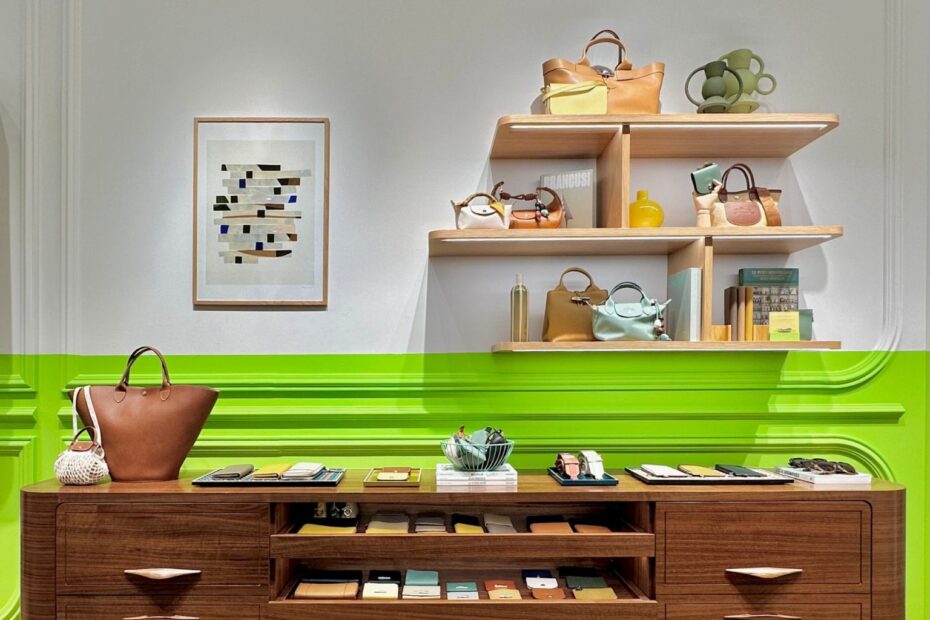
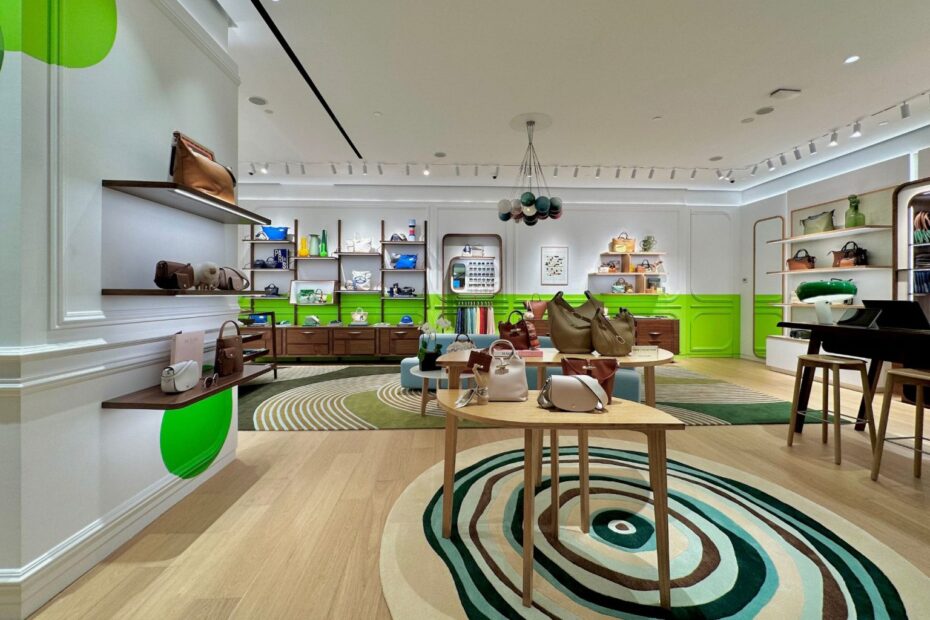
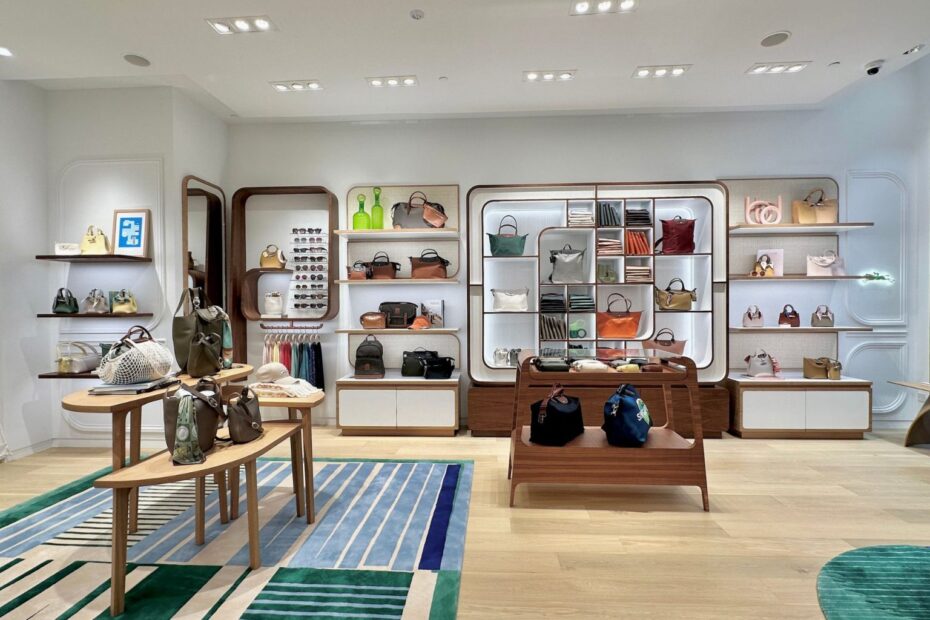
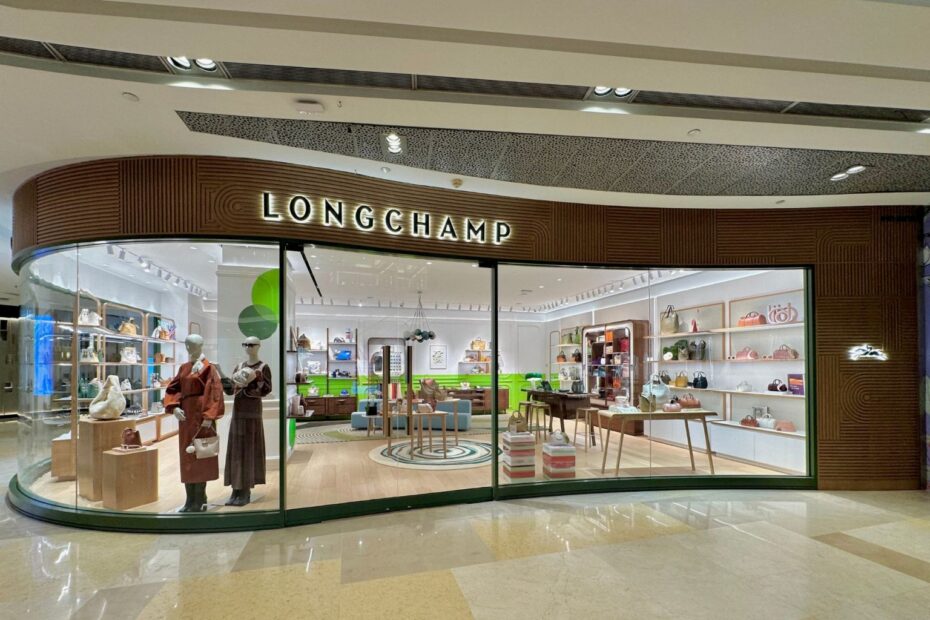

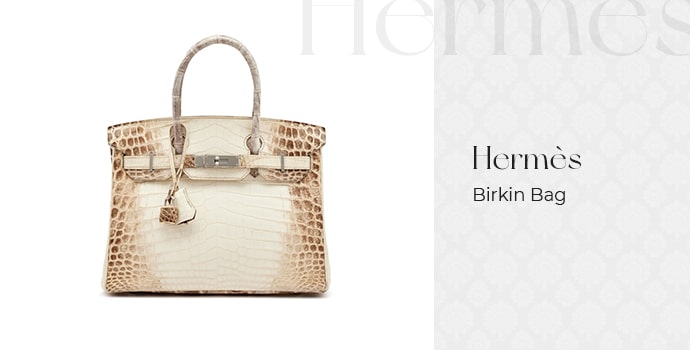
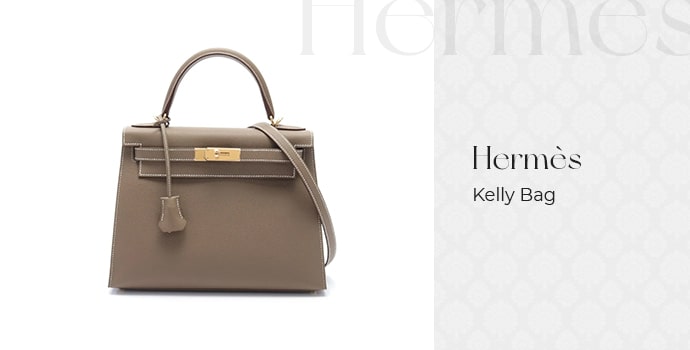
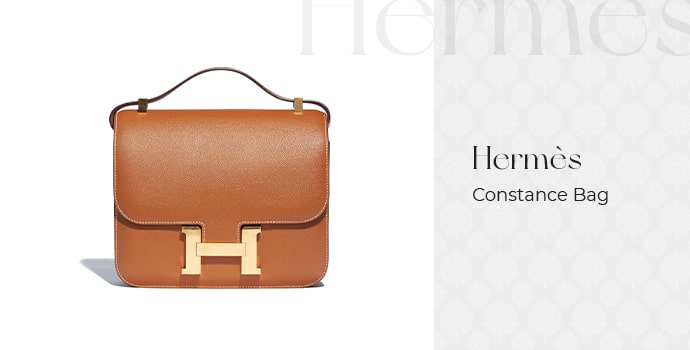
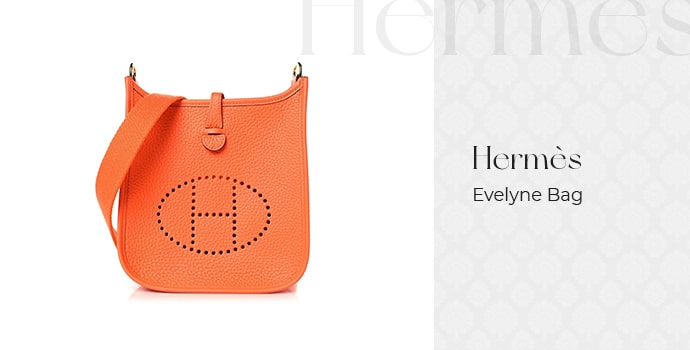
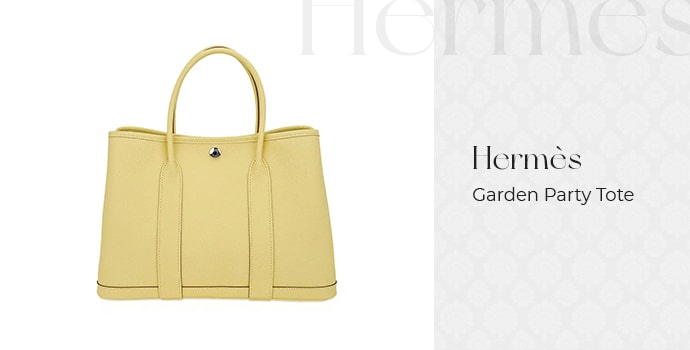
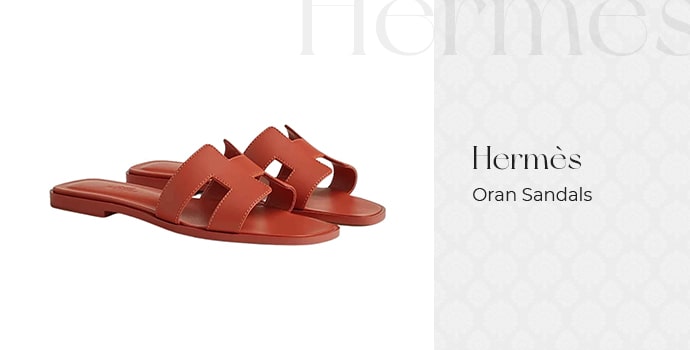
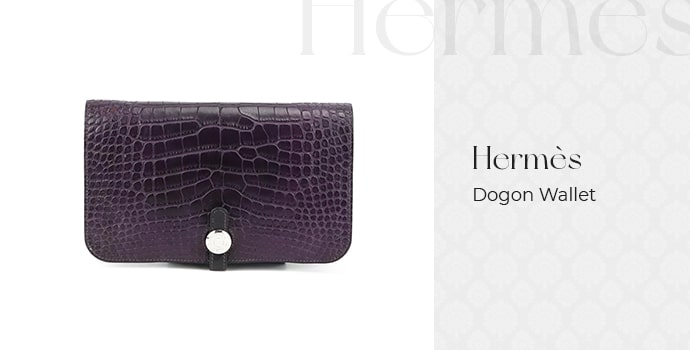
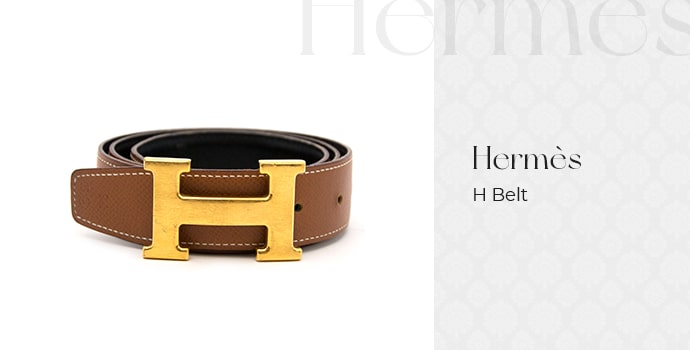
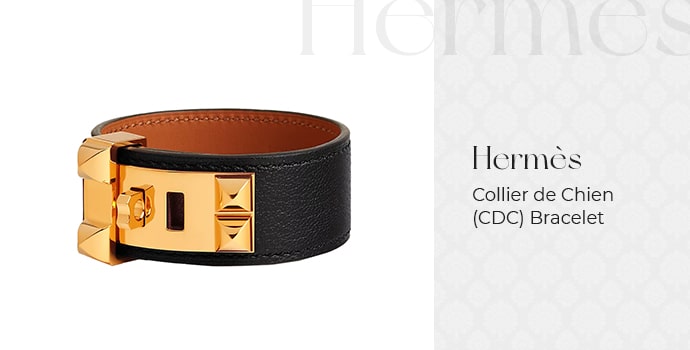
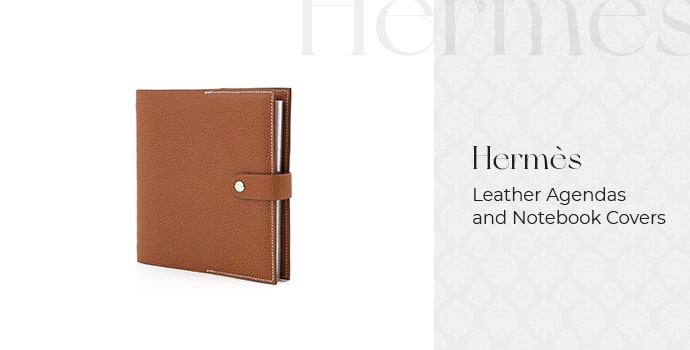

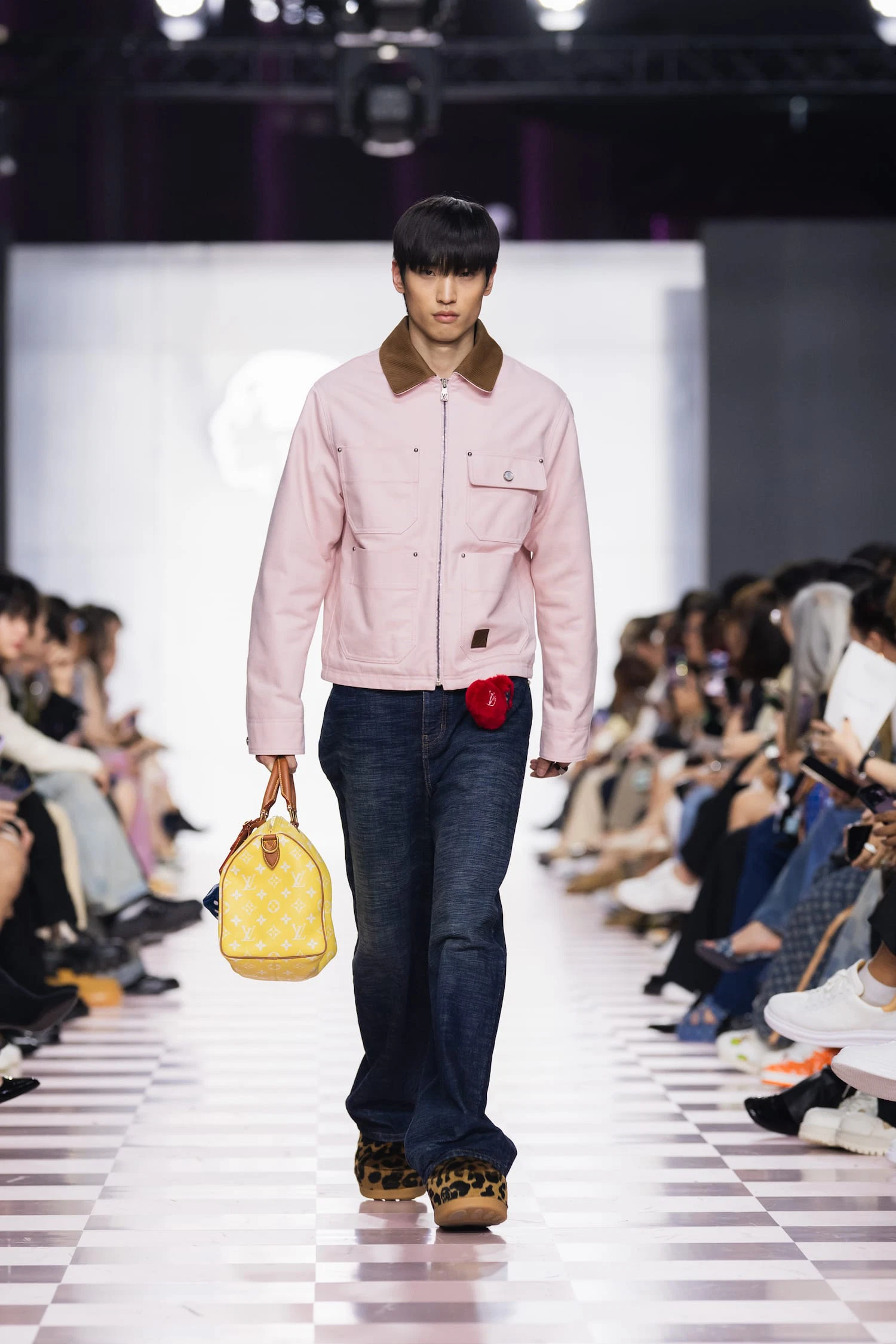
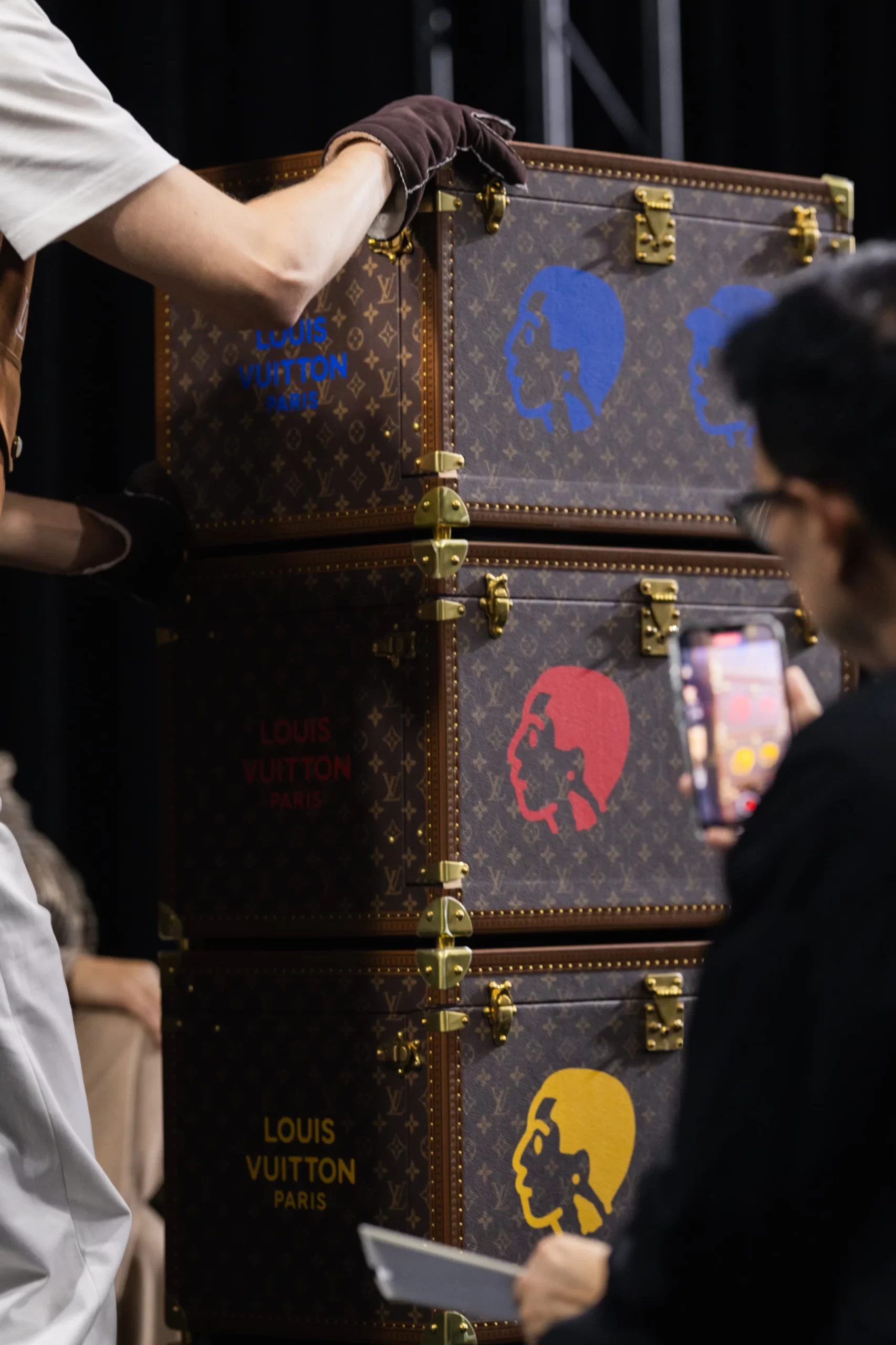

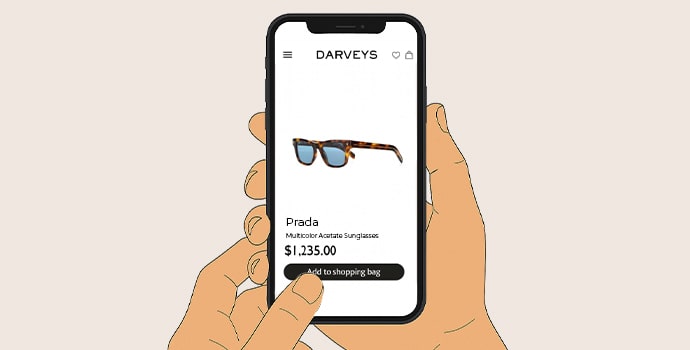
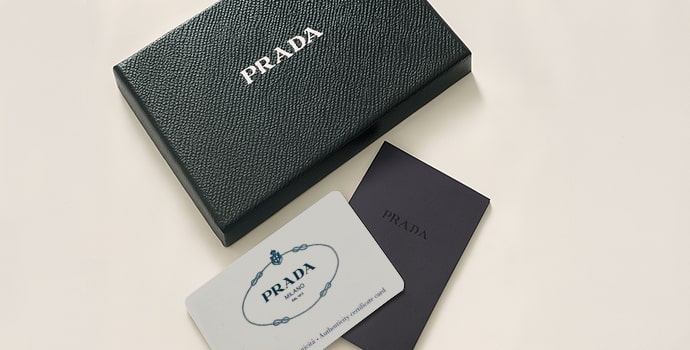

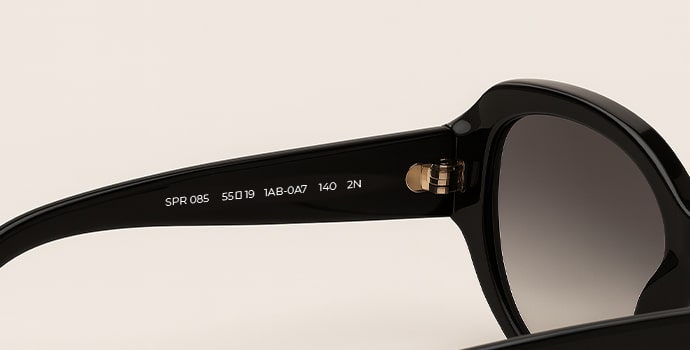



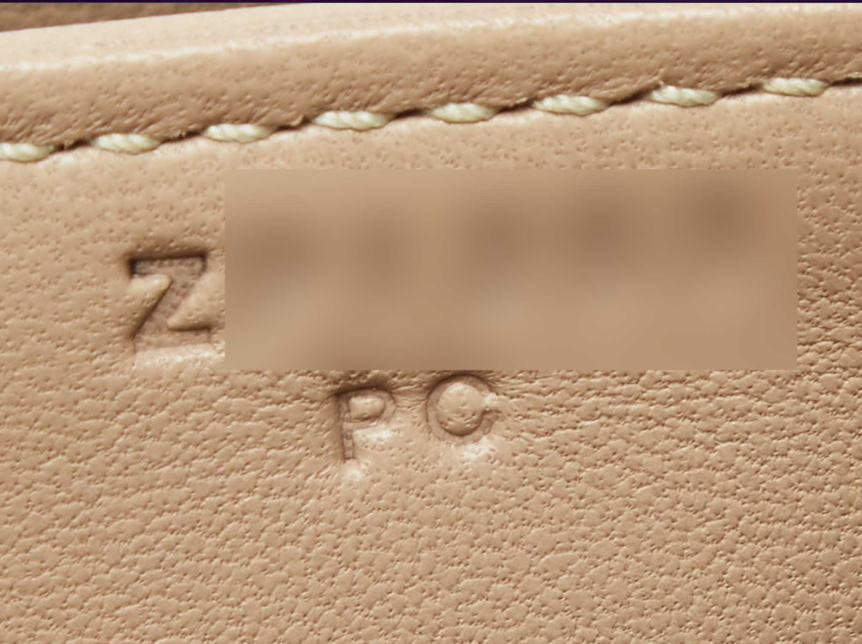
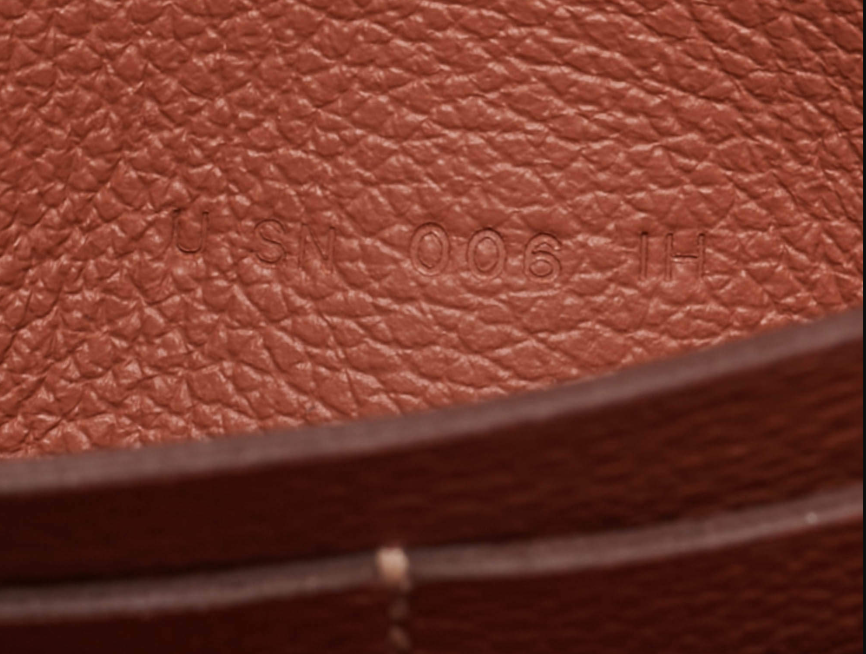 Example of a Hermès Blind Stamp:
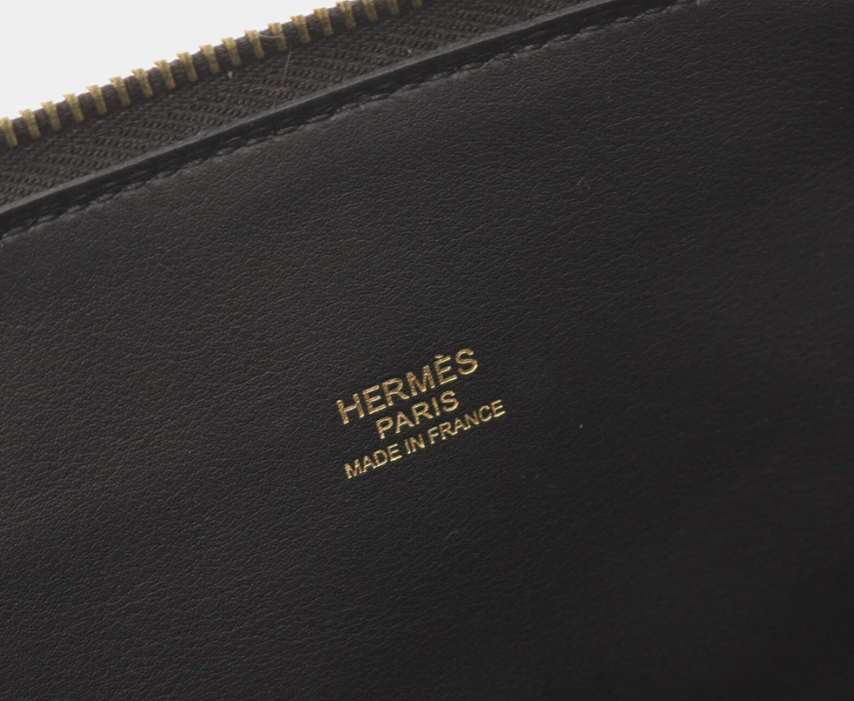 Special Stamps for Leather Types and Characteristics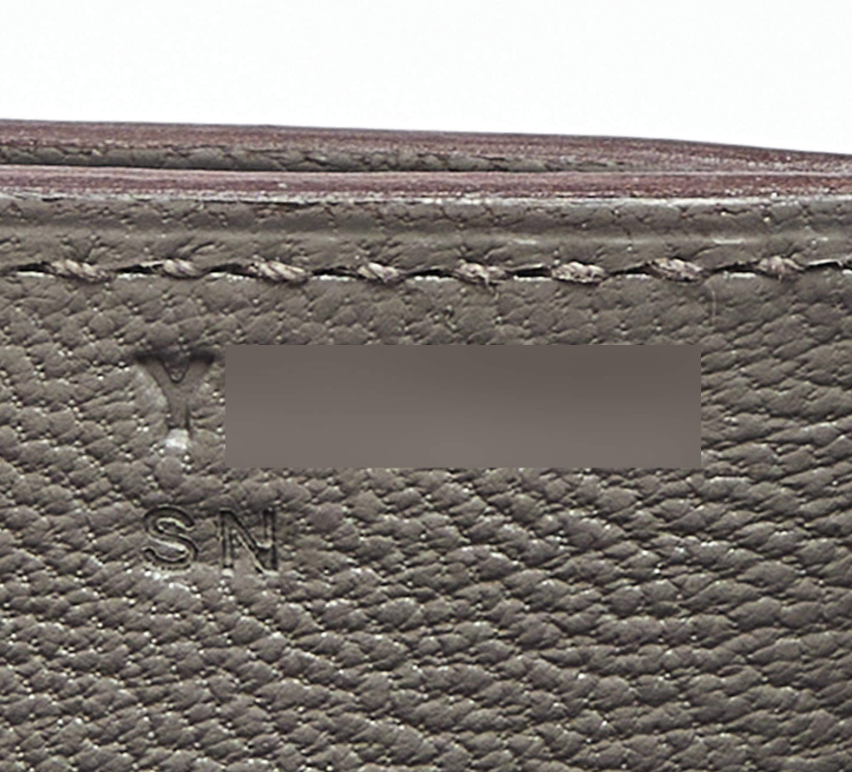
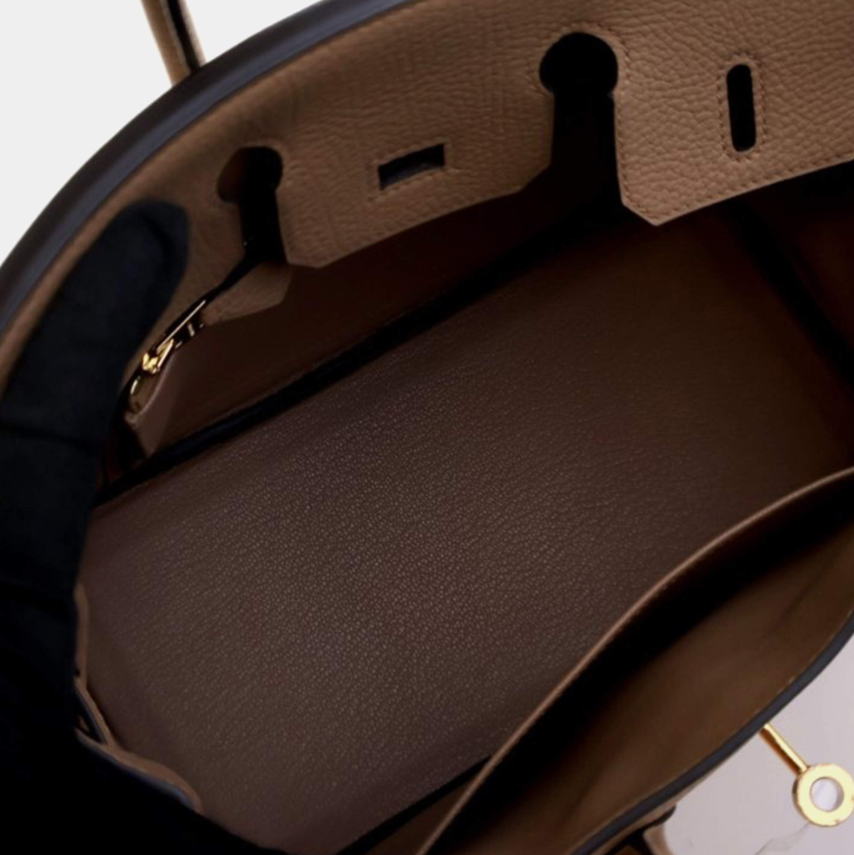 5. Purchase Source
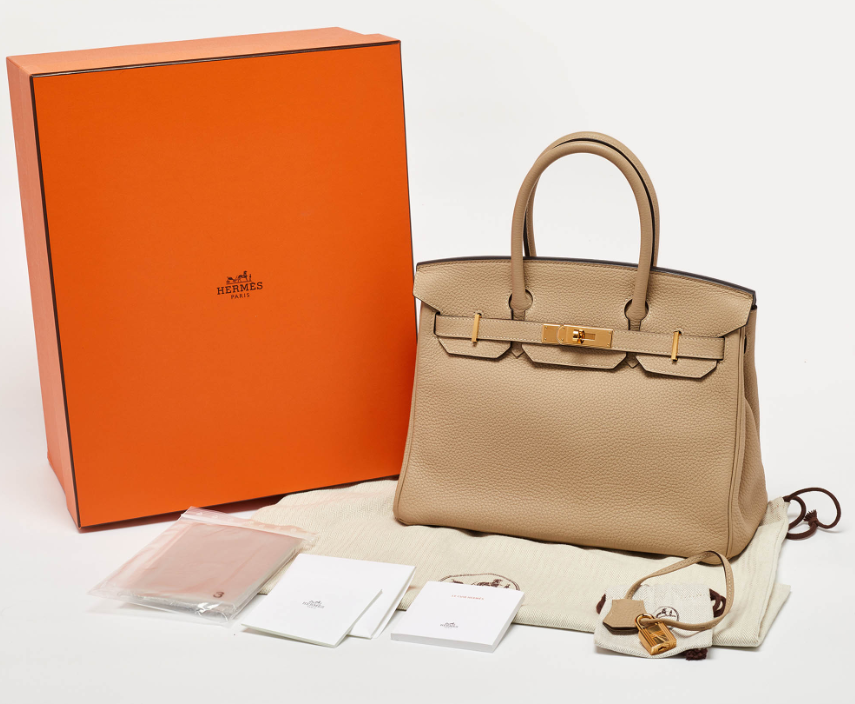 Find Your Hermès Treasure—Classic, Coveted, and 100% Authentic @ The Luxury Closet.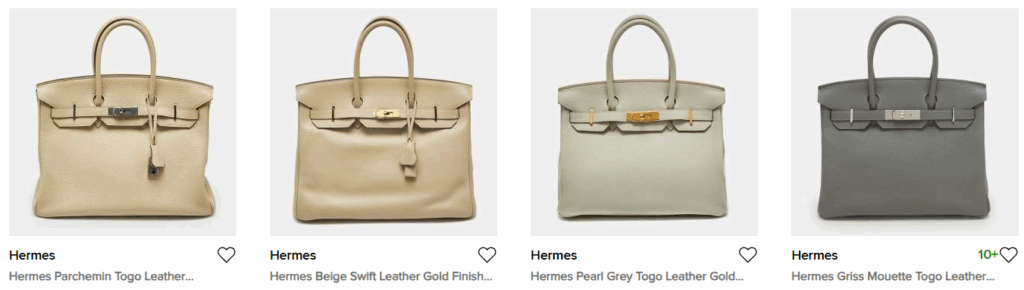
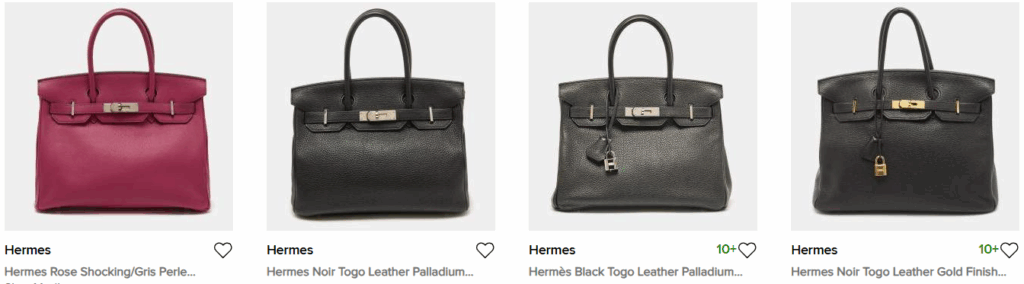
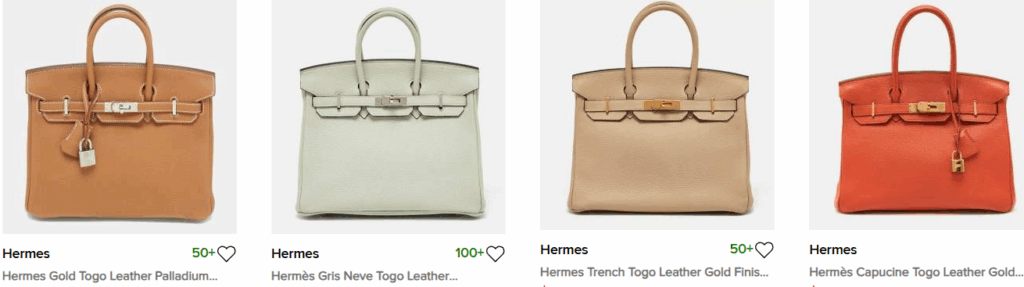 Your next Hermès heirloom is waiting.
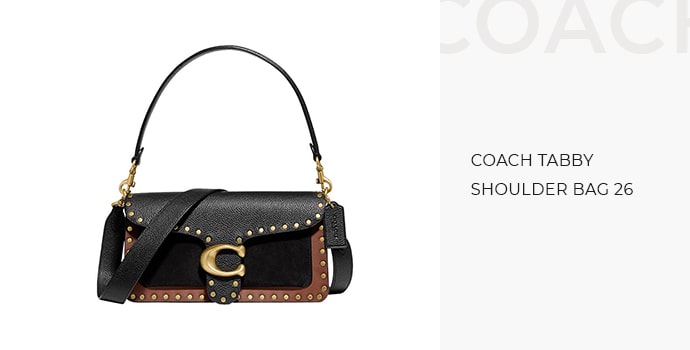
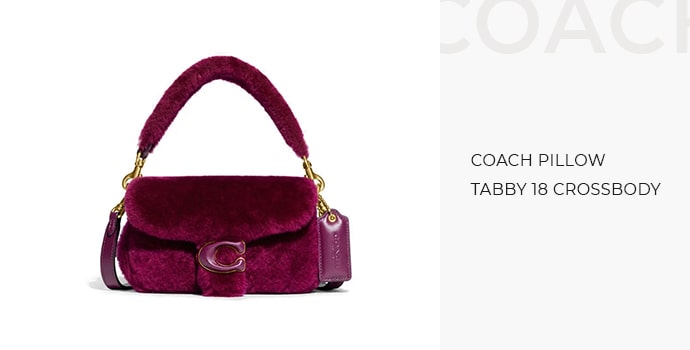
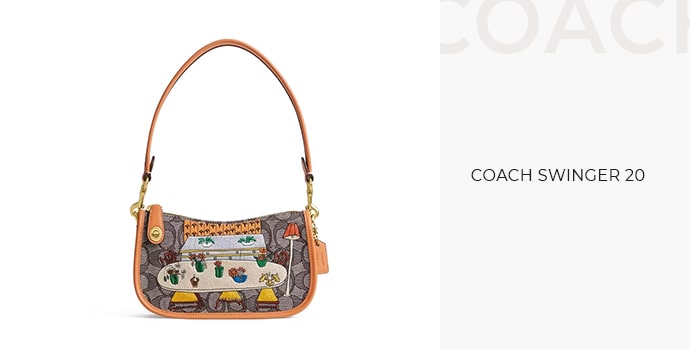
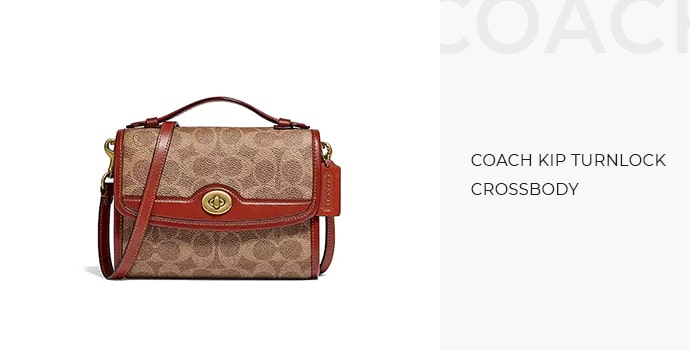
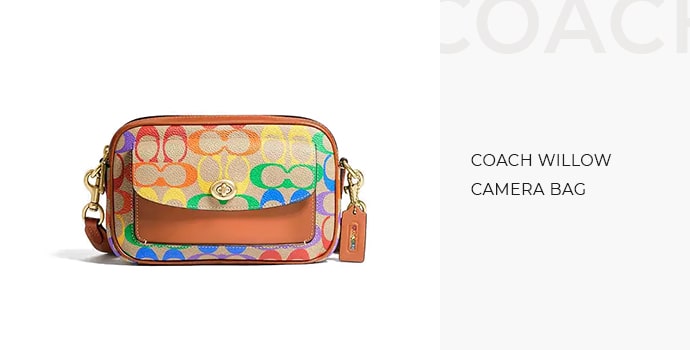
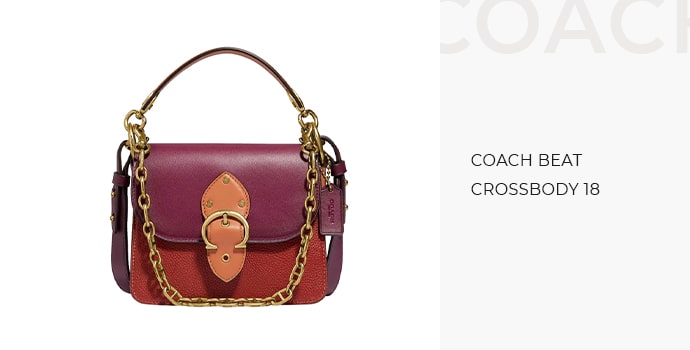
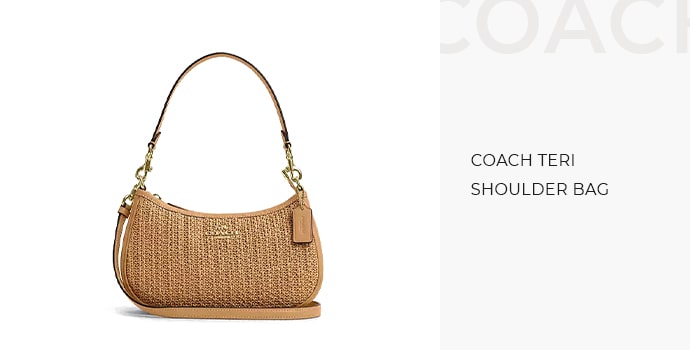
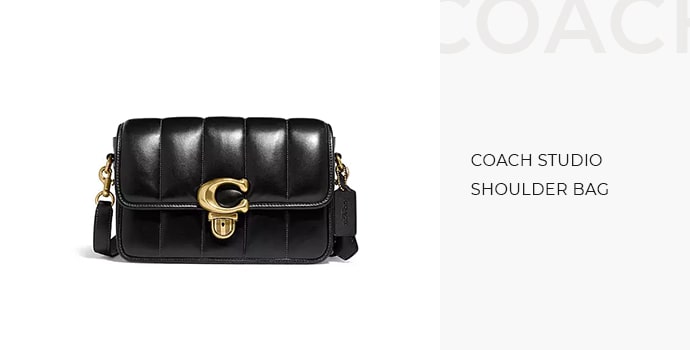
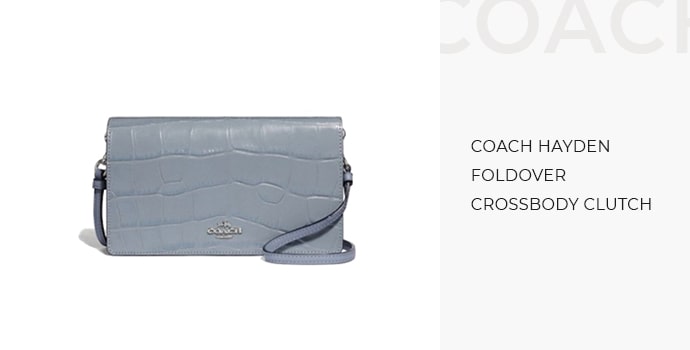
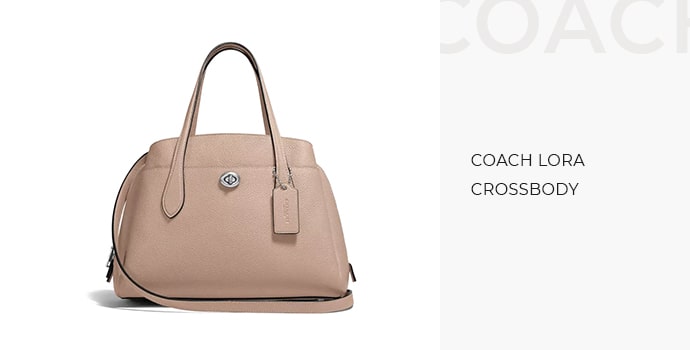
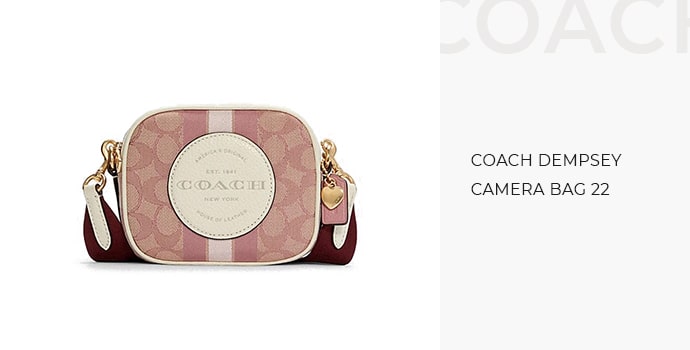
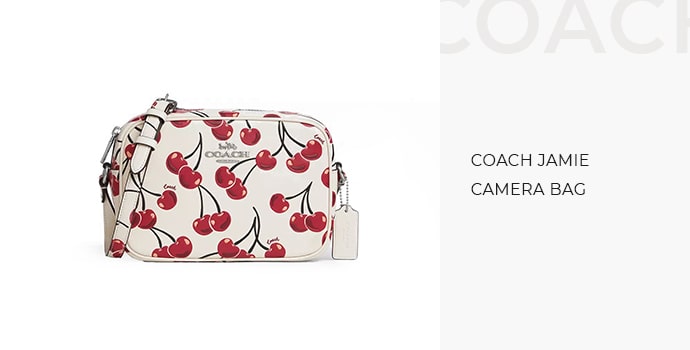
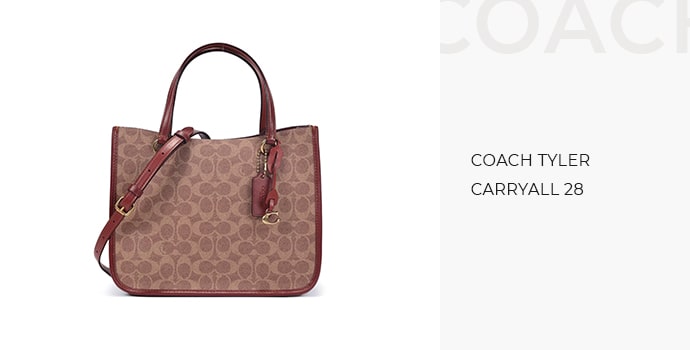
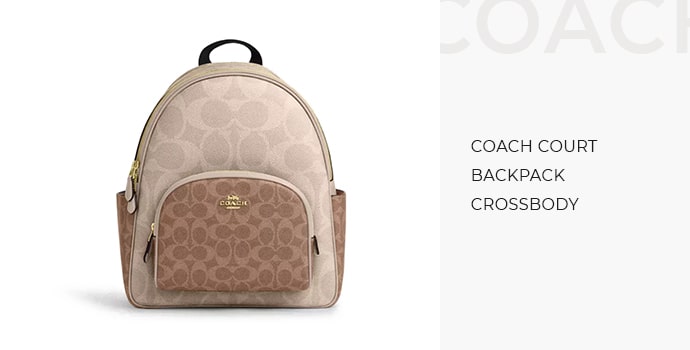
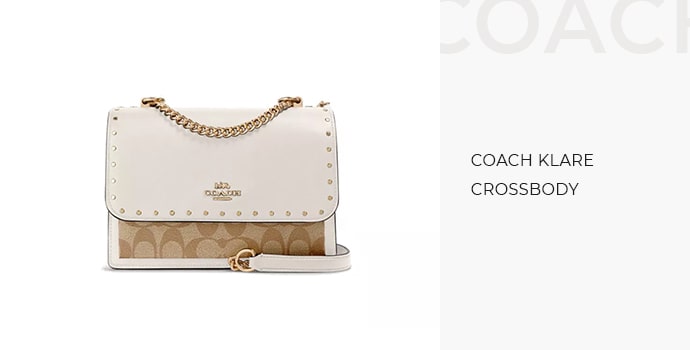
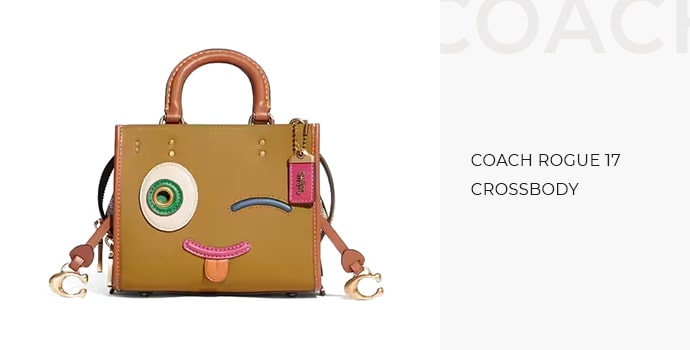
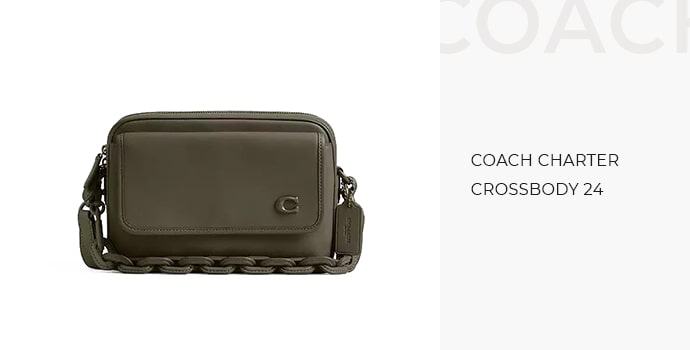

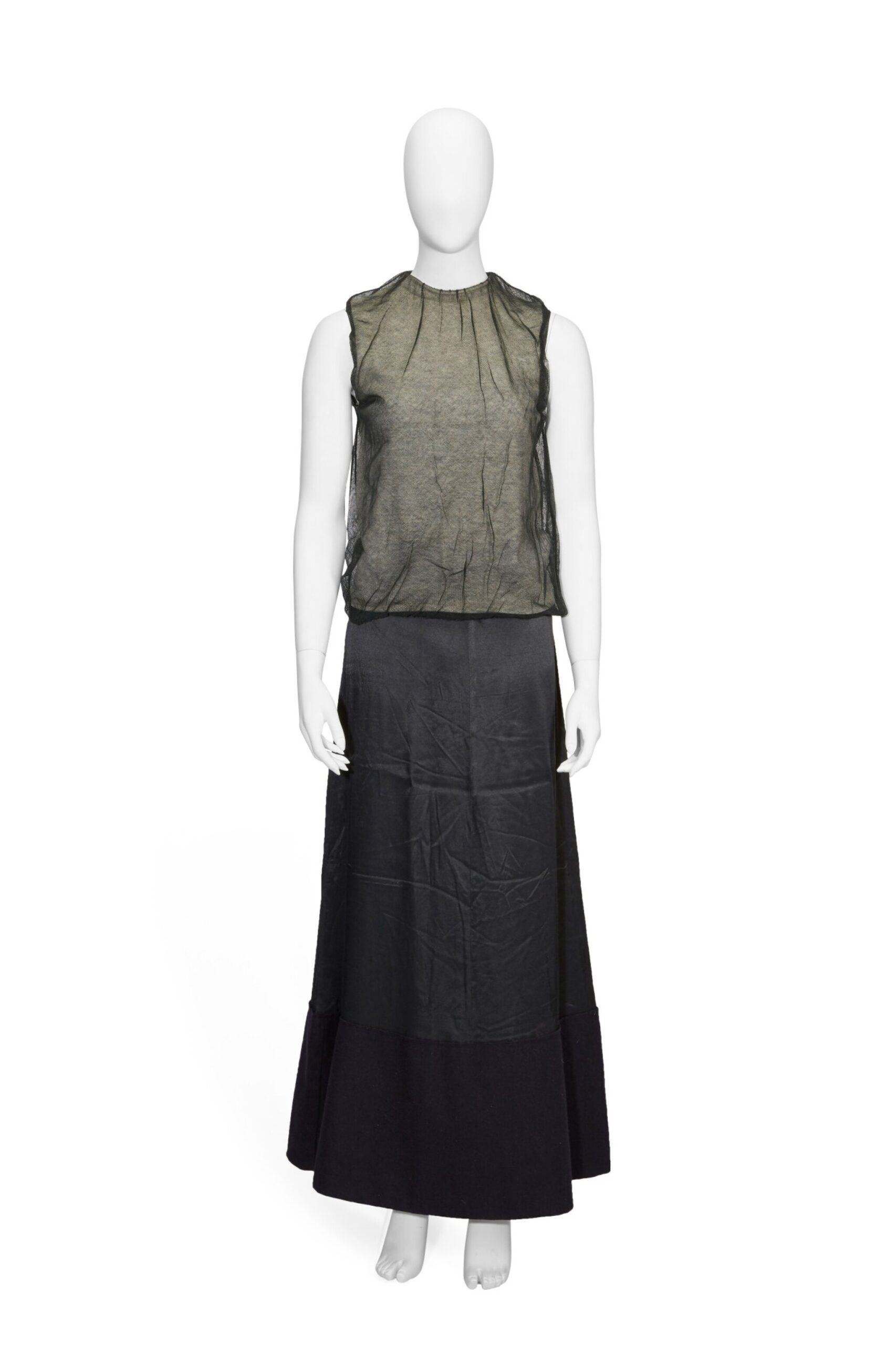
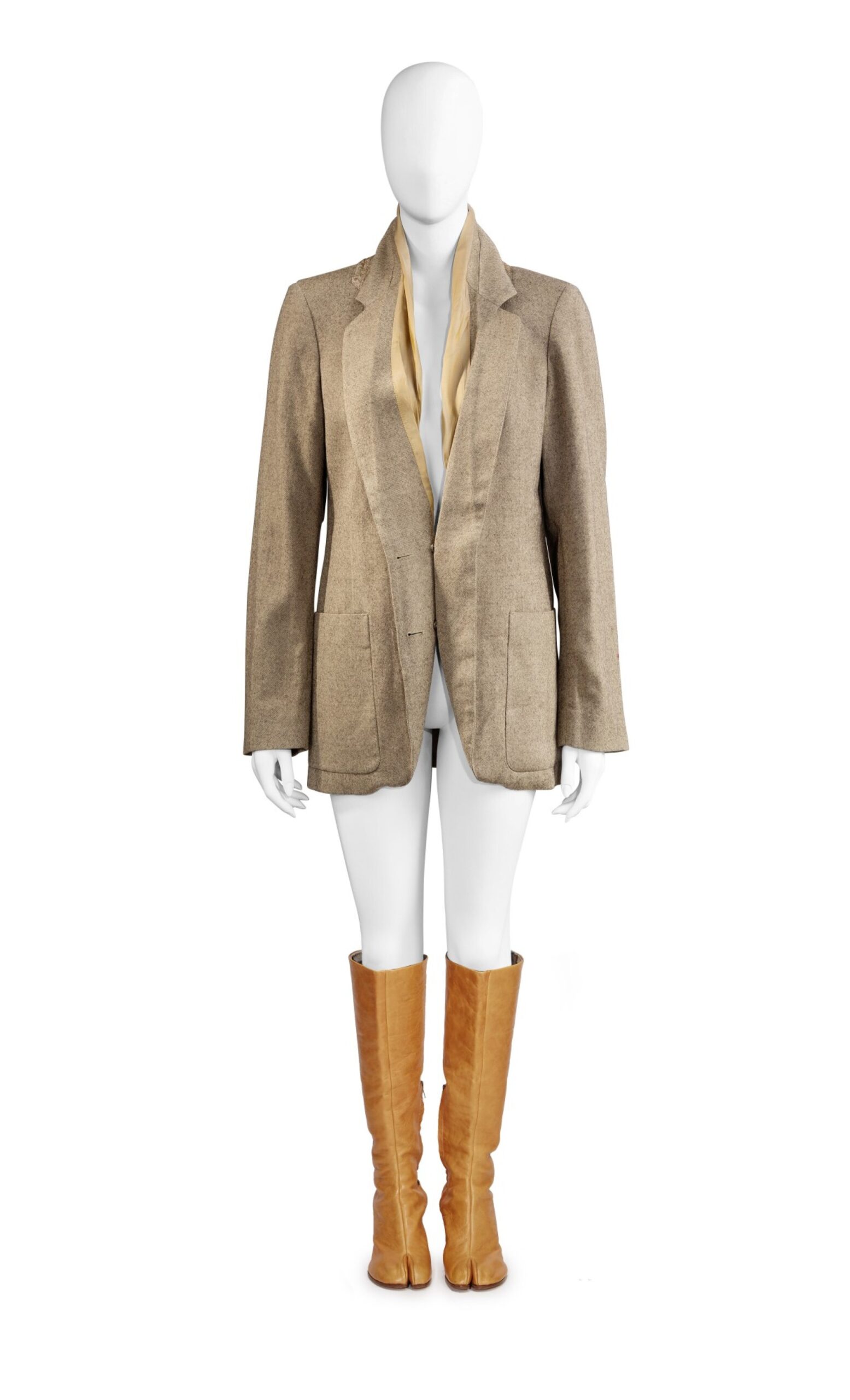

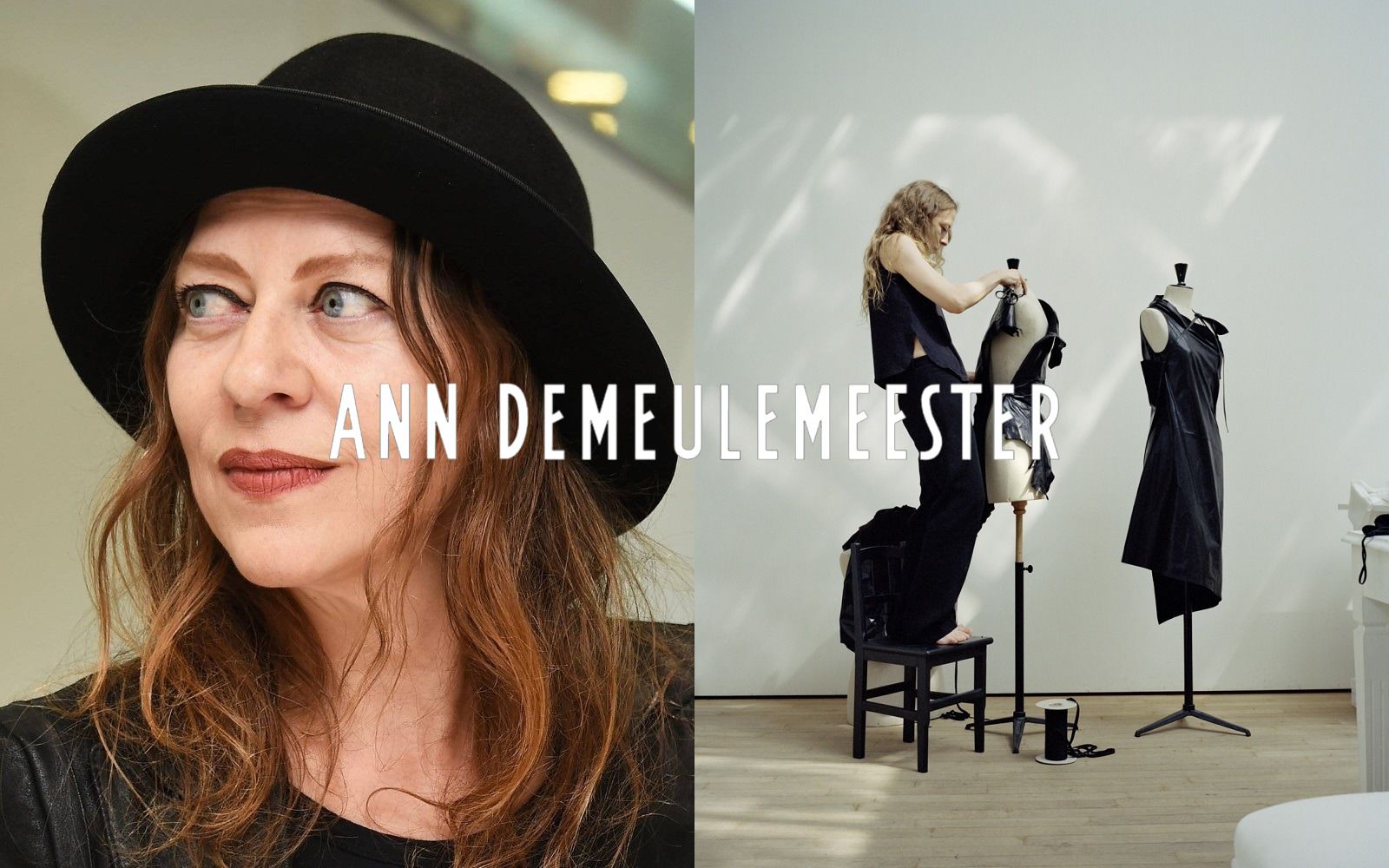
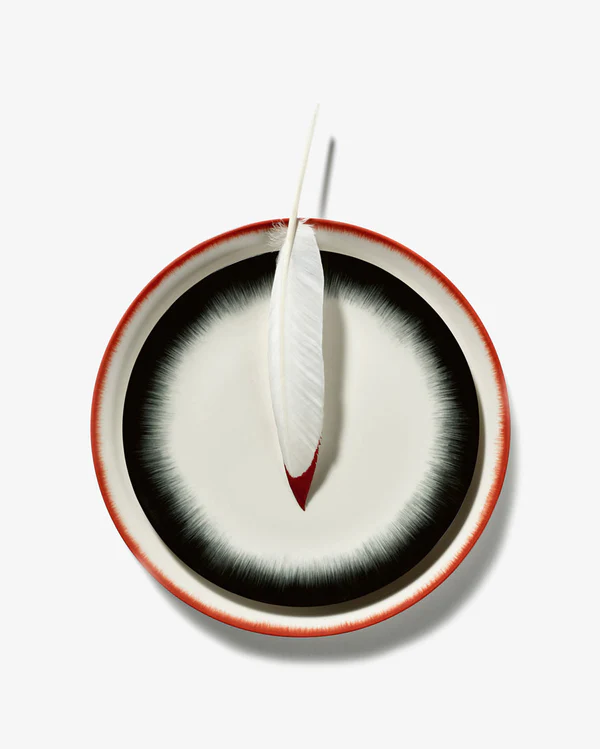

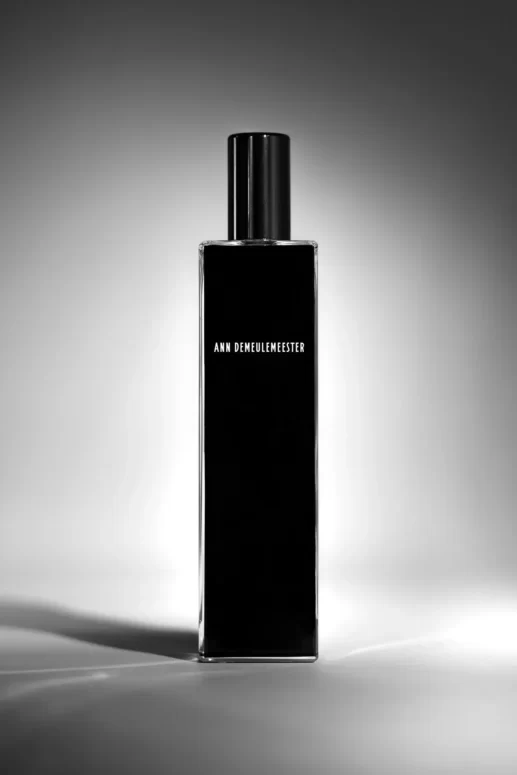
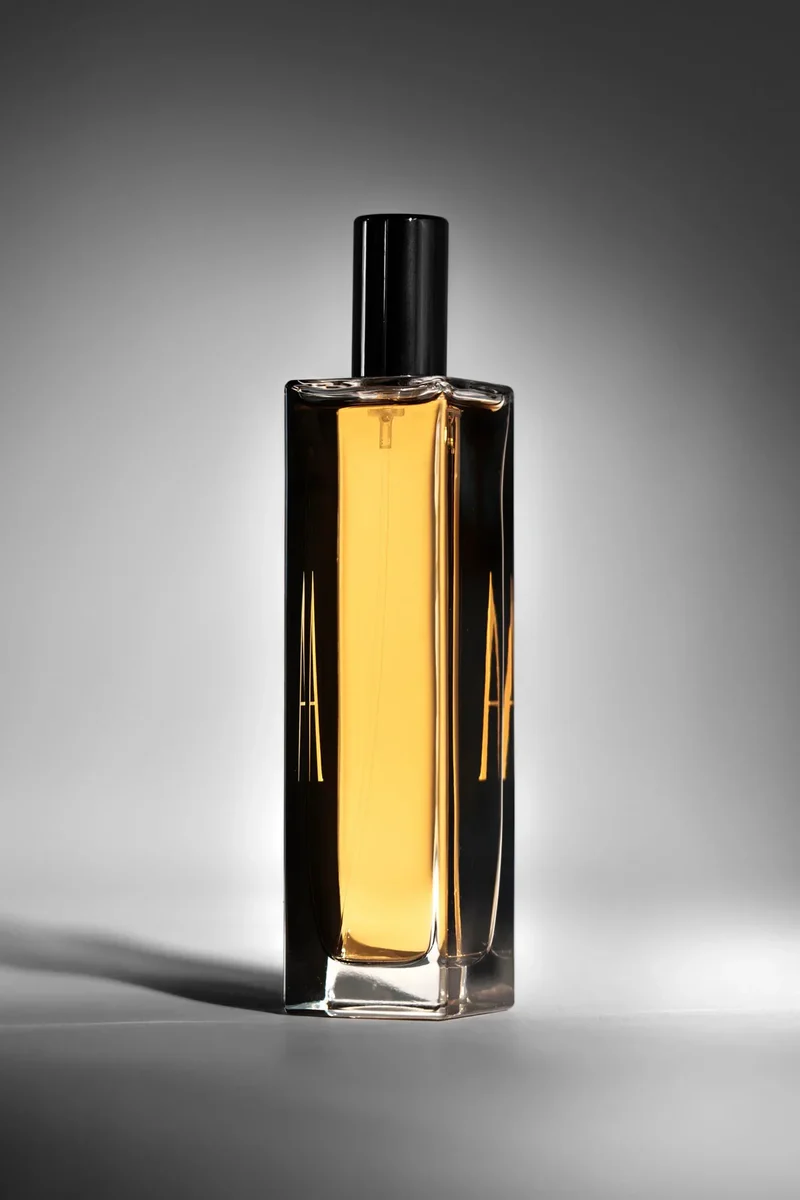











 Kelly Kim of Cornell University (Image credit: HomeSewingCornell.com)


