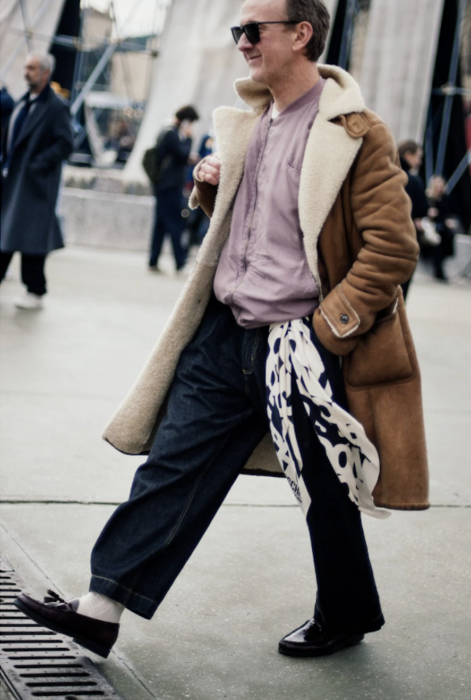
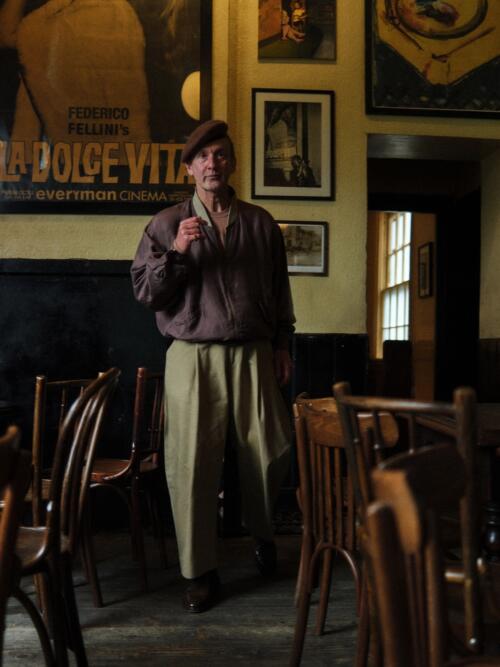
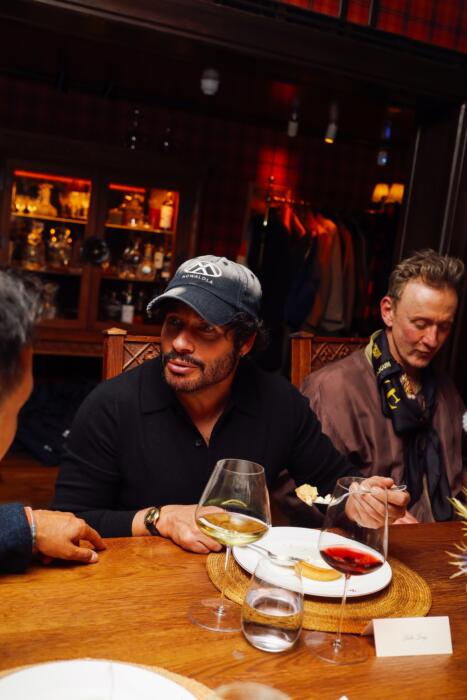
P Johnson opened a new shop on Old Burlington Street in London recently, and it’s a very cool space. I’d even go as fas as to say that it brings a touch of sexiness to this often conservative part of town.
Hang on a minute – I hear you say – that sounds like the kind of thing you’d hear from a mainstream fashion magazine. Why do I care whether it’s a cool space or not?
Well, because most brands with a view on clothes design also have a view on store design. The two usually reflect something about each other, even if it’s a lack a of design – a focus on simple functionality.
In P Johnson’s case, the top image of their new fitting room says it all: padded velvet walls, leopard-print carpet, golden drapes. This is meant to be a bit indulgent, a bit fun.
I asked Patrick Johnson if he thought the vibe had changed much since we first covered them back in 2017:
“Dramatically. I think we’re more mature now, and the brand feels much more resolved and confident. Comfort and ease are really at the centre of what we do, and I guess that often comes across as sexier. There’ll always be a backbone of classicism and craft in what we offer, but I think we’ve evolved to let things breathe a little more.”
The aesthetic of the space is reflected in the clothes, so thankfully my point holds. Not that they feature velvet or zebra skin, but there is a preponderance of materials such as silk, and a lot of dark, tonal colour.
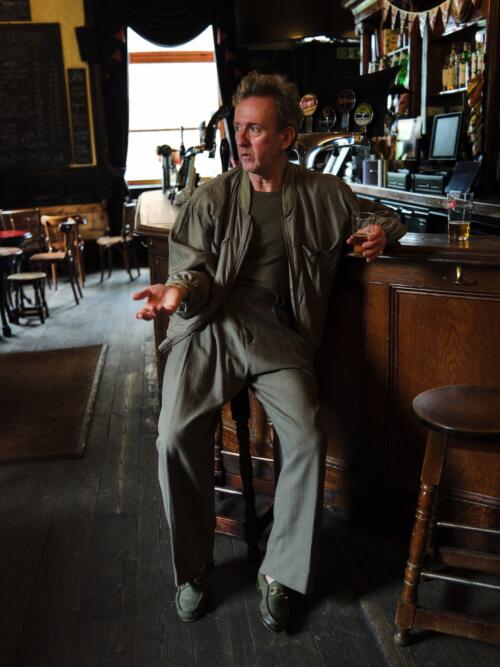
The shirt above, for example, is made from a 65/35 cotton/silk – a good proportion for getting the feel of silk without its heaviness or delicacy. It feels light and silky on the skin, a real evening vibe that most brands we cover don’t do much.
It’s also in a grey/green colour that feels rather Armani-like – there’s a lot of this type of colour around the shop: greige, olive, a dark navy and brown check (below).
(It would probably be fairer to say that it feels late 80s/90s rather than just Armani, although some of the PJ styling does seem specifically Armani-inspired, such as the first model shot shown lower down.)
The other unusual shirt material PJ has is a pure-silk oxford, which is heavier but whose unusual use of an oxford weave gives it body (above).
The materials available for tailoring are also interesting – and I know this is an area that will be of particular interest to readers.
Most tailors use the same cloth books as each other, while some develop exclusives, keep vintage bolts, or buy rolls of cloth in order to offer something different. Savile Row tailors like Huntsman or A&S often do small custom selections; Anglo-Italian develops its own complete bunches; The Anthology buys one or two exclusives, like the cord I used recently.
P Johnson has some unusual and exclusive cloths in this regard, including the silk/wool mix pictured below. This is from Serica in Cuomo and has a matte finish not unlike the popular Art du Lin from Solbiati. (MTM starts at £880 for half canvas and £1030 for full canvas – but these more expensive cloths push the price up – to £1470 and £1620 with this wool/silk.)
While I loved the colour and materials of lots of the PJ shirts, most of the styles didn’t work for me. The collars were a little too small to work under my tailoring, or the fits a little too blousy (some more than others).
However, most of the shirts are available made to measure, and indeed some only available that way (one reason you don’t see some of them online).
This is the second big thing I would highlight about P Johnson. Having so much available custom really opens up the offering – it means those fabrics are available to a much bigger crowd, both in terms of style and of body shape.
The company has always partly run this way, and when they first started in London there was little on display or in stock.The range of clothing is much bigger now, however, and most people walking into the store would not necessarily assume most of it was available MTM. There’s a tailoring area at the back with various bunches, but in any other store like this, the rest of the clothes on display would all be ready-to-wear.
The custom is also quite inexpensive and broad in scope. For example, that olive silk shirt I mentioned costs £285 ready made and £290 custom. The biggest uplift among the shirts is £25.
A custom version would allow me to alter the simple proportions (waist, length, sleeve), change design points like the pockets, and alter the collar. You have to stick to their standard shapes, but there are 40 different collars and six different pocket shapes.
This is the first thing I will try from PJ, I think, and can cover when it’s ready. There are several other nice things in the range, but I think these unusual fabrics and having things MTM are the most interesting things to explore.
The other nice things include: a lot of different styles of lightweight coat – full length and three quarters, mostly in dark colours of waterproof synthetics; some belts with exchangeable buckles (though the exotic versions of these are only available in Australia); and quality slippers and soft loafers.
Most of the knits styles didn’t work as well for me, either being scooped quite low in the neckline or having a fairly small collar (much as I always want that style of integrated collar to work).
Finally, the elephant in the room: back when we first reviewed P Johnson, there was a bit of a furore in the comments from Australian readers who said the company hadn’t been honest with them about where the tailoring was made.
Now, I can’t comment on any honesty then or now, but the staff in the PJ shop today are very open about the things that are made in China, and make the point I’ve always agreed with: that China and other Asian markets such as Korea often make a better product than Italy or Portugal. Focusing on country of origin doesn’t get you very far.
When we asked Patrick, he said: “We learned a lot through that time, mostly around how we communicate our production story. There was never any intent to mislead, but it did push us to be clearer and more transparent, which was a good thing. Our Pronto workshop, just south of Shanghai, sits at the centre of what we do, and the quality and value coming out of there are exceptional.
“We also continue to produce in our Italian workshop in southern Tuscany, though we sold our shareholding in that business to our former partner mid last year. And our next project is in Korea, it’s got this beautiful freshness.”
I wish the PJ team well for their expansion in London. It certainly brings a freshness and sense of fun to the menswear here.
pjt.com
25-28 Old Burlington St, London
Related posts
A Guide To Chambray Shirts – Part One: Reproductions
April 10th 2024 – 102 Comments
Read More
A guide to piqué cotton polo shirts
April 4th 2022 – 231 Comments
Read More
The (21) shirtmakers I have known
October 9th 2019 – 267 Comments
Read More
<!–
Subscribe to this post
You can follow the discussion on P Johnson in London: Sexy, tonal, custom by entering your email address in the box below. You will then receive an email every time a new comment is added. These will also contain a link to a page where you can stop the alerts, and remove all of your related data from the site.
University of Fashion’s 3-part series on creating handsewn buttonholes. (Image credit: University of Fashion)
Fashion has its own language—and nowhere is that more delightfully apparent than in the art of handsewn buttonholes. If you’ve ever felt that couture insiders are speaking in code when they discuss their sewing tools, consider this your glossary moment. Better yet, Andrew Curwen’s handsewn buttonhole video series serves as your guide, translating each term into a skill you can master with confidence.
Creating a truly refined handsewn buttonhole begins with a carefully selected toolkit: polyester thread for basting, silk buttonhole twist, gimp, hymo, a #7 sharps needle, and an open-top thimble. Each element plays a distinct role in achieving that crisp, elevated finish.
Buttonhole TwistThis is the star of the process—the thread used to form the dense blanket stitches that define the buttonhole’s edge. Strong, smooth, and slightly lustrous, silk buttonhole twist is the couture standard. Whether you choose a matching shade for subtlety or a contrasting color for emphasis, this thread carries both the structure and the visual impact.
GimpGimp is a thicker thread that sits beneath the buttonhole stitches, giving them dimension and a beautifully raised profile. While finding an exact color match can be challenging, Andrew Curwen offers an ingenious solution in his three-part series: a method for creating perfectly matched gimp, ensuring both precision and polish.
HymoHymo is a hair canvas interfacing that provides essential internal support. Available in various weights and in both fusible and non-fusible options, it reinforces the fabric layers, helping the buttonhole maintain its shape and durability over time.
#7 Sharps NeedleSharps are versatile hand-sewing needles with a sharp point and a round eye, available in sizes 1 through 12. For buttonholes, a size 7 strikes the ideal balance—fine enough for precise, tight stitches, yet sturdy enough to handle multiple layers.
Open-Top ThimbleAn open-top metal thimble protects your finger while allowing greater sensitivity and control. It helps push the needle cleanly through the fabric, making it an essential tool for the repetitive, controlled motions required in buttonhole work.
The Process
The steps for making a Straight Handsewn Buttonhole: 1) baste & mark the buttonhole before slitting the buttonhole opening, 2) Twist silk buttonhole thread to create gimp, 3) baste gimp to slit, 4) blanket-stitching the buttonhole, 5) bar tacking one edge, 6) finished buttonhole.
Mastering handsewn buttonholes is as much about understanding your tools as it is about technique. With the right materials—and expert guidance from Andrew Curwen—you can transform what seems like a meticulous detail into a signature mark of craftsmanship. In the end, these small, deliberate stitches speak volumes, elevating a garment from simply made to truly exceptional.
Not a UoF Subscriber? Watch our Video Previews
Click on the link to view our video previews: Handsewn Straight Buttonholes, Handsewn Rounded Buttonholesand Handsewn Keyhole Buttonhole.
Sign-up for our newsletter
Join our newsletter to receive updates on future blog posts, special deals, and new lessons. Also visit the main webpage to check out all of our video lessons.
What I’m looking forward to wearing this summer (‘26)
Friday, April 10th 2026Tags: Casual clothingDenimShoesColumbiagrensonLEJthe anthologyTWC
Share
Share this post
Subscribe
2 Comments
||- Begin Content -||
By Jamie Ferguson.
Fourth instalments are usually the best ones right? Indiana Jones and the Kingdom of the Crystal Skull, Fast and Furious, The Phantom Menace… Ah nuts.
Well, here’s hoping this chapter in the What I’m Looking Forward to Wearing series is more the classic, high energy of Rocky IV and less the ‘bat-nipples’ of Batman and Robin.
I’m not going to lie, there’s lot of pressure stepping into the well-dressed, gladiatorial PS arena. You’d think I’d be used to it by now but alack, that’s not the case. The weight stems from a belief that you can’t really offer advice to suit one and all (as much as I’d love to) especially when it comes to something as personal as style.
These recommendations are purely what I’m looking forward to wearing and if, along the way, anything you happen to see offers a crumb of inspiration then I consider that a win.
As the great Dominic Toretto once said: “Ask any racer. Any real racer. It don’t matter if you win by an inch or a mile. Winning’s winning.”
So, without further ado….
1. Fishing/photographer’s vests
Readers of Permanent Style appreciate a niche right? Well, you can’t get more niche than an article of clothing that’s really designed for only doing one of two things: fishing or photography.
Whether you can use it for anything else is a style conundrum I often find myself caught up in. On the one hand, I’m a firm believer that clothing should be practical, especially if it’s been designed for a specific purpose. And, truth be told, I do only wear this Colombia fishing vest when I’m shooting.
But the problem is, I like the look of it SO much that I’m considering abandoning that belief altogether. Sue me. I’m a maverick, I don’t play by anybody’s rules, not even my own.
These vests tick a lot of boxes. They’re a great layering piece, they have lots of practical pockets, and they’re light weight, so they can easily be packed away into a tote if those judge-y eyes get the better of you.
It may prove impossible to find a way of wearing this vest that doesn’t look odd when you’re not holding a rod or a camera; but I’ve always enjoyed a challenge.
The one I picked up was from Colombia Sportswear. I had a few prerequisites. I didn’t really want the ‘fly patch’ or ‘drying patch’, which is the little bit of sheepskin you’ll see on some options; I needed lots of pockets, obviously; and I didn’t want a collar because of the way I imagined it sitting on top of a fatigue jacket or shirt.
eBay has lots of great vintage options in cotton, which will age and wash really well. I’d recommend looking for LL Bean or Woolrich.
1st outfit
Fisherman vest: Colombia
Hat: Model’s own
Vest: Marks and Spencer
Jungle shirt: J.Crew
Shorts: Aubin
2nd outfit
Shirt: Stan Ray
Shorts: Stan Ray
Vest: Marks and Spencer
Jellies: La Meduse
Hat: Ebbetts
Tote: Stan Ray
Sunglasses: The Resort Co
2. The Anthology patchwork madras jacket
I’m a massive advocate of wearing seasonal fabrics out of season. If it’s lighter, layer it up; if it’s heavier, go solo. But there are some fabrics that just look out of place if any attempt is made to wear them during the incorrect season. Enter stage right: the patchwork madras.
I adore this jacket but can only get away with wearing it from maybe late May, if I’m lucky, through September. September at a push mind you. The Irish seasons can be rather unforgiving.
Meaning I have a limited window to wear this and by golly I will wear it up, down, left and right. This results in wearing it dressed up as well as dressed down, which isn’t always easy.
The jacket and shorts thing is problematic and I don’t think it works EVERY time. So I’ve developed a tried and tested two-step process for determining whether it works or not.
Step One: The eyeball test. A quick glance in a mirror will often tell me if something’s a goer or not. I’ve been doing this long enough with enough failures to know if I’m comfortable with how an outfit looks in terms of palette and proportions. I don’t always need to move onto Step Two, but if I get the prickling sensation that I’m pushing any kind of sartorial boundary, I will invoke it.
Step Two: The ask the long-suffering wife test. As much as I say this with tongue firmly planted in cheek, I’ve found that the more vociferously my partner objects to a get-up I’ve thrown together, the more certain I am that said ‘up is a banger. After all, I do not dress to be sexy but for the menswear-ing homiez.
1st outfit
Jacket: The Anthology with cloth from OMTC
Shirt: Kempt
Tie: Model’s own
Belt: Levi’s
Jeans: Levi’s
Sunglasses: The Resort Co
Slippers: Stubbs and Wootton
2nd outfit
Shirt: Brycleand’s
Vest: Marks and Spencer
Belt: Drake’s
Shorts: Beams +
Hat: Ebbetts
Tote: Hennerton
Loafers: Morjas
3. Denim jackets
If spring isn’t a time for layering, then when is? There’s nothing I love more than travelling for work during March to mid-May and having to pack for 27 different ambient temperatures.
Now some of you may think I’m exaggerating, but what do you reach for when you’re going from a drizzly, and yet somehow also frosty, Belfast airport, into an unconscionably hot, for some reason, airport lounge, onto an air-conditioned plane, having a sweaty run to a packed train heading to the city, descending into an even sweatier and more packed tube, before finally arriving at the destination where the minute you crouch down to shoot all that accumulated moisture runs into the back of both knee-pits… and then reversing that whole sequence when it’s time to depart?
How does one dress for that???
Asking for a friend.
Denim jackets are the silver bullet to combat this sartorial werewolf.
They’re stylish, layer-able (seeing a trend here?) and easily thrown in the wash upon return from the concrete jungle. Honestly, I think machine-washability can be an undervalued criteria in menswear.
An added, extra-special lightning-round bonus is having one in standard blue denim and one in off white, like this TWC number. It gives you a lot of combinations to play with, from madras-clad prep to light, earth-toned architectural graduate, all the way back to double denim’d Canadian Tuxedo.
1st outfit
Denim jacket: Levi’s
Shirt, jeans: Buck Mason
Vest: Marks and Spencer
Belt: Morjas
Sweater: Aubin
Hat: Hennerton
Tote: Stan Ray
Loafers: Alden
LEJ has been covered a few times on Permanent Style but I’m here to double down on the ethereal genius that is Luke Walker.
This LEJ Plage Coat in a brown herringbone cotton is my favourite Spring/Summer chore and I’ve been waiting months and months to bust this guy out again.
It comes in a plethora of colours and fabrics online, but it’s the details for the discerning eye that do it for me. As Manish rightly pointed out when he and André reviewed the LEJ offering the longer point collar, the half belt at the back and the enticing price point (depending on cloth) compared with alternates really set it apart.
It’s is a perfect light-layering piece for transitional weather or those summer evenings when the temperature dips.
1st outfit
Shirt and shorts: Buck Mason
Hat: Ebbetts
Tote: Trunk
Sneakers: Buck Mason x Moonstar
Sunglasses: Kirk Originals x FE Castleberry
2nd outfit
Coat: LEJ
Jacket: Drake’s
Hat: Wythe
Shirt: J.McLaughlin
Vest: Marks and Spencer
Belt: Morjas
Trousers: Carharrt WIP
Boots: La Botte Gardiane
5. Grenson fisherman’s sandals
The fisherman’s sandal is an interesting one. By now I’m sure you’ve all seen this shoe somewhere. It’s been ubiquitous for the last few years and while not necessarily to everybody’s taste I think there’s life in these old dogs yet. Hear me out.
Personally, I’ve yet to come across a smart, summer shoe that I feel comfortable wearing with a suit or some form of tailoring in warm weather. I enjoy wearing belgians and espadrilles but find after prolonged wear, belgians just don’t have enough support and espadrilles are, frankly, a touch too casual.
Fisherman sandals, however, comfortably bridge that gap. These are Goodyear welted so I can resole them when needed, which adds to the lifespan, and they’re structured enough that I can wear them easily all day. Even when stomping around cobbled, Italian streets.
If you’re at a loss as to how style them I would also check out Davide Baroncini of Ghiaia, who frequently wears a similar model.
1st outfit
Jacket: The Anthology
Polo: Casatlantic
Hat: Wythe
Trousers: Stan Ray
Belt: Berg and Berg
Sunglasses: The Resort Co
Sandals: Grenson
Denim jacket: Blue Blue
Shirt: Drake’s
T Shirt: Hollywood Ranch Market
Sweater: Jamieson’s
Belt: Morjas
Trousers: Carharrt WIP
Glasses: Cubitts
Related posts
The design and quality of LEJ’s new outerwear
December 17th 2025 – 67 Comments
Read More
How I learned to love shorts
August 19th 2024 – 139 Comments
Read More
PS (shorter) shorts are back
June 9th 2021 – 160 Comments
Read More
<!–
Subscribe to this post
You can follow the discussion on What I’m looking forward to wearing this summer (‘26) by entering your email address in the box below. You will then receive an email every time a new comment is added. These will also contain a link to a page where you can stop the alerts, and remove all of your related data from the site.
In the changing world of fancy shoes, footwear remains one of the strongest signs of one’s style and nothing shows class like a set of fancy shoes. In 2026, the need for great footwear keeps growing as women look for items that mix style, ease, and eye-catching charm. The finest fancy shoes are no longer only about being tall or looks; they are a sign of skill, history and new ideas.
From classic high heels that show confidence in formal places to fancy sandals that catch the eye at night events, designer shoes fit every time and style. Fancy clothing brands keep trying new ideas by playing with different shapes, bright decorations, and modern materials. At the same time there is a rise in comfort and how easy they are to wear making these shoes more useful than ever before.
What makes putting money in fancy shoes worth it is how they can lift even the plainest outfit. A basic black shoe can quickly make a work look better, while a shiny heel can change an evening dress into something special. These shoes are not only style things, they are lasting closet buys that keep their charm for years.
In this guide we look at 25 top designer heels for women in 2026. We show famous styles, popular designs and some must have pieces that really need place in your luxury collection.
1. Christian Louboutin Kate Pumps
A sign of classic style, the Kate shoes have a smooth pointy front and very tall heel. Famous for their bright red bottom, these shoes are great for special events and smart dressing. The shape makes the legs look longer, making them a favorite pick for ladies who want to feel sure and neat.
2. Christian Louboutin So Kate Stilettos
A fancy type of the classic Kate, the So Kate has a pointier tip and taller heel, giving it a more striking and stylish look. These are great for nights out and special times when you want to make a big impression.
3. Jimmy Choo Romy Pumps
Graceful and handy, the Romy shoes are made with ease in thought. Their a bit shorter heel size makes them great for long use; while their simple look means they match easily with both fancy and casual clothes.
4. Jimmy Choo Love Pumps
These pumps give͏ a gentler shape and better ease, making them great for daily luxury. Their lasting charm makes sure they stay a must-have in any closet.
5. Jimmy Choo Bing Crystal Mules
Made for show, these shiny shoes with jewels are good for night events. They mix shine with new style making them a key part of any dress.
6. Manolo Blahnik Hangisi Pumps
Well known for their shiny clasp, Hangisi shoes are linked with wealth and style. Often picked for weddings and fancy parties, they give a nice mix of grace and charm.
7. Manolo Blahnik BB Pumps
A neat and comfy choice, BB shoes are great for daily use. Their low heels and simple look make them useful and easy to wear.
8. Gucci Horsebit Pumps
These pumps mix old style with new comfort. The special horsebit detail gives a unique feel, making them great for both job and casual nice outfits.
9. Gucci Platform Sandals
Bold and showy, these tall shoes are great for making a point. They give you some extra height while still being quite comfy because of their flat part.
10. Aquazzura Tequila Sandals
Famed for their glass decorations, these shoes are fancy and attention-grabbing. Great for night time outfits, they add shine and class to any getup.
11. Aquazzura Bow Tie Pumps
Lovely and classy, these shoes have small bow details that give a fun but smart look.
12. Giuseppe Zanotti Crystal Heels
These shoes are famous for their bright styles and fancy looks. Great for a party, they give quick charm to any outfit.
13. Mach & Mach Double Bow Pumps
Fun and trendy, these shoes have special double bows and shiny bits, which make them great for bold outfits.
14. Valentino Rockstud Pumps
Cool but stylish, these shoes have special dots that give a strong look while still being easy to wear.
15. Valentino Tan-Go Platform Heels
Thick and neat, these shoes give both lift and ease, making them a choice for trendy style fans.
16. Prada Slingback Pumps
Simple and neat, these shoes are great for quiet luxury. Their clear look makes sure of la͏sting charm.
17. Prada Patent Leather Heels
Old but new, these shoes are great for special events and work places.
18. Saint Laurent Opyum Heels
With a shaped logo heel, these shoes are strong and easy to spot. Great for making a style mark.
19. Saint Laurent Tribute Sandals
A classic flat shoe that is loved for its ease and famous look.
20. Bottega Veneta Stretch Sandals
These simple heels are known for their smooth look and new style; making them great for today’s fashion.
21. Bottega Veneta Lido Mules
Easy and stylish, these shoes give simple comfort with a fresh touch.
22. Fendi Colibri Slingbacks
Mixing sporty and classy parts, these shoes are great for new, stylish outfits.
23. Fendi First Heels
These shoes are famous for their shaped heel design. They are special and creative.
24. Balenciaga Knife Pumps
Pointy and sharp, these shoes are great for brave fancy looks.
25. Dolce & Gabbana Lace Pumps
Lovely and soft, these shoes are great for night events and special times.
What Makes the Best Designer Heels Stand Out?
The top shoe makers heels are known for more than only their label, they show a great mix of skill, new ideas, and lasting charm. One big thing that makes these heels special is the good stuff used. Fine leather, soft fabric, fancy cloth, and detailed decorations make sure they last long and look nice.
Another big part is design. Fancy brands spend a lot on making shapes that look good on the foot but also stay trendy and special. From old style pointy shoes to strong unique heels, each shape shows the brand’s character and creative idea.
Ease is also getting bigger in fancy shoes. Lots of designer high heels now have softer padding, nicer foot arch support, and stronger heel shapes allowing women to use them for longer time without pain.
At last, being special and brand history matter a lot. Having a pair of fancy shoes isn’t only about style.
How to Choose the Best Designer Heels
Picking the best set of fancy shoes needs thought about style and use. First, think about why you want the heels, if you need them for everyday wear, work places or special events. This will help cut down your choices a lot.
Heel tallness is another key point. While taller heels may seem more exciting, they aren’t always the most comfy for long wear. Choose a height that you can walk in safely without pain.
Stuff also takes a big part in how things look and last. Leather and suede are great picks for lasting use; while fancy or soft choices are more fit for sometimes wearing.
Flexibility must not be missed. Simple colors like black, beige or shiny shades can match with many clothes, making them a better buy.
Lastly, always put it first. Even the costliest shoes will not be good if they are hard to wear. Trying out different types and knowing your foot shape can make a big change.
Are Designer Heels Worth the Investment?
Fancy shoes are often viewed as expensive buys, but they can be good choices based on how they are used. One of the main benefits is their high quality. Top brands use fine materials and skilled work, making sure that the shoes last more than cheaper versions.
One more plus is the never-ending look. Lots of maker shoes have old styles that stay in style for a long time, letting you use them over many times without fear of trends disappearing.
Though they might not always give great money back, the trust and style they bring can make them worth the cost. A good picked set of fancy shoes can lift your whole look and leave a lasting mark.
But, it is key to pick well. Putting money in flexible and cozy styles makes sure that you get the most worth from your buy.
Styling Tips to Elevate Your Look with Designer Heels
Wearing the best fancy shoes is really about making things equal, improving your clothes, and letting the shoes go with your whole look without being too much. The trick is to match the type of your heels with the event and shape of your outfit. For example, old-style pointed pumps go well with nice pants, tight skirts, and strong jackets which make them good for work places. But strappy or dec͏orated heels fit better with night dresses, party outfits or even simple one-color looks where the shoes can be a main part.
Color matching is very important too. Plain colors like black, light brown, and tan give you lots of options and can go with just about any clothes. Shiny colors like gold or silver bring some sparkle and are great for special events. If you like bright styles choose strong colors or special fabrics such as shiny leather or smooth cloth to make a nice appearance.
One other big thing is rate. If your clothes are big or stacked, neat shoes can help even out the whole look. On the other hand, if you wear a simple outfit, eye-catching shoes with decorations or strange forms can make it more fun and boost your style right away.
Accessories must go with your heels not fight them. Matching your bag or jewels with your shoes can make a smooth and neat look. At the end of the day, having confidence is key, when you style right, fancy heels not just boost your outfit but also lift up your whole being.
Conclusion
Designer shoes in 2026 are more than just style extras, they are a mix of art, new ideas and personal flair. The top designer shoes shown here show the variety and inventiveness found in fancy footwear now. From classic styles like pointy pumps to bright, eye-ca͏tching platforms, there is a perfect pair for every taste and time. What makes these shoes really special is their power to change an outfit right away. Whether you’re dressing for a formal event, a casual outing, or the work place, the right pair of shoes can lift your style and raise your confidence. Besides looks, modern designer shoes also pay attention to comfort and use, making them easier to wear than ever before.
Putting money in fancy shoes isn’t just about having a nice thing— it’s about picking a good, strong, and lasting style. When picked with care, these shoes can turn into must-have parts of your closet giving worth for many years to come.
In the end, the trick to finding a great pair is knowing your own style, what feels good to wear, and how you live. With lots of awesome choices out there, making a group of the finest fancy shoes has never been more fun. Pick carefully invest smartly and let your shoes show your special style
FAQs
1. What are the best designer heels for everyday wear?
Shoes with low heel heights, like old styles from Jimmy Choo or Manolo Blahnik are great for everyday use because of their comfort and many uses.
2. Are designer heels more comfortable than regular heels?
In lots of cases, yes. Fancy shoes often have better build, padding and help making them more comfy for long use.
3. How do I maintain designer heels?
Keep them safe, stay away from hard spots, and wash them often with the right stuff to keep them nice and lasting.
When it’s about fancy accessories that quickly lift a look, not many names have as much sway as Gucc͏i. Famous for its bright styles, well-known logos, and great Italian skill, Gucci has changed regular fashion items into signs of rank and class. Among its broad selection of accessories, belts have become one of the brand’s most known and wanted pieces. From the old Double G buckle to very decorated standout designs; Gucci belts are beyond just useful, they are strong style messages.
Lately, the need for high-end accessories has risen a lot. People who love fashion are looking more and more for items that mix luxury, strength, and timeless charm. This has made many check out the costliest Gucci belts around. They want them not only for their look but also because they are rare and can be worth money later on. Some Gucci belts cost way more than usual prices; they use fancy leathers like croc and snake, detailed stitching, and even fine additions like jewels and gold bits.
In this blog we will look at the top 10 priciest Gucci belts ever, showing what makes each item special and why these belts stay on top in luxury fashion things.
Why Gucci Belts Are So Expensive
Gucci belts are seen as costly because they mean much more than just a useful item—they show luxury, skill, and international brand fame. One big reason for their high cost is the fine materials used. Gucci belts are often made from top full-grain leather, soft suede or coated fabric, which ensures strength, ease, and a nice look. In some fancy styles, rare materials like crocodile or python skin are used which makes the price go up a lot due to their scarcity.
One more main thing is the skill of making. Each Gucci belt is made with care by smart workers, often in Italy where detail matters a lot. From neat sewing to shiny parts every bit is built well to meet high-class rules This careful way adds to the total cost.
Brand worth also has a big part. Gucci is one of the best-known fancy clothes shops in the world, and its famous Double G sign quickly shows rank and flair. Buyers are not just paying for an item itself but also for the past, name and rarity tied to the brand.
Also, lots of Gucci belts have bold looks, with golden buckles, name tags, and sometimes fancy touches that make them more attractive. Rare releases and big needs also add to their high prices.
In the end, Gucci belts cost a lot since they mix high quality, famous style and the honor of having a well-liked luxury brand from around the world.
Top 10 Most Expensive Gucci Belts of All Time
1. Gucci Crocodile Leather Belt with Diamond Buckle
At the start of the list for the priciest Gucci belt is a really nice croc skin belt with a buckle full of rocks.
Key Features:
Genuine crocodile leatherSolid gold hardwareDiamond-studded Double G buckle
Estimated Price: $15,000+
This belt is a special thing for collectors, blending strange stuff with good jewelry skills.
2. Gucci Python Leather Crystal-Embellished Belt
This belt shows a bold style from Gucci with nice snake skin and bright gems.
Though easier to find than some on this list it still stays a fancy must-have.
What Makes the Most Expensive Gucci Belt Worth It?
The costliest Gucci belt is not only marked by its cost, it’s marked by the mix of skill, stuff, uniqueness and brand status that goes into making it. Gucci has made its name on giving items that go much more than just simple use turning something as plain as a belt into a fancy sign.
One of the biggest reasons is the use of fancy and often hard-to-find things. Gucci belts are made from nice full-grain leather, calfskin, and sometimes unique hides like crocodile or python which are much more pricey because of their strength and scarcity. In the most lavish types, special parts like gold-covered bits or even diamond decorations are included – this boosts their worth a lot!
Crafting also has a big part. Each belt is carefully made by skilled workers, often in Italy, using exact methods that make sure of strengths, comfort and a perfect finish. This level of care for detail is what sets luxury belts apart from mass-made choices.
Being special makes them worth more. Lots of fancy Gucci belts are made in small numbers or as unique items, making them rare and wanted by collectors. Having one means having something not all people can get easily.
Lastly brand worth and recognition help a lot. The well-known Double G sign shows years of background and worldwide impact, making the belt a sign of rank and classy choice.
In short, the priciest Gucci belts are good value as they mix skill, uniqueness and personal style into one item.
Are Expensive Gucci Belts Worth the Investment?
Costly belts from Gucci can be a good buy but it relies on what you look for in them.
If you’re searching for lasting money gains, Gucci belts are not usually seen as good things to invest in. Most belts keep about half to seventy percent of their first worth when sold again, based on how they look and the type, which means they might lose value over time.
But, when looked at from a style and living point of view, they give great worth. Gucci belts are made from high-quality stuff like Italian skin and have tough parts, making sure they last with good care. They also give a good value for the money spent on each wear—if worn of͏ten, the cost gets more fair as time goes by.
One more thing is lasting charm. Famous looks like the Double G belt stay important through seasons, which makes them useful parts of any closet. While fads may fade away, well-known styles often keep their beauty for a longer time.
In the end, Gucci belts are good for the buy if you care about style, quality and name value more than selling price. If you really like the look and aim to use it a lot it can be a nice choice that improves your full outfit.
How to Style Expensive Gucci Belts
Styling a pricey belt from Gucci is all about finding the right mix— making the item pop while keeping the whole look neat and joined. Gucci belts are often bold and simple to see, so they should be the focus of your look.
For a classic look, pair your Gucci belt with jeans that are high on the waist and a shirt tucked in. This shows off the well-known buckle and makes a tidy shape. ͏If you’re getting ready for a fancier place, wear the belt with snug pants or a smart jacket to add a bit of class to your outfit.
Gucci belts fit well with dresses too. Use one to tighten the waist of a loose dress or big shirt dress to make shape and lift the look fast. For a more stylish way, try putting it over jackets or coats for adding form and an eye-catching edge.
When it is about accessories, keep them small. As the belt is already bright, skip piling on heavy jewelry or loud patterns. Choose soft colors or classic shades to let the belt stand out.
In the end, trust is important; wearing a Gucci belt is about showing your own style with grace and comfort.
Conclusion
In closing, the 10 priciest Gucci belts ever show how Gucci changes a basic item into a sign of luxury and self. From rare leather designs to belts with crystals, each one shows the brand’s care for making things, new ideas, and designs that last. These belts are not only about use, they stand for position, personal style and love for fancy fashion.
What makes the costliest Gucci belt really shine is the mix of top-notch stuff, careful touches, and solid brand history. If it’s a strange croc hide style or a strong GG Marmont thing, these belts are made to stick around and stay in fashion past seasonal styles. This makes them not just cool parts of your closet but also good money spent items.
Though the cost might not be easy for all, having a Gucci belt gives a feeling of specialne͏ss and fancy that few items can equal. For style lovers and gatherers, these belts have both looks and lasting worth.
If you are trying to buy a bold belt that mixes style, skill, and name value – Gucci belts are still one of the top picks in the luxury fashion world.
FAQs
1. What is the most expensive Gucci belt ever made?
The croc skin belt with a shiny buckle is thought of as one of the most pricey Gucci belts.
2. Why are Gucci belts so expensive?
They use good things, smart work and have a strong brand value.
3. Are Gucci belts a good investment?
Yes, mostly short-run and rare hide shapes that keep store worth.
4. How can you tell if a Gucci belt is original?
Look at good sewing, real number tags, and proper boxes.
Richness in clothes often starts with the cloth itself. While style, making skills and name all matter a lot, the real heart of fancy clothing is in the materials used to make it. Some fabrics are so uncommon, fine and hard to make that they stand out as the most wanted and costly clothes in the world. These clothes are not only picked for their look but also for their great quality, special beginnings and the skill that goes into making them.
From very soft natural threads found from unusual animals to finely made cloth that takes weeks or even months to create, these materials show the top level of luxury. Their worth is often set by things like how rare they are, how hard they are to make and the skill needed to change raw stuff into finished cloth. In many cases, these materials are made by skilled makers which makes each item a piece of art instead of just useful material.
What makes costly clothes even more interesting is their strong link to the past and culture. Many of these fabrics have been used for many years by the royal and high-class groups, showing rank and class. Still today, they keep ruling fine dress and lavish style, setting the mark for grace and exclusivity.
In this blog we will look at the 10 costliest clothes’ fabric in the world discovering what makes each one special and why they ask for such high prices.
10 Costliest Cloth Fabric in the World
1. Vicuña Wool
Vicuña wool is seen as the costliest cloth in the world. It comes from the vicuña, a rare animal found in the Andes Mountains. This wool is very soft, light and warm. What makes it so special is its small supply— vicuñas can only be sheared once every few years and the process is strictly controlled.
The threads ͏are thinner than cashmere, making the cloth feel smooth and fancy. Because of its scarcity and gentle care needs, vicuña wool clothes are usually sold for lots of money, turning it into a top sign of simple luxury.
2. Guanaco Wool
Near related to the vicuña, guanaco wool is another rare and nice fabric. It comes from guanaco, a wild creature found in South America. While little more common than vicuña it stays really rare and costly.
The cloth is known for its fluffiness, heat and strength. Its real warming traits make it great for fancy cold weather clothing. The limited making and fair means of extraction contributes to its high price among pricey materials.
3. Mulberry Silk
Mulberry silk is seen as the best kind of silk you can find. Made by silkworms that eat only mulberry leaves, this cloth is famous for its soft feel, shiny look and great strength.
The way of making it is very watched, keeping the sameness and good. Mulberry silk is often used for fancy clothes, beddings and things you wear, making it one of the most liked costly materials in the fashion field.
4. Cashmere
Cashmere is linked to rich and cozy. It comes from the soft hair of cashmere goats, this cloth is very smooth and light while giving great warmth.
Good cashmere is hard to find because each goat makes just a bit of useful hair every year. The best types, often taken from Mongolia and China, are really costly. Its lasting charm keeps it liked in fancy clothing.
5. Pashmina
Often linked to grace and tradition, Pashmina is one of the best kinds of cashmere wool that comes from the Himalayan area. It is usually woven by hand which makes every piece special.
Real Pashmina is very soft and cozy with a fine feel th͏at makes it different from normal wool. The complex skill needed to make it adds to its worth, making it one of the most loved costly fabrics.
6. Silk Velvet
Silk soft fabric mixes the wealth of silk with the smooth feel of plush, making a cloth that shows lavishness. Its gentle, thick surface and shiny look make it popular for night clothes and fancy outfits.
Making silk velvet is hard and takes a long time, needing special looms and talented workers. This work-filled way of doing things adds much to its high cost.
7. Chiffon
Chiffon, especially when it’s made of silk, is a light and thin cloth that hangs nicely. Its gentle traits make it a must-have in fancy dresses for evening events and weddings.
The cloth needs slow care while it is being made and sewn, which adds to its price. Its light look and many uses make it special among costly clothes.
8. Brocade
Brocade is a fancy cloth that is often made with gold or silver strings. It has been linked with kings and queens and it still shows wealth and greatness.
The detailed designs and use of shiny threads make brocade both pretty and costly. It is often used in fancy clothes, furniture covers and special wear for events.
9. Organza
Organza is a thin, firm cloth that is often made from silk. It’s known for being clear and has a strong feel, it is used in fancy clothes for adding layers and making things look bigger.
The fine weaving way and the use of nice silk threads add to its high price. Organza’s power to make bold shapes makes it a pick for designers.
10. Qiviut
Qiviut is one of the rare and hot fibers in the world, obtained from the undercoat of musk ox. It is more soft than cashmere and does not shrink or feel like wool.
The small amount and hard work needed to get Qiviut make it very costly. Its great heat and fluffiness put it in the group of most costly clothes in the world.
What Makes Fabrics So Expensive?
The big cost of costly clothes is shaped by a mix of being rare, skill in making and how hard it is to create them. One key thing is where the basic materials come from. Many fancy fabrics come from uncommon natural fibers like vicuña, cashmere or silk which are either not easy to find or tricky to get. For example some animals give only a little bit of useful fiber each year making the stuff naturally scarce and precious.
One main thing is the hard work needed for making things. Lots of costly clothes are made by hand or need special skills that take a lot of time and know-how to do. Sometimes, workers spend weeks or even months making one piece of cloth. This high level of skill not only makes it better but also makes the stuff more unique.
The goodness and end of the cloth also has a big part. Fancy fabrics are known for their soft touch, steady thread work and long-lasting nature. New ways of making them, like nice coloring and finishing, make them look better and work well. These steps need care and skill which adds to the full price.
Also, background and brand worth can affect cost. Clothes with a strong past or those made by famous fabric makers often have higher tags because of their name and story. Small batches also raise wishes making these clothes more special.
In short, costly clothes are priced high since they show a mix of being rare, skill and top quality that make them different from usual stuff. Another big thing that adds to the price of costly cloth is the amount of new ideas and tools used in their making. While lots of fancy fabrics come from old skills, modern changes have made their quality and use even better. High-end fabric makers often put a lot into finding new ways to make materials that not just seem rich but also give added strength, comfort and use. For instance, some top-notch fabrics are made to be no-wrinkle, moisture-absorbing or tougher against damage all whilst keeping a soft touch. These tech upgrades need special m͏achines good workers and long tests all which raise the total cost of making it.
A key part that adds to the cost of pricey fabrics is the amount of new ideas and tech used in making them. While lots of fancy fabrics come from old ways, modern changes have made their quality and use better. Top fabric makers often spend a lot on research and development to make materials that not only seem rich but also give more lasting strength, ease and use. For instance some high-quality fabrics are treated to be wrinkle-free moisture resistant or tougher against damage all while keeping a soft and nice feel. These tech upgrades need special machines, skilled workers and much testing which all add up to overall making cost.
Keeping the planet healthy and good sourcing have also turned into big things that change ͏the cost of costly fabrics. Many fancy brands and cloth makers now care about responsible ways, like kind treatment of animals, safe coloring methods and fair pay for workers. These good choices often make these fabrics more expensive but also add worth by making sure that the fabric is made in a way that’s good for people and the earth. Buyers today know more about these things and are ready to spend more on goods that match their beliefs. So, this mix of new ideas, keeping it green and careful work helps explain why these fabrics cost so much in the market.
Are Expensive Fabrics Worth It?
The worth of costly cloth really relies on what you value— goodness, how long it lasts, ease or being special. Even though the starting price of these clothes can be much more than usual stuff, they often give good points that make the spending worth it over time. One big plus is top-notch quality. Fancy fabrics are usually made from the best fibers and put together with careful skill, giving a smooth feel, nice flow and a look that’s hard to copy with less pricey options.
Sturdiness is another key thing. Good fabrics, when looked after right, usually last way longer than cheap materials. They keep their shape, color and feel even after many uses making them a better choice for the future. Rather than often getting new low-quality clothes an investment in costly fabrics can bring about a more select and lasting closet.
Cozy also has a big part. Soft fancy threads like silk, cashmere and fine wool are easy to breathe, smooth and kind on the skin making the whole wearing time better. This makes them very nice for people who care about both looks and comfy.
But, it’s key to think about ease. Some costly clothes need gentle look after and might not be good for daily use. The trick is to put money smartly. Pick things that fit with your way of living and wants. Lastly, costly clothes are good if you like skill, strength and classic beauty and are willing to look after them right.
How to Choose the Right Expensive Fabric
Picking the best costly clothes needs a careful look, as these things are not just pricey but also shape the whole style, touch and life of a dress. The first step is to know the aim of the fabric. Are you choosing it for daily use, special times or seasonal wear? For example light fabrics like silk or chiffon suit formal events well while warm choices like cashmere or wool fit cooler weather better.
Next, think about the worth and source of the cloth. Fancy fabrics can change based on where and how they are made. Look at things͏ like fiber thinness, cloth evenness and the whole look. Real costly clothes will have a fine feel, even build and a natural shine or softness that makes them different from lesser-quality choices. Strength and upkeep are also key parts. Some fancy clothes need gentle care, like dry clean or special store conditions. Before you buy, make sure you’re ready to look after the fabric right to keep its quality over time.
Hue and flexibility should not be missed. Plain shades and old patterns often are more useful, letting you use the cloth in many looks and events. But bold styles can show off a point but may have less usability.
At the end, match your pick with your own style and money. Spending on costly cloth should feel good, not too much. When picked smart, the best cloth makes not only the outfit better but also your whole feeling of fancy and ease.
Role of Exclusivity and Limited Production
Being special is another big reason why costly clothes have such high costs. Unlike fabrics made in large amounts, many fancy materials are made in very small numbers which makes them more wanted. When a fabric is hard to find and not simple to get, it gets a feeling of importance that goes past its look. Creators and fashion companies often look for these special items to make unique pieces that catch the eye in the world of fine style. This limited amount makes sure that clothes made from such materials stay different and are not copied much.
In lots of cases, making these clothes is held back by the lack of raw stuff or the tricky ways needed. Some clothes can only be made in certain areas where workers have the right skills, which makes supply even smaller. Also, some fabrics are created in little amounts to keep high quality rules, making sure each piece is well-made. This close watch over production not only keeps the fabric’s worth but also boosts its specialness.
The idea of being special also connects to the feelings and dreams linked to having something uncommon. Buyers are often ready to spend on costly cloth since it shows their uniqueness and good style. Wearing or having clothes made from these materials gives a feeling of difference t͏hat regular fabrics do not provide, making being special an important reason for their high price.
Conclusion
The realm of costly cloth is a real mirror of wealth at its best, where scarcity, skill and tradition meet to form something special. These materials are not just stuff for apparel, they are signs of art, time and great talent. From the unmatched smoothness of vicuña wool to the complex designs of brocade and the pure grace of silk fabrics, every cloth tells a tale that goes much deeper than its look.
What makes these clothes really special is the work and care put into making them. Whether it’s getting fibers from uncommon animals, weaving soft threads by hand or keeping old ways alive, every part helps to make them one of a kind and worth more. This is͏ why clothes made from such stuff often feel different not just in comfort but also in how they feel overall. They give a feeling of class and style that is hard to copy with regular fabrics.
Though putting money in costly cloth might not be smart for daily wear, their lasting worth and classic charm should not be missed. These types of stuff are made to endure, both in strength and looks, turning them into a good pick for people who like quality instead of quantity. They lift even the plainest styles, making them into bold items that last a long time.
At last, knowing these clothes helps you to view style from a smarter and more grateful angle. It shows the need for choosing the right materials in making real luxury and reminds us that behind each fine outfit is a base of great fabric and skill.
FAQ
1. What is the most expensive fabric in the world?
Vicuña wool is often seen as the costliest cloth in the world because of its scarcity, very soft feel and the few times it can be taken from the animal.
2. Why are some fabrics so expensive?
Clothes get costly due to things like hard-to-find materials, lots of work needed to make them, not many being available and special quality or toughness.
3. Are expensive fabrics worth buying?
Yes, costly clothes can be good for their nice comfort, long life and rich touch, particularly when used for special times or fancy clothes.
Wednesday, April 8th 2026Tags: ShirtsD’AvinoLuca Avitabilesimone abbarchithomas mason
Share
Share this post
Subscribe
11 Comments
||- Begin Content -||
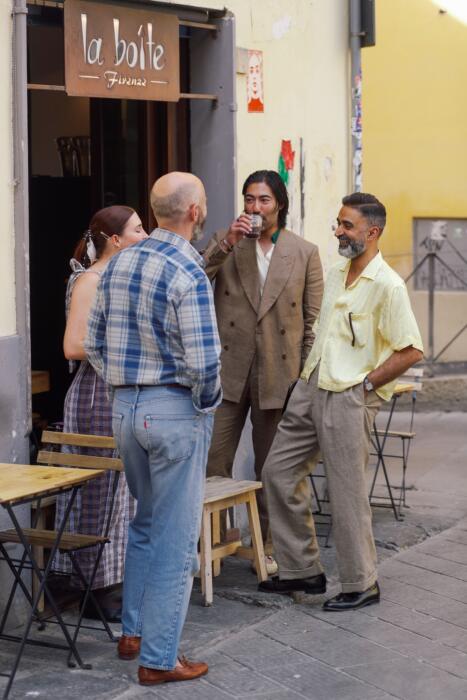
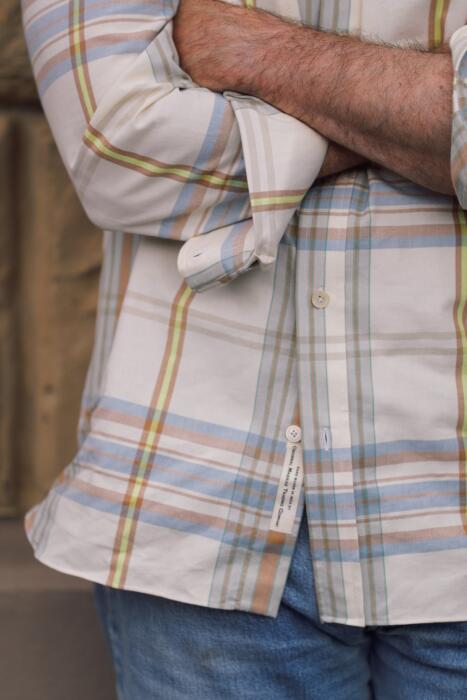
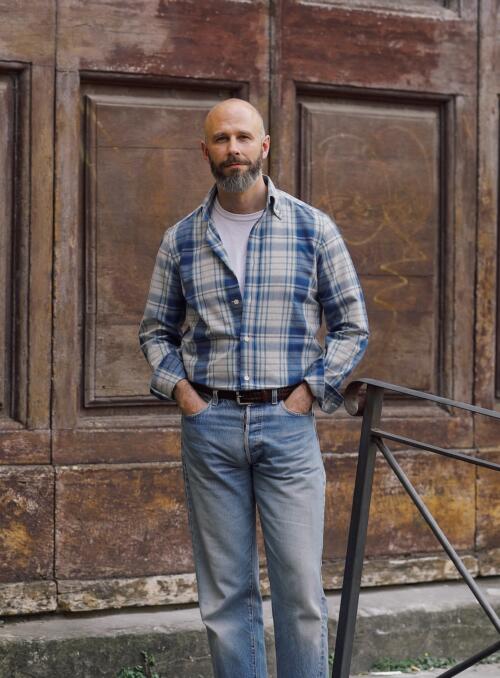
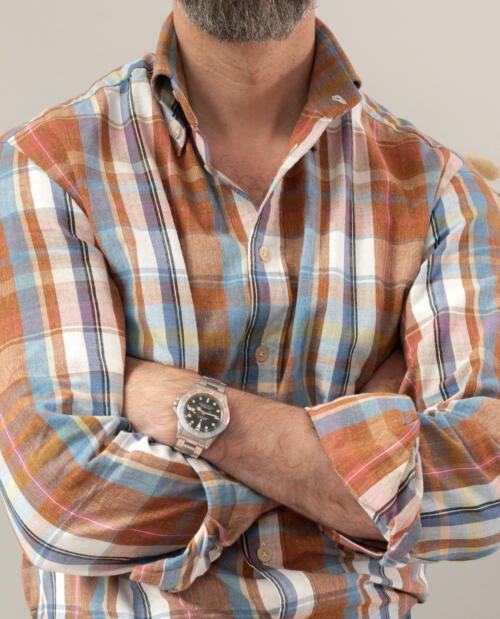
We don’t talk about shirt commissions that often on Permanent Style, unlike suits or coats or shoes. But I steadily add a handful every year, on top of the PS ones we make up like the Madras or Ramie.
The choices tend to be a mix of remaking old fabrics that have worn out (or perhaps been ruined by some stray sauce) and new ideas that come from seeing shirts on others, from brands, and new designs offered by the shirting mills.
I thought it would be interesting to run through the ones I made in the past year, in order to discuss some of those new ideas and explain the kind of staples I remake.
I use Simone Abbarchi’s MTM for most of them, by the way, though I usually make my button-downs with Luca Avitabile as I like his collar roll so much, especially on oxfords. D’Avino I use more for special shirts, or simply splashing out.
1: Lilac oxford experiment
This was a new idea – I love the lilac-coloured shirts that Ralph Lauren Purple Label does, often mixed with grey and navy suits, and wanted to try one. I’ve found it functions in a very similar way to the pink shirts I wear a lot, but is slightly more unusual and perhaps less preppy.
I used one of the finer oxfords from Thomas Mason, though mostly because the colour was right rather than because of the quality. (Using the word ‘quality’ in the industry sense here, as a particular yarn, weave and finish, so everything except colour and pattern.)
It’s shown here with my grey Assisi double-breasted suit, and was also featured in the Trunk suit review. The fabric is FM33854 / 81B, ‘Cambridge’.
2: White linen staple
This shirt is the opposite – I wear white linen shirts in the summer so much, sometimes 3-4 times a week, that I often need a new one when the warm weather comes around. (Not that a shirt only lasts one year, but one of the three or four I have will need replacing.)
My wardrobe of darker, muted colours usually benefits from a crisp white shirt rather than anything else, and I tan quite easily so I find it looks good against the skin.
This one is worn with my silk jacket from Pirozzi and grey high-twist trousers. The fabric is a particularly fine linen from D&J Anderson, FM40650 / 1.
3: Trying sky blue
I think there’s a tendency among men to stick with particular shades of colours – because you kind of assume all shades will function the same. I tended to order the same shade of blue shirt for that reason, until a conversation with Aleks Cvetkovic got me interested in paler, sky blues.
In fact, ‘ice blue’ is probably a better term – that gets across the fact that this is a blue noticeably paler than normal, almost halfway between that and white. It goes with a lot of the same things as white, but is lower contrast and so often easier for those with paler skin. It also looks a touch smarter.
It’s worn here with my cashmere blazer from Steven Hitchcock. The fabric is a superfine 240 poplin from Thomas Mason, FM404205 / 11. (All of them are actually Thomas Mason – they’re so dominant these days.)
4: Linen chambray
This linen chambray was one that Lucas had made during a meeting with Luca Avitabile, and I really liked. As with so many commissions, it’s a lot easier when you’ve seen it made up.
Most chambrays are cotton of course, and a linen one is a great alternative in the summer. This one has a particularly pleasing slubbiness.
It’s shown here with a navy-seersucker suit from Jean-Manuel Moreau – a replacement for my old one with Dalcuore, which had become too small. Fabric is FM301233 / 130 ‘Alassio’.
5: Beige stripe for a reason
This was the first shirt I’d had in a pale beige stripe, and it was driven by a particular need: I wear a lot of black or very dark tailoring, and I wanted something that wouldn’t be so stark with those pieces as plain white, but also be subtle enough to go with almost everything.
A beige stripe has proved to be a good solution. The stripe is so subtle as to be almost just texture, so it’s very versatile. Yet it’s not a plain, and so adds interest when the suit and tie are both plain – as pictured.
The suit is my Art du Lin linen from Pirozzi, with trousers from Whitcomb & Shaftesbury. The fabric is Journey Twill from TM, FM412123 / 21. Although like the lilac oxford, it was selected for the colour rather than the quality.
6: Standard shadow stripe
This was a replacement for a shirt that was about six years old and had started to look rather tatty (and not in a good, Ivy-frayed-collar kind of way). I really like shadow stripes like this (where colour is wider than the white) and wear them a lot with denim.
I didn’t have a suitable jacket on the day that Alex was in the office to shoot, so I borrowed a blazer from Carl at Rubato. This is his gold-buttoned DB from Taillour – all inquires to them please!
The fabric is a cotton/linen mix, which I highly recommend as a smart shirt for summer if you don’t like the wrinkling of linen. It’s ‘Zephyr 170’ from Thomas Mason, FM40462 / 13.
7: Cosy winter flannel
It’s not the season for it now of course, but a brushed cotton shirt like this is a lovely thing to wear in the winter. I’ve always felt the cold rather, and in the winter it’s wonderful against the skin.
I used to wear quite a lot of plain greys in brushed cotton – such as this one featured years ago – but I find something with a little check in it more interesting, and lighter colours easier to wear too. I’ve found the little check makes it good with blacks also, in the same way as the beige stripe.
The jacket is my Pirozzi silk again, with grey trousers and a pair of Meyrowitz ‘Californian’ sunglasses. The fabric is ‘Balmoral’ FM69809 / 40.
Related posts
New pink and green-stripe oxford shirts
March 27th 2023 – 186 Comments
Read More
Name that stripe! A guide to shirt stripe patterns
October 7th 2020 – 45 Comments
Read More
The guide to shirting weaves and designs
April 11th 2018 – 82 Comments
Read More
<!–
Subscribe to this post
You can follow the discussion on The seven shirts I ordered last year by entering your email address in the box below. You will then receive an email every time a new comment is added. These will also contain a link to a page where you can stop the alerts, and remove all of your related data from the site.
The Ultimate Buyer’s Guide for the Top Sneaker Brands in 2026
Have you seen a bride gliding down the aisle in sleek sneakerinas(ballet-inspired sneakers) paired with her wedding gown? It’s no longer unthinkable as it used to be, and the bride is NOT planning to escape, rather it’s fashionable and practical.
Louis Vuitton Tri Color Leather and Suede Sneakerina Low Top Sneakers
Sneakers have officially conquered every corner of style, from red carpets and luxury galas to black-tie events and even professional offices. Comfort and high fashion have finally become friends!
What started as rubber-soled sports shoes for grip, durability, and performance has evolved into a symbol of high fashion, status, and cultural relevance.
Celebrities like Jennifer Lawrence (in Adidas Tokyo slim runners), Rihanna (Puma Speedcat Ballet), and Bella Hadid (taupe suede classics) continue to prove that sneakers elevate any look.
But how did we go from humble rubber-soled sports shoes to luxury sneakers gracing Fashion Weeks and Hollywood events? It’s time to break it down.
From Sports Gear to High Fashion: The Sneaker Revolution
Gucci White Canvas and Leather Flashtrek High Top Sneakers
1. The Birth of Sneakers: A Sports Essential
In the early 20th century, sneakers were all about performance. Brands like Converse, Adidas, and Puma introduced specialized basketball, running, and tennis shoes built for speed and support. The goal? To help athletes move faster, jump higher, and perform better. These shoes stayed firmly in sports and casual wear for decades.
2. The Rise of Sneaker Culture in Streetwear
By the 1980s and 1990s, sneakers had become mainstream fashion thanks to hip-hop, skateboarding, and basketball culture. The Air Jordan phenomenon, driven by Michael Jordan’s dominance on and off the court, turned sneakers into status symbols. Nike, Adidas, and Reebok started collaborating with musicians, artists, and athletes, making sneakers a representation of identity and personal style.
3. Designer Brands Saw the Potential
Luxury fashion houses weren’t about to miss out on the sneaker revolution. Seeing the demand for stylish, everyday footwear, brands like Gucci and Prada began incorporating sneakers into their collections in the early 2000s. Soon, high-end labels like Balenciaga, Louis Vuitton, and Alexander McQueen elevated sneakers into a luxury category, crafting them with premium materials, cutting-edge designs, and jaw-dropping price tags.
4. Sneakers Accepted as a Status Symbol
Sneakers are presently more than just casual footwear—they’re collectibles, investments, and even art pieces. Limited-edition releases, celebrity collaborations, and exclusive drops have turned sneakers into assets that appreciate value. Wearing high-fashion sneakers isn’t just about comfort; it’s a statement of taste, wealth, and cultural awareness.
5. The Functionality & Comfort Factor
Honestly and practically, high heels and stiff dress shoes aren’t always the most comfortable choice for a night out. As social norms relaxed, people started prioritizing comfort without sacrificing style. Luxury sneakers bridge that gap, offering elegance and ease, making them a respectable option at high-end parties, events, and workplaces.
Sneakers in the Workplace: A New Standard of Comfort
Sneakers have broken the confines of streetwear and luxury fashion—they’re now entering professional dress codes.
Airlines are also embracing the shift toward comfort-led footwear. In 2025, Akasa Air partnered with adidas to introduce SkyEaze sneakers for cabin crew and ground staff—reinforcing the idea that sneakers are becoming a functional and stylish alternative to traditional uniform shoes.
Tech, creative, and even corporate spaces now embrace them as a professional yet practical dress code, which is here to stay.
This shift signals a broader acceptance of sneakers in professional settings, proving that practicality and style can coexist seamlessly.
Are Sneakers and Sport Shoes Synonymous? FYI, No!
Let’s clear up one common confusion: What’s the difference between sneakers and sports shoes?
Think of sneakers as the cool, effortlessly stylish cousin of sports shoes. Sneakers are primarily designed for casual wear, blending comfort with street-ready fashion. They come in all styles, from retro classics to slim runners, sneakerinas (ballet-inspired sneakers), and high-fashion kicks, made for errands, brunch, or turning heads.
Conversely, sports shoes (a.k.a. athletic shoes) are performance-focused. Whether for running, basketball, or hiking, they offer targeted support, grip, and durability.
In short, not all sneakers are performance shoes, but most sports shoes qualify as sneakers in the broader sense of casual wear. However, the line has blurred in 2026 with the rise of hybrid designs.
But, Does The Brand Count? Yes, of course
Sneakers are presently more than just casual footwear—they’re collectibles, investments, and even art pieces. According to resale trends tracked on major platforms in 2026, heritage and limited-edition models from legacy brands continue to command stronger secondary-market demand compared to oversaturated general releases, which have experienced notable price deflation. Limited-edition releases, celebrity collaborations, and exclusive drops have turned certain sneakers into assets that can hold or appreciate in value. Wearing high-fashion sneakers from the best brands isn’t just about comfort; it’s a statement of taste, wealth, and cultural awareness.
But before we jump into the ultimate list of sneaker brands, let us understand,
What Makes the Best Shoe Brand in 2026?
Nike Zoom Fly Size 40 Pink Net Lace Up Sneakers
The best shoe brands master four key pillars:
Innovation & Technology — Lightweight cushioning, breathable materials, advanced midsoles (like Nike Zoom or On’s CloudTec), and hybrid constructions that blend performance with lifestyle. Think slim soles with hidden tech for propulsion and energy return without bulk.
All-Day Comfort — The non-negotiable factor in 2026. Superior cushioning, ergonomic arch support, flexible outsoles, and thoughtful fit (including quarter-sizing or wide options) that keep feet happy from morning errands to evening events. Brands excel here when their sneakers feel as good on the 10,000th step as the first—whether it’s max-cushion Hoka-style or barely-there slim sneakerinas (ballet-inspired sneakers) with plush insoles.
Durability & Quality — Premium leathers, suedes, recycled fabrics, and reinforced construction that age gracefully, resist wear, and often improve with time (distressed Golden Goose vibes or tough-yet-soft Veja materials).
Aesthetic & Cultural Impact — Timeless icons plus current 2026 trends like slim profiles, sneakerinas & ballet hybrids, metallic/high-shine finishes, taupe/soft suede neutrals, and bold accents. The best brands create pieces that feel like cultural benchmarks while remaining versatile.
Based on industry pricing patterns and resale data, 2026 has seen a clear shift: buyers are favoring versatile luxury sneakers with real wearability over purely hyped pieces, helping pieces from Dior, Hogan, and Axel Arigato maintain steadier value on the secondary market.
2026 Sneaker Trends: The Slim Revolution Is Here
Off-White White/Black Leather and Mesh Slim Out Of Office Sneakers
Chunky “dad” shoes have cooled. 2026 is all about polished comfort: slim, low-profile retro runners, sneakerinas (ballet hybrids), metallic sheen, taupe/soft-suede neutrals, skater slip-ons, and bold colors/animal prints. Runway hits from Prada, Celine, Dries Van Noten, and Fendi, plus street-style stars, have driven this shift. Google searches for “sneakerina” and “slim runners” are exploding.
Sustainability (recycled materials) and resale value remain huge. The future? Even more hybrids, customization, and global-event-inspired drops.
The 25 Best Sneaker Brands Curated Under 4 Categories
#Heritage & Classics: The Top Shoe Brands That Started It All
These brands have been shaping sneaker culture for decades.
Nike:
Nike stands as the undisputed titan in both athletic performance and streetwear fashion. Among its extensive lineup, the Air Force 1 and Air Jordan series are particularly celebrated.
Nike Air Force White Leather Air Force 1 Mid Comme Sneakers
Air Force 1: Introduced in 1982 as a basketball sneaker, the Air Force 1 has evolved into a cultural icon. Its versatile design has led to numerous collaborations and colorways, making it a staple in sneaker culture. Notable editions include the ‘Triple Black,’ ‘Linen,’ and the classic all-white version.
Air Jordan:
Air Jordans Jordan 1 OG Chicago Size 46 Multicolor Leather Low Top Sneakers
Launched in collaboration with basketball legend Michael Jordan, this line revolutionized athletic footwear. The Air Jordan for men series boasted multiple models, each with its own legacy, and continues to be highly sought after by collectors and enthusiasts. Recognizing the demand for stylish yet performance-driven sneakers, Nike expanded the Air Jordan line to cater specifically to women. These sneakers feature sleeker silhouettes, vibrant colorways, and exclusive collaborations tailored for female sneakerheads. Whether on the court or the streets, Air Jordans for women continue to make bold statements in sneaker culture.
2026 shines with slim, bold updates.Nike x Sacai x Undercover LD Waffle Black Bright Citron Size 45 Multicolor Leather and Nylon Low Top Sneakers
LD-1000 & Pacific: Bright, low-profile runners in sun-drenched colors—perfect for the bold-color trend.
Air Max 95 & Cortez updates: Taupe suede and metallic finishes for everyday polish. Women ’s-specific sleek silhouettes and collabs keep them fresh for all.
2. Adidas
Adidas seamlessly blends performance with style, offering sneakers that have stood the test of time.
3. Converse
Off-White x Converse Beige Mesh and Rubber Chuck Taylor All-Star Vulcanized High Top Sneakers Off-White x Chuck Taylor All Star Translucent Mesh And Rubber Vulcanized Hi Top Sneaker
Converse has cemented its place in sneaker history with designs that have remained popular for decades.
Chuck Taylor All-Star: Debuted in 1917 and revamped in 1922 with basketball player Chuck Taylor’s input, this sneaker is renowned for its canvas upper and rubber sole. Its enduring appeal spans various subcultures and fashion movements.
2026 Canvas Classics Reinvented-
Chuck Taylor All-Star updates: Slim plimsolls and slip-on versions in bold colors or animal prints—enduring subculture appeal with modern minimalism.
4. Puma
McQ By Alexander McQueen For Puma Black Leather and Nubuck Leap Wedge Sneakers
Puma offers a fusion of vintage aesthetics and contemporary design, catering to both casual and athletic audiences.
Suede Classic: Launched in 1968, the Suede was groundbreaking as one of the first sneakers to use suede. Its association with cultural movements, from the 1968 Olympics protest to the 1980s breakdancing scene, underscores its lasting influence.
2026 Vintage-meets-contemporary standout-
Speedcat Ballet & H-Street: The 2026 breakout sneakerina and slim runner in taupe suede or metallic—archival sprint vibes for streets.
Suede Classic & Palermo: Soft suede neutrals and bold accents.
5. Reebok
Reebok’s legacy includes sneakers that have seamlessly transitioned from athletic gear to fashion staples.
Classic Leather: Introduced in 1983 during the fitness boom, the Classic Leather was designed for running but quickly became a lifestyle favorite. Its soft leather upper and timeless design have ensured its place as a go-to sneaker for retro enthusiasts.
Iconic past collaborations, such as the Maison Martin Margiela x Reebok Tabi High-Top (white leather with the signature split-toe design, laces, and Velcro strap), continue to resonate in resale markets, showcasing how Reebok merges athletic roots with high-fashion experimentation.
Fitness-to-fashion seamless 2026 transition.
Classic Leather refreshed: Slim, taupe suede, and neutral colorways—retro enthusiasts’ go-to with 2026 polish.
2026 Collaborations & Iconic Past Drops: Reebok elevates its heritage through fresh partnerships, such as the Reebok x MARKET Preseason Low and BBC Ice Cream Board Flip colorways. The brand’s multiyear partnership with Karol G adds cultural energy.
Best Heritage Sneaker Brands Comparison (2026)
Brand
Most Popular / Heritage Model
Standout 2026 Model
Key Pillar Strength
Best For
Approx. Price Range
Nike Air Force 1 LD-1000 / Pacific Innovation + All-Day Comfort Bold colors, daily wear $100–$160
These brands and their signature styles have significantly influenced sneaker culture and continue to evolve with 2026’s slim, versatile trends.
#Top Luxury Gym Shoes & High-End Sneakers
Statement-making luxury that embraces slim, metallic, and sneakerina trends.
6. Gucci:
The definition of luxury sneakers is merging high fashion with everyday wear. Gucci’s signature designs feature bold branding, premium materials, and impeccable craftsmanship, making them a favorite among fashion-forward sneaker lovers.
Ace Sneakers: Introduced in 2016 by Alessandro Michele, the Ace sneakers have become a staple in Gucci’s footwear lineup. These low-top sneakers are known for their minimalist design. They are often adorned with the iconic green-and-red webbing and various embroidered motifs, reflecting Gucci’s blend of classic and contemporary styles.
Tennis 1977: A revival of Gucci’s original 1977 design, the Tennis 1977 sneakers offer a retro aesthetic combined with modern craftsmanship. Featuring the signature webbing and GG logo, these sneakers pay homage to Gucci’s rich heritage in sports-inspired footwear.
Gucci Tennis 1977 Off The Grid Size 42.5 Black GG Giant Canvas Low Top Sneakers
Screener: Inspired by vintage sports shoes from the 1970s, the Screener sneakers showcase a distressed finish, the classic web stripe, and the interlocking GG logo, embodying a nostalgic yet fashionable appeal.
In 2026, bold branding meets everyday luxe-
Shift Sneakers & Ace updates: Slim silhouettes with 3D embroidery or webbing; metallic finishes for high-shine appeal.
Chunky sneakers that command attention are loved by sneaker enthusiasts and celebrities alike. Their oversized, futuristic designs redefine sneaker aesthetics, making them a bold style statement.
Triple S: Launched in 2017, the sneakers are renowned for their chunky, multi-layered soles and oversized silhouettes. This design has set a trend in the “dad shoe” movement, making them a favorite among fashion enthusiasts seeking bold statement pieces.
Speed Trainer: Featuring a sock-like, high-top knit upper and a sleek, sculptural sole, the Speed Trainers offer a minimalist yet futuristic design. Available in various colorways, including triple black and triple red, they provide both comfort and a contemporary aesthetic.
Track Sneakers: Combining elements of running and hiking footwear, the Track sneakers feature a complex, multi-paneled design with a dynamic sole unit, catering to those who appreciate intricate, sporty designs.
In 2026, from chunky to sleeker futurism-
Track 3.0 & updated Speed Trainers: Streamlined with sculptural soles; metallic chrome options in the “silver sprinter” trend.
8. Prada
Prada sneakers are sleek, sophisticated, and subtly bold, perfect for those who like understated luxury. They blend minimalism with premium craftsmanship, often featuring high-tech fabrics and elegant silhouettes.
Cloudbust: Known for their futuristic design, the Cloudbust sneakers feature a distinctive Velcro strap system and a sculpted sole, reflecting Prada’s innovative approach to luxury footwear.
America’s Cup: Originally designed for the Luna Rossa sailing team, these sneakers combine technical materials with sleek design, offering both performance and style.
2026 sleek sophistication-
Collapse (re-nylon/suede): The ultimate sneakerina hybrid—Velcro or lace-up with sculpted slim sole.
Montecarlo & America’s Cup: Archival slim runners in technical fabrics.
9. Alexander McQueen:
Characterized by their clean lines and exaggerated rubber soles, these sneakers provide a contemporary twist on classic tennis shoes, embodying the brand’s edgy yet sophisticated aesthetic.
Oversized Sneaker: This iconic model features a minimalist design with an exaggerated sole, blending classic aesthetics with contemporary flair. It’s a staple in modern luxury footwear.
Tread Slick Sneaker: Combining rugged elements with high fashion, this sneaker boasts a chunky sole and a canvas upper, making it a bold statement for any outfit.
Runner Sneaker: Merging athletic design with luxury materials, the Runner Sneaker provides a sleek silhouette suitable for both casual and upscale ensembles.
Edgy contemporary twist-
Oversized & EC1 updates: Exaggerated but sleeker soles with suede/nylon; bold yet refined for 2026 tailoring.
10. Louis Vuitton:
Crafted from the finest materials, including calf leather, suede, and canvas, to ensure durability and sophistication, LV sneakers have made a massive impact on the luxury sneaker market. Under the creative direction of Virgil Abloh, LV introduced statement-making sneakers that seamlessly blend streetwear influences with high-fashion craftsmanship. The signature LV monogram, Damier patterns, and the iconic flower motifs are prominently featured in many designs.
LV Trainer –
Louis Vuitton LV Trainer Size 40 White/Blue Monogram Denim and Leather Low Top Sneakers
Inspired by 1980s basketball sneakers, featuring a chunky sole and premium leather, designed by Virgil Abloh.
LV Archlight –
Louis Vuitton Archlight Size 40 Multicolor Leather and Mesh Low Top Sneakers
A futuristic, oversized sneaker with a wavy sole and a sock-like fit, popular among high-fashion enthusiasts.
Run Away Sneaker –
Louis Vuitton Run Away Size 45 Multicolor Monogram Canvas Low Top Sneakers
A sleek, running-inspired design with a hidden wedge inside for added height and elegance.
2026 brings premium craftsmanship with street influence-
LV Pulse & Trainer updates: Chunky-to-slim evolution with monogram metallics and hidden wedges.
11. Golden Goose:
Distressed perfection with an Italian touch makes every pair unique. Each sneaker is handcrafted, featuring a deliberately worn-in aesthetic that has become a signature style.
Superstar: Handcrafted in Italy, the Superstar sneakers are celebrated for their intentionally distressed finish and unique detailing, giving each pair a one-of-a-kind, vintage-inspired look.
2026 distressed Italian perfection-
True-Star & Marathon Speed: Handcrafted slim runners with intentional wear—vintage luxe in taupe or metallic.
12. Coach:
Coach black sneakers for women are an underrated luxury option, combining quality craftsmanship with modern designs. With a mix of classic and contemporary influences, Coach sneakers offer everyday luxury with a sporty edge.
Soho Sneakers: Featuring a retro-inspired, chunky design with a distressed leather finish, the Soho sneakers have gained popularity for their stylish and comfortable appeal. Celebrities like Bella Hadid have been spotted wearing them, highlighting their trendiness.
Underrated everyday luxury in 2026-
Soho updates: Denim or distressed-leather slim designs—retro-chunky with modern comfort (Bella Hadid-approved).
13. Maison Margiela:
If you love deconstructed, avant-garde styles, brands like Maison Margiela are perfect for edgy, high-fashion men’s sneakers. Margiela’s signature Replica sneakers and Tabi split-toe designs challenge traditional sneaker norms.
Replica Sneakers: Inspired by Austrian sports shoes from the 1970s, the Replica sneakers are known for their minimalist design and high-quality materials, often featuring subtle branding and a variety of finishes.
Tabi Sneakers: Incorporating the brand’s iconic split-toe design, the Tabi sneakers offer an avant-garde aesthetic that challenges traditional footwear silhouettes, appealing to those seeking distinctive and artistic designs.
2026 avant-garde deconstruction-
Replica & Tabi updates: Minimalist slim profiles with split-toe artistry—edgy street-style mainstay.
14. Philipp Plein:
Known for their bold designs, Philipp Plein’s sneakers often feature extravagant embellishments, metallic accents, and skull motifs, appealing to those who favor audacious, edgy footwear.
Phantom Kick$ Sneaker: This model showcases the brand’s signature edgy style, featuring bold embellishments, premium materials, and a distinctive skull motif that reflects Philipp Plein’s rock-inspired aesthetics.
Hi-Top Sneakers: Known for their extravagant designs, these high-top sneakers often incorporate metallic accents, studs, and luxurious leather, embodying the brand’s commitment to standout fashion.
Low-Top Sneakers: Balancing casual wear with luxury, these sneakers frequently feature unique patterns, high-quality craftsmanship, and the brand’s iconic logo, making them a favorite among fashion enthusiasts.
Audacious edge in 2026—
Phantom Kick$ & Hi/Low-Tops: Bold embellishments on sleeker bases; metallic accents for statement 2026 looks.
Top Luxury & High-End Sneaker Brands Comparison Table
Brand
Most Popular / Heritage Model
Standout 2026 Model
Key Pillar Strength
Best For
Approx. Price Range
Perfect for those who want comfort and functionality without sacrificing style.
15. New Balance:
The comeback king of dad-core chic, excelling in both running and lifestyle sneakers. Models like the 990 and 550 have gained cult status among sneakerheads.
Refined Chic in 2026-
740, 9060 & Abzorb 2000 slim versions: Low-profile runners in taupe suede—cult status for lifestyle.
16. Asics:
Unmatched comfort and cutting-edge technology make them a top choice for runners. The GEL-Kayano and GEL-Nimbus series are particularly beloved for their support and performance.
In 2026, it’s a runner’s dream with style-
GEL-Kayano & Nimbus updates: Slimmer silhouettes with cutting-edge cushioning in neutral or metallic hues.
17. Under Armour:
Performance-focused sneakers with a modern edge, perfect for athletes and active individuals. The HOVR Phantom and Curry Flow lines highlight Under Armour’s innovation.
Athletic edge IN 2026-
HOVR Phantom & Curry Flow: Modern performance in lightweight, slim designs.
18. On:
Swiss-engineered excellence, offering ultra-lightweight comfort. The Cloud 5 and Cloudmonster are among the best new sneaker designs for runners and urban explorers.
The ultimate in max cushioning, providing exceptional comfort for both casual wear and serious runners. The Bondi and Clifton series are some of their most sought-after styles.
Max cushioning leader in 2026-
Bondi & Clifton updates: Sleeker lifestyle versions alongside trail-hybrids (Stinson One7 for the outdoors).
Best Performance Sneaker Brands Comparison Table
Brand
Standout 2026 Model
Key Pillar Strength
Best For
Approx. Price Range
#Minimalist, Sustainable & European Style: Top Eco-Friendly Sneakers
Sustainability in 2026 isn’t a selling point—it’s a baseline. What separates the winners now is design relevance + wearability. The brands below don’t just do “eco”; they make it desirable.
20. Veja
Veja White Leather Lace Up Campo Sneakers
Best for: Ethical everyday staples with effortless style
Ethically made and globally recognized for transparent sourcing, Veja continues to lead the sustainable sneaker space—without compromising on aesthetics.
2026 Update:
Campo & V-10 evolve into slimmer, more versatile silhouettes, with recycled materials and cleaner finishes that align with the shift toward low-profile sneakers.
👉 Why choose Veja? If you want sustainability that doesn’t scream “eco-shoe” but still delivers credibility.
21. Allbirds
Best for: Comfort-first, casual wear
Once the poster child of sustainable footwear, Allbirds is now recalibrating—focusing on design as much as materials. Known for wool and plant-based innovation, the comfort factor remains unmatched.
2026 Update:
Tree Runners get lighter, slimmer, and more neutral, moving closer to everyday lifestyle sneakers rather than tech-startup clichés.
👉 Reality check: Sustainability alone didn’t sustain hype—style now matters just as much.
22. Koio
Best for: Understated luxury with European craftsmanship
Handcrafted in Italy, Koio sits at the intersection of sustainability and premium design, offering elevated basics without loud branding.
2026 Update:
Slim court sneakers in suede and soft leather dominate, aligning perfectly with the “quiet luxury” shift.
👉 Why choose Koio? Think Common Projects—but slightly more relaxed and wearable.
23. Rothy’s
Best for: Low-maintenance, eco-friendly versatility
Made from recycled materials and designed for everyday ease, Rothy’s has quietly built a loyal following.
2026 Update:
Expansion into sleek, washable sneakerinas and low-profile styles, tapping into the hybrid sneaker trend (part sneaker, part ballet flat).
👉 Why choose Rothy’s? If you want something practical, packable, and surprisingly stylish.
24. Cariuma
Best for: Affordable sustainability with personality
With a growing cult following, Cariuma balances ethical production with accessible pricing and trend-aware design.
2026 Update:
Ibi & Court models go slimmer and more refined, available in both bold statement colors and muted neutrals.
👉 Why choose Cariuma? A solid entry point into sustainable sneakers that still feel current.
25. Common Projects
Common Projects Red Suede Achilles Low Top Sneakers
Best for: Minimalist luxury perfection
The gold standard of clean sneakers, Common Projects continues to define European minimalism with its iconic Achilles Low.
2026 Update:
Expect suede, taupe tones, and subtle metallic finishes, reinforcing the quiet luxury movement dominating high-end fashion.
👉 Why choose Common Projects? If you want one pair that works with everything—and never dates.
Best Sustainable Sneaker Brands Comparison Table
Brand
Standout 2026 Model
Key Pillar Strength
Best For
Approx. Price Range
Common Projects Achilles Low taupe/metallic Aesthetic + Durability Luxury European $300–$450
Note on Pricing: All price ranges listed in the comparison tables are approximate and based on current 2026 retail and resale market trends from major platforms. Actual prices can vary significantly depending on colorway, region, availability, condition (new vs. pre-owned), and retailer promotions. Resale values fluctuate frequently.
Honorable Mentions in Ultra-Luxury & Niche 2026
While the core 25 offer the best overall balance of accessibility, trend relevance, and broad appeal for both men and women, several standout names deserve attention for those seeking ultra-premium or specialized options:
Dior: Excellent for both men and women, with architectural designs like the Roadie, Saltwind, B30, and D-Connect/Fusion lines — blending French elegance with futuristic, nautical twists for 2026. Dior offers some of the best sneakers for women.
Dior Walk’n’Dior Size 39 Pink/White Embroidered Canvas Low Top Sneakers
Hogan: Italian refinement at its best, offering comfortable, interactive, and lightweight sneakers for men and women — strong on all-day wear with bold yet wearable styling.
Axel Arigato:
Axel Arigato White/Light Pink Leather Area Low Top Sneakers
Clean Scandinavian-minimalist runners (Clean 90, Daze) with unisex appeal and modern everyday versatility.
Aurélien: Artisanal, timeless suede and knit trainers emphasizing natural materials and craftsmanship (great for both genders).
Balmain:
Balmain Size 43 Green/Black Leather Velvet Slip On Sneakers
Glamorous, bold styles like the Racer and B-Court for those wanting statement luxury.
Amiri, Berluti, and Visvim:
Amiri Multicolor Canvas High Top Sneakers
More niche or men-leaning (patina-rich Berluti Shadow, street-edged Amiri Skel, rugged Visvim hybrids) — ideal for collectors seeking exclusivity.
The Future of Sneakers: What’s Next?
With innovations in sustainable fashion, smart technology, and customization, sneakers are set to remain a dominant force in both casual and luxury wear. The question is no longer if sneakers belong at a gala but rather which pair will make the boldest statement.
How to Choose the Perfect Sneaker for You
Nike x Sacai LD Waffle Size 42.5 Multicolor Leather, Mesh, and Suede Low Top Sneakers
With so many options, how do you pick the one? Keep these in mind:
Your Lifestyle: Do you need all-day comfort or high-performance kicks?
Budget: Sneakers range from affordable to “I-need-to-sell-a-kidney” prices.
Trendy vs. Timeless: Are you after a hype sneaker or a forever classic?
Whether you’re into classic, luxury, performance, or sustainable kicks, there’s a perfect pair that is just right for you. You can find the best sneakers for men and the most fashionable sneakers for women at great discounts if you buy pre-owned.
So, which brand are you rocking next? Let us know, and we can ensure you get a great bargain from our preloved collection!
Explore High-End Sneaker Brands at Great Deals and Discounts at The Luxury Closet
If you’re looking for high-end sneakers without the retail price tag, The Luxury Closet is your destination. You can find an impressive selection of pre-owned and authentic sneakers from sought-after designer brands like Gucci, Balenciaga, and Prada, as well as streetwear staples like Nike and Adidas. Whether it’s luxury gym shoes, the latest European-style kicks, or classic high-fashion men’s sneakers, The Luxury Closet offers a curated collection that lets you step up your sneaker game sustainably and affordably.
FAQ: Best Sneaker Brands & Buying Guide
1. What are the best sneaker brands for men and women?
Top sneaker brands include Nike, Adidas, New Balance, Gucci, Balenciaga, and Alexander McQueen. These brands consistently deliver a strong mix of design, comfort, durability, and cultural relevance.
2. What are the most famous luxury and designer sneaker brands?
Leading luxury sneaker brands include Gucci, Balenciaga, Prada, Louis Vuitton, Alexander McQueen, and Golden Goose. They stand out for premium materials, distinctive design, and strong resale value.
3. Which sneaker brand is the most popular in the world?
Nike remains the most popular sneaker brand globally, leading in revenue, innovation, and cultural influence.
Adidas follows closely, particularly strong in Europe and lifestyle fashion.
Other globally influential brands include:
Converse for timeless classics Vans for skate and streetwear culture New Balance for comfort and retro appeal Puma for sport-meets-style versatility
Popularity varies by metric—Nike leads in sales, while brands like Gucci and Balenciaga dominate luxury fashion conversations.
4. Which European sneaker brands have a cult following?
European brands with strong cult appeal include Common Projects, Veja, Maison Margiela, Axel Arigato, and Filling Pieces. These labels are known for minimalist design, craftsmanship, and niche fashion credibility.
5. What are the most expensive sneaker brands, and are they worth it?
Luxury brands like Prada, Louis Vuitton, and Golden Goose sit at the higher end of the market. They are often worth the investment for their craftsmanship, materials, and exclusivity—especially limited editions, which can retain or even increase in value over time.
6. What is the difference between trainers and sneakers?
The terms are largely interchangeable. “Sneakers” is commonly used in the US, while “trainers” is preferred in the UK.
Technically, sneakers lean toward casual, everyday wear, while trainers are designed for multi-directional workouts with added stability. In practice, most people use the terms interchangeably.
7. Are luxury sneakers worth the investment?
Yes—especially from brands like Prada and Golden Goose. High-quality materials, strong brand equity, and limited releases contribute to long-term value, both in wear and resale.
8. What are the best sneaker brands for work and smart-casual wear?
For office-appropriate sneakers, look for clean, low-profile leather styles from:
Adidas (Stan Smith) Common Projects (Achilles Low) Cole Haan (GrandPrø) Oliver Cabell Veja (Campo)
👉 Stick to neutral colors, minimal branding, and leather finishes for a polished look.
9. What is the difference between sneakers and running shoes?
Sneakers are designed for casual wear and everyday comfort, while running shoes are engineered for performance, featuring cushioning, support, and impact absorption tailored for running.
10. Which sneaker brands offer the best running and athletic shoes?
Top performance brands include Nike, Adidas, Asics, Hoka, and On. These brands focus on comfort, durability, and advanced cushioning technologies.
11. What sneaker brands are similar to Gucci but more affordable?
If you like the aesthetic of Gucci but want alternatives:
Premium alternatives:
Common Projects Saint Laurent
Mid-range options:
Axel Arigato Filling Pieces
Budget-friendly picks:
12. Can sneakers be worn to work?
Ermenegildo Zegna Triple Stitch Size 41 Black Leather Slip-On Sneakers
Yes. Sneakers are now widely accepted in modern workplaces, especially in creative and tech industries. Even airlines like Akasa Air and KLM have incorporated them into uniforms.
13. Are Veja sneakers worth the money?
For most buyers, yes. Veja offers strong value through sustainable materials, such as organic cotton and Amazonian rubber.
They may require a short break-in period, but are widely praised for durability, versatility, and long-term wear.
👉 Best for: sustainability and everyday styling
👉 Not ideal for: maximum cushioning or athletic performance
14. How can I clean my sneakers to keep them looking fresh?
Use a soft brush with mild soap and water for regular cleaning. For white sneakers, a baking soda and hydrogen peroxide mix helps remove stains. Always air-dry to maintain shape and material quality.
15. Have celebrities worn sneakers on the red carpet?
Yes—sneakers are now a red carpet staple. Celebrities like Kristen Stewart, Chloé Zhao, Hailee Steinfeld, Sienna Miller, and Rihanna have all styled sneakers with couture, proving that comfort and high fashion can coexist.
Looking for the best AGOLDE jeans for petite women can often seem like a task, especially when many high-quality denim brands make their clothes with regular or taller sizes in mind. For petite people, problems like too much cloth, bad lengths or strange fits are common worries. But AGOLDE has become a special name in the jean world by giving modern well-made jeans that fit different body shapes including small ones.
What makes AGOLDE stand out is its care for fit, cloth ͏and new style. The brand mixes old-time shapes with present-day cuts, giving jeans that not just look good but also feel nice. For short women, things like short lengths, high waists and strong lines matter a lot in getting a nice look. These parts help make legs seem longer and give a more even shape without needing changes all the time.
Another reason AGOLDE shines is its flexibility. Whether you like simple straight-leg jeans, comfy baggy types or bold wide-leg shapes, the brand shows choices that can be dressed for both easy and fancy looks. Small women can really gain from short and ankle-length styles which fit well with shorter heights and cut down the trouble of fixing them.
In today’s clothing world, where your style is about being unique and comfy, getting the best jeans can really matter. This guide to the greatest AGOLDE jeans for small women shows you the best types that mix fit, use and looks— helping you pick a pair that suits your shape and improves your daily outfits.
1. Riley High Rise Straight Crop Jeans
The Riley High Rise Straight Crop jeans is seen as one of the top picks for little women. The short length sits at the ankle so there is no need for them. The high waist makes legs seem longer, giving a taller and more even shape.
The flat-leg style makes these jeans great for both easy and a bit dressy looks. No matter if you put them on with shoes, high heels or boots they fit in nice with different clothes. The strong fit also helps them keep their shape longer making them a go-to piece in your closet.
2. 90’s Pinch Waist Jeans
Drawn from old jeans, the 90’s Pinch Waist pants are great for small people who like a classic look. The very high waist style squeezes the waist and makes the legs seem longer making them really good for short bodies.
These jeans have a bit of a stiff shape which makes them look old-school. Though they may need a bit of fixing for some, they’re still loved for their ability to make a clear shape. Pair them with snug tops or shirts that are tucked-in to show the waist.
3. Ren High-Rise Cropped Straight Jeans
The Ren High-Rise Short Straight jeans are made with a new, simple style. Their short length and neat lines make them great for small women who like a tidy, easy look.
The easy-going but neat fit keeps you comfy and stylish. These jeans are great for daily use and can shift from day to evening with no fuss. Their plainness makes them a handy choice for any closet.
4. Low Curve Jeans (Petite)
The Low Curve pants give a special change to usual jeans with their slight bent-leg style. Made just for smaller sizes, these pants provide a stylish but comfy appearance.
The bent shape gives depth without overpowering a little body, making it a good pick for trendy people. They go well with both tight and big shirts, giving choice in how to style.
5. Dame High Rise Wide Leg Jeans
The Dame High Rise Wide Leg jeans are a brave choice for small women who want to try out wider shapes. The high waist helps even out the bulk of the wide leg, making you look taller.
Even though big-leg jeans can be tough, this fixed design makes sure they don’t look too large. When matched with high shoes or platform footwear, they make a bold, stretched style that is both new and classy.
6. Low Slung Baggy Jeans
For a cool, casual style, the Low Slung Baggy jeans are a great pick. These jeans sit low on͏ waist, they have a baggy fit which makes them comfy and trendy.
Little ladies can use these jeans with snug tops or brief jackets to make it better. Even if they are more for laid-back styles, they are good for making simple cool looks.
7. Keira Wide Leg Jeans
The Keira Wide Leg jeans have a gentler, flowy wide-leg shape than stiff types. This makes them ͏comfy but still keeps a trendy look.
For small ladies, wearing these pants with shoes can boost their whole style by giving them more tallness. The loose fit makes them great for both easy days and slightly dressy times.
8. Arc Criss Cross Jeans
The Arc Criss Cross pants are a special item with their uneven top band. This one-of-a-kind feature pulls eyes up, helping to even out shapes for small bodies.
These jeans are great for people who want to try fun denim. Even with their striking look, they still can be worn and mixed well with easy tops and few accessories.
9. Low Curve Crop Jeans
The Low Curve Crop jeans are a shorter kind of the old curved-leg style, making them better for small women. The brief length gives a good ankle fit without changes.
These pants find a middle ground between stylish and useful, making them a nice daily choice. Their special shape brings fun to any outfit without being too much.
10. Harper Petite Jeans
The Harper Petite jeans are made for small frames, giving a good fit that needs few changes. The even rise and sized inseam make them one of the best choices for shorter women.
These pants are useful, cozy and simple to wear, making them a need for anyone wanting to buy good denim that fits just right.
How to Choose the Best AGOLDE Jeans for Petite Women
Choosing the best AGOLDE jeans for petite women needs a clear grasp of fit, size and style likes. One large thing to think of is the inseam length. Little women should search for jeans with small inseams, generally between 25 and 28 inches; these lengths go at or over the ankle without needing fixes. Cropped and ankle-length styles are really nice as they make a neat fitted look.
One more important part is the growth of jeans. High-rise pants are often the best for little bodies, as they help legs appear longer and show off the waist. Middle-rise options can be nice for everyday wear but low-rise kinds need to be chosen with caution because they could make legs look shorter. Also, how legs lo͏ok matters a lot— straight-leg, slim fit and slightly narrow jeans are often wise picks while wide-leg or loose styles should have snug tops to not cover up the body too much.
Fabric and form are both key. Tough denim gives better shape and form, which can boost the whole look, while softer cloths give ease and bendability. In the end, the right pair should seem easy to wear, fit well without too much bunching and match your style too.
Common Mistakes Petite Women Should Avoid When Buying Jeans
When looking for the top AGOLDE jeans for small women, there are a few usual blunders that can affect how they fit and look overall. One of the main mistakes is picking jeans that are too long; thinking they can be changed later. While shortening is an option it can sometimes mess up the initial design, mainly for styles with special cuts, rips or narrow hems. Choosing naturally short or specific designs made for small sizes is always a smarter way to go.
One more blunder is forgetting about the value of size. Big or too loose jeans can drown a small shape if not put together right. Even if loose styles are popular, they should match with tight tops or strong pieces to keep a good shape. Plus, really low-rise jeans can make the legs look shorter which makes the whole outfit less balanced.
Small buyers also often miss waist fit. Jeans that are big at the waist or fit too free can mess up the whole look of the outfit. It’s key to pick styles that rest well on the waist without needing many changes. Also, just looking at trends not practical may cause buys that are hard to match or wear all time.
Staying clear of these mistakes helps your jeans not just look good but also makes your shape better, which helps you make stylish and comfy outfits.
Styling Tips for Petite Women Wearing AGOLDE Jeans
Styling is key in making AGOLDE jeans for short women look more nice. One simple but good tip is to show off the waist. Wearing high-rise jeans with tucked tops, short shirts or tight blouses helps make legs look longer and shape more clear. This little change can really boost the whole outfit.
Shoes are another key thing. Petite women can gain from using heels, pointy shoes or raised sneakers, as these kinds add height and stretch the legs. Even a small heel can make a big change when worn with good jeans. For short styles showing some ankle can boost the lengthening effect too.
Putting on layers should be done with care. Short coats, cut blazers or tight jackets work better than long, big ones that can make the body look smaller. When you wear loose pants or baggy jeans a more firm top helps keep things balanced and stops the outfit from looking heavy.
In the end, picking good colors and washes can lift your look. Dark colors often make you seem thinner, while light colors give a more relaxed look. By blending the right fit with smart style picks, short women can easily put together tidy balanced outfits that highlight their shape and personal choices.
Conclusion
Choosing the best AGOLDE jeans for little women really depends on knowing your body type and look. AGOLDE has made a line of denim that fits smaller sizes with smart design choices like short lengths, high waists and sized fits. These traits cut down on too many adjustments making the brand a hit with small buyers.
For anyone looking for a class͏ic and flexible choice, styles like the Riley High Rise Straight Crop and Ren Cropped Straight jeans are great picks. They have simple shapes that can be made fancier or casual easily. If you want a more trendy look, choices like the Low Curve, Arc Criss Cross or wide-leg styles like Dame and Keira jeans give a fresh vibe.
It’s also important to think of how you put on your jeans. Small women can benefit from wearing high waisted jeans with shirts that are tucked in or short styles to make it look like they have longer legs. Shoe choices like heels or pointy shoes can also improve the whole look.
AGOLDE’s care for small things, high-quality materials and aim on fit make it a great brand in the jeans market. If you love old, baggy or strong looks there is a right set for every small closet. Spending cash on nice jeans not only helps you look nicer but also boosts your self belief making it easy to put together good outfits for any moment.
FAQs
1. Are AGOLDE jeans good for petite women?
Yes, AGOLDE trousers are a good choice for little women. Many styles feature cropped lengths, high-rise fits and petite-specific sizing, making them easier to wear without alterations.
2. Which AGOLDE jeans are best for petites?
Some of the best options include the Riley High Rise Straight Crop, Ren Cropped Straight and Harper Petite jeans. These styles offer flattering proportions and minimal need for hemming.
3. Do petite women need to alter AGOLDE jeans?
Not always. Many AGOLDE styles are designed with shorter inseams or cropped lengths, which naturally fit petite frames. However, some full-length styles may still require minor adjustments.
4. How should petite women style AGOLDE jeans?
Petite women should opt for high-rise jeans paired with fitted or cropped tops to elongate the legs. Adding heels or pointed shoes can further enhance the overall silhouette.
When it comes to fancy clothes, few battles are as well-known as Prada vs Gucci. Both names are strong parts of Italian skill, world symbols and leaders in the high-clothes scene. However, even though they work in the same fancy area; they serve very different looks, ways of living and fashion ideas.
If you are trying to choose between Prada or Gucci, the answer isn’t so easy as one being “better” than another – it really depends on your own style, likes and what you think is important in a luxury brand.
Introduction
The talk of Prada and Gucci has kept fashion lovers, dressers and rich shoppers interested for a long time. Both names show the best of Italian luxury but they sit at different ends of style. While Prada is known for its simple class and quiet grace Gucci is praised for its brave, mixed-up and lively designs.
Started in 1913 in Milan, Prada made its name on skilled work, new materials and classic design.Through the years it has become a top choice for people who like “calm luxury” – a way that focuses on being low-key instead of showy names. In contrast, Gucci, which began in Florence in 1921, has found its spot with its bold style, bright looks and easy to spot logos.
Both names give a big choice of things like clothes, bags, shoes and extras. Their costs are clearly in the fancy group often mixing together however their styles speak to very different groups. Prada catches people who like classic, neat items while Gucci hits with those who enjoy loud fashion marks.
In today’s style world, where how you look is very important, picking between Prada and Gucci comes down to knowing what each name stands for. This clear look will help you think about their past, how good they are, prices, way of doing things and total worth— so you can pick which brand really matches your style.
Brand History & Heritage
Prada
Prada was started in 1913 by Mario P͏rada in Milan. At first, it was known for leather items and travel things but the brand grew to worldwide fame under Miuccia Prada. Her idea changed Prada into a sign of smart style— where easy meets new ideas. Prada changed luxury with its use of nylon proving that unusual materials could still feel high-quality.
Gucci
Gucci was made in 1921 by Guccio Gucci in Florence. It took ideas from rich people’s ways of living and the brand quickly became famous for its skillful making and horse-themed styles. Now, Gucci is one of the most known fancy brands around the world thanks to its strong character and place in culture.
Design Philosophy: Minimalism vs Maximalism
The largest gap in Prada and Gucci is in their style method.
Prada looks on simple shapes, soft colors and plain style. Its items are classic and can be used in many ways making them great for a long time clothing buys. Gucci, in contrast, welcomes bright prints, lively colors, signs and mixed patterns. Its styles are full of meaning and usually based on trends.
If you like quiet classes, Prada is your best choice. If you enjoy being eye-catching, Gucci is the clear champion.
Quality & Craftsmanship
Prada and Gucci are both known for great quality but their strong points are a bit different.
Prada is well-known for tough materials such as Saffiano leather and new fabrics like Re-Nylon. These materials are made for lasting use and daily wear.Gucci does well in fancy skill, using stitching, decorations and fine leather to make eye-catching items.
In the fight between Prada and Gucci, prices are quite alike but with small differences.
Prada items often begin a bit higher, mainly for leather things.Gucci has a bigger price range, with some lower-priced items being easier to get.
But, both names are in the fancy group with bags and clothes often costing many dollars.
Popularity & Brand Image
Gucci is maybe more known and style-focused, because of its bright logos and popular designs? It mostly leads pop culture and social media.
Prada, on the other hand, is linked to soft luxury and smart style. It’s for people who like low-key logos and timeless grace.
Durability & Everyday Use
If practicality is your priority:
Prada’s stuff (mostly Saffiano leather) is tougher against scratches and use.Gucci things, although good-made, often have small decorations that might need more care.
Resale Value & Investment
When looking at Prada and Gucci as investments, both names have good value for resale but in different ways. Prada is known for its simple and lasting designs, which usually keep their worth over time. Timeless Prada items particularly those made from tough materials like Saffiano leather stay in style for many years making them a safe pick for wearing long-term and steady demand when selling again.
On the flip side, Gucci usually does well in the secondhand market for bold or rare items. Because of its stylish and easy-to-spot designs, some Gucci products can be very wanted, especially if they become popular with stars or fashion leaders. This might mean a higher quick resale price than simpler brands.
But, the worth of an item also relies on how good it is taken care of. Items with little damage, original boxing and timeless look usually do better in the resale market͏.
In simple terms, Prada gives steadiness and lasting value while Gucci gives chances for bigger gains on special items. Picking one over the other depends on if you like a safe, classic buy or a daring, trendy chance to sell again.
Celebrity & Cultural Influence
When it is about famous people and cultural effect, the fight between Prada and Gucci gets more fun. Both Prada and Gucci have big power in the global fashion world yet they link with fans in quite different ways.
Gucci has often ruled pop culture with its bright, eye-catching designs. It appears a lot on stars, social media figures and singers who like lively and trendy clothes. Its strong look, with famous symbols and colorful styles, makes it easy to spot on social apps and award shows. Gucci’s partnerships and ads often become viral hits, boosting its name as a label that grows in imagination and cultural importance.
Prada, on the other hand, has a more soft yet same strong effect. It is often linked with smart style and is a pick among actors, models and fashion folks who like simple beauty. Prada’s place is clear at famous fashion shows and film fests where fine style comes first over loud remarks.
At last, while Gucci shines in common view and style trends, Prada stays strong with its calm class and lasting charm in top fashion groups.
Prada vs Gucci: Key Differences
When looking at Prada and Gucci the main differences are in their style ideas, names and general charm. Prada is famous for its simple and classy way, paying attention to clear shapes, soft colors and subtle grace. On the other hand Gucci likes a bright, busy look with lively shades, unusual designs and big logos.
One big change is in name style. Prada goes low-key, often showing small logos and classic shapes, making it great for people who like “soft luxury.” Gucci, but, is very easy to spot with its famous GG logo, lines and bold looks that catch your eye right away.
When it comes to lastingness and use, Prada often has a lead because of its strong stuff like Saffiano leather and nylon, which makes it good for daily use. Gucci, while also high in quality, usually aims more at creative details and decorations which can need more care.
Lastly, their target crowd is not the same. Prada speaks to folks who like classic, fine clothes while Gucci draws in people who love styles that are trendy and flashy. These changes make each brand special in its way.
Which Brand is Better?
When you look at Prada or Gucci, deciding which one is better really depends ͏on your own style, way of living and what you like in fancy clothes. Both Prada and Gucci are top brands with great making quality, high-end materials and worldwide fame— so neither is clearly “better” all around.
If you like lasting grace, small logos and clothes that stick around a long time, Prada is probably the best pick for you. Prada things are often useful and not very trend-related, which means they stay stylish for years without feeling old fashion.
On the other hand, if you like bold style, statement things and expressive looks then Gucci is a better choice. Known for its bright designs, iconic logos and trendy collections Gucci lets you show off individuality and make strong fashion statements. It’s especially interesting to those who like trying new styles and being ahead on trends.
From a real view, Prada can give a bit more strength for everyday use but Gucci is better at ideas and looks. At the last part, the “gooder” brand in the Prada and Gucci talk depends on your style. Pick a Prada for low-key grace or a Gucci for a loud, trendy show— either way, you’re putting money into top-notch fancy stuff.
Conclusion
The look at Prada and Gucci shows how two famous fancy brands can be side by side while giving totally different style feels. Both Prada and Gucci stand͏ for skill in making, high-quality stuff and worldwide fame; yet they aim for different crowds.
Prada is known for its simple, clean look and focus on new ideas. It is a great pick for people who like quiet elegance, classic items and lasting worth. Its styles are not based on fads but from a better grasp of fashion as an art, making it perfect for creating a timeless closet.
Gucci, on the other hand, does well on boldness and creativity. Its bright designs, famous symbols and setting trends make it a favorite with fashion-forward people. Gucci is not just about the clothes— it’s about making a statement and showing uniqueness through fashion.
When picking between Prada and Gucci, the “better” brand really depends on your own style and way of living. If you prefer nice and useful things, Prada might be the better buy. If you like to be different and show off bright fashion, Gucci is probably the right pick.
In the end, both names give great worth in their own styles. Whether you pick Prada or Gucci, you are putting money in a history of fancy items, skill and lasting charm.
FAQs
1. Is Prada more expensive than Gucci?
In general, Prada has a bit more pricey start for leather items but Gucci gives lots of lower priced choices. Yet, both brands cost about the same in the luxury area.
2. Which brand is better for everyday use?
Prada is often best for everyday use because it has strong materials and simple style, while Gucci’s fancy items might need more looking after.
3. Is Gucci more popular than Prada?
Gucci seems to be seen more in pop culture because of its loud brands while Prada draws folks who like simple, soft luxury.
4. Which brand holds value better?
Both names have good second-hand worth. Prada’s old styles stay the same but Gucci’s famous and rare items can get very sought-after.