Arts

Home Arts Page 80

10 Most Popular Bitcoin Mining Apps for Android & iOS in 2025 | Earn Crypto Fast

10 Most Popular Bitcoin Mining Apps for Android & iOS in 2025 | Earn Crypto Fast


In 2025, Bitcoin mining apps are becoming smarter, more accessible, and optimized for mobile usage—especially for Android users. With the rise of cloud mining, automated algorithms, and mobile-first platforms, it’s now easier than ever to mine crypto without expensive hardware or technical expertise. This guide explores the high-efficiency crypto mining tools that offer fast, stable returns, and even free Bitcoin just by using your phone.

But first, what is Bitcoin mining? It’s the process of validating transactions and securing the Bitcoin network in exchange for rewards. Traditionally, mining required ASIC rigs and high electricity bills, but now, with the help of leading free Bitcoin mining applications, you can start earning passively through automated cloud mining directly from Android or iOS devices.

Below, we explore the leading 10 Bitcoin mining apps for Android in 2025. Each supports multiple operating systems, offers distinct features, and serves different user needs—from beginners to professional miners.

📊 2025’s Most Recommended Bitcoin Mining Apps for Android

RankApp NameKey FeaturesSupported Systems1FioBitMulti-coin AI cloud mining, $100 free bonus, up to $4,960/dayAndroid / iOS / Web2StormGainMining + trading integration, click-to-mine modelAndroid / iOS / Web3ECOS MiningGovernment-approved platform, flexible contractsAndroid / iOS / Web4Binance PoolBinance ecosystem support, professional-grade miningAndroid / iOS / Web5BitFuFuBitmain partner, direct cloud miner leasingAndroid / Web6NiceHash MobileDecentralized hash power marketplace, flexible strategyAndroid / iOS / Desktop7TrustCloudMinerTask-based mining app for beginners, no investment neededAndroid / Web8Cudo MinerAI optimization, multi-coin switching, enterprise-grade toolsAndroid / Windows / macOS9CryptoTab BrowserBrowser-based mining, passive earnings for casual usersAndroid / iOS / Browser Extension10Antpool AppBitmain’s official pool app, ASIC control and stats monitoringAndroid / iOS / Web

Platform-by-Platform Overview

1. FioBit — AI-Powered Multi-Coin Cloud Mining, Designed for Mobile Profitability

FioBit is redefining mobile mining with its proprietary AI algorithm and automated cloud contracts. It supports major coins including Bitcoin, Ethereum, Dogecoin, and Litecoin. With daily fixed profits and short-term contracts, users can earn up to $4,960 per day. The platform is regulated in both Australia and the U.S., offering legitimacy and global accessibility.

FioBit — AI-Powered Multi-Coin Cloud Mining, Designed for Mobile Profitability

FioBit Mining Plan Preview:

$200 Plan (1 day): Daily profit $7.00 — ideal for beginners$1,200 Plan (3 days): Daily profit $37.20, Total $111.60$3,600 Plan (5 days): Daily profit $126.00, Total $630.00$7,800 Plan (6 days): Daily profit $312.00, Total $1,872.00

Users can manage mining contracts entirely through mobile, with automatic daily payouts and easy plan switching.

👉Visit FioBit.com and Get $100 for free 

2. StormGain(Youhodler) — Integrated Crypto Mining and Trading on One App

StormGain(Youhodler) — Integrated Crypto Mining and Trading on One AppStormGain(Youhodler) — Integrated Crypto Mining and Trading on One App

StormGain combines cloud mining with a built-in crypto trading terminal, allowing users to accumulate Bitcoin every four hours through click-to-mine functionality. Its simple interface and multi-feature setup make it ideal for users who want to grow their holdings while trading simultaneously.

👉Visit youhodler.com

3. ECOS Mining — Regulated, High-Trust Mining from Government-Backed Entity

ECOS Mining — Regulated, High-Trust Mining from Government-Backed EntityECOS Mining — Regulated, High-Trust Mining from Government-Backed Entity

ECOS is a licensed mining operator based in Armenia’s Free Economic Zone. With transparent contracts, daily payouts, and a user-friendly mobile dashboard, ECOS is ideal for long-term investors seeking safety, compliance, and stable crypto mining income.

👉Visit ecos.am

4. Binance Pool — Professional Mining via the World’s Leading Exchange

Binance Pool — Professional Mining via the World’s Leading ExchangeBinance Pool — Professional Mining via the World’s Leading Exchange

As part of the Binance ecosystem, Binance Pool offers seamless integration with your Binance account and provides powerful mining performance. It supports cloud and hardware-based mining, ideal for seasoned miners who also trade and stake within Binance.

👉Visit pool.binance.com

5. BitFuFu — Real Miner Leasing with Bitmain’s Global Infrastructure

BitFuFu — Real Miner Leasing with Bitmain's Global InfrastructureBitFuFu — Real Miner Leasing with Bitmain's Global Infrastructure

Backed by Bitmain, BitFuFu allows users to rent real ASIC mining machines hosted in global data centers. You can select contract durations, calculate returns in advance, and monitor mining performance—all from your mobile device.

👉Visit bitfufu.com

6. NiceHash Mobile — Global Marketplace for Buying and Selling Hashrate

NiceHash Mobile — Global Marketplace for Buying and Selling HashrateNiceHash Mobile — Global Marketplace for Buying and Selling Hashrate

NiceHash is a peer-to-peer hash power marketplace where users can rent or sell mining capacity. Its mobile app supports real-time order monitoring, profitability analysis, and wallet functions, offering maximum flexibility for advanced crypto miners.

👉Visit nicehash.com

7. TrustCloudMiner — Reward-Based Platform for Beginner Learning

TrustCloudMiner — Reward-Based Platform for Beginner LearningTrustCloudMiner — Reward-Based Platform for Beginner Learning

TrustCloudMiner is designed for absolute beginners. It uses a gamified system with daily check-ins and small tasks to distribute free hash power. No initial investment is required, making it perfect for students or part-time crypto enthusiasts.

👉Visit trustcloud.ai

8. Cudo Miner — AI-Powered Enterprise Mining for Multiple Coins

Cudo Miner — AI-Powered Enterprise Mining for Multiple CoinsCudo Miner — AI-Powered Enterprise Mining for Multiple Coins

Cudo Miner uses intelligent optimization to automatically mine the most profitable coins across a network of supported systems. The platform is mobile-compatible, supports remote control, and offers enterprise-grade performance stats for pro-level miners.

👉Visit cudominer.com

9. CryptoTab Browser — Lightweight Passive Bitcoin Mining via Browser

CryptoTab Browser — Lightweight Passive Bitcoin Mining via BrowserCryptoTab Browser — Lightweight Passive Bitcoin Mining via Browser

CryptoTab turns your browser into a mining tool. By simply browsing the web, users can earn Bitcoin in the background. It’s perfect for casual users looking to enter the crypto space without extra effort or knowledge.

👉Visit cryptobrowser.site

10. Antpool App — Professional ASIC Monitoring from Bitmain’s Official App

Antpool App — Professional ASIC Monitoring from Bitmain’s Official AppAntpool App — Professional ASIC Monitoring from Bitmain’s Official App

Antpool is Bitmain’s flagship mining pool, and its mobile app offers professional-level monitoring for ASIC miners. You can track live hashrate, income, and machine status from anywhere, making it ideal for large-scale or remote mining operations.

👉Visit antpool.com 

How to Choose a Legitimate and Profitable Mining App? 2025 Safety Checklist for Investors

In a saturated mining app market, choosing the right platform requires due diligence. Start by verifying if the app is backed by a registered company and operates under proper regulatory jurisdictions (such as Australia or the U.S.). Next, ensure the platform offers transparent contracts, real-time income dashboards, and traceable hashrate sources. Look for platforms with public reviews, consistent payout histories, and accessible customer service. Bonus points go to apps that offer trial plans, educational materials, and multi-coin mining support.

Conclusion

In 2025, Bitcoin mining has shifted from hardware-heavy operations to automated mobile cloud mining solutions. With the 10 Bitcoin mining apps for Android listed above, users can now mine Bitcoin and other cryptocurrencies without buying equipment or dealing with a technical setup.

Whether you’re a beginner looking to earn free Bitcoin or an experienced miner exploring multi-coin investment strategies, these platforms offer the flexibility, transparency, and automation needed to build a reliable passive income stream. As demand for legal, secure, high-return crypto mining platforms continues to rise, choosing a trusted mining app may be one of the smartest decisions in your digital asset strategy.

Start mining smarter today — choose the app that matches your goals and take your first step toward financial freedom through cloud crypto mining.


Source link

Yield Guild Games Launches YGG Play, Debuts ‘LOL Land’ on Abstract

Yield Guild Games Launches YGG Play, Debuts ‘LOL Land’ on Abstract


Yield Guild Games (YGG) has launched its own publishing division named YGG Play to develop and distribute games directly under its own brand.

The first release under this new initiative is LOL Land, a browser-based board game that went live this week on Abstract Chain, with over 100,000 users pre-registered ahead of launch. The game incorporates token rewards and features characters from the Pudgy Penguins community.

The shift in strategy follows years of volatility in the blockchain gaming sector, with many projects struggling to retain long-term users. YGG’s new approach is focused on targeting existing crypto users, rather than attempting to appeal to broader gaming audiences.

Yield Guild Games Launches YGG Play, Debuts 'LOL Land' on Abstract Source: LOL Land

What is YGG Play?

YGG Play is the new publishing arm of Yield Guild Games but unlike YGG’s previous model, which centred on asset delegation and game investment, this division focuses on producing and distributing games internally.

The goal, according to YGG, is to design games that reflect the behaviours and interests of people already active in cryptocurrency, NFT trading, and blockchain-based platforms.

Co-founder Gabby Dizon said the move reflects lessons learned since YGG’s founding in 2020. The company believes its experience in both traditional and blockchain gaming has informed a more targeted strategy that focuses on simpler, shorter-form games.

Yield Guild Games Launches YGG Play, Debuts 'LOL Land' on Abstract
Yield Guild Games Launches YGG Play, Debuts 'LOL Land' on Abstract Source: Yield Guild Games

What games are on the platform?

The first title to launch on YGG Play is LOL Land, a web-based board game with four themed maps: YGG City, Beach Day, Carnival, and Ice World Wonderland. In the game, players can choose between a free mode, which allows unlimited rolls, or a premium mode that includes token rewards. Points earned in premium mode are tied to a $10 million pool of YGG tokens, which can be used within the broader YGG ecosystem.

YGG has not yet announced additional titles under the YGG Play label, but it has indicated that future projects will continue to prioritise crypto-native users over conventional gaming audiences. The company is not positioning itself to compete with large-scale game studios, but rather to provide lightweight, blockchain-based games for a niche but active user base.

Dizon noted that whilst developing games on emerging technologies is challenging, YGG sees continued potential in the space. Future releases from YGG Play are expected to build on the lessons of LOL Land and further explore how blockchain mechanics can be integrated into simple, accessible game formats.


Source link

JPMorgan Chase, BoA, Citigroup Plan USD-Backed Stablecoin Initiative

JPMorgan Chase, BoA, Citigroup Plan USD-Backed Stablecoin Initiative


Leading U.S. banks are in early talks to launch a joint stablecoin venture, while the Trump family’s USD1 stablecoin surges to prominence, highlighting blockchain’s growing role in reshaping digital payments and raising ethical concerns.

A Stablecoin Project Backed by America’s Top Banks

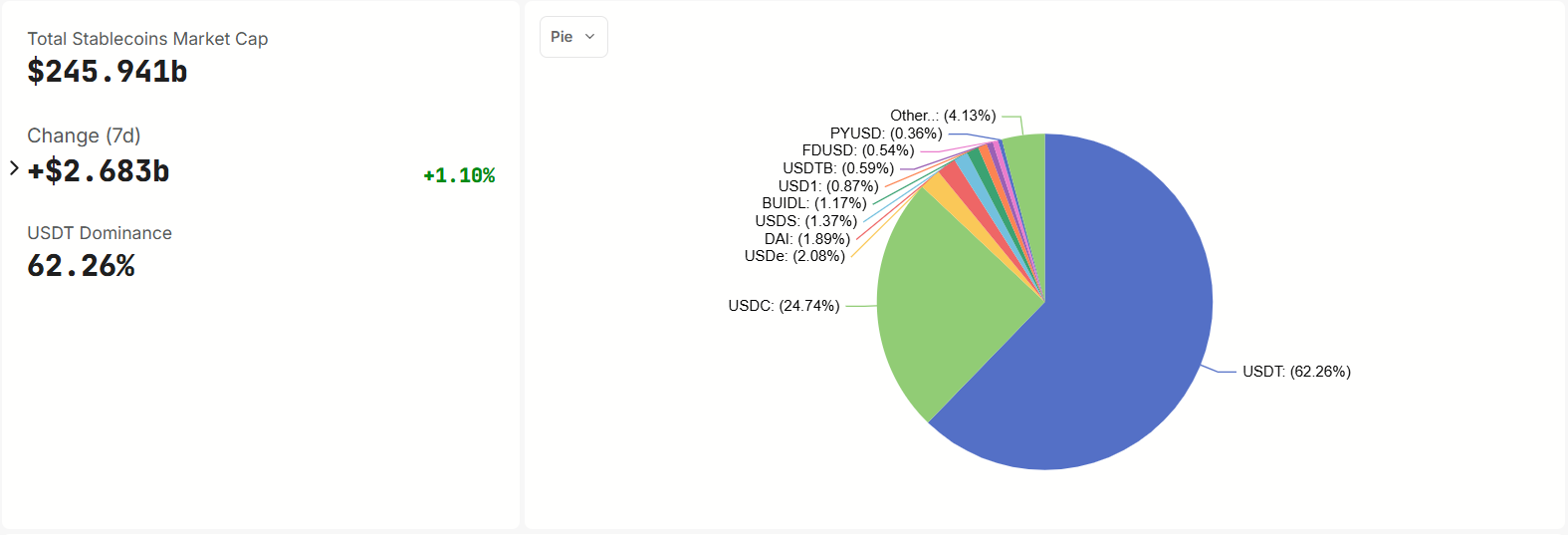
Major U.S. banks, including JPMorgan Chase, Bank of America, Citigroup, and Wells Fargo, are exploring a collaborative stablecoin initiative to compete in the $245 billion stablecoin market, currently led by Circle’s USDC and Tether’s USDT.

A Stablecoin Project Backed by America’s Top Banks

Source: DefiLlama

According to The Wall Street Journal, these discussions involve payment firms like Early Warning Services (Zelle’s operator) and The Clearing House, co-owned by the banks. The move aims to counter the growing influence of crypto-based digital payments, which threaten traditional banking’s deposit bases and transaction volumes. 

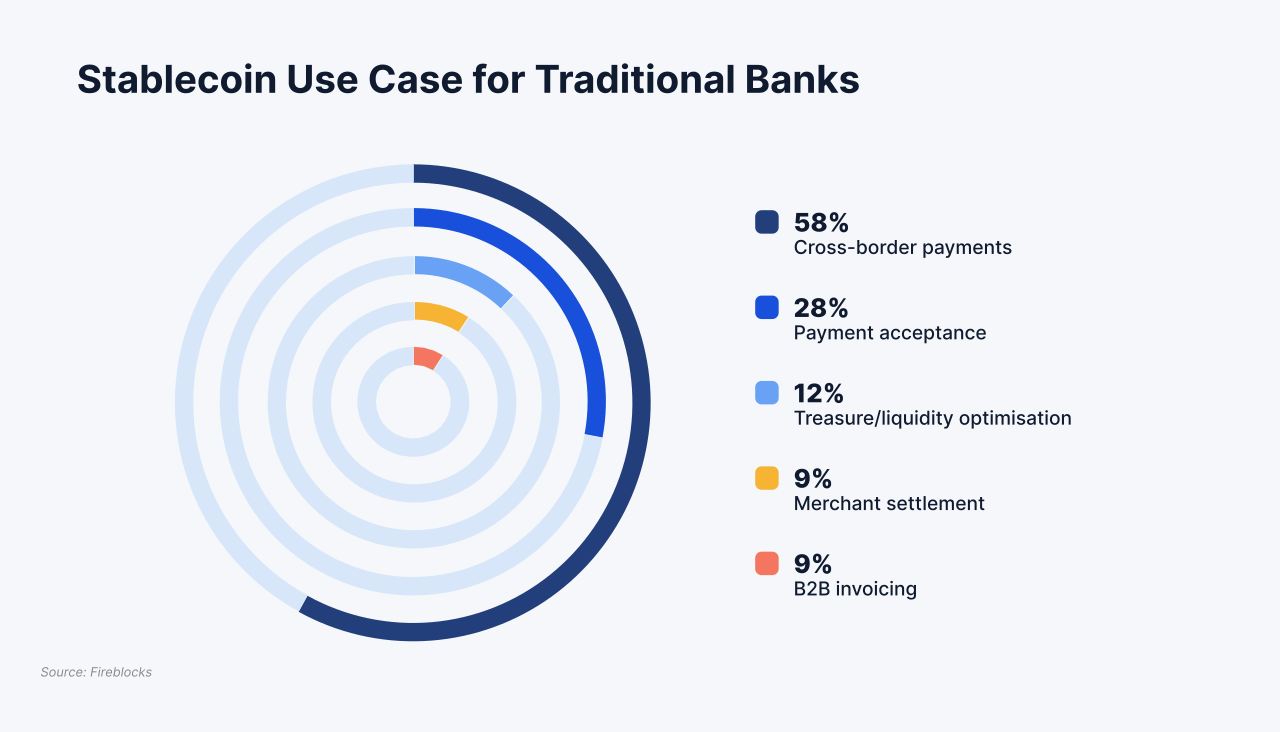
Stablecoins, pegged to the U.S. dollar, offer fast, low-cost cross-border transfers, making them attractive for global finance. A Fireblocks survey notes that 58% of traditional banks already use stablecoins for such payments, reflecting institutional adoption.

A Stablecoin Project Backed by America’s Top BanksA Stablecoin Project Backed by America’s Top Banks

Source: Fireblocks

The banks’ consortium model could enable broader participation from other financial institutions, enhancing the stablecoin’s reach. However, the venture’s progress depends on U.S. stablecoin legislation, particularly the GENIUS Act, which recently cleared a Senate procedural vote with bipartisan support. The Act requires stablecoins to be 1:1 backed by liquid reserves, addressing regulatory concerns like anti-money laundering and consumer protections. 

USD1 Stablecoin by World Liberty Financial Fuels Growth and Debate

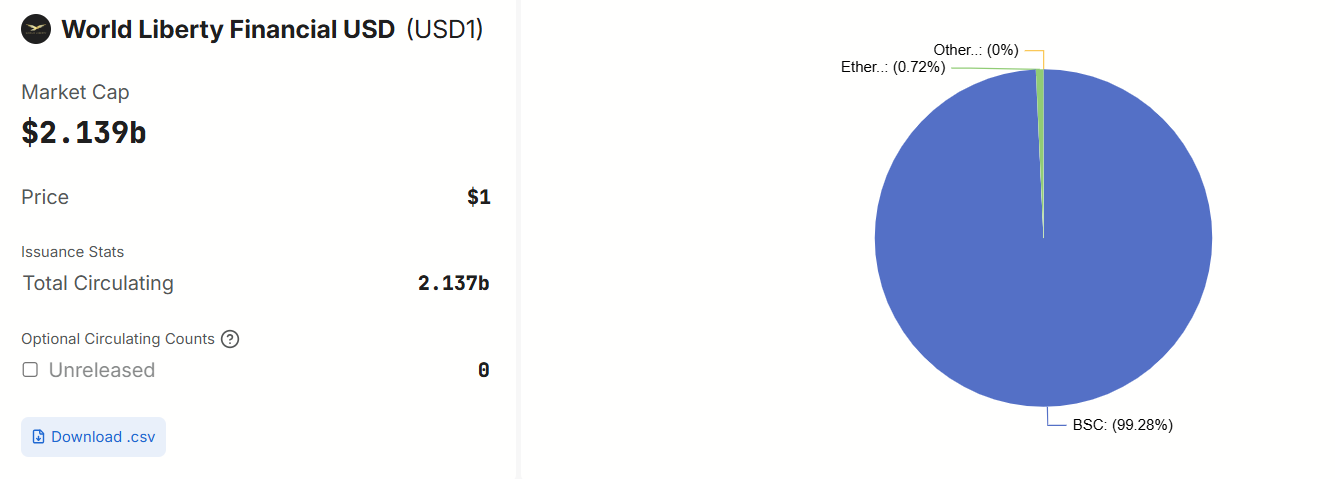
Parallel to the banks’ efforts, the Trump family’s World Liberty Financial has launched USD1, a dollar-backed stablecoin that has rapidly gained traction. Issued by BitGo Trust Company under U.S. regulatory compliance, USD1 has surged to a $2.14 billion market cap, ranking as the second-largest stablecoin on BNB Chain after USDT.

USD1 Stablecoin by World Liberty Financial Fuels Growth and DebateUSD1 Stablecoin by World Liberty Financial Fuels Growth and Debate

A significant boost came from a $2 billion investment by Abu Dhabi’s MGX fund to acquire a stake in Binance using USD1, highlighting its global appeal. The Trump family holds a 60% stake in World Liberty Financial, raising ethical concerns about potential conflicts of interest, especially given President Trump’s crypto-friendly policies.

Learn more: World Liberty Financial Launches Stablecoin USD1

Critics, including Senator Elizabeth Warren, argue that USD1’s rise, fueled by foreign investments like the UAE deal, risks corruption, especially as the GENIUS Act progresses. The stablecoin’s integration with Chainlink for multi-chain transfers further enhances its utility, but concerns persist about transparency and regulatory oversight.

The U.S. aims to dominate the crypto sector, echoing President Trump’s remarks at a TRUMP token holders’ event, where he likened crypto leadership to America’s global economic dominance through the USD. The banks’ stablecoin venture and USD1’s rise reflect this ambition, positioning the U.S. to shape the future of digital finance. By leveraging blockchain’s efficiency, banks aim to modernize payments, while USD1’s rapid growth signals crypto’s mainstream potential. 

However, challenges like regulatory clarity, public trust, and financial stability risks, highlighted by critics comparing stablecoins to volatile money-market funds, could hinder progress. Both initiatives underscore blockchain’s transformative power, but their success depends on navigating ethical concerns and regulatory hurdles.


Source link

FIFA Teams Up with Avalanche to Launch Custom Blockchain for NFTs – Cryptoflies News

FIFA Teams Up with Avalanche to Launch Custom Blockchain for NFTs – Cryptoflies News


9

FIFA, the global governing body for association football, has selected the Avalanche network to develop its own Layer-1 blockchain for its non-fungible token (NFT) platform, FIFA Collect.

The news was shared in a blog post published by Avalanche yesterday. The new FIFA Blockchain is a custom Layer 1 (L1) network built to support digital collectibles and enhance fan interaction on a global scale.

FIFA chose Avalanche for its ability to handle high transaction volumes, low delays, and full governance control. It also offers low fees and stability during high traffic periods.

This new blockchain will serve as the base for a range of digital products. The first step will be the migration of FIFA Collect, the organization’s official digital collectibles platform.

FIFA launched FIFA Collect in 2022 with the goal of offering soccer-themed digital collectibles. It allows fans to own and preserve key soccer moments on the blockchain. A limited drop in 2023, tied to the “World Cup Saudi Arabia 2023,” included 1,000 NFTs that sold out within 30 minutes.

You Might Be Interested In

In 2024, the Romanian Football Federation became the first to join FIFA Collect. This means fans were able to collect NFTs based on real match highlights from national teams.

FIFA Collect was not FIFA’s first move into Web3. In July 2024, FIFA filed a trademark application for “WORLD CUP 2026,” signaling its interest in cryptocurrencies and the metaverse. 

In 2023, it partnered with Upland metaverse to bring the Women’s World Cup Australia & New Zealand 2023 into a virtual space. Earlier, in 2022, FIFA introduced a set of Web3 games linked to the World Cup Qatar 2022.


Source link

How to Stake Virtual Protocol: A Step-by-Step Guide to Earning Rewards

How to Stake Virtual Protocol: A Step-by-Step Guide to Earning Rewards


Virtual Protocol has emerged as a unique player in the AI x Web3 sector, enabling investors to create, co-own, and monetize AI agents, contributing to one of the most promising AI projects in the Web3 space, offering a range of opportunities to earn Virtuals Protocol airdrops through participation and staking. 

This guide walks you through how to stake the native VIRTUAL token and start earning rewards through the protocol’s innovative veVIRTUAL model.

What Is Virtual Protocol?

Virtual Protocol is a decentralized AI platform built on Base, Coinbase’s Ethereum Layer 2 solution, and Virtual Protocol focuses on aligning AI-powered agents with community-driven incentives. It enables users to create and co-own AI agents that can be integrated across gaming, data analytics, and creative applications, supporting the development of decentralized applications across multiple sectors.

At the core of the ecosystem is the VIRTUAL token, which acts as the main medium for transactions and staking and can be bought on supported exchanges by those looking to buy Virtuals Protocol to start engaging with the Virtuals Protocol ecosystem.

The protocol offers a unique staking mechanism where anyone can lock their VIRTUAL tokens to earn veVIRTUAL – a vote-escrowed token that grants governance rights and eligibility for airdrops and rewards, designed to benefit long-term token holders through active participation. The staking structure is also suitable for users looking to align with the project’s airdrop mechanisms.

The token has a fixed total supply and an actively monitored circulating supply, providing transparency and supporting healthy market dynamics for token holders. The staking structure is also suitable for users looking to align with the project’s airdrop mechanisms.

Source: Dune

Why Stake on Virtual Protocol?

Staking on Virtual Protocol is not only about earning crypto airdrops—it’s about long-term participation in the growth of the AI agent economy. Here are some compelling reasons to stake:

Governance Power: veVIRTUAL holders can participate in key governance decisions.Airdrop Eligibility: Only stakers are eligible for the Genesis Airdrops and upcoming Genesis Launchpad projects.

Why Stake on Virtual Protocol?Why Stake on Virtual Protocol?

Yield Opportunities: Staking VIRTUAL grants ongoing protocol rewards based on staking duration and commitment.Boosted Influence: Long-term stakers gain more veVIRTUAL, which translates to greater weight in decision-making and benefits.

Where to Buy VIRTUAL Token

To begin your journey with Virtual Protocol, the first step is to purchase the VIRTUAL token. Currently, VIRTUAL is listed on several decentralized and centralized exchanges. Among the most accessible options are Uniswap (on the Base network), MEXC, and Gate.io, which offer solid liquidity.

For users familiar with Web3 wallets like MetaMask, purchasing on Uniswap is a good option – just make sure you have ETH on the Base network to cover gas fees. Alternatively, centralized exchanges like MEXC and Gate.io provide a user-friendly experience and support fiat payment methods like credit cards or e-wallets.

binance-logo-2binance-logo-2

Step-by-Step Guide: How to Stake VIRTUAL

Step 1: Set Up a Web3 Wallet

Before staking, make sure you have a Web3 wallet like MetaMask, OKX Wallet… Fund the wallet with ETH (for gas fees) and VIRTUAL tokens.

Step 1: Set Up a Web3 WalletStep 1: Set Up a Web3 Wallet

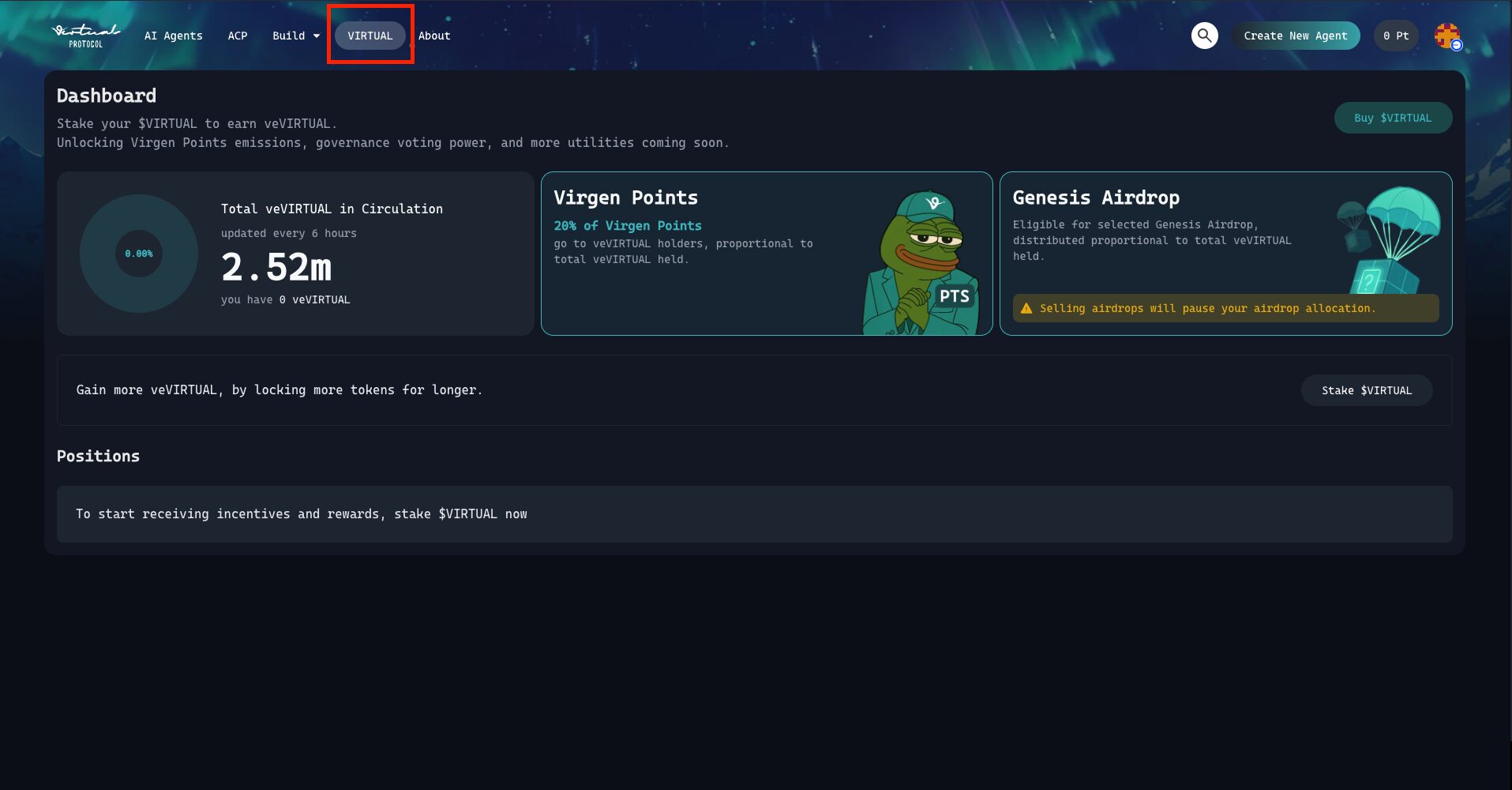
Step 2: Access the Virtual Protocol Dashboard

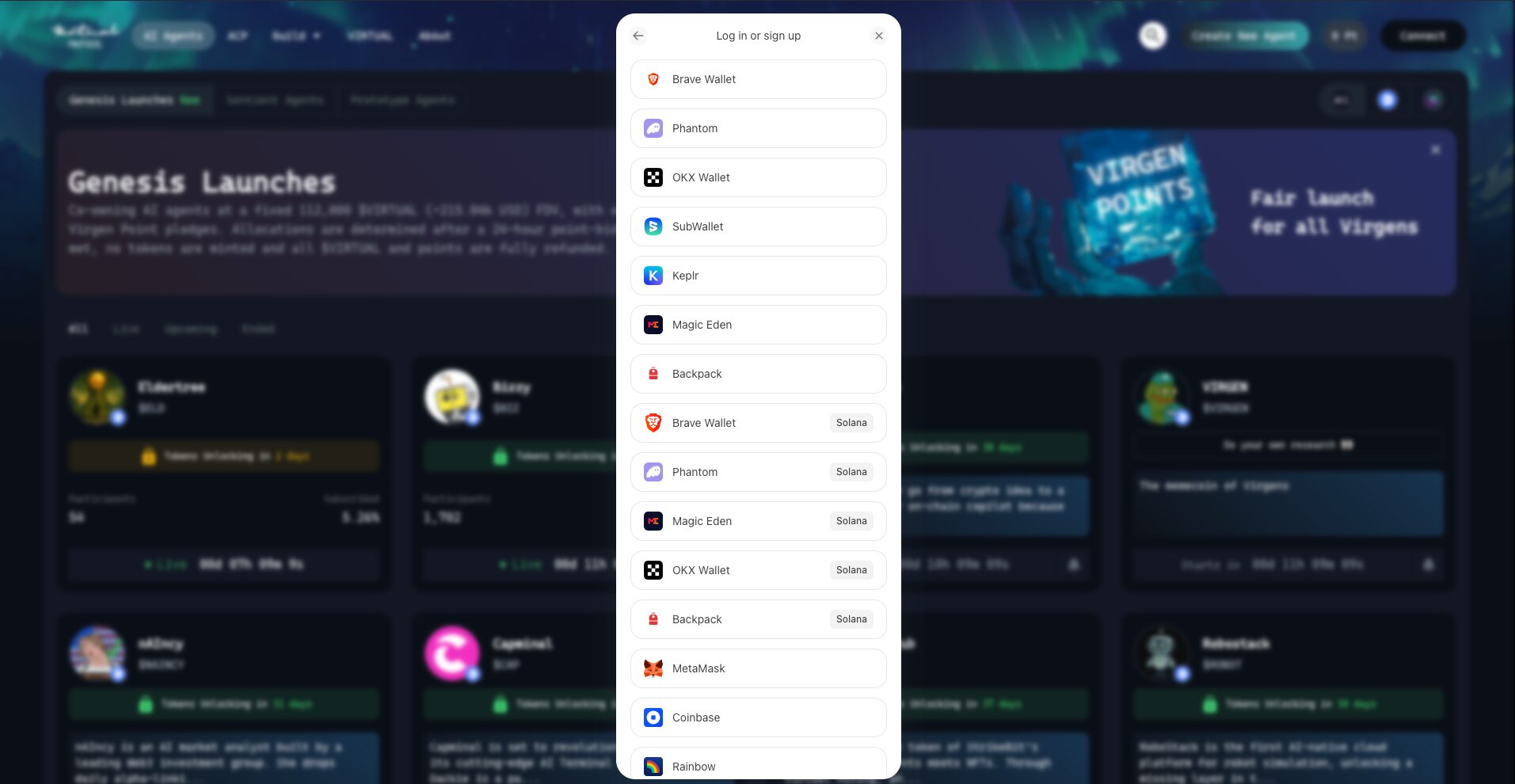
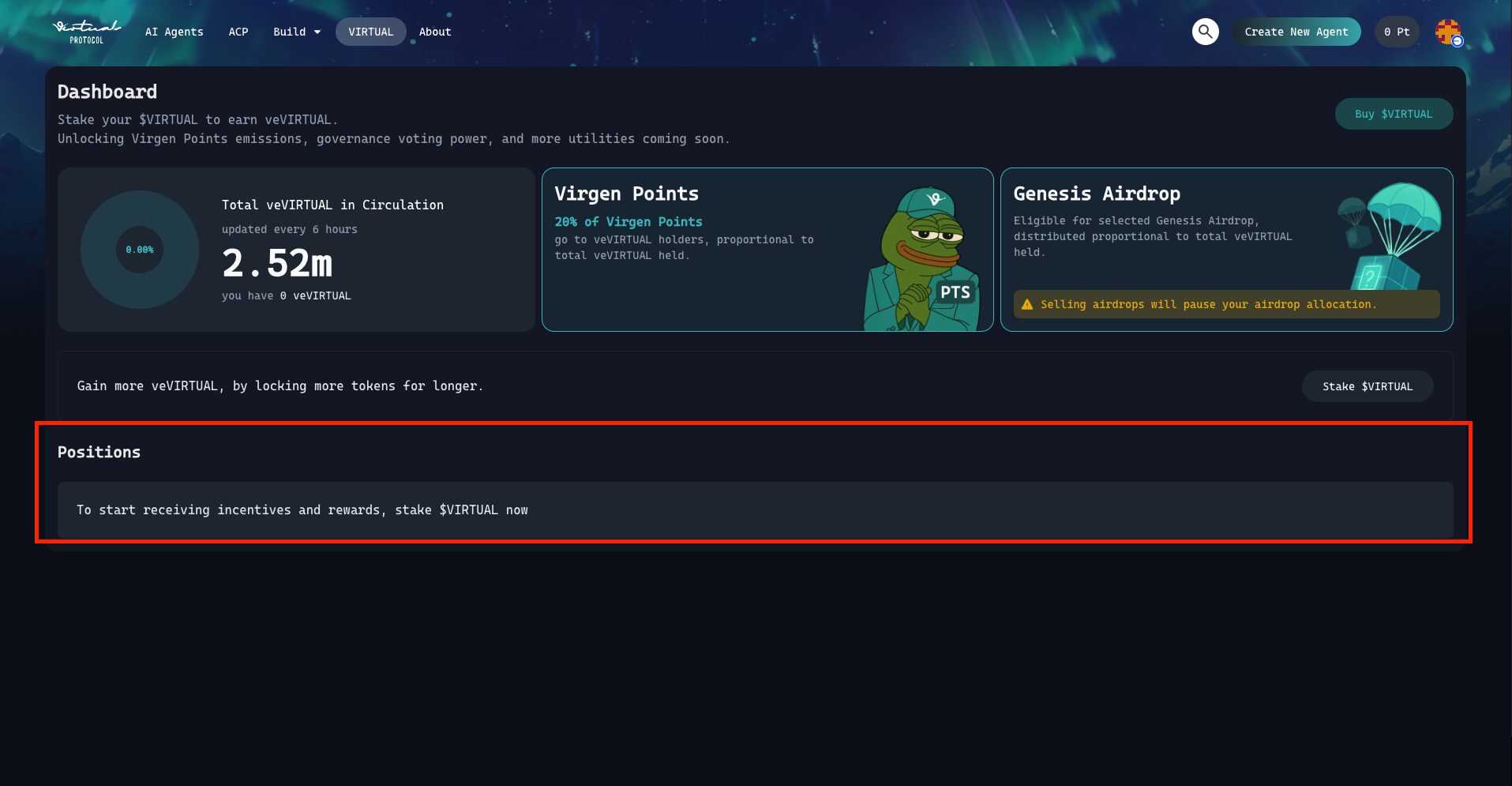
Navigate to the Virtual Protocol staking portal on the top left corner. Connect your Web3 wallet and ensure you’re on the Base or Solana network. This ensures fast and low-cost deployment of staking actions across the protocol.

Step 2: Access the Virtual Protocol DashboardStep 2: Access the Virtual Protocol Dashboard

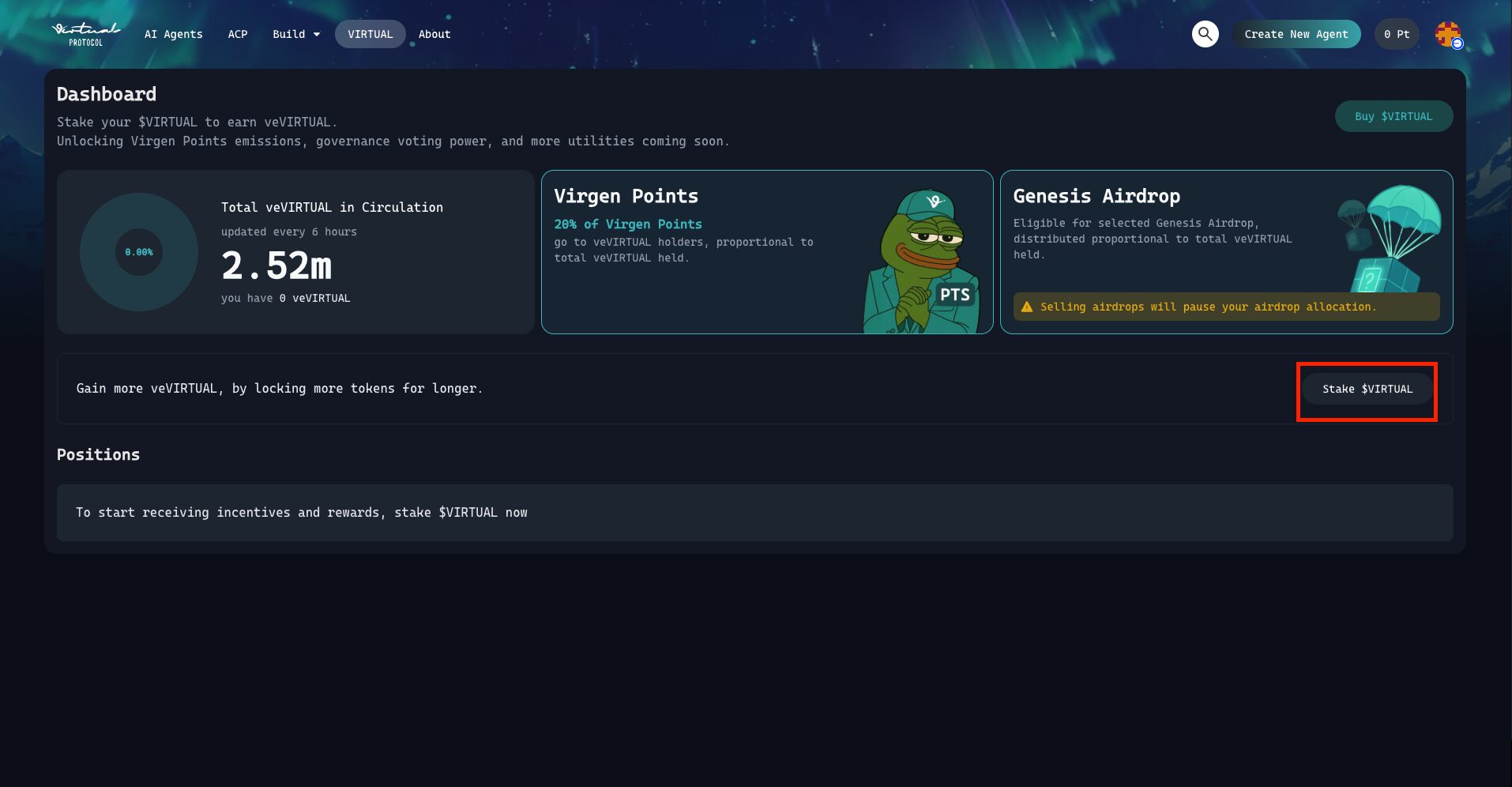
Step 3: Navigate to the Staking Section

Once connected, go to the “Staking” section. You’ll find the interface that allows you to stake your VIRTUAL tokens.

Step 3: Navigate to the Staking SectionStep 3: Navigate to the Staking Section

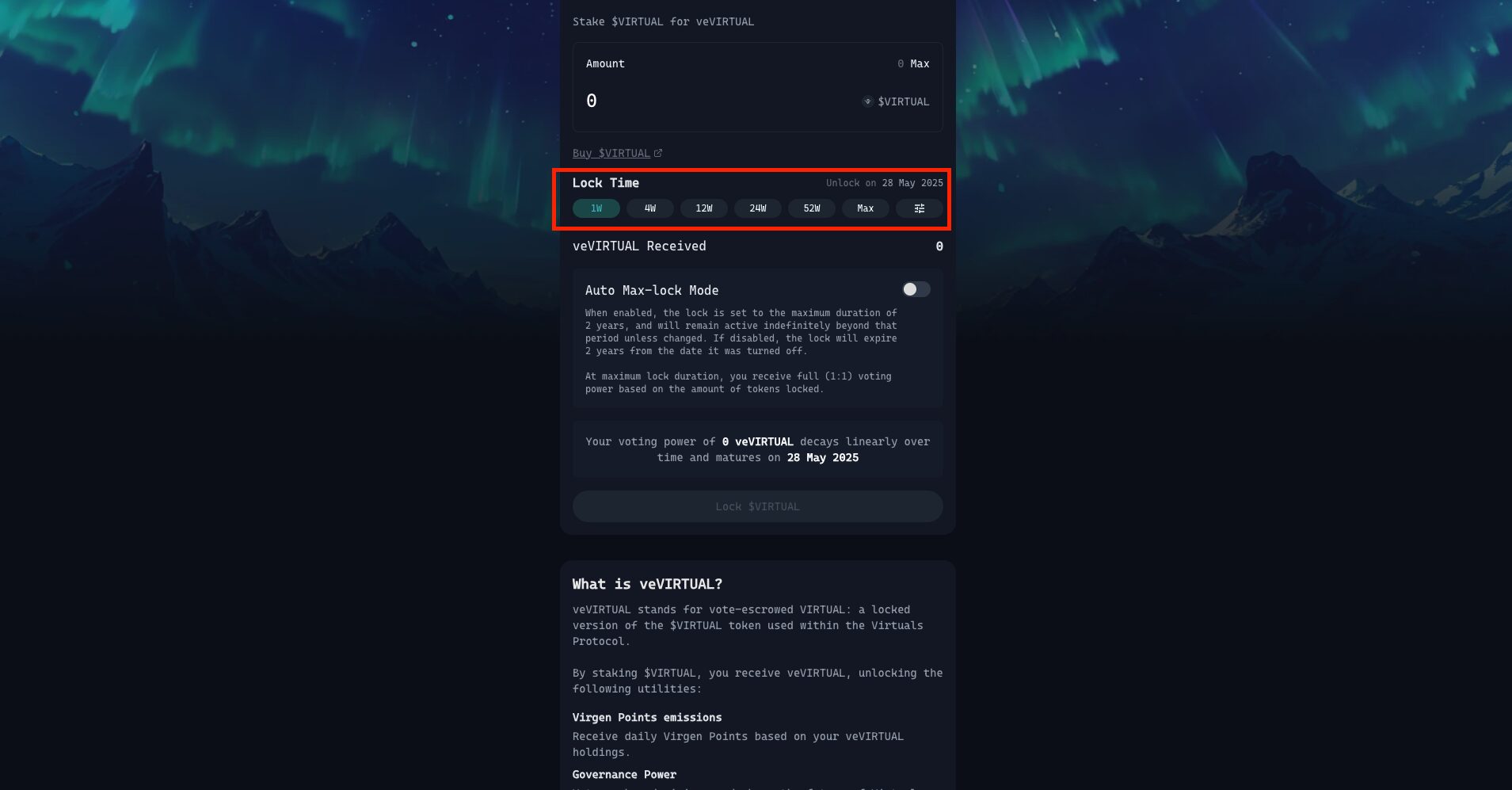
Step 4: Choose Lock Duration

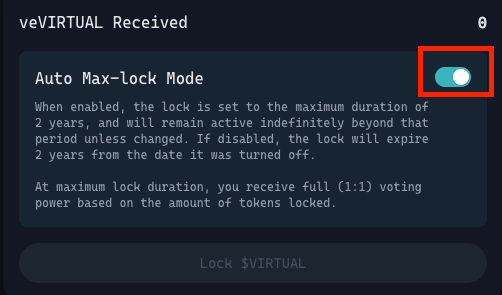
Select the amount of VIRTUAL you wish to stake and choose the lock duration. The longer you lock your tokens (up to 2 years), the more veVIRTUAL you will receive. Users can also opt for the “Auto Max-Lock” feature to automatically lock for the full term and receive a 1:1 ratio of veVIRTUAL to VIRTUAL.

Step 4: Choose Lock DurationStep 4: Choose Lock Duration

Step 5: Confirm the Transaction

Approve the staking transaction in your wallet. You may be prompted to sign two transactions: one to approve the token spend and another to lock the tokens.

Step 6: View Your veVIRTUAL Balance

After the transaction is confirmed, your veVIRTUAL balance will be visible on the dashboard. This token represents your stake and voting power.

Step 6: View Your veVIRTUAL BalanceStep 6: View Your veVIRTUAL Balance

Utility of Staking

The utility of staking on Virtual Protocol lies not only in token rewards but also in the access it grants to exclusive ecosystem features and governance influence.

1. Genesis Airdrops

The Virtuals team has launched Genesis Airdrops reserved exclusively for veVIRTUAL holders. These airdrops come from partner projects, internal initiatives, and new protocol integrations.

2. Governance Participation

veVIRTUAL holders vote on:

Treasury allocationAgent-related incentivesProtocol upgrades

3. Genesis Launchpad Access

Projects launching within the Virtual ecosystem often conduct community sales or allowlist campaigns for veVIRTUAL holders.

4. Protocol Rewards

The longer the lock, the higher the reward multiplier. Rewards are distributed periodically and may include additional VIRTUAL tokens or tokens from ecosystem partners.

How to Earn Virgen Points

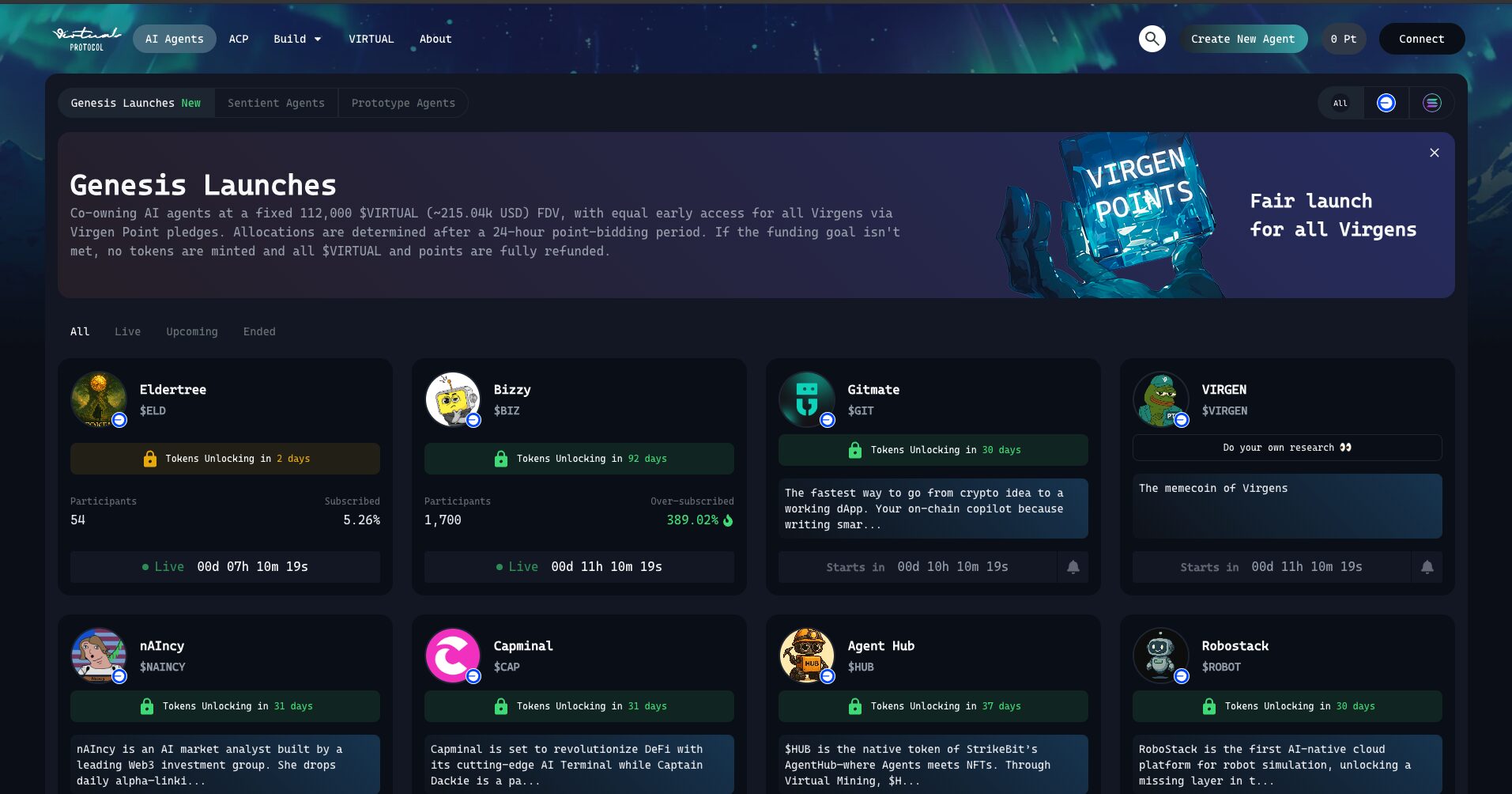
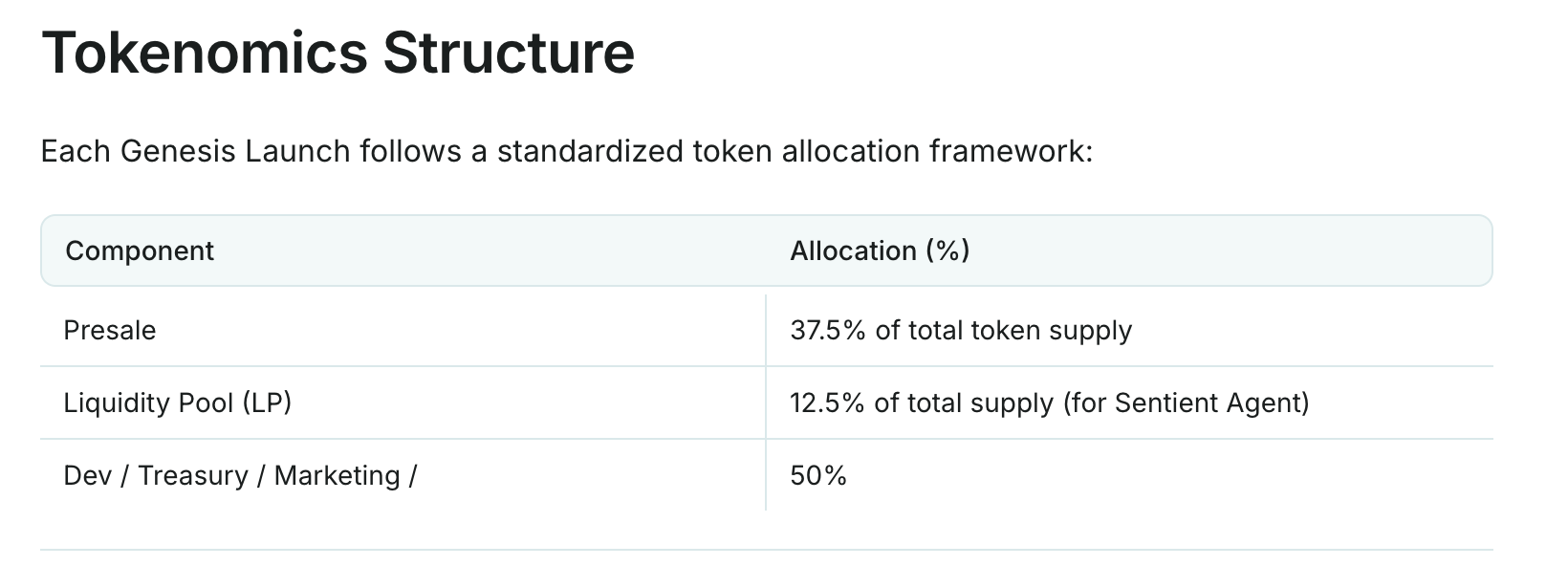
To participate in a Genesis Launch, users must accumulate Virgen Points, which function like tickets to access early token sales. More points mean higher allocations and better pricing.

How to Earn Virgen PointsHow to Earn Virgen Points

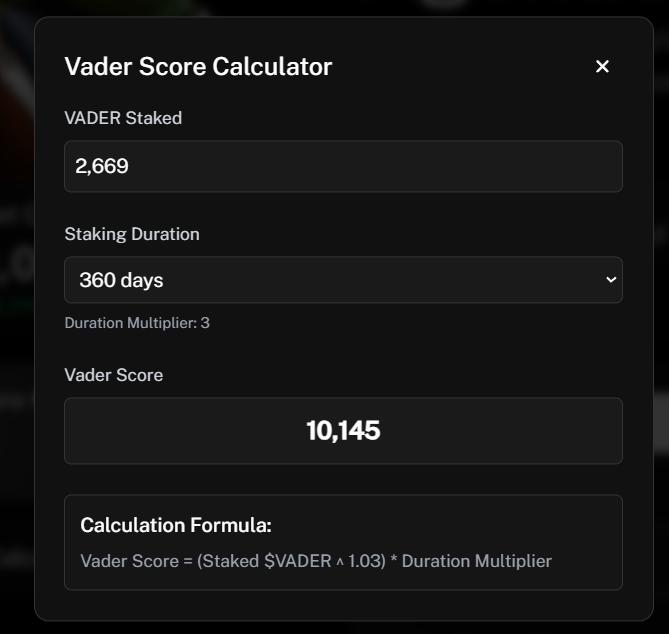
Points can earn in various ways – by holding or staking VIRTUAL, participating in campaigns like Virtual Trenches, staking partner tokens (e.g., $VADER or $AIXBT), or contributing content about Virtuals on social platforms. Additional points are awarded for holding Genesis tokens for over 24 hours or generating community engagement.

How to Earn Virgen PointsHow to Earn Virgen Points

Note that Virgen Points typically expire after 14 days and must be used promptly, preventing hoarding and encouraging ongoing activity.

Recent Staking & Airdrop Returns

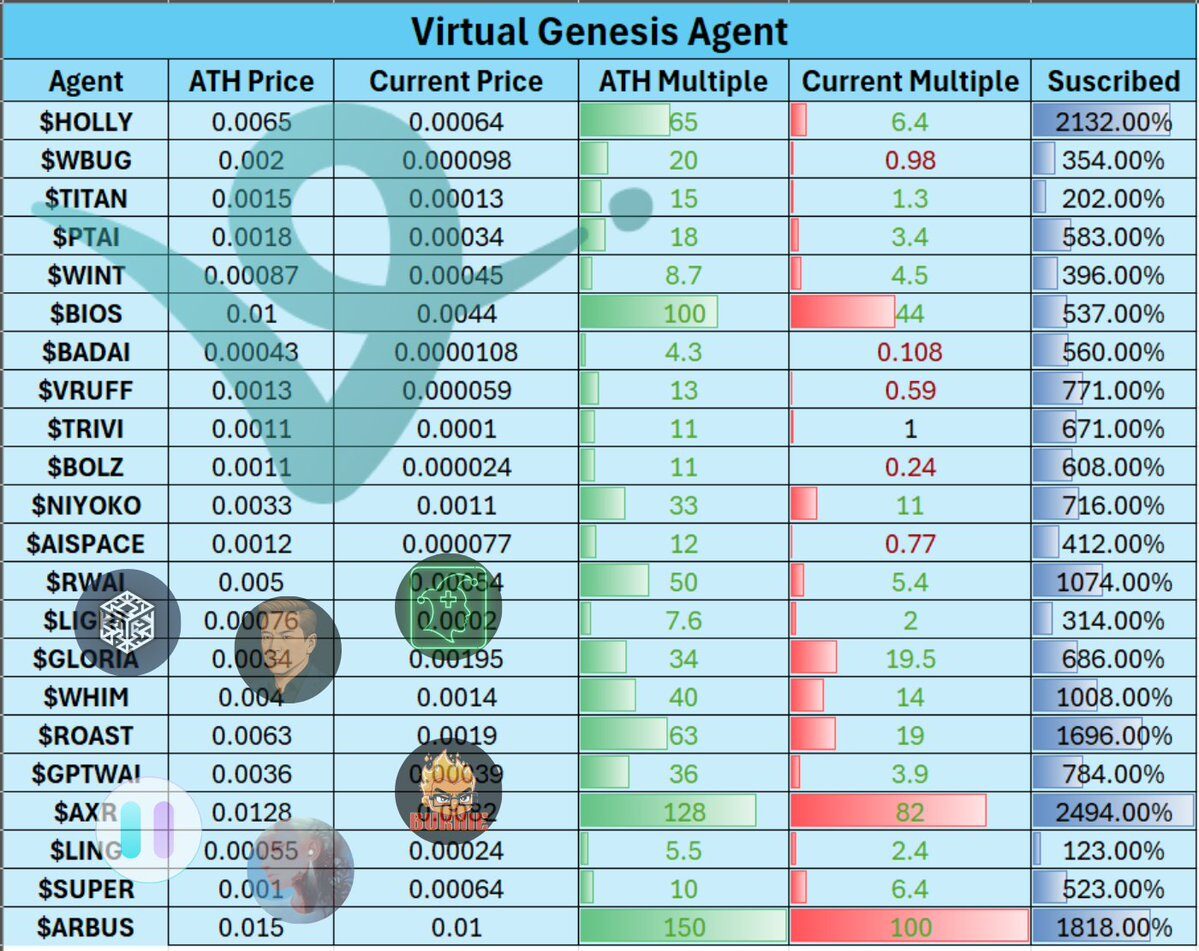
During the Genesis Launch of Arbus AI (ARBUS) in mid-May 2025, many participants reported substantial returns. One investor shared that they used 460 points along with a small amount of VIRTUAL to purchase ARBUS, estimating a 20x return compared to the initial price.

Just days earlier, the Axelrod (AXR) token sale also delivered significant gains. One participant contributed approximately 1.2 VIRTUAL and 7,100 points to receive 9,503 AXR — valued at around $170 at the time.

These examples showcase the double-digit ROI potential for active participants. Market sentiment around these launches has been overwhelmingly positive, reinforcing confidence in the protocol’s reward mechanisms. These not only determine how incentives are distributed but also influence investor behavior across staking, airdrops.

While there is no fixed APR like in traditional DeFi pools, Virtuals’ model emphasizes rewarding meaningful contribution. Instead of stable yield, investors gain early access to new tokens at discounted prices and can receive token airdrops based on engagement.

Recent Staking & Airdrop ReturnsRecent Staking & Airdrop Returns

Source: The Smart Ape

Although these returns can be harder to quantify using conventional metrics, the success of recent events indicates that staking in the Virtuals ecosystem can be highly attractive for anyone who actively engages and supports the platform’s long-term vision. Contributors who help build, test, or promote Virtuals-based tools and content also play a crucial role in sustaining ecosystem momentum.

binance-logo-2binance-logo-2

Downside to Consider

While staking is generally seen as a secure and passive strategy, it is not without risks. The first major concern is illiquidity – once you stake your VIRTUAL tokens, they are locked and cannot be withdrawn until the term ends.

This means you won’t be able to sell or move your tokens if market conditions change. If the price of VIRTUAL drops significantly during this period, you will not be able to exit your position or limit your losses, making staking a potentially high-risk strategy during volatile market conditions.

Another key danger is smart contract vulnerability, and while the protocol has undergone audits, no system is entirely immune to security flaws that could put investor funds at risk. As with any decentralized finance (DeFi) protocol, Virtual Protocol is reliant on code-based smart contracts that, if flawed or exploited, could compromise funds.

Finally, there is an opportunity cost. Locking your tokens in staking means those assets cannot be deployed elsewhere, such as in other yield-generating protocols or investments — which could lead to missed financial opportunities.

It is essential to assess your risk tolerance and fully understand the commitment before opting for long lock durations.

Tips for Maximizing Your Rewards

To get the most out of your staking experience with Virtual Protocol, consider a few practical strategies. First, using the Auto Max-Lock feature ensures you receive the maximum possible amount of veVIRTUAL, improving your eligibility for future airdrops and boosting your governance power.

Tips for Maximizing Your RewardsTips for Maximizing Your Rewards

Second, participate actively in governance. By voting on proposals and contributing to discussions, you not only shape the future of the protocol but also position yourself for potential retroactive rewards.

Finally, for those who don’t plan to hold VIRTUAL long-term, staking still offers an attractive utility. By locking tokens to earn veVIRTUAL, users can leverage their veVIRTUAL position as collateral to borrow other assets or participate in secondary yield opportunities, turning short-term exposure into productive capital without giving up liquidity entirely.

Conclusion

Staking VIRTUAL through the Virtual Protocol is more than just a passive income strategy — it’s an invitation to co-create and co-own the future of AI on the blockchain. By locking your tokens and participating in governance, you contribute to the protocol’s success while enjoying tangible rewards. This also supports your ability to create long-term value within a decentralized AI economy.

Whether you’re a seasoned staker or new to Web3, Virtual Protocol’s friendly interface, strategic incentives, and rapidly growing ecosystem make it a compelling choice for those seeking passive income and for long-term engagement.


Source link

British Pounds Sterling Online Casinos for Crypto Players in the UK

British Pounds Sterling Online Casinos for Crypto Players in the UK


Online casinos in the UK now support both British Pounds Sterling and cryptocurrency. This shift reflects changes in user habits and payment preferences. Dual currency casino sites allow for deposits and withdrawals in traditional and digital currencies. That flexibility appeals to many, especially those using Bitcoin or Ethereum.

British Pounds online casinos with crypto options offer faster processing and lower transaction fees. Users avoid the usual delays linked to bank transfers. Crypto-friendly casinos UK often accept several coins, with Bitcoin, Litecoin, and Tether among the most common.

Security is another reason for the rising interest. Blockchain transactions reduce reliance on third-party processors. This adds a layer of privacy some users prefer. Meanwhile, the legal status of crypto in the UK remains stable. Users can legally deposit or withdraw using approved wallets.

UK crypto gambling is no longer a niche. It is now a viable option for those who value speed, flexibility, and privacy. As more sites offer both currencies, demand is expected to grow.

Why UK Players Prefer British Pounds

Many users in the UK prefer casinos that support British Pounds. Playing at GBP casinos UK removes the need for currency conversion. This means no extra charges when funding accounts or cashing out. No conversion fees casinos are a clear draw for those using local banks.

British Pound casino payments also link well with local systems. Most GBP sites accept debit cards, Faster Payments, and bank transfers. These methods are familiar, fast, and widely used in the UK. The leading gambling sites usually support these methods, making transactions quicker and more reliable. Users can deposit or withdraw with fewer delays and fewer third-party fees.

Another reason is clarity. When using GBP, terms on bonuses and limits are easier to follow. There’s no guesswork on how much is being spent or credited. This helps users manage budgets more clearly and avoid confusion linked to currency shifts.

Why UK Players Prefer British Pounds

Crypto Payments and Currency Conversion Workaround

Many UK users fund their GBP casino accounts using crypto through a conversion process. This common UK crypto gambling workaround begins by selling digital assets—Bitcoin, Ethereum, or USDT—via a regulated exchange or wallet. Once converted, funds are transferred to a UK bank account.

The next step is simple. Users deposit the fiat currency directly into the casino account. This method allows crypto to GBP casino deposits without needing a crypto-supported site. Bitcoin to bank transfer UK services, such as Coinbase or Binance, support this process and are widely trusted.

One benefit is improved privacy. Using crypto helps limit card-based tracking. Another plus is avoiding international card or currency conversion fees, which often apply with non-GBP deposits.

Still, this method has some limits. It takes more time, usually a day or two. Users must also comply with KYC checks on exchanges. But for many, the extra step is worth the control. For crypto payment conversion UK casinos, this route remains practical and cost-effective.

Recommended GBP Casinos for Crypto-Converting Players

For UK users converting crypto to fiat before playing, several British Pound online casino sites offer fast deposits and reliable service. These leading GBP casinos UK support local payment methods and have good records for payouts and support.

Betfred Casino A long-established name in the UK, Betfred supports debit cards and bank transfers through Faster Payments. Withdrawals to UK banks are often processed within 24 hours. Terms on bonuses are clear and displayed in GBP.

MrQ Known for its fast cashouts and no-wagering bonus system, MrQ is a solid choice for crypto-to-fiat gambling UK. It accepts GBP deposits via debit cards and supports instant withdrawals to UK accounts. It holds a UKGC licence and maintains transparent terms.

Grosvenor Casinos Online Backed by a well-known UK brand, Grosvenor accepts British Pound deposits via debit cards and bank transfers. It offers fast access to funds, usually within one working day. The site presents clear limits and uses familiar payment tools.

All British Casino As the name suggests, it focuses on UK users. It supports only GBP and processes withdrawals quickly to local banks. Accepted methods include debit cards and Trustly. Bonus offers are listed in GBP with detailed terms.

These leading GBP casinos for UK players suit users who prefer fiat deposits after converting crypto.

Recommended GBP Casinos for Crypto-Converting PlayersRecommended GBP Casinos for Crypto-Converting Players

Security and Transaction Speed in GBP-Focused Casinos

Secure online casinos in the UK that accept GBP follow strict rules set by the UK Gambling Commission. These sites must use SSL encryption to protect user data. Most also include two-factor authentication to guard accounts from unauthorised access.

Bank-level security is applied to all British Pound transactions. This covers both deposits and withdrawals, using trusted casino deposit methods like debit cards, Faster Payments, and bank transfers. Funds are processed through systems with full encryption.

GBP casino safety also includes verified payment gateways and clear KYC checks. These reduce fraud and confirm user identity before cash-outs.

Transaction speed depends on the method. Digital wallets like PayPal or Skrill often process withdrawals within hours. Local bank options, including Faster Payments, usually take 24 hours or less.

Fast UK casino withdrawals are more common now, especially on fully licensed sites. UK users benefit from familiar tools, faster processing, and reliable security systems built into GBP-focused sites. This makes them a trusted choice for regular use.

Final Thoughts: Using Crypto Through GBP Casinos

Using crypto through GBP and crypto conversion casinos gives UK users a practical path to play legally. By converting assets like Bitcoin or USDT into fiat, users get access to fast banking tools and UK-regulated sites. This UK crypto gambling alternative avoids direct crypto use, staying within current rules.

Legal crypto casino access in the UK remains limited, but this two-step method offers strong protection. Users benefit from trusted banks, faster withdrawals, and full compliance with UK standards.

Safe dual-step casino payments depend on verified exchanges and licensed operators. Always check that a site holds a UKGC licence and lists clear terms. This keeps funds and data protected, while keeping the process efficient.


Source link

Check your Huma Finance (HUMA) airdrop

Check your Huma Finance (HUMA) airdrop


Huma Finance, the pioneering PayFi network, is set to distribute its HUMA token through a multi-season airdrop campaign with Kaito AI and a listing on Binance Alpha, rewarding community engagement and offering seamless 24/7 payment solutions using stablecoins for cross-border payments, trade finance, and DePIN financing.

What is Huma Finance?

Huma Finance positions itself as the first PayFi network, enabling seamless, 24/7 payment settlements using stablecoins and on-chain liquidity. The platform is designed to power financial solutions across multiple sectors, including:

Cross-border payments: Facilitating faster and cheaper international transactions.Credit cards and trade finance: Offering liquidity for traditional financial instruments.DePiN (Decentralized Physical Infrastructure Networks) financing: Supporting innovative decentralized infrastructure projects.

What is Huma Finance?

Source: huma.finance

The core mission of Huma Finance is to provide “income-backed DeFi,” making financial services more accessible to individuals and institutions globally. It aims to bridge the gap between traditional finance and DeFi by offering tools for global payment institutions to settle transactions efficiently.

HUMA tokenomics

– The HUMA token is a native asset that combines both utility and governance.

– Total Supply: 10,000,000,000

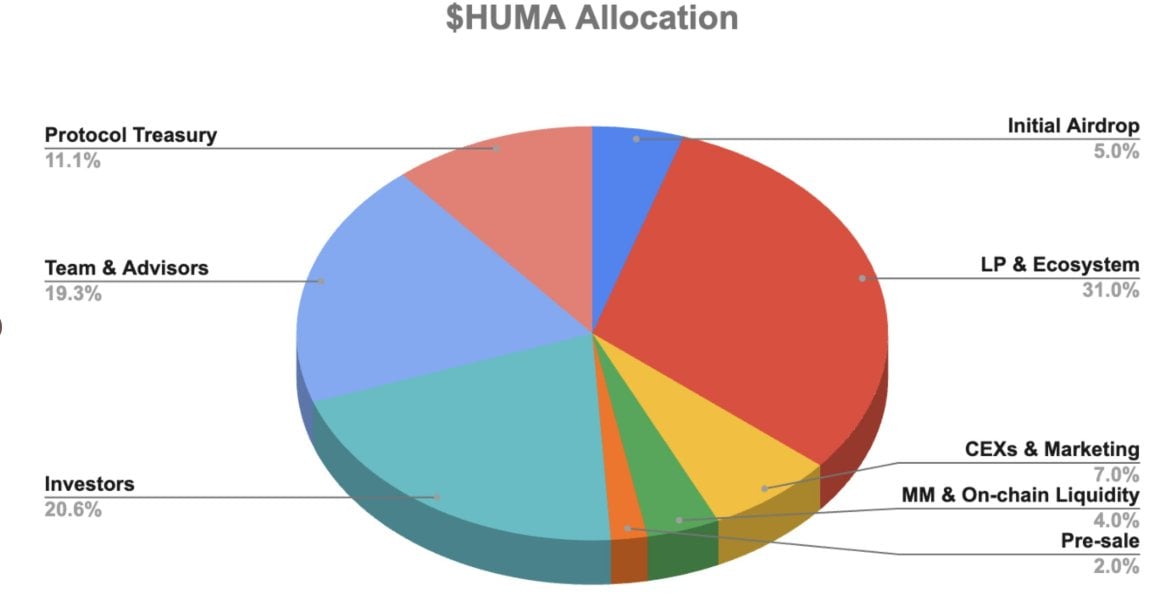
Initial Circulating Supply: 17.3%Initial Airdrop: 5% CEX & Marketing: 7%MM & On-chain Liquidity: 4%Protocol Treasury: 1%Token swap with a strategic partner: 0.33%

HUMA Allocation 

HUMA Allocation HUMA Allocation 

Source: X

LP & Ecosystem: 31.0%VC: 20.6%Team & Advisors: 19.3%Protocol Treasury: 11.1%CEXs & Marketing: 7.0%Market Making & On-chain Liquidity: 4.0%Initial Airdrop: 5.0%Pre-sale: 2.0%

Airdrop Eligibility: Who Qualified for HUMA?

Huma Finance announced a multi-season rewards campaign with Kaito AI, allocating 0.5% HUMA to incentivize content creation by “Huma Yappers”.

The campaign targets community engagement pre- and post-Token Generation Event (TGE), with Season 1 ongoing, and Seasons 2 and 3 for post-TGE will be announced later.

To qualify for the HUMA airdrop, users must create quality content to drive mindshare on social media like X, secure their rank on the Yapper Leaderboard.

Check your ranking here: https://yaps.kaito.ai/huma

However, Huma Finance has not yet announced the airdrop criteria.

Binance Alpha Listings: MOODENG, GOAT, PUFFER and NXPC Airdrop

Eligibility for HUMA on Binance Alpha

Binance Alpha will begin distributing Huma Finance (HUMA) to eligible users. This is the first platform to list and open trading for HUMA tokens.

Airdrop claim window opens: May 26, 2025

Eligible users must use Alpha Points to claim their rewards. More details will be announced later.

Alpha Points are accumulated continuously over the last 15 days, the more points, the more opportunities to participate in high-quality token distributions from Binance.

You earn Alpha Points by holding on spots and also by trading.

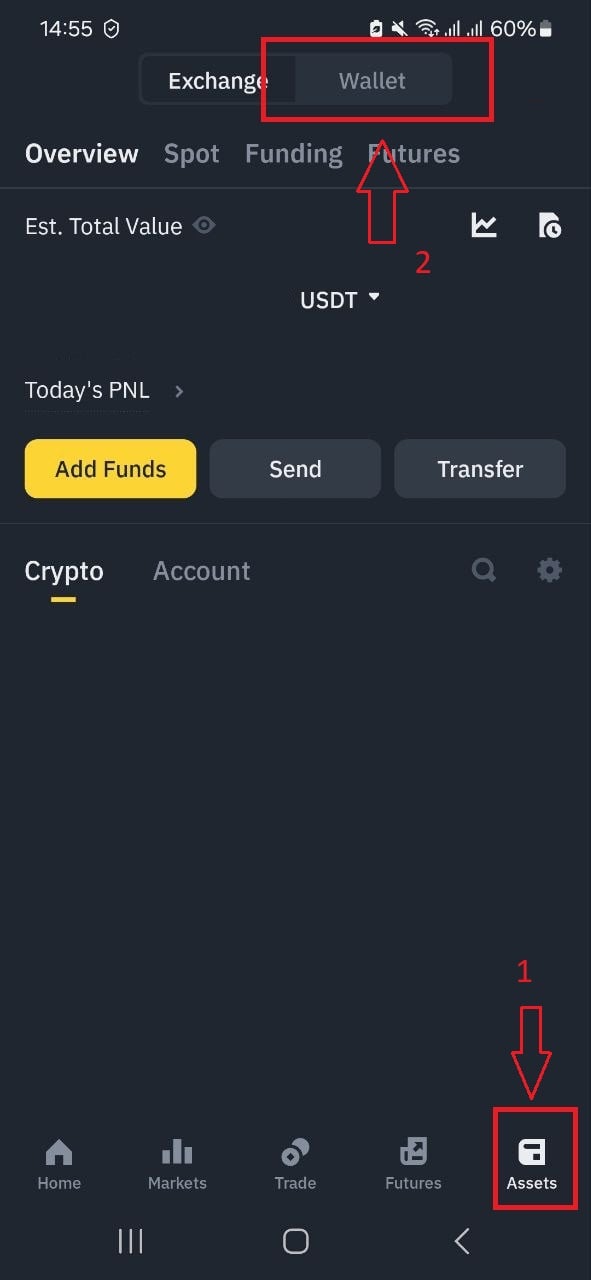
Open your Binance App, go to Assets, then tab Wallet.

Eligibility for HUMA on Binance AlphaEligibility for HUMA on Binance Alpha

Scroll down and tap on the airdrop banner once available. If you are eligible, you will be able to claim your token.

Eligibility for HUMA on Binance AlphaEligibility for HUMA on Binance Alpha


Source link

How to Read a Liquidation Heat Map: An Essential Analytical Tool for Derivatives Trading

How to Read a Liquidation Heat Map: An Essential Analytical Tool for Derivatives Trading


In high-leverage derivatives trading, understanding market sentiment and identifying zones with high liquidation risk is critically important.

One of the most intuitive and effective tools for tracking these zones is the Liquidation Heat Map. This article will help you understand what a Liquidation Heat Map is, how to interpret it, and how to integrate it into your trading strategy to improve decision-making accuracy.

What Is a Liquidation Heat Map?

A Liquidation Heat Map is a data visualization chart that highlights price levels where a large number of leveraged positions are at risk of being liquidated in the derivatives market. The color intensity reflects the concentration of potential liquidations – the brighter the zone, the greater the liquidation pressure.

This map is typically generated using order book data, along with metrics such as funding rates, average leverage, and long/short positioning from major exchanges like Binance, Bybit, and OKX. Popular platforms that provide Liquidation Heat Maps include Coinglass, Hyblock Capital, and Decentrader.

Why Is the Liquidation Heat Map Important?

In derivatives markets, especially where high leverage is commonly used, positions can be liquidated if the price moves beyond a certain threshold. When many traders cluster their stop-outs or liquidation points near the same price level, it creates a high-pressure zone. These zones are often targeted by whales or trading algorithms to trigger mass liquidations, resulting in a domino effect and sharp price swings.

Key reasons why the Liquidation Heat Map is a valuable tool:

Identifies non-traditional support/resistance zones: Instead of relying solely on technical analysis, it incorporates real leverage position data to highlight meaningful levels.Predicts potential price volatility: When price approaches brightly colored zones, the probability of sharp moves increases due to liquidation triggers or intentional price manipulation.Optimizes entry points: Traders can avoid entering positions near zones likely to be swept by liquidation cascades initiated by large players.

Structure of a Liquidation Heat Map

A standard liquidation heat map typically consists of the following components:

X-axis (horizontal): Displays either real-time or historical data, segmented by hour or day.Y-axis (vertical): Represents the price levels of the underlying asset (e.g., BTC, ETH).Color gradient: Indicates the intensity of potential liquidations. Brighter colors (yellow/red) suggest denser liquidation clusters, while darker shades (purple or dark blue) point to areas with lower risk.Current price indicator: Usually shown as a candlestick chart overlay, allowing users to visualize the relationship between price action and liquidation zones.Color legend: A reference bar typically located alongside the map, showing either the absolute or relative magnitude of liquidation pressure (measured by number of positions or notional volume in USD).

Read more: Trading with Free Crypto Signals in Evening Trader Channel

How to Read and Analyze a Liquidation Heat Map

Identifying Liquidation Clusters

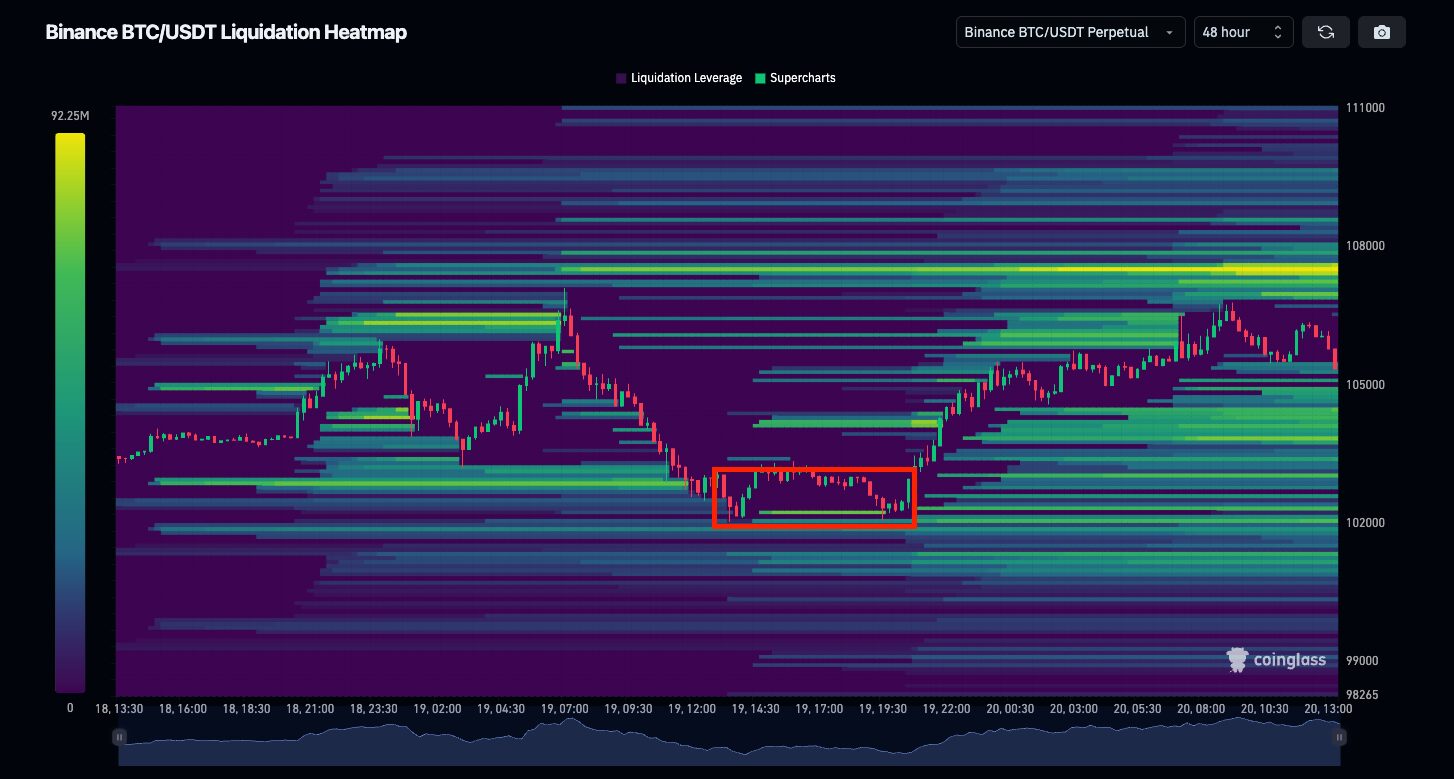
Bright yellow, light blue, or pale red zones typically indicate areas where a significant number of leveraged positions are at risk of being liquidated. These clusters are key areas to monitor closely when analyzing the heat map.

Identifying Liquidation Clusters

Source: CoinGlass

For example, on a chart from Coinglass, we observe a prominent yellow cluster around the ~$108,000 price level. This suggests a high concentration of open short positions in that zone. If the price approaches and breaks above this level, a cascade of short liquidations could occur, potentially accelerating upward price momentum.

Distinguishing Between Upward and Downward Liquidation Zones

The area above the current price is typically seen as resistance formed by open short positions. If the price continues to rise into this zone, those short positions risk liquidation. This can trigger a wave of buybacks – known as a short squeeze, driving the price even higher.

Conversely, the area below the current price tends to concentrate long positions. If the price drops into this lower zone, these longs may be liquidated, adding downward selling pressure (long liquidation) and pushing the price further down.

Distinguishing Between Upward and Downward Liquidation Zones Distinguishing Between Upward and Downward Liquidation Zones

When price approaches either of these zones, the market often reacts sharply due to the sudden shift in liquidity and trader sentiment.

Correlation with the Price Chart

Monitoring the candlestick chart overlaid on the heat map allows you to assess whether the price is approaching a high-risk liquidation zone or has already moved through it. This insight is especially valuable for predicting potential pullbacks or identifying false breakouts.

Trading Strategies Using the Liquidation Heat Map

One of the most effective ways to leverage the Liquidation Heat Map is by integrating it into real-time trading strategies. When the price approaches a major liquidation cluster and trading volume spikes, traders may consider scalping in the direction of the breakout.

However, this strategy requires strict risk management, as price volatility following liquidation events can be intense and unpredictable.

Another common approach is the “fade the move” strategy – trading against the initial price spike caused by liquidations. The premise is that after a mass liquidation event, the short-term trend often reverses to reabsorb liquidity. This method demands patience and precise analysis of potential recovery points.

Trading Strategies Using the Liquidation Heat MapTrading Strategies Using the Liquidation Heat Map

Fade the move – Source: CoinGlass

Traders should also be cautious around so-called “trap zones” – areas where both long and short liquidation clusters are located near each other. These zones are prone to fakeouts, where the price sweeps both sides before resuming the original trend. Avoiding trades in these zones or waiting for clear confirmation signals is highly recommended.

Trading Strategies Using the Liquidation Heat MapTrading Strategies Using the Liquidation Heat Map

Trap Zone – Source: CoinGlass

Additionally, combining the Liquidation Heat Map with funding rate data enhances its effectiveness. A high positive funding rate alongside upper liquidation clusters is often a precursor to a short squeeze. Conversely, a negative funding rate with large clusters below may signal a short trap, followed by a sharp reversal upward.

Conclusion

The Liquidation Heat Map is becoming an essential tool for professional traders navigating the increasingly competitive derivatives market. Reading the heat map correctly not only helps avoid sudden liquidation sweeps but also allows you to capitalize on them by timing your entries more effectively.

That said, like any tool, it is not a silver bullet. Real trading advantage comes from smartly combining the Liquidation Heat Map with other market data and indicators. Above all, maintain discipline and adhere to solid risk management practices.

Read more: What is Market Cap in Crypto & Why It Matters for Investors?


Source link

9 Best Solana Wallets in May 2025

9 Best Solana Wallets in May 2025


As the Solana blockchain continues to gain popularity for its high-speed transactions and low fees, the need for reliable wallets to manage SOL tokens has become paramount. A suitable wallet not only safeguards your assets but also facilitates smooth interactions with decentralized applications that populate the Solana ecosystem.

Solana can seem intimidating to a lot of people in the crypto space, so we’re going to simplify your search for a great wallet by bringing you the top 9 Solana wallet options for 2025. For each one, we’ll break down the features, pros and cons, and look at how they can elevate your overall crypto experience.

What Is a Solana Wallet?

A Solana crypto wallet is a digital tool designed specifically for the Solana blockchain. It allows users to store, send, receive, and manage SOL tokens and other Solana-based assets. These wallets also provide access to various dApps, allowing users to participate in DeFi, NFT marketplaces, and more. Many also operate as a multi-chain wallet, enabling users to potentially store hundreds of different coins or tokens on their mobile device.

Advantages

Solana wallets facilitate rapid transaction processing, leveraging the blockchain’s high throughput.​Users benefit from minimal fees when conducting transactions on the Solana network.​Seamless integration with Solana-based dApps enhances user engagement with the ecosystem.​Many wallets offer built-in staking features, allowing users to earn rewards on their SOL holdings.

Disadvantages

Software wallets, especially hot wallets connected to the internet, may be vulnerable to hacking if not properly secured.​New users might find it challenging to navigate certain wallet interfaces or understand all available features.​Some Solana wallets focus solely on the Solana network, lacking support for other blockchains.

Types of Solana Wallets

Before we jump into the best Solana wallet options, you need to know what kind of wallet you’re looking for. Take a look at the main types of wallets and see if anything jumps out at you.

Hardware Wallets: Physical devices that store private keys offline, offering enhanced security.​Software Wallets: Digital applications or browser extensions that manage private keys online, providing convenience but requiring robust security measures.​Custodial Wallets: Wallets where a third party holds the private keys on behalf of the user, often offered by exchanges.​Non-Custodial Wallets: Wallets that give users full control over their private keys, emphasizing self-custody.

Best Solana Hardware Wallets

Hardware wallets, while renowned for their secure access features, are less convenient than most other options. They store the private keys for your crypto assets offline, which makes cold wallets far less susceptible to threats. Here are the best Solana hardware wallet options.

1. Ledger

Ledger

Source: Ledger.com

The Ledger hardware wallet is a prominent name in the crypto wallet industry, and for good reason. The Ledger devices are incredibly sleek-looking and can support countless coins and tokens. All Ledger devices support Solana users and provide robust security through their Secure Element chips. Ledger Live, the accompanying software, allows users to manage their SOL tokens, perform transactions, and even stake Solana directly from the device. The integration with Solana ensures that users can interact simply with the network while keeping their private keys offline.

Pros

Secure Element chip and robust firmware provide industry‑leading protection for private keys.Ledger Live offers easy SOL management, staking, and multi‑chain support in one dashboard.A wide ecosystem of third‑party apps and DeFi integrations extends functionality far beyond basic storage.

Cons

Initial setup and firmware updates may feel technical for complete beginners.Hardware devices come with an upfront cost.

2. Trezor

TrezorTrezor

Source: Trezor.io

Trezor, developed by Satoshi Labs, is another reputable hardware wallet that supports multiple blockchains, including Solana. The Trezor Model T, for instance, offers a really cool touchscreen interface along with industry-leading security features. Trezor devices don’t have native Solana support, but you can easily integrate them with third-party interfaces to handle SOL and SPL with other assets in one wallet.

Pros

Open‑source firmware audited by the crypto community for full transparency.Touch‑screen Model T simplifies on‑device confirmation compared to button‑only devices.Supports hundreds of coins in addition to Solana through third‑party interfaces.

Cons

Native Solana support relies on external tools, adding an extra setup step.Higher price point for the Model T compared to many competitors.

3. SafePal

SafePalSafePal

Source: Safepal.com

SafePal offers a self-custody wallet that combines security with mobility. Its compact design and air-gapped signing mechanism ensure that private keys remain offline. SafePal supports Solana, allowing users to store and manage their SOL tokens securely. The wallet also integrates with the SafePal App, providing a user-friendly interface for asset management. On top of all that, they even have a fire and corrosion-proof product for offline storage of your seed phrase.

Pros

Air‑gapped signing keeps private keys offline, reducing exposure to online threats.Compact, mobile‑friendly design pairs with a feature‑rich smartphone app.Supports Solana and dozens of other blockchains, plus built‑in swap and DApp browser.

Cons

Relies on QR‑code or Bluetooth communication, which can be slower than USB.App interface can feel crowded due to its many multi‑chain features.

4. Tangem

TangemTangem

Source: Tangem.com

Tangem Wallet introduces a unique approach to hardware wallets with its NFC-enabled smart cards. These cards allow users to store their SOL tokens securely and make transactions by simply tapping the card on an NFC-enabled device. Tangem’s emphasis on simplicity and security makes it an attractive option for users seeking an innovative hardware wallet solution.

Pros

NFC smart‑card format offers tap‑and‑go convenience with no cables or batteries.Private keys are generated and stored inside a tamper‑resistant chip, never leaving the card.Extremely durable and waterproof, making it travel‑friendly and hard to damage.

Cons

Limited on‑device display means you must trust the companion mobile app for transaction details.Ecosystem is newer, with fewer advanced features than Ledger or Trezor.

Comparison of All Hardware Wallets Supporting Solana

WalletSecurity FeaturesUser InterfaceSolana SupportAdditional FeaturesLedgerSecure Element chipLedger LiveFullStaking, Multi-chain supportTrezorOpen-source firmwareTouchscreenPartialIntegration with third-party appsSafePalAir-gapped signingSafePal AppFullMobile-friendly, Multi-chain supportTangemNFC-enabled smart cardTap & GoFullCompact design, Ease of use

Best Solana Software Wallets

Selecting the right software wallet is crucial for managing your SOL assets securely and efficiently. Below are the 5 top software wallets compatible with the Solana blockchain, each offering unique features to cater to different user needs.

1. Phantom

PhantomPhantom

Source: Phantom.com

Phantom is widely regarded as the go‑to non‑custodial wallet for the Solana ecosystem. Available as a browser extension and mobile app, it lets you create or import a wallet in seconds and then manage SOL, SPL tokens, and NFTs from a single, intuitive dashboard. Phantom’s interface feels familiar to anyone who has used popular Ethereum wallets, yet it is optimized for Solana’s low‑fee, high‑throughput environment.

A built-in dApp browser makes DeFi connection effortless, along with NFT marketplace and on-chain game integration. Phantom also supports direct staking: users can delegate SOL to validators in just a few taps and monitor real‑time rewards.

Security is handled locally—private keys are encrypted and stored on your device—while optional biometric or password locks add another layer of protection. Phantom’s team frequently rolls out updates, including Ledger support, multi‑chain expansion, and in‑wallet swaps, cementing its reputation for rapid innovation.

Pros

 Clean interface that’s beginner‑friendly yet feature‑rich. One‑click staking and seamless NFT management. Active development with frequent feature updates.

Cons

 Limited to Solana and a few beta multi‑chain features. Hot‑wallet design means keys stay on an internet‑connected device.

2. Solflare

SolflareSolflare

Source: Solflare.com

Solflare is a versatile wallet designed by early Solana community members, available on the web, iOS, and Android. It supports every major Solana function, while Solflare’s user-friendly interface makes navigation a cinch for both novices and power users. Solflare’s standout feature is its deep security stack: users can pair the wallet with a Ledger device for offline signing or backup seed phrases via encrypted key stores.

A built‑in swap module taps decentralized liquidity pools to convert tokens without leaving the wallet. Solflare wallet also supports “automatic staking,” where the wallet recommends high‑performance validators to maximize yield. The team continues to add cross‑platform sync, allowing you to switch between mobile and web without re‑importing keys.

Pros

 Ledger integration for cold‑storage security. Cross‑platform sync across web and mobile. Built‑in token swaps and validator suggestions.

Cons

 The interface can feel dense for absolute beginners. No direct multi‑chain support beyond Solana.

3. Backpack

BackpackBackpack

Source: Backpack.app

Backpack is a cutting‑edge wallet that marries Solana support with a multi‑chain roadmap, emphasizing the novel concept of executable NFTs (xNFTs). These xNFTs let applications run inside the wallet itself, so users can trade, game, or interact with DeFi protocols without leaving Backpack.

The wallet sports a polished interface on both desktop and mobile, with a sidebar “app store” showcasing xNFTs vetted by the community. For security, Backpack employs end‑to‑end encryption of private keys, optional biometric locks, and upcoming hardware‑wallet integrations.

Pros

 The innovative xNFT framework runs apps inside the wallet. Sleek UI with future multi‑chain expansion. Open‑source SDK encourages developer innovation.

Cons

 Still newer, so the ecosystem is smaller than Phantom’s. Hardware‑wallet support is in development, not live.

4. Atomic Wallet

Atomic WalletAtomic Wallet

Source: Atomicwallet.io

Atomic Wallet is a long‑standing multi‑currency wallet available on desktop and mobile. It stores private keys locally and encrypts them with a password, ensuring users retain full custody. Atomic’s standout feature is its built‑in atomic swap and exchange module, enabling quick conversions between assets without third‑party custodians.

For SOL holders, the wallet offers staking with clear reward calculators and validator rankings. Beyond Solana, users can manage Bitcoin, Ethereum, and many ERC‑20 tokens, making Atomic a one‑stop solution for diversified portfolios. The wallet also integrates a portfolio tracker, displaying real‑time valuations and performance metrics across holdings.

While Atomic is free to use, its in‑wallet exchange fees can be higher than on external DEXs, a trade‑off for convenience. Regular security audits and active community support further bolster its credibility.

Pros

 Supports hundreds of assets and is ideal for multi‑chain users.Built‑in swaps and portfolio tracking.Desktop and mobile parity with consistent UX.

Cons

 Exchange fees can be higher than standalone DEXs. No native hardware‑wallet pairing for extra cold‑storage security.

5. Exodus

ExodusExodus

Source: Exodus.com

Exodus is a visually striking wallet available on desktop, mobile, and browser extension, supporting Solana alongside 300‑plus assets. Its hallmark is an intuitive interface with customizable themes and detailed portfolio analytics, making crypto management approachable for newcomers.

Exodus integrates an in‑wallet exchange, letting users swap SOL for other tokens instantly. The wallet also offers built‑in staking for several assets (including Solana through a partner validator) and invisible NFT support via third‑party dApps.

Security-wise, Exodus encrypts private keys locally and lets users pair a Trezor hardware wallet for cold‑storage signing—ideal for those who want an extra layer of protection. Exodus’s multi‑asset design means you can manage Ethereum, Bitcoin, and Solana in one place, reducing wallet sprawl. While it lacks some Solana‑specific bells and whistles (like direct NFT galleries), it’s a reliable choice for users with diversified portfolios.

Pros

 Beautiful, beginner‑friendly interface with portfolio analytics.Trezor integration for hardware‑level security.Supports 300‑plus assets, reducing the need for multiple wallets.

Cons

 In‑wallet swap fees may be higher than DEX alternatives. Fewer Solana‑specific features compared to Phantom or Solflare.

Comparison of All Software Wallets Supporting Solana

WalletMulti-ChainStakingNFT SupportHardware Wallet IntegrationPlatformsPhantomNoYesYesYesBrowser, MobileSolflareNoYesYesYesWeb, MobileBackpackYesYesYesYesBrowser, MobileAtomicYesYesLimitedNoDesktop, MobileExodusYesNoYesYesDesktop, Mobile

How to Choose the Best Solana Wallet for You

Safety and Security

Look for a wallet with strong security features.Look for non-custodial wallets with options for added protection like encryption or passcode locks.Consider hardware wallet compatibility for storing large amounts of SOL, and always ensure you safely back up your recovery phrase.

User-friendly interface

A clean, intuitive interface can make a big difference, especially if you’re a beginner.The best Solana wallets offer clear navigation and simple layouts so you can easily view balances, send/receive SOL, and access features without confusion.A well-designed interface reduces the learning curve and helps prevent mistakes.

Ease of use

Beyond just looks, the overall user experience should be smooth. Check how easy it is to set up the wallet, restore an account, or connect to Solana dApps.Wallets that offer one-click actions (like buying, staking, or swapping tokens) and helpful prompts for newcomers can greatly enhance ease of use.Mobile app availability or browser extension convenience might also factor into how easy the wallet is to use in your daily routine.

Supported Blockchains and Cryptos

If you only plan to use Solana, a Solana-specific wallet is great. But if you hold other cryptocurrencies, consider a wallet that supports multiple blockchains.Some Solana wallets (like Phantom) now support additional networks, while others (like Exodus or Trust Wallet) let you manage many different coins in one place.Make sure the wallet you choose can store all the cryptocurrencies and tokens you need, including Solana Program Library tokens and NFTs, if applicable.

Cost

Most software wallets are free to download and use. Be wary of any wallet that charges setup or subscription fees.The main cost to consider is if you opt for a hardware wallet (like a Ledger device), which has an upfront price but offers extra security.Keep in mind that transaction fees on Solana are very low, so using a Solana wallet won’t cost much per transaction.

Conclusion

All of the top Solana wallets provide top-tier security with relatively simple transaction interfaces, but when it comes down to it, the best choice for you depends on your unique situation and needs.

Remember that a wallet is ultimately a tool to help you manage your cryptocurrency safely. Always keep your recovery phrase/private keys safe and offline, and double-check that you’re downloading official wallet apps to avoid phishing scams.

Once you’ve picked the right Solana wallet for you, you’re ready to explore the vast Solana ecosystem with peace of mind.

FAQs

What is the easiest SOL wallet?

For most users, Phantom is often considered the easiest Solana wallet. It has a very friendly interface and a quick setup process, which is great for beginners. With Phantom, you can install a browser extension or mobile app and start sending/receiving SOL in minutes. Other wallets, like Solflare and Trust Wallet, are also quite user-friendly, but Phantom’s intuitive design and native integration make it a leading choice.

Is Phantom the best Solana wallet?

Phantom is widely regarded as one of the best Solana wallets, especially for everyday users. It gained popularity for its smooth user experience, strong security practices, and native support for Solana features like staking and NFTs. Many in the Solana community favor Phantom because it’s reliable and constantly improving.

However, “best” can depend on your needs – for example, hardware wallets might be better for those who prioritize offline security, and other software wallets like Solflare or Exodus might be preferable if you want multi-coin support. Overall, Phantom is definitely among the top Solana wallets due to its balance of security, functionality, and ease of use.

Where should I store my Solana?

You should store your SOL tokens somewhere secure, where you control the private keys. Keep your private keys offline, and if you aren’t using your SOL for daily trading or if you stake SOL long-term, keep everything in cold storage. Phantom encrypts your private key on your device and can be locked with a password (and biometric authentication on mobile) to prevent unauthorized access. Not only that, but the development team has a solid reputation, and millions of users trust Phantom for storing Solana and tokens.

Is Phantom Wallet safe?

Phantom Wallet is an incredibly secure native Solana wallet. It’s non-custodial, so you don’t have to worry about online threats against an exchange wallet. Phantom encrypts your private key on your device and can be locked with a password, and the dev team has a solid reputation across millions of users.

Is Phantom better than Exodus?

Phantom and Exodus are both good wallets, but they serve slightly different purposes, so which is “better” depends on what you need. Phantom is tailored specifically for Solana – it’s excellent if you primarily use SOL and Solana-based tokens or dApps. It offers Solana staking, easy NFT management, and quick connection to Solana DeFi apps, all in a lightweight extension or app. Exodus, on the other hand, is a multi-cryptocurrency wallet supporting Solana and many other coins in a single wallet.

What is the best wallet tracker for Solana?

If you just want to monitor balances and transactions, the official Solana Explorer or Solscan website allows you to enter an address to see all on-chain activities. Another popular option is Step Finance, which lets you connect your wallet and view your entire Solana portfolio (coins, tokens, DeFi positions, NFTs) in one spot.

Can I send Sol to Coinbase Wallet?

Yes, you can. Coinbase Wallet is separate from any wallets you may have on the Coinbase trading platform. Open your Coinbase Wallet app and make sure you select or add a Solana wallet or create a new Solana address. They are typically 44 characters long and start with a letter. Then, set up your transaction, confirm the destination, and send it.



Source link

BitEggs™ NFT Collection: Everything You Need to Know

BitEggs™ NFT Collection: Everything You Need to Know


BitEggs is a fun and creative NFT collection that brings together digital art and the idea of eggs in a unique way. Each NFT is designed with care and built on the Ethereum blockchain, which means you fully own it and it cannot be copied. The collection mixes humor, style, and crypto culture, making it stand out in a growing NFT world.

This guide will help you understand what the BitEggs NFT collection is, why it’s popular, and how you can buy your BitEggs NFT easily.

Introducing the BitEggs™ NFT Collection

Introducing the BitEggs™ NFT Collection

BitEggs NFT Collection offers a unique mix of luxury design and digital innovation. Inspired by the iconic Fabergé eggs, each BitEggs NFT represents a modern take on timeless elegance. When you own a BitEgg, you are not just buying a digital asset, you are collecting a rare piece of digital art.

Every BitEggs NFT is one-of-a-kind. You receive a “Mark of Excellence” with each piece, which includes a unique stamp and a Certificate of Authenticity (COA). This assures you that your NFT is original and rare. The creators of BitEggs have focused on combining beauty, craftsmanship, and blockchain technology. This means your digital collection carries real artistic and collectible value.

The collection includes thousands of carefully crafted NFTs. Each one has a different look and design, so you will always find something that matches your taste. Whether you are already deep into the NFT space or just beginning to explore, BitEggs makes it easy for you to start or grow your collection.

NameSupported ChainFloor PriceTotal VolumeWhere to Buy?BitEggsEthereum0.01 ETH0.11 ETHOpensea

Why BitEggs Stands Out in the NFT Market?

The NFT market is crowded with projects, but BitEggs shines for its originality and charm. Unlike generic collectibles, BitEggs blends humor and innovation, drawing inspiration from Bitcoin’s decentralized ethos and the universal appeal of eggs. Each NFT is minted on the Ethereum blockchain using the ERC-721 standard and ensures verifiable ownership and authenticity.

There aren’t many BitEggs NFTs, so they’re rare, and that makes them valuable. Some BitEggs are super rare, with special looks like shiny golden yolks or old-school pixel designs, which collectors really want.

How to Buy BitEggs™ NFTs?

Step 1: Set Up a Crypto Wallet

To start, you need a crypto wallet to store your NFTs and pay for transactions. The most common wallet for OpenSea is MetaMask, which is easy to use. Go to the MetaMask website and download the browser extension or mobile app. Follow the prompts to create a new wallet, and you’ll get a 12-word seed phrase.

After setting up the wallet, you need Ethereum (ETH) to buy the NFT and cover gas fees, which are like transaction costs on the Ethereum network. You can buy ETH on platforms like Coinbase, Binance, or Kraken. Once you’ve bought some ETH, transfer it to your MetaMask wallet.

Step 2: Connect Your Wallet to OpenSea

Now that your wallet is ready, head to OpenSea’s website at opensea.io. In the right corner, you’ll see a wallet icon. Click it and choose MetaMask from the list. A pop-up will ask you to sign a message to connect your wallet to OpenSea. This is just a way to verify you own the wallet, and it doesn’t cost any money. Once connected, your wallet address will show up on OpenSea, and you’re ready to shop.

Step 2: Connect Your Wallet to OpenSeaStep 2: Connect Your Wallet to OpenSea

Step 3: Find a BitEggs NFT

Next, you need to locate the BitEggs collection on OpenSea. You can search for “BitEggs” in the search bar or go directly to the collection page using the link: https://opensea.io/collection/biteggs-original. This takes you to the official BitEggs collection, where you’ll see all the available NFTs.

Each BitEggs NFT is unique, with designs like sunny-side-up eggs or quirky traits. Browse through the listings, check the prices, and look at the details like traits or descriptions to pick one you like.

Step 3: Find a BitEggs NFTStep 3: Find a BitEggs NFT

Step 4: Purchase the NFT

Once you’ve chosen a BitEggs NFT, it’s time to buy it. Click on the NFT to open its page, where you’ll see a “Buy Now” button if it’s a fixed-price listing. Click that, and MetaMask will pop up showing the total cost, including the NFT price and gas fees. Double-check the total, then confirm the transaction in MetaMask. After the transaction processes, which can take a few minutes, the NFT will show up in your OpenSea account.

Step 4: Purchase the NFTStep 4: Purchase the NFT

Final Thoughts

BitEggs isn’t just an NFT collection; it’s a community of creative minds celebrating art and decentralization. By owning a BitEggs NFT, you’re joining a group of collectors who share your passion for unique digital assets. 

Visit “https://www.biteggs.com/” to explore the project’s story, connect with the community, and stay updated on future drops. Follow BitEggs on social media (Facebook, Instagram, and X) to engage with other holders and discover exclusive events.


Source link

Popular Posts

My Favorites

9 Trusted Bitcoin Cloud Mining Apps in 2025: Automated Mobile Mining

0
As Bitcoin continues to gain global attention in 2025, more investors are shifting from traditional mining rigs to cloud mining—a lower-barrier, mobile-friendly alternative...