Arts

Home Arts Page 34

Analysts See $0.4 Price for BlockDAG After Market Debut!

0
Analysts See alt=


The crypto market enters 2025 with renewed momentum as major networks redefine investor expectations. In the latest XRP price analysis, Ripple’s asset shows steady institutional engagement, while the Solana (SOL) price prediction highlights critical support at $185 amid record on-chain activity. These developments position both assets at key inflection points for traders seeking the leading crypto for 2025.

Yet, within this competitive field, BlockDAG continues to expand dominance. With its current price fixed at $0.005 in Batch 32 and over $435 million raised, analysts cite it as one of the few presales maintaining institutional demand.

Under the Market Makers Projection, BDAG could reach $0.3 to $0.4 upon launch, underscoring growing conviction that its hybrid architecture may outpace both Solana’s DeFi base and XRP’s remittance-driven growth.

XRP’s Utility Push Fuels Long-Term Strength

XRP price analysis shows steady network traction as Ripple’s partnerships with banks and payment providers strengthen its position in global settlements. Despite fluctuations, traders observe consistent accumulation between $2.3 and $2.8, a sign that long-term holders still regard XRP as one of the popular cryptos for 2025. With cross-border liquidity demand rising, its utility-backed framework continues to attract institutions seeking blockchain-based payment efficiency.

The latest XRP price analysis highlights technical support near $2.45, aligning with increased transactional volume and a positive shift in RSI and MACD indicators. Analysts forecast a possible breakout toward $3.00 to $3.25 if momentum sustains, confirming the token’s gradual recovery phase.

XRP’s Utility Push Fuels Long-Term Strength

While XRP relies on regulatory clarity and ongoing integration across Asian and European markets, investor sentiment remains constructive. Many now view Ripple’s enterprise partnerships as stabilizing factors that contrast sharply with more volatile speculative assets.

SOL Price Eyes $240 as On-Chain Volume Soars

In the Solana (SOL) price prediction sphere, network activity continues to set records. With DEX volumes rising 93 percent quarter-over-quarter to $1.6 billion, Solana remains a leading-performing layer-1 platform and a contender for the leading crypto for 2025. Key players such as Jupiter and Drift contribute to sustained liquidity growth, reinforcing market confidence in the chain’s capability to handle institutional-scale transactions.

Technically, the Solana (SOL) price prediction focuses on the $185 to $190 zone as critical support. Analysts like Ali Martinez emphasize that this 200-day SMA region often marks major trend reversals. A rebound could propel SOL toward $240 and $300 targets, whereas a break below $170 might signal short-term weakness.

SOL Price Eyes $240 as On-Chain Volume SoarsSOL Price Eyes $240 as On-Chain Volume Soars

Overall, Solana’s ecosystem continues to expand through DeFi and NFT activity. Institutional funding and retail engagement both contribute to sustained on-chain demand, helping the Solana (SOL) price prediction maintain an optimistic bias for investors evaluating the big crypto for 2025.

BlockDAG’s Institutional Projections Draw Traders In!

BlockDAG has secured a firm position as the most-watched presale of 2025. With a current price of $0.005 in Batch 32 and over $435 million raised, the project is now attracting attention from market makers anticipating a potential launch band between $0.38 and $0.43. This Market Makers Projection reflects liquidity commitments and presale distribution data that signal tight float conditions and strong institutional interest.

Unlike most presales that struggle to maintain valuation momentum, BlockDAG’s model is built on liquidity engineering and depth analysis used by professional trading firms. Its expected opening print near $0.4 represents an 8× premium to the exchange listing price of $0.05, establishing a benchmark for transparent market discovery. Such pricing dynamics mirror Layer-1 launches like Avalanche and Solana, where initial demand exceeded float availability.

The projection is driven by three core inputs: concentrated presale demand, constrained circulating supply, and secured liquidity pools on day one. These conditions support sustained price stability post-launch while attracting institutional market-making capital. Analysts suggest that such early support reduces volatility risk and positions BDAG as a long-term store of value within emerging hybrid networks.

BlockDAG’s Institutional Projections Draw Traders In!BlockDAG’s Institutional Projections Draw Traders In!

As the Market Makers Projection suggests, a potential post-launch range of $0.38 to $0.43 places BlockDAG among the big market-ready projects for 2025. Its hybrid Proof-of-Work and DAG architecture extends scalability while retaining security, offering a balance that both XRP and Solana currently lack. 

With Batch 32 still open at $0.005 and more than $435 million already raised, investors see BlockDAG as a credible candidate for next-cycle leadership in the leading crypto for 2025 category.

Final Thoughts

XRP’s steady utility-based growth and Solana’s expanding DeFi footprint both illustrate how diverse blockchain models can thrive within specific market niches. The latest XRP price analysis confirms institutional engagement, while the Solana (SOL) price prediction highlights technical resilience around $185 support levels. Both remain notable contenders for investors tracking the big crypto for 2025.

However, BlockDAG’s $0.005 Batch 32 valuation and Market Makers’ Projection of $0.3 to $0.4 post-launch demonstrate a level of liquidity confidence rarely seen in presale stages. With over $435 million raised, its institutional endorsement and clear price trajectory strengthen its status as the most strategic entry point for 2025. As market makers set the tone, BlockDAG appears ready to lead the next phase of crypto valuation discovery.

Click here to experience BDAGClick here to experience BDAG

Presale: https://purchase.blockdag.network

Website: https://blockdag.network

Telegram: https://t.me/blockDAGnetworkOfficial

Discord: https://discord.gg/Q7BxghMVyu


Source link

How to Buy NFTs the Right Way in 2025 – A Step-By-Step Guide

0
How to Buy NFTs the Right Way in 2025 – A Step-By-Step Guide


“How to buy NFTs” has become one of the most searched questions in the digital world, and for good reason. As you explore the world of NFTs, it’s important to understand what they are and why they matter. Non-fungible tokens (NFTs) are unique digital assets that represent ownership of items like artwork, music, videos, and even virtual real estate. They have changed how we view value, creativity, and ownership in the digital economy.

Stepping into the NFT marketplace can feel overwhelming, especially with many platforms and projects available. How can you be sure you’re making the right investment? This guide explains everything you need to know about buying NFTs safely and strategically in 2025. Read on to gain the confidence and knowledge required to navigate this exciting new digital frontier.

Step 1: Choose the Right NFT Marketplace

Choose the Right NFT Marketplace

When it comes to how to buy NFTs, the first and most crucial step is choosing the best NFT marketplace. Think of these marketplaces as digital storefronts where you can browse, buy, and even sell NFTs. But not all marketplaces are created equal, and finding the one that fits your needs can make all the difference.

Start by asking yourself; What kind of NFTs are you looking for? If you’re after variety, platforms like OpenSea are a great choice. OpenSea is the largest and most popular NFT marketplace, offering everything from digital art to virtual real estate. On the other hand, if you’re an art enthusiast, SuperRare might be your go-to. It specializes in high-quality, curated digital art pieces. For those who love exclusive drops and collaborations, Nifty Gateway is worth exploring.

It’s also important to consider the fees, user experience, and payment options each marketplace offers. Some platforms charge higher transaction fees, while others might have a steeper learning curve for beginners. Additionally, check if the marketplace supports the cryptocurrency you plan to use for purchases. Most platforms operate on Ethereum, but others might support alternative blockchains like Solana or Polygon.

Step 2: Set Up a Crypto Wallet

Once you have chosen the right NFT marketplace, the next step in how to buy NFTs is setting up a crypto wallet. Think of a crypto wallet as your digital wallet. It is where you will store the cryptocurrency needed to buy NFTs and, in some cases, the NFTs themselves.

First, decide on the type of wallet you need. There are two main options: hot and cold wallets. Hot wallets, like MetaMask or Trust Wallet, are online and ideal for quick, convenient transactions. They are user-friendly and integrate seamlessly with most NFT marketplaces. On the other hand, cold wallets, such as Ledger or Trezor, are hardware devices that store your assets offline. They are ideal for those who prefer a more hands-on approach to managing their digital assets.

When setting up your wallet, make sure it supports the blockchain used by your chosen NFT marketplace. For example, if you are buying NFTs on OpenSea, you will need a wallet compatible with Ethereum. Some wallets also support multiple blockchains, giving you more flexibility.

coinbasecoinbase

Step 3: Fund Your Wallet with Cryptocurrency

Now that your wallet is set up, the next step in how to buy and sell NFTs is funding it with cryptocurrency. This is a crucial step because you will need cryptocurrency to purchase NFTs and pay for transaction fees on the blockchain. Start by understanding what is NFT and the blockchain it operates on. Most NFTs are built on the Ethereum blockchain, so you will likely need Ether (ETH) to make your purchases.

However, some marketplaces use other blockchains like Solana or Polygon, so be sure to check which cryptocurrency your chosen marketplace supports. To fund your wallet, you will first need to buy cryptocurrency from a trusted exchange like Coinbase, Binance, or Kraken. These platforms allow you to purchase crypto using traditional payment methods like credit cards or bank transfers. Once you have bought the cryptocurrency, transfer it to your wallet by copying your wallet’s unique address and following the exchange’s transfer instructions.

If you are wondering how to buy NFT tokens or how to invest in NFTs, this step is essential. Without cryptocurrency in your wallet, you will not be able to participate in the NFT marketplace. Make sure to account for transaction fees, which can vary depending on the blockchain and network activity. Whether you are looking for the best NFT to buy or exploring where to buy NFTs, having a funded wallet ensures you are ready to make your first purchase.

Step 4: Buy the NFT

With your wallet ready, it is time to take the final step in how to invest in NFTs and make your purchase. Start by exploring the marketplace and narrowing down your options. Whether you are looking for digital art, music, or collectibles, focus on finding the best NFT to buy based on your interests and goals. Pay attention to details like the creator’s reputation, the NFT’s rarity, and its potential value in the future. Many marketplaces also provide tools to help you compare options and make an informed decision.

Once you have selected the NFT, the buying process is simple. Depending on the marketplace, you can either purchase it at a fixed price or participate in an auction. Review the NFT price and confirm the transaction, ensuring you have enough cryptocurrency to cover the cost. After the purchase, the NFT will be added to your wallet or marketplace account, officially making you the owner. Whether you are exploring where to buy NFTs or making your first investment, this step marks the beginning of your journey into the exciting world of NFTs.

Factors to Consider Before Investing in NFTs

Before jumping into the NFT space, it’s important to take a moment to consider the key factors that can affect your investment. NFTs offer exciting opportunities, but they also come with risks. By understanding these factors, you can make better decisions and approach the market with more confidence. Let’s look at them in detail.

1. Market Trends

The NFT market moves fast, and keeping up with trends can make a big difference in your investment. Are certain types of NFTs, like digital art or gaming assets, gaining popularity? Is the market cooling off or heating up? Staying informed helps you spot opportunities and avoid jumping into a trend too late.

2. Creator Reputation

Who made the NFT matters. Creators with a strong track record or a loyal following often produce NFTs that hold their value better. Take some time to research the artist or creator. Have they released successful projects before? A little digging can go a long way in helping you make a smart choice.

3. Rarity and Utility

Not all NFTs are created equal. Some are rare, meaning there are only a few of them available, which can drive up their value. Others have utility, like giving you access to exclusive events or perks. Ask yourself: Does this NFT offer something unique or useful that makes it worth the investment?

4. Blockchain and Platform

The blockchain and platform you choose can affect your experience as an investor. Ethereum is the most popular blockchain for NFTs, but others like Solana and Polygon are becoming popular too. Make sure the platform you are using is reliable and aligns with your goals.

5. Transaction Fees

Transaction fees, often known as gas fees, are unavoidable costs when buying or selling NFTs. They can vary a lot based on the blockchain and how busy the network is, sometimes increasing a lot during peak times. Planning for these fees ahead of time helps you avoid surprises and keeps your NFT transactions within budget.

6. Long-Term Potential

Consider the future value of an NFT before investing. Some NFTs may increase in value over time because of their cultural significance, rarity, or practical use. Others might lose importance as trends change. Think about whether the NFT fits your long-term investment goals and has lasting appeal. Remember, patience and thorough research often distinguish profitable NFT investments from temporary trends.

Essential Tips After Buying an NFT 

Secure Your NFT: Transfer your NFT to a secure wallet, preferably a cold wallet, to protect it from hacks or unauthorized access.Keep Your Seed Phrase Safe: Store your wallet’s recovery phrase in a secure, offline location. Never share it with anyone.Monitor Market Trends: Keep an eye on the NFT market to track the value of your asset and identify potential opportunities for NFT trading.Engage with the Community: Join NFT communities on platforms like Discord or Twitter to stay updated on trends, upcoming drops, and networking opportunities.Understand Tax Implications: Research the tax regulations in your country regarding NFT transactions to ensure compliance.Showcase Your NFT: Use platforms or digital frames to display your NFT, whether it is for personal enjoyment or to build your reputation in NFT collection.Plan for the Long Term: Decide whether you want to hold onto your NFT as a long-term investment or sell it when the market is favorable.

Is an NFT a Good Investment?

The answer to whether an NFT is a good investment depends on your goals and understanding of the market. NFTs can be a great way to diversify your portfolio, especially if you are interested in digital art, collectibles, or virtual assets. However, like any investment, they come with risks. The value of an NFT is often tied to its rarity, utility, and the reputation of its creator, making it essential to do your research before diving in.

If you are looking for the best NFT to buy, focus on assets that align with your interests and have long-term potential. Consider factors like the creator’s track record, the NFT’s uniqueness, and its relevance in the market. Remember, not every NFT will appreciate in value, so it is important to invest in something you genuinely appreciate or believe in.

Benefits and Possible Demerits of Investing in NFTs

BenefitsDemeritsPortfolio Diversification: Adds a unique asset class to your investments.Market Volatility: NFT values can fluctuate dramatically.Ownership of Digital Assets: Provides verifiable proof of ownership for digital art, music, and more.High Transaction Fees: Gas fees on certain blockchains can be expensive.Potential for High Returns: Rare or in-demand NFTs can significantly increase in value.Lack of Liquidity: Selling an NFT quickly at a fair price can be challenging.Access to Exclusive Perks: Some NFTs offer benefits like event access or exclusive content.Speculative Nature: Many NFTs are driven by hype rather than intrinsic value.

Conclusion

Investing in NFTs can be an exciting opportunity, but it is not without its challenges. On one hand, NFTs offer a unique way to diversify your portfolio, own digital assets, and potentially earn significant returns. On the other hand, the market’s volatility, high transaction fees, and speculative nature mean that careful research and planning are essential.

Ultimately, whether NFTs are a good investment depends on your personal goals, risk tolerance, and understanding of the market. If you are willing to take the time to learn, stay informed, and invest in assets you genuinely value, NFTs can be a rewarding addition to your investment strategy. However, as with any investment, it is important to proceed with caution and only invest what you can afford to lose.

FAQs

Is Buying NFTs Worth It?

Buying NFTs can be worth it if you’re genuinely interested in digital assets and understand the risks involved. Their value often depends on factors such as rarity, the reputation of the creator, utility, and overall market demand. Always do your research before investing and focus on NFTs that match your interests or long-term goals.

How Do I Know if an NFT Is Authentic?

To verify authenticity, check the NFT’s metadata and ownership history recorded on the blockchain. Most reputable marketplaces provide tools to confirm the creator and ensure the NFT isn’t a counterfeit. You can also verify authenticity by looking at the project’s official links, smart contract address, and the creator’s verified profiles on trusted platforms like OpenSea or Rarible.

Can I Buy NFTs with a Credit Card?

Yes, some NFT marketplaces allow credit card payments, making it easier for beginners to start without using cryptocurrency. However, most transactions are still conducted using crypto, so you may need to set up a crypto wallet and purchase cryptocurrency first. Platforms like Nifty Gateway and Coinbase NFT support direct card payments, providing a convenient entry point for new users.

How to Sell an NFT?

To sell an NFT, list it on a marketplace where it is hosted. Set a price or auction it, and ensure your wallet is connected to complete the transaction. Be mindful of transaction fees when setting your price.

What Are Gas Fees in NFTs?

Gas fees are transaction costs paid to the blockchain network for processing your NFT purchase, sale, or minting. These fees vary based on network congestion and the blockchain used. For example, Ethereum often has higher gas fees, while blockchains like Polygon or Solana offer cheaper and faster transactions.

Can I Lose My NFT?

Yes, you can lose your NFT if your wallet is hacked, compromised, or you lose access to your private keys. Always store your recovery phrase securely, enable two-factor authentication, and use reputable wallets to reduce the risk of loss.

Are NFTs Environmentally Friendly?

Some blockchains, like Ethereum, have been criticized for their energy consumption. However, newer blockchains like Solana and Polygon are more energy-efficient, making them a greener choice for NFTs.

Can I Create My Own NFT?

Yes, you can create your own NFT by minting it on a blockchain. Platforms like OpenSea and Rarible make this process simple with easy-to-use minting tools. You’ll just need a digital wallet, some cryptocurrency for gas fees, and your digital file ready to upload.


Source link

What is Allora? Web3’s Self Improving Decentralized AI 

0
What is Allora? Web3’s Self Improving Decentralized AI 


Artificial intelligence is advancing faster than ever, but the most powerful models remain locked behind closed systems. Their data, algorithms, and decisions belong to a handful of corporations, not the users who rely on them. But what if AI didn’t have to be centralized? What if machine intelligence could be open, collaborative, and self improving, not controlled by any single entity? 

Let’s find out how Allora will solve this problem through the article below. 

What Is Allora?

Allora is a self improving, decentralized machine intelligence network that evolves over time. It grows stronger by combining the strengths of independent AI and ML models, instead of relying on a single centralized system. This approach removes the traditional pattern where data and algorithms are locked inside one large corporate owned model. Allora builds an open ecosystem where many specialized models can coexist, compete, and improve continuously.

Instead of locking data and algorithms inside a massive AI model owned by a corporation, Allora creates an open environment where multiple specialized models can coexist, compete, collaborate, and earn rewards based on their actual performance.

The key idea is simple but powerful: Allora does not attempt to build one monolithic AI model. Instead, it builds a market for machine intelligence, a system where independent models compete, evaluate one another, and get rewarded according to the value they contribute.

This design is reinforced through Allora’s signature mechanism: inference synthesis. Rather than selecting a single “winning” model, the network combines: the raw predictions submitted by Workers, the forecasted losses Workers assign to each other, and the scoring provided by Reputers.

Together, these elements produce a collective inference, a synthesized output that can, in many cases, be more accurate than any individual model operating alone. Through this approach, Allora becomes more than just an inference engine. It’s a self organizing, self improving intelligence network, where accuracy emerges not from one dominant model, but from the collaborative intelligence of an entire decentralized ecosystem.

What Is Allora?

What Is Allora? – Source: Allora

A crucial point to understand about Allora is that its architecture does not rely on a single layering model. Instead, Allora operates through two parallel layering frameworks, each reflecting a different dimension of the system:

The organizational & economic layer – describing how the network functions, coordinates, and incentivizes its roles.The technical pipeline layer – describing how inferences are generated, synthesized, and validated.

These two layering systems complement each other, forming a dual layered architecture that allows Allora to scale effectively while maintaining accuracy, transparency, and self improving intelligence.

Read more: What is Sapien (SAPIEN)? AI Native Knowledge Graph on Web3

The Organizational & Economic Layer

Allora’s architecture is built on a layered system that allows the network to function as a decentralized machine intelligence marketplace. Each layer plays a specific role in generating, evaluating, and distributing machine intelligence, while still maintaining transparency, economic logic, and coordination across participants.

At the overall level, the Allora network consists of three main layers: the Hub Chain, the Topic Layer, and the Role Layer. These three layers work closely together to form the foundation for producing, evaluating, and consuming machine intelligence in Web3.

Hub Chain Layer 

The Hub Chain acts as the “economic brain” of Allora. This is where all macro level coordination takes place, including reward mechanisms, token economics, and the rules required for the network to operate consistently.

The main responsibilities of the Hub Chain include:

Managing the ALLO token, including issuance, emission, rewards, and subsidiesStoring rule sets and parameters for each topic, including the prediction target, loss function, and evaluation logicRecording Reputers’ scoring results when the ground truth becomes availableCoordinating fee and payment flows between Consumers, Workers, and ReputersEnsuring fairness and transparency in all reward and penalty mechanisms

Instead of building compute or a model marketplace, Allora focuses on coordination who predicts what, who evaluates whom, and how value circulates between them. The project’s hub chain works like an operational spine holding this system together, something even several large DeAI projects haven’t properly addressed.

But a “spine” can also turn into a “pressure point.” If economic load grows faster than expected, the hub chain could become a bottleneck. That’s a situation we’ve seen before with oracle networks and multi layer staking models.

Topic Layer 

In Allora, each Topic operates as a small prediction lab dedicated to a specific task, whether it’s price direction, market volatility, credit scoring, or on chain behavior analysis. A Topic isn’t an abstract category; it defines its target variable, accuracy metric, evaluation cycle, and the interaction rules for participants. This clarity allows Allora to scale horizontally, enabling hundreds or even thousands of Topics to run in parallel without competing for the same computational pipeline.

The design adds a level of flexibility that many decentralized AI networks still lack. However, it also introduces a well known challenge in modular ecosystems: managing thousands of autonomous sub networks without losing coherence or quality. Polkadot and Cosmos have already shown that as a system supports more modules, the network struggles to stay consistent. Allora aims to solve this by relying on economic incentives and performance scoring, but the network must still prove this approach works in real world conditions.

Role Layer 

In the Allora network, each participant assumes a specific role and is rewarded according to the actual value they contribute to the final accuracy of the network. This is a key difference compared to many previous decentralized AI models, where all roles are grouped together or incentivized under a rigid, one size fits all formula. Allora builds a differentiated incentive system, ensuring that each participant is rewarded for the specific scope of tasks they actually perform.

Workers 

Workers sit at the center of Allora’s predictive capability. They don’t just generate target predictions; they also estimate how accurate other Workers are likely to be in the current market environment. This is where Allora diverges from traditional decentralized AI networks. It’s not simply rewarding models for being “right”; it rewards models for helping the system identify which ones are most suitable in each context.

This mechanism makes Allora a context-aware network rather than a static ensemble. Yet the very act of Workers judging one another expands the attack surface. Malicious actors can manipulate loss forecasts, subtly distort them, or coordinate in private to undermine competitors. Encouraging truthful error forecasting therefore requires a carefully balanced incentive system, and Allora still needs to prove that this design holds up as the network grows.

Reputers

Reputers act as the “judging panel” of Allora. When the ground truth appears, they are responsible for comparing, measuring, and evaluating: the inferences produced by Workers and the forecast implied inference (the aggregate result built from inferences and forecasted losses)

Reputers do not operate based on intuition alone; they must stake ALLO to attach economic responsibility to their actions. Only when they evaluate correctly and in alignment with the broader network consensus do they receive rewards.

This mechanism creates an economic security layer that helps the system resist data manipulation and ensures that the evaluation process is always fair and transparent. The more accurate Reputers are, the more rewards they receive, a reward model tightly linked to the quality of their work.

Consumers 

Consumers are the ones who generate real demand for the entire network. They send inference requests, set fees, and receive aggregated prediction results from the network. These can be DeFi protocols, traders, risk-analytics applications, Web3 projects, or any system that needs high-quality predictive data.

Consumer participation turns Allora into a true intelligence market where those who need information pay those who produce it. The function not only drives competition among Workers but also ensures that the Allora network evolves based on real user needs, rather than simply internal reward mechanics.

The Organizational & Economic Layer – Source: Allora

Putting it all together, a closed incentive loop. The three roles Workers, Reputers, and Consumers form a closed incentive loop:

Workers create intelligence.Reputers ensure transparency and accuracy.Consumers pay to access that intelligence.

When combined, this system creates a decentralized, self operating, and self improving prediction market, aligned with Allora’s goal of becoming the open machine intelligence layer for Web3. 

The Technical Pipeline Layer of Allora

Allora’s architecture is built around a coordinated, multi-layer pipeline that transforms raw model outputs into a final, economically secured network inference. This technical pipeline is not just a flow of data — it is a sequence of specialized mechanisms designed to ensure that the network remains permissionless, adaptive, and context-aware. Understanding this pipeline is essential to understanding what differentiates Allora from prior decentralized AI designs.

The Technical Pipeline Layer of AlloraThe Technical Pipeline Layer of Allora

The Technical Pipeline Layer of Allora – Source: Allora

Inference Consumption Layer

The first layer of the pipeline governs how intelligence moves across the network. Allora operates as a marketplace where Consumers request inferences and Workers supply them. This interaction follows a simple supply and demand loop, but underneath it is a coordination system built around Topics.

Topics serve as the organizing unit for every inference request. Each Topic is governed by a rule set, a target variable and a loss function that defines how predictions will be scored once ground truth becomes available. Because anyone can create Topics permissionlessly, Allora avoids central bottlenecks and encourages experimentation across use cases. Every inference produced under a Topic follows a life cycle, from submission to evaluation to archival, ensuring consistency as the network scales.

Reputers play a crucial role in this first layer. As the number of Workers increases, performance naturally diverges. Reputers evaluate each inference once ground truth arrives, helping shape the reward distribution and maintain quality across the network. The complete flow, Consumers requesting predictions, Workers submitting outputs, and Reputers verifying them forms the backbone of the consumption layer.

Forecasting & Synthesis Layer

Once Workers supply inferences, the pipeline transitions into the network’s most distinctive component: the forecasting and synthesis phase. 

Allora introduces a class of Workers whose job is not to predict the target variable itself, but to forecast how accurate the other Workers’ inferences are likely to be. These forecasts create a form of context awareness, a recognition that model performance changes depending on market or environmental conditions. Forecast workers produce “forecasted losses,” which are essentially predictions of future error.

These forecasted losses are then transformed into regrets: values that indicate how much better or worse an inference is expected to perform compared to the historical network performance. Positive regret suggests an inference is expected to outperform; negative regret suggests the opposite.

To make these regrets comparable across Workers, Allora normalizes them using their standard deviation. This allows the network to apply a unified mapping function to compute weights. The result is an adaptive weighting system in which more promising inferences receive higher influence.

The Topic Coordinator uses these weights to produce forecast implied inferences. A composite view that blends all individual model outputs according to their expected performance. This intermediate output is a preview of what the final inference could look like, even before ground truth arrives.

At the end of each epoch, the process repeats at a second level: the network computes the final, economically secured inference using actual regrets derived from Reputer verified losses rather than forecasted ones. This layered synthesis process is what allows Allora’s aggregate inference to outperform any single model.

Consensus Layer

The final stage of the pipeline anchors the entire system in a secure economic environment. Allora runs as a Cosmos based hub chain using CometBFT Proof of Stake. Validators secure the chain and finalize transactions, while Consumers pay fees in the native token to access inferences.

What makes Allora’s consensus layer notable is its differentiated incentive structure. Workers, Reputers, and Validators are each rewarded according to a different principle:

Workers are rewarded based on the quality of their inferences.Reputers earn based on the accuracy of their evaluations and the stake backing them.Validators receive rewards solely for contributing stake to secure the chain.

This separation of incentive domains prevents role blending, a common flaw in earlier decentralized AI networks. And ensures that each function in the pipeline remains economically aligned with its purpose. The consensus layer ultimately determines how rewards are distributed across topics and between participants, completing the technical pipeline from model output to secured inference.

The Technical Pipeline Layer of Allora weaves together three layers: consumption, forecasting and synthesis, and consensus. Into a structured flow that resembles a decentralized prediction engine. Each inference travels from request to evaluation, from forecasted loss to regret, from weighted aggregation to final economic settlement.

This pipeline is what enables Allora to operate not merely as an AI marketplace, but as a self improving intelligence network: one that can evaluate, weigh, and synthesize the output of many competing models while remaining permissionless and economically secure.

Tokenomics 

Token Name: Allora (ALLO)Total Token Supply at Genesis: 785,499,999 ALLOMax Token Supply: 1,000,000,000 ALLO

ALLO is the native token of the Allora network and serves as the core mechanism that powers its decentralized machine intelligence marketplace while ensuring the economic security of the system.

Unlike many AI or Web3 tokens that exist primarily for staking or basic payments, ALLO is intentionally designed to be tied directly to the quality and output of intelligence produced within the network, forming what can be described as an intelligence economy, where value is derived from prediction accuracy, model performance, evaluation integrity, and real market demand for machine-generated insights.

Every action inside the network is anchored to ALLO:

Consumers pay inference fees using ALLO to access synthesized predictions.Workers stake ALLO to generate inferences and forecasted losses, earning rewards based on the accuracy and unique value of their contributions.Reputers stake ALLO to evaluate predictions, uphold network integrity, and face economic penalties for dishonest or incorrect assessments.

Through this structure, ALLO becomes more than a utility token, it becomes the economic engine driving every layer of the Allora network: the creation of intelligence, the synthesis of intelligence, and the verification of intelligence. 

binance-logo-2binance-logo-2

How to Buy ALLO 

When ALLO, the native token of the Allora network, is officially listed on centralized exchanges, the process of purchasing it will follow the same structure as most new token listings. Although Allora has not yet announced its listing date, users can prepare in advance by understanding the steps required to buy ALLO safely and efficiently once it becomes available.

Learn more: How to Mine Litecoin: The Beginner’s Guide

Step 1: Create an account on a centralized exchange (CEX)

To begin, users need an account on a reputable exchange such as Binance, OKX, Bybit, or KuCoin, all potential platforms likely to list ALLO in the future. Registration is straightforward: provide an email or phone number, set a password, and complete identity verification if the exchange requires it. A verified account ensures you can deposit funds, trade ALLO, and withdraw your assets securely. 

Step 2: Search for the ALLO trading pair once the token is listed

When ALLO is officially supported, you can access the Spot Trading section and type “ALLO” into the search bar. The exchange will display available trading pairs, typically ALLO/USDT or ALLO/USDC. This step ensures you enter the correct market before placing an order.

Step 3: Place a buy order for ALLO

You may choose between a Market Order, which buys instantly at the current price, or a Limit Order, which allows you to specify the price you prefer. After confirming your selection, the exchange will execute the trade, and your purchased ALLO tokens will appear in your Spot wallet.

Step 4: Check your ALLO balance and manage your holdings

Once the order is filled, you can view your ALLO balance in the Spot Wallet. If you plan to trade frequently, keeping ALLO on the exchange may be more convenient.

FAQ

What is Allora?

Allora is a decentralized, self improving machine intelligence network that connects independent AI/ML models into a unified prediction engine. Instead of relying on a single centralized algorithm, Allora creates a competitive collaborative marketplace where models generate predictions, forecast each other’s accuracy, and are rewarded based on actual performance.

What makes Allora different from other AI projects?

Most AI projects focus on centralized model training or simple inference markets. Allora introduces two major innovations:

Context aware forecasting, where models predict not only outcomes but each other’s accuracy;Differentiated incentives, rewarding participants based on their unique contribution to overall network accuracy.

This enables Allora to produce collective intelligence that often outperforms any single model.

What is the ALLO token used for?

ALLO serves as the economic backbone of the network. It is used for: paying for inference requests, staking by Workers and Reputers, earning rewards for accurate predictions or honest evaluations, securing the network economically. In Allora, ALLO represents the value of machine generated intelligence.

Has Allora announced its official tokenomics yet?

No. As of now, Allora has not released official tokenomics, including supply, allocation, or vesting details. Only the functional roles of the ALLO token within the network have been disclosed.

How does Allora ensure accuracy in predictions?

Allora uses a multi layer technical pipeline: Workers generate predictions (inference), workers also forecast each other’s accuracy (forecasted loss), a synthesis engine combines all signals into a collective inference, reputers evaluate all predictions when ground truth appears. This structure enforces accuracy through both algorithmic design and economic incentives.



Source link

JPMorgan Sets $94K Floor, Holds $170K Bitcoin Target – News

0
JPMorgan Sets K Floor, Holds 0K Bitcoin Target – News


Following a sharp 42-day correction from its All-Time High of $126,200, Bitcoin saw multiple major liquidation events, most notably on October 10.

Amidst this volatile sentiment, JPMorgan strategists now say that Bitcoin shows “very limited” downside risk, setting BTC’s price floor at a newly calculated $94,000. The analysts, led by Managing Director Nikolaos Panigirtzoglou, built their analysis on a reliable measure: the asset’s rising cost of production.

Learn more: $19 Billion Liquidated After Trump’s Tariff Bomb

JPMorgan Sets $94K Floor, Holds $170K Bitcoin Target

Bitcoin has seen a 42-day correction since its ATH. – Source: TradingView

Rising Mining Cost Shows $94K Floor

JPMorgan’s team views the estimated cost to make one Bitcoin through mining as a key indicator, historically working as a support price for the digital asset. In their latest note, the analysts showed that this production cost recently climbed to roughly $94,000, up from a prior estimate of $92,000.

The steep rise in Bitcoin network difficulty sharply pushed up the estimated production costs. Since the ratio of Bitcoin’s market price to its production cost currently rests near the low end of its historical range, the analysts claim that limited downside exists from current levels. They said that the $94,000 production cost effectively suggests a strong floor beneath the current market price.

Learn more: The Best Zero Fee Crypto Exchanges for Smart Traders In 2025

Gold Parity Model Hints At $170K Target

While the production cost holds the floor, the analysts turn to gold to set the potential ceiling. They repeated their upside projection of $170,000 using a volatility-adjusted comparison between Bitcoin and private-sector gold investments through ETFs, bars, and coins.

JPMorgan’s model finds that Bitcoin currently uses about 1.8 times more risk capital than gold because of its higher price volatility. To reach risk-parity with the approximately $6.2 trillion worth of private gold investment, Bitcoin’s market capitalization needs substantial growth.

The analysts worked out that Bitcoin’s market cap, which they set around $2.1 trillion at the time, must grow by about 67%. This required increase shows a theoretical Bitcoin price near $170,000. In other words, the bank views $170,000 as the price Bitcoin must hit if investors view it with the same confidence as they view physical gold.

Timeline Shift

It is important to note that the firm changed its expected timeline for hitting this peak target. Earlier analyses showed an upside toward $165,000 by year-end.

However, seeing the recent market volatility and the resulting negative sentiment, Panigirtzoglou admitted that reaching the high price target by year-end felt impossible. Therefore, the analysts pushed out the projection horizon to a more measured 6 – 12 months, letting the market take in capital and prove the gold-parity model.

Timeline ShiftTimeline Shift

JPMorgan has changed its timeline for the target.

While Bitcoin currently trades around the critical $94,000 floor, JPMorgan’s analysis confirms the market a clear picture: a solid, cost-based floor shields investors from deep losses, while the gold-parity comparison still keeps the $170,000 upside intact.

Learn more: Binance Review 2025: Is It Legit and Safe? Binance Pros & Cons


Source link

9 Legal Crypto Cloud Mining Apps in 2025 to Help You Earn Profits Safely

0
9 Legal Crypto Cloud Mining Apps in 2025 to Help You Earn Profits Safely


Introduction: Why “Crypto Cloud Mining Apps” are the New Choice for Crypto Enthusiasts in 2025

In 2025, “cloud mining” is no longer exclusive to large data centers for miners. More and more cryptocurrency enthusiasts are turning to crypto cloud mining apps: you can participate in mining without purchasing mining machines or managing cooling equipment. Many legitimate platforms are optimizing hash rates using AI and adopting renewable energy, making it easier for users to start mining. For those looking to earn passive income from cryptocurrency in a “safe, legal, and quick” way, these apps are the perfect solution. This article will introduce 9 legal cloud mining apps and explain how to evaluate, get started, and earn profits effectively.

Why “Legal Compliance” is Especially Important in Crypto Cloud Mining

For your investment to translate into passive income, compliance is the priority. In 2025, cloud mining platforms are increasingly focusing on company registration, transparency, green energy, and short-term contracts. For example:

Legally registered companies with clear locations.Green energy mining farms to reduce electricity costs and environmental risks.Flexible contract terms, clear settlement cycles, and smooth withdrawal paths. If you overlook compliance, you may fall into traps such as “high yield promises – delayed withdrawals – platform shutdowns.” Therefore, it is crucial to check the platform’s company registration location, mining farm location, contract terms, earnings settlements, and energy sources before choosing an app.

9 Legal Crypto Cloud Mining Apps to Consider in 2025 (By Use Case)

The following apps have been listed by industry media as “legal/credible,” but we still recommend users perform further verification.

(A) Cloud Mining Apps for Beginners with Low Barriers to Entry

1. AutoHash

Registration & Compliance: AutoHash is operated by Blockchain Finance AG, a Swiss blockchain financial company, and registered in Switzerland’s renowned “Crypto Valley” in Zug. The platform follows strict financial regulations and complies with the Swiss Financial Market Supervisory Authority (FINMA).

Withdrawal & Profit Transparency: AutoHash provides convenient three-minute withdrawals and supports multiple cryptocurrencies for payouts, ensuring users can access their earnings anytime.

Ideal For: Beginners looking for high returns in the short term, and investors who prioritize security and compliance.

Free Trial & Flexible Contracts: New users can receive $100 in free hash power, allowing them to quickly experience the platform’s profit model. The platform also offers flexible short-term contracts (1-6 days), ideal for beginners or those with short-term investment needs.

AutoHash

👉Click to visit AutoHash, claim $100, and start mining cryptocurrency!

2. ECOS

Registration & Compliance: ECOS is registered in the Armenian Free Economic Zone and has a valid mining license. It is regulated by the local government and adheres to KYC/AML compliance.

Contract & Earnings Model: ECOS offers both long-term and short-term contracts, as well as mining pool and dedicated hash rate packages. Users can select the contract duration based on their needs.
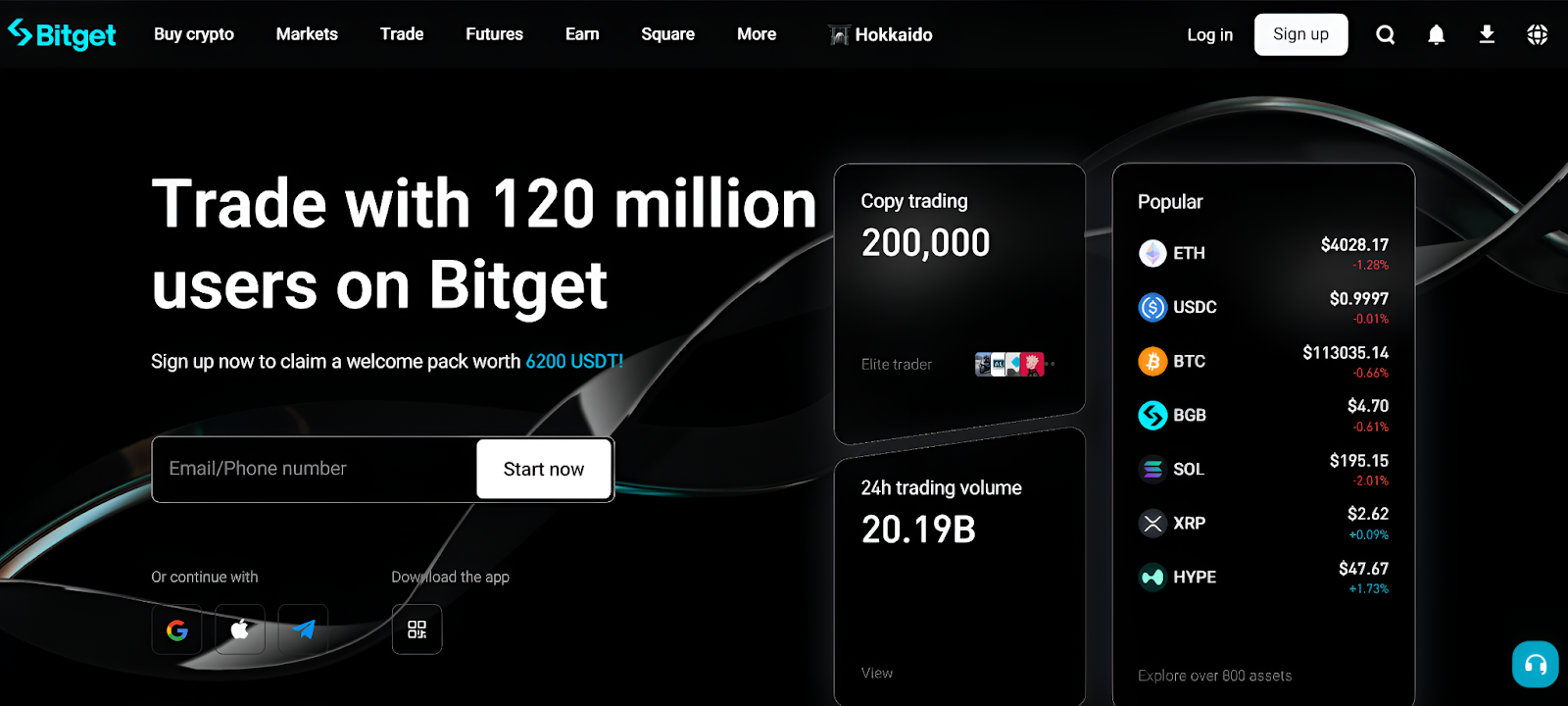
Energy & Transparency: ECOS uses renewable energy, such as hydro and wind power, and users can access detailed information about the mining farm’s operations and earnings distribution, ensuring platform transparency.

Ideal For: Investors with a conservative budget who prefer long-term, stable returns.

(B) Cloud Mining Platforms for Higher Yield & Flexible Contracts

3. BitFuFu

Registration & Compliance: BitFuFu is supported by Bitmain, a leading global mining company, and is publicly listed, operating across multiple countries. The platform provides transparent contracts and data.

Hash Rate & Platform Scale: BitFuFu offers large-scale hash rate rental services and supports mining of multiple cryptocurrencies. Users can choose specific GPU or ASIC mining power based on their needs.

Ideal For: Users with some cryptocurrency investment experience who are willing to invest a moderate amount and want to leverage large-scale mining farms for higher profits.

4. Hashing24

Registration & Compliance: Hashing24 provides legal and compliant cloud mining services, supporting Bitcoin and other popular cryptocurrencies. The platform is transparent and publicly discloses mining farm operations.

Earnings Model & Transparency: Hashing24 offers cloud mining based on hash rate rental, and users can check hash rate usage and actual earnings at any time. The contract duration is flexible, allowing users to adjust their investment strategies.

Ideal For: Users who prefer higher transparency and want to adjust their investment duration with clear contract terms and profit calculations.

(C) Cloud Mining Apps for Mobile Operation & Free Trials

5. StormGain

Registration & Compliance: StormGain is a comprehensive trading platform that also offers cloud mining. It is EU-regulated and complies with AML/KYC standards.

Features & Earnings: While primarily a trading platform, StormGain offers free cloud mining functionality, allowing users to participate with just a few clicks.

Ideal For: Users who are already active on trading platforms and want to try cloud mining with zero entry costs.

6. CryptoTab Browser

Registration & Compliance: CryptoTab Browser is operated by a company that allows users to mine cryptocurrency via its browser. It offers a lightweight mining approach, ideal for users who don’t want to make large investments.

Features & Earnings: Users can mine cryptocurrency through the browser, but the earnings are relatively low, suitable for those wanting to try cloud mining at zero cost.

Ideal For: Budget-conscious users who want to try cloud mining with minimal investment and maximum time efficiency.

(D) Cloud Mining Platforms for Advanced Users & Multi-Platform Comparison

7, BeMine

Registration & Compliance: BeMine offers hardware share leasing services, combining traditional ASIC machine purchases with cloud mining, ideal for users who want to invest in ASIC mining power shares.

Earnings Model & Risk Control: BeMine allows users to lease shares of ASIC mining machines for cloud mining, distributing computing resources based on the shares purchased.

Ideal For: Users who are familiar with mining hardware and want to invest in cloud mining by sharing ASIC machine power.

8. TrustCloud

Registration & Compliance: TrustCloud is an emerging cloud mining platform focusing on low-barrier and flexible contracts.

Contract & Earnings: Users can choose from various altcoins for cloud mining contracts, and it supports low-investment amounts.

Ideal For: Users interested in experimenting with altcoin mining and willing to take on higher risks for potentially higher returns.

9. ETNCrypto

Registration & Compliance: ETNCrypto is registered in Australia and legally compliant. Users can select flexible contract terms based on their preferences.

Features & Earnings: The platform offers cloud mining for different cryptocurrencies and supports flexible contract durations, ranging from one day to several weeks.

Ideal For: Users who want quick returns in the short term and are willing to take on slightly higher risks for potential rewards.

Crypto Cloud Mining’s Earnings Model & Risk Boundaries: What You Need to Know

Why is earning possible?

Cloud mining platforms lease large amounts of hash power, and centralized operations reduce unit costs, allowing users to pay for hash power rentals and participate in mining.AI optimization and renewable energy sources reduce electricity and operational costs, thus increasing profitability.Short contract periods and low entry costs make many platforms ideal for first-time users.

Risks include:

Cryptocurrency price fluctuations and increased network difficulty can impact earnings.Platforms may have hidden fees, withdrawal restrictions, or locked contract periods.Some “gray” platforms claim to be legal but lack regulation and transparent operations.While the app-based model is convenient, it may also encourage short-term speculation, ignoring long-term risks.

Thus, users should adopt a principle of “rational investment, diversified risk, and small-scale trials” before making large commitments.

How to Choose the Right Cloud Mining App from These 9 Options?

We recommend comparing the following key dimensions:

DimensionExplanationWhat to CheckComplianceCompany registration location, mining farm location, and disclosed licensesCheck the company’s registration information, mining farm photos, and third-party auditsEarnings Model/Contract TermsContract length, hash power amount, earnings calculation method, availability of free trialsReview contract terms, profit curves, and minimum investment amountsEnergy & Operational CostsWhat kind of energy (e.g., hydro, wind, geothermal), operational costsInvestigate mining farm energy sources, rates, and third-party disclosuresWithdrawal & TransparencyWithdrawal speed, hidden fees, user feedbackLook for user reviews, forum discussions, and recent withdrawal historyRisk ControlAbility to exit/transfer at any time, principal protection, insurance or guaranteesRead user agreements, whitepapers, and platform announcements

Using these dimensions, you can better assess which app fits your current investment scale and risk tolerance.

Cloud Mining App Onboarding Steps & Practical Tips

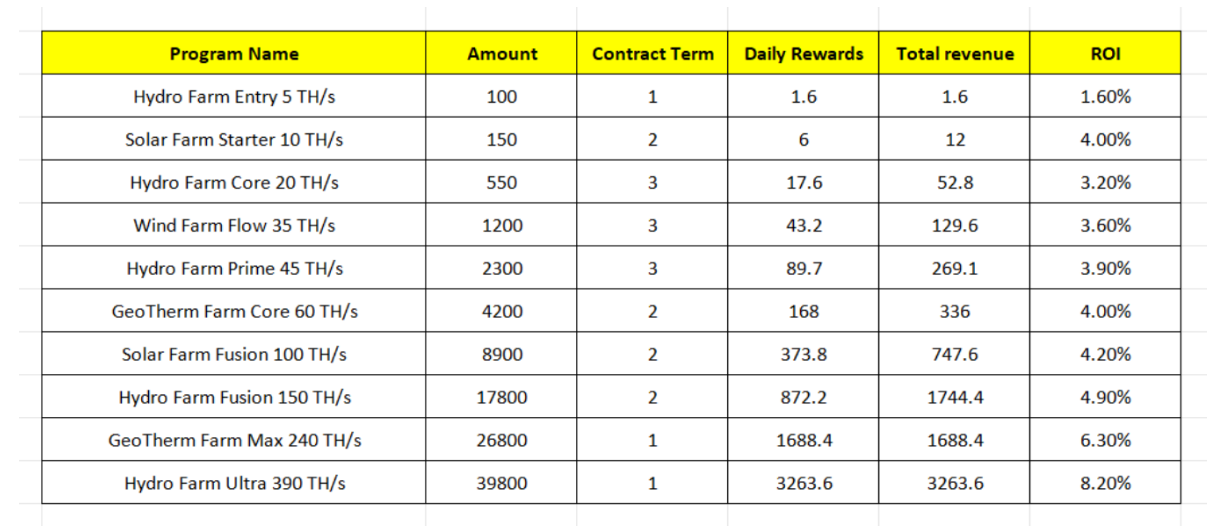
Start with Free Trials/Low Investment: For example, AutoHash offers $100 in free hash power.Set a Budget and Diversify: Don’t place all your funds in one contract or platform.Monitor Earnings and Contract Expiry: Ensure that earnings are delivered as expected, and check if you can withdraw or extend contracts.Stay Updated on Crypto Market & Mining Trends: For example, green energy mining farms are becoming the trend in 2025.Be Prepared to Exit or Switch: When platform earnings drop, crypto prices fall, or contracts expire, consider reinvesting or transitioning.Beware of Overly High Yield Promises: If a platform promises “5% daily” returns with no clear cost structure, it may be a high-risk or scam platform.

Conclusion

In 2025, for crypto enthusiasts looking to earn passive income through cloud mining in a “safe, legal, and quick” way, crypto cloud mining apps provide an extremely attractive opportunity. As long as you choose a compliant platform, understand the earnings model, and manage risk effectively, you can participate in mining with a lower barrier than traditional mining machines. The 9 cloud mining platforms recommended in this article cover a variety of investment scales and risk preferences, from low-entry options to advanced choices. It’s suggested that you first select one to try out, experience the earnings, and then consider scaling up.

✅ Next Step: Choose the cloud mining app that interests you most, sign up for a trial, track your earnings, and decide whether to expand based on real results. Hope this article helps you take your first step into “crypto passive income” through cloud mining in 2025. Wishing you a successful, profitable, and secure investment journey!


Source link

OKX Vs Coinbase: Choosing the Best Exchange in 2025

0
OKX Vs Coinbase: Choosing the Best Exchange in 2025


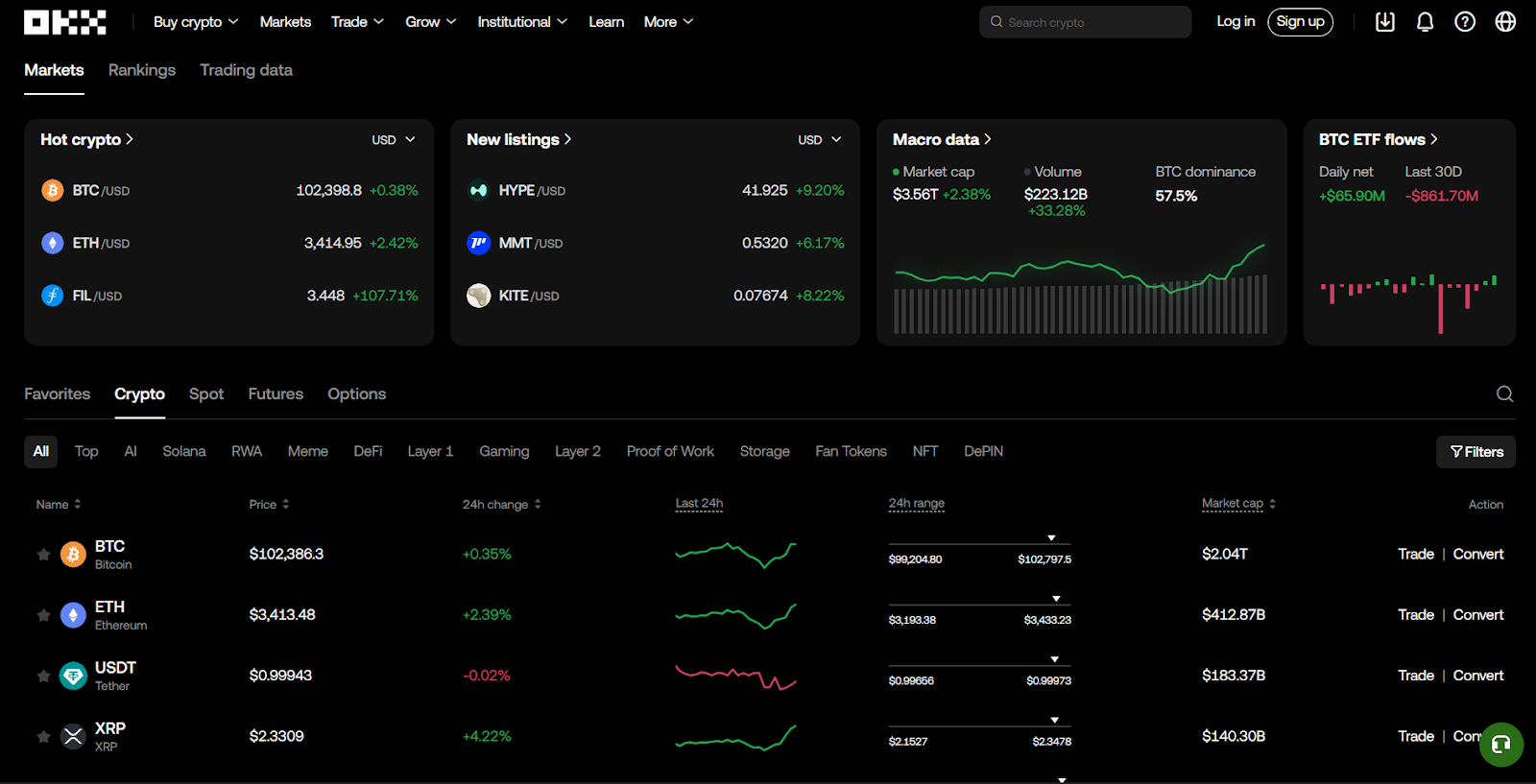
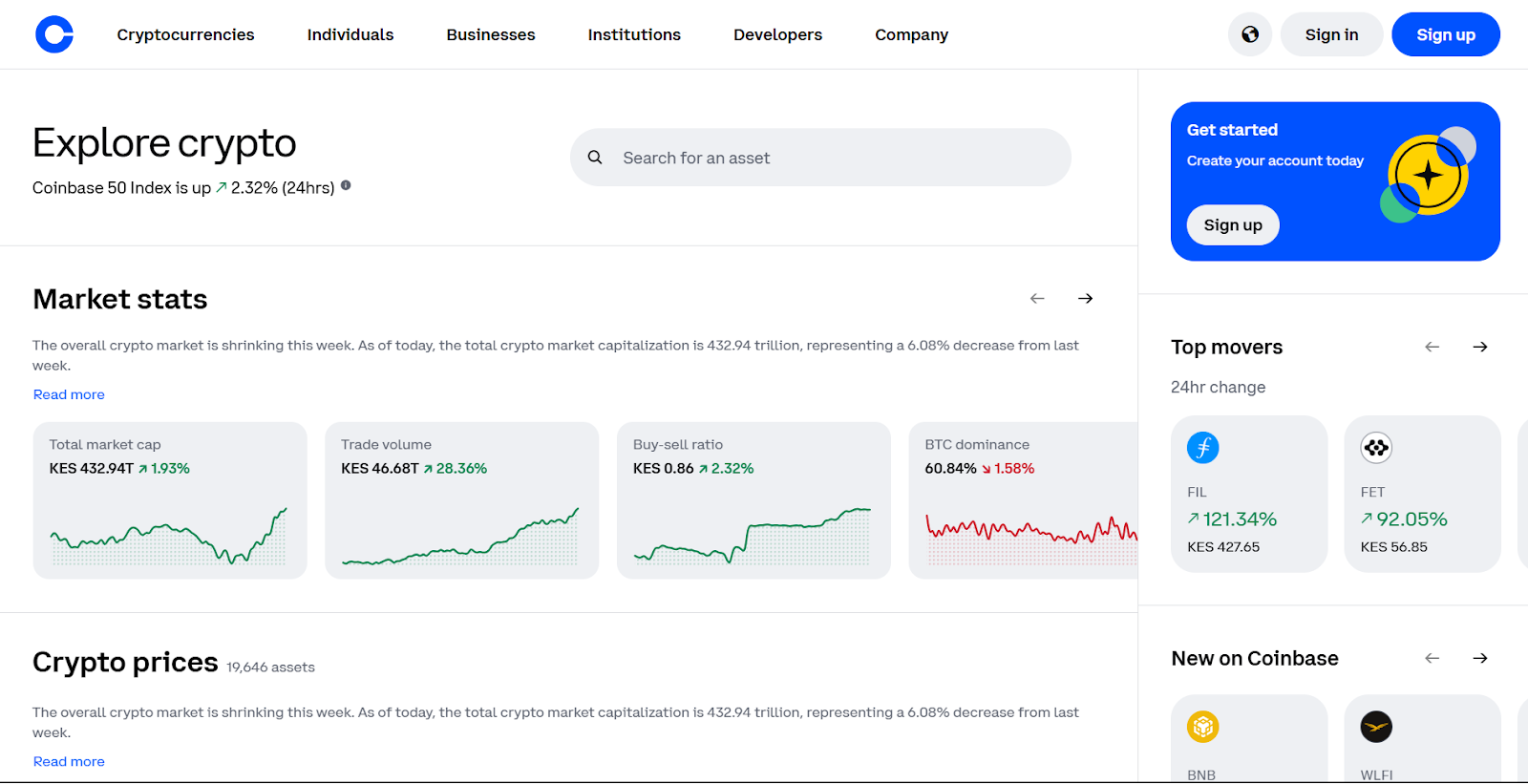
Your search for the best crypto exchange in 2025 has probably brought you to the OKX vs Coinbase comparison. Both platforms are prominent in the crypto market, but they cater to different trading styles. If you want lower fees, useful tools, or an easy setup for beginners, knowing their differences will help you choose the one that suits you best.

In this OKX and Coinbase review, we will compare their features, fees, and security to help you decide which platform meets your trading needs. Read on to see how each exchange works and which one is the best match for your trading goals.

07104210
coinbasecoinbase

OKX vs Coinbase: A Glance Comparison 

FeatureOKXCoinbaseLaunch Year20172012HeadquartersSeychellesRemote-first (no official headquarters)Supported CryptocurrenciesOver 400Over 240Trading FeesSpot: 0.08% (maker), 0.10% (taker) – Futures: 0.02% (maker), 0.05% (taker)Maker: 0.00% to 0.40% – Taker fees: 0.05% to 1.20%Key FeaturesSpot, margin, futures, options trading, P2P, trading bots, Web3 wallet, NFT marketplaceUser-friendly interface, Coinbase Earn, staking, NFT marketplace, Coinbase Card, Coinbase OneSecurity Measures2FA, cold storage, anti-phishing codes, proof of reserves2FA, cold storage for 98% of funds, AES-256 encryption, insurance for online balancesMobile App Ratings4.4/5 (Android), 4.6/5 (iOS)4.7/5 (Apple App Store), 4.2/5 (Google Play Store)Global PresenceAvailable in 100+ countriesAvailable in 100+ countriesFiat SupportUSD, GBP, BRL, CAD, EUR, JPY, AUD, AED, SGD, CADUSD, EUR, GBP, and morePayment Methods Accepted Credit/debit cards, Apple Pay, PayPal, bank transfers, OKX PayBank account (ACH), wire transfer, debit cards, PayPal, Apple Pay, Google PayAdvanced FeaturesCopy trading, trading bots, DeFi integration, OKX ChainCoinbase Advanced Trade, Coinbase Prime, Coinbase CustodyRegulatory ComplianceLicensed under MiCA (EU), MFSA (Malta), and othersFully regulated in the U.S., listed on NASDAQ, complies with NYDFS and other global standardsCustomer Support24/7 live chat, email support, multilingual help centerLive chat, email, phone support in some regions, extensive help centerBest ForAdvanced traders, DeFi enthusiasts, and users seeking low feesBeginners, institutional crypto investors, and users valuing simplicity and regulatory compliance

What is OKX Cryptocurrency Exchange? 

What is OKX Cryptocurrency Exchange? What is OKX Cryptocurrency Exchange? 

OKX is a cryptocurrency exchange focused on derivatives trading, established in 2017 by Star Xu and headquartered in Seychelles. Since its inception, the platform has grown into a global leader in cryptocurrency trading, serving millions of users across 100+ countries. Known for its advanced trading features, OKX offers spot, futures, and margin trading, along with innovative tools like trading bots and copy crypto trading.

The platform also stands out for its Web3 ecosystem, which includes a non-custodial wallet, NFT marketplace, and DeFi integration. With a strong focus on cryptocurrency exchange security, OKX implements two-factor authentication, cold storage, and proof of reserves to protect user funds.

The key perks of OKX is its referral program, which offers bonuses and trading discounts that add extra value to your experience. Whether you’re new to crypto or refining advanced strategies, OKX provides the tools and support you need to trade confidently.

Pros & Cons of OKX

ProsConsLow trading fees for spot, futures, and optionsComplex interface may be overwhelming for beginnersAdvanced trading tools like bots, copy trading, and margin tradingLimited fiat deposit options compared to some competitorsStrong security measures, including 2FA, cold storage, and proof of reservesRestricted in certain regions, including Canada and the USAComprehensive Web3 ecosystem with a non-custodial wallet and NFT marketplaceCustomer support can be slow during high-traffic periodsSupports over 400 cryptocurrencies and multiple fiat currenciesAdvanced features may require a learning curve for new users

OKX is Best For:

Traders looking for low fees and advanced trading tools like bots and copy trading.Crypto enthusiasts exploring DeFi, NFTs, and staking through the Web3 ecosystem.Experienced crypto traders who need access to futures, margin, and options trading.Users who prioritize strong security measures to protect their funds.Those seeking a global platform with support for over 400 cryptocurrencies.

0710421007104210

What is Coinbase?

What is Coinbase?What is Coinbase?

Coinbase is a trusted cryptocurrency exchange founded in 2012 by Brian Armstrong and Fred Ehrsam, characterized by its strong regulatory compliance. Known for its beginner-friendly interface and strong regulatory compliance, Coinbase serves millions of users globally.

Using Coinbase gives you access to a platform that supports hundreds of cryptocurrencies, including Bitcoin, Ethereum, and Dogecoin. It offers features like Coinbase Wallet for self-custody, Coinbase One for zero trading fees, and Coinbase Prime for institutional investors. With robust security measures like cold storage and two-factor authentication, the platform ensures your digital assets are safe.

When using the platform, you’ll discover how seamlessly it adapts to your needs, whether you’re exploring crypto for the first time or managing a professional portfolio. Coinbase combines security, simplicity, and innovation to provide a reliable experience for every user. You can get started easily by signing up with a referral code

Pros & Cons of Coinbase

ProsConsBeginner-friendly interface, ideal for new crypto usersHigher fees compared to some competitorsSupports a wide range of cryptocurrenciesLimited advanced trading features on the standard platformStrong security measures, including cold storage and 2FACustomer support can be slow during peak timesOffers features like Coinbase Wallet, Coinbase One, and Coinbase PrimeSome features, like zero trading fees, require a paid membershipPublicly traded and fully regulated, ensuring trust and transparencyRestricted access in certain countries

Coinbase is Best For:

Beginners looking for an easy-to-use platform to start their crypto journey.Investors who value strong security measures and regulatory compliance.Users interested in exploring self-custody wallets, NFTs, and DeFi through Coinbase Wallet.Traders who prefer a trusted and transparent platform with a solid reputation.Institutions and professional investors seeking advanced tools via Coinbase Prime.

coinbasecoinbase

OKX vs Coinbase: Trading Features

FeatureOKXCoinbaseSpot TradingOffers low fees and supports over 400 cryptocurrenciesBeginner-friendly interface with a wide range of cryptocurrenciesFutures TradingAdvanced futures trading with leverage options up to 125xNot available on the standard platformMargin TradingAvailable with competitive ratesLimited margin trading optionsTrading BotsBuilt-in trading bots for automationNo built-in trading botsCopy TradingAllows users to follow and replicate expert traders’ strategiesNot availableAdvanced ToolsOffers deep liquidity, real-time analytics, and customizable chartsAdvanced tools available only on Coinbase Advanced TradeMobile AppComprehensive app with advanced trading featuresUser-friendly app, but limited advanced trading options

OKX vs Coinbase: Platform Products and Services

Product/ServiceOKXCoinbaseCryptocurrency TradingSpot, futures, margin, and options tradingSpot trading with limited margin tradingStakingOffers staking for multiple cryptocurrencies with competitive rewardsProvides staking for select cryptocurrencies with user-friendly optionsDeFi IntegrationIncludes a Web3 wallet for DeFi, NFTs, and dAppsCoinbase Wallet supports DeFi, NFTs, and dAppsNFT MarketplaceBuilt-in NFT marketplace for buying and selling NFTsOffers an NFT marketplace (currently in beta)Copy TradingAllows users to follow and replicate expert traders’ strategiesNot availableTrading BotsBuilt-in trading bots for automationNot availableInstitutional ServicesOKX Prime for institutional trading and custody solutionsCoinbase Prime for institutional investors and custody solutionsMobile AppComprehensive app with advanced trading and portfolio managementUser-friendly app with basic and advanced trading optionsEducational ResourcesOffers tutorials and guides for trading and crypto educationExtensive beginner guides, tutorials, and market updatesFiat On/Off RampsSupports fiat deposits and withdrawals in multiple currenciesWide range of fiat on/off ramp options

What OKX Offers

Comprehensive trading options: Spot, futures, margin, and options trading with competitive fees.Advanced trading tools: Built-in bot trading and copy trading features for automation and strategy replication.Web3 ecosystem: Includes a non-custodial wallet for DeFi, NFTs, and dApps.NFT marketplace: Fully operational marketplace for buying and selling NFTs.Staking services: Supports staking for multiple cryptocurrencies with attractive rewards.Institutional services: OKX Prime for advanced trading and custody solutions tailored to institutions.Mobile app: A feature-rich app with advanced trading and portfolio management tools.Educational resources: Tutorials and guides to help users navigate trading and buy crypto investments.

What Coinbase Offers:

Beginner-friendly trading: Spot trading with an intuitive interface, ideal for new users.Staking options: Easy-to-use staking for select cryptocurrencies with clear rewards.Coinbase wallet: A self-custody wallet supporting DeFi, NFTs, and dApps.NFT marketplace: Currently in beta, allowing users to explore and trade NFTs.Institutional services: Coinbase Prime for institutional investors, offering custody and trading solutions.Mobile app: User-friendly app with basic and advanced trading options.Educational resources: Extensive beginner guides, tutorials, and market updates to educate users.Fiat On/Off ramps: Wide range of options for depositing and withdrawing fiat currencies.

OKX vs Coinbase: Fee Structures

Fee TypeOKXCoinbaseSpot Trading FeesMaker: 0.08%, taker: 0.10%Maker: 0.00%–0.40%, taker: 0.05%–0.60% (on advanced trade)Futures Trading FeesMaker: 0.02%, Taker: 0.05%Not availableOptions Trading FeesMaker & Taker: 0.03%Not availableDeposit FeesFree for crypto depositsFree for ACH bank transfers; 3.99% for card depositsWithdrawal FeesVaries by crypto and network congestionNetwork fees for crypto; $25 for wire withdrawalsSubscription PlanNot availableCoinbase One: $29.99/month for zero trading fees (up to a limit)Fiat Payment MethodsCredit/debit cards, bank transfers, third-party providersACH, wire transfers, credit/debit cards, PayPal, Apple Pay, Google Pay

Coinbase vs OKX: Coins Supported, Liquidity & Volume 

CategoryCoinbaseOKXCoins SupportedOver 240 cryptocurrencies, including Bitcoin (BTC), Ethereum (ETH), Solana (SOL)Over 400 cryptocurrencies, including BTC, ETH, and a wide range of altcoinsLiquidityHigh liquidity, especially for major cryptocurrenciesVery high liquidity across futures, spot, and derivatives tradingDaily Trading VolumeOver $4 billion in trading trading volumeAbout $40 billion in total daily trading volume

Coinbase vs OKX: Security Comparison

When choosing a crypto exchange, you need confidence that your funds and data are protected. While both Coinbase and OKX have strong security reputations, they differ in their approach.

Coinbase, a publicly traded US company, emphasizes regulatory compliance and insurance. Operating under strict US financial laws, it offers a secure environment, particularly for those new to crypto. Its key differentiator is the insurance coverage for online assets, providing an extra layer of protection in case of a platform breach. 

OKX, a global exchange, focuses on transparency and advanced security tools for more experienced traders. Its standout features include publishing regular Proof of Reserves (PoR) reports, allowing users to verify their assets are fully backed. OKX also provides more granular control with features like withdrawal address whitelisting and an AI-powered system called Eagle Eye, which actively monitors for suspicious activity.

Coinbase Security Measures:

98% of customer funds stored offline in cold storage to prevent online threats.Insurance coverage for online balances in case of breaches.Two-factor authentication (2FA) for account login and transactions.AES-256 encryption to secure user data.Regular audits and compliance with US regulations, including the New York Department of Financial Services (NYDFS).Alerts for unusual account activity, such as logins from new devices.Biometric login options for mobile app users (e.g., fingerprint or face recognition)

OKX Security Measures:

OKX publishes a Proof of Reserves (PoR) statement to show that user assets are backed 1:1.Cold storage is used for a large portion of user funds, helping reduce exposure to online threats.Withdrawal address whitelisting is available as a security feature.Anti-phishing codes (for verifying official communication) are offered.Advanced risk-detection systems (on-chain monitoring, suspicious activity detection) are listed among OKX’s security features.Multi-factor / two-factor authentication (2FA) is required for accounts.

Coinbase vs OKX: Affiliate & Referral Programs

FeatureCoinbaseOKXAffiliate ProgramOffers an affiliate program with commissions for referred users’ trades.Provides an affiliate program with tiered commissions based on referrals.Commission RateUp to 50% of trading fees from referred users for the first 3 months.Up to 50% of trading fees from referred users, depending on tier.Referral ProgramUsers can earn $10 in Bitcoin for every friend who signs up and trades $100.Users can earn rewards based on the trading activity of referred friends.Payout FrequencyMonthly payouts for affiliates.Weekly payouts for affiliates.Additional PerksReferral bonuses often include promotional campaigns or limited-time offers.Offers exclusive bonuses for high-performing affiliates.Ease of JoiningSimple sign-up process for both affiliate and referral programs.Easy registration with additional tools for tracking performance.

Coinbase vs OKX: User Experience 

Interaction with Coinbase is straightforward and friendly, even for beginners. Its clear design and easy layout make buying, selling, and managing cryptocurrencies simple. The referral code lets you unlock bonuses when signing up, adding value to your experience. Coinbase Earn also provides an educational touch, allowing users to learn about crypto while earning small rewards. The mobile app receives high praise for its smooth performance and user-friendly design, making it perfect for those new to trading or managing crypto on the go.

OKX offers a more sophisticated experience designed for professional traders. The platform includes features like customizable charts, trading bots, and various order types. While these tools provide depth and control, beginners may find the interface complicated. What really distinguishes OKX is its built-in Web3 wallet and DeFi features, allowing users to access decentralized finance straight from the app. The mobile platform effectively merges centralized and decentralized features, providing flexibility for both casual traders and experienced professionals.

Coinbase vs OKX: Customer Support

Coinbase provides numerous support options: live chat, email, and a deep Help Center with guides and FAQs. While the platform is intuitive and easy to use, sometimes response times are inconsistent, especially during high-traffic times. Coinbase One subscribers do get priority support, which is a nice feature for those who use the platform frequently. However, there have been reports of some complex issues taking longer to resolve.

OKX offers 24/7 live chat support, email support, and a fully fledged Help Center with multilingual support. Community support is also available through Telegram, Discord, and Reddit. Response times are very fast; most queries are responded to in minutes. OKX’s real-time support and multiple channels of communication make it a great choice for active traders.

While both platforms make a decent effort to address users’ complaints efficiently, OKX’s faster response times and broader support options give it an edge for those seeking quick resolution. Include the word OKX wallet in the sentences.

Conclusion

Coinbase is an excellent choice for beginners and those who value simplicity and regulatory compliance. Its user-friendly interface, insurance coverage, and educational tools make it a reliable platform for new crypto users. However, its limited advanced trading features may not meet the needs of experienced traders.

In contrast, OKX caters to seasoned users with its advanced trading tools, DeFi integration, and proactive security measures like Eagle Eye. The platform’s transparency through Proof of Reserves and its focus on innovation make it a strong option for traders seeking more control and flexibility.

For customer support, OKX stands out with faster response times and multiple communication channels, while Coinbase offers priority support for premium users. Both platforms provide competitive affiliate and referral programs, but OKX’s tiered structure and weekly payouts may appeal more to active affiliates.

Choosing between Coinbase and OKX ultimately depends on your experience level and trading priorities. Both platforms are secure and reliable, but the right fit will depend on whether you value simplicity or advanced features.

FAQs

Are OKX and Coinbase safe to use?

Yes, both OKX and Coinbase are safe to use. Coinbase follows strict US regulations, offers insurance for online funds, and uses AES-256 encryption. OKX provides advanced security features like multi-factor authentication, cold storage, and AI-powered threat detection.

What is the difference between Coinbase and Coinbase Pro?

The main difference between Coinbase and Coinbase Pro is their target users and features. Coinbase is designed for beginners, providing a simple interface and user-friendly tools. In contrast, Coinbase Pro is aimed at experienced traders, offering detailed charting options, various order types, and lower trading fees.

What are the key differences between Coinbase vs OKX?

The key differences between Coinbase and OKX are their target audiences and features. Coinbase is beginner-friendly with a focus on simplicity and regulation, while OKX caters to experienced traders with advanced tools, DeFi integration, and proactive crypto exchange security measures.

Which International exchange has lower fees: Coinbase vs OKX?

When comparing fees, OKX generally has lower trading fees than Coinbase. OKX offers competitive rates for active traders, while Coinbase’s fees are higher but include a user-friendly experience.

Which exchange is more beginner-friendly: OKX or Coinbase?

Between OKX and Coinbase, Coinbase is more beginner-friendly. Its simple interface, educational tools, and regulated environment make it ideal for new crypto users.


Source link

Zero Knowledge Proof Steals the Spotlight With $300/Day

0
Zero Knowledge Proof Steals the Spotlight With 0/Day


The crypto market is entering one of its most unpredictable phases in months. Ethereum is flashing sharp swings, SUI is clinging to a critical support line, and traders are scrambling to understand which project might lead the next breakout wave. The hunt for the next leading bullish crypto is getting louder as volatility pushes every narrative to the surface at once.

Zero Knowledge Proof (ZKP) enters this backdrop with a completely different approach. Instead of leaning on price charts or social buzz, it introduces income-generating hardware built to deliver measurable returns. In a market full of speculation, Zero Knowledge Proof (ZKP) puts real work and real output at the center of the conversation.

Zero Knowledge Proof Brings Predictable Earnings!

Zero Knowledge Proof introduces a model built on verifiable computational work rather than waiting for hype cycles. The project has already produced more than $17 million worth of hardware, all scheduled to ship five days after the presale launches.

Its $249 Proof Pods arrive fully prepared to validate AI tasks and generate privacy proofs. A Level 1 Pod earns around $1 daily, and every $100 software upgrade increases this by exactly $1, scaling up to $300 daily at Level 300.

These Pods appeal to people hunting for a leading bullish crypto with predictable income that does not require price speculation. All earnings are visible on-chain and tied directly to the daily Initial Coin Auction, which distributes 200 million Zero Knowledge Proof (ZKP) coins every twenty-four hours.

Zero Knowledge Proof Brings Predictable Earnings!

This structure keeps all rewards aligned with real network demand. The whitelist opening has intensified attention, with many seeing this as one of the most unconventional and high-momentum utilities in the current cycle.

Ethereum Rebounds as Big Holders Accumulate

Ethereum remains a major contender due to its ability to attract large-scale buyers even in periods of volatility. The Ethereum price recently plunged to around $3,098 before staging a notable rebound.

The real story came from the reaction of whales and institutions. Across a three-day period, major holders purchased more than 394,600 ETH, valued at over $1.37 billion. This buying spree reflects confidence well beyond the short-term turbulence visible on price charts.

Following the accumulation wave, Ethereum traded between $3,400 and $3,600, with analysts projecting possible 2025 targets between $6,000 and $10,000. The “Fusaka” upgrade and more than $12 billion in real-world assets already deployed on Ethereum continue to build long-term excitement.

Ethereum Rebounds as Big Holders AccumulateEthereum Rebounds as Big Holders Accumulate

Traders watching the Ethereum price today see a blend of high volatility and major future catalysts, a combination that keeps Ethereum firmly positioned among popular bullish crypto candidates.

SUI Battles to Hold the $2.00 Support

SUI is navigating a tense technical setup around the $2.00 support zone. The recent breakdown through several price floors has created instability, with the token fluctuating just above a level that could determine its direction for the coming weeks.

A failure to hold the $2.00 support could send SUI toward $1.85, reflecting increased selling pressure. A rebound would require clearing $2.16 and $2.37, both of which represent key resistance levels for short-term recovery.

Longer-term projections are far more ambitious. Analysts point toward earlier models suggesting a path to $9.00 if SUI breaks above $3.60. Others forecast ranges between $14.50 and $16.00.

SUI Battles to Hold the $2.00 SupportSUI Battles to Hold the $2.00 Support

Real-world adoption contributes to this potential, including Crypto.com’s new institutional custody offering launched on November 11. This mix of volatility, technical pressure, and institutional interest keeps SUI firmly in the conversation for traders pursuing the next big bullish crypto.

Final Thoughts

The market’s current landscape shows three completely different forms of speculation unfolding at once. Ethereum continues drawing institutional buyers. SUI battles to protect its chart structure. Zero Knowledge Proof (ZKP) introduces hardware-based income tied to measurable computational output.

These separate storylines reflect a broader transformation, where traders and long-term participants each chase different catalysts. For those searching for the next leading bullish crypto, the comparison highlights a diverse field of opportunities, each shaped by a different form of momentum.

Zero Knowledge ProofZero Knowledge Proof

Find Out More about Zero Knowledge Proof: 

Website: https://zkp.com/


Source link

The Most Trusted Mobile Cloud Mining Apps for Simple BTC Earnings

0
The Most Trusted Mobile Cloud Mining Apps for Simple BTC Earnings


Introduction: Why Mobile Bitcoin Cloud Mining Surged in 2025

In 2025, Bitcoin mining has become drastically more difficult and energy-intensive, making traditional ASIC mining unrealistic for most everyday users. As hardware prices and electricity costs continue rising, more people are turning toward a simpler and more accessible model:

Mobile Bitcoin Cloud Mining

These apps allow users to mine BTC directly from their phones—without buying hardware, paying electricity bills, or handling technical setups. Simply open the app, activate a mining contract, and receive daily Bitcoin payouts.

However, only a handful of mining apps in the market are actually legitimate. To identify the safest and most reliable options, we evaluated platforms based on:

Legal registration & company transparencyShort, beginner-friendly mining contractsReal mining farms powered by clean energyFast, stable withdrawals with no hidden feesMobile usability on both Android & iOS

Below are the Leading 10 Legit Bitcoin Mining Apps for 2025, carefully reviewed and verified.

1. DeepHash — U.K.-Registered Bitcoin Mining App with $100 Free Hash Power (Ideal Pick)

Official Site: deephash.com

DeepHash has quickly become one of the fastest-growing cloud mining apps in the U.S., Europe, and Asia. The platform is operated by KT Crypto Mining Consortium Limited, a legally registered U.K. entity (Company No. NI676833), known for transparency, fast payouts, and short-cycle mining plans.

Key Features

$100 free BTC hash power for all new users✔ Short 1–5 day contracts ideal for beginners✔ Real global green-energy mining farms (Norway hydro, Iceland geothermal, Canada hydro, Paraguay hydro, etc.)✔ Fast withdrawals—often within minutes✔ Supports BTC, DOGE, and LTC mining✔ Mobile-friendly dashboard for Android & iOS users

Popular DeepHash Contracts (2025)

Mining FarmContract AmountContract TimeDaily ProfitCanada – Quebec Hydro Farm15025Iceland – Reykjavik Geothermal Farm500316Bhutan – Thimphu Hydro Farm1100338.5

👉View Full Contract & Claim $100 Free Hash Power!

Ideal For: New users who prefer short cycles, fast withdrawals, and verified company registration.

2. Bitdeer — Long-Term, High-Power BTC Mining for Serious Users

Bitdeer—backed by the Bitmain ecosystem—is one of the most established names in cloud mining.

Highlights

Real mining farms in multiple regions30–180 day mining contractsHigh transparency on machine types & power costsDesigned for long-term BTC miners

Ideal For: Users planning multi-month mining with large hash power.

3. NiceHash — Flexible, Hourly Hash Power Marketplace

NiceHash offers a unique model: instead of fixed contracts, users can rent hash power by the hour.

Highlights

Hourly rentals allow maximum flexibilityTransparent marketplace pricingFast BTC withdrawalsBetter suited for experienced miners

4. ECOS — Government-Licensed Mining in Armenia Free Economic Zone

ECOS operates in a legally authorized mining zone, making it one of the most regulation-friendly brands in the industry.

Highlights

Long-term mining packages (180–360 days)Investment portfolios availableClear electrical cost structureStable and suitable for passive BTC accumulation

5. StormGain — Popular Free BTC Mining App for Beginners

StormGain remains one of the most well-known free cloud mining apps globally.

Highlights

Free built-in cloud minerZero hardware requirementsRewards can be withdrawn after completing small trading volumeGood for first-time miners

6. ViaBTC — Leading Mining Pool with Reliable Cloud Mining Options

ViaBTC, a leading global mining pool, offers a clean and straightforward cloud mining experience.

Highlights

Backed by real mining pool infrastructureFast and stable BTC payoutsTransparent hashrate allocation

7. Hashing24 — Bitmain-Backed BTC Cloud Mining Provider

Hashing24 partners with Bitmain to offer stable, long-term BTC mining.

Highlights

Mine BTC using Bitmain-powered hardwareLong-term contractsIdeal for investors seeking predictable BTC output

8. Binance Mining — Cloud Mining via the World’s Largest Exchange

Binance provides cloud mining features in selected regions.

Highlights

Easy purchase through Binance accountNo additional wallet setup requiredHigh liquidity and secure environment

9. KuCoin Mining — Simple Mobile-Friendly Cloud Hash Power

KuCoin offers an easy way for mobile users to buy small mining shares.

Highlights

Beginner-friendly interfaceQuick Bitcoin settlementsLightweight, easy to manage from phone

10. OKX Cloud Mining — Flexible Bitcoin Contracts for Mobile Users

OKX provides a variety of mining cycles that work well for users who prefer choice and flexibility.

Highlights

Multiple contract lengthsFast payouts via OKX walletSmooth experience for mobile users

Final Thoughts: How to Choose a Legit Mobile Bitcoin Mining App in 2025

Mobile Bitcoin cloud mining has become one of the most accessible ways to earn BTC daily in 2025. But with the rapid growth of new platforms, selecting a safe and transparent provider is more important than ever.

Instead of focusing on branding alone, users should evaluate each app based on:

✔ Legal Transparency

The company should have verifiable registration, publicly accessible documentation, and clear contact information.

✔ Short, Clear Mining Contracts

Short-term plans help reduce risk and allow users to test real returns without long commitments.

✔ Real Mining Infrastructure

Platforms should operate or partner with clean-energy mines—hydro, geothermal, wind, or solar—for stable hashrate output.

✔ Fast and Reliable Withdrawals

A trustworthy app must provide smooth, fee-transparent BTC withdrawals.

✔ Strong Mobile Experience

Since mining is managed through the phone, the app should offer real-time tracking, stable performance, and an intuitive dashboard.

Bottom Line

Mobile Bitcoin cloud mining remains a practical way to earn passive BTC income without purchasing hardware or dealing with electricity costs. By prioritizing transparency, regulatory clarity, clean-energy mining, short-term contracts, and reliable payouts, users can choose a platform that provides a consistent and safe mining experience throughout 2025.


Source link

Binance Vs Bitget 2025: Which Crypto Exchange Is Better?

0
Binance Vs Bitget 2025: Which Crypto Exchange Is Better?


If you’re wondering which cryptocurrency exchange stands out between Binance Vs. Bitget, you’ve arrived on the right page. Both platforms are immensely popular among crypto enthusiasts, offering low fees, advanced features, and a wide range of trading options. 

In this Binance Vs. Bitget review, we’ll assess the pivotal differences between the two exchanges across various parameters. We’ll also provide deeper insights to help you make informed decisions and elevate your trading experience.

binance-logo-6219389_1280
bitget-token-new-bgb-logobitget-token-new-bgb-logo

Binance vs Bitget: A Glance Comparison

ParticularsBINANCEBITGETFounding year20172018Registered users275M+120M+Global reach100+ regions150+ regionsNative/Governance tokenBNBBGBListed cryptocurrencies9,408+691+Trading pairs1,600+ spot pairs and 652+ futures pairs.788+ spot pairs and 767+ futures pairs.Main featuresSpot trading, margin trading, P2P trading, derivatives trading, copy trading, demo trading, and staking products.Spot, derivatives, margin, P2P, and copy trading; staking servicesPayment methodsBank transfer, credit/debit card, UPI, and third-party providers like PayPal, Skrill, and Neteller.Credit/debit card, Apple Pay, Google Pay, bank transfers, and third-party gateways like Paysera and Uphold.Early access eventsLaunchpool, Megadrop, Fan token.A Launchhub that includes pre-market trading, LaunchX, Launchpad, Launchpool, Deposit to List, PoolX, on-chain drops, and Candybomb.SecuritySAFU, two-factor authentication (2FA), data encryption, withdrawal whitelisting, device management, anti-phishing code, proof-of-reserves, and hot and cold wallets. Protection fund, dual wallet system, 2FA, anti-phishing and fund codes, proof-of-reserves, and withdrawal allowlisitng.LicensesRegulatory licenses in multiple regions, including Asia-Pacific, Africa, the Middle East, the Americas, and Europe.Regulatory licenses in many locations, including EEA countries like Italy and Poland.Customer support24/7 through e-mail and a live chatbot.24/7 through live chat and e-mail.Mobile appiOS and Android.iOS and Android.

What is Binance?

What is Binance?What is Binance?

Binance is the largest crypto exchange by trading volumes and a leading blockchain ecosystem. It aims to foster financial freedom, enabling everyone to earn, save, spend, share, and gift their money regardless of their location. 

Launched in 2017, Binance has grown phenomenally and serves 275+ million users across 100+ countries. It is known for its vast product suite, competitive fees, stringent data privacy controls, and highest standards of regulatory compliance. It is also the best crypto exchange for learning resources. It offers many basic and advanced trading features, catering to beginners and experienced traders alike.

ProsCons#1 cryptocurrency exchange by trading volumes.High liquidity.Extensive coin selection, including new and popular tokens.Facilitates seamless on-chain trading via Binance Wallet’s integrated DEX.Possesses 22+ regulatory approvals worldwide. Offers more trading pairs.Dedicated OTC platform for institutional traders.Lowest trading fees for VIP and high-volume traders.Intuitive user interface.Supports crypto options.Faces regulatory challenges in many nations, including the UK and Japan.Has been hacked twice, resulting in huge losses. Not all products and services are accessible in all jurisdictions. 

Notable features of Binance

Easy options: It is a beginner-friendly feature designed to make options trading simpler. It offers a streamlined interface where you can predict prices of your chosen cryptocurrencies. You can also specify your desired exercise price and contract duration to calculate your option premium upfront. Flexible loans: These are open-term, isolated, and overcollateralized loans with minimum borrowing amounts as low as $1 worth of cryptocurrencies. They can be repaid at any time.Academy: It publishes comprehensive educational resources, including explainer articles and guides, tailored to beginner and experienced users. It also offers learn and earn courses, enabling you to win free crypto while boosting your knowledge.Megadrop: It offers early access to high-potential Web3 projects before they’re officially listed on Binance. 

binance-logo-6219389_1280binance-logo-6219389_1280

What is Bitget?

What is Bitget?What is Bitget?

Bitget is a renowned cryptocurrency exchange primarily recognized for its copy trading feature. It also provides multiple trading options and advanced tools, including derivatives and spot trading, a TradingView-integrated interface, and automated bots. Additionally, the exchange offers many structured and capital-guaranteed passive-income yielding products with high APRs.

Since its inception in 2018, Bitget has emerged as one of the top 10 cryptocurrency exchanges. It also has a registered user base of 120+ million across 150+ nations. Its core vision is to promote crypto adoption and smart digital transactions globally. 

ProsConsUser-friendly interface with cutting-edge technical tools.Offers automated bots and multiple staking products.Hosts numerous early access events to help traders earn promising new tokens.Best crypto exchange for copy trading.Powerful security measures, including a protection fund worth $741 million.Stringent KYC/AML policies. Feature-packed exchange with high liquidity.Slightly higher fees.Doesn’t provide services in many jurisdictions, including the US.No standard crypto options.Limited coin selection.

Notable features of Bitget

Copy trading: Bitget enables you to harness automated trading tools, advanced market insights, and the expertise of lead traders to make gains. It has 200,000+ registered elite traders and over 800,000 copiers. Institutional services: The platform offers comprehensive crypto trading solutions for institutional investors. These include API integrations, up to 1,000 sub-accounts, custodial services, broker and market maker programs, and competitive fees.Trading bots: The exchange provides numerous free-to-use smart bots to help you maximize your earnings in bullish, bearish, and sideways market conditions. These encompass spot/futures grid, spot/futures martingale, spot/futures CTA, and smart portfolio. 

bitget-token-new-bgb-logobitget-token-new-bgb-logo

Binance vs Bitget: Trading Features

FeatureBinanceBitgetSpot tradingAvailableAvailableFutures tradingAvailableAvailableOptions tradingAvailableAvailableMargin/Leveraged tradingAvailableAvailableOn-chain tradingAvailableAvailableCopy/social tradingAvailableAvailableDemo accountAvailableAvailablePre-market tradingAvailableAvailableBlock tradingAvailableAvailableP2P marketplaceAvailableAvailableTrading botsAvailableAvailableStaking optionsAvailableAvailableCryptocurrency loansAvailableAvailableNFT platformAvailableAvailable

Bitget vs Binance: Platform Products and Services

What Bitget Offers:

Spot trading: Bitget supports 691+ cryptocurrencies, including popular cryptocurrencies like Solana and XRP, and 788+ spot pairs.Derivatives trading: The Bitget exchange supports USDC, USDT, and coin-settled perpetual futures contracts. It also offers coin-settled delivery futures and allows you to choose from 767+ futures pairs.Margin trading: Bitget helps you magnify your gains with borrowed funds and ensure efficient capital utilization. It offers up to 125x leverage on select pairs.Copy trading: The platform allows you to replicate the winning strategies of experts. It also offers AI-powered and elite trading bots. Moreover, you can filter master traders based on different criteria such as P&L, RoI, high yield, and TraderPro certification.Earn: Bitget offers many staking products, such as Simple Earn Flexible, On-chain Yield, and Shark Fin. They are tailored to diverse investment needs and risk tolerance levels. Trading bots: The exchange primarily offers grid, martingale, CTA: MACD, BOLL, and auto-invest bots. They help you clock profits in different conditions, including volatile, oscillating, flat, and trending markets.Academy: The exchange publishes step-by-step guides, crypto news, market analysis, and valuable tips for both beginner and advanced traders. Bitget wallet: It is a non-custodial multi-chain wallet, offering token swapping, staking, and crypto payment services. It also comes with an exclusive dApp browser that helps you customize/import NFT wallets. Additionally, the wallet comprises robust risk mitigation capabilities, including a $300 million protection fund. 

What Binance Offers:

Spot trading: Binance enables users to buy/sell 9,048+ coins in the spot market using advanced trading tools. It also supports 1,600 trading pairs.Futures trading: You can engage in contract trading via the Binance Futures platform. It supports stablecoin-settled and coin-settled perpetual contracts and expiry (delivery) futures. Currently, the exchange features 653+ futures pairs. Options trading: For derivative enthusiasts, Binance offers USDT-settled option contracts on popular cryptocurrencies, including BTC, ETH, SOL, XRP, DOGE, and BNB. P2P trading: Binance’s peer-to-peer platform allows you to buy, sell, or trade cryptocurrencies with other traders at preferred prices. It supports 800+ payment methods and 100+ fiat currencies, including 70+ local currencies. Demo trading: If you want to master trading in a simulated environment that emulates real-world conditions, the demo trading feature is helpful. It helps you test various strategies using virtual funds and compute gains/losses before investing actual money.Trading bots: If you’re seeking automated trading tools to make profits regardless of market conditions, Binance’s bot marketplace is worth exploring. It features various customizable bots, including spot grid, futures grid, spot DCA, futures TWAP, and arbitrage bot. Copy trading: This feature helps you replicate the strategies of experienced traders with a single click. Based on your investment amount, the system automatically copies the trades of your chosen experts.Earn: Through Simple Earn, you can stake 300+ crypto assets for fixed or flexible durations to receive passive income. To help you earn higher yields, the Binance exchange offers advanced products like dual investment, smart arbitrage, and discount buy.Binance wallet: It is a self-custody Web3 wallet powered by advanced multi-party computation technology. It helps you manage digital assets across multiple chains seamlessly. With built-in integration to Binance Bridge and other DEXs, traders can explore cross-chain dApps and swap tokens at the best prices. You can also earn staking yield of up to 0.75% APY.

Binance vs Bitget: Trading Fees

Fee typeBinance feesBitget feesSpot market0.1% maker, 0.1% taker0.1% maker, 0.1% takerFutures/Perpetuals trading0.02% maker, 0.05% taker0.02% maker, 0.06% takerOptions trading0.03% maker, 0.03% takerTrading fee discounts25% rebate on spot fees for BNB owners.20% rebate on spot fees for BGB investors.Deposit chargesNo deposit fees for most crypto assets.No deposit fees for most crypto assets.Withdrawal chargesDiffers across cryptocurrencies and blockchain networks.Differs across cryptocurrencies and blockchain networks.Cryptocurrency debit cardNo annual or issuing fees, 1% crypto conversion fee, 1-2% forex charges. 0.9% transaction fee, zero top-up or monthly fees.

While both crypto exchanges charge the same spot fees, Binance imposes lower taker fees for futures contracts. Binance also offers higher fee rebates to native token holders. In terms of withdrawal fees, both charge similar rates. However, you can withdraw some cryptocurrencies from certain chains at a lower cost on Binance.

Binance vs Bitget: Supported Cryptocurrencies, Trading Volumes, And Liquidity

ParticularsBinanceBitgetCoins supported9,408+687+Spot pairs1,600+783+Futures pairs652+769+LiquidityDeepComprehensiveDaily trading volume$65 billion$20+ billionFiat currencies supported100+140+

Binance vs Bitget: Security Comparison

Binance Security Measures

Secure Asset Fund for Users (SAFU): To protect user assets, Binance has set up an emergency fund by committing a percentage of its total trading fees. The platform maintains a fund value of $1 billion in USDC. Proof-of-reserves (PoR): The Binance exchange ensures that all customer assets are fully backed at 1:1. It also publicly discloses its reserves to maintain 100% transparency.Hot and cold wallets: Binance stores traders’ assets in cold wallets and utilizes hot wallets for speedy transactions.Privacy-focused architecture: Binance ensures that privacy and data protection are built into its products and services. It has implemented advanced encryption protocols to safeguard users’ data from loss, misuse, and unauthorized access. Account-level security features: For enhanced security, Binance has implemented additional measures like device management, two-factor authentication (2FA), withdrawal whitelisting, and anti-phishing passcode.

Bitget Security Measures

Protection fund: Bidget has established a protection fund to safeguard customers’ assets from cyber threats. The fund is currently valued at $741 million.PoR: Bitget ensures that 100% of user assets are held in reserves, and it publishes monthly updates on its Merkle Tree proof, platform reserves, and reserve ratio.Dual-wallet system: The exchange leverages hot cum cold wallets for added security. It also preserves your funds and assets offline in cold storage. Other security features: Apart from the above measures, Bitget has implemented account-level safety features like 2FA, withdrawal allowlisting, fund codes, and anti-phishing codes.

Bitget vs Binance: Affiliate & Referral Programs

ParticularsBinanceBitgetReferral CodeBINANCENFTPNFTPlazas1Referral Commission rateUp to 40%Up to 32%Affiliate commission (lifetime)Up to 50%Up to 50%Commission tenureReferral commissions for at least 1 year from the invitees’ registration dates.Referral commission for 365 days (1 year) from the invitees’ registration dates.Additional rewardsTrading fee rebates, free tokens, bonus vouchers, VIP-level upgrades, and interest-free loans.Mystery boxes, trading bonuses, free cryptocurrencies, newly-launched tokens, airdrops, and fee rebates.Exclusive perks24/7 priority support, access to exclusive events, cutting-edge crypto products, industry leaders, and content amplification resources.24/7 dedicated customer services, access to special campaigns, free tickets/passes for sports/entertainment events, and daily market updates.Ongoing new user offer$600 trading fee credit6,200 USDTEligibility conditions for newcomer rewardsReferred users must complete KYC verification and required tasks within the given timeframe.Referred customers must complete KYC verification and specific tasks within the stipulated period.

Pro Tip: Don’t forget to explore the additional perks offered to new users when you open an account on these exchanges. We dive deeper into the benefits available with the Binance referral code and Bitget referral code in this detailed review.

Binance Vs Bitget: User Experience & Customer Support 

On Google Play and Apple stores, both Binance and Bitget mobile apps enjoy user ratings of over 4.5/5. However, on review sites like Trustpilot and Reddit, both exchanges have garnered mixed reviews. Traders have reported issues with withdrawals, fund losses, and frozen accounts. Additionally, some Binance users are dissatisfied with its identity verification process and token recommendations.

Both cryptocurrency exchanges provide 24/7 customer assistance via live chat and e-mail, and provide a help/support center. From FAQs and self-services to user guides and tutorials, you’ll find everything you need to navigate the platforms effortlessly. 

However, many users are dissatisfied with Binance’s customer support due to its slow response rate. Conversely, on Bitget, traders face challenges connecting to human agents.

Bitget Vs. Binance Review: Conclusion

In the crypto world, Binance and Bitget offer smooth trading experiences with user-friendly interfaces, diverse payment methods, and high liquidity. They also support various order types, including limit and market orders. While Binance leads in scale, Bitget impresses with copy trading and Launchhub. Overall, both exchanges make your crypto journey more secure and rewarding.

FAQs

Is Bitget a trusted exchange?

Bitget is a legally-compliant crypto exchange with robust security measures like multi-signature cold storage, withdrawal whitelisting, 2FA, and fund codes. It also maintains a protection fund to safeguard traders’ assets. Therefore, Bitget is trustworthy. 

What exchange is better than Binance?

One exchange that is better than Binance is Bitget, especially for copy trading and gaining access to high-quality tokens. Unlike Binance, it hasn’t faced major security breaches either. 

Between Bitget vs Binance, which exchange charges lower fees?

Overall, Binance has a more competitive fee structure. However, Bitget’s crypto debit card fees are lower. 

Which platform is more beginner-friendly: Binance or Bitget?

Binance has more features for beginners, including easy options, demo accounts, and a user-friendly interface. Moreover, its Academy is a treasure trove of learning resources that familiarize you with the nitty-gritty of crypto trading. 

Which exchange is secure: Binance or Bitget?

Though Binance has more potent security features, it has faced two major hacks since its inception. In May 2019, malicious actors stole 7,000 BTC (worth $40 million at that time) from its hot wallets. In October 2022, hackers exploited a cross-chain bridge connected to the BNB Chain and stole BNB coins worth $570 million. Therefore, Bitget is safer. 


Source link

Crypto Gambling Sites Under Growing Legal Pressure

0
Crypto Gambling Sites Under Growing Legal Pressure


Crypto gambling sites are facing growing legal pressure. 

The past few years have seen a wave of crypto-based casinos and sportsbooks completely flood the market, with total bets at crypto casinos in Q1 2025 alone reaching over $26 billion

It’s a fast-growing industry, but after a period of what can only be described as a crypto gaming boom, operators are now facing the first signs of legal pressure. 

Singapore and Belgium Blacklist ‘Prediction’ Gambling Site Polymarket, While Australia Bans Crypto Gambling Altogether

One of the biggest movements in the crypto gambling space post-2020 has been the rise of Polymarket, known as the ​​world’s largest prediction market, which both Singapore and Belgium have now blacklisted. 

The site allows users to bet on future events across a huge range of markets, from “Who Will Trump Pardon in 2025?” to “#1 Searched Person on Google this year?”. 

Users stake crypto on these predictions instead of real money and it’s proven to be a huge hit, as The Block’s data shows that Polymarket’s monthly active traders climbed to an all-time high of 477,850 last month. 

However, at the start of the year, Singapore and Belgium opted to ban the popular crypto site due to concerns over it being non-compliant with existing gambling laws. 

It appears as though more countries are following suit, with The Romanian National Office for Gambling blacklisting Polymarket and stating that it will “not allow the transformation of blockchain into a screen for illegal betting.”

And when it comes to the wider crypto gambling market, Australia has been much more hands-on. 

Since 2024, all licensed gambling sites in Australia have been prohibited from accepting crypto payments following an amendment to its Interactive Gambling Act 2001. 

What this means is that the crypto gambling market in Australia is now close to non-existent, with many crypto investors still unhappy about the recent regulatory changes. 

US Yet to Target Crypto Gambling, But Sweepstakes Casinos Take a Hit 

Interestingly, the US has yet to really take a stance on crypto gambling and the activity itself remains largely unregulated. 

Sites like Stake and Betpanda have already attracted millions of gamblers in the States, so far proving to be a major hit. 

Stake is now the standout player in the crypto gambling space, earning a reported GGR of $4.7 billion in 2024, putting it right up there with some of the wider gambling industry’s biggest names like Flutter ($14B) and Entain ($5B). 

The tide is definitely shifting, with Gen Z and Millennial players in particular showing much more of a fondness for crypto-based gambling than traditional real-money betting, which is why sites like Stake are growing at such a rapid pace. 

Interestingly, though, no US state directly licenses crypto casinos and regulated sites like FanDuel, BetMGM, and DraftKings have stayed well away from crypto over the years, so this has created a “gray” market where crypto casinos are operating in the US without any real scrutiny. 

However, what a growing number of states in the US have decided to do is target sweepstakes casinos, with California, Connecticut, and Montana all recently banning this new type of casino site. 

Many sweepstakes casinos readily accept crypto as a deposit option, so it’s an indirect attack on the crypto gambling market. 

But the main reason behind the anti-sweepstakes casino movement going on in the US at the moment is more to do with them exploiting legal loopholes using virtual currencies known as ‘Gold Coins’ and ‘Sweeps Coins’. 

The recent movement against sweepstakes casinos does prove that crypto casinos could be next, though, so operators will have to wait to see if states turn their attention to them over the coming years, which now seems more likely than ever. 

Underground US Crypto Casinos Generated $67.1 Billion in 2024 

Crypto gambling sites like Stake may have huge audiences in the US, but the country itself has a huge problem when it comes to underground crypto gambling. 

America’s crypto casino black market just generated $67.1 billion in 2024, making it one of the most lucrative underground markets in the entire country. 

Yield Sec’s state-by-state analysis found that California and Texas, two states where legal online gambling itself isn’t even permitted, have an illegal market share worth $5.5 billion and $4.5 billion respectively, showing just how concerning the issue is. 

This has put traditional gambling companies, many of which struggle to make a profit, in an impossible position, as they spend billions on compliance and taxes while underground crypto gambling sites are raking in money. 

You would think that DraftKings and others won’t stand for this much longer, and it will likely reach a breaking point where US regulators are either forced into action or have to sit and watch while the unregulated crypto gambling market in the US completely takes over to the point of no return. 

Many Sites Offer No-KYC Requirements, Worsening Regulatory Concerns

There’s also the growing no-KYC controversy, not just in the US but many of the other countries that currently allow crypto casinos to operate. 

Bet Panda, Lucky Block, and many other crypto casinos reportedly operate with minimal or no-KYC requirements at all, which is obviously attractive to players who are looking to gamble in complete privacy without any checks. 

However, this makes money laundering, underage gambling, and other similar issues much more likely to come to the forefront, again raising concerns that more countries will have to address sooner rather than later. 

Why Crypto Gambling Is Hot Right Now and Likely Won’t Disappear 

As we head into 2026, it’s reached a point where anywhere between a third to half of all cryptocurrency transactions worldwide are gambling-related. 

These transactions are mostly taking place across crypto-based gambling sites, many of which are completely illegal. 

The benefits? Aside from increased privacy, casino fans and sports bettors alike get faster transactions, lower fees, and a host of other benefits, so you can’t necessarily blame them for enjoying the crypto gambling space. 

A growing number of countries are now banning crypto gambling or, at the very least, starting to take a much closer look at it, though, which is why the expectation is that the US will soon start to crack down on it. 

It’s incredibly difficult to regulate a market that’s largely offshore and allows users to gamble with virtual cryptocurrencies not tied to any type of government, so the US and other nations certainly have their work cut out for them. 

The goal should, of course, be to encourage the continued growth of cryptocurrencies as a whole — which have provided people with greater financial freedom over the past decade — but the crypto gambling space shouldn’t be allowed to go on unregulated for much longer for the sake of consumer protection. 


Source link

Popular Posts

My Favorites

4 Ways Players Optimize In-Game Currency Without Endless Grinding

In both live-service games and online marketplaces, players are spending less time repeating low-reward tasks and more time thinking strategically about how in-game...