Arts

Home Arts Page 132

Trends In Digital Art
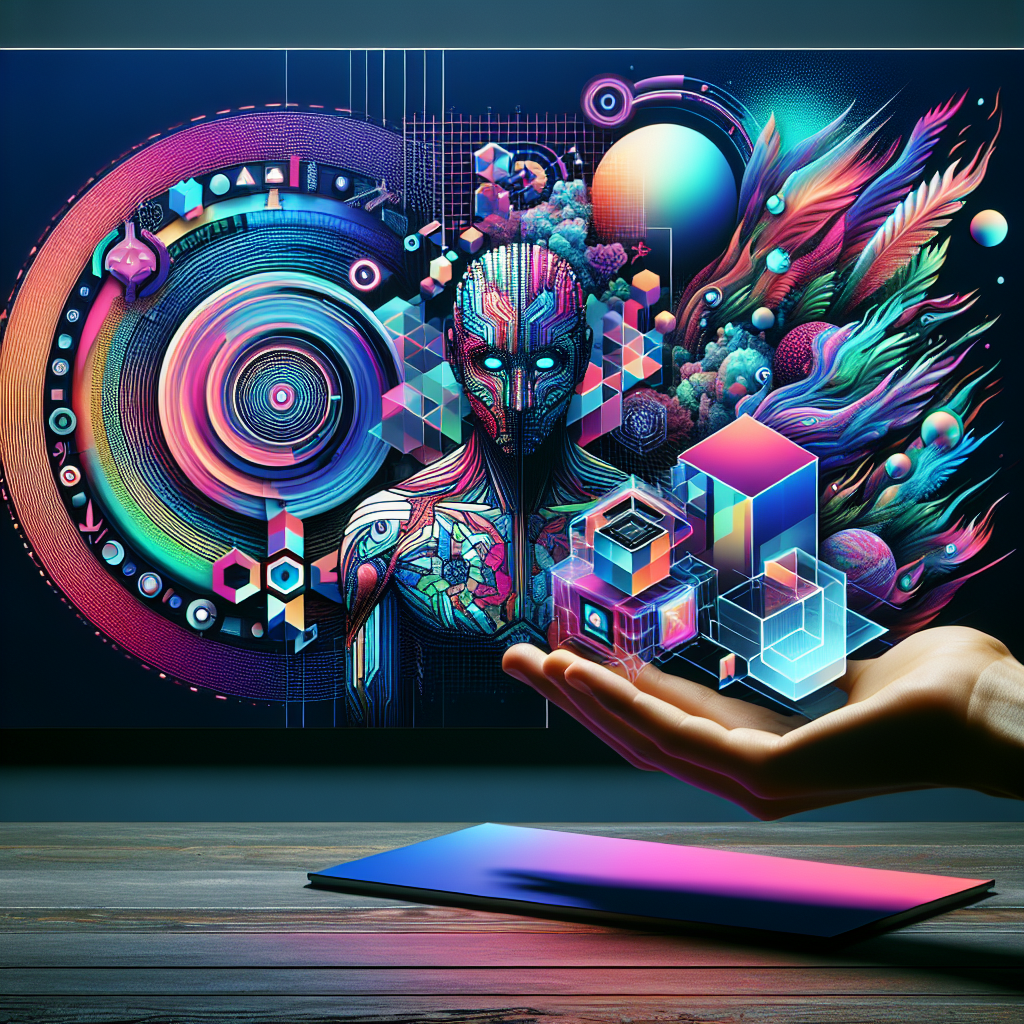
Digital art has become an integral part of today’s creative landscape, evolving rapidly alongside technological advancements. As tools and platforms continue to develop, artists find new ways to express themselves, pushing the boundaries of what is possible in the digital realm. This article explores the emerging trends in digital art, offering a glimpse into the innovative practices that are shaping the future of this dynamic field.

Exploring Emerging Trends in Digital Art Today

1. The Rise of NFTs and Blockchain Technology

Non-fungible tokens (NFTs) have revolutionized the digital art world by providing artists with a new way to monetize their work. By leveraging blockchain technology, NFTs offer a unique form of provenance and ownership for digital creations, addressing long-standing issues of copyright and duplication. This trend has not only opened new revenue streams for artists but also attracted a broader audience to digital art. As NFTs continue to gain popularity, they are driving a surge of interest and investment in digital art, encouraging artists to explore innovative approaches and expand their creative horizons.

2. Augmented Reality (AR) and Virtual Reality (VR) Art

Augmented reality (AR) and virtual reality (VR) are transforming how audiences experience art, offering immersive and interactive environments that challenge traditional perceptions. Artists are increasingly using these technologies to create works that engage viewers in novel ways, blending the physical and digital worlds. AR and VR art installations allow spectators to interact with artworks, explore different perspectives, and even become part of the creative process. This trend is redefining the relationship between art and audience, creating a more dynamic and participatory experience.

3. AI and Generative Art

Artificial intelligence (AI) is playing an increasingly prominent role in the creation of digital art. Generative art, which uses algorithms and machine learning to produce artwork, is gaining traction as artists explore the potential of AI as a creative partner. This trend allows for the creation of complex, intricate patterns and designs that were previously unimaginable. While some purists may question the authenticity of AI-generated art, it opens up new possibilities for collaboration between human creativity and machine intelligence. As AI technology continues to evolve, it is likely to further influence the digital art landscape.

4. Social Media’s Impact on Digital Art

Social media platforms have become crucial for digital artists, providing a space to showcase their work, connect with global audiences, and engage with fellow creators. This trend has democratized access to art, allowing artists to gain visibility without the need for traditional gallery representation. Social media also fosters the formation of online communities, where artists can share techniques, offer feedback, and collaborate on projects. As digital art becomes increasingly accessible, social media continues to shape the way art is created, shared, and consumed.

The digital art landscape is constantly evolving, influenced by technological advancements and shifting cultural paradigms. As artists continue to experiment with new tools and platforms, they are redefining the boundaries of creativity and expression. The trends discussed in this article highlight the innovative spirit driving digital art today, offering a glimpse into a future where technology and artistry are increasingly intertwined. As these trends continue to develop, they will undoubtedly inspire new forms of digital expression and expand the possibilities for artists and audiences alike.

Technology-Infused Art

In the ever-evolving landscape of creativity, the fusion of art and technology has emerged as a groundbreaking phenomenon. As artists and technologists collaborate to push the boundaries of what is possible, a new realm of expression is born—technology-infused art. This innovative genre not only redefines traditional artistic practices but also invites audiences to engage with art in unprecedented ways. In this article, we explore the dynamic intersection of art and technology, a space where creativity knows no bounds.

Exploring the Intersection of Art and Technology

The intersection of art and technology is a vibrant and transformative space where the traditional boundaries of artistic expression are continually being redefined. This convergence allows artists to employ cutting-edge tools and methodologies, from virtual reality and artificial intelligence to interactive installations and digital media. As a result, art becomes a multidimensional experience, engaging audiences in new and immersive ways. Technology-infused art challenges conventional perceptions by incorporating elements such as motion, sound, and interactivity, thus creating a dialogue between the artist, the technology, and the viewer. This intersection not only enhances the aesthetic experience but also opens up a myriad of possibilities for storytelling, communication, and emotional connection, making art more accessible and relevant in our digital age.

As we continue to navigate the complexities of the digital era, the fusion of art and technology stands as a testament to human creativity and innovation. Technology-infused art not only enriches our cultural landscape but also serves as a catalyst for reflection on the role of technology in our lives. By embracing this intersection, artists and audiences alike are invited to explore new dimensions of creativity, where the only limit is the extent of our imagination. As we look to the future, the possibilities for technology-infused art are boundless, promising to reshape our understanding of art and its impact on society.

Digital Art

Digital art, a dynamic and ever-evolving form of artistic expression, has fundamentally transformed the way we create, experience, and interpret art. With its roots tracing back to the advent of computer technology, digital art has expanded beyond traditional boundaries, offering artists new tools and platforms to explore their creativity. This article delves into the evolution of digital art, examining its growth and the profound impact it has had on both the art world and society at large.

The Origins and Evolution of Digital Art

Digital art began its journey in the early 1960s when computers were first used to create simple graphic designs and animations. As technology advanced, artists began experimenting with computer-generated imagery, leading to the development of various digital art forms, including pixel art, digital painting, and 3D modeling. The proliferation of personal computers and graphic software in the 1980s and 1990s democratized digital art, allowing a wider range of artists to explore this new medium. The 21st century witnessed a significant surge in digital art’s popularity, driven by internet access, social media platforms, and the rise of new technologies such as virtual reality and artificial intelligence. Today, digital art encompasses a vast array of styles and techniques, constantly evolving with technological innovations.

The Impact of Digital Art on the Art World

Digital art has significantly impacted the traditional art world by challenging conventional notions of art creation and distribution. It has democratized art-making, enabling artists from diverse backgrounds to share their work with global audiences, often bypassing traditional gatekeepers like galleries and museums. The digital medium also offers unprecedented flexibility, allowing artists to experiment with new forms and techniques without the constraints of physical materials. Additionally, digital art has expanded the boundaries of art consumption, with virtual galleries and online platforms offering immersive and interactive experiences. This transformation has not only broadened the audience for art but also fostered a more inclusive and diverse artistic community.

The Societal Influences of Digital Art

Beyond the art world, digital art has left a significant mark on society by influencing culture, communication, and personal expression. It has become a powerful tool for social commentary, enabling artists to address contemporary issues such as politics, identity, and the environment in innovative and accessible ways. Digital art has also played a pivotal role in the rise of internet culture, with memes, GIFs, and digital illustrations becoming integral parts of online communication. Furthermore, digital art has empowered individuals to explore their creativity and share their perspectives, contributing to the democratization of creative expression. As digital art continues to evolve, it will undoubtedly shape the cultural landscape, reflecting and influencing the values and concerns of society.

As digital art continues to gain prominence, its influence on both the art world and society is undeniable. It represents a confluence of technology and creativity, offering limitless possibilities for artistic expression and cultural dialogue. As we move further into the digital age, digital art will likely continue to push boundaries, challenge conventions, and inspire new generations of artists and audiences alike. Its evolution is a testament to the transformative power of technology in art and a reflection of the ever-changing landscape of human creativity.

AI Art

Artificial Intelligence (AI) has permeated various facets of human life, and the art world is no exception. AI art, a burgeoning field at the intersection of technology and creativity, is transforming how art is conceptualized, created, and consumed. This article delves into the evolution and impact of AI art, exploring how it challenges traditional artistic boundaries and its implications for the future of creativity.

Exploring the Evolution of AI Art

The evolution of AI art can be traced back to the early experiments with computer-generated imagery in the mid-20th century. Initially, these endeavors were limited by the technological constraints of the time, but they laid the groundwork for future innovations. As computational power increased and machine learning algorithms became more sophisticated, AI’s role in art expanded significantly. The 2010s witnessed a surge in AI art, with generative adversarial networks (GANs) playing a pivotal role. These networks enable machines to create artworks by learning from vast datasets of existing art, blending styles, and even generating entirely new aesthetics. Today, AI art encompasses a wide array of forms, from digital paintings and sculptures to music and poetry, showcasing the versatility and creative potential of artificial intelligence.

The Impact of AI Art

AI art’s impact on the art world is as profound as it is multifaceted. On one hand, it democratizes the creation of art by providing tools that allow individuals without traditional artistic skills to produce compelling works. This democratization challenges the conventional notion of the artist as a solitary genius, opening up new dialogues about authorship and creativity. On the other hand, AI art raises questions about originality and the value of human touch in artistic expression. Critics argue that while AI can mimic styles and generate novel compositions, it lacks the emotional depth and intentionality that characterize human-created art. Despite these debates, AI art has undeniably expanded the boundaries of what is considered art, prompting museums, galleries, and collectors to reevaluate their definitions and embrace the possibilities of this technological frontier.

As AI continues to evolve, so too will its influence on the art world. The ongoing dialogue between technology and creativity promises to yield further innovations, pushing the boundaries of artistic expression and challenging our understanding of creativity itself. While AI art may never fully replace the nuanced and emotive qualities of human-made art, its role as a collaborator and tool in the creative process is likely to grow. Ultimately, AI art represents a dynamic fusion of human ingenuity and machine learning, offering a glimpse into a future where art and technology are inextricably linked.

Blockchain in Modern Elections: Benefits, Risks, and Real-World Trials

0
Blockchain in Modern Elections: Benefits, Risks, and Real-World Trials


Could blockchain technology change how we vote? With its potential to improve transparency, security, and efficiency, blockchain voting is sparking global interest and debate. But like any new technology, it comes with challenges, leaving many wondering if it’s the right solution for modern democracy.

Why Blockchain Voting Could Work

There’s a lot to like about blockchain voting. It creates a digital ledger that’s virtually tamper-proof. Every vote is recorded securely and accurately, reducing the risk of fraud. Proponents say this will restore trust in elections, especially in places where people don’t trust the results.

Transparency is one of blockchain’s biggest selling points. Because everything happens on a decentralized system, voters can track the process in real-time. In Romania’s 2024 presidential elections, blockchain technology is letting citizens do just that. For the first time, people can follow the vote count live, knowing every ballot was verified by secure systems.

Another big benefit is accessibility. Voting can be hard for people who can’t get to polling stations—whether it’s because of mobility issues, remote locations, or scheduling conflicts. Blockchain makes online voting possible, letting people cast their votes from home.

And then there’s cost. By eliminating physical infrastructure like polling stations and paper ballots, blockchain can save money and speed up results. It’s a win-win for voters and election officials.

For example, Switzerland tested blockchain voting in a proof-of-concept e-vote in Zug, where 72 digital ID holders voted in an online consultative vote in 2018. The test was a success, met most of the technical requirements and provided valuable insights for future decentralized voting solutions.

Romania Presidential Elections on the Blockchain

The Roadblocks

For all its virtues, blockchain voting isn’t without its flaws. Security is still a big issue. While blockchain itself is hard to hack, the process isn’t foolproof. Votes can be manipulated before they even get to the blockchain, and the system is vulnerable to cyber-attacks.

Another challenge is to let voters verify their ballots without giving up their privacy. People need to know their vote is counted, but they also need to feel that no one else can see how they vote. Furthermore, most governments would be unlikely to accept the risk of a voter losing their right to vote due to a damaged hard drive or losing their digital keys.

Going to blockchain voting won’t be cheap either. Countries would need to invest in new infrastructure, train election officials and educate the public about how it works. It’s a big ask, especially for countries that are already struggling with their current systems.

Romania Leading the Way

Romania is showing that blockchain voting isn’t just an idea—it’s already happening. In the 2024 presidential elections, Romania is implementing blockchain for the monitoring and counting of votes. Citizens can see the results in real-time thanks to a system that uses complex codes to verify each ballot.

Romania’s blockchain system is connected to the European Blockchain Services Infrastructure, as well as other European countries. This is how blockchain can scale for international use and create a more unified and transparent voting system.

Romania’s blockchain voting system wasn’t just about transparency. It also connects to the European Blockchain Services Infrastructure (EBSI), a network of 27 countries. This is how blockchain can work across borders, making voting systems more harmonized and efficient.

Romania started its blockchain journey earlier in the 2020 parliamentary elections. Back then, the technology was used to provide tamper-proof data on voter turnout and streamline post-election reporting. The results were encouraging, showing how blockchain can simplify election management and increase public trust.

Could Soulbound NFTs Be the Answer?

A newer idea is the use of Soulbound NFTs (SBTs) in elections. These unique, non-transferable digital tokens could change how voter identities are verified.

Here’s how it could work: voters receive an SBT as a digital ID once their eligibility is confirmed. This ID can be tied to secure authentication methods like biometric data so only authorized individuals can vote. SBTs can even track if someone has already voted, so no double voting.

SBTs can also make voting more accessible. As digital keys, they can allow people to vote online securely from anywhere. Imagine the turnout if people didn’t have to leave their homes to have their say.

Of course, this is all speculative for now. SBTs would need to address the same issues as blockchain—like privacy, security and cost. However, the idea shows how blockchain and related tech can evolve to make voting more inclusive and secure.

A Glimpse Into the Future

Blockchain voting has potential, from making elections more transparent to increasing accessibility. Countries like Romania are showing what’s possible when technology meets governance.

But the challenges are real. Security risks, high costs, and public scepticism remain major obstacles. And while concepts like Soulbound NFTs add possibilities, they’re still in the early stages.

The road ahead will require careful planning, rigorous testing, and trust from voters. If blockchain can rise to these challenges, it might just redefine how we vote.

Editor’s note: Written with the assistance of AI – Edited and fact-checked by Jason Newey.

Jason Newey

Jason Newey is a seasoned journalist specializing in NFTs, the Metaverse, and Web3 technologies. With a background in digital media and blockchain technology, he adeptly translates complex concepts into engaging, informative articles.

View all posts


Source link

Delabs Brings Boxing Star to Telegram: Here’s What to Expect

0
Delabs Brings Boxing Star to Telegram: Here’s What to Expect


The gaming world is abuzz with news of Delabs Games’ latest move—bringing the popular mobile game Boxing Star to Telegram. This transition marks a bold step into the evolving landscape of social and blockchain gaming. With a planned release in Q3 2025, here’s what we know about this exciting development and what it means for gamers and the Telegram ecosystem.

Delabs Games’ Latest Offering

Transitioning to the Open Network

Delabs Games, a renowned South Korean game developer, is taking its flagship title, Boxing Star, to new heights by adapting it for Telegram. This move isn’t just about platform expansion—it’s a strategic pivot. After securing funding from TON Ventures and a private investor, Delabs is embracing Telegram’s open network, aiming to tap into its burgeoning crypto-gaming community.

This decision positions Delabs Games to be a trailblazer in the Web3 gaming revolution, leveraging Telegram’s unique features and robust user base to engage a broader audience.

Key Features and Gameplay

Bringing Boxing Star to Telegram involves more than just a port of the game—it’s a transformation tailored to the platform. Here’s what players can look forward to:

Social Integration: Telegram’s group chats and bots will enable enhanced social features, allowing players to form alliances, engage in real-time battles, and share in-game progress effortlessly.

Mid-Core Gameplay: Designed for casual gamers who enjoy immersive experiences, Boxing Star on Telegram promises action-packed gameplay that balances fun and strategy.

Web2-Web3 Integration: Delabs aims to seamlessly merge traditional gaming elements with blockchain technology, offering players new earning opportunities and asset ownership.

Proven Expertise: Delabs’ parent company, 4:33 Creative Lab, has a strong track record of integrating games with social platforms, ensuring a smooth and engaging user experience.

This adaptation underscores Delabs’ focus on innovation, combining familiar gameplay with Telegram’s unique environment.

Impact and Future Prospects

The original Boxing Star is a massive hit, boasting over 70 million downloads globally. Its transition to Telegram is expected to not only expand its audience but also solidify Telegram as a gaming hub.

Strategic Vision

By targeting Telegram’s crypto-savvy user base, Delabs Games is positioning itself at the forefront of social gaming. The platform’s user-friendly blockchain tools and growing reputation in Web3 gaming make it an ideal choice. The support from TON Ventures adds further momentum, equipping Delabs with the resources and network to drive innovation.

Delabs Games’ strategic partnerships and upcoming releases signal a future where Boxing Star is more than just a game—it’s a community-driven experience.

Telegram’s Unique Role

Why Telegram? Let’s unpack why this platform is the perfect fit for Boxing Star:

User Base Demographics: Telegram boasts 800 million active users, many of whom are familiar with crypto, blockchain, and Web3 technologies. This tech-savvy audience provides a fertile ground for blockchain-enabled games.

Innovative Features: Telegram’s bot ecosystem and group functionalities allow for features like automated matchmaking, in-game notifications, and community-driven tournaments. These tools enhance user engagement and simplify onboarding.

Web3 Ecosystem: As a key player in the crypto space, Telegram’s integration with The Open Network (TON) enables frictionless blockchain gaming. Its native wallet, low transaction fees, and scalability make it ideal for Web3 gaming experiences.

Competitive Edge: Unlike traditional gaming platforms, Telegram combines social interaction with blockchain functionality, creating a unique ecosystem for developers and players.

Compared to other blockchains, TON’s efficiency and Telegram’s existing infrastructure give Delabs a significant advantage.

Conclusion

The release of Boxing Star Telegram is more than a game launch—it’s a glimpse into the future of gaming. With its innovative features, seamless Web2-Web3 integration, and the support of Telegram’s powerful ecosystem, Delabs Games is setting a new standard for blockchain gaming.

As we await the release in Q3 2025, one thing is certain: Boxing Star on Telegram is poised to redefine how we think about social gaming in the Web3 era. Get ready to step into the ring and experience the future of gaming, one punch at a time.

Editor’s note: This article was written with the assistance of AI. Edited and fact-checked by Owen Skelton.

Owen Skelton

Owen Skelton is an experienced journalist and editor with a passion for delivering insightful and engaging content. As Editor-in-Chief, he leads a talented team of writers and editors to create compelling stories that inform and inspire.

View all posts


Source link

Rubik’s Cube Enters the Metaverse with “Rubik’s Run” Game  – Cryptoflies News

0
Rubik’s Cube Enters the Metaverse with “Rubik’s Run” Game  – Cryptoflies News


9

Rubik’s Cube, the iconic 3D puzzle created in 1974, has joined the metaverse with a new themed game called “Rubik’s Run.” 

The game is available on the Roblox platform and offers players a mix of running challenges, obstacle navigation, and puzzle-solving. As players progress, they collect Rubik’s pieces to unlock new puzzle islands.  

The game also includes a collaborative mode where players can work with others to find hidden levels, complete challenges, and access additional content. It also features regular updates and special events that provide opportunities to earn exclusive rewards

“Rubik’s Run” was developed by Spin Master, the company that owns the Rubik’s Cube brand, in partnership with The Gang, a user-generated content (UGC) game development studio. According to current data, the game has already recorded over 41,000 visits.  

Marc De Vellis, Spin Master’s Global Head of Studios for Digital Games, stated, “With Rubik’s Run, we’re expanding the boundaries of what puzzle gaming can be in social platforms.” 

You Might Be Interested In

Max Proctor, CEO at The Gang, added, “Rubik’s Cube has been a cultural icon for 50 years. We’re so excited to bring the legendary puzzle off shelves and to a new audience in the virtual realm on Roblox to celebrate this landmark anniversary.”  

This isn’t Rubik’s Cube’s first move into Web3. In September, as part of the celebrations for its 50th anniversary, the puzzle was featured in a collaboration with the non-fungible token (NFT) project Doodles, which introduced limited edition cubes and NFTs.  

These initiatives place Rubik’s Cube among a growing number of nostalgic games exploring Web3 for a comeback. Last year, for example, Tamagotchi, the handheld digital pet from the 1990s, launched “Tamagotchi Uni,” a device that connects to the metaverse. 


Source link

NFT Game Axie Infinity Creator Cuts 21% of Staff – Cryptoflies News

0
NFT Game Axie Infinity Creator Cuts 21% of Staff – Cryptoflies News


5

Sky Mavis, the Vietnamese company behind the NFT-based game *Axie Infinity* and the Ronin blockchain, has announced a 21% workforce reduction. 

The decision was revealed on November 23 by Sky Mavis co-founder and CEO Trung Nguyen through a post on X (Twitter). In the statement, Nguyen emphasized the company’s plan to narrow its focus moving forward. 

“Rather than trying to build products for all users, we are doubling down on what makes Sky Mavis truly exceptional,” the post stated. 

The company plans to prioritize the Ronin wallet, *Axie Infinity,* a new Axie game, and the expansion of the Ronin Network.

Nguyen explained that the layoffs are not a response to financial struggles but a strategic choice. “In order to better focus on these products and have the agility needed to open Ronin in Q1, we have made the tough decision to let go of 21% of our workforce,” the post continued. 

You Might Be Interested In

He added that this restructuring aims to position Sky Mavis for significant growth in 2025 and beyond.

Layoffs in the Web3 sector have become increasingly common as companies adapt to regulatory and market challenges.

Earlier this month, Alibaba reduced the size of its metaverse unit as part of a broader restructuring. The company plans to continue work on specific metaverse applications and tools despite the cuts.

In April, Yuga Labs, known for the Bored Ape Yacht Club NFT collection, announced layoffs as part of efforts to restructure and adapt to market conditions. Similarly, eBay reevaluated its NFT strategy in February, reportedly including staff reductions at its platform, KnownOrigin.

Last year, OpenSea, one of the leading NFT marketplaces, reduced its workforce while focusing on “OpenSea 2.0,” an initiative aimed at improving technology and user experience.


Source link

Web3 vs. Traditional Gaming: Projected Market Growth and Future Trends

0
Web3 vs. Traditional Gaming: Projected Market Growth and Future Trends


The gaming industry is using blockchain to create decentralized and player-centric experiences. This is changing the traditional gaming model by introducing concepts like true ownership of in-game assets and play-to-earn models and new ways to engage and monetize.

Market Size and Growth

The 2023 Web3 gaming market is projected to reach USD 23,926.0 million and is expected to grow to USD 53,228.2 million by 2033, with a CAGR of 18.7%.

Web3 gaming is driven by several factors. Firstly, the decentralization and ownership enabled by blockchain give players true control over in-game assets; they can trade, sell or use these assets across different platforms.

This is further amplified by the play to earn economy where players can earn real world value through gameplay, gaming is no longer just entertainment but a potential source of income.

Also, Web3 gaming enables interoperability and cross-platform support for a seamless experience across different platforms and increased accessibility and user engagement.

Community driven development also plays a big role, active player involvement in game development fosters loyalty and sense of ownership leading to more engaged communities.

Lastly the security and transparency of blockchain technology ensures the authenticity and scarcity of in-game items and builds trust among players and contributes to the growth of the market.

Web3 Gaming Opportunities

Web3 gaming has many opportunities for developers and stakeholders. By selling in-game assets and services aligned with the play to earn, model developers can tap into new revenue streams. Emerging markets especially regions with growing interest in blockchain has a big potential to expand the Web3 gaming audience.

Blockchain enables unique gaming experiences that differentiate Web3 games from traditional games and innovative gameplay mechanics. Gaming companies, blockchain developers and crypto projects can collaborate and partner to drive innovation, increase market penetration and solidify Web3 gaming’s place in the industry.

Web3 Gaming vs Traditional Gaming

Traditional gaming is still big, Web3 gaming is an adjacent market not a disruptor. Blockchain integration brings new experiences and monetization models that can coexist with traditional gaming and give players more choice.

Traditional console gaming, while offering great experiences, has its limitations. Players face high costs of hardware and games. In-game purchases don’t grant true ownership, players can’t resell or gift digital items. A study found that gamers will spend over £6,000 on virtual items in their lifetime, many are frustrated that they can’t resell these purchases.

In traditional gaming players invest heavily in virtual items and can’t get their money back. Average monthly in-game spend is £8.33, total annual spend is £96.40.

In contrast Web3 gaming offers financial returns as players can resell or trade in-game assets and make profit.

Recent events are shaping the future of Web3 gaming. Traditional gaming companies are entering Web3, the merge of traditional and decentralized gaming is happening. For example Ubisoft has entered the NFT space with “Champions Tactics: Grimoria Chronicles” but the reception is mixed.

The regulatory landscape around cryptocurrency and blockchain is changing and developers and investors need to be agile. Technological advancements are solving previous limitations and making Web3 gaming more viable. But cryptocurrency fluctuations can impact the value of in-game assets and player investment and market stability.

Final Thoughts

Web3 gaming will become significant, driven by innovation and player expectations. Balancing the interests of all stakeholders will be crucial. As this evolves, the convergence of traditional and decentralized gaming will define the future of gaming.

Editor’s note: This article was written with the assistance of AI. Edited and fact-checked by Owen Skelton.

Owen Skelton

Owen Skelton is an experienced journalist and editor with a passion for delivering insightful and engaging content. As Editor-in-Chief, he leads a talented team of writers and editors to create compelling stories that inform and inspire.

View all posts


Source link

StreamGuy and the Truman Show Effect: A New Chapter for Blockchain and Reality Entertainment | NFT CULTURE | NFT News | Web3 Culture | NFTs & Crypto Art

0
StreamGuy and the Truman Show Effect: A New Chapter for Blockchain and Reality Entertainment | NFT CULTURE | NFT News | Web3 Culture | NFTs & Crypto Art


As blockchain technology continues to disrupt industries, StreamGuy and the live-streaming meta on PumpFun are shaping up to be one of the most fascinating—and chaotic—use cases to date. At its core, StreamGuy’s mission is straightforward: pump his $LIVE token to a $100 million market cap through livestreamed antics. But as the spectacle unfolds, it’s becoming clear that this is about more than just financial gains. It’s a case study in the merging of reality TV, decentralized technology, and digital culture.

StreamGuy as the Truman Show 2.0

StreamGuy’s journey mirrors the premise of The Truman Show, where viewers tuned in daily to witness the unfiltered life of one man. However, unlike Truman, who was unaware of his audience, StreamGuy is acutely aware—and is leveraging that attention to fuel his token. It’s reality TV for the blockchain generation, with a twist: viewers aren’t just passive spectators; they’re stakeholders in the outcome.

Novel Blockchain Use Cases Highlighted

Tokenized Reality TV: By tying a live-streamer’s success directly to a blockchain token, StreamGuy has created a new model for monetizing attention. Every wild stunt translates into token activity, creating a feedback loop where viewers, fans, and investors are equally invested in the narrative.
Gamification of Spectatorship: In the StreamGuy meta, watching isn’t just entertainment—it’s participation. The more viewers engage, the more value they can drive to $LIVE, blurring the lines between audience and influencer.
Decentralized Funding Models: Instead of relying on traditional sponsors or ad revenue, StreamGuy’s project is entirely funded and governed by his audience through blockchain.

The $100M Market Cap Dream That Slips Further Away

Despite the innovation, StreamGuy’s journey is veering off course. The lofty goal of hitting a $100 million market cap seems increasingly unlikely as attention fragments and the antics lose their novelty. But the true legacy of StreamGuy might not be in hitting that number—it’s in proving what’s possible.

Like the earliest reality TV pioneers, StreamGuy will likely go down as an innovator who laid the groundwork for future creators. Even if his token doesn’t reach the moon, his influence on how blockchain can power new entertainment ecosystems is undeniable.

A Blueprint for the Future of Blockchain Entertainment

StreamGuy’s experiment might fail financially, but the conceptual breakthroughs will resonate:

The Convergence of Creator Economies and Blockchain: His model shows how creators can bypass traditional platforms, building a direct economic relationship with their audience.
Decentralized Reality Shows: Imagine a world where reality TV stars tokenize their lives, offering fans the ability to shape the narrative—or profit from the journey.
Hyper-Personalized Content: StreamGuy demonstrates the potential for a one-to-one economy where influencers and fans share financial incentives.

From Spectacle to Legacy

While StreamGuy may never achieve the $100 million market cap dream, he will be remembered as one of the earliest blockchain entertainers to push the boundaries of what’s possible. His antics—ridiculous as they may be—have introduced a new way to think about live streaming, audience engagement, and creator monetization. Future creators will likely refine and perfect his model, building on the foundation he’s set.

The Takeaway

StreamGuy represents a glimpse into the future of blockchain-powered entertainment. Like The Truman Show or the dawn of reality TV, his journey is a moment of experimentation and transformation. Whether or not his token reaches its financial goals, he’s already succeeded in pioneering a novel, if not chaotic, use case for blockchain. As history shows, being first often matters more than being the biggest.


Source link

Popular Posts

My Favorites

Ripple is applying for a national bank charter, LET Mining creates...

New York City, NY, July 06, 2025 (GLOBE NEWSWIRE) — Ripple (XRP) has ended its battle with the U.S. Securities and Exchange Commission...