Arts

Home Arts Page 127

Emerging Voices: Today’s Pioneers in Digital Art
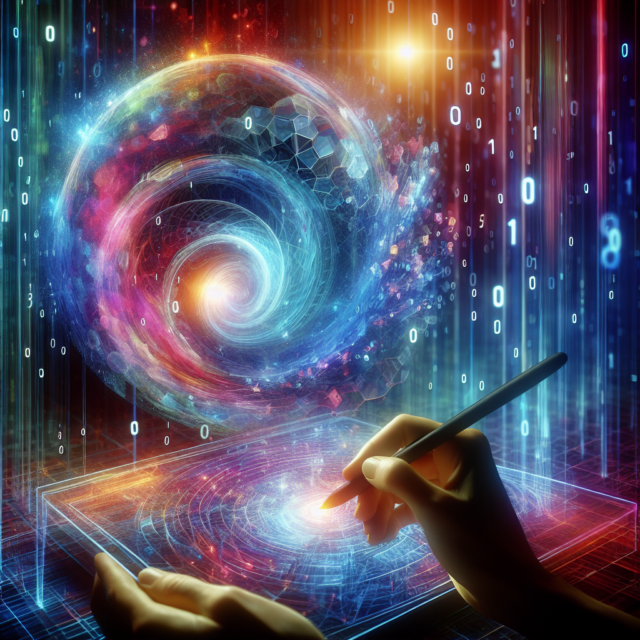
In the ever-evolving landscape of art, digital art has emerged as a vibrant and transformative force, reshaping how we perceive and interact with creativity. With technology as their canvas, today’s digital artists are redefining traditional boundaries, creating a dynamic and inclusive global art scene. This article explores the pioneering voices in digital art, delves into the innovative techniques and tools they employ, and examines the profound impact of digital art on global culture.

Unveiling the Innovators of Digital Art Today

Digital art is a realm that thrives on innovation and experimentation, and at its forefront are a new generation of artists who are pushing the boundaries of creativity. These emerging voices are not confined to any single style or medium; instead, they are characterized by their diverse approaches and unique perspectives. From virtual reality installations to intricate digital illustrations, these artists are exploring new dimensions and possibilities that were previously unimaginable.

One such pioneer is Beeple, whose real name is Mike Winkelmann. He gained international recognition with his project "Everydays: The First 5000 Days," a digital collage that sold for a staggering $69 million at a Christie’s auction. Beeple’s work exemplifies the fusion of art and technology, as he meticulously creates a piece of digital art every day, showcasing the evolution of his style and the limitless potential of digital media.

Another notable figure is Refik Anadol, a media artist and director known for his immersive installations that blend art, architecture, and artificial intelligence. Anadol’s works often involve data-driven narratives, where he transforms vast datasets into mesmerizing visual experiences. His projects, such as "Melting Memories" and "Infinity Room," invite viewers to engage with art in entirely new ways, blurring the lines between the virtual and the real.

Then there’s Krista Kim, a digital artist and founder of the Techism movement, which advocates for the convergence of art and technology. Kim’s work often features vibrant gradients and minimalist compositions, reflecting her belief in the healing power of digital art. Her Mars House, a digital home sold as an NFT, represents a groundbreaking step in the intersection of digital and physical spaces.

In addition to individual artists, collectives like TeamLab are making waves in the digital art scene. Based in Tokyo, TeamLab is an interdisciplinary group of artists, programmers, and engineers who create interactive digital installations that redefine the viewer’s relationship with art. Their work, such as "Borderless" and "Planets," exemplifies the collaborative nature of digital art and its potential to create immersive experiences.

These innovators, among many others, are not only transforming the art world but also challenging societal norms and expectations. By embracing technology as a tool for expression, they are paving the way for future generations of artists to explore new realms of creativity.

Exploring Techniques and Tools of Modern Creators

The tools and techniques employed by modern digital artists are as varied and dynamic as the art they produce. At the heart of digital creation is software, with programs like Adobe Photoshop, Procreate, and Blender serving as essential tools for artists across the globe. These platforms offer a wide range of possibilities, allowing artists to manipulate images, create 3D models, and experiment with textures and colors in ways that traditional media cannot.

Virtual reality (VR) and augmented reality (AR) have also become integral to the digital art process. Artists like Rachel Rossin use VR to create immersive environments that challenge the viewer’s perception of space and reality. By incorporating VR and AR, artists can expand their canvases beyond the physical world, inviting audiences to step into their creations and experience art from within.

Artificial intelligence (AI) is another groundbreaking tool in the digital artist’s arsenal. Artists like Mario Klingemann, known for his work with neural networks, use AI to generate art that is both unpredictable and thought-provoking. By training algorithms on vast datasets, these artists can produce unique pieces that blur the line between human and machine creativity.

The rise of blockchain technology and non-fungible tokens (NFTs) has revolutionized the way digital art is bought, sold, and owned. NFTs provide a new avenue for artists to monetize their work while ensuring authenticity and provenance. This technology has democratized the art market, allowing artists from all backgrounds to reach global audiences without the need for traditional galleries or intermediaries.

Collaborative platforms and social media have also played a pivotal role in the digital art landscape. Websites like DeviantArt and ArtStation offer artists a space to share their work, receive feedback, and engage with a global community. Social media platforms like Instagram and TikTok allow artists to reach a broader audience, fostering a sense of community and collaboration among creators worldwide.

Finally, the accessibility of digital art tools has empowered a new generation of artists who may not have had the resources or opportunities to pursue traditional art forms. With a computer and an internet connection, anyone can explore their creative potential, leading to a more diverse and inclusive art scene.

The Impact of Digital Art on Global Culture

Digital art’s influence extends far beyond the confines of the art world, permeating various aspects of global culture and society. As digital technologies become increasingly integrated into daily life, digital art has become a powerful medium for commentary and reflection on contemporary issues. Artists use their digital creations to address topics such as climate change, social justice, and the digital divide, sparking conversations and inspiring change.

The accessibility and shareability of digital art have also contributed to its cultural impact. Unlike traditional art forms, digital art can be easily disseminated across the internet, reaching a global audience in a matter of seconds. This has led to a democratization of art, where creators from diverse backgrounds can share their perspectives and engage with viewers worldwide.

In the realm of entertainment, digital art plays a crucial role in shaping visual narratives. From video games to films, digital artists create immersive worlds that captivate audiences and push the boundaries of storytelling. The rise of virtual concerts and digital performances, especially during the COVID-19 pandemic, highlights the potential of digital art to create new forms of cultural experiences that transcend physical limitations.

Digital art has also influenced the fashion and design industries, with designers incorporating digital elements into their creations. Virtual fashion shows and digital clothing collections are becoming more prevalent, showcasing the versatility and innovation of digital art in redefining traditional industries.

Moreover, the rise of NFTs and blockchain technology has sparked debates about the value and ownership of digital art. These discussions have challenged conventional notions of art and commerce, prompting a reevaluation of what it means to create, own, and experience art in the digital age.

As digital art continues to evolve, it serves as a bridge between technology and culture, reflecting the complexities and possibilities of our interconnected world. By embracing digital art, societies can foster a greater appreciation for innovation, creativity, and the diverse voices that shape our global cultural landscape.

Digital art is more than just a new medium; it is a movement that is reshaping the cultural and creative landscapes of the 21st century. The pioneers of digital art today are not only redefining artistic expression but also challenging societal norms and expanding the boundaries of what is possible. By exploring the innovative techniques and tools of modern creators, we gain insight into the limitless potential of this dynamic field. As digital art continues to influence global culture, it offers a glimpse into a future where creativity knows no bounds and where art is accessible to all.
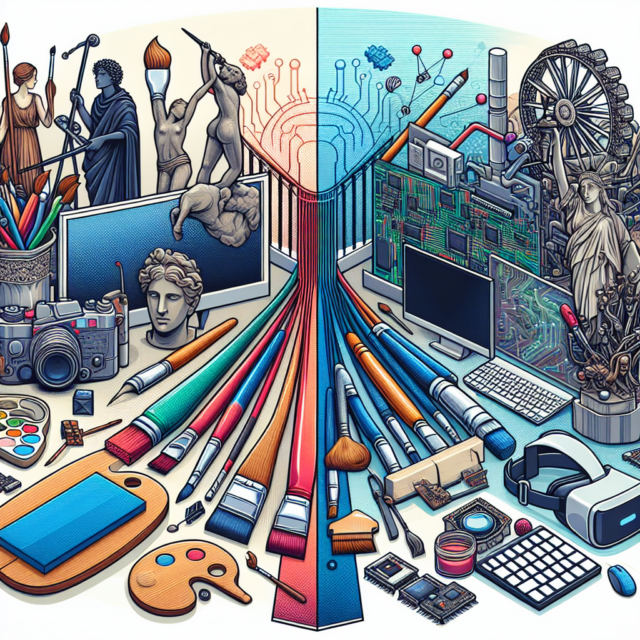
Exploring the Intersection of Technology and Art

The realms of technology and art have historically been viewed as disparate domains—one rooted in logic and the other in emotion. However, in recent years, the line between these two fields has become increasingly blurred. Artists and technologists are coming together to explore new possibilities, creating a dynamic interplay that is reshaping how we perceive both art and innovation. This article delves into the fascinating intersection of technology and art, examining how digital tools are transforming artistic expression and bridging the gap between traditional and digital mediums.

Unveiling the Fusion of Creativity and Innovation

The fusion of creativity and innovation is no longer a mere concept; it is a reality that is being manifested in various forms across the globe. Artists are leveraging technology to push the boundaries of their craft, exploring new mediums and techniques. This fusion allows for the creation of artwork that is not only visually stunning but also intellectually stimulating, challenging traditional notions of what art can be. Through the use of algorithms and artificial intelligence, artists are able to generate complex patterns and designs that were previously unimaginable.

Moreover, technology has democratized the art world, providing artists with tools that were once accessible only to those with significant resources. Digital platforms have emerged as powerful venues for showcasing and selling art, enabling artists to reach global audiences without the constraints of physical galleries. This accessibility has led to a surge in creativity, as artists from diverse backgrounds and cultures can share their unique perspectives and collaborate across geographical boundaries.

In addition, the fusion of technology and art has given rise to interactive and immersive experiences that engage audiences in unprecedented ways. Virtual reality (VR) and augmented reality (AR) are being used to create environments that allow viewers to step inside a piece of art, experiencing it from multiple dimensions. This interactivity transforms passive observers into active participants, fostering a deeper connection between the audience and the artwork.

Artists are also utilizing technology to address contemporary social and environmental issues, creating pieces that provoke thought and inspire change. By blending art with data visualization, artists can communicate complex information in a way that is both accessible and impactful. This intersection of art and technology serves as a powerful tool for advocacy, raising awareness and driving conversations on critical global challenges.

The collaboration between technologists and artists has led to the development of new art forms, such as generative art and digital installations, which challenge traditional definitions of art. These innovative practices are expanding the possibilities for creative expression, allowing artists to explore new narratives and engage with audiences in novel ways. As technology continues to evolve, the potential for artistic innovation is limitless.

Ultimately, the fusion of creativity and innovation is reshaping the art world, offering exciting opportunities for artists and audiences alike. By embracing technology, artists are not only expanding their creative horizons but also redefining the role of art in contemporary society. This dynamic intersection promises to continue evolving, inspiring future generations to explore the limitless possibilities at the crossroads of art and technology.

How Digital Tools Transform Artistic Expression

Digital tools have revolutionized artistic expression, providing artists with new mediums and techniques to explore. One of the most significant transformations has been the rise of digital painting, which allows artists to create intricate works of art using software and styluses. This medium offers a level of precision and flexibility that is difficult to achieve with traditional paintbrushes, enabling artists to experiment with colors, textures, and styles without the constraints of physical materials.

The advent of 3D modeling software has also opened up new possibilities for artists, allowing them to create complex sculptures and installations in virtual spaces. These tools enable artists to visualize and manipulate their creations in ways that were previously impossible, pushing the boundaries of what can be achieved in the realm of sculpture. The ability to print these digital models using 3D printers further blurs the line between the digital and physical worlds, bringing virtual creations to life.

Digital tools have also transformed the way artists collaborate and share their work. Online platforms and social media have become vital spaces for artists to connect, share their creations, and receive feedback from a global audience. This interconnectedness fosters a sense of community and collaboration, allowing artists to draw inspiration from one another and explore new ideas collectively. The digital realm has become a melting pot of creativity, where artists can experiment and innovate without the limitations of geography or traditional gatekeepers.

Furthermore, digital tools have democratized access to art education, providing aspiring artists with resources and tutorials that were once only available in formal settings. Online courses and tutorials have made it possible for individuals to learn new techniques and develop their skills at their own pace, regardless of their location or financial means. This accessibility has empowered a new generation of artists, who are using digital tools to express their unique voices and challenge conventional norms.

The integration of artificial intelligence (AI) in the creative process is another way digital tools are transforming artistic expression. AI algorithms can assist artists in generating new ideas, patterns, and compositions, serving as a collaborative partner in the creative process. While some may argue that AI-generated art lacks the human touch, others see it as an opportunity to explore new forms of expression and push the boundaries of creativity.

Ultimately, digital tools have expanded the possibilities for artistic expression, offering artists new ways to create, collaborate, and share their work. As technology continues to advance, the potential for innovation in the art world is boundless. Artists who embrace these tools are not only redefining their craft but also challenging traditional notions of what art can be in the digital age.

Bridging the Gap Between Pixels and Paintbrushes

The convergence of digital and traditional art forms is bridging the gap between pixels and paintbrushes, creating a hybrid space where artists can explore the best of both worlds. This intersection allows for a seamless blending of techniques, enabling artists to incorporate digital elements into traditional artworks and vice versa. By merging these mediums, artists are able to create pieces that are rich in texture, depth, and complexity, offering viewers a unique visual experience.

One of the ways artists are bridging this gap is through the use of mixed media, combining digital prints with traditional materials such as paint, charcoal, and ink. This fusion allows artists to experiment with different textures and layers, adding a tactile quality to digital works. By integrating digital components into traditional art, artists can create pieces that are both innovative and grounded in the physical world, challenging the notion that digital art is less "real" than its traditional counterparts.

Another approach to bridging the gap between pixels and paintbrushes is the use of digital techniques to enhance traditional artworks. For example, artists can use digital software to plan compositions, experiment with color palettes, or refine details before committing to a physical canvas. This process allows for greater precision and flexibility, enabling artists to push the boundaries of their craft while maintaining the authenticity of traditional techniques.

The rise of digital art galleries and exhibitions is also contributing to the convergence of digital and traditional art forms. These platforms provide artists with opportunities to showcase their work in both virtual and physical spaces, reaching a wider audience and challenging traditional perceptions of art. By embracing digital technologies, galleries can create immersive and interactive experiences that engage viewers in new and exciting ways, further blurring the line between the digital and physical realms.

Educational institutions are also playing a role in bridging the gap between pixels and paintbrushes by incorporating digital art courses into their curricula. By teaching students how to integrate digital tools with traditional techniques, educators are preparing the next generation of artists to navigate the evolving landscape of art and technology. This holistic approach to art education encourages students to embrace innovation while respecting the rich history of traditional art forms.

Ultimately, the convergence of digital and traditional art forms is creating a dynamic and inclusive space for artistic expression. By bridging the gap between pixels and paintbrushes, artists are able to explore new possibilities and create works that are both innovative and grounded in tradition. This intersection not only enriches the art world but also invites audiences to experience art in new and transformative ways.

The intersection of technology and art is a testament to the power of human creativity and innovation. As artists continue to explore new tools and techniques, they are redefining the boundaries of their craft and challenging conventional notions of what art can be. This dynamic interplay between technology and art promises to inspire future generations, fostering a culture of creativity and exploration that transcends traditional boundaries. As we look to the future, the possibilities at the crossroads of art and technology are limitless, offering exciting opportunities for artists and audiences alike to experience and engage with art in new and transformative ways.

NFTs in 2025: Key Trends, Innovations, and Market Shifts

0
NFTs in 2025: Key Trends, Innovations, and Market Shifts


I still remember the first time I came across an NFT (Non-Fungible Token). It was early 2021, and digital collectibles were making headlines for eye-popping auction prices. Back then, most of us were intrigued by the idea of “owning” a piece of digital art. But we also wondered if it was just another passing fad. Fast forward to today, and NFTs have gone through several cycles of hype, skepticism, and reinvention. Now, as we look ahead to 2025, it feels like we’re standing on the edge of a brand-new era—one where NFTs might finally leave behind the rollercoaster days of raw speculation and move towards a broader, more meaningful role across many different industries.

A Brief Definition of NFTs

NFTs are digital tokens that live on a blockchain and prove ownership or authenticity of a particular asset. Instead of just existing as a tradable coin with no specific identity (like a typical cryptocurrency), each NFT has unique data that sets it apart from every other token. While the earliest NFT boom was all about digital art and collectibles, the technology itself can be used for virtually anything—from licensing IP to tokenizing real estate.

In the following sections, I’ll offer my personal take on the future of NFTs. We’ll walk through the major trends that are shaping this landscape, the challenges that remain, and how 2025 might be a watershed moment, shifting NFTs from a niche curiosity to a foundational building block of our digital and physical worlds.

The Maturation of the NFT Market

From Speculation to Utility

If 2021 and 2022 were marked by a whirlwind of speculation—where it sometimes felt like everyone was just flipping NFTs for quick profits—by 2025, we can expect a more measured approach. Sure, there will still be speculative trading, but I predict a steady pivot toward NFT projects that offer tangible benefits. Think rewards programs, exclusive perks, or real-world services tied to ownership. Projects that only rely on hype will likely fizzle out, while those that focus on long-term utility will thrive.

Regulatory Landscape

Regulations are the elephant in the room. Most governments around the world have been slow to catch up with NFT technology, but that won’t be the case for much longer. As NFTs start representing more valuable assets—from real estate to high-end collectibles—lawmakers and financial authorities will roll out clearer guidelines. While tighter rules may initially feel like an obstacle, they’ll also lend legitimacy. A well-regulated NFT marketplace could attract more traditional investors who’ve been sitting on the sidelines, worried about legal gray areas.

Platforms and Marketplaces

In 2025, I see more specialized NFT platforms cropping up, each targeting a particular niche. Already, we have art-focused marketplaces, music-centric platforms, and gaming-specific ecosystems. The days of having only one or two big players dominating the NFT trading scene might be over. Instead, we’ll likely see curated environments, each providing unique services and experiences to a dedicated community. This decentralization could be a good thing—it encourages competition, better user experiences, and a more diverse ecosystem overall.

NFT Utilities and Real-World Applications

Art, Collectibles, and Beyond

Art and collectibles put NFTs on the map, and I don’t see that changing anytime soon. However, the style of digital art might evolve. Artists could integrate augmented reality elements, immersive virtual gallery experiences, or even real-time updates to the piece based on external data. Beyond pure aesthetics, NFTs will likely become a staple for things like event tickets, backstage passes, or any item that needs verifiable digital ownership. Picture going to a concert where your NFT isn’t just your ticket but also unlocks exclusive content and merch.

Metaverse and Gaming

For anyone who loves gaming, this is where NFTs really shine. Imagine a game world where you actually own your weapons, skins, and in-game property—where you can trade them freely across multiple platforms. Some people believe we’re heading towards a grand metaverse: a shared digital reality where individuals can interact, create, and do business. NFTs are poised to be the backbone of this vision, acting as proof of ownership for virtual real estate or unique digital goods. By 2025, “play-to-earn” games could be more than a niche concept; they may be a serious economic opportunity for players in developing countries and beyond.

Tokenizing Real-World Assets

One of the most underrated but powerful applications of NFTs is tokenizing real-world assets. Instead of dealing with paper deeds or cumbersome legal processes, you might buy a fraction of a building in New York City or invest in a rare collectible car—all through NFTs. Tokenization makes ownership far more liquid and accessible. A broader base of investors can potentially buy into high-value assets, which used to be out of reach. By 2025, I wouldn’t be surprised if we start seeing more robust platforms facilitating these fractional investments, unlocking new capital flows globally.

Digital Identity and Verification

We’ve all had to verify our identities online at some point, whether for social media platforms, online banking, or age-restricted services. NFTs can streamline this process in a big way. An NFT-based digital ID could confirm your identity across various services without repeatedly handing over private information. It’s not just about convenience but also about security. Since NFTs live on a blockchain, there’s a clear trail of authenticity—helping to combat fraud and impersonation.

Technological Innovations

Blockchain Scalability and Environmental Impact

If you’ve ever minted an NFT on a busy network, you’ve probably felt the sting of high gas fees. As we look ahead, newer blockchains and Layer 2 solutions are tackling these problems head-on by lowering transaction costs and reducing environmental footprints. Proof-of-Stake protocols have already started making strides in energy efficiency. By 2025, minting an NFT might be as easy and cheap as sending an email, which would encourage broader adoption and silence some of the environmental concerns critics have raised.

Interoperability

Currently, NFTs usually sit on a single blockchain, whether that’s Ethereum, Polygon, or another network. But there’s a growing demand for cross-chain interoperability. This means you’d be able to move an NFT from one chain to another without losing its core data or ownership history. Expect new technical standards that enable “bridges” between blockchains so that by 2025, we might not even need to worry about which chain an NFT is on.

Improved User Experience

Let’s be honest: dealing with crypto wallets and seed phrases can be intimidating. Many potential users find the technical aspects frustrating, which keeps them from joining the NFT community. Over the next few years, we’re likely to see better user interfaces, no-code NFT creation tools, and more intuitive wallet designs. These changes will go a long way in making NFTs accessible to your friends, parents, or neighbors—people who might not have the patience (or interest) to fiddle with complicated blockchain software.

Community Building and Cultural Impact

Expanded Creator Economy

Creators have already begun to realize the benefits of NFTs: they can sell digital art, music, or collectibles directly to fans without intermediaries taking a big cut. By 2025, it’s likely that even more artists, musicians, writers, and other creative types will embrace NFTs. We could also see entire creative communities operating through DAOs (Decentralized Autonomous Organizations), where token holders vote on everything from budget allocations to project direction. This might democratize the creative process in ways we haven’t seen before.

Social Connectivity

NFT-based memberships are on the rise, offering exclusive perks for holders—think private Discord servers, real-life meetups, and co-creation sessions. As social media platforms integrate NFT verification (some already allow you to show off your NFT as your profile picture), these tokens become status symbols and gateways to communities. I foresee more direct fan engagement happening through NFT-driven channels, such as special one-on-one video calls with creators or behind-the-scenes access to projects in development.

Philanthropy and Social Causes

NFTs can also be powerful tools for fundraising. Smart contracts allow for automated splits, ensuring that a percentage of secondary sales goes to a chosen cause. Charities have started experimenting with NFT drops, and as the industry matures, more philanthropic organizations might use NFTs to raise funds transparently. By 2025, it could become common to see major charities holding NFT auctions or launching limited-edition collectibles, with a portion of profits going to important social issues like climate change or community development.

Challenges on the Road to 2025

Market Volatility

No one can deny that the NFT market has experienced wild swings in value—sudden booms followed by steep corrections. Going forward, these fluctuations may not entirely disappear. While that volatility can attract speculators, it also scares away people seeking stable, long-term investments. The industry needs to find a balance between excitement and sustainability.

Intellectual Property Disputes

When you buy an NFT, what do you actually own? Is it just the token, or the underlying image as well? There’s been plenty of confusion around copyright, licensing, and fair use. We’ve also seen instances of unauthorized art being minted as NFTs. As regulations and legal standards take shape, these issues should become clearer—but it’s still a minefield for creators and buyers alike.

Security Vulnerabilities

Blockchains are secure by design, but the applications built on top of them can be vulnerable to hacks, phishing, or flaws in the smart contract code. Users also fall victim to social engineering attacks. By 2025, I’m hopeful that stricter security audits, better wallet designs, and improved educational resources will minimize these risks. However, it’s something to keep in mind if you’re diving into this space.

Accessibility and Adoption

Finally, NFTs won’t reach their full potential if they remain difficult to understand or use. The learning curve can be steep, and many people still don’t see a reason to venture into a market dominated by digital collectibles. Bridging Web2 (traditional internet) and Web3 (blockchain-based technologies) is crucial. We’ll need simpler interfaces, more relatable use cases, and clearer explanations if we want mass adoption.

Predictions and Opinionated Outlook

Mainstream Integration

I believe that by 2025, NFTs will be woven into everyday life in ways that might surprise us. Big brands are already testing the waters with NFT-based loyalty programs or special releases. As the tech becomes more intuitive and consumer-friendly, we could see NFTs in everything from movie tickets to brand collaborations, creating new forms of customer engagement.

Resurgence in Art and Media Collectibles

Art isn’t going away. If anything, as hype settles down, true innovation will emerge. We’ll probably see more artists pushing the boundaries of what digital art can be—interactive pieces that change based on certain criteria, or immersive 3D experiences that leverage augmented reality. NFTs won’t just be “collectibles” but rather keys to entire creative ecosystems and storylines.

Coexistence With Traditional Finance

Traditional financial institutions often move slowly, but they’re starting to show interest in tokenized assets. By 2025, it’s plausible that some big banks might integrate NFTs into their offerings, whether as securities, commodities, or a whole new class of asset. We might also see derivatives based on NFT portfolios, enabling sophisticated investors to speculate on or hedge against specific segments of the NFT market.

Driving a Global Cultural Shift

At its heart, the NFT movement is about rethinking ownership in a digital world. We’ve gone from intangible likes and shares to verifiable, tradable assets. This shift could influence how we value creative work, how we support creators, and how we interact with digital platforms. By 2025, the conversation might be less about “Why do I need an NFT?” and more about “How do I best utilize NFTs in my career, my hobbies, or my social life?”

Conclusion

Recap of Key Points

As we approach 2025, NFTs are poised to move beyond the fickle realm of pure hype. We’re already seeing more attention to tangible utility, from play-to-earn gaming to real-world asset tokenization. While regulatory uncertainty remains, clearer frameworks should help the space mature responsibly. Technological innovations like more efficient blockchains and improved user experiences will further lower entry barriers.

The Road Ahead

Challenges will persist: market volatility, intellectual property disputes, security concerns, and general skepticism. Yet, these stumbling blocks also present opportunities for the industry to adapt, evolve, and grow stronger. If developers and communities can navigate these issues thoughtfully, NFTs could become a robust cornerstone of the digital economy.

Final Thoughts

NFTs are still in their early stages, and the landscape changes day by day. But with each innovation, the potential becomes clearer. We have a chance to redefine how we create, share, and monetize content—even how we conceive of ownership itself. Whether you’re a seasoned collector, a curious artist, or just someone intrigued by the possibilities, 2025 might be the year when NFTs step out of the shadows of speculation and into the spotlight as a true driving force in both the digital and physical realms.

Editor’s note: This article was written with the assistance of AI. Edited and fact-checked by Owen Skelton.

Owen Skelton

Owen Skelton is an experienced journalist and editor with a passion for delivering insightful and engaging content. As Editor-in-Chief, he leads a talented team of writers and editors to create compelling stories that inform and inspire.

View all posts


Source link

Wilder World Releases Gameplay Trailer with A Map Bigger Than GTA V

0
Wilder World Releases Gameplay Trailer with A Map Bigger Than GTA V


Wilder World’s newly revealed gameplay trailer is making waves across the gaming community, positioning this AAA metaverse as one of the most anticipated titles of 2025 in Web3 Gaming.

Currently trending on the Epic Games Store, it combines AI, blockchain technology, and a sprawling map ‘13.5 times larger’ than GTA 5, according to the announcement. The trailer highlights intense racing, immersive first-person combat, and social interactions, all rendered with some nice cinematic realism.

Many have commented on the trailer’s visuals, which look impressive, and how Wilder World could redefine how we interact with virtual worlds. And the creators are big on a player-driven economy where users can shape the world around them and the game.

Launched in 2021, the new Wilder World footage shows high-speed racing on futuristic streets and intense combat scenarios that show off the dynamic world.

Social features, such as players forming alliances or attending virtual events, also stand out. All of this supports the core idea of a metaverse where you can explore, create and thrive on your own terms.

Advanced Tech Stack and Economy

Wilder World’s tech stack is AI and blockchain-powered but accessible to non-Web3 users where on-chain processes happen behind the scenes. The team will also launch their own blockchain on the Polygon CDK, which aims to be Polygon’s flagship gaming and metaverse project.

The economy is centred around the $WILD token, which fuels all in-game transactions. Players can spend $WILD on racing essentials like fuel, vehicle repairs and parts. They can also use it for weaponry, ammo, mining rigs and upgrades. There is also an NFT-driven marketplace where players can trade avatars and cars and land through the Wilder World Metaverse Market (WWMM).

Source Wilder World

Industry Support

Several big partnerships show the potential of Wilder World in the metaverse space. A collaboration with Samsung will see Wilder World integrated into Samsung Smart TVs and Gaming Hub so millions of users can interact with assets from their living rooms. Wilder World also partnered with Polygon and Celestia to make on-chain gameplay scalable and affordable so millions more players can join the world.

Behind the scenes, the project’s 110-plus member team features industry veterans, including Michael Pryor (previously at Nike) leading procedural generation efforts. Lead Concept Artist Brandon Gobey contributed to major film projects like Dune, and BAFTA winner Jon Reilly focused on character art.

With these experts on board and the trailer looking good, Wilder World looks ready to deliver a metaverse that blends advanced technology with user-generated content when it launches in Q1 2025.

Editor’s note: Written with the assistance of AI – Edited and fact-checked by Jason Newey.

Jason Newey

Jason Newey is a seasoned journalist specializing in NFTs, the Metaverse, and Web3 technologies. With a background in digital media and blockchain technology, he adeptly translates complex concepts into engaging, informative articles.

View all posts


Source link

Two California Men Indicted for $22 Million NFT “Rug Pull” Schemes   – Cryptoflies News

0
Two California Men Indicted for  Million NFT “Rug Pull” Schemes   – Cryptoflies News


3

Two 23-year-old men from Southern California, Gabriel Hay from Beverly Hills and Gavin Mayo from Thousand Oaks, have been indicted for allegedly defrauding investors of over $22 million through multiple non-fungible token (NFT) “rug pull” schemes. 

The term “rug pull” refers to promoting a project to attract investments, only for the creators to abandon it and disappear with the funds.  

Between May 2021 and May 2024, Hay and Mayo launched several NFT projects, taking money from investors without fulfilling their promises. 

One notable project, Vault of Gems, involved 5,000 NFTs minted on the Ethereum blockchain. The project’s social media presence ended in November 2021, with many comments from users alleging they had been scammed.  

The Vault of Gems project was only one of many. Other ventures linked to the pair include Faceless, Sinful Souls, Clout Coin, Dirty Dogs, Uncovered, MoonPortal, Squiggles, and Roost Coin. In total, these schemes allowed them to amass $22.4 million from unsuspecting investors.  

You Might Be Interested In

Now, both Hay and Mayo face charges, including one count of conspiracy to commit wire fraud, two counts of wire fraud, and one count of stalking. If convicted, they could each face up to 20 years in prison for the conspiracy and wire fraud charges and an additional five years for stalking.  

This case is part of a growing trend in NFT-related scams. Data from DappRadar shows that losses from crypto-related frauds, hacks, and scams increased by 5% in 2024, totaling $430 million.  

Other recent NFT fraud cases highlight the widespread issue. In June, three UK nationals behind the “Evolved Apes” NFT collection were charged in the US with wire fraud and money laundering. 

Similarly, in January, a US Air Force analyst, Devin Alan Rhoden, was accused of orchestrating a “rug pull” with the UndeadApes project, resulting in charges of money laundering and false statements.  


Source link

Top NFT Collections – December 23, 2024 | NFT CULTURE | NFT News | Web3 Culture | NFTs & Crypto Art

0
Top NFT Collections – December 23, 2024 | NFT CULTURE | NFT News | Web3 Culture | NFTs & Crypto Art


Top NFT Collections (Last 24h)

Here are the hottest NFT Collections of the day.

Rank

Name
Volume
Transactions
Chains
URL

1

Kaito Genesis
1,464.95 ETH
1136
ethereum
View

2
Top NFT Collections – December 22, 2024 | NFT CULTURE | NFT News | Web3 Culture | NFTs & Crypto Art
Azuki
662.46 ETH
58
ethereum
View

3
Doodles
Doodles
496.84 ETH
76
ethereum
View

4
Pudgy Penguins
Pudgy Penguins
455.35 ETH
25
ethereum
View

5
Jirasan
Jirasan
261.84 ETH
303
ethereum
View

6
Sappy Seals
Sappy Seals
220.24 ETH
137
ethereum
View

7
Azuki Elementals
Azuki Elementals
218.99 ETH
130
ethereum
View

8
Bored Ape Yacht Club
182.10 ETH
10
ethereum
View

9
CryptoPunks
CryptoPunks
176.98 ETH
4
ethereum
View

10
Lil Pudgys
Lil Pudgys
163.23 ETH
86
ethereum
View

The post Top NFT Collections – December 23, 2024 appeared first on NFT CULTURE.


Source link

Get Ready for the Farm Frens Airdrop: What You Need to Know

0
Get Ready for the Farm Frens Airdrop: What You Need to Know


Farm Frens is a free to play web3 farming game on Telegram. It’s part of the Everseed universe, bringing you fun, rewards and crypto engagement. If you want to mix up your daily mobile gaming or been searching for the next big airdrop in the crypto space, then Farm Frens might be what you need. Below we’ll go into what makes the Farm Frens airdrop worth checking out, how to join and why everyone is so hyped about this game.

A Farming Game with a Twist

Farm Frens looks like a simple farming sim at first, but beneath the cute art style is a full-blown blockchain project. Developed by Amihan Entertainment the same minds behind Everseed, Farm Frens is designed to expand the Everseed IP to a wider audience, bringing its characters and charm to more people. What sets it apart from other games is its focus on gamification and decentralized finance (DeFi). While you’re planting crops and upgrading items to grow your farm, you’ll also be earning in-game coins and tokens that have real value.

Because of its easy-to-use nature, the game is open to everyone from curious newbies to seasoned crypto veterans. Even if you’ve never set foot in the blockchain space you can start a farm by tapping a link in a Telegram channel. On the other hand, if you have experience with wallets and NFTs, the game has many ways to engage deeper through features that reward you for holding specific Everseed NFTs and completing certain milestones.

How to Get Started

To join the Farm Frens airdrop you’ll want to join the game through the official Telegram link. Once in you’ll be greeted by cute graphics and silly scenarios to keep it fun. You’ll also find ways to upgrade your Frens, chests and plots of land.

But it’s not just about farming. One of the main ways to earn rewards is by completing daily quests and social-based achievements. These quests might be planting a certain number of seeds, visiting a friend’s farm or teaming up to do a bigger task that requires group participation. Each task you complete adds to your total earned assets, and some of these assets count towards your airdrop allocation, so you’ll want to stay active.

Farm Frens and Everseed

What makes Farm Frens even more cool is its connection to Everseed, a separate game universe that shares lore, characters and NFTs. If you hold Everseed Ranger, Sprout or Diddit NFTs you can potentially increase the amount of tokens you’ll receive in the Farm Frens airdrop. This creates a nice synergy: by playing both Everseed and Farm Frens you’ll get more rewards. It’s an ecosystem that rewards multi-game players who collect NFTs or check in on their farms regularly.

Airdrop Details

When it comes to the Farm Frens airdrop itself here are a few things to know. The tokens you’ll get will be launched on Ethereum’s Layer-2 network Base in January 2025. This will ensure smooth transactions and lower fees so everyone can enjoy the experience. The official token launch date is public but the exact airdrop date will be a secret so there will be an element of surprise.

As for how much you’ll earn it all depends on how many in-game items you collect. Every Nut, Dirt and Dung you get will add to your airdrop allocation. Holding Everseed NFTs will also boost your rewards. By connecting your wallet through the Farm Frens Telegram mini app you’ll qualify for the airdrop and your in-game progress will count towards the tokens.

Farm Frens Airdrop

You might be thinking: why invest time and energy into a farming game on Telegram? The best reason is its simple and rewarding approach to blockchain gaming. Many play to earn games require big investments or complicated setups but Farm Frens removes a lot of that friction by allowing you to play (and earn) for free. Even if you’re not a hardcore gamer you can collect tokens by just logging in, completing daily quests and recruiting friends to join in on the fun.

Plus it’s easy to get started. If you’ve ever swiped through a casual mobile game you’ll have no problem with Farm Frens. You don’t even need a fancy graphics card or extra software just Telegram on your phone or desktop. As you collect more items and get attached to your digital land you might find yourself part of a community built around DeFi fun.

Conclusion

If you want to try something new in the crypto space the Farm Frens airdrop is a good starting point. With its silly style, daily surprises and real token rewards this Telegram game is a nice balance of fun and earning. Whether you want to diversify your crypto, support the Everseed ecosystem or just have fun farming life Farm Frens has something for everyone. Join the Telegram bot, do the daily tasks and keep an eye on your crops – before you know it you’ll be celebrating that airdrop.

Editor’s note: This article was written with the assistance of AI. Edited and fact-checked by Owen Skelton.

Owen Skelton

Owen Skelton is an experienced journalist and editor with a passion for delivering insightful and engaging content. As Editor-in-Chief, he leads a talented team of writers and editors to create compelling stories that inform and inspire.

View all posts


Source link

Top NFT Collections – December 22, 2024 | NFT CULTURE | NFT News | Web3 Culture | NFTs & Crypto Art

0
Top NFT Collections – December 22, 2024 | NFT CULTURE | NFT News | Web3 Culture | NFTs & Crypto Art


Top NFT Collections (Last 24h)

Here are the hottest NFT Collections of the day.

Rank

Name
Volume
Transactions
Chains
URL

1

Azuki
1,372.51 ETH
99
ethereum
View

2
Pudgy Penguins
Pudgy Penguins
825.99 ETH
45
ethereum
View

3
Azuki Elementals
Azuki Elementals
683.26 ETH
330
ethereum
View

4
Lil Pudgys
Lil Pudgys
482.74 ETH
240
ethereum
View

5
BEANZ Official
BEANZ Official
378.55 ETH
446
ethereum
View

6
Sappy Seals
Sappy Seals
379.48 ETH
288
ethereum
View

7
Doodles
Doodles
372.18 ETH
58
ethereum
View

8
Top NFT Collections – December 23, 2024 | NFT CULTURE | NFT News | Web3 Culture | NFTs & Crypto Art
Kaito Genesis
220.38 ETH
290
ethereum
View

9
Mutant Ape Yacht Club
198.42 ETH
63
ethereum
View

10
Bored Ape Yacht Club
178.72 ETH
10
ethereum
View

The post Top NFT Collections – December 22, 2024 appeared first on NFT CULTURE.


Source link

Exploring AI Art: The Intersection of Tech and Creativity

In recent years, the fusion of artificial intelligence (AI) and art has sparked a revolution in creative expression, challenging traditional notions of artistry and craftsmanship. This burgeoning field, known as AI art, is not merely a technological novelty but a profound exploration of the possibilities that arise when machine learning intersects with human creativity. As artists and technologists collaborate, they are unveiling new forms of art that push the boundaries of imagination and redefine what it means to create. This article delves into the world of AI art, examining its technological underpinnings and the unique artistic expressions it facilitates.

Unveiling AI Art: A New Frontier in Creativity

AI art represents a significant departure from conventional artistic practices, offering a fresh canvas where human creativity and machine intelligence converge. One of the most compelling aspects of AI art is its ability to produce works that transcend the limitations of human imagination. Through algorithms and neural networks, AI systems can generate intricate designs, surreal landscapes, and abstract compositions that challenge our perceptions of reality and artistic potential.

This new frontier in creativity has not only expanded the scope of artistic expression but also democratized the creation process. Artists, regardless of their technical expertise, can now leverage AI tools to explore uncharted territories of visual and auditory art. These tools, often user-friendly and accessible, empower artists to experiment with novel styles and techniques, thus broadening the horizons of what art can be.

Moreover, AI art invites us to reconsider the role of the artist. Traditionally, the artist has been viewed as the sole creator, the mastermind behind every stroke and note. However, in the realm of AI art, the artist often assumes the role of a curator or collaborator, guiding the machine’s creative process while allowing it the autonomy to explore and innovate. This shift in roles prompts a reevaluation of authorship and originality in art.

Despite its innovative potential, AI art also raises important questions about authenticity and value. As machines become more adept at creating art, some critics argue that the works produced may lack the emotional depth and intentionality that characterize human-made art. This debate highlights the ongoing tension between machine-generated art and traditional human artistry, prompting a deeper exploration of what constitutes ‘authentic’ art.

AI art has also sparked a dialogue about the ethical implications of machine creativity. Concerns about copyright, ownership, and the potential for AI to replicate existing artworks without credit to the original creators are at the forefront of discussions within the art community. As AI continues to evolve, these conversations will be crucial in shaping the future landscape of art.

Ultimately, AI art represents a new frontier in creativity that is both exhilarating and complex. By challenging preconceived notions of art and creativity, it invites us to imagine a future where human and machine co-create in harmony, each enhancing the other’s capabilities in an ever-evolving artistic landscape.

The Technology Behind AI-Driven Artistic Innovation

At the heart of AI-driven artistic innovation lies a complex interplay of algorithms, data, and machine learning techniques. These technologies provide the foundation upon which AI art is built, enabling machines to analyze, learn, and create in ways that mimic human artistic processes. Central to this technological framework is the neural network, a computational model inspired by the human brain’s interconnected neurons.

Neural networks, particularly deep learning models, have revolutionized the field of AI art. These models are capable of processing vast amounts of data, allowing them to recognize patterns and generate outputs that resemble human-created art. By training on diverse datasets, neural networks can learn to emulate various artistic styles, from impressionism to cubism, and even develop entirely new aesthetics.

Generative Adversarial Networks (GANs) have been particularly instrumental in advancing AI art. GANs consist of two neural networks—the generator and the discriminator—that work in tandem to create and refine art. The generator produces images, while the discriminator evaluates their quality, providing feedback that helps the generator improve. This iterative process results in increasingly sophisticated and realistic artworks.

Another critical component of AI art technology is the use of style transfer algorithms. These algorithms enable the transformation of an image’s style by applying the visual characteristics of one artwork to another. This capability allows artists to experiment with blending different artistic influences, creating unique and hybrid works that challenge traditional genre boundaries.

The use of reinforcement learning in AI art is also gaining traction. This approach involves training AI models through trial and error, rewarding them for successful outcomes. By simulating an environment where the AI can experiment with different artistic techniques, reinforcement learning fosters creativity and innovation, leading to the production of novel and unexpected artworks.

As AI technology continues to evolve, so too will the tools and techniques available to artists. The integration of AI into the creative process not only enhances artistic capabilities but also opens up new avenues for exploration and experimentation. By leveraging the power of machine learning, artists can push the boundaries of what is possible, creating art that is both innovative and reflective of the technological age.

Artistic Expression Meets Machine Learning Techniques

The intersection of artistic expression and machine learning techniques marks a transformative moment in the evolution of art. This collaboration between human creativity and artificial intelligence is not merely a technical endeavor but a profound exploration of how machines can augment and inspire artistic processes. By harnessing the capabilities of machine learning, artists can embark on a journey of discovery, where the possibilities are as limitless as the imagination itself.

Machine learning techniques offer artists a wealth of tools for experimentation and exploration. Through these techniques, artists can generate new ideas, refine existing ones, and even challenge conventional notions of art. By analyzing vast datasets of art history and contemporary styles, machine learning models can identify patterns and trends, providing artists with a rich source of inspiration and insight.

One of the most exciting aspects of this intersection is the potential for co-creation between humans and machines. In this collaborative process, artists and AI systems work together to produce art that neither could create independently. This partnership allows for the emergence of new forms of artistic expression, where the lines between human and machine creativity blur and blend.

The use of machine learning in art also invites a reimagining of the creative process itself. Traditional artistic practices often involve a linear progression from concept to creation, whereas machine learning techniques enable a more dynamic and iterative approach. Artists can continuously refine their work, experimenting with different styles and techniques until they achieve the desired outcome.

Moreover, the integration of machine learning into artistic expression challenges artists to think critically about their role in the creative process. As AI systems become more autonomous, artists must grapple with questions of control, authorship, and the nature of creativity. These considerations provoke a deeper understanding of what it means to be an artist in the age of AI.

Ultimately, the intersection of artistic expression and machine learning techniques represents a new paradigm in the world of art. By embracing the possibilities offered by AI, artists can expand their creative horizons, explore uncharted territories, and redefine the boundaries of what is possible. This collaboration between human and machine has the potential to usher in a new era of artistic innovation, where creativity knows no limits.

As the world of AI art continues to evolve, it presents both exciting opportunities and complex challenges. This intersection of technology and creativity invites us to reconsider our definitions of art, authorship, and originality, prompting a reevaluation of the roles that humans and machines play in the creative process. As artists harness the power of AI to push the boundaries of imagination, they are not only expanding the possibilities of artistic expression but also forging a new path in the ever-evolving landscape of art. In this brave new world, the fusion of human ingenuity and machine intelligence offers a glimpse into a future where creativity knows no bounds, and the only limit is the extent of our imagination.

Exploring the Evolution and Impact of Digital Art

Digital art has undergone a remarkable transformation since its inception, evolving from a niche interest to a mainstream cultural phenomenon. This journey has been marked by significant technological advancements and shifts in cultural perceptions, influencing not only how art is created but also how it is consumed and valued. This article delves into the fascinating evolution of digital art, examining its historical roots, the technological innovations that have propelled its growth, and its profound impact on modern culture.

The Rise of Digital Art: A Historical Overview

Digital art’s origins can be traced back to the mid-20th century when artists began to experiment with computers as a medium for artistic expression. In the 1960s, pioneers like Frieder Nake and Harold Cohen explored computer-generated imagery, laying the groundwork for what would become a new genre of art. These early digital artists faced numerous challenges, including limited technology and a lack of recognition from the traditional art world. Despite these obstacles, they persevered, driven by a desire to push the boundaries of creativity.

The 1980s marked a significant turning point for digital art, as personal computers became more accessible, and software like Adobe Photoshop was introduced. This decade saw a surge in digital creativity, with artists using computers to create everything from pixel art to complex digital paintings. The rise of the internet in the late 1990s further accelerated the growth of digital art, providing artists with new platforms to share their work and collaborate with others globally.

As digital art continued to evolve, the 2000s saw the emergence of digital installations and interactive art, blurring the lines between the viewer and the artwork. Artists like Rafael Lozano-Hemmer and teamLab began creating immersive experiences that engaged audiences in novel ways. These developments challenged traditional notions of art, encouraging viewers to participate in the creative process rather than passively consume art.

The proliferation of smartphones and tablets in the 2010s democratized digital art creation, allowing anyone with a device to become an artist. Apps like Procreate and ArtRage offered robust tools for digital painting, while platforms like Instagram and DeviantArt provided spaces for artists to showcase their work to a global audience. This era also saw the rise of digital art communities, where artists could share techniques, collaborate, and find support.

The advent of blockchain technology and the introduction of Non-Fungible Tokens (NFTs) in the late 2010s and early 2020s revolutionized the digital art market. NFTs provided a way to authenticate and monetize digital artworks, giving artists new opportunities for financial success. This development sparked debates about the value of digital art and its place in the broader art market, highlighting the ongoing evolution of art in the digital age.

Today, digital art is recognized as a legitimate and valuable form of artistic expression, celebrated in galleries, museums, and online platforms worldwide. Its journey from obscurity to mainstream acceptance reflects broader changes in technology and culture, underscoring the dynamic nature of art and its ability to adapt to changing times.

Technological Advances Shaping Digital Creativity

Technological advancements have been a driving force behind the evolution of digital art, providing artists with new tools and mediums to explore. One of the most significant developments has been the improvement in computer graphics, which has enabled the creation of highly detailed and realistic digital artworks. High-resolution displays and powerful graphics processing units (GPUs) allow artists to work with intricate details and vibrant colors, pushing the boundaries of digital creativity.

Software innovation has also played a crucial role in shaping digital art. Programs like Adobe Creative Suite, Corel Painter, and Blender have become essential tools for artists, offering a wide range of features for creating everything from 2D illustrations to 3D models. These software packages have made digital art more accessible, enabling artists to experiment with different styles and techniques without the constraints of traditional media.

The development of virtual reality (VR) and augmented reality (AR) technologies has opened up new possibilities for digital artists, allowing them to create immersive and interactive experiences. VR platforms like Tilt Brush and Quill enable artists to paint in a three-dimensional space, while AR applications overlay digital art onto the real world, offering unique ways to engage with audiences. These technologies have expanded the scope of digital art, transforming it into a multisensory experience.

Artificial intelligence (AI) has emerged as a powerful tool for digital artists, offering new ways to generate and manipulate images. AI algorithms can analyze and learn from vast datasets, enabling artists to create complex patterns and designs that would be difficult to achieve manually. Tools like DeepArt and Runway ML allow artists to experiment with AI-driven creativity, leading to the creation of innovative and unexpected artworks.

The rise of social media and digital distribution platforms has transformed how digital art is shared and consumed. Platforms like Instagram, Behance, and ArtStation provide artists with global reach, allowing them to showcase their work to a diverse audience. These platforms have also facilitated the growth of online art communities, where artists can share feedback, collaborate on projects, and gain inspiration from their peers.

As technology continues to evolve, so too will the possibilities for digital art. Emerging technologies like blockchain, AI, and extended reality (XR) promise to further revolutionize the field, offering new ways for artists to create, share, and monetize their work. The ongoing interplay between technology and creativity ensures that digital art will remain a dynamic and ever-evolving form of expression.

The Influence of Digital Art on Modern Culture

Digital art has had a profound impact on modern culture, influencing not only the art world but also broader societal trends. One of the most significant contributions of digital art is its role in democratizing creativity. With the accessibility of digital tools and platforms, anyone with an internet connection can create and share art, breaking down traditional barriers to entry and allowing for a more diverse range of voices and perspectives.

In the realm of entertainment, digital art has become an integral part of industries such as film, video games, and animation. The use of digital effects and computer-generated imagery (CGI) has transformed visual storytelling, enabling creators to bring fantastical worlds and characters to life. This has led to new forms of narrative expression and has expanded the possibilities for visual media, influencing how stories are told and experienced.

Digital art has also impacted the design and advertising industries, where it is used to create compelling visuals and immersive brand experiences. The flexibility and versatility of digital tools allow designers to experiment with bold concepts and create engaging content that captures the attention of audiences. This has led to a shift in how brands communicate with consumers, emphasizing creativity and innovation.

In education, digital art has been embraced as a valuable tool for fostering creativity and critical thinking. Educational institutions are increasingly incorporating digital art into their curricula, providing students with the skills and knowledge needed to navigate the digital landscape. This not only prepares students for careers in creative industries but also encourages them to think outside the box and explore new ways of expressing themselves.

The rise of digital art has also sparked important conversations about the nature of art and its value in the digital age. The emergence of NFTs and digital marketplaces has challenged traditional notions of art ownership and authenticity, prompting debates about the role of technology in art creation and consumption. These discussions highlight the evolving relationship between art and technology, as well as the need to adapt to new cultural and economic realities.

Ultimately, digital art reflects the dynamic and interconnected nature of modern culture. It embodies the fusion of technology and creativity, offering new ways to explore and express ideas. As digital art continues to evolve, it will undoubtedly shape the future of artistic expression and cultural discourse, serving as a testament to the innovative spirit of our time.

The evolution of digital art is a testament to the transformative power of technology and its ability to redefine artistic expression. From its humble beginnings in the realm of computer-generated imagery to its current status as a mainstream art form, digital art has continually pushed the boundaries of creativity and challenged traditional perceptions of art. As technological advancements continue to reshape the landscape of digital creativity, the influence of digital art on modern culture will only grow, offering new opportunities for artists and audiences alike to engage with the world in innovative ways.

Popular Posts

My Favorites

Bold and Beautiful Early Spoilers Mar 30-Apr 3: Ivy Crosses the...

0
Bold and the Beautiful early weekly spoilers for March 30th through April 3rd divulge Ivy Forrester (Ashleigh Brewer) going way, way too far...