

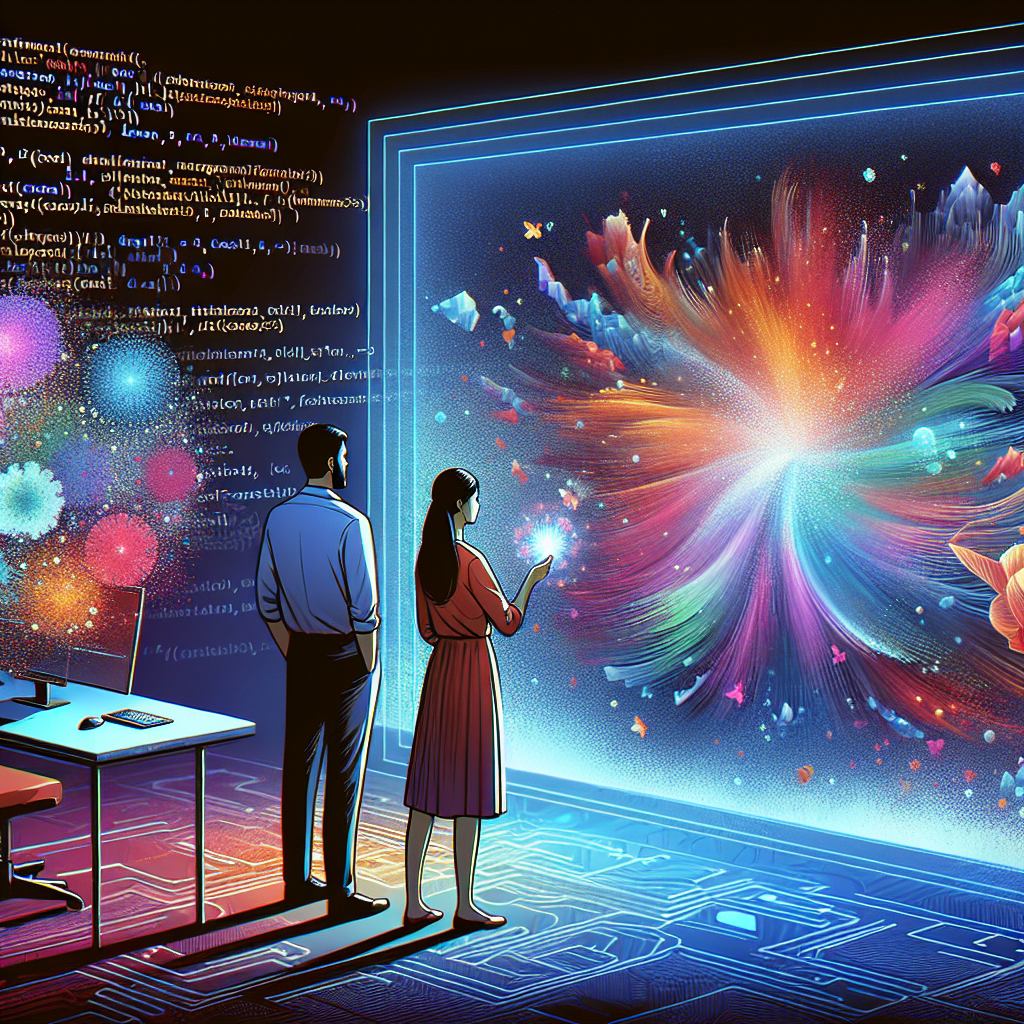
In an age driven by data, where numbers can often tell compelling stories, the art of data visualization has emerged as both a science and an aesthetic discipline. Data visualization transforms raw data into graphical formats that can be easily understood and appreciated, transforming the mundane into the magnificent. This article explores the intersection of code and creativity, showing how technologists and artists alike use programming to create captivating works of art that communicate complex information.
The Science of Data Visualization
At its core, data visualization is about making data accessible and understandable. The significance of data becomes evident when it’s presented in various visual forms—charts, graphs, and infographics—that allow observers to grasp insights quickly. Effective visualization helps to identify patterns, trends, and correlations within datasets that might otherwise go unnoticed.
Key Principles in Data Visualization
-
Clarity: A good visualization should convey the intended message without ambiguity. Clarity is achieved through thoughtful design choices, such as color schemes, typography, and layout.
-
Relevance: Visualizations should prioritize information that is most pertinent to the story you’re telling. Irrelevant details can distract and confuse the audience.
-
Aesthetics: While utility is paramount, the beauty of the visualization can significantly enhance user engagement. This includes harmony in color usage, shapes, and overall composition.
The Artistic Aspect of Data Visualization
Data visualization isn’t merely about conveying facts; it can also be a form of artistic expression. Artists are increasingly leveraging datasets to create visually stunning pieces that invite viewers to interpret information through an emotional lens.
Code as a Creative Medium
Through programming languages like Python, R, and JavaScript, artists turn data into mesmerizing visual displays. Libraries such as D3.js, Datashader, and Matplotlib allow users to manipulate data in innovative ways, producing everything from interactive experiences to stunning static images.
Case Study: The “Data-Driven” Art Movement
A notable example is the "data-driven" art movement, where artists use datasets as the basis for their creations. One famous project, "Wind Map" by Fernanda Viégas and Martin Wattenberg, visualizes real-time wind data across the United States, producing a beautiful, flowing representation of the wind’s direction and speed. This work not only serves an aesthetic purpose but also deepens our understanding of weather patterns.
Programming Tools and Techniques
To create captivating data visualizations, artists and developers rely on various tools and libraries. Here are some popular options:
-
D3.js: This powerful JavaScript library enables the creation of dynamic, interactive visualizations in web browsers.
-
Processing: Often used in the visual arts community, Processing is a flexible software sketchbook that allows for the easy creation of images, animations, and interactions.
-
Tableau & Power BI: While these are more traditional business intelligence tools, they also allow for considerable creativity and design in displaying data visually.
-
p5.js: A JavaScript library that makes coding accessible for artists, p5.js encourages creators to express themselves visually.
Bridging the Gap Between Science and Art
The convergence of science and art in data visualization presents unique opportunities for interdisciplinary collaboration. Scientists and artists can work together to convey complex scientific concepts in visually engaging ways, making research more accessible to the general public. This collaboration supports not just better understanding of scientific data but also raises awareness of critical global issues, from climate change to health crises.
Conclusion
As we continue to navigate a world increasingly defined by data, the ability to visualize that data transforms mundane information into captivating artistry. The blending of code and creativity in data visualization not only serves practical and aesthetic purposes but also enhances our understanding of the world. By continuing to explore new methods and technologies, we can unlock the full potential of data, bridging the gap between numbers and narratives, facts and feelings. In doing so, we turn code into captivating artworks, enriching our collective experience of information in the digital age.


