

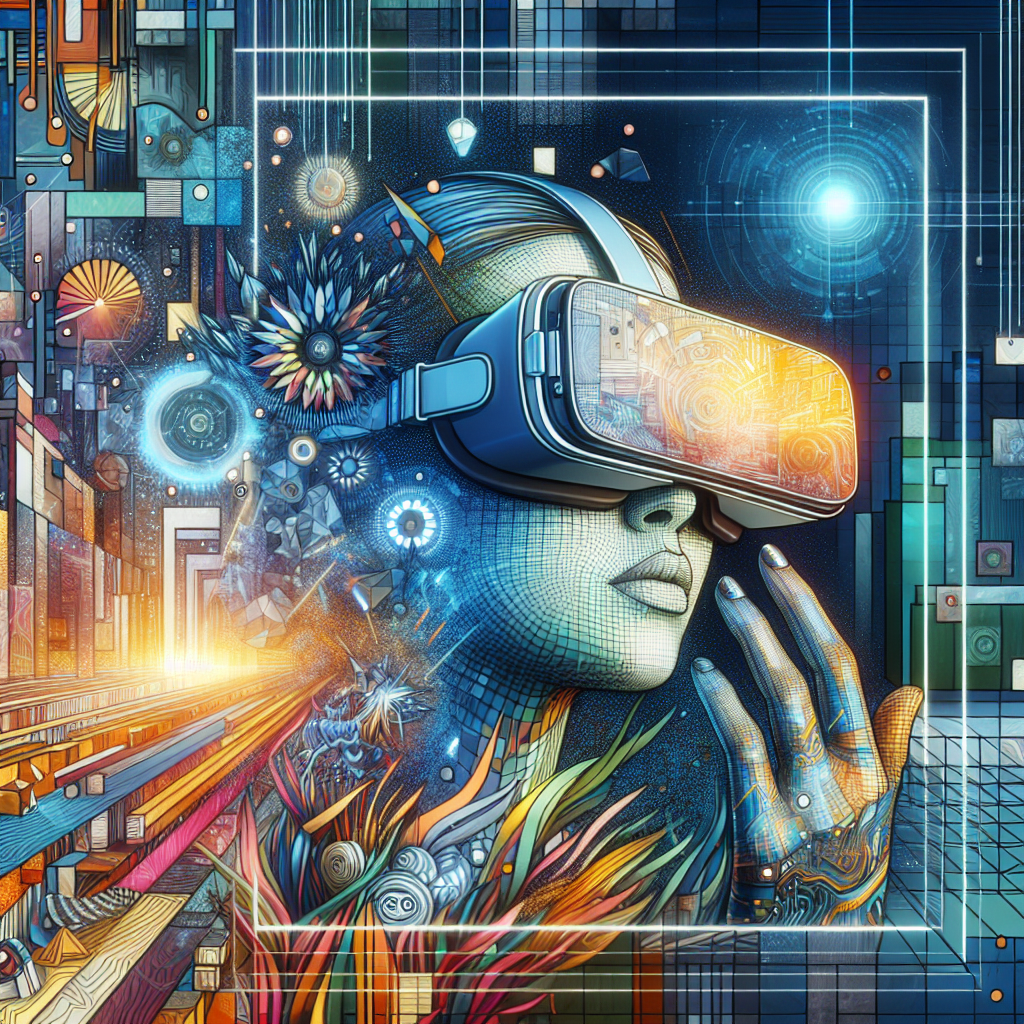
In recent years, the realm of contemporary art has undergone a dynamic transformation, largely fueled by technological advancements. Among these, augmented reality (AR) has emerged as a groundbreaking medium that bridges the gap between physical and digital worlds, allowing artists to create immersive experiences that challenge traditional perceptions of art. This article explores the rise of augmented reality in contemporary art, examining its significance, applications, and implications for both artists and audiences.
Understanding Augmented Reality
Augmented reality is the integration of digital information—such as images, sounds, or GPS data—with the physical world, enhancing the user’s experience of their environment. Unlike virtual reality, which immerses users in a completely digital realm, AR overlays digital elements onto the real world, enabling a hybrid experience that resonates deeply with human interaction.
Tools like smartphones, tablets, and AR glasses have made this technology accessible, allowing artists to engage with audiences in innovative ways. From interactive exhibitions to location-based installations, AR is revolutionizing how art is created, presented, and experienced.
The Evolution of AR in Art
AR’s journey into the art world began with early experiments by pioneering artists and technologists. In the late 20th century, artists like Jaron Lanier and his Virtuality Group began exploring the intersection of technology and art. However, it wasn’t until smartphone technology became widespread in the 2010s that AR gained momentum.
One of the significant milestones in this evolution was the debut of apps like Pokémon GO in 2016, which exemplified the potential for AR to engage the public in interactive experiences. Artists swiftly recognized the potential for similar applications in their work, leading to a surge of AR projects within galleries, public spaces, and online platforms.
Key Figures and Projects
Several prominent contemporary artists have embraced augmented reality as a core aspect of their practice. For instance, Kara Walker, known for her powerful commentary on race and identity, has utilized AR to create immersive environments that invite viewers to interact with her narratives in new ways. Similarly, Rafaël Rozendaal has developed web-based artworks that utilize AR features to enhance viewers’ experiences, blurring the lines between the digital and physical realms.
Projects like the AR-enhanced exhibitions at the Whitney Museum of American Art and the CCA Wattis Institute have showcased how institutions can leverage technology to attract a broader audience. These exhibitions allow viewers to use their smartphones to unlock additional layers of content, creating a more engaging and informative experience.
Implications for Artists and Audiences
The rise of AR in contemporary art has profound implications for both artists and audiences. For artists, AR offers new tools for creativity, enabling them to express ideas and concepts that might be difficult to convey through traditional media. It allows for interactive storytelling and the potential for artworks that evolve in real time based on audience interaction.
For audiences, AR transforms the act of viewing art into an active experience. Instead of passively observing, viewers become participants who can influence the artwork and its narrative. This shift democratizes art consumption, fostering a deeper connection between the artwork and its audience.
Challenges and Considerations
Despite its potential, the integration of augmented reality in art is not without challenges. Issues of accessibility arise, as not all audiences have access to the necessary technology. Additionally, the temporary nature of AR experiences raises questions about permanence and the authenticity of digital artworks.
Moreover, as AR continues to evolve, artists must navigate the complexities of copyright, ownership, and the implications of digital reproduction in a world where art can be easily shared and altered.
The Future of AR in Contemporary Art
As technology continues to advance, the future of augmented reality in contemporary art is poised for even greater exploration and experimentation. Enhanced AR capabilities, such as artificial intelligence and improved graphics, will open new avenues for artists to expand their creative horizons.
The ongoing dialogue between technology and art will surely spark innovative collaborations, blending the imaginative potentials of both fields. As AR becomes more ingrained in the fabric of contemporary art, it will redefine the parameters of artistic expression, creating a richer, more complex understanding of what art can be in a rapidly changing world.
Conclusion
The rise of augmented reality in contemporary art represents a paradigm shift that challenges traditional notions of creativity and audience engagement. As artists harness this powerful technology to create immersive experiences, audiences are invited to interact with and interpret art in increasingly dynamic ways. The melding of the digital and physical worlds in art not only enhances the experience but also prompts us to reflect on the very nature of creativity in the 21st century. With the promise of continued innovation, the future of augmented reality in contemporary art is bright, offering endless possibilities for artistic expression.


