

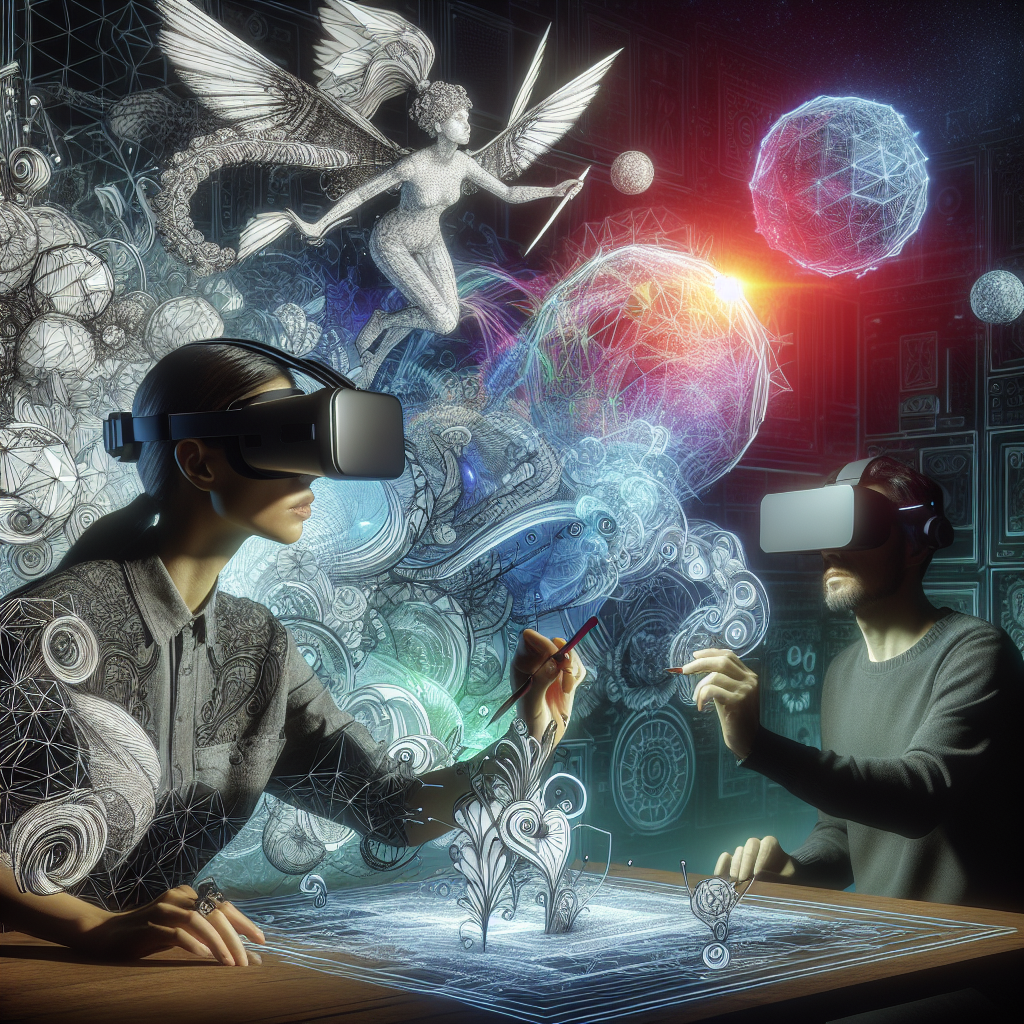
Virtual Reality (VR) has revolutionized the way we engage with technology and art, merging the boundaries between physical and digital realms. This innovative medium has enabled artists and creators to craft immersive experiences that captivate, inspire, and provoke thought. Let’s explore how VR intersects with creativity, reshaping the landscape of tech art.
The Evolution of Tech Art
Tech art has evolved from simple digital illustrations to complex interactive environments that engage audiences on multiple sensory levels. With advancements in VR technology, artists are no longer confined to traditional canvases or screens. Instead, they can create entire worlds that transport users to fantastical landscapes or thought-provoking scenarios.
Historical Context
The concept of immersive art isn’t new; installations and performance art have long challenged conventional viewing methods. However, VR adds a new dimension by allowing audiences to step inside the artwork, influencing their experiences and emotional reactions. Notable early examples include “The Cave” installations of the late 1990s, which used VR technology to create immersive, interactive environments.
The Creative Process in VR
Artists employing VR technology have unique opportunities to explore new dimensions of creativity. Here’s how the creative process is transforming:
1. Spatial Awareness and Interaction
VR allows artists to think in three dimensions, shaping their work within a virtual space. They can manipulate virtual objects and narratives in real-time, fostering a deeper connection between the creator and the creation. This process encourages experimentation, as artists can visualize and revise their ideas without the constraints of physical materials.
2. Collaboration Across Disciplines
The integration of VR in art has bolstered collaboration among technologists, designers, musicians, and writers. This interdisciplinary approach not only broadens the artistic palette but also enhances the overall impact of the work. Artists can combine visual art with soundscapes and interactive elements to create holistic experiences that resonate on multiple levels.
3. Audience Engagement and Participation
Unlike traditional art where viewer engagement is often passive, VR invites active participation. Audiences can explore, manipulate, and even alter the experience, leading to personalized interactions. This shift has significant implications for how stories are told in art, as users become co-creators, shaping narratives based on their movements and choices.
Notable Projects in VR Art
Several groundbreaking projects highlight the potential of VR in tech art:
1. "The Night Cafe"
Inspired by Vincent van Gogh’s "The Night Cafe," this VR experience places users inside an interactive interpretation of the beloved painting. Participants can explore the environment, interact with objects, and immerse themselves in van Gogh’s world, providing a unique perspective on art history.
2. "Tilt Brush" by Google
This VR painting application allows artists to create in a 3D space. With tools that enable the use of colors, textures, and even animations, artists can bring their visions to life in ways that were previously unimaginable, pushing the limits of creativity.
3. "Tree" by Jonathan Hagard
In "Tree," users grow their own virtual tree, affecting the environment around it. The experience highlights the relationship between nature and human impact, creating an emotional connection that is both poignant and engaging.
Challenges and Considerations
Despite its potential, the integration of VR in art also presents challenges. The technology can be expensive and requires significant resources for development. Moreover, the immersive nature of VR can induce feelings of discomfort or disorientation in some users, raising questions about accessibility.
Ethical Considerations
As artists explore new narratives through VR, ethical considerations arise, particularly in terms of representation and inclusivity. Artists are tasked with ensuring that their experiences resonate with diverse audiences while challenging societal norms and narratives.
The Future of VR in Tech Art
The future of VR in tech art is promising, with advancements in technology making these immersive experiences more accessible. As VR headsets become increasingly user-friendly and affordable, more artists will explore this medium.
Moreover, the rise of the metaverse presents unique opportunities for collaboration and exhibitions, allowing artists to reach global audiences. Virtual galleries are already becoming commonplace, where artists can showcase their work to millions without geographical constraints.
Conclusion
As Virtual Reality continues to evolve, its intersection with creativity offers abundant possibilities. Immersive experiences in tech art enable new forms of expression, challenge traditional storytelling, and create lasting impact. The fusion of technology and art not only transforms how we create but also how we experience and engage with the world around us. In this new frontier, the only limit is our imagination.


