Virtual Reality (VR) has revolutionized multiple sectors, but its impact on the world of art is particularly profound. With its immersive capabilities, VR paves the way for artists to explore uncharted territories and engage audiences in experiential ways that traditional media cannot replicate.
1. The Evolution of Artistic Expression
Art has continuously evolved through various epochs, from the cave paintings of prehistoric times to the installation art of contemporary galleries. As technology advances, each new medium expands the boundaries of creativity. Virtual Reality represents a significant leap forward. Artists can now create three-dimensional spaces that engage multiple senses, enabling audiences to interact with and experience art in immersive environments.
2. Immersive Experiences
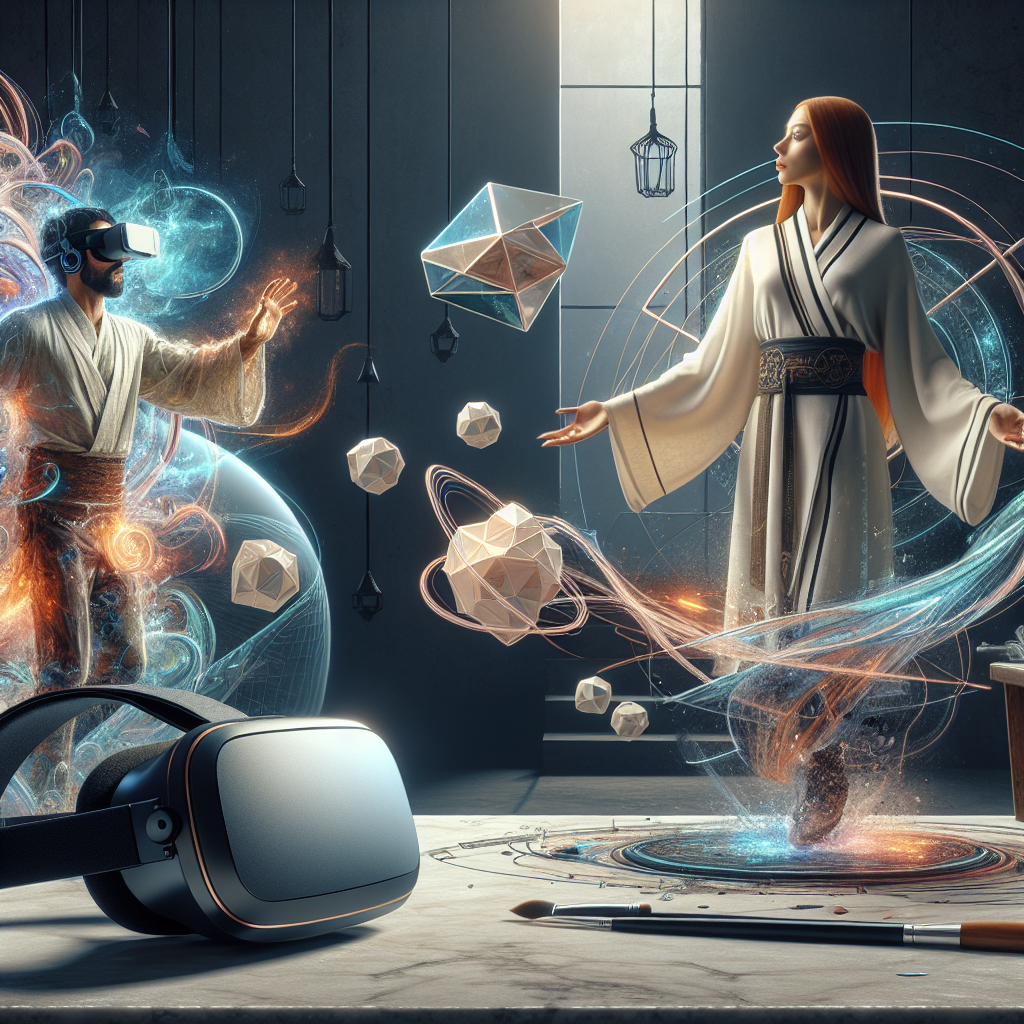
Traditional artworks can be static, often requiring observers to engage with them from a distance. However, VR allows for full immersion, enabling viewers to step inside and move around a digital artwork. This interaction transforms passive observation into active participation. For example, through VR, users can explore an entire art installation, walk through dynamic landscapes, or even alter aspects of the environment based on their actions.
Case Study: "The Night Cafe"
One notable example is "The Night Cafe," a VR recreation of Vincent van Gogh’s famous painting. This project invites users to navigate through the space, interact with objects, and experience the world in a way that feels like stepping into a painting. Such projects provide a novel platform for storytelling and emotional connection in art.
3. New Creative Tools
VR offers unique tools that can expand how artists create. Software like Tilt Brush and Quill allows artists to paint and sculpt in a three-dimensional space, creating works that defy gravity and traditional constraints. These tools enable the exploration of new dimensions and forms, allowing artists to realize their visions in ways previously thought impossible.
The Role of Collaboration
Collaborative projects often flourish in VR environments, where multiple creators can contribute to a shared virtual space in real-time. This can lead to multidisciplinary works that incorporate elements of performance, music, and visual art, further enriching the creative landscape.
4. Audience Engagement and Accessibility
VR democratizes access to art. Museums and galleries can offer virtual tours, allowing people worldwide to experience their collections without geographical barriers. This accessibility broadens the audience base and encourages diverse participation in the art community.
Educational Opportunities
Moreover, VR offers innovative educational tools. Institutions can create immersive learning experiences that teach art history, techniques, and the creative process in engaging ways. For instance, students can observe the layering techniques of masters like Monet, or experiment with digital sculpture without needing traditional materials.
5. Challenges and Considerations
While the possibilities are exciting, challenges remain. Not all artists possess the technical skills to use VR tools, and the cost of equipment can be prohibitive. Additionally, there are ongoing discussions about the impact of VR on the art market and issues related to copyright, ownership, and the authenticity of digital art.
A Balancing Act
Balancing innovation with accessibility will be crucial as VR continues to grow within the art world. By providing training and resources, institutions can help ensure that a wider range of artists can participate in this new medium.
6. The Future of VR in Art
As technology continues to advance, the potential of VR in art will only expand. The incorporation of artificial intelligence, augmented reality, and improved haptics holds the promise of even more interactive experiences that blur the lines between digital and physical art.
Conclusion
Virtual Reality is not just another tool for artists; it is a transformative medium that offers unprecedented avenues for exploration, expression, and engagement. By embracing this technological revolution, artists can create immersive, dynamic works that challenge perceptions and redefine the very nature of art. As we move into this new dimension, the art world stands on the brink of endless possibilities.