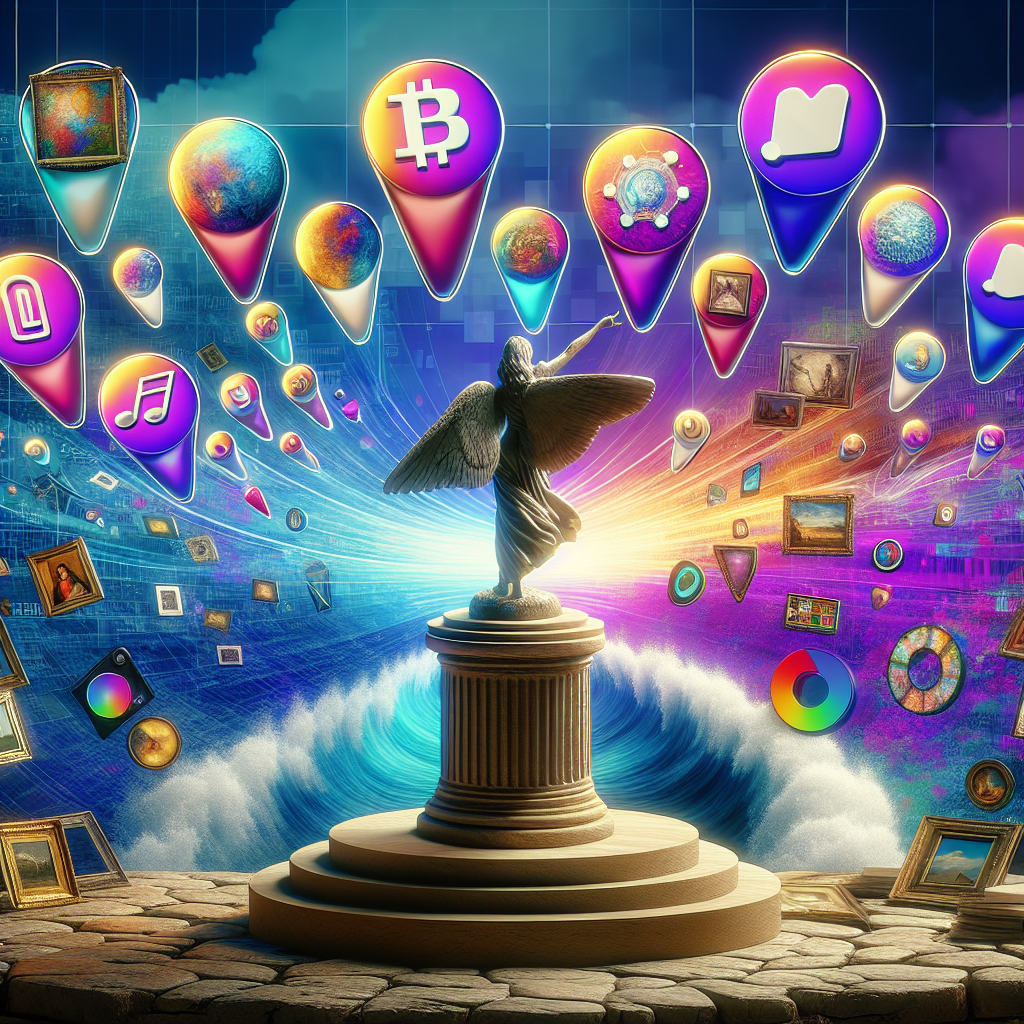
As digital art continues to evolve, so does the technology that supports it. In recent years, Non-Fungible Tokens (NFTs) have taken the art world by storm, offering creators a new platform to monetize their work while providing collectors with a unique way to own and trade digital assets. However, as we head toward 2025, we are witnessing the emergence of NFTs 2.0, which promises to revolutionize the landscape even further. This article explores the factors driving this evolution and what we can expect for digital art in the near future.
The Evolution of NFTs: From Hype to Utility
Initially, NFTs were met with a mix of excitement and skepticism. The unique characteristics of NFTs enabled artists to sell their digital artwork directly to consumers, fostering a direct relationship and higher profit margins. Early adopters like Beeple and Grimes made headlines with auction prices reaching into the millions, capturing the public’s imagination.
However, as the market matured, so did the demand for functionality and utility in NFTs. NFTs 1.0 were often criticized for high energy consumption and lack of interoperability between various blockchain platforms. As artists, collectors, and investors sought more sustainable and versatile options, the foundation for NFTs 2.0 began to form.
Key Features of NFTs 2.0
1. Interoperability
One of the foremost advancements expected in NFTs 2.0 is better interoperability. With multiple blockchain ecosystems competing for dominance, a fragmented marketplace has made it difficult for NFTs to operate seamlessly across platforms. Future developments will prioritize cross-chain functionality, allowing artists and collectors to utilize their digital assets on various blockchain networks without restrictions.
2. Enhanced Utility
Beyond mere ownership, NFTs 2.0 will focus on providing functional benefits. This includes features like royalties for artists on secondary sales, unlockable content, and integration with virtual experiences like metaverses. Artists will not only create digital art but also provide collectors with added value, such as exclusive access to physical events, merchandise, and collaborations.
3. Sustainability
Environmental concerns surrounding blockchain technology have heightened awareness around the energy consumption of minting and trading NFTs. The move towards more sustainable solutions, like proof-of-stake blockchains, will be crucial in attracting a broader audience while aligning with the growing eco-conscious values of consumers.
4. Fractional Ownership
Fractional ownership of NFTs will enable more people to invest in high-value digital art. By allowing multiple investors to own a portion of a digital asset, access to the art market will widen, democratizing ownership and enabling a new wave of collectors. This approach will also provide liquidity options for art investments that were previously absorbed into long-term holds.
5. Integration with Augmented and Virtual Reality
The potential for NFTs 2.0 lies in their integration with augmented reality (AR) and virtual reality (VR). Artists will be able to create immersive experiences that extend beyond traditional digital canvases. Imagine walking through a virtual gallery where each piece is an NFT that offers a unique experience—beyond just visual aesthetics.
What’s Next for Digital Art in 2025?
1. Broader Acceptance and Mainstream Adoption
By 2025, the art world will likely witness a broader acceptance of digital art and NFTs. Major galleries and institutions will integrate digital art into their offerings, presenting it alongside traditional works. This shift will further legitimize NFTs as a valuable art form.
2. Evolution of Artists’ Roles
Artists will assume expanded roles beyond mere creators. They will become curators, community builders, and advocates for their work in various formats—both physical and digital. As the NFT ecosystem grows, artists will also engage more directly with their audiences.
3. Regulations and Standards
As the NFT space matures, so will the need for regulatory frameworks to protect artists and collectors. Standards for authenticity and ownership will be established, focusing on the rights of creators. These regulations will make the marketplace more reliable and secure for investors.
4. The Rise of Digital Art Collecting Communities
Collectors will form more tight-knit communities around the art they own, encouraging collaborative projects and sharing of digital assets. Social media platforms and marketplaces will promote these communities, creating a culture of support and growth among artists and collectors alike.
Conclusion
As we look towards 2025, NFTs 2.0 heralds a new era not just for artists but for the art world as a whole. Interoperability, enhanced utility, sustainability, fractional ownership, and integration with AR and VR are set to redefine how digital art is created, traded, and experienced. The journey from novelty to necessity is underway, and the future promises to be as vibrant and dynamic as the art it supports. With innovation at the helm, the rise of NFTs 2.0 will fundamentally reshape the landscape of digital art, beckoning an exciting new chapter.