

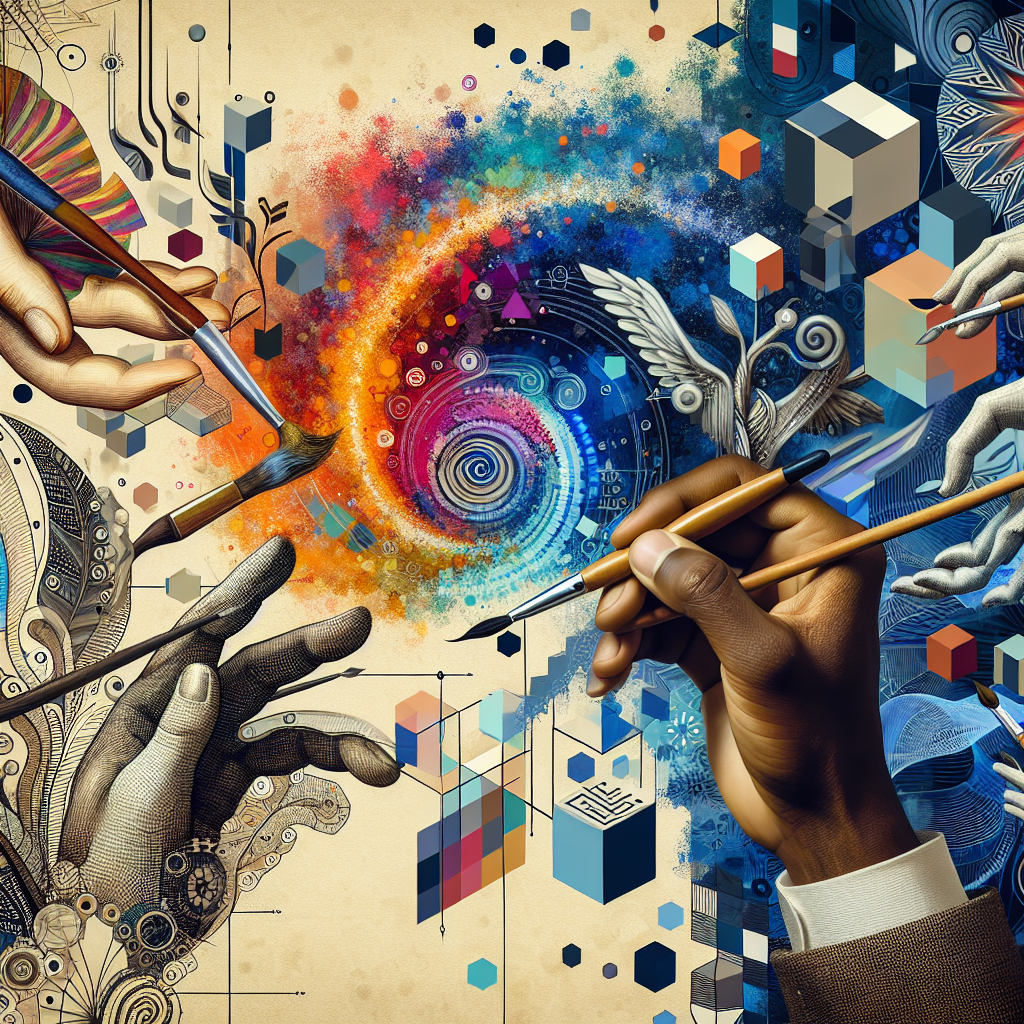
The Rise of Generative Art: Tools and Techniques for Modern Artists
In recent years, the art world has witnessed a profound transformation with the advent of generative art. This innovative approach marries technology and creativity, enabling artists to create captivating works through algorithms, code, and computational processes. As digital tools become more accessible, generative art is rapidly gaining traction among both seasoned professionals and emerging talents. This article explores the rise of generative art, the tools that empower artists, and the techniques that define this fascinating movement.
Understanding Generative Art
Generative art refers to artworks that have been created in part or full through automated systems. These systems often involve algorithms and mathematical equations that dictate how the artwork evolves. Unlike traditional art forms, where the artist maintains complete control, generative art introduces an element of randomness and unpredictability, leading to unique outcomes even when the same code is used multiple times.
Historical Context
The roots of generative art can be traced back to the mid-20th century, when pioneers like Frieder Nake and Harold Cohen began experimenting with computers as creative tools. These early explorations laid the groundwork for the incorporation of technology in art. However, it wasn’t until the rise of processing power and user-friendly software in the 21st century that generative art began to flourish, culminating in a thriving community of artists and enthusiasts.
Key Tools for Generative Artists
1. Programming Languages
-
Processing: A flexible software sketchbook and a language for learning how to code within the context of the visual arts. It’s widely used for creating 2D graphics, animations, and interactive installations.
-
p5.js: A JavaScript library that makes coding accessible for artists to create web-based visual works. Its syntax is simplified, allowing artists to focus on creativity rather than programming complexities.
-
OpenFrameworks: An open-source C++ toolkit designed for creative coding. It’s suitable for more complex applications, including installations and interactive experiences.
2. Generative Software
-
TouchDesigner: A node-based visual programming language primarily used for creating interactive multimedia projects. Artists can manipulate real-time data, making it ideal for immersive installations.
-
Resolve: A platform that combines machine learning with generative art tools, allowing artists to explore new dimensions of creativity by leveraging AI.
-
Artbreeder: A web-based platform that combines images using GANs (Generative Adversarial Networks). Users can mix and morph images to create new visual artworks collaboratively.
Techniques in Generative Art
1. Algorithmic Design
At the core of generative art is algorithmic design, where artists create rules or sets of instructions that define how elements—such as shapes, colors, and textures—interact with one another. This technique can lead to stunning visuals that might not have been possible through traditional methods.
2. Data Visualization
Many generative artists use data as a source for their creations. By converting data sets into visual forms, artists can create pieces that not only look beautiful but also convey information in engaging ways. For instance, artists can visualize climate data to comment on environmental issues.
3. Machine Learning
Machine learning techniques allow generative artists to train algorithms on existing artwork, enabling them to generate new pieces that mimic styles or innovate new forms. This fusion of art and AI raises interesting questions about authorship and creativity.
4. Interactive Installations
Generative art often invites viewer participation, transforming static installations into dynamic experiences. By integrating sensors and responsive technologies, artists can create environments that evolve based on audience interaction, making the viewer an integral part of the artwork.
The Future of Generative Art
As technology continues to evolve, the possibilities for generative art are seemingly endless. With advancements in AI and machine learning, artists can push the boundaries of creativity, exploring new techniques and mediums. Furthermore, the accessibility of digital tools means that anyone with a passion for art and technology can participate in this exciting movement.
Conclusion
The rise of generative art marks a significant shift in how we perceive and create art. With its unique blend of technology, algorithm, and creativity, generative art continues to inspire artists and audiences alike. As the community grows and technology advances, generative art is set to redefine the artistic landscape of the future, challenging notions of creativity, authorship, and expression. In this new era, artists are not just creators but also curators of code and concepts, inviting us to see the world through a refreshing, algorithmic lens.


