

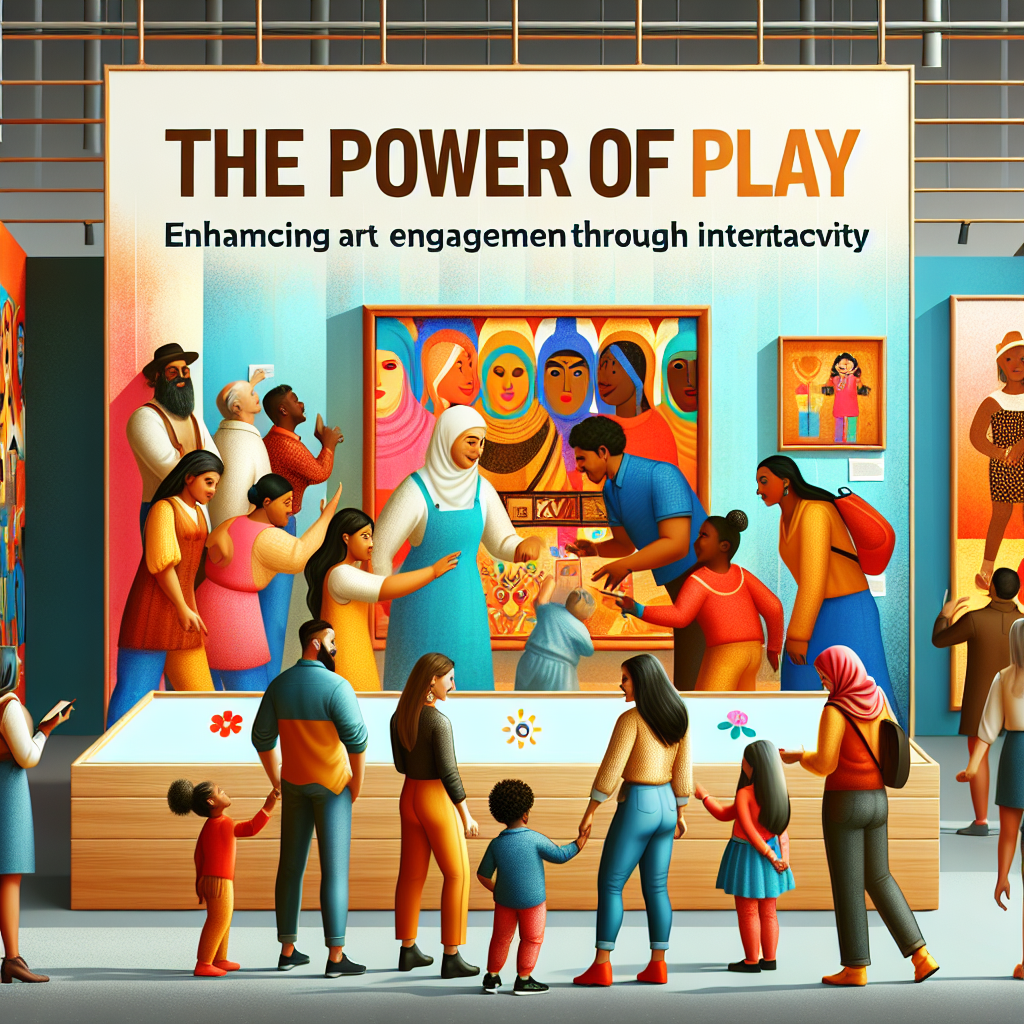
In the digital age, where attention spans are dwindling and information overload is the norm, finding innovative ways to engage audiences is more crucial than ever, particularly in the arts. One of the most compelling avenues for enhancing art engagement is through interactivity—the concept of play. By incorporating playful elements into art experiences, museums, galleries, and artists can not only attract diverse audiences but also foster a deeper, more meaningful connection with art.
The Intersection of Art and Play
Play is a fundamental human experience. It is a vital aspect of learning, creativity, and socialization. When applied to art, play transforms passive observation into active participation. This shift from viewer to participant can enhance emotional connections to the artwork, making art more approachable and relatable.
Interactive art engages all the senses, encouraging viewers to explore artworks in ways that traditional viewing does not permit. Examples range from immersive installations that allow visitors to walk through and interact with physical environments to digital experiences that invite users to manipulate elements on a screen.
Benefits of Interactive Art Engagement
1. Fostering Creativity
Interactivity in art encourages individuals to express themselves creatively. When viewers are invited to contribute their ideas or manipulate the artwork, it promotes an atmosphere of collaboration and experimentation. This can lead to spontaneous moments of creativity that enhance the overall experience.
2. Enhancing Critical Thinking
Interactive experiences challenge viewers to think critically about art. They must engage with the concepts and intentions behind a piece, fostering a deeper understanding of the artist’s message. Open-ended questions and choices can spark dialogue and reflection, enriching the viewer’s experience.
3. Catering to Diverse Audiences
Playful and interactive elements can attract a wider audience, including children, families, and those who may not usually engage with traditional art forms. This accessibility helps demystify art, making it inclusive and inviting for everyone. The blend of fun and education can turn a visit to an art space into a memorable experience.
Examples of Interactivity in Art
1. Interactive Installations
Many contemporary artists create installations that invite viewer participation. Take the works of Olafur Eliasson, for example, where installations like "The Weather Project" allow viewers to exist within an artist-created atmosphere, prompting them to reflect on the relationship between nature and human experience.
2. Digital Art Platforms
With the rise of technology, digital art platforms offer new avenues for interactivity. Applications that let users modify artwork, or websites that function like virtual galleries with interactive components, have opened the door for audiences to engage with art in novel ways.
3. Gamification in Exhibitions
Gamifying an art experience can enhance engagement. Museums can create scavenger hunts or challenges that encourage visitors to explore various areas of a gallery, rewarding them for discovering hidden details or learning about specific artworks.
Conclusion
The power of play in enhancing art engagement transcends traditional viewing experiences. By emphasizing interactivity, art spaces can transform how audiences connect with art, facilitating creativity, critical thinking, and inclusivity. As the art world continues to evolve, embracing playful engagement will be vital in ensuring that art remains a relevant and enriching experience for all. Through the integration of these elements, artists and institutions can harness the transformative power of play to invite everyone into the beautiful and complex world of art.


