

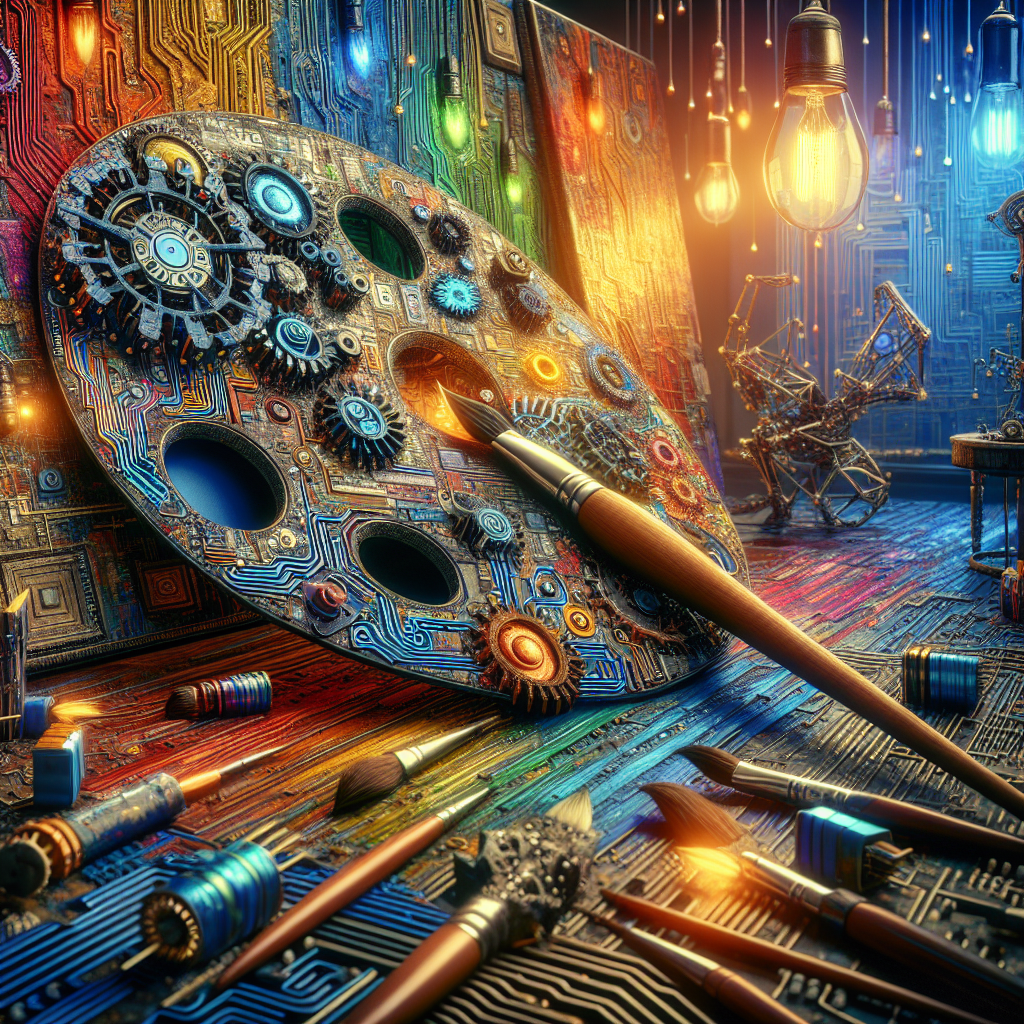
In the age of digital innovation, a new wave of artists is emerging, reshaping the landscape of creativity and expression. This movement, often dubbed the "New Renaissance," is defined by a fusion of traditional artistry and modern technology. These pioneering artists are breaking boundaries, exploring new mediums, and redefining what it means to be an artist in the 21st century.
The Intersection of Art and Technology
Historically, the Renaissance was marked by a profound transformation in artistic techniques and subject matter, juxtaposed with advances in science and philosophy. Similarly, today’s tech artists are leveraging digital tools and technologies—such as artificial intelligence (AI), virtual reality (VR), and augmented reality (AR)—to create art that engages viewers in unprecedented ways.
Furthermore, these artists are not just using technology as a tool; they are deeply integrating it into their creative processes, allowing it to influence their work’s themes and concepts.
Key Pioneers of Tech Art
1. Refik Anadol
Refik Anadol is a prominent figure in the realm of data-driven art. Utilizing AI and machine learning, he transforms datasets into immersive visualizations. His works, often displayed as large-scale installations, challenge our perceptions of space and time. For instance, his project “Archive Dreaming” reimagines the future of architecture through the lens of data, allowing viewers to experience curated digital narratives.
2. Casey Reas
As one of the co-founders of Processing, a flexible software sketchbook and a language for learning how to code within the context of the visual arts, Casey Reas combines art and programming. His generative artwork experiments create unique pieces that evolve over time, highlighting the balance between randomness and structure in art. Reas’s work brings attention to the aesthetic possibilities of algorithms, opening up new avenues for expression.
3. TeamLab
This Tokyo-based collective is revolutionizing the way people interact with art. TeamLab’s immersive installations often incorporate light, sound, and digital technology to create participatory experiences. Their works blur the lines between the digital and physical realms, inviting viewers to engage dynamically. One of their well-known installations, "Borderless," allows visitors to step into a world where digital artworks respond to their movements, creating a uniquely personalized encounter.
4. Jennifer Steinkamp
Known for her immersive video installations, Jennifer Steinkamp uses animation to explore the relationship between nature and technology. Her works often reflect on themes of transience and transformation, combining digital media with landscapes and botanical imagery. By melding the organic with the digital, Steinkamp invites viewers to reconsider their connection to both nature and technology.
5. Mario Klingemann
A pioneer in the field of neural networks and AI art, Mario Klingemann uses machine learning to create mesmerizing visuals that challenge the concept of authorship in art. Through his work, he explores how algorithms can learn and generate new creative outputs. His pieces often serve as reflections on the nature of creativity, identity, and the role of technology in the artistic process.
The Cultural Impact of Tech Art
Tech art is not just a new form of artistic expression; it’s also a commentary on contemporary society. As artists harness technology, they address pressing issues such as data privacy, artificial intelligence ethics, and the impact of digital culture on human identity. This intersection of art and technology fosters critical discussions about our rapidly evolving world, pushing audiences to reflect on the implications of these advancements.
The Future of Art in a Digital Age
The New Renaissance represents both a challenge and an opportunity for the art world. As traditional galleries and institutions grapple with the implications of digital art, innovative artists are experimenting freely, often bypassing conventional exhibition spaces. The rise of NFTs (non-fungible tokens) is further transforming the art market, providing artists with new platforms to sell and distribute their work.
In conclusion, the pioneers of tech art are reshaping the boundaries of artistic expression. As technology continues to evolve, so will the possibilities for artistic innovation, forging a path toward a future where creativity is boundless. The New Renaissance invites us to not only witness this transformation but to engage with and reflect on the multitude of perspectives it brings to our contemporary experience.


