

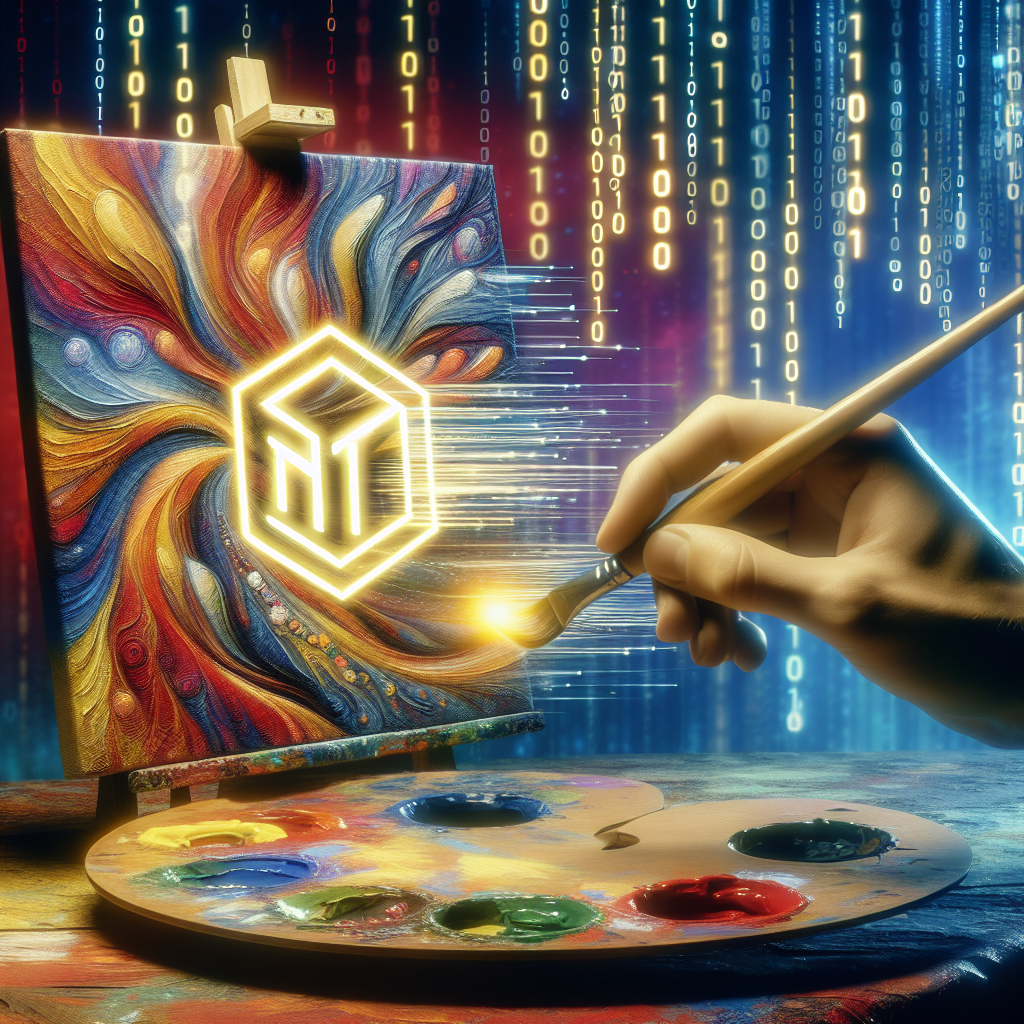
The art world is no stranger to innovation. From the Renaissance to Abstract Expressionism, each era has marked a pivotal transformation in how art is created, consumed, and valued. However, the advent of Non-Fungible Tokens (NFTs) in recent years signals an unprecedented leap into a digital frontier that is reshaping the entire landscape of art. As we delve into 2023, the intersection of tradition and technology in NFT art offers a compelling narrative about the future of creativity and ownership.
Understanding NFTs
Non-Fungible Tokens are unique digital assets verified using blockchain technology. Unlike cryptocurrencies, which are interchangeable, NFTs represent ownership of a specific digital item—be it art, music, or even tweets—making them singular in nature. This uniqueness grants artists new avenues to monetize their work, while collectors benefit from verifiable ownership and provenance.
Bridging the Gap: Tradition Meets Technology
Revitalizing Traditional Art Forms
In 2023, museums and galleries begin to explore the synthesis of traditional art with digital formats. Artists often blend classic techniques with digital tools, creating hybrid works that resonate with diverse audiences. For instance, painters might integrate augmented reality (AR) elements into their canvases, allowing viewers to interact with the artwork via their smartphones. This convergence of mediums not only attracts younger audiences but also rejuvenates interest in art forms that have existed for centuries.
Expanding Access
NFT art is democratizing the art market. Traditionally, the artwork of established artists commanded exorbitant prices, limiting access to a select few collectors. However, NFT marketplaces enable emerging artists to reach a global audience, selling works at prices that vary widely. This inclusivity fosters a more diverse art scene, where anyone can discover and collect works from all over the globe.
Preserving Cultural Heritage
NFTs can also help in the preservation of cultural heritage. Many indigenous and traditional artists are turning to NFTs to share their art and stories securely and ethically. By creating digital twins of cultural artifacts, they not only preserve their heritage but also ensure that they are compensated for the usage of their cultural symbols and works in the digital space.
Challenges and Critiques
Despite its promise, the NFT art market faces significant challenges. Environmental concerns regarding blockchain technology and its carbon footprint are at the forefront. Many platforms are working to transition to more sustainable methods, but it remains a pressing issue for conscious creators and collectors.
Additionally, the NFT space is rife with scams and copyright infringements. Ensuring authenticity and protecting artists’ rights are fundamental challenges that the industry continues to confront.
The Role of Community
Community has become a central theme in the NFT landscape. Many artists are leveraging social media platforms to build loyal followings and engage directly with their collectors. Online communities and virtual reality spaces facilitate these interactions, creating a sense of belonging and investment in an artist’s journey. This grassroots approach contrasts with the traditional auction model, where buyers often operate in isolation.
The Future of NFT Art
As we move further into 2023, the future of NFT art looks promising yet uncertain. Major art institutions are now cautiously entering the space with exhibitions dedicated to NFT art, signaling a broader acceptance of digital formats within traditional art circles. This evolution reflects a growing acknowledgment that art need not adhere strictly to historical norms to possess value and significance.
A New Frontier for Collaboration
Collaboration among artists, technologists, and brands is likely to drive the next wave of innovation. As the lines between digital content and authentic experience blur, new interdisciplinary projects will arise. We may soon see interactive pieces that respond to viewers’ emotions or installations that incorporate AI in real-time to adapt and evolve.
Conclusion
In 2023, the intersection of tradition and technology within the NFT art space reveals an exciting yet complex narrative. It holds the potential to redefine art ownership, access, and engagement. As artists continue to carve out unique identities in this realm, the challenge remains to navigate the complexities while celebrating the rich heritage that art embodies. The fusion of artistic tradition and digital innovation not only enriches the tapestry of global art but also invites a broader audience to partake in its evolution. The future is indeed bright for NFT art, as creativity flourishes at the nexus of the past and the future.


